

Factors That Influence Roof Installation Pricing Today
Introduction
Roof installation is a major home improvement project, and the final price can vary considerably from one property to another. Homeowners often expect to receive a simple price based on the size of the roof, but several other factors can influence the total investment. Material selection, labor requirements, roof design, existing roof condition, and local market conditions can all affect the amount a homeowner ultimately pays.
Understanding these factors before requesting a roofing estimate can make the planning process much easier. Instead of looking only at the final price, homeowners can understand why one roofing project costs more than another and determine whether the proposed work provides reasonable value. A detailed estimate should reflect the actual conditions of the property rather than relying on a standard price.
Roofing prices can also change over time because material costs, transportation expenses, labor rates, and demand are not always stable. Contractors may need to adjust their pricing according to current operating costs and the availability of roofing products. This makes it especially important to obtain an updated estimate when planning a new roof.
Current Roof Installation Pricing Overview
There is no universal roof installation price that applies to every home. Even two properties with similar dimensions can have different project costs because their roof designs, materials, accessibility, and existing conditions may not be the same. A professional inspection is therefore more useful than relying only on general online pricing figures.
The size of the roof remains one of the most important pricing factors, but it is only the starting point. Contractors must also consider how much material is needed for overlaps, cuts, valleys, ridges, edges, and other areas. Labor requirements can increase when the roof has a steep slope or complicated layout.
The roofing material selected by the homeowner can create another significant difference. Basic asphalt shingles, architectural shingles, metal roofing, tile, and slate all have different material prices and installation requirements. Some materials also require specialized tools or experienced installers, which can increase labor costs.
A roofing estimate may therefore contain several individual cost categories rather than one simple charge. Understanding these categories helps homeowners compare proposals and identify which factors are responsible for the differences between contractors.
Roof Size and Total Square Footage
Roof size directly affects the amount of material and labor required for an installation. Contractors generally calculate roofing quantities based on the actual roof surface rather than simply using the home’s floor area. A larger roof requires more roofing materials, underlayment, fasteners, flashing, ventilation components, and installation time.
Roofing contractors commonly use the term “square” when measuring roofing materials. One roofing square represents 100 square feet of roof coverage, although additional material is normally required to account for cuts, overlaps, starter courses, ridges, valleys, and installation waste.
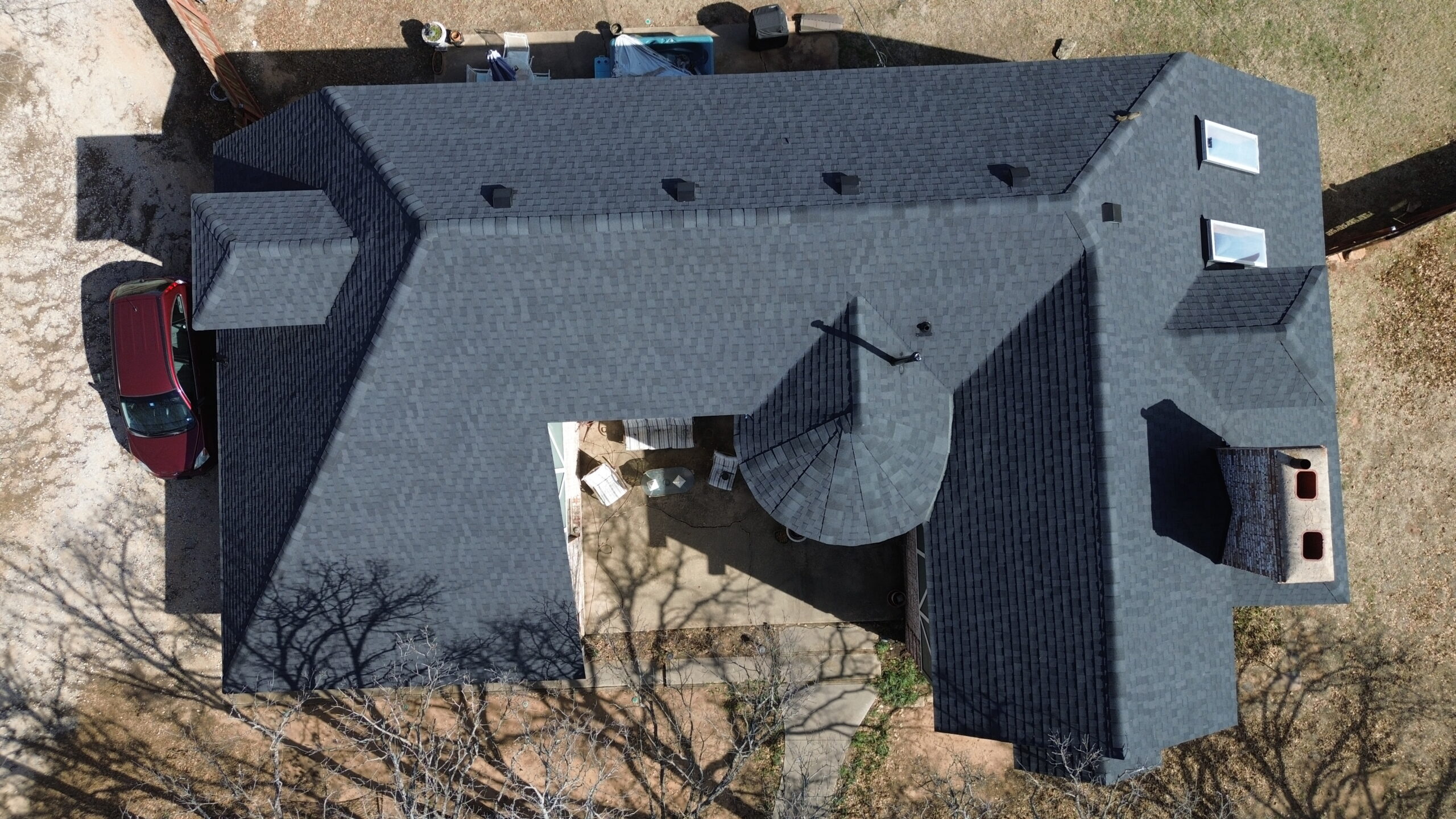
The shape of the roof can also make the actual surface area different from what a homeowner might expect. A house with a simple roof may have a relatively efficient material layout, while a more complex roof can require additional material because of numerous angles and sections.
Homeowners should therefore avoid estimating the project price only by looking at the property’s floor plan. A professional roof measurement provides a more accurate basis for calculating material requirements and labor.
Roofing Material Selection
The type of roofing material is one of the most visible factors affecting installation pricing. Different materials have different purchase costs, expected service lives, installation methods, and maintenance requirements. The material selected can therefore influence both the initial investment and the long-term ownership cost.
Asphalt shingles are widely used because they are available in various styles and price levels. Basic products may provide a more economical installation, while higher-grade architectural or specialty shingles can increase the material cost. The selected product can also affect the appearance and performance characteristics of the finished roof.
Metal roofing can have a higher initial installation cost than many asphalt shingle systems. The exact price depends on the type of metal, panel design, coating, thickness, and installation method. Homeowners considering metal roofing should compare the expected service life and maintenance requirements rather than focusing only on the initial price.
Tile and slate can also increase the project cost because of their material price, weight, handling requirements, and specialized installation techniques. In some cases, structural considerations may need to be evaluated before these heavier materials are installed.
Roof Pitch and Slope
The pitch of a roof affects both installation difficulty and labor requirements. A roof with a moderate slope may allow workers to move around the surface more efficiently, while a steep roof can require additional safety equipment and more careful installation procedures.
Steeper roofs may also take longer to install because workers need to maintain safe working positions while handling materials. Equipment such as roof brackets, harness systems, staging, or specialized access equipment may be necessary depending on the property and applicable safety practices.
Roof pitch can influence material calculations as well. A steep roof has a larger actual surface area compared with the horizontal footprint of the building. This means that a house with the same floor dimensions as another property may require more roofing material if its roof has a significantly steeper slope.
Homeowners should therefore expect roof pitch to appear as a factor in professional estimates. A higher installation price for a steep or difficult roof does not necessarily indicate excessive pricing when additional labor and safety requirements are involved.
Roof Design and Complexity
A simple roof design is generally easier and faster to install than a roof containing numerous sections, intersections, and architectural features. Gable roofs with straightforward slopes may require fewer detailed cuts and transitions, while hip roofs and complex multi-section designs can involve considerably more work.
Roof valleys are particularly important because they require careful installation to direct water away from areas where roof sections meet. Dormers, hips, ridges, transitions, and changes in roof direction can also increase the amount of cutting and fitting required during installation.
Complex designs may require additional flashing and waterproofing materials. Installers must pay close attention to each transition because poorly handled details can create potential paths for water intrusion. The additional labor involved in these areas can therefore contribute to a higher installation price.
A homeowner should not assume that two roofs with the same square footage should cost the same. The number of roof sections and detailed installation areas can make a substantial difference in the amount of labor involved.
Labor Costs
Labor represents a significant part of most professional roof installation projects. Roofing requires physical work at height, careful material handling, accurate installation, and knowledge of roofing systems. The number of workers required and the amount of time needed to complete the project can therefore influence the final price.
Labor rates vary between regions and contractors. Companies must account for wages, insurance, equipment, transportation, training, supervision, and other operating expenses when determining their pricing. A contractor with experienced crews may charge more than an inexperienced installer, but the additional cost can reflect the quality and reliability of the work.
Project complexity can increase labor requirements even when the roof itself is relatively small. A small roof with multiple penetrations, difficult access, steep sections, or extensive repairs may take more time than a larger but straightforward roof.
Homeowners should also determine whether the quoted labor includes preparation, installation, cleanup, and other services. Comparing only an hourly rate or total labor figure without understanding the scope of work can make it difficult to determine which contractor is offering better value.
Existing Roof Condition
The condition of the existing roof can have a major effect on installation pricing. A roof that is relatively sound and requires straightforward removal may be less expensive to replace than a roof with extensive deterioration or hidden damage.
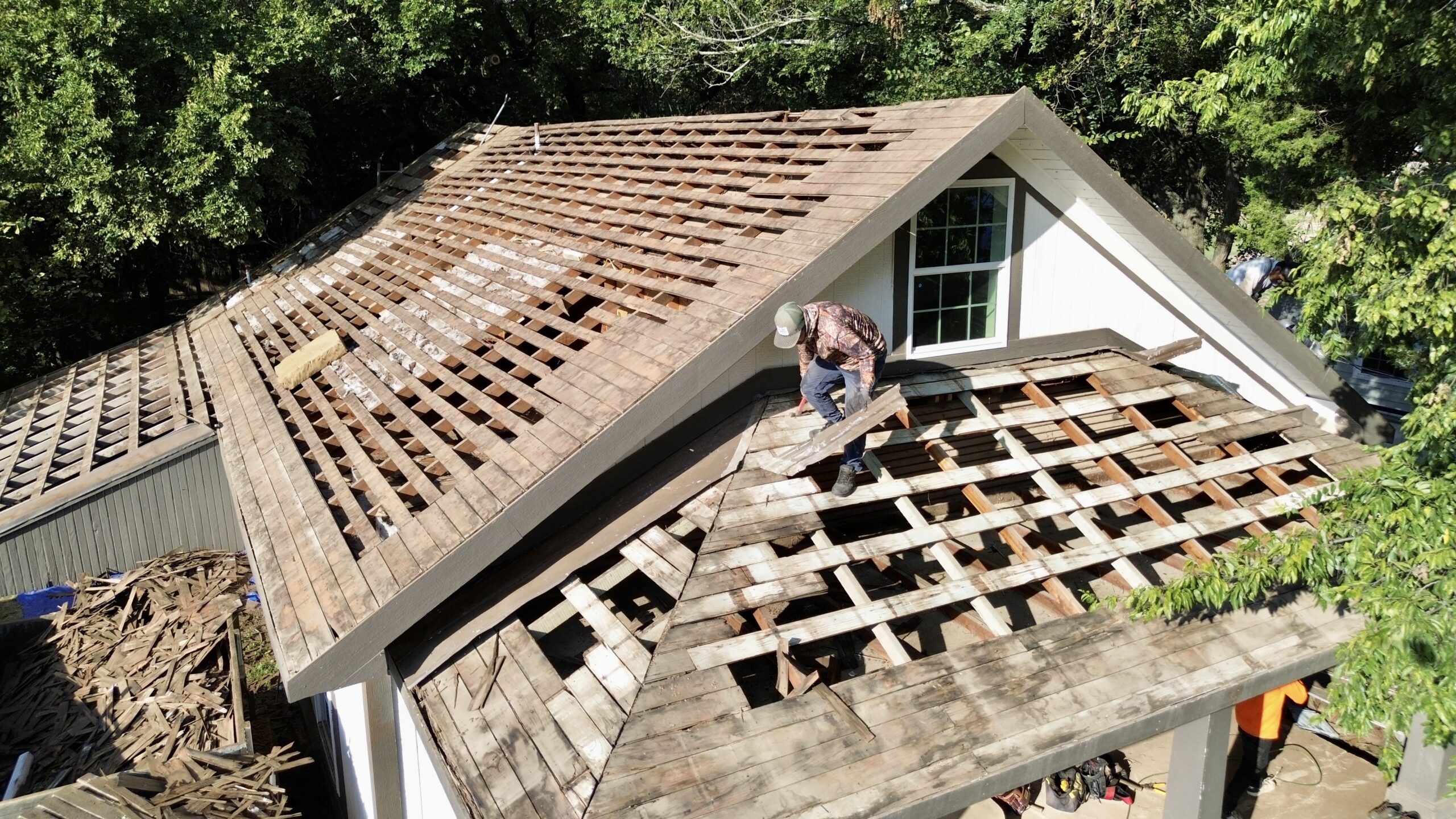
Problems beneath the visible roofing materials can sometimes remain unnoticed until the existing roof is removed. Water damage, deteriorated decking, damaged flashing, or other issues may require additional work before the new roofing system can be installed properly.
The age of the existing roof can also influence the scope of the project. Older roofing systems may have several layers of material, outdated components, or areas that have been repeatedly repaired. Removing these materials and preparing the surface for a new system can require additional labor.
A professional inspection before installation can help identify visible problems and provide a more realistic estimate. However, homeowners should still understand that some concealed conditions may only become apparent during tear-off.
Tear-Off and Removal Requirements
Removing an existing roofing system is another factor that can influence the total installation price. Tear-off involves removing old roofing materials, collecting debris, preparing the roof surface, and transporting unwanted materials for disposal. The amount of work required depends on the number of existing layers and the condition of the roof.
A roof with several layers can require more labor than one with a single existing layer. Additional materials also create more debris, which can increase hauling and disposal requirements. Local regulations or roofing conditions may influence whether existing layers can remain or must be removed.
The tear-off process also provides an opportunity to inspect the roof deck. Once the old materials have been removed, contractors can identify areas that may require repair before the new roof is installed. These repairs can increase the project cost but may be necessary to provide a suitable foundation for the new roofing system.
Homeowners should ask whether tear-off and disposal are included in the original estimate. If these services are listed separately, the proposal should clearly state the expected cost so that the homeowner can calculate the complete project budget.
Understanding these core pricing factors gives homeowners a stronger foundation for evaluating roof installation estimates. However, the final price can also be influenced by less visible components such as roof deck repairs, underlayment, flashing, ventilation, roof penetrations, geographic location, permits, and current material availability.
Roof Deck Condition and Repairs
The condition of the roof deck can significantly influence the final installation price because new roofing materials need a stable and suitable surface beneath them. During the initial inspection, contractors can identify visible signs of damage, but some problems may remain hidden until the existing roofing materials are removed. Moisture exposure, long-term leaks, age, and poor ventilation can all contribute to deterioration of the decking.
If only a small section is damaged, the additional cost may be relatively limited. However, extensive deterioration can require replacement across larger areas, increasing both material and labor expenses. Homeowners should ask how deck repairs will be priced if hidden damage is discovered during the tear-off process.
A clear roofing contract should explain how unexpected conditions will be handled. Some contractors may provide a unit price for replacement decking, allowing homeowners to understand the additional cost before approving the work. This approach can make budgeting easier and reduce disagreements during installation.
Underlayment and Moisture Protection
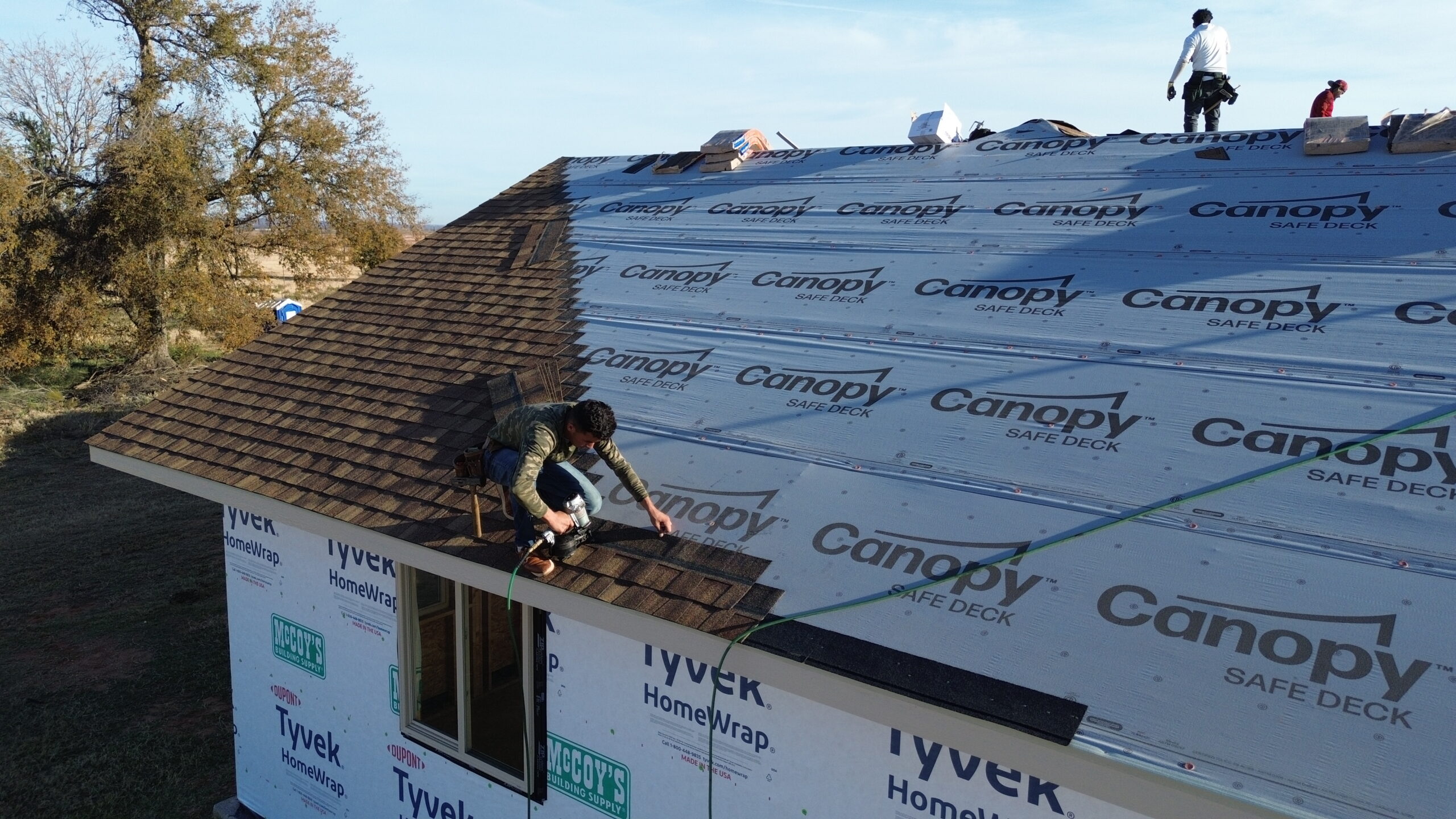
Underlayment is an important component of a complete roofing system because it provides an additional protective layer beneath the exterior roofing material. The type of underlayment selected can affect the project price depending on its quality, design, coverage, and installation requirements. Although it is not usually visible after the roof is completed, it contributes to the overall performance of the system.
Different roofing materials and roof designs may call for different underlayment solutions. Some projects may use basic synthetic products, while others may require specialized protection in areas that are more vulnerable to water exposure. The contractor should explain which product is included and why it is appropriate for the roof.
Moisture protection can also involve additional materials around valleys, eaves, penetrations, and other vulnerable locations. These areas require careful preparation because water can accumulate or travel through improperly protected transitions. Using suitable materials and following proper installation procedures can increase the initial cost but may help reduce future moisture-related problems.
Homeowners should therefore avoid treating underlayment as an optional detail simply because it cannot be seen from outside. A roofing estimate should identify the major protective components included in the system so the homeowner can compare different proposals accurately.
Flashing and Waterproofing Details
Flashing is installed around many areas where roofing materials meet other surfaces or where the roof contains openings. Common locations include chimneys, walls, valleys, skylights, vents, and roof edges. Because these areas can be particularly vulnerable to water intrusion, the condition and installation of flashing can have a direct effect on project pricing.
If existing flashing is damaged, deteriorated, or incompatible with the new roofing system, replacement may be necessary. The amount of flashing required depends on the roof design and the number of penetrations and transitions. A simple roof may need relatively little flashing, while a complicated design can require considerably more.
Waterproofing details also require skilled labor. Installers must ensure that materials overlap correctly and that transitions are properly sealed according to the roofing system’s requirements. Errors in these areas can create leaks even when the main roofing material has been installed correctly.
Homeowners should ask whether flashing replacement is included in the estimate or considered an additional service. A quote that excludes necessary flashing work may initially appear less expensive but could become more costly once the project is underway.
Roof Ventilation Requirements
Roof ventilation can influence installation pricing because some homes require new or improved ventilation components when a roof is replaced. Proper ventilation planning depends on the building design, attic configuration, existing airflow, and applicable installation requirements. The goal is to create an appropriate system rather than simply adding as many vents as possible.
A roofing project may involve ridge vents, intake ventilation, soffit vents, or other ventilation components. The number and type required can vary considerably between properties. If existing ventilation is damaged or inadequate, improvements may need to be included in the project.
Ventilation work can also require additional labor because installers must integrate these components with the new roofing system. Poorly installed vents can create potential leakage points, so they need to be properly positioned and protected.
Homeowners should ask contractors to explain whether the existing ventilation system is adequate and whether any changes are included in the estimate. Understanding this before installation begins helps prevent unexpected charges and ensures that ventilation is considered as part of the complete roofing system.
Chimneys, Skylights, and Roof Penetrations
Architectural features and roof penetrations can make installation more complicated and increase labor costs. Chimneys, skylights, plumbing vents, exhaust vents, satellite mounts, and similar features interrupt the main roofing surface. Each location may require additional cutting, flashing, sealing, and careful fitting.
Chimneys can require specialized flashing work where masonry meets the roofing surface. If the existing flashing is damaged, it may need to be replaced during the roof installation. In some cases, the chimney itself may require separate masonry repairs, which can add another cost to the overall project.
Skylights can create similar considerations. Older skylights may have worn seals or outdated flashing, and replacing the surrounding roof may provide an opportunity to address these issues. Some homeowners may choose to replace an aging skylight at the same time to avoid disturbing a newly installed roof later.
Other penetrations also require attention because each opening represents a potential area where water could enter if it is not properly protected. A roof with many penetrations can therefore require more labor and materials than a similarly sized roof with a simple uninterrupted surface.
Geographic Location and Local Labor Rates
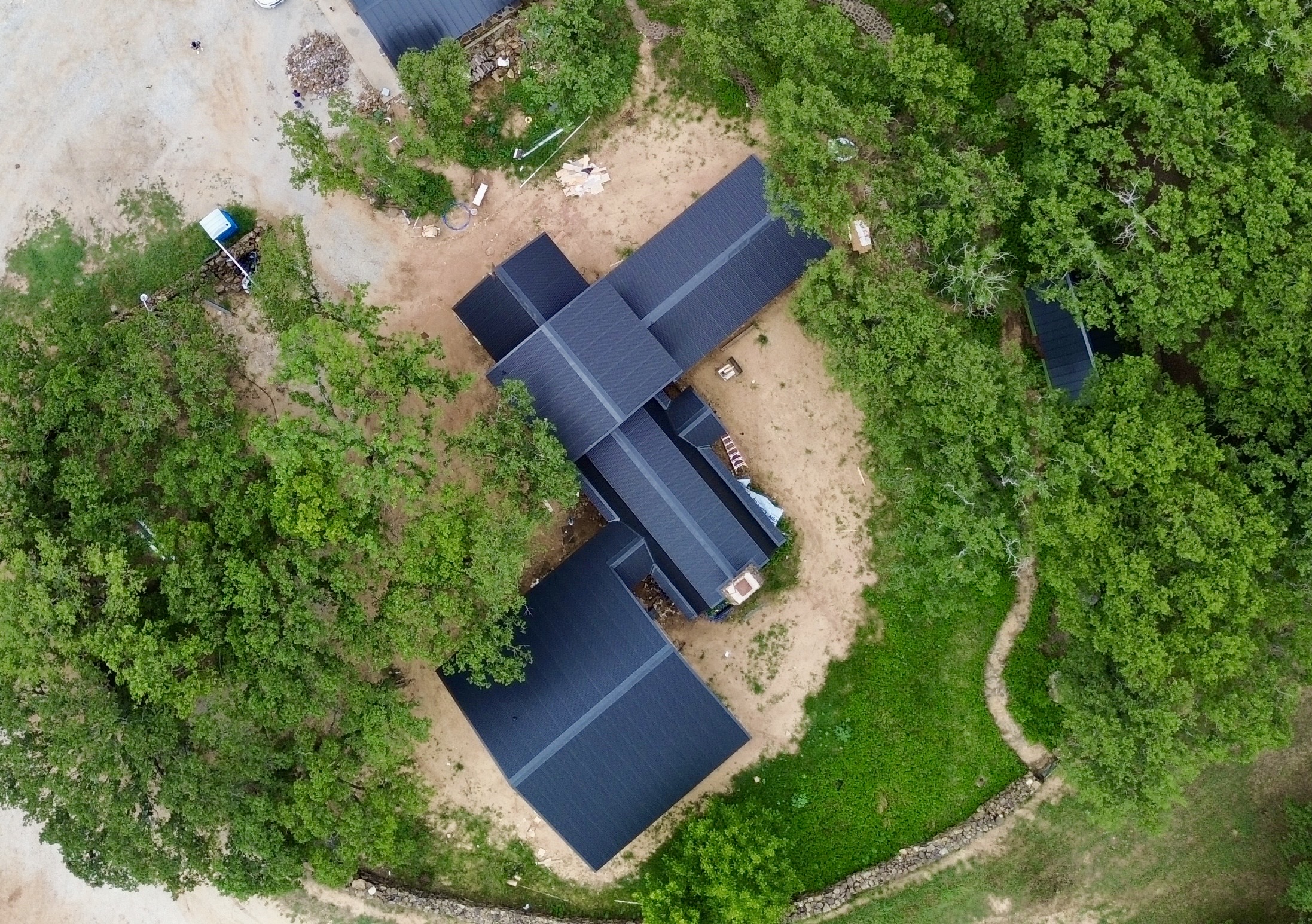
The location of a property can have a significant influence on roofing prices. Contractors operating in different regions face different labor rates, insurance costs, business expenses, material prices, and transportation charges. As a result, a roofing project of similar size and design may receive different estimates in different markets.
Local weather conditions can also affect roofing requirements. Areas exposed to strong winds, heavy rainfall, extreme heat, snow, or other challenging conditions may require specific products or installation methods. These requirements can influence the material selection and labor involved in the project.
Transportation is another consideration, particularly when roofing materials must be delivered over longer distances. Suppliers may charge more for delivery when a project is located far from distribution facilities or when special materials need to be sourced. Limited availability of certain products can also increase the cost.
Homeowners should therefore compare estimates from contractors familiar with the local market. A local contractor is generally more familiar with regional installation practices, material availability, and common project requirements, which can make the estimate more relevant to the property.
Seasonal Demand and Weather Conditions
The time of year when a homeowner schedules a roofing project can influence contractor availability and project planning. During periods of high demand, roofing companies may have more projects waiting to be completed. This can affect scheduling and may reduce the homeowner’s flexibility when selecting an installation date.
Weather conditions can also affect productivity. Rain, strong winds, extreme temperatures, or other unfavorable conditions can prevent crews from safely working on a roof. Delays may extend the project schedule and can create additional coordination requirements.
Material installation can also depend on appropriate weather conditions. Certain roofing products have specific handling or installation considerations that contractors need to follow. A professional roofing company should plan the project around suitable conditions rather than rushing the installation to meet an unrealistic schedule.
Homeowners who plan ahead may have more opportunities to compare contractors and arrange the project before an urgent roofing problem develops. Waiting until a major leak or severe damage occurs can reduce the time available for careful price comparison and planning.
Permits, Building Codes, and Inspections
Local building requirements can affect roofing costs because some projects require permits, inspections, or compliance with specific construction standards. Requirements vary according to location and the nature of the work. Homeowners should determine what applies to their project before installation begins.
Permit fees may represent only a small portion of the total roofing budget, but they should still be accounted for. Some contractors include permit-related services in their proposals, while others expect the homeowner to handle the process independently.
Building codes can also influence the materials and installation methods used. Requirements may apply to areas such as ventilation, flashing, fastening, structural components, or weather resistance. If the existing roof does not meet current requirements, additional work may be necessary during replacement.
Inspections may be required before the project can be considered complete. If an inspector identifies an issue that needs correction, the contractor may need to perform additional work. Homeowners should clarify who is responsible for arranging inspections and addressing any required corrections.
Material Availability and Transportation
The availability of roofing materials can influence both pricing and project schedules. Common materials may be readily available from local suppliers, while specialty products, uncommon colors, or particular profiles may require additional ordering time. Limited availability can sometimes increase material costs or delay installation.
Material prices can also change because suppliers face changes in manufacturing, transportation, and distribution expenses. Contractors may base their estimates on current supplier pricing, meaning a long delay between receiving an estimate and approving the project can potentially affect the final cost.
Transportation is another factor that should not be overlooked. Roofing materials are often heavy and require specialized delivery arrangements. A property that is difficult to access may require additional planning for material placement and handling.
Homeowners can reduce uncertainty by confirming the exact roofing product and availability before signing the contract. The estimate should identify the material specifications rather than using only a general description. This makes it easier to confirm that the selected product is actually the one being priced.
Understanding these additional pricing factors helps homeowners see why roofing estimates can vary significantly even when properties appear similar. The contractor’s experience, warranty coverage, disposal requirements, site accessibility, and the way different estimates are structured can further affect the amount a homeowner ultimately pays.
Contractor Experience and Reputation
The roofing contractor selected for a project can have a noticeable influence on the total installation price. Experienced contractors often have higher operating costs because they maintain trained crews, insurance coverage, equipment, transportation, supervision, and established business procedures. These expenses can be reflected in the final estimate, but they may also contribute to more consistent workmanship and project management.
Homeowners should evaluate a contractor based on more than the quoted price. Experience with the specific roofing material, knowledge of local requirements, communication practices, previous project quality, and warranty support can all affect the overall value of the installation. A contractor with a slightly higher price may provide a more complete service than a company offering a significantly lower but limited estimate.
The contractor’s reputation can also provide useful information before a homeowner signs an agreement. References, verified reviews, previous projects, and professional credentials can help establish whether a company has a history of completing roofing work properly. Homeowners should also confirm that the contractor has appropriate insurance and meets applicable licensing or registration requirements.
It is important to understand what is included in the contractor’s price. Some companies may include preparation, tear-off, disposal, flashing, cleanup, and warranty support, while others may charge separately for some of these services. Comparing the complete scope rather than the headline price provides a more accurate assessment of the contractor’s value.
Warranty and Workmanship Considerations
Warranty coverage can influence the overall value of a roofing installation and should be reviewed alongside the initial price. Roofing warranties can cover different aspects of the system, including manufacturing defects in roofing materials and workmanship provided by the contractor. These protections are not necessarily identical, so homeowners should understand the difference before approving a project.
A material warranty is generally associated with the roofing product itself. Its terms can vary according to the manufacturer and product selected, while certain enhanced warranties may have additional requirements related to installation or approved components. Homeowners should request the actual warranty information rather than relying on a contractor’s general statement that the roof is covered.
Workmanship warranties are related to the installation performed by the contractor. Their duration and conditions can vary significantly between companies. A homeowner should understand what types of installation problems are covered, how claims are handled, and whether the warranty remains valid if another contractor later performs repairs or modifications.
The warranty should not be the only reason to select a contractor. A long warranty has limited value if the company does not communicate properly or cannot provide support when a problem occurs. A combination of sound installation practices, suitable materials, clear documentation, and dependable warranty support can provide stronger long-term value.
Disposal, Cleanup, and Difficult Access Costs
Roof replacement produces a considerable amount of waste, especially when the existing system needs to be completely removed. Shingles, underlayment, damaged decking, packaging, nails, and other construction materials must be collected and transported for appropriate disposal. These services can add to the total installation price even though they are not part of the finished roof.
Some contractors include disposal and cleanup in the standard installation price, while others identify them as separate charges. Homeowners should check the estimate carefully to determine whether the quoted amount covers hauling, disposal fees, final cleanup, and removal of construction debris from the property.
Property access can also affect the cost of installation. Roofing materials are heavy, and contractors need practical ways to move materials and equipment close to the work area. A property with limited driveway access, landscaping obstacles, narrow passages, or other restrictions may require additional labor or equipment.
Difficult access can also increase the time needed for cleanup and material handling. These costs may not be obvious when a contractor first looks at the roof from the street. A detailed site inspection allows the contractor to identify access issues before preparing the final estimate.
Homeowners should therefore ask whether the quote includes complete cleanup and whether any special access conditions could create additional charges. Addressing these questions before installation helps prevent unexpected expenses after the work has started.
Comparing Roofing Estimates
Obtaining multiple roofing estimates is one of the most effective ways to understand the potential cost of a project. However, homeowners should avoid comparing only the final numbers at the bottom of each proposal. Two estimates can have very different prices because they include different materials, preparation work, warranties, or services.
A useful comparison begins with the basic roofing system. Homeowners should check whether the estimates specify the same or comparable roofing material, underlayment, flashing, ventilation components, and installation requirements. If one contractor uses a different product, the homeowner should understand how its performance and cost compare with the alternative.
The scope of removal should also be reviewed. One contractor may include complete tear-off and disposal, while another may assume that existing materials can remain. Similarly, one estimate may include replacement of damaged flashing or a decking allowance while another may exclude these items.
A roofing estimate should ideally make the following information clear:
- Roofing material and product specifications
- Installation labor and preparation
- Existing roof removal and disposal
- Underlayment and flashing
- Ventilation components
- Potential deck repair pricing
- Cleanup responsibilities
- Payment schedule and warranty information
Homeowners should also ask contractors to explain any major differences between their proposals. If one price is substantially lower than the others, the difference may have a reasonable explanation, but it should be understood before a decision is made.
Ways Homeowners Can Control Installation Costs
Controlling roofing costs does not necessarily mean choosing the least expensive material or accepting the lowest contractor estimate. The most effective savings usually come from good planning, accurate project specifications, and avoiding unnecessary work. Homeowners can reduce financial surprises by understanding the project before construction begins.
Planning the project before an emergency develops is one practical way to maintain control over expenses. When a roof begins leaking severely, homeowners may have to prioritize immediate protection rather than taking time to compare several contractors. Early inspections can identify aging or damaged areas and provide more time to plan a replacement.
Selecting an appropriate roofing material can also help control costs. Homeowners should consider the property’s design, climate, expected service life, maintenance requirements, and available budget. A premium material may not always be necessary, while choosing a product solely because it is inexpensive may not provide the desired long-term performance.
Another useful approach is to keep essential work separate from optional upgrades. Structural repairs, waterproofing, appropriate underlayment, flashing, ventilation, and proper installation should receive priority. Decorative improvements or nonessential additions can be considered after the homeowner understands the cost of completing the fundamental roofing system.
Homeowners can also ask contractors whether existing components can safely be reused. Not every roof accessory needs to be replaced automatically, although anything that is damaged, incompatible, or unsuitable should be addressed. Decisions should be based on condition and roofing requirements rather than reducing costs at the expense of system performance.
Example of a Roof Installation Price Breakdown
A roofing project’s total price is easier to understand when it is separated into individual cost categories. The exact amounts will vary depending on location, roof size, material selection, labor rates, and site conditions, but the following example illustrates how expenses can be organized for budgeting purposes.
Imagine a homeowner receives an estimate for replacing an existing roof on a medium-sized property. The contractor identifies the roofing material, labor, tear-off, disposal, underlayment, flashing, ventilation, and a potential allowance for deck repairs as separate parts of the proposal.
| Project Component | Example Cost Category | Why It Matters |
|---|---|---|
| Roofing materials | Material cost | Covers shingles, panels, tile, or another selected roof covering |
| Labor | Installation cost | Pays for preparation, installation, and skilled roofing work |
| Tear-off | Removal cost | Covers removal of existing roofing materials |
| Disposal | Waste management | Covers hauling and disposal of removed materials |
| Underlayment | Protection layer | Provides additional protection beneath the exterior roof covering |
| Flashing | Waterproofing | Protects vulnerable transitions and roof penetrations |
| Ventilation | Airflow components | Supports appropriate attic ventilation where required |
| Deck repairs | Conditional cost | Covers damaged sections discovered during preparation |
This type of breakdown helps homeowners identify which expenses are fixed and which may change after the existing roof is removed. For example, the roofing material and basic labor may be established in advance, while deck repairs could depend on conditions that are not completely visible before tear-off.
A homeowner should also ask whether the estimate includes taxes, permit fees, delivery, cleanup, and other applicable charges. Small exclusions can become meaningful when several are combined, so the final contract should provide a clear picture of the expected project cost.
The purpose of a cost breakdown is not to predict an exact price for every property. Instead, it helps homeowners understand how roofing expenses are distributed and gives them a framework for comparing different contractors fairly.
Key Factors That Determine the Final Price
After reviewing all the major factors, it becomes clear that roof installation pricing is influenced by a combination of material, labor, property, and market conditions. Roof size establishes the amount of coverage required, but the pitch and design determine how difficult that coverage is to install. A simple roof can therefore cost less than a complicated roof of similar size.
Material selection is another major factor because different products have different purchase prices and installation requirements. Homeowners should consider not only the initial price but also the expected durability, maintenance requirements, appearance, and suitability of the material for the property.
The existing roof condition can introduce another layer of uncertainty. Damaged decking, deteriorated flashing, multiple roofing layers, or moisture-related problems may increase the cost once the existing system is removed. A contractor can identify many concerns during an inspection, but some hidden conditions cannot be confirmed until the roof is opened.
Local market conditions also play a role. Labor rates, supplier pricing, transportation expenses, seasonal demand, weather conditions, and material availability can all affect what contractors charge at a particular time. This is why homeowners should obtain current estimates instead of relying on an old quote or a general price found online.
Final Roof Installation Cost Checklist
Before approving a roof installation, homeowners should review the entire proposal rather than focusing on one number. The contractor should clearly explain the roofing material, preparation work, labor, tear-off, disposal, flashing, underlayment, ventilation, and cleanup. Any potential additional costs should also be discussed before the project begins.
A homeowner should confirm that the contract identifies the expected scope of work and explains how unexpected repairs will be handled. This is particularly important for roof deck damage because the extent of deterioration may not be visible until the existing roof is removed.
Payment terms should also be reviewed carefully. Homeowners should understand the required deposit, progress payments, final payment, and conditions associated with each stage. They should keep copies of the signed agreement, product information, receipts, warranty documents, and any approved change orders.
The following checklist can provide a final review before work begins:
- Confirm the exact roofing material and product specifications.
- Verify that labor, tear-off, disposal, and cleanup are included.
- Ask how damaged decking and other hidden conditions will be priced.
- Confirm flashing, underlayment, ventilation, and roof penetration work.
- Review permits, inspections, payment terms, and warranties.
- Compare the complete scope of work rather than choosing by price alone.
Taking these steps can make it easier to identify incomplete estimates and reduce the likelihood of unexpected project charges. It also gives homeowners a clearer understanding of what they are paying for and what they should expect from the contractor.
Conclusion
Roof installation pricing is influenced by far more than the basic cost of shingles or other roofing materials. Roof size, pitch, design complexity, labor, material selection, existing roof condition, deck repairs, underlayment, flashing, ventilation, roof penetrations, location, seasonal demand, permits, transportation, and contractor experience can all contribute to the final amount.
The most reliable way to understand the cost of a new roof is to obtain a detailed inspection and written estimate from a qualified roofing contractor. Homeowners should compare the complete scope of each proposal, paying attention to materials, labor, removal, disposal, warranties, potential repairs, and other services that may affect the final price.
Choosing a roofing contractor based solely on the lowest quote can create problems when important work has been excluded from the estimate. A better approach is to compare price with workmanship, material quality, warranty protection, communication, and long-term value.
Careful planning can also help homeowners control expenses without sacrificing essential roofing components. By identifying the major pricing factors, asking detailed questions, and reviewing the contract before installation begins, homeowners can make more informed decisions and prepare a realistic budget for their roofing project.
A well-planned roof installation is an investment in the protection and long-term condition of the home. Understanding what influences the price today allows homeowners to approach that investment with greater confidence, clearer expectations, and a better ability to distinguish between a low quote and a genuinely good value.