
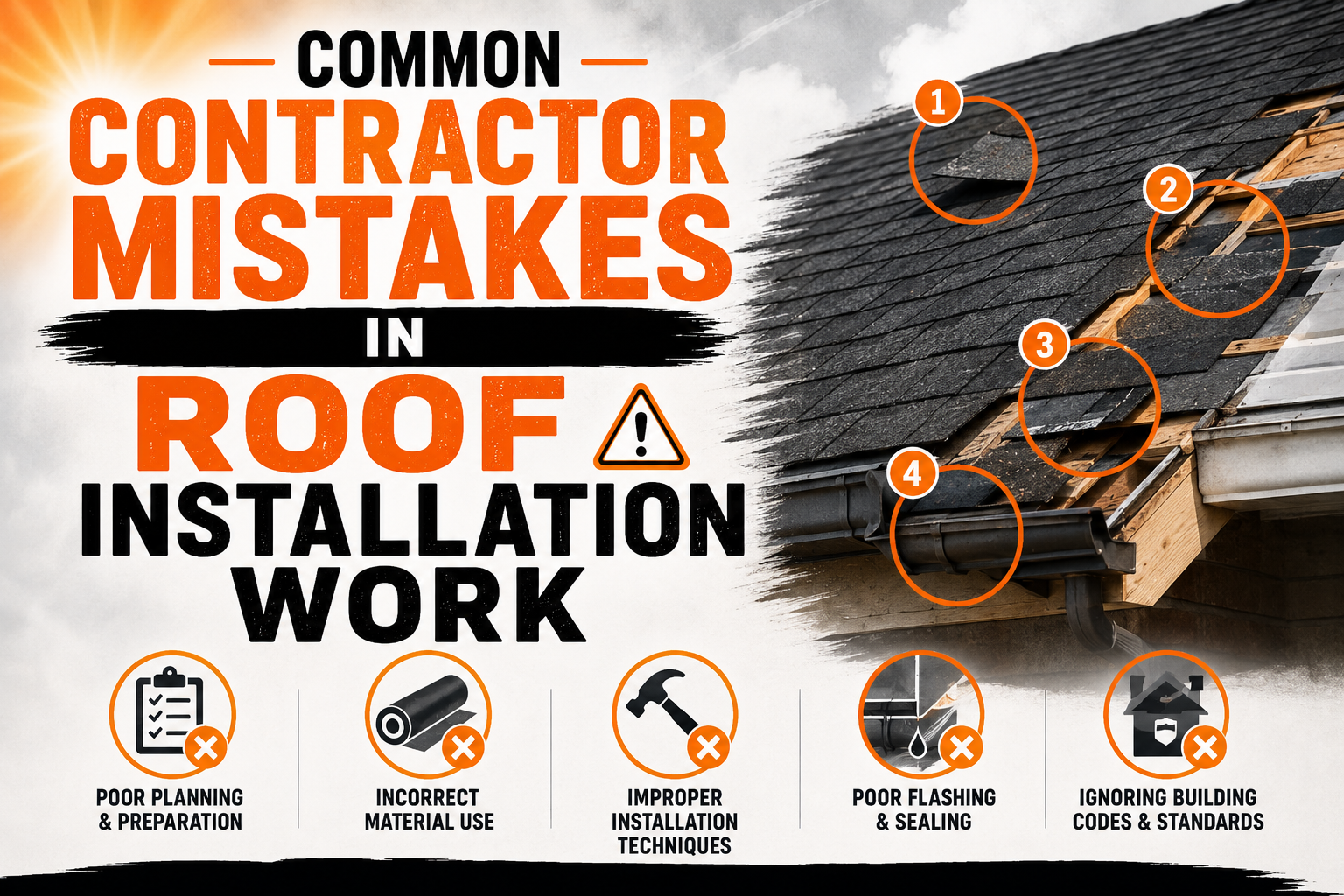
Common Contractor Mistakes in Roof Installation Work
Introduction
A roof is one of the most important protective components of any building. It shields the structure from rain, wind, sunlight, moisture, temperature changes, and other environmental conditions, but its ability to provide that protection depends heavily on how well it is installed. Even high-quality roofing materials can fail prematurely when contractors make mistakes during planning, preparation, or installation.
Roof installation involves much more than placing shingles or other roofing materials over a structure. Every stage of the project, from inspecting the roof deck to installing flashing and ventilation components, affects the finished roof’s performance. A small mistake in one area can create moisture problems, leaks, structural damage, or premature deterioration that may not become visible until months or years later.
Some contractor mistakes happen because of inadequate planning, while others result from rushed workmanship, poor communication, or attempts to reduce project costs. In some cases, contractors may rely on familiar installation methods without considering the specific requirements of the roofing system or the building itself. Understanding these common mistakes can help contractors improve their processes and help property owners recognize the importance of professional roof installation.
Poor Roof Inspection and Planning
One of the most common mistakes contractors can make is beginning a roof installation without performing a thorough inspection of the existing structure. Before new roofing materials are installed, the contractor needs to understand the condition of the roof deck, framing, flashing, drainage system, and other components. Skipping or rushing this inspection can cause hidden problems to remain underneath the new roof.
A roof may appear suitable for installation from the outside while having significant damage beneath the surface. Moisture exposure can weaken roof decking, while long-term leaks may cause wood rot or deterioration around vulnerable areas. If these conditions are not identified before installation, new materials may be installed over an unstable foundation.
Proper planning should also consider the roof’s design, slope, size, existing materials, and exposure to local weather conditions. A contractor who treats every roofing project exactly the same may overlook important differences between buildings. The installation method, materials, and protective components should be selected according to the specific requirements of the project.
Another planning mistake is failing to establish a clear installation sequence before work begins. Roofing involves multiple interconnected components, so installing one element incorrectly can interfere with another. A detailed plan helps the crew understand what needs to be completed, inspected, and protected at each stage of the project.
Contractors should pay particular attention to areas that are naturally more vulnerable to water intrusion. These may include roof valleys, chimneys, skylights, vents, wall intersections, and other penetrations. Identifying these areas during planning allows the installation team to prepare the appropriate flashing, underlayment, and sealing methods before roofing materials are installed.
Incorrect Roof Measurements and Material Estimation
Accurate measurements are essential for a successful roofing project. Contractors need to determine the roof’s dimensions and account for slopes, valleys, ridges, hips, penetrations, and other design features before ordering materials. Incorrect measurements can result in material shortages, unnecessary expenses, project delays, or rushed installation.
Ordering too little material can create serious problems during installation. If the contractor runs out of shingles, underlayment, flashing, fasteners, or other components, the project may be delayed while additional materials are obtained. Differences between material batches can also create visible variations in appearance, particularly when replacement materials are obtained later.
Ordering excessive materials can also increase project costs and create unnecessary waste. While some waste is expected during roofing installation because materials must be cut around edges and complex roof features, excessive waste may indicate poor planning or inaccurate measurements. Contractors should develop realistic material estimates based on the actual roof design rather than relying on rough assumptions.
Material calculations should also account for overlaps and installation requirements. Underlayment, flashing materials, shingles, membranes, and other components often require specific overlap distances to provide adequate protection. Ignoring these requirements can result in insufficient coverage even when the total quantity of material appears adequate.
A professional measurement process should therefore be performed before materials are ordered. Contractors should verify measurements and review the roof plan carefully, especially when dealing with complex roof designs. Taking additional time during this stage can prevent avoidable problems once installation has started.
Choosing the Wrong Roofing Materials
Another major contractor mistake is selecting roofing materials without considering the specific needs of the building. Roofing materials differ in durability, weight, weather resistance, installation requirements, maintenance needs, and expected lifespan. Choosing a material simply because it is inexpensive or readily available can lead to poor long-term performance.
Climate should be an important consideration when selecting roofing materials. A roof exposed to heavy rainfall, strong winds, intense sunlight, freezing temperatures, or frequent temperature fluctuations may require different material characteristics than a roof in a mild environment. Contractors should understand the conditions the roof will face throughout the year.
Compatibility between roofing components is equally important. A roofing system contains multiple layers and accessories that need to work together. Shingles, underlayment, flashing, ventilation products, fasteners, sealants, and other components should be appropriate for the overall roofing system rather than selected independently without considering compatibility.
Contractors may also make mistakes when combining products from different systems without confirming that they can be used together. Some materials require specific installation methods or accessories to perform correctly. Following the manufacturer’s recommendations can reduce the risk of compatibility problems and help preserve applicable product warranties.
Price should not be the only factor considered during material selection. Choosing the cheapest available product may reduce the initial project cost, but poor-quality materials can require earlier repairs or replacement. A better approach is to consider the material’s expected performance, installation requirements, durability, and suitability for the building.
Poor Roof Deck Preparation
The roof deck provides the foundation for many roofing systems, making its condition extremely important. One of the most damaging installation mistakes is placing new roofing materials over a deck that is deteriorated, wet, uneven, or structurally compromised. A new roof cannot perform properly when the surface supporting it has serious underlying problems.
Before installation begins, contractors should inspect the decking for signs of rot, water damage, sagging, cracks, or other weaknesses. Areas that cannot provide adequate support may need to be repaired or replaced before the roofing system is installed. Covering damaged decking may hide the problem temporarily, but it does not solve the underlying structural issue.
The surface should also be reasonably clean and prepared for the next stage of installation. Loose debris, old roofing materials, protruding fasteners, and other obstacles can interfere with underlayment and roofing materials. An uneven surface can affect how roofing components sit and may contribute to visible imperfections or water-related problems.
Moisture is another important concern during roof deck preparation. Installing roofing components over wet materials can trap moisture within the assembly, potentially contributing to deterioration and other long-term issues. Contractors should assess conditions carefully and avoid unnecessarily enclosing moisture beneath new roofing materials.
Poor preparation can create problems that are difficult to correct after installation is complete. Once shingles, membranes, or other roofing materials cover the deck, identifying the exact location of an underlying defect can become more difficult. Proper preparation at the beginning of the project is therefore far more effective than attempting to correct hidden problems later.
Improper Underlayment Installation
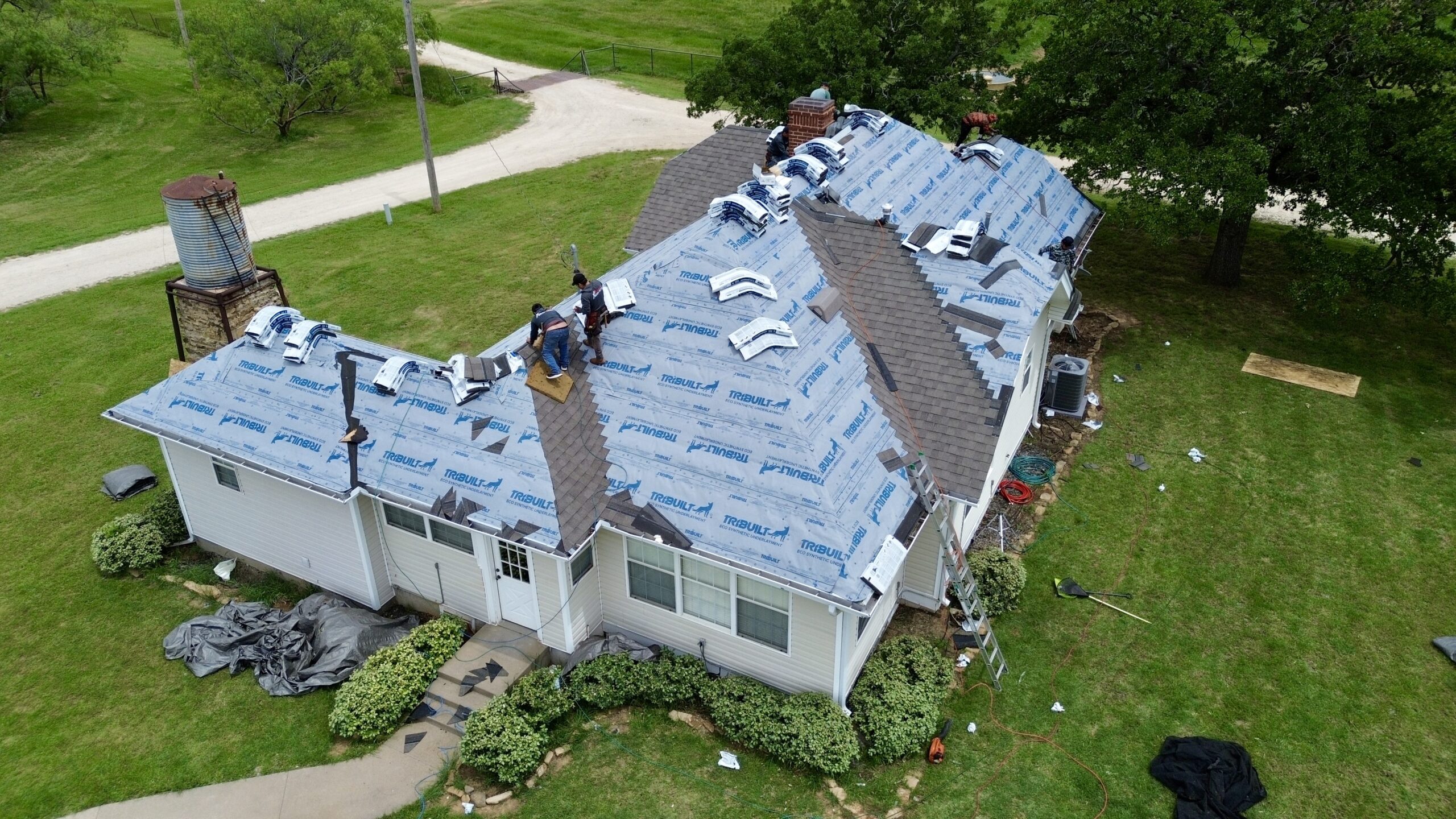
Underlayment is an important protective layer installed beneath many roofing materials. It provides an additional barrier against moisture and can help protect the roof deck when water reaches areas beneath the primary roofing surface. Despite its importance, contractors sometimes install underlayment incorrectly or treat it as an unimportant step.
One common mistake is using an underlayment that is not appropriate for the roofing system or project conditions. Different roofing materials and roof designs can have different underlayment requirements. Contractors should select products according to manufacturer specifications and applicable installation requirements.
Incorrect overlap is another frequent problem. Underlayment sections need to be positioned and overlapped correctly so that water is directed away from vulnerable areas rather than underneath the protective layer. Insufficient overlap or improperly positioned seams can create pathways for moisture to reach the roof deck.
Contractors should also pay attention to edges, valleys, penetrations, and other areas where additional protection may be required. These locations can experience greater exposure to water and often require specialized installation details. Leaving gaps or failing to secure the material properly can reduce the effectiveness of the entire roofing assembly.
Fastening methods also matter when installing underlayment. Using too few fasteners, placing them incorrectly, or failing to follow product requirements can allow the material to shift, wrinkle, or become damaged before the final roofing layer is installed. Proper installation helps ensure that the underlayment remains in the intended position throughout the rest of the project.
Why These Early Mistakes Matter
Mistakes made during the early stages of roof installation can affect every stage that follows. If the roof is not properly inspected, measured, prepared, and protected before the visible roofing material is installed, later workmanship may not be able to compensate for those deficiencies. The finished roof may look attractive while still containing weaknesses beneath the surface.
Early mistakes can also increase the total cost of a roofing project. Problems discovered after installation may require sections of the roof to be removed so that damaged decking, missing underlayment, or improperly installed components can be corrected. This creates additional labor, material costs, and disruption for the property owner.
A systematic installation process helps contractors reduce these risks. Before moving forward, each stage should be checked to ensure that the underlying work is suitable for the next stage. This approach makes it easier to identify problems while they are still accessible and prevents small errors from becoming larger repair issues.
The following practices can help contractors maintain better control during the preparation stages:
- Inspect the existing roof structure thoroughly before installation begins.
- Verify measurements and material quantities before ordering supplies.
- Select materials that suit the building, roof design, and environmental conditions.
- Repair or replace damaged roof decking before covering it.
- Install underlayment according to product and roofing-system requirements.
Good roofing workmanship begins before the first shingle, panel, tile, or membrane is installed. Careful inspection and preparation establish the foundation for every stage that follows, making it easier to achieve a durable and properly functioning roof.
Incorrect Flashing Installation
Flashing is one of the most important protective components of a roofing system because it directs water away from vulnerable joints and transitions. Contractors often make mistakes when installing flashing around chimneys, skylights, walls, vents, valleys, and other roof penetrations. Even when the main roofing material is installed correctly, poorly fitted flashing can create pathways for water to enter the building.
A common mistake is using flashing that is too short, improperly shaped, or incorrectly positioned. Flashing needs to work with the surrounding roofing materials so that water flows over the protective layers instead of underneath them. When sections do not overlap correctly, water can gradually reach the roof deck and surrounding building materials.
Another problem occurs when contractors rely too heavily on sealant instead of proper flashing techniques. Sealants can provide useful protection in appropriate locations, but they should not be treated as a substitute for correctly designed and installed flashing. Excessive dependence on caulk or sealant may create a temporary barrier that deteriorates as the roof is exposed to weather.
Flashing should also be installed according to the requirements of the roofing system. Contractors need to understand how different flashing components interact with shingles, membranes, siding, masonry, and other materials. Proper detailing around vulnerable areas can significantly reduce the likelihood of leaks during the roof’s service life.
Poor Shingle Installation
Shingles are highly visible, but their appearance alone does not determine whether they have been installed correctly. Contractors can create serious problems by misaligning shingles, failing to follow required fastening patterns, or ignoring the manufacturer’s installation instructions. A roof may look acceptable from the ground while still containing installation defects.
Incorrect shingle alignment can affect both appearance and performance. When courses are not positioned properly, the roofing system may have inconsistent coverage or exposed areas that were not intended to remain vulnerable. Careful layout helps ensure that shingles are positioned according to the required pattern.
Fastening is another critical part of shingle installation. Nails need to be placed in the correct locations and driven to the appropriate depth. Overdriven nails can damage the shingle, while underdriven or poorly positioned nails may fail to hold the material securely.
Using too few fasteners is another common mistake. Roofing systems are designed with specific fastening requirements that help materials resist wind and remain securely attached. Reducing the number of fasteners to save time can weaken the roof and may increase the risk of material movement or failure during severe weather.
Contractors should also avoid installing damaged shingles or materials that have been compromised during transportation and handling. Broken corners, cracks, excessive bending, or other damage can affect how the material performs once installed. Damaged components should be identified before they become part of the finished roof.
Ignoring Roof Ventilation
Roof ventilation is sometimes overlooked because it is less visible than shingles and other exterior components. However, proper ventilation can help manage heat and moisture within the attic space and contribute to the overall performance of the roofing assembly. Contractors who focus only on the exterior appearance may fail to address ventilation requirements.
A properly designed ventilation system generally needs an appropriate balance between intake and exhaust. Intake ventilation can allow outside air to enter the attic area, while exhaust ventilation allows warm or moist air to leave. Blocking or improperly installing either part can interfere with the intended airflow.
One mistake is covering or obstructing existing intake vents during roof installation. Insulation, roofing materials, debris, or poorly positioned components can restrict airflow through soffit areas. Contractors should inspect these locations before and during installation to make sure ventilation pathways remain functional.
Installing too little ventilation can contribute to heat and moisture buildup, while simply adding vents without considering the overall system may not solve the problem. Ventilation should be planned as part of the roofing system rather than treated as an afterthought. The design should account for the roof structure and the building’s specific requirements.
Poor ventilation can contribute to several long-term concerns, including moisture accumulation and deterioration of roofing components. It can also affect the condition of the attic space and materials around it. Addressing ventilation during installation is therefore an important part of responsible roofing workmanship.
Improper Fastener Use
Fasteners may appear to be small components compared with shingles, panels, or membranes, but they play a major role in keeping roofing materials securely attached. Contractors can make mistakes by selecting inappropriate fasteners, using incorrect lengths, or placing fasteners in the wrong locations. These errors can reduce the reliability of the finished roofing system.
Fasteners should be compatible with the roofing material and the surrounding environment. Using unsuitable materials can increase the possibility of corrosion or deterioration over time. Contractors should follow the product requirements instead of selecting fasteners based only on availability or cost.
Fastener length also matters. A fastener that is too short may not provide adequate attachment, while one that is unnecessarily long can create other installation concerns. The correct choice depends on the roofing system, substrate, and manufacturer requirements.
Placement is equally important. Fasteners need to be installed in the designated areas to provide the intended holding strength. Random placement may leave sections inadequately secured, while improper positioning can damage roofing materials or interfere with other components.
Contractors should also check completed fastening work before moving to the next stage. A simple inspection can identify missing, loose, exposed, or incorrectly positioned fasteners while corrections are still straightforward. This is much easier than discovering fastening problems after the roof has been exposed to severe weather.
Incorrect Roof Slope and Drainage Considerations
Water management is fundamental to roof performance. A contractor may install the primary roofing material correctly but still create problems if drainage is not considered carefully during installation. Water needs a clear path away from the roof and toward the intended drainage points.
Roof slope influences how quickly water moves across the surface. Contractors should understand the requirements of the selected roofing system and make sure the installation is appropriate for the roof’s design. Using a roofing material without considering whether it is suitable for the roof configuration can create performance concerns.
Valleys require particular attention because they collect and direct significant amounts of water. Improper installation in these areas can allow water to move beneath the surrounding roofing materials. Contractors should follow the specified valley construction method and make sure protective components are correctly positioned.
Drainage components should also remain clear and properly integrated into the roofing system. Gutters, downspouts, drains, and other water-management features need to work with the roof rather than against it. Materials should not be installed in a way that blocks water pathways or creates unnecessary areas where water can collect.
Poor drainage can expose roofing materials to prolonged moisture. Over time, standing or repeatedly trapped water may contribute to deterioration and increase the likelihood of leaks. Careful attention to slope, valleys, edges, and drainage components helps the roof move water away from the structure as intended.
Poor Installation Around Roof Penetrations
Roof penetrations are another common source of installation mistakes. Pipes, vents, skylights, chimneys, equipment supports, and other features require the roofing system to be interrupted and carefully sealed around the opening. These areas need precise detailing because they can provide direct pathways for water if installed incorrectly.
A common mistake is relying on surface sealant without creating a proper flashing arrangement. Sealants can deteriorate due to sunlight, temperature changes, movement, and weather exposure. Proper flashing and compatible components provide a more reliable method of directing water away from the penetration.
Contractors may also install penetration components at the wrong stage of the roofing process. The order in which flashing, underlayment, and primary roofing materials are installed can affect how water moves across the area. Following the appropriate sequence helps maintain the intended drainage path.
Another problem occurs when existing vents or pipes are damaged during installation. Cracked components, displaced boots, or disturbed seals may not be immediately obvious, but they can later become sources of moisture intrusion. Workers should inspect these areas carefully after the surrounding roofing material has been installed.
Skylights and chimneys require particularly careful attention because of their size and interaction with the roof surface. The surrounding flashing should be integrated correctly with the roofing system instead of simply covered or sealed over. Detailed workmanship around these features can make a major difference in preventing future leaks.
Failing to Follow Manufacturer Guidelines and Building Requirements
Roofing products are designed with specific installation requirements, yet contractors sometimes rely on personal habits instead of following the manufacturer’s instructions. Familiarity with a particular roofing technique does not necessarily mean that the same method is suitable for every product. Installation requirements can vary between materials, manufacturers, and roofing systems.
Manufacturer instructions may specify fastening patterns, minimum slopes, underlayment requirements, flashing details, ventilation considerations, and other important procedures. Ignoring these instructions can reduce the performance of the product and may create difficulties when warranty claims are considered.
Building requirements are also an important part of responsible installation. Local rules can address structural considerations, fire performance, wind resistance, drainage, ventilation, and other aspects of construction. Contractors should understand the requirements that apply to the project and ensure that the installation is completed accordingly.
Skipping required inspections or approvals can create additional complications. Even when a contractor believes the work is satisfactory, failing to meet applicable requirements may result in delays, corrections, or disputes. Proper documentation and compliance can help protect both the contractor and property owner.
Professional workmanship means more than knowing how to physically install roofing materials. It also means understanding the specifications that govern how those materials should be used. Contractors who consistently follow product instructions and applicable requirements are better positioned to deliver reliable results.
Poor Weather Management During Installation
Weather conditions can have a significant effect on roofing work. Contractors sometimes create problems by continuing installation when wind, rain, extreme temperatures, or other conditions make the work unsuitable. Rushing to maintain a schedule can ultimately create more delays when improperly installed materials need to be repaired.
Rain is particularly concerning when portions of the roof are exposed. Water can enter areas that have not yet been fully protected, while wet surfaces may make installation more difficult. Contractors should have a clear plan for protecting unfinished sections of the roof when weather conditions change.
Wind can also affect materials and worker safety. Loose underlayment, shingles, insulation, flashing, and other components can move or become damaged before they are properly secured. Materials should be handled and temporarily secured according to appropriate installation practices.
Temperature can influence the behavior of certain roofing materials and installation products. Some adhesives, sealants, membranes, and other components have specific temperature requirements. Contractors should understand these limitations before using products under unfavorable conditions.
Weather planning should therefore be included in the project schedule rather than treated as an unexpected inconvenience. Crews should know how to protect completed and unfinished areas when conditions change. A few hours of delay can be preferable to creating defects that remain hidden beneath the completed roofing system.
Weak Quality Control During Installation
Quality control should not be limited to the final stage of a roofing project. Contractors who wait until everything has been installed before inspecting the work may discover problems that are difficult and expensive to correct. Regular checks throughout the installation process make it easier to identify errors while the affected areas are still accessible.
Inspections can be performed after important stages such as roof deck preparation, underlayment installation, flashing installation, and primary roofing installation. Each inspection provides an opportunity to verify that the work matches the planned specifications. This approach also helps supervisors identify repeated mistakes before they affect larger sections of the roof.
Crew communication is an important part of quality control. Different workers may handle different parts of the installation, and poor communication can result in inconsistent methods. Clear instructions and supervision help ensure that everyone follows the same requirements.
Contractors should also document significant project conditions and changes. Photographs and written records can help confirm what was discovered, what work was completed, and what adjustments were necessary. Documentation can be especially valuable when unexpected structural or material issues are found during installation.
Quality control ultimately protects both the contractor and the property owner. It reduces the likelihood that small defects will remain hidden until they become expensive repairs. More importantly, it creates a consistent process where workmanship is checked rather than simply assumed to be correct.
Inadequate Quality Control During Installation
Quality control should continue throughout the roofing project rather than being treated as something that happens only at the end. Contractors who inspect each major stage can identify problems while they are still accessible and relatively easy to correct. This approach reduces the risk of hidden defects becoming expensive repairs after the roof has been completed.
A strong quality control process should include checks after important stages such as roof deck preparation, underlayment installation, flashing installation, and primary roofing installation. Each stage provides an opportunity to confirm that materials are positioned correctly and that the work follows the planned installation method. Waiting until the entire roof is finished can make it much harder to determine where a mistake occurred.
Supervision is particularly important when several workers or subcontractors are involved. Different workers may have different levels of experience, and inconsistent installation methods can affect the finished roofing system. A responsible contractor should make sure that everyone understands the required procedures before work begins and that completed work is reviewed by someone with appropriate knowledge.
Quality control should also focus on details that may not be obvious from the ground. Fastener placement, flashing overlaps, underlayment coverage, ventilation openings, and roof penetrations require closer inspection. A roof can look attractive from a distance while still containing installation defects that could eventually contribute to leaks or premature deterioration.
Poor Cleanup and Final Inspection
The final stage of a roofing project involves more than packing away tools and leaving the property. Contractors need to perform a detailed inspection of the completed roof and surrounding areas before considering the project finished. Poor cleanup or rushed final inspections can leave behind materials, debris, damaged components, or installation problems.
Roofing work can produce nails, shingle pieces, packaging, underlayment scraps, metal cuttings, and other debris. Leaving these materials behind can create hazards for occupants, vehicles, landscaping, and future maintenance activities. A professional cleanup should include both the immediate work area and the surrounding property.
The roof itself should also be inspected carefully after installation. Contractors should look for missing or damaged roofing materials, improperly positioned flashing, exposed fasteners, loose components, and other visible defects. Areas around chimneys, vents, skylights, valleys, and roof edges deserve particular attention because they are common locations for installation problems.
A final inspection can be more effective when it follows a consistent process rather than relying on memory. Contractors can use a project-specific checklist to confirm that important components have been reviewed. This provides a more reliable way to identify overlooked details before the crew leaves the property.
The property owner should also receive information about the completed work. Contractors can explain what materials were installed, what maintenance may be required, and whether any unusual conditions were discovered during the project. Clear communication at this stage can improve customer confidence and reduce confusion later.
Neglecting Customer Communication and Documentation
Poor communication can turn an otherwise successful roofing project into a frustrating experience. Contractors may encounter unexpected damage, material shortages, weather delays, or design complications once work begins. Failing to communicate these changes can cause misunderstandings about the project’s cost, timeline, or scope.
Property owners should be informed when significant conditions are discovered beneath the existing roofing system. For example, deteriorated decking may require additional work that was not visible during the initial inspection. Explaining the issue and discussing the appropriate solution before proceeding helps establish realistic expectations.
Documentation is equally valuable. Contractors should maintain records of important changes, material selections, completed work, and unexpected conditions. Photographs can also provide useful evidence of areas that were repaired or replaced before they were covered by new roofing materials.
Clear documentation can protect both sides if questions arise later. The property owner has a record of what was completed, while the contractor can demonstrate that agreed procedures were followed. This can be particularly helpful when dealing with warranties, future maintenance, or disputes about project details.
Communication should not stop once installation begins. Regular updates about progress, weather conditions, scheduling, and unexpected issues can help the customer understand what is happening. A contractor who communicates clearly is more likely to build trust and maintain a positive professional relationship.
Cutting Costs in the Wrong Areas
Cost control is important in every construction project, but reducing expenses by removing essential installation steps can create serious problems. Some contractors may try to save time or money by using cheaper materials, reducing labor, skipping preparation work, or using fewer fasteners. These decisions can reduce the initial cost while increasing the likelihood of future repairs.
Cheap materials are not automatically poor quality, but material selection should be based on suitability rather than price alone. Roofing components need to work together and meet the requirements of the building and environment. Choosing a product simply because it has the lowest purchase price may create compatibility or durability concerns.
Labor is another area where excessive cost cutting can affect results. Roofing installation requires skilled workers who understand how different components should be installed. Reducing labor time by rushing crews can lead to misalignment, missed fasteners, incomplete flashing, and other defects.
Contractors should also avoid treating preparation work as unnecessary because it is not visible after installation. Replacing damaged decking, correcting drainage problems, or installing proper underlayment may increase the project’s initial cost, but these steps can protect the finished roofing system. Skipping them can create much greater expenses later.
A responsible contractor should focus on value rather than simply offering the lowest possible price. A properly installed roofing system can reduce maintenance concerns and provide dependable protection over its expected service life. The goal should be to control unnecessary expenses without compromising essential materials, workmanship, safety, or preparation.
How Homeowners Can Identify Installation Problems
Homeowners do not need to be roofing professionals to notice some warning signs of poor installation. Visible defects can provide an early indication that the roofing system needs closer inspection. Identifying problems early can help prevent minor issues from developing into more extensive damage.
One visible warning sign is inconsistent or uneven roofing material. Shingles that appear lifted, misaligned, cracked, or improperly positioned may indicate installation problems. Homeowners should avoid climbing onto the roof themselves and should instead request an inspection from a qualified professional when significant concerns are noticed.
Water stains on ceilings or walls can also indicate a roofing problem. However, the visible stain inside the building may not be directly beneath the actual leak location. Water can travel through roofing assemblies and structural components before becoming visible indoors, which is why professional assessment may be necessary.
Other warning signs can include damaged flashing, exposed fasteners, deteriorating sealants, blocked drainage paths, and visible gaps around roof penetrations. These areas should receive particular attention because they are common points where water can enter the roofing assembly.
Homeowners can use the following signs as reasons to request a professional roof inspection:
- Missing, cracked, lifted, or visibly damaged roofing materials.
- Water stains or signs of moisture appearing inside the building.
- Loose or damaged flashing around roof penetrations.
- Standing water or obvious drainage problems after rainfall.
- Unusual deterioration appearing soon after a new roof installation.
A professional inspection is especially important when problems appear shortly after installation. Early assessment may make it possible to correct an installation defect before moisture or structural damage spreads to other areas.
How Contractors Can Prevent Common Installation Mistakes
Preventing roofing mistakes begins with developing a consistent process. Contractors should not depend entirely on individual worker experience or memory because even experienced crews can overlook details when projects are rushed. Written procedures and inspection points can make installation more reliable.
A practical prevention strategy begins with a thorough pre-installation assessment. The contractor should inspect the roof structure, confirm measurements, identify vulnerable areas, verify material requirements, and establish the installation sequence. Any known issues should be addressed before the primary roofing materials are installed.
The crew should then follow the manufacturer’s requirements for each component. This includes fastening, underlayment, flashing, ventilation, installation temperatures, and other product-specific details. When instructions are unclear, the contractor should seek clarification rather than simply relying on assumptions.
Regular inspections should be incorporated into the workflow. Instead of checking only the finished roof, supervisors can inspect the work after each major stage. This makes it easier to correct mistakes before subsequent layers cover them.
Training is another important prevention measure. Workers should understand not only what they are installing but also why each component matters. When crews understand the purpose of flashing, ventilation, underlayment, and proper fastening, they are more likely to recognize the consequences of shortcuts.
Building a More Reliable Roof Installation Process
A reliable roofing process connects planning, preparation, installation, inspection, and communication into one continuous workflow. Each stage should support the next rather than being treated as an independent task. This reduces the opportunity for errors to pass unnoticed from one stage to another.
Before work begins, contractors should confirm the project scope, measurements, materials, schedule, weather considerations, and site requirements. The roof should then be prepared properly, including addressing damaged decking and ensuring that the surface is ready for the roofing assembly.
During installation, workers should follow a logical sequence that protects previously completed work. Underlayment, flashing, ventilation components, fasteners, and primary roofing materials should be installed according to the applicable specifications. Supervisors should inspect important details before they become inaccessible.
The overall process can be summarized as follows:
| Installation stage | Main focus | Common risk to control |
|---|---|---|
| Initial inspection | Roof condition and structure | Hidden damage |
| Project planning | Measurements and materials | Shortages and delays |
| Roof preparation | Deck and surface condition | Weak or uneven foundation |
| Protective layers | Underlayment and flashing | Moisture intrusion |
| Main installation | Roofing materials and fasteners | Poor attachment or alignment |
| Ventilation and drainage | Airflow and water management | Moisture buildup and water pooling |
| Quality inspection | Workmanship and vulnerable areas | Hidden installation defects |
| Final inspection | Cleanup and completion | Missed problems and debris |
This type of structured process also makes it easier to train new workers and maintain consistent standards across different projects. When contractors know exactly what should be checked at each stage, important details are less likely to be forgotten.
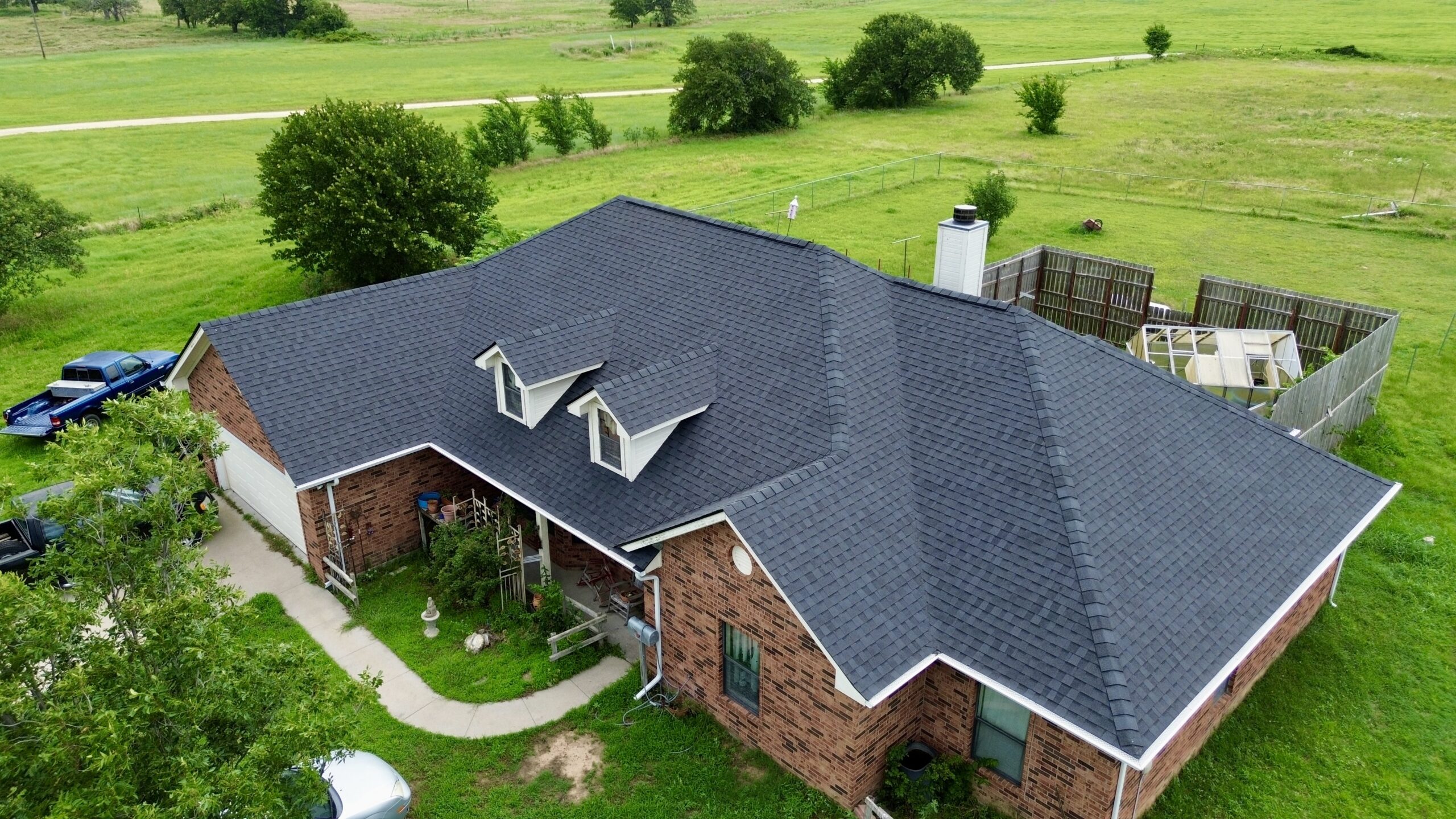
Long-Term Benefits of Avoiding Contractor Mistakes
Avoiding installation mistakes provides benefits that extend well beyond the completion date. A properly installed roof can provide more dependable protection against weather and reduce the likelihood of premature repairs. It can also help the roofing materials perform closer to their expected service life when other conditions are favorable.
Good workmanship can reduce the risk of moisture reaching the roof deck and surrounding building materials. Preventing moisture intrusion is particularly important because repeated water exposure can affect structural components, insulation, interior finishes, and other parts of the building. Addressing installation quality at the beginning can therefore protect more than just the roof itself.
Proper installation can also support better maintenance. When roofing components are correctly installed and documented, future inspections and repairs can be easier to perform. Contractors can identify the materials and installation details used on the project instead of having to make assumptions years later.
Customer satisfaction is another important benefit. Property owners expect a newly installed roof to provide dependable protection without immediately creating new problems. Contractors who consistently deliver careful workmanship can build stronger reputations, receive better referrals, and establish long-term relationships with customers.
Ultimately, avoiding mistakes is not simply about making a roof look good when the project is finished. It is about creating a complete roofing system in which the structure, protective layers, drainage, ventilation, fasteners, flashing, and exterior materials work together as intended.
Conclusion
Common contractor mistakes in roof installation can occur at almost every stage of a project, from the initial inspection to the final cleanup. Poor planning, inaccurate measurements, unsuitable materials, inadequate roof deck preparation, improper underlayment, incorrect flashing, poor fastening, and weak ventilation practices can all reduce the reliability of a roofing system. Many of these problems may remain hidden until the roof experiences significant weather exposure or begins showing signs of moisture intrusion.
The most effective way to prevent these issues is to treat roof installation as a complete system rather than a collection of individual tasks. Contractors need to inspect the structure carefully, plan the project accurately, select compatible materials, follow manufacturer requirements, and give proper attention to vulnerable areas. Regular quality checks should be performed throughout the project so that mistakes can be corrected before they become difficult and expensive to address.
Good workmanship also depends on communication and accountability. Contractors should keep customers informed about unexpected conditions, document important project details, and conduct a thorough final inspection before considering the work complete. These practices create greater transparency while helping both the contractor and property owner understand what was installed and how the roofing system should be maintained.
For property owners, choosing a contractor should involve more than comparing estimates. The quality of preparation, installation methods, materials, supervision, documentation, and final inspection can have a significant effect on the roof’s long-term performance. A low-cost installation that overlooks essential work may become considerably more expensive when leaks, premature deterioration, or repeated repairs appear later.
For contractors, avoiding common mistakes is an opportunity to improve both workmanship and business performance. Consistent procedures, trained crews, careful inspections, and attention to manufacturer specifications can reduce callbacks and improve customer confidence. A roof that is installed correctly from the beginning is more likely to provide the dependable protection that the building and its occupants expect.
A successful roof installation is therefore not measured only by how quickly the crew completes the project or how attractive the finished roof appears. It is measured by how well every component has been planned, prepared, installed, inspected, and integrated into the overall system. By avoiding common contractor mistakes and maintaining high installation standards, roofing professionals can deliver stronger results, reduce unnecessary repairs, and help ensure that the finished roof performs reliably for years to come.