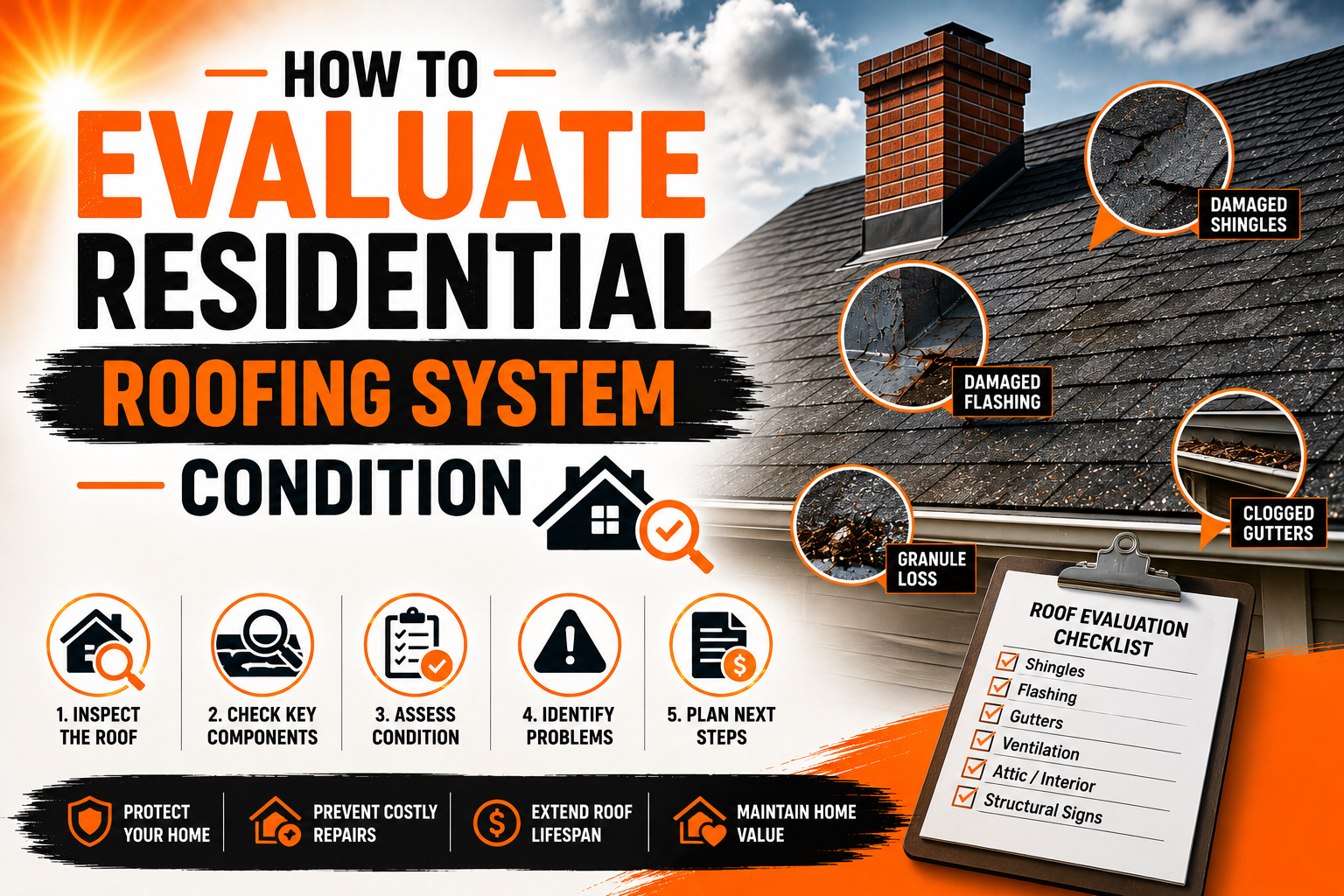
How to Evaluate Residential Roofing System Condition
Introduction
A residential roofing system does much more than cover the top of a home. It protects the structure from rain, wind, sunlight, temperature changes, and other outdoor conditions while helping maintain a comfortable interior environment. Because roofing problems can develop gradually, evaluating the condition of the roof regularly is one of the best ways for homeowners to identify concerns before they become expensive repairs.
A proper roof evaluation should look at more than visible shingles or tiles. The roofing system includes several connected components, such as the roof covering, underlayment, flashing, ventilation, drainage, fasteners, roof deck, and areas surrounding penetrations. A problem in one component can affect another, so understanding the overall condition of the system provides a more accurate picture of its performance.
Homeowners do not need to perform dangerous roof inspections themselves to monitor their property’s condition. Many warning signs can be identified from the ground or from accessible interior areas, while a qualified roofing professional can perform a closer assessment when necessary. Combining routine observation with professional inspections can help homeowners understand when maintenance, repair, or replacement may be needed.
Understanding the Overall Condition of a Residential Roofing System
Evaluating a residential roof begins with understanding that its condition is determined by several factors rather than one visible defect. A roof can look acceptable from the ground while having problems with flashing, ventilation, moisture, or the underlying deck. Likewise, a few damaged shingles do not necessarily mean the entire roofing system is failing.
The first step is to consider the roof as a complete system. Homeowners should examine its age, material, appearance, maintenance history, exposure to severe weather, and previous repair work. These factors provide useful context when deciding whether a visible problem is isolated or part of a larger pattern of deterioration.
The surrounding environment also affects roof performance. Homes exposed to strong winds, intense sunlight, heavy rainfall, snow, ice, falling branches, or persistent moisture may experience different types of wear than homes in milder conditions. Nearby trees can contribute falling debris and shade-related moisture, while poor drainage around the home can increase moisture exposure.
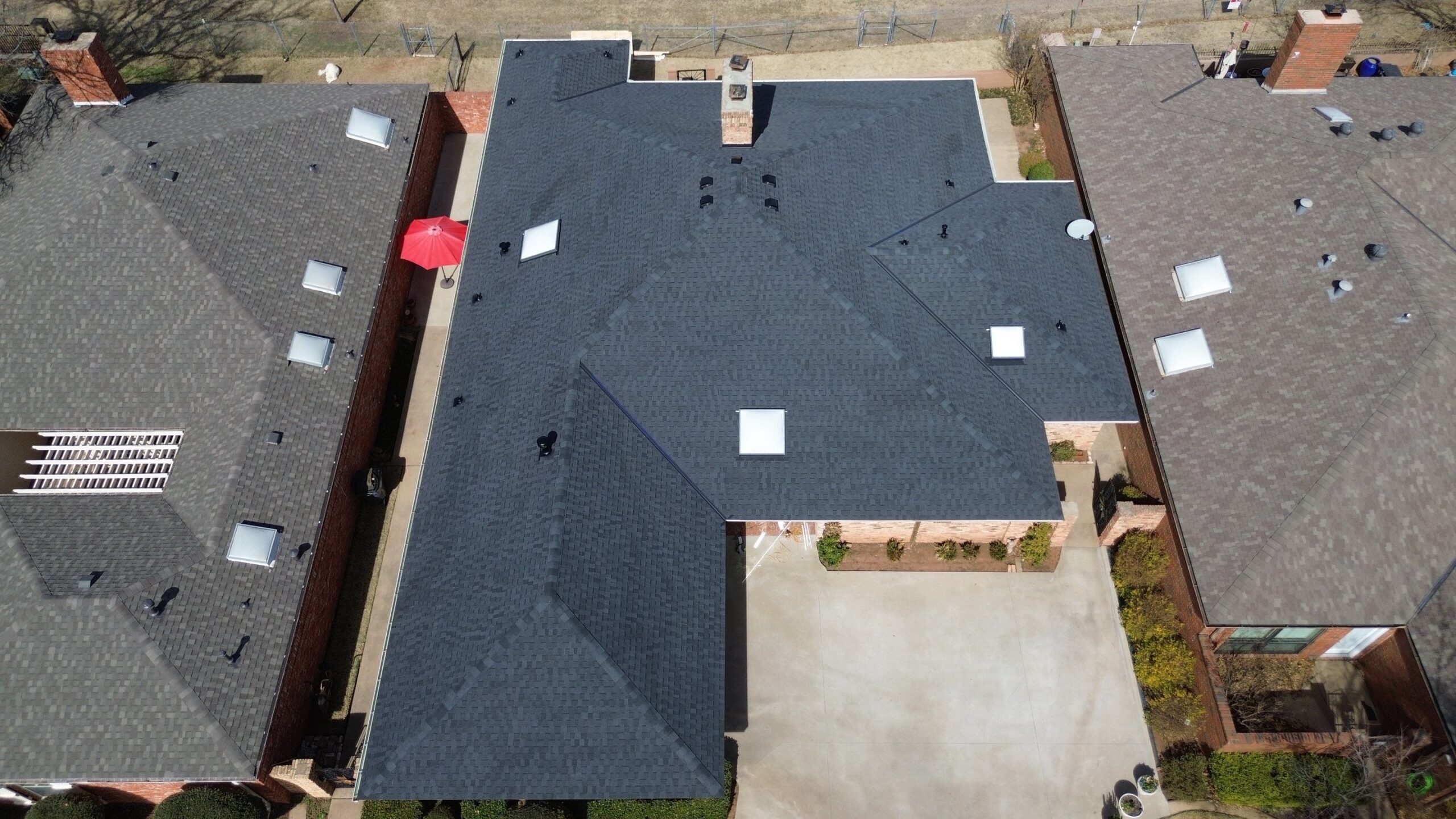
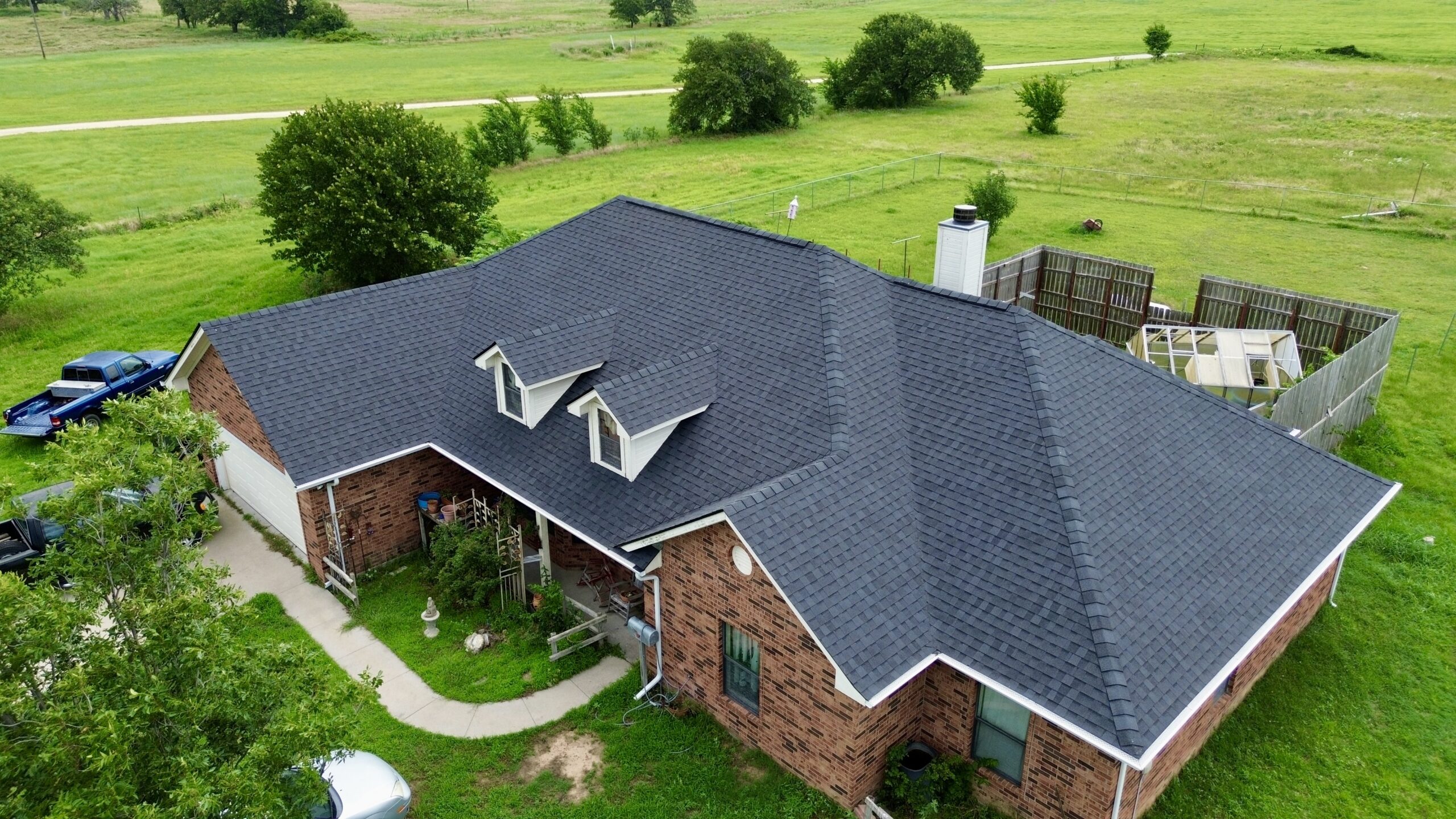
Roof design matters as well. Complex roofs with multiple slopes, valleys, dormers, chimneys, skylights, and other penetrations contain more areas where water must be directed and sealed properly. These locations deserve particular attention because problems around transitions and penetrations can sometimes lead to leaks even when the main roof surface appears healthy.
A useful evaluation should identify both existing problems and potential risks. For example, a small area of damaged roofing may not require immediate replacement, but it should still be documented and monitored. Recording observations with photographs and dates can help homeowners recognize whether conditions are stable or getting worse.
The goal of an evaluation is not simply to label a roof as good or bad. Instead, the evaluation should answer practical questions about its current performance, remaining service life, maintenance needs, and potential risks. This information can help homeowners make better decisions before a minor roofing concern develops into significant property damage.
Evaluating Roof Age and Expected Service Life
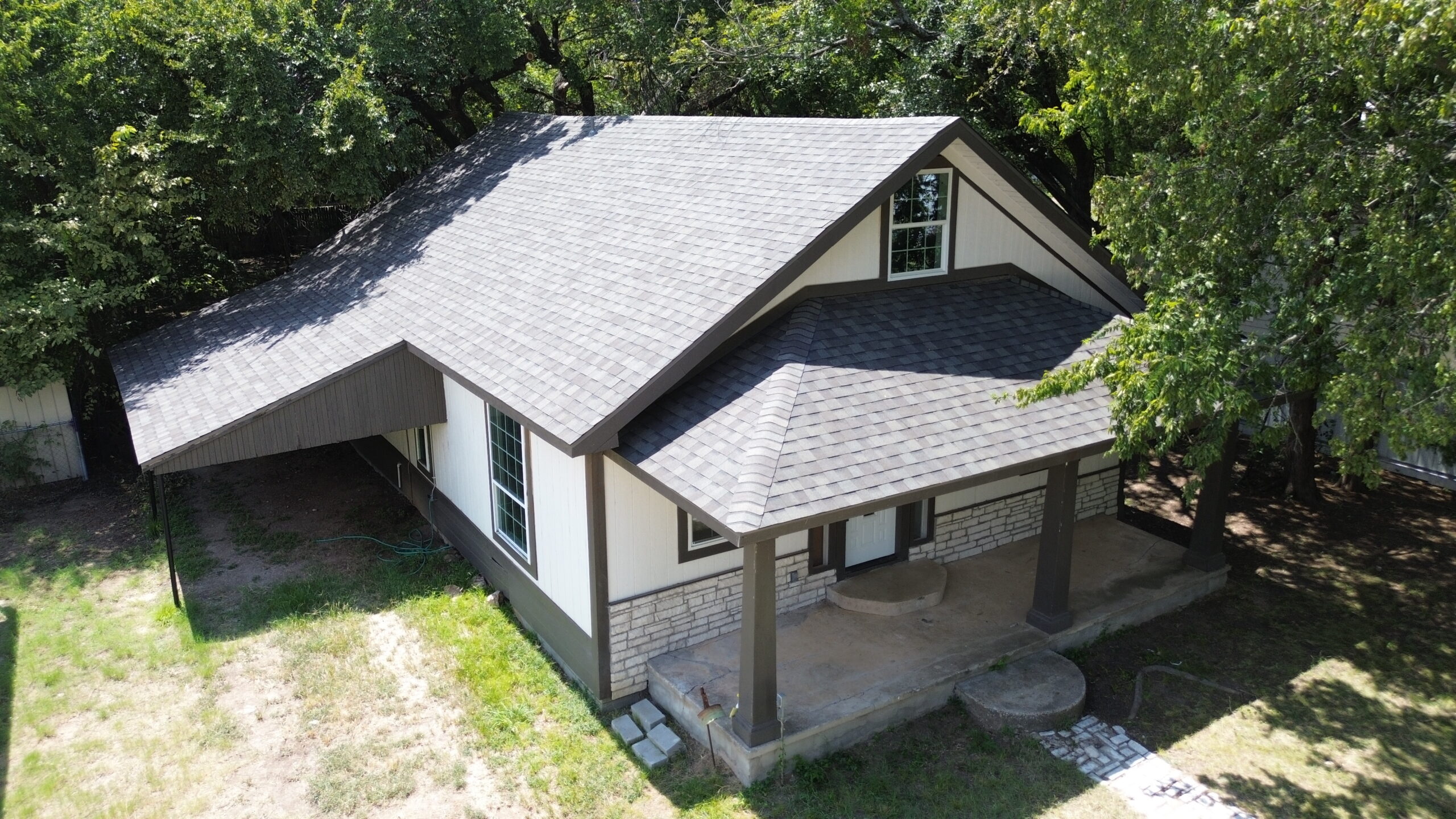
Roof age is one of the most important factors to consider when evaluating a residential roofing system. Every roofing material has a typical service life, but actual performance can vary depending on installation quality, maintenance, weather exposure, ventilation, and environmental conditions. Knowing the approximate installation date provides a useful starting point for understanding the roof’s current condition.
A relatively new roof may still develop problems if it was damaged by severe weather or installed incorrectly. An older roof, however, deserves closer attention even when there are no obvious leaks. As roofing materials age, they can gradually become less flexible, lose protective properties, and become more vulnerable to cracking, lifting, or other forms of deterioration.
Homeowners should look for records that can confirm when the roof was installed. Contractor invoices, warranties, property records, inspection reports, and previous maintenance documents may provide useful information. If the installation date is unknown, a roofing professional may be able to estimate the roof’s age based on its materials and visible condition.
The material itself should also be identified because expected service life differs between roofing systems. Asphalt shingles, metal roofing, clay or concrete tiles, wood shakes, and slate all have different performance characteristics. Even within the same material category, product quality, installation method, climate, and maintenance can affect how long the roof remains functional.
Age should never be used as the only reason to recommend replacement. A roof that is older but well maintained and performing properly may continue to provide useful service, while a newer roof with widespread damage may require significant attention. The most accurate evaluation combines age with visible condition and the performance of the complete system.
Homeowners should also consider the roof’s remaining service life rather than focusing only on how many years it has already been installed. If a roof is approaching the later portion of its expected lifespan and several warning signs are appearing, planning for replacement may be more sensible than waiting for a major failure. Early planning can give homeowners more time to compare materials, contractors, and project costs.
Inspecting Shingles and Other Roofing Materials
The roof covering is usually the most visible part of a residential roofing system, making it an important starting point for an evaluation. Depending on the home, the covering may consist of asphalt shingles, metal panels, clay or concrete tiles, wood shakes, slate, or another material. Each type should be evaluated according to its specific characteristics and typical failure patterns.
For asphalt shingles, homeowners can look for visible curling, cracking, blistering, missing sections, exposed areas, and excessive loss of protective granules. Shingles that appear loose or lifted can be particularly vulnerable during strong winds. Granules collecting in gutters may also indicate material wear, although some granule loss can occur naturally and should be considered alongside the roof’s overall condition.
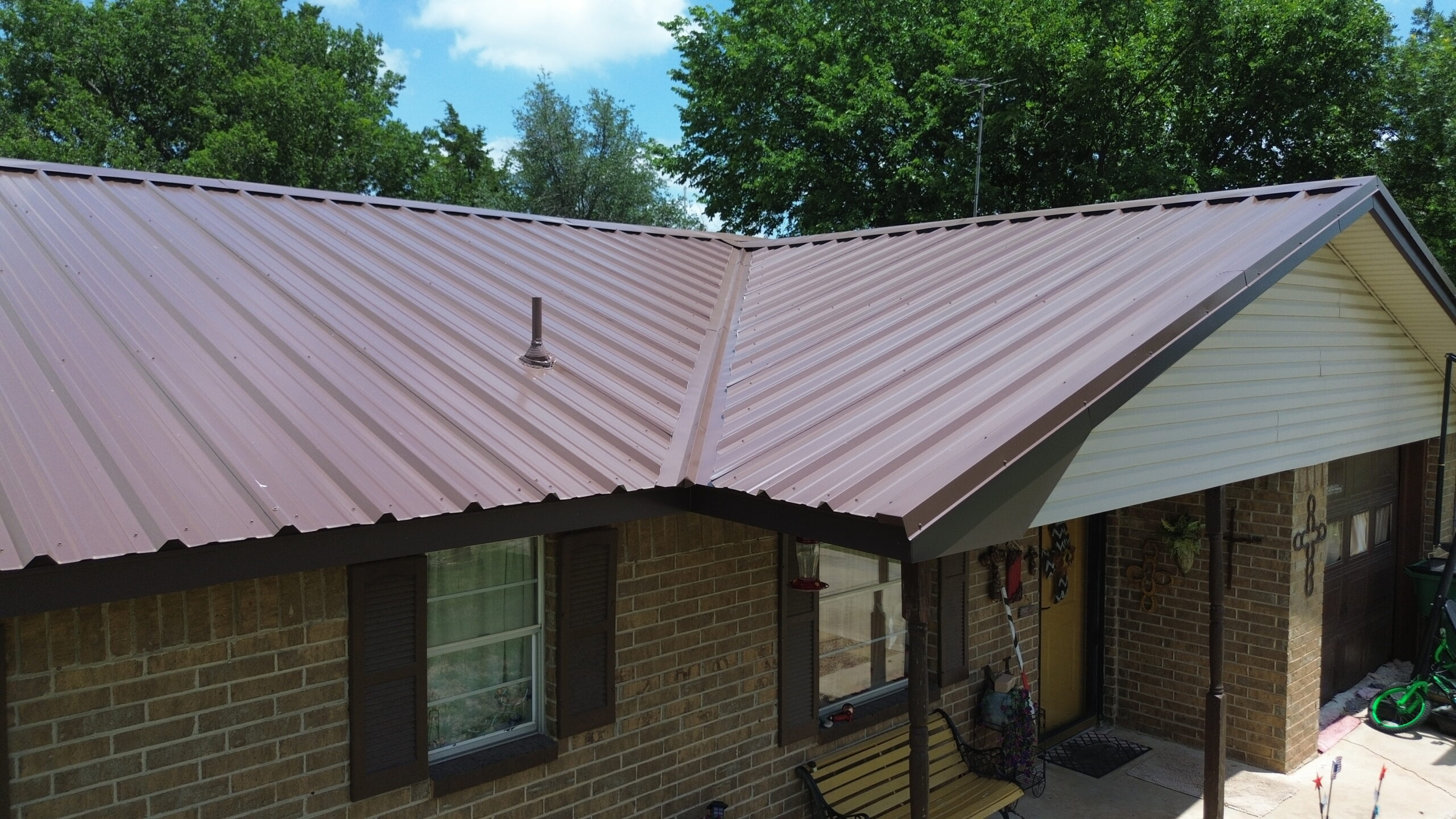
Metal roofing should be checked for visible corrosion, damaged panels, loose fasteners, separated seams, dents, and deteriorated coatings. Small areas of damage may sometimes be repaired, but widespread corrosion or repeated water intrusion can indicate a more significant problem. Because metal roofing systems can vary considerably, professional evaluation may be appropriate when defects are difficult to identify.
Tile roofs require attention to cracked, broken, shifted, or missing tiles. A tile itself may be replaceable without replacing the entire roof, but the condition underneath the tiles is also important. Damaged underlayment or flashing can create water problems even when most of the visible tiles remain intact.
Wood roofing materials can develop splitting, warping, decay, or discoloration when exposed to moisture and changing weather conditions. Slate can remain durable for many years, but individual pieces may crack or become displaced. Repairs to specialty materials should generally be performed by professionals who understand the specific roofing system.
Homeowners should avoid walking across roofing materials during a basic evaluation because doing so can cause damage or create a fall hazard. Instead, visible areas can be examined from safe locations, while a qualified professional can conduct a closer inspection when necessary. Photographs taken from the ground can also help document changes over time.
Checking Flashing, Seals, and Roof Penetrations
Flashing is an important part of a roofing system because it helps direct water away from vulnerable areas. It is commonly installed around chimneys, skylights, vents, roof-to-wall transitions, valleys, and other locations where different surfaces meet. Problems with flashing can cause leaks even when the main roofing material remains in relatively good condition.
During an evaluation, homeowners should look for visible signs of loose, damaged, corroded, bent, or deteriorated flashing from safe viewing positions. Areas around chimneys and roof penetrations deserve particular attention because they interrupt the normal flow of water across the roof. Damaged seals or deteriorated materials around these locations can create pathways for moisture.
Roof penetrations should also be examined carefully. Plumbing vents, exhaust vents, skylights, satellite equipment, and other installations can require specialized flashing and sealing. If these components become damaged or improperly installed, water may enter around the penetration and travel into the structure.
Roof valleys are another important area because they collect and direct water toward drainage points. Leaves, branches, dirt, or other debris can interfere with water movement, while damaged valley materials may increase the risk of leaks. Valleys should therefore be included in any thorough roofing evaluation.
It is important not to rely on caulking or sealant as a permanent solution for every flashing problem. Sealants can deteriorate over time, and applying new material over an unresolved defect may only hide the underlying issue. The cause of the water intrusion should be identified before deciding what repair is appropriate.
A professional inspection becomes especially valuable when flashing problems are suspected. Correctly evaluating these areas may require examining how components overlap and connect beneath the visible surface. Properly functioning flashing can significantly reduce the risk of water intrusion and help extend the useful life of the roofing system.
Identifying Signs of Water Damage and Leaks
Water damage is one of the most important indicators of roofing system condition. A leak can begin with a relatively small opening but become more serious if water continues entering the structure. Because water can travel along roofing materials and structural components, the visible location of damage inside the home may not be directly beneath the original entry point.
Homeowners should inspect accessible ceilings, walls, and attic spaces for stains, discoloration, peeling paint, bubbling surfaces, or damp materials. These signs can indicate that moisture has entered the building. Even if an area appears dry during an inspection, previous water staining should not be ignored because some leaks occur only during heavy rain or particular wind conditions.
The attic can provide particularly useful information. Darkened wood, damp insulation, water marks, rusty fasteners, or moisture around roof penetrations may indicate a roofing or ventilation problem. However, condensation can sometimes create moisture that resembles a roof leak, so identifying the exact cause is important before beginning repairs.
Persistent musty odors may also indicate moisture problems. An odor alone does not prove that the roof is leaking, but it can be a reason to investigate further when combined with staining or dampness. Unresolved moisture can affect building materials and may eventually create more extensive damage.
Exterior observations should be compared with interior evidence whenever possible. For example, a visible area of damaged flashing near a chimney combined with staining in the nearby ceiling can provide useful clues about a potential leak. However, homeowners should not assume that the closest visible defect is automatically the source because water can travel before becoming noticeable indoors.
Any active leak should be investigated promptly, particularly when water is entering living areas or the attic. Temporary measures may help limit immediate exposure, but the underlying cause should still be addressed. Early identification can reduce the likelihood that moisture will damage insulation, decking, framing, ceilings, walls, or other parts of the home.
Assessing Roof Surface and Structural Appearance
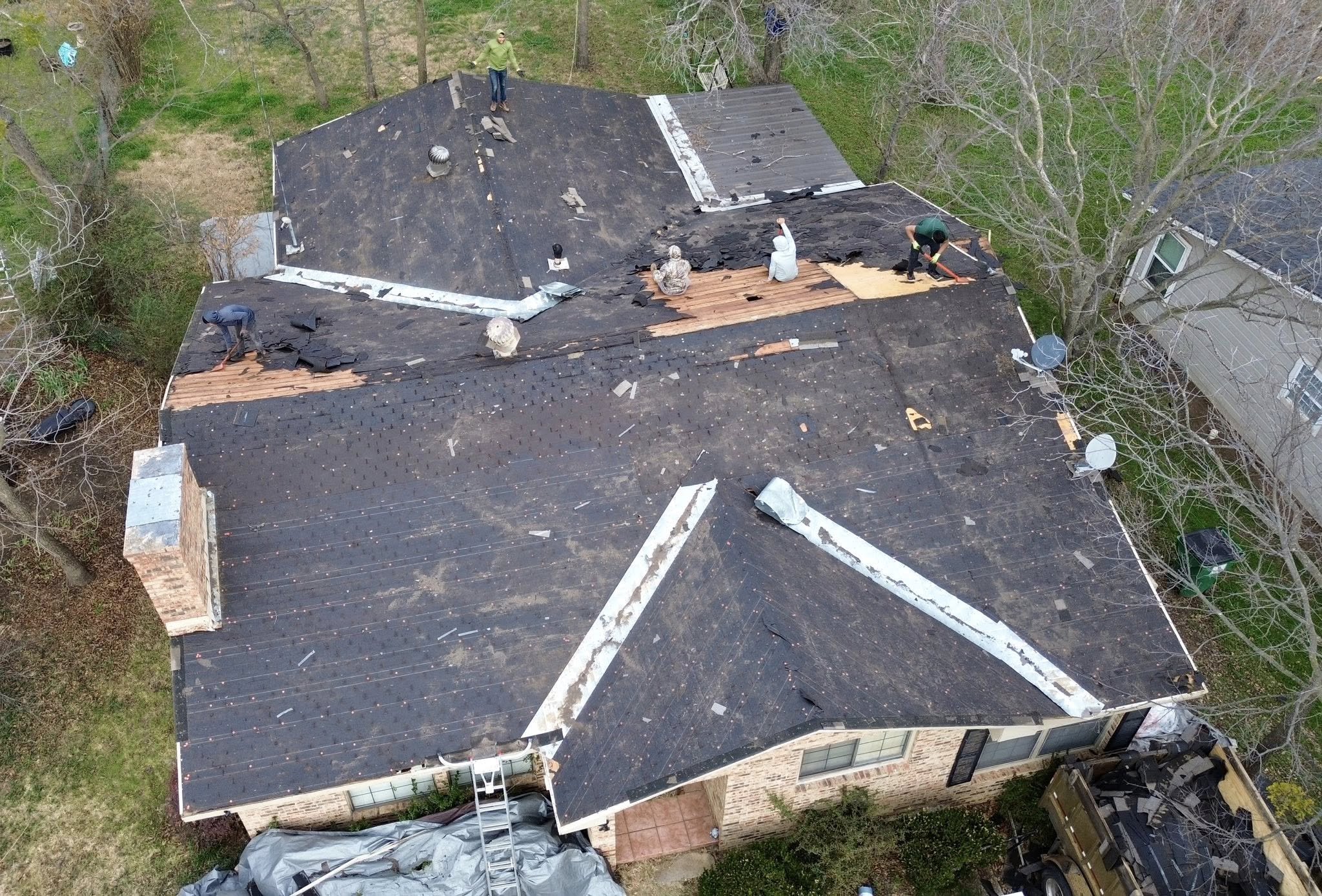
The overall appearance of the roof can provide valuable clues about its condition. Homeowners should look at the roof from several safe viewpoints and compare different sections rather than focusing on one area. Uneven surfaces, sagging sections, excessive wear, or noticeable changes in the roofline may indicate problems that require professional attention.
A properly functioning roof should generally maintain a consistent shape appropriate to its design. Sagging or depressed areas can be concerning because they may indicate trapped moisture, deteriorated decking, structural movement, or drainage problems. These conditions should not be treated as ordinary cosmetic defects.
The roof edges should also be observed because they are exposed to wind and weather and play an important role in water management. Loose or damaged materials along eaves and other edges can increase vulnerability during storms. Gutters and drainage components attached to the roof edge should also be checked for visible separation or improper alignment.
Changes in surface texture can provide additional information. Areas that appear significantly different from surrounding sections may have experienced previous repairs, localized damage, or accelerated weathering. A roof with many visibly patched sections may deserve a more detailed assessment, particularly if the repairs were performed at different times.
Vegetation and debris should also be considered. Branches resting on the roof can damage roofing materials, while persistent organic debris can hold moisture against the surface. Nearby trees should be maintained carefully to reduce the risk of falling branches and excessive debris accumulation.
Finally, homeowners should consider whether the roof’s overall appearance matches its known history. A roof that is relatively young but already showing extensive deterioration may warrant investigation into installation quality, ventilation, material defects, or severe weather exposure. By evaluating the surface, structure, drainage, and history together, homeowners can develop a much clearer understanding of the roofing system’s actual condition.
Inspecting the Attic and Interior Areas
Evaluating a residential roofing system should continue inside the home because some of the most useful evidence of roof condition may not be visible from outside. The attic provides an opportunity to examine the underside of the roof deck, insulation, ventilation pathways, and areas around penetrations. These observations can reveal moisture problems that may not yet have caused obvious damage to ceilings or walls.
When inspecting an accessible attic, homeowners should look for water stains, darkened wood, damp insulation, rusted fasteners, and signs of previous moisture exposure. These conditions can indicate a roof leak, condensation issue, or another source of unwanted moisture. The location and pattern of the evidence can help a professional determine whether the problem is related to the roofing system or another building component.
Insulation condition is also important. Wet or compressed insulation may indicate that water has entered the attic or that moisture is accumulating because of inadequate ventilation. Damaged insulation can reduce energy efficiency and may prevent the attic from maintaining the conditions needed for proper roof performance.
The underside of the roof deck should be observed for discoloration, deterioration, or visible gaps. Wood that has been repeatedly exposed to moisture can weaken over time, and extensive deterioration may affect more than the roofing surface. Any areas that appear soft, severely damaged, or structurally compromised should be evaluated by a qualified professional.
Interior ceilings and walls should also be checked, particularly below areas containing roof penetrations or complex roof transitions. Brown stains, peeling paint, bubbling drywall, and recurring dampness can provide evidence of water intrusion. However, the visible location inside the home may not directly correspond with the actual entry point on the roof.
Homeowners should document interior warning signs with photographs and note when they appear. If staining becomes more noticeable after heavy rain, that information can help identify the circumstances under which the problem occurs. Keeping records can also help distinguish an ongoing issue from an old stain that has already been repaired.
Safety should remain a priority during attic inspections. Homeowners should avoid stepping between ceiling joists where there is no safe walking surface and should be cautious around electrical wiring, insulation, nails, and other hazards. When significant moisture or structural damage is suspected, a professional inspection is safer and more reliable than attempting to investigate difficult areas independently.
Evaluating Roof Ventilation and Moisture Control
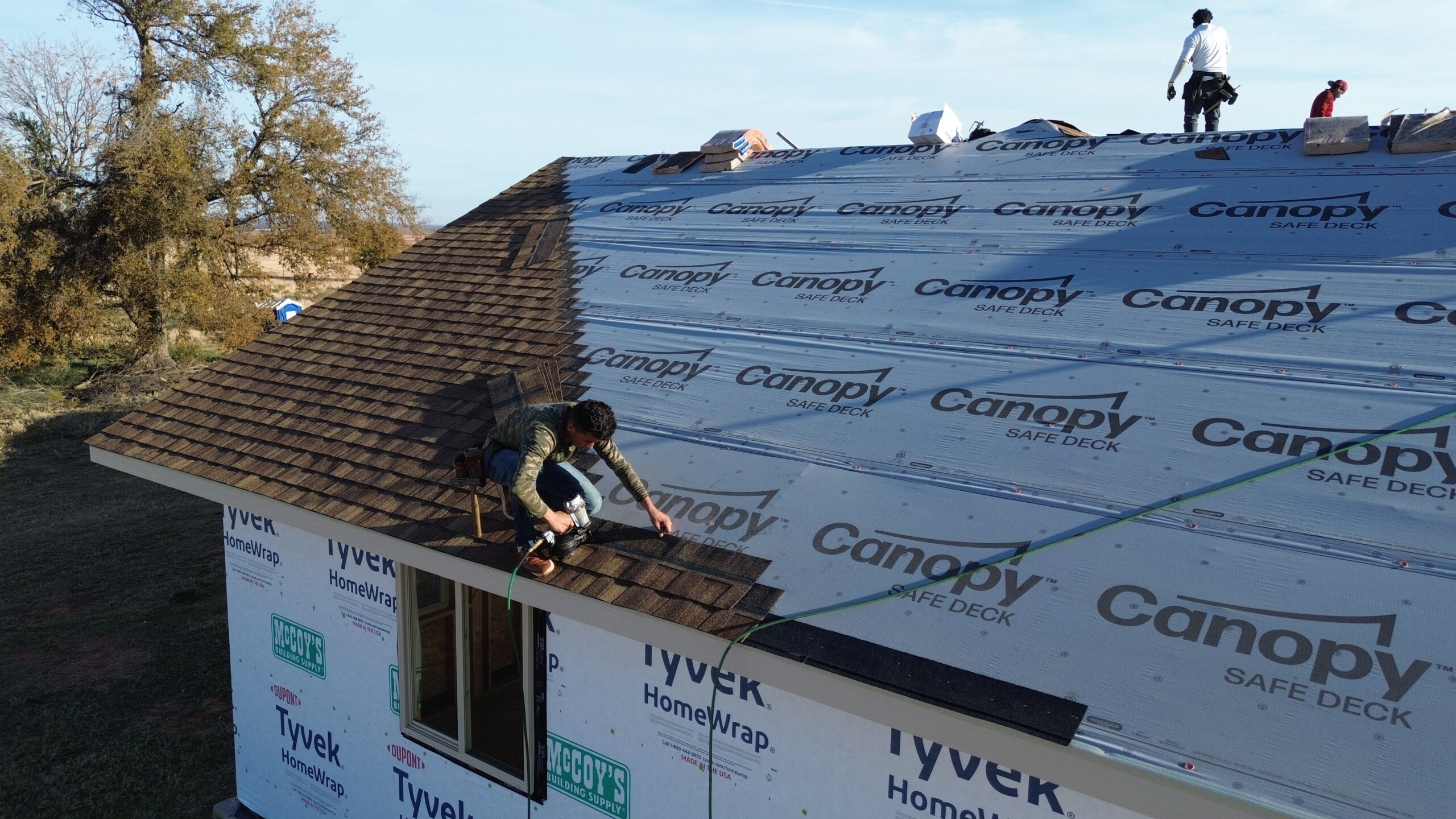
Roof ventilation is an important part of residential roofing system performance because it helps manage heat and moisture within the attic. A roof can have high-quality shingles or other materials and still experience premature problems if the attic environment remains excessively hot or humid. Evaluating ventilation should therefore be part of a complete roof condition assessment.
A properly designed ventilation system typically allows air to enter through appropriate intake locations and leave through exhaust openings. The exact arrangement depends on the roof design and construction, but the goal is to promote consistent airflow without creating pathways for rain to enter. Blocked, missing, or poorly designed ventilation components can interfere with this balance.
Signs of ventilation problems may include excessive attic heat, condensation, damp insulation, moisture staining, or deterioration of wood components. In colder conditions, moisture can accumulate when warm indoor air enters the attic and meets cooler surfaces. In warmer climates, excessive heat buildup can place additional stress on roofing materials and increase attic temperatures.
Homeowners should look at visible vents from the exterior and accessible ventilation components inside the attic. Vents should not be blocked by insulation, debris, or other materials where such blockage interferes with their intended function. However, homeowners should avoid modifying ventilation openings without understanding the overall design because changing one component can affect airflow throughout the system.
Roof ventilation should also be considered alongside insulation and air sealing. Gaps around plumbing pipes, electrical fixtures, attic hatches, and other areas can allow conditioned indoor air to enter the attic. If that air contains moisture, condensation may develop and create problems that can be mistaken for roof leaks.
The age and condition of ventilation components matter as well. Damaged vent covers, deteriorated seals, and improperly installed vents can become potential entry points for water. A professional evaluation can determine whether ventilation components are functioning properly and whether improvements are needed.
A roofing condition assessment should therefore consider ventilation as part of the complete system rather than treating it as an unrelated feature. Correcting ventilation or moisture-control problems can help protect roofing materials, reduce condensation-related damage, and improve the long-term performance of the home.
Checking Gutters, Downspouts, Valleys, and Drainage
Effective drainage is essential to the performance of a residential roofing system. A roof is designed to shed water toward designated drainage areas, where gutters, downspouts, valleys, and other components help move it away from the structure. Problems with drainage can increase moisture exposure and contribute to roof, wall, foundation, or landscaping damage.
Gutters should be checked for excessive debris, sagging sections, visible separation, corrosion, or improper slope. Leaves, branches, and other materials can restrict water movement and cause water to accumulate during rainfall. Gutters that pull away from the roof edge may also indicate that they require maintenance or repair.
Downspouts should direct water away from the home’s foundation. If water is discharged directly beside the structure, it can contribute to moisture problems around the foundation and exterior walls. Downspouts should therefore be examined as part of the overall drainage system rather than viewed as separate from roof maintenance.
Roof valleys deserve particular attention because they concentrate water from multiple roof sections. Leaves and debris can accumulate in these areas, while damaged valley materials may create pathways for water intrusion. The condition of the valley should be considered alongside nearby shingles, tiles, flashing, and underlayment.
Standing water is another warning sign. Residential roofs are generally designed to move rainwater away rather than retain it for extended periods. Persistent ponding can indicate drainage problems, surface irregularities, blocked outlets, or other conditions that require investigation.
Drainage should also be evaluated after major weather events. Heavy rainfall can reveal problems that are not obvious during dry conditions, including overflowing gutters, water backing up around roof features, or inadequate discharge from downspouts. Observing these conditions from a safe location can provide useful information for a later professional assessment.
Maintaining drainage components is one of the simpler ways homeowners can support roof performance. However, cleaning gutters alone will not solve every drainage issue. If water consistently collects in the same area or the system repeatedly overflows despite being clear, the underlying design or condition should be evaluated by a qualified professional.
Recognizing Storm, Wind, Hail, and Weather Damage
Weather exposure is one of the major factors that influences residential roofing system condition. Strong winds, hail, heavy rain, snow, ice, falling branches, and intense sunlight can all contribute to deterioration. After a significant weather event, homeowners should look for signs of damage even when there is no immediate leak.
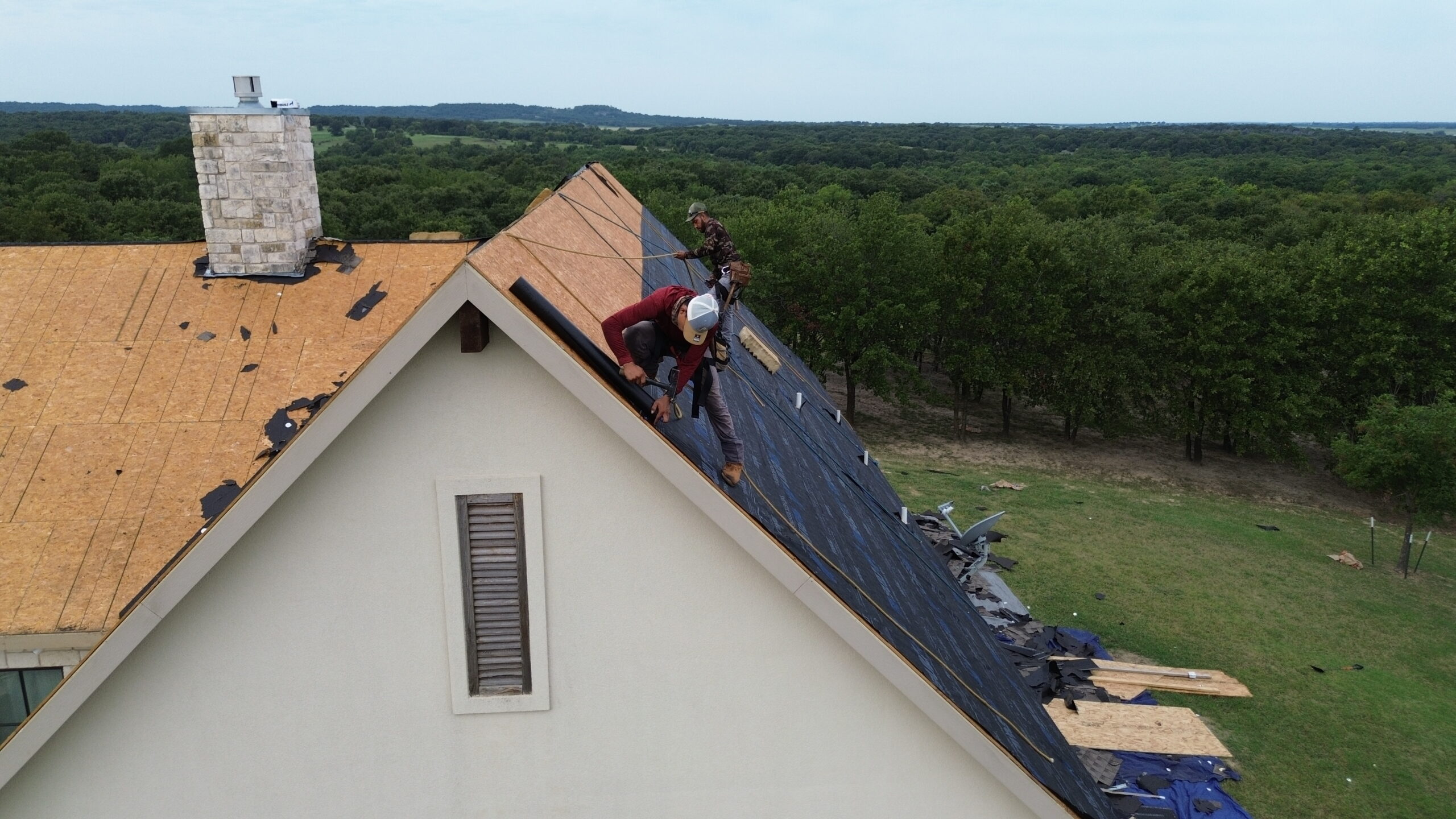
Wind damage can cause shingles to lift, crease, loosen, or disappear entirely. It may also affect flashing, ridge components, roof edges, and other vulnerable areas. Some damage may be difficult to identify from the ground, so a professional inspection can be valuable after particularly strong storms.
Hail can create dents, fractures, or surface damage depending on the roofing material. On asphalt shingles, the impact may remove protective granules or damage the underlying mat. On metal roofing, hail may leave visible dents, while tile or slate can crack or break from significant impact.
Heavy rain can expose drainage and flashing problems that were previously unnoticed. If water enters around chimneys, skylights, vents, or roof-to-wall transitions during storms, those areas may require closer inspection. Wind-driven rain can also enter through small weaknesses that might not cause problems during lighter rainfall.
Falling branches and debris can create localized damage. Even when a branch does not penetrate the roof, the impact may crack, displace, or weaken roofing materials. Debris that remains on the roof can also trap moisture and contribute to surface deterioration.
Weather-related aging can occur gradually rather than during one specific event. Repeated exposure to ultraviolet radiation, temperature changes, moisture, and wind can slowly weaken roofing materials. A roof that has experienced many years of severe weather may therefore require more frequent evaluation even if no single event caused obvious damage.
Homeowners should document storm damage when it is safe to do so. Photographs from the ground can establish what was visible after the event, while professional inspection reports can provide more detailed information. Prompt evaluation is particularly important when roofing materials are missing or water is entering the home.
Assessing Previous Repairs and Maintenance History
A roof’s maintenance and repair history can reveal valuable information about its current condition. A system that has been regularly inspected and maintained may perform differently from one that has received little attention over many years. Previous repairs can also show where recurring problems have developed.
Homeowners should gather available records such as contractor invoices, inspection reports, warranties, photographs, and material information. These documents can help establish when work was performed and what components were replaced. They can also prevent homeowners from unnecessarily repeating work that has already been completed.
The number and location of repairs should be considered together. One isolated repair on an otherwise healthy roof may not be concerning, while numerous repairs across different sections could indicate broader deterioration. Repeated work in the same location may also suggest that the original cause was not fully corrected.
Previous repairs should be inspected for visible signs of failure. Loose replacement shingles, cracked sealants, deteriorated patches, or mismatched materials may indicate that older work requires attention. However, visual differences do not automatically mean a repair was improperly performed because roofing materials naturally weather and change appearance over time.
Maintenance history can also provide insight into preventable problems. Records showing regular gutter cleaning, storm inspections, flashing repairs, and ventilation work may indicate that the system has received appropriate care. Conversely, long periods without inspection may increase uncertainty about hidden deterioration.
Homeowners should also determine whether previous work was performed by qualified professionals. If documentation is incomplete or the quality of older repairs is uncertain, a professional inspection can help establish the current condition. This is particularly important when buying a home or preparing to make a major roofing investment.
Understanding the roof’s history makes current evaluation more meaningful. The objective is not to judge previous work simply by its existence, but to determine how that work has affected the roof’s present performance. A complete history can help professionals identify recurring patterns and recommend appropriate next steps.
Understanding When Minor Problems Indicate Larger Roofing Issues
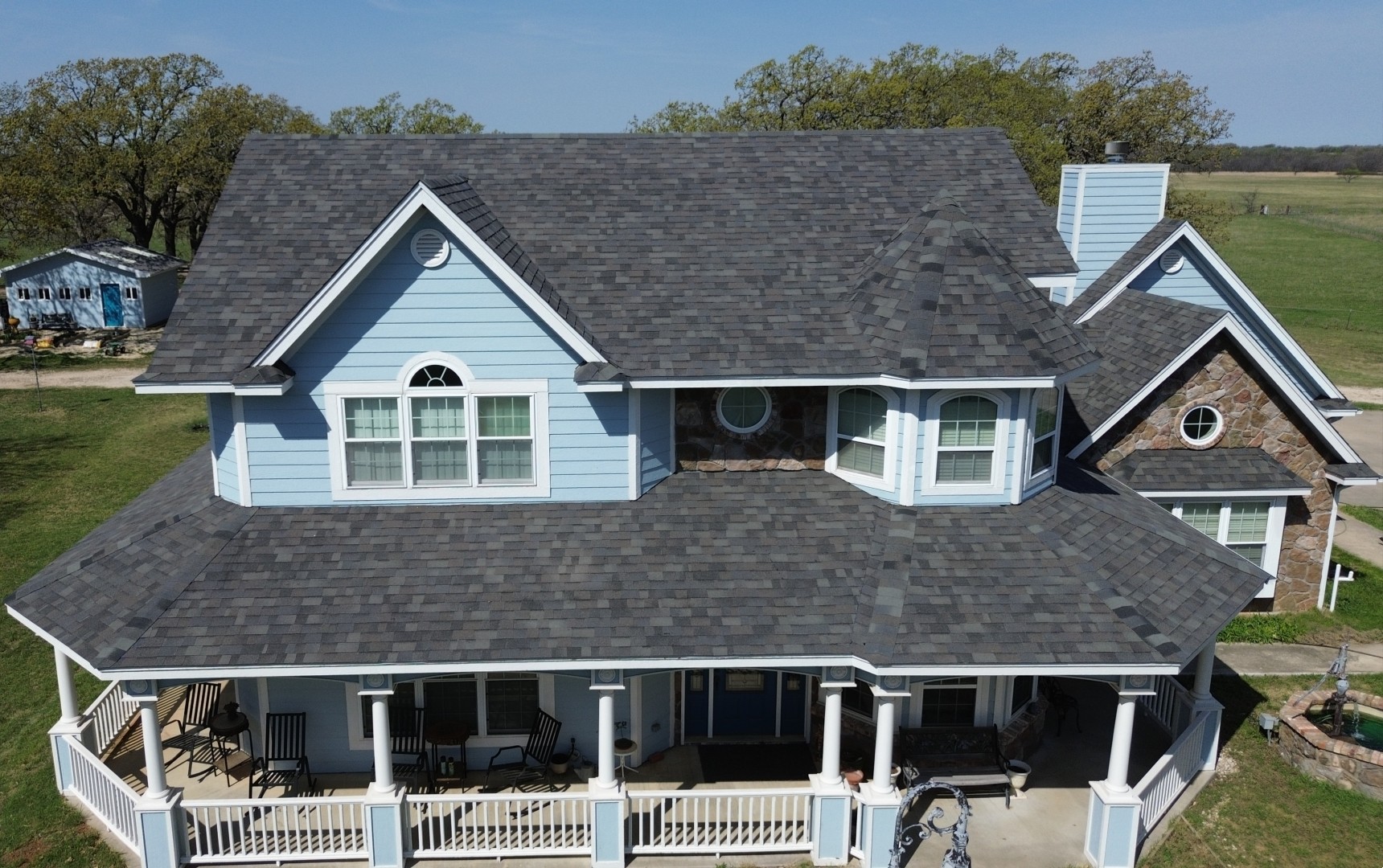
Not every visible roofing defect represents a major problem, but small issues should be considered in context. A single missing shingle may be easily corrected, while several missing sections combined with widespread cracking and repeated leaks may indicate that the roofing system is deteriorating more broadly. The surrounding conditions determine how seriously an individual defect should be treated.
Repeated problems are particularly important. If a homeowner repairs one leak and another appears soon afterward in a different location, the pattern may suggest that the roof requires a more comprehensive evaluation. Multiple problems can indicate aging materials, poor installation, ventilation deficiencies, drainage problems, or widespread weather damage.
The relationship between visible and hidden components also matters. A damaged shingle may allow water to reach the underlayment or roof deck, while a flashing problem may allow moisture to enter around a penetration. What begins as a small surface defect can therefore create more significant damage if it remains unresolved.
Homeowners should also consider how quickly a problem is changing. A small area that remains stable after proper repair may not require major intervention, while a defect that expands, returns, or begins affecting surrounding materials deserves closer attention. Monitoring changes over time can help identify whether a condition is isolated or progressive.
Several warning signs appearing together should increase the priority of a professional assessment. These may include:
- Multiple active or recurring leaks across different areas
- Widespread cracking, curling, lifting, or material deterioration
- Sagging or visibly uneven roof sections
- Significant moisture or deterioration in the attic
- Repeated failures around flashing and roof penetrations
The presence of one of these signs does not automatically mean the entire roof must be replaced. Instead, they indicate that the roofing system should be evaluated more carefully before homeowners invest in additional repairs.
A complete condition assessment should ultimately answer three questions: what problems exist, what is causing them, and how broadly do they affect the roofing system? Once those questions are understood, homeowners can make more informed decisions about maintenance, repair, or eventual replacement. This approach avoids both unnecessary replacement and the risks of ignoring problems that require timely attention.
Evaluating Roofing System Components as a Whole
A residential roofing system should be evaluated as a complete assembly rather than as a collection of unrelated parts. The roof covering, underlayment, flashing, ventilation, drainage, roof deck, and structural components all work together to protect the home. A problem in one area can place additional stress on other components, so evaluating each part individually is useful, but understanding how they interact is even more important.
The roof covering is the first layer exposed to weather and therefore receives much of the attention during an inspection. However, good-looking shingles, tiles, or metal panels do not necessarily mean that the complete system is performing properly. The condition of the materials underneath, including the underlayment and roof deck, should also be considered when evidence of moisture or deterioration is present.
Flashing and roof penetrations deserve special consideration because they interrupt the continuous roofing surface. Chimneys, skylights, vents, dormers, walls, and other transitions require properly installed components to prevent water from entering. If these areas repeatedly develop leaks, the issue may involve installation, deterioration, or movement rather than simply a damaged piece of roofing material.
Ventilation and drainage should also be evaluated as part of the complete system. Poor attic airflow can contribute to moisture accumulation and excessive heat, while blocked gutters or poorly functioning valleys can prevent water from leaving the roof efficiently. These conditions can shorten the useful life of otherwise durable roofing materials.
The surrounding property can influence roofing performance as well. Overhanging branches can scrape or damage roofing materials, while trees can contribute leaves and debris that interfere with drainage. Homes exposed to strong winds, intense sunlight, heavy rain, snow, or other severe conditions may also experience faster deterioration than properties in less demanding environments.
A complete evaluation should therefore bring all these observations together. Instead of asking whether one component looks acceptable, homeowners should consider whether the roofing system as a whole is shedding water effectively, resisting weather, controlling moisture, and protecting the structure. This broader perspective provides a stronger foundation for deciding what work may be necessary.
Understanding Repair and Replacement Indicators
Once the major roofing components have been evaluated, homeowners can begin determining whether the system requires routine maintenance, targeted repairs, or more extensive work. The decision should be based on the severity and distribution of problems, the roof’s age, its maintenance history, and its expected remaining service life. No single visible defect should automatically determine the outcome.
Repair is generally more appropriate when problems are limited to specific areas and the surrounding roofing materials remain in good condition. Examples may include a small number of damaged shingles, isolated flashing deterioration, or a localized leak with a clearly identifiable source. Correcting these issues promptly can help prevent further damage while allowing the rest of the roof to continue performing.
Replacement becomes more relevant when deterioration is widespread or the roof is approaching the end of its useful life. Multiple recurring leaks, extensive surface deterioration, significant structural concerns, or numerous failed repairs can indicate that the existing system is no longer providing dependable long-term performance. In such cases, continuing to patch individual areas may become increasingly expensive.
The cost of repairs should also be considered in relation to the roof’s remaining service life. A modest repair may provide several additional years of useful performance on a healthy roof, making it a sensible investment. The same repair may provide limited value on a severely aged system that is already showing deterioration in several other areas.
Homeowners should also consider whether previous repairs have successfully resolved their underlying causes. If the same problem continues to return, simply repeating the previous repair may not be the best approach. The roofing system should be reassessed to determine whether the recurring issue points to a larger defect.
A professional evaluation can help homeowners make this distinction. Rather than focusing only on the cost of today’s work, the assessment should explain the condition of the existing system, the likely cause of observed problems, and the expected benefits of the recommended solution. This allows homeowners to compare immediate expenses with long-term reliability.
Comparing Roof Condition With Remaining Service Life
The current condition of a roof becomes much more meaningful when compared with its expected remaining service life. A relatively young roof with a localized defect may have many productive years ahead after an appropriate repair. An older roof with widespread deterioration may have limited remaining value even if it is still keeping most of the home dry.
Determining remaining service life is not an exact calculation. Roofing material, installation quality, climate, maintenance, ventilation, exposure, and previous damage all influence how long a system can continue performing. For this reason, homeowners should treat expected service-life estimates as general guidance rather than guarantees.
The roof’s age should be compared with its visible condition. If an older roof remains flexible, properly attached, and free from widespread deterioration, continued maintenance may be reasonable. If the same-aged roof has recurring leaks, significant surface wear, damaged flashing, and deteriorated underlying components, replacement planning may be more appropriate.
The history of maintenance can also affect expectations. A roof that has received regular inspections and prompt repairs may have avoided some forms of preventable deterioration. On the other hand, a system that has been neglected for many years may contain hidden problems that are not obvious from a simple exterior inspection.
Homeowners should consider future housing plans as well. Someone planning to remain in a property for many years may benefit from investing in a new roofing system when the existing roof is approaching the end of its service life. A homeowner with shorter-term plans may still need to address significant defects, but the appropriate scope of work could differ depending on the property’s circumstances.
Climate and local weather patterns should also be considered when evaluating remaining service life. Repeated exposure to strong sunlight, high winds, heavy rain, snow, ice, or large temperature changes can influence roofing performance. A professional familiar with local roofing conditions can provide more useful context when interpreting visible aging.
Ultimately, remaining service life should be viewed as a planning tool rather than a precise expiration date. The objective is to identify when the roof is likely to continue providing reliable protection and when homeowners should begin preparing for more substantial work. Early planning can make future roofing decisions less stressful and more financially manageable.
When to Get a Professional Roofing Inspection
Homeowners can perform basic observations from safe locations, but certain conditions require professional evaluation. A qualified roofing professional has the experience and equipment needed to examine difficult areas, identify less obvious defects, and assess components that may not be visible from the ground. Professional inspections are particularly valuable when major roofing decisions are being considered.
An inspection should be considered when the roof has experienced significant storm damage. Missing roofing materials, damaged flashing, broken tiles, impact marks, or suspected leaks should be evaluated promptly. A professional can determine whether the damage is isolated or affects a larger portion of the system.
Professional evaluation is also important when leaks repeatedly occur. If previous repairs have not stopped water intrusion or new leaks appear in different areas, the roofing system may have a broader problem. Identifying the source of recurring leaks can prevent homeowners from spending money repeatedly on repairs that do not address the underlying cause.
A roof approaching the later portion of its expected service life may also benefit from a professional assessment. The inspection can help homeowners understand whether the roof can reasonably continue operating with maintenance or whether replacement planning should begin. This can be especially useful when a homeowner wants to budget for future work rather than waiting for an emergency.
Professional inspections are also recommended when structural concerns are visible. Sagging areas, deteriorated decking, extensive moisture damage, or unusual movement should not be treated as ordinary cosmetic defects. These conditions may involve components beneath the visible roof covering and require appropriate expertise.
Homeowners should ask for a clear inspection report or written explanation of significant findings. The assessment should distinguish between immediate concerns, recommended maintenance, potential future problems, and conditions that may require replacement. Clear documentation makes it easier to understand priorities and compare recommendations from different professionals.
Creating a Residential Roof Condition Assessment
After gathering information about the roof’s age, materials, visible condition, interior evidence, drainage, ventilation, weather exposure, and repair history, homeowners can create a simple condition assessment. This provides a structured record of the roofing system and makes it easier to monitor changes over time.
The assessment should begin with basic information such as the approximate installation date, roofing material, roof design, known previous repairs, and major weather events. Homeowners can then record the condition of visible roofing materials, flashing, gutters, valleys, vents, and roof edges. Photographs are particularly useful because they provide a visual reference for future inspections.
The assessment should separate confirmed problems from conditions that require further investigation. For example, a missing shingle can be recorded as a visible defect, while suspected deterioration beneath the roofing material should be identified as something requiring professional evaluation. This prevents assumptions from being treated as confirmed findings.
A practical assessment can classify findings into three general priorities. Routine maintenance includes issues such as debris removal or minor drainage concerns, while repair items include localized damage or deteriorated components that should be corrected. More serious findings, such as widespread deterioration, recurring leaks, or structural concerns, may require detailed professional evaluation and potential replacement planning.
Homeowners should update the assessment after significant storms, major repairs, or scheduled inspections. Comparing photographs and notes over time can reveal whether a problem is stable, improving, or progressing. This information can be particularly valuable when deciding whether to continue maintaining an older roof or prepare for replacement.
The assessment should also include recommendations and timelines. Immediate concerns should be addressed first, while less urgent maintenance can be scheduled according to the property’s needs. Keeping a written record helps homeowners make decisions based on evidence rather than relying on memory or waiting until a roofing problem becomes an emergency.
Maintaining the Roof After an Evaluation
A roofing evaluation is most useful when it leads to appropriate action and continued monitoring. Identifying a problem without correcting it can allow deterioration to continue, while completing repairs without maintaining the system can result in new issues later. Regular care helps protect the investment and can extend the useful life of many roofing systems.
Homeowners should address identified repairs according to their level of urgency. Active leaks, significant structural concerns, and storm damage generally deserve prompt professional attention, while routine maintenance can be scheduled at appropriate intervals. Waiting too long to address known defects can allow water and weather exposure to cause additional damage.
Drainage should remain a regular maintenance priority. Gutters, downspouts, valleys, and other drainage pathways should be kept clear so that rainwater can move away from the roof and home effectively. Trees should also be maintained to reduce the risk of falling branches and excessive debris accumulating on the roofing surface.
Ventilation and attic conditions should be monitored as well. Persistent condensation, damp insulation, excessive heat, or moisture staining can indicate that the attic environment needs further attention. Maintaining appropriate airflow and moisture control can support the performance of the roofing materials and underlying structure.
After severe weather, homeowners should perform a safe visual check and arrange a professional inspection when damage is suspected. Prompt action can prevent small defects from becoming larger problems. It is also helpful to maintain records of inspections, repairs, warranties, and replacement work throughout the roof’s service life.
Conclusion
Evaluating a residential roofing system condition requires more than looking for missing shingles or visible leaks. A complete assessment considers the roof covering, flashing, underlayment, ventilation, drainage, attic conditions, structural appearance, maintenance history, and exposure to weather. Examining these elements together gives homeowners a clearer understanding of how well the entire system is performing.
Regular evaluation can help identify minor problems before they develop into expensive damage. Localized defects may often be addressed through maintenance or repair, while widespread deterioration, repeated leaks, structural concerns, or an aging system may indicate that replacement planning is necessary. The right decision depends on the roof’s overall condition and expected remaining service life rather than on one isolated defect.
Professional inspections are especially valuable when significant damage, recurring leaks, structural concerns, or major roofing decisions are involved. A qualified assessment can identify conditions that are difficult to recognize from the ground and provide homeowners with a clearer explanation of what should be repaired, monitored, or replaced.
Once an evaluation is complete, continued maintenance remains essential. Keeping drainage systems clear, monitoring ventilation, addressing damage promptly, maintaining surrounding trees, and documenting repairs can help preserve roofing performance. By evaluating the roof systematically and responding to problems at the right time, homeowners can protect their property, manage roofing expenses more effectively, and extend the useful life of their residential roofing system.