

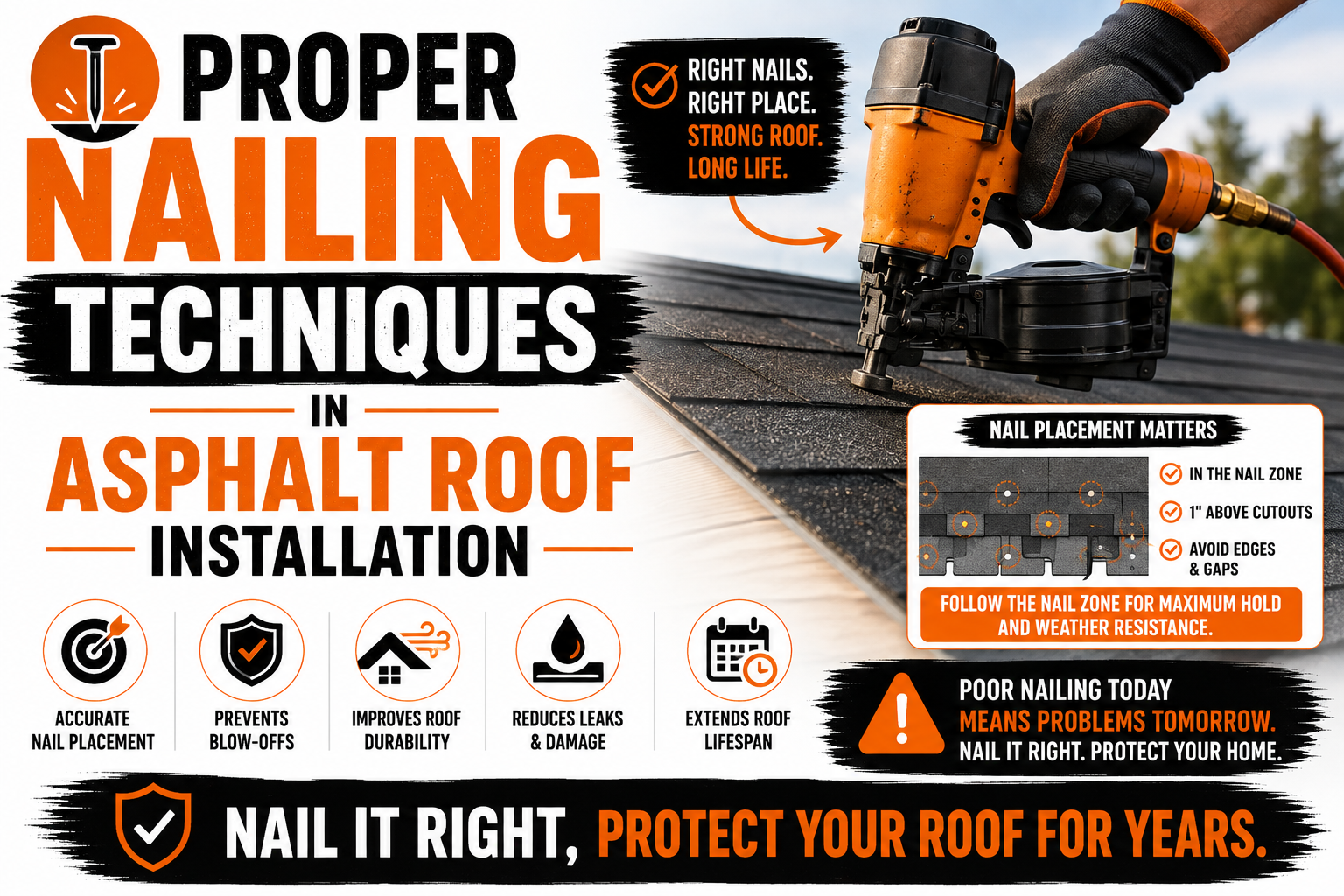
Proper Nailing Techniques in Asphalt Roof Installation
Introduction
Proper nailing is one of the most important aspects of asphalt roof installation, yet it is often overlooked by homeowners. Many people focus on selecting high quality shingles, choosing attractive colors, or comparing warranties, but the performance of an asphalt roof depends just as much on how those shingles are fastened to the roof deck. Even premium roofing materials cannot provide reliable protection if they are installed using incorrect nailing techniques.
Every roofing nail has a specific purpose within the roofing system. Nails secure shingles against wind uplift, maintain proper alignment, and help the roof resist years of changing weather conditions. When each nail is placed correctly, the completed roof functions as a unified protective barrier that shields the home from rain, wind, snow, and sunlight.
Improper nailing can lead to a wide range of roofing problems. Shingles may loosen during strong winds, water may penetrate beneath roofing materials, and sections of the roof may require repairs much sooner than expected. Many roofing failures that appear to be material defects are actually caused by incorrect fastening during installation.
Professional roofing contractors follow precise manufacturer guidelines for nail type, placement, spacing, and driving depth. These recommendations are based on extensive testing and are designed to ensure asphalt shingles achieve their intended performance. Ignoring these instructions may reduce roof durability and, in some cases, affect warranty coverage.
Modern roofing systems are engineered so that every component works together. Shingles, underlayment, flashing, ventilation, and roofing nails all contribute to the roof’s overall strength and weather resistance. Proper installation requires careful attention to every detail, including something as seemingly simple as driving a nail.
This guide explains the fundamentals of proper nailing techniques in asphalt roof installation. It explores the different types of roofing nails, correct nail placement, roof deck preparation, and common mistakes that should be avoided to help homeowners understand why proper fastening is essential for a long lasting roof.
Why Proper Nailing Is Critical in Asphalt Roof Installation
Asphalt shingles rely on both mechanical fastening and adhesive sealing to remain securely attached to the roof. Roofing nails provide the primary mechanical connection between the shingles and the roof deck, ensuring the roofing system remains stable under normal and severe weather conditions.
Strong winds place considerable pressure on roof surfaces. Without properly installed nails, shingles may lift, bend, or detach during storms, exposing the roof deck to rain and increasing the likelihood of water damage. Correct fastening distributes wind forces more evenly across the roofing system, reducing stress on individual shingles.
Proper nailing also maintains consistent shingle alignment. Every row of shingles overlaps the row below it according to carefully designed installation patterns. Accurate nail placement helps preserve these overlaps, allowing rainwater to flow efficiently toward gutters without penetrating beneath the roofing materials.
Another important function of roofing nails is supporting the long term stability of the roof. Asphalt shingles naturally expand and contract as temperatures change throughout the year. Properly installed nails allow shingles to accommodate these small movements without becoming loose or damaged.
Roofing nails also contribute to the overall structural integrity of the roofing system. While shingles provide the visible protective layer, secure fastening ensures they remain connected to the roof deck throughout years of daily exposure to changing weather conditions.
Ultimately, correct nailing techniques improve durability, extend roof lifespan, reduce maintenance requirements, and help homeowners receive the full benefit of their roofing investment.
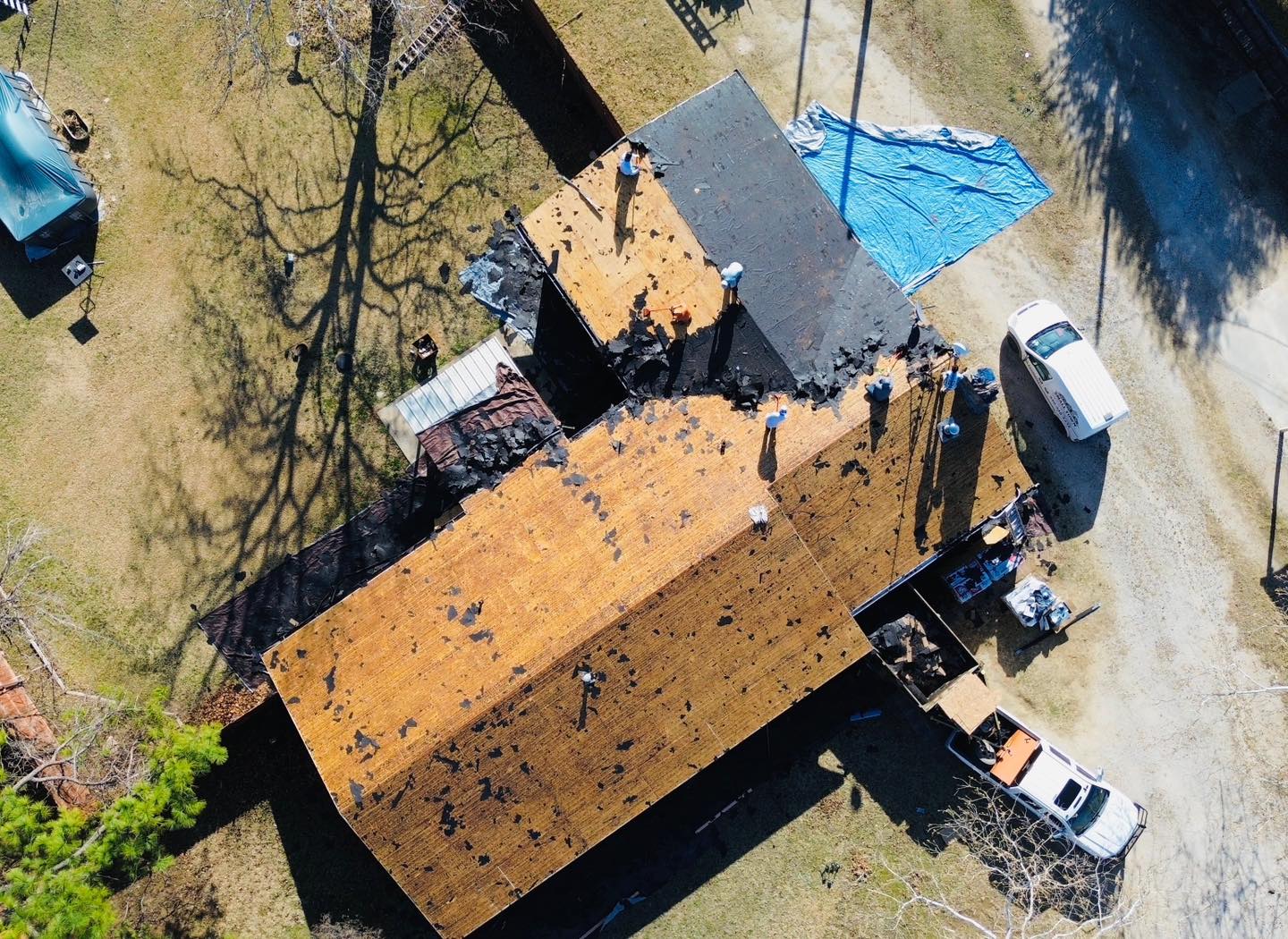
How Nails Hold the Roofing System Together
Although roofing nails are relatively small components, they perform a remarkably important role within the completed roofing system. Every nail acts as a secure anchor that connects multiple roofing layers while maintaining the roof’s overall structural stability.
Each asphalt shingle overlaps neighboring shingles to create continuous weather protection. Roofing nails hold these overlapping sections firmly against the roof deck, preventing movement caused by gravity, wind pressure, and temperature changes.
The nail head also serves an important purpose. Its wide, flat surface distributes holding pressure across the shingle without cutting into the material. This design allows shingles to remain securely fastened while minimizing the risk of tearing around the fastening point.
Roofing nails penetrate through the shingles, underlayment, and roof decking. Proper penetration into the decking provides the holding strength necessary to resist uplift during strong winds and storms.
As the roof ages, shingles experience repeated expansion and contraction due to changing temperatures. Properly installed nails accommodate these natural movements while maintaining secure attachment throughout the roofing system.
When every nail is placed according to manufacturer recommendations, the completed roof behaves as a unified protective surface rather than a collection of individual shingles. This coordinated performance contributes significantly to long term weather resistance.
Types of Roofing Nails Used for Asphalt Shingles
Not every nail is suitable for roofing applications. Roofing nails are specifically designed to meet the performance requirements of asphalt shingles while providing reliable holding strength under demanding outdoor conditions.
The most common roofing nail features a broad, flat head combined with a relatively short shank. The large head prevents the nail from pulling through the shingle while helping distribute pressure evenly across the fastening area.
Roofing nails are manufactured with either smooth or ring shanks. Smooth shank nails remain widely used for many residential roofing projects because they install efficiently while providing dependable performance under normal conditions.
Ring shank nails include small circular ridges along the shank that improve holding power by increasing friction within the roof deck. These nails are often selected for regions experiencing stronger winds or more demanding environmental conditions.
Some specialized roofing projects may also use screw shank nails that combine twisting ridges with additional holding strength. These products are generally reserved for applications requiring enhanced resistance to withdrawal.
Choosing the correct roofing nail depends on factors including roof design, local building codes, manufacturer recommendations, and regional weather conditions. Professional contractors evaluate these considerations before selecting fastening materials.
Roofing Nail Materials and Corrosion Resistance
Roofing nails remain exposed to changing temperatures, humidity, and moisture throughout the roof’s lifespan. Selecting corrosion resistant materials is therefore essential for maintaining long term fastening strength.
Galvanized steel roofing nails represent the most commonly used option for asphalt shingles. Their protective zinc coating helps reduce corrosion caused by rain, humidity, and environmental exposure, allowing the nails to maintain structural integrity over many years.
Hot dipped galvanized nails generally provide greater corrosion resistance than electro galvanized alternatives because of their thicker protective coating. Many roofing manufacturers recommend hot dipped galvanized fasteners, particularly in regions experiencing frequent rainfall or high humidity.
Aluminum roofing nails are sometimes used for specific roofing applications because they resist rust naturally. However, they are not appropriate for every roofing project and should only be selected when compatible with manufacturer guidelines and surrounding roofing materials.
Stainless steel roofing nails provide exceptional corrosion resistance, making them suitable for coastal environments where salt laden air accelerates metal deterioration. Although more expensive than galvanized steel, stainless steel fasteners often provide superior long term performance under harsh environmental conditions.
Selecting corrosion resistant nails protects more than the fasteners themselves. Strong, durable nails help preserve the stability of the entire roofing system while reducing the likelihood of future repairs caused by weakened fastening points.
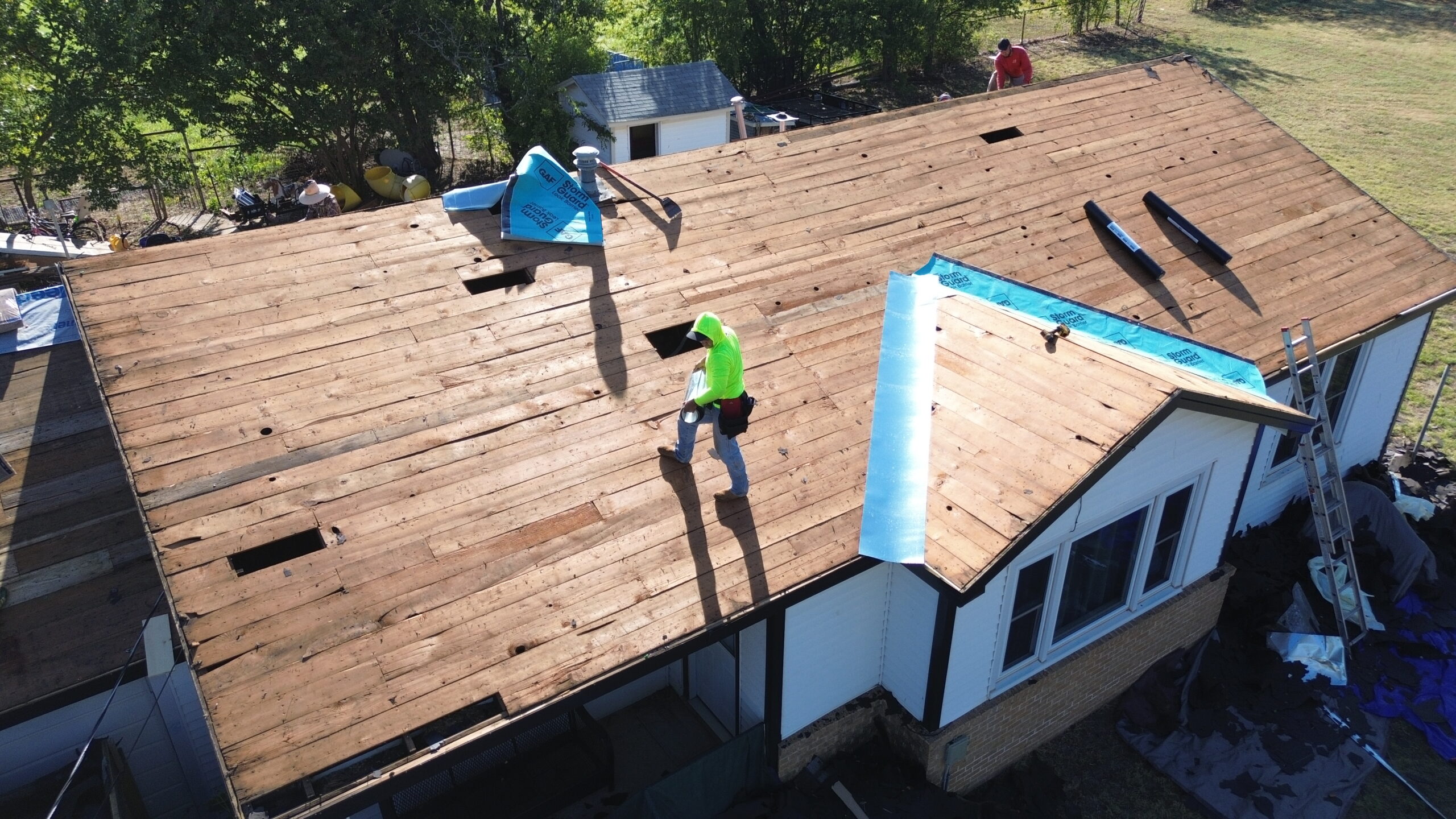
Understanding Roofing Nail Anatomy
Every roofing nail contains several components designed to perform specific functions during installation and throughout the roof’s service life. Understanding these parts helps homeowners appreciate why roofing nails differ from ordinary construction nails.
The nail head is the widest portion of the fastener. Its large diameter distributes holding pressure evenly across the shingle while preventing the nail from pulling through the roofing material during high winds.
The shank forms the main body of the nail. It penetrates the roofing layers and anchors securely within the roof deck. Depending on the application, the shank may be smooth, ringed, or spiral shaped to provide varying levels of holding strength.
The nail point is engineered to penetrate roofing materials efficiently while minimizing unnecessary damage to surrounding components. Sharp, properly manufactured points improve installation accuracy and reduce resistance during fastening.
Some roofing nails also include specialized coatings designed to improve corrosion resistance or enhance long term durability under challenging environmental conditions.
Although these individual components appear simple, they work together to create reliable fastening capable of supporting the roofing system throughout decades of weather exposure.
Choosing the Correct Nail Length
Selecting the proper nail length is just as important as choosing the correct nail type. Roofing nails must penetrate deeply enough into the roof deck to create secure attachment without introducing unnecessary complications.
If nails are too short, they may fail to anchor properly within the roof decking. Insufficient penetration reduces holding strength and increases the likelihood that shingles will loosen during strong winds or repeated thermal movement.
Excessively long nails may extend unnecessarily through the underside of the roof deck. While this generally does not affect roof performance directly, unnecessarily long fasteners provide no additional benefit and may interfere with certain structural conditions.
Roof deck thickness also influences nail selection. Different roof structures require different penetration depths to achieve adequate fastening according to manufacturer recommendations and local building codes.
Additional roofing layers may further affect nail length requirements. When installing thicker architectural or luxury shingles, contractors select fasteners capable of penetrating every roofing layer while still achieving proper deck engagement.
Professional roofers carefully evaluate these factors before installation begins, ensuring every nail provides sufficient holding power throughout the completed roofing system.
Importance of Nail Placement
Correct nail placement is one of the most important factors determining the long term performance of an asphalt roof. Even high quality roofing nails cannot perform effectively if they are driven into the wrong locations on the shingles.
Manufacturers specify precise nailing zones for every asphalt shingle product. These designated areas are engineered to maximize holding strength while securing both the current shingle and the overlapping shingle above it after installation.
Driving nails too high on the shingle may leave the lower edge insufficiently secured. Conversely, placing nails too low may expose fasteners to weather or reduce the effectiveness of the overlapping roofing layers.
Proper spacing between nails is equally important. Evenly distributed fasteners help spread wind loads across the roofing surface while preventing unnecessary stress from concentrating in isolated areas.
Accurate nail placement also contributes to roof appearance. Correctly fastened shingles remain flat, aligned, and consistent throughout the roof, creating a professional finished appearance while supporting reliable weather protection.
Because every shingle depends on precise fastening, experienced roofing contractors inspect nail placement continuously during installation to maintain consistent quality across the entire roof.
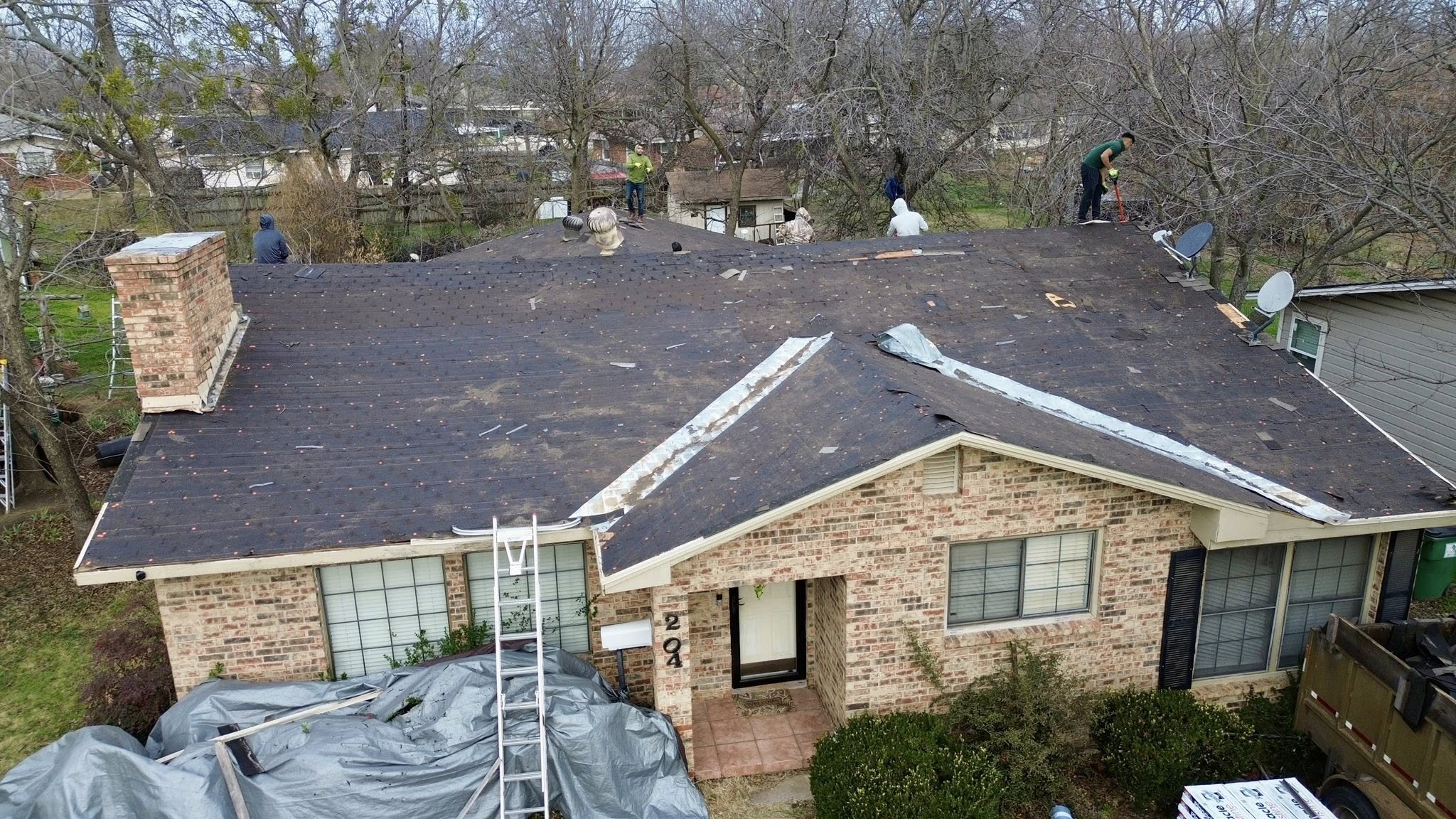
Standard Nailing Patterns for Asphalt Shingles
Modern asphalt shingles are designed with manufacturer approved nailing patterns that specify both the number of nails required and their exact locations. These patterns are developed through extensive testing to balance holding strength, material performance, and installation efficiency.
Most residential roofing systems use a standard nailing pattern suitable for typical weather conditions. However, roofs located in regions experiencing frequent high winds may require additional nails according to manufacturer instructions or local building regulations.
Several factors influence the selected nailing pattern, including:
- Roof slope and overall design.
- Local wind exposure.
- Building code requirements.
- Shingle type and thickness.
- Manufacturer installation guidelines.
Contractors follow these approved patterns carefully because even small deviations may reduce wind resistance or affect warranty eligibility. Consistent fastening across the entire roof ensures every section performs according to design expectations.
Homeowners should understand that additional nails do not automatically create a stronger roof. Proper placement according to manufacturer recommendations remains far more important than simply increasing the number of fasteners.
Common Mistakes Homeowners and Installers Make When Nailing Shingles
Improper nailing remains one of the leading causes of roofing problems despite the straightforward appearance of the installation process. Understanding these common mistakes helps homeowners recognize the importance of professional workmanship.
One frequent error involves using incorrect nail types. Standard construction nails lack the wide heads and corrosion resistance necessary for reliable asphalt roof installation.
Another mistake is selecting improper nail length. Nails that are too short fail to achieve adequate deck penetration, while unnecessarily long fasteners provide little additional benefit and may complicate installation.
Incorrect nail placement is equally common. Fasteners driven outside the manufacturer specified nailing zone reduce holding strength while increasing the risk of shingle movement during storms.
Driving nails at an angle rather than perpendicular to the roof surface may also create uneven pressure across the shingle, reducing fastening effectiveness and increasing the possibility of future leaks.
Finally, rushing the installation process often results in inconsistent fastening patterns, overlooked alignment issues, and reduced overall roofing quality. Careful attention to detail remains essential throughout every stage of asphalt roof installation.
Preparing the Roof Deck Before Nailing
Proper nailing begins long before the first roofing nail is driven into place. Preparing the roof deck creates the stable foundation necessary for secure fastening and long term roof performance.
Contractors begin by inspecting the roof deck for damaged, rotten, or weakened sections that could compromise nail holding strength. Any deteriorated decking is repaired or replaced before new roofing materials are installed.
The roof surface must also be clean and dry. Dust, loose debris, old fasteners, and moisture can interfere with underlayment installation and reduce the overall quality of the roofing system.
Roof decking should remain securely attached to the supporting structure before roofing work begins. Loose decking panels may reduce nail holding power while allowing unwanted movement after installation.
Once the deck has been inspected and prepared, underlayment is installed according to manufacturer recommendations. This protective layer provides additional moisture resistance while creating a suitable surface for asphalt shingle installation.
Careful roof deck preparation ensures roofing nails achieve maximum holding strength from the very beginning. Combined with proper nail selection, accurate placement, and professional installation techniques, a well prepared roof deck provides the strong foundation necessary for a durable asphalt roofing system that can withstand years of changing weather conditions.
Hand Nailing vs Pneumatic Nail Guns
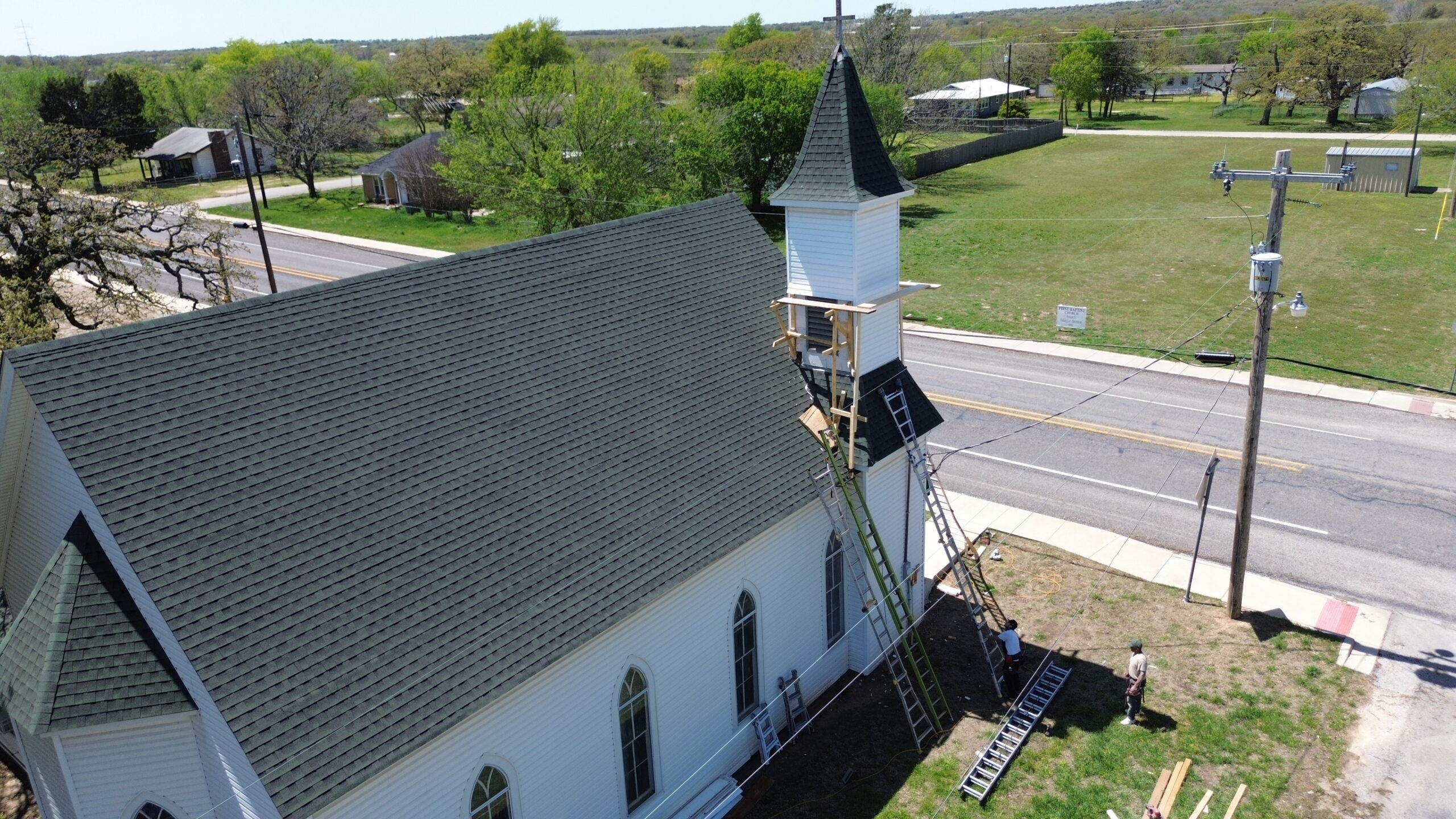
Roofing contractors generally install asphalt shingles using either traditional hand nailing or pneumatic nail guns. Both methods can produce excellent results when used correctly, but each offers distinct advantages and requires proper technique to ensure consistent fastening.
Hand nailing provides installers with complete control over every nail. Because each fastener is driven individually with a roofing hammer, experienced roofers can easily adjust the force applied to accommodate changing roof conditions or different shingle types. This level of control is particularly useful when working around valleys, flashing, skylights, or other detailed roof features.
Although hand nailing allows greater precision, it requires more time and physical effort than pneumatic installation. Large residential roofing projects may take considerably longer when every nail is driven manually, making this approach less practical for many modern roofing jobs.
Pneumatic nail guns have become the standard tool for most professional asphalt roof installations because they increase efficiency while maintaining consistent fastening when properly adjusted. Powered by compressed air, these tools allow roofing crews to install shingles much faster without sacrificing accuracy.
However, nail guns require careful calibration. Air pressure that is too high can drive nails too deeply into the shingles, while insufficient pressure may leave nail heads protruding above the shingle surface. Experienced contractors regularly check nail depth throughout the installation rather than assuming the equipment remains correctly adjusted.
Neither installation method is automatically superior in every situation. What matters most is the skill of the installer and their ability to follow manufacturer guidelines regarding nail placement, depth, spacing, and fastening patterns.
Correct Nail Driving Depth Explained
Driving roofing nails to the correct depth is just as important as placing them in the proper location. Even perfectly positioned nails may fail to perform effectively if they are driven either too deeply or not deeply enough.
A correctly driven roofing nail sits flush against the surface of the asphalt shingle. The nail head should firmly secure the shingle without cutting into the material or leaving unnecessary space beneath the head. This balanced pressure allows the shingle to remain securely fastened while preserving its structural integrity.
Consistent nail depth also contributes to the appearance of the finished roof. Uniform fastening helps shingles lie flat against one another, creating smooth, even roof lines while reducing opportunities for wind uplift.
Driving depth becomes particularly important when using pneumatic nail guns. Changes in air pressure, hose length, compressor performance, or roofing material thickness may all influence how deeply the nails penetrate. Professional roofers routinely inspect their work and make adjustments whenever necessary.
Roof decking conditions also affect driving depth. Softer wood may allow nails to penetrate more easily than denser materials, requiring installers to remain attentive throughout the project rather than relying on a single tool setting.
Correct nail depth represents one of the simplest yet most critical aspects of asphalt roof installation. Small adjustments made during installation can prevent many roofing problems that might otherwise appear years later.
Effects of Overdriven and Underdriven Nails
Incorrect nail depth generally falls into two categories: overdriven nails and underdriven nails. Both conditions reduce the effectiveness of the roofing system, although they create different types of problems.
Overdriven nails occur when excessive force pushes the nail head through or deeply into the asphalt shingle. Instead of distributing pressure evenly across the surface, the nail head damages the shingle material, reducing its ability to remain securely attached to the roof deck.
Damaged shingles become more vulnerable to wind uplift because the fastening point no longer provides full holding strength. During severe weather, these weakened attachment points may allow shingles to loosen or separate from the roof.
Underdriven nails create different concerns. In this situation, the nail head remains raised above the shingle surface rather than sitting flush. Raised nail heads may prevent overlapping shingles from lying flat, creating uneven roof surfaces and increasing the likelihood of premature wear.
Underdriven nails may also rub against the underside of shingles located above them. Repeated movement caused by wind and temperature changes can gradually wear through the roofing material, eventually increasing the possibility of leaks.
Proper installation requires continuous inspection throughout the roofing project. Contractors regularly identify and correct improperly driven nails before additional shingles cover them, preserving both roof appearance and long term performance.
How Nail Placement Affects Wind Resistance
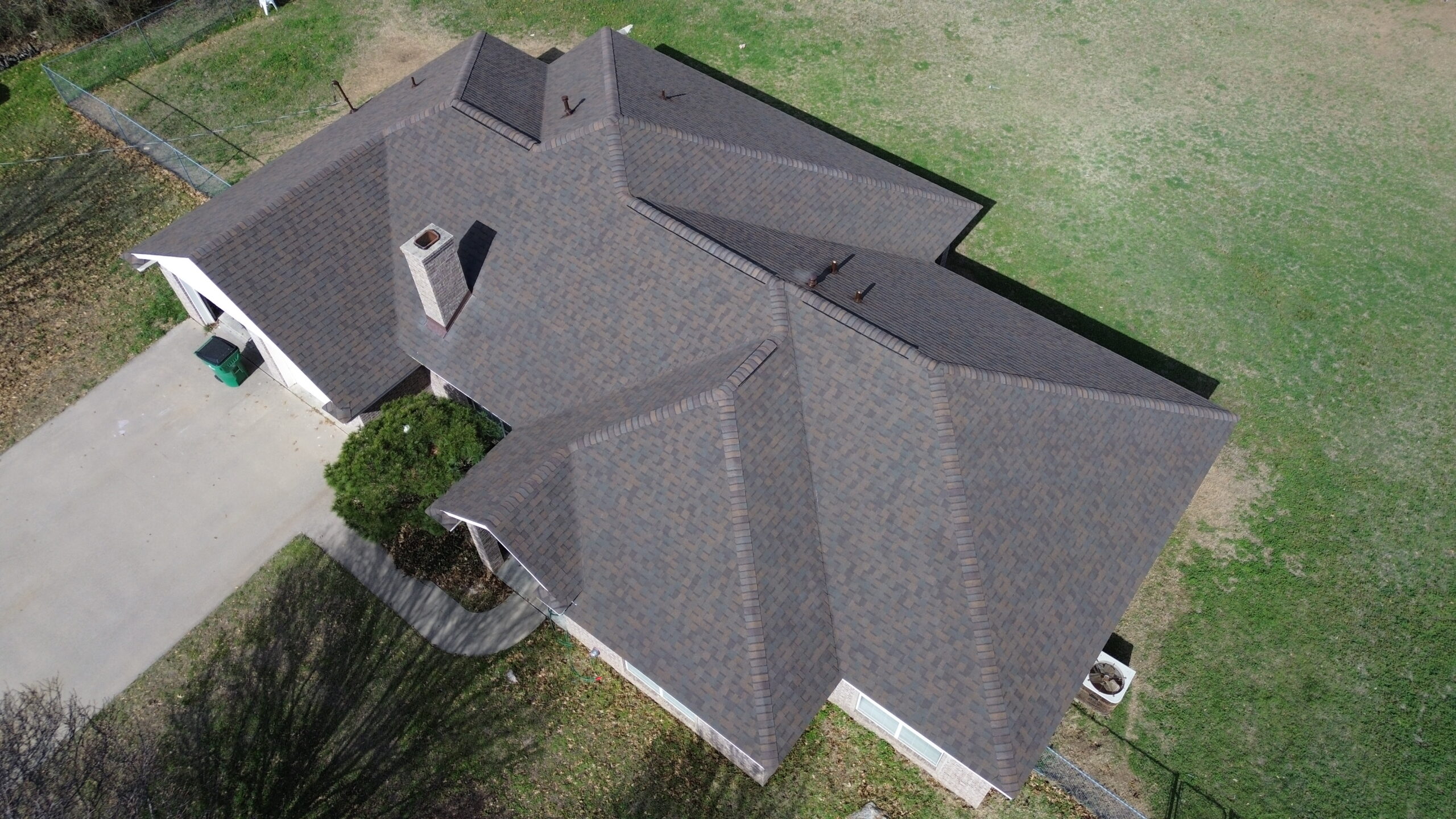
Wind resistance is one of the most important performance characteristics of an asphalt roofing system. Proper nail placement plays a major role in determining how effectively the roof withstands strong winds throughout its service life.
Modern asphalt shingles are engineered with designated fastening zones tested under demanding wind conditions. These locations allow each nail to secure multiple layers of overlapping shingles after installation, creating a stronger and more unified roofing surface.
When nails are placed correctly, wind forces distribute more evenly across the roof. Rather than concentrating pressure on individual shingles, the roofing system functions as an interconnected assembly capable of resisting uplift during storms.
Incorrect nail placement weakens this design. Nails positioned too high, too low, or outside the recommended fastening zone reduce the roof’s ability to resist wind pressure effectively.
Additional nails are sometimes required in regions experiencing hurricanes or frequent high winds. Rather than improvising, professional contractors follow manufacturer recommendations and local building codes to determine the appropriate fastening pattern for these demanding environments.
Roof edges, ridges, and corners deserve particular attention because wind pressures often increase in these areas. Careful fastening throughout these vulnerable sections helps reduce the likelihood of localized roof damage during severe weather.
Nailing Requirements for Different Roof Slopes
Roof slope influences more than water drainage. The angle of the roof also affects installation techniques, worker safety, and fastening requirements throughout the roofing project.
Steeper roofs experience different wind pressures than lower pitched roofs. Gravity also influences how roofing materials behave during installation, making accurate fastening particularly important on roofs with greater slopes.
Manufacturers may recommend modified fastening patterns for certain roof designs. Additional nails or alternative placement strategies may be appropriate depending on roof pitch, local climate, and regional building regulations.
Roofs with lower slopes often require increased attention to moisture protection. Although nail placement generally follows manufacturer guidelines, contractors carefully coordinate fastening with underlayment installation and flashing details to maintain effective water resistance.
Worker positioning also changes according to roof slope. Roofing crews frequently use roof jacks, harnesses, and specialized fall protection systems while installing shingles on steeper roofs. These safety measures help maintain installation accuracy while protecting workers throughout the project.
Regardless of roof angle, consistent fastening remains essential. Every roofing nail contributes to the long term stability of the completed roofing system.
Special Nailing Techniques Around Roof Valleys and Edges
Certain roof areas require additional attention because they experience greater weather exposure or more complex water movement than standard roof surfaces. Valleys, edges, and transitions often require modified fastening techniques to maintain roofing performance.
Roof valleys collect and direct large volumes of rainwater toward the gutters. Contractors avoid placing nails too close to the valley centerline because exposed fasteners within high water flow areas may increase the risk of future leaks.
Instead, shingles are secured according to manufacturer recommendations while maintaining appropriate clearances from the valley itself. Proper planning allows shingles to remain securely fastened without introducing unnecessary water penetration risks.
Roof edges also receive special attention because they experience increased wind uplift compared with interior roof sections. Starter shingles and carefully positioned fasteners work together to strengthen these vulnerable areas.
Rakes and eaves require consistent fastening patterns that align with drip edge installation and other roofing components. Maintaining accurate alignment throughout these areas contributes to both weather protection and finished appearance.
Transitions around dormers, chimneys, skylights, and roof intersections also require thoughtful fastening. Roofing nails must work together with flashing systems to create dependable moisture protection without interfering with waterproof detailing.
These specialized installation techniques demonstrate that successful roof nailing involves much more than simply driving nails into shingles. Every roof feature requires careful consideration during installation.
Fastening Ridge Cap Shingles Properly
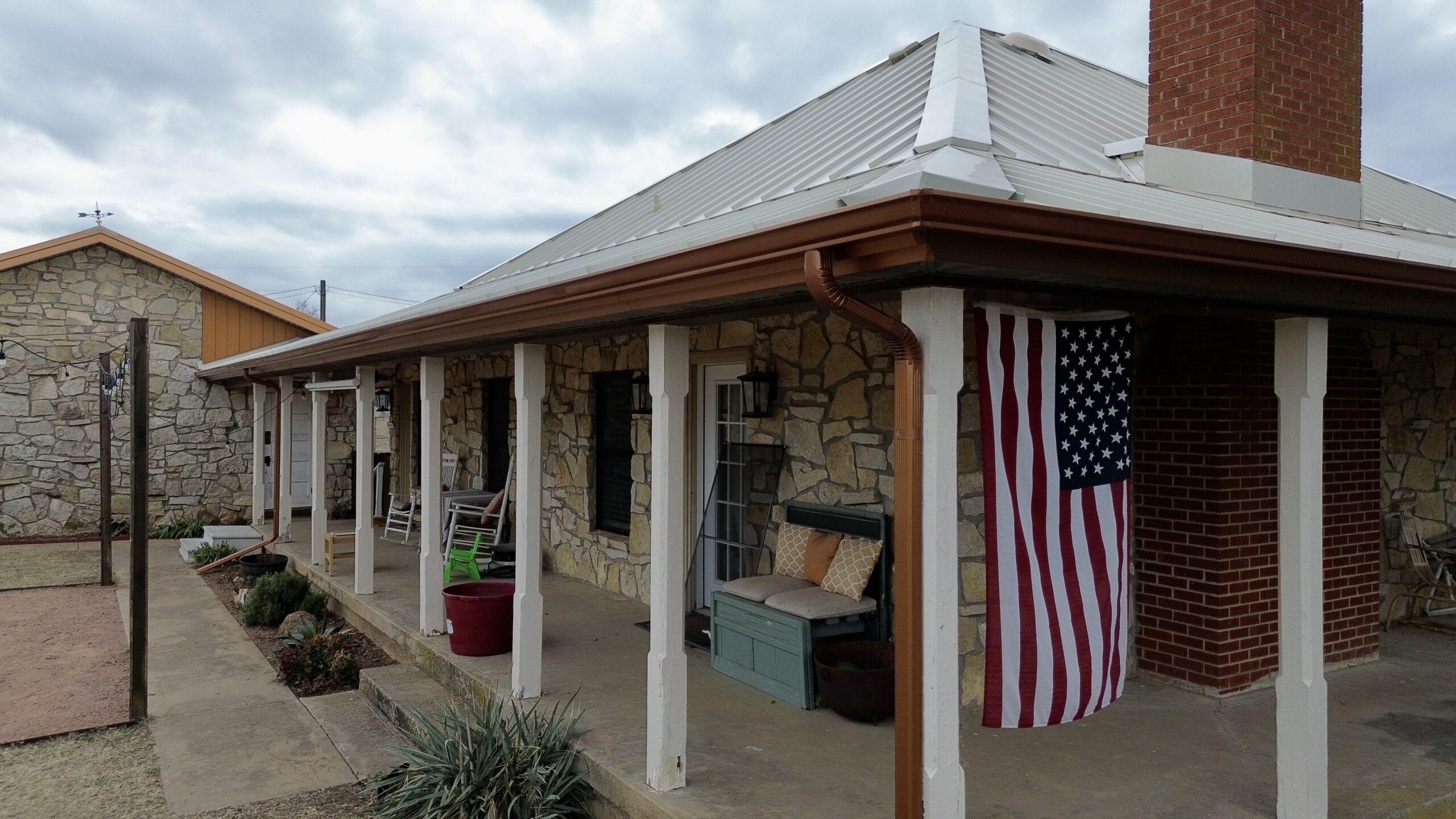
Ridge cap shingles complete the highest point of the roof while protecting the joint where opposing roof slopes meet. Because this area experiences significant wind exposure, proper fastening is especially important.
Unlike field shingles installed across the main roof surface, ridge cap shingles wrap over the roof peak. Nails are positioned according to manufacturer recommendations so they remain covered by the next overlapping ridge cap shingle.
Correct overlap ensures each nail remains protected from direct weather exposure after installation. This arrangement also contributes to a clean finished appearance while preserving moisture resistance along the roof ridge.
Ridge ventilation systems may also influence fastening techniques. Contractors coordinate nail placement carefully to avoid interfering with ventilation components while maintaining secure attachment throughout the ridge.
Wind resistant ridge installations often require particular attention because the ridge line experiences higher wind pressures than many other roof sections. Accurate fastening helps prevent ridge cap displacement during severe storms.
Consistent alignment remains equally important. Properly fastened ridge caps create a straight, uniform roof peak that enhances both roof appearance and long term durability.
Weather Conditions That Affect Roofing Nail Performance
Weather conditions influence not only asphalt shingles but also the performance of roofing nails during installation. Temperature, humidity, and precipitation all affect how roofing materials respond to fastening.
Cold weather causes asphalt shingles to become less flexible. Contractors must therefore drive nails carefully to avoid cracking the shingles while still achieving proper fastening depth.
Hot weather introduces different challenges. Softer shingles require careful pressure control because excessive force may increase the likelihood of overdriven nails, particularly when pneumatic nail guns are used.
Rain creates obvious concerns by making roof surfaces slippery while increasing moisture exposure. Professional contractors generally avoid installing shingles on wet roof decks because safe footing and proper installation become more difficult.
Strong winds also affect fastening accuracy. Holding shingles in precise alignment while positioning nail guns or roofing hammers becomes increasingly challenging as wind speeds rise.
Humidity may influence working conditions as well. Morning condensation or prolonged dampness requires contractors to verify that roofing surfaces are sufficiently dry before installation resumes.
Monitoring weather conditions throughout the roofing project helps ensure every nail contributes effectively to the completed roofing system.
Quality Control During Roof Installation
Professional roofing companies recognize that consistent quality control is essential for successful asphalt roof installation. Rather than waiting until the roof is complete, experienced contractors inspect fastening continuously throughout the project.
Crew leaders frequently examine nail placement, spacing, driving depth, and alignment while work progresses. Identifying small issues immediately allows corrections before additional roofing layers conceal potential problems.
Tool performance also receives regular attention. Pneumatic nail guns require periodic inspection to confirm proper air pressure, consistent operation, and accurate driving depth throughout changing roof conditions.
Material quality represents another important aspect of quality control. Contractors verify that roofing nails match project specifications regarding size, corrosion resistance, and manufacturer recommendations before installation begins.
Communication within the roofing crew further supports consistent workmanship. Installers discuss changing roof conditions, weather influences, and specialized fastening requirements as the project advances.
Comprehensive quality control protects both homeowners and contractors by reducing installation errors while improving the overall durability of the finished roofing system.
Comparison of Correct and Incorrect Nailing Practices
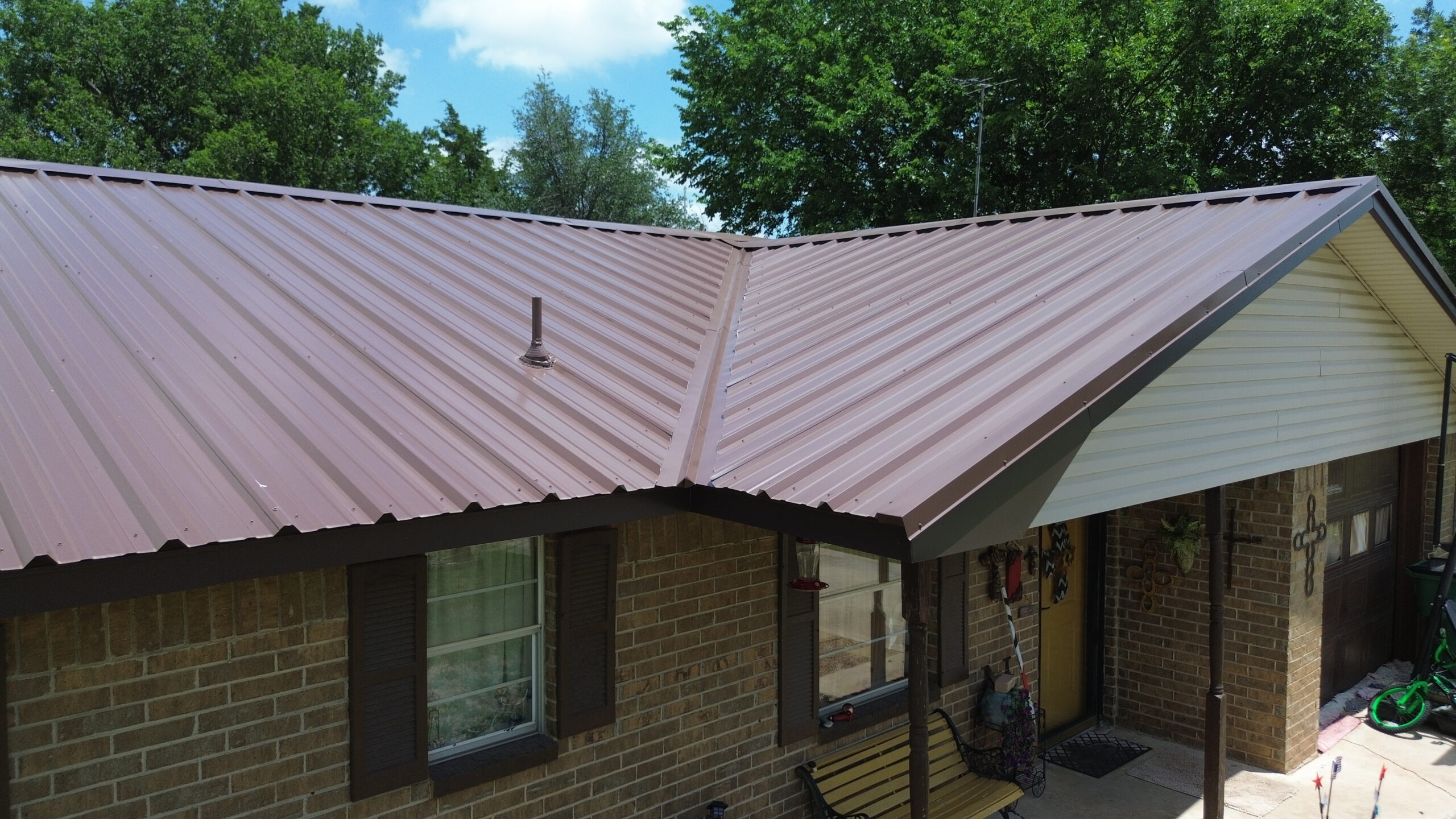
Understanding the differences between proper and improper fastening techniques helps homeowners appreciate why professional installation is so important. The following table summarizes several common roofing nail practices.
| Installation Practice | Correct Technique | Incorrect Technique |
|---|---|---|
| Nail Placement | Within manufacturer nailing zone | Above or below recommended area |
| Nail Depth | Flush with shingle surface | Overdriven or underdriven |
| Nail Angle | Driven perpendicular to roof deck | Installed at an angle |
| Nail Type | Approved roofing nails | Standard construction nails |
| Nail Spacing | Evenly spaced according to instructions | Random or inconsistent spacing |
| Fastening Pattern | Follows manufacturer guidelines | Missing or improperly located nails |
| Material Quality | Corrosion resistant fasteners | Low quality or unsuitable materials |
Consistently applying correct installation practices improves roof performance, while repeated fastening mistakes increase the likelihood of premature repairs.
Maintaining Consistency Across the Entire Roof
One correctly installed section cannot compensate for poor workmanship elsewhere on the roof. Asphalt roofing performs best when every shingle receives the same level of attention from the first course to the final ridge cap.
Consistency involves more than simply following the same fastening pattern. Contractors must also maintain uniform nail depth, accurate alignment, proper spacing, and careful inspection throughout changing roof conditions. Each completed section should match the quality of the previous one.
Experienced roofing professionals develop systematic installation routines that reduce the likelihood of overlooked fastening errors. These routines improve efficiency while helping maintain high workmanship standards across large residential roofing projects.
Long Term Benefits of Correct Roofing Nail Installation
Proper nailing techniques provide benefits that extend far beyond the installation day. A roof that has been fastened correctly is better equipped to withstand years of exposure to changing weather, temperature fluctuations, and everyday environmental conditions. While homeowners rarely see the roofing nails after installation, these small components continue performing an essential role throughout the life of the roof.
One of the greatest long term advantages is improved wind resistance. Correctly placed and properly driven nails help keep shingles securely attached during storms, reducing the likelihood of missing shingles and expensive emergency repairs. Strong fastening also minimizes unnecessary movement that could gradually weaken the roofing system over time.
Correct nailing also contributes to better moisture protection. Shingles that remain firmly attached maintain their intended overlaps, allowing rainwater to flow safely off the roof rather than finding pathways beneath the roofing materials. This protection reduces the risk of leaks, wood rot, insulation damage, and mold development.
Another benefit is a longer roof lifespan. When shingles remain securely fastened without unnecessary movement, they experience less wear caused by wind, vibration, and repeated expansion and contraction. This stability allows roofing materials to perform closer to their expected service life.
Maintenance requirements often decrease as well. Roofs installed with proper fastening techniques typically require fewer repairs related to loose shingles, exposed nails, or wind damage. Reduced maintenance saves homeowners both time and money over the years.
Correct roofing nail installation also helps preserve the appearance of the roof. Properly fastened shingles remain flat and aligned, maintaining a clean, uniform look that enhances curb appeal while supporting long term property value.
Common Nail Related Roof Failures
Many roofing problems that appear years after installation can be traced back to improper fastening techniques. Understanding these common failures helps homeowners recognize the importance of quality workmanship from the beginning of the project.
One of the most common issues is shingle blow off during high winds. Incorrect nail placement or insufficient fastening allows wind to lift shingles more easily, eventually causing sections of the roof to separate from the deck.
Nail pops represent another frequent roofing problem. Over time, certain nails may gradually work upward through the shingles because of wood movement, temperature changes, or improper installation. Raised nail heads can puncture overlying shingles and create opportunities for water intrusion.
Crooked or angled nails may also create difficulties. Nails driven at improper angles reduce holding strength while placing uneven pressure on the shingles, increasing the likelihood of future damage around the fastening point.
Overdriven nails remain another significant concern. When nail heads penetrate too deeply into the shingles, the fastening point becomes weakened, making it easier for wind to tear the shingle away from the roof deck.
Underdriven nails create different problems. Raised nail heads may interfere with overlapping shingles, eventually causing surface wear, distortion, or moisture penetration after years of movement.
These failures demonstrate that roofing performance depends on installation quality as much as material quality. Even premium shingles cannot compensate for incorrect fastening techniques.
How Building Codes Influence Roofing Nailing Requirements
Local building codes establish minimum construction standards intended to improve structural safety and weather resistance. Roofing fasteners are included within these requirements because proper fastening directly influences the durability and reliability of residential roofing systems.
Building codes often specify minimum nail dimensions, corrosion resistance requirements, penetration depth, and fastening patterns appropriate for different roof designs. These requirements may vary according to local climate, expected wind speeds, and regional construction practices.
Homes located in coastal regions or hurricane prone areas frequently require enhanced fastening systems. Additional nails, specialized fasteners, or modified installation patterns may be necessary to satisfy local regulations and improve resistance to severe weather.
Inspectors may review roofing work during or after installation to verify compliance with applicable codes. Contractors familiar with local regulations understand these requirements and incorporate them into every roofing project.
Homeowners should remember that building codes establish minimum standards rather than ideal practices. Many manufacturers provide installation recommendations that exceed basic code requirements to maximize product performance and warranty protection.
Working with experienced roofing professionals helps ensure both code compliance and manufacturer recommendations are satisfied throughout the installation process.
Manufacturer Installation Guidelines and Why They Matter
Every asphalt shingle manufacturer develops detailed installation instructions based on extensive laboratory testing and real world performance evaluations. These guidelines are designed to ensure roofing products perform according to their published specifications.
Manufacturer instructions cover numerous aspects of installation, including approved roofing nails, fastening patterns, nail placement, driving depth, roof deck preparation, ventilation, underlayment requirements, and weather considerations.
Following these recommendations provides several important benefits. Proper installation helps maximize wind resistance, moisture protection, and overall roof durability while supporting consistent product performance throughout its expected lifespan.
Warranty protection is another important consideration. Many manufacturer warranties assume roofing products have been installed according to published instructions. Significant deviations from recommended installation practices may affect warranty coverage if future problems develop.
Professional roofing contractors remain familiar with manufacturer guidelines because different shingle products sometimes require slightly different fastening techniques. Even experienced installers review product specific instructions before beginning unfamiliar roofing systems.
Homeowners benefit by asking contractors whether installation will follow manufacturer specifications completely. This simple question demonstrates attention to quality while encouraging clear communication throughout the project.
Roof Inspection Tips After Installation
Completing the installation does not mark the end of the roofing process. Careful inspection helps verify that the roofing system has been installed correctly and provides homeowners with confidence before the project is officially completed.
A visual inspection from ground level allows homeowners to examine the overall appearance of the roof. Shingles should appear straight, evenly aligned, and consistent across every roof section without noticeable irregularities or raised edges.
Homeowners should also review the roof perimeter for proper cleanup. Roofing nails, shingle scraps, packaging materials, and other construction debris should be removed from the property after installation.
Professional contractors often perform final roof inspections before requesting project approval. During these inspections they verify fastening consistency, flashing installation, ridge alignment, ventilation components, and overall workmanship.
If questions arise, homeowners should request clarification before making final payment. Reputable roofing companies generally welcome reasonable questions because they understand the importance of customer satisfaction.
Scheduling a professional roof inspection several years after installation can also be beneficial. Routine evaluations help identify small issues before they become larger and more expensive repair projects.
Maintenance Practices That Protect Fastened Shingles
Although roofing nails require little direct maintenance, the surrounding roofing system benefits from regular care that helps preserve fastening performance throughout the roof’s lifespan.
Routine roof inspections following major storms allow homeowners to identify loose shingles, lifted edges, or other conditions that may indicate fastening problems. Early detection often prevents more extensive damage later.
Keeping gutters clean also supports roof performance. Proper drainage reduces standing water and helps prevent moisture related deterioration around roof edges where water naturally exits the roofing system.
Tree branches extending over the roof should be trimmed carefully to reduce impact damage and minimize debris accumulation. Falling branches or repeated rubbing against shingles may gradually weaken fastening points over time.
Attic ventilation should also remain unobstructed. Proper airflow reduces excessive heat and moisture beneath the roof deck, helping preserve both roofing materials and structural components supporting the fasteners.
When maintenance or repairs become necessary, homeowners should avoid walking unnecessarily on asphalt shingles. Excessive foot traffic may damage roofing materials while placing additional stress on fastening points.
Simple preventive maintenance extends the life of the roofing system while helping nails continue performing their structural role effectively.
Signs That Roofing Nails May Need Professional Attention
Roofing nails generally remain hidden beneath overlapping shingles, making direct inspection difficult. However, certain visible signs may indicate fastening issues requiring professional evaluation.
Loose or missing shingles often represent one of the earliest indicators of fastening problems. If shingles repeatedly become displaced after moderate winds, improper nail installation may be contributing to the issue.
Visible nail heads appearing on the roof surface also deserve attention. Exposed nails increase the likelihood of moisture penetration while suggesting movement within the roofing system.
Interior water stains may indicate more serious roofing concerns involving flashing, shingles, or fastening points. Although leaks are not always caused by roofing nails, professional inspection helps identify the true source of moisture intrusion.
Uneven or lifted shingles may also suggest fastening problems. Shingles should remain flat against the roof surface under normal conditions. Persistent lifting may indicate incorrect nail placement or inadequate holding strength.
Granule accumulation in gutters combined with visible shingle movement may further suggest aging roofing materials or fastening concerns requiring closer examination.
Homeowners should avoid attempting complex roofing repairs themselves. Professional roofing contractors possess the experience and equipment necessary to diagnose fastening problems accurately while performing appropriate repairs safely.
Final Roof Nailing Checklist
Reviewing a final checklist before considering the roofing project complete helps confirm that essential fastening requirements have been addressed properly.
Before approving the completed installation, verify the following:
- Approved roofing nails were used throughout the project.
- Nail placement follows manufacturer recommendations.
- Nails were driven flush with the shingle surface.
- Proper nail length was selected for the roofing system.
- Roofing fasteners provide adequate penetration into the roof deck.
- Correct fastening patterns were followed across the entire roof.
- Ridge cap shingles were installed using appropriate fastening methods.
- Flashing areas received careful fastening without compromising waterproofing.
- The roof has been inspected for visible fastening irregularities.
- Installation complies with applicable building codes and manufacturer guidelines.
Completing this checklist provides confidence that the roofing system has been installed according to recognized professional standards while supporting long term roof performance.
Myths About Roofing Nails
Several misconceptions continue to circulate regarding roofing fasteners. Understanding the facts behind these myths helps homeowners make more informed decisions during roof replacement projects.
One common myth is that using more nails automatically creates a stronger roof. In reality, excessive nails may damage shingles or interfere with manufacturer designed fastening patterns. Proper placement is far more important than simply increasing the number of fasteners.
Another misconception is that any galvanized nail is suitable for roofing. Roofing manufacturers specify particular fastener types, dimensions, and corrosion resistance levels designed for asphalt shingles. Substituting unsuitable fasteners may reduce long term durability.
Some homeowners also believe nail guns always produce lower quality installations than hand nailing. Both methods can achieve excellent results when used by experienced professionals who maintain correct nail depth and placement.
Another myth suggests that roofing nails never require attention after installation. Although they remain hidden beneath the shingles, fastening problems can develop over time because of severe weather, aging materials, or structural movement. Periodic roof inspections remain an important part of long term roof maintenance.
Building a Durable Roofing System Through Proper Fastening
Roofing nails may appear to be among the smallest components of an asphalt roofing system, yet they influence nearly every aspect of long term roof performance. Every properly installed fastener contributes to weather resistance, structural stability, moisture protection, and overall durability.
Successful roofing projects depend on consistency. High quality shingles, corrosion resistant nails, proper roof deck preparation, careful installation, and ongoing maintenance work together to create a roofing system capable of protecting the home for decades.
Choosing qualified roofing professionals remains one of the most important decisions homeowners can make. Experienced contractors understand manufacturer requirements, local building codes, specialized fastening techniques, and quality control procedures that support dependable long term performance.
By viewing roofing nails as an essential structural component rather than a simple fastening accessory, homeowners gain a greater appreciation for the craftsmanship involved in professional asphalt roof installation.
Conclusion
Proper nailing techniques are fundamental to the success of every asphalt roof installation. Correct nail selection, accurate placement, appropriate driving depth, and compliance with manufacturer guidelines all contribute to a roofing system capable of resisting wind, moisture, temperature changes, and everyday environmental exposure. Even the highest quality asphalt shingles depend on secure fastening to achieve their intended lifespan and performance.
Attention to detail during installation helps prevent many of the roofing problems commonly associated with loose shingles, leaks, wind damage, and premature roof failure. Professional contractors understand that every roofing nail plays an important role in maintaining the structural integrity of the completed roof, making consistent workmanship essential throughout the project.
For homeowners, understanding the importance of proper roofing nail installation leads to better communication with contractors and greater confidence in the finished roofing system. Investing in skilled installation, routine inspections, and preventive maintenance ensures that the roof continues protecting the home while maintaining its appearance, durability, and value for many years to come.