
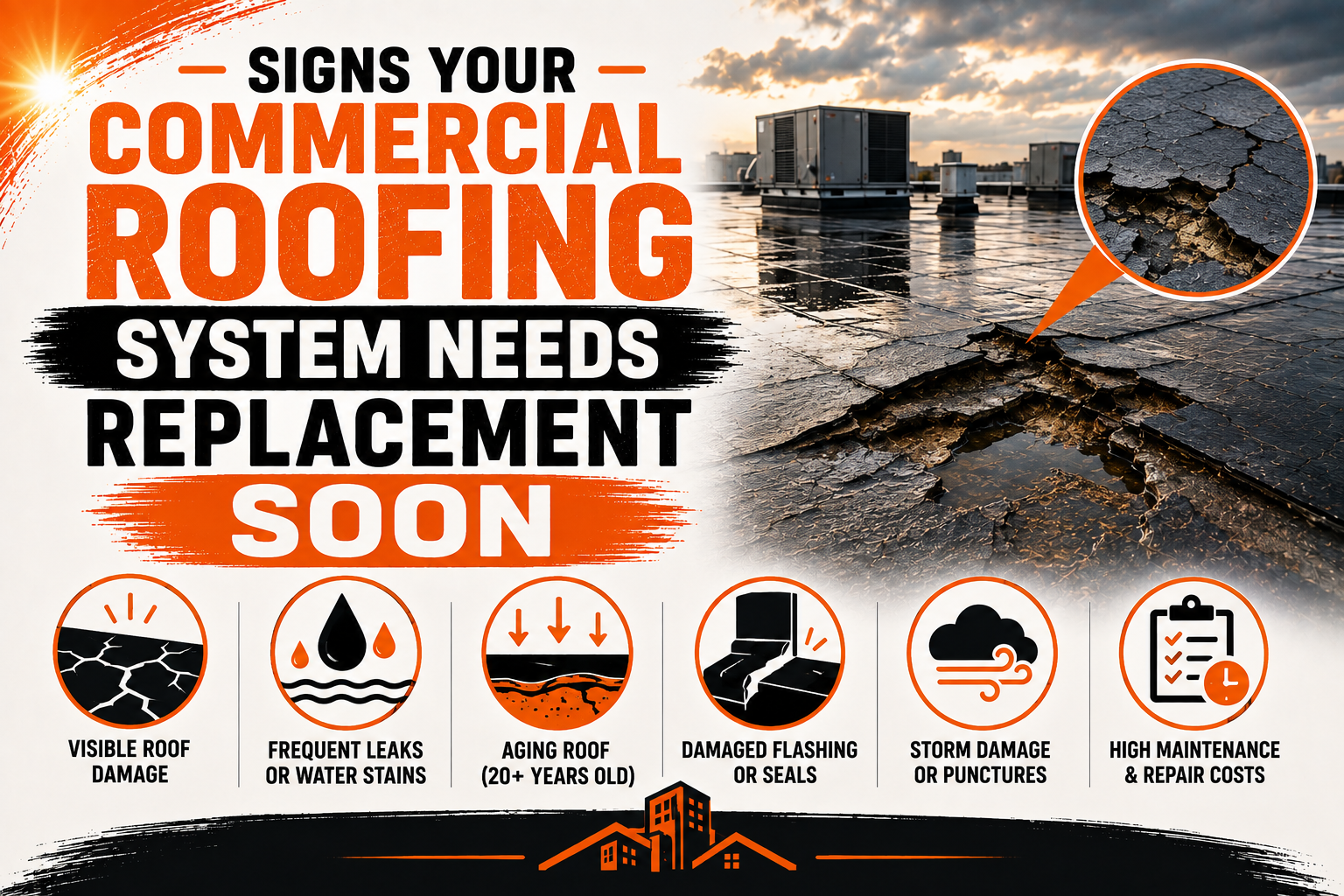
Signs Your Commercial Roofing System Needs Replacement Soon
Introduction
A commercial roofing system protects the building, equipment, inventory, employees, and daily business operations from weather and moisture. Like any major building component, however, a roof does not last forever, and its performance can gradually decline as materials age and repeated exposure takes its toll. Recognizing early warning signs can help property owners plan replacement before a serious failure creates expensive damage or interrupts normal business activities.
Not every roofing problem means the entire system needs to be replaced. Small punctures, isolated flashing failures, minor seam problems, and localized leaks can often be repaired when the underlying roof remains in good condition. Replacement becomes more likely when problems are widespread, recurring, or connected to an aging roofing assembly that is approaching the end of its practical service life.
The timing of replacement is especially important for commercial properties because roofing emergencies can affect more than the building itself. Water entering a warehouse can damage inventory, while leaks in offices, retail spaces, manufacturing facilities, or other occupied areas can interrupt normal operations. Planning ahead gives businesses more control over contractor selection, scheduling, materials, budgeting, and building access.
Several signs can indicate that a commercial roofing system needs replacement soon. These signs should not be evaluated separately in every situation because the overall condition of the roof matters more than one isolated defect. A professional inspection can help determine whether repair, restoration, or full replacement is the most appropriate option.
Your Roof Is Approaching the End of Its Expected Service Life
Age is one of the first factors property owners should consider when evaluating a commercial roof. Every roofing system has an expected service life, but actual performance can vary based on material quality, installation, maintenance, weather exposure, building conditions, and the environment surrounding the property. A roof that has been properly maintained may perform well for many years, while a poorly maintained system can deteriorate much earlier.
An aging roof does not automatically require replacement. Instead, age becomes a stronger warning sign when combined with other problems such as recurring leaks, deteriorated seams, damaged flashing, ponding water, or widespread surface deterioration. When several of these conditions appear together, the roof may be approaching the point where continued repairs provide limited value.
Property owners should review available roofing records to determine when the current system was installed. Previous inspection reports, repair invoices, warranty information, and maintenance records can help establish the roof’s history. If documentation is unavailable, a professional inspection can help determine the approximate condition of the existing system.
An aging roof should also be evaluated before a major failure occurs. Waiting until water is entering the building can leave the business with fewer scheduling options and greater pressure to approve emergency work. Early planning allows the owner to compare replacement systems and obtain detailed proposals without rushing the decision.
The remaining useful life is more important than age alone. A professional assessment should consider the condition of the membrane, insulation, flashing, drainage, penetrations, and roof deck before recommending replacement.
Frequent and Recurring Roof Leaks
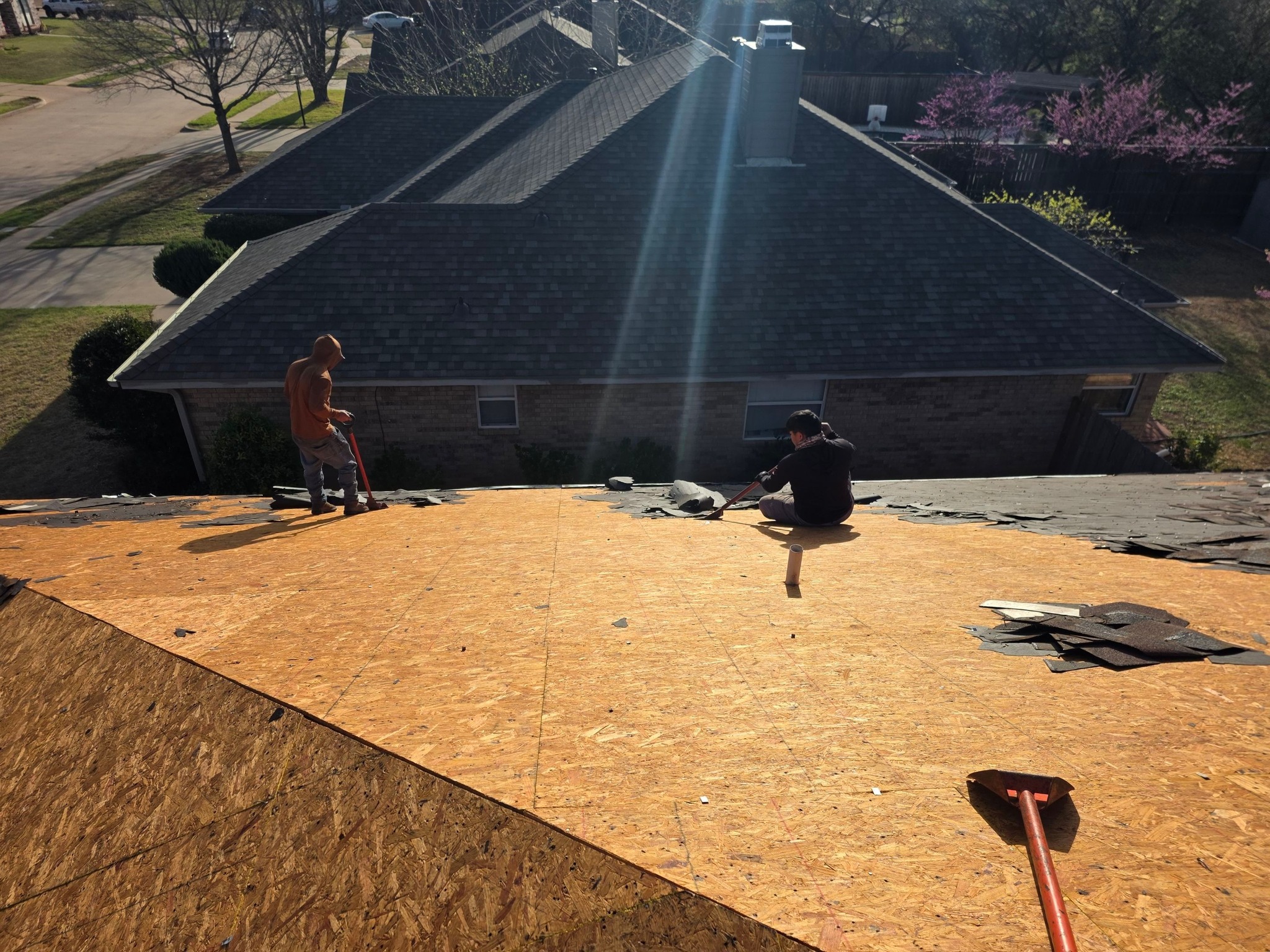
Leaks are one of the clearest signs that a commercial roofing system requires attention. A single leak does not necessarily mean replacement is needed because isolated damage can often be repaired. However, recurring leaks in multiple areas can indicate that the overall roofing system is losing its ability to provide reliable protection.
The pattern of leaks matters. If the same location repeatedly leaks after repairs, the underlying problem may not have been fully addressed. If new leaks begin appearing in unrelated sections of the roof, the issue may indicate broader deterioration.
Water can also travel beneath roofing materials before entering the building. This means the visible interior stain may not be directly below the point where water entered the roof. Professional investigation is therefore important when leaks continue despite previous repairs.
Repeated leaks can create additional building problems. Moisture may affect insulation, ceiling materials, electrical components, interior finishes, stored products, and equipment. Even when each individual leak appears minor, the cumulative impact can become significant.
Businesses should keep records of roof leaks and repairs. A growing list of service calls can reveal a pattern that may not be obvious when each repair is considered separately.
When a roof requires frequent leak repairs, property owners should compare the cost of continued maintenance with the cost of replacement. If repair expenses are increasing while the roof continues to develop new problems, replacement may provide better long-term value.
Widespread Membrane or Surface Deterioration
The primary roofing surface is responsible for protecting the building from water and environmental exposure. As commercial roofing materials age, they can develop visible signs of deterioration that indicate declining performance. The exact symptoms depend on the type of roofing system, but widespread surface damage should always receive professional attention.
Single-ply membranes can experience punctures, seam deterioration, shrinkage, cracking, or other forms of damage. Modified bitumen and built-up systems may develop surface deterioration, splits, blisters, or other defects. Metal roofing can experience corrosion, damaged coatings, loose fasteners, or deteriorated panels.
One isolated defect does not necessarily justify replacement. The concern grows when deterioration appears across large sections of the roof. Widespread damage can indicate that the material itself is aging rather than suffering from a single accidental event.
Repeated patching can provide another clue. If large numbers of patches have accumulated over time, the roof may be reaching the point where repairs are becoming a temporary solution rather than a sustainable maintenance strategy.
Surface deterioration can also make future repairs more difficult. New materials may need to connect with older, weakened surfaces, making it harder to create durable repairs. In some cases, replacing the system provides a cleaner and more reliable solution.
A professional inspection should determine the extent of deterioration and whether enough of the existing system remains in suitable condition for repair or restoration. The decision should consider both current damage and expected future performance.
Damaged, Loose, or Failing Seams
Seams are critical areas of many commercial roofing systems because separate sheets or components must be joined to create a continuous weather-resistant surface. When seams begin failing, water can enter beneath the roofing system and cause damage that may not be immediately visible.
A few damaged seams may be repairable. However, widespread seam failures across different sections of a roof can indicate that the system is aging or experiencing broader material problems.
The type of roofing system influences how seams are created and maintained. Some systems use heat-welded seams, while others rely on adhesives, mechanical attachment, or other methods. Regardless of the method, the connection needs to remain secure and weather-resistant.
Visible separation, openings, damaged welds, or loose sections should be investigated rather than ignored. Even a relatively small opening can allow moisture to move beneath the roofing material.
Repeated seam repairs can also become a warning sign. If the same roof continues developing seam problems after maintenance work, the issue may be related to the overall condition of the roofing membrane.
Businesses should avoid assuming that applying additional sealant or patching a visible opening will permanently resolve widespread seam deterioration. A professional should determine whether the surrounding material remains suitable for repair.
When seam failures appear across a large portion of the roof, replacement may become more practical. A new roofing system can provide a continuous surface with properly installed seams and compatible components.
Worn or Deteriorated Flashing and Roof Edges
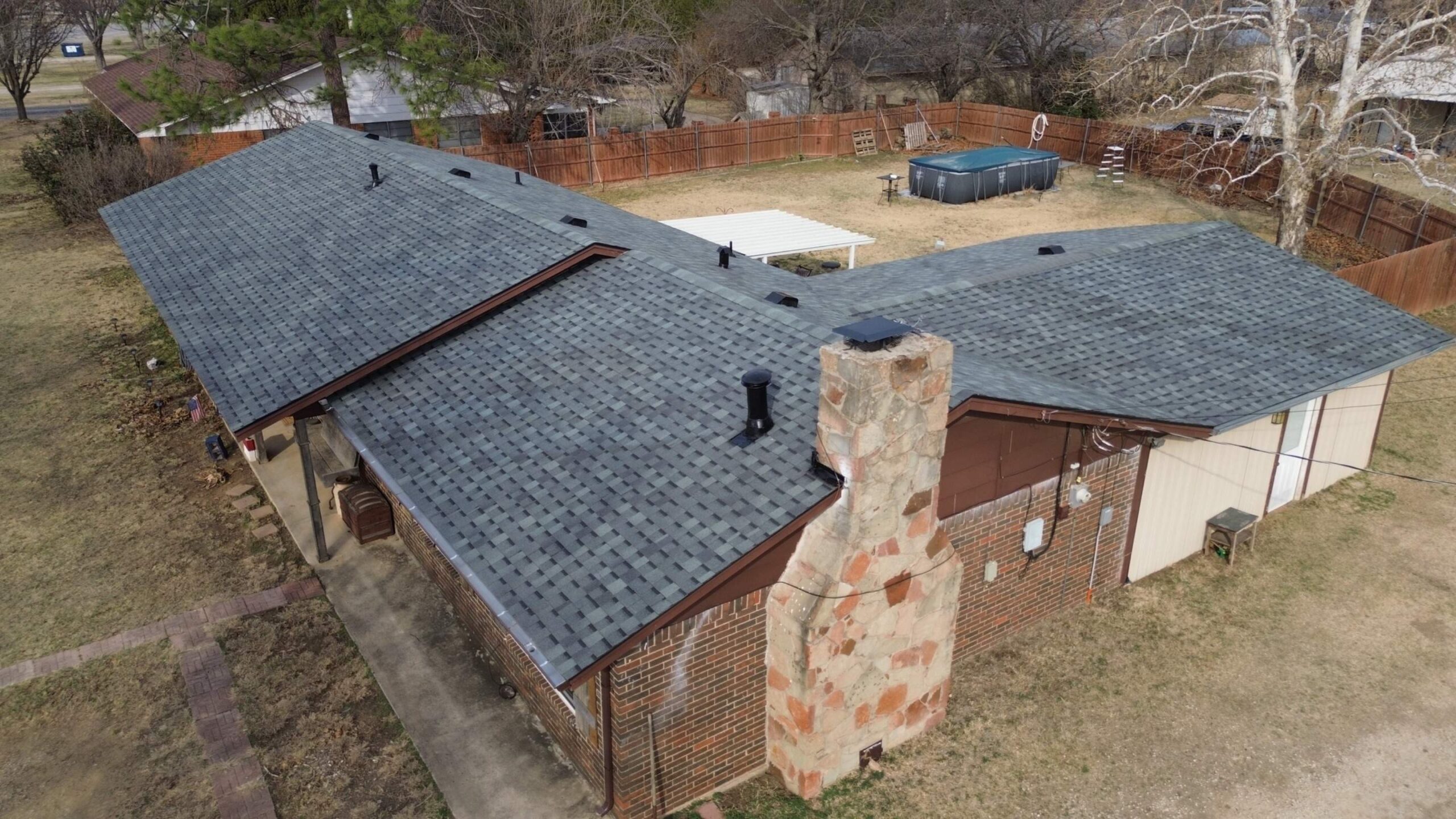
Flashing and roof edges are essential parts of a commercial roofing system because they protect transitions between the roof and other building components. These areas include parapet walls, HVAC curbs, pipes, vents, drains, skylights, walls, and perimeter edges. Deterioration in these locations can allow water to enter the roofing assembly.
A localized flashing defect may be repaired without replacing the roof. However, widespread deterioration around multiple penetrations and transitions can indicate that the roofing system is becoming difficult to maintain.
Roof edges are particularly important because they can be exposed to wind and weather. Loose, damaged, corroded, or deteriorated edge components may affect the overall performance of the roofing system.
Flashing problems can also be difficult to identify from ground level. Some deterioration may occur beneath protective layers or around equipment where visibility is limited. Regular professional inspections can help identify these conditions before they result in extensive interior water damage.
The number of repairs should also be considered. If a business repeatedly pays for flashing repairs in different areas, the roof may be entering a stage where replacement deserves serious consideration.
During a replacement project, flashing and edge details can be redesigned or replaced as part of the complete roofing assembly. This can provide more consistent protection than continuing to repair individual sections of an aging roof.
Increasing Amounts of Roof Repair and Maintenance
A gradual increase in repair and maintenance expenses can be one of the strongest financial warning signs that a commercial roof needs replacement soon. A well-maintained roof will still require periodic inspections and minor repairs, but the frequency and severity of those repairs should be considered over time.
Property owners should review maintenance records rather than relying on memory. Look at how often contractors have been called, what types of problems they have repaired, and how much has been spent on the roofing system over recent years.
A pattern of increasingly frequent repairs can indicate declining roof performance. For example, a business may begin with occasional flashing repairs and later experience repeated leaks, seam failures, drainage problems, and surface deterioration.
Emergency repairs can be particularly costly because they may require immediate service. They can also create operational disruption, especially when leaks occur during business hours or severe weather.
The decision should not be based only on the amount spent during one year. A longer-term trend can provide a better indication of whether the existing roof remains economically practical.
Businesses should compare projected repair expenses with the expected cost and benefits of replacement. If a roof requires substantial repairs simply to maintain basic weather protection, replacing the system may provide greater predictability.
Increasing maintenance demands do not automatically prove that replacement is required. However, when rising repair costs appear alongside an aging roof and widespread physical deterioration, they form a strong warning that replacement planning should begin.
A commercial roof can often provide warning signs well before complete failure occurs. An aging system, recurring leaks, widespread surface deterioration, failing seams, deteriorated flashing, and rising maintenance costs can all indicate that replacement should be considered soon.
Persistent Ponding Water and Drainage Problems
Persistent ponding water is an important warning sign that a commercial roofing system may be approaching replacement. Commercial roofs are designed with drainage systems that should move rainwater toward drains, scuppers, gutters, or other outlets. When water repeatedly remains on the roof after normal rainfall, the problem may indicate inadequate slope, blocked drainage, structural movement, or deterioration within the roofing assembly.
A temporary drainage blockage does not automatically mean the roof needs replacement. Leaves, debris, dirt, and other materials can obstruct drains and prevent water from leaving the surface efficiently. If cleaning restores normal drainage and the roof itself remains in good condition, the issue may be manageable through routine maintenance.
The concern increases when ponding continues after drainage components have been cleaned and inspected. Persistent standing water may indicate that the roof has developed low areas or that the original drainage design is no longer performing effectively. If these conditions affect large portions of the roof, a broader solution may be necessary.
Ponding water can also place additional stress on roofing materials and the building structure. The weight of accumulated water can be significant, especially when large areas remain saturated for extended periods. Continued moisture exposure can also accelerate deterioration of some roofing components.
Businesses should pay attention to recurring ponding rather than waiting for a leak to appear. Water does not need to enter the building immediately for drainage problems to become a serious roofing concern. A professional inspection can determine whether cleaning, localized repairs, drainage modifications, tapered insulation, or complete replacement is the appropriate response.
A replacement project can provide an opportunity to improve drainage as part of the new roofing design. This may involve correcting slope problems, replacing drains, improving scuppers, or incorporating other water-management features. Addressing drainage during replacement can help prevent the same problem from continuing with the new system.
Wet Insulation and Moisture Trapped Beneath the Roof
Moisture trapped beneath a commercial roofing membrane can be difficult to detect from ground level. Water may enter through damaged seams, flashing, punctures, or other openings and remain within the insulation or other layers of the roof assembly. When moisture affects a substantial portion of the system, replacement may become more practical than isolated repair.
Wet insulation can lose some of its intended thermal performance. It may also contribute to deterioration of surrounding materials if moisture remains trapped for long periods. In severe cases, moisture can reach the roof deck and contribute to corrosion, rot, or other forms of deterioration.
A small localized wet area may be removed and replaced as part of a repair. The decision depends on the size of the affected area, the condition of surrounding materials, and the construction of the existing roof.
Widespread moisture presents a greater challenge. If multiple areas of the roof contain saturated insulation, repeatedly removing small sections may become inefficient. It can also be difficult to guarantee that all affected areas have been identified without a more comprehensive evaluation.
Professional inspections can help identify potential moisture problems using appropriate assessment methods. Visual inspection, moisture detection techniques, and selective investigation may be used depending on the roofing system and project requirements.
Interior signs can provide additional clues. Water stains, damp ceiling materials, peeling finishes, unusual odors, or recurring moisture problems may indicate that water is entering the building through the roof assembly.
Property owners should not assume that installing a new membrane over wet materials will solve the problem. When damaged or saturated components need removal, the underlying assembly should be properly addressed before a new roof is installed.
If moisture has spread extensively, replacement may provide a more dependable long-term solution. A new system can remove affected materials, restore the roof assembly, and address the source of water intrusion.
Damaged or Deteriorated Roof Decking
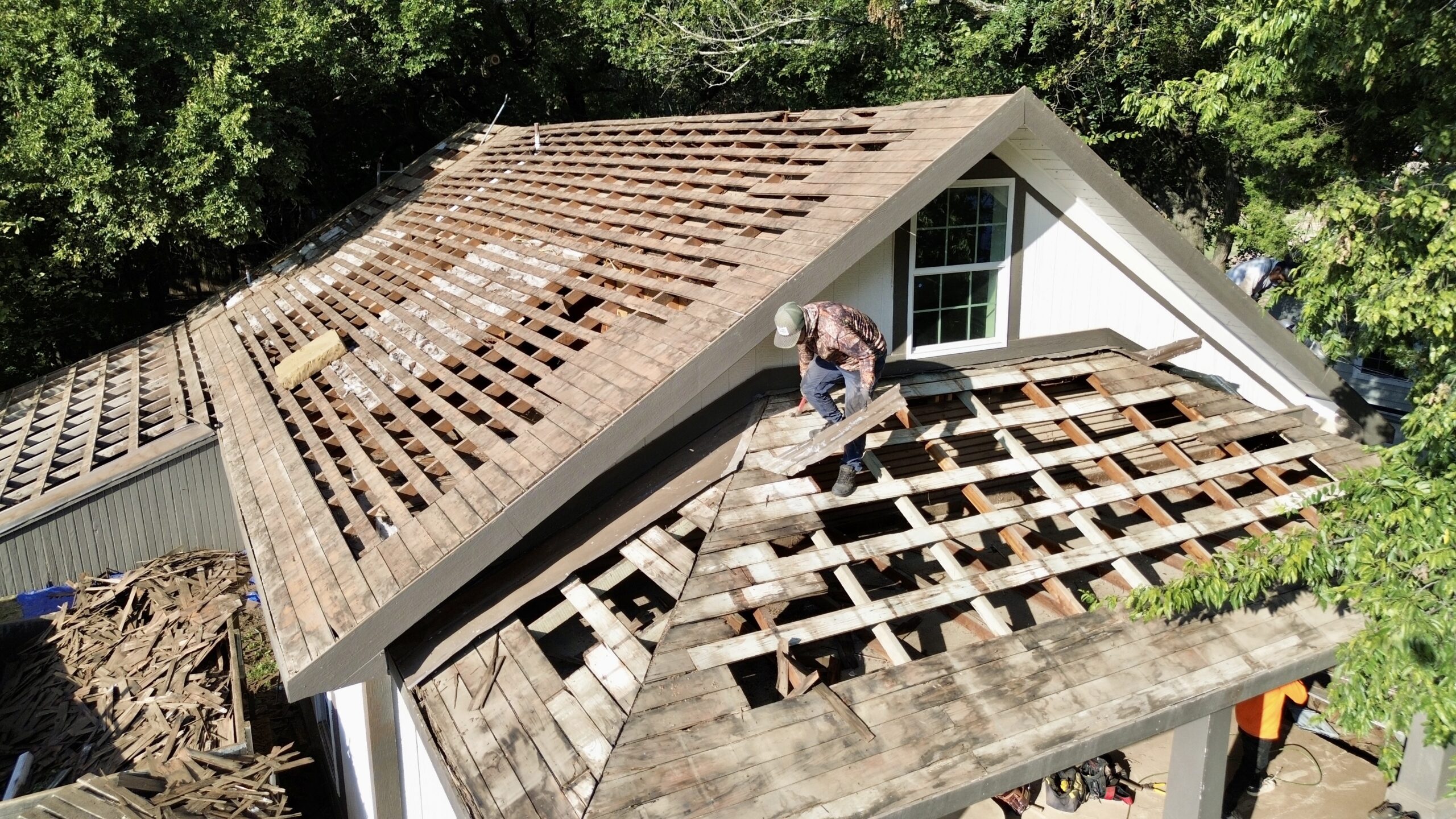
The roof deck is the structural surface that supports the roofing system, insulation, and other components. Because the deck sits beneath the visible roofing materials, problems may remain hidden until the roof is opened or removed. Deteriorated decking can be an important indication that a commercial roofing system requires more extensive work.
Different deck materials can develop different forms of damage. Steel decks may experience corrosion, while wood decks can suffer from moisture-related deterioration. Concrete and other deck types can also develop cracks or weaknesses depending on their construction and environmental exposure.
Limited deck damage does not necessarily require complete roof replacement. Individual sections may be repaired or replaced as part of a larger roofing project when the surrounding assembly remains sound.
The situation becomes more serious when deterioration is widespread. Extensive deck damage can compromise the foundation of the roofing system and may require substantial reconstruction before new roofing materials can be installed.
Water intrusion is a common contributor to deck deterioration. If leaks have continued for a long period, moisture may move beyond the insulation and affect the deck itself. This is one reason recurring leaks should be investigated rather than repeatedly patched without understanding their source.
Visible sagging or unusual movement should receive immediate professional attention. These conditions can indicate structural concerns that go beyond ordinary roofing maintenance.
A replacement project can address the roofing surface and underlying deck conditions together. However, structural issues may require evaluation by appropriately qualified professionals before roofing work continues.
Property owners should ask contractors how potential deck damage will be handled in the project estimate. Some proposals include allowances or unit prices for replacement, while others may treat concealed conditions as additional work.
When significant deck deterioration exists alongside an aging roof, recurring leaks, and widespread membrane damage, full replacement becomes increasingly reasonable.
Widespread Blisters, Cracks, Shrinkage, or Splitting
Visible changes across a commercial roof surface can reveal that the roofing system is losing its ability to perform reliably. Blisters, cracks, shrinkage, splitting, open seams, and other forms of deterioration should be evaluated based on their size, distribution, cause, and effect on the roof.
An isolated surface defect may be repaired without replacing the entire system. However, when similar problems appear throughout multiple roof sections, they may indicate broader material aging or failure.
Blisters can occur for different reasons depending on the roofing system. Some may be associated with trapped moisture or installation conditions, while others can develop as materials age. A professional should determine the cause before deciding whether repair is appropriate.
Cracking and splitting can create pathways for water. If these conditions continue to appear after repairs, it may indicate that the surrounding roofing material has deteriorated beyond reliable repair.
Shrinkage can also create problems around seams, flashing, and perimeter details. As roofing materials change dimensions or pull away from connected components, openings can develop that allow moisture to enter.
The overall pattern is important. A roof with several isolated defects may remain repairable, while widespread cracking and splitting across large areas can indicate that replacement should be considered.
Repeated surface repairs can also create a complicated patchwork of old and new materials. This may make future repairs more difficult and can reduce the predictability of the roof’s remaining performance.
A professional inspection can determine whether the roof is suitable for repair, restoration, or replacement. Property owners should consider the roof’s age and repair history alongside visible deterioration.
Storm, Hail, Wind, or Impact Damage
Severe weather can significantly change the condition of a commercial roofing system. Strong winds, hail, heavy rain, falling branches, and other events can damage membranes, metal panels, flashing, insulation, edge components, and rooftop equipment.
Not every storm requires roof replacement. Localized damage may be repaired when the underlying system remains sound. However, widespread storm damage can make replacement a more practical option.
Wind can affect roofing edges, seams, fasteners, and membrane sections. Hail may create impact damage that is difficult to identify from ground level. Falling objects can puncture the roof or damage the deck beneath the roofing assembly.
After a major storm, property owners should arrange a professional inspection rather than assuming that visible damage represents the full extent of the problem. Some damage may be concealed and may only become apparent during later rainfall.
Storm damage should also be documented promptly. Photographs, inspection reports, maintenance records, and other documentation can help property owners understand what occurred and make informed decisions about repairs or replacement.
Drainage systems should be checked as well. Debris can block drains and outlets, while displaced components can change how water moves across the roof.
If the storm has damaged a large portion of the roofing system, replacement may provide a more consistent solution than attempting numerous individual repairs. The final decision should be based on the extent of damage and the condition of the remaining roof.
Rising Interior Water Damage and Building Problems
The effects of a deteriorating commercial roof often become visible inside the building. Ceiling stains, damaged walls, wet insulation, deteriorated finishes, moisture around electrical systems, and damaged inventory can all indicate that the roofing system is no longer providing reliable protection.
One isolated stain does not necessarily mean replacement is required. The source may be a localized flashing failure or another repairable defect. However, repeated interior water problems in different areas can indicate broader roof deterioration.
Businesses should take interior water damage seriously because the cost can extend beyond the roofing system. Inventory, machinery, office equipment, furniture, electrical components, and building finishes may all be affected by continued moisture intrusion.
Operational disruption is another concern. A recurring leak can force employees to work around damaged areas, move products, close sections of a facility, or interrupt production.
Moisture can also become more difficult to control when leaks continue for extended periods. The longer water enters the building, the greater the opportunity for secondary damage to develop.
Property managers should track where and when interior leaks occur. Comparing these records with roof inspection findings can help identify patterns and determine whether multiple areas are affected.
If interior problems continue despite repeated roofing repairs, replacement should be considered as part of the broader solution. The objective should be to address the source of water intrusion rather than continually repairing interior symptoms.
A professional roofing inspection can help determine whether the interior damage is connected to the roof and whether the existing system can reasonably be restored.
Roof Performance Is Declining Despite Regular Maintenance
Regular maintenance is designed to extend the useful life of a commercial roofing system and address developing problems before they become major failures. However, maintenance cannot prevent normal material aging forever. When a roof continues to deteriorate despite appropriate inspections and repairs, replacement may eventually become the more practical option.
A declining roof often shows several warning signs at once. Leaks may become more frequent, repairs may increase, seams may fail, drainage may become less effective, and visible deterioration may spread across larger areas.
Maintenance records can reveal this pattern clearly. Property owners should review how often the roof has required service and whether the cost and severity of repairs have increased over time.
The roof’s overall performance should also be considered. A system that requires constant attention just to prevent leaks may no longer be providing the reliability expected from a commercial building envelope.
Businesses should compare continued maintenance costs with the cost of planned replacement. If repair spending continues increasing while the roof’s condition declines, replacement may offer greater predictability and long-term value.
A replacement does not mean maintenance becomes unnecessary afterward. The new system will still require inspections, cleaning, prompt repairs, and appropriate care to achieve its expected service life.
The advantage of replacing a deteriorated system is that maintenance can begin from a stronger baseline. New materials, improved drainage, updated insulation, and properly installed flashing can provide a more reliable foundation for future maintenance.
Recognizing declining performance early gives businesses more time to plan. Instead of waiting for a major leak or structural problem to force an emergency decision, property owners can arrange inspections, obtain proposals, establish budgets, and schedule the work around business operations.
When ponding water, wet insulation, deteriorated decking, widespread surface damage, severe storm damage, interior water problems, and declining performance begin appearing together, the need for replacement becomes increasingly likely.
How Professional Roof Inspections Confirm Replacement Needs
A professional roof inspection is one of the most reliable ways to determine whether a commercial roofing system needs replacement soon. Visible problems can provide important clues, but the actual condition of the roofing assembly may extend beneath the surface. A qualified roofing professional can evaluate the membrane, insulation, flashing, drainage, penetrations, roof edges, and other components to determine the overall condition.
The inspection should consider the roof’s history as well as its current condition. Installation records, previous repairs, recurring leaks, maintenance reports, storm damage, and warranty information can help explain why the system is deteriorating. When these records are combined with a physical inspection, property owners can make more informed decisions.
Inspectors typically look for widespread deterioration rather than focusing on one isolated defect. They may evaluate seams, fasteners, flashing, membrane condition, ponding areas, drains, penetrations, and visible signs of moisture. Where appropriate, additional investigation may be used to identify concealed problems.
Moisture within the roofing assembly is especially important. Wet insulation or deteriorated decking can significantly change the recommended scope. A roof that appears acceptable from the surface may require much more extensive work if moisture has spread beneath the membrane.
The roof’s remaining useful life should also be considered. A system that is relatively young and has localized damage may be suitable for repair, while an older roof with widespread deterioration may be a stronger replacement candidate.
The inspection should ultimately provide a practical assessment of the roof’s future performance. Property owners can then compare repair, restoration, and replacement options based on condition, cost, expected service life, and business requirements.
When Repairs Become More Expensive Than Replacement
Roof repairs can be an effective way to extend the service life of a commercial roofing system when damage is limited. However, repeated repairs can become financially inefficient when the roof continues developing new problems. The key is to evaluate the overall pattern instead of looking at each repair as an isolated expense.
Businesses should review historical repair costs and identify how frequently service has been required. If the number of repairs has increased steadily, the roof may be entering a stage where its remaining useful life is limited.
Emergency service can make this problem even more expensive. Unplanned leaks may require immediate labor, temporary protection, interior cleanup, and additional building repairs. These expenses can occur at inconvenient times when contractors and materials may be less readily available.
A roof that requires frequent repairs can also create hidden operational costs. Employees may lose productivity, inventory may need to be moved, equipment may require protection, and certain areas may become temporarily unavailable.
Replacement provides a different financial structure. Although the initial investment is larger, a planned project can create more predictable costs and reduce the need for repeated emergency interventions.
Businesses should compare the expected cost of continued repairs with the projected cost of replacement over several years. This comparison can provide a clearer picture of the financial value of each option.
The cheapest immediate solution is not always the least expensive long-term choice. If repairs only provide short-term relief while the roof continues to deteriorate, replacement may offer better overall value.
How Delaying Replacement Can Increase Business Costs
Delaying replacement can seem financially attractive when the existing roof still appears functional. However, a deteriorating roof can fail unexpectedly, creating expenses that extend beyond the roofing contractor’s invoice. These additional costs can make postponement more expensive than planned replacement.
Water damage is one of the biggest risks. Continued leaks can affect insulation, ceilings, walls, electrical systems, inventory, machinery, flooring, and other building components. Repairing these secondary problems may cost significantly more than addressing the roof earlier.
Business interruption is another potential expense. A serious leak in a warehouse can damage products, while problems in an office or retail facility can affect employees and customers. Manufacturing operations may face even greater consequences if water reaches sensitive equipment or production areas.
Emergency replacement can also reduce the business’s flexibility. Instead of selecting a contractor and roofing system carefully, the owner may have to respond quickly to prevent further damage.
Seasonal weather can make delays even more problematic. A roof with developing weaknesses may experience significantly greater damage during periods of heavy rain, strong winds, or severe storms.
There may also be additional structural consequences if moisture reaches the roof deck. What begins as a membrane problem can become a more extensive building repair if water intrusion continues unchecked.
Businesses should therefore consider replacement planning before the roof reaches complete failure. Early planning provides time to establish a budget, compare contractors, select materials, and schedule construction around normal operations.
Planning a Commercial Roof Replacement Before Failure
Planning replacement before complete failure gives property owners greater control over the project. Instead of responding to an emergency leak, the business can develop a detailed scope and evaluate different roofing solutions.
The process should begin with a professional condition assessment. The inspection can identify damaged areas, moisture concerns, drainage problems, flashing issues, and other conditions that need to be addressed.
Once the scope is understood, businesses can request detailed proposals from qualified commercial roofing contractors. Each proposal should clearly identify the roofing system, insulation, tear-off requirements, flashing, edge components, drainage work, cleanup, warranties, and other major items.
Contractors should be compared based on more than price. Experience with similar commercial buildings, safety practices, project management, references, communication, and warranty support should also be considered.
A realistic budget should include the possibility of concealed conditions. During tear-off, contractors may discover damaged decking or wet insulation that was not fully visible during the initial inspection. Establishing a reasonable contingency can help the business manage these conditions without major financial disruption.
Scheduling should be planned around the property’s operations. A phased approach may be useful when the building must remain open during construction.
Material ordering and equipment access should also be coordinated before work begins. Planning these details early can reduce unnecessary delays and help the project progress more efficiently.
Choosing the Right Replacement Roofing System
Selecting the replacement system is an important part of the overall investment. Commercial properties can use different roofing technologies, and the most suitable option depends on building design, climate, roof slope, occupancy, maintenance expectations, and budget.
The decision should not be based only on the lowest material price. Businesses should consider expected service life, installation requirements, maintenance needs, warranty conditions, energy performance, and compatibility with the existing building.
Insulation is another important consideration. A replacement project may provide an opportunity to improve thermal performance while addressing damaged or saturated insulation from the existing roof.
Drainage should be reviewed at the same time. If the old roof experienced persistent ponding, the new design should address the cause rather than simply reproducing the same conditions.
Roof penetrations and equipment also need careful planning. HVAC units, vents, skylights, solar installations, and other equipment create locations where the roofing system must be properly integrated.
The complete roofing assembly should therefore be considered as one system. The membrane, insulation, attachment method, flashing, edge details, drainage, and penetrations must work together to provide reliable performance.
Choosing the right system can help reduce future repair requirements and support predictable maintenance. A professional contractor can explain the advantages and limitations of suitable options for the specific property.
Preparing the Business for Replacement Work
Commercial roof replacement can affect normal operations, but careful preparation can reduce disruption. Businesses should identify areas that may be affected by noise, equipment movement, material storage, temporary access restrictions, and construction activity.
Communication should begin before work starts. Employees, tenants, customers, vendors, and other relevant parties may need information about changed access routes, parking restrictions, delivery arrangements, and construction schedules.
The contractor should also coordinate material deliveries and equipment placement. Cranes, lifts, dumpsters, staging areas, and worker access routes should be planned so that essential building functions remain available.
Sensitive areas may require additional protection. Inventory, equipment, finished products, and interior spaces below active work zones should be protected using appropriate construction measures.
Weather planning is also important. Roofing work can be affected by rain, wind, temperature, and other conditions depending on the selected system. The project schedule should allow reasonable flexibility when weather prevents safe or proper installation.
Phased construction can help businesses maintain operations. By completing defined sections rather than disrupting the entire property simultaneously, contractors may be able to limit the impact on employees and customers.
Daily communication between the roofing contractor and property representative can help identify developing issues quickly. Clear communication makes it easier to adjust access, schedules, and operational plans when conditions change.
Conclusion
A commercial roofing system often provides multiple warning signs before complete failure occurs. An aging roof, recurring leaks, widespread membrane deterioration, failing seams, damaged flashing, persistent ponding, wet insulation, deteriorated decking, storm damage, and increasing repair costs can all indicate that replacement should be considered soon.
These warning signs should be evaluated as part of the roof’s overall condition rather than individually. One isolated problem may be repairable, but several problems occurring across an aging system can indicate that continued repairs are no longer a practical long-term strategy.
Professional inspection is essential when deciding between repair and replacement. A qualified roofing contractor can examine visible and concealed conditions, evaluate remaining service life, identify moisture or structural concerns, and recommend an appropriate solution.
Businesses should also consider the financial consequences of delaying action. Continued leaks can damage inventory, equipment, interior finishes, and other building components, while emergency repairs can create additional costs and operational disruption.
Planning replacement before a major failure gives property owners more flexibility. They can compare contractors, evaluate roofing systems, establish realistic budgets, plan around business operations, and address drainage and insulation requirements as part of the project.
The right replacement system should be selected according to the building’s needs rather than simply its initial price. Service life, maintenance requirements, energy performance, drainage, warranty conditions, installation quality, and long-term value all deserve consideration.
A planned replacement can also reduce disruption when properly coordinated. Phased construction, clear communication, organized material deliveries, interior protection, and weather planning can help businesses continue operating while the roofing work progresses.
Ultimately, the goal is not simply to replace an old roof. The goal is to provide the property with a reliable roofing system that protects the building and supports business operations for years to come.
Recognizing warning signs early allows property owners to act before a manageable roofing problem becomes an expensive emergency. By combining regular inspections, accurate budgeting, professional guidance, and timely replacement planning, businesses can protect both their buildings and their long-term investment.