


Long Term Benefits of Professional Roof Installation Work
Introduction
A new roof is a significant investment in any property, and the quality of its installation can influence how much value that investment provides over the years. While homeowners often focus on the type, appearance, and price of roofing materials, professional workmanship is equally important. Even high-quality materials may not reach their expected service life when they are installed incorrectly or over an inadequately prepared structure.
Professional roof installation involves much more than placing the visible roofing material over the building. It includes inspecting the existing roof, preparing the roof deck, installing protective layers, integrating flashing, securing roofing materials, managing ventilation and drainage, and inspecting the finished work. Each stage contributes to how well the complete roofing system performs.
The long-term benefits of professional installation often become most noticeable after the project is finished. A properly installed roof can provide better protection against water, wind, heat, and other environmental conditions while reducing the likelihood of premature deterioration. When installation is handled carefully from the beginning, property owners may avoid many of the recurring problems associated with rushed or incomplete workmanship.
Professional installation can also provide greater confidence about the condition of the building. A properly constructed roofing system helps protect the roof deck, insulation, walls, ceilings, and other structural or interior components from moisture and weather exposure. This makes installation quality an investment in the entire property rather than simply an investment in the roof covering.
Better Roof Durability and Longer Service Life
One of the most important long-term benefits of professional roof installation is improved durability. Roofing materials are designed to withstand specific environmental conditions, but their ability to do so depends heavily on correct installation. Proper placement, fastening, overlap, flashing, and other details allow the roofing system to perform according to its intended design.
A professional contractor understands that different roofing materials require different installation methods. Shingles, metal panels, tiles, membranes, and other systems have specific requirements for fastening, underlayment, ventilation, slope, and handling. Following these requirements helps reduce unnecessary stress on the materials and supports more consistent performance over time.
Proper installation can also reduce premature deterioration caused by small defects. A minor gap, incorrectly positioned fastener, or poorly installed transition may not create an immediate problem, but repeated exposure to rain, wind, and temperature changes can gradually make the weakness worse. Addressing these details during installation helps prevent small defects from becoming larger failures.
The expected lifespan of roofing materials should not be viewed as an automatic guarantee. A product may be marketed as having a long service life, but actual performance depends on factors such as climate, maintenance, installation quality, and exposure. Professional workmanship creates better conditions for the material to achieve its intended performance.
Durability also depends on how the different roofing components interact. The exterior material needs support from the roof deck, underlayment, flashing, fasteners, ventilation, and drainage systems. When these components are installed as a coordinated assembly, the roof is better prepared to handle environmental stress.
A professionally installed roof may also require fewer premature repairs. This does not mean that maintenance will never be necessary, because every roof experiences normal aging and weather exposure. However, reducing installation-related defects can lower the likelihood of repeated problems caused by poor workmanship.
Longer service life can provide significant financial value. Replacing a roof involves material costs, labor, preparation, disposal, and disruption to the property. Extending the useful life of the existing roofing system can help property owners receive greater value from the original investment.
Improved Protection Against Water and Leaks
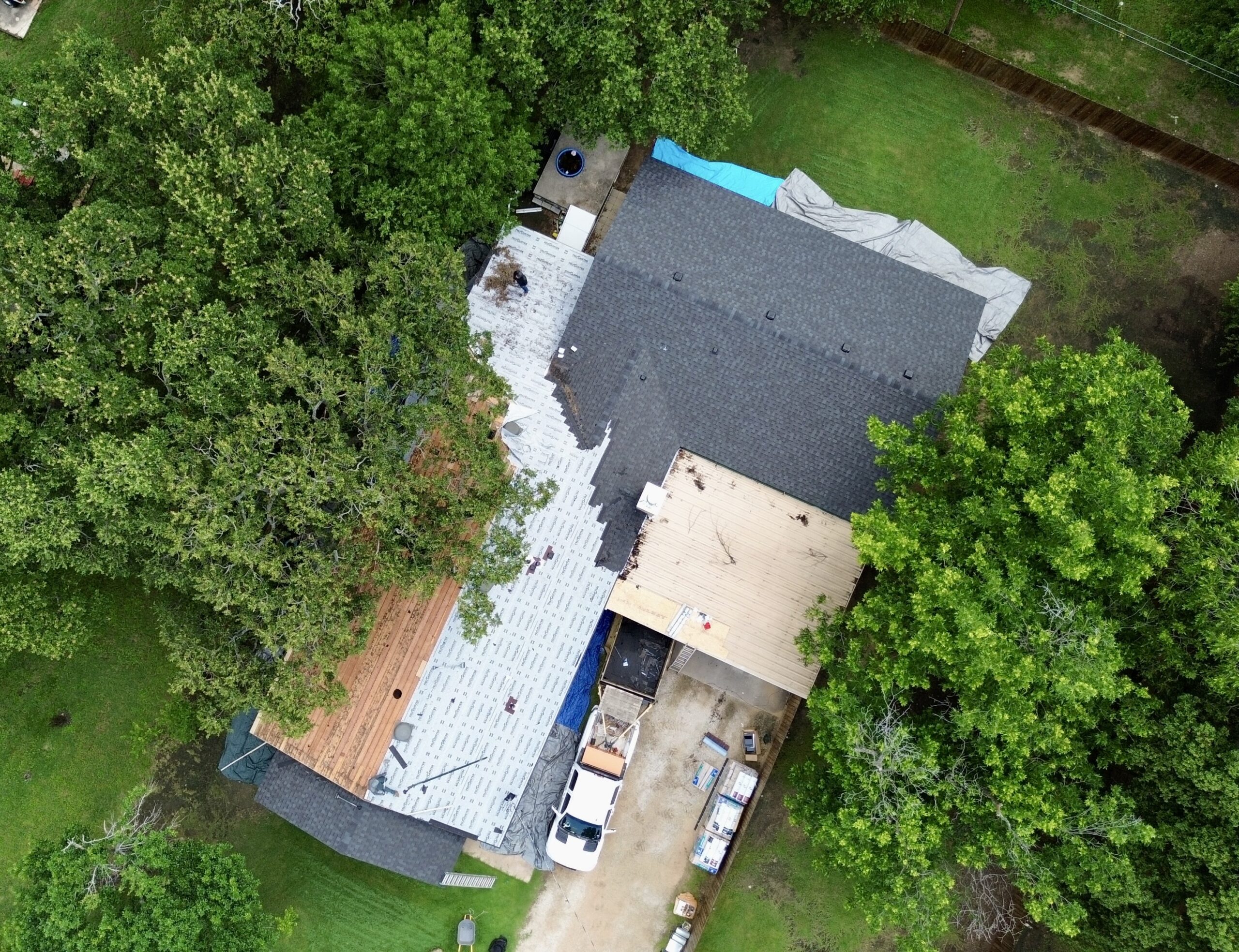
Water protection is one of the primary functions of a roof, and professional installation can greatly improve the system’s ability to keep moisture away from the building. Rainwater needs to be directed across the roofing surface and toward appropriate drainage points without being allowed to move beneath protective layers.
Underlayment provides an additional barrier beneath many roofing systems. Professional contractors install it with appropriate coverage, overlaps, fastening, and detailing around vulnerable areas. This additional protection can help prevent water from reaching the roof deck when moisture gets beneath the primary roofing material.
Flashing is equally important because many roof leaks begin around transitions and penetrations rather than on the middle of an uninterrupted roof surface. Chimneys, skylights, vents, walls, valleys, and roof edges require careful detailing. Properly installed flashing helps guide water away from these areas instead of allowing it to enter the roofing assembly.
Roof penetrations need particular attention because pipes, vents, and other features create openings through the roof surface. Professional installation integrates these components with compatible flashing and protective materials. This reduces the risk of gaps or weak connections becoming pathways for water.
Valleys are another important area because they collect runoff from multiple roof sections. A poorly installed valley can be exposed to significant amounts of water during heavy rainfall. Professional installation uses appropriate materials and techniques to help maintain a reliable drainage path.
Water protection also depends on the condition of the roof deck. If the deck is already deteriorated or damaged, installing a new roof without addressing those problems can leave the building vulnerable. Professional contractors inspect the supporting surface and make necessary repairs before covering it.
Effective water management protects more than the roofing material. Preventing moisture from reaching the deck can help protect insulation, framing, ceilings, walls, and interior finishes. This can reduce the risk of secondary damage that may be significantly more expensive than repairing the roof itself.
The long-term benefit is a roofing system that is better prepared to handle normal rainfall and moisture exposure. Professional installation cannot guarantee that a roof will never leak, particularly after severe weather or unexpected damage, but careful workmanship can reduce many preventable sources of water intrusion.
Stronger Resistance to Wind and Severe Weather
Roofs are exposed to changing weather throughout their service life, and strong winds can place significant stress on roofing materials. Professional installation helps improve the roof’s resistance by ensuring that materials are attached and detailed according to the requirements of the roofing system.
Fasteners are particularly important for wind resistance. The type, number, location, and placement of fasteners can affect how securely roofing materials remain attached. Using too few fasteners or placing them incorrectly can create weak areas that may become more vulnerable during severe weather.
Roof edges and corners can also experience greater wind forces than some interior sections. Professional installation pays attention to these areas and uses appropriate edge and attachment details. Properly securing the perimeter helps reduce the possibility of materials lifting or separating.
Shingles, metal panels, tiles, and other roofing materials each respond differently to wind. Contractors should follow the installation requirements for the specific material rather than applying a generic fastening approach. This is particularly important in areas where high winds are a regular concern.
Wind resistance also depends on the condition of the roof deck. Fasteners need a suitable substrate to provide reliable attachment. If the deck is deteriorated, the roofing materials may not remain securely attached even when the correct fasteners are used.
Professional installation can also reduce the likelihood of damage caused by loose materials. Roofing components that are improperly secured may move during storms and create openings that allow water to enter. Once a section becomes damaged, surrounding materials may also be exposed to additional weather stress.
No installation can make a roof completely immune to extreme weather. Severe storms can damage even well-installed roofing systems. However, following appropriate installation practices gives the roof a stronger foundation for resisting the conditions it was designed to withstand.
Strong weather resistance provides long-term value because it can reduce the extent of damage caused by ordinary storms and high winds. A properly secured roof is better positioned to maintain its protective function and avoid premature repairs after routine weather exposure.
Proper Roof Deck Preparation
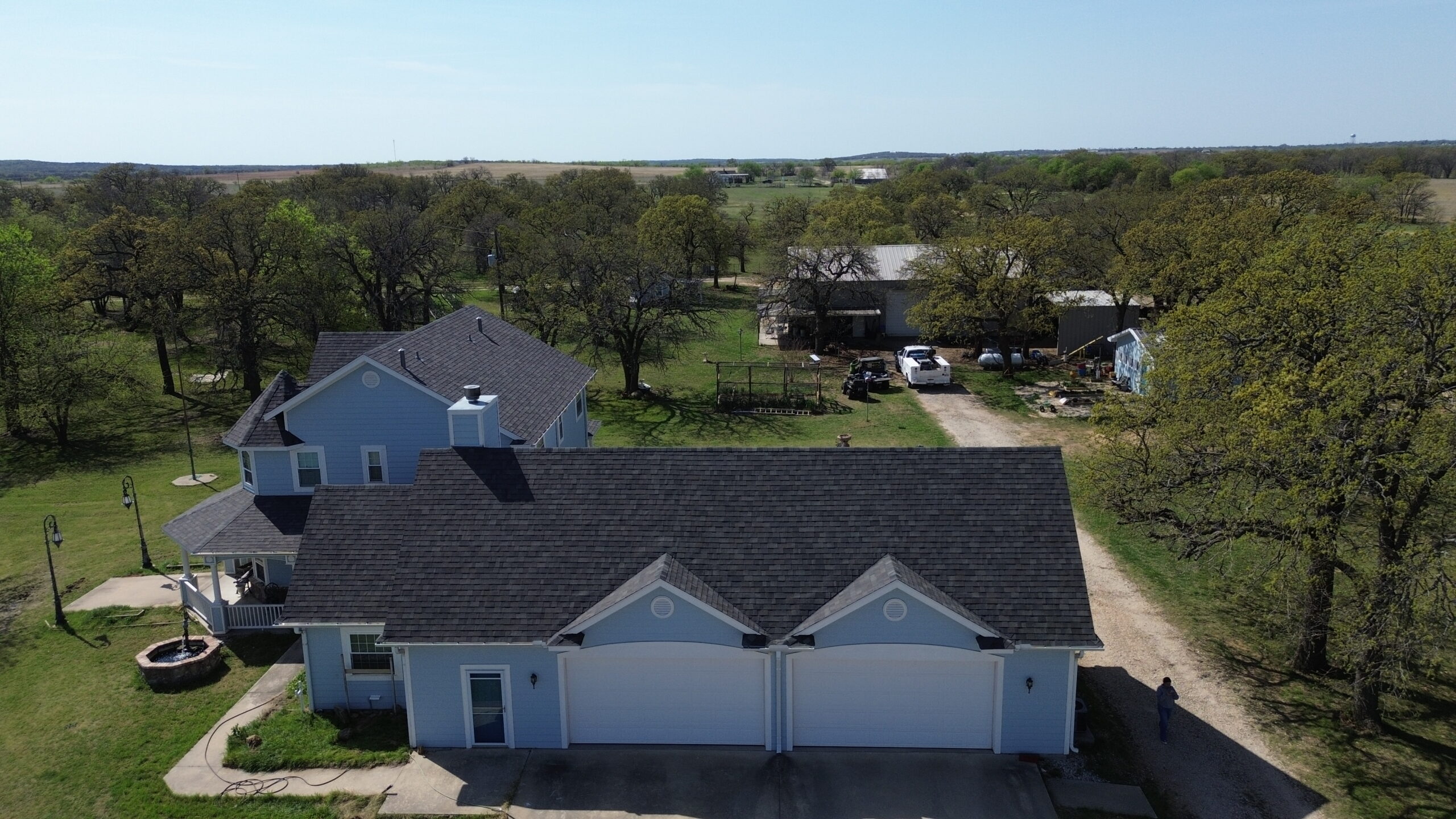
Professional roof installation begins with the surface beneath the visible roofing material. The roof deck provides the foundation for the roofing assembly, so its condition can have a direct effect on the performance and lifespan of the new roof. Covering damaged or deteriorated decking can create problems that remain hidden until they become serious.
Before installing new materials, professional contractors should inspect the exposed deck for signs of rot, moisture damage, cracks, sagging, or other weaknesses. Areas that cannot provide adequate support should be repaired or replaced. This creates a stronger foundation for the roofing components installed above.
Moisture damage is especially important because it may indicate that previous leaks have affected the structure. Simply covering damaged wood with new roofing material does not eliminate the underlying problem. Professional preparation addresses these conditions before they become concealed.
The deck should also be clean and reasonably consistent. Loose debris, old fasteners, damaged materials, and uneven areas can interfere with underlayment and roofing installation. Removing these obstacles helps create a more stable surface and allows subsequent components to be installed correctly.
Proper preparation also supports secure fastening. Roofing materials depend on the deck or supporting structure to hold fasteners properly. If the material beneath the fastener is weak or deteriorated, attachment may be less reliable.
Roof deck preparation provides an opportunity to examine areas that are particularly vulnerable to moisture. Valleys, roof edges, chimneys, skylights, vents, and other transitions may reveal damage that was not visible before the old roofing materials were removed. Addressing these conditions while the roof is open is generally more practical than discovering them after the new roof is complete.
Professional preparation can also reduce the risk of future unevenness or movement. A properly prepared deck gives the roofing system a more consistent surface and helps the visible materials sit correctly. This can contribute to both appearance and performance.
A strong foundation is one of the most valuable long-term benefits of professional installation. By addressing hidden problems before they are covered, contractors can help prevent the new roofing system from inheriting weaknesses from the old one.
Better Material Performance
Professional installation allows roofing materials to perform more effectively because the materials are used according to their intended specifications. The quality of the product matters, but the way it is handled and installed can determine whether its potential durability is actually achieved.
Material selection should consider the roof’s design, slope, climate, weather exposure, and structural requirements. A professional contractor can help identify products that are appropriate for the building rather than choosing materials based only on appearance or initial price.
Compatibility between roofing components is another important consideration. Underlayment, flashing, fasteners, ventilation products, sealants, and the primary roofing material need to work together. Using incompatible components can create weaknesses that reduce the performance of the overall system.
Manufacturer instructions provide important guidance for installation. These instructions may specify fastening patterns, overlaps, minimum slopes, handling procedures, and other requirements. Following them helps ensure that the roofing material is installed under conditions similar to those used when its performance was evaluated.
Professional installation also reduces the possibility of material damage during construction. Roofing products can be cracked, bent, scratched, or otherwise damaged through careless handling. Installing damaged materials may introduce weaknesses that become more significant after repeated exposure to weather.
Proper alignment is another factor in material performance. Roofing materials need to be installed in consistent patterns so that coverage and attachment remain reliable. Uneven or poorly positioned materials can create areas where water or wind can affect the system more easily.
Professional workmanship therefore helps turn quality roofing materials into a functioning roofing system. The material itself provides important protection, but correct installation ensures that its design characteristics are supported by the surrounding components.
Over the long term, this can mean better durability, fewer installation-related problems, and greater value from the selected roofing products. Professional installation is not simply about making the roof look finished on the day the crew leaves. It is about creating the conditions that allow the materials to continue performing effectively for years.
Improved Ventilation and Moisture Management
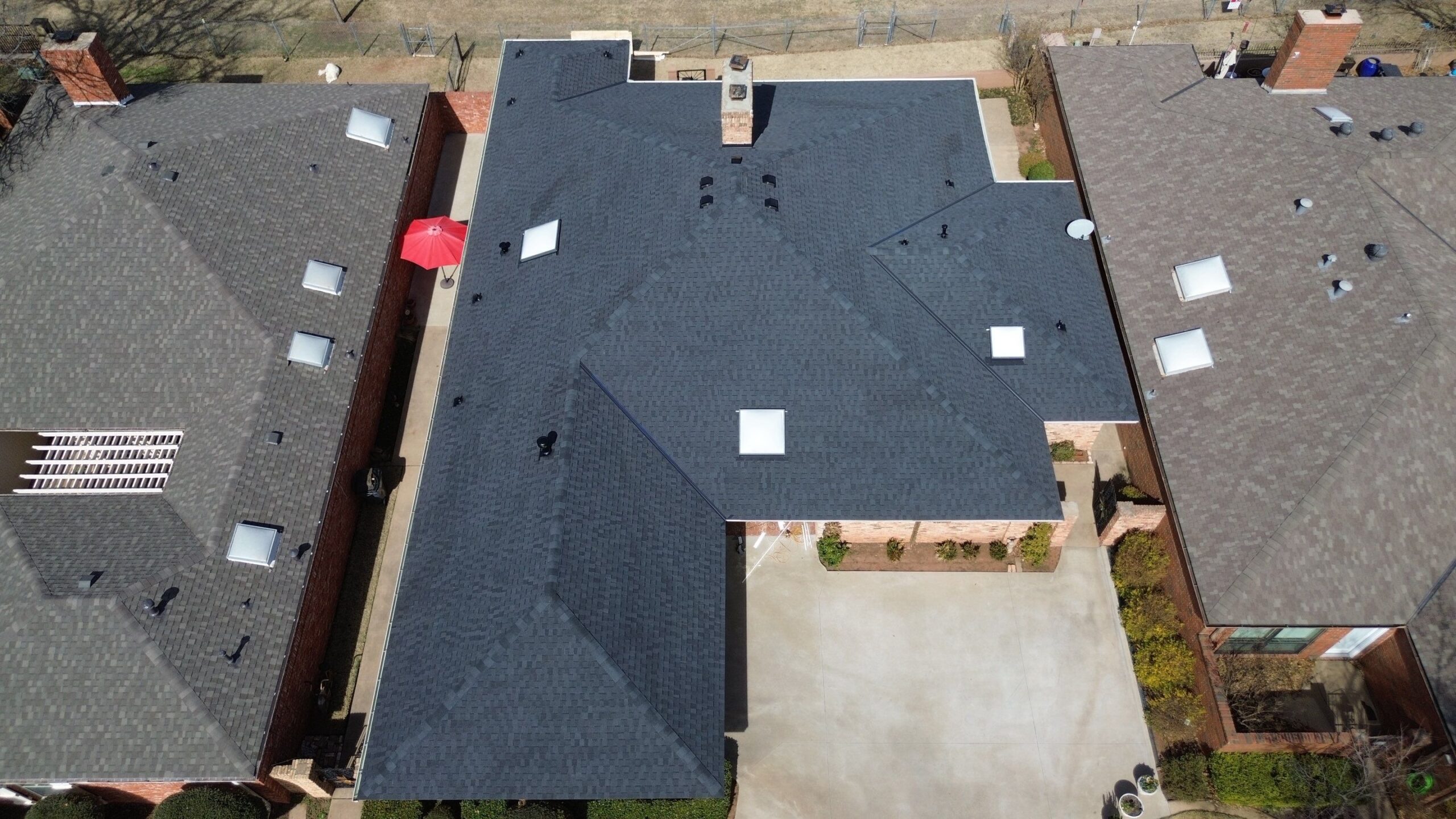
Proper ventilation is an important part of a roofing system because conditions beneath the roof can affect the performance of materials above it. Heat and moisture can accumulate in attic spaces when airflow is inadequate or poorly designed. Professional installation helps ensure that ventilation components are incorporated correctly without creating new problems for the roofing system.
A balanced ventilation system generally uses intake and exhaust pathways that work together. Intake openings allow outside air to enter the appropriate area, while exhaust openings allow warm or moist air to leave. When these pathways are properly designed and installed, they can help maintain more suitable conditions beneath the roof.
Poor ventilation can contribute to moisture-related problems. Warm, humid air may condense on cooler surfaces under certain conditions, potentially affecting wood, insulation, fasteners, and other components. Over time, repeated moisture exposure can contribute to deterioration and reduce the condition of the roofing assembly.
Excessive attic heat can also place additional stress on the building and roofing components. During hot weather, roof surfaces can become extremely warm, and heat can transfer into the attic area. Proper airflow can help manage these conditions, although ventilation should work together with appropriate insulation and air sealing rather than being treated as the only solution.
Professional contractors can identify existing ventilation features before beginning installation. They can determine whether vents are functional, whether intake openings are obstructed, and whether changes to the roofing system could interfere with existing airflow. This planning is important because a new roof should not accidentally block a ventilation pathway that was previously functioning.
Ventilation components also require proper flashing because they create openings through the roof surface. A vent that improves airflow but allows rainwater to enter would create a new roofing problem. Professional installation integrates ventilation with underlayment, flashing, and the primary roofing material so that moisture protection remains intact.
Adding more vents is not necessarily the same as improving ventilation. The system needs to be appropriately balanced and compatible with the building’s design. Professional planning helps prevent situations where poorly positioned or excessive ventilation components fail to provide the intended benefit.
The long-term value of proper ventilation is therefore connected to the condition of the entire roof assembly. By helping manage heat and moisture, a professionally installed ventilation system can support the durability of roofing materials and the components beneath them. It can also make future inspections easier because ventilation components are installed according to a planned system.
More Effective Drainage and Water Management
A professional roofing installation should provide reliable water management from the roof surface to the property’s drainage system. Rainwater needs to move away from vulnerable areas rather than collecting around roof edges, valleys, penetrations, or other transitions. Effective drainage can reduce prolonged moisture exposure and help protect the roof throughout its service life.
Roof slope is one of the basic factors that influence drainage. Different roofing systems have different slope requirements, and contractors need to ensure that the selected material is suitable for the roof’s configuration. Proper installation helps water move in the intended direction rather than allowing it to remain trapped on the surface.
Valleys deserve particular attention because they receive runoff from multiple roof sections. During heavy rainfall, large amounts of water may travel through these areas. Correctly installed valley protection helps guide the water toward the drainage system while reducing the risk of moisture reaching the roof deck.
Roof edges are another important part of water management. Water should flow toward gutters or another appropriate drainage point rather than moving beneath the roofing material. Proper edge details help protect exposed sections of the roof deck and reduce the possibility of water entering the building envelope.
Gutters and downspouts need to work effectively with the roof. If gutters are improperly positioned, obstructed, or unable to handle the expected runoff, water may collect near the roof or flow against walls and other building components. Professional installation considers these relationships instead of treating the roof surface and drainage system as completely separate elements.
Standing water can be especially problematic when it remains in the same area repeatedly. Extended moisture exposure can contribute to material deterioration and may increase the likelihood of leaks. Professional installation helps identify drainage concerns early and establishes appropriate pathways before the project is completed.
Water management also depends on the interaction between flashing and drainage. Flashing around chimneys, skylights, vents, and walls should direct water toward the roof surface or another suitable drainage route. If these components are installed without considering water flow, moisture can collect behind them.
A professionally installed drainage system therefore provides benefits beyond preventing obvious leaks. It helps control how water moves across and away from the property, reducing exposure to the roofing materials and surrounding structures. Over time, effective water management can help preserve the roof deck and reduce the likelihood of moisture-related repairs.
Fewer Repairs and Lower Long-Term Maintenance Costs
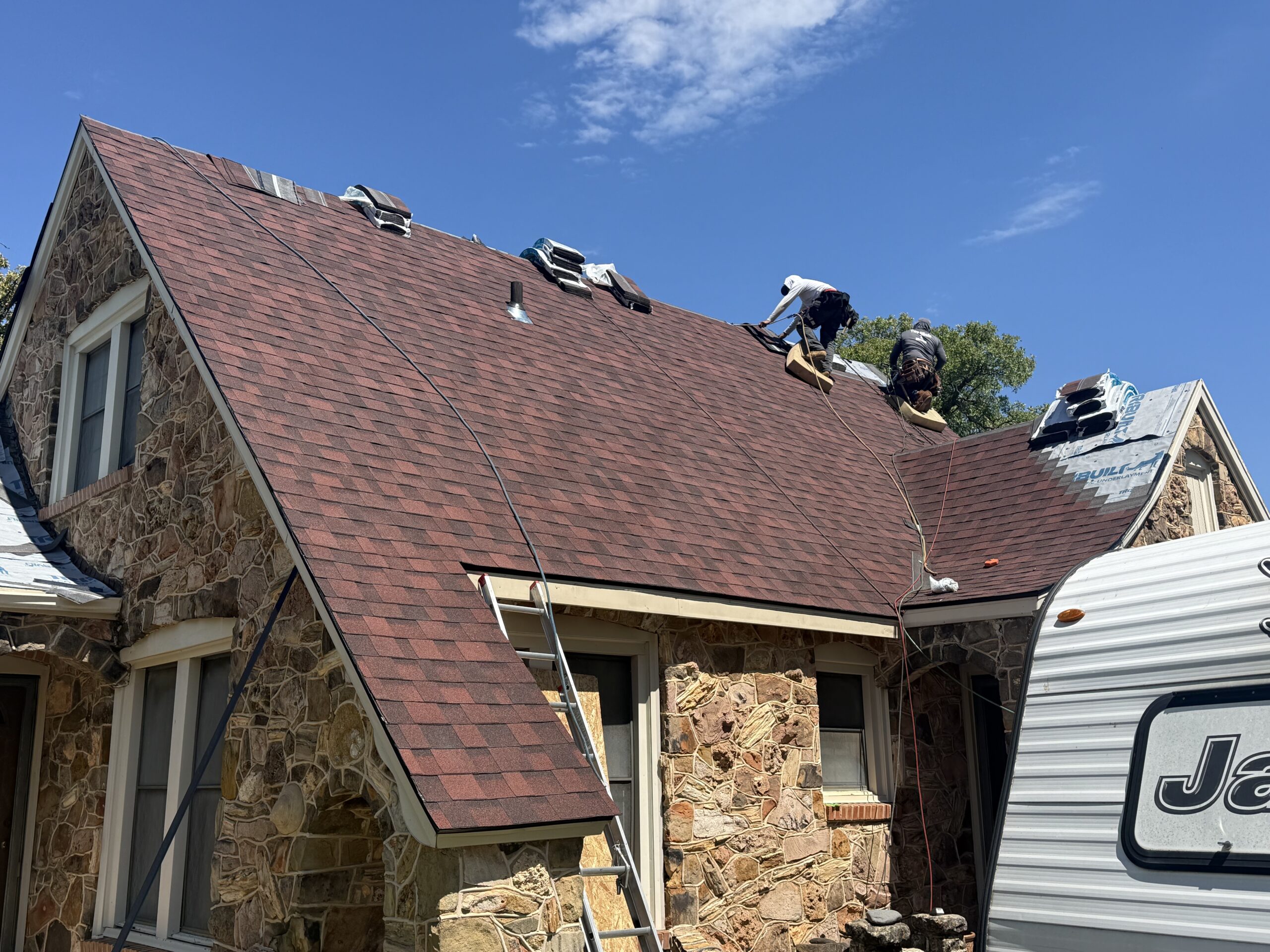
One of the most practical benefits of professional roof installation is the potential to reduce avoidable repair expenses. Every roofing system will eventually require maintenance because materials age and weather conditions can cause damage. However, many early roofing problems are associated with installation defects that can be prevented through proper workmanship.
A poorly installed roof may develop recurring leaks, loose materials, damaged flashing, or drainage problems soon after completion. These issues can require repeated service calls and repairs, creating expenses that could have been avoided with better installation practices. Professional workmanship helps reduce the likelihood of these recurring problems.
Proper installation can also prevent minor defects from developing into larger failures. For example, a small flashing gap may allow moisture to reach the roof deck over time. If the problem is not addressed, the resulting damage may extend into insulation, framing, ceilings, or interior finishes.
The cost of correcting moisture damage can be considerably higher than the cost of addressing the original roofing defect. Protecting the underlying structure therefore has significant financial value. A professional contractor considers these long-term consequences when completing details that may not be visible after the project is finished.
Fewer installation-related problems can also make routine maintenance more predictable. Homeowners can focus on normal inspections, cleaning, and minor repairs rather than repeatedly dealing with defects from the original installation. This creates a more manageable maintenance schedule throughout the roof’s service life.
Professional installation may also reduce the need for premature replacement. A roof that experiences repeated leaks, poor attachment, or widespread material deterioration may need major work much earlier than expected. Avoiding these problems can allow property owners to receive greater value from the original roofing investment.
The financial benefit should not be measured only by the initial project price. A contractor offering a very low installation price may appear attractive, but savings achieved through reduced labor or skipped preparation can create larger expenses later. Comparing contractors based on total value rather than initial cost provides a more realistic picture of the investment.
A professionally installed roof can also make future repairs more straightforward. When materials are installed consistently and according to specifications, repair professionals can more easily identify the roofing system and determine how individual components should be replaced or maintained.
This does not mean professional installation eliminates maintenance costs completely. Instead, it can reduce preventable expenses and make the roof’s long-term maintenance more predictable. The result can be greater financial value and fewer disruptions for the property owner.
Better Energy and Building Performance
Professional roof installation can contribute to the overall performance of a building by helping the roofing system work properly with insulation, ventilation, moisture control, and other building components. A roof is not an isolated surface because its condition can influence the environment inside the building. Proper installation helps reduce weaknesses that may interfere with this relationship.
Ventilation is one important connection between the roof and the building. A properly installed ventilation system can help manage heat and moisture in the attic or roof assembly. When combined with suitable insulation and air sealing, this can support more stable conditions within the building.
Moisture protection is equally important. Water that enters through roofing defects can affect insulation and other building materials. Wet insulation may not perform as intended, while prolonged moisture exposure can contribute to deterioration of surrounding components.
A properly installed roof can also help protect interior spaces from weather exposure. Effective flashing, underlayment, drainage, and roofing materials create multiple layers of protection between the outside environment and the building interior. This can reduce the risk of water intrusion and associated damage.
Professional installation also helps avoid unnecessary gaps and openings. Roofing penetrations, edges, transitions, and other details need to be completed carefully so that the roofing system remains properly integrated. Small installation weaknesses can affect the building’s moisture management and overall performance.
Energy performance is influenced by many factors beyond the roof, so installation alone should not be presented as a guarantee of lower energy costs. However, correct roofing workmanship supports the building systems that contribute to energy management. Preventing moisture intrusion and maintaining appropriate attic conditions can be valuable parts of overall building performance.
A properly installed roof may also help protect insulation from damage. When insulation remains dry and the surrounding assembly is appropriately ventilated, it has a better opportunity to perform as intended. Protecting these components can contribute to the long-term condition of the building.
Professional installation therefore provides value beyond the visible roof surface. By integrating roofing materials with ventilation, insulation, drainage, and moisture protection, contractors can help create a more complete building envelope. This can contribute to greater comfort, reduced moisture concerns, and better preservation of the property’s interior components.
Stronger Warranty Protection
Warranty protection is another potential long-term benefit of professional roof installation. Roofing materials may come with manufacturer warranties, while contractors may offer separate workmanship warranties. Understanding the difference between these forms of coverage can help property owners protect their investment.
Manufacturer warranties generally relate to the roofing product and may contain specific conditions regarding installation, maintenance, and use. Some products may require installation according to particular manufacturer specifications. Professional contractors familiar with the roofing system are better positioned to follow those requirements.
A workmanship warranty is different because it concerns the contractor’s installation work. The terms can vary significantly between companies, so homeowners should review the duration, coverage, exclusions, and claim procedures before signing a contract.
Written documentation is important for both types of warranties. Property owners should keep the contract, product information, warranty certificates, receipts, photographs, and other project records. These documents can help establish what was installed and which party is responsible if a problem develops.
Professional installation does not automatically mean every future roofing problem will be covered by a warranty. Weather damage, improper maintenance, unauthorized modifications, normal aging, and other conditions may fall outside certain warranty terms. Contractors should explain these limitations clearly instead of making broad promises about permanent protection.
Following manufacturer installation requirements can also help reduce uncertainty about product performance. When the roofing system has been installed according to documented requirements, the homeowner has a stronger record of how the product was applied.
Warranty communication should continue after the project is finished. The contractor should explain who to contact if an issue develops and what information may be required to evaluate a claim. A clear process can make future concerns easier to handle.
Strong warranty documentation provides long-term value because roofing problems may not appear immediately. A well-organized record allows homeowners to refer back to the original installation details years later. This can be particularly useful if the property changes ownership or another contractor needs to perform maintenance.
Professional installation therefore supports warranty protection through proper workmanship, documentation, and adherence to applicable requirements. While warranties do not replace good maintenance, they can provide an additional layer of protection when the roofing system is installed and cared for appropriately.
Improved Property Value and Curb Appeal
A professionally installed roof can also contribute to the overall appearance and condition of a property. Roofing is a major visible component of a building, so consistent installation can improve curb appeal while supporting the property’s long-term condition. Straight lines, even material placement, properly finished edges, and clean transitions can make a noticeable difference.
The appearance of a new roof is not simply a cosmetic issue. Uneven materials, poorly finished flashing, exposed components, or inconsistent alignment may indicate workmanship concerns that could also affect performance. Professional installation aims to achieve both an attractive appearance and a properly functioning roofing system.
A well-maintained and professionally installed roof can be particularly valuable when a property is sold. Potential buyers may view the condition of the roof as an important part of their decision because roof replacement can be a significant expense. Documentation showing that the roof was professionally installed can provide useful information about the property’s maintenance history.
Clear records can strengthen this benefit. Contracts, warranties, material information, permits where applicable, inspection records, and maintenance documentation can help demonstrate that the roofing system was installed and cared for responsibly. These records may be useful when answering questions from future buyers, inspectors, or other professionals.
Professional installation can also protect the appearance of the surrounding property. Contractors who use appropriate procedures for material storage, debris collection, and cleanup can reduce damage to landscaping, exterior surfaces, and other areas. Completing the project carefully helps ensure that the property benefits from the new roof rather than being left with unnecessary construction-related problems.
Long-term curb appeal also depends on durability. A roof that develops premature staining, damaged materials, uneven sections, or recurring repairs may lose some of its visual appeal. Proper installation combined with regular maintenance helps preserve a more consistent appearance as the roof ages.
The value of professional workmanship therefore extends beyond the day of installation. A roof that remains attractive, functional, documented, and well maintained can contribute positively to the overall condition of the property. This becomes particularly important when owners consider selling, refinancing, or making other long-term decisions about the building.
Professional roof installation is ultimately an investment in the complete performance of the property. Improved ventilation, effective drainage, fewer repairs, better building protection, stronger warranty documentation, and improved appearance all contribute to value that can continue long after the installation crew has completed the work. These benefits become even more meaningful when the roof is professionally maintained and the owner understands how to protect the system throughout its service life.
Better Safety and Professional Project Management
Professional roof installation provides important safety benefits that extend beyond the finished roofing system. Roofing work involves ladders, elevated surfaces, heavy materials, power tools, and equipment, creating hazards for workers and people around the property. Experienced contractors understand how to organize these activities while reducing unnecessary risks during installation.
A professional roofing crew should have procedures for moving materials, accessing the roof, protecting workers, and keeping unauthorized people away from active work areas. Good project management also helps prevent tools, debris, and materials from being left where they could create hazards for occupants or visitors. These practices contribute to a more organized and controlled installation process.
Property protection is another part of professional project management. Roofing work can produce substantial debris, and materials may need to be stored around driveways, yards, or other exterior areas. Contractors who plan the project carefully can establish suitable locations for equipment and materials while taking reasonable steps to protect landscaping and surrounding surfaces.
Communication also contributes to safety. Homeowners should know when work will begin, which areas should remain clear, and whether temporary restrictions will affect access to parts of the property. Clear communication reduces confusion and helps everyone understand what to expect while the roofing crew is working.
Professional project management can also improve efficiency. Materials can be delivered when needed, workers can be assigned specific responsibilities, and different stages can be coordinated properly. Better organization reduces unnecessary delays and lowers the chance that rushed work will affect installation quality.
Safety and project management may not be the first benefits homeowners consider when thinking about roof longevity, but they can influence the quality of the installation itself. A controlled work environment allows crews to concentrate on accurate workmanship instead of dealing with avoidable disruptions or unsafe conditions.
Easier Future Maintenance and Inspections
A professionally installed roof can be easier to maintain because its components are installed according to a consistent system. Proper alignment, fastening, flashing, drainage, and ventilation give future inspectors a clearer understanding of how the roof is constructed. This can make it easier to identify changes in condition as the roof ages.
Documentation adds another layer of value. Homeowners should retain information about the roofing materials, installation work, warranties, inspections, and repairs. When these records are available, future contractors can better understand the roof instead of relying entirely on assumptions.
Regular inspections can then focus on the areas most likely to require attention. Flashing, valleys, roof edges, penetrations, drainage components, and visible roofing materials can be evaluated for signs of deterioration or damage. Early identification gives property owners an opportunity to address relatively small issues before they become extensive problems.
Professional installation can also make repairs more predictable. When roofing materials and components have been installed correctly, repair professionals can more easily identify appropriate replacement materials and understand how those components should connect with the existing system. This can reduce unnecessary disturbance to surrounding roofing materials.
Maintenance should still follow the requirements of the specific roofing system. Some materials may have different inspection or care recommendations, and homeowners should follow applicable manufacturer guidance. Professional contractors can also explain which maintenance tasks should be performed periodically and which issues require qualified service.
Keeping records of previous repairs is useful as well. If a recurring concern develops, a contractor can review earlier work and determine whether the problem is related to weather exposure, normal aging, or another condition. A documented history can make troubleshooting more efficient.
The long-term benefit is a roof that is not only well installed but also easier to understand and manage. Good installation combined with organized records and appropriate maintenance can help property owners protect their investment throughout the roof’s service life.
Reduced Risk of Premature Roof Replacement
One of the greatest financial benefits of professional installation is the potential to reduce the risk of replacing the roof earlier than necessary. Roof replacement is a major project that involves materials, labor, preparation, disposal, and disruption to the property. Preventing installation-related failures can help owners get greater value from the original roof.
Premature replacement may occur when a roof develops widespread problems that could have been prevented during installation. Recurring leaks, poor fastening, inadequate flashing, improper ventilation, and drainage problems can gradually damage the roofing system. When these issues become extensive, repairs may no longer provide a practical long-term solution.
Professional installation addresses many of these risks at the beginning. Contractors inspect the roof deck, select appropriate materials, install protective layers, and check critical details before considering the project complete. These steps create stronger conditions for long-term performance.
The relationship between workmanship and replacement timing is particularly important when the roof experiences demanding weather. Strong winds, heavy rain, intense sunlight, and temperature changes can expose weaknesses in the installation. A properly installed roof may be better prepared to withstand these conditions without experiencing preventable failures.
Reducing premature replacement can also protect other parts of the property. When roofing problems are allowed to continue, moisture can reach decking, insulation, framing, ceilings, and walls. Repairing these secondary problems can increase the overall cost of a roofing failure.
Professional installation should not be viewed as a guarantee that the roof will never need replacement before a particular date. No roofing system lasts indefinitely, and unexpected storm damage or other environmental conditions can affect its service life. The goal is to reduce avoidable causes of premature failure and give the roof the best opportunity to reach its expected lifespan.
Long-term planning becomes easier when property owners know that the roof was installed correctly. Instead of reacting to repeated failures, they can focus on routine inspections and maintenance and eventually plan for replacement based on the roof’s actual condition.
Long-Term Peace of Mind for Property Owners
Peace of mind is another valuable benefit of professional roof installation. A roof protects one of the most important assets a property owner has, so knowing that the system was installed by qualified professionals can provide greater confidence. This confidence comes from having a roofing system that has been planned, constructed, and inspected with long-term performance in mind.
Professional installation can reduce uncertainty about hidden components. Homeowners cannot easily see the roof deck, underlayment, fasteners, or many flashing details once the project is complete. Knowing that these components were handled correctly provides reassurance that the visible roof is supported by a properly constructed system.
Clear communication also contributes to peace of mind. A professional contractor should explain the scope of work, materials, timeline, warranty, and maintenance requirements before and after installation. Homeowners who understand what was installed and how it should be maintained are better prepared to manage the roof in the future.
A reliable contractor should also remain accountable after the project. If a genuine workmanship concern develops, the homeowner should know who to contact and what documentation is available. Clear warranty terms and organized project records can make this process easier.
Peace of mind does not mean homeowners should stop paying attention to the roof. Regular maintenance and inspections remain important even when the installation was professionally completed. Instead, professional installation gives homeowners a stronger starting point and reduces many of the preventable uncertainties associated with poor workmanship.
The benefit can become particularly valuable during severe weather. Property owners cannot control storms, but they can control how well their roof is prepared before those conditions occur. Professional installation helps establish a roofing system designed to perform according to applicable requirements.
Over many years, this confidence can make property ownership easier. Instead of dealing with recurring installation-related problems, homeowners can focus on routine care and respond to genuine maintenance needs as they arise.
Choosing a Professional Roof Installation Contractor
The long-term benefits of professional installation depend heavily on choosing the right contractor. Not every company that offers roofing services provides the same level of experience, workmanship, supervision, or customer support. Homeowners should evaluate contractors carefully before signing an agreement.
Licensing and insurance should be verified where applicable. Homeowners should ask for relevant documentation and confirm that it is current rather than relying only on verbal assurances. Appropriate insurance can also provide important protection against certain risks associated with construction work.
Experience is another important consideration. Contractors who regularly install the specific roofing system being considered may have a better understanding of its materials and installation requirements. Homeowners can ask about similar projects and request references from previous customers.
A detailed written estimate can reveal how professionally a contractor approaches the project. The proposal should explain the major materials, preparation work, installation services, cleanup, payment terms, and other important details. Vague estimates can make it difficult to determine whether different contractors are actually offering comparable services.
Homeowners should also review warranties carefully. A contractor’s workmanship warranty and the manufacturer’s product warranty may have different terms. Understanding these differences before installation begins can prevent unrealistic expectations later.
Communication is an important part of contractor selection as well. A professional contractor should be willing to answer reasonable questions and explain technical matters clearly. How a company communicates before the project begins can provide useful insight into how it may manage communication during installation.
References and previous projects can provide additional evidence of workmanship. Homeowners should look for contractors who can demonstrate relevant experience rather than selecting a company solely because it offers the lowest price. A slightly higher initial investment may provide better long-term value when it reflects more thorough preparation and professional workmanship.
The Financial Value of Professional Roof Installation
Professional installation should be evaluated as a long-term investment rather than simply an upfront expense. The initial price is important, but the total value of a roof depends on how well it performs over many years. A lower installation price does not necessarily represent better value if it results in premature repairs or replacement.
Quality workmanship can reduce avoidable costs associated with leaks, damaged decking, poor flashing, inadequate drainage, and other installation-related problems. Preventing these issues can protect both the roof and the structure beneath it.
A professionally installed roof may also reduce disruption. Repeated repairs can interfere with daily activities, require contractor visits, and create uncertainty about when problems will return. A more reliable installation can make maintenance more predictable and easier to plan.
Property owners should therefore compare contractors based on overall value. Materials, installation methods, warranties, experience, communication, preparation, and expected long-term performance should all be considered alongside the quoted price.
The financial benefit becomes especially clear when considering the cost of premature roof replacement. Spending more on proper installation at the beginning may help avoid much larger expenses later. The objective is not necessarily to choose the most expensive contractor, but to choose a qualified professional who provides thorough work and clear value.
Conclusion
Professional roof installation provides benefits that can continue long after the construction crew has completed the project. Quality workmanship helps the roofing system resist moisture, wind, heat, and other environmental stresses while supporting the expected performance of the materials. These advantages can contribute to greater durability, fewer repairs, better property protection, and a longer useful service life.
The long-term benefits begin with proper preparation. Inspecting the roof deck, identifying hidden damage, selecting suitable materials, installing underlayment and flashing correctly, and establishing effective ventilation and drainage all create a stronger foundation for the finished roof.
Professional installation can also reduce the financial risks associated with premature roofing problems. Preventing installation defects may reduce recurring leaks, structural moisture damage, unnecessary repairs, and early replacement. Over time, these savings can make quality workmanship a valuable part of the overall roofing investment.
Good installation also supports easier maintenance and stronger documentation. When materials are installed consistently and project records are preserved, future inspections and repairs can be completed with a better understanding of the existing roofing system. Warranty information can also provide additional protection when the applicable requirements are followed.
Property owners should therefore look beyond the initial price when selecting a roofing contractor. Credentials, experience, insurance, references, written estimates, warranties, communication, and installation practices all deserve consideration. Choosing a qualified professional can provide greater confidence that the roof is being built for long-term performance rather than simply completed as quickly as possible.
Ultimately, professional roof installation is an investment in the entire property. A properly installed roof helps protect the building’s structure and interior, supports the performance of other building systems, improves long-term reliability, and can contribute to property value. Combined with regular inspections and appropriate maintenance, professional workmanship gives homeowners a stronger opportunity to enjoy reliable roof protection for many years.
Leave A Comment