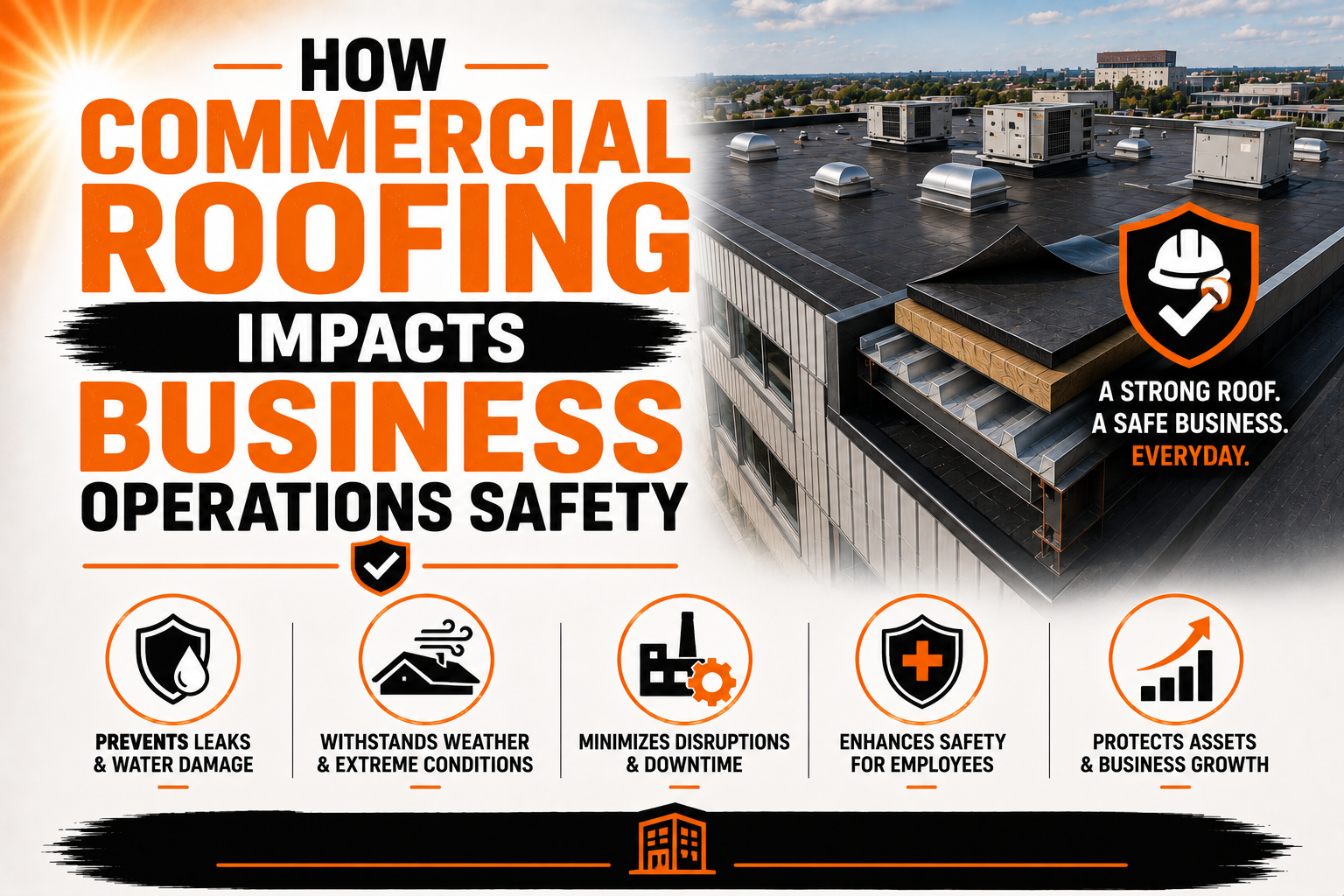
How Commercial Roofing Impacts Business Operations Safety
Introduction
Commercial roofing plays a much larger role in business safety than simply keeping rain and sunlight out of a building. A properly designed and maintained roof protects employees, customers, equipment, inventory, and the physical structure from conditions that can interfere with safe daily operations. When roofing problems are ignored, even a relatively small defect can eventually create hazards that affect multiple areas of a commercial property.
Businesses depend on their facilities to remain safe and functional throughout the working day. Offices need dry and comfortable workspaces, warehouses need protected storage areas, retail stores need safe customer walkways, and manufacturing facilities need reliable protection for machinery and production areas. A commercial roofing system supports all of these requirements by helping maintain a secure environment above and within the building.
Roofing problems can also develop gradually, making them easy to overlook. A small puncture, damaged flashing, blocked drain, or deteriorating membrane may not immediately stop business operations, but continued exposure to water and weather can make the problem significantly worse. Regular attention to the roof helps businesses identify these issues before they become expensive repairs or serious safety concerns.
Commercial roofing should therefore be viewed as an important part of an overall property safety strategy. By understanding how roof performance affects workplace conditions, business owners and facility managers can make better decisions about inspections, maintenance, repairs, and long-term roof replacement.
Roof Integrity and Workplace Safety
The condition of a commercial roof can directly influence the safety of people working inside and around a building. A roof that is structurally sound and properly maintained helps prevent water intrusion, falling materials, damaged ceilings, and other hazards that can interfere with normal business activities. When roofing components deteriorate, however, the resulting problems can spread beyond the roof itself.
Loose roofing materials can become particularly concerning during strong winds or severe weather. Damaged flashing, unsecured components, deteriorated edges, and other exposed materials may become displaced and create hazards around the property. Regular professional inspections can help identify vulnerable areas before they develop into more serious problems.
Roof integrity also matters because roofing systems contain many interconnected components. Membranes, insulation, flashing, drainage systems, fasteners, penetrations, and rooftop equipment all need to work together to protect the building. Damage in one area can sometimes place additional stress on surrounding components, increasing the possibility of leaks or deterioration.
Some common roofing conditions that can create operational safety concerns include:
- Damaged or deteriorated roofing membranes
- Loose or failing flashing around roof edges and penetrations
- Blocked or damaged drainage systems
- Ponding water that remains on the roof
- Cracks, punctures, or exposed roofing materials
- Deteriorated roof edges or unsecured components
Identifying these conditions early allows property managers to address them before they begin affecting occupied areas. Preventive maintenance is generally easier to coordinate than emergency repairs because work can be planned around business schedules and operational requirements.
A reliable inspection process should also consider the age and history of the roofing system. Older roofs may require more frequent evaluation because materials naturally experience wear from weather, temperature changes, foot traffic, and rooftop equipment. Understanding these factors allows businesses to plan maintenance rather than reacting only after a visible failure occurs.
Preventing Water Damage and Slip Hazards
Water intrusion is one of the most common ways roofing problems can affect commercial operations. When a roof fails to keep moisture outside the building, water may travel through insulation, ceilings, walls, and other building components before becoming visible. By the time a stain or dripping area appears indoors, the underlying problem may already have existed for some time.
Leaks can create immediate safety concerns in areas where employees or customers walk. Water reaching floors can make surfaces slippery, increasing the possibility of slips and falls. In busy commercial environments, this can become especially problematic because people may move quickly between workstations, storage areas, entrances, loading zones, and customer spaces.
Roof leaks can also affect ceilings and interior building materials. Continued moisture may weaken ceiling components, damage insulation, stain interior finishes, and contribute to deterioration around the affected area. If water accumulates around damaged materials, repairs may become more extensive than the original roofing problem.
Drainage is an especially important part of preventing water-related roofing issues. Commercial roofs are designed to direct water toward drains, scuppers, gutters, or other drainage points. When these systems become blocked by debris or damaged through wear, water may remain on the roof longer than intended.
Proper maintenance of drainage systems can help businesses reduce several potential risks:
| Roofing Area | Potential Problem | Possible Business Impact |
|---|---|---|
| Roof membrane | Punctures or deterioration | Water intrusion and interior damage |
| Roof drains | Blockages or poor drainage | Ponding water and increased roof stress |
| Flashing | Separation or deterioration | Leaks around roof edges and penetrations |
| Gutters and downspouts | Debris or damage | Overflow and water accumulation |
| Roof penetrations | Failed seals | Localized leaks and building damage |
Water-related problems should not be treated only as cosmetic concerns. A ceiling stain may look minor, but it can indicate moisture entering the building and potentially affecting materials or systems that are not immediately visible. Addressing the source of the leak is more effective than repeatedly repairing the interior surface.
Businesses can also reduce operational risks by responding quickly when leaks are discovered. Affected areas may need to be isolated temporarily, warning signs may need to be placed around wet surfaces, and the roofing issue should be assessed as soon as practical. These short-term measures can help protect people while a permanent repair is arranged.
Protecting Electrical Systems and Business Equipment
Commercial buildings rely heavily on electrical systems and technology, making protection from water intrusion particularly important. Electrical panels, wiring, lighting systems, computers, communication equipment, machinery, and other assets may be located beneath or near areas vulnerable to roof leaks. If moisture reaches these systems, it can create both equipment damage and safety concerns.
Water and electricity create a particularly serious combination. A roof leak near electrical equipment should not be ignored simply because the amount of water appears small. Moisture can travel through building materials and reach electrical components in ways that are difficult to see from the occupied area.
Businesses also depend on equipment that may be expensive or difficult to replace. Manufacturing machinery, refrigeration systems, servers, point-of-sale equipment, specialized tools, and commercial HVAC components can represent significant investments. A roofing failure that allows water to reach these assets can therefore create costs that extend far beyond the price of repairing the roof.
Protecting equipment begins with preventing water from entering the building in the first place. Regular roof inspections can help identify deteriorated areas around penetrations, rooftop units, seams, flashing, and drainage points where leaks are more likely to develop. Facility teams should also pay attention to recurring moisture near equipment because repeated exposure may indicate an unresolved roofing issue.
Rooftop equipment itself can sometimes contribute to roofing problems. HVAC units, vents, pipes, electrical conduits, and other penetrations require properly installed and maintained seals. If these areas deteriorate, water can enter around the penetration even when the main roof surface appears to be in good condition.
A commercial roof should therefore be evaluated as part of the building’s broader protection system. Keeping the roof watertight helps protect the infrastructure underneath it and reduces the likelihood that a roofing problem will trigger electrical, equipment, or operational issues.
Commercial Roofing and Employee Safety
Employees spend significant portions of their working day inside commercial buildings, which makes the condition of the building an important part of workplace safety. Roofing problems can influence employee safety through wet floors, damaged ceilings, uncomfortable indoor conditions, restricted work areas, and exposure to deteriorating building materials. These issues can affect offices, warehouses, retail facilities, manufacturing plants, and other commercial environments.
A roof that allows water to enter can create hazards in employee work areas. For example, a leak above a walkway may result in a wet floor, while a leak above stored products may require employees to work around damaged inventory or temporarily relocated materials. Repeated incidents can also make normal work routines more difficult and reduce confidence in the condition of the facility.
Roofing problems may also affect areas that employees do not normally consider part of the roof system. Moisture can travel through insulation and building assemblies before appearing in another location. This means a visible interior problem does not always indicate the exact location of the roof defect above it.
Employee safety can be supported through a combination of roofing maintenance and clear internal procedures. Staff should know how to report leaks, unusual ceiling damage, water accumulation, or other signs of building deterioration. Prompt reporting gives facility managers an opportunity to investigate the issue before it becomes a larger operational problem.
When roofing contractors need access to occupied areas, businesses should also coordinate the work carefully. Repair activities can involve ladders, tools, materials, temporary barriers, and movement between roof access points and interior spaces. Proper planning helps keep employees away from active work areas while allowing roofing professionals to complete the necessary work efficiently.
The goal is not simply to repair a damaged roof after something goes wrong. A stronger approach is to create a maintenance culture where roofing conditions are monitored regularly and potential hazards are addressed before they interfere with employees’ normal activities.
Roofing Problems That Can Disrupt Daily Operations
Commercial businesses often depend on predictable daily operations. Even a temporary facility problem can affect employee productivity, customer service, inventory movement, deliveries, meetings, manufacturing schedules, or other important activities. Roofing failures can contribute to these disruptions when they create conditions that make certain areas of a building unsafe or unusable.
A minor leak may initially require only a bucket and temporary cleanup, but the situation can become more complicated if water continues entering the building. Wet ceilings may need to be removed, damaged flooring may require replacement, and equipment or inventory may need to be relocated. In serious cases, a portion of the building may need to remain inaccessible until repairs are completed.
Roof-related disruptions can be particularly challenging for businesses that operate continuously or have strict schedules. Warehouses may need to move stored goods, retail stores may have to restrict customer access to affected areas, and manufacturing operations may be interrupted if water reaches production equipment. Offices may also have to relocate employees when leaks affect workstations or electrical systems.
Storm events can increase these challenges because multiple buildings may require emergency roofing services at the same time. High winds, heavy rainfall, hail, and other severe weather can expose weaknesses in roofing systems that may have remained unnoticed during normal conditions. Businesses with aging or poorly maintained roofs may be especially vulnerable to sudden damage.
Planning ahead can reduce the operational impact of roofing problems. Businesses should understand the general condition of their roofing system, maintain records of previous repairs, and know which areas have experienced recurring problems. This information can help property managers make faster decisions when new issues appear.
Proactive roofing maintenance also allows work to be scheduled during less disruptive periods whenever possible. Instead of waiting for a major failure that demands immediate attention, businesses can address smaller issues through planned repairs and inspections. This approach helps protect the building while reducing the chance that roofing work will unexpectedly interfere with normal operations.
The connection between commercial roofing and business safety is therefore broader than the roof itself. A reliable roofing system helps protect people, equipment, inventory, interior spaces, and daily workflows, creating a stronger foundation for safe and consistent business operations.
How Roofing Conditions Affect Business Continuity
A dependable commercial roofing system is an important part of maintaining business continuity. Companies rely on their buildings to support employees, customers, equipment, inventory, and daily activities, so a roofing failure can quickly become an operational problem. When leaks, structural concerns, or storm damage affect an occupied facility, normal business activities may need to be changed or temporarily stopped.
The effects of a roofing problem are not always limited to the location of the damage. Water entering through one area of the roof can travel through insulation, ceilings, walls, and other building components before reaching an occupied space. As a result, a relatively small roofing defect can eventually affect offices, storage areas, production spaces, electrical systems, or customer areas.
Businesses that depend on continuous operations may be particularly vulnerable to unexpected roofing emergencies. A warehouse may need to move inventory away from a leaking section, while a retail facility may have to restrict access to part of the store. Manufacturing businesses could face more serious interruptions if water reaches machinery or production areas.
Roof maintenance can help reduce these disruptions by identifying problems before they become emergencies. Regular inspections provide an opportunity to examine areas that are vulnerable to deterioration, including seams, flashing, drains, penetrations, roof edges, and areas surrounding rooftop equipment.
Businesses can also strengthen continuity planning by keeping records of roof inspections and previous repairs. Knowing the age, condition, materials, and repair history of a roof makes it easier to determine which problems require immediate attention. It also helps property managers plan larger maintenance projects before an aging roofing system becomes a major operational risk.
Protecting Inventory, Products, and Valuable Assets
Commercial properties often contain valuable inventory, raw materials, finished products, documents, machinery, and other business assets. A properly maintained roof provides an important layer of protection for these assets by preventing rainwater and other environmental conditions from entering the building. When roofing performance declines, the risk of property damage can increase significantly.
Inventory stored beneath a damaged roof can be exposed to moisture without employees immediately noticing. Water may enter through small openings and spread through ceiling materials before reaching shelves, boxes, pallets, or products below. By the time the damage becomes visible, some items may already require inspection, cleaning, relocation, or replacement.
Warehouses face particular challenges because large quantities of products may be stored for extended periods. A leak above a storage rack can affect multiple products, especially when materials are stacked closely together. Water can also damage packaging, labels, electronic components, paper products, textiles, and other materials that are sensitive to moisture.
Retail businesses can experience similar problems when roof leaks occur above sales floors or storage rooms. Damaged merchandise can create financial losses while affected areas may need to be closed temporarily for cleanup and repair. Customers may also be inconvenienced if normal shopping areas become restricted.
Manufacturing facilities have additional concerns because raw materials and finished goods may be stored near machinery or production lines. Water intrusion can create problems for both the products and the equipment used to manufacture them. This can increase the operational consequences of a roofing failure beyond the cost of replacing damaged inventory.
Protecting valuable assets begins with maintaining the roof itself, but businesses can also reduce exposure by understanding vulnerable areas inside the facility. Important inventory and equipment should not unnecessarily be positioned beneath known problem areas, particularly when a roof is aging or undergoing repairs. Any recurring leak should be investigated rather than managed indefinitely with temporary interior solutions.
Fire Safety and Commercial Roofing
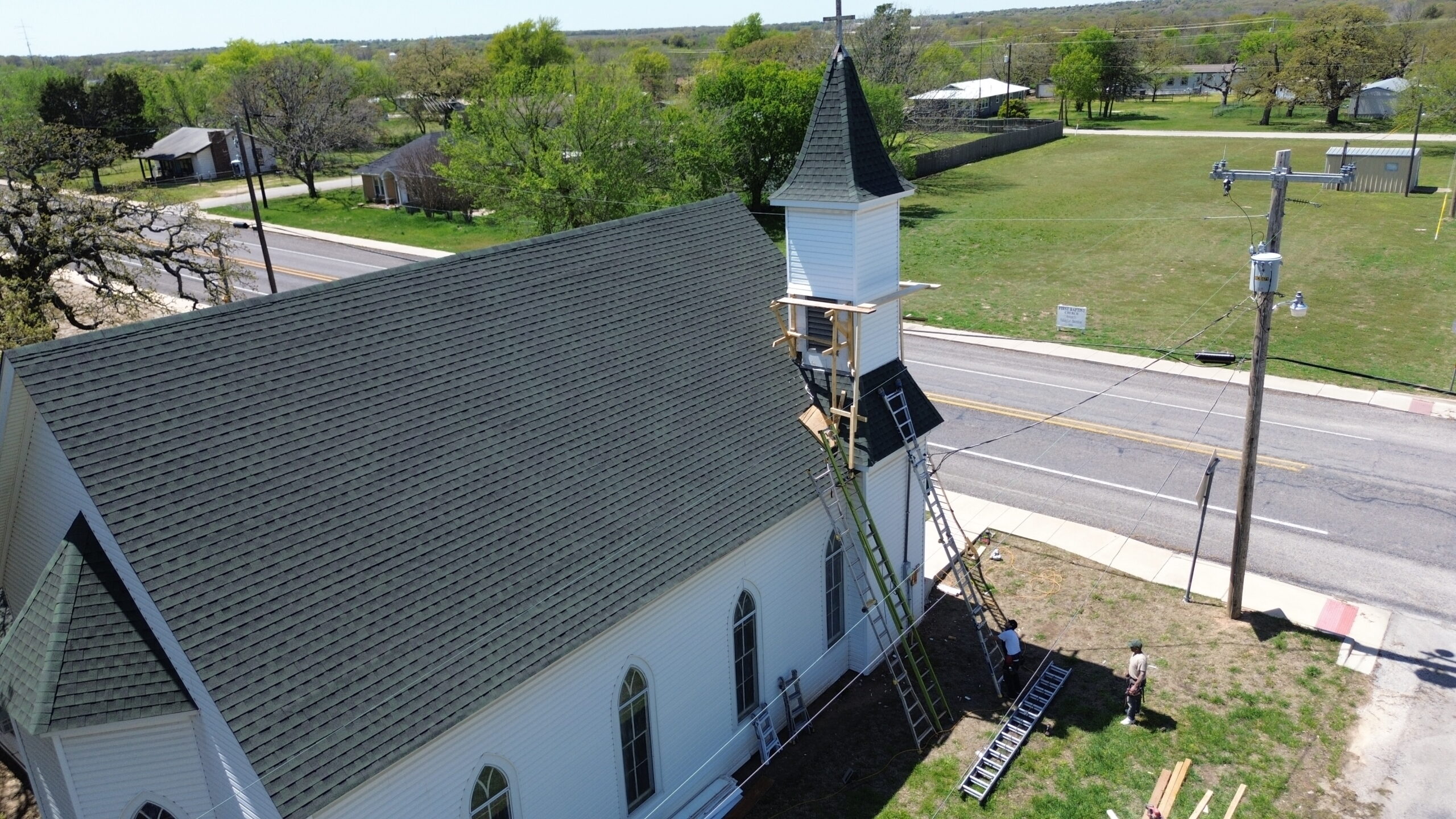
Commercial roofing can also contribute to broader fire safety considerations. The roof forms part of the building envelope, and its materials, penetrations, insulation, and connections can influence how the building performs under demanding conditions. Proper installation and maintenance are therefore important when considering the overall safety of a commercial property.
Roofing systems may include membranes, insulation, cover boards, flashing, adhesives, fasteners, and other materials with different performance characteristics. The suitability of these materials depends on the building, roofing system, local requirements, and intended application. Selecting appropriate materials and having them installed correctly can support the overall performance of the roof.
Penetrations are another important consideration. Commercial roofs commonly contain vents, pipes, HVAC equipment, electrical conduits, skylights, and other openings. Each penetration needs appropriate detailing so that it does not compromise the roof system or create unnecessary pathways for water and other environmental conditions.
Poorly maintained rooftop equipment can also create concerns around the roof. Mechanical systems require appropriate clearances, supports, and connections, while the surrounding roofing materials need to remain properly sealed and protected. Maintenance teams should avoid creating unnecessary damage when accessing equipment or performing routine service.
Fire safety also depends on more than roofing materials alone. Businesses should maintain appropriate fire protection systems, emergency procedures, electrical systems, and building components according to applicable requirements. Roofing maintenance should form part of this broader property safety approach rather than being treated as an isolated task.
When roofing repairs or replacements are planned, businesses should work with qualified professionals who understand the requirements associated with the particular roofing system. Proper planning helps reduce the possibility of installation defects, damaged components, or unsafe conditions developing during the project.
Weather Resistance and Severe Weather Protection
Commercial roofs are continuously exposed to environmental conditions that can affect their performance. Rain, strong winds, intense sunlight, temperature changes, hail, and other weather conditions can gradually place stress on roofing materials. A well-maintained system helps protect the building from these conditions and reduces the likelihood of weather-related operational disruptions.
Heavy rainfall can test every part of a roofing system, particularly its drainage capacity. Water needs to move efficiently toward drains, gutters, scuppers, or other designated outlets. If drainage components become blocked or damaged, water may accumulate on the roof and increase stress on roofing materials.
Wind can create different challenges. Roof edges, flashing, membranes, and other components may experience increased forces during severe weather. Areas that are already loose, damaged, or poorly maintained can be more vulnerable when strong winds occur.
Hail can also damage certain roofing materials by creating punctures, cracks, indentations, or other forms of deterioration. Some damage may not be immediately visible from inside the building, which is why post-storm inspections can be valuable. Identifying damage early can help prevent a small defect from becoming a larger leak during the next rainfall.
Extreme heat and repeated temperature changes can affect roofing materials over time. Expansion and contraction may place stress on seams, joints, flashing, and other components, particularly when the roof has already experienced significant aging. Regular inspections can help identify areas where deterioration is beginning to affect performance.
Businesses can prepare for severe weather by maintaining their roofs before major weather events occur. A practical approach includes checking drainage systems, inspecting vulnerable details, removing unnecessary debris, and addressing known defects. Preparation is especially valuable because emergency repairs after severe weather may be more difficult to arrange when many properties in the area require attention.
Indoor Air Quality, Moisture, and Building Health
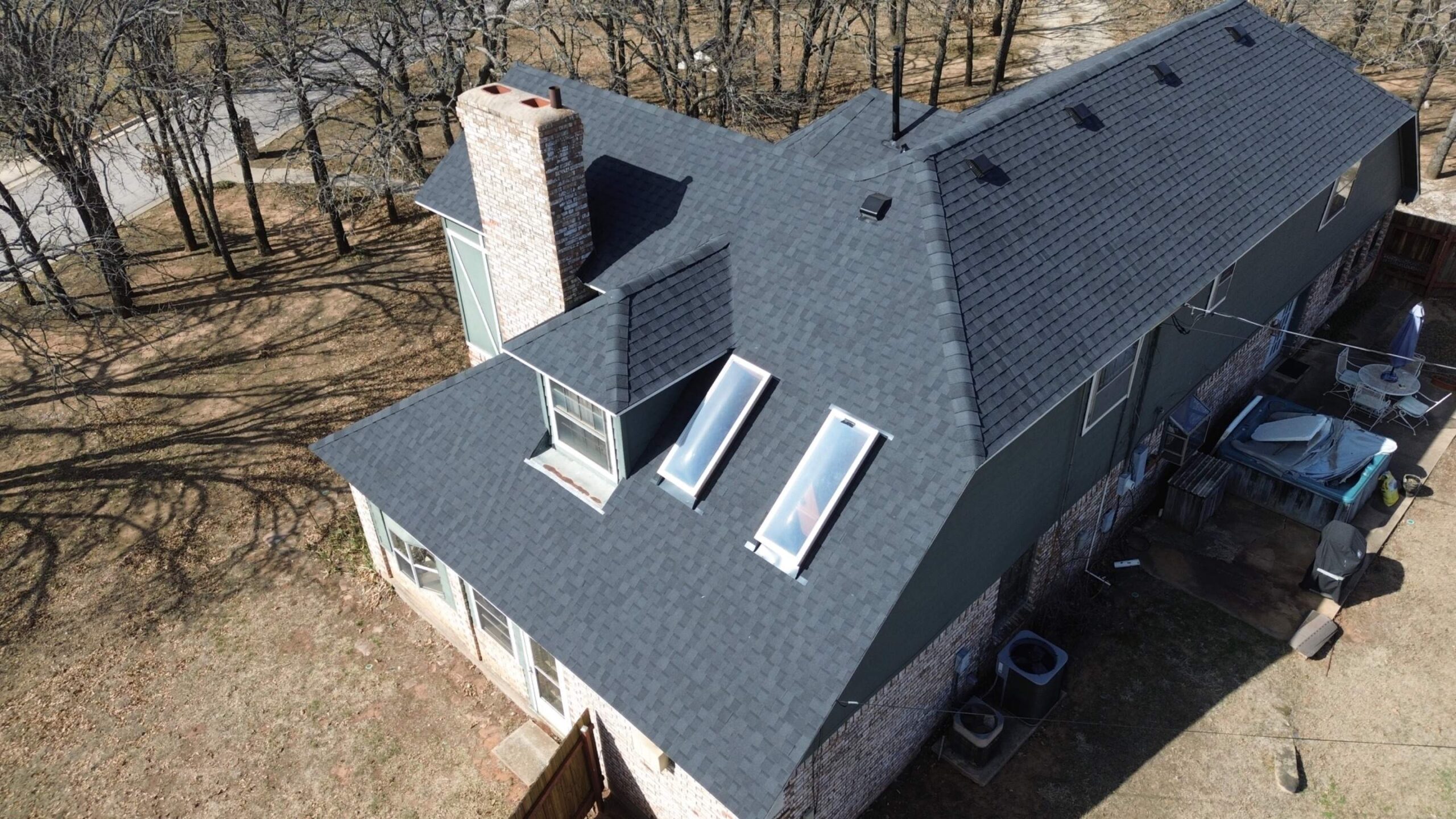
Roof performance can influence the interior environment of a commercial building. Persistent moisture from roof leaks may create damp conditions that affect ceilings, insulation, walls, flooring, and other building materials. If moisture remains unresolved, the resulting building conditions can become more difficult and expensive to correct.
A recurring leak should therefore be investigated at its source rather than repeatedly covered with interior repairs. Painting over a water stain may improve the appearance of a ceiling temporarily, but it does not stop additional water from entering the building. If the roofing defect remains active, the same problem may return and potentially become more extensive.
Moisture can also affect the condition of insulation. Wet insulation may lose some of its intended performance and can contribute to additional building problems if the source of moisture is not addressed. In larger commercial facilities, determining the full extent of moisture intrusion may require a professional assessment.
Indoor comfort can also be affected by roofing performance. Roofing systems contribute to the building envelope and work together with insulation, ventilation, HVAC equipment, and other components to maintain appropriate interior conditions. A deteriorated roof may make it more difficult for a building to maintain consistent temperatures, particularly when insulation or other roof components have been affected.
Businesses should pay attention to warning signs such as recurring odors, visible moisture, ceiling discoloration, damp materials, or repeated leaks. These signs do not necessarily identify the exact cause, but they indicate that further investigation may be appropriate. Addressing moisture problems early can help protect the building and maintain a healthier, more usable workplace environment.
Maintenance Strategies for Safer Commercial Roofing
Preventive maintenance is one of the most effective ways for businesses to reduce roofing-related safety and operational risks. Instead of waiting until a leak or major defect appears, property managers can establish regular inspections that identify deterioration while repairs are still manageable. A consistent maintenance approach also makes roofing expenses easier to plan.
Inspection frequency should reflect factors such as roof age, system type, building use, local weather conditions, previous repairs, and exposure to rooftop traffic. A newer roof may require different attention than an older system with a history of recurring leaks. Facilities exposed to severe weather or frequent rooftop equipment maintenance may also need closer monitoring.
During inspections, professionals can examine membranes, seams, flashing, drains, roof edges, penetrations, insulation, and other components. They can also identify conditions that may not be obvious from inside the building. Early identification gives businesses more choices because minor repairs can often be scheduled before they develop into larger failures.
A useful maintenance process can include these key actions:
- Schedule professional roof inspections at appropriate intervals.
- Keep drainage systems clear and functioning properly.
- Record leaks, repairs, inspections, and recurring problem areas.
- Address visible damage before severe weather exposes weaknesses.
- Coordinate rooftop equipment work with roofing maintenance.
- Review the roof condition when planning long-term repair or replacement.
Documentation is particularly useful for commercial properties with multiple buildings or large roof areas. Maintenance records can show whether a problem is isolated or recurring and can help contractors understand previous work. They can also support budgeting decisions when a roof begins approaching the end of its expected service life.
Businesses should also avoid relying on temporary repairs as a permanent solution. Temporary measures can be useful for controlling an immediate problem, but recurring leaks or deteriorating materials may require a more comprehensive assessment. A professional roofing contractor can help determine whether repair, restoration, or replacement is the most appropriate long-term approach.
A well-maintained commercial roof supports more than property protection. It helps businesses provide safer working conditions, protect valuable assets, reduce unexpected disruptions, and maintain greater confidence in the condition of their facilities. This makes roofing maintenance an important component of responsible commercial property management.
Roofing Safety During Repairs and Maintenance
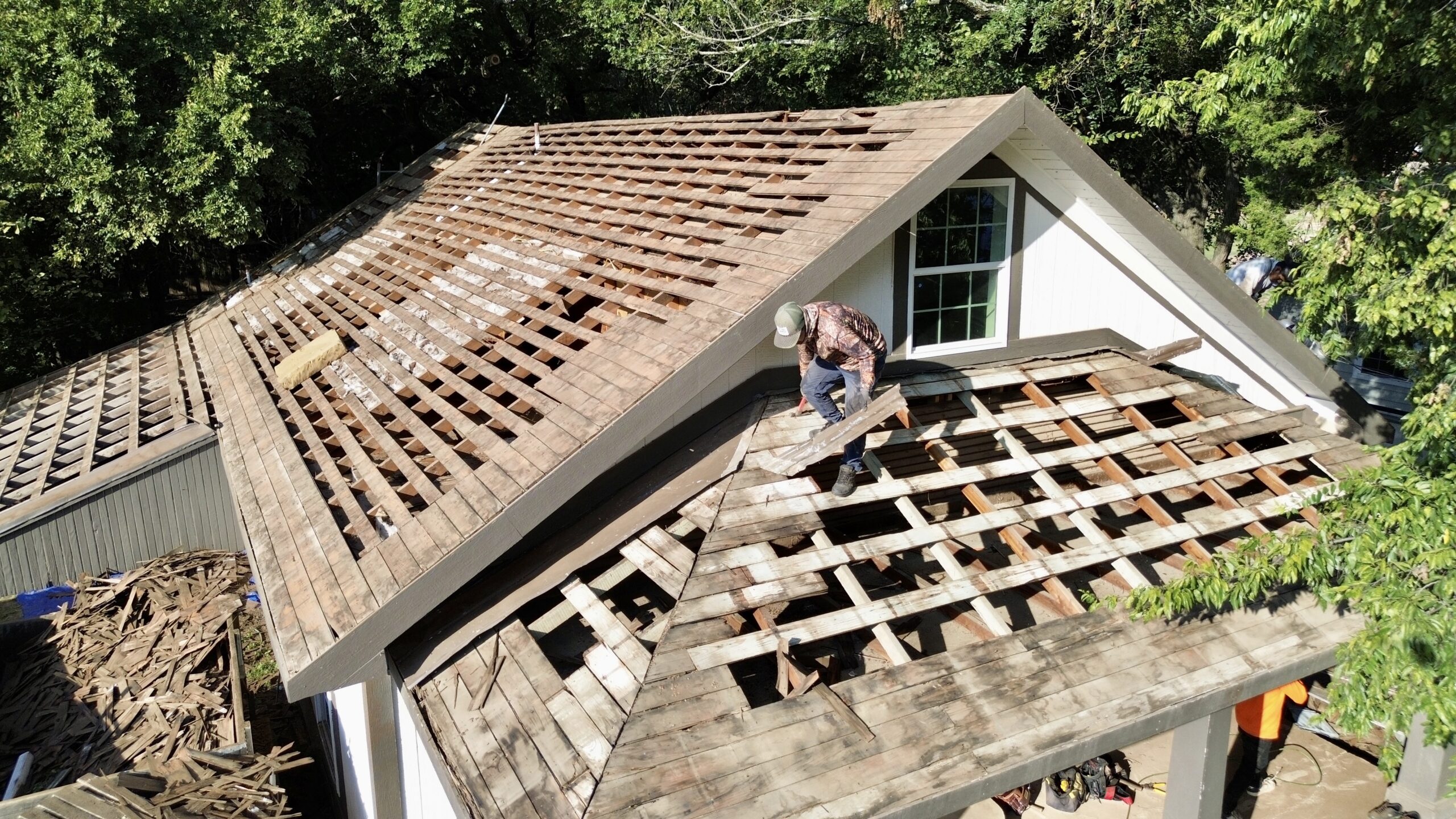
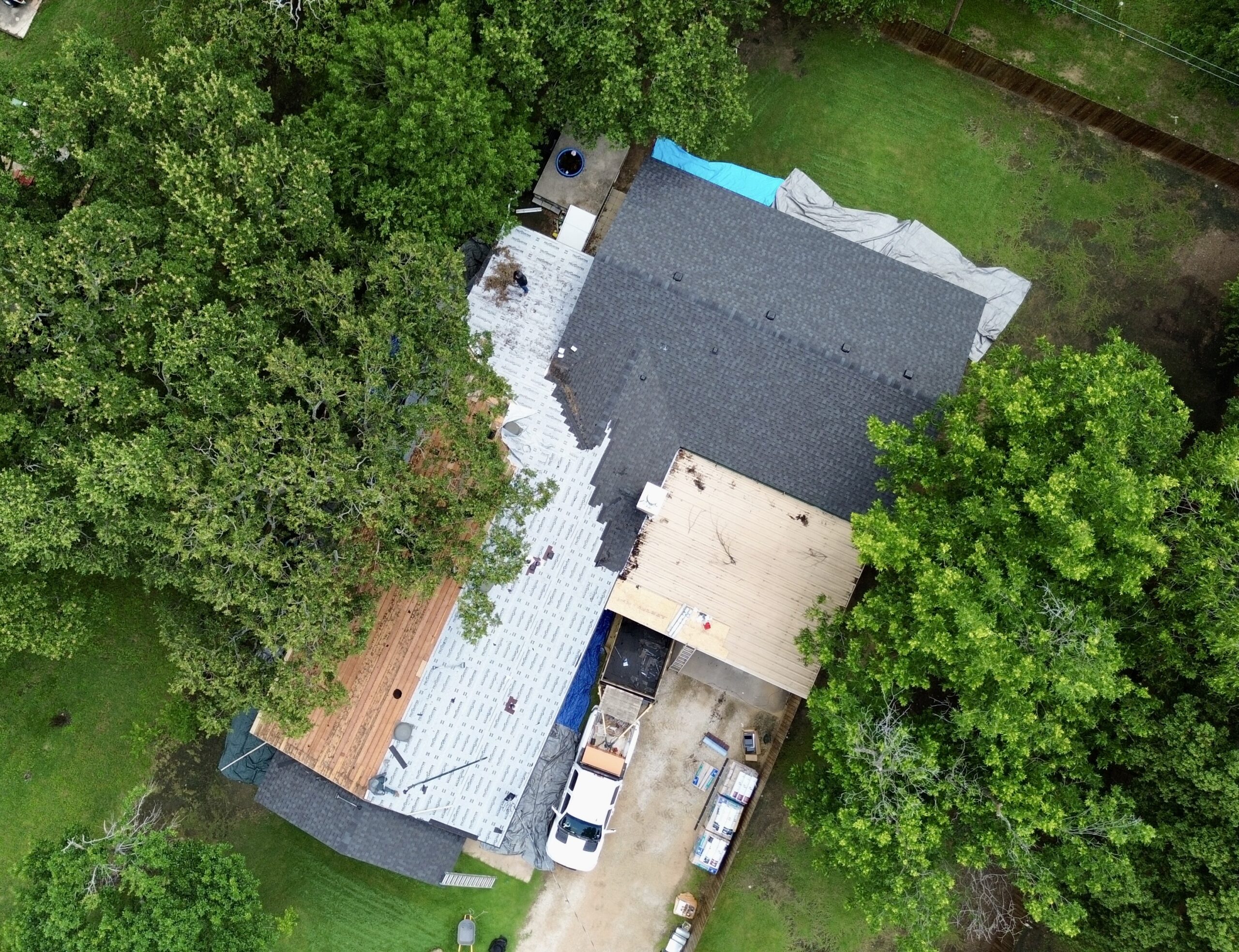
Commercial roofing maintenance is essential for protecting a building, but the repair process itself can introduce temporary safety risks. Roofing professionals may work at significant heights while handling tools, materials, equipment, and heavy components. Businesses therefore need to coordinate roofing activities carefully so that employees, customers, contractors, and visitors are protected while work is underway.
Roof access should be controlled during maintenance and repair projects. Unauthorized employees should not enter active work areas because they may not understand the hazards associated with open roof sections, equipment, tools, or temporary conditions. Clearly defined access points and appropriate warning measures can help separate normal business activities from roofing work.
Fall protection is another critical consideration for commercial roofing projects. Professional roofing contractors should use appropriate safety procedures and equipment based on the work being performed and applicable requirements. Businesses should also ensure that contractors understand site-specific conditions, including roof access arrangements, occupied areas, emergency procedures, and other potential hazards.
Repair materials can create hazards if they are improperly stored or moved through the facility. Tools, rolls of roofing material, equipment, adhesives, and other supplies should be handled in a controlled manner to avoid creating obstacles in walkways or occupied areas. Good coordination between the roofing contractor and facility management helps reduce unnecessary disruption.
Businesses should also consider the timing of roofing work. Whenever possible, noisy, disruptive, or higher-risk activities can be scheduled during periods when fewer employees or customers are present. This approach can make the project easier to manage while allowing the contractor to complete the work efficiently.
How Commercial Roofing Supports Regulatory and Safety Responsibilities
Commercial property owners and facility managers have responsibilities related to maintaining safe premises. Roofing is one part of the building that can influence these responsibilities because deterioration may contribute to water hazards, structural concerns, damaged interior areas, or unsafe conditions. Maintaining the roof helps businesses take a proactive approach to property safety.
Requirements can vary according to building type, location, occupancy, roofing system, and applicable regulations. Businesses should therefore work with qualified professionals who understand the requirements relevant to their project. Proper inspections, maintenance records, repair documentation, and contractor practices can support a more organized safety management process.
Documentation can be particularly valuable when a property has experienced repeated roofing problems. Records can show when inspections were completed, what defects were identified, which repairs were performed, and whether particular areas continue to require attention. This information can help facility managers make informed decisions instead of relying on incomplete recollections.
Contractor selection is also important because roofing work involves specialized knowledge and physical hazards. A qualified contractor should understand the roofing system, appropriate repair methods, safe work practices, and the requirements associated with the project. Businesses should communicate site rules clearly before work begins.
Safety responsibilities also extend to emergency situations. If a major roof failure occurs during severe weather, employees should know how to report the problem and avoid affected areas. Having a clear response process can help prevent confusion while professional assistance is arranged.
Financial Impact of Roofing-Related Safety Problems
Roofing problems can create financial consequences that go far beyond the cost of repairing the roof. A small leak may damage ceilings, insulation, flooring, equipment, inventory, and other property components. When the problem affects normal business activities, the company may also experience productivity losses or operational delays.
Emergency roofing work can be more expensive than planned maintenance because businesses may have fewer options regarding timing and scope. Severe weather can make the situation even more difficult when many properties require repairs simultaneously. A business that has postponed maintenance may therefore face an unexpected expense at the worst possible time.
Downtime can create another significant cost. If part of a building becomes unsafe or unusable, employees may need to relocate, customers may lose access to certain areas, or production may be interrupted. Even when the roof itself is repaired quickly, restoring damaged interior areas and equipment can take considerably longer.
Preventive maintenance provides an opportunity to control these risks. Regular inspections can identify deteriorating materials before they result in widespread damage. Planned repairs can also be scheduled around business activities, reducing the likelihood that emergency work will interfere with important operations.
A practical way to evaluate roofing expenses is to consider the total cost of ownership rather than focusing only on the immediate repair price. A reliable roof can help protect the building, reduce unexpected disruptions, preserve assets, and support safer operations. These benefits can make proactive roofing maintenance a valuable part of long-term business planning.
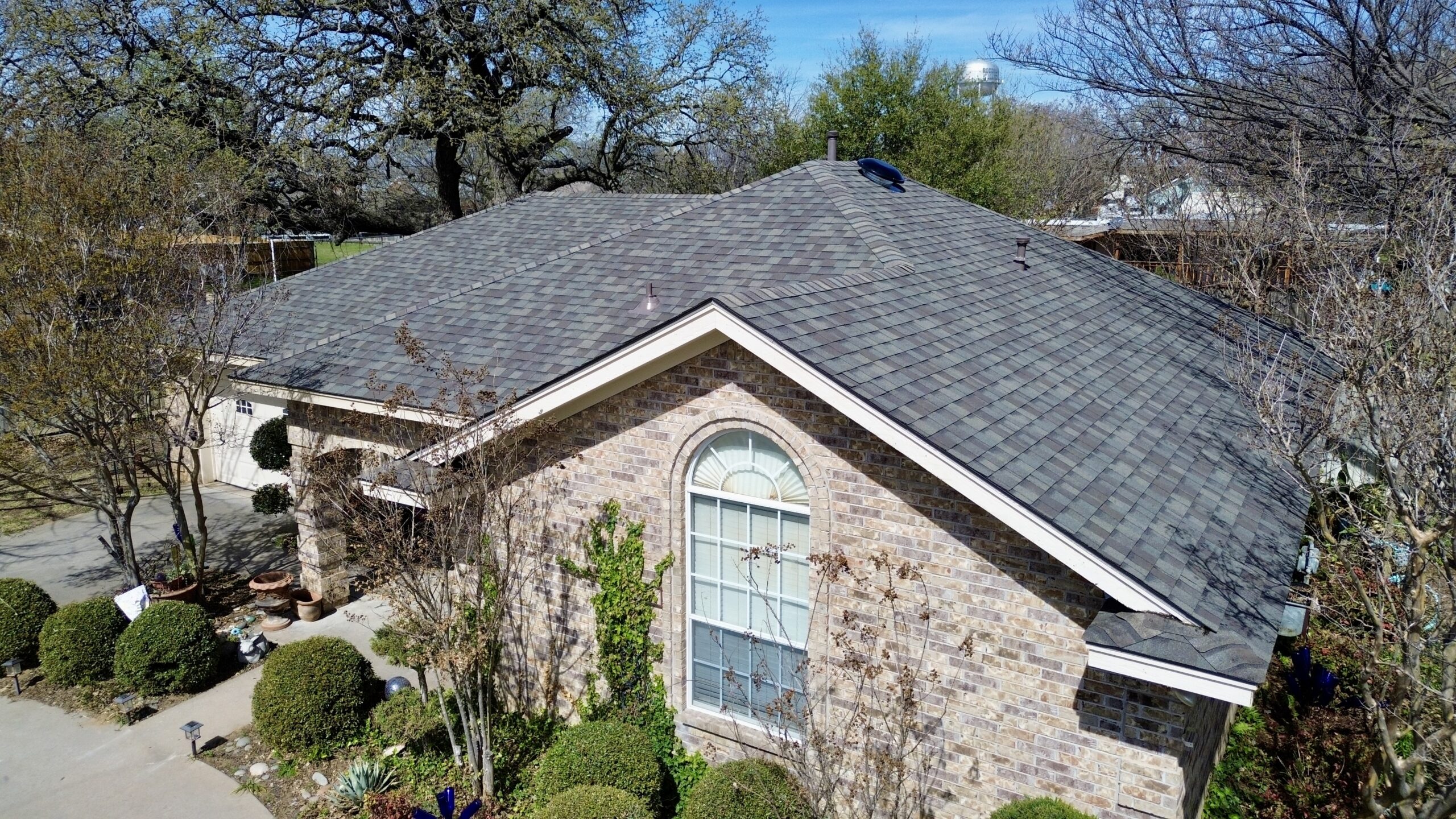
Building a Commercial Roofing Safety and Maintenance Plan
A structured roofing maintenance plan helps businesses move from reactive repairs toward proactive property management. The plan should reflect the building’s roof type, age, size, usage, environmental exposure, and previous maintenance history. It should also identify who is responsible for arranging inspections and responding when roofing concerns are reported.
Regular inspections should form the foundation of the plan. Professional assessments can help identify problems that may not be obvious to employees walking through the building. Inspection findings should be documented so that facility managers can track changes over time and determine whether a condition requires monitoring, repair, restoration, or replacement.
Businesses should establish a simple process for reporting roofing problems. Employees may notice ceiling stains, dripping water, unusual odors, damaged ceiling materials, or water accumulating on floors before facility managers are aware of the issue. Prompt reporting can reduce the time between discovering a problem and investigating its source.
The maintenance plan should also account for severe weather. After major storms, businesses may need to inspect vulnerable areas for visible damage, blocked drainage, loose components, or signs of water intrusion. Early assessment can help prevent storm-related defects from developing into longer-term problems.
A strong maintenance plan can follow several practical stages:
- Inspect the roofing system regularly to identify deterioration, drainage problems, damaged flashing, and other defects before they become serious.
- Document findings and repairs so the property has a clear record of roof performance and maintenance history.
- Prioritize safety-related issues that could affect employees, customers, equipment, or building operations.
- Schedule preventive repairs before minor defects develop into major failures or emergency situations.
- Review long-term roof condition and plan for restoration or replacement when continued repairs are no longer the most practical solution.
Coordination is also important when other contractors work on the roof. HVAC technicians, electricians, maintenance teams, and other professionals may need rooftop access. Poorly managed activity can accidentally damage roofing materials, so communication between contractors helps protect the roof after repairs are completed.
Warning Signs That a Commercial Roof Needs Attention
Recognizing early warning signs can help businesses address roofing problems before they affect safety or operations. Some signs appear inside the building, while others can be identified through professional exterior inspections. A single warning sign does not always reveal the exact cause, but it should encourage further investigation.
Interior signs may include recurring ceiling stains, peeling paint, damp insulation, water marks, unusual odors, or repeated leaks during rainfall. Wet flooring can also indicate water intrusion and should be addressed promptly because it may create a slip hazard for employees or customers.
Exterior warning signs can include damaged membranes, deteriorated flashing, cracked materials, blocked drains, standing water, loose components, or visible damage around roof penetrations. Some defects may require professional evaluation because the full condition of the roofing system cannot always be determined from ground level.
Businesses should be especially attentive to recurring problems. If the same interior location experiences leaks repeatedly after temporary repairs, the underlying roofing defect may not have been fully resolved. Continuing to patch visible symptoms without identifying the source can allow deterioration to progress.
Storm damage deserves prompt attention as well. A roof can appear acceptable from inside the building while still having damage that may become a leak during the next rainfall. Professional post-storm inspections can help identify issues before they create a larger operational problem.
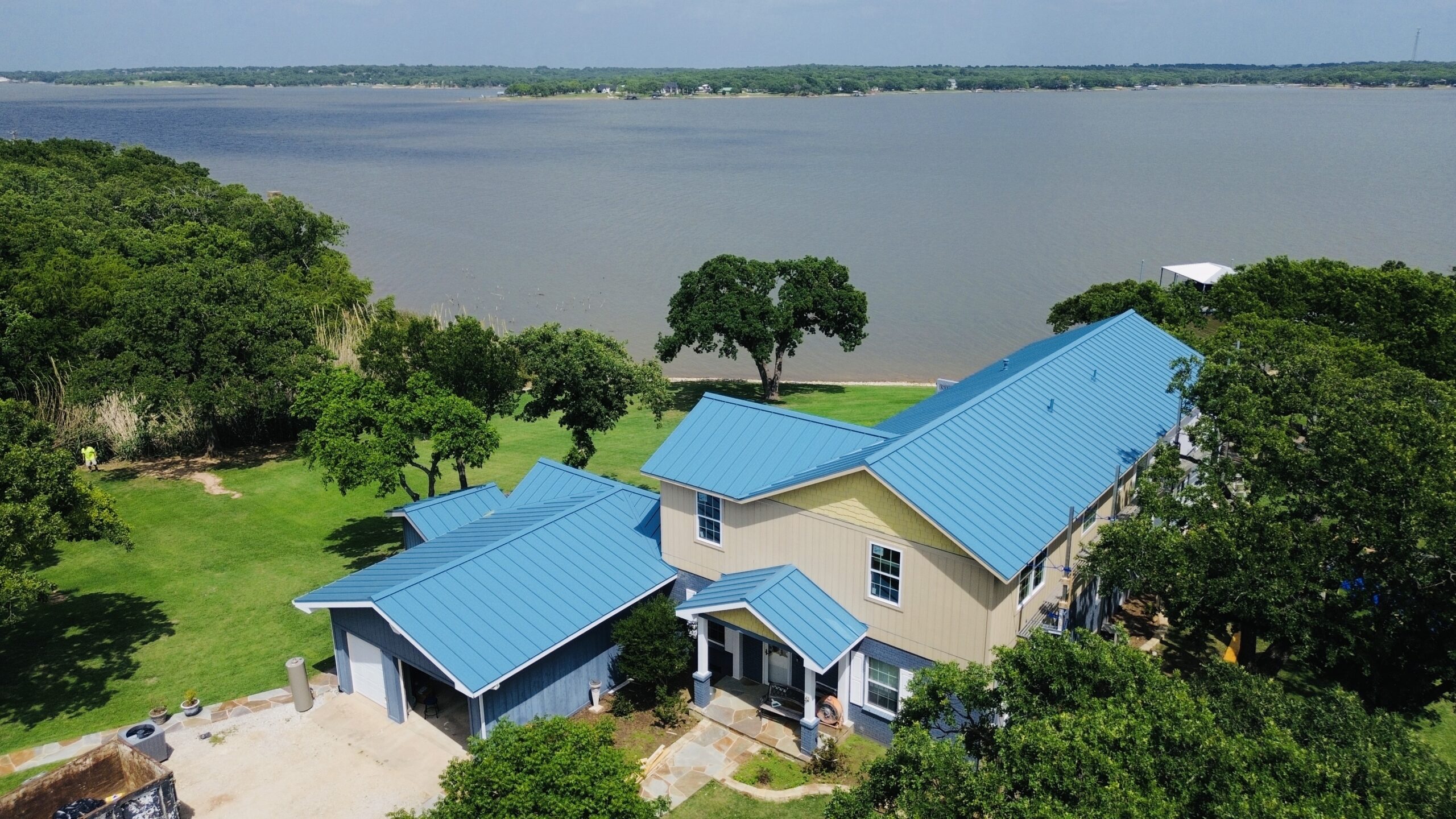
Choosing the Right Commercial Roofing Approach for Long-Term Safety
The right commercial roofing approach depends on more than the immediate condition of the roof. Businesses should consider building use, roof age, local weather exposure, existing materials, drainage requirements, maintenance history, and the consequences of potential downtime. A roofing solution that works well for one commercial property may not be suitable for another.
Professional evaluation is particularly important when a roof has extensive deterioration. In some cases, targeted repairs may restore performance, while other situations may justify restoration or complete replacement. Making this decision based on the overall condition of the system can help businesses avoid spending repeatedly on repairs that provide only short-term benefits.
The quality of installation also matters. Even high-quality roofing materials may perform poorly when they are installed incorrectly or when important details are overlooked. Qualified roofing professionals can help ensure that seams, flashing, penetrations, drainage components, and other critical areas receive appropriate attention.
Long-term safety should remain part of the decision-making process. A commercial roof protects the people and assets operating beneath it, so its value should not be measured only by its initial installation or repair price. Reliability, maintainability, weather resistance, operational requirements, and expected service life are all important considerations.
Businesses should also consider how future maintenance will be performed. A roof that contains extensive rooftop equipment, frequent access areas, or complex penetrations may require specialized maintenance practices. Planning for those requirements from the beginning can help preserve roof performance and reduce accidental damage.
Conclusion
Commercial roofing is an important part of creating a safe, reliable, and functional business environment. A properly maintained roof helps protect employees and customers from hazards while also reducing the risk of water damage, equipment problems, inventory losses, and operational interruptions. Its condition can influence many aspects of a business even when the roofing system itself is rarely noticed.
The connection between roofing and business safety becomes especially clear when problems are ignored. Leaks can create slippery floors, damage electrical systems, affect valuable equipment, and force businesses to restrict occupied areas. Severe deterioration can also increase the possibility of unexpected repairs and costly interruptions.
Preventive maintenance provides a practical way to manage these risks. Regular inspections, proper drainage maintenance, timely repairs, accurate documentation, and professional assessments allow businesses to address roofing concerns before they become major operational problems. A structured maintenance plan also makes it easier to budget for future repairs or replacement.
Businesses should treat commercial roofing as part of their overall facility safety strategy rather than as an isolated construction component. By investing in reliable roofing systems and maintaining them throughout their service life, property owners can support safer workplaces, better asset protection, greater operational continuity, and more predictable long-term costs.
Ultimately, a strong commercial roof provides protection that extends far beyond the top of the building. It helps create the stable environment businesses need to serve customers, support employees, protect valuable assets, and continue operating with confidence. When roofing safety becomes a regular part of facility management, businesses are better positioned to prevent avoidable problems and maintain dependable operations for years to come.