

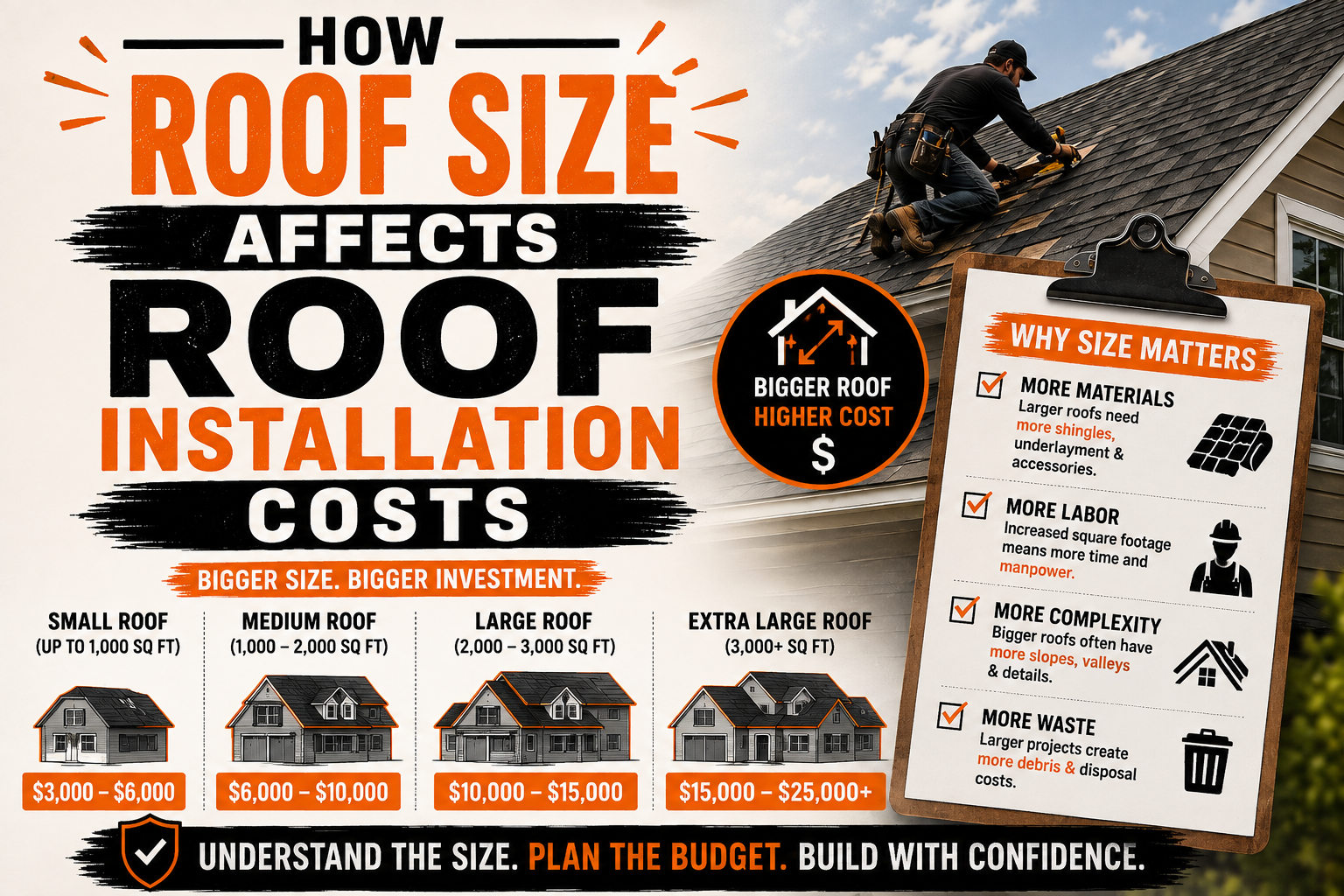
How Roof Size Affects Roof Installation Costs
Introduction
Roof size is one of the most important factors used to determine the cost of a roof installation. A larger roof generally requires more roofing materials, more underlayment, more fasteners, more labor, and more time to complete. However, the relationship between roof size and price is not always as simple as multiplying the size by a fixed cost.
The actual surface area of a roof can be different from the footprint of the home because roof pitch, shape, and design affect the amount of roofing material required. Features such as valleys, hips, dormers, skylights, and multiple roof sections can also increase the amount of work involved. As a result, two homes with the same floor area may have very different roofing costs.
Understanding how roof size affects installation pricing can help homeowners prepare a more realistic budget. It also makes it easier to understand contractor estimates and identify why the cost of one roofing project may be higher than another.
A professional roofing contractor normally measures the roof rather than estimating its size from the home’s visible dimensions. These measurements are then used to calculate the required roofing materials and labor. Homeowners who understand this process can make better decisions when comparing roofing proposals.
Why Roof Size Matters in Installation Pricing
The size of a roof directly affects the amount of material needed to cover the structure. Every additional section of roof requires additional roofing material, underlayment, fasteners, flashing, and other installation components. A larger surface therefore generally results in a higher material cost.
Labor is also connected to roof size because installers must spend more time preparing and covering a larger surface. Larger projects can involve more material handling, more cutting, more fastening, and more cleanup. The number of workers required may also vary depending on the size and complexity of the project.
Roof size can influence removal costs as well. When an existing roof needs to be replaced, a larger surface means more old material must be removed and transported for disposal. The quantity of debris can increase hauling requirements and may affect the overall project price.
However, homeowners should remember that size is only one part of the calculation. A large but simple roof may be easier to install than a smaller roof with multiple slopes and complicated architectural features. Contractors therefore consider both the total area and the characteristics of the roof when preparing an estimate.
How Contractors Measure Roof Size
Roofing contractors use measurements to determine the actual surface area that needs to be covered. This process is more precise than estimating the roof from the home’s floor dimensions because the roof extends across sloped surfaces. Depending on the project, contractors may measure the roof manually or use specialized measuring technology and aerial data.
The measurements typically account for each roof section separately. The contractor can then calculate the total area by combining these sections. This is particularly important for homes with multiple roof planes because each section may have a different size or slope.
Professional measurements also help contractors estimate the amount of material required. Roofing materials are not usually purchased based on the exact calculated area because additional material is needed for overlaps, cuts, starter materials, ridges, valleys, and installation waste.
Accurate measurement is important because underestimating the roof area can lead to material shortages and project delays. Overestimating it can increase the quoted material cost unnecessarily. A detailed measurement therefore provides a stronger foundation for a realistic roofing estimate.
Understanding Roofing Squares and Square Footage
Homeowners may encounter the term “roofing square” when reviewing a roofing estimate. A roofing square represents 100 square feet of roof coverage and is commonly used by contractors to calculate material quantities and pricing. Understanding this measurement can make roofing estimates easier to interpret.
For example, a roof with 2,000 square feet of measured surface area would represent 20 roofing squares before accounting for additional material requirements. The contractor would then calculate how much material is needed based on the selected roofing product and the design of the roof.
The actual quantity ordered is normally greater than the exact roof measurement. Some material is needed for cutting and fitting, while other materials overlap or are used around edges, ridges, valleys, and penetrations. The appropriate amount of additional material depends on the roofing system and roof design.
When homeowners receive a price per roofing square, they should ask what that price includes. One contractor may quote only the roofing material, while another may include labor, tear-off, disposal, underlayment, and other components. Comparing the unit price without understanding the included services can therefore be misleading.
Roof Surface Area vs. Home Floor Area
One common mistake homeowners make is assuming that the roof area is approximately the same as the home’s floor area. This can provide a rough starting point for simple buildings, but it does not accurately represent many roofing systems. The roof surface follows the slope of the structure, which can make the actual area significantly larger.
Roof pitch is one of the main reasons for this difference. As the slope becomes steeper, the surface covering the building becomes larger than the horizontal area below it. A home with a steep roof can therefore require considerably more roofing material than a home with the same footprint and a low-slope design.
Roof overhangs can also increase the measured roofing area. Sections extending beyond exterior walls still require roofing materials even though they do not correspond directly to interior floor space. Multiple roof sections can further increase the total surface area.
This difference explains why a contractor cannot always provide an accurate roofing estimate simply by knowing the size of the house. The actual roof needs to be measured and evaluated according to its slope and design.
How Larger Roofs Increase Material Costs
As roof size increases, the quantity of roofing materials generally increases as well. Shingles, metal panels, tiles, or other exterior coverings must cover the entire roof surface. Larger roofs therefore require a greater investment in the primary roofing material.
Other components increase with roof size too. Underlayment is installed beneath the exterior covering, while fasteners and other installation materials are required throughout the project. Some types of flashing and edge materials are also affected by the dimensions and perimeter of the roof.
The selected roofing material can make the difference even more noticeable. A larger roof covered with a premium material will require significantly more material than a smaller roof using a basic product. Material availability and delivery costs can also become more important on larger projects.
Homeowners should therefore consider the roof’s total size when selecting a material. A product that appears affordable when viewed as a small sample can represent a much larger investment when applied across thousands of square feet.
How Roof Size Affects Labor Costs
Labor is another major expense affected by roof size. A larger roof generally requires more installation work because the crew must prepare and cover a greater surface area. More time may be needed for material handling, cutting, fastening, sealing, and final inspection.
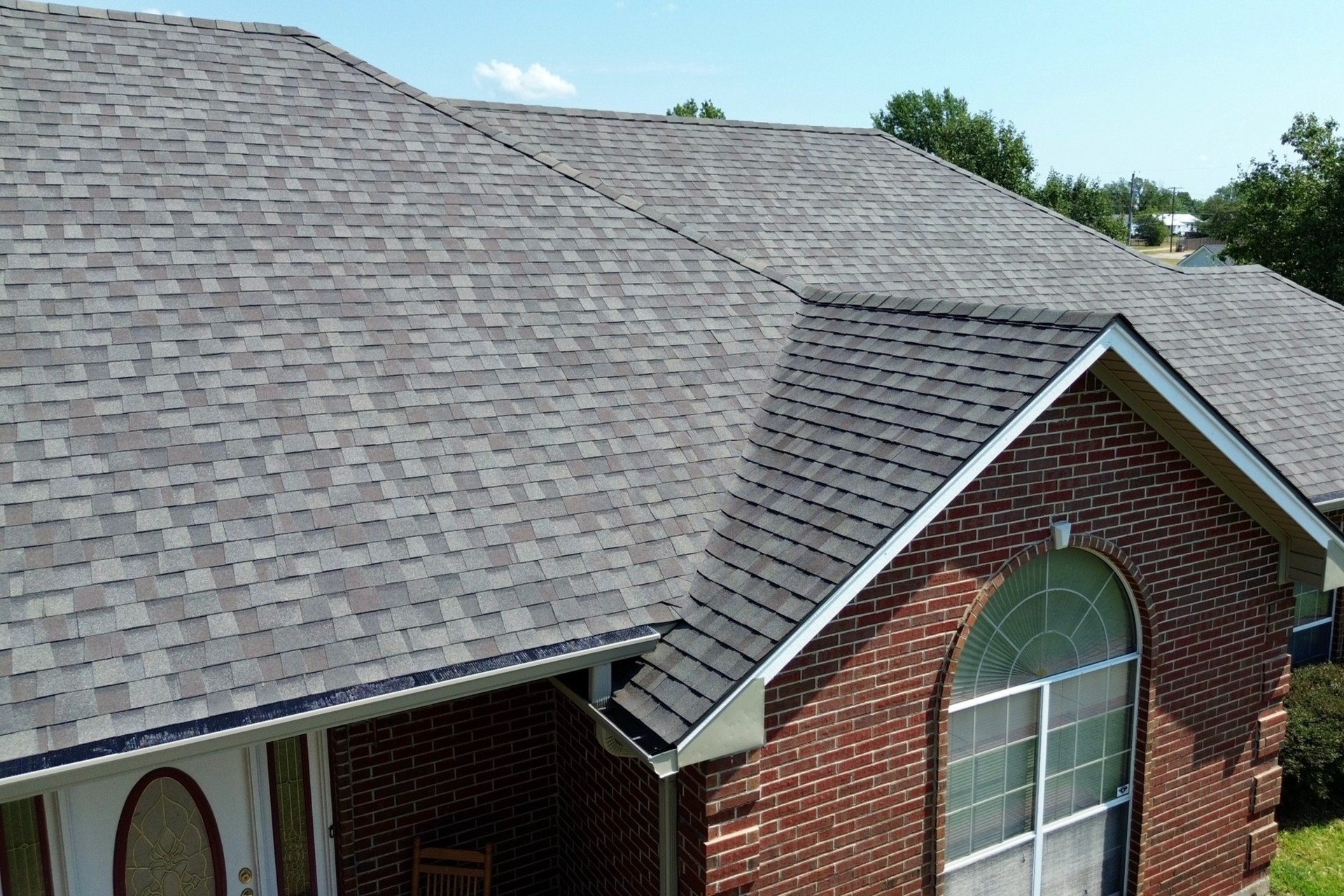
The relationship between roof size and labor is influenced by the roof’s design. A large roof with broad, straightforward sections may allow workers to move efficiently across the project. A smaller roof with many corners, valleys, penetrations, or steep sections may require more labor per square.
Crew size can also influence how quickly the project is completed. Larger roofing projects may require additional workers or longer installation periods. The contractor must balance the size of the crew with the complexity and schedule of the project.
Homeowners should ask what the labor charge includes. A professional estimate may cover preparation, installation, flashing work, cleanup, and other services, while some estimates may separate certain tasks. Understanding the labor scope is essential when comparing different roofing prices.
Roof Size and Installation Time
The size of a roof can directly influence how long an installation project takes. A larger surface generally means more materials need to be installed, more debris needs to be managed, and more areas need to be inspected before the project is completed.
Weather conditions can make the relationship between size and installation time even more important. A larger project may require more working days, increasing the possibility that weather interruptions affect the schedule. Contractors must plan the installation carefully to protect the exposed structure if work cannot be completed in a single day.
Access to the property can also influence the timeline. If roofing materials can be delivered and positioned close to the work area, crews may be able to work more efficiently. Difficult access can increase the time required to move materials, even when the roof itself is relatively straightforward.
Homeowners should therefore ask contractors about the expected project duration rather than assuming that roof size alone determines the schedule. The final timeline depends on the surface area, roof design, crew size, material, weather, access, and condition of the existing system.
Understanding roof measurement, roofing squares, material quantities, labor, and installation time provides the foundation for understanding how roof size affects the overall project price. However, the actual cost can increase further when roof shape, pitch, material waste, valleys, ridges, flashing, tear-off, and deck conditions are considered.
Roof Shape and Its Effect on Measured Area
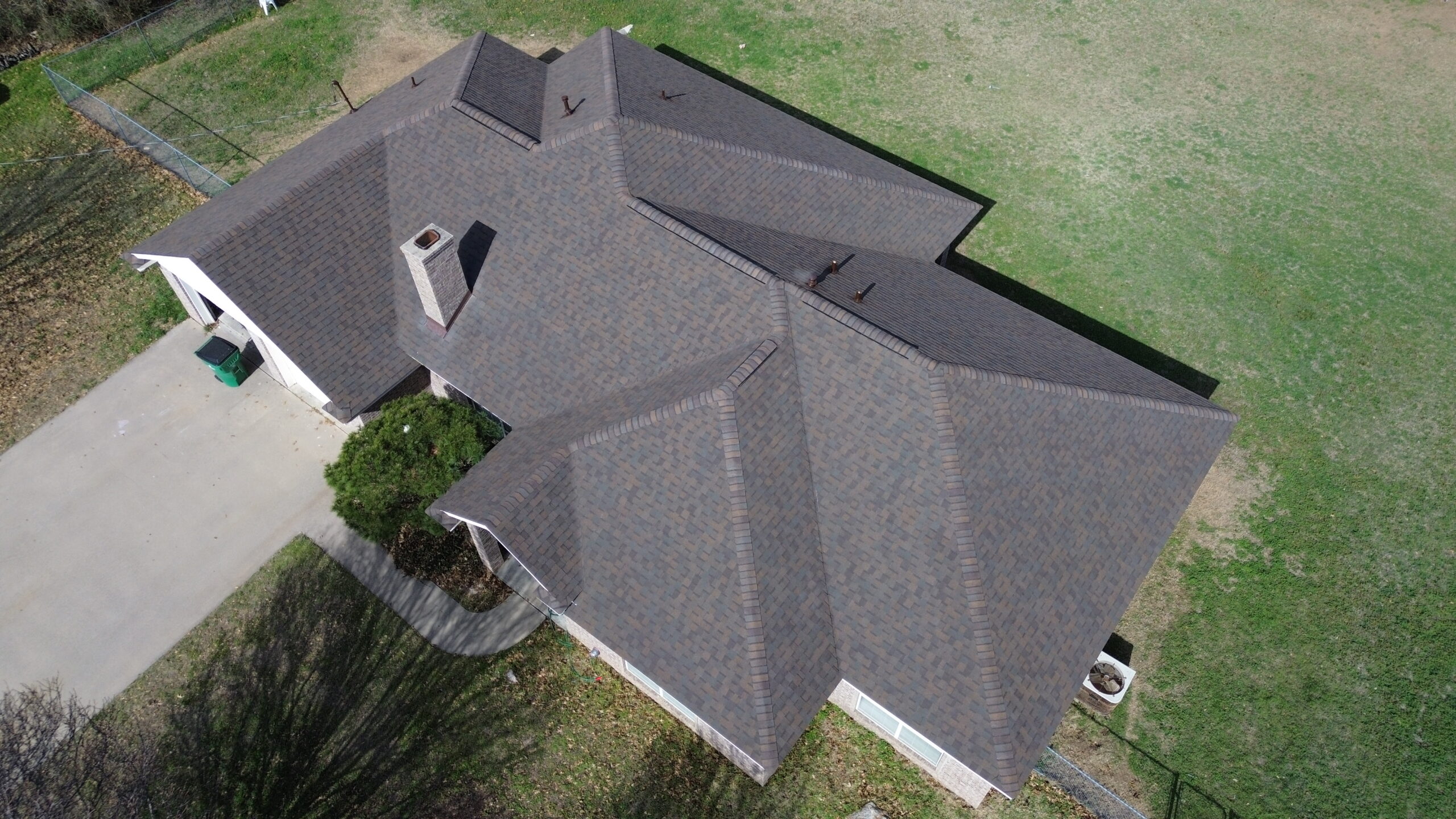
Roof shape is an important consideration when determining how much roofing material a home requires. A simple roof with two large, uninterrupted slopes is generally easier to measure and cover than a roof containing several separate sections. Even when two properties have similar floor areas, their roof surface areas can differ because of the way each roof is designed.
A basic gable roof typically has fewer transitions and complicated areas, allowing contractors to calculate materials and installation requirements more efficiently. A hip roof has additional slopes and edges, while a more complex roof may contain several interconnected sections. Each additional section can increase measurements, cutting requirements, material waste, and installation time.
The perimeter of the roof also matters because certain roofing components are installed along edges. Larger or more complicated roof shapes may require more edge materials, flashing, starter products, and finishing components. These costs may not be as noticeable as the main roofing material, but they contribute to the final installation price.
Roof shape can also affect how efficiently materials are used. Rectangular sections may allow roofing products to be installed with relatively little cutting, while irregular sections can generate more leftover material. This means that the measured roof area and the actual quantity of materials purchased are not always exactly the same.
Roof Pitch and Actual Surface Area
Roof pitch describes how steeply a roof rises compared with its horizontal span. It has a direct relationship with the actual surface area because a sloped roof covers more area than the flat footprint beneath it. As the pitch increases, the amount of material required can also increase even when the home’s floor dimensions remain unchanged.
Consider two homes with similar floor plans but different roof slopes. The home with the steeper roof will generally have a larger roofing surface because the roofing material follows the slope. This can increase the quantity of shingles, panels, underlayment, and other materials required for installation.
Pitch also affects labor because steep surfaces can be more difficult and time-consuming to work on. Roofing crews may need additional safety equipment, carefully planned access, and more experienced workers. These requirements can increase the labor portion of the installation price.
The slope can also influence how materials are handled and installed. Workers may need to spend additional time securing themselves and positioning materials safely before continuing with the installation. A contractor should therefore consider both the measured surface area and the practical difficulty of working on that surface when preparing an estimate.
Waste and Material Overages
Roofing materials are rarely purchased in quantities that exactly match the calculated roof surface. Additional material is needed because roofing products must be cut, overlapped, fitted around roof features, and installed according to the requirements of the particular system. This additional quantity is commonly considered material waste or an installation allowance.
The amount of additional material required can depend heavily on roof size and design. A large roof with simple rectangular sections may have relatively efficient material use, while a complex roof with numerous angles can require more cutting. Valleys, hips, dormers, ridges, and penetrations can all contribute to additional material requirements.
Material waste does not necessarily mean that a contractor is purchasing unnecessary products. Some extra material is an expected part of professional installation because roofing products cannot always be used in complete, uninterrupted pieces. Proper overlaps and cutting are essential for creating a finished system that performs as intended.
Homeowners should ask contractors how material quantities are calculated when reviewing an estimate. If a proposal includes a substantial material allowance, the contractor should be able to explain the reason. Understanding this calculation helps homeowners distinguish between normal installation requirements and unexplained additions to the project price.
Valleys, Ridges, Hips, and Other Design Features
Certain roof features can increase installation costs even when they do not add a large amount of surface area. Valleys, ridges, hips, dormers, and changes in roof direction require additional planning and careful installation. These areas often involve specialized materials and more detailed waterproofing work.
Roof valleys are particularly important because they collect and direct water from different roof sections. Contractors must install the appropriate valley system and ensure that the surrounding roofing materials are correctly positioned. A roof with several valleys can therefore require more labor than a similarly sized roof with broad, uninterrupted slopes.
Hips and ridges also require additional finishing materials. These areas must be properly covered and secured to create a durable transition between roof sections. The amount of ridge and hip material needed depends on the design and dimensions of the roof.
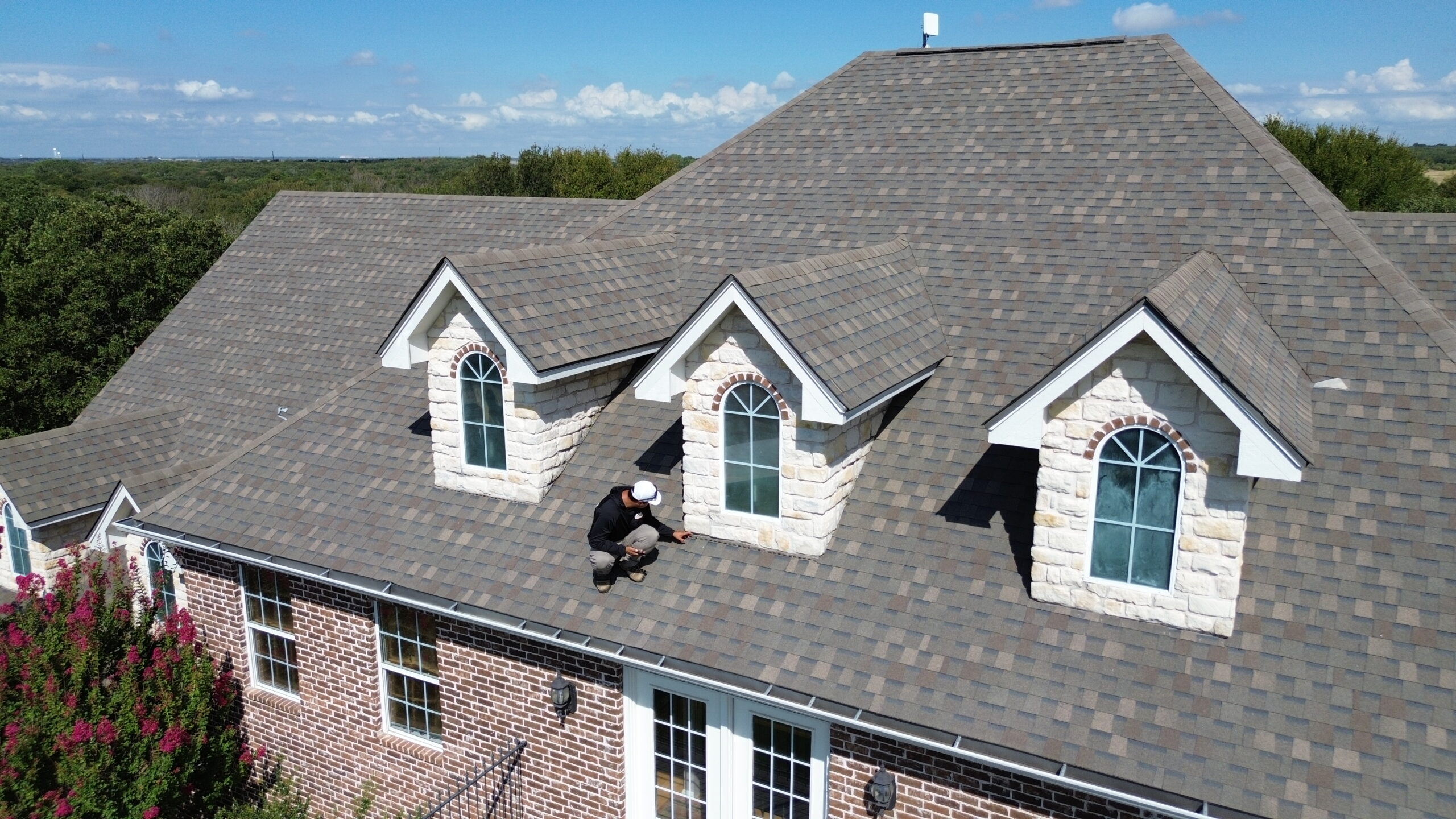
Dormers and other architectural features can make the calculation even more complicated. Roofing materials must be cut around these structures, while flashing and waterproofing must be carefully installed at the transitions. These details can increase labor and material costs beyond what would be expected from square footage alone.
How Roof Size Affects Underlayment and Flashing
As the roof surface becomes larger, the amount of underlayment required generally increases. Underlayment covers the roof deck beneath the primary roofing material and provides an additional layer of protection. A larger roof therefore requires more rolls or sections of underlayment, increasing the material portion of the project.
Flashing requirements are influenced by both roof size and design. Flashing is used around areas where water could potentially enter, including roof edges, walls, chimneys, skylights, valleys, and other transitions. A large roof with many penetrations may require significantly more flashing than a large but simple roof.
The perimeter of the roof can also influence the amount of edge-related material needed. Drip edges and similar components may be installed along specific roof boundaries, so the total length of those edges becomes relevant to the estimate. Complex roof shapes can have a greater perimeter compared with simple shapes covering a similar area.
Labor is important as well because underlayment and flashing must be installed correctly. These components cannot simply be treated as minor accessories because their placement contributes to the overall performance of the roofing system. Larger and more complicated roofs can therefore increase both material and installation costs for these supporting components.
Tear-Off and Disposal Costs
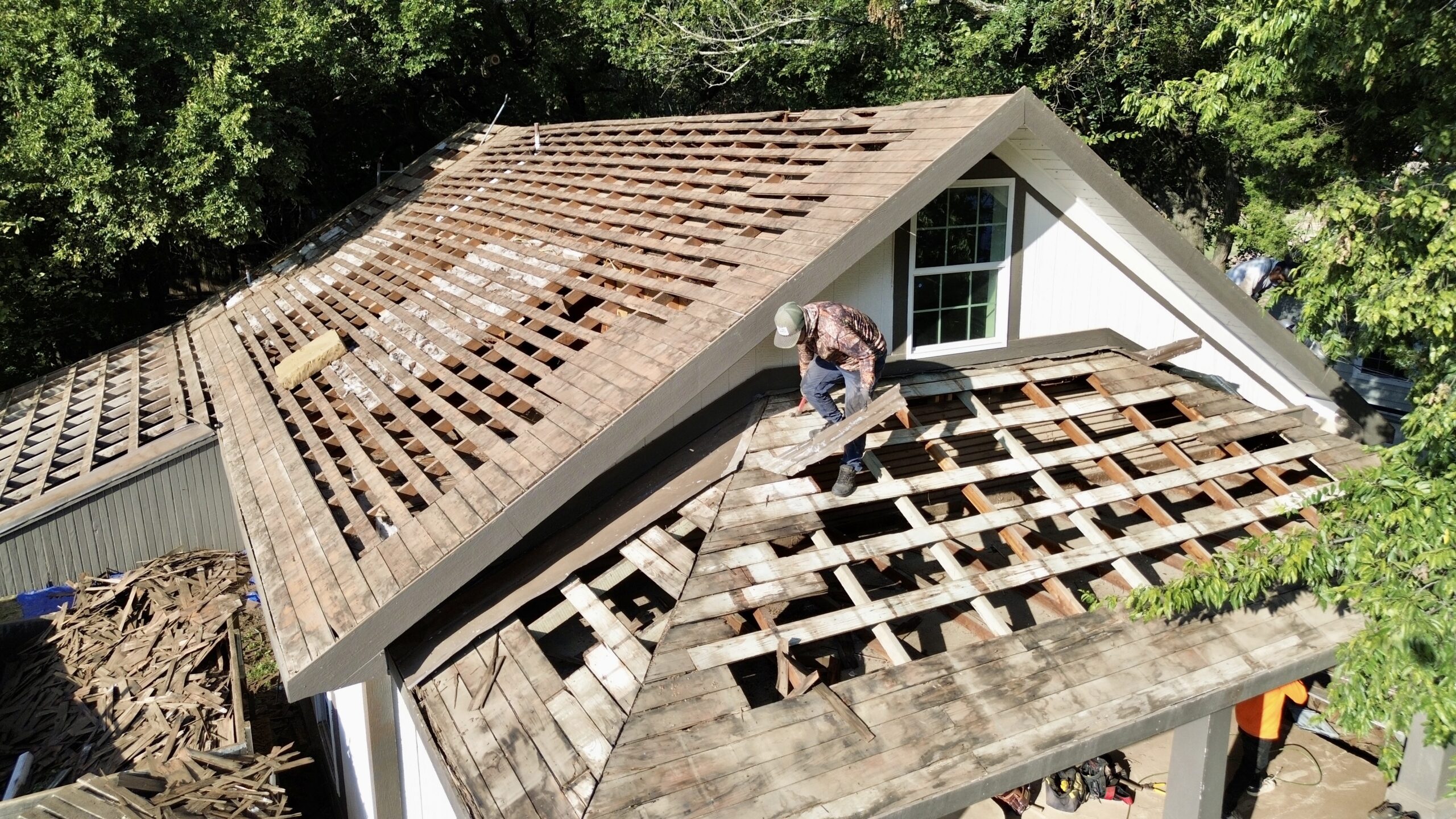
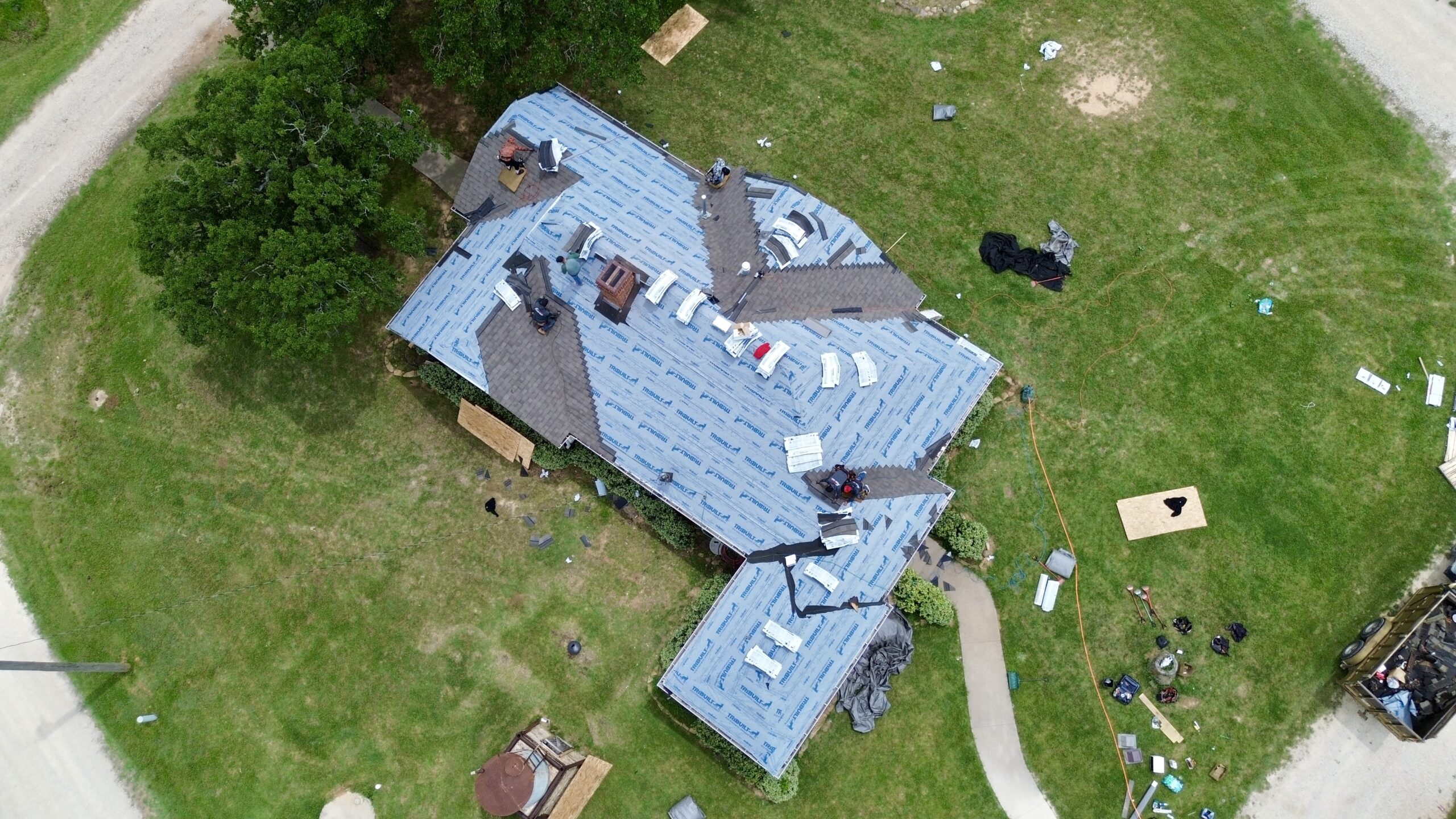
When a roof is being replaced rather than installed on a new structure, the size of the existing roof affects the cost of removing the old materials. A larger roof contains more shingles, panels, underlayment, fasteners, and other components that must be removed. This means that the crew may need more time to complete the tear-off process.
The number of existing roofing layers can increase the cost even further. Removing multiple layers creates more labor and produces a larger volume of waste. Contractors must collect the debris, move it to the appropriate disposal area, load it for transportation, and arrange proper disposal.
Disposal costs can also depend on the weight and volume of the removed material. Larger roofs naturally tend to produce more waste, although the exact amount depends on the roofing material and the number of layers being removed. Tile and other heavier products can create different handling and transportation requirements compared with lightweight shingles.
Homeowners should check whether tear-off and disposal are included in the quoted installation price. If they are listed separately, the estimate should explain how these costs are calculated. This allows the homeowner to understand the complete cost of replacing a roof rather than focusing only on the price of the new exterior material.
Roof Deck Size and Potential Repair Costs
The roof deck provides the surface on which the new roofing system is installed. A larger roof contains a larger deck area, which means there is a greater total surface that may need to be inspected during replacement. If sections of the deck are damaged, the size of the roof can influence the potential scope of repairs.
Not every large roof will require deck replacement. If the existing deck is structurally sound and free from significant moisture damage, it may remain in place after proper preparation. However, older roofs or roofs that have experienced long-term leaks may contain damaged sections that need to be replaced.
The condition of the deck is often easier to assess after the old roofing materials have been removed. This creates an important distinction between the estimated project cost and the final cost. A contractor may include a potential repair allowance or establish a price per unit of replacement decking so the homeowner understands how additional work will be charged.
Larger roofs may also contain more areas where leaks have developed over time. This does not mean that roof size automatically causes deck damage, but the greater surface area can create more potential locations for previous water intrusion. Homeowners should therefore ask whether the estimate explains how hidden deck damage will be handled.
Roofing Material Choices for Different Roof Sizes
Roof size can affect the financial impact of material selection. The larger the roof, the more noticeable the difference between lower-cost and premium roofing products becomes. A small difference in material price per square can become a substantial amount when multiplied across a large roofing surface.
For example, a homeowner may compare basic asphalt shingles with higher-grade architectural shingles. Both may cover the same roof area, but the total material investment will differ because the products have different prices. On a large roof, that difference can represent a significant portion of the overall project budget.
The same principle applies to metal, tile, slate, and other specialty roofing materials. These products can have different material prices and installation requirements, and the effect becomes more significant as the roof becomes larger. Some materials may also require specialized labor, increasing the total project cost beyond the material price alone.
Homeowners should therefore select roofing materials based on the property’s requirements and their long-term budget rather than assuming that a premium product is automatically the best choice. A material should be suitable for the roof design, local conditions, expected performance, and available budget.
Roof Size and Material Delivery
Large roofing projects may require substantial quantities of materials to be delivered to the property. Delivery arrangements can influence the project cost, particularly when materials are heavy, bulky, or sourced from a supplier located a considerable distance from the home. Larger orders may also require more careful scheduling to ensure that materials arrive when the crew needs them.
The location where materials can be placed is another consideration. A property with adequate driveway or staging space may allow the contractor to organize materials efficiently. A property with limited access may require additional handling, which can increase labor time.
Material placement can become particularly important on large roofs because the crew may need to move substantial quantities of products throughout the project. Proper planning can reduce unnecessary handling and help maintain an efficient installation process.
Homeowners should ask whether delivery is included in the roofing estimate. They can also ask how materials will be stored and protected while the project is underway. These details may not dramatically change the cost of every project, but they can become more relevant as the roof size and material quantity increase.
How Roof Size Influences Project Duration
A larger roof generally requires more installation time because the crew must cover a greater surface area. However, project duration is not determined by size alone. The roofing material, roof pitch, complexity, weather, crew size, access, and condition of the existing roof can all affect how quickly the work progresses.
A large roof with simple slopes may be completed efficiently because workers can repeat the same installation process across broad sections. A smaller roof with numerous details can take longer per square because every area requires careful measurement, cutting, flashing, and fitting.
Weather interruptions can have a greater effect on large projects because they may extend across several working days. If rain or strong winds stop work, the contractor may need to protect exposed areas and reschedule the crew. This can affect both the project timeline and the coordination of material deliveries.
Homeowners should ask for an estimated timeline but understand that it is not always possible to guarantee an exact completion date. A professional contractor should explain the factors that could affect the schedule and how weather or unexpected repairs will be handled.
Understanding Cost Per Square on Different Roof Sizes
Contractors may use a price per roofing square as one way to organize their estimates. This can be useful because it provides a common measurement for comparing the basic cost of covering different roof sizes. However, the price per square does not always represent the entire project cost.
A contractor may calculate the roofing material and installation based on the number of squares, then add charges for tear-off, disposal, deck repairs, flashing, ventilation, or special features. These additional costs can significantly affect the final price. Homeowners should therefore ask what is included in the quoted price per square.
The price per square can also change according to the complexity of the roof. A contractor may charge a different rate for a steep or complicated roof because the labor requirements are higher. This means that two roofs with the same number of squares may still have different total installation prices.
Using cost per square as a comparison tool is helpful when the scope of work is similar. It becomes less useful when contractors are quoting different materials, services, or installation conditions. The complete project scope should always be considered alongside the unit price.
Small and Large Roofs Can Have Different Pricing Patterns
Roof size can sometimes create different pricing patterns for small and large projects. A small roof may have a minimum project cost because the contractor still needs to cover transportation, setup, equipment, supervision, and basic mobilization regardless of the total surface area. This means the cost per square can appear higher on smaller projects.
Large roofs may allow some tasks to be completed more efficiently because the crew can work continuously across larger sections. Materials can also sometimes be ordered and delivered in larger quantities. However, large projects still require more total materials and labor, so the overall project price will generally be higher.
The relationship between roof size and cost is therefore not always perfectly linear. A homeowner should not assume that doubling the roof area will always double every part of the project price. Some costs increase directly with surface area, while others are influenced more by setup, complexity, access, or the number of roof features.
Understanding this distinction helps homeowners interpret estimates more realistically. The final price reflects a combination of variable costs related to roof size and fixed or project-specific costs that apply regardless of the exact surface area.
The size of a roof is therefore an important starting point for calculating installation expenses, but it does not tell the entire story. Roof shape, pitch, material waste, supporting components, tear-off, deck condition, and material selection can all change the relationship between square footage and final cost.
How Roof Size Influences Contractor Estimates
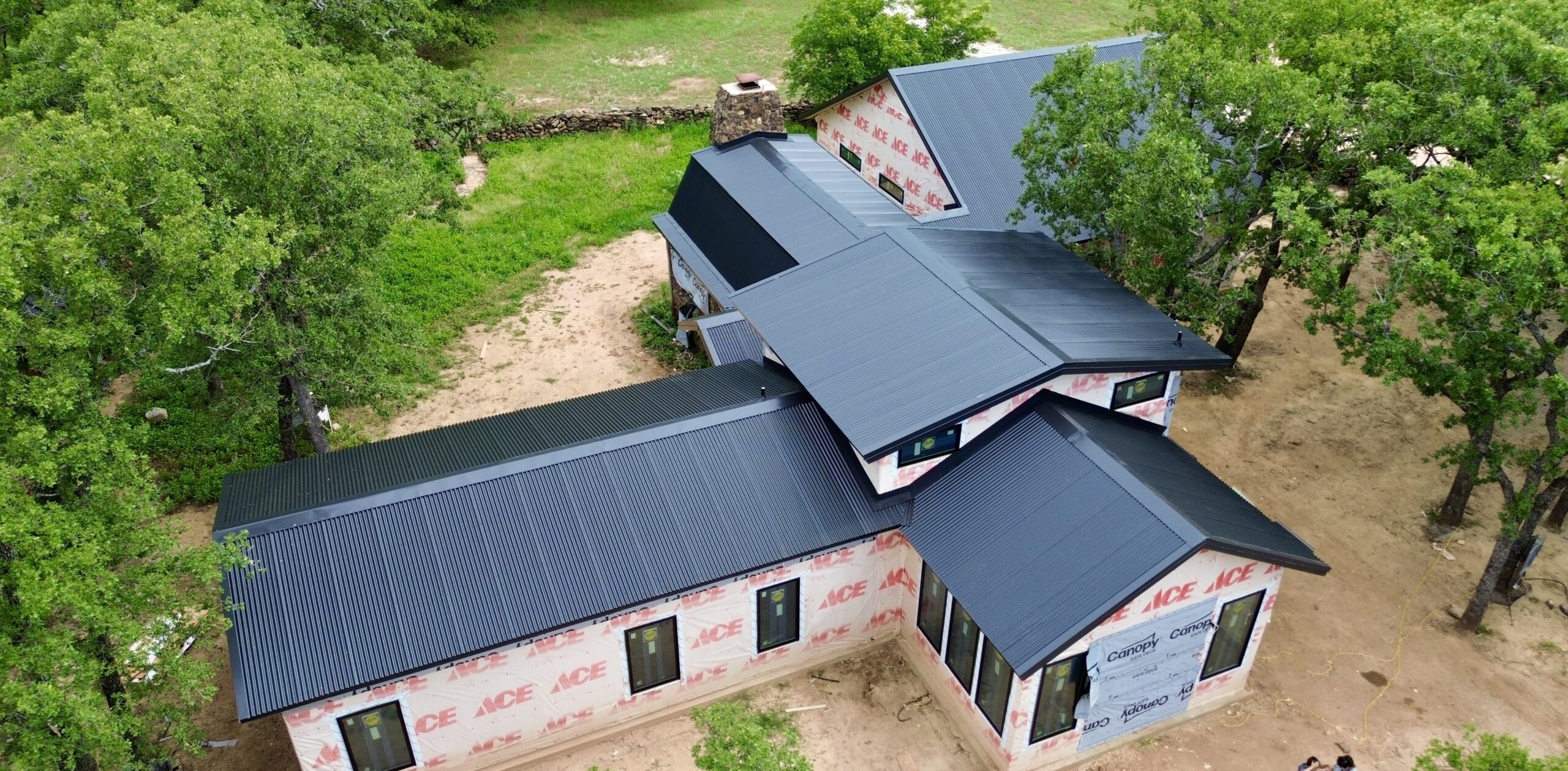
Roof size provides the foundation for calculating a roofing estimate, but contractors use several measurements and project conditions to determine the final price. The total surface area helps establish the amount of roofing material required, while the roof’s pitch, shape, accessibility, and condition determine how much labor is needed. This is why a contractor normally needs more information than the home’s basic floor dimensions before providing an accurate quote.
A professional estimate should identify the approximate roof area and explain the major costs associated with covering that area. It may include the roofing material, underlayment, flashing, ventilation, labor, tear-off, disposal, and other required services. When these categories are clearly identified, homeowners can understand how the roof size contributes to the overall project price.
Contractors may also use aerial measurements, digital tools, or physical measurements to determine the roof dimensions. These methods can help estimate the number of roofing squares and material quantities, but an on-site inspection remains valuable because measurements alone cannot reveal every condition. Damaged decking, difficult access, deteriorated flashing, and unusual roof features may only become apparent during a detailed inspection.
Homeowners should therefore avoid treating an online calculator or general cost-per-square figure as a final price. These tools can help with initial budgeting, but the actual project cost depends on the specific roof and the scope of work proposed by the contractor.
Comparing Cost Per Square vs. Total Project Cost
Cost per roofing square is a useful way to understand roofing prices because it provides a common measurement for material and installation calculations. One roofing square represents 100 square feet of roof coverage. However, homeowners should understand that a quoted price per square may not include every expense associated with the project.
For example, a contractor may provide a base installation price per square that covers the roofing material and standard labor. Tear-off, disposal, deck repairs, upgraded underlayment, flashing replacement, ventilation work, permits, or difficult access may be added separately. A second contractor might include some or all of these services in a higher price per square.
This difference can make two estimates appear more different than they actually are. A lower unit price does not necessarily mean that the contractor is less expensive overall. Homeowners should compare the total project scope and determine whether the same materials and services are included in each proposal.
The following comparison can help explain why cost per square should not be viewed in isolation:
| Pricing Element | Effect of Roof Size | What Homeowners Should Check |
|---|---|---|
| Main roofing material | Usually increases with surface area | Product, quality, and quantity |
| Labor | Usually increases with size and complexity | Installation scope and crew requirements |
| Underlayment | Increases with covered area | Product type and coverage |
| Tear-off | Increases with existing roof area | Number of layers and removal method |
| Disposal | Usually increases with removed material | Hauling and disposal inclusion |
| Flashing | Depends on size and roof features | Replacement and installation details |
| Deck repairs | Depends on damaged area | Repair allowance or unit pricing |
A homeowner should therefore look at the complete project price after confirming the scope. The cost per square is useful for understanding the estimate, but the total contract amount is what ultimately determines the financial commitment.
Small Roofs and Minimum Project Charges
Small roofs can sometimes have a surprisingly high cost per square because certain expenses do not decrease proportionally with roof size. Contractors still need to travel to the property, inspect the roof, organize equipment, deliver materials, prepare the work area, and complete cleanup. These basic project requirements can apply even when the roof contains relatively few squares.
For this reason, a small roofing project may have a minimum labor or project charge. The contractor needs to cover the operating costs associated with mobilizing a crew and completing the work safely. The higher cost per square does not necessarily mean the homeowner is being charged excessively.
Roof complexity can make a small project even more expensive. A small roof with several valleys, skylights, chimneys, or steep sections may require more detailed work than a larger roof with simple slopes. The number of labor-intensive features can therefore be more important than surface area alone.
Homeowners should ask contractors why a small roof has a particular minimum charge and what services it covers. A detailed explanation can make the pricing easier to understand and allows the homeowner to compare similar projects more fairly.
Large Roofs and Potential Economies of Scale
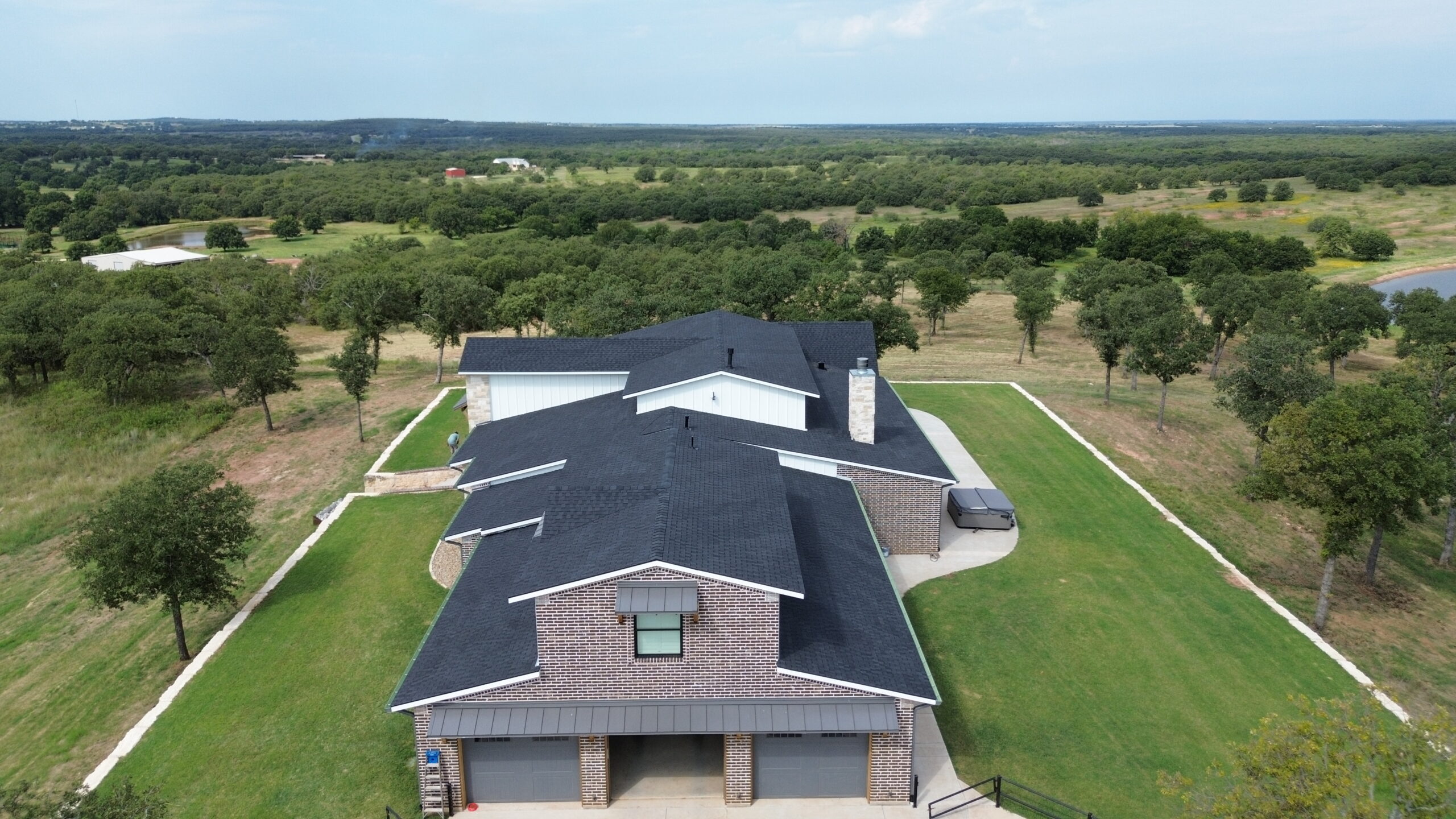
Large roofs generally require a greater total investment because more materials and labor are needed. However, some parts of a large project can become more efficient as the size increases. Once a roofing crew is already mobilized at the property, certain setup activities do not need to be repeated for every additional section of roof.
Large projects may also allow contractors to organize material deliveries more efficiently. A substantial order can sometimes be delivered together rather than through several smaller shipments. The crew can then work continuously across larger areas, which may improve productivity when the roof design is straightforward.
These potential efficiencies do not mean that larger roofs are inexpensive. The total amount of roofing material, underlayment, fasteners, flashing, and labor still increases with the size of the project. A large roof can also contain additional complexities that offset some of the efficiency gained from its size.
Homeowners should therefore ask for the total project price rather than assuming that a larger roof will automatically receive a significant discount. Any economies of scale depend on the contractor, project design, material supplier, site conditions, and scope of work.
Example Roof Size Cost Breakdown
A practical example can help demonstrate how roof size affects the overall installation budget. Consider a homeowner with a roof measuring approximately 2,500 square feet. Before material allowances, this represents about 25 roofing squares because one square covers 100 square feet.
The contractor would then determine the roofing material required, including additional material for cuts, overlaps, ridges, valleys, and other installation needs. The project may also include underlayment, flashing, ventilation components, fasteners, tear-off, disposal, and labor. If the roof deck is damaged, repairs could add another cost depending on the amount of replacement required.
Now consider another property with a roof measuring approximately 4,000 square feet. This roof represents about 40 roofing squares before additional material allowances. The larger surface will require more roofing material and generally more labor, while the amount of tear-off and disposal will also increase if an existing roof is being replaced.
However, the 4,000-square-foot roof will not necessarily cost exactly 60 percent more than the 2,500-square-foot roof. The actual difference depends on the shape, pitch, accessibility, material, number of roof features, and other project conditions. If the smaller roof contains many complex features while the larger roof is simple, the cost difference may be smaller than expected.
This example demonstrates why square footage is an important starting point but not a complete pricing formula. Contractors combine the measured area with the practical requirements of installing a complete roofing system.
How Homeowners Can Estimate Their Roofing Budget
Homeowners can begin preparing a roofing budget by determining the approximate size of the roof. If professional measurements are not yet available, the homeowner can use basic property dimensions as a rough starting point, but the result should not be treated as an exact roofing measurement. Roof pitch, overhangs, multiple sections, and other features can make the actual surface area different.
Once the approximate area is known, homeowners can research suitable roofing materials and obtain several current estimates from qualified contractors. The estimates should identify the material, labor, tear-off, disposal, and other major project components. This provides a much stronger basis for budgeting than using a single generalized price.
A budget should also include room for unexpected conditions. Hidden deck damage, deteriorated flashing, or other issues may become visible only after the existing roof is removed. Setting aside an additional reserve can help the homeowner handle necessary repairs without disrupting the project.
Homeowners should also consider whether the roof requires optional upgrades. Some improvements may provide worthwhile benefits, but they should be evaluated separately from essential installation work. Keeping the core roofing system as the first priority helps maintain control over the budget.
Ways to Control Costs on Larger Roofing Projects
A larger roof can represent a substantial financial commitment, so careful planning can make a meaningful difference. One of the most effective approaches is to obtain detailed estimates from several qualified contractors and compare the complete scope of work. This helps homeowners identify pricing differences and determine whether a lower quote excludes important components.
Choosing an appropriate roofing material is another way to manage costs. Homeowners should consider durability, appearance, maintenance requirements, local conditions, and the size of the roof. A small difference in material price becomes much more significant when multiplied across a large surface, so product selection should be made carefully.
Planning the project before serious damage develops can also help. Emergency roof replacement may require immediate action, leaving less time to compare estimates or investigate material choices. Regular inspections can help homeowners recognize when a roof is approaching the stage where replacement should be planned.
Material waste can also be managed through accurate measurements and proper project planning. A contractor should order enough material to complete the installation correctly, including reasonable allowances for cuts and overlaps, without creating unnecessary excess. Complex roof designs naturally require more material planning than simple roofs.
Homeowners should not reduce costs by removing essential components such as appropriate underlayment, flashing, ventilation, or necessary deck repairs. These parts may not be highly visible after installation, but they contribute to the performance of the roofing system. Cutting essential work can create more expensive problems later.
Final Roof Size Cost Checklist
Before approving a roofing project, homeowners should review how the roof size has been calculated and how that measurement affects the estimate. The contractor should be able to explain the approximate surface area, the number of roofing squares, and the material quantities being proposed. This information provides a useful starting point for understanding the total cost.
The homeowner should then review the remaining project components. Labor, tear-off, disposal, underlayment, flashing, ventilation, deck repairs, and roof features can all affect the final price. Any item that is excluded should be clearly identified so there is less chance of an unexpected charge later.
A final review should confirm the following:
- The roof has been professionally measured or accurately assessed.
- The estimate identifies the roofing material and quantity.
- Labor costs and installation services are clearly described.
- Tear-off and disposal costs are included or separately identified.
- Potential deck repairs have a clear pricing method.
- Flashing, underlayment, ventilation, and roof features are addressed.
- The contract explains warranties, payment terms, and additional work.
- The total price has been compared with other complete estimates.
Reviewing these details helps homeowners understand whether the quoted price reflects the actual size and requirements of the roof. It also provides a useful opportunity to ask questions before materials are ordered and work begins.
Conclusion
Roof size has a direct effect on roof installation costs because a larger surface generally requires more materials, labor, preparation, and installation time. However, square footage alone does not determine the final price. Roof pitch, shape, complexity, material waste, tear-off requirements, deck condition, access, and supporting roofing components can all change the amount a homeowner ultimately pays.
Understanding roofing squares and the difference between roof surface area and home floor area is especially useful when reviewing contractor estimates. A homeowner can use these measurements to understand how material quantities are calculated, but the complete project scope should always be considered before comparing prices.
Small roofs may have higher costs per square because contractors still need to cover setup, transportation, equipment, and minimum project expenses. Large roofs may provide some installation efficiencies, but their total material and labor requirements remain substantial. The most accurate comparison therefore comes from examining the complete cost rather than relying on a single unit price.
Homeowners can control roofing expenses by planning early, obtaining detailed estimates, selecting appropriate materials, comparing complete scopes of work, and allowing room for unexpected repairs. At the same time, essential components such as underlayment, flashing, ventilation, and sound roof decking should not be removed simply to reduce the initial price.
Ultimately, understanding how roof size affects installation costs gives homeowners a clearer picture of what they are paying for. A properly measured roof, transparent estimate, suitable material selection, and qualified installation team can make it easier to establish a realistic budget and avoid unnecessary financial surprises throughout the roofing project.
Leave A Comment