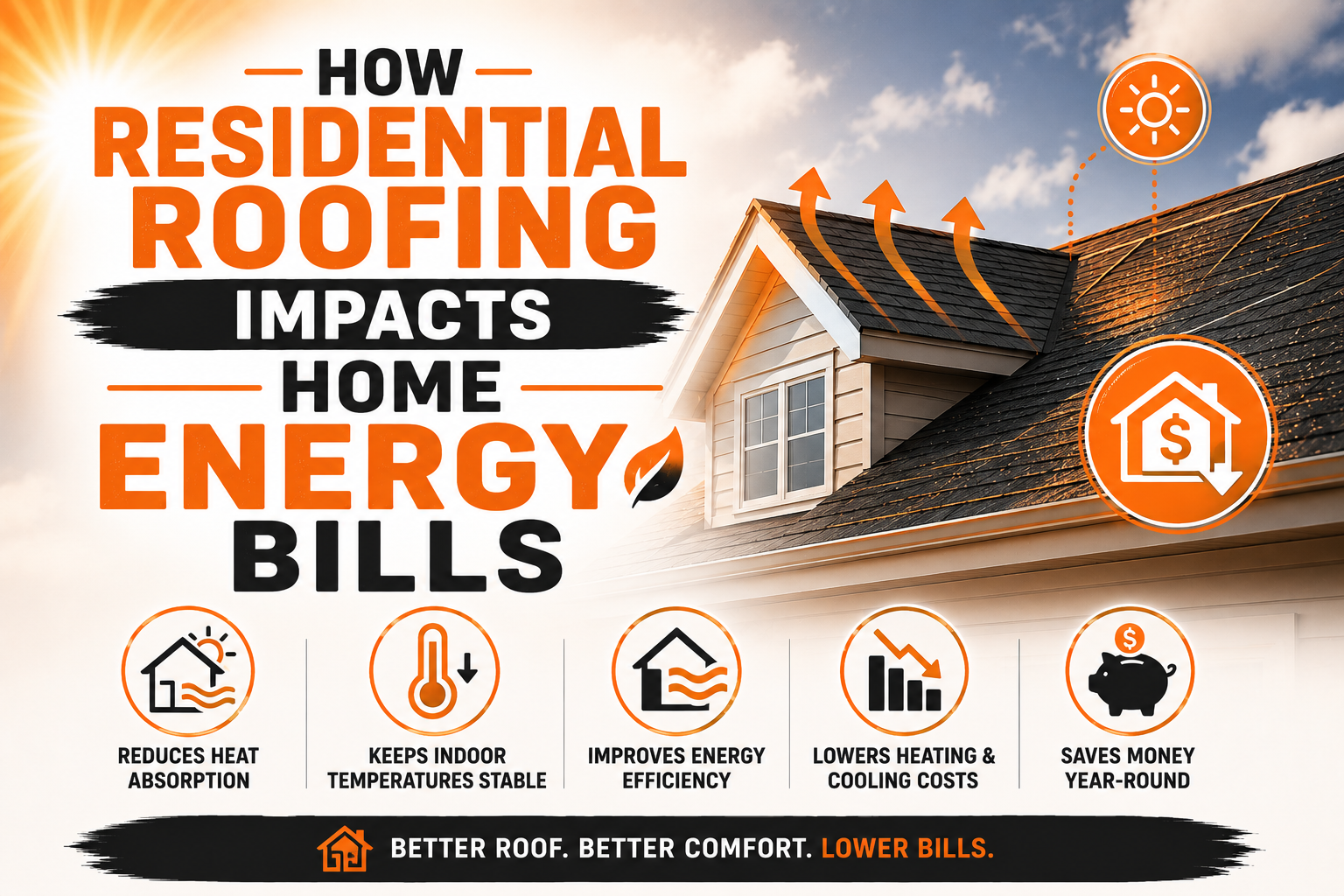
How Residential Roofing Impacts Home Energy Bills
Introduction
A residential roof is one of the most important parts of a home’s energy performance. While homeowners often think about insulation, windows, appliances, and heating or cooling equipment when discussing energy bills, the roof also has a major influence on how much energy a house uses. Because the roof is directly exposed to sunlight, rain, wind, and changing outdoor temperatures, its condition and design can affect how easily heat enters or leaves the home.
During hot weather, the roof can absorb large amounts of solar heat and transfer some of that heat into the attic and living areas below. When this happens, an air conditioning system may need to work harder and run for longer periods to maintain a comfortable indoor temperature. During colder weather, inadequate insulation and air leakage can allow heated indoor air to escape through the upper part of the house, increasing the demand on the heating system.
The effect of roofing on energy bills depends on several connected factors. Roofing material, roof color, insulation, ventilation, roof condition, attic design, and installation quality can all influence thermal performance. A roof that looks attractive from the outside may still perform poorly if the underlying insulation and ventilation are inadequate.
Understanding the relationship between roofing and energy consumption can help homeowners make better decisions about repairs, maintenance, upgrades, and roof replacement. Instead of viewing the roof only as protection from weather, it is useful to consider it as an important part of the home’s overall energy envelope.
How the Roof Influences Heat Transfer
Heat naturally moves from warmer areas toward cooler areas. A residential roof sits between the outdoor environment and the interior or attic space, so it can become an important pathway for this heat movement. The amount of heat that enters or leaves a home depends on the roofing materials, insulation, air movement, and temperature difference between the inside and outside.
During summer, sunlight strikes the roof surface throughout the day. Roofing materials absorb different amounts of solar energy depending on their color, composition, surface characteristics, and reflectivity. A roof that absorbs substantial heat can become much warmer than the surrounding air, allowing heat to move into the roof assembly and attic.
If the attic is poorly insulated, some of this heat can eventually affect the rooms below. The cooling system may then need to remove more heat from the house to maintain the desired temperature. This additional workload can contribute to higher electricity consumption during periods of intense heat.
Winter creates the opposite challenge. When the outdoor temperature is much lower than the indoor temperature, heat naturally moves toward the colder exterior. If the roof and attic have insufficient insulation or significant air leakage, heated indoor air can escape through the upper portion of the home.
A well-designed roofing system helps slow these heat-transfer processes. Insulation creates resistance to heat movement, while air sealing reduces uncontrolled air movement through gaps and penetrations. Together, these components help maintain a more stable indoor environment and reduce unnecessary heating or cooling demand.
The roof does not work independently from the rest of the house. Walls, windows, doors, floors, HVAC equipment, and other building components also affect energy consumption. However, because the roof receives direct exposure to the sun and covers a large portion of the home’s upper surface, it deserves careful attention when evaluating energy performance.
Roofing Materials and Their Effect on Energy Consumption
The material covering a roof can influence how much solar energy the roof absorbs and how quickly it releases heat. Different roofing materials have different levels of reflectivity, thermal characteristics, durability, and surface temperature under direct sunlight. Selecting a suitable material can therefore be an important part of improving a home’s energy performance.
Traditional asphalt shingles are widely used in residential construction and are available in many colors and styles. Standard dark shingles can absorb considerable solar radiation, while some modern products are manufactured with reflective features that help reduce heat absorption. Homeowners can compare product specifications to determine whether a particular shingle is designed with improved solar performance.
Metal roofing can also provide energy-efficiency advantages when the appropriate finish and assembly are selected. Reflective coatings and finishes can reduce the amount of solar energy absorbed by the roof surface. Metal roofing can also provide long service life when properly installed and maintained, making durability another consideration when evaluating its overall value.
Tile roofing, including clay and concrete tile, can provide useful thermal characteristics in suitable climates. The shape and installation of tile can create air spaces beneath the roof covering, while the material’s thermal mass can influence how heat moves through the roofing assembly. However, tile is heavier than many other roofing materials, so the home’s structure must be suitable for the installation.
Roof coatings may also be used in certain applications to improve solar reflectance. These coatings can be particularly useful for compatible roofing systems where reducing surface heat absorption is a priority. They should only be applied when the existing roof is suitable and the coating is compatible with the roofing material.
The table below provides a general comparison of common residential roofing options and their potential energy considerations.
| Roofing material | Energy-related characteristic | Important consideration |
|---|---|---|
| Asphalt shingles | Widely available with reflective options | Color and product specifications matter |
| Metal roofing | Can use reflective finishes and coatings | Finish and insulation affect performance |
| Clay tile | Can provide useful thermal performance | Weight and structural requirements |
| Concrete tile | Thermal mass can influence heat transfer | Climate and roof structure |
| Reflective coatings | Can reduce solar heat absorption | Compatibility and roof condition |
No roofing material should be considered automatically energy efficient in every situation. The material needs to work with the home’s insulation, ventilation, climate, roof design, and installation method. A high-performing roof covering can still provide limited benefits if major weaknesses exist elsewhere in the roofing system.
Roof Color, Solar Heat, and Cooling Costs
Roof color can have a noticeable influence on how much solar energy a roof absorbs. Dark surfaces generally absorb more sunlight than lighter or highly reflective surfaces, which can cause them to become hotter during periods of strong sun exposure. This difference can be particularly relevant in warm climates where air conditioning operates for many hours.
When a roof becomes extremely hot, some of that heat can move through the roofing assembly toward the attic. If the attic insulation is inadequate, the heat can eventually affect the conditioned spaces below. The cooling system may then need to operate more frequently to remove the additional heat.
Lighter-colored roofing materials can reflect a greater portion of incoming solar radiation. However, color alone does not determine the complete thermal performance of a roof. Modern roofing products can incorporate reflective technology into different colors, allowing homeowners to consider both appearance and solar performance.
The effect of roof color also depends on the roof’s orientation and the amount of sunlight it receives. A heavily shaded roof may experience less direct solar heating than a roof exposed to sunlight throughout most of the day. Nearby buildings, trees, and other structures can therefore influence the practical impact of roof color.
Homeowners should also avoid assuming that changing from a dark roof to a light roof will automatically produce dramatic reductions in energy bills. The actual effect depends on insulation, ventilation, attic design, local climate, HVAC efficiency, and other characteristics of the home.
A better approach is to evaluate the roof as a complete system. Choosing a suitable roof color or reflective material can be useful, but combining that choice with effective insulation and proper attic conditions can provide a more meaningful improvement in overall energy performance.
Roof Insulation and Attic Performance
Roof insulation is one of the most important factors connecting roofing performance with household energy consumption. Insulation slows the movement of heat between the attic and the living areas of the home. When insulation is inadequate, heat can move more easily between these spaces, increasing the workload placed on heating and cooling equipment.
In summer, insulation helps prevent heat accumulated in the attic from moving rapidly into the rooms below. This can help maintain more stable indoor temperatures and reduce the amount of work required from the air conditioning system. In winter, insulation helps retain heat generated inside the home.
The condition of the insulation is also important. Insulation that is compressed, unevenly distributed, damaged by moisture, or missing from certain areas may provide less effective thermal protection. Small weak areas can create pathways where heat moves more easily.
Air sealing should be considered alongside insulation. Small gaps around electrical wiring, plumbing pipes, ducts, attic access points, and other penetrations can allow conditioned air to move into the attic. This uncontrolled air movement can reduce the effectiveness of insulation and increase energy loss.
A properly managed attic should therefore have an appropriate balance between insulation and ventilation. In a vented attic, ventilation pathways should remain open so that air can move through designated intake and exhaust areas. Insulation should not be installed in a way that blocks these pathways.
Homeowners experiencing unusually hot upper rooms, inconsistent indoor temperatures, or increasing heating and cooling demand may benefit from having the attic evaluated. Improving insulation and air sealing may sometimes provide meaningful energy improvements without requiring immediate roof replacement.
Roof Ventilation and Its Role in Energy Bills
Roof ventilation helps manage heat and moisture within an attic. A properly designed ventilation system generally allows outdoor air to enter through intake vents and leave through exhaust vents. This airflow can help reduce excessive heat accumulation and support better moisture management.
Common ventilation components can include soffit vents, ridge vents, gable vents, and other exhaust systems. The correct combination depends on the roof’s design, attic configuration, local conditions, and building requirements.
During hot weather, ventilation can help remove some of the heat that builds up in the attic. This does not mean that ventilation alone can solve a home’s cooling problems, but it can work together with insulation and reflective roofing materials to support better overall roof performance.
Moisture management is another important function. Moisture from indoor activities can enter attic spaces through air leakage, and temperature differences can contribute to condensation under certain conditions. Excess moisture can damage insulation and roofing components and may create long-term maintenance problems.
Balanced ventilation is important because simply adding vents does not guarantee effective airflow. Intake and exhaust openings need to work together, and ventilation pathways should not be blocked by insulation or other materials.
It is also important to recognize that ventilation should not replace insulation or air sealing. An attic can have good ventilation and still perform poorly if large amounts of heat move through inadequate insulation or if conditioned air escapes through unsealed gaps.
When roofing, insulation, and ventilation are designed to work together, the roof can provide better protection against unwanted heat transfer. This relationship is essential for homeowners who want to understand why their roofing system may be contributing to high energy bills.
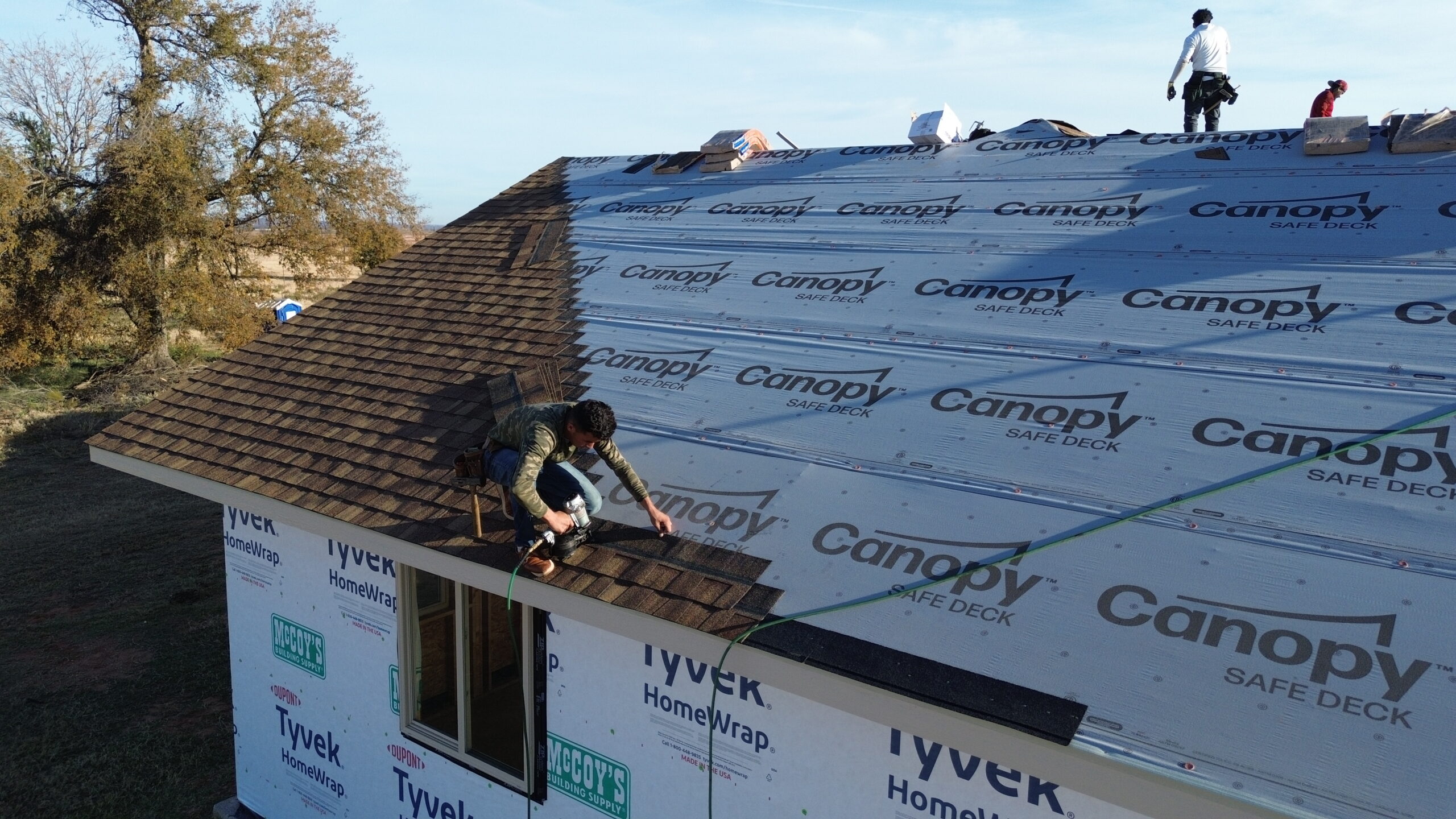
Roof Age and Condition Can Increase Energy Costs
The age and physical condition of a residential roof can influence how efficiently a home manages heat and moisture. As roofing materials become older, they may lose some of their original performance characteristics and become more vulnerable to cracking, curling, gaps, leaks, and surface deterioration. These problems can affect the roofing system beyond what is visible from the ground.
An aging roof may also have older insulation, outdated ventilation, or deteriorated underlayment. Even when the roof does not appear to be leaking, weaknesses in these areas can allow heat or moisture to move through the building envelope more easily. Over time, this can contribute to greater heating and cooling demands.
Damage is another factor that should not be ignored. Missing shingles, cracked tiles, damaged flashing, or openings around roof penetrations can allow outside air and moisture to enter the roof assembly. Moisture can reduce the effectiveness of some insulation materials and may contribute to deterioration of the underlying structure.
A roof that requires frequent repairs may also indicate that the existing system is approaching the end of its useful service life. Continuing to repair isolated problems can sometimes be practical, but repeated failures may make a complete replacement more economical in the long term.
Homeowners should pay attention to changes in indoor comfort as well as visible roof damage. Rooms that become unusually hot during summer, higher heating requirements during winter, or increasing temperature differences between rooms can justify a professional assessment of the roof and attic.
Regular inspections can help identify problems before they become more extensive. Finding damaged roofing components, deteriorated insulation, or ventilation problems early may allow homeowners to address the issue before it contributes to larger repair costs or unnecessary energy consumption.
Roofing Design and Installation Affect Energy Performance
The design of a residential roof influences how the structure responds to sunlight, rain, wind, and outdoor temperatures. Roof pitch, orientation, materials, ventilation design, and the arrangement of different roof sections can all affect thermal and overall building performance.
Roof orientation can influence solar exposure. A roof surface that receives strong direct sunlight for much of the day may absorb more solar energy than a shaded section. This makes material selection and reflective properties particularly important for homes located in regions with intense summer heat.
Roof pitch can also affect how water drains from the surface and how different roofing materials are installed. Proper drainage helps prevent standing water and moisture problems, while suitable ventilation pathways can support better attic conditions.
Installation quality is equally important. A roofing product with good energy-related characteristics cannot perform as intended if it is installed incorrectly. Improper fastening, inadequate flashing, poorly sealed penetrations, and blocked ventilation openings can reduce the effectiveness and durability of the entire system.
Roof penetrations deserve particular attention because they create interruptions in the roofing surface. Plumbing vents, chimneys, skylights, exhaust fans, and other openings must be properly integrated with the roofing system. Poorly sealed areas can become pathways for water and uncontrolled air movement.
The relationship between roofing and energy performance also extends to the connection between the roof and walls. Areas where different parts of the building envelope meet need appropriate sealing and weather protection. Weak transitions can allow air and moisture to move through the structure.
Professional installation can therefore be just as important as material selection. Homeowners should evaluate the contractor’s experience, installation practices, product requirements, and understanding of local conditions when planning a roofing project.
A well-designed and correctly installed roof provides a stronger foundation for energy efficiency. It helps the selected roofing materials, insulation, ventilation, and moisture-control components work together rather than competing with one another.
Weather, Climate, and Seasonal Energy Demand
The impact of roofing on energy bills varies significantly according to local climate. A roofing strategy that works well in a hot region may not provide the same benefits in a cold environment. Homeowners should therefore consider the weather conditions their roof experiences throughout the year before selecting materials or improvements.
In hot climates, solar heat gain is often a major concern. Roofs can receive intense sunlight for long periods, causing surface temperatures to rise significantly. Reflective roofing materials, suitable insulation, and effective attic management can help reduce the amount of this heat that reaches the living space.
Cooling costs can become especially important during prolonged hot weather. If the roof and attic allow excessive heat transfer, air conditioning equipment may operate for longer periods to maintain comfortable temperatures. Reducing heat gain can help lower the amount of work required from the cooling system, although actual energy savings vary from one home to another.
Cold climates present a different challenge because the goal is often to retain indoor heat. Inadequate insulation and air leakage near the roof can allow warm air to escape. Improving the thermal boundary between the conditioned interior and the attic can help reduce unnecessary heat loss.
Humid climates require additional attention to moisture management. Warm, humid outdoor air and moisture generated inside the home can create condensation risks when ventilation, insulation, and air sealing are not properly coordinated. Moisture problems can eventually damage insulation and roofing materials, potentially affecting energy performance.
Homes in areas with heavy rainfall also need effective drainage and water protection. Roof valleys, flashing, gutters, and downspouts should be able to move water away from vulnerable areas. A roof that repeatedly allows moisture intrusion may experience insulation damage and other problems that increase maintenance requirements.
Seasonal temperature changes can also affect roofing materials. Repeated expansion and contraction, storms, strong winds, and temperature extremes can gradually affect certain components. Selecting materials suited to local weather conditions can help improve durability and maintain performance over time.
Understanding climate is therefore essential when evaluating energy-efficient roofing. Homeowners should focus on the conditions their roof actually experiences instead of choosing a system solely because it performs well in another region.
Roofing Maintenance and Its Effect on Energy Bills
Regular roof maintenance can help preserve the energy-related performance of a residential roofing system. A roof does not remain in its original condition indefinitely, and small problems can gradually affect insulation, ventilation, moisture control, and the overall building envelope.
One important maintenance task is checking for visible roof damage. Cracked, missing, curled, or deteriorated roofing materials can expose the underlying layers to weather. Addressing these issues early can help prevent water from reaching insulation or structural components.
Flashing should also be inspected around areas such as chimneys, skylights, vents, and roof-to-wall transitions. Damaged or deteriorated flashing can create pathways for water intrusion. Moisture entering the roof assembly can affect materials that contribute to thermal performance.
Gutters and downspouts also deserve attention. When drainage systems become blocked with leaves or debris, water may back up against roofing components or overflow near the home’s walls and foundation. Keeping drainage pathways clear helps the roof manage rainfall effectively.
Ventilation openings should remain unobstructed. Debris, insects, nesting materials, and accumulated dust can reduce airflow through intake or exhaust vents. Restricted airflow can affect attic temperature and moisture management.
Attic inspections can reveal problems that are not visible from outside. Homeowners may discover displaced insulation, moisture staining, condensation, or gaps around penetrations. Addressing these issues can help maintain the effectiveness of the home’s thermal boundary.
Maintenance should also include awareness of unusual energy patterns. If heating or cooling costs increase significantly without an obvious change in household use, the roof and attic may be worth evaluating along with other parts of the home.
Preventive maintenance is generally more manageable than dealing with extensive roof deterioration. Regular attention can extend the useful performance of the roofing system and help homeowners avoid energy and repair problems that develop gradually.
How Roofing Improvements Can Reduce HVAC Workload
Heating and cooling equipment is responsible for a large portion of energy use in many homes. The roof can influence how hard these systems need to work by controlling the amount of heat entering or leaving the building through the upper part of the structure.
During summer, an overheated roof and attic can increase the amount of heat that must be removed from the home. If insulation and air sealing are weak, this heat can move toward conditioned spaces more easily. Improving the roof assembly can help reduce this transfer and may allow the cooling system to maintain indoor temperatures with less effort.
Reflective roofing materials can contribute by reducing solar heat absorption at the roof surface. However, their effectiveness is greater when they are combined with adequate insulation and appropriate attic conditions. A reflective surface cannot compensate for every weakness in the rest of the building envelope.
During winter, insulation and air sealing become especially important. If warm indoor air escapes through gaps near the attic, the heating system may need to operate more frequently to replace the lost heat. Improving the thermal boundary can help retain conditioned air and maintain more consistent temperatures.
HVAC workload can also be affected by uneven temperatures. When certain rooms become much hotter or colder than others, homeowners may adjust thermostats or increase system operation to compensate. Addressing roof and attic weaknesses may help reduce some of these temperature differences.
It is important to remember that roofing improvements are only one part of HVAC efficiency. Windows, doors, walls, ductwork, equipment condition, thermostat settings, and household behavior can also have major effects on energy consumption.
The greatest benefits often come from combining improvements. A properly insulated and sealed attic, suitable roofing material, effective ventilation, and an efficient HVAC system can work together to reduce unnecessary energy demand.
Homeowners should therefore consider roofing as part of the wider home energy system. Instead of asking whether a particular roof will eliminate high energy bills, it is more useful to determine how the roof can reduce heat transfer and support the performance of other energy-saving measures.
Roof Replacement and Long-Term Energy Savings
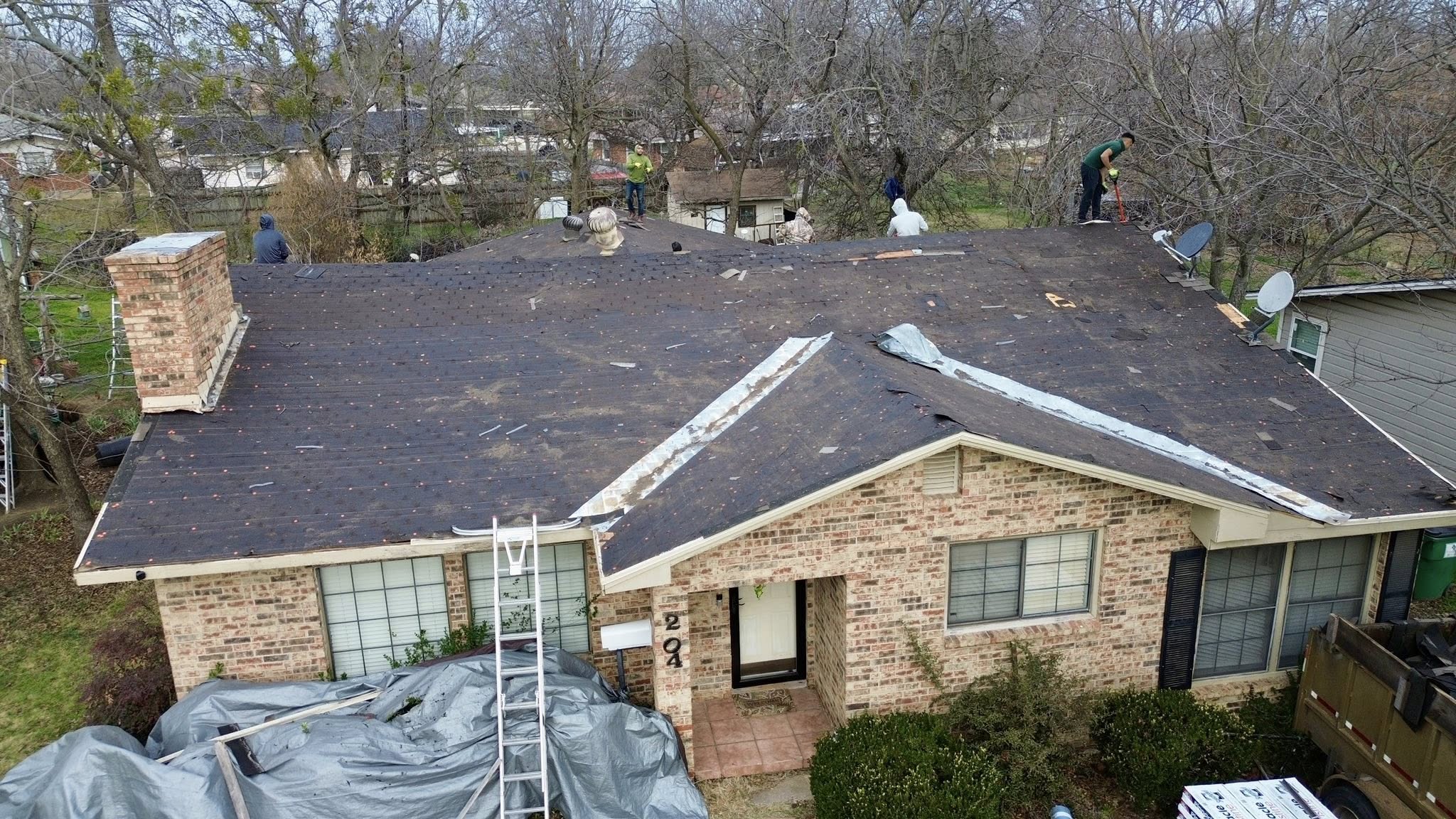
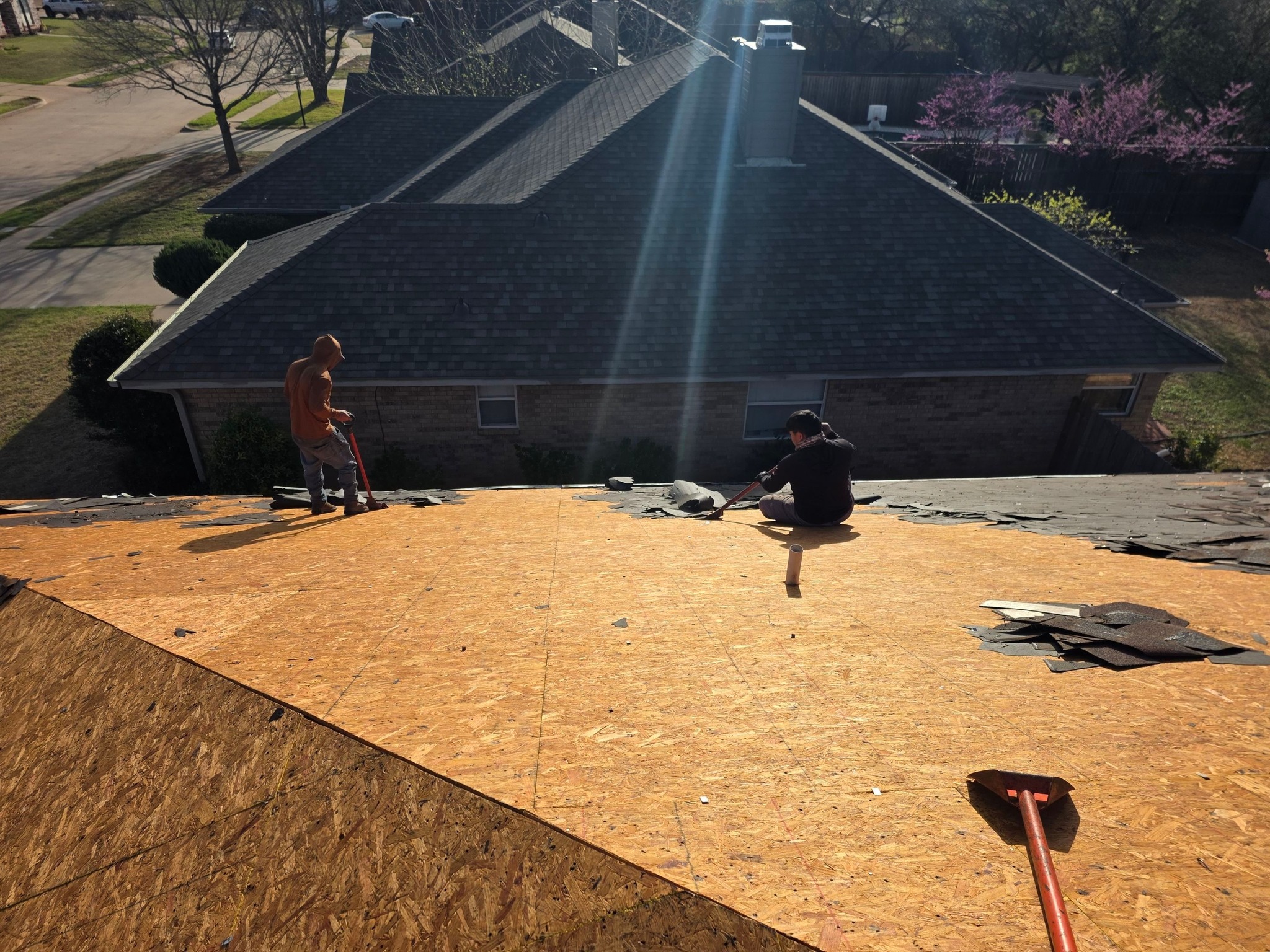
Roof replacement provides one of the best opportunities to improve the energy performance of an existing home. When the old roofing material is removed, homeowners and contractors can evaluate the condition of the underlying layers and make improvements that may be difficult to complete during routine repairs.
A replacement project can involve more than installing new shingles, tiles, or metal panels. It can provide an opportunity to upgrade insulation, improve ventilation, replace damaged underlayment, repair flashing, address air leaks, and select roofing materials with better solar performance.
Homeowners should first determine whether replacement is actually necessary. If the existing roof is relatively young and structurally sound, targeted improvements may be more appropriate. If the roof has widespread deterioration, repeated leaks, or has reached the end of its expected service life, replacement may offer greater long-term value.
When selecting a new roofing material, homeowners should compare more than purchase price. Expected lifespan, maintenance requirements, solar performance, durability, installation requirements, and compatibility with the home’s design can all affect the overall value of the investment.
Energy savings should also be viewed over the life of the roof. A roofing system that costs more initially may provide stronger durability or thermal performance, while a less expensive option may require earlier replacement or additional maintenance. The best choice depends on the property’s climate, construction, budget, and long-term plans.
Roof replacement can also be coordinated with other home improvements. If solar panels, attic renovations, HVAC upgrades, or additional insulation are being considered, planning these projects together can prevent unnecessary work later.
Homeowners should avoid selecting a roof based solely on claims of energy savings. Actual results depend on many factors, including climate, existing energy performance, roof orientation, insulation, HVAC equipment, and household usage.
A professional evaluation can help determine which improvements are likely to provide the greatest value. When roofing materials, insulation, ventilation, and installation are planned together, replacement can become an opportunity to create a more efficient and durable home envelope.
A roof that is properly designed, installed, and maintained can reduce unnecessary heat transfer and support more consistent indoor temperatures. This can help heating and cooling equipment operate more efficiently, while also protecting the home from moisture and weather-related problems.
Signs Your Roof May Be Increasing Energy Costs
Homeowners do not always realize that roofing problems can contribute to higher energy bills. A roof may appear acceptable from the outside while weaknesses in insulation, ventilation, air sealing, or roofing materials affect the home’s thermal performance. Paying attention to changes in indoor comfort and energy use can help identify potential problems before they become more expensive.
One common warning sign is an unusually hot upper floor or rooms located directly beneath the roof. If these areas become significantly warmer than the rest of the home during sunny weather, excessive heat may be moving through the roof or attic. Poor insulation, inadequate ventilation, and highly absorptive roofing materials can all contribute to this problem.
Uneven temperatures between rooms can provide another clue. A home may have a comfortable living room but noticeably warmer bedrooms upstairs, especially during the afternoon. Although HVAC distribution can also cause uneven temperatures, the roof and attic should be considered when the problem is concentrated near the upper part of the building.
Unexpected increases in heating or cooling costs may also justify an inspection. Energy bills naturally change with weather, utility rates, and household usage, so a higher bill does not automatically mean the roof is responsible. However, when increased energy consumption occurs alongside temperature problems or visible roof deterioration, the roofing system may deserve closer attention.
Homeowners can look for other warning signs, including:
- Excessive attic heat during summer
- Damaged or missing roofing materials
- Moisture stains or damp insulation
- Drafts or air movement around attic openings
- Condensation or unusual moisture in the attic
- Frequent roof repairs or recurring leaks
These signs do not prove that the roof is causing high energy bills, but they can indicate that further evaluation is worthwhile. A professional inspection can help determine whether roofing, insulation, ventilation, HVAC performance, or another part of the building envelope is responsible.
Early identification is valuable because roofing and energy problems can become more complicated when ignored. A small leak can damage insulation, while deteriorated insulation can make temperature control more difficult. Addressing the underlying issue can protect both the roof and the home’s long-term energy performance.
Practical Ways to Improve Roofing Energy Efficiency
Improving roofing efficiency does not always require a complete roof replacement. The appropriate solution depends on the roof’s condition, the home’s climate, the existing insulation, and the specific source of energy loss or heat gain.
One of the most practical improvements is upgrading inadequate attic insulation. If insulation is missing, uneven, compressed, or insufficient for the home’s needs, adding properly installed insulation can help slow heat transfer. This can support more stable indoor temperatures during both hot and cold weather.
Air sealing is another useful improvement. Gaps around pipes, electrical wiring, ducts, attic access points, and other penetrations can allow conditioned air to escape. Properly sealing suitable openings can strengthen the thermal boundary and allow insulation to work more effectively.
Ventilation should also be evaluated. Intake and exhaust vents need to provide an appropriate airflow path without being blocked by insulation or debris. Improving ventilation may help manage attic heat and moisture, particularly when the existing system is poorly designed or obstructed.
Homeowners may also consider reflective roofing products when appropriate. Reflective shingles, metal finishes, or compatible roof coatings can reduce solar heat absorption. The product should be selected according to the roof type, climate, condition, and manufacturer’s requirements.
Roof repairs are equally important. Damaged shingles, cracked tiles, deteriorated flashing, and failed seals can allow water into the roofing assembly. Repairing these issues can help protect insulation and structural materials from moisture damage.
For older roofs, replacement may provide the opportunity to combine several improvements. A new roof can incorporate suitable roofing materials, updated underlayment, improved flashing, better ventilation, and insulation upgrades where appropriate.
The most effective improvement strategy begins with identifying the actual problem. Homeowners should avoid adding individual products simply because they are marketed as energy efficient. A professional assessment can help determine which improvements are likely to provide the greatest benefit for the specific property.
How Energy-Efficient Roofing Supports Home Comfort
Energy-efficient roofing can influence more than monthly energy costs. It can also contribute to a more comfortable indoor environment by helping maintain more consistent temperatures throughout the home.
During hot weather, a roof that absorbs large amounts of solar heat can contribute to high attic temperatures. If insulation and air sealing are inadequate, some of this heat can reach the rooms below. The result may be uncomfortable bedrooms, warmer ceilings, and greater reliance on air conditioning.
A roofing system designed to manage solar heat can reduce some of this unwanted heat transfer. Reflective surfaces can limit solar absorption, while insulation provides resistance between the hot roof or attic and the conditioned living areas.
During winter, insulation and air sealing help retain heat inside the home. Reducing heat loss through the upper part of the building can help rooms remain comfortable for longer periods. This can also reduce the need for constant heating adjustments.
Temperature consistency is especially valuable in multi-story homes. Upper floors can become noticeably warmer than lower floors during summer because of their proximity to the roof. Improving the roof and attic assembly can help reduce some of this difference, although HVAC distribution and other building characteristics also play important roles.
Moisture management also contributes to comfort. Properly functioning roofing, ventilation, and air sealing can help control conditions that may lead to condensation or dampness. Maintaining a dry and stable building envelope can support a healthier and more comfortable home environment.
Energy-efficient roofing should therefore be considered part of a broader comfort strategy. The roof works together with insulation, windows, walls, doors, HVAC systems, and ventilation to influence the conditions people experience inside the home.
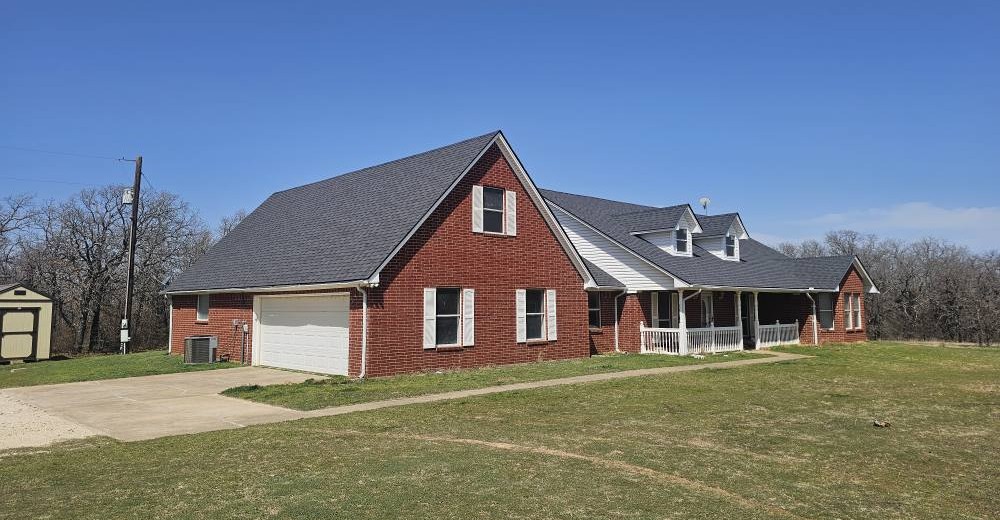
Comparing Roofing Improvements and Their Potential Impact
Not every roofing improvement provides the same type of benefit. The most appropriate choice depends on the home’s existing condition, climate, roof design, and energy challenges. Understanding the role of different improvements can help homeowners prioritize their investment.
| Roofing improvement | Main purpose | Potential energy-related benefit |
|---|---|---|
| Reflective roofing | Reduce solar heat absorption | May reduce cooling demand in suitable climates |
| Attic insulation | Slow heat transfer | Can reduce heating and cooling demand |
| Air sealing | Reduce uncontrolled air movement | Helps maintain conditioned indoor temperatures |
| Attic ventilation | Manage heat and moisture | Can support better attic conditions |
| Roof repairs | Restore weather protection | Helps protect insulation and roof assembly |
| Roof replacement | Upgrade the complete system | Creates an opportunity for multiple efficiency improvements |
These improvements are not interchangeable. For example, reflective roofing may help reduce solar heat, but it cannot replace missing insulation. Similarly, additional insulation cannot repair a leaking roof or compensate for damaged flashing.
Combining improvements can often provide better results than focusing on one component. A reflective roof with adequate insulation and properly managed attic ventilation can provide stronger overall performance than a reflective roof installed over a poorly insulated attic.
Cost should also be considered alongside expected service life and maintenance. A homeowner may benefit more from correcting a major insulation problem than spending heavily on a premium roof covering when the existing roof is still structurally sound.
Professional assessment can help establish priorities. The goal should be to address the largest weaknesses first and create a balanced roofing system that performs effectively over time.
Planning an Energy-Efficient Roof for the Future
Homeowners planning a roof replacement should consider the future needs of the property rather than selecting materials only for immediate appearance or cost. A roof can remain in place for many years, so decisions made during installation can influence energy performance and maintenance requirements for a long period.
The first step is evaluating the existing structure. The roof deck, insulation, attic ventilation, flashing, drainage, and supporting structure should be reviewed before new materials are selected. This can reveal problems that need to be corrected before the new roof is installed.
Climate should guide material selection. Homes in areas with intense sunlight may benefit from roofing products designed to reduce solar heat absorption. Homes in colder regions may place greater emphasis on insulation and air sealing, while humid regions require careful attention to moisture control.
Future solar installation should also be considered. If homeowners are planning photovoltaic panels, it may be sensible to evaluate the roof’s expected service life before installing them. Installing solar equipment on an aging roof can create additional work if the roof requires replacement soon afterward.
Future attic use can also influence insulation and ventilation decisions. A homeowner planning to convert an attic into living space may need a different thermal boundary than a homeowner keeping the attic as an unconditioned storage area.
Long-term maintenance should be part of the planning process as well. Homeowners should understand the expected service life of the selected material, recommended inspection intervals, cleaning requirements, and common maintenance issues.
A thoughtful roofing plan can therefore reduce future disruptions and improve overall value. Instead of treating the roof as a short-term construction project, homeowners can design it as a long-term part of the home’s energy and weather protection system.
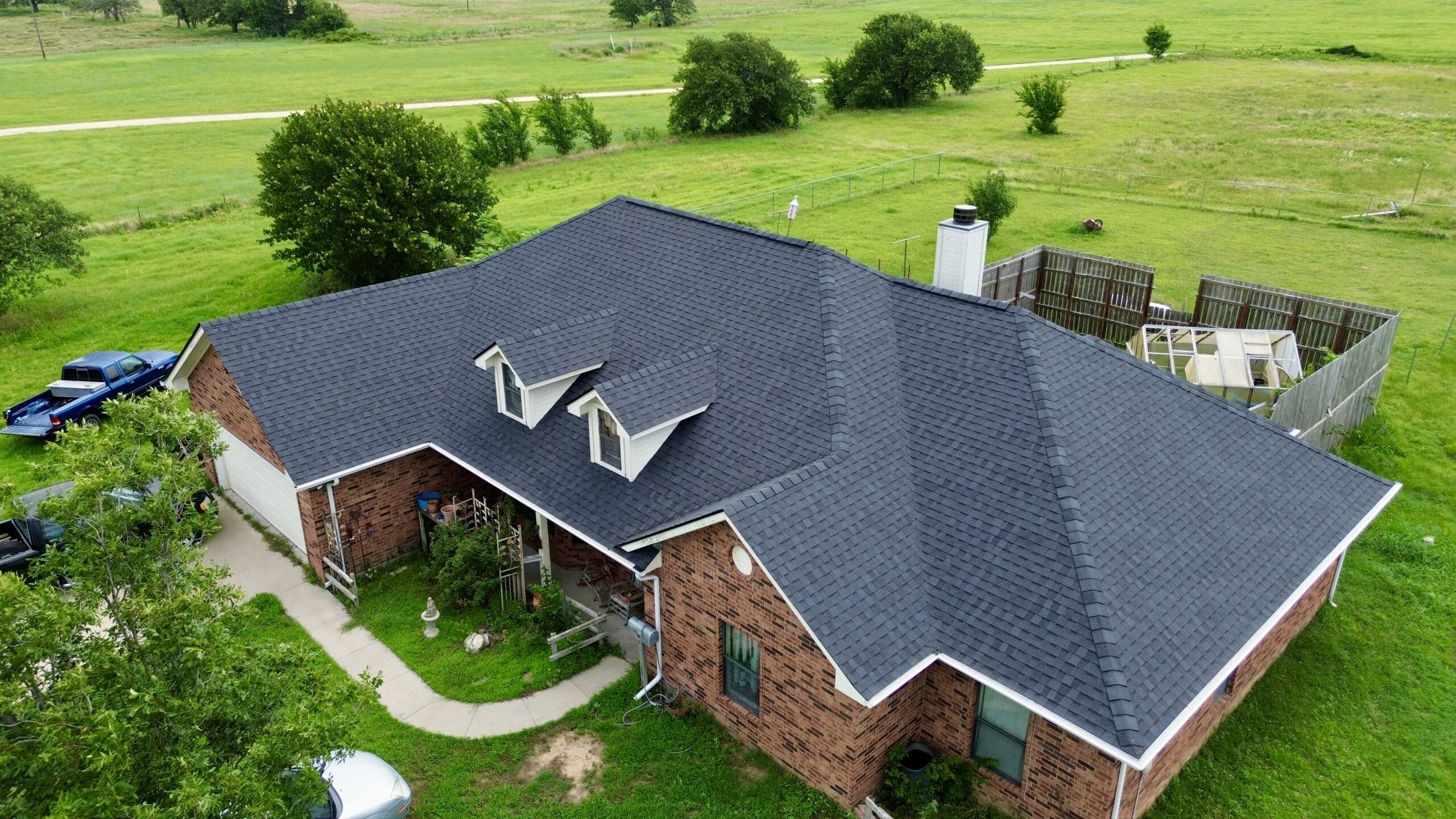
Long-Term Relationship Between Roofing and Energy Bills
Residential roofing can influence energy bills throughout the life of a home because it affects how the building responds to outdoor temperatures and solar exposure. The relationship is not limited to the moment a new roof is installed. Roofing materials age, insulation conditions change, ventilation pathways can become blocked, and weather exposure can gradually affect performance.
A well-designed roof can help limit unwanted heat transfer when combined with effective insulation and air sealing. During hot weather, reflective materials and appropriate attic management can reduce heat gain. During cold weather, a strong thermal barrier can help retain indoor heat.
Maintenance plays an important role in preserving these benefits. Small roof problems should be addressed before they allow water to damage insulation or structural materials. Ventilation openings should remain functional, drainage systems should remain clear, and attic conditions should be checked when performance problems appear.
Energy bills should also be viewed in context. Roofing is only one factor affecting household energy consumption. HVAC equipment, windows, doors, wall insulation, appliances, thermostat settings, household occupancy, and local weather can all have substantial effects.
For this reason, homeowners should not expect a specific reduction in energy bills simply from installing a new roof. The actual result depends on how much energy the home was using before the improvement and which weaknesses are being corrected.
The strongest approach is to combine roofing improvements with broader efficiency measures. An efficient roof can support better HVAC performance, while efficient windows, insulation, appliances, and heating and cooling equipment can further reduce overall energy demand.
In the long term, the value of residential roofing should therefore be measured through several factors: energy performance, comfort, durability, moisture protection, maintenance requirements, and expected service life. A roofing system that performs well across these areas can provide greater value than one selected only for its initial price.
Conclusion
Residential roofing can have a meaningful influence on home energy bills because the roof forms a major part of the building envelope. Its materials, color, insulation, ventilation, air sealing, condition, and installation quality all affect how heat moves between the home and the outdoor environment.
During hot weather, an inefficient roof can absorb significant solar heat and transfer it toward the attic and living areas. This may increase cooling demand, especially when insulation and ventilation are inadequate. In colder conditions, poor insulation and air leakage can allow indoor heat to escape, increasing the workload required from heating equipment.
Roofing materials also matter. Reflective shingles, metal roofing with suitable finishes, tile, and other specialized products can offer different thermal characteristics. However, no material should be considered an energy-saving solution by itself because the performance of the complete roofing assembly depends on insulation, ventilation, air sealing, moisture management, and installation.
Homeowners can improve roof-related energy performance in several ways. Upgrading attic insulation, sealing uncontrolled air leaks, maintaining ventilation, repairing damaged roofing components, and selecting suitable reflective products can all contribute to better performance when applied appropriately.
Roof condition should also be monitored over time. Signs such as excessive attic heat, unusually warm upper rooms, uneven indoor temperatures, moisture problems, deteriorated roofing materials, and rising heating or cooling demands can indicate that an evaluation is needed. Identifying problems early can help homeowners avoid more extensive damage and unnecessary energy waste.
When a roof reaches the end of its useful life, replacement provides an opportunity to improve the entire system. Homeowners can select suitable roofing materials, upgrade insulation and ventilation, improve flashing and air sealing, and coordinate the project with future improvements such as solar panels.
Ultimately, an energy-efficient residential roof is not simply a roof that looks modern or uses a particular material. It is a complete system designed to manage heat, moisture, airflow, and weather exposure while supporting the comfort and efficiency of the home.
By treating roofing as an important part of the home’s overall energy strategy, homeowners can make more informed decisions about maintenance, repairs, upgrades, and replacement. A properly designed and maintained roofing system can help create a more comfortable home, protect the structure, support efficient HVAC operation, and provide lasting value over the life of the property.