
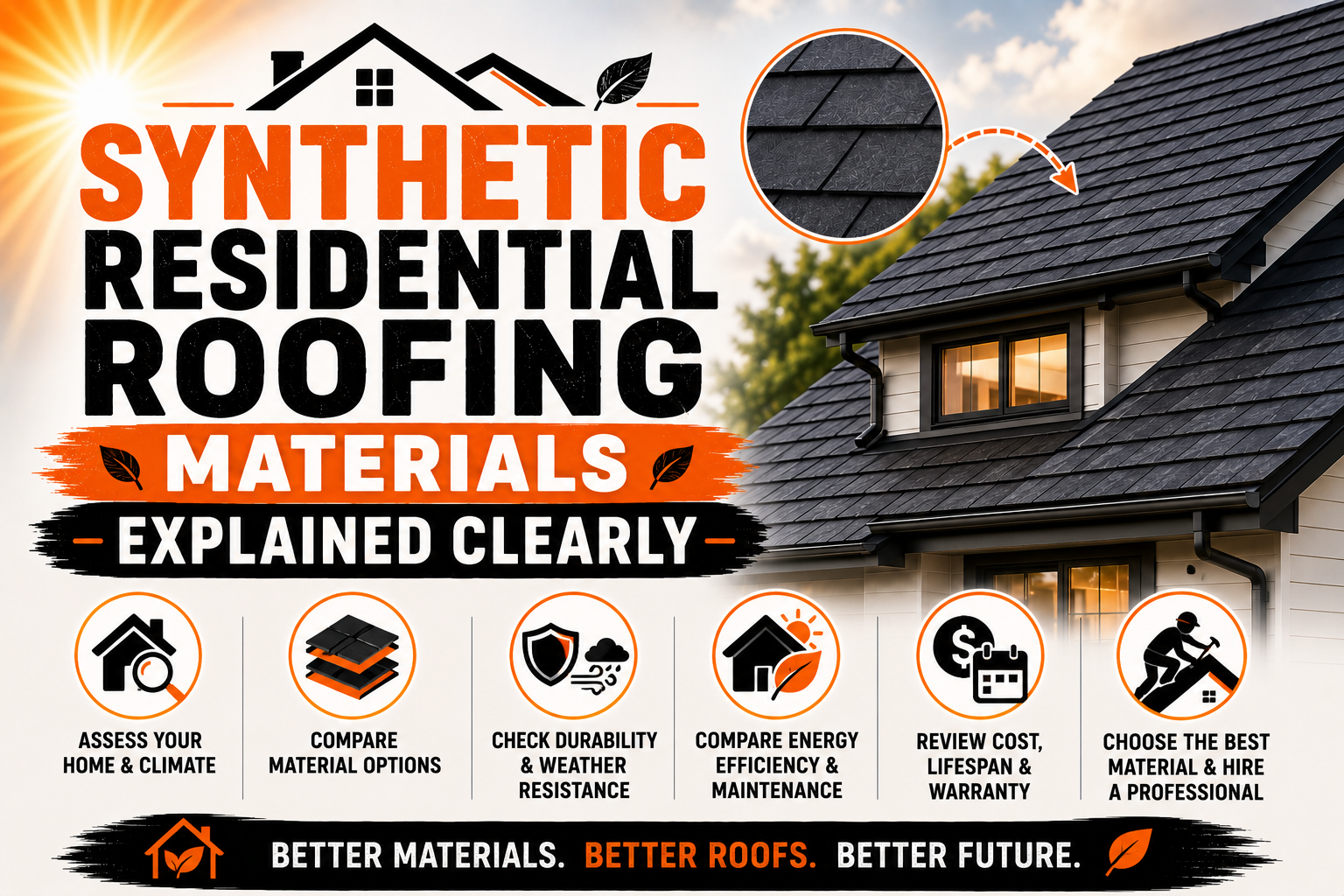
Synthetic Residential Roofing Materials Explained Clearly
Introduction
Synthetic residential roofing materials have become an increasingly popular alternative to traditional roofing products such as natural slate, wood shakes, and certain types of tile. These materials are manufactured to provide the appearance and some of the characteristics of traditional roofing while offering different combinations of durability, weight, installation flexibility, and maintenance requirements.
Synthetic roofing products are generally made from engineered polymers, recycled plastics, rubber compounds, composite materials, or blends of several components. Manufacturers can design these materials to resemble natural roofing products while incorporating features intended to improve resistance to weather and everyday wear.
For homeowners, synthetic roofing can provide more choices when planning a new roof or replacing an aging system. A synthetic product may be lighter than natural slate or tile, easier to handle during installation, or available in styles that reproduce traditional architectural appearances.
However, synthetic roofing is not one single material. Products can differ considerably in composition, thickness, manufacturing methods, warranty coverage, appearance, and performance. Homeowners should therefore evaluate the specific product rather than assuming that all synthetic roofing systems provide the same benefits.
Climate is also important when choosing synthetic roofing. Sun exposure, rainfall, wind, hail, temperature changes, humidity, and other environmental conditions can affect how a roof performs over time.
A successful synthetic roofing project depends on more than the material itself. Proper installation, suitable underlayment, flashing, ventilation, drainage, and regular maintenance all contribute to the performance and service life of the complete roofing system.
What Synthetic Residential Roofing Materials Are
Synthetic roofing materials are manufactured roofing products designed to provide an alternative to naturally occurring or traditional roofing materials. Instead of being cut directly from stone, wood, or clay, synthetic products are produced through controlled manufacturing processes using engineered materials.
Many synthetic roofing products are designed to imitate the appearance of slate, cedar shakes, or other traditional roofing styles. Manufacturers can create different shapes, textures, colors, and surface patterns to provide homeowners with architectural flexibility.
Polymer-based roofing is one common category. These products may use engineered plastic compounds that are formed into roofing tiles or shingles. Depending on the formulation, additives may be included to improve resistance to ultraviolet exposure, temperature changes, impact, or other environmental conditions.
Composite roofing is another category. Composite products may combine multiple materials to achieve a balance of strength, flexibility, appearance, and weather resistance. The exact composition varies between manufacturers and products.
Some synthetic products incorporate recycled materials into their manufacturing process. Recycled plastics or rubber may be used as part of the product’s formulation, although the environmental benefits depend on how the material is manufactured, transported, installed, and eventually disposed of.
One of the main characteristics of synthetic roofing is its ability to reproduce traditional designs. Homeowners who like the appearance of slate or wood but want a different material can sometimes find synthetic alternatives with similar visual characteristics.
Weight can also be an important difference. Natural slate and some tile products can be relatively heavy, while certain synthetic alternatives are designed to provide a lighter roofing solution.
This does not mean every synthetic product is lightweight or suitable for every structure. The actual weight and structural requirements should always be confirmed using the manufacturer’s specifications and a professional assessment of the home.
Synthetic roofing products are generally installed as part of a complete roofing assembly. Underlayment, flashing, fasteners, ventilation, and other components need to be compatible with the selected product.
Homeowners should also distinguish between appearance and performance. A synthetic roof may look similar to natural slate or wood, but its actual weather resistance, maintenance needs, and expected service life will depend on its specific construction.
Understanding the composition and purpose of synthetic roofing is therefore the first step toward determining whether it is suitable for a residential property.
Types of Synthetic Roofing Materials
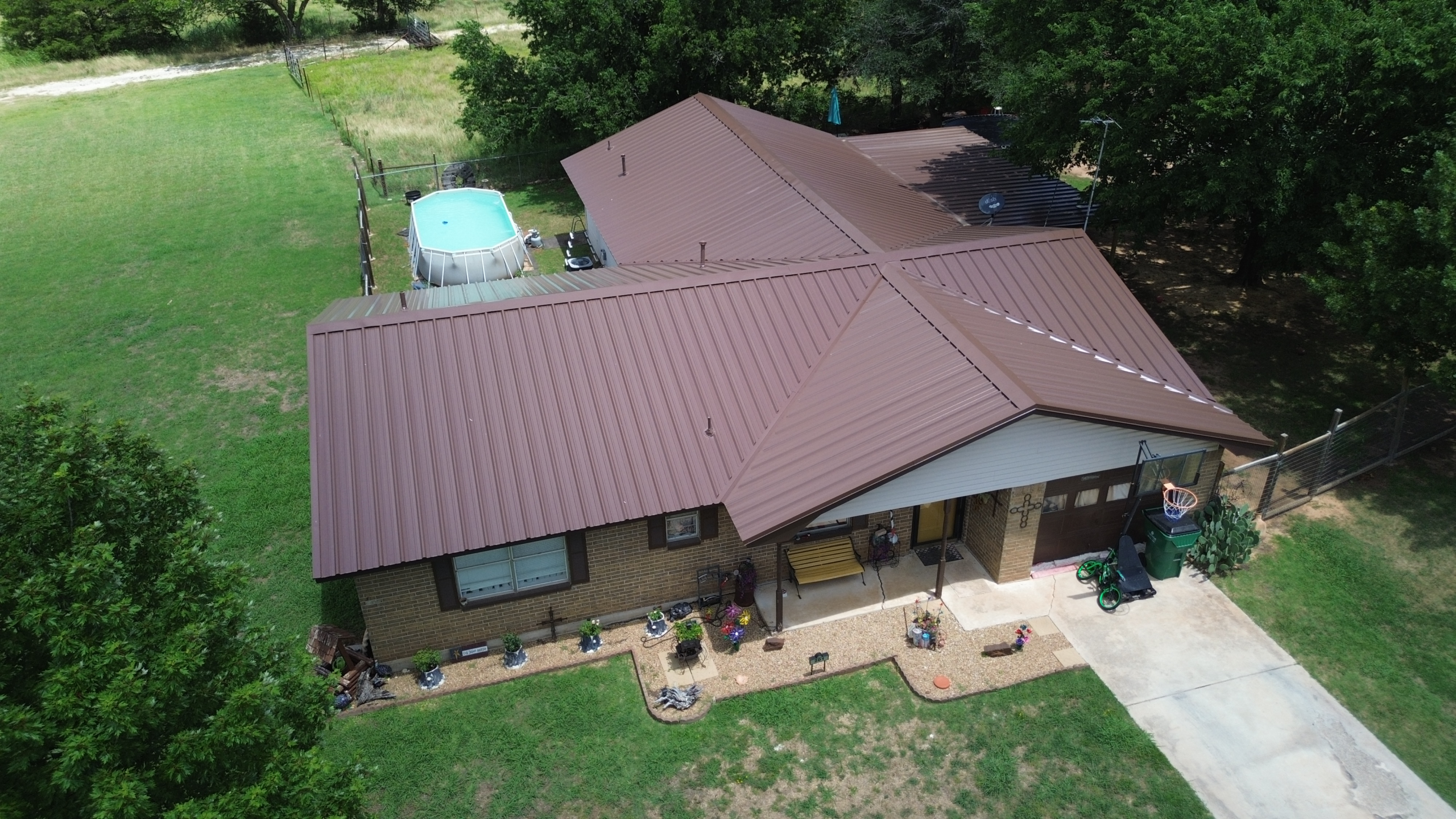
Synthetic roofing is available in several forms, giving homeowners options for different architectural styles and performance requirements. The most common types are designed to replicate familiar roofing materials while using engineered construction.
Synthetic slate is designed to reproduce the appearance of natural slate. It can provide variations in color, texture, and thickness that resemble traditional stone roofing without requiring the same type of quarrying and cutting process.
Some synthetic slate products are manufactured from polymer-based compounds, while others use composite formulations. Their exact characteristics can vary considerably, so homeowners should review product specifications before making a decision.
Synthetic shake roofing is another option. These products are designed to resemble traditional wood shakes, including the irregular textures and natural-looking patterns associated with wood roofing.
Unlike natural wood, synthetic shake products can be manufactured with consistent dimensions and may be designed to resist certain weather-related problems. They can be especially attractive for homeowners who want a traditional appearance without some of the maintenance associated with natural wood.
Synthetic composite shingles provide another category. These products may combine polymers, fillers, recycled materials, or other engineered components to create roofing shingles with specific performance characteristics.
Some synthetic roofing products are manufactured in multiple profiles and colors. This allows homeowners to coordinate the roof with the architectural style of the home without being limited to the appearance of a single traditional material.
There are also synthetic products designed to imitate tile. These can provide the visual character of traditional tile while potentially reducing some structural or installation challenges associated with heavier materials.
The differences between products can be substantial. Two synthetic roofs may both be described as composite roofing while using different materials and manufacturing processes.
Homeowners should therefore examine factors such as product composition, thickness, weight, impact resistance, fire performance, wind ratings, installation requirements, and warranty terms.
The appropriate product also depends on the roof structure and local climate. A material that works well in a moderate environment may require different specifications in a region with intense sunlight, heavy snow, strong winds, or frequent hail.
Synthetic roofing should ultimately be selected according to actual performance requirements rather than simply its appearance.
Benefits of Synthetic Roofing Systems
Synthetic roofing materials can provide several advantages for homeowners, particularly when compared with certain traditional roofing options. One of the most noticeable benefits is design flexibility.
Manufactured products can be produced in different colors, shapes, textures, and patterns. This allows homeowners to achieve traditional or contemporary appearances while selecting an engineered roofing material.
Weight can be another advantage. Some synthetic products are lighter than natural slate or certain tile systems, which can simplify handling and reduce structural demands.
Lighter materials can be easier for roofing crews to transport and install. However, the installation process still requires appropriate equipment and professional knowledge, especially when working on sloped residential roofs.
Durability is another reason homeowners consider synthetic roofing. Many products are engineered to resist common forms of outdoor exposure, including moisture, sunlight, wind, and temperature changes.
Some synthetic roofing materials are also designed with impact resistance in mind. This can be useful in areas where hail or falling debris creates a greater risk of roof damage.
Synthetic materials may also offer more consistent dimensions than naturally sourced products. Manufacturing can produce roofing components with predictable shapes and sizes, which can support more consistent installation.
Maintenance requirements can vary, but some synthetic products are designed to require less routine maintenance than natural wood roofing. They may not require the same type of treatment or preservation procedures associated with certain wood products.
Synthetic roofing can also provide architectural versatility. Homeowners restoring older-looking properties may use synthetic slate or shake products to achieve a traditional appearance, while modern homes can use simpler profiles and contemporary colors.
Installation requirements should still be taken seriously. A product with strong laboratory performance can fail to deliver its expected benefits if it is installed incorrectly.
Warranty coverage may provide another advantage, but homeowners should read the terms carefully. Coverage can differ depending on the product, installer, maintenance practices, and environmental conditions.
Synthetic roofing is therefore attractive because it can combine appearance, engineered performance, and design flexibility. Its benefits should still be evaluated against the specific needs of the home rather than assumed to apply equally to every product.
How Synthetic Roofing Materials Perform in Different Climates
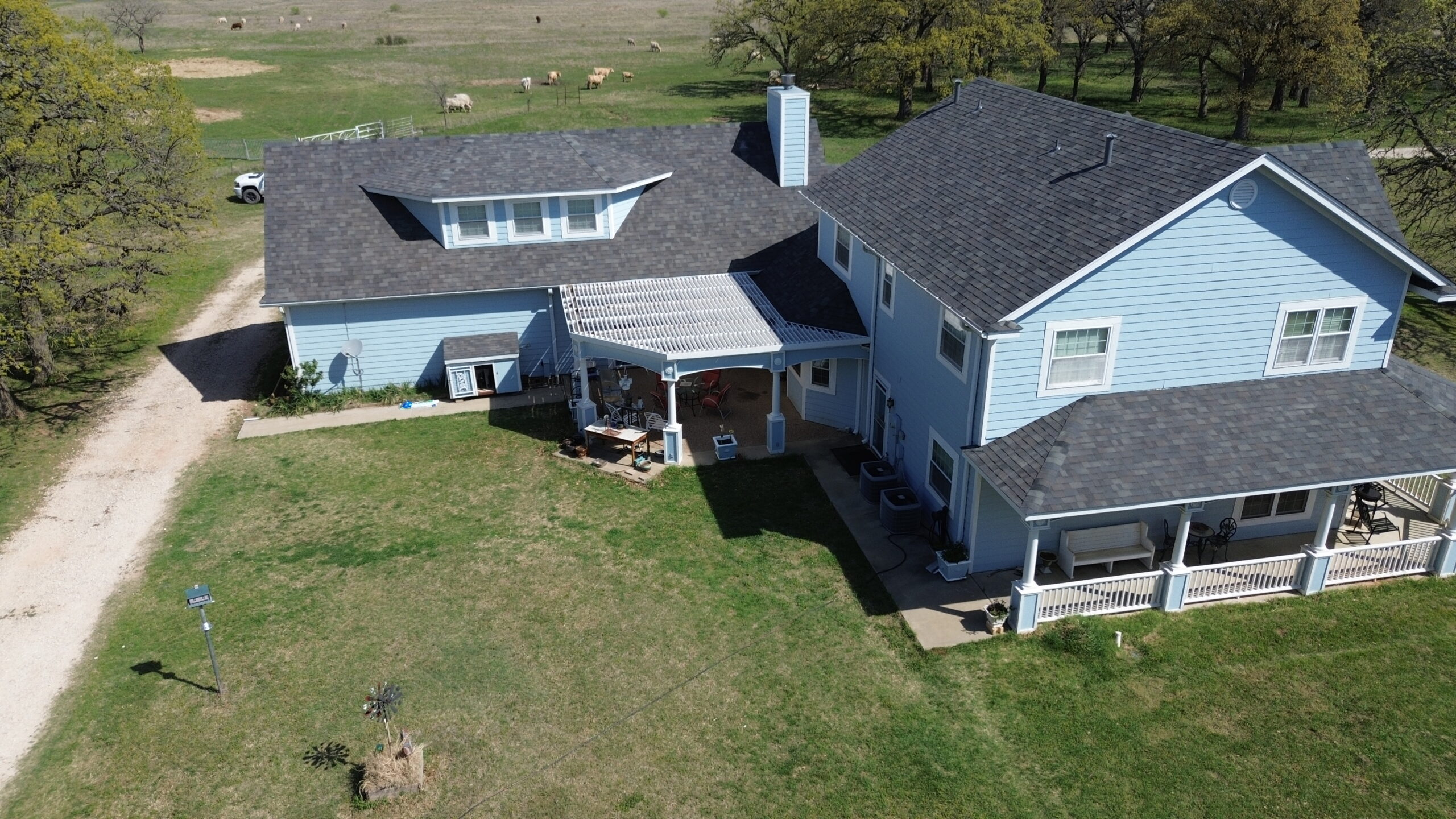
Climate has a major influence on roofing performance, and synthetic materials are no exception. Homeowners should select products according to the weather conditions the roof will regularly experience.
In hot and sunny climates, ultraviolet exposure can gradually affect roofing surfaces. Products designed with UV-resistant materials or protective features may provide better long-term performance under strong sunlight.
Reflective colors or finishes may also help manage solar heat. However, roofing material should be considered together with insulation and ventilation because roof color alone does not determine the home’s energy performance.
Rainy climates place greater emphasis on waterproofing and drainage. Synthetic roofing must be properly installed with suitable underlayment and flashing to prevent water from entering around seams, penetrations, valleys, and roof edges.
Humidity can contribute to biological growth and moisture-related problems. Good drainage and regular maintenance can help prevent debris and moisture from remaining on the roof for extended periods.
Wind resistance is particularly important in storm-prone areas. Homeowners should check the product’s tested wind performance and make sure the installation method is appropriate for local requirements.
Hail can create another challenge. Some synthetic products are designed to provide improved impact resistance, but performance varies by product, so homeowners should review the manufacturer’s test information rather than relying on general claims.
Cold climates require consideration of freezing temperatures, snow, and repeated freeze-thaw cycles. The material should be suitable for the expected temperature range, while the roof structure and drainage system should be designed to manage snow and ice.
Coastal environments can expose roofing materials to salt and high humidity. Synthetic products may offer useful resistance to certain environmental conditions, but fasteners, flashing, and other components must also be selected for the coastal environment.
Climate also influences maintenance frequency. A roof exposed to intense storms, heavy rainfall, or strong sunlight may require more frequent inspections than a roof in a mild environment.
Homeowners should ask manufacturers or qualified contractors about the product’s suitability for local conditions. Product documentation can provide important information about temperature limits, wind ratings, impact performance, fire classification, and installation requirements.
A synthetic roofing material can perform effectively across many climates when properly selected and installed. The key is matching the product’s tested characteristics with the environmental demands of the property.
Synthetic Roofing Installation Basics
Proper installation is essential for getting the expected performance from synthetic roofing materials. Even a high-quality product can develop leaks or premature damage when it is installed incorrectly.
Installation begins with preparing the roof deck. The deck should be inspected for rot, moisture damage, warping, or structural problems before the new roofing material is installed.
Any damaged sections should be repaired or replaced as necessary. Installing new roofing over a deteriorated deck can create problems that remain hidden beneath the finished surface.
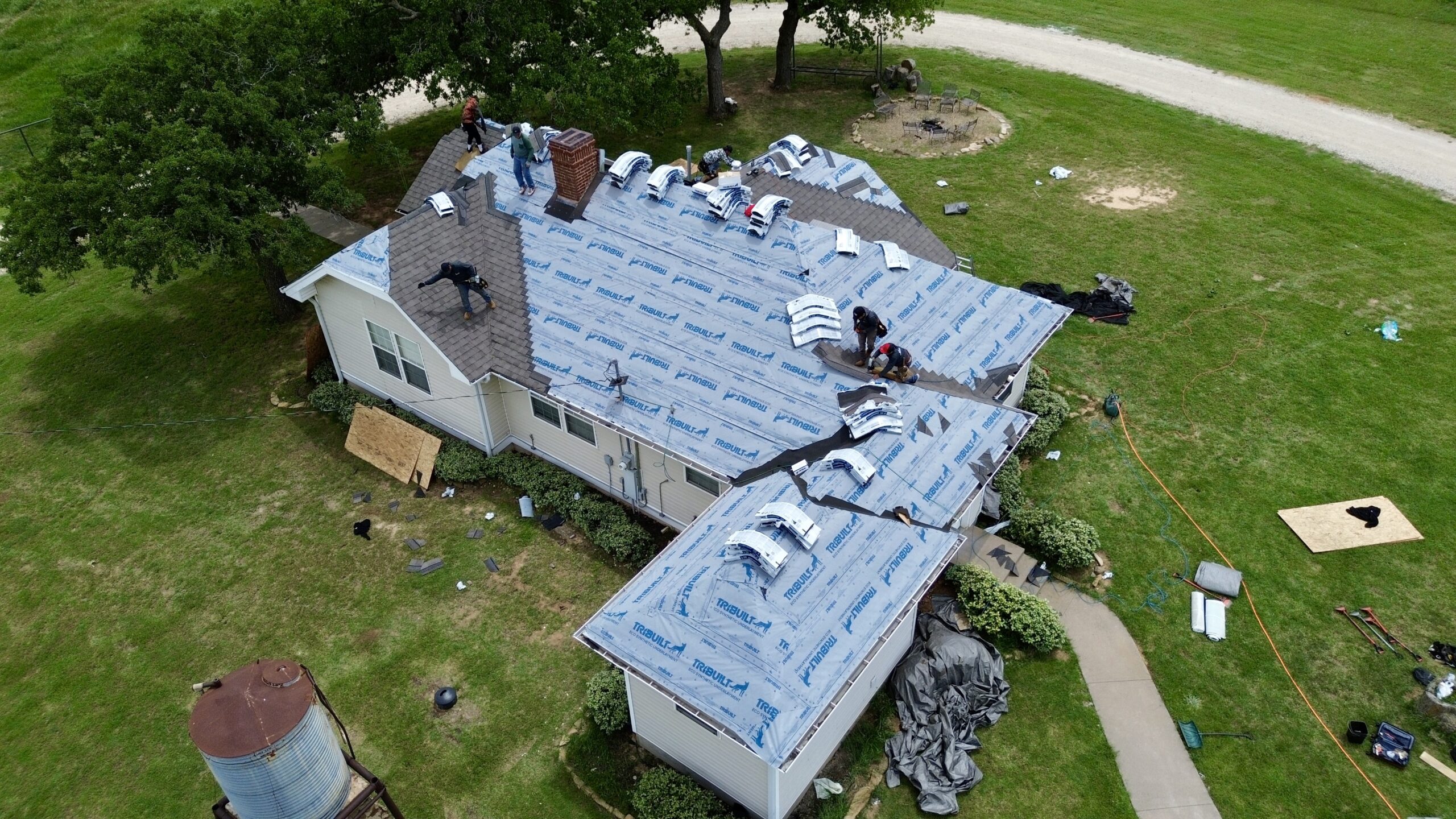
Underlayment is installed according to the roofing system’s requirements. It provides an additional layer of protection beneath the primary roofing material and can be particularly important around vulnerable areas.
Flashing is another critical component. Roof-to-wall transitions, valleys, chimneys, vents, skylights, and other penetrations need properly installed flashing to reduce the risk of water intrusion.
Synthetic shingles or tiles are then installed using the appropriate fasteners and spacing. Manufacturers typically provide detailed instructions regarding fastening locations, overlap, alignment, and other installation requirements.
The roof’s slope should also be considered. Some synthetic products may have minimum slope requirements, meaning they are not suitable for every roof design.
Ventilation should be addressed as part of the overall project. Appropriate attic or roof ventilation can help manage heat and moisture depending on the construction of the building.
Contractors should also account for roof edges and transitions. These areas can experience increased exposure to wind and water and therefore require careful detailing.
After installation, the roof should be inspected for damaged components, improper fasteners, alignment problems, exposed areas, and other visible concerns. Drainage systems should also be checked to ensure water can move away from the roof effectively.
Homeowners should retain installation documentation, product information, and warranty records after the project is completed. These records can be useful for future repairs and maintenance.
Synthetic roofing installation should therefore be treated as a complete roofing project rather than simply replacing visible shingles or tiles. Proper preparation, compatible components, correct fastening, careful flashing, and professional workmanship all contribute to the roof’s long-term performance.
Synthetic Slate Roofing Explained
Synthetic slate roofing is designed to reproduce the appearance of natural slate while using manufactured materials. It has become an option for homeowners who want the traditional appearance of slate but prefer a roofing product that may be lighter and easier to handle.
Natural slate is valued for its appearance and durability, but it can be heavy and may require a roof structure specifically designed to support its weight. Synthetic slate products are often manufactured with polymer, composite, or other engineered materials that can reduce weight while maintaining a similar visual style.
The appearance of synthetic slate can vary between manufacturers. Some products are designed to imitate the natural variations found in stone, while others provide more uniform colors and patterns.
One potential benefit is design flexibility. Synthetic slate may be available in different colors, profiles, and textures, allowing homeowners to select an appearance that complements the architectural style of the house.
Installation can also be different from natural slate installation. Because synthetic pieces may be lighter and manufactured with consistent dimensions, roofing crews may be able to handle and install them more easily.
However, synthetic slate still requires proper installation. The roof deck, underlayment, flashing, fasteners, valleys, and edges must all be prepared according to the product’s specifications.
Wind performance should also be considered. Homeowners in areas with strong storms should select a product with appropriate tested wind resistance and ensure that the installation meets local requirements.
Impact resistance varies between products as well. Some synthetic slate materials are engineered to withstand certain levels of impact, but homeowners should examine the manufacturer’s test information rather than assuming every product offers the same protection.
Sun exposure can also affect synthetic roofing. High-quality products may include UV-resistant features, but prolonged exposure can still influence color and surface appearance over time.
Maintenance generally involves inspections and cleaning rather than extensive treatment. Homeowners should check for damaged pieces, loose components, debris accumulation, and problems around flashing and drainage points.
Synthetic slate can be especially useful when homeowners want a classic appearance without the weight associated with natural slate. Its suitability ultimately depends on product quality, climate, roof structure, installation, and long-term maintenance.
Synthetic Shake Roofing for Residential Homes
Synthetic shake roofing is manufactured to resemble traditional wood shakes. It can provide a natural-looking appearance while using engineered materials designed to address some of the limitations associated with natural wood roofing.
Traditional wood shakes can develop problems when exposed to persistent moisture, insects, sunlight, or improper maintenance. Synthetic alternatives are manufactured to provide a more consistent product that can be designed with resistance to several environmental conditions.
The appearance of synthetic shakes can vary significantly. Some products are intentionally irregular to reproduce the character of hand-cut wood, while others have a cleaner and more uniform profile.
Color options may also be extensive. Manufacturers can produce synthetic shakes in shades that resemble cedar, weathered wood, or other traditional finishes.
One advantage of synthetic shake products is consistency. Because they are manufactured rather than individually cut from natural wood, pieces can have more predictable dimensions and installation characteristics.
Synthetic shakes can also be lighter than certain traditional roofing materials. However, homeowners should always verify the product’s actual weight and confirm that the roof structure and installation system are appropriate.
Moisture resistance can be an important consideration. Synthetic materials do not behave exactly like natural wood, and some products are designed to resist moisture absorption and related deterioration.
Fire performance should also be reviewed, particularly in areas where wildfire risk is significant. Synthetic shake products differ in their fire classifications, so homeowners should check the specific product rather than relying on the general category.
Maintenance can be relatively straightforward, but the roof should still be inspected regularly. Broken pieces, loose fasteners, damaged flashing, and debris should be addressed before they create larger problems.
Synthetic shake roofing may work particularly well on homes with traditional, rustic, or cottage-style architecture. It can provide the visual appeal of wood while giving homeowners another option for long-term roof performance.
The best results depend on selecting a product that matches the home’s climate and architectural requirements. Professional installation is also important because proper alignment, fastening, flashing, and ventilation contribute significantly to the final performance.
Synthetic Composite Roofing Materials
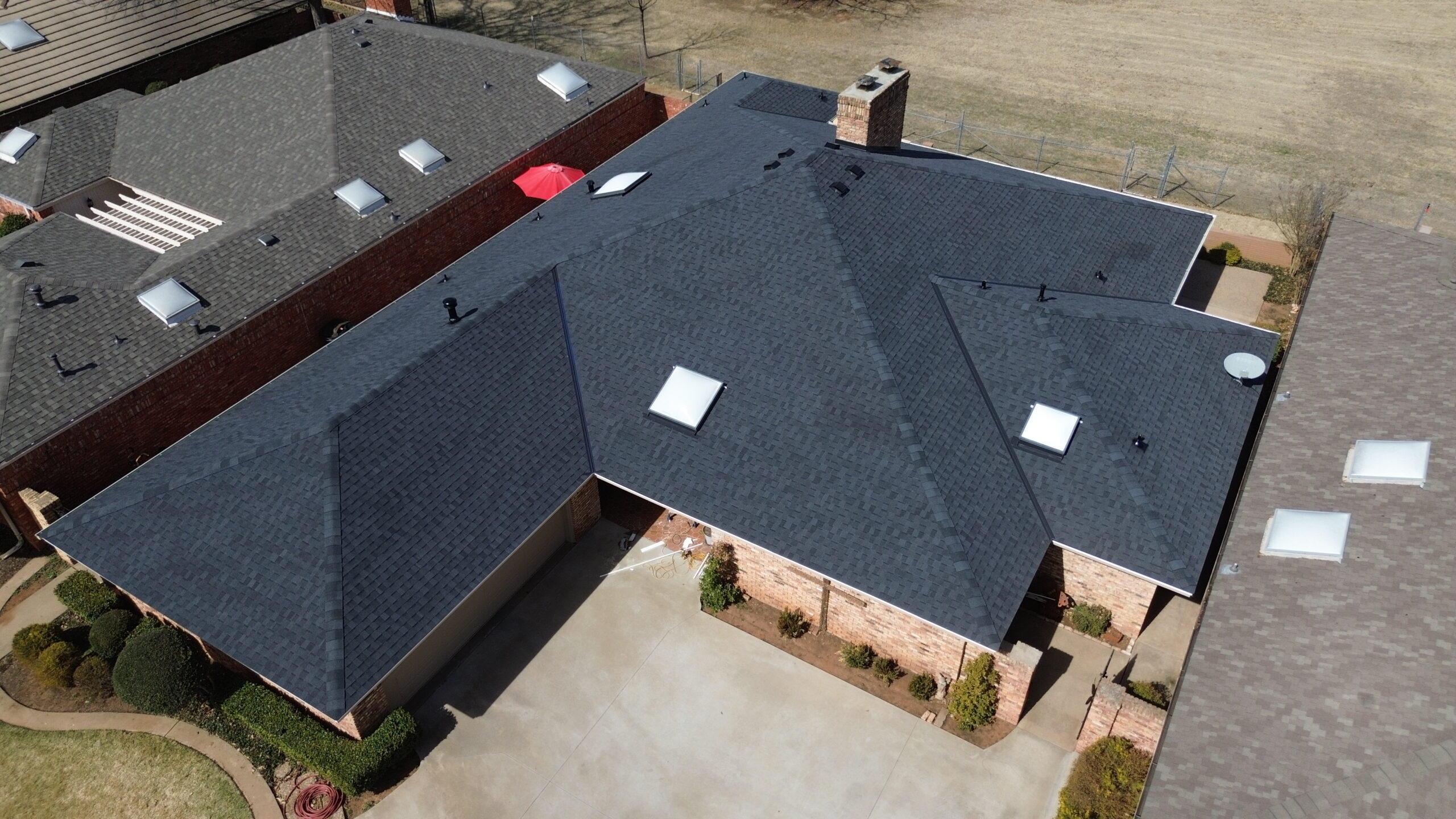
Synthetic composite roofing is a broad category that includes products made by combining different engineered materials. Manufacturers can use polymers, recycled materials, reinforcing components, mineral fillers, and other ingredients to create roofing products with specific characteristics.
Because the term composite covers many different formulations, homeowners should not assume that all composite roofing materials perform identically. Product specifications should be reviewed carefully before making a decision.
Some composite shingles are designed to resemble natural slate. Others imitate wood shakes, clay tiles, or other traditional roofing styles.
The ability to reproduce different appearances makes composite roofing attractive for a wide range of residential designs. Homeowners can select colors and profiles that complement both modern and traditional architecture.
Durability is another consideration. Composite materials can be engineered to resist moisture, sunlight, impact, and temperature changes, although the level of resistance varies between products.
Some products may incorporate recycled materials. This can be appealing to homeowners interested in reducing the use of newly produced raw materials, although environmental performance depends on the complete life cycle of the product.
Weight can vary as well. Some composite systems are designed to be lighter than natural slate or tile, which may simplify transportation and installation.
Installation requirements should always be confirmed with the manufacturer. Fastener type, spacing, roof slope, underlayment, flashing, and other details can differ from traditional roofing systems.
The following factors are useful when comparing synthetic composite products:
- Material composition and manufacturing method
- Wind and impact performance
- Fire classification
- Weight and roof structure requirements
- Warranty and maintenance requirements
Climate should remain part of the comparison. A product suitable for a mild climate may not have the same advantages in a region exposed to extreme heat, heavy snow, high winds, or frequent hail.
Homeowners should also investigate how repairs are handled. If an individual piece becomes damaged, replacement should be possible without requiring unnecessary removal of surrounding roofing.
Composite roofing can offer a balance between appearance and engineered performance. However, careful product research is essential because the category includes a wide range of materials with different characteristics.
Durability and Weather Resistance
Durability is one of the main reasons homeowners consider synthetic roofing materials. Manufacturers can engineer these products to withstand common environmental stresses, but actual performance depends on the specific product and installation.
Sunlight can gradually affect roofing surfaces. Synthetic products intended for long-term outdoor use may include additives or protective features designed to improve resistance to ultraviolet exposure.
Temperature changes can also influence roofing materials. Repeated expansion and contraction can place stress on roofing components, so appropriate fastening and installation methods are important.
Moisture resistance is another significant consideration. A synthetic roof must work with suitable underlayment and flashing to prevent water from reaching the roof deck.
Wind resistance depends on more than the material itself. Fasteners, attachment patterns, roof edges, and installation quality all influence how a roof responds during severe weather.
Hail can create physical damage, although some synthetic products are specifically designed to improve impact resistance. Homeowners should look for relevant test information when comparing materials for hail-prone areas.
Fire resistance can also vary considerably. Products may have different fire classifications depending on their construction and the complete roofing assembly.
Cold climates create their own challenges. Synthetic materials should be appropriate for the expected temperature range and should be installed according to manufacturer requirements.
Coastal properties may require special attention to corrosion-resistant fasteners and flashing. Even when the synthetic roofing surface itself resists environmental exposure, other roofing components can still deteriorate.
Durability should therefore be evaluated as a complete system. Important factors include:
| Performance Factor | What Homeowners Should Check |
|---|---|
| UV resistance | Suitability for prolonged sunlight |
| Wind resistance | Tested performance and fastening requirements |
| Impact resistance | Hail and debris protection |
| Moisture resistance | Material, underlayment, and flashing compatibility |
| Fire performance | Applicable fire classification |
| Temperature performance | Suitability for local temperature ranges |
A strong warranty can provide additional confidence, but homeowners should read the terms carefully. Warranty coverage may depend on approved installation methods, maintenance, product registration, or other conditions.
Synthetic roofing can provide reliable weather performance when the right product is selected for the environment. Proper installation remains essential because even a highly durable material can perform poorly when roofing details are neglected.
Maintenance and Repair Requirements
Synthetic roofing generally requires routine maintenance to preserve its appearance and performance. Although some products may require less treatment than natural wood, no roofing system should be considered maintenance-free.
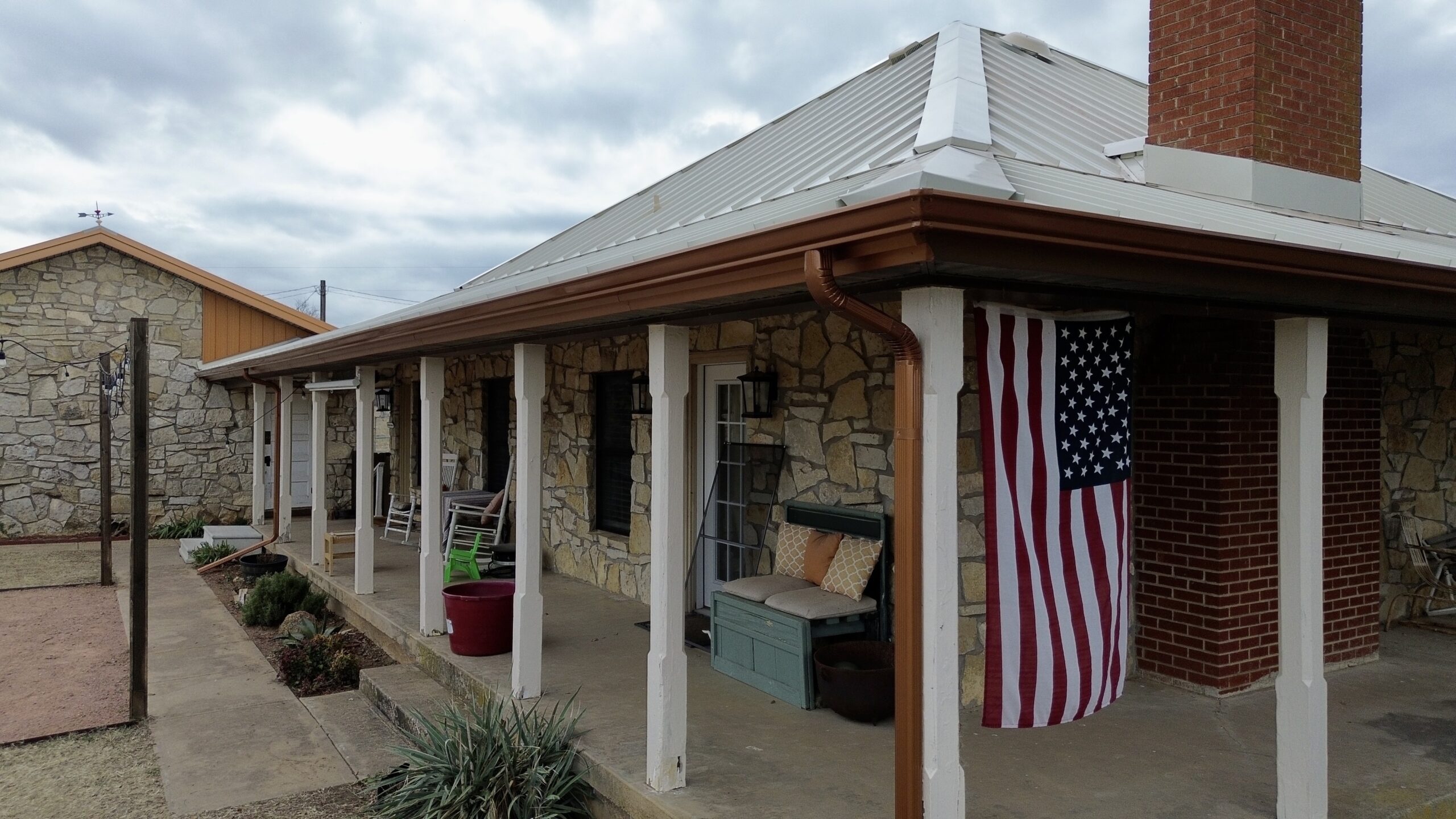
Inspections can help identify damaged pieces, loose fasteners, deteriorated flashing, debris, and drainage problems. Homeowners should schedule inspections according to the roof’s age, local climate, and exposure to severe weather.
After major storms, the roof should be checked for missing or damaged components. Strong winds, hail, and falling branches can damage synthetic materials even when the roof appears intact from ground level.
Gutters and downspouts should remain clear. Leaves and debris can prevent proper drainage and allow water to remain against roofing components for extended periods.
Roof valleys also deserve attention because they collect water and debris. Properly maintained valleys help direct rainfall toward the appropriate drainage system.
Homeowners should avoid using harsh chemicals or abrasive tools unless the roofing manufacturer specifically recommends them. Incorrect cleaning methods can damage surface finishes or affect the appearance of synthetic materials.
Foot traffic should also be minimized. While some synthetic products may be durable, unnecessary walking can cause damage, especially when roofing components are exposed to concentrated pressure.
Repairs should use compatible materials. A generic adhesive, sealant, or replacement component may not bond correctly with the existing synthetic roofing system.
If a piece is cracked or damaged, it may be possible to replace the individual component rather than the entire roof section. The exact repair method depends on the roofing product and the location of the damage.
Flashing should be inspected during repairs because leaks may originate around roof penetrations rather than from the synthetic roofing material itself.
A professional should evaluate widespread deterioration or repeated leaks. Continuing to patch an aging roof may become less practical if the underlying system has reached the end of its useful service life.
Regular maintenance is therefore an important part of protecting the investment in synthetic roofing. Simple inspections and timely repairs can help prevent small defects from developing into larger roofing problems.
Comparing Synthetic Roofing With Traditional Materials
Synthetic roofing is often considered because it offers an alternative to traditional materials such as natural slate, wood shakes, and tile. Comparing these options requires looking at appearance, weight, durability, installation, maintenance, and overall value.
Natural slate can provide a distinctive appearance and very long service life when properly installed. However, it can be heavy and may require specialized installation and structural support.
Synthetic slate can reproduce much of the visual character of natural slate while potentially reducing weight and simplifying handling. Its actual durability depends on the product and environmental conditions.
Natural wood shakes offer a traditional appearance but can require regular maintenance in certain environments. Synthetic shake products can provide a similar style while using engineered materials designed for different weather conditions.
Clay and concrete tiles are known for their durability and architectural appeal. Synthetic tile alternatives may provide a lighter option, although homeowners should compare their specific weather and impact performance.
Asphalt shingles remain a common residential roofing choice because they are widely available and can offer a practical balance between cost and performance. Synthetic products may provide additional design options or specialized characteristics but can have a higher initial cost.
Metal roofing is another important alternative. It can provide strong weather resistance and long service life, although appearance, noise, thermal behavior, and coastal corrosion considerations may influence the decision.
The right choice depends on the individual property. Homeowners should compare the expected service life, installation requirements, climate suitability, maintenance needs, warranty, and overall cost rather than selecting a material based solely on appearance.
Synthetic roofing can be particularly attractive when a homeowner wants a traditional appearance but prefers an engineered alternative. When carefully selected and professionally installed, it can provide a durable and visually appealing roofing solution for many residential properties.
Synthetic Roofing Costs and Long-Term Value
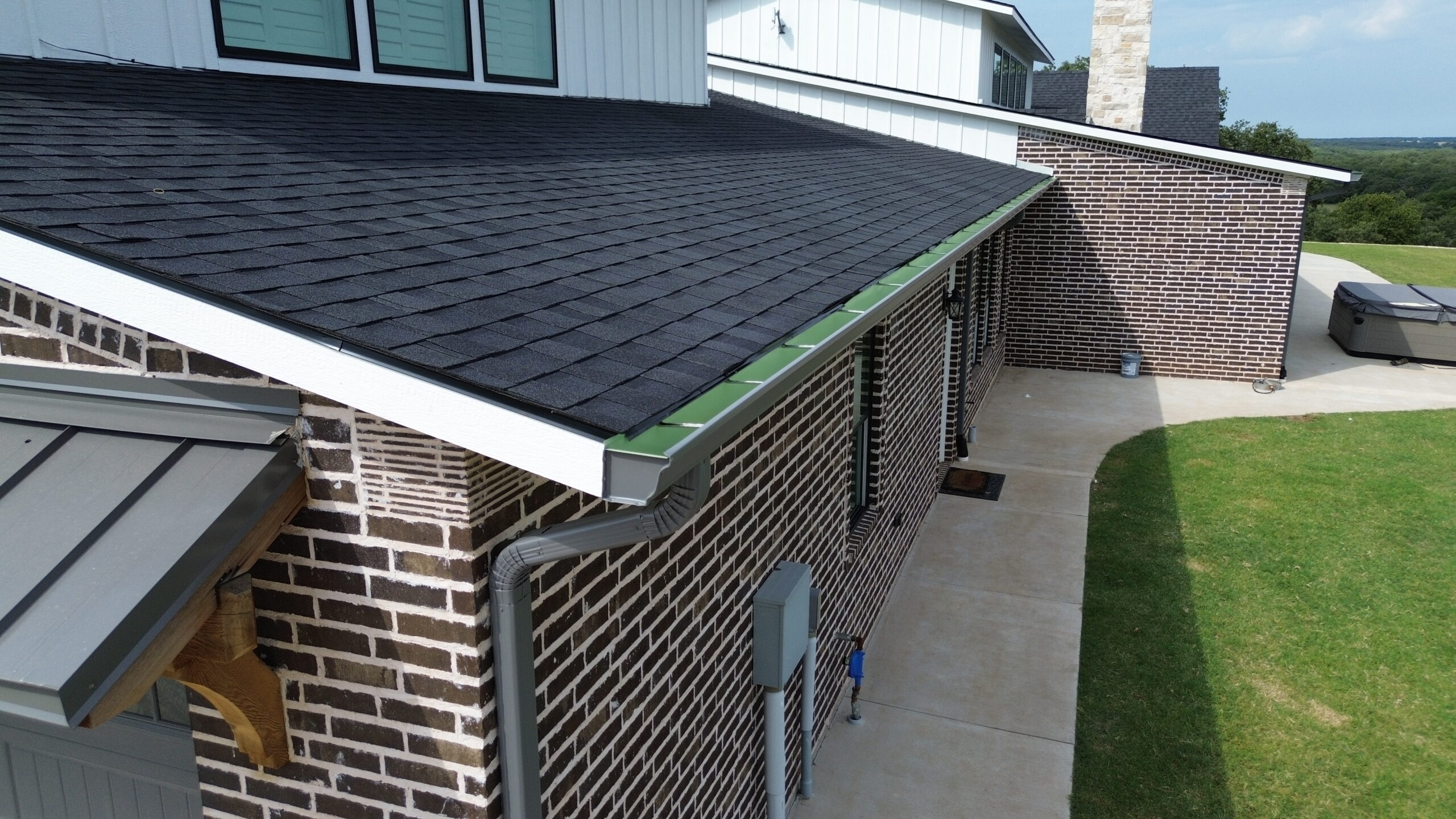
The cost of synthetic residential roofing depends on several factors, including the type of material, roof size, roof design, installation complexity, existing roof condition, and local labor rates. Synthetic slate, synthetic shake, and composite roofing products can have different price ranges, so homeowners should compare complete project estimates rather than judging materials by their purchase price alone.
The initial cost of synthetic roofing may be higher than some basic asphalt shingle systems. However, homeowners should also consider durability, maintenance requirements, expected service life, repair needs, and the potential cost of replacing the roof again in the future.
One advantage of certain synthetic materials is their relatively manageable weight. A lighter roofing product may simplify handling and transportation, although installation still requires proper equipment and skilled labor. If the existing structure requires fewer modifications, the overall project may become more practical.
Synthetic roofing can also provide long-term value through its resistance to common environmental conditions. Depending on the product, resistance to moisture, ultraviolet exposure, impact, wind, and temperature changes can help reduce premature deterioration.
Maintenance costs should also be included when comparing roofing materials. Some synthetic products may require less routine treatment than natural wood, while still needing inspections, cleaning, flashing maintenance, and occasional repairs.
Warranty coverage can affect the perceived value of a synthetic roofing system. Homeowners should review what the manufacturer covers, how long coverage lasts, and whether specific installation or maintenance requirements must be followed.
Energy performance can also influence long-term value. Certain synthetic roofing products may be available in reflective colors or finishes that can help manage solar heat, although insulation and ventilation remain important parts of overall energy efficiency.
The following factors can help homeowners evaluate the long-term value of synthetic roofing:
- Initial material and installation cost
- Expected service life
- Climate and weather resistance
- Maintenance and repair requirements
- Warranty coverage
- Weight and structural considerations
A higher initial investment may be worthwhile when a roofing system offers appropriate durability and requires manageable maintenance. The best financial decision depends on the specific property and how long the homeowner expects to keep the roof.
Environmental Considerations and Recyclability
Environmental performance is becoming an important consideration for homeowners selecting residential roofing materials. Synthetic roofing can have environmental advantages in certain situations, but its overall impact depends on manufacturing, transportation, installation, service life, and disposal.
Some synthetic roofing products incorporate recycled plastics, rubber, or other materials. Using recycled content can reduce the demand for certain virgin raw materials, although the environmental benefit varies depending on the product’s manufacturing process.
Durability is another environmental consideration. A roof that remains functional for many years may reduce the frequency of replacement and the amount of roofing waste generated over time.
Synthetic roofing can also provide alternatives to some naturally sourced materials. For example, synthetic slate may reduce dependence on quarried stone, while synthetic shake products can provide a wood-like appearance without using natural wood.
However, synthetic materials are still manufactured products, and many rely on polymer-based components. Their environmental performance should therefore be evaluated realistically rather than assuming that synthetic automatically means environmentally friendly.
End-of-life disposal is another important issue. Homeowners should ask manufacturers or contractors whether the specific roofing product can be recycled and whether local recycling facilities accept it.
Transportation can also influence environmental impact. A lightweight roofing material may require less transportation energy than a heavier alternative, but the actual difference depends on manufacturing locations, shipping distances, and project logistics.
Roofing products with long warranties and durable construction may provide better environmental value when they remain functional for extended periods. Frequent replacement can increase material consumption and construction waste.
Homeowners interested in environmentally responsible roofing should therefore consider the complete life cycle of the material. Recycled content, durability, repairability, recyclability, manufacturing practices, and disposal options can all contribute to the overall environmental profile.
Choosing the Right Synthetic Roofing Material
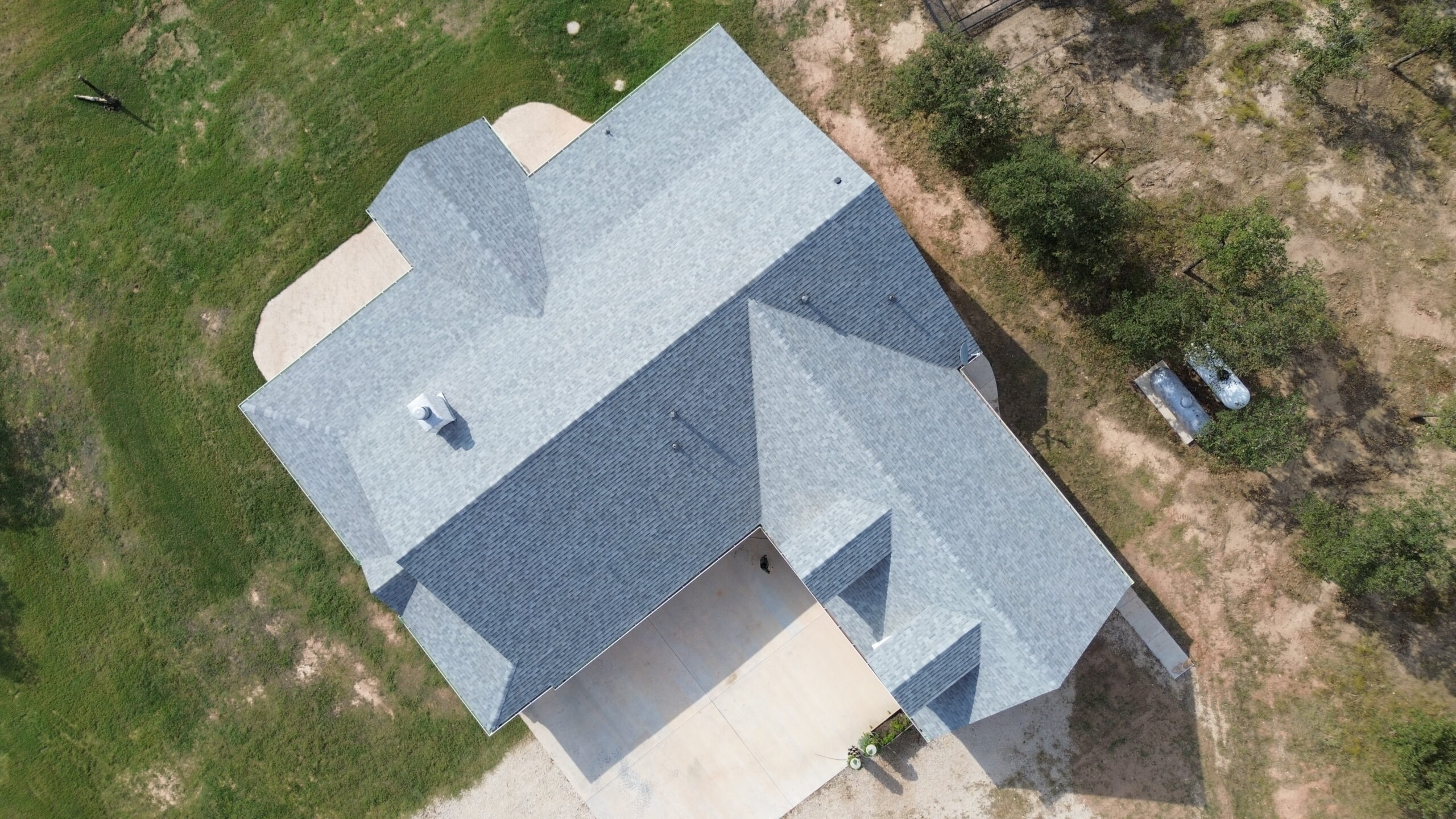
Choosing a synthetic roofing material should begin with the home’s specific requirements rather than appearance alone. Homeowners should first determine what type of traditional appearance or roofing profile they want and then compare synthetic products capable of providing it.
Climate should be one of the first practical considerations. Properties exposed to intense sunlight need suitable UV resistance, while homes in storm-prone areas may require strong wind and impact performance.
Rainfall and humidity should also influence the decision. The selected roofing system should work effectively with the home’s slope, drainage, underlayment, flashing, and ventilation.
Homeowners should examine product specifications carefully. Important information can include weight, wind rating, impact resistance, fire classification, temperature limitations, installation requirements, and warranty conditions.
The roof structure should also be evaluated. Although many synthetic products are relatively lightweight compared with certain natural materials, the actual product weight must be confirmed before installation.
Architectural appearance is another consideration. Synthetic slate can complement traditional or historic-style homes, while synthetic shake may work well with rustic designs. Composite products can offer a wider variety of styles for homeowners seeking flexibility.
Installation expertise should not be overlooked. A contractor who regularly installs asphalt shingles may not have the same level of experience with a specialized synthetic roofing system.
Homeowners should request detailed estimates from qualified contractors. Each estimate should clearly identify the roofing material, underlayment, flashing, ventilation work, removal of existing materials, labor, cleanup, and warranty information.
It is also useful to compare product samples before making a final decision. Synthetic roofing can look different under direct sunlight than it does in photographs or online images.
The following questions can help guide the selection process:
- Is the material appropriate for the home’s climate?
- Does the roof structure support the product’s weight?
- What wind, impact, and fire ratings does the product provide?
- How frequently does the roof require maintenance?
- What does the manufacturer warranty cover?
- Are replacement pieces readily available?
- Does the installer have experience with the specific product?
Taking time to answer these questions can help homeowners avoid choosing a roofing material simply because it looks attractive. A successful roof should provide an appropriate balance of appearance, performance, durability, maintenance, and cost.
Common Mistakes Homeowners Should Avoid
One common mistake is assuming that all synthetic roofing materials are essentially the same. Synthetic roofing includes many different products, and their composition, performance, installation requirements, and warranties can vary considerably.
Another mistake is choosing a material based entirely on appearance. A synthetic roof may successfully imitate slate or wood, but homeowners still need to confirm that the product is suitable for their local weather conditions.
Ignoring the existing roof structure can also create problems. Before installation, the roof deck and supporting structure should be evaluated to ensure that they are suitable for the proposed roofing system.
Poor drainage is another issue that should not be overlooked. Even a highly durable synthetic material can develop problems when water is allowed to remain on the roof or when gutters and drainage outlets are blocked.
Homeowners should also avoid selecting a contractor solely because the estimate is the lowest. Specialized synthetic materials may require specific installation techniques, and poor workmanship can reduce the performance of an otherwise high-quality product.
Using incompatible repair materials is another common problem. Adhesives, sealants, fasteners, and replacement pieces should be compatible with the specific synthetic roofing system.
Neglecting flashing can also lead to leaks. Roof penetrations, valleys, walls, chimneys, skylights, and edges require careful detailing because these areas are common locations for water intrusion.
Some homeowners may also assume that synthetic roofing is maintenance-free. Although certain products can require less maintenance than traditional materials, inspections and drainage care remain necessary.
Ignoring manufacturer instructions can affect warranty protection as well. Homeowners should keep installation records and follow recommended maintenance procedures.
Finally, homeowners should not overlook local building requirements. Wind, fire, snow, slope, and structural regulations can influence which roofing products are permitted for a specific property.
Avoiding these mistakes can improve the likelihood of achieving reliable long-term performance. Careful planning before installation is generally much easier and less expensive than correcting avoidable roofing problems later.
When Synthetic Roofing Is a Good Choice
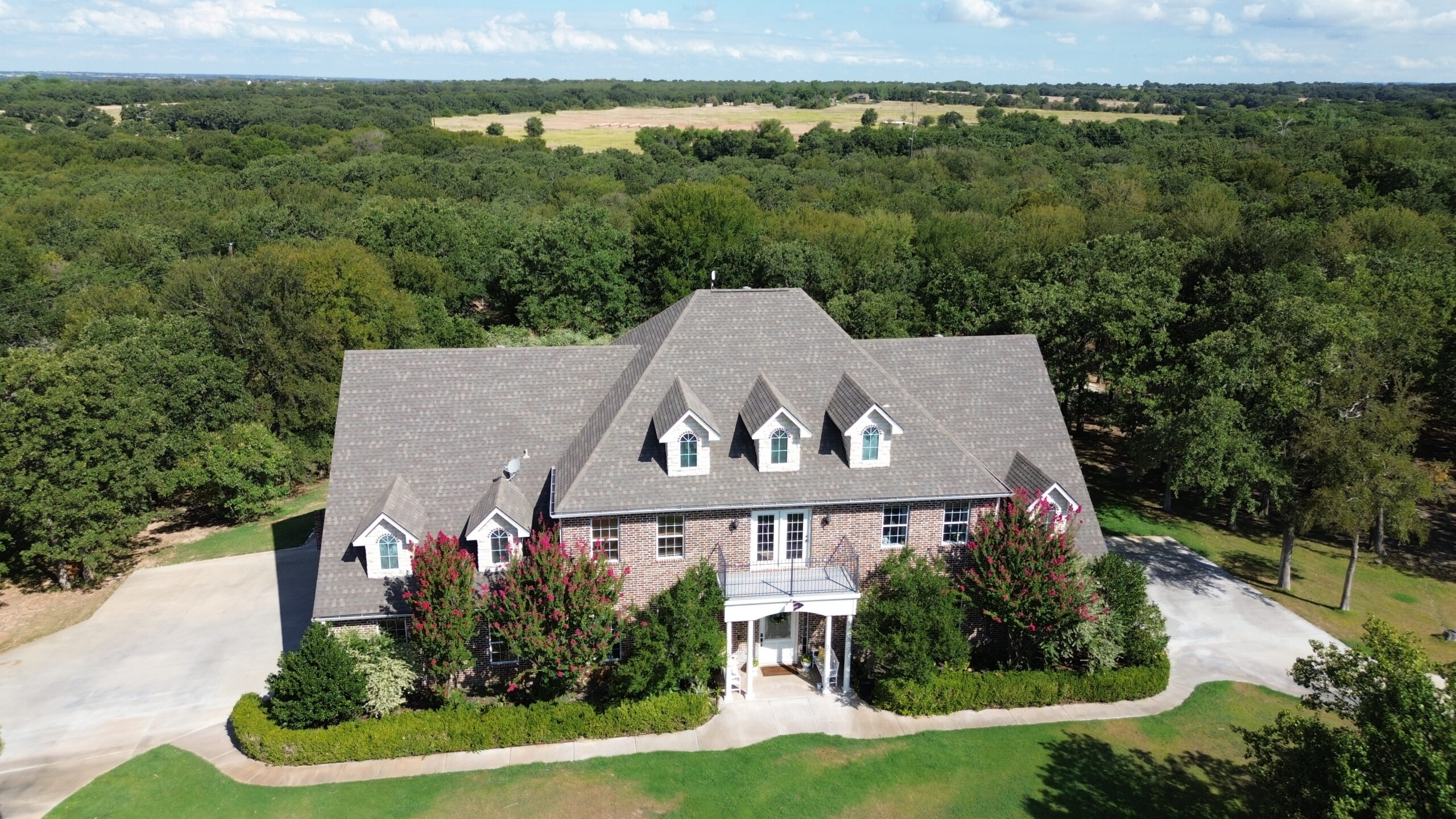
Synthetic roofing can be a strong option for homeowners who want the appearance of traditional roofing materials combined with engineered construction. It can be particularly useful when natural slate, wood, or tile presents concerns related to weight, maintenance, availability, or installation.
Homeowners interested in slate-style roofing may consider synthetic slate when they want a similar architectural appearance without the characteristics associated with natural stone. It can provide design flexibility while potentially reducing structural and handling challenges.
Synthetic shake can be useful for homes where a wood-style appearance is desired. It may provide an alternative for properties where natural wood requires more maintenance or where local environmental conditions make wood less practical.
Composite roofing can be suitable for homeowners seeking a broad selection of appearances and performance characteristics. Different products can be designed for specific requirements, making product comparison especially important.
Synthetic roofing can also be valuable for renovation projects. Homeowners restoring an older-looking property may want traditional visual character while using a modern manufactured roofing product.
It can be a practical option for homeowners who want to balance appearance and durability. However, suitability depends on the actual product, roof structure, climate, installation method, and maintenance expectations.
Synthetic roofing may not be the ideal choice for every property. Some homeowners may prefer asphalt shingles because of their lower initial cost, while others may choose natural slate, tile, or metal because of their specific performance characteristics.
The decision should therefore be based on the complete roofing system rather than marketing claims. Homeowners should compare products from reputable manufacturers and work with qualified roofing professionals who understand the selected material.
When properly chosen and installed, synthetic roofing can provide an attractive and durable alternative to several traditional roofing materials. Its greatest advantage is the combination of design flexibility and engineered performance.
Conclusion
Synthetic residential roofing materials provide homeowners with an alternative to traditional roofing products while offering a wide range of styles, construction types, and performance characteristics. Synthetic slate, synthetic shake, and composite roofing can reproduce familiar architectural appearances without necessarily using natural stone, wood, or other traditional materials.
One of the main advantages of synthetic roofing is flexibility. Manufacturers can produce materials in different colors, textures, profiles, and designs, allowing homeowners to achieve traditional or contemporary appearances while selecting an engineered roofing system.
Weight can also be an important benefit. Some synthetic products are lighter than natural slate or certain tile systems, which can simplify handling and installation. However, homeowners should always confirm the actual weight and structural requirements of the selected product.
Durability is another important consideration. Many synthetic roofing materials are designed to resist moisture, sunlight, wind, impact, and temperature changes, but performance varies between products. Homeowners should always review specific product specifications rather than assuming that every synthetic material provides identical protection.
Climate should remain central to the selection process. Hot climates may require strong UV resistance, storm-prone areas may require suitable wind and impact ratings, and wet environments demand effective waterproofing and drainage.
Maintenance is still necessary even when synthetic roofing is promoted as low-maintenance. Regular inspections, gutter cleaning, flashing checks, debris removal, and timely repairs can help protect the roof and extend its useful service life.
Environmental considerations should also be evaluated realistically. Some products contain recycled materials and may provide long service lives, but homeowners should consider manufacturing, transportation, repairability, and end-of-life disposal when assessing environmental performance.
The installation process is equally important. A high-quality synthetic roofing material can perform poorly when the roof deck, underlayment, flashing, fastening, ventilation, or drainage system is improperly installed.
Homeowners should compare several products and obtain detailed estimates from qualified contractors. Product specifications, warranty conditions, climate suitability, maintenance requirements, appearance, and long-term costs should all be reviewed before making a final decision.
Ultimately, synthetic roofing is not simply a substitute for traditional roofing. It is a broad category of engineered materials that can provide homeowners with new choices in appearance, performance, weight, and durability.
When the right product is matched with the right property and installed correctly, synthetic residential roofing can provide dependable protection and attractive long-term value. The best choice is the one that meets the home’s structural needs, climate demands, architectural style, budget, and maintenance expectations while providing reliable performance throughout its service life.