
Roof Installation Permit Requirements for Homeowners Explained
Introduction
Replacing or installing a roof is one of the most important home improvement projects a homeowner can undertake. Because the roof protects the property from rain, wind, heat, snow, and other weather conditions, roofing work must be completed correctly and in accordance with applicable building requirements. One part of the process that homeowners sometimes overlook is obtaining the proper roof installation permit.
A roofing permit is more than a piece of paperwork. It provides a way for local building authorities to verify that certain roofing work meets applicable safety and construction standards. Depending on where the home is located and what type of roofing work is being performed, a permit may be required before work begins.
Permit requirements are not identical everywhere. A homeowner replacing a roof in one city may face different requirements from someone completing a similar project in another city, even when the homes and roofing materials are comparable. Local building codes, weather conditions, property characteristics, and the scope of the project can all influence whether a permit is necessary.
Understanding the permitting process before hiring a roofing contractor can help homeowners avoid unexpected delays, additional costs, and compliance problems. It can also make it easier to understand what the contractor is responsible for and what documentation should be available throughout the project.
This guide explains the basics of roof installation permits, when they may be required, how local building codes influence roofing projects, and what homeowners should know before work begins. The goal is to make the process easier to understand so homeowners can approach a roof installation with greater confidence.
Understanding Roof Installation Permits
A roof installation permit is an authorization issued by a local building department or other responsible authority that allows certain roofing work to take place legally. The permit process gives officials an opportunity to review the proposed work and determine whether it follows the applicable building codes and regulations. In some cases, the process also includes inspections during or after the roofing work.
The exact name and format of a roofing permit can vary depending on the jurisdiction. Some local authorities issue a specific roofing permit, while others include roofing work under a broader building or construction permit. Because terminology and requirements differ, homeowners should check with the local building department before assuming that a permit is or is not required.
A permit should also be distinguished from an inspection. The permit gives authorization for the project to proceed, while an inspection allows a building official to examine the work and determine whether certain requirements have been met. A roofing project may require one or more inspections depending on the type and extent of the work.
Permitting requirements are generally intended to support safe construction and code compliance. They can help ensure that important elements such as roof structure, underlayment, flashing, ventilation, and fastening methods are addressed appropriately when those requirements apply to the project.
Why Roofing Permits Are Required
Roofing systems have a direct connection to the structural protection and weather resistance of a home. A poorly installed roof can allow water into the building, contribute to material deterioration, and create problems that may become increasingly expensive to repair. Building requirements help establish minimum standards for construction and installation.
Permits also create an official record that certain work was performed on the property. This documentation can become useful later if the homeowner sells the house, applies for certain approvals, completes additional construction, or needs to demonstrate that work was completed according to local requirements.
Another important purpose is inspection. When an inspection is required, a building official may be able to identify installation issues that would otherwise remain hidden after the roofing system has been completed. This is particularly important for components that become difficult to inspect once additional roofing materials are installed.
Homeowners should remember that a permit does not replace the need for a qualified roofing professional. A permit establishes regulatory approval for the work, but the quality of the installation still depends heavily on the contractor, materials, workmanship, and proper adherence to manufacturer instructions.
When Does a Roof Installation Require a Permit?
Whether a roofing project requires a permit depends primarily on local regulations and the scope of the work. Some jurisdictions may require permits for complete roof replacements, while others may have exemptions for certain minor repairs or maintenance activities. The safest approach is to verify the requirement with the relevant local authority before beginning work.
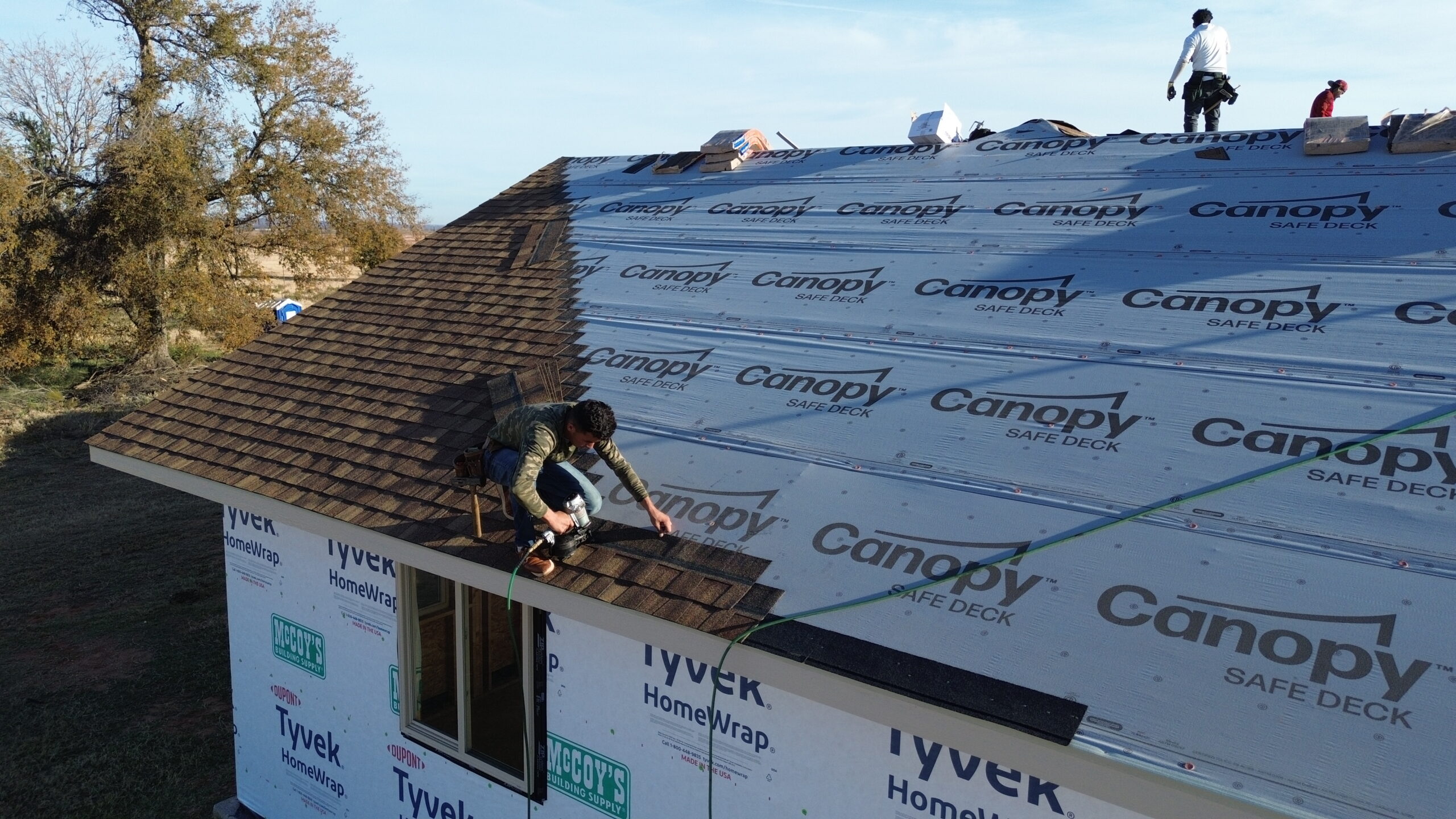
A full roof replacement is one of the situations in which a permit may commonly be required. Removing existing roofing materials and installing a new roofing system can involve changes to underlayment, flashing, ventilation, roof decking, and other components, which may bring the project under local permitting rules.
Structural repairs are another important consideration. If the project involves roof framing, damaged structural members, changes to the roof shape, or modifications that affect the building structure, additional approvals may be necessary. Structural work generally receives more regulatory attention than simple surface repairs because it can affect the safety and stability of the building.
Some minor repairs may not require a permit, but homeowners should not assume that every small repair is automatically exempt. Requirements can depend on the extent of the repair, the materials being replaced, the location of the property, and the rules established by the local building authority.
Roofing projects that may require homeowners to check permit requirements include:
- Complete roof replacement
- Replacement involving roof decking or structural components
- Major roof repairs after storm or weather damage
- Changes to roof design, shape, or structure
- Installation of certain new roofing systems
- Roofing work associated with larger home additions or renovations
The distinction between repair and replacement can also be important. Replacing a few damaged shingles may be treated differently from removing an entire roofing system and installing new materials, so homeowners should describe the planned work accurately when asking about permits.
How Local Building Codes Affect Roofing Permits
Local building codes play a major role in determining how roofing projects must be completed. These codes establish requirements intended to address issues such as structural safety, weather protection, fire resistance, ventilation, materials, and installation methods. The applicable requirements can change based on the property’s location and environmental conditions.
Weather is particularly important when it comes to roofing standards. Homes in areas exposed to strong winds may have requirements for fastening and wind resistance, while properties in regions that experience heavy snowfall may have additional structural considerations. Areas exposed to intense heat, heavy rainfall, hurricanes, or wildfires can also have specific roofing requirements.
The type of roofing material can influence the applicable requirements as well. Asphalt shingles, metal roofing, tile, slate, and other roofing systems can have different installation methods and material specifications. Homeowners should therefore make sure the contractor understands which roofing system will be installed before the permit application is prepared.
Building codes may also address the condition of the existing roof. In some circumstances, a contractor may discover damaged or deteriorated decking after the old roofing material has been removed. If structural components need to be repaired or replaced, additional work may need to be addressed before the new roofing system can be installed.
Why Homeowners Should Check Requirements Before Work Begins
One of the easiest ways to avoid roofing permit problems is to check requirements before scheduling the project. Waiting until the roofing crew has already arrived can create unnecessary complications, particularly if the local authority requires documentation or approval that has not yet been obtained.
Homeowners should identify the appropriate building department or permitting authority for the property. The authority can explain whether the proposed work requires a permit, which documents are needed, how fees are calculated, and whether inspections will be part of the process.
It is also useful to discuss permitting with the roofing contractor before signing the final agreement. A professional contractor should be able to explain how permitting is normally handled for the type of project being proposed, although homeowners should still verify the information with the appropriate local authority.
If a homeowner is unsure whether the work qualifies as a repair or replacement, providing the building department with a clear description of the project can help. It is better to confirm the requirements before work begins than to discover later that an approval was required.
Who Is Responsible for Obtaining the Roofing Permit?
Responsibility for obtaining a roofing permit can vary depending on local rules and the agreement between the homeowner and contractor. In many projects, the roofing contractor handles the application and permit process on behalf of the homeowner. However, homeowners should never assume that this responsibility has been taken care of without confirming it.
A contractor may include permit fees in the project estimate or list them as a separate cost. The contract should clearly identify who will apply for the permit, who will pay the associated fees, and who will coordinate required inspections.
When homeowners hire a contractor, they should ask a few basic questions before work begins:
- Does this roofing project require a permit in my area?
- Who will submit the permit application?
- Are permit fees included in the project price?
- Who will schedule the required inspections?
- Will I receive copies of the approved permit and inspection records?
Having these details in writing can prevent misunderstandings later. It also gives the homeowner documentation showing how permitting responsibilities were handled.
Homeowners who plan to complete roofing work themselves may have different responsibilities. In jurisdictions that allow homeowners to obtain permits for their own projects, the homeowner may need to submit the application, provide project details, pay the required fees, and arrange inspections.
Basic Documents and Information Needed for a Roofing Permit
The information required for a roofing permit depends on the jurisdiction and the complexity of the project. Simple roof replacement projects may require relatively straightforward information, while structural modifications can require plans, drawings, engineering documentation, or additional approvals.
Property information is commonly needed to identify the location and ownership of the project. The application may also request details about the existing roof, the proposed roofing material, the estimated scope of work, and the contractor performing the installation.
Material information can be particularly important when the local code includes specific performance or installation requirements. The contractor may need to identify the roofing product, underlayment, flashing materials, fasteners, or other components being used.
For more complex projects, drawings or plans may be required. If the roof structure is being changed, the building department may need additional information to evaluate the proposed modification before approving the work.
Homeowners should keep copies of the documents associated with the project. Permit applications, approvals, inspection records, contractor information, material documentation, and final approvals can provide a useful record of the work performed on the property.
What Homeowners Should Know Before Applying
The permitting process becomes easier when the homeowner has a clear understanding of the planned roofing work. Before submitting an application, it is helpful to know whether the project involves a complete replacement, partial repair, structural work, or another type of modification.
The selected roofing material should also be established early. Different materials can have different code requirements, and changing the roofing system after an application has been submitted may require the permit information to be updated.
Homeowners should also determine whether other aspects of the project could affect permitting. For example, changes involving roof structure, ventilation, skylights, solar equipment, or other roof-mounted components may involve requirements beyond a basic roof replacement.
The most important step is to avoid treating permitting as an afterthought. When homeowners understand the requirements before construction begins, they can coordinate more effectively with their contractor and reduce the risk of delays during the project.
The Roof Installation Permit Application Process
Once a homeowner has confirmed that a roof installation or replacement requires a permit, the next step is understanding the application process. Although procedures vary between local building departments, the general process usually involves identifying the correct permit, preparing the required information, submitting the application, and waiting for approval before regulated work begins. Starting this process early can help prevent construction delays and scheduling problems.
The first step is usually contacting the local building department or permitting authority. Homeowners can explain the type of roofing project they are planning and ask which permit applies to the work. The department can also explain application requirements, fees, inspection procedures, and any special rules that may apply to the property.
After determining the appropriate permit, the homeowner or contractor gathers the required project information. This may include the property address, contractor details, description of the work, roofing materials, estimated project value, and information about structural changes. More complicated projects may require drawings, engineering documents, or additional supporting information.
The application is then submitted through the method provided by the local authority. Some jurisdictions accept applications online, while others require applications to be submitted in person or through a specific permitting system. The application should be completed carefully because missing or inaccurate information can lead to requests for corrections and potentially delay approval.
Permit fees are generally paid as part of the application process. The amount can vary significantly depending on the location, project value, type of work, and local fee structure. Homeowners should ask whether the contractor’s estimate includes these costs or whether they will be paid separately.
Once the application is reviewed and approved, the permit is issued. The permit documentation should be kept in an accessible location because it may contain important information about inspections, project conditions, and approval requirements. Work that requires an approved permit generally should not begin simply because an application has been submitted.
What Happens After a Roofing Permit Is Approved?
An approved permit does not necessarily mean that the entire roofing project is finished from a regulatory perspective. In many cases, the permit establishes conditions that must be followed throughout construction. The homeowner and contractor may need to schedule inspections at specific stages of the work.
The permit may also specify an expiration date or other conditions that affect the project. If construction takes longer than expected, the contractor or homeowner may need to contact the permitting authority to determine whether an extension or other action is necessary.
The contractor should keep the permit information available at the property when required by local rules. Building officials may need to see the permit during an inspection, and having the documentation readily available can make the process more efficient.
Homeowners should also pay attention to changes in the original scope of work. If the contractor discovers significant structural damage or proposes changes that were not included in the original application, the local building department may need to review those changes before the additional work is completed.
What Building Officials Look for During Roof Inspections
Roof inspections are designed to determine whether the work meets applicable requirements at the stage being inspected. The exact inspection process varies by jurisdiction, but officials may examine different components of the roofing system depending on the project and local code.
The roof deck is one area that can receive attention during a roofing project. Once the old roofing materials have been removed, damaged, deteriorated, or improperly supported decking may become visible. If the deck requires repair or replacement, the contractor may need to address those problems before the new roofing system can be completed.
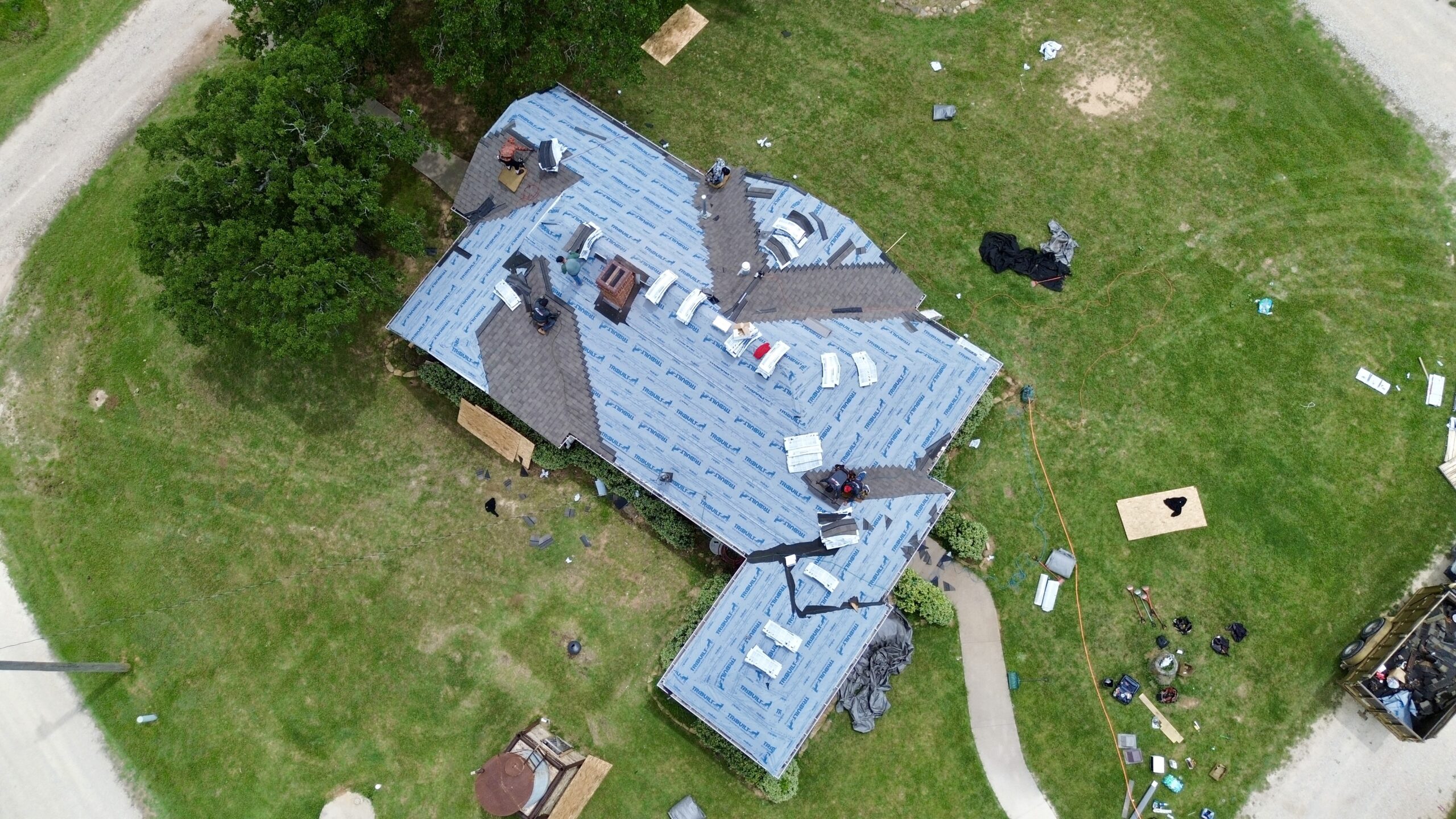
Underlayment is another important part of the roofing system. Depending on the roofing material and local requirements, officials may check whether the appropriate underlayment has been installed correctly and whether it provides the required protection against moisture.
Flashing can also be important during an inspection. Areas around chimneys, walls, valleys, skylights, vents, and other roof penetrations are particularly vulnerable to water intrusion, so proper flashing installation is an important part of a durable roofing system.
Ventilation may also be reviewed where applicable. Proper roof ventilation can help manage heat and moisture within the roof assembly, although requirements vary according to the building design, climate, roofing system, and applicable codes.
Fastening and installation methods can receive attention as well. Roofing materials generally need to be secured using methods appropriate for the product and local requirements, particularly in areas exposed to strong winds or other severe weather conditions.
Common Roofing Permit Requirements Homeowners Should Know
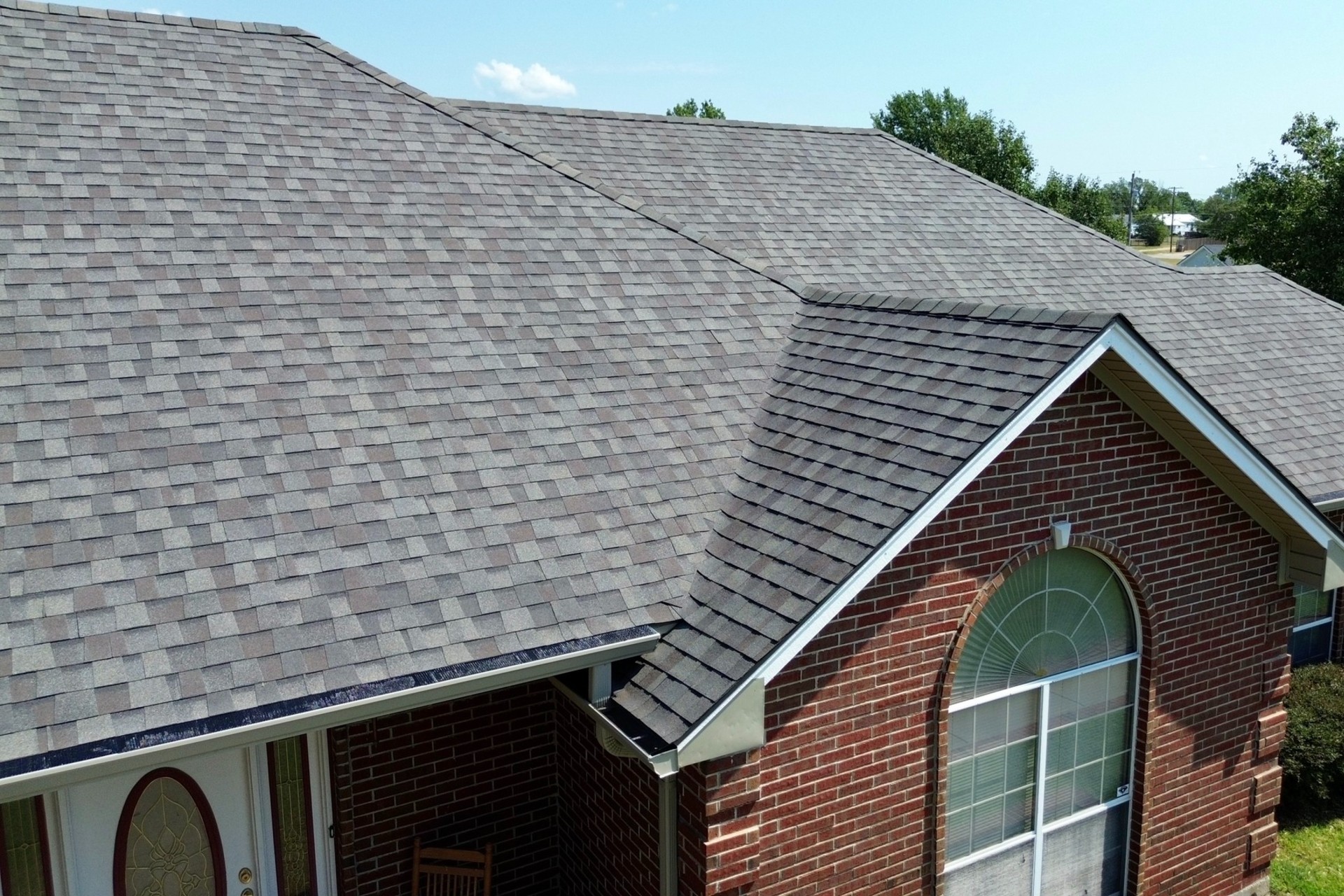
Roofing permit requirements can be highly specific, but homeowners should understand several common areas that may be addressed during the permitting and inspection process. Knowing these areas makes it easier to discuss the project with a contractor and understand why certain installation details matter.
Roofing Material Requirements
The roofing material selected for the project may need to meet applicable performance and installation standards. Product specifications can vary between manufacturers and roofing systems, so contractors should use materials that are appropriate for the project and installed according to applicable requirements.
Some jurisdictions may have restrictions or additional requirements based on fire exposure, severe weather, historic preservation, or other local conditions. Homeowners should confirm that their chosen material is acceptable before purchasing large quantities of roofing products.
The installation method can be just as important as the material itself. Even a high-quality roofing product may fail to perform as intended if it is installed incorrectly or without the components required by the manufacturer or applicable building requirements.
Underlayment Requirements
Underlayment is installed beneath many roofing systems and provides an additional layer of protection against moisture. The type, placement, and installation method can depend on the roofing material, roof slope, climate, and applicable building requirements.
Certain areas of a roof may require enhanced protection because they are more vulnerable to water accumulation or weather exposure. The contractor should understand these requirements before installation rather than attempting to determine them after the roofing material has already been installed.
Flashing Requirements
Flashing helps direct water away from vulnerable areas where different surfaces meet. These locations can include roof valleys, walls, chimneys, skylights, vents, and other penetrations.
Poorly installed flashing is a common source of roofing problems because water can enter through small gaps or improperly sealed transitions. Proper flashing design and installation therefore form an important part of a compliant roofing system.
Ventilation Requirements
Roof ventilation can help manage heat and moisture in attic and roof spaces. Depending on the construction and local requirements, a roofing project may need specific ventilation provisions.
Replacing a roof can provide an opportunity to identify existing ventilation problems. However, homeowners should not assume that adding vents automatically improves the roof because ventilation must be designed and balanced appropriately for the building.
Fastener Requirements
Fasteners play a major role in keeping roofing materials securely attached to the structure. Their type, spacing, placement, and installation method may be addressed by building requirements or manufacturer instructions.
This can be especially important in regions that experience strong winds. Using an inappropriate fastener or an incorrect fastening pattern can reduce the performance of the roofing system even when the visible roof surface appears properly installed.
Drip Edge Requirements
A drip edge is a component used along certain roof edges to help direct water away from the roof assembly and protect vulnerable edge areas. Whether and where it is required depends on the roofing system and applicable requirements.
Because drip edge installation involves coordination with other roofing components, it should be planned before the installation begins. A contractor should understand how the edge detail will interact with the underlayment, fascia, gutters, and roofing material.
Ice and Water Protection
In colder climates, additional protection may be required in areas vulnerable to ice dams or water intrusion. The specific requirements depend on the climate and applicable building regulations.
Homeowners living in warmer regions may not encounter these requirements, which illustrates why roofing regulations cannot be treated as identical from one location to another. Local conditions are an important part of determining the correct roofing installation approach.
Wind and Weather Resistance
Roofing systems in areas exposed to severe weather may have additional performance requirements. Wind resistance, fastening methods, material ratings, and installation details can become especially important where strong storms are common.
Homeowners should ask their contractor which weather-related requirements apply to the property. Meeting these requirements can help ensure that the roof is prepared for the environmental conditions it is expected to experience.
Roof Installation Permit Fees and Other Potential Costs
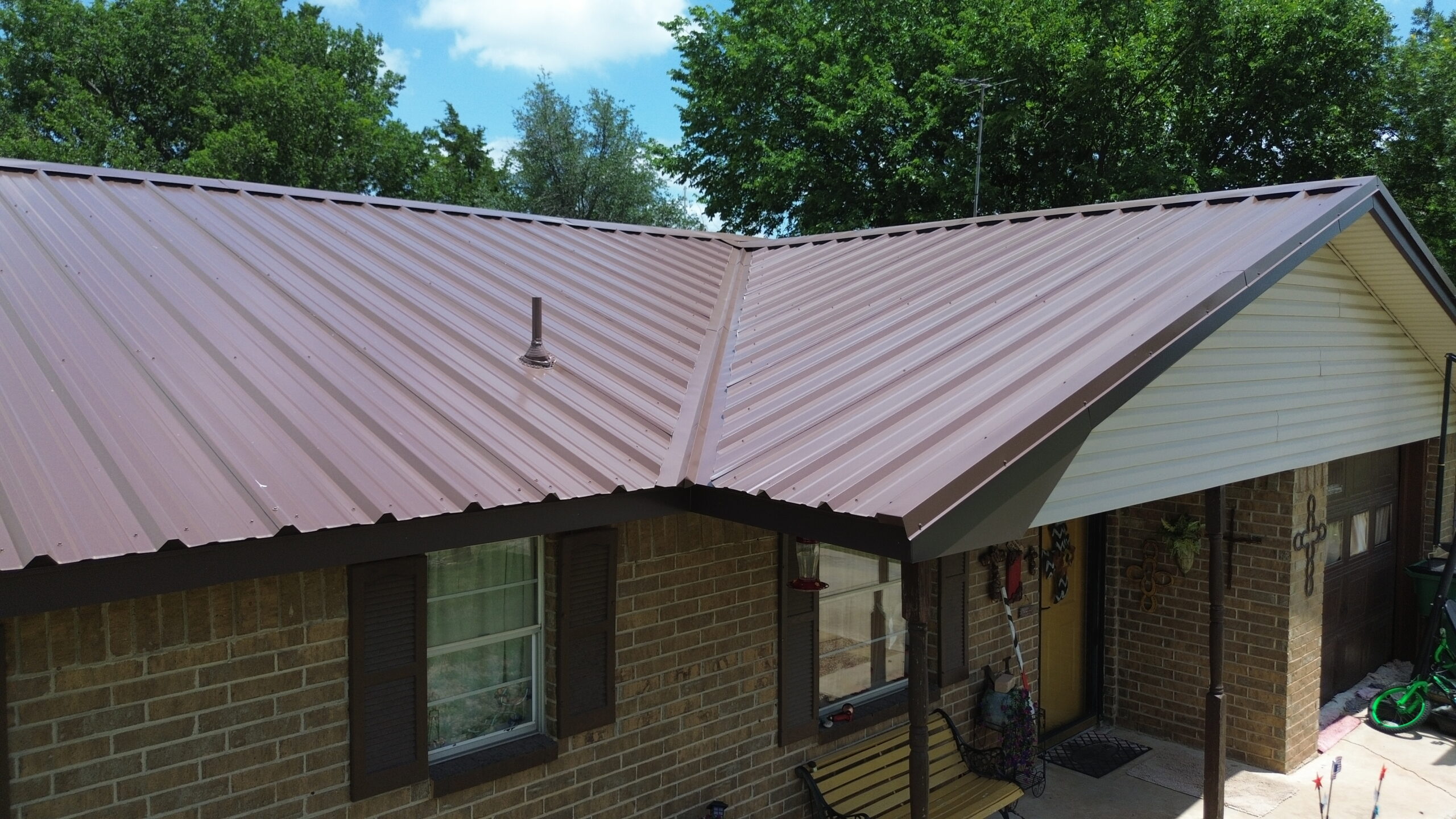
Permit fees are an important part of the total cost of a roofing project, but they are not necessarily the largest expense. Homeowners should understand how permitting costs are calculated so they can create a more accurate project budget.
Some jurisdictions base permit fees on the estimated value of the construction work, while others use specific fee schedules for different types of projects. Additional charges may apply for plan reviews, special inspections, expedited processing, or other services depending on local procedures.
The roofing contractor may include permit costs within the overall project estimate. In other cases, the permit fee may appear as a separate line item. Homeowners should review the contract carefully so they know which permitting expenses are included and which may be paid directly to the local authority.
A homeowner should also consider the possibility of additional construction costs if inspections reveal problems with the existing roof. For example, removing old roofing materials may expose deteriorated decking or structural damage that could not be fully evaluated before construction began.
These unexpected expenses do not necessarily mean the permit caused the additional cost. In many cases, the inspection and removal process simply reveals conditions that already existed beneath the old roofing system. Addressing those problems before completing the new roof can help prevent larger issues later.
What Happens If You Install a Roof Without a Required Permit?
Starting roofing work without a required permit can create serious complications. The consequences depend on local regulations, the nature of the violation, and whether the work can be brought into compliance after construction has started.
A building department may issue a notice requiring the homeowner or contractor to stop work. This can interrupt the roofing schedule and leave the property partially completed until the required approvals are addressed.
Fines or additional fees may also be imposed in some jurisdictions. The homeowner may have to pay more than the original permit fee because the work was started without following the required process.
Another problem is that officials may need to inspect work that has already been covered. If an important component of the roof is no longer visible, determining whether it was installed correctly can become more difficult. In some situations, portions of the work may need to be exposed or removed so that the required inspection can take place.
Unpermitted work can also create difficulties when the property is sold. A future buyer, lender, insurer, or inspector may ask for documentation showing that major renovations were properly authorized. If records are missing, the homeowner may have to resolve the issue before the transaction can move forward smoothly.
Insurance considerations can also make proper documentation important. Insurance policies and claims are governed by their own terms, so homeowners should not assume that an unpermitted roof will automatically be covered or excluded. Keeping proper permit and inspection records provides useful documentation about how the roofing project was completed.
How Homeowners Can Avoid Roofing Permit Problems
The best way to avoid permit problems is to address the issue before construction begins. Homeowners should not rely solely on assumptions based on what neighbors or friends experienced because permit requirements can vary between jurisdictions and projects.
A homeowner should first verify whether the proposed roofing work requires a permit. The local building department can provide the most relevant information for the property, while an experienced local roofing contractor may also be familiar with the typical process.
The contractor’s responsibilities should be clearly established in the written agreement. If the contractor is responsible for obtaining the permit, the homeowner should know when the application will be submitted and how proof of approval will be provided.
Homeowners should also keep copies of important project records. These documents can include the approved permit, inspection results, invoices, contracts, product information, warranties, and other paperwork associated with the roofing project.
Before work begins, homeowners should make sure they understand the inspection process. Knowing when inspections are expected can help prevent a situation where roofing work moves ahead before an official has had an opportunity to inspect a required stage.
Questions to Ask a Roofing Contractor About Permits
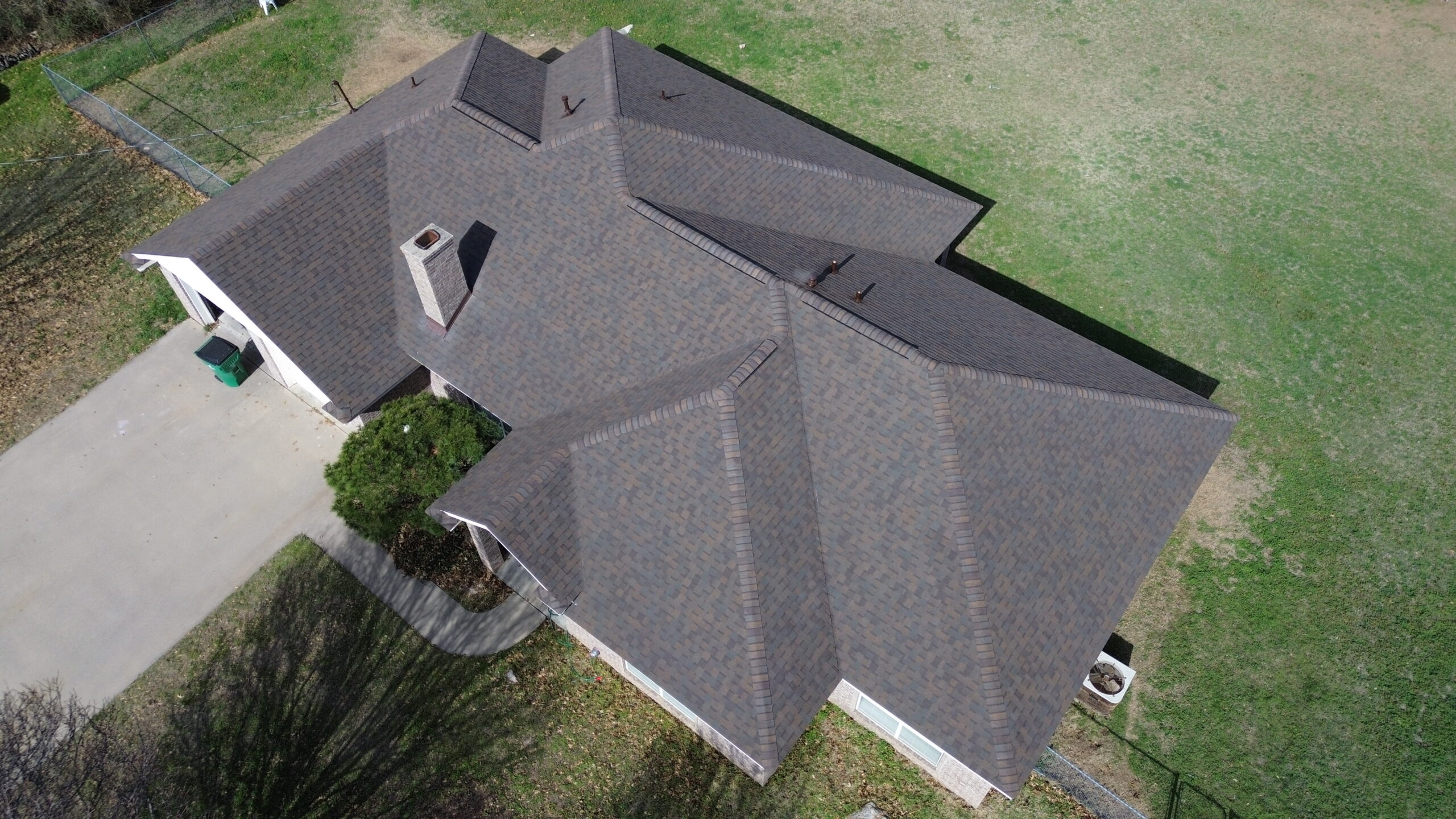
A roofing contractor should be willing to discuss permitting as part of the project planning process. If a contractor avoids the subject or suggests that permits are unnecessary without providing a clear reason, homeowners should verify the information independently.
One useful question is whether the proposed roof installation requires a permit in the property’s jurisdiction. The answer should be based on the actual scope of work rather than a general statement that roofing projects never require permits.
Homeowners should also ask who will obtain the permit and who will communicate with the building department. If the contractor is handling the process, the homeowner should understand whether the permit will be issued under the contractor’s information, the homeowner’s information, or another arrangement allowed by local regulations.
It is also important to ask how inspections will be handled. The contractor should explain which stages may require inspection and who will schedule those visits with the building department.
Finally, homeowners should ask whether permit costs are included in the estimate. A clear answer can prevent unexpected charges and make it easier to compare proposals from different contractors.
A Practical Roofing Permit Responsibility Guide
The following table provides a general overview of responsibilities that homeowners and contractors may encounter during a permitted roofing project. Actual responsibilities can vary according to local law and the terms of the contract, so the table should be used as a planning guide rather than a substitute for local requirements.
| Roofing Permit Task | Homeowner | Roofing Contractor |
|---|---|---|
| Confirm whether a permit is required | Should verify | Should advise |
| Prepare project information | Provide property details | Provide technical details |
| Submit permit application | May submit if required | Often handles application |
| Pay permit fees | Depends on agreement | Depends on agreement |
| Follow approved project scope | Monitor overall project | Responsible for installation |
| Schedule inspections | Depends on local process | Often coordinates inspections |
| Address inspection corrections | Coordinate with contractor | Complete required corrections |
| Keep permit records | Should retain copies | Should provide relevant documents |
| Obtain final approval | Should confirm | Should assist with completion |
Clear communication between the homeowner and contractor can make these responsibilities easier to manage. When each party understands what they are expected to do, there is less chance of a permit application being overlooked or an inspection being missed.
Why Permit Planning Should Be Part of the Roofing Contract
A roofing contract should explain more than the price of materials and labor. It should give the homeowner a clear understanding of what work will be performed, which materials will be used, and how responsibilities such as permits and inspections will be handled.
Permit-related language can be particularly useful when the project involves a complete roof replacement or structural repairs. Homeowners should know whether the contractor’s price includes the permit application, permit fees, inspection coordination, and any ordinary administrative work associated with obtaining approval.
The contract should also describe how unexpected conditions will be handled. If the old roof is removed and significant decking or structural damage is discovered, the homeowner and contractor should have a process for documenting the problem and agreeing on additional work.
Written documentation can reduce disputes because both parties can refer to the same agreed scope of work. It also gives the homeowner a useful record of what was planned if questions arise during construction.
What Homeowners Should Do Before the Roofing Crew Arrives
Before the first day of installation, homeowners should confirm that the project is ready to proceed from both a construction and permitting perspective. If a permit is required, the homeowner should have confirmation that it has been approved rather than assuming the contractor has completed the process.
The homeowner should also review the project scope with the contractor. This is a good time to confirm the roofing material, expected work areas, estimated schedule, access arrangements, and any special requirements associated with the property.
If inspections are required, the homeowner should understand approximately when they will occur. Inspection timing can affect the roofing schedule, especially if certain work must remain visible until an official has completed an inspection.
The property should also be prepared for construction activity. Outdoor furniture, vehicles, landscaping items, and other property features may need to be moved or protected before roofing materials and equipment arrive.
Most importantly, homeowners should avoid allowing work to proceed outside the approved scope without first understanding whether additional authorization is necessary. A seemingly small change can sometimes affect the permit or inspection requirements.
With the permit application submitted, approval obtained, and responsibilities clearly assigned, the project can move into the inspection and construction stage. Understanding what inspectors look for and how roofing components are evaluated gives homeowners a better idea of what happens while the new roof is being installed.
Roofing Permit Inspections and Project Completion
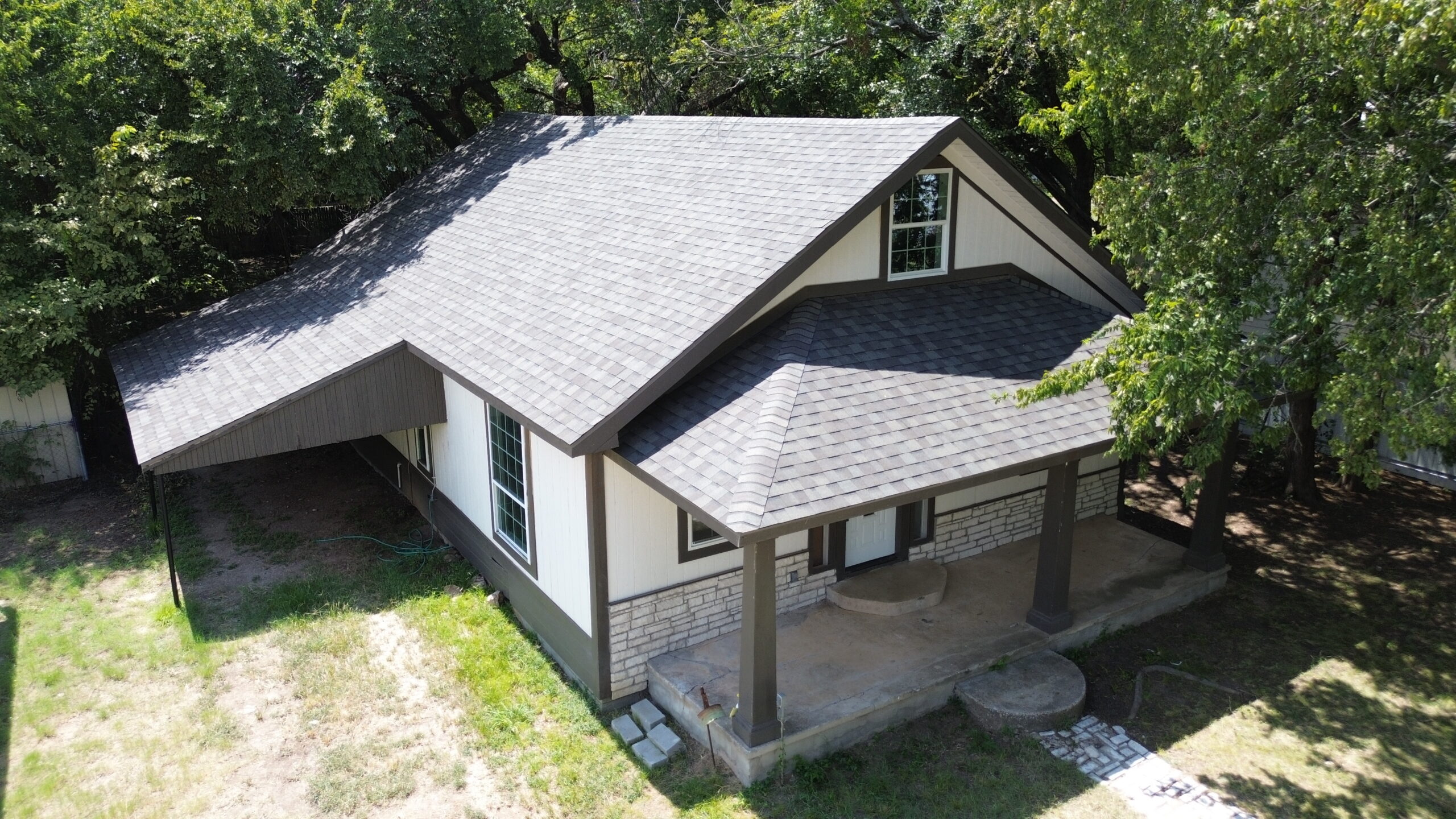
Once roofing work begins, inspections can become an important part of the permitting process. The exact timing depends on local requirements, but an inspection may be scheduled at a stage when important components are still visible and can be evaluated properly. Homeowners should ask their contractor when inspections are expected so construction can be coordinated accordingly.
During an inspection, a building official may review areas such as the roof deck, underlayment, flashing, fastening, ventilation, and other components relevant to the project. The official may also check whether the installation follows the approved scope of work and applicable building requirements. If problems are identified, corrections may be required before the project can receive final approval.
A failed or incomplete inspection does not necessarily mean the entire roof must be replaced. In many situations, the contractor can correct the identified issue and arrange for another inspection. Homeowners should keep records of any corrections and follow-up inspections as part of the project’s documentation.
After all required inspections have been completed successfully, the project may receive final approval or be marked as complete by the local authority. Homeowners should retain the permit and inspection records with other important property documents because they may be useful in the future.
Roofing Permits for Different Types of Roof Projects
Permit requirements can change depending on the type of roofing project being performed. A complete roof replacement may have different requirements from a small repair, while structural modifications can require additional review.
For a new roof installation, the permitting process may involve detailed information about the roof design, materials, structural components, drainage, ventilation, and other construction elements. New construction generally receives comprehensive review because the entire roofing system is being created as part of a larger building project.
A complete roof replacement may require a permit when existing roofing materials are removed and replaced with a new system. The project can involve underlayment, flashing, decking, ventilation, and fastening details that need to meet current requirements.
A storm-damaged roof replacement can involve additional considerations. Insurance documentation, emergency protection, structural damage, and local building requirements may all become relevant, particularly when severe weather has affected the property.
A partial roof repair may not always require the same level of permitting as a complete replacement. However, homeowners should verify the requirement because repairs involving structural components or extensive areas of the roof may fall under local permit rules.
Projects involving roof additions or modifications can require additional approvals when they change the shape, structure, height, or use of the roof. Skylights, roof extensions, solar installations, and other modifications may also have requirements separate from ordinary roofing work.
Special Considerations for Homeowners
Some properties require additional attention before roofing work begins. Older or historic homes, for example, may be subject to special rules concerning materials, appearance, or structural changes. Homeowners should check whether the property has historic or architectural restrictions before selecting replacement materials.
Homeowners who live in communities governed by a homeowners association may also have additional approval requirements. HOA approval does not replace a government-issued permit, and obtaining one does not automatically satisfy the other. Both requirements should be checked before construction begins.
Insurance-funded roof replacements can create another layer of documentation. Homeowners should keep records of damage assessments, contractor estimates, permits, inspection results, invoices, and other relevant paperwork. Insurance requirements vary by policy, so homeowners should communicate with their insurer when documentation is needed.
Older roofs can also present unexpected conditions during replacement. Once existing materials are removed, contractors may discover damaged decking, outdated construction methods, moisture damage, or structural deterioration. These findings should be discussed with the homeowner and addressed according to applicable requirements before the new roof is completed.
How to Prepare for a Smooth Roof Installation
Good preparation can make a roofing project easier to manage and reduce unnecessary delays. Homeowners should confirm local permit requirements before the project begins and make sure the contractor understands the applicable rules.
The project scope should be reviewed carefully before signing the contract. Homeowners should know what materials will be installed, which areas will be replaced, whether old materials will be removed, and how unexpected repairs will be handled.
Permit and inspection responsibilities should also be clearly established. The homeowner should know who submits the application, who pays the fees, who schedules inspections, and who provides copies of the completed documentation.
A simple preparation process can include:
- Confirming local permit requirements
- Choosing an appropriately qualified roofing contractor
- Reviewing the written scope of work
- Confirming roofing materials and installation details
- Verifying permit approval before regulated work begins
- Understanding inspection requirements
- Keeping copies of project documents
Homeowners should also maintain communication throughout construction. If the contractor discovers an unexpected condition or proposes a significant change, the homeowner should ask whether the change affects the permit or requires additional approval.
Roof Installation Permit Checklist for Homeowners
Before considering a permitted roofing project complete, homeowners should review the major administrative and construction steps. A checklist can make it easier to identify missing documents or unresolved requirements.
- Confirm whether the roofing project requires a permit.
- Identify the correct local building authority.
- Confirm who will submit and pay for the permit.
- Provide the required property and project information.
- Verify that the permit has been approved.
- Confirm which inspections are required.
- Make sure identified corrections are completed.
- Obtain confirmation of final approval when applicable.
- Keep copies of the permit and inspection records.
- Store the roofing contract, invoices, warranties, and material information safely.
Keeping these records can be valuable long after the roofing crew has left the property. They provide evidence of what work was performed and can help answer questions during future renovations, property sales, inspections, or maintenance projects.
Common Questions About Roof Installation Permits
Do I always need a permit to replace my roof?
Not necessarily. Permit requirements depend on the location, type of roofing work, property, and applicable local regulations. Homeowners should confirm the requirement with the local building department before starting the project.
Can a homeowner apply for a roofing permit?
In some jurisdictions, homeowners may be allowed to apply for permits for work on their own property. The rules can differ significantly, so homeowners should check the local requirements before submitting an application.
How long does a roofing permit take?
Processing times vary depending on the jurisdiction and complexity of the project. Simple applications may be processed relatively quickly, while projects requiring detailed plans or additional reviews can take longer.
How much does a roofing permit cost?
There is no single standard fee. Costs can depend on the local authority, project value, permit type, and additional review or inspection requirements.
Does a roof repair require a permit?
Some minor repairs may be exempt, while major repairs can require approval. The distinction depends on local regulations and the extent of the work, so homeowners should verify before construction.
Can roofing work begin before permit approval?
If a permit is required, homeowners should generally wait until the required approval has been obtained before starting regulated work. Beginning early can result in delays, penalties, or additional inspection requirements.
Conclusion
Understanding roof installation permit requirements is an important part of planning a successful roofing project. Permits help local authorities verify that applicable construction and safety requirements are followed, while inspections can provide an additional opportunity to identify problems during installation.
Homeowners should never assume that every roofing project follows the same rules. Permit requirements can vary according to location, project scope, roofing materials, structural changes, weather conditions, and other factors.
The best approach is to confirm requirements before work begins, discuss permitting responsibilities with the roofing contractor, and keep clear records throughout the project. Homeowners should also make sure required inspections are completed and that any identified corrections are addressed properly.
A roof is a major investment in the safety, protection, and long-term value of a home. Taking care of the permitting process from the beginning can help homeowners avoid unnecessary complications and ensure that the finished roofing project is properly documented and completed according to applicable requirements.