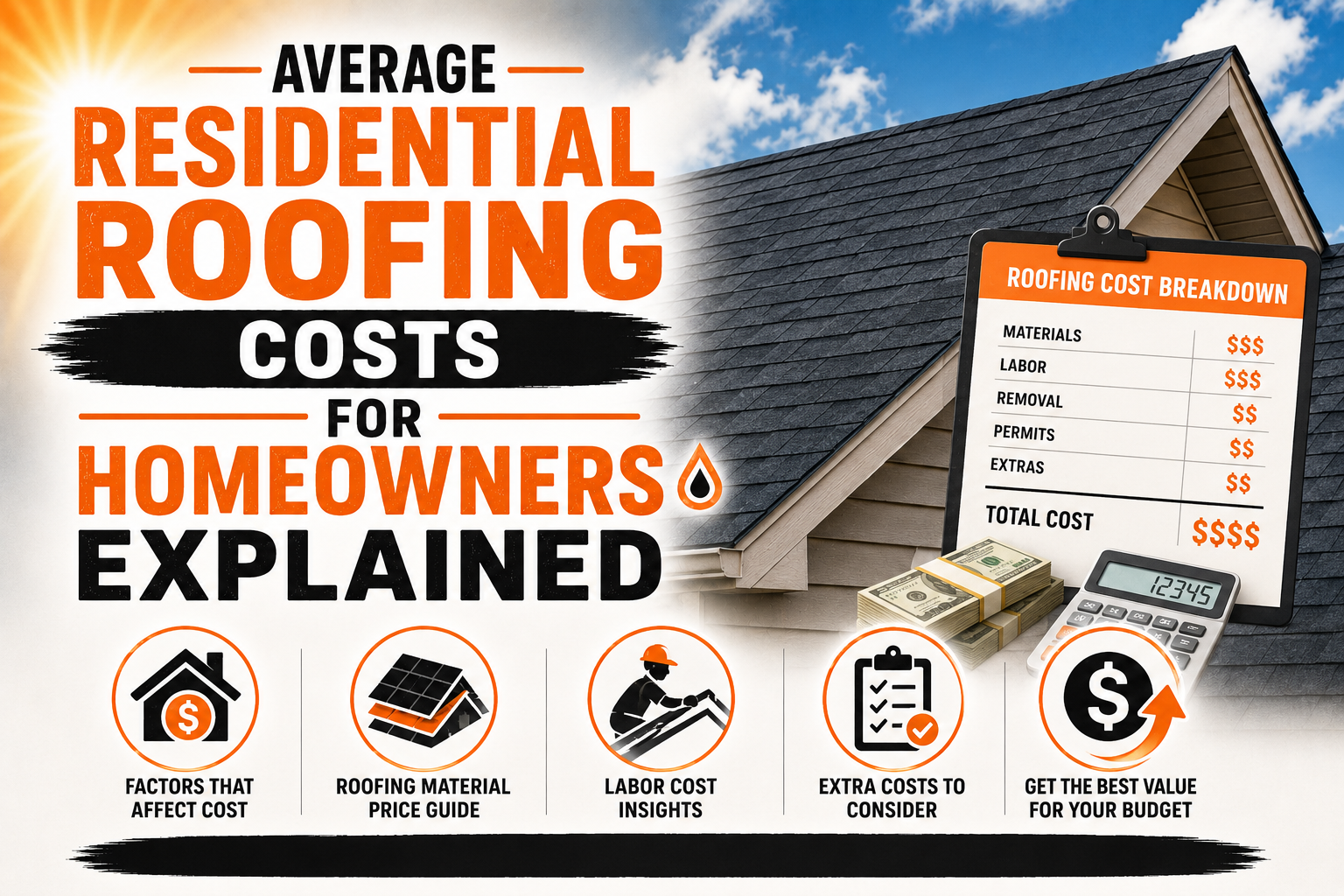
Average Residential Roofing Costs for Homeowners Explained
Introduction
Understanding the average cost of residential roofing is one of the most important steps homeowners can take before starting a roofing project. Whether a home needs a complete roof replacement, a new roof installation, or repairs to damaged areas, the final price can vary considerably depending on several factors. Roofing is a major investment, so knowing what influences the cost can help homeowners create a realistic budget and avoid unexpected expenses during the project.
Residential roofing costs are not based on a single standard price. Contractors consider the size and shape of the roof, the selected roofing material, labor requirements, roof accessibility, existing damage, and local market conditions when preparing an estimate. Two homes with similar floor plans can have very different roofing costs if their roofs have different pitches, designs, materials, or structural conditions.
The material selected for a roof can also have a significant effect on the overall budget. Asphalt shingles are commonly chosen because they offer an affordable starting point, while metal, tile, slate, and synthetic materials can require a larger initial investment. However, the cheapest material is not always the least expensive option over the entire life of the roof because durability, maintenance, energy performance, and replacement frequency also affect long-term value.
Homeowners should therefore look beyond the initial estimate and understand what is included in the quoted price. A professional roofing estimate may include materials, labor, removal of the existing roof, disposal fees, underlayment, flashing, ventilation work, permits, and repairs to damaged decking. Understanding these components makes it easier to compare estimates from different contractors and identify unusually low or high bids.
Understanding Average Residential Roofing Costs
Residential roofing costs are usually calculated according to the size of the roof and the type of material being installed. Contractors commonly use the term “roofing square,” which represents 100 square feet of roofing area. This measurement makes it easier for professionals to estimate the quantity of shingles, underlayment, fasteners, and other materials needed for a project.
A homeowner may hear a contractor describe a roof as containing 20, 30, or 40 squares rather than simply discussing its total square footage. The number of roofing squares depends on the actual roof surface, not just the home’s interior floor area. Sloped sections, multiple roof levels, dormers, valleys, and other architectural features can increase the total roofing area beyond what a homeowner might expect from looking at the house size.
For a basic residential roofing project, the total price generally includes both materials and installation. However, the final cost can rise when the contractor discovers damaged roof decking, deteriorated flashing, inadequate ventilation, water damage, or other conditions beneath the existing roofing system. These issues cannot always be identified accurately until the old roofing materials are removed.
A roof replacement also differs from a simple roof repair in terms of scope and cost. Repairs may involve replacing damaged shingles, sealing leaks, repairing flashing, or addressing a limited area of damage. A replacement involves removing the existing roofing system and installing a new one across most or all of the roof.
Homeowners should also understand that roofing estimates are often presented as ranges rather than exact figures during the early planning stage. A contractor can provide a more accurate price after inspecting the roof, measuring the surface, identifying its construction details, and discussing the desired materials. A detailed written estimate is especially useful because it shows exactly what the homeowner is paying for.
Major Factors That Affect Residential Roofing Costs
The size of a roof is one of the most obvious factors affecting cost, but it is not the only one. A larger roof generally requires more materials and labor, yet two roofs with the same surface area may still have different prices. Roof design, pitch, accessibility, existing conditions, and material selection can all influence the amount of work required.
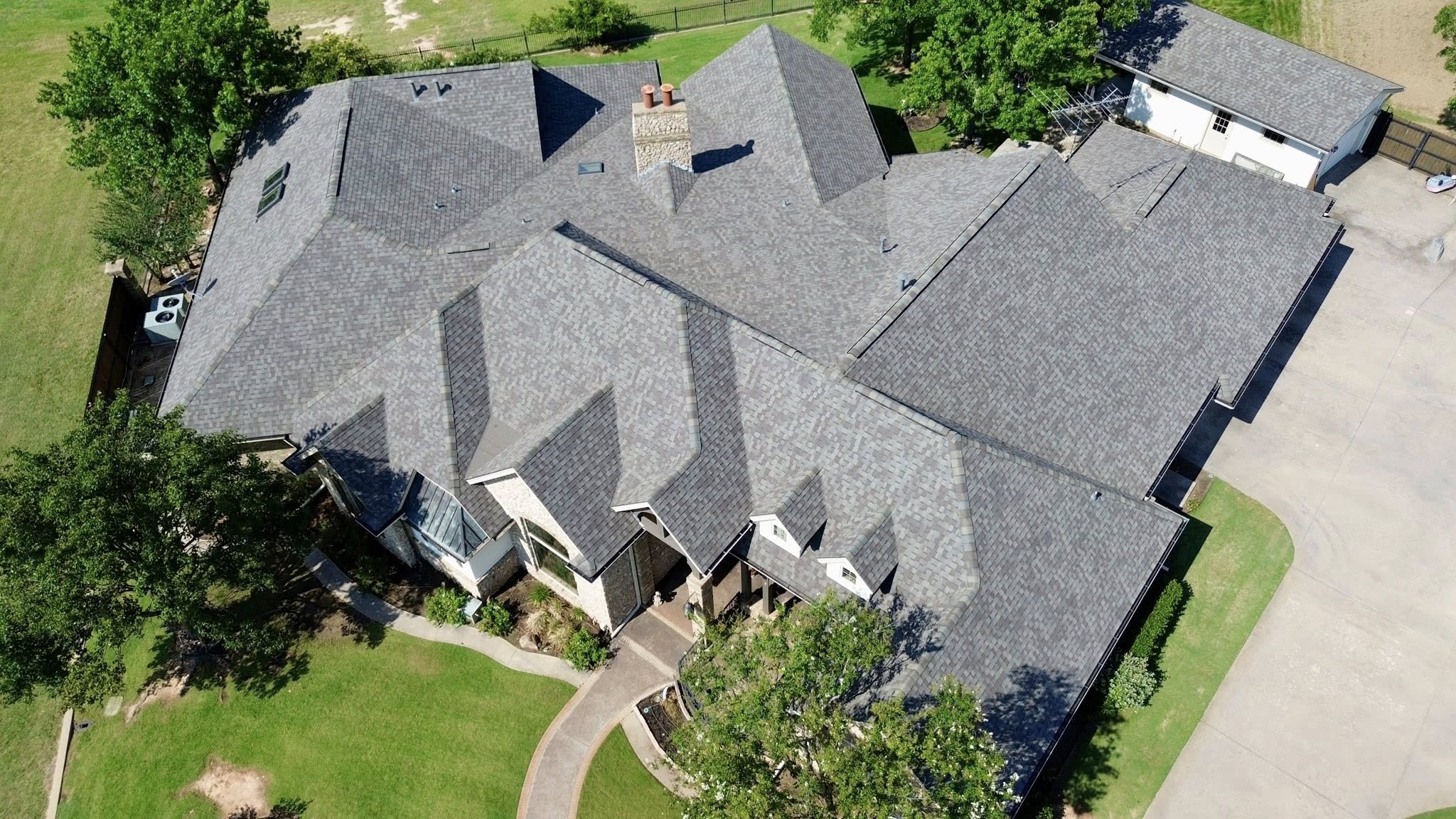
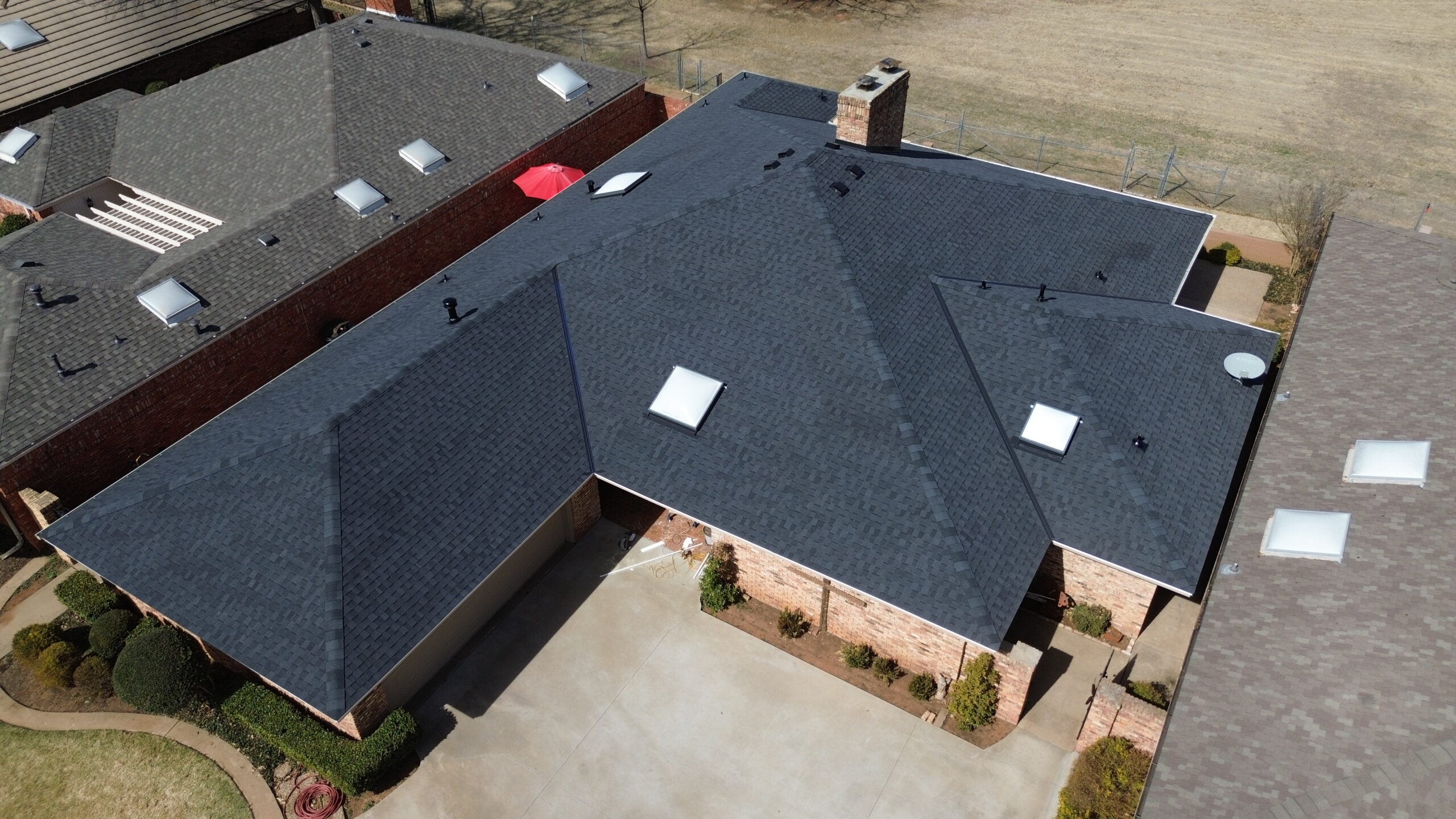
Roof complexity can have a particularly noticeable impact on labor costs. A simple roof with large, uninterrupted sections is generally easier and faster to install than a roof containing multiple valleys, dormers, skylights, chimneys, or intersecting sections. Each additional feature requires careful measurement, cutting, flashing, and sealing to create a reliable roofing system.
The roof pitch is another important consideration. Steeper roofs require additional safety precautions and specialized installation techniques because workers cannot move across the surface as easily as they can on a low-slope roof. More time and equipment may therefore be necessary, increasing the labor portion of the project.
Accessibility can also affect the estimate. A roof that is easy to reach from a driveway or open area may be simpler to work on than a roof surrounded by landscaping, fences, neighboring structures, or other obstacles. Difficult access can make material delivery, debris removal, and equipment placement more complicated.
The condition of the existing roof is another major factor. If the old roofing system is deteriorated but the underlying decking remains sound, the project may proceed relatively smoothly. If sections of the decking have experienced moisture damage or rot, those areas may need to be replaced before new roofing materials can be installed.
Local labor and material prices also contribute to differences between roofing estimates. Contractors in areas with higher operating expenses may charge more for installation, while transportation costs can increase material prices in locations farther from distribution centers. Seasonal demand can also influence pricing, especially during periods when roofing contractors receive a high volume of projects.
Residential Roofing Material Costs
The roofing material selected by a homeowner has a major influence on the overall project budget. Each material has different manufacturing costs, installation requirements, expected service life, maintenance needs, and appearance. Choosing the right option therefore requires consideration of both the initial price and the long-term performance of the roofing system.
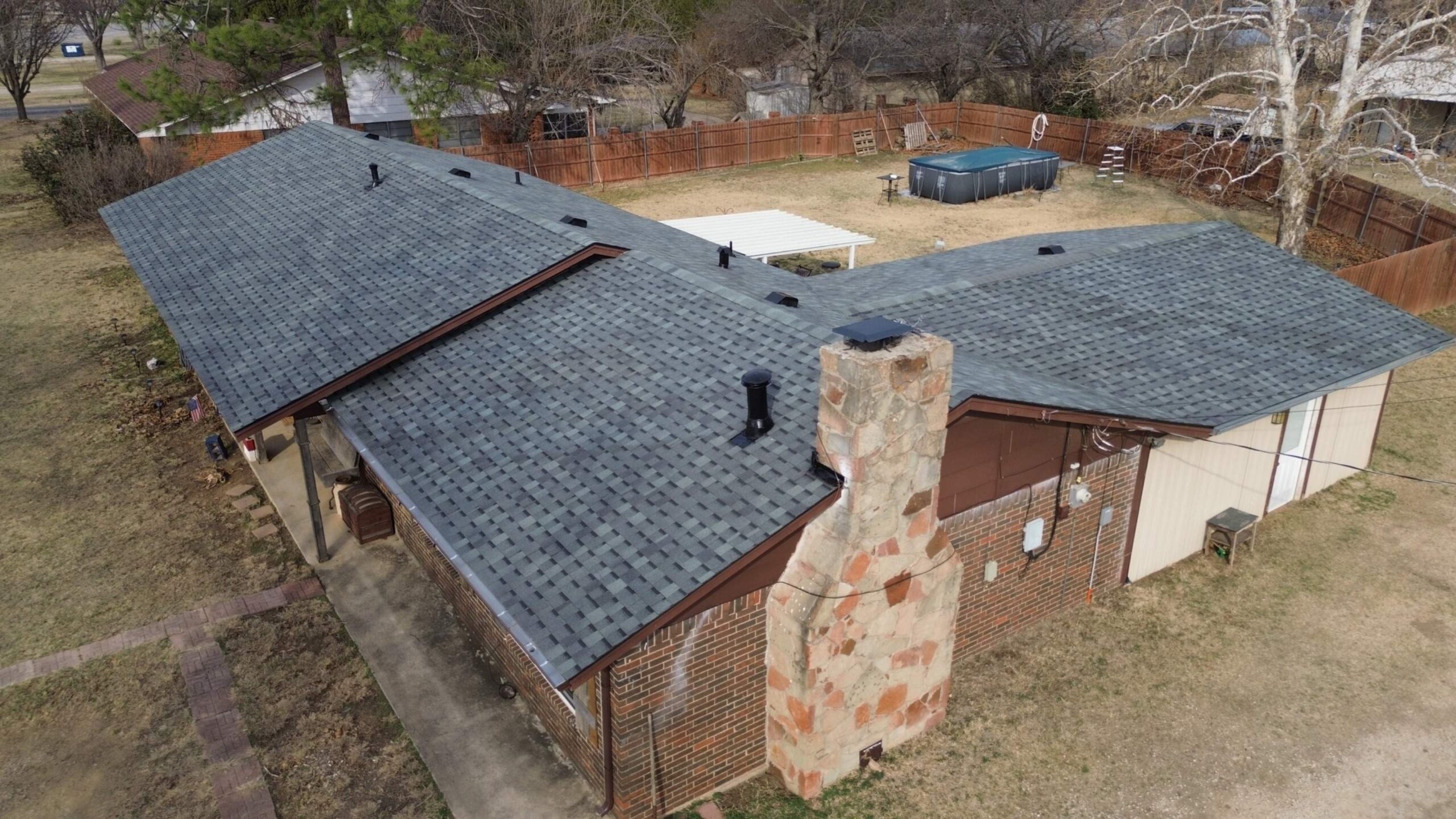
Asphalt shingles are among the most common residential roofing materials because they provide a practical balance between affordability, appearance, and installation convenience. They are available in different grades and styles, allowing homeowners to select an option that fits their budget and desired appearance. Their relatively straightforward installation can also help keep labor costs manageable.
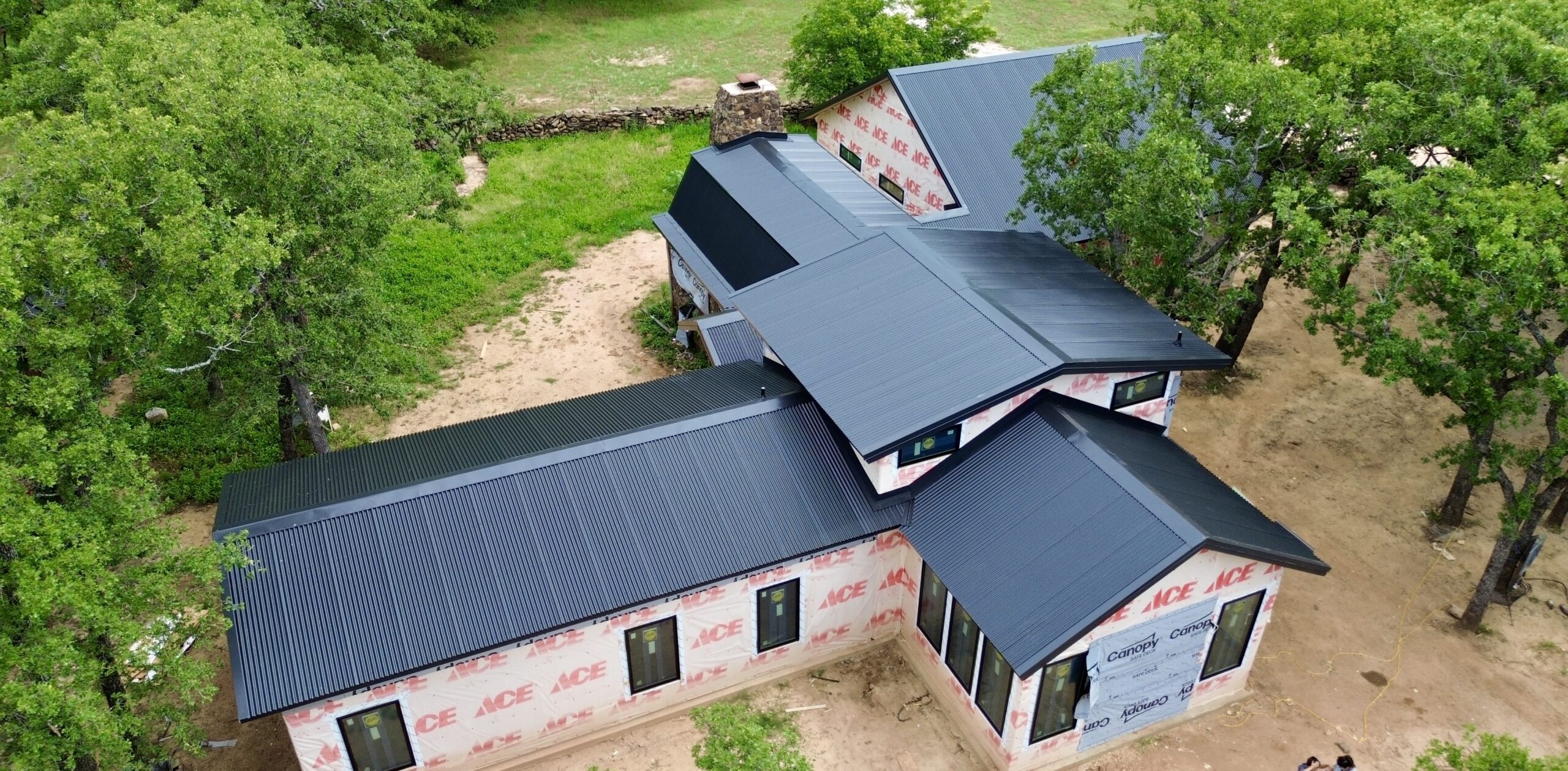
Metal roofing generally requires a higher initial investment than basic asphalt shingles, but it can provide long service life when properly installed and maintained. Metal roofs are available in several styles and finishes, including panels designed to resemble other roofing materials. Their durability and resistance to certain weather conditions can make them attractive to homeowners who are considering long-term value.
Wood shingles and shakes provide a natural appearance that can complement certain architectural styles. However, they may require more maintenance than some modern roofing materials, and their performance can depend on the local climate and the specific product selected. Homeowners considering wood roofing should understand the maintenance requirements before making a decision.
Tile roofing can provide durability and a distinctive appearance, but it is generally heavier than asphalt shingles and may require additional structural consideration. Concrete and clay tiles also have different characteristics, so homeowners should discuss structural requirements and installation methods with a qualified roofing professional.
Slate is considered a premium roofing material and can offer exceptional durability when properly installed. Its higher material and installation costs make it unsuitable for every budget, and the supporting structure must be capable of handling its weight. Despite the higher initial investment, its longevity can make it valuable for homeowners who plan to remain in the property for many years.
Synthetic and composite roofing products provide another option for homeowners who want the appearance of premium materials without some of the weight or maintenance challenges associated with natural products. These materials vary considerably in quality and price, so homeowners should review manufacturer specifications, warranties, and installation requirements before choosing them.
How Roof Size Influences the Overall Price
Roof size has a direct relationship with material requirements, but homeowners should be careful when estimating roof size based only on the dimensions of the house. The roof surface usually covers more area than the footprint of the building because sloped sections extend upward and outward. Complex designs can add even more surface area that is not immediately obvious from ground level.
Contractors generally measure the roof to determine its total surface area and then convert that measurement into roofing squares. Material estimates also account for waste because roofing components must be cut around edges, valleys, chimneys, vents, skylights, and other features. The amount of waste varies according to roof design and the type of material being installed.
For example, a relatively simple rectangular roof may require less cutting and produce less waste than a highly segmented roof with numerous angles. This difference can affect both material quantities and installation time. As a result, homeowners should rely on professional measurements rather than attempting to calculate the complete project price from the home’s floor area alone.
The following factors commonly make a larger or more complex roof more expensive to replace:
- Greater roofing surface area requires more shingles, panels, underlayment, flashing, fasteners, and other materials.
- Multiple roof sections can increase cutting, fitting, and installation time.
- Steeper roof sections may require additional safety equipment and labor.
- Roof features such as chimneys, skylights, and valleys require additional flashing and careful installation.
Homeowners should also remember that roof size does not determine the entire project cost. A smaller roof with difficult access and extensive structural damage can sometimes cost more than a larger roof with a simple design and good underlying conditions. The most useful estimate is therefore one based on an inspection of the actual roofing system rather than a general price based solely on square footage.
Knowing how roof size, material choice, design complexity, and existing conditions interact gives homeowners a much clearer understanding of residential roofing costs. These factors provide the foundation for evaluating estimates and planning a roofing budget, while labor, additional components, and project-specific expenses can further influence the final amount.
Labor and Installation Costs Explained
Labor is one of the largest components of a residential roofing project, and it can make a substantial difference in the final price homeowners pay. Roofing installation requires skilled work because the quality of installation affects the roof’s ability to resist water, wind, temperature changes, and other environmental conditions. A contractor’s labor charge generally reflects the experience of the crew, project complexity, safety requirements, equipment, preparation, and time needed to complete the work correctly.
A straightforward roof with a moderate pitch and easy access usually requires less labor than a complicated roof with several levels, valleys, skylights, chimneys, or steep sections. Workers must carefully install materials around these features to maintain proper water drainage and prevent vulnerable areas from developing leaks. When a project involves more cutting, flashing, sealing, or detailed fitting, installation can take longer and therefore increase labor expenses.
The removal of an existing roofing system may also be included in the labor estimate. Removing old shingles or other materials requires workers to strip the roof, collect debris, protect the property, and prepare the surface for the new roofing system. Disposal costs may be listed separately or included within the overall labor or project price, depending on the contractor’s estimating method.
Professional installation also involves more than placing the visible roofing material on the roof. Underlayment, flashing, ventilation components, drip edges, and other supporting materials need to be installed properly to create a complete roofing system. Skipping or incorrectly installing these components can lead to moisture intrusion and premature roof deterioration.
Homeowners should therefore avoid comparing roofing estimates based only on the lowest labor price. A very low labor charge may indicate differences in project scope, material quality, worker experience, or included services. Reviewing the entire estimate helps determine whether the contractor is offering a comparable level of work.
Additional Roofing Expenses Homeowners Should Expect
The visible roofing material is only one part of a complete residential roofing system. Several additional components may be required during installation, and these can influence the total project cost. Homeowners who understand these potential expenses are better prepared when an estimate changes after the old roof is removed.
Roof decking is one of the most important underlying components. It provides the structural surface to which roofing materials are attached, and moisture damage can weaken it over time. If an inspection reveals deteriorated or damaged decking, affected sections may need to be replaced before the new roofing system is installed.
Flashing is another important component because it protects vulnerable areas where the roof meets walls, chimneys, vents, skylights, and other structures. Damaged or improperly installed flashing can allow water to enter the roofing system. During replacement, contractors may recommend replacing old flashing rather than installing new roofing materials around components that are already deteriorated.
Ventilation can also affect roofing costs. Proper attic ventilation helps manage heat and moisture, which can contribute to the long-term performance of roofing materials and the building structure. If an existing ventilation system is inadequate, additional vents or improvements may be recommended as part of the roofing project.
Other possible expenses can include drip edges, underlayment, ice and water protection in appropriate climates, pipe boots, sealants, fasteners, and replacement of damaged accessories. Not every home requires all of these items, so homeowners should ask the contractor to explain why each recommended component is necessary.
Permits and inspections can add another expense depending on local requirements. Some communities require permits for roof replacement or structural work, while others have different rules for repairs and maintenance. Contractors should explain which permits are required and whether those costs are included in the written estimate.
Disposal is another expense that should not be overlooked. Removing an old roof can generate a substantial amount of debris, which must be collected and transported to an appropriate disposal facility. Some contractors include disposal within the project price, while others list it as a separate charge.
Before approving a project, homeowners should review whether the estimate includes these potential costs. A detailed proposal makes it easier to understand the true project price and reduces the possibility of unexpected charges later.
Roof Repair Costs Compared With Roof Replacement Costs
Roof repair and roof replacement are two very different projects, even though both are intended to restore the performance of a roofing system. A repair generally addresses a limited problem, while replacement involves installing a new roofing system over a larger portion or the entire roof. Choosing between these options depends on the age, condition, extent of damage, and expected remaining life of the existing roof.
Minor problems can often be addressed without replacing the entire roof. Missing or damaged shingles, small areas of flashing damage, isolated leaks, and certain localized problems may be repairable. When the underlying roofing system is generally sound, a targeted repair can extend its useful service life while avoiding the larger cost of full replacement.
However, repeated repairs can become expensive when a roof is already near the end of its expected service life. Fixing one leak may solve the immediate problem, but other areas may begin failing soon afterward. In such situations, homeowners may spend increasing amounts on repairs without significantly extending the overall life of the roof.
The extent of damage is another important consideration. Widespread water damage, severe storm damage, extensive deterioration, or major structural problems may make replacement more practical. A professional inspection can help determine whether the damage is isolated or indicates broader deterioration.
Roof age should also be considered. A relatively new roof with a localized issue may be a strong candidate for repair, while an older roof with multiple recurring problems may warrant replacement planning. The exact lifespan depends on the material, installation quality, climate, maintenance, and environmental exposure.
Homeowners should also consider their long-term plans. If they expect to remain in the home for many years, investing in a durable replacement may provide greater value than continuing to repair an aging roof. If the roof is generally healthy and the homeowner only needs to address an isolated problem, a properly completed repair may be the more practical choice.
Cost Differences Between Roofing Projects
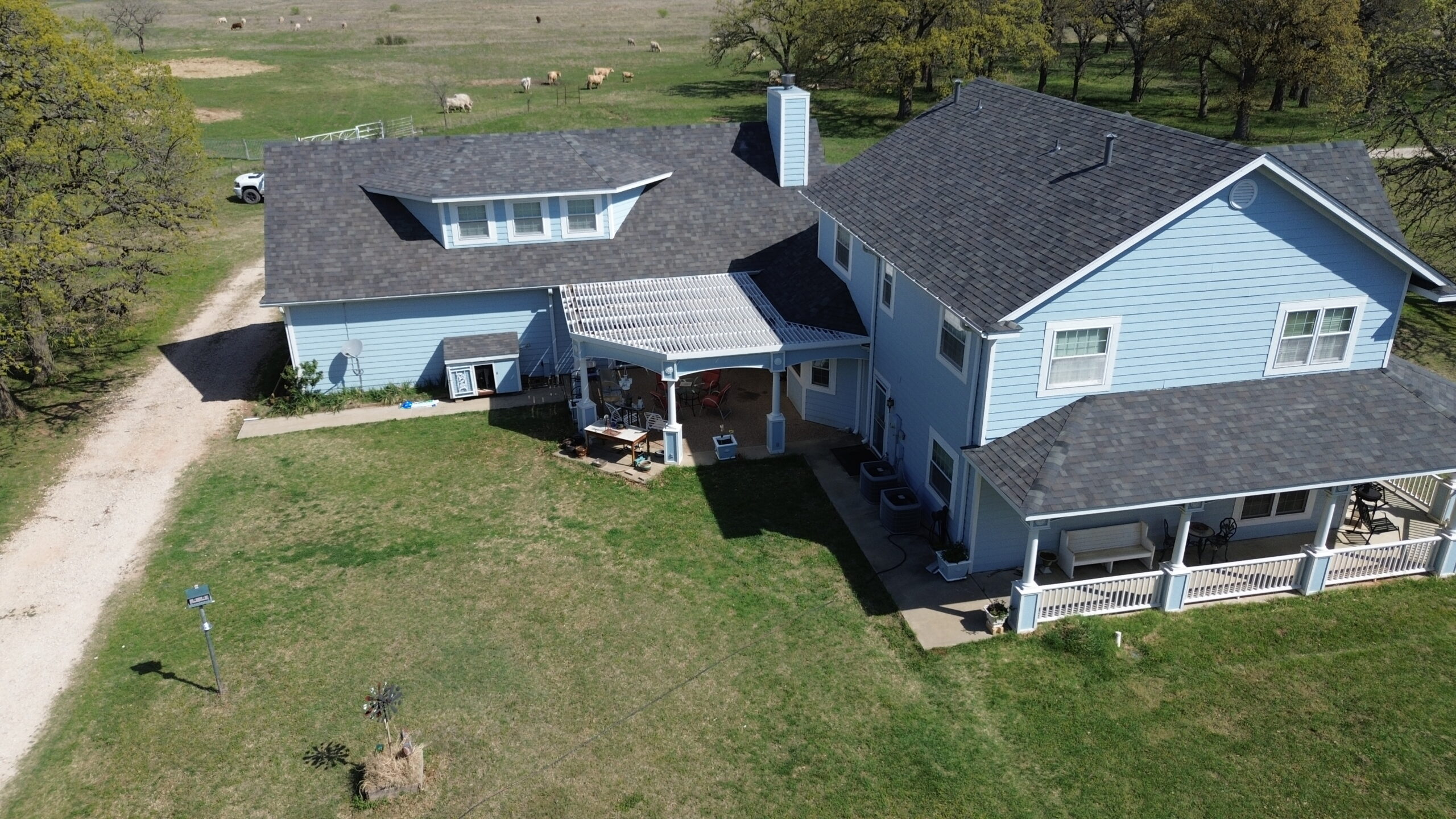
Not every roofing project has the same scope, which means homeowners should understand what type of work a contractor is proposing. A new roof installation on a newly constructed home is different from replacing an existing roof, while partial replacement and emergency repairs involve different levels of labor and materials.
A new roof installation usually begins with a prepared structure where the contractor installs the roofing system as part of the home’s construction. Depending on the project, the contractor may still need to install decking, underlayment, flashing, ventilation, and other components, but there may be no existing roofing material to remove.
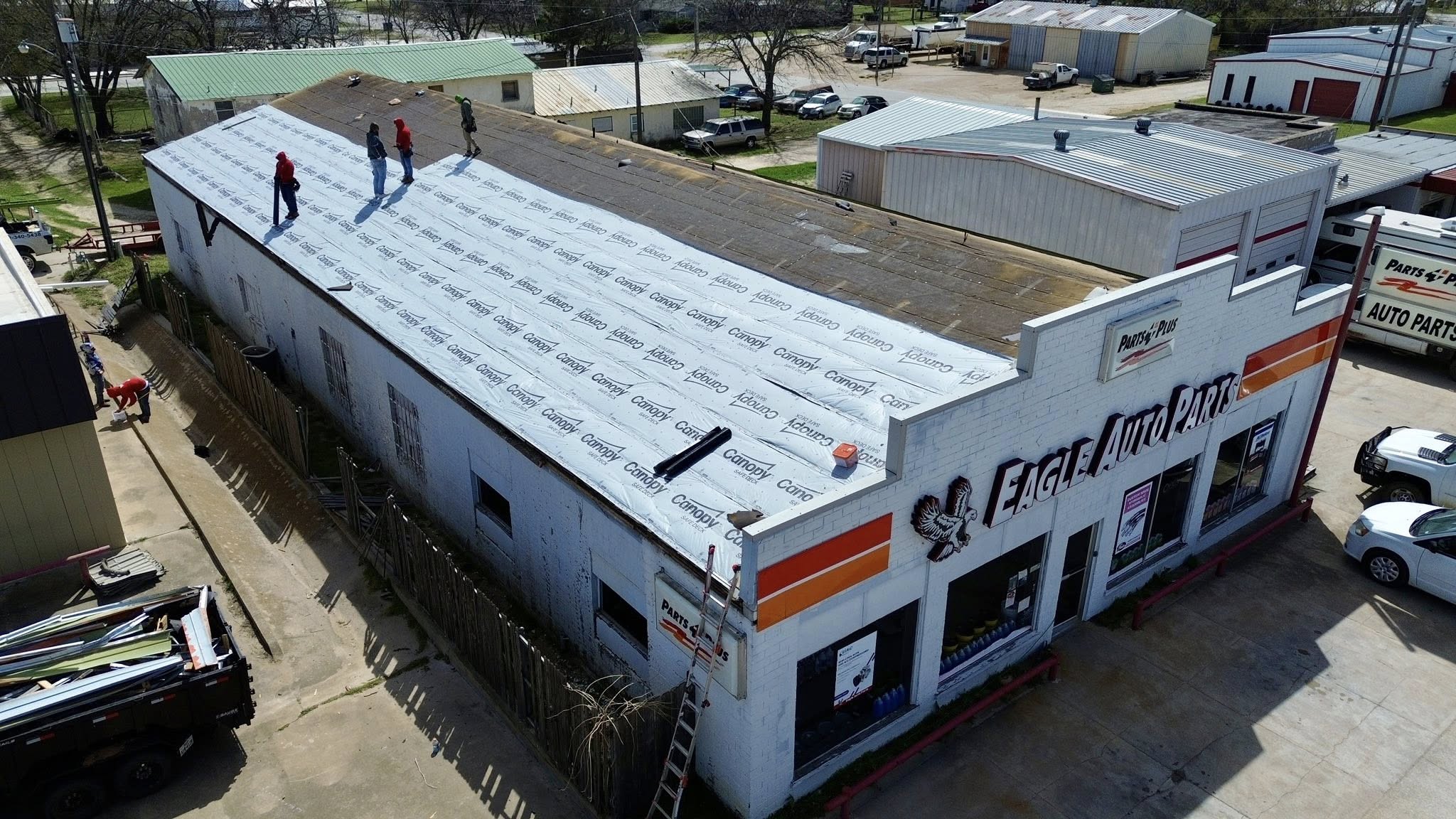
Full roof replacement generally involves removing the existing roofing materials before installing the new system. This adds labor, disposal, and preparation requirements. If the old roof contains multiple layers or if hidden damage is discovered beneath it, the project may require additional work.
Partial replacement can be appropriate when damage is limited to a specific section. However, matching new materials to an older roof can sometimes be challenging, particularly when the original product is discontinued or has changed appearance over time. Homeowners should discuss how the repaired section will look and perform alongside the existing roof.
Emergency roofing work can also cost more than planned projects because contractors may need to respond quickly after severe weather or sudden damage. Temporary protection may be necessary before permanent repairs can begin. The urgency, availability of materials, additional safety requirements, and timing can all affect the final price.
The project type should therefore be clearly stated in the contractor’s estimate. Homeowners should know whether they are paying for a repair, partial replacement, complete replacement, or new installation before approving the work.
How Location and Seasonal Demand Affect Roofing Prices
Residential roofing prices can vary significantly between regions because labor markets, operating costs, building requirements, transportation expenses, and weather conditions differ from one location to another. A roofing project that receives one estimate in one area may receive a noticeably different estimate elsewhere even when the roof size and material are similar.
Labor rates are often influenced by local operating costs and demand for skilled roofing professionals. Areas with higher business expenses may have higher roofing labor prices. At the same time, regions experiencing a shortage of qualified contractors may also see higher prices because available crews have limited capacity.
Material transportation is another factor. Roofing products are generally distributed through supply networks, and transportation costs can influence what homeowners pay. Locations farther from manufacturing facilities or distribution centers may experience additional delivery expenses.
Climate also influences roofing requirements. Homes exposed to heavy rain, strong winds, snow, intense sunlight, or other challenging conditions may require materials and installation methods designed for those environments. Local building codes may also require specific products or installation practices.
Seasonal demand can have an impact as well. Roofing contractors often become busier during periods of favorable weather when many homeowners schedule replacements and repairs. High demand can affect project scheduling and, in some markets, pricing.
Homeowners may benefit from planning ahead rather than waiting until the roof develops a serious problem during the busiest part of the season. However, scheduling should never be based solely on finding the cheapest time to hire a contractor. Weather conditions, material availability, contractor qualifications, and the urgency of the roofing problem should remain important considerations.
How Homeowners Can Compare Roofing Estimates
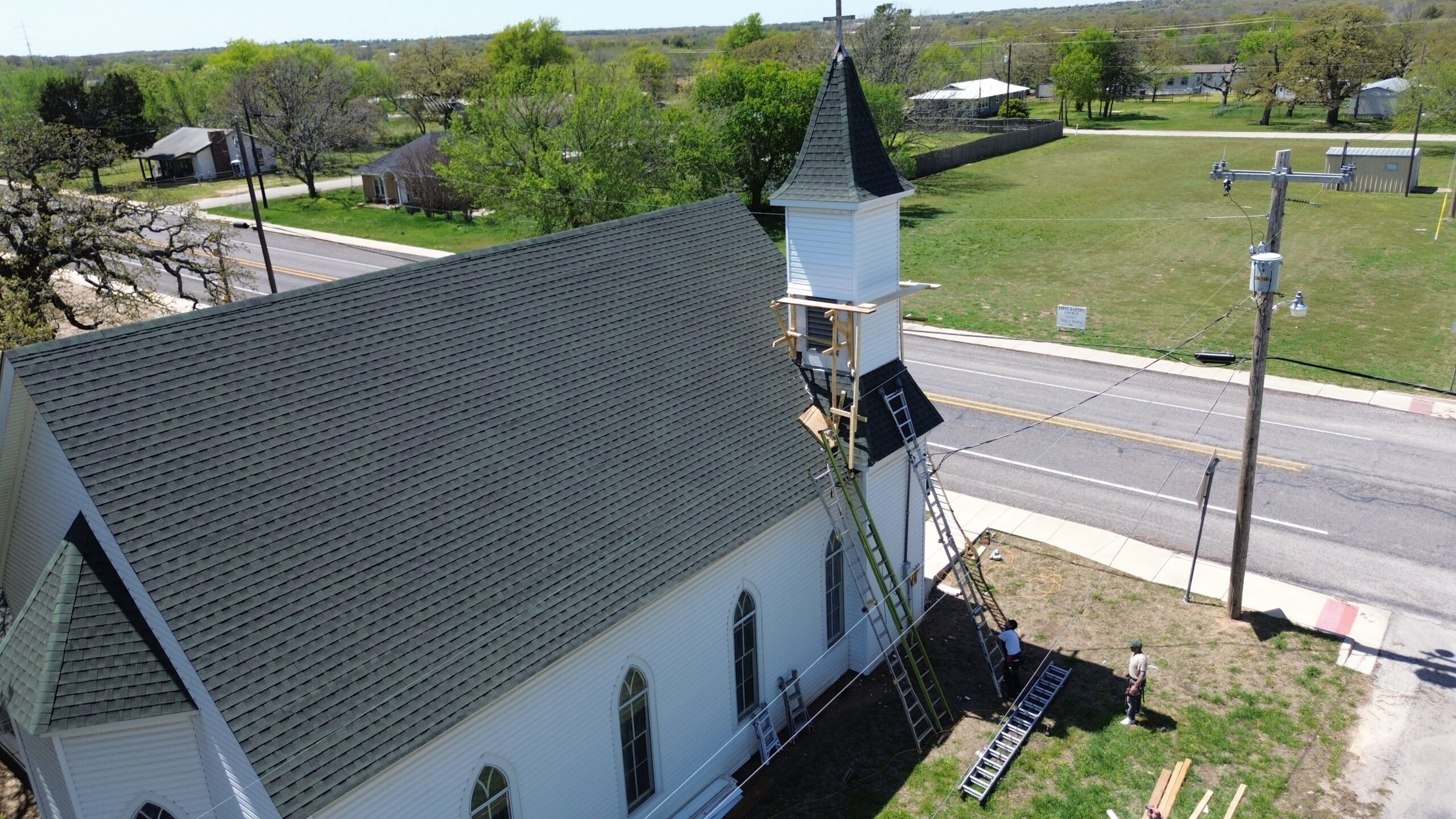
Comparing roofing estimates requires more than looking at the final dollar amount. Two contractors may provide very different prices because their proposals include different materials, warranties, preparation work, or levels of service. A homeowner should compare the details of each proposal so that the decision is based on equivalent scopes of work.
A professional estimate should generally identify the roofing material, estimated quantities, labor, removal of existing materials, disposal, underlayment, flashing, ventilation, and other important components. It should also explain whether repairs to decking or other hidden conditions are included, excluded, or charged separately.
The following points can help homeowners evaluate estimates more effectively:
- Confirm that each contractor is estimating the same type and quality of roofing material.
- Check whether removal and disposal of the existing roof are included.
- Review the proposed underlayment, flashing, ventilation, and other roofing components.
- Compare workmanship warranties and manufacturer warranties separately.
- Ask how unexpected decking or structural repairs will be priced.
- Verify the expected project timeline and payment requirements.
Homeowners should also ask questions about installation practices rather than focusing exclusively on materials. A high-quality roofing product cannot compensate for poor installation. Proper preparation, fastening, flashing, ventilation, and water-management details are essential to the performance of the finished roof.
The written contract should match the estimate that the homeowner agreed to. Any changes to the project should be documented before additional work is completed whenever possible. This approach helps both the homeowner and contractor maintain a clear understanding of responsibilities and costs.
By comparing roofing estimates based on complete project scope rather than headline price, homeowners can make more informed decisions. Understanding labor, additional expenses, repair versus replacement considerations, regional factors, and estimate details provides a stronger foundation for planning the final stage of a residential roofing investment.
Ways to Manage and Reduce Residential Roofing Costs
Managing roofing expenses does not always mean choosing the cheapest material or accepting the lowest contractor estimate. A better approach is to control unnecessary expenses while investing in materials and installation methods that provide dependable long-term performance. Homeowners can often reduce the overall financial burden by planning the project carefully, comparing detailed estimates, and addressing roofing problems before they become extensive.
One of the most effective ways to control costs is to schedule inspections and repairs before minor problems develop into major damage. A small leak can eventually affect insulation, decking, walls, ceilings, and other parts of the home if moisture continues entering the structure. Prompt attention can sometimes prevent the need for more extensive repairs and help homeowners delay a full replacement when the existing roof is otherwise in good condition.
Material selection also deserves careful consideration. Homeowners do not necessarily need the most expensive roofing material to achieve good performance, but they should select a product appropriate for the home’s climate, design, budget, and expected service life. Comparing different grades and styles can reveal options that provide a useful balance between upfront cost and long-term durability.
Getting multiple detailed estimates can also help homeowners manage costs. The goal should not simply be to find the lowest number, but to compare contractors offering similar materials, installation practices, warranties, and project scopes. An unusually low estimate may exclude important work that another contractor has included.
Homeowners should also avoid unnecessary upgrades that do not provide meaningful value for their particular property. Some improvements may be worthwhile, while others may add substantial cost without addressing an actual roofing need. Discussing the purpose and expected benefit of each recommendation with a qualified contractor can help homeowners prioritize their spending.
Timing can also influence project planning. Waiting until a roof is severely damaged may reduce the homeowner’s ability to compare contractors and materials calmly. Planning ahead provides more time to review estimates, arrange financing if necessary, choose appropriate materials, and schedule qualified installers.
Roofing Warranties and Long-Term Value
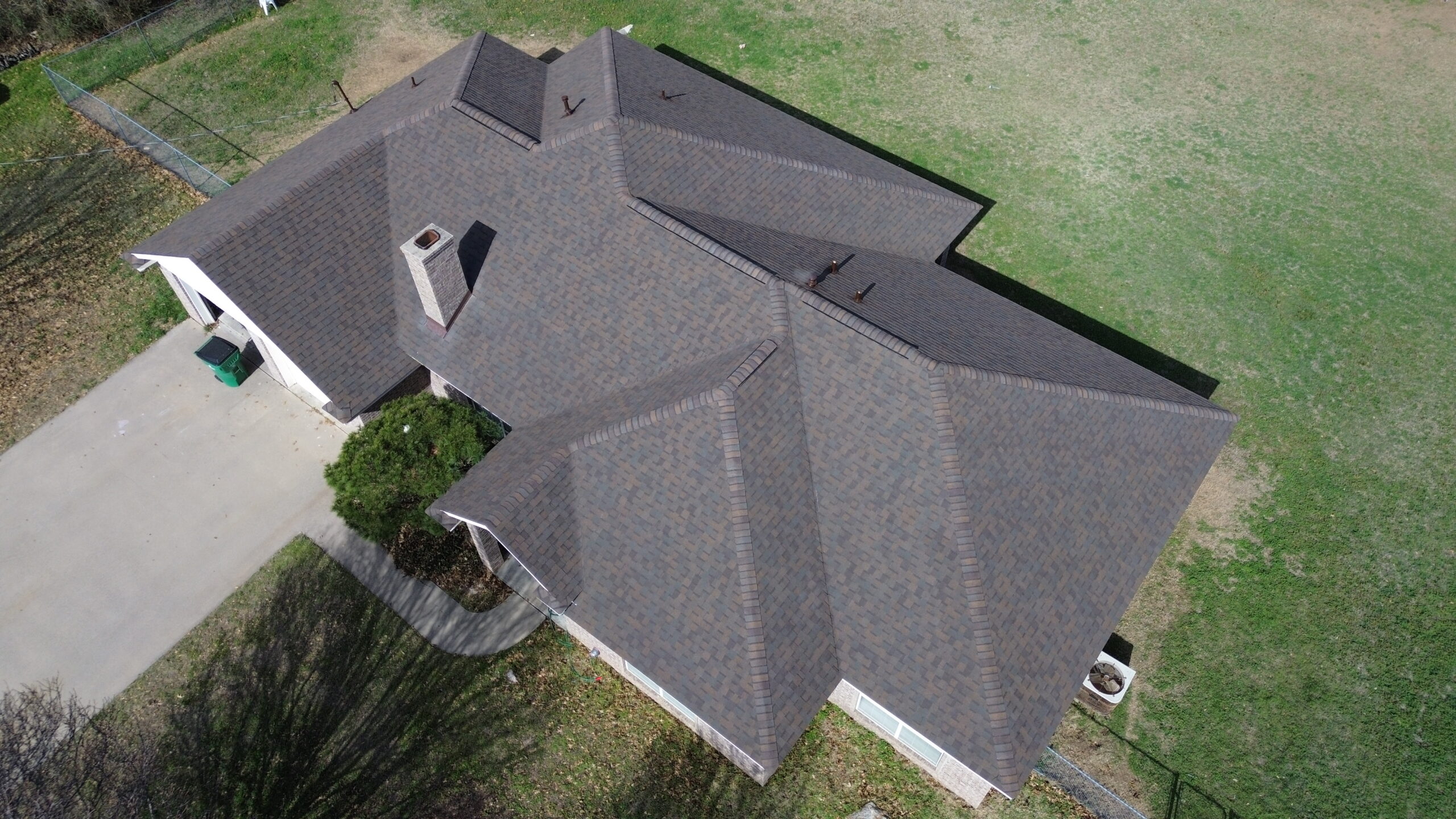
A roofing warranty can provide important protection, but homeowners should understand that different warranties cover different aspects of the roofing system. Manufacturer warranties generally address defects in the roofing product, while workmanship warranties are provided by the contractor and relate to the installation. These protections should be reviewed separately before a roofing contract is signed.
The length of a warranty does not automatically indicate that one roofing system is better than another. Homeowners should read the terms carefully to understand what is covered, what exclusions apply, and what responsibilities the homeowner must fulfill. Some warranties may require specific installation practices or maintenance procedures to remain valid.
Long-term value also depends on the expected lifespan of the selected material. A lower-cost roofing system may have a shorter service life, while a more expensive material may remain functional for substantially longer. The better financial choice depends on how long the homeowner expects to own the property and how much maintenance the roofing system is likely to require.
Maintenance should be included when evaluating long-term roofing expenses. Regular inspections, cleaning where appropriate, replacement of damaged components, and attention to drainage can help protect the roofing system. Ignoring maintenance can allow small defects to develop into more expensive problems.
Homeowners should also consider energy-related performance when comparing roofing options. Certain roofing materials and systems can help manage heat absorption or improve attic conditions when combined with appropriate insulation and ventilation. The actual benefit depends on climate, roof design, installation quality, and the rest of the home’s building envelope.
A roofing system should therefore be evaluated based on its complete lifecycle rather than its purchase price alone. Material quality, installation, maintenance, warranty protection, durability, and replacement frequency all contribute to the value a homeowner receives from the investment.
Common Mistakes Homeowners Make When Estimating Roofing Costs
One of the most common mistakes homeowners make is choosing a roofing contractor solely because the estimate has the lowest price. A lower bid can be attractive, but it may not include the same materials, preparation, labor, warranties, or additional services offered by another contractor. Comparing the complete scope of work is more reliable than comparing only the final number.
Another mistake is assuming that the visible roofing material represents the entire cost. A roofing system includes several layers and components, including underlayment, flashing, ventilation, fasteners, and sometimes replacement decking. If these items are excluded from an estimate, the final project price may increase after work begins.
Homeowners may also underestimate the importance of roof condition. A roof can look reasonably good from the ground while having hidden moisture damage or deteriorated components beneath the surface. Professional inspection can identify potential problems that may affect the project budget.
Delaying necessary repairs is another costly mistake. Homeowners sometimes postpone addressing a small leak because the problem appears minor. Continued moisture exposure can gradually damage roofing materials and structural components, turning a manageable repair into a larger and more expensive project.
Hiring an inexperienced or unqualified contractor can create additional costs as well. Poor installation may result in leaks, premature material failure, improper flashing, ventilation problems, or other defects. Correcting those problems can require paying for repairs that could have been avoided through proper installation in the first place.
Another mistake is failing to review the contract carefully. Homeowners should understand the materials, project scope, payment schedule, warranty terms, estimated completion period, and procedures for unexpected work. Clear documentation helps prevent misunderstandings and provides a reference if project conditions change.
Finally, homeowners should avoid budgeting without a contingency allowance. Roofing projects can reveal hidden conditions once old materials are removed. Setting aside additional funds for unexpected but necessary work can make the project easier to manage financially.
How to Create a Realistic Residential Roofing Budget
Creating a realistic roofing budget begins with determining the actual condition and size of the roof. A professional inspection can provide information about the roof’s surface, structural condition, drainage, ventilation, flashing, and other components. This information gives homeowners a better starting point than relying on general online cost estimates.
The next step is to determine the type of roofing project required. A minor repair will have a very different budget from a complete replacement. Homeowners should also consider whether the project involves additional work such as decking replacement, flashing improvements, ventilation upgrades, or removal of multiple existing roofing layers.
Material selection should then be based on both budget and long-term requirements. Homeowners can compare several suitable materials rather than automatically selecting either the cheapest or most expensive option. The final decision should consider durability, maintenance, appearance, climate suitability, installation requirements, and expected ownership period.
Labor should be treated as a major part of the budget rather than an expense that can be minimized without consequences. Skilled installation helps ensure that the roofing system performs as intended. Choosing an experienced contractor may cost more initially but can reduce the likelihood of premature failures and future repair expenses.
A contingency allowance is also useful because roofing projects can involve conditions that cannot be fully identified before the existing materials are removed. Damaged decking, hidden moisture problems, deteriorated flashing, or unexpected structural issues can require additional work. Planning for these possibilities helps homeowners avoid financial stress if necessary repairs are discovered.
The following table provides a general framework homeowners can use when reviewing the major categories of a roofing budget:
| Roofing Cost Category | What It May Include | Why It Matters |
|---|---|---|
| Roofing materials | Shingles, panels, tile, slate, or synthetic products | Determines a major portion of the project cost |
| Labor | Installation, preparation, safety, and cleanup | Influences installation quality and project duration |
| Tear-off | Removal of old roofing materials | Required for many replacement projects |
| Decking | Replacement of damaged roof boards | Provides a sound surface for new roofing |
| Flashing | Protection around roof penetrations and edges | Helps prevent water intrusion |
| Ventilation | Ridge, soffit, or other ventilation components | Supports proper attic moisture and temperature management |
| Disposal | Removal and disposal of roofing debris | Adds to project logistics and cost |
| Permits | Required local approvals and inspections | Helps maintain compliance with local requirements |
| Contingency | Allowance for unexpected work | Protects the budget from hidden conditions |
Homeowners should update their budget after receiving a detailed professional estimate. If several contractors provide estimates within a similar range, that range may provide a more useful planning figure than a generic online average. Significant differences between estimates should be investigated rather than ignored.
Residential Roofing Cost Comparison and Long-Term Planning
Residential roofing costs can vary widely because no two roofing projects are exactly alike. Material selection, roof size, design complexity, labor requirements, existing conditions, location, and additional work all contribute to the final price. Understanding these variables helps homeowners interpret estimates realistically instead of expecting one universal roofing price.
A simple asphalt shingle roof may offer a lower initial investment, while premium materials such as metal, tile, slate, or high-quality synthetic products may require more money at the beginning. However, initial price should be evaluated alongside expected lifespan, maintenance needs, appearance, climate performance, and future replacement requirements.
Roofing decisions should also reflect the homeowner’s long-term plans. Someone planning to remain in the property for decades may place greater value on durability and reduced maintenance. A homeowner planning to move sooner may prioritize a practical system that fits the property’s needs and provides reliable performance without unnecessary upgrades.
The quality of installation is another important part of the comparison. A high-quality roofing material installed incorrectly can develop problems, while an appropriately selected material installed by an experienced professional can provide dependable service. Homeowners should therefore evaluate contractor qualifications, workmanship warranties, references, project scope, and installation practices alongside material prices.
Long-term planning also includes maintenance. Even a durable roofing system requires attention to drainage, flashing, penetrations, and visible damage. Periodic inspections can help identify problems before they become expensive repairs, especially after severe weather or when the roof reaches an advanced stage of its service life.
Homeowners should also maintain records of the roofing project. Keeping the contract, material information, warranty documents, inspection records, and repair history can make future maintenance and warranty claims easier. These records may also be useful when selling the property because prospective buyers can better understand the roof’s age and maintenance history.
Final Considerations Before Starting a Roofing Project
Before approving a residential roofing project, homeowners should take time to understand the complete scope of work and the expected cost. A professional inspection should identify the condition of the existing roof and any areas that may require additional attention. The homeowner can then compare suitable materials and determine which option fits the property’s needs and available budget.
The written estimate should clearly explain what the contractor will provide. Important details include the roofing material, removal of existing materials, installation procedures, underlayment, flashing, ventilation, cleanup, disposal, warranties, payment requirements, and procedures for unexpected repairs. Clear documentation can reduce confusion once the project begins.
Homeowners should also verify that the contractor has the appropriate experience and qualifications for the type of roofing work required. The cheapest estimate may not provide the best value if the installation quality is poor or important components are excluded. A reliable contractor should be willing to explain the proposal and answer questions about materials, installation, warranties, and project timing.
Weather and scheduling should also be considered before work begins. Roofing installation generally requires suitable conditions, and unexpected weather can affect project timing. Planning ahead gives homeowners more flexibility and reduces the pressure to make rushed decisions after an emergency.
A realistic budget should include the expected project price along with a reasonable allowance for unforeseen conditions. This is particularly important for older roofs where hidden damage may be discovered during removal. Having a contingency amount available can prevent necessary work from being delayed because of an unexpected increase in project costs.
Ultimately, the best roofing decision is not necessarily the one with the lowest initial price. A properly selected roofing material, professionally installed over a properly prepared surface, can provide better long-term value and reduce the likelihood of premature repairs. Homeowners who understand the different components of roofing costs can approach the project with greater confidence and make decisions based on quality, durability, and overall value.
Conclusion
Average residential roofing costs depend on much more than the visible material covering a home. Roof size, design complexity, material selection, labor, existing damage, ventilation, flashing, decking, location, seasonal demand, and project scope can all influence the final price. Because these factors vary from one property to another, homeowners should treat general roofing averages as planning information rather than an exact quote.
A detailed professional inspection is one of the best starting points for understanding what a roofing project may actually cost. Homeowners can use the inspection results to compare repair and replacement options, select appropriate materials, identify additional work, and develop a realistic budget. Comparing multiple detailed estimates can also help reveal differences in materials, labor, warranties, and included services.
The lowest roofing estimate is not always the best financial choice. Quality installation, reliable materials, appropriate ventilation, proper flashing, and thorough preparation can help a roof perform effectively for many years. Investing in professional workmanship may reduce the likelihood of leaks, premature deterioration, and costly corrective work.
Homeowners should also think beyond the initial project price. Expected service life, maintenance requirements, warranty protection, energy performance, and future replacement needs all contribute to the true cost of a roofing system. A slightly higher initial investment may provide better value when it results in greater durability and fewer problems over time.
With careful planning, homeowners can approach residential roofing projects with realistic expectations and stronger financial control. Understanding how roofing costs are calculated allows them to ask better questions, compare contractors more effectively, and select a roofing solution that fits both the property and the long-term household budget.