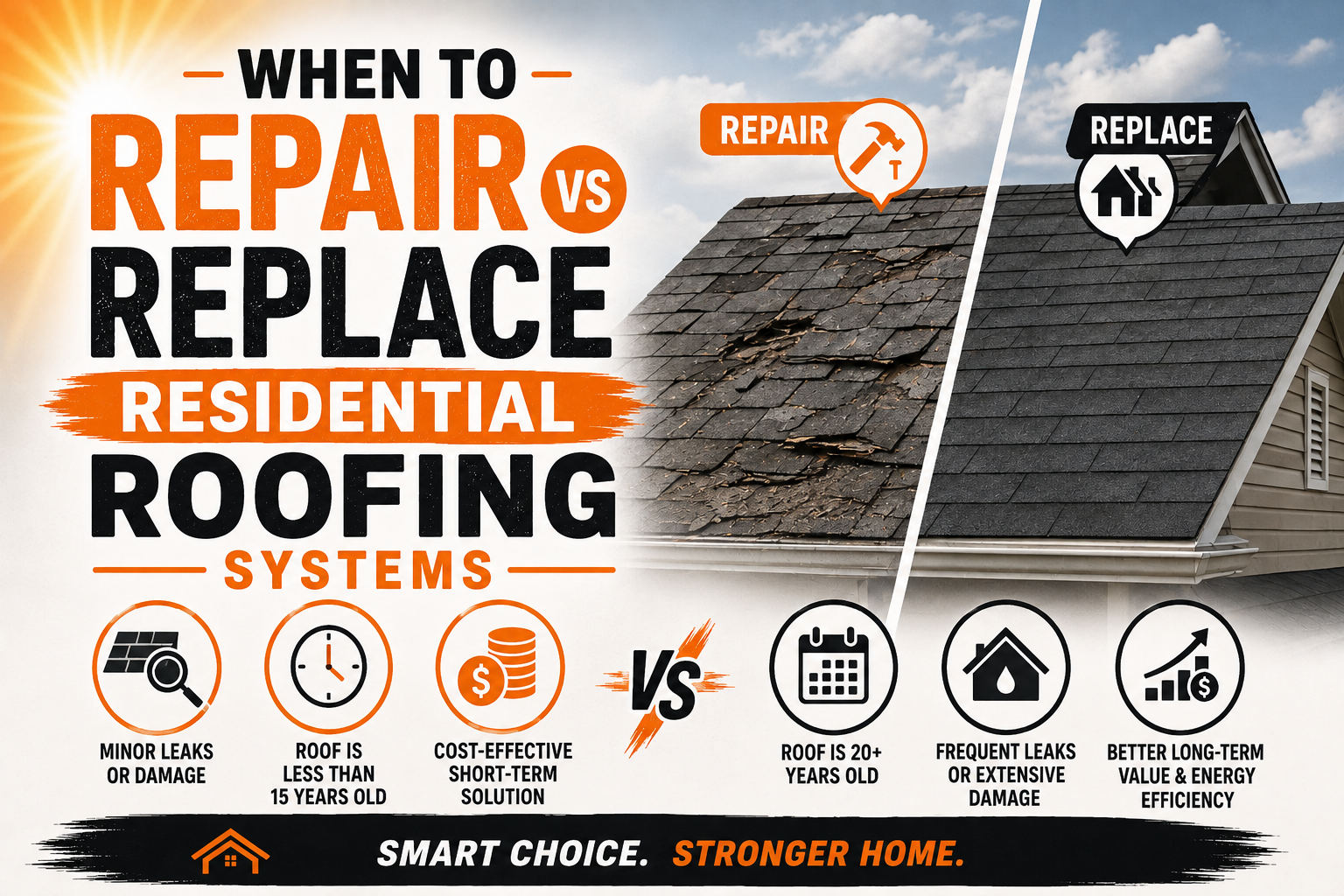
When to Repair vs Replace Residential Roofing Systems
Introduction
Your roof is one of the most important protective systems in your home. It shields your family and belongings from rain, wind, heat, snow, and changing outdoor conditions while also helping maintain the comfort and energy efficiency of the property. When roofing problems appear, homeowners often face an important question: should the damaged area be repaired, or is it time to replace the entire roofing system?
The answer is not always straightforward because every roof has different materials, ages, damage levels, installation histories, and maintenance needs. A small leak caused by damaged flashing may only require a targeted repair, while widespread deterioration across an aging roof may make replacement the more practical choice. Understanding the difference can help homeowners avoid unnecessary expenses while also preventing minor problems from developing into major structural damage.
Making the right decision requires more than looking at one damaged shingle or noticing a water stain on the ceiling. The condition of the entire roofing system should be considered, including the shingles or other covering, flashing, ventilation, drainage, underlayment, and areas around roof penetrations. A professional inspection can provide valuable information, but homeowners can also learn the warning signs that indicate whether repair or replacement deserves closer consideration.
Why the Repair or Replacement Decision Matters
Choosing between roof repair and replacement affects more than the immediate cost of fixing a problem. A repair can be a practical solution when the roof is generally in good condition, but repeatedly repairing an aging or deteriorating system can become expensive over time. In some cases, spending money on several repairs only delays a replacement that will eventually become unavoidable.
A full replacement, on the other hand, represents a much larger investment and should not be recommended simply because one section of the roof has a problem. If most of the roofing system is still performing well, replacing everything may provide little additional value compared with addressing the specific damaged areas. The goal is to select the solution that provides reliable protection while making sensible use of the homeowner’s budget.
Several factors should be considered before making the decision:
- The overall age and expected service life of the roof
- The size, location, and severity of the damage
- The condition of the underlying roofing components
- The number of previous repairs
- The type and availability of roofing materials
- The expected cost of continued repairs compared with replacement
Looking at these factors together provides a much clearer picture than focusing on one visible defect. A roof that has one isolated problem can often be repaired, while a roof showing problems across multiple areas may require a more comprehensive solution.
How Roof Age Affects the Repair vs Replacement Choice
Roof age is one of the most useful factors when deciding whether a roofing system should be repaired or replaced. Different roofing materials have different expected service lives, and actual performance can vary depending on climate, installation quality, ventilation, maintenance, and exposure to severe weather. An older roof does not automatically need replacement, but its age becomes increasingly important when combined with visible deterioration.
For example, an asphalt shingle roof that is relatively young and has only a small damaged area may be a strong candidate for repair. If the same roof is approaching the later portion of its expected service life and has widespread granule loss, curling shingles, repeated leaks, or deteriorated flashing, replacement may offer better long-term value. The condition of the roof matters just as much as the number of years it has been installed.
Homeowners should also consider whether they know when the existing roof was installed. If the installation date is unknown, roofing professionals may be able to estimate its age by examining the materials and overall condition. Property records, previous invoices, inspection reports, or information from a previous homeowner can also help establish the roof’s history.
Age should never be considered in isolation. A well-maintained older roof may continue performing effectively, while a poorly installed or heavily weathered newer roof can develop serious problems much earlier than expected. The best approach is to combine roof age with a detailed assessment of its current condition.
Common Roofing Problems That Can Often Be Repaired
Not every roofing problem means the entire roof has reached the end of its useful life. Many common issues can be addressed through targeted repairs, particularly when the surrounding roofing materials remain in good condition. Repairing a localized problem can extend the useful life of the roof and prevent water from reaching the underlying structure.
Small areas of damaged or missing shingles are common examples. Strong winds, falling branches, animals, and severe weather can damage individual shingles without affecting the rest of the roof. If the surrounding shingles remain flexible and properly attached, replacing the affected shingles may provide an effective solution.
Leaks can also sometimes be repaired without replacing the entire roof. A leak may originate from damaged flashing around a chimney, skylight, vent, or other roof penetration rather than from the main roofing surface. Identifying and correcting the actual source is important because water can travel beneath roofing materials before appearing inside the home.
Other problems that may be suitable for localized repair include damaged flashing, deteriorated sealant around certain roof penetrations, small areas of lifted shingles, and limited damage caused by storms. However, a professional should evaluate the underlying condition before assuming that the visible problem is the only issue.
A repair is generally more reasonable when the damage is limited and the majority of the roof remains structurally sound. The repair should also restore the roofing system properly rather than simply covering up the visible symptom. Temporary fixes may reduce the immediate signs of a problem but can leave underlying water intrusion or material deterioration unresolved.
Signs That Your Roof May Need More Than a Repair
Some roofing problems indicate that the issue extends beyond one damaged section. When deterioration is widespread, repeated repairs may not provide a reliable long-term solution. Recognizing these warning signs can help homeowners determine when it is time to have the entire roofing system professionally evaluated.
One important sign is widespread shingle deterioration. Shingles that are curling, cracking, blistering, missing granules, or losing their protective surface across large areas may indicate that the roofing material is approaching the end of its useful service life. Replacing a few individual shingles will not correct deterioration affecting most of the roof.
Repeated leaks are another warning sign. If leaks continue to appear in different areas even after previous repairs, the problem may involve broader aging, installation issues, underlayment deterioration, or water management problems. Repeated repairs can also become increasingly costly when several different areas require attention.
Other warning signs include sagging areas, extensive water damage, widespread moss or algae growth associated with moisture retention, and visibly deteriorated flashing or roof components. A roof that has suffered significant storm damage across a large portion of its surface may also require replacement rather than isolated repairs.
Homeowners should pay attention to interior evidence as well. Dark stains on ceilings or walls, peeling paint, damp insulation, musty odors, or visible moisture can indicate that water is entering the building. These signs do not automatically mean a full replacement is necessary, but they should prompt a professional inspection before the damage becomes more extensive.
How the Extent of Damage Influences the Decision
The size and distribution of damage are central to the repair versus replacement decision. A small isolated problem is very different from deterioration spread across several roof sections. Evaluating how much of the roofing system is affected helps determine whether targeted work is practical or whether a broader solution is more appropriate.
Consider a roof with one damaged section after a storm. If the remaining materials are in good condition and there is no evidence of widespread moisture damage, repairing that section may be sufficient. However, if the storm has caused extensive damage across multiple slopes, damaged flashing, exposed underlayment, and affected underlying structures, a more comprehensive replacement may be necessary.
The location of damage also matters. Problems around chimneys, valleys, skylights, vents, and roof edges can be more complicated because these areas involve important water-shedding and sealing details. A seemingly small defect in one of these locations can allow significant water intrusion if it is not properly corrected.
Another consideration is whether replacement materials will match the existing roof. With older roofing systems, matching new shingles or other materials can sometimes be difficult because the original product may no longer be available. Even when a close match exists, differences in color, texture, or weathering may remain visible.
The right decision should therefore account for both the damaged area and the condition of the surrounding system. Repairing a small problem on a healthy roof can be efficient, while repeatedly patching an extensively deteriorated roof may only postpone a necessary replacement.
The Role of Roofing Materials in the Decision
The type of roofing material installed on a home can significantly affect both repair options and replacement timing. Asphalt shingles are widely used in residential construction, but homeowners may also have metal roofing, clay or concrete tiles, wood shakes, slate, or other roofing systems. Each material has different characteristics, maintenance requirements, repair methods, and expected service life.
Some roofing materials are designed so individual components can be replaced relatively easily. For example, damaged shingles or certain metal panels may be repaired without removing the entire roof. Tile roofing can also sometimes be repaired by replacing individual broken tiles while preserving the surrounding system.
Other materials require more specialized knowledge and careful matching. Slate, for example, can last for many decades when properly installed and maintained, but repairing it requires appropriate materials and techniques. Replacing portions incorrectly can create additional problems rather than restoring the roof.
The condition of the supporting components is equally important regardless of material. A roof covering may appear acceptable from the ground while the underlayment, flashing, ventilation system, or decking has deteriorated. For this reason, homeowners should avoid making a repair or replacement decision based solely on the visible surface.
A professional roofing assessment should consider the roofing material, installation method, age, weather exposure, previous repairs, and condition of the complete system. This broader evaluation helps homeowners understand whether a repair can realistically extend the roof’s service life or whether replacement would provide a more dependable long-term solution.
How to Inspect Your Roof Before Making a Decision
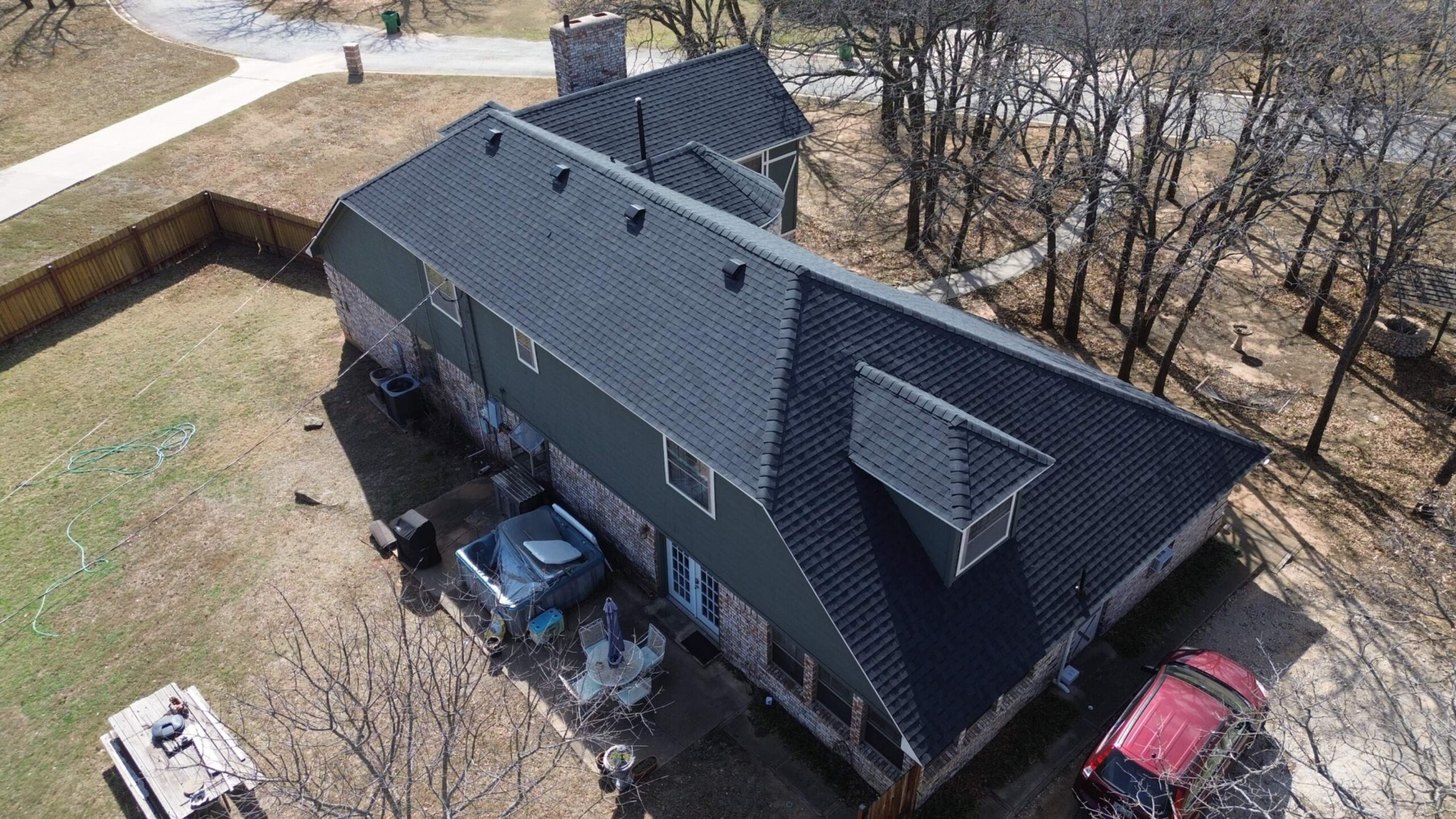
Before deciding whether to repair or replace a residential roofing system, homeowners need a clear understanding of its current condition. A roof inspection should look beyond obvious problems such as missing shingles or visible leaks because many roofing issues develop underneath the surface. The objective is to determine whether the damage is isolated or whether it reflects broader deterioration throughout the roofing system.
A professional inspection normally evaluates the roof covering, flashing, valleys, roof edges, penetrations, ventilation, drainage, and visible areas of the roof deck. The inspector may also examine the attic to identify moisture, inadequate airflow, damaged insulation, or signs that water has entered the structure. Looking at these components together provides a more reliable basis for deciding whether repair work can solve the problem.
Homeowners should avoid climbing onto a roof themselves, particularly when the surface is steep, wet, damaged, or difficult to access. A safer approach is to observe visible conditions from the ground and inspect accessible interior areas while leaving detailed roof-surface evaluation to an experienced professional. Photographs and inspection notes can also make it easier to compare the condition of the roof over time.
A useful inspection should answer several practical questions. Is the damage limited to one location, or is it appearing across multiple roof sections? Are the existing materials still in reasonable condition, or are they showing widespread aging? Is the underlying structure dry and sound, or has moisture already caused additional damage?
The following comparison can help homeowners understand how different findings may influence the decision:
| Roof Condition | Likely Approach | Reason |
|---|---|---|
| One or two damaged shingles | Repair | Damage is localized and surrounding materials remain sound |
| Minor flashing problem | Repair | The issue may be corrected without disturbing most of the roof |
| Several recurring leaks | Detailed evaluation | Multiple leaks may indicate broader deterioration |
| Widespread curling or cracking | Consider replacement | The roofing surface may be nearing the end of its service life |
| Sagging roof areas | Urgent professional assessment | Structural or moisture-related problems may be involved |
| Extensive storm damage | Repair or replacement assessment | The scope and distribution of damage determine the appropriate solution |
An inspection should also consider previous roofing work. If different areas have been repaired several times, those repairs form part of the roof’s overall history and may indicate that the system is becoming increasingly difficult to maintain. A complete assessment can help prevent homeowners from spending money repeatedly on symptoms while overlooking a larger underlying problem.
Interior Warning Signs of Roofing Problems
Some of the clearest evidence of roof trouble appears inside the home rather than on the roof itself. Water entering through a roof assembly can travel along decking, rafters, insulation, or other building components before becoming visible. As a result, the location of an interior stain does not always identify the exact point where water entered.
Ceiling stains are among the most recognizable warning signs. Brown or yellow discoloration, peeling paint, bubbling surfaces, or damp patches can indicate that moisture has reached the interior. These signs should not be ignored even if the area appears dry when inspected because leaks can occur only during certain weather conditions.
Attics can provide additional clues about roofing performance. Homeowners may notice damp insulation, water stains on roof decking, darkened wood, rusty fasteners, or signs of moisture around roof penetrations. Inadequate ventilation can also contribute to condensation, which can sometimes resemble a roofing leak and requires a different solution.
Unusual odors can also deserve attention. A persistent musty smell in an attic or upper floor may suggest ongoing moisture, especially when it appears alongside visible staining or damp materials. Moisture that remains unresolved can contribute to deterioration of wood components and create conditions that encourage unwanted biological growth.
Interior signs should be treated as evidence that further investigation is needed rather than automatic proof that the entire roof must be replaced. A single leak caused by damaged flashing may be repairable, while widespread interior moisture combined with an aging roof may indicate a more significant problem. The key is to identify the source and determine how far the damage extends.
Homeowners should also watch for changes after heavy rain or strong winds. If stains repeatedly become darker after storms, if new moisture appears in different rooms, or if ceiling damage continues after previous repairs, the roof should receive a thorough professional evaluation. Delaying investigation can allow water to move farther into the structure and increase the eventual cost of corrective work.
Exterior Warning Signs That Should Not Be Ignored
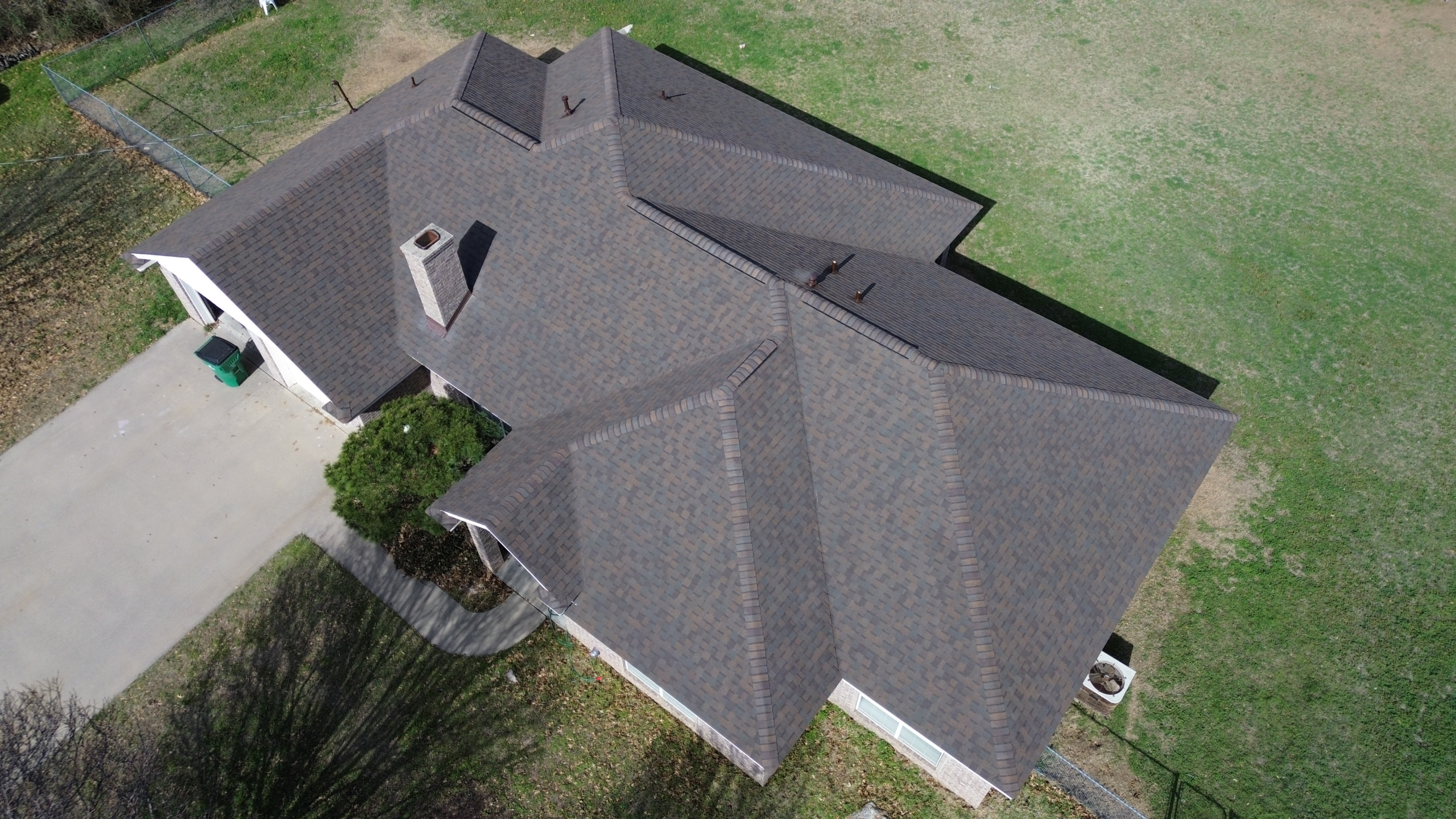
The exterior condition of a roof can reveal important information about whether repair or replacement is appropriate. While some surface defects are relatively minor, widespread deterioration can indicate that the roofing system is losing its ability to provide dependable protection. Regular visual checks from a safe location can help homeowners identify changes before they become more serious.
For asphalt shingles, common warning signs include curling edges, cracking, missing sections, exposed areas, and excessive loss of protective granules. Granules may collect in gutters as shingles age, although some amount of granule loss can occur on newer roofs as well. The significance depends on the extent of the loss and the overall condition of the roofing material.
Roof edges and valleys deserve particular attention because they are important pathways for directing water away from the home. Damaged shingles, deteriorated metal components, or debris accumulation in these areas can interfere with drainage. Valleys are especially important because they collect and direct substantial amounts of rainwater during storms.
Flashing around chimneys, skylights, vents, walls, and other roof penetrations is another area where problems can develop. Loose, damaged, corroded, or improperly sealed flashing can allow water to enter even when the main roofing surface appears relatively healthy. In many situations, correcting the flashing may be more appropriate than replacing the entire roof.
Moss, algae, or other growth should also be evaluated carefully. Growth can sometimes be primarily cosmetic, but persistent moisture retention and heavy accumulation may contribute to material deterioration. Removing the visible growth without addressing the moisture conditions that support it may provide only a temporary improvement.
Structural changes are more concerning. Sagging, uneven roof lines, visibly damaged decking, or areas that appear depressed can indicate problems beneath the surface. These conditions require professional assessment because the appropriate solution may involve more than replacing the visible roofing material.
Exterior warning signs become more meaningful when several appear together. An older roof with widespread shingle deterioration, repeated leaks, damaged flashing, and visible sagging presents a very different situation from a newer roof with one missing shingle. Looking at the overall pattern helps homeowners avoid making decisions based on one isolated symptom.
Repair Costs vs Roof Replacement Costs
Cost is naturally one of the biggest considerations when deciding between repair and replacement. A repair generally requires less material and labor than a complete replacement, making it attractive when the problem is limited. However, the lowest immediate price does not always represent the best long-term financial decision.
Repair costs vary according to the type and location of the problem. Replacing a small number of damaged shingles may be relatively straightforward, while repairing a leak around a chimney or skylight can require more detailed work. If water has damaged decking or other underlying components, the scope and cost of the repair can increase significantly.
Roof replacement involves a larger upfront investment because it may include removal of existing materials, preparation of the roof deck, installation of new underlayment and roofing materials, replacement of flashing, ventilation improvements, and disposal of old roofing materials. The final price depends on factors such as roof size, design complexity, material selection, labor rates, accessibility, and the condition of the underlying structure.
Homeowners should therefore compare more than the price of today’s repair. If a roof requires several repairs over the next few years, the combined cost may approach a significant portion of a replacement investment. Repeated repairs can also become less effective when the surrounding materials are continuing to deteriorate.
A useful way to compare the options is to consider expected remaining service life. If a repair costing a modest amount is likely to provide several additional years of dependable performance on a relatively healthy roof, it may be financially sensible. If the same repair is being performed on a severely aged roof that already has multiple failing areas, replacement may provide better long-term value.
Homeowners should request written estimates that clearly describe the recommended work. The estimate should identify the affected areas, materials to be used, labor involved, and any additional work that may be necessary after the existing roofing materials are removed. Comparing estimates based only on the final price can make it difficult to understand why one proposal differs substantially from another.
How to Compare Short-Term Repairs With Long-Term Value
A roof repair can solve an immediate problem, but homeowners should also consider what the repair accomplishes over the next several years. The most useful question is not simply whether a contractor can fix the damaged area, but whether the repair makes sense given the condition and remaining life of the entire roof.
For a roof that is relatively young and well maintained, targeted repairs can preserve a substantial amount of useful service life. Spending money to correct one damaged area may be far more practical than removing an otherwise healthy roofing system. In this situation, repair can protect the home’s investment while avoiding unnecessary replacement.
The situation changes when repairs become frequent. If leaks appear in several locations, shingles continue to fail, or different sections require attention every season, homeowners should look at the total maintenance pattern. Multiple repairs can be a sign that the roofing system is no longer providing the reliability expected from a functioning roof.
Long-term value also depends on whether the repair addresses the actual source of the problem. Applying sealant over a visible leak without identifying why water entered may provide only temporary relief. A quality repair should correct the damaged component and restore the roof’s ability to shed water properly.
Homeowners should also consider future plans for the property. Someone planning to remain in the home for many years may place greater value on the predictable service life of a new roof. Someone preparing to sell may still need to address significant roofing problems because unresolved defects can affect inspections, negotiations, buyer confidence, and the overall condition of the property.
The goal should be to balance immediate affordability with dependable performance. A repair can be the right choice when it extends the useful life of a sound roof, while replacement can be the better investment when continued repairs are becoming a cycle of increasing expense and decreasing reliability.
When Multiple Repairs Become a Sign of a Larger Problem
One repair does not necessarily indicate a failing roof, but a pattern of repeated repairs deserves closer attention. Homeowners may initially fix one leak, then discover another several months later, followed by damaged shingles or flashing in another area. When problems continue to appear across the roof, the issue may be broader than any individual defect.
Repeated repairs can occur for several reasons. An aging roofing system may simply be reaching the end of its useful life, while poor ventilation, inadequate drainage, installation defects, or recurring severe weather can also contribute to premature deterioration. Understanding the reason for repeated failures is essential before deciding what work should be performed next.
The location of previous repairs can provide useful information. If problems are consistently occurring around one roof penetration, the flashing or installation detail may need to be corrected properly rather than repeatedly patched. If failures are scattered across different slopes and sections, the overall condition of the roofing material may be the more important concern.
Homeowners should keep records of previous roofing work whenever possible. Receipts, photographs, inspection reports, material information, and dates of repairs can help a roofing professional understand how the system has performed over time. This information can make it easier to distinguish isolated incidents from a continuing pattern.
A roof does not necessarily need replacement simply because it has been repaired several times. However, repeated repairs should trigger a broader assessment of the roof’s age, condition, remaining service life, and underlying components. If the cost of maintaining the system continues rising while its reliability declines, replacement may become the more practical solution.
Recognizing this pattern can prevent homeowners from treating each new leak as an unrelated event. Instead, every repair becomes part of a larger evaluation of the roofing system. This approach helps homeowners make decisions based on long-term performance rather than reacting to individual problems one at a time.
When Repairing the Roof Is Usually the Better Choice
Roof repair is often the most practical option when damage is limited, the existing roofing system is relatively healthy, and the remaining materials are expected to provide dependable service for years. A localized problem does not automatically justify removing an entire roof, particularly when the surrounding materials show little evidence of deterioration. Addressing the damaged area promptly can prevent water intrusion from spreading and help preserve the rest of the system.
Small areas of storm damage are common examples of situations where repair may be appropriate. A few missing or damaged shingles, isolated flashing problems, or a small leak around a roof penetration can often be corrected without replacing the entire roofing surface. The important consideration is whether the surrounding roof remains structurally sound and capable of performing as intended.
Repair may also make sense when the roof has been properly maintained and is still relatively early in its expected service life. In this situation, replacing the entire system because of one isolated defect can result in unnecessary expense. A professional can identify the damaged component, determine whether the problem is localized, and recommend a repair that restores the affected area.
Another reason to choose repair is when the roofing material is difficult or expensive to replace and most of it remains in good condition. Certain roofing systems are designed to allow individual components to be repaired or replaced while leaving the surrounding materials intact. Maintaining the existing system can preserve its appearance and avoid unnecessary disruption.
However, homeowners should not choose repair solely because it costs less initially. The repair should provide a meaningful improvement in the roof’s performance and address the actual source of the problem. If the same issue continues to return or new problems appear throughout the roof, the homeowner should reconsider whether continued repairs remain financially sensible.
When Full Roof Replacement Makes More Sense
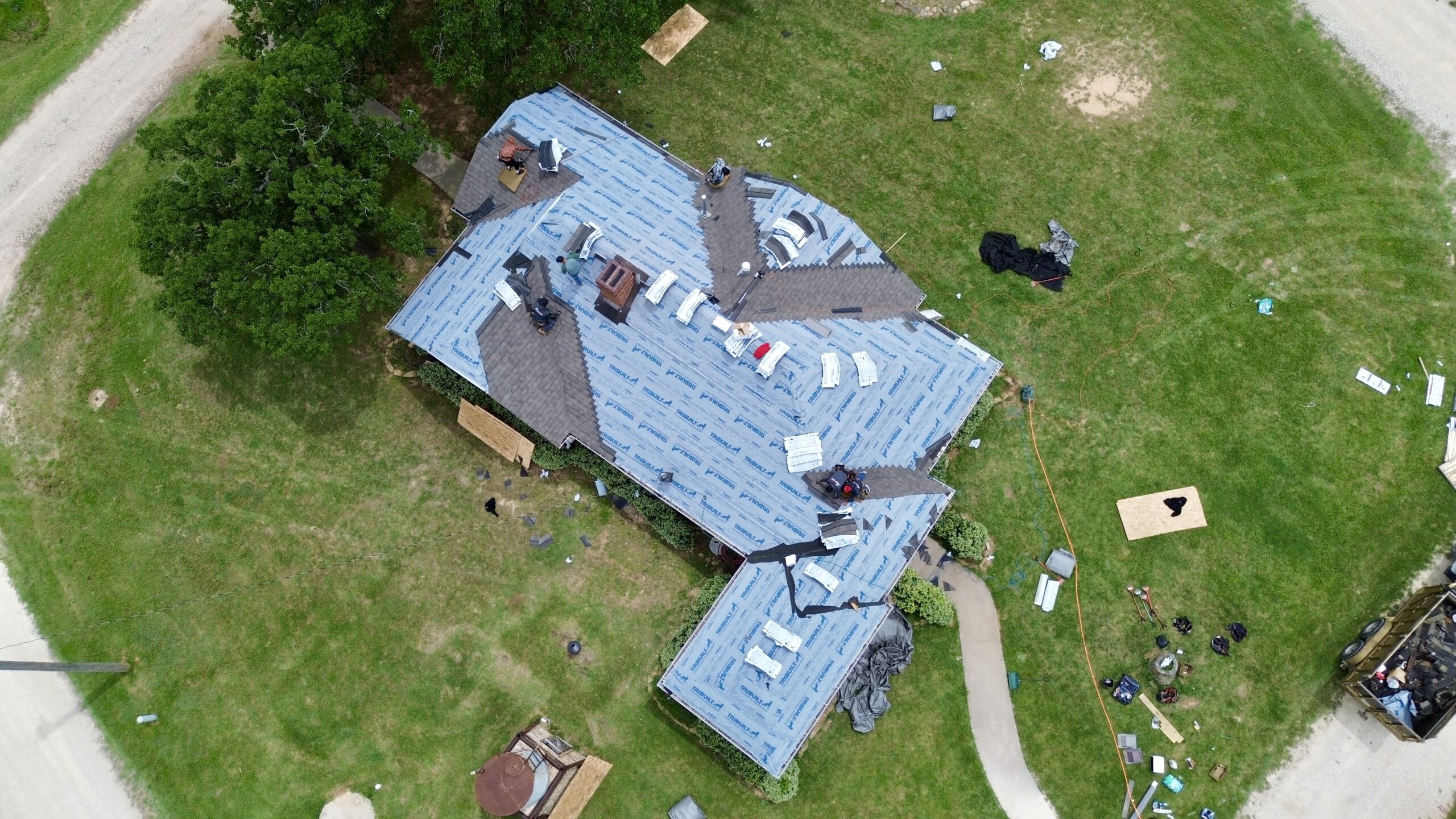
Full roof replacement becomes more appropriate when deterioration is widespread, the roofing system is near the end of its useful life, or repairs can no longer provide dependable long-term protection. Replacement involves a larger investment, but it can provide a more predictable service life and reduce the cycle of repeated repairs. The decision should be based on the condition of the complete roofing system rather than one isolated defect.
Widespread surface deterioration is a major indicator. When shingles across multiple roof sections are curling, cracking, losing significant amounts of protective material, or becoming brittle, replacing only a few damaged areas may not solve the larger problem. Similar concerns can apply to other roofing materials when substantial portions of the system show age-related deterioration.
Repeated leaks can also support a replacement decision. A roof that has experienced numerous leaks in different areas may have broader issues involving the roofing covering, underlayment, flashing, or other components. If repairs have already been attempted and new problems continue to appear, replacing the system may provide a more reliable solution.
Replacement may also be necessary when the underlying roof structure has experienced extensive moisture damage. Water that remains trapped beneath roofing materials can affect decking and other components, potentially reducing the roof’s ability to support and protect the building. The extent of structural damage must be professionally assessed before deciding how much of the system needs to be replaced.
Severe storm events can create another situation where replacement deserves consideration. Hail, wind, falling branches, and other hazards can damage large portions of a roof simultaneously. When damage is extensive, attempting to repair numerous individual areas may be less practical than installing a new roofing system.
A replacement should also be viewed as an opportunity to correct underlying problems. If poor ventilation, inadequate flashing, drainage issues, or installation deficiencies contributed to premature deterioration, simply installing new surface materials without addressing those conditions may lead to future problems. A properly planned replacement should consider the complete roofing assembly and the factors that affect its performance.
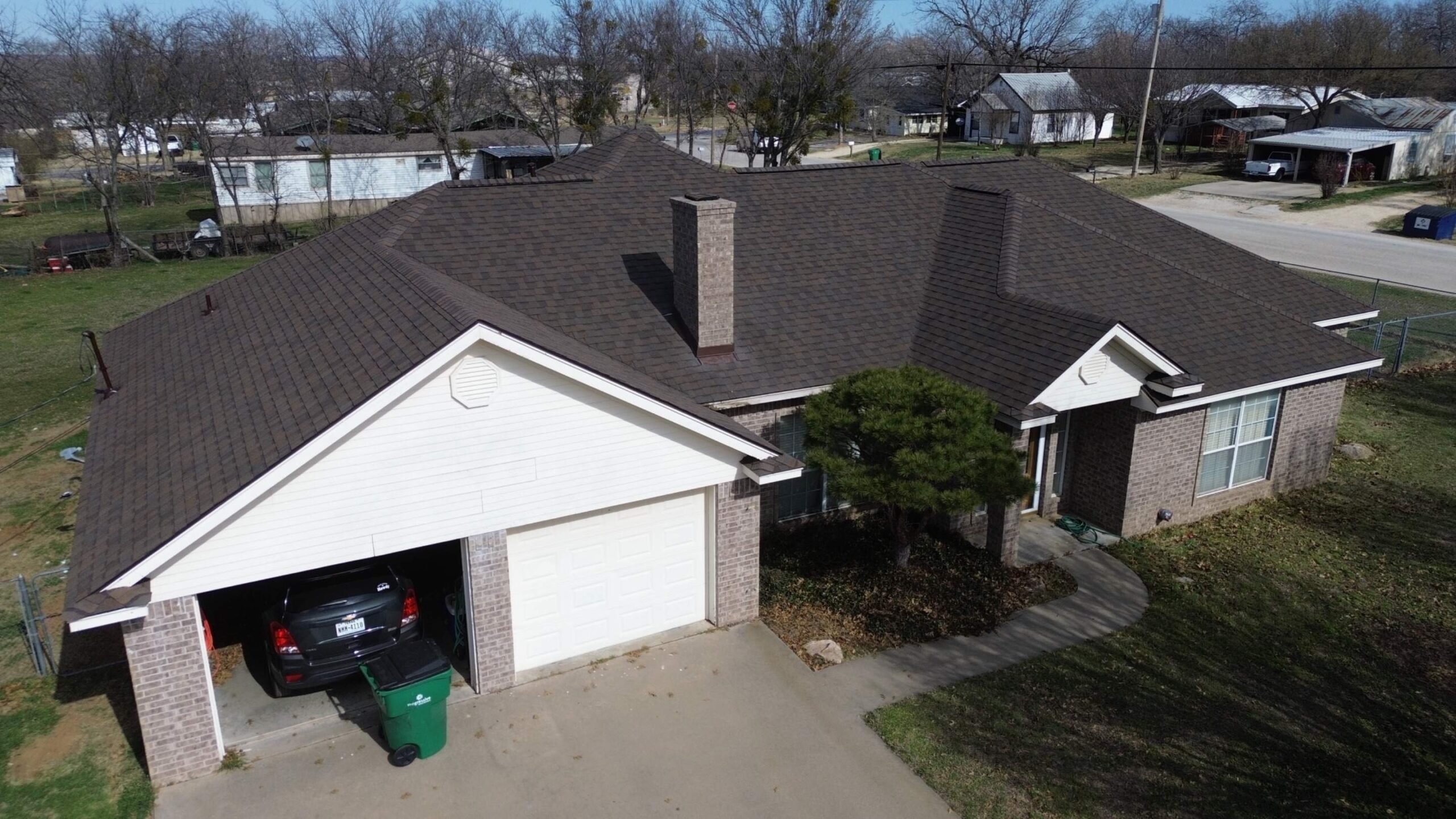
Special Considerations for Different Residential Roofing Materials
The decision to repair or replace can vary significantly depending on the roofing material installed on the home. Asphalt shingles are common and often allow relatively straightforward repairs when damage is localized. However, the condition, age, availability of matching materials, and extent of deterioration still need to be considered before selecting the appropriate approach.
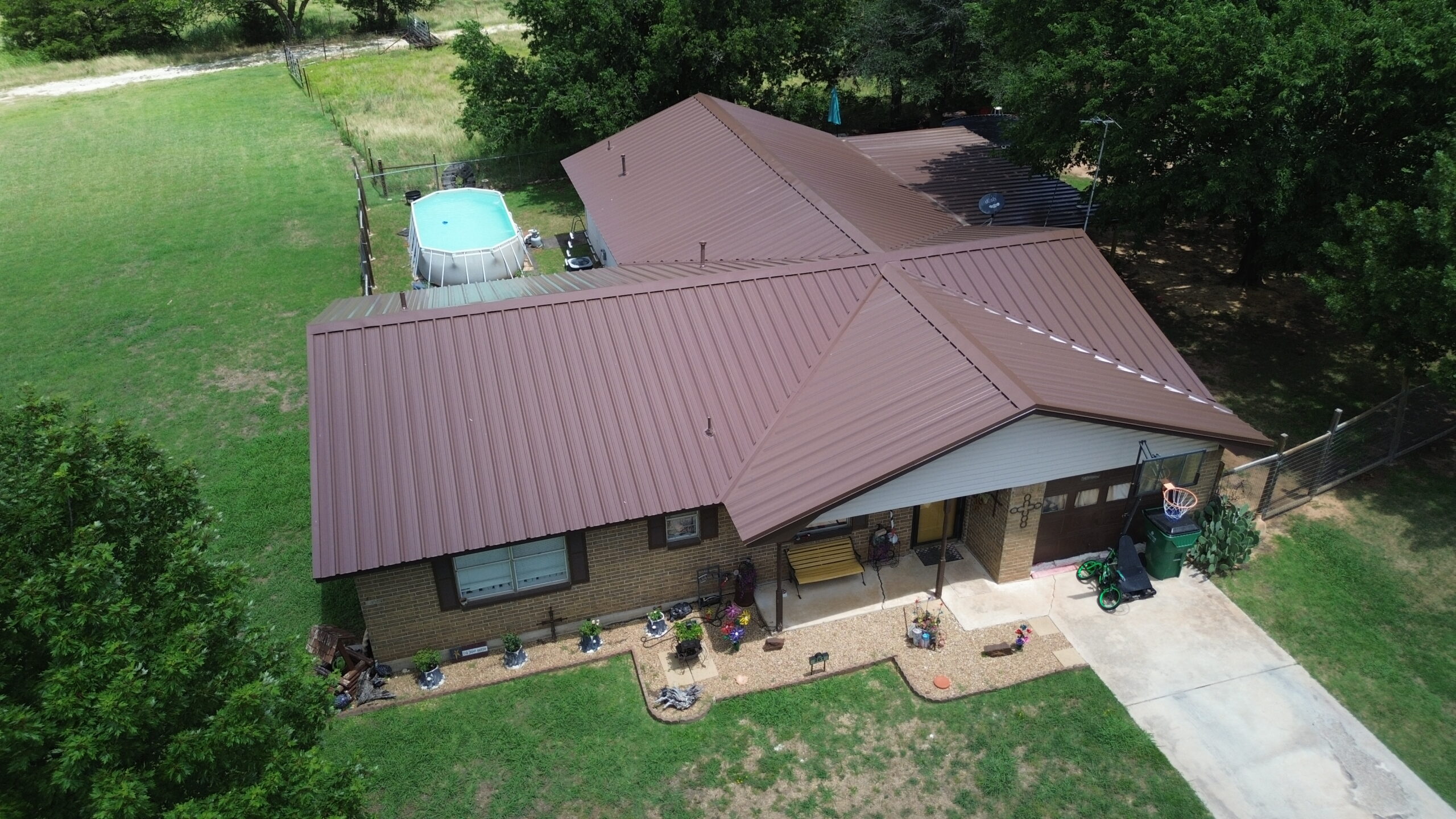
Metal roofing can also sometimes be repaired by replacing individual panels, fasteners, flashing, or other damaged components. Corrosion, loose connections, failed sealants, and storm damage may affect specific sections without requiring complete replacement. At the same time, widespread corrosion, repeated leaks, or extensive panel deterioration may justify a larger project.
Wood shakes and shingles require particular attention because moisture can contribute to splitting, warping, decay, and biological deterioration. Individual damaged pieces may be replaceable when the surrounding material remains healthy. If deterioration is widespread, however, patching isolated sections may create an inconsistent and unreliable roofing surface.
Clay and concrete tile roofs can sometimes remain functional for many years when properly maintained. Individual cracked or broken tiles may be replaced without removing the entire system, but the condition of the underlayment and supporting components is also important. A tile roof that appears acceptable from the outside may still require attention beneath the visible tiles.
Slate roofing is another material where repair can often be preferable to replacement when the underlying system remains sound. Because slate can have a long service life, replacing an entire roof simply because a small number of slates are damaged may not be necessary. Repairs should be performed by professionals familiar with the material to avoid damaging surrounding pieces.
Regardless of the roofing material, compatibility matters. Replacement components should be appropriate for the existing system and installed according to suitable manufacturer and industry practices. Homeowners should avoid choosing a repair method simply because it appears inexpensive, since incompatible materials or improper installation can create additional problems later.
What Homeowners Should Ask Before Approving Roofing Work
Before approving either a repair or replacement, homeowners should understand exactly what work is being recommended and why. A reputable roofing professional should be able to explain the condition of the roof in clear language rather than simply presenting a price. Asking informed questions can help homeowners distinguish between necessary work and optional improvements.
Homeowners should first ask what caused the problem and whether the damage is localized or widespread. This helps establish whether a repair addresses the actual source or merely treats a visible symptom. They should also ask how much useful life the professional expects the existing roof to have if the recommended repair is completed.
For replacement projects, it is useful to ask which roofing components will be removed and which will remain. The proposal should explain the roofing material, underlayment, flashing, ventilation work, and treatment of damaged decking when applicable. Homeowners should also understand whether unexpected conditions discovered after removal could change the final project cost.
Important questions include:
- What specific problem was found during the inspection?
- Is the recommended work a repair or a complete replacement, and why?
- How much of the existing roof is affected?
- What materials and components will be installed?
- What warranty coverage applies to the materials and workmanship?
- How will unexpected underlying damage be handled?
- What maintenance should be performed after the work is completed?
Homeowners should request a detailed written estimate rather than relying only on a verbal agreement. A clear proposal can make it easier to compare contractors and understand what is included in the quoted price. It can also reduce misunderstandings about materials, labor, disposal, warranties, and potential additional charges.
Choosing a contractor should involve more than selecting the lowest estimate. Experience with the specific roofing material, appropriate licensing or qualifications where required, insurance coverage, references, and a clear written scope of work are all important considerations. A reliable professional should be willing to explain the recommended solution and answer reasonable questions before work begins.
How to Plan for a Roof Replacement
When replacement is determined to be the better option, careful planning can make the project more manageable and help homeowners avoid unnecessary complications. A roof replacement can affect access to the property, outdoor areas, attic conditions, landscaping, and daily household routines. Preparing in advance allows homeowners to focus on the project while reducing avoidable disruptions.
The first step is selecting the roofing material and confirming the project scope. Homeowners should understand the differences between available materials in terms of durability, appearance, maintenance, performance, and cost. The selected material should also be suitable for the home’s design, local weather conditions, roof slope, and existing structure.
Timing can also influence the project experience. Weather conditions can affect roofing work, so homeowners should discuss the expected schedule with the contractor and understand how rain, strong winds, or other conditions could affect progress. The contractor should have a plan for protecting the exposed roof if weather changes during the project.
Homeowners should also prepare the property before work begins. Outdoor furniture, fragile decorations, vehicles, and other items may need to be moved away from work areas. Access to driveways and certain parts of the property may be temporarily restricted because roofing materials, equipment, and debris containers require working space.
The attic and interior areas should also be considered. Roofing work can create vibration and noise, while small amounts of dust or debris may occur during removal and installation. Protecting fragile belongings and discussing interior precautions with the contractor can help minimize inconvenience.
Finally, homeowners should keep copies of contracts, invoices, warranties, material information, inspection reports, and project photographs. These records can be valuable for future maintenance, warranty claims, insurance matters, or eventual property sale. Good documentation also provides a useful history of the new roofing system.
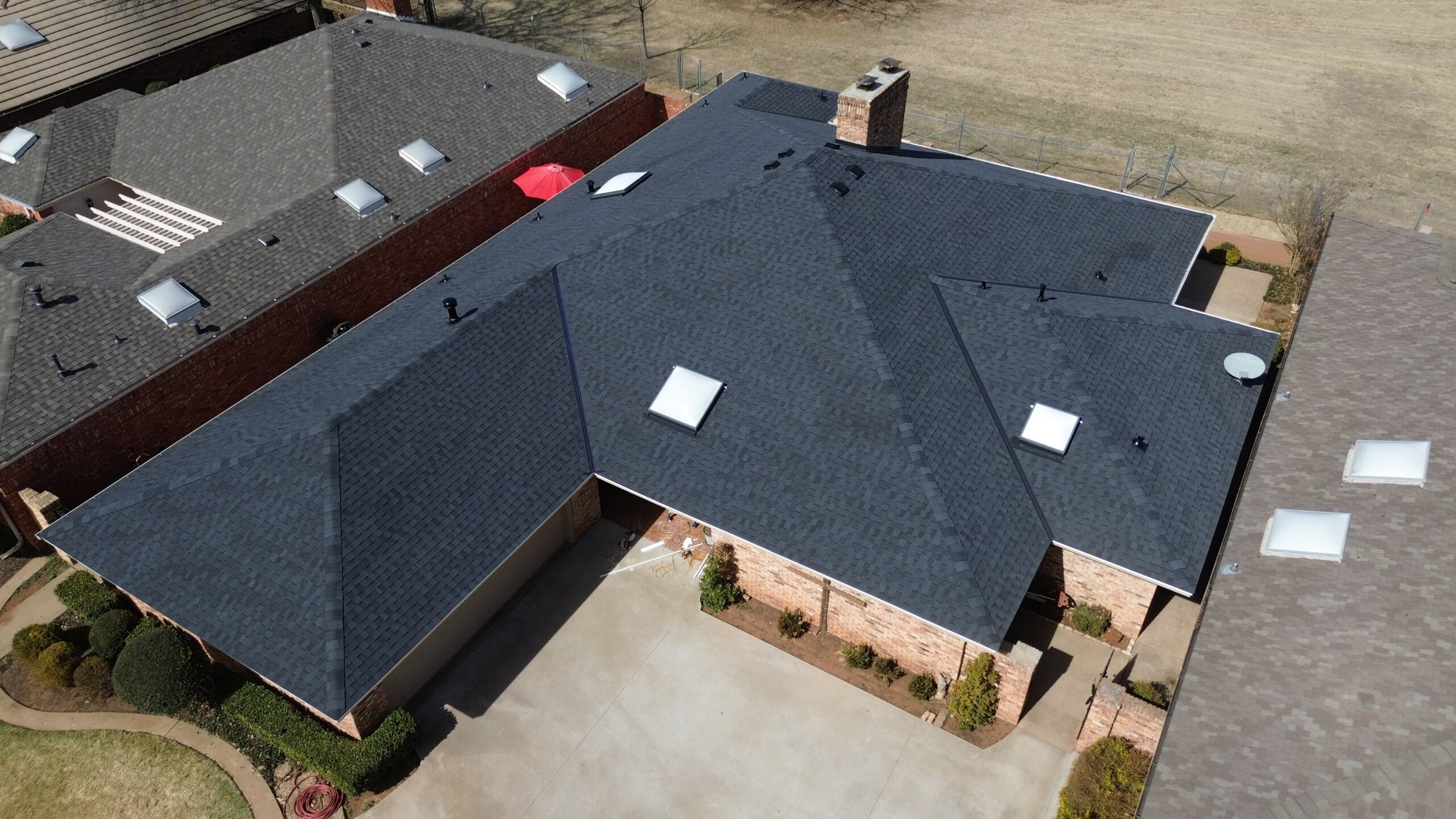
How Proper Maintenance Can Delay Future Replacement
Whether a homeowner chooses repair or replacement, ongoing maintenance plays an important role in maximizing the service life of a residential roofing system. A new roof should not be viewed as maintenance-free, and an older roof should not be ignored simply because replacement is not yet necessary. Regular attention can help identify small problems before they become expensive repairs.
Routine inspections are particularly useful after severe weather. Strong winds, hail, heavy rain, and falling branches can cause damage that is not immediately obvious from the ground. Identifying loose, missing, cracked, or damaged roofing components early can reduce the chance of water reaching the underlying structure.
Keeping drainage systems clear is another important maintenance task. Gutters and downspouts help move rainwater away from the roof and foundation, while blocked drainage can contribute to standing water and moisture-related problems. Regularly removing leaves, branches, and other debris can help maintain proper water flow.
Roof penetrations, flashing, and seals should also be monitored. Chimneys, skylights, vents, and other openings create areas where water can potentially enter if components deteriorate. Addressing damaged flashing or failed seals promptly can often prevent a relatively small problem from developing into a larger roofing repair.
Adequate attic ventilation and insulation also contribute to roof performance. Excessive heat and moisture in an attic can affect roofing materials and contribute to condensation-related problems. Proper ventilation and insulation should therefore be considered part of the overall roofing system rather than separate concerns.
Maintenance cannot stop a roof from aging, but it can help slow avoidable deterioration. Homeowners who monitor their roofs, respond quickly to problems, and maintain supporting systems are generally in a better position to make informed repair or replacement decisions. The objective is not to keep an aging roof indefinitely, but to obtain dependable performance from the system while planning responsibly for its eventual replacement.
Conclusion
Knowing when to repair versus replace a residential roofing system requires a balanced assessment of age, damage, material condition, previous repairs, underlying components, and long-term value. A localized problem on a healthy roof can often be handled effectively with a targeted repair, while widespread deterioration, repeated leaks, structural concerns, or an aging roofing system may make replacement the more dependable choice.
Homeowners should avoid making the decision based solely on the lowest immediate cost. A repair can be a smart investment when it meaningfully extends the life of a sound roof, but repeated repairs on a deteriorating system may eventually cost more while providing less reliable protection. A complete roof replacement can require a larger upfront investment, yet it may offer greater predictability and an opportunity to correct underlying ventilation, flashing, drainage, or installation issues.
The most reliable approach is to have the roof properly evaluated before approving major work. Understanding the condition of the complete roofing system allows homeowners to compare short-term expenses with long-term performance and choose a solution that fits both the property’s needs and their budget.
Regular maintenance remains important after either decision. Promptly addressing minor damage, keeping drainage systems functioning, monitoring roof penetrations, and maintaining appropriate attic conditions can help protect the roofing system throughout its service life. By combining professional assessment with consistent maintenance and thoughtful planning, homeowners can make confident roofing decisions and keep their homes protected for years to come.