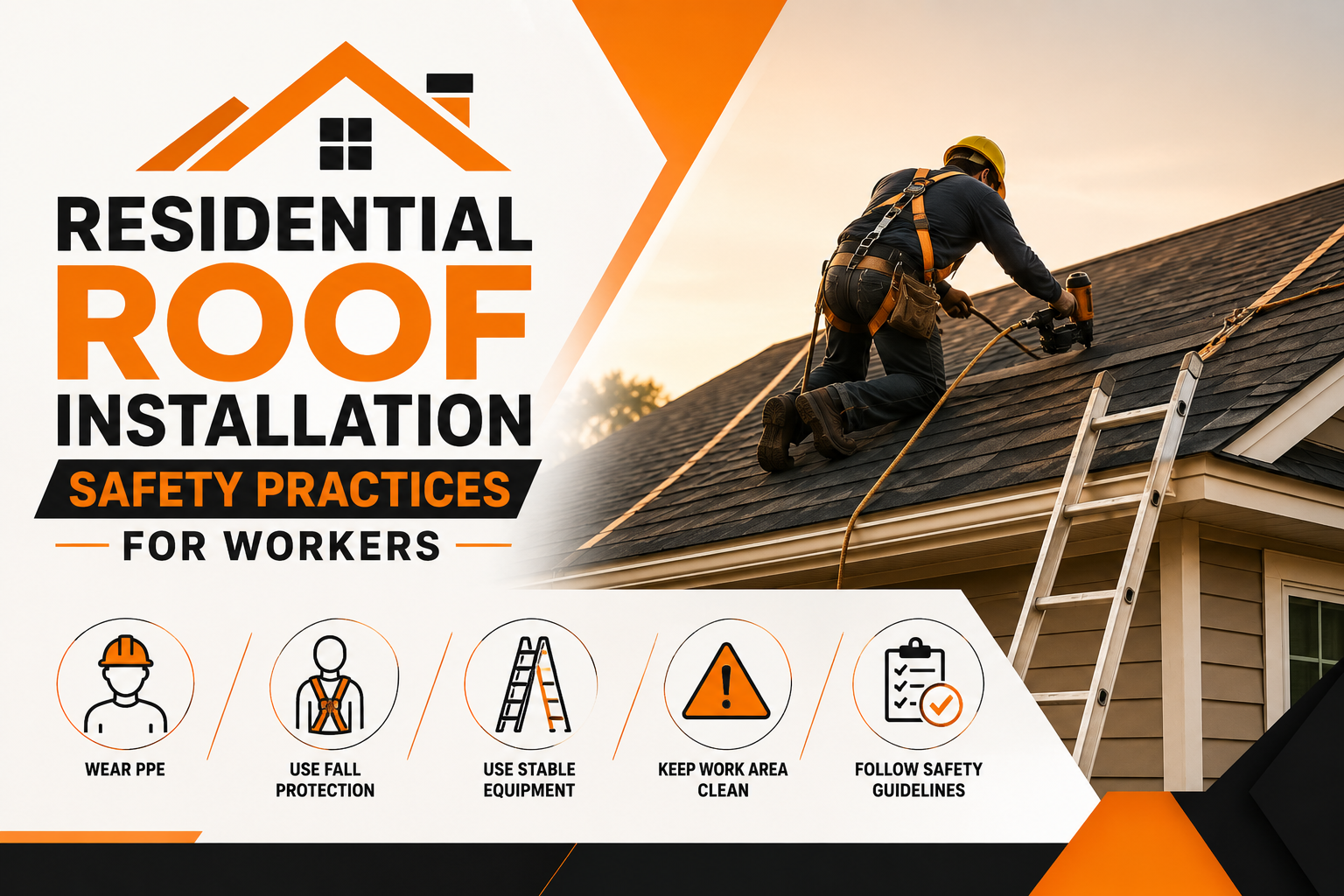
Residential Roof Installation Safety Practices for Workers
Introduction
Residential roof installation is one of the most physically demanding construction activities, requiring workers to perform tasks at elevated heights while handling heavy materials, specialized tools, and changing weather conditions. Every roofing project presents unique challenges, making safety a critical part of the installation process rather than an afterthought. A strong safety program protects workers, improves productivity, and contributes to higher quality workmanship.
Unlike many construction tasks performed at ground level, roofing work combines multiple hazards in one environment. Workers must maintain balance on sloped surfaces, transport materials safely, operate power tools, and remain aware of nearby crew members while completing detailed installation tasks. Even experienced roofing professionals understand that safety requires constant attention from the beginning of the project until the final inspection.
Modern residential roofing companies invest significant time in safety planning before installation begins. Proper equipment, thorough training, weather monitoring, and organized job sites all reduce the likelihood of accidents while helping workers complete projects efficiently. Safe working practices also protect homeowners, visitors, and neighboring properties from unnecessary risks during construction.
Many roofing accidents can be prevented through careful preparation and consistent adherence to established safety procedures. Simple actions such as inspecting ladders, wearing appropriate protective equipment, securing tools, and communicating effectively with coworkers create a safer working environment for everyone involved.
This guide explains the most important residential roof installation safety practices for workers. Understanding these principles helps contractors develop safer job sites while giving homeowners greater confidence that their roofing project is being completed responsibly and professionally.
Why Roofing Safety Is Critical During Residential Installation
Roof installation exposes workers to hazards that are rarely encountered in many other construction trades. Elevated work areas, uneven surfaces, heavy materials, and unpredictable weather combine to create conditions where small mistakes may lead to serious injuries. Because of these risks, safety must remain the highest priority throughout every stage of the roofing project.
One of the primary reasons roofing safety is so important is the constant risk of falls. Even relatively low residential roofs present significant hazards when workers lose balance or step onto unstable surfaces. Proper fall protection systems greatly reduce these risks while allowing workers to move confidently throughout the installation process.
Safety also supports better workmanship. Workers who feel secure and have access to proper equipment can concentrate fully on installation quality instead of worrying about unstable footing or unsafe working conditions. This often leads to more accurate installation and fewer construction errors.
Protecting workers also benefits homeowners. Roofing accidents may delay construction schedules, increase project costs, and create unnecessary stress for everyone involved. Safe work practices help projects remain on schedule while minimizing interruptions caused by preventable incidents.
Professional roofing companies recognize that safety is not simply a legal requirement. It is an essential part of delivering reliable service, maintaining employee well being, and protecting the long term reputation of the business.
Common Hazards Faced by Roofing Workers
Understanding common roofing hazards is the first step toward preventing accidents. Every residential roof installation presents different conditions, but several risks appear consistently across most roofing projects.
Falls remain the most significant hazard during residential roofing work. Sloped roof surfaces, roof edges, ladders, and elevated work areas require continuous awareness and proper fall protection equipment. Workers should never assume that experience alone eliminates fall risks.
Slips and trips are another frequent concern. Loose roofing materials, scattered tools, underlayment, packaging debris, and wet roof surfaces may create unstable footing if work areas are not kept organized. Maintaining clean pathways across the roof helps reduce these hazards.
Material handling also presents challenges. Roofing bundles, metal panels, flashing, and other components can be heavy or awkward to carry. Improper lifting techniques increase the risk of muscle strains, back injuries, and accidental material drops.
Power tools introduce additional hazards. Nail guns, circular saws, drills, and cutting equipment require careful handling and regular inspection to prevent accidental injuries. Workers should use each tool according to manufacturer recommendations while wearing appropriate protective equipment.
Weather creates another major challenge. High winds, rain, lightning, excessive heat, and freezing temperatures all affect worker safety as well as installation quality. Contractors continuously monitor changing conditions and suspend work whenever safety becomes compromised.
Electrical hazards should not be overlooked either. Overhead power lines, temporary construction wiring, and electrical equipment all require careful attention during residential roof installation projects.
Recognizing these hazards allows roofing crews to implement preventive measures before work begins rather than reacting after dangerous situations develop.
Planning a Safe Residential Roof Installation Project
Successful roofing safety begins long before workers climb onto the roof. Careful planning allows contractors to identify potential hazards, organize equipment, and prepare the job site before installation activities begin.
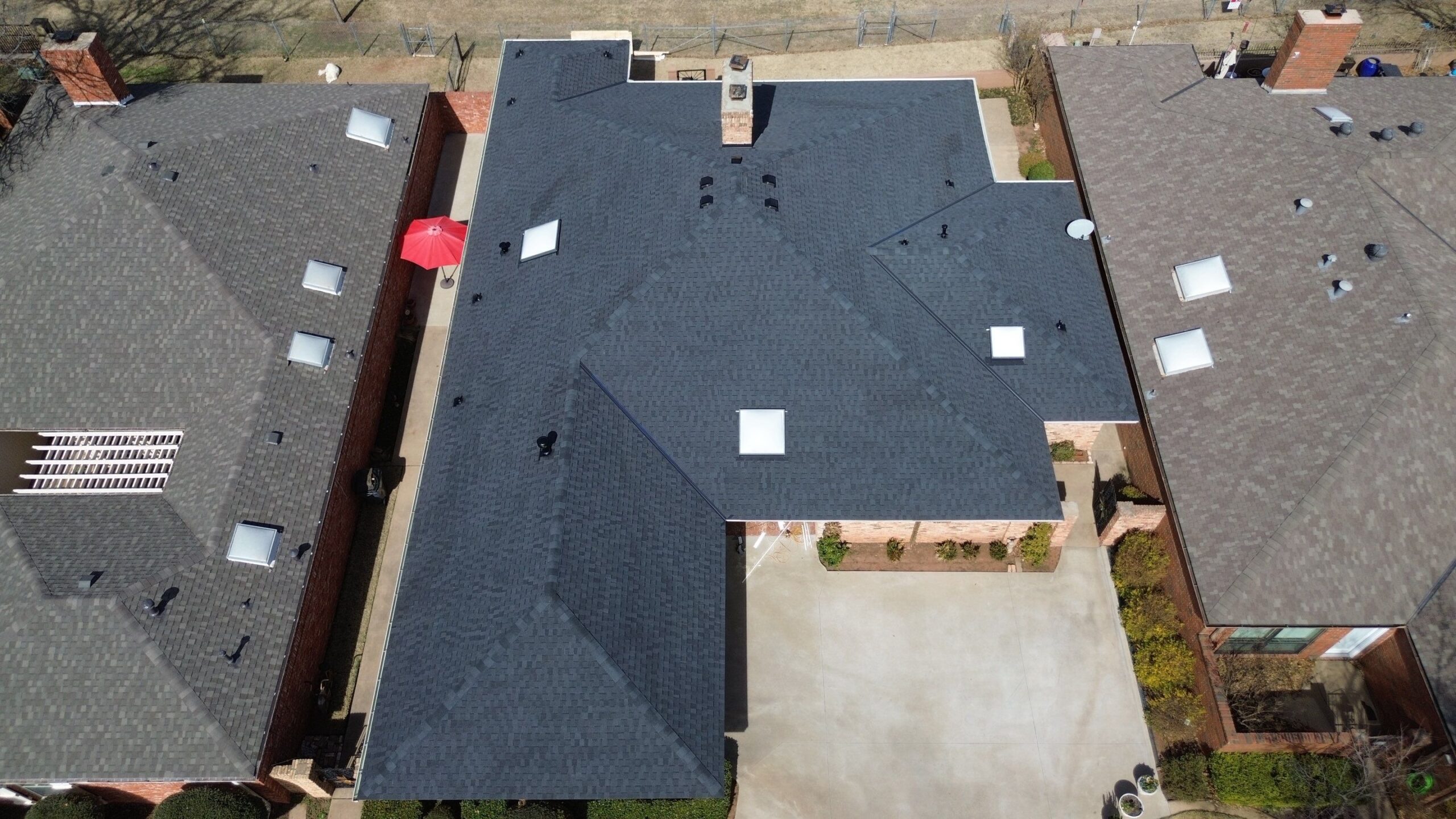
The planning process starts with evaluating the roof itself. Contractors inspect roof slope, height, access points, surrounding structures, nearby power lines, and potential obstacles that may affect worker safety. Understanding these conditions helps determine which protective equipment and work methods will be required.
Material deliveries should also be planned carefully. Roofing products need to arrive at appropriate times while being stored in locations that minimize unnecessary lifting and transportation across the worksite. Organized material placement reduces worker fatigue while keeping walkways clear.
Weather forecasts are reviewed before scheduling roofing activities. Contractors consider expected rainfall, wind speeds, temperature, and storm potential when determining whether installation should proceed. Adjusting schedules in advance often prevents unnecessary exposure to unsafe conditions.
Emergency planning forms another important part of project preparation. Roofing supervisors establish communication procedures, identify emergency contacts, and confirm that workers know how to respond if an accident or medical emergency occurs.
Daily safety meetings are also valuable during larger projects. Brief discussions before work begins remind crews about expected hazards, weather conditions, equipment inspections, and the day’s planned activities.
Planning does not eliminate every roofing hazard, but it significantly improves the crew’s ability to work safely throughout the installation process.
Personal Protective Equipment for Roofing Workers
Personal protective equipment, commonly known as PPE, provides an essential layer of protection during residential roof installation. Although PPE cannot eliminate workplace hazards, it greatly reduces the severity of injuries when used correctly alongside safe work practices.
Safety helmets protect workers from falling tools, construction materials, and accidental impacts. Roofing crews should inspect helmets regularly for cracks or other damage that may reduce their protective performance.
Slip resistant footwear is another important requirement. Roofing shoes or boots designed with appropriate tread patterns improve traction on sloped surfaces while reducing the likelihood of slips during changing weather conditions.
Safety harnesses form one of the most critical components of fall protection systems. When connected to properly installed anchor points, harnesses help prevent serious injuries if a worker loses balance near a roof edge.
Eye protection is necessary whenever cutting materials, operating power tools, or handling products that may generate flying particles. Safety glasses or protective goggles reduce the risk of eye injuries while allowing workers to perform detailed installation tasks safely.
Gloves protect workers from sharp metal edges, rough construction materials, and hand injuries caused by repetitive lifting. Selecting gloves suitable for roofing work improves both protection and grip during material handling.
Hearing protection may also be required when using loud power tools for extended periods. Earplugs or earmuffs help reduce long term hearing damage while allowing workers to remain aware of important verbal communication.
Every piece of personal protective equipment should fit properly, remain in good condition, and be inspected before use. Worn or damaged equipment should be replaced immediately rather than continuing to provide unreliable protection.
Preparing the Job Site Before Work Begins
An organized job site contributes significantly to worker safety. Before roofing installation begins, contractors prepare the work area to reduce hazards while improving efficiency throughout the project.
Material storage areas should be identified before deliveries arrive. Roofing bundles, flashing, underlayment, and tools should remain organized while allowing workers to access them without creating unnecessary trip hazards.
Ladders should be positioned on stable ground and inspected before use. Access points should remain clear throughout the project so workers can move safely between the ground and roof whenever necessary.
Temporary barriers or warning signs may also be installed around active construction zones. These measures help prevent unauthorized access by homeowners, children, pets, or visitors while roofing work is underway.
Waste collection areas should be established before installation begins. Packaging materials, scrap roofing products, and construction debris should be removed regularly rather than accumulating around the worksite.
Contractors also verify that emergency equipment remains accessible. First aid supplies, fire extinguishers, and communication devices should be available throughout the project in case unexpected situations arise.
Preparing the job site carefully creates a safer environment where workers can focus on installation quality rather than navigating unnecessary obstacles.
Weather Awareness and Safety Planning
Weather conditions change quickly during roofing projects, making continuous monitoring an essential part of worker safety. Even favorable morning conditions may become hazardous later in the day if storms, strong winds, or extreme temperatures develop.
Rain creates slippery roof surfaces that significantly increase fall risks. Contractors typically suspend roofing activities during rainfall and wait until surfaces have dried before allowing workers to return.
Strong winds also affect worker safety by reducing balance while making large roofing materials more difficult to control. Lightweight products such as underlayment and metal flashing may become unstable before they can be secured properly.
High temperatures introduce additional concerns including dehydration, heat exhaustion, and reduced concentration. Roofing crews should remain hydrated, take scheduled rest breaks, and watch for early signs of heat related illness throughout the workday.
Cold weather presents different challenges because roofing materials may become less flexible while frost creates slippery roof surfaces. Workers should wear suitable clothing while following manufacturer recommendations for installing roofing materials under low temperature conditions.
Lightning represents one of the most serious weather hazards. Roofing work should stop immediately whenever lightning threatens the work area because elevated roof surfaces provide little protection during electrical storms.
Monitoring weather continuously helps contractors make informed decisions that protect workers while preserving installation quality.
Building a Strong Safety Culture
The safest roofing companies recognize that safety is not achieved through equipment alone. Instead, it develops through a workplace culture where every worker accepts responsibility for maintaining safe working conditions throughout every project.
Supervisors set the example by following safety procedures consistently while encouraging workers to report hazards immediately. Employees should feel comfortable discussing safety concerns without fear of criticism or delay.
Regular training reinforces safe work habits while introducing updated equipment, installation techniques, and industry best practices. Even experienced roofing professionals benefit from continuing education because safety standards continue evolving over time.
Teamwork also strengthens safety culture. Workers watch for hazards affecting one another while communicating clearly during material lifting, ladder movement, and roofing installation activities. Shared responsibility helps prevent accidents before they occur.
Recognizing safe work practices encourages positive behavior throughout the crew. Companies that value safety often experience improved morale, reduced accidents, and higher quality workmanship because workers understand that their well being is considered just as important as project completion.
Developing a strong safety culture requires continuous commitment rather than occasional reminders. Every roofing project provides an opportunity to reinforce habits that protect workers while supporting professional installation standards.
Fall Protection Systems and Equipment
Falls remain the leading safety concern during residential roof installation, making fall protection one of the most important responsibilities on any roofing project. Regardless of the roof height or project size, workers should never rely solely on experience or balance to remain safe. Proper fall protection equipment significantly reduces the risk of serious injuries while allowing roofing crews to work with greater confidence.
A personal fall arrest system is one of the most commonly used safety solutions on residential roofing projects. This system typically includes a full body harness, a lanyard or self retracting lifeline, connectors, and a properly installed roof anchor. Every component must work together correctly to provide reliable protection.
Roof anchors should always be installed according to the manufacturer’s instructions. Anchors attached incorrectly or connected to weak structural members may fail during a fall, reducing the effectiveness of the entire safety system. Professional contractors inspect anchor points carefully before workers begin installation.
Harnesses should fit each worker properly. Loose straps, damaged buckles, or worn webbing reduce protection and should be corrected before work begins. Every worker should inspect personal fall protection equipment daily to ensure it remains in safe operating condition.
Guardrails may also be used on certain roofing projects where practical. These barriers provide continuous edge protection while reducing the likelihood of accidental falls near roof edges.
Workers should remain connected to approved fall protection systems whenever working in areas where fall hazards exist. Disconnecting even briefly increases unnecessary risk, especially when moving materials or changing work positions.
Proper fall protection is not simply about having equipment available. It requires correct installation, regular inspection, proper training, and consistent use throughout every stage of roof installation.
Ladder Safety Best Practices
Ladders provide access between the ground and the roof, making them one of the most frequently used pieces of equipment during residential roofing projects. Improper ladder use, however, remains a common cause of workplace injuries. Following established ladder safety practices greatly reduces these risks.
Before each use, ladders should be inspected for damaged rails, loose rungs, worn feet, or other defects. Damaged ladders should never be repaired temporarily or used until they have been properly replaced.
Ladders should always be positioned on firm, level ground. Soft soil, loose gravel, or uneven surfaces reduce ladder stability and increase the possibility of movement while workers climb.
The ladder should extend above the roof edge to provide secure hand support when stepping onto or off the roof. Maintaining three points of contact while climbing also improves stability and reduces fall risks.
Workers should avoid carrying heavy roofing materials while climbing ladders whenever possible. Material hoists, lifting equipment, or assistance from coworkers often provide safer alternatives for transporting supplies to roof level.
Ladders should never be placed near energized electrical lines. Contractors inspect surrounding conditions before setup to ensure adequate clearance from overhead hazards.
Weather conditions also affect ladder safety. Wet rungs, icy surfaces, or strong winds may require postponing ladder use until conditions improve.
Safe ladder practices support efficient movement between work areas while reducing one of the most common sources of roofing injuries.
Safe Material Handling and Lifting Techniques
Roofing materials are often heavy, bulky, or awkward to carry, making proper lifting techniques essential for preventing strains and other injuries. Material handling safety protects workers while reducing accidental damage to roofing products during installation.
Before lifting any roofing material, workers should evaluate its weight and determine whether assistance or mechanical lifting equipment is needed. Attempting to carry excessive loads increases fatigue while reducing balance on sloped roof surfaces.
Workers should lift using their legs rather than their backs whenever possible. Keeping loads close to the body reduces unnecessary strain while improving overall control during movement.
Material organization also contributes to safety. Roofing bundles, flashing, underlayment, and tools should be positioned strategically around the worksite to minimize unnecessary carrying distances. Good planning reduces fatigue while improving installation efficiency.
Mechanical lifting equipment is often used to transport roofing materials from ground level to the roof. Hoists, cranes, or conveyor systems reduce manual lifting while helping maintain organized material delivery throughout the project.
Once materials reach the roof, they should be distributed carefully to avoid excessive loading in one location. Concentrated weight may place unnecessary stress on the roof structure while creating unstable working conditions.
Clear communication among crew members remains important whenever materials are being moved. Workers should coordinate lifting activities while ensuring pathways remain free from obstacles that could create trip hazards.
Using safe lifting practices helps protect workers while preserving the quality of roofing materials throughout installation.
Tool and Equipment Safety
Residential roof installation requires the use of numerous hand tools and power tools. While these tools improve efficiency, they also create additional hazards if not used correctly. Safe equipment practices protect workers while contributing to higher quality workmanship.
Power tools should be inspected before use to confirm they remain in good working condition. Damaged power cords, loose guards, or malfunctioning switches should be repaired before equipment returns to service.
Nail guns are among the most frequently used roofing tools. Workers should understand the manufacturer’s operating instructions while keeping hands and body parts away from the firing area during use. Trigger mechanisms should never be modified or bypassed.
Circular saws, drills, and cutting tools should also be operated according to manufacturer recommendations. Proper blade guards, stable work surfaces, and appropriate protective equipment reduce the likelihood of accidental injuries.
Hand tools deserve equal attention. Hammers, utility knives, pry bars, and measuring tools should remain clean, properly maintained, and stored safely when not in use. Damaged hand tools may create unnecessary risks during roofing activities.
Extension cords and electrical equipment should be positioned carefully to avoid creating trip hazards. Cords crossing walkways or roof surfaces should be secured whenever practical to maintain safe working conditions.
Workers should never leave tools near roof edges where they might fall onto people or property below. Organizing equipment throughout the workday improves both safety and productivity.
Proper tool maintenance and responsible equipment handling help prevent accidents while supporting efficient roof installation.

Working Safely Around Electrical Hazards
Electrical hazards present unique risks during residential roof installation because roofing crews frequently work near overhead utility lines and temporary construction wiring. Even experienced workers should remain alert whenever electrical equipment or energized systems are nearby.
Before roofing begins, contractors inspect the surrounding property for overhead power lines. Ladders, metal roofing panels, scaffolding, and lifting equipment should always maintain safe distances from energized electrical conductors.
Temporary electrical supplies used during construction also require attention. Extension cords, power outlets, and portable generators should remain protected from moisture while being inspected regularly for damage.
Workers should never operate electrical tools with damaged cords or exposed wiring. Faulty equipment increases the likelihood of electrical shock, particularly during wet weather conditions.
Metal roofing materials require additional caution because of their conductivity. Contractors coordinate material handling carefully whenever metal products are installed near electrical hazards.
Rain or standing water further increases electrical risks. Power tools should only be used under safe weather conditions while following all manufacturer recommendations regarding moisture exposure.
Training helps workers recognize potential electrical hazards before they become dangerous. Understanding safe clearance distances and proper equipment use significantly reduces electrical risks throughout the roofing project.
Comparing Roofing Hazards and Safety Measures
Every roofing project involves multiple hazards, but each one can be managed through appropriate planning and protective measures. The following table summarizes common roofing hazards together with practical safety solutions.
| Roofing Hazard | Potential Risk | Safety Measure |
|---|---|---|
| Falls from Roof | Serious injury | Personal fall arrest systems and guardrails |
| Ladder Accidents | Falls during access | Proper ladder positioning and inspection |
| Heavy Material Handling | Muscle strains | Correct lifting techniques and lifting equipment |
| Power Tool Use | Cuts and impact injuries | Equipment inspection and proper PPE |
| Electrical Hazards | Electric shock | Safe clearance from power lines and equipment inspection |
| Extreme Heat | Heat exhaustion and dehydration | Hydration, rest breaks, and weather monitoring |
| Strong Winds | Loss of balance | Suspend work during unsafe weather |
| Slips and Trips | Falls on roof surface | Organized worksite and debris removal |
Reviewing these hazards regularly reminds roofing crews that safety depends on multiple protective measures working together throughout the project.
Communication and Team Coordination
Effective communication is one of the most valuable safety tools available on a roofing project. Roofing crews often work simultaneously in different locations while lifting materials, operating equipment, and completing detailed installation tasks. Clear communication helps prevent misunderstandings that could lead to accidents.
Daily safety meetings provide an opportunity to discuss weather conditions, planned work activities, equipment inspections, and any unusual hazards expected during the day. These brief discussions ensure every crew member understands the work plan before installation begins.
Workers should also communicate continuously throughout the day. Announcing material movement, ladder repositioning, or tool operation helps nearby coworkers remain aware of changing conditions while reducing unexpected hazards.
Hand signals are often useful when verbal communication becomes difficult because of equipment noise or distance. Standardized signals improve coordination while minimizing confusion during lifting operations.
Supervisors play an important role by encouraging workers to report hazards immediately. Loose materials, damaged equipment, changing weather, or unsafe behavior should be addressed promptly before conditions worsen.
Respectful communication also strengthens teamwork. Workers who trust one another are more likely to share safety concerns and assist coworkers whenever additional support is needed.
Strong communication transforms individual workers into coordinated teams capable of completing roofing projects more safely and efficiently.

Daily Safety Inspections During Installation
Safety should be evaluated continuously rather than only at the beginning or end of a roofing project. Daily inspections help identify developing hazards while allowing corrective action before accidents occur.
Supervisors typically begin each workday by inspecting ladders, fall protection equipment, roof anchors, scaffolding, and access routes. Any damaged equipment should be repaired or replaced before roofing activities begin.
Weather conditions are reviewed again before workers climb onto the roof. Wind speeds, temperature, rain forecasts, and storm activity may require adjustments to the planned work schedule.
Roof surfaces should also be inspected for loose materials, accumulated debris, or slippery conditions created overnight. Removing these hazards improves worker stability throughout the day.
Tool inspections form another important part of daily safety reviews. Power tools, extension cords, cutting equipment, and lifting devices should remain in safe operating condition before being used.
Supervisors continue monitoring safety throughout the workday rather than relying solely on morning inspections. Changing weather, shifting materials, or evolving construction conditions may introduce new hazards requiring immediate attention.
Documenting completed inspections also benefits roofing companies by creating records that demonstrate consistent attention to workplace safety.
Building Safe Habits Every Day
Successful roofing safety depends on consistent habits rather than occasional reminders. Workers who inspect equipment regularly, communicate effectively, maintain organized work areas, and follow established safety procedures create safer job sites every day.
Safety habits become stronger through repetition. Wearing protective equipment correctly, checking weather conditions, securing tools, and reporting hazards eventually become routine parts of the installation process rather than extra tasks.
Contractors who encourage these habits often experience fewer workplace injuries, improved productivity, and higher quality roofing installations. Workers also develop greater confidence because they understand that safety remains a shared responsibility across the entire crew.
Emergency Preparedness on Roofing Projects
Even with careful planning and strong safety procedures, unexpected situations can still occur during residential roof installation. For this reason, every roofing project should include a clear emergency response plan before work begins. Preparing for emergencies allows workers to respond quickly and effectively while reducing the severity of potential injuries.
Every crew member should know who is responsible for coordinating emergency response activities. Supervisors typically assign specific responsibilities so workers understand who will contact emergency services, provide first aid, guide responders to the job site, and secure the work area if an incident occurs.
Emergency contact information should always be available on the job site. This includes local emergency services, nearby medical facilities, company supervisors, and homeowner contact details. Having this information readily accessible saves valuable time during urgent situations.
First aid supplies should be inspected regularly and kept in an easily accessible location. Basic first aid kits should contain bandages, antiseptic supplies, gloves, dressings, and other essential items appropriate for construction work. Workers should also know where these supplies are stored before installation begins.
Emergency access routes deserve careful attention. Roofing materials, ladders, vehicles, and equipment should never block entrances or pathways that emergency responders may need to use. Keeping these areas clear improves response times if assistance becomes necessary.
Communication also plays an important role during emergencies. Workers should know how to report accidents quickly using radios, mobile phones, or other communication devices while remaining calm and providing accurate information.
Preparing for emergencies does not mean accidents are expected. Instead, it reflects a professional commitment to protecting workers by ensuring everyone knows how to respond if unexpected situations occur.
Preventing Fatigue and Heat Related Illness
Residential roofing is physically demanding work that often takes place in direct sunlight for extended periods. High temperatures, repetitive lifting, and continuous movement across sloped roof surfaces can quickly lead to fatigue if workers do not manage their physical condition carefully.
Heat exhaustion is one of the most common weather related concerns during roofing projects. Early symptoms may include excessive sweating, dizziness, headache, muscle cramps, weakness, nausea, or difficulty concentrating. Recognizing these warning signs allows workers to seek rest before the condition becomes more serious.
Hydration is one of the simplest and most effective ways to reduce heat related risks. Workers should drink water regularly throughout the day instead of waiting until they feel thirsty. Frequent hydration helps maintain physical performance while reducing the likelihood of dehydration.
Scheduled rest breaks also contribute to worker safety. Short breaks taken in shaded or cooler areas allow workers to recover physically while lowering body temperature before returning to the roof. Supervisors often adjust break schedules during periods of extreme heat.
Appropriate clothing further supports heat management. Lightweight, breathable fabrics help improve comfort while allowing workers to remain protected from prolonged sun exposure. Wide brim hard hat attachments or neck protection may also reduce direct sunlight on exposed skin.
Fatigue affects more than physical strength. Tired workers may experience slower reaction times, reduced concentration, and impaired decision making, increasing the possibility of mistakes or accidents. Rotating demanding tasks among crew members helps distribute workloads more evenly throughout the day.
Supervisors should monitor workers continuously for signs of fatigue, especially during hot weather. Encouraging workers to report how they feel without fear of criticism creates a safer working environment for everyone.
Managing heat and fatigue effectively protects both worker health and installation quality throughout the roofing project.
Final Site Safety Inspection
As roof installation nears completion, contractors perform a final site safety inspection before leaving the property. This inspection differs from the roofing quality inspection because its primary focus is ensuring the worksite no longer presents safety hazards to workers, homeowners, or visitors.
The inspection begins by confirming that all tools and equipment have been removed from the roof. Hammers, nail guns, utility knives, extension cords, and other equipment should never remain unattended after work has concluded. Proper storage reduces both damage and accidental injuries.
Temporary fall protection equipment should be removed carefully once it is no longer required. Roof anchors, warning lines, guardrails, and scaffolding should be dismantled according to manufacturer recommendations while maintaining worker safety throughout the removal process.
Roofing debris should also be cleared completely. Packaging materials, wood scraps, underlayment pieces, broken shingles, and leftover fasteners should be collected before workers leave the site. A clean work area reduces hazards while reflecting professional workmanship.
Special attention should be given to roofing nails. Contractors typically use magnetic sweepers across driveways, lawns, sidewalks, flower beds, and surrounding areas to collect loose metal fasteners. Performing multiple sweeps helps reduce the possibility of nails remaining hidden after cleanup.
Ladders should be removed safely after final roof access is no longer required. Access points should remain secure while preventing unauthorized roof entry once the project has been completed.
A final walkthrough with the homeowner also supports site safety. Contractors explain completed work, answer questions, and verify that the property has been restored to a safe condition before concluding the project.
Completing a thorough site safety inspection ensures the roofing project finishes with the same commitment to safety that guided its beginning.
Worker Training and Continuous Safety Improvement
Safety training is not a one time activity completed only when employees are first hired. Residential roofing techniques, equipment, and safety standards continue evolving, making ongoing education an essential part of professional roofing operations.
New workers should receive comprehensive safety orientation before participating in roofing activities. This training typically includes ladder safety, fall protection, tool operation, material handling, hazard recognition, and emergency procedures. Establishing these fundamentals early helps create safe work habits from the beginning.
Experienced workers also benefit from refresher training. Reviewing established procedures reinforces good habits while introducing updated equipment, revised regulations, and improved installation techniques. Continuous learning helps crews remain prepared for changing industry expectations.
Hands on practice is often more effective than classroom instruction alone. Workers gain confidence by practicing equipment inspection, harness fitting, ladder setup, and emergency response procedures under supervision before applying these skills on active job sites.
Safety meetings encourage continuous improvement as well. Discussing recent projects, identifying lessons learned, and reviewing near miss incidents helps crews strengthen safety practices before similar situations occur again.
Supervisors should encourage workers to suggest safety improvements based on their daily experience. Employees performing roofing tasks often recognize practical solutions that improve both efficiency and workplace safety.
A commitment to continuous learning strengthens roofing companies while creating safer environments for workers and homeowners alike.
Residential Roof Installation Safety Checklist
Following a structured checklist helps ensure important safety measures receive consistent attention throughout every residential roofing project. Contractors and workers can use the following checklist before and during installation.
- Inspect personal protective equipment before each workday.
- Verify roof anchors and fall protection systems are installed correctly.
- Inspect ladders for damage and proper positioning.
- Check weather forecasts before beginning work.
- Keep roof surfaces free from unnecessary debris.
- Store tools securely when not in use.
- Lift materials using proper techniques or mechanical assistance.
- Maintain safe distances from electrical hazards.
- Confirm first aid supplies remain accessible.
- Review emergency procedures with the entire crew.
- Monitor workers for signs of heat exhaustion or fatigue.
- Perform daily equipment inspections.
- Communicate hazards immediately to supervisors.
- Conduct a final site safety inspection before leaving.
- Document safety observations for future improvement.
Following these steps consistently helps create safer roofing projects while reducing preventable accidents.
Common Safety Mistakes to Avoid
Many workplace injuries result from simple mistakes rather than unusually dangerous situations. Recognizing these common errors allows roofing crews to prevent accidents before they occur.
One frequent mistake is becoming comfortable with familiar tasks. Experienced workers sometimes assume routine activities no longer require full attention, increasing the possibility of overlooking developing hazards. Maintaining consistent focus throughout every workday helps prevent unnecessary incidents.
Ignoring damaged equipment is another common error. Worn harnesses, damaged ladders, defective tools, or loose roof anchors should never remain in service simply to save time. Replacing unsafe equipment protects workers while preventing larger problems later.
Poor housekeeping also creates unnecessary risks. Loose packaging, scattered tools, unused materials, and construction debris increase the likelihood of slips and trips across roof surfaces. Keeping work areas organized supports both safety and productivity.
Some workers delay reporting hazards because they believe the issue is minor or can be addressed later. Immediate reporting allows supervisors to correct problems before they affect additional crew members.
Working during unsafe weather conditions is another avoidable mistake. High winds, heavy rain, lightning, or icy surfaces greatly increase roofing risks. Delaying work until conditions improve protects both workers and installation quality.
Skipping hydration or rest breaks may also affect safety. Fatigue reduces concentration and physical coordination, making even experienced workers more vulnerable to accidents.
Avoiding these common mistakes strengthens the effectiveness of every other safety procedure implemented throughout the roofing project.
Creating a Long Term Safety Culture
The safest roofing companies understand that workplace safety extends beyond individual projects. Developing a long term safety culture requires continuous commitment from management, supervisors, and every member of the roofing crew.
Strong leadership sets the foundation for safe work practices. Supervisors who consistently follow safety procedures demonstrate that protective equipment and established guidelines apply equally to everyone on the job site.
Positive reinforcement also encourages safer behavior. Recognizing workers who follow safety procedures, report hazards promptly, or assist coworkers creates an environment where safety becomes a shared responsibility rather than simply a company requirement.
Open communication strengthens this culture further. Workers should feel comfortable discussing concerns, asking questions, and suggesting improvements without worrying about criticism or unnecessary delays. Every observation has the potential to prevent future accidents.
Learning from completed projects also supports continuous improvement. Reviewing safety successes, identifying areas for improvement, and updating company procedures helps strengthen future roofing operations while reducing recurring hazards.
A long term commitment to safety benefits everyone involved. Workers remain better protected, homeowners receive higher quality service, and roofing companies build stronger professional reputations based on responsible workmanship.
Conclusion
Residential roof installation requires skill, experience, and careful attention to detail, but none of these qualities are more important than safety. Roofing professionals work in challenging environments where elevated heights, changing weather, heavy materials, and specialized tools create risks that must be managed throughout every stage of the project. A strong safety program protects workers while supporting efficient and high quality roof installation.
Throughout this guide, we explored the essential safety practices that contribute to successful residential roofing projects. From planning and hazard recognition to fall protection, ladder safety, material handling, tool operation, emergency preparedness, worker training, and final inspections, every safety measure plays an important role in reducing workplace risks. These practices work together to create job sites where workers can perform confidently while maintaining professional installation standards.
One of the most valuable lessons is that roofing safety depends on preparation rather than reaction. Careful planning, routine equipment inspections, proper personal protective equipment, effective communication, and ongoing training allow contractors to identify hazards before accidents occur. Preventing incidents is always more effective than responding after injuries have happened.
Safety also requires continuous commitment after the project begins. Daily inspections, weather monitoring, hydration, housekeeping, and teamwork help maintain safe working conditions as installation progresses. Workers who consistently follow established procedures contribute not only to their own safety but also to the well being of everyone around them.
Ultimately, residential roof installation safety is the shared responsibility of contractors, supervisors, and every member of the roofing crew. When safety becomes part of the company’s daily culture rather than a simple checklist, roofing projects are completed more efficiently, with fewer accidents and higher quality results. By combining professional training, proper equipment, thoughtful planning, and consistent safe work habits, roofing workers can protect themselves while delivering durable residential roofing systems that homeowners can rely on for many years.