
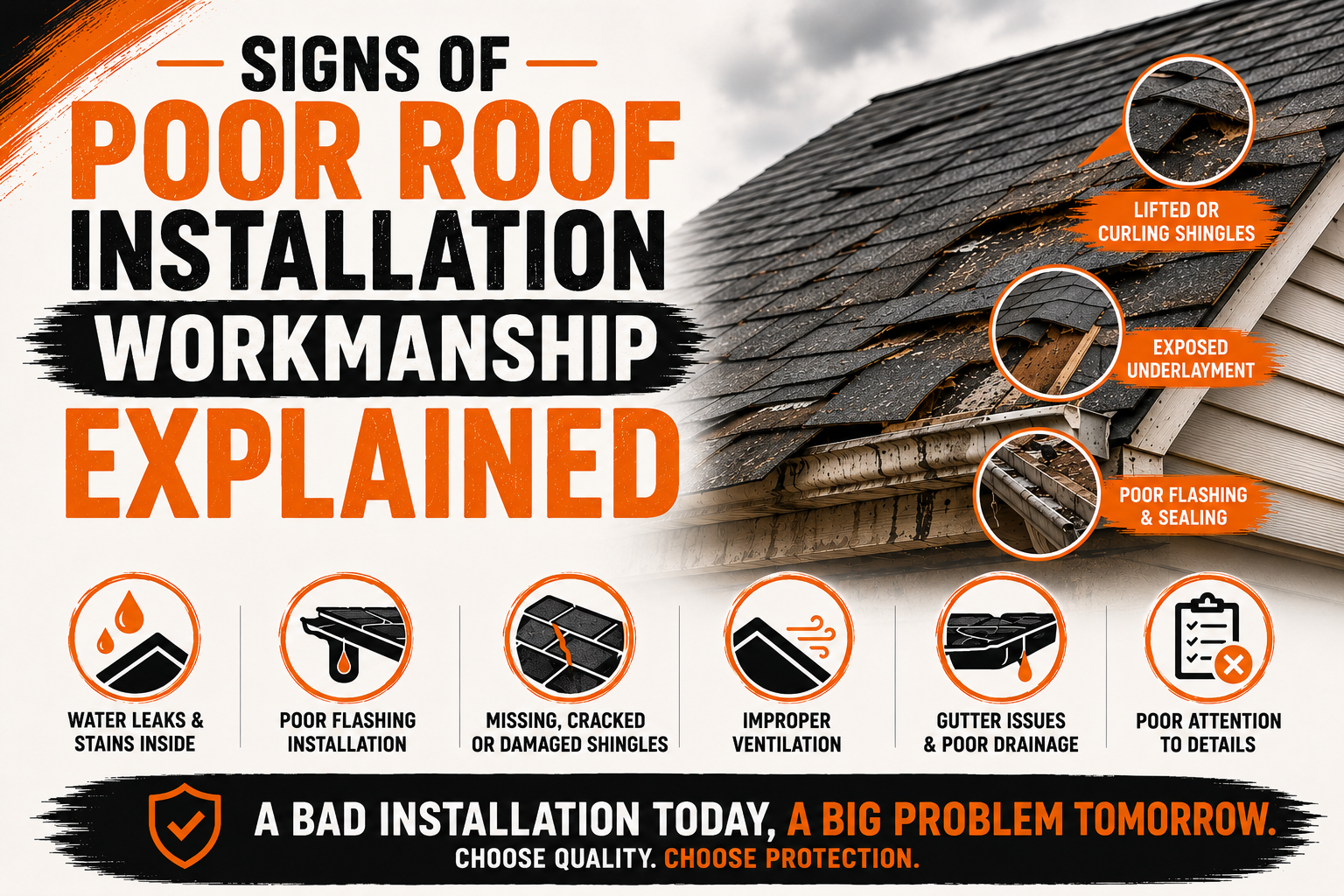
Signs of Poor Roof Installation Workmanship Explained
Introduction
A new roof is expected to provide reliable protection from rain, wind, heat, and other outdoor conditions for many years. However, even high-quality roofing materials can fail when they are installed incorrectly. Poor workmanship can create problems that may not be obvious immediately, allowing small installation defects to develop into leaks, structural damage, premature shingle deterioration, and expensive repairs.
Homeowners often assume that a newly installed roof should automatically be problem-free, but the quality of the installation is just as important as the materials selected for the project. Shingles, underlayment, flashing, ventilation components, and other roofing materials must all be installed according to proper procedures. When contractors rush the work, overlook important details, or use improper techniques, the finished roof may have visible and hidden weaknesses.
Recognizing the signs of poor roof installation can help homeowners identify problems before they become severe. Some warning signs can be seen from the ground, while others become noticeable during a professional inspection or after the first significant rainfall. Understanding what to look for also makes it easier to communicate concerns with a roofing contractor and determine whether corrective work may be necessary.
Why Proper Roof Installation Workmanship Matters
Roof installation is more than simply placing shingles across the surface of a roof. A roofing system contains several components that work together to keep water outside the building and protect the structure underneath. Each component has a specific purpose, and an error in one area can affect the performance of other parts of the system.
Proper workmanship helps ensure that shingles remain securely attached, water flows toward the appropriate drainage points, and vulnerable areas receive adequate protection. Details around roof edges, valleys, chimneys, skylights, vents, and other penetrations are particularly important because these areas are more susceptible to water intrusion. A roof that looks attractive from a distance may still have serious installation problems if these details were handled incorrectly.
Poor installation can also shorten the expected service life of roofing materials. Instead of gradually wearing down through normal weather exposure, improperly installed components may begin to fail much earlier. This can turn what should have been a long-term investment into a recurring repair expense.
What Poor Roof Installation Really Means
Poor roof installation workmanship refers to mistakes, shortcuts, or improper practices that compromise the performance, durability, or appearance of a roofing system. These problems can happen during preparation, material installation, flashing work, ventilation installation, or final finishing.
Some workmanship issues are immediately visible, such as crooked shingles or uneven roof lines. Other defects are hidden beneath the roofing materials and may only become apparent when water enters the attic or when a professional inspection identifies an installation problem.
Common workmanship problems may include:
- Shingles installed out of alignment or with inconsistent spacing
- Incorrect nail placement or insufficient fastening
- Improperly installed underlayment or flashing
- Poorly sealed roof penetrations
- Inadequate ventilation
- Incorrect installation around valleys and roof edges
The presence of one minor cosmetic issue does not necessarily mean an entire roof was installed incorrectly. However, several visible defects together can indicate that the installation process was rushed or performed without sufficient attention to detail.
Early Warning Signs of Poor Roof Installation
Identifying installation problems early is important because roofing defects can become more difficult and expensive to correct over time. Some signs can be noticed shortly after installation, while others may appear after the roof experiences rain, strong wind, or extreme temperature changes.
Homeowners should pay attention to the overall appearance of the roof as well as specific areas where installation errors commonly occur. A professional inspection can provide a more reliable assessment, particularly when problems are suspected but cannot be confirmed from the ground.
One useful approach is to look for patterns rather than focusing on a single imperfection. For example, one slightly uneven shingle may not indicate a major issue, but repeated misalignment across a large section of the roof could point to a broader workmanship problem.
Uneven or Misaligned Shingles
Shingles should generally form consistent rows across the roof surface. When shingles appear crooked, uneven, or poorly spaced, it can be a sign that the installer did not maintain proper alignment during installation. Significant inconsistencies can affect both the appearance and performance of the roofing system.
Misaligned shingles may also create areas where the intended overlap between roofing materials is reduced. Proper overlap helps direct water downward across the roof instead of allowing it to reach the layers underneath. When shingles are installed incorrectly, water may find pathways into vulnerable areas.
A homeowner can often notice major alignment problems from the ground, especially when looking across a large roof section. If several rows appear wavy or inconsistent, it is worth having the installation evaluated rather than assuming the irregularities are purely cosmetic.
Improper Shingle Nailing
Nails are essential for securing shingles to the roof deck. Their location, quantity, and depth can affect how well the shingles remain attached during normal weather and high winds. If nails are placed too high, too low, too far to one side, or driven incorrectly, the shingles may not have the expected level of support.
Overdriven nails can damage the shingle material by cutting through it or weakening the area around the fastener. Underdriven nails may leave the nail head raised above the shingle, preventing the material from sitting properly. Both situations can create weaknesses that become more noticeable as the roof ages.
Incorrect nail placement can also interfere with the designed fastening pattern of the shingles. In areas exposed to strong winds, inadequate fastening may increase the risk of shingle movement or loss. Because nail placement is often difficult to verify from the ground, suspected problems should be checked by a qualified roofing professional.
Exposed or Incorrectly Placed Nails
Exposed nails are another warning sign that deserves attention. Roofing nails are generally intended to be positioned in areas where they are protected by overlapping materials, depending on the specific roofing system and installation requirements. Nails that remain unnecessarily exposed can become potential entry points for moisture.
Water can collect around improperly exposed fasteners, especially when sealants have deteriorated or were never applied where required. Over time, repeated moisture exposure may contribute to leaks, corrosion, or deterioration of the surrounding roofing materials.
Homeowners may notice exposed nails around roof accessories, flashing, ridge areas, or other installation points. Rather than covering every visible nail with sealant as a quick fix, it is better to determine why the nail is exposed and whether the underlying installation was performed correctly.
Poor Roof Deck Preparation
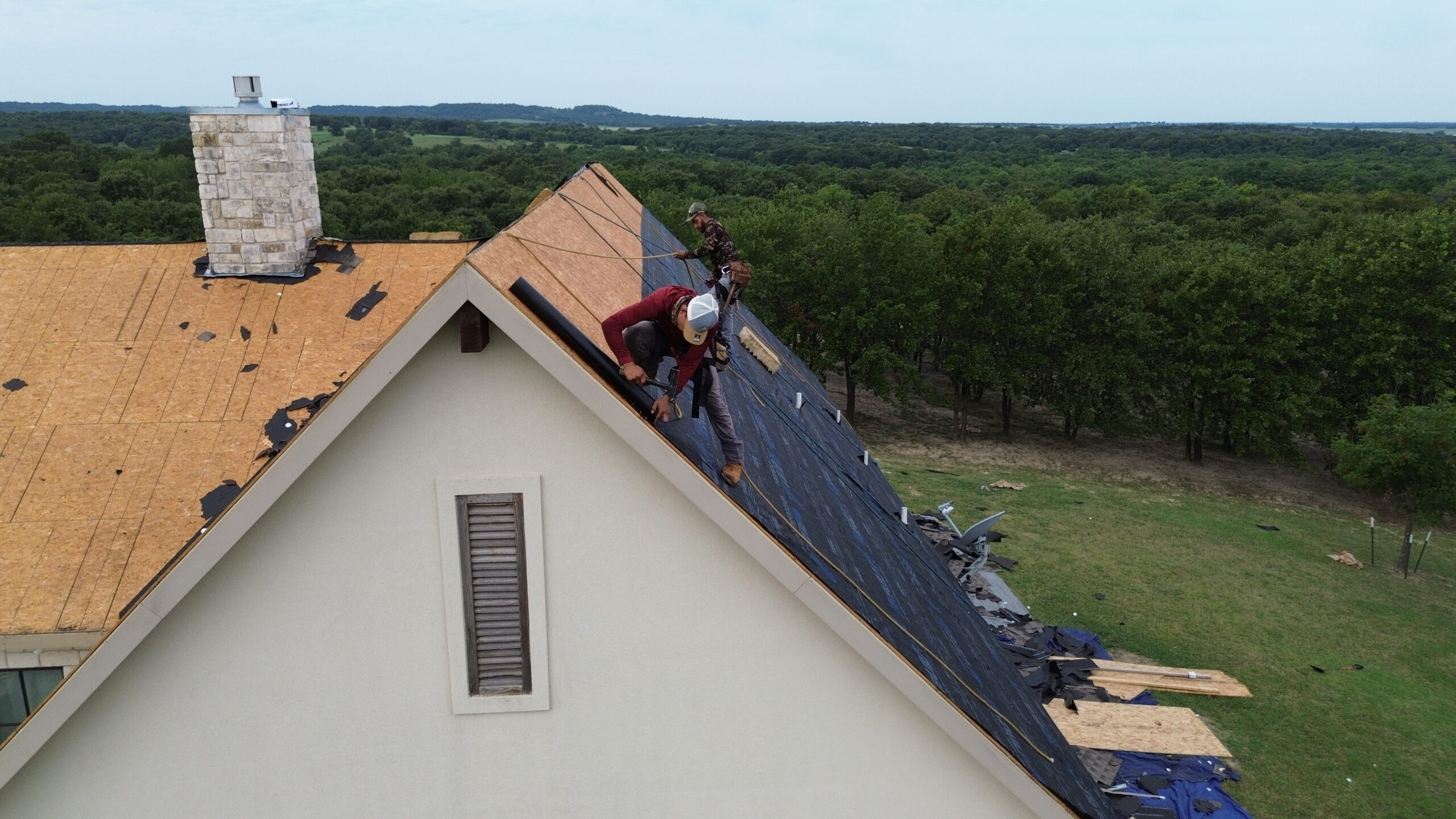
The roof deck provides the foundation for the roofing system, so it should be properly evaluated and prepared before new materials are installed. Damaged, rotten, excessively deteriorated, or structurally compromised decking may need to be repaired or replaced before the roofing layers are applied.
Installing new roofing materials over an unsuitable deck can hide problems rather than solve them. Soft or damaged decking may not provide reliable support for fasteners, which can affect the stability of the roofing materials above it. It may also leave portions of the roof vulnerable to moisture-related deterioration.
A professional installation should involve an appropriate assessment of the existing roof deck before the new system is completed. If a homeowner later discovers sagging areas, soft sections, or unusual movement beneath a relatively new roof, poor deck preparation or an underlying structural issue may need to be investigated.
Inadequate Underlayment Installation
Underlayment is an important protective layer installed beneath the primary roofing material. It provides an additional barrier against moisture and helps protect the roof deck when water gets beneath the outer roofing layer.
Improperly installed underlayment can reduce the effectiveness of this secondary defense. Problems may include insufficient coverage, incorrect overlaps, exposed sections, or installation that does not properly account for vulnerable areas of the roof.
Underlayment defects are often difficult for homeowners to identify after the shingles have been installed because the material is hidden beneath the finished roof surface. However, leaks occurring despite apparently intact shingles can sometimes indicate a problem with the underlying layers.
Proper installation should account for roof design, local weather conditions, manufacturer requirements, and the specific type of underlayment being used. A roofing contractor should also ensure that the underlayment works correctly with flashing and other components rather than treating each part as a separate installation task.
Incorrect Flashing Around Roof Penetrations
Flashing is one of the most important parts of a roofing system because it helps protect areas where water could otherwise enter easily. Chimneys, skylights, walls, vents, and other roof penetrations require careful flashing installation because they interrupt the continuous surface of the roof.
Poor flashing workmanship can include improper placement, inadequate overlap, incorrect fastening, or failure to integrate the flashing with surrounding roofing materials. Even a small defect in one of these areas can create a pathway for water to reach the roof deck or interior of the building.
Water stains around ceilings or walls near a chimney, skylight, or roof penetration can sometimes be associated with flashing problems. However, the visible location of a leak does not always identify its actual source because water can travel along roofing layers or structural components before appearing inside the home.
Problems With Roof Edges and Drip Edges
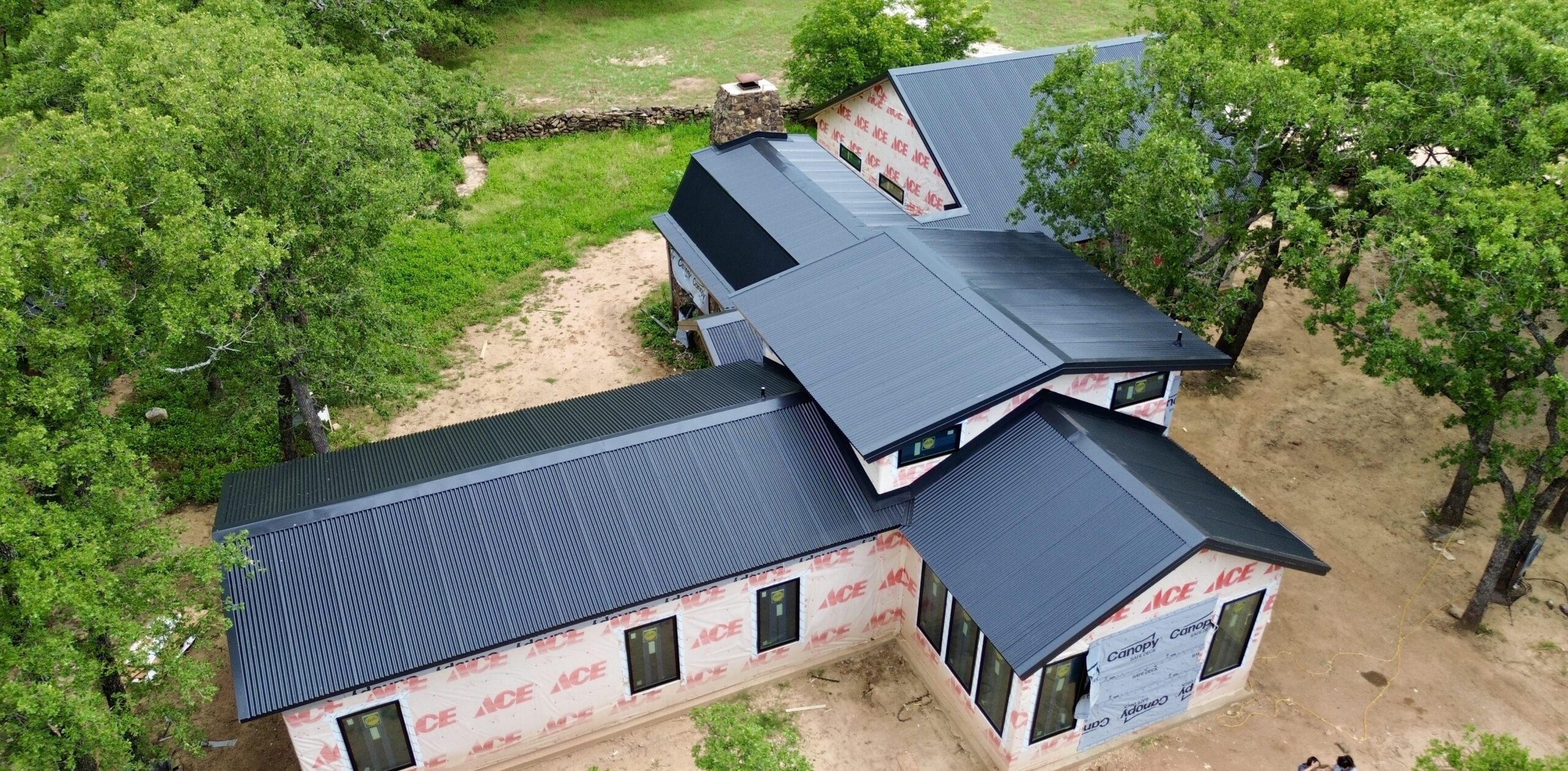
Roof edges need careful attention because they are exposed to weather and play an important role in directing water away from vulnerable parts of the structure. Drip edge components are commonly used along roof edges to help control water flow and protect the roof deck and fascia from moisture.
Improperly installed or missing edge components can contribute to water-related deterioration. If the edge material is poorly aligned, inadequately secured, or installed in the wrong relationship to other roofing layers, water may not drain as intended.
Homeowners may notice irregular edges, visible gaps, loose metal components, or inconsistent lines along the perimeter of a newly installed roof. These details can sometimes appear minor, but they should not automatically be dismissed because water repeatedly passing through an improperly protected edge can eventually cause significant damage.
A well-installed roof should have clean and consistent edges without obvious gaps or loose components. The exact installation method can vary depending on the roofing system and local requirements, so suspected problems should be evaluated against the applicable installation specifications rather than judged only by appearance.
As homeowners continue examining a new roof, the next areas to consider are the components and details that are often overlooked during installation. Valleys, ridge caps, roof penetrations, ventilation systems, and shingle edges all require careful workmanship, and problems in these areas can reveal whether the roofing system was installed with the necessary attention to detail.
Visible Gaps, Lifting, or Buckling Shingles
Shingles should generally lie flat and form a consistent surface across the roof. Visible gaps, raised edges, curling, or buckling shortly after installation can indicate that the materials were not installed correctly or that the roof surface was not properly prepared. These problems deserve attention when they appear soon after a new roof is completed because newly installed shingles should not normally show significant installation-related distortion.
Lifting shingles can become particularly concerning in windy conditions because raised edges can catch the wind. Once a shingle begins moving, surrounding shingles may also become vulnerable, potentially allowing moisture to reach the layers underneath. A contractor should determine whether the problem is related to fastening, material handling, roof deck conditions, or another installation issue.
Buckling can sometimes result from improper installation techniques or inadequate preparation beneath the shingles. If the surface underneath is uneven, the shingles may not settle correctly and can develop visible waves or raised sections. Installing roofing materials over an unsuitable or poorly prepared surface can therefore affect both appearance and long-term performance.
Improper Shingle Overhang
Shingles need to extend over the roof edge in a manner appropriate for the roofing system. Too little overhang can leave parts of the roof edge exposed to water, while excessive overhang can make the material more vulnerable to movement or damage. The correct amount depends on the roofing material and the manufacturer’s installation requirements.
An inconsistent overhang can also make the roof edge look uneven. When shingles extend different distances along the same edge, it may suggest that the installer did not maintain consistent measurements during the installation process. This can be especially noticeable along straight roof edges where irregularities are easy to see.
Proper edge installation is important because water should be directed away from the fascia and other vulnerable components. If the roofing materials do not interact correctly with the edge protection and drainage system, repeated water exposure may eventually cause deterioration.
Poor Valley Installation
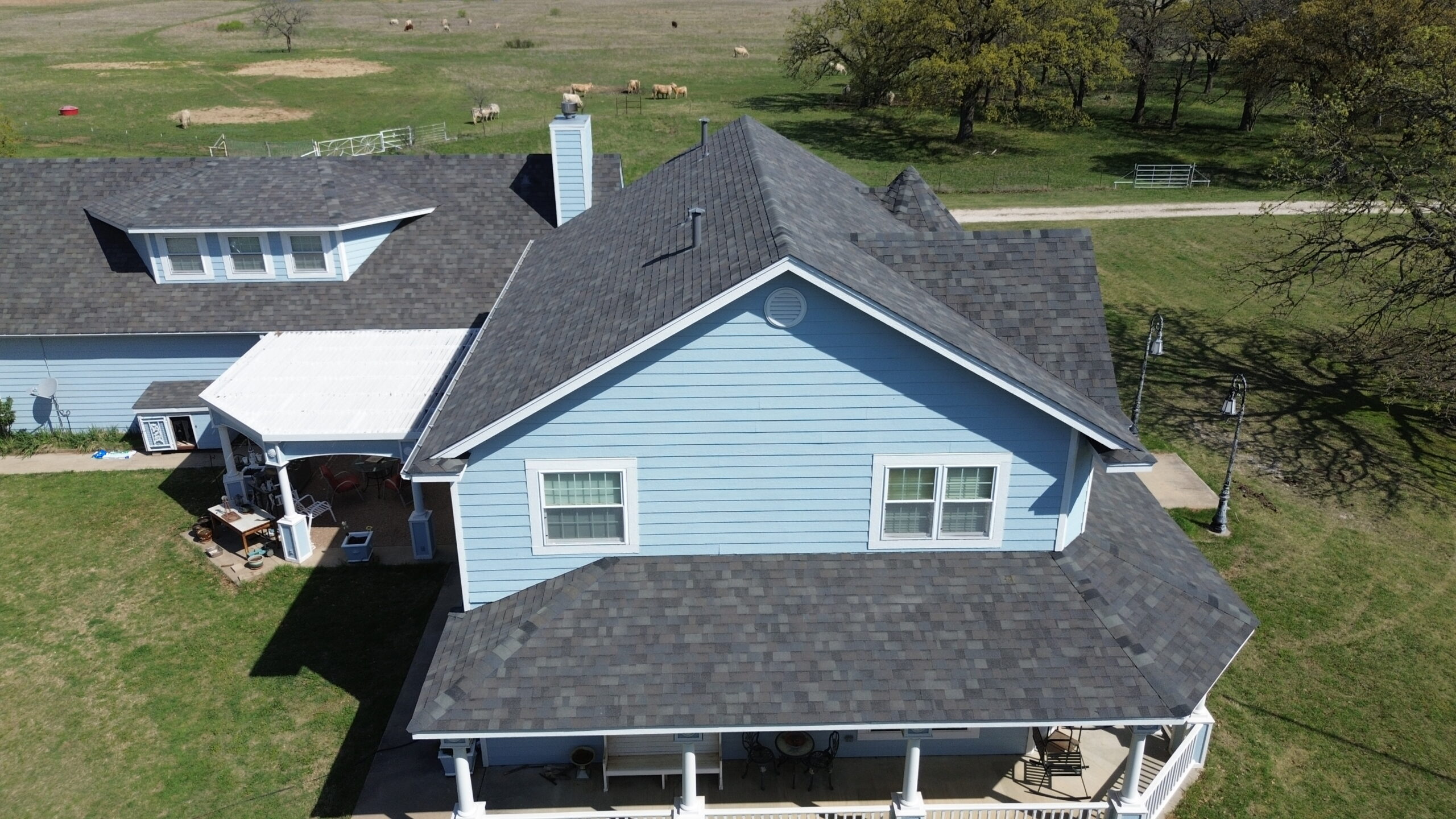
Roof valleys are areas where two sloping sections meet and where water from both roof surfaces is directed toward a lower point. Because valleys can carry substantial amounts of runoff, they require careful installation and attention to water management. Poor workmanship in these areas can create serious leakage risks.
Signs of poor valley installation may include exposed fasteners in vulnerable locations, improperly aligned materials, gaps, loose components, or visible areas where water could collect. The specific appearance depends on whether the roof uses an open valley, closed valley, or another approved design.
A valley should provide a clear and reliable path for water to move down the roof. If roofing materials obstruct the drainage path or are cut incorrectly, water may back up beneath the shingles during heavy rain. This can increase the possibility of moisture reaching the underlayment or roof deck.
Valleys should also be inspected after installation to ensure that the surrounding shingles and flashing work together properly. A clean appearance alone is not enough to confirm good workmanship, because some installation defects may be hidden beneath overlapping materials.
Incorrect Ridge Cap Installation
Ridge caps cover the highest portions of a sloped roof and help protect the ridge from weather exposure. They also work with the roof ventilation system when a ridge vent is included in the design. Poorly installed ridge caps may appear uneven, loose, excessively exposed, or inconsistent with the rest of the roof.
Gaps between ridge cap sections can allow wind-driven rain to reach vulnerable areas. Loose caps can also become a problem during strong winds because they may shift or detach. When several ridge caps appear irregularly positioned, it may indicate inconsistent fastening or poor alignment.
The installation of ridge caps should also account for ventilation requirements. If a ridge vent is part of the roofing system, the vent and cap materials need to be installed in a way that maintains the intended airflow while keeping precipitation out. Blocking the ventilation pathway or incorrectly covering the vent can reduce the effectiveness of the entire system.
Inadequate Roof Ventilation
A properly designed ventilation system helps manage heat and moisture within the roof space. Poor installation of vents can interfere with this function and may contribute to moisture accumulation, excessive heat, or premature deterioration of roofing components.
Signs of ventilation problems can include condensation in the attic, excessive moisture, deteriorating wood, or unusually hot attic conditions. These symptoms can have multiple causes, so they should not automatically be blamed on the roof installation without an inspection.
Ventilation components also need to be properly integrated with the roof covering. Cutting openings incorrectly, leaving gaps around vents, or failing to seal and flash penetrations appropriately can create additional pathways for water intrusion.
A roof can have plenty of visible vents and still have inadequate ventilation if the system was not designed or installed correctly. Intake and exhaust ventilation need to work together, and blocking one part of the airflow path can reduce the effectiveness of the entire arrangement.
Signs of Poor Chimney and Skylight Flashing
Chimneys and skylights create some of the most important transition points on a roof. Their shapes interrupt the roof surface, which means water must be redirected around them through carefully installed flashing. Poor workmanship in these areas can produce leaks even when the surrounding shingles appear to be in excellent condition.
Around a chimney, homeowners may notice loose metal, gaps, deteriorated sealant, or flashing that appears improperly positioned. Water stains on nearby ceilings or walls can also indicate a potential problem, although an interior stain does not necessarily identify the exact location where water entered.
Skylights require similar attention because they are exposed directly to rainfall and must connect properly with the surrounding roofing system. Improper flashing, incorrect shingle placement, or inadequate sealing around the skylight can create recurring moisture problems.
Sealant should not be considered a substitute for properly designed flashing. While sealants can have an appropriate role in certain roofing applications, relying on large amounts of caulk to compensate for incorrectly installed flashing can be a warning sign of poor workmanship.
Poor Installation Around Vents and Pipes
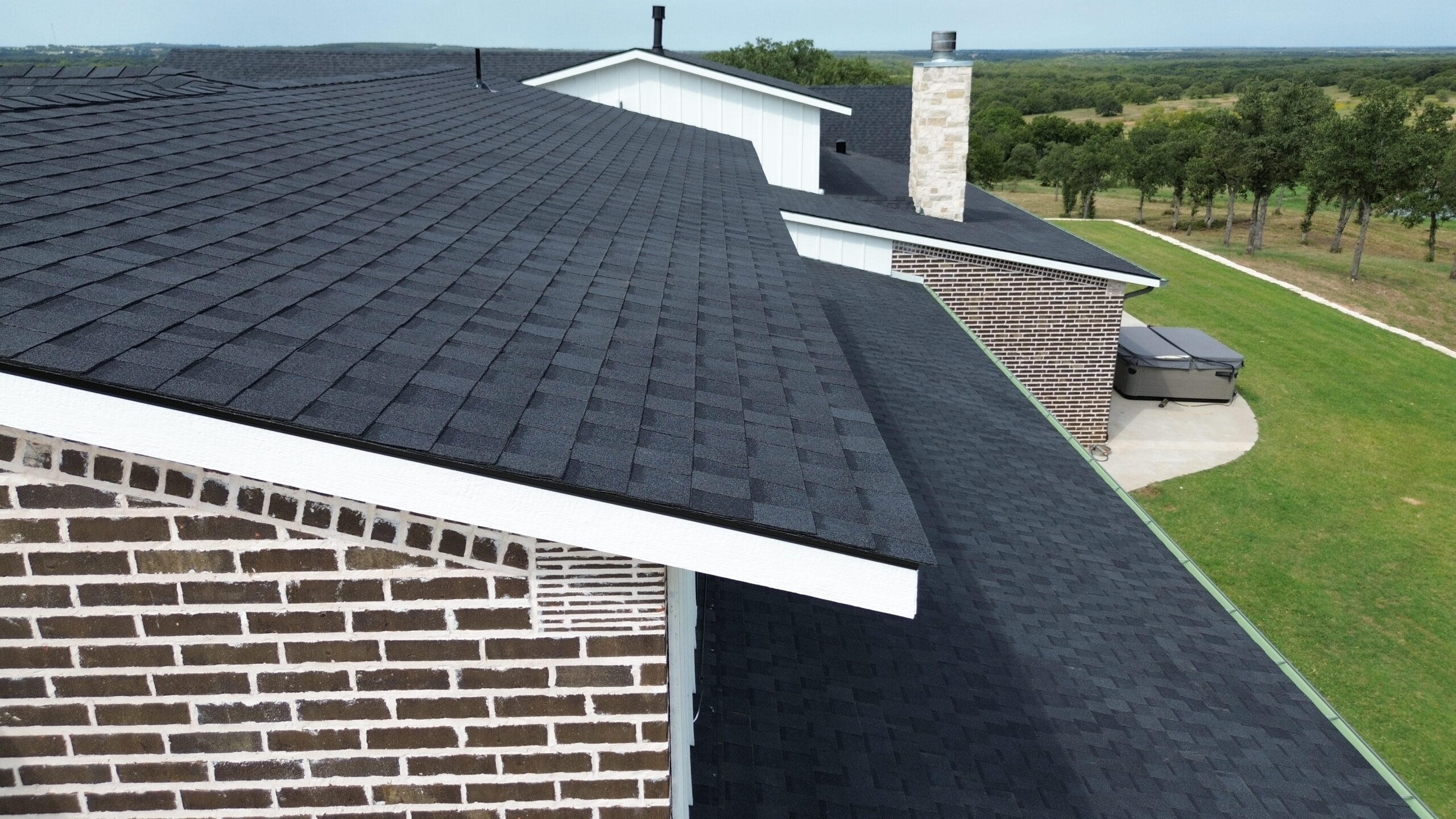
Plumbing vents, exhaust vents, and other roof penetrations create openings through the roofing system. These openings need suitable flashing components that prevent water from traveling around the penetration and into the roof structure.
A common warning sign is a visible gap between the roofing material and the flashing around a pipe or vent. Cracked or excessively applied sealant may also indicate that an installer attempted to compensate for an underlying installation problem rather than correcting it properly.
The roofing material should integrate neatly around each penetration without creating obvious openings or exposed areas. Flashing should also remain secure and properly positioned after the surrounding shingles have been installed.
Because these components are relatively small compared with the entire roof, installers may be tempted to move quickly through them. However, a single poorly protected pipe penetration can create a leak that damages insulation, ceilings, drywall, and structural materials.
Improper Use of Roofing Sealants and Caulking
Roofing sealants can provide useful protection when applied in the locations and quantities specified for a particular roofing system. However, excessive sealant, random patches of caulk, or visible blobs around multiple components can sometimes indicate that installation defects were covered rather than properly corrected.
Sealants can deteriorate from ultraviolet exposure, temperature changes, and weather conditions. If a roof depends heavily on exposed caulk for water protection, its performance may become less reliable as the sealant ages.
A professional installation should rely primarily on correct material placement, flashing, fastening, and water-shedding design. Sealant may complement these methods, but it should not be used as a replacement for proper roofing techniques.
Homeowners should be especially cautious when a newly installed roof has large amounts of visible caulking around flashing, vents, or other penetrations. An inspection can determine whether the sealant is part of an appropriate installation method or is being used to conceal an underlying problem.
Inconsistent Roof Lines and Surface Appearance
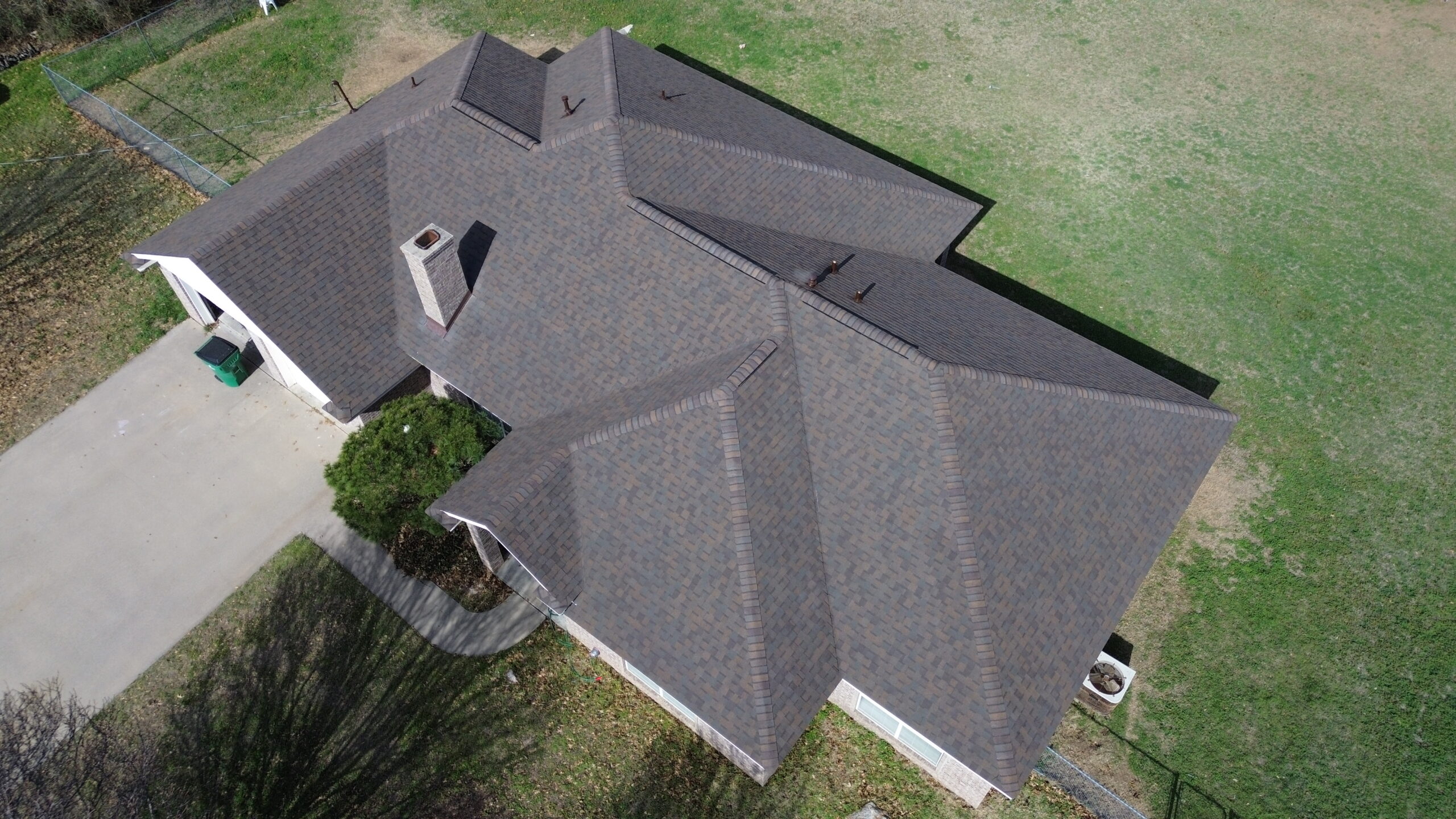
The overall appearance of a roof can provide useful clues about installation quality. Straight roof edges, consistent shingle courses, properly aligned valleys, and evenly positioned ridge caps generally indicate that the installer maintained control over the installation process.
Noticeable waves, uneven rows, inconsistent spacing, or sections that appear higher or lower than surrounding areas may indicate underlying workmanship concerns. Some irregularities can result from the characteristics of specific roofing materials, so visual appearance should always be considered alongside the manufacturer’s requirements.
A roof should also look reasonably consistent from different viewing angles. If one section appears significantly different from the rest, it may be worth asking the contractor to explain why. Major inconsistencies are particularly concerning when they are accompanied by gaps, loose materials, or signs of water intrusion.
Water Drainage and Runoff Problems
A roof is designed to move water away from the building as efficiently as possible. Poor installation can interfere with this drainage process by creating areas where water collects or by preventing runoff from reaching gutters and other drainage components correctly.
After rainfall, homeowners may notice water remaining on sections of the roof for an unusually long period. Standing water can have several possible causes, including roof design, structural conditions, drainage restrictions, or installation problems, so the source should be professionally assessed.
Water can also reveal problems around valleys, roof edges, flashing, and penetrations. If water consistently overflows in certain areas or follows an unusual path down the exterior wall, the roofing and drainage system may not be functioning as intended.
Proper drainage becomes even more important during heavy rainfall. A roof that appears acceptable during dry weather may reveal installation weaknesses once large volumes of water begin moving across its surface.
Interior Warning Signs of Installation Problems
Some of the clearest evidence of roofing problems may appear inside the house rather than on the roof itself. Water stains on ceilings, damp patches around walls, peeling paint, musty odors, or moisture in the attic can indicate that water is entering somewhere within the roofing system.
These signs should not automatically be attributed to poor roof installation because plumbing leaks, condensation, damaged siding, and other building problems can produce similar symptoms. However, when interior moisture appears shortly after a roof replacement, the roofing system should be investigated promptly.
Attic inspections can reveal additional clues that are not visible from the exterior. Wet insulation, darkened roof decking, water marks, or damp structural components may indicate that moisture has been entering from above.
The location of an interior stain does not always correspond directly with the location of the roof defect. Water can travel along decking, rafters, insulation, or other building materials before becoming visible inside the living space, which is why professional leak tracing can be important.
How Poor Workmanship Can Lead to Roof Damage
Installation defects can gradually become larger problems because roofing components are exposed to changing weather conditions every day. Wind can move poorly secured shingles, rain can enter gaps, and repeated temperature changes can place stress on improperly installed materials.
A small defect may initially produce little visible damage. Over time, however, repeated moisture exposure can contribute to deteriorated decking, damaged insulation, interior staining, mold growth, or deterioration of other building materials.
The financial impact can also increase when installation problems remain unresolved. Correcting a small flashing or fastening issue early may be considerably simpler than repairing widespread moisture damage after a roof has repeatedly leaked.
For this reason, homeowners should take new-roof warning signs seriously rather than assuming that a recent installation cannot have problems. A recently completed roof can still require inspection and correction if workmanship does not meet appropriate standards.
How Weather Can Expose Installation Defects
Weather often acts as the first real test of a newly installed roof. A roof may appear perfectly acceptable on the day of completion, but heavy rain, strong winds, or rapid temperature changes can expose weaknesses that were not obvious during a visual inspection.
Wind can reveal inadequate fastening by lifting or shifting shingles and ridge components. Heavy rain can expose problems around valleys, flashing, penetrations, and roof edges, while temperature changes can highlight issues caused by improper material installation or poor ventilation.
After a major weather event, homeowners should look for missing or displaced roofing materials, new ceiling stains, loose flashing, or unusual water entry. Any significant change after severe weather should be investigated before the next storm creates additional damage.
The next stage in evaluating roof workmanship is understanding which problems homeowners are most likely to encounter after installation. Recognizing these recurring issues can help distinguish normal roof behavior from defects that deserve closer professional attention.
How to Inspect a Newly Installed Roof
Once a roof installation is complete, homeowners should take time to inspect the finished work rather than assuming everything was done correctly. A basic visual inspection can identify obvious concerns such as crooked shingles, loose materials, uneven edges, exposed fasteners, or gaps around roof penetrations. More detailed inspections should be performed by a qualified roofing professional because many important installation components are difficult or unsafe to evaluate without proper equipment and experience.
The inspection should begin with areas that are easy to observe from the ground. Look along the roof edges, valleys, ridges, and visible sections of shingles for irregular patterns or materials that appear loose. It is better to observe the roof from a safe location rather than climbing onto it without appropriate safety equipment.
Homeowners can also inspect accessible attic areas for signs of moisture. Dark stains, damp insulation, water marks, or visible deterioration of roof decking can provide useful clues that should be investigated promptly. These signs do not always prove that the installation was defective, but they indicate that further evaluation may be necessary.
After rainfall, it can also be helpful to observe how water moves from the roof into the gutters and downspouts. Unusual overflow, water running behind gutters, or persistent moisture around certain roof sections can point toward drainage or installation concerns.
What a Professional Roof Installation Should Look Like
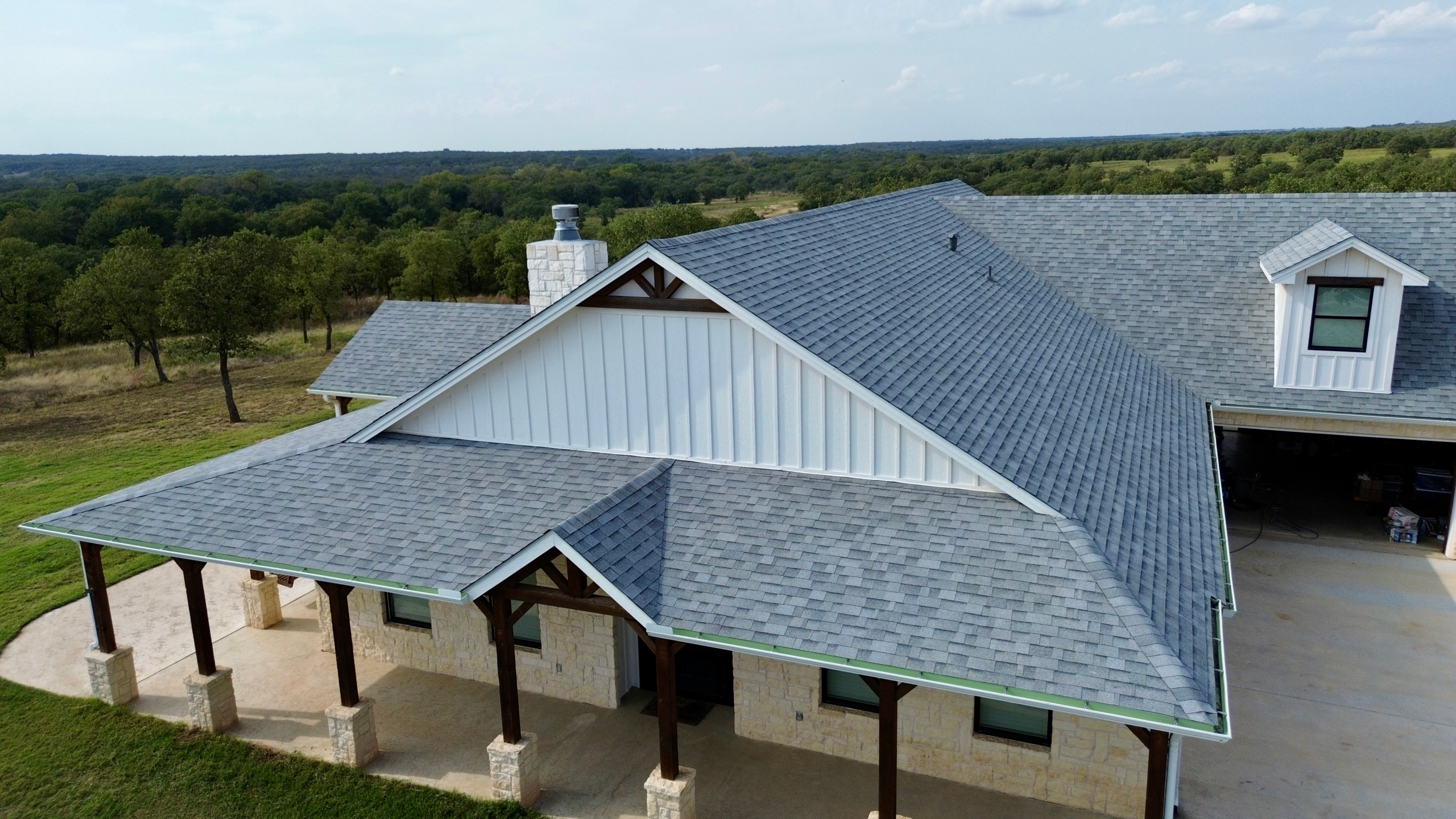
A properly installed roof should have a neat, consistent appearance and a roofing system that works as an integrated whole. Shingles should generally be aligned, securely fastened, and installed according to the requirements for the specific roofing material. Roof edges, valleys, ridges, and penetrations should also appear carefully finished without unnecessary gaps or loose components.
Professional workmanship goes beyond appearance, however. The installer should properly prepare the roof deck, use suitable underlayment, install flashing in vulnerable areas, provide appropriate ventilation, and follow the manufacturer’s installation instructions. These details are important because many of the most serious roofing defects cannot be identified simply by looking at the completed shingles.
A quality installation should also account for the design of the building and the local environment. Roof slope, drainage, weather exposure, ventilation requirements, and existing structural conditions can all influence how the roofing system should be installed. Following a generic process without considering these factors can create avoidable problems.
The finished roof should therefore provide both visual consistency and functional protection. A professional inspection can help verify whether the visible workmanship and concealed components are performing as intended.
Questions to Ask a Roofing Contractor About Workmanship
Homeowners should feel comfortable asking questions about the installation process, especially when something does not look right. A reputable contractor should be able to explain what materials were used, how vulnerable areas were protected, and what installation standards or manufacturer instructions were followed.
Useful questions can focus on the roof deck, underlayment, flashing, ventilation, fastening, and warranties. Asking these questions before the project begins can also make expectations clearer and give the homeowner a better understanding of what the finished roof should look like.
Important questions may include:
- What condition was the existing roof deck in before installation?
- What type of underlayment and flashing materials were installed?
- How were valleys, roof edges, vents, and penetrations handled?
- What ventilation system was installed or retained?
- What workmanship warranty applies to the installation?
A contractor’s willingness to provide clear explanations can be valuable when evaluating the quality of the work. Vague answers, unexplained shortcuts, or reluctance to discuss visible concerns may justify seeking an independent professional opinion.
How to Document Suspected Installation Problems
If a homeowner notices possible workmanship defects, documentation can make it easier to communicate the problem to the contractor. Photographs should show both the specific defect and its location on the roof so that the issue can be identified later.
It is useful to record when the problem was first noticed and whether it appeared after a particular weather event. For leaks, homeowners can also document interior stains, damp areas, or attic moisture and note when those symptoms occur.
Keeping copies of the contract, invoices, material information, warranty documents, inspection reports, and communication with the contractor can also be helpful. These records provide a clearer history of the installation and any concerns that were reported afterward.
Documentation should focus on observable facts rather than making assumptions about the cause. For example, noting that several shingles are lifted is more useful than stating that the contractor intentionally installed them incorrectly unless a professional inspection has established the cause.
When to Contact the Original Roofing Contractor
A homeowner who discovers a possible installation problem should generally contact the roofing contractor promptly. Early communication gives the contractor an opportunity to inspect the work and determine whether the concern is related to installation, materials, weather, or another cause.
The contractor should be given a clear description of the problem along with photographs when possible. If the issue involves active water intrusion, the homeowner should explain where the water is entering and whether the problem has occurred during specific weather conditions.
Prompt reporting is especially important when the roof is covered by a workmanship warranty. Waiting too long can allow a small issue to develop into more extensive damage, while timely communication creates a record showing that the homeowner reported the concern.
A contractor may determine that a minor adjustment is sufficient, while more serious problems may require removing and reinstalling certain roofing components. The appropriate correction depends on the nature and extent of the defect.
When a Roof Installation Needs Professional Correction
Not every roofing imperfection requires major reconstruction. Some issues can be corrected by replacing a small number of damaged shingles, securing loose components, repairing flashing, or addressing a localized installation defect. However, widespread workmanship problems may require more extensive corrective work.
A professional evaluation is particularly important when defects involve structural components, widespread fastening errors, improper underlayment, major flashing failures, inadequate ventilation, or recurring leaks. Correcting these problems without addressing the underlying cause may only provide a temporary solution.
In some cases, sections of the roof may need to be carefully removed so that concealed components can be inspected and corrected. Although this can be more expensive than a surface repair, it may be necessary when the problem originates beneath the visible roofing materials.
Homeowners should be cautious about contractors who recommend simply applying more sealant over recurring leaks without identifying the source. A temporary patch may stop water for a short period, but it does not necessarily correct an installation defect.
How to Choose a Reliable Roofing Contractor
Choosing the right contractor is one of the most effective ways to reduce the risk of poor workmanship. Homeowners should look beyond the lowest price and consider experience, licensing or registration requirements where applicable, insurance, references, written estimates, warranties, and the contractor’s reputation.
A reliable contractor should provide a clear scope of work describing the roofing materials and major installation steps. The estimate should make it reasonably clear what is included, including removal of existing roofing, preparation of the roof deck, underlayment, flashing, ventilation, cleanup, and disposal.
References can provide useful information about how a contractor handles completed projects and customer concerns. Homeowners can also ask whether previous customers experienced leaks, premature material problems, or difficulties obtaining warranty support.
It is also important to understand the difference between a manufacturer’s material warranty and a contractor’s workmanship warranty. The material manufacturer may cover defects in the roofing product, while installation-related problems may fall under the contractor’s workmanship coverage.
Protecting Your Roof With Proper Maintenance and Inspections
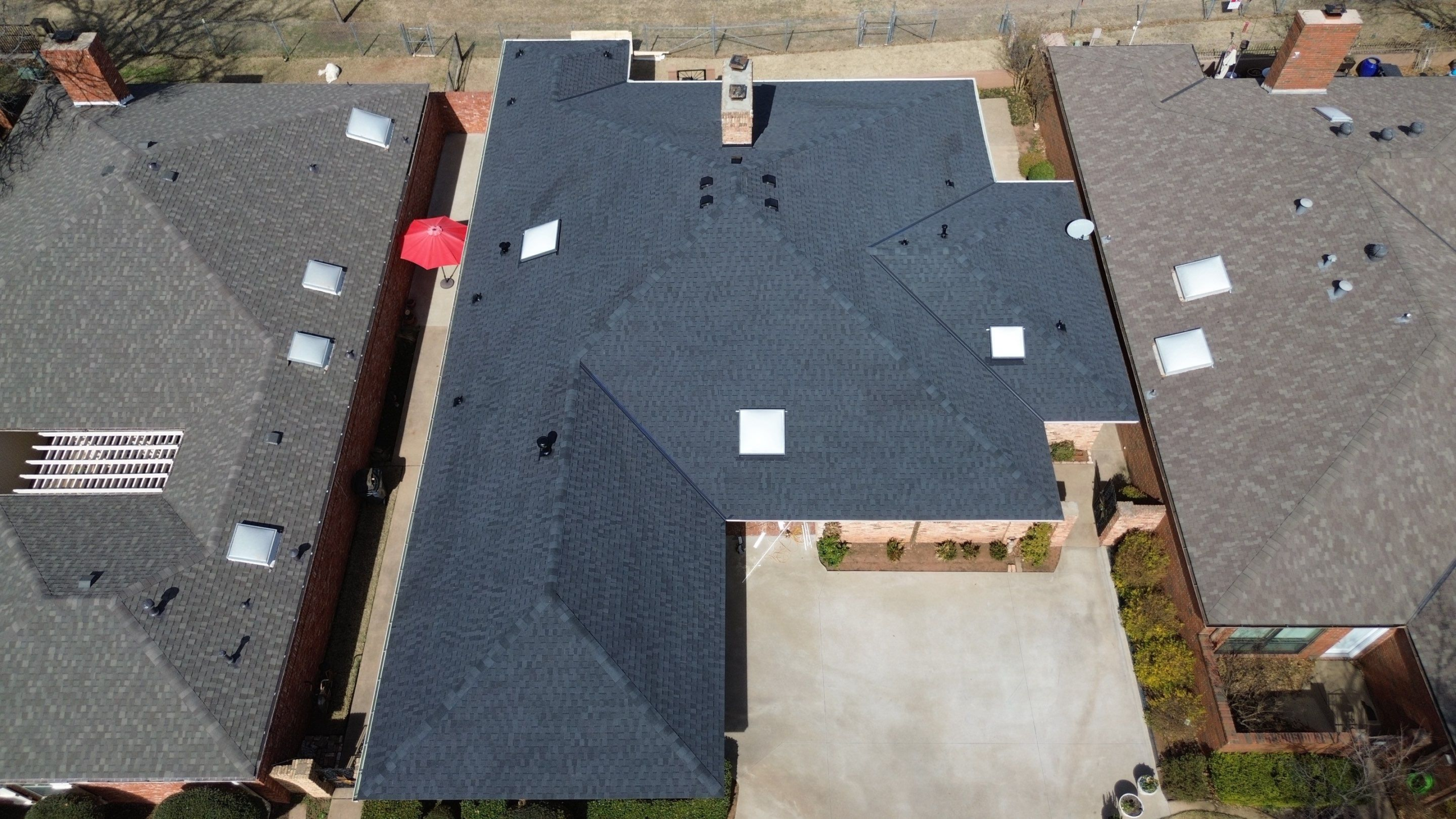
Even a well-installed roof requires routine maintenance and periodic inspection. Good installation provides the foundation for long-term performance, but weather exposure, debris, biological growth, drainage problems, and other conditions can gradually affect roofing materials.
Gutters and downspouts should be kept clear so that rainwater can move away from the roof efficiently. Homeowners should also watch for damaged or missing shingles, loose flashing, blocked drainage areas, and debris accumulating in valleys or around roof penetrations.
Professional inspections can be particularly valuable after severe weather or when a roof develops unexpected symptoms. An experienced roofer can identify problems that may not be visible from the ground and determine whether they are related to normal aging, storm damage, maintenance issues, or original installation workmanship.
Regular attention can also make roofing problems easier to manage. Detecting a small issue before it causes widespread moisture intrusion can reduce repair costs and help preserve the remaining service life of the roofing system.
Conclusion
Poor roof installation workmanship can create problems that range from visible cosmetic defects to serious water intrusion and premature roof failure. Crooked shingles, improper fastening, exposed nails, poor flashing, inadequate underlayment, drainage problems, ventilation issues, and poorly finished roof penetrations can all indicate that a roofing system deserves closer inspection.
The most important point is that roofing performance depends on more than the quality of the shingles or other materials. Every component must be installed correctly and integrated with the surrounding parts of the system so that water is directed away from the building, materials remain secure, and the roof can withstand normal weather exposure.
Homeowners should pay attention to warning signs rather than assuming that a recently installed roof cannot have defects. Early inspection and prompt communication with the roofing contractor can often prevent a relatively small workmanship issue from developing into extensive structural or interior damage.
When choosing a roofing contractor, quality workmanship should be considered alongside price, materials, warranties, and experience. A properly planned and carefully installed roof is a long-term investment that can provide dependable protection for years, while shortcuts during installation can create problems long after the installation crew has left the property.
If there is uncertainty about whether a roof was installed correctly, an independent professional inspection can provide valuable clarity. Identifying and addressing workmanship problems early gives homeowners a better opportunity to protect their property, preserve the roof’s expected service life, and avoid unnecessary repair expenses in the future.
Leave A Comment