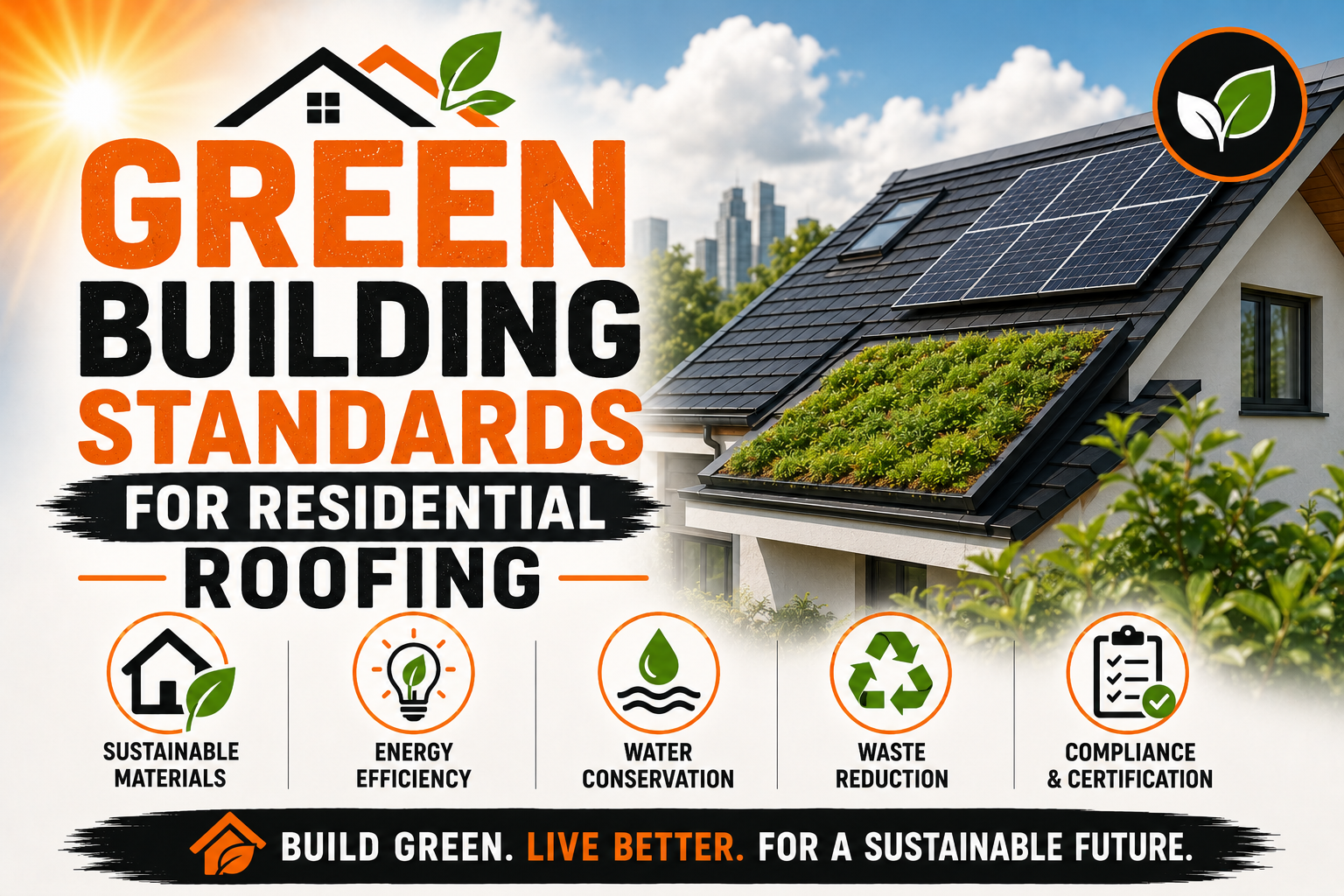
Green Building Standards for Residential Roofing
Introduction
Green building standards have changed the way homeowners, builders, architects, and contractors approach residential roofing. A roof is no longer viewed only as a protective layer over a house. It can also contribute to energy efficiency, water management, material conservation, indoor comfort, durability, and the overall environmental performance of a building.
Green building standards provide frameworks for evaluating these characteristics. Depending on the location and certification system, they may consider factors such as energy efficiency, responsible material selection, construction waste, renewable energy, stormwater management, durability, and maintenance. Roofing can influence several of these areas because it is closely connected to the building envelope and exterior environment.
Residential roofing can support green building goals through thoughtful design and appropriate material selection. Reflective roofing can help manage solar heat, while insulation and ventilation can improve thermal performance. Recycled or responsibly sourced materials can reduce resource consumption, and durable roofing systems can limit the frequency of replacement.
Several green building programs and standards are used in different markets. Some focus on whole-building sustainability, while others provide specific guidance for energy efficiency, roofing materials, water management, or construction practices. The exact requirements vary, so homeowners should understand which standards apply to their project before selecting materials or planning improvements.
Green certification is not always necessary for a roof to be environmentally responsible. A residential roof can incorporate sustainable practices even when the home is not formally certified. Understanding the principles behind green building standards can help homeowners make practical choices that improve roof performance while reducing unnecessary environmental impacts.
Roofing can also contribute to long-term building performance. A roof that is durable, energy efficient, properly insulated, and resistant to local weather conditions may reduce maintenance requirements and help protect the home’s interior. These benefits can make green roofing practices useful even when certification is not the primary objective.
Understanding Green Building Standards for Residential Roofing
Green building standards are organized systems that help evaluate how buildings use energy, water, materials, and other resources. They can provide measurable criteria for designing and constructing buildings with improved environmental performance. In residential roofing, these criteria may affect material selection, thermal performance, solar reflectance, durability, waste management, and stormwater control.
Different standards use different methods of evaluation. Some award points for sustainable features, while others establish minimum performance requirements. Certain programs focus heavily on energy efficiency, whereas others consider a wider range of environmental and health factors.
Roofing can contribute to several areas within a green building framework. The roof surface affects solar heat absorption, the roof assembly influences insulation and air movement, and the materials contribute to resource use. Roofing construction can also generate waste that may be managed through recycling or responsible disposal.
A green building standard may encourage the use of materials with recycled content or responsible sourcing. This does not mean that every recycled material is automatically the best option. Durability, transportation, manufacturing impacts, maintenance requirements, and end-of-life management should also be considered.
Energy performance is another major consideration. A roof that reduces unwanted heat transfer can help improve the building’s overall energy efficiency. This may involve insulation, air sealing, reflective surfaces, ventilation, and appropriate roof design rather than relying on a single roofing product.
Water management can also be relevant. Roofing systems collect rainfall and direct runoff toward gutters, downspouts, and drainage areas. Sustainable design may seek to control runoff, reduce erosion, support infiltration, or integrate rainwater management into the broader property design.
Green building standards can therefore be understood as a framework for making connected decisions. Rather than selecting one environmentally friendly roofing material and considering the project complete, homeowners can evaluate how the entire roof system performs throughout its life.
Energy Efficiency and Roof Performance
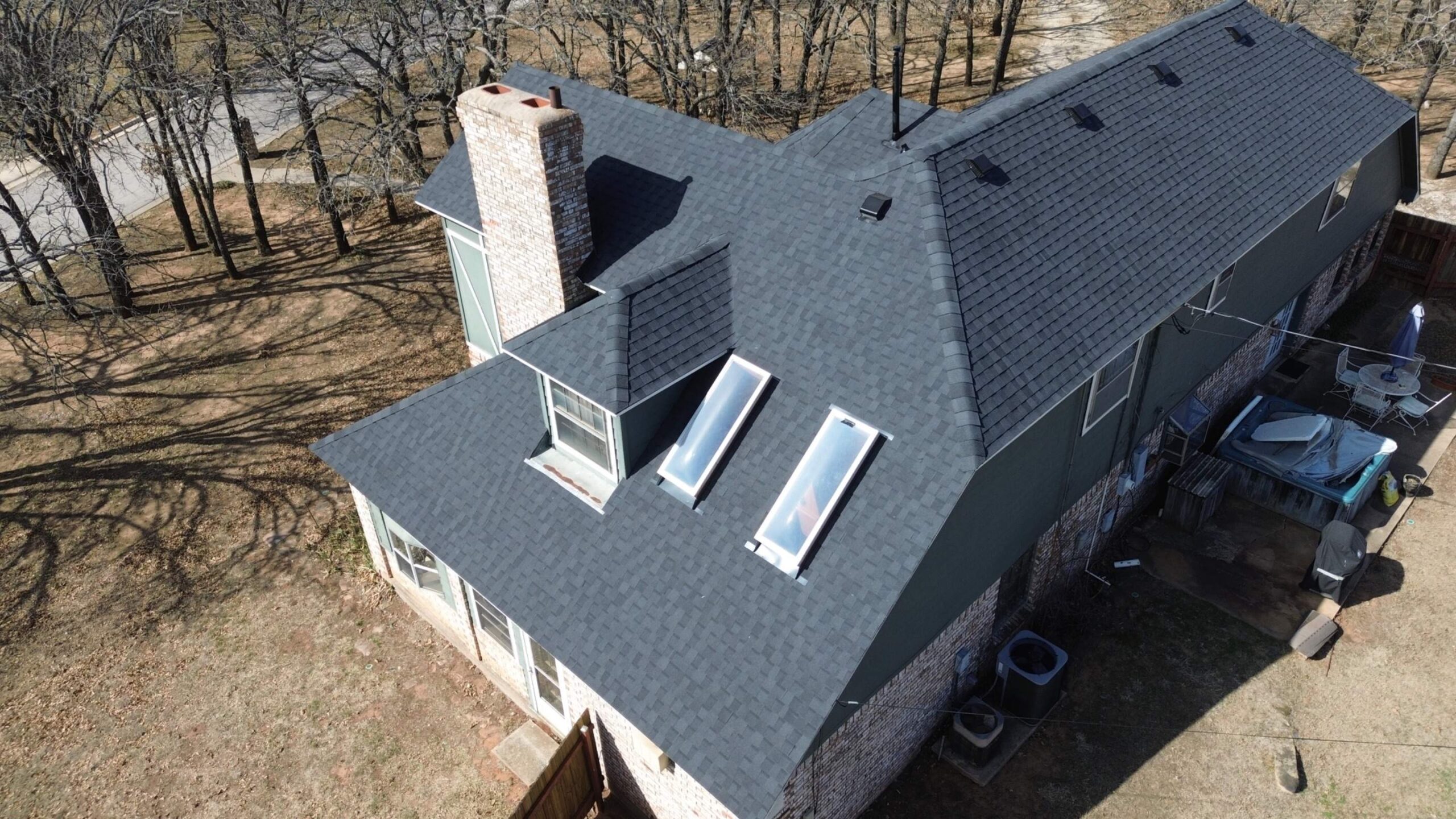
Energy efficiency is one of the most important areas in which residential roofing can support green building goals. The roof is exposed directly to outdoor temperatures and solar radiation, making it an important part of the building envelope. Its design can influence how much heat enters or leaves the home.
Roof insulation helps control heat transfer between the living space and the exterior. In hot climates, effective insulation can slow the movement of outdoor heat toward interior rooms. In colder climates, it can help reduce the loss of conditioned indoor heat.
The location and quality of insulation matter as much as the insulation material itself. Gaps, compression, moisture exposure, or poorly installed sections can reduce performance. Green building approaches generally consider the roof assembly as a complete system rather than evaluating insulation in isolation.
Air sealing is another important factor. Small openings around pipes, electrical fixtures, ducts, vents, and other penetrations can allow unwanted air movement. Controlling these pathways can improve energy performance and help insulation function more effectively.
Roof ventilation can also influence performance in appropriate building designs. Ventilation may help manage heat and moisture within an attic space when the system is properly designed. However, ventilation should not be added without considering the relationship between intake, exhaust, insulation, and air sealing.
Green building standards may establish specific energy-performance targets for a home. Roofing can contribute toward these targets, but it usually works alongside other building components such as walls, windows, doors, HVAC systems, and mechanical equipment. Improving the roof alone may not be enough to achieve the desired building performance.
Energy-efficient roofing can also improve indoor comfort. By reducing unwanted heat transfer, the roof assembly may help maintain more stable temperatures between different parts of the home. This can reduce the need for continuous heating or cooling adjustments.
A well-designed roof can therefore support both environmental and practical objectives. Lower energy demand can reduce operating costs while improving comfort. At the same time, appropriate roof design can help the building meet broader energy-efficiency goals within a green construction framework.
Reflective Roofing and Solar Heat Management
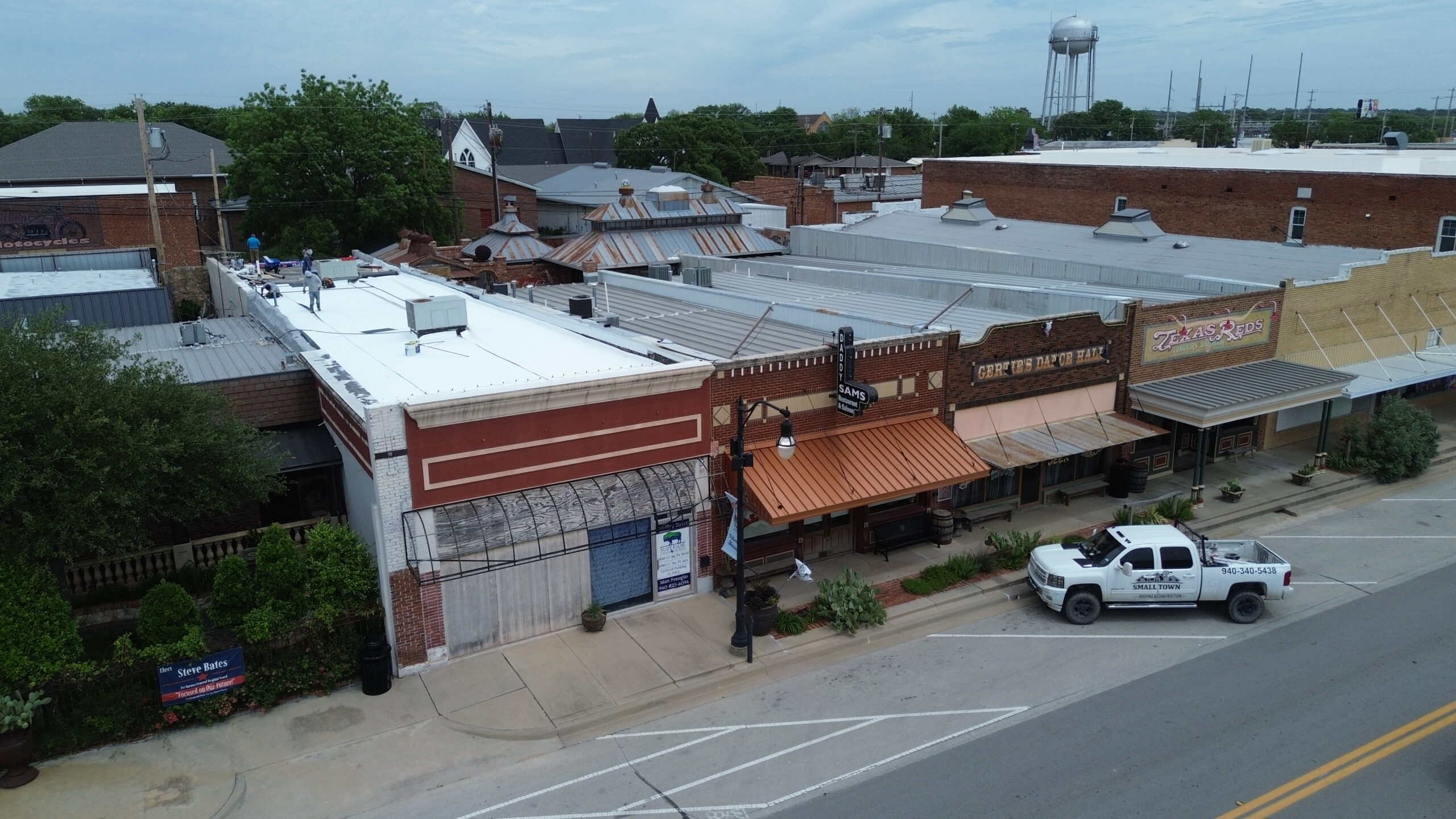
Roof reflectivity is another factor commonly associated with energy-efficient and sustainable building design. Roofing surfaces exposed to strong sunlight can absorb solar radiation and become significantly hotter than the surrounding air. Reflective roofing is designed to return a greater portion of incoming solar energy rather than absorbing it.
Reflective roofing can be particularly useful in warm and sunny climates. By reducing the temperature of the roof surface, it may reduce the amount of heat transferred into attic spaces and living areas. The actual energy benefit depends on insulation, ventilation, roof construction, climate, and the home’s cooling system.
Reflective performance is not determined solely by visible color. Roofing products can be engineered with surface characteristics that influence how much solar radiation they reflect. Some darker-looking materials may provide reflective performance that differs from what their appearance suggests.
Green building standards may recognize reflective roofing as part of an energy-efficiency strategy, particularly when it helps reduce cooling demand or contributes to broader thermal performance goals. The requirements vary by standard and project type, so product specifications should be checked before making a selection.
The roof’s surrounding environment also affects solar performance. Trees and nearby structures can shade portions of the roof, reducing direct solar exposure. While shade can lower roof temperatures, it can also affect solar panel performance and contribute to debris accumulation, so the overall site should be considered.
Reflective roofing should be selected according to the property’s climate rather than treated as a universal solution. In cooler climates, absorbing some solar heat may provide seasonal benefits. A balanced approach considers heating and cooling requirements throughout the year.
Maintenance can influence reflective performance over time. Dirt, debris, biological growth, and surface deterioration can change the characteristics of some roofing materials. Appropriate maintenance can help preserve performance while avoiding cleaning methods that damage the roofing surface.
Reflective roofing can also work alongside insulation and ventilation. A reflective surface reduces solar absorption, insulation slows heat transfer, and properly designed ventilation can manage heat and moisture within suitable roof assemblies. Combining these strategies can provide stronger results than relying on one feature alone.
Sustainable Roofing Materials and Resource Conservation
Material selection is an important part of green building because construction consumes natural resources and generates waste. Roofing materials can have different environmental profiles based on their manufacturing processes, recycled content, durability, transportation requirements, maintenance needs, and end-of-life options.
Metal roofing is one material that can contribute to resource conservation when properly selected. Some metal products contain recycled content, and many metal roofing systems have strong recycling potential at the end of their service life. Their long service life can also reduce the frequency of replacement.
Certain asphalt roofing products incorporate recycled materials into their manufacturing processes. In some areas, used asphalt shingles can be processed through recycling programs. Availability varies by region, so homeowners should confirm whether suitable facilities exist before assuming that roofing waste can be recycled.
Clay and concrete tiles can provide long-term performance and may be suitable for reuse or recycling in certain circumstances. Their durability can reduce replacement frequency, although transportation and structural requirements should also be considered. A material’s environmental profile depends on more than whether it can be recycled.
Wood roofing can support sustainable construction when the material comes from responsibly managed sources. However, durability and maintenance are particularly important because moisture, insects, and environmental exposure can affect wood products. Responsible sourcing should therefore be combined with appropriate installation and maintenance.
Synthetic roofing products may contain recycled polymers or other materials designed to replicate traditional roofing products. Some are manufactured to provide long service life and lower maintenance requirements. Homeowners should review manufacturer information to understand recycled content, expected lifespan, and end-of-life options.
A green building approach generally favors evaluating materials across their complete life cycle. Important questions include:
- How much material is required?
- How long is the expected service life?
- Does the product contain recycled or responsibly sourced content?
- Can damaged sections be repaired instead of replacing the entire roof?
- Can the material be reused or recycled after removal?
Durability is especially important because frequent replacement creates additional demand for raw materials, manufacturing energy, transportation, labor, and disposal. A roofing product that remains functional for many years may provide environmental benefits through reduced replacement frequency.
Roofing Durability and Long-Term Green Performance
Durability is a fundamental part of sustainable roofing because a roof that fails prematurely can create environmental and financial costs. When roofing materials must be removed and replaced frequently, additional resources are needed for manufacturing, transportation, installation, and waste management.
Green building principles therefore often align with good roofing practices that extend service life. Proper installation, suitable material selection, effective drainage, adequate flashing, and regular maintenance can help prevent premature deterioration. The roof should be designed according to the environmental conditions it will experience throughout its service life.
Climate suitability is especially important. A roofing material that performs well under intense sunlight may not be ideal for an environment with frequent freezing conditions. Similarly, a roof designed for moderate rainfall may require different drainage strategies in an area exposed to intense storms.
Maintenance also contributes to durability. Clearing appropriate drainage pathways, checking flashing, inspecting visible roof surfaces, and repairing minor damage can prevent small defects from developing into major failures. This approach reduces material consumption by preserving usable roofing components.
Durability should not be confused with simply choosing the most expensive material. A premium product may have a long potential service life, but it still needs correct installation and maintenance. The most sustainable choice is generally a roofing system that provides reliable performance while fitting the property’s climate, structure, budget, and maintenance capacity.
Green building standards can encourage homeowners to think beyond initial installation. The environmental impact of a roof continues throughout its operational life, and long-term performance can influence the resources required to maintain or replace it. A durable roof can therefore support sustainability by reducing the frequency of major construction activities.
Roofing durability also protects other building components. A reliable roof helps shield insulation, framing, ceilings, walls, and interior finishes from moisture. Preventing damage to these components can avoid additional material consumption and repair work.
For homeowners, this means that sustainable roofing should be evaluated as a complete life-cycle decision. Material selection, energy performance, installation quality, maintenance, weather resistance, and eventual disposal all contribute to the roof’s environmental performance. A green roof is not simply one made from a particular material, but one designed and managed to provide efficient, durable, and responsible performance over time.
Roofing Waste Reduction and Responsible Construction
Construction waste is an important consideration in green building because residential roofing projects can generate large quantities of discarded materials. Waste may come from removed shingles, damaged tiles, packaging, unused materials, insulation, underlayment, and installation offcuts. Green building approaches encourage contractors and homeowners to plan roofing projects carefully so that usable resources are not unnecessarily discarded.
Accurate measurements are one of the simplest ways to reduce roofing waste. Before ordering materials, contractors can assess the roof’s dimensions, slopes, valleys, penetrations, and other features that affect material requirements. Better planning reduces over-ordering and can also minimize transportation associated with returning or replacing materials.
Material handling is equally important during installation. Roofing products can become damaged if they are stored improperly or exposed to excessive moisture, impact, or unsuitable temperatures. Protecting materials before and during installation helps prevent products from becoming waste before they are even used.
Roof layout can also influence the amount of waste produced. Complex roof designs generally require more cutting around valleys, hips, ridges, walls, and penetrations. Careful planning can reduce unnecessary offcuts while still maintaining correct installation practices and required weather protection.
The removal process should be planned before replacement begins. Different roofing materials may have different disposal or recycling options, and separating materials can make responsible waste management easier. Where local facilities accept specific roofing products, contractors can arrange transportation to those facilities instead of sending all construction waste to a landfill.
Packaging should also be considered. Roofing projects can involve cardboard, plastic wrapping, pallets, containers, and other packaging materials. Separating recyclable packaging from general construction waste can reduce the amount of material sent to disposal facilities.
Repair can sometimes provide an even greater waste reduction benefit than replacement. If only a small portion of the roof is damaged and the remaining system is structurally sound, targeted repair may preserve a large amount of usable material. A professional assessment can determine whether repair is practical or whether broader replacement is necessary.
Green building standards may include requirements or credits related to construction waste management. The exact criteria depend on the certification program and project type, but the general principle is to reduce unnecessary disposal and improve the responsible use of construction resources.
A responsible roofing project should therefore consider waste before, during, and after installation. Material estimates, storage, cutting, removal, recycling, and disposal all contribute to the environmental performance of the project. These practices can reduce waste without compromising the quality or durability of the finished roof.
Water Management and Stormwater Considerations
Residential roofing plays an important role in controlling rainwater because the roof collects precipitation over a large surface area. Without appropriate drainage, water can accumulate around roof edges, enter vulnerable areas, or flow toward parts of the property where it can cause erosion and structural problems. Green building approaches often consider how roof runoff can be managed responsibly.
Gutters and downspouts are essential components of many residential drainage systems. They collect water from roof edges and direct it toward suitable discharge locations. Proper sizing, installation, and maintenance can help prevent overflow during rainfall.
Roof valleys require careful attention because they collect water from multiple roof sections. Properly designed valleys and flashing can direct water toward drainage points while reducing the risk of moisture entering the roof assembly. Debris should also be removed so that water can move freely.
Downspout discharge should be planned carefully. Water should not simply be released beside the foundation where it can contribute to soil erosion or moisture problems. Extensions, drainage channels, collection systems, or suitable landscape features may provide better solutions depending on the site.
Rainwater harvesting can complement sustainable roof design in appropriate circumstances. Roof runoff can be collected and stored for suitable non-potable applications, such as landscape irrigation, when local regulations and system requirements permit. The collection system must be designed to manage water safely and protect stored water from contamination.
Green building strategies may also encourage reducing the amount of stormwater leaving the property. Permeable surfaces, rain gardens, planted areas, and other landscape features can allow some water to infiltrate into the ground rather than immediately entering conventional drainage systems.
The roof itself should be designed with appropriate slopes and drainage pathways. Flat or low-slope residential roofing requires particular attention because water may not move away as quickly as it does on steeper surfaces. Ponding water can increase stress on roofing membranes and may contribute to deterioration if drainage is inadequate.
Water management also supports roof durability. When water is directed away from vulnerable areas, the risk of moisture intrusion and related damage can be reduced. This can help preserve the roof and the building components beneath it.
Green building standards may assess stormwater management at the property or building level rather than focusing exclusively on the roof. Roofing nevertheless remains an important part of the overall system because it determines where and how a large volume of rainfall begins its journey across the property.
Solar Energy and Renewable Roofing Solutions
Renewable energy is an increasingly important part of sustainable residential construction. Because roofs often receive significant sunlight, they can provide an effective location for solar photovoltaic systems. Solar panels or integrated solar roofing can allow a residential roof to contribute directly to the home’s energy supply.
Traditional photovoltaic panels are installed above the roofing system using mounting equipment. When properly designed, they can operate alongside many roofing materials. However, attachment points and penetrations must be carefully sealed and flashed to maintain the roof’s weather resistance.
Solar shingles provide another approach by integrating photovoltaic technology with roofing components. These systems can provide a more uniform appearance than conventional panels in some applications. Their suitability depends on roof design, solar exposure, product availability, and project requirements.
The condition of the existing roof should be evaluated before installing solar technology. Adding a long-term solar system to a roof that is already near the end of its service life may create unnecessary future work. If the roof needs replacement shortly afterward, solar equipment may need to be removed and reinstalled.
Solar potential depends on several factors. Roof orientation, pitch, shading, available surface area, local sunlight, and nearby structures can all affect electricity production. A green building strategy should therefore consider the entire site rather than assuming that every roof is equally suitable for solar generation.
Solar energy can contribute to green building objectives by reducing dependence on electricity generated from conventional sources. However, solar equipment also requires materials and energy to manufacture, transport, install, maintain, and eventually replace. Its environmental value should therefore be evaluated across its useful life.
Battery storage can further integrate renewable energy into residential systems. Stored electricity can be used when solar production is lower, depending on the design of the system and local conditions. Combining solar generation with efficient roofing and a well-insulated building envelope can create a more comprehensive energy strategy.
Roofing and renewable energy should be treated as interconnected systems. The roof must continue to provide weather protection while supporting the additional equipment. Professional design and installation are essential to prevent energy improvements from creating drainage, structural, or moisture problems.
Green Roofs and Vegetated Roofing Systems
Green roofs are another approach to sustainable residential roofing, although they require specialized design and are not appropriate for every home. These systems use vegetation and growing media above a waterproof roof assembly. Depending on their design, they can provide environmental benefits related to heat management, stormwater, and habitat.
Vegetation can shade the roof surface and reduce direct solar exposure. Plants and growing media also interact with heat differently from conventional roofing surfaces. These characteristics can influence roof temperatures and contribute to the building’s overall environmental performance.
Stormwater management is another potential advantage. A green roof can retain some rainfall within the growing medium and vegetation before water reaches the drainage system. This can reduce the speed of runoff during certain rainfall events and support broader stormwater management strategies.
Green roofs require several layers to function properly. Waterproofing protects the structure from moisture, while root-resistant barriers, drainage layers, growing media, and vegetation form the upper portions of the system. Each component must be compatible with the others.
Structural capacity is one of the most important considerations. Wet growing media can be substantially heavier than conventional roofing materials, so the supporting structure must be capable of handling the additional load. A structural assessment should be completed before a green roof is considered.
Plant selection should reflect the local environment and roof conditions. Plants need to tolerate sunlight, temperature changes, wind, and periods of limited water depending on the system. Choosing inappropriate vegetation can increase maintenance requirements and reduce long-term performance.
Green roofs also require maintenance. Drainage outlets need to remain clear, plants may need occasional attention, and the roof should be inspected for signs of waterproofing or drainage problems. Neglecting maintenance can reduce both environmental benefits and roof performance.
Green building standards may recognize vegetated roofing as part of broader sustainability strategies, but requirements vary significantly. Some projects may receive recognition for stormwater management, habitat creation, heat reduction, or other environmental benefits. Homeowners should review the applicable criteria before assuming that a green roof will provide a specific certification benefit.
Indoor Comfort and Building Envelope Performance
Green roofing standards are often connected to the performance of the entire building envelope rather than the roof surface alone. The building envelope separates indoor spaces from outdoor conditions, and the roof is one of its most important components. Its performance can affect indoor temperature stability, moisture control, air movement, and overall comfort.
A properly insulated roof can reduce unwanted heat transfer. During hot weather, it can slow the movement of heat toward living areas, while during cooler weather it can help retain conditioned indoor air. This can make indoor temperatures more stable and reduce pressure on mechanical systems.
Air leakage can undermine otherwise good insulation. Openings around ducts, pipes, electrical fixtures, vents, and other penetrations can allow uncontrolled air movement. Appropriate air sealing can improve the effectiveness of insulation and contribute to better energy performance.
Moisture control is equally important. Roof assemblies must prevent rainwater from entering while also managing moisture that may develop within the building envelope. Poorly controlled moisture can damage insulation, framing, decking, and interior finishes.
Roof ventilation may support moisture and temperature management in appropriate attic designs. The correct approach depends on whether the roof uses a vented attic, conditioned attic, or another assembly. Green building principles generally favor systems that are designed as complete assemblies rather than isolated components.
Windows, walls, doors, and mechanical systems also influence the home’s energy performance. A highly efficient roof may provide limited overall benefit if other parts of the building envelope have significant deficiencies. Whole-building design is therefore central to effective green construction.
Indoor comfort can also influence the practical value of sustainable roofing. A roof that helps maintain stable indoor temperatures can make rooms more comfortable throughout the year. Reduced drafts, excessive heat, and moisture problems can improve the living environment while supporting energy-efficiency goals.
Homeowners planning green roofing improvements should therefore evaluate the relationship between the roof and the rest of the building envelope. Insulation, air sealing, ventilation, moisture control, and roofing materials should be coordinated. This approach can provide more reliable performance than treating each component as a separate improvement.
Roofing Certifications, Documentation, and Compliance
Green building standards are most useful when their requirements are understood and documented throughout the project. Homeowners should determine which certification, energy, or construction standards apply before selecting roofing materials. Early planning can prevent situations where a product is installed but does not satisfy the requirements of the intended program.
Documentation can include product specifications, recycled-content information, energy-performance data, installation records, waste-management records, and photographs. Keeping this information organized makes it easier to demonstrate that the project meets applicable criteria.
Material documentation can be particularly important when a green building program recognizes recycled content or responsible sourcing. Manufacturers may provide information about the composition and environmental characteristics of their products. These details should be verified rather than assumed based on general marketing claims.
Energy-related requirements may also require specific performance information. Reflective roofing products, insulation, windows, HVAC equipment, and solar systems may have documented performance characteristics that contribute to an overall building assessment. The roof should be evaluated as part of the larger energy strategy.
Installation quality can affect compliance as well. A product may meet a particular performance specification, but incorrect installation can prevent the completed roof from delivering the intended results. Contractors should understand the project’s requirements before work begins.
Local building requirements should also be considered alongside voluntary green standards. A sustainable roofing project must still satisfy applicable structural, fire, drainage, electrical, and weather-resistance requirements. Green design should complement essential safety and construction standards rather than replace them.
Certification can provide useful recognition, but sustainability does not depend entirely on obtaining a formal label. Many homeowners can apply green building principles without pursuing certification. The important objective is to create a roof that uses resources responsibly, performs efficiently, manages water effectively, and provides durable protection.
Good documentation has benefits beyond certification. Records can help with future maintenance, repairs, renovations, insurance matters, and eventual property sale. A clearly documented roofing system is easier for future owners and professionals to understand.
Ultimately, green building standards provide a structured way to think about residential roofing performance. They encourage homeowners and builders to consider energy, materials, water, waste, durability, and long-term building performance together. These principles create a strong foundation for evaluating the financial and environmental benefits of green roofing decisions, as well as the emerging technologies that are shaping sustainable residential construction.
Long-Term Value of Green Roofing Standards
Green building standards can provide long-term value by encouraging homeowners to consider how a roof performs throughout its entire service life. Instead of focusing only on installation cost, sustainable roofing evaluates energy use, durability, maintenance, water management, material consumption, and future replacement needs. This broader approach can help homeowners make decisions that remain beneficial years after construction is complete.
A durable roof can reduce the frequency of major replacement projects. Every replacement requires new materials, transportation, labor, installation energy, and disposal of the existing system. Selecting a roofing assembly that is suitable for the local climate and properly maintained can therefore reduce resource consumption over time.
Energy performance can provide another long-term benefit. Effective insulation, air sealing, reflective roofing, and appropriate ventilation can reduce unwanted heat transfer and improve indoor comfort. When these measures are properly coordinated, the home may require less energy for heating and cooling.
Green building standards can also encourage better planning. A roof should be designed around the home’s structure, climate, drainage requirements, and energy goals rather than selected as an isolated product. This can reduce the likelihood of expensive modifications or premature repairs later.
Maintenance is an important part of long-term performance. Even a roof designed according to strong sustainability principles can deteriorate if drainage is blocked, flashing is damaged, or minor defects are ignored. Regular inspections and timely repairs help protect the original investment and preserve the environmental benefits of the system.
The financial benefits can also extend beyond energy savings. Preventing moisture damage can protect insulation, ceilings, walls, framing, and interior finishes. Avoiding these secondary problems can reduce repair costs while also preventing additional materials from being manufactured and discarded.
Climate-Responsive Roofing Design
Green building standards increasingly emphasize the importance of designing buildings for their specific environmental conditions. Residential roofing should therefore respond to local temperature, rainfall, wind, humidity, sunlight, and seasonal changes. A roofing system that performs well in one region may not provide the same results in another.
In hot climates, reducing solar heat gain can be a major priority. Reflective roofing, effective insulation, air sealing, and appropriate ventilation can work together to limit heat transfer into the home. These strategies can support energy efficiency while improving indoor comfort.
In areas with heavy rainfall, drainage and waterproofing become particularly important. Proper roof slopes, flashing, underlayment, gutters, valleys, and downspouts help direct water away from vulnerable areas. Preventing moisture intrusion can extend the roof’s service life and protect the structure beneath it.
Homes exposed to strong winds may require roofing systems with appropriate fastening and edge protection. Severe wind can place significant stress on roofing components, particularly around roof edges and corners. Correct installation is therefore essential for maintaining both durability and long-term sustainability.
Hail-prone regions may benefit from roofing materials designed to provide improved impact resistance. Selecting a suitable material can reduce the likelihood of storm-related damage and the need for frequent replacement. This can support sustainability by reducing construction waste and resource consumption.
Coastal environments may require additional attention to moisture and corrosion. Roofing components, fasteners, and flashing should be appropriate for the conditions to which they will be exposed. Climate-responsive design helps ensure that sustainability is based on actual long-term performance rather than simply the environmental claims associated with a particular product.
Climate resilience is ultimately part of green construction. A roof that fails repeatedly because it is unsuitable for its environment consumes more resources than a properly designed system that remains functional for many years. Green roofing decisions should therefore prioritize both environmental responsibility and dependable performance.
Integrating Solar, Insulation, and Smart Roofing Technologies
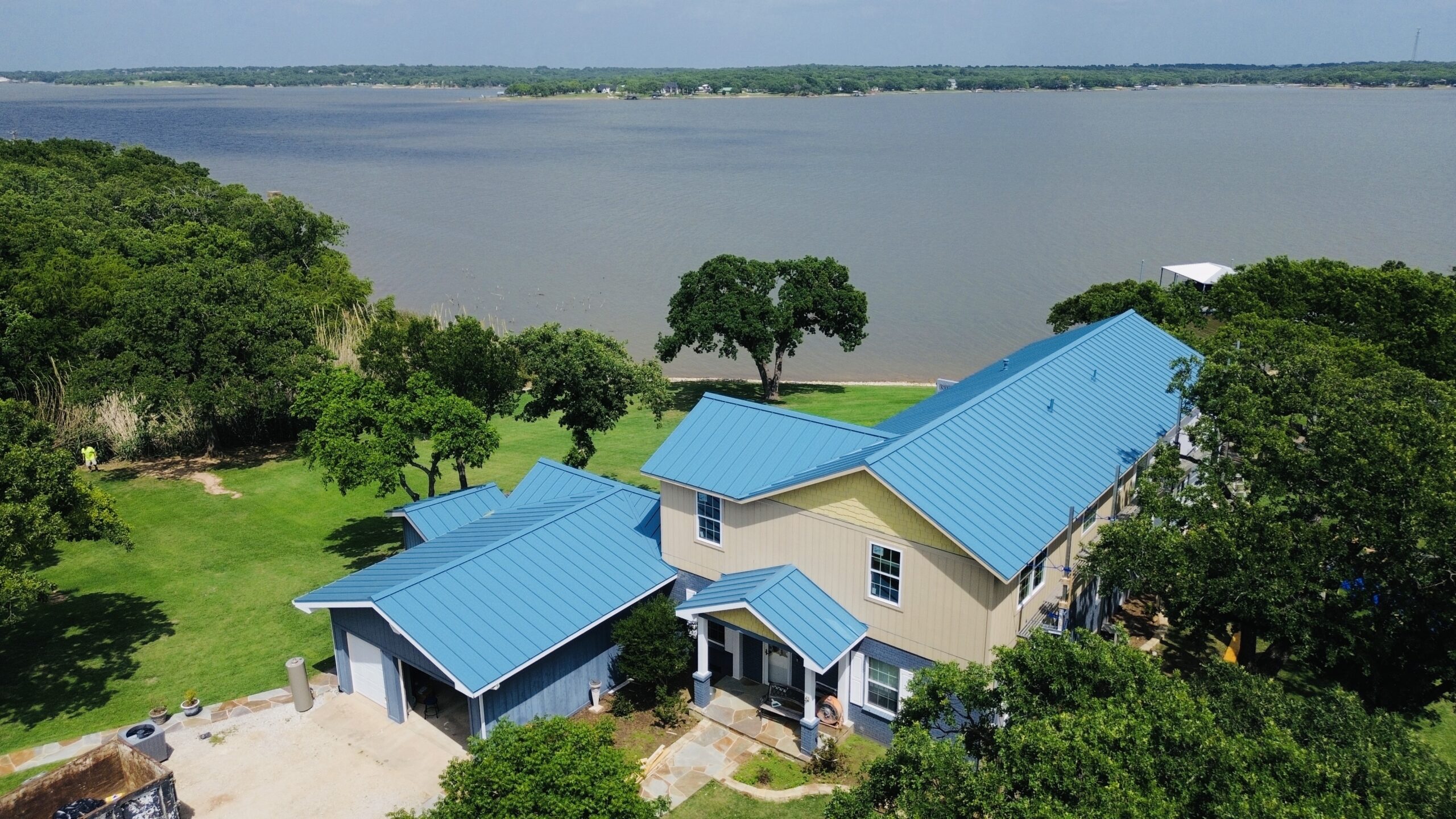
Residential roofing is increasingly becoming a platform for multiple technologies rather than simply a weather-resistant surface. Solar systems, advanced insulation, reflective materials, sensors, and digital monitoring can work together to improve building performance. Green building standards can provide a framework for evaluating how these technologies contribute to broader sustainability goals.
Solar photovoltaic systems can transform suitable roof areas into sources of renewable electricity. Traditional panels can be installed above many roofing systems, while integrated solar products combine electricity generation with roofing functions. Proper planning is essential to ensure that renewable energy equipment does not interfere with drainage or waterproofing.
Insulation remains important even when solar technology is installed. Generating renewable electricity does not prevent unwanted heat from entering the home. A well-insulated roof can reduce energy demand while solar generation helps provide a cleaner source of electricity.
Reflective roofing can complement these technologies in appropriate climates. By reducing solar heat absorption, reflective surfaces may help lower cooling requirements. The roof should be evaluated as a complete system so that reflective performance, insulation, ventilation, and renewable energy equipment support rather than conflict with one another.
Smart sensors may also become more common in residential roofing. Sensors can potentially monitor moisture, temperature, or other conditions within the roof assembly. Early detection of unusual conditions may allow homeowners to investigate problems before they develop into major failures.
Digital monitoring can support preventive maintenance. Instead of waiting for visible damage or interior leaks, homeowners may be able to identify changes that indicate a developing problem. This approach could reduce emergency repairs and extend the useful life of roofing materials.
Technology should not be adopted simply because it is new. Each feature should provide a practical benefit that fits the home’s climate, structure, budget, and long-term goals. Green building is ultimately about efficient performance and responsible resource use rather than adding technology without a clear purpose.
Sustainable Roofing Maintenance and End-of-Life Planning
A green roofing strategy should include a maintenance plan from the beginning. Regular inspections can identify damaged materials, deteriorated flashing, blocked drainage, and other problems before they become extensive. Early intervention can preserve usable materials and reduce the need for major replacement.
Gutters and downspouts require particular attention because poor drainage can shorten roof life. Leaves, dirt, and other debris can prevent water from moving away efficiently. Keeping drainage systems functional protects the roof while also reducing the risk of moisture damage around the building.
Roof surfaces should be maintained according to the requirements of their specific materials. Aggressive cleaning methods can damage protective coatings or surface layers. Appropriate maintenance helps preserve the original roofing system rather than creating additional deterioration.
Repairs should address the cause of a problem whenever possible. Replacing a damaged shingle without correcting a flashing or drainage issue may allow the same problem to return. Corrective repairs can reduce repeated material use and unnecessary labor.
End-of-life planning is another important part of sustainable roofing. Homeowners should understand whether roofing materials can be reused, recycled, or responsibly disposed of in their area. Planning this before replacement can make it easier to separate materials and reduce unnecessary landfill waste.
Some durable materials may have opportunities for reuse. Tiles, slate, metal components, and other roofing products can sometimes be salvaged when they remain in suitable condition. Reuse can preserve material value and reduce the need for new manufacturing.
When recycling is available, roofing materials should be directed to appropriate facilities. Not every recycling center accepts every roofing product, so local requirements should be confirmed before removal. Responsible disposal is particularly important when a large roofing project produces substantial quantities of waste.
End-of-life planning completes the life-cycle approach encouraged by green building principles. A roof should be considered from material selection through installation, operation, maintenance, repair, replacement, and disposal. This approach provides a more complete picture of its environmental performance.
Choosing the Right Green Building Approach
There is no single roofing system that is automatically the best sustainable choice for every residential property. The appropriate solution depends on climate, roof structure, building design, energy requirements, budget, maintenance capacity, and applicable green building criteria. A practical decision should consider all of these factors together.
Homeowners should begin by identifying the main goals of the project. These might include reducing energy consumption, managing stormwater, increasing durability, using recycled materials, installing solar energy, or reducing construction waste. Clear priorities make it easier to compare roofing options.
The existing roof should then be evaluated. If the current system is still performing well, maintenance or targeted improvements may be more sustainable than immediate replacement. If the roof has widespread deterioration, a complete replacement may provide better long-term performance.
Material selection should consider both environmental characteristics and practical performance. Recycled content can be valuable, but durability and climate suitability are equally important. A material that lasts significantly longer may reduce resource consumption even when its initial environmental profile is different from another product.
Professional guidance can be useful when green building requirements are complex. Architects, roofing professionals, energy specialists, and other qualified experts can help coordinate different components of the building envelope. Their involvement can reduce the risk of selecting products that perform well individually but poorly as part of the complete roof assembly.
Homeowners should also review manufacturer documentation and applicable standards. Information about recycled content, reflectivity, durability, warranties, installation requirements, and recycling options can help support an informed decision. Environmental claims should be evaluated carefully rather than accepted solely on the basis of marketing language.
The final decision should balance sustainability with reliability. A green roof that develops leaks, requires excessive maintenance, or performs poorly in local weather may not deliver meaningful long-term benefits. The most effective solution is one that combines responsible resource use with dependable protection.
Future Direction of Green Residential Roofing
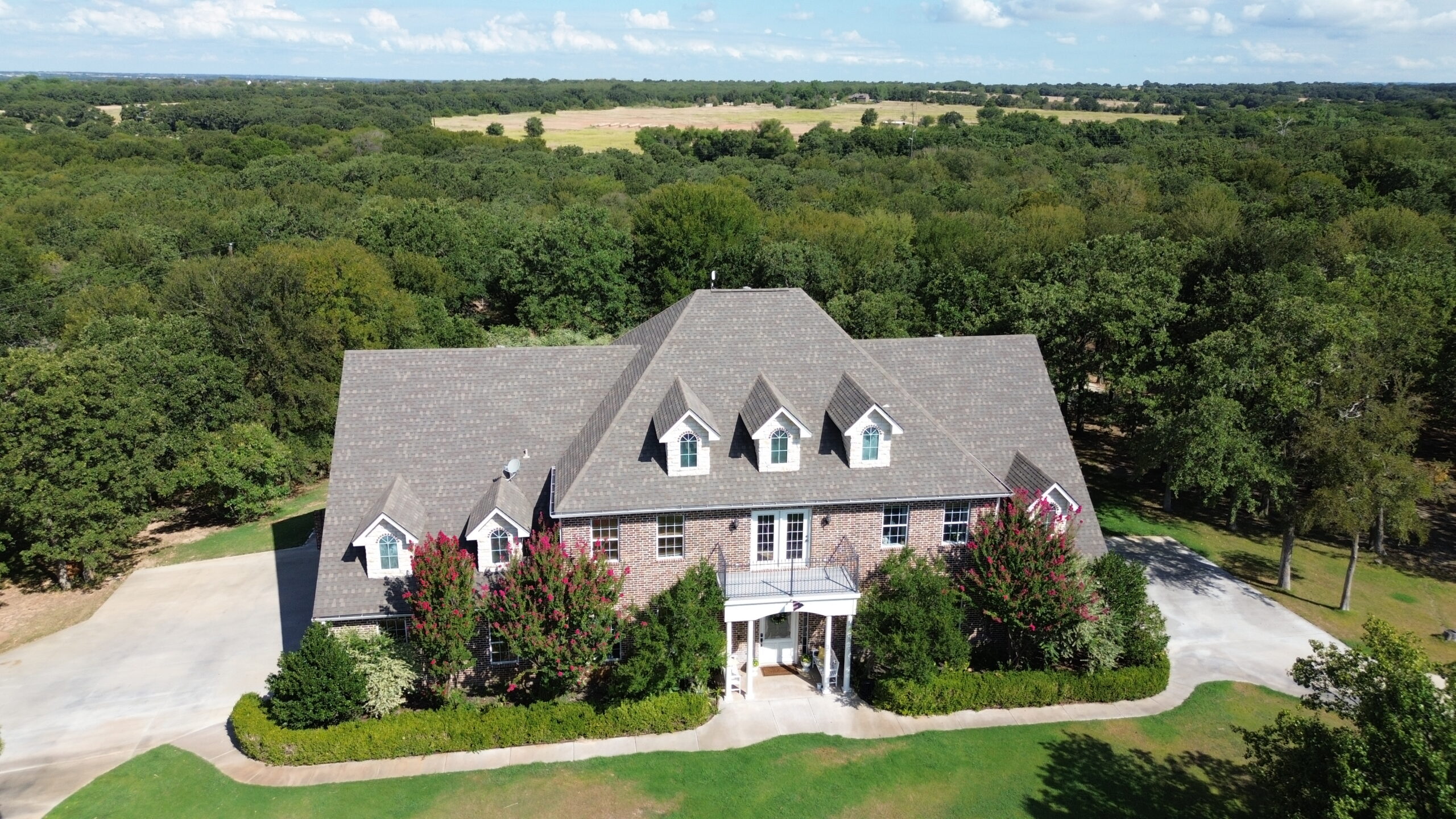
Residential roofing is likely to become increasingly integrated with broader sustainable building systems. Future roofs may combine energy generation, advanced insulation, reflective surfaces, stormwater management, vegetation, and smart monitoring within coordinated designs. These developments could allow the roof to perform several environmental functions simultaneously.
Manufacturers are also likely to continue developing roofing materials with improved recycled content and longer service lives. Products may increasingly be designed for easier repair, disassembly, reuse, or recycling. These changes could help reduce the amount of construction waste generated when roofing systems reach the end of their useful lives.
Solar roofing is another area with significant potential. As photovoltaic technology becomes more integrated into building materials, homeowners may have additional options for combining weather protection with renewable energy generation. Better storage technology could further improve the usefulness of roof-generated electricity.
Smart monitoring may make preventive maintenance more effective. Sensors and digital systems could provide information about moisture, temperature, or material conditions before problems become visible. Earlier intervention could help homeowners extend roof life and avoid unnecessary replacement.
Stormwater management may also become more important as communities address changing rainfall patterns and drainage pressures. Green roofs, rainwater collection, permeable landscapes, and improved drainage systems can work together to manage water more responsibly.
The future of green roofing will likely focus on integration rather than individual products. A roof can contribute to energy efficiency, renewable power, water management, waste reduction, durability, and indoor comfort when these functions are considered during design. Green building standards can help organize these goals into measurable strategies.
Conclusion
Green building standards provide a useful framework for understanding how residential roofing can contribute to sustainable construction. They encourage homeowners and professionals to consider energy, materials, water, waste, durability, comfort, and long-term performance instead of focusing only on the initial cost of a roof.
Energy-efficient roofing can reduce unwanted heat transfer through appropriate insulation, air sealing, ventilation, and reflective surfaces. Solar systems can add renewable energy generation, while smart technologies may support preventive maintenance and early detection of roofing problems.
Material selection is equally important. Recycled and recyclable products can reduce resource consumption, while durable materials can limit the frequency of replacement. However, sustainability should always be considered alongside climate suitability, installation quality, maintenance requirements, and the complete life cycle of the roof.
Water management also plays a major role. Proper drainage, rainwater collection, green roofing, and responsible stormwater strategies can help control runoff while protecting the building. These measures demonstrate that a roof can contribute to environmental performance beyond simply keeping rain outside.
Waste reduction should continue throughout the roofing process. Accurate measurements, careful installation, responsible material removal, recycling, and end-of-life planning can reduce the amount of material sent to disposal facilities. Repairing serviceable roofing components can further reduce unnecessary consumption.
The most successful green roofing projects are based on coordinated planning. Roofing materials, insulation, ventilation, solar systems, drainage, and maintenance should work together as parts of one building system. This approach can improve performance while supporting long-term environmental and financial goals.
Ultimately, green building standards are not simply about earning certification or selecting products marketed as environmentally friendly. They provide a way to make better decisions about how a residential roof is designed, installed, maintained, and eventually replaced. A well-planned green roofing system can protect the home, improve efficiency, reduce waste, and support a more sustainable approach to residential construction.