
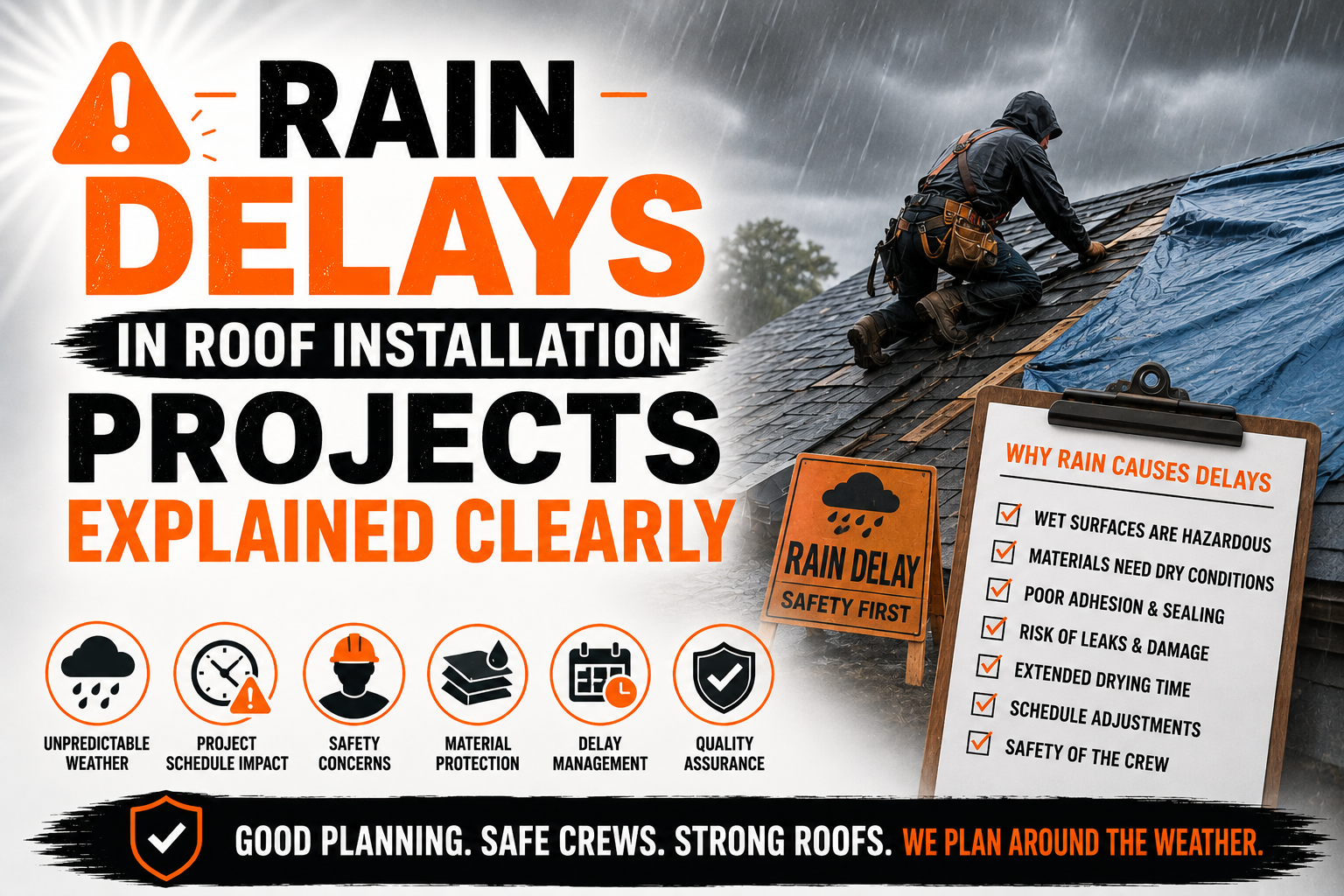
Rain Delays in Roof Installation Projects Explained Clearly
Introduction
Roof installation projects depend heavily on weather conditions, and rain is one of the most common reasons roofing work may need to be delayed. Unlike some indoor construction activities, roofing requires workers to operate on exposed surfaces where moisture can create safety and installation problems. Even a short period of rainfall can affect the roof deck, roofing materials, tools, and the ability of workers to complete certain tasks correctly.
A rain delay does not necessarily mean that a roofing project has gone wrong. In many situations, postponing work is a responsible decision that protects workers and prevents moisture from becoming trapped beneath the new roofing system. Continuing installation during unsuitable weather can create problems that may not become visible until much later.
Rain can affect different stages of a roofing project in different ways. A dry roof deck may be essential before certain materials are installed, while adhesives and sealants may require specific conditions to perform correctly. Heavy rainfall can also make roof surfaces slippery, increase the risk of falls, and interfere with the safe movement of materials and equipment.
Planning for possible rain is therefore an important part of professional roof installation. Contractors typically consider weather forecasts, the current condition of the roof, the type of roofing materials being installed, and how quickly temporary protection can be put in place. A well-managed delay can help protect the property while allowing the project to resume when conditions become suitable.
Understanding why rain delays happen can help homeowners set realistic expectations during a roofing project. Instead of viewing every weather-related pause as unnecessary, it is useful to understand how moisture affects the installation process and why contractors may choose to stop work. Proper weather management can contribute to a safer installation and a more reliable finished roof.
Why Rain Can Delay Roof Installation Projects
Rain can interfere with roofing work because many installation activities require a reasonably dry and stable working environment. Workers need secure footing, roofing materials need appropriate installation conditions, and exposed roof areas must be protected from water. When rain begins unexpectedly, continuing the installation may increase both safety risks and the possibility of workmanship problems.
One of the most immediate concerns is the roof surface itself. Water can make shingles, metal panels, tiles, underlayment, and roof decking slippery. Workers carrying heavy materials or operating tools on a wet slope may have difficulty maintaining stable footing, particularly on steep roofs.
Rain can also affect visibility. Heavy rainfall may make it difficult for workers to see roof edges, fasteners, seams, flashing locations, and other details clearly. Reduced visibility can increase the possibility of installation errors while also making it more difficult to move safely around the job site.
Another concern is moisture entering exposed sections of the building. If the existing roof has been removed and the new roofing system is not yet complete, rainfall can reach the roof deck or interior areas. Contractors may need to stop work and install temporary protection to prevent water from entering the structure.
The type of roofing system also matters. Some materials have specific installation requirements concerning temperature, moisture, wind, or surface conditions. A contractor may therefore need to delay one part of the project even if another part could technically continue.
Rain can affect a roofing project through several factors:
- Wet and slippery working surfaces
- Moisture entering exposed roof areas
- Reduced visibility during installation
- Unsuitable conditions for certain adhesives or materials
- Increased risk of damage to stored roofing products
- Difficulty maintaining proper installation quality
The duration of a rain delay can vary considerably. A light shower may only interrupt work temporarily, while prolonged rainfall can prevent installation for much longer. Contractors may also need additional time after the rain stops to inspect the roof and confirm that surfaces have dried sufficiently.
It is important to distinguish between a short weather interruption and a major project delay. A brief pause may have little effect on the overall completion date, particularly when the contractor has built flexibility into the schedule. Extended periods of wet weather can have a larger effect because several installation activities may need to be rescheduled.
How Rain Affects Roof Deck Preparation
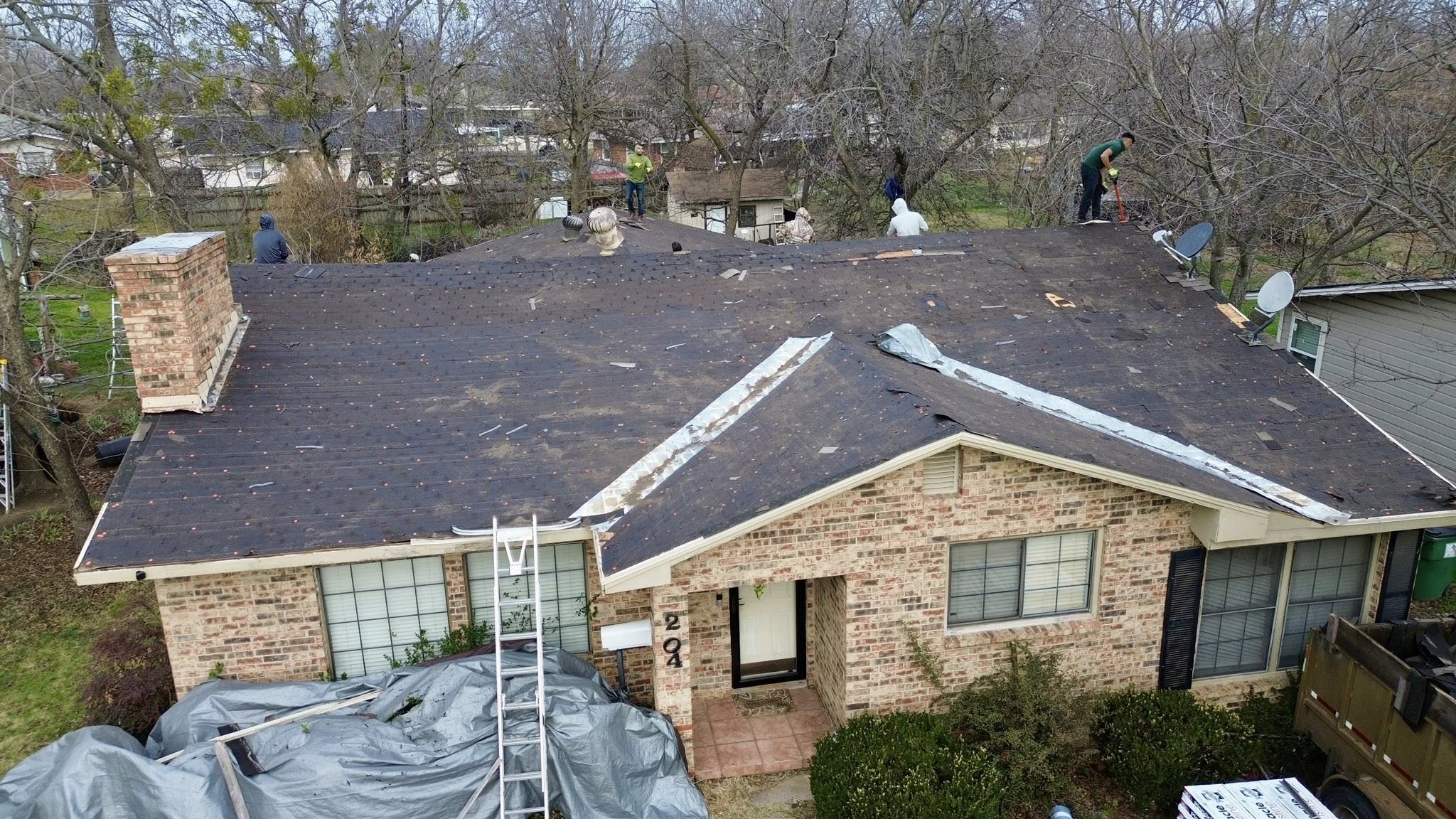
The roof deck is the surface beneath the roofing system, and its condition is extremely important before new materials are installed. When rain reaches an exposed roof deck, moisture can affect the preparation process and may prevent certain roofing components from being installed properly. Contractors generally need to evaluate the condition of the deck before covering it.
A wet roof deck may not provide the appropriate surface for some roofing materials. Depending on the roof system, moisture can interfere with adhesion, fastening, or the proper installation of underlayment and other components. The manufacturer’s requirements for the specific roofing system should determine when installation can resume.
Rain can also reveal existing problems that were not immediately visible. Once old roofing materials are removed, contractors may discover damaged decking, areas of deterioration, previous leaks, or other conditions. If rain occurs before those areas are repaired and protected, additional moisture may enter the exposed structure.
Drying the roof deck may therefore become an important part of the schedule after rainfall. Simply waiting until the rain stops may not be enough if the deck remains damp. The contractor may need to allow sufficient drying time and inspect the surface before continuing with the next installation stage.
Moisture can be particularly concerning when it becomes trapped beneath a new roofing system. Covering a wet surface may prevent the moisture from escaping normally, potentially contributing to deterioration or other problems. For this reason, contractors should follow the requirements for the specific roofing assembly rather than rushing to cover the roof immediately after rainfall.
The condition of the deck should be evaluated before proceeding with installation. Contractors may check for visible moisture, damaged areas, debris, or other conditions that could interfere with the roofing system. If problems are discovered, repairs may need to be completed before the new materials are installed.
Proper deck preparation helps establish a suitable foundation for the rest of the roof. A delay caused by rain may therefore be necessary to ensure that the underlying surface is ready. Taking additional time at this stage can help prevent problems that would be much more difficult to correct after the roof has been completed.
Protecting the Roof From Water During Delays
When rain is expected during a roof installation, temporary protection can be an important part of the contractor’s plan. An exposed roof can allow water to enter the building if the existing roofing has already been removed. Contractors need to consider how unfinished areas will be protected if weather conditions change before the permanent roofing system is complete.
Temporary protection may involve covering exposed areas with suitable weather-resistant materials or using other methods appropriate for the roofing project. The exact approach depends on the roof design, the stage of construction, the expected weather, and the materials being installed.
Protection should be secured carefully because rain is often accompanied by wind. A covering that is not properly secured can move, tear, or allow water to enter around its edges. Contractors should use appropriate methods for the particular situation rather than relying on temporary materials that are not designed to withstand the expected conditions.
Water management is another important consideration. Temporary protection should be arranged so that rainfall can move away from vulnerable areas rather than collecting on the roof. Standing water can add weight and may create additional risks if the temporary covering is not designed to support it.
Roof protection may need to remain in place until work can safely resume. If rainfall continues for several days, the contractor may need to inspect the temporary covering periodically. Any damage or movement should be addressed promptly to maintain protection.
Homeowners should also avoid disturbing temporary roof protection. Attempting to remove, reposition, or inspect coverings without the proper equipment can create safety risks. If the homeowner notices water entering the building or sees visible damage to the temporary protection, the roofing contractor should be contacted promptly.
Interior areas should also be monitored during extended rain delays. Water stains, dripping, damp ceilings, or other signs of moisture intrusion should be reported immediately. Early action can help limit damage while the contractor determines how to protect and dry the affected area.
Temporary protection is not intended to replace the permanent roofing system. It is a short-term measure used to protect the building while conditions prevent normal installation. Once the weather improves, the contractor should inspect the exposed roof and confirm that the underlying surfaces remain suitable before continuing.
How Contractors Plan Around Rain Forecasts
Weather planning begins before the roofing crew arrives at the property. Contractors can review forecasts to identify periods when rain is likely and use that information to schedule work appropriately. However, forecasts are not always perfectly accurate, so a good roofing schedule also needs flexibility.
The timing of different installation activities can influence how vulnerable the project is to rainfall. Contractors may prioritize tasks that can be completed and protected within a short period when rain is expected later in the day. More extensive tear-off or exposure of the roof may be avoided when there is a high likelihood of rainfall.
Weather forecasts should be monitored throughout the project rather than checked only once. Conditions can change, and a forecast several days in advance may not accurately predict the exact timing or intensity of rainfall. Regular updates allow the contractor to make better decisions about whether to continue, pause, or reschedule work.
Rain probability is not the only factor that matters. Contractors may also consider the expected duration of rainfall, wind conditions, humidity, temperature, and the amount of drying time likely to be available afterward. A brief shower followed by several dry hours may be managed differently from continuous heavy rain.
The project schedule should include reasonable flexibility for weather interruptions. If every workday is planned with no allowance for delays, even a short period of rain can create pressure to rush later stages. A more realistic schedule allows the contractor to maintain installation quality without attempting to recover lost time through unsafe practices.
Homeowners can help by understanding that weather-related changes are sometimes unavoidable. The contractor may need to move installation dates, adjust the work sequence, or pause the project temporarily. These changes are generally intended to protect the building and ensure that the roof is installed under suitable conditions.
Clear communication is especially important when rain affects the schedule. Contractors should explain why work is being delayed, what temporary protection is being used, and what conditions need to improve before installation can resume. This helps homeowners understand that a weather delay is part of responsible project management rather than simply lost working time.
Rain and Roofing Material Installation
Rain can affect roofing materials in different ways, so contractors need to consider the requirements of the specific products being installed. Some materials may tolerate limited exposure to moisture during certain stages, while others require dry conditions for installation. Manufacturer instructions should guide the contractor’s decisions.
Asphalt shingles, for example, can be affected by moisture during installation. The roof surface and underlying layers may need to be sufficiently dry before shingles are installed according to the manufacturer’s requirements. Wet conditions can also make handling more difficult and increase the risk of workers damaging materials.
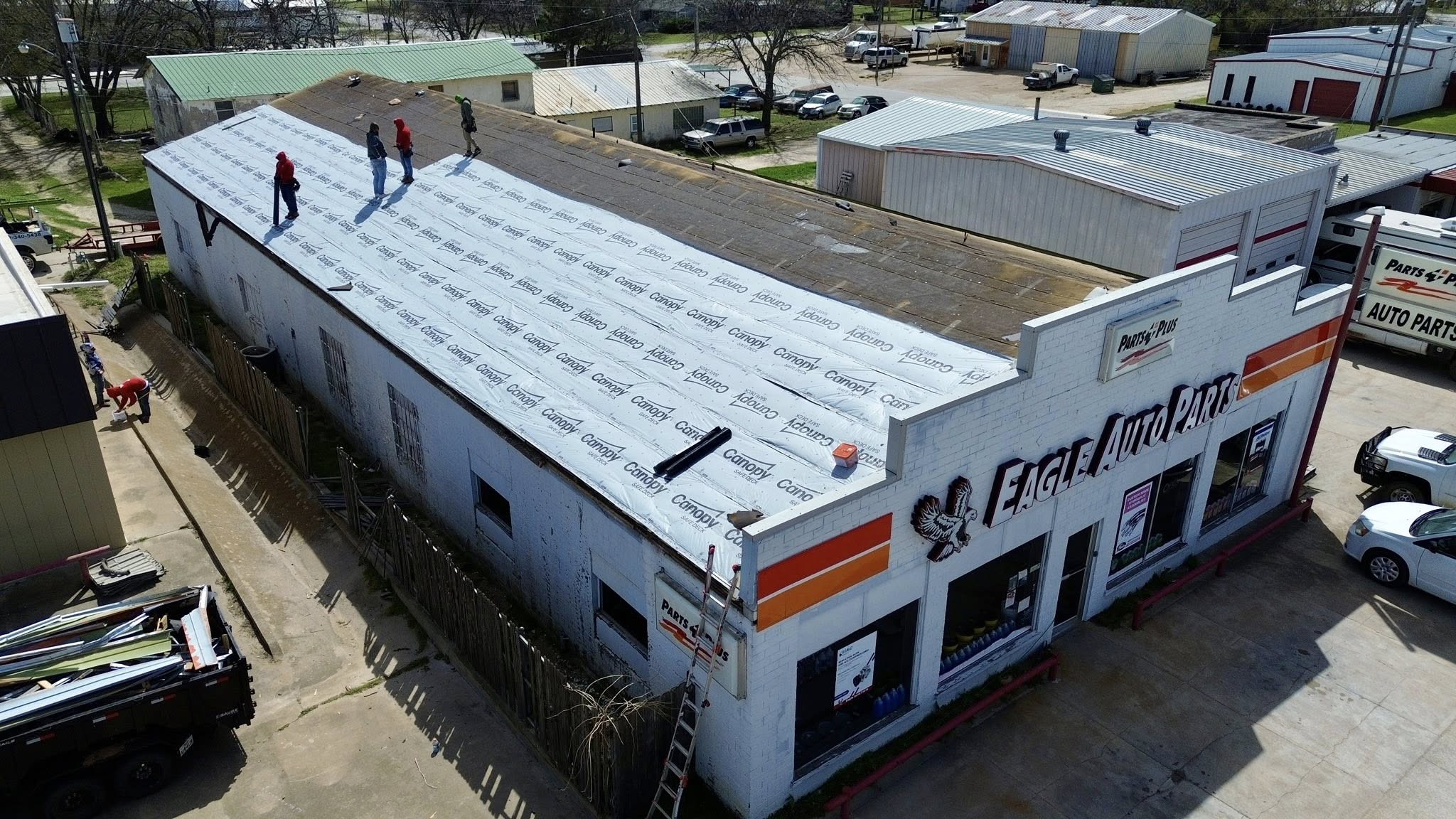
Underlayment can provide additional protection against water, but it does not mean that every roofing operation can continue during rainfall. The underlayment itself must be installed according to the product’s requirements, and exposed sections may still need temporary protection if permanent roofing cannot be completed.
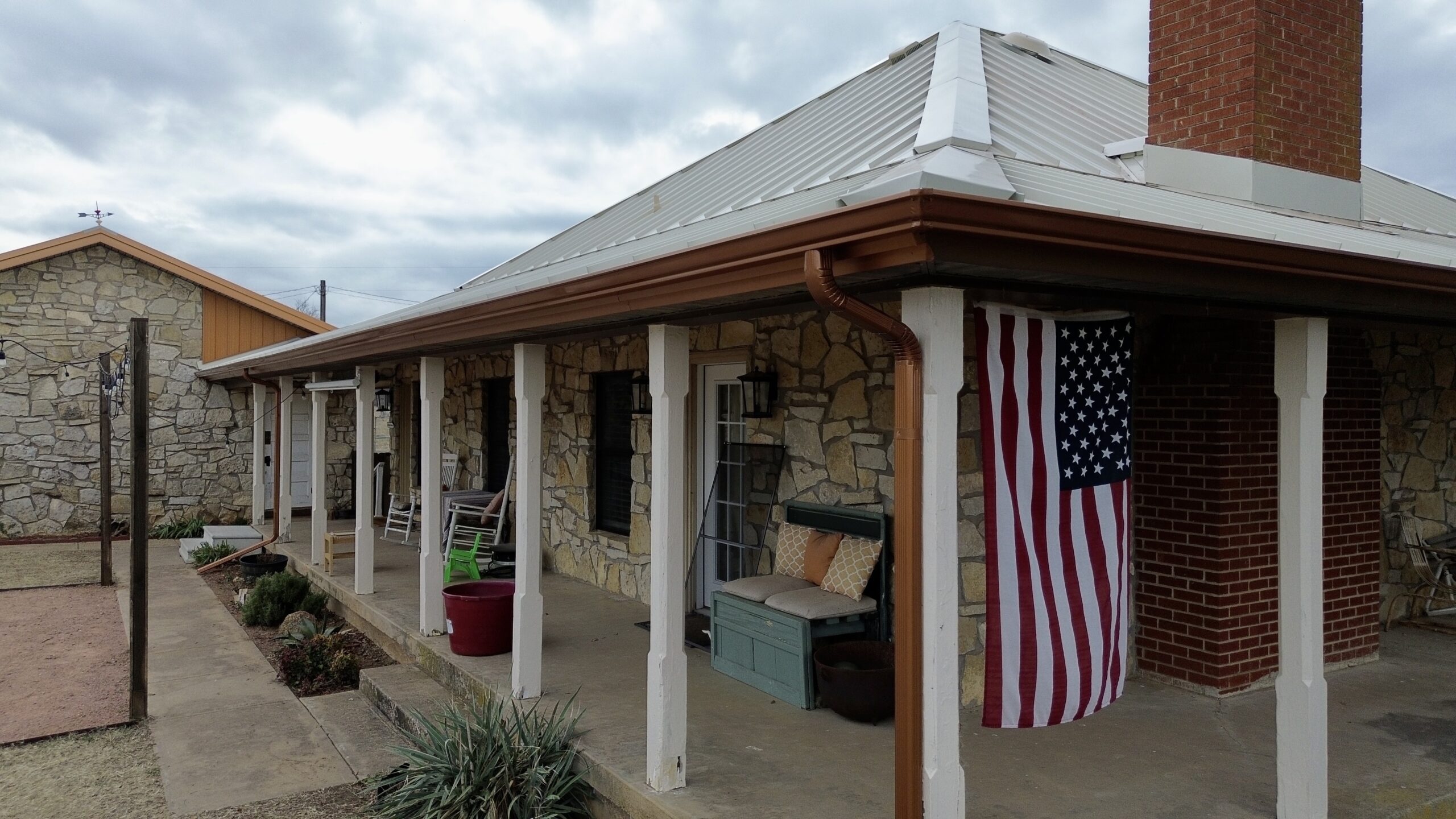
Metal roofing also requires careful handling during wet weather. Metal panels can become slippery when wet, and workers may have difficulty safely positioning large panels during rainfall or strong winds. Fasteners, seams, flashing, and other components must also be installed according to the system’s requirements.
Tile roofing presents different challenges. Wet tiles and roof surfaces can increase slip hazards, while moving materials across a wet roof can create additional safety concerns. Contractors should wait for suitable conditions when necessary rather than attempting to maintain the original schedule at the expense of worker safety.
Adhesives, sealants, coatings, and other products can be particularly sensitive to moisture. If the manufacturer specifies that a product must be applied to a dry surface, rain can prevent installation even when the rest of the roof appears ready. Applying these materials during unsuitable conditions can affect bonding, curing, or long-term performance.
Material storage is also important during rainy periods. Roofing products should be protected from unnecessary exposure to water and stored according to manufacturer recommendations. Wet packaging, damaged materials, or improperly stored products should be evaluated before they are incorporated into the roof.
Contractors may therefore need to change the sequence of work when rain is approaching. Rather than beginning a section that cannot be safely completed before rainfall, the crew may focus on another activity or secure the existing work area. This approach can reduce the amount of unfinished roofing exposed to weather.
When Rain Becomes a Safety Concern
Safety is one of the strongest reasons for delaying roof installation during rain. Roofing already involves elevated work, ladders, tools, heavy materials, and sloped surfaces. Adding rain can make these conditions substantially more hazardous by reducing traction and visibility.
Wet roof surfaces can become extremely slippery, especially on steep slopes or smooth materials. Workers carrying bundles or equipment may have difficulty maintaining balance. A fall from a roof can result in serious injury, so contractors should follow appropriate fall-protection and weather-related safety procedures.
Ladders and access equipment can also become more dangerous when wet. Water can reduce traction on ladder rungs and footwear, while strong winds associated with storms can make climbing and material handling more difficult. Workers should not be expected to continue using access equipment when conditions are unsafe.
Electrical equipment presents another concern during wet weather. Power tools, extension cords, compressors, and other equipment should be used according to appropriate safety procedures and manufacturer requirements. Contractors should evaluate whether rain creates conditions in which certain equipment cannot be safely operated.
Lightning and severe storms require particular caution. When storms involve lightning, strong winds, or other hazardous conditions, roofing work may need to stop entirely until the danger has passed. The safety of workers and people around the property should take priority over maintaining the original installation schedule.
Rain can also increase hazards around the ground-level work area. Wet surfaces, falling debris, ladders, tools, and construction materials can create risks for homeowners and other people near the property. The contractor should maintain a controlled work zone and take appropriate precautions during weather interruptions.
Workers may also experience reduced concentration when dealing with uncomfortable or hazardous weather conditions. Attempting to complete roofing work while constantly managing slippery surfaces and rainfall can increase the likelihood of mistakes. Pausing work allows the crew to return under conditions where they can focus on both safety and installation quality.
For homeowners, a rain delay can sometimes feel frustrating when the roof installation schedule changes unexpectedly. However, postponing work during unsafe conditions can protect both the workers and the property. A responsible roofing contractor should prioritize safe working conditions rather than forcing the crew to continue simply to meet an original completion date.
How Rain Affects Asphalt Shingle Installation
Asphalt shingles are widely used for residential roofing, but their installation can be affected by wet weather. Rain can make the roof surface slippery and may prevent workers from safely positioning, fastening, and aligning shingles. If the roof deck or underlying layers are wet, the contractor may also need to wait until suitable conditions return before continuing.
Moisture can interfere with certain installation steps depending on the roofing system and manufacturer’s requirements. Shingles need to be installed over an appropriate surface, and the materials beneath them may need to be dry before they are covered. Installing roofing over unsuitable conditions can trap moisture and create problems that are difficult to identify after the roof has been completed.
Rain can also affect the handling of shingles. Wet bundles may become heavier and more difficult to move, while water can affect packaging and the condition of exposed materials. Contractors should protect roofing bundles from unnecessary exposure and inspect materials if they have been affected by significant rainfall.
Another consideration is the shingle sealing process. Many asphalt shingles use factory-applied adhesive strips that help create a bond after installation and exposure to suitable conditions. Rain immediately after installation may interfere with some installation procedures, so contractors should follow the specific manufacturer’s instructions rather than assuming that every shingle system behaves the same way.
Workers also need to avoid unnecessary foot traffic on wet or recently installed shingles. A wet roof can become slippery, increasing the risk of falls and making it more difficult to move safely across the surface. Waiting for suitable conditions can protect both workers and the newly installed roofing materials.
If rain begins during shingle installation, the contractor may need to stop at a logical point and protect the unfinished section. The decision depends on the intensity of the rainfall, the amount of roof already exposed, the roofing system, and the safety conditions at the property. Continuing simply to maintain the original schedule can create greater problems than temporarily stopping.
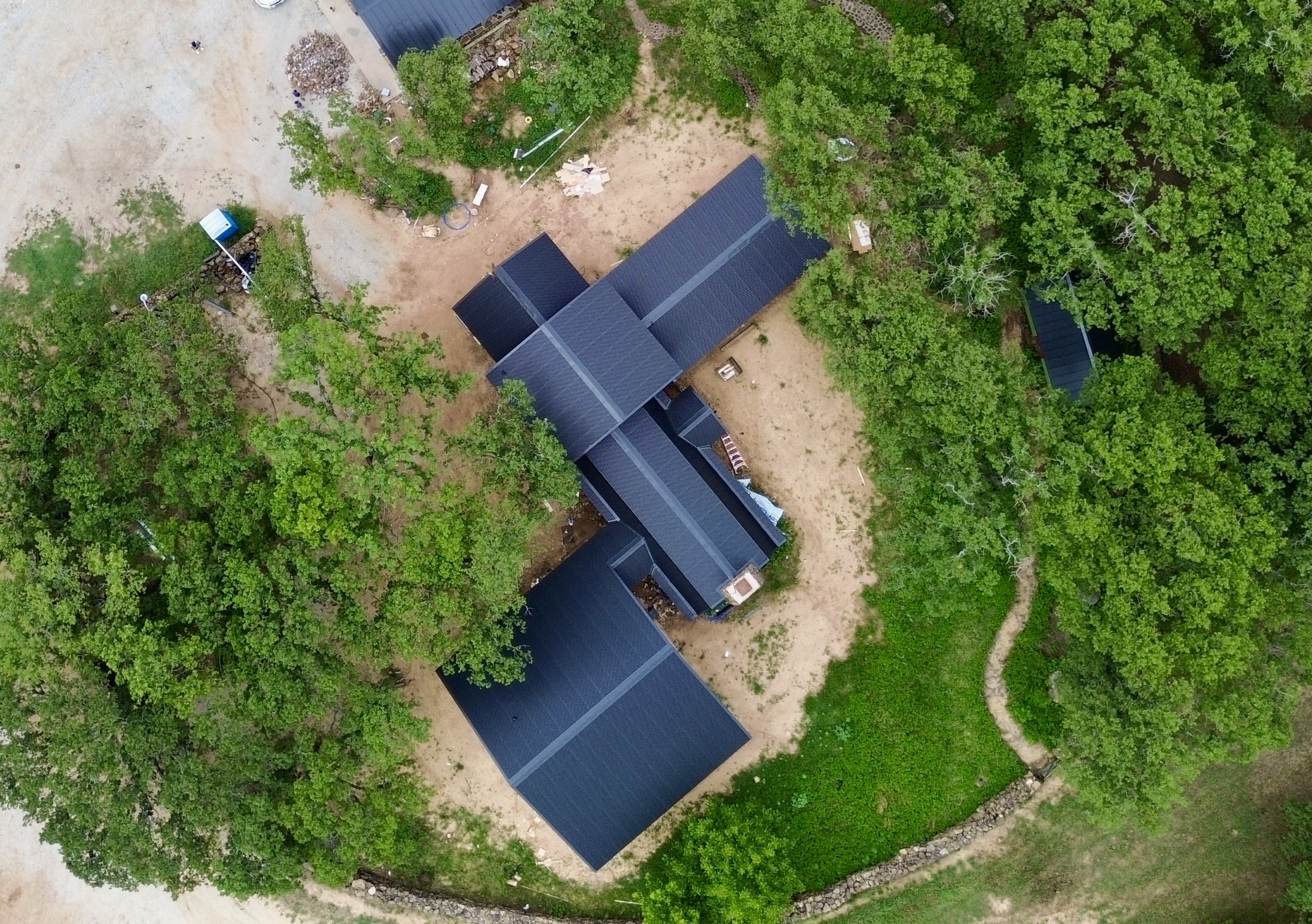
Installing Underlayment Before Rain Arrives
Underlayment is an important layer of many roofing systems because it provides additional protection beneath the primary roof covering. However, installing underlayment does not mean the roof is automatically protected against every weather condition. The product must be installed correctly and according to its manufacturer’s requirements.
Rain can create problems if underlayment is installed over a wet or unsuitable roof deck. The contractor may need to allow the surface to dry before continuing with subsequent roofing layers. Covering moisture too quickly can interfere with the performance of the roof assembly and may make it harder to identify problems beneath the finished roof.
Different underlayment products have different characteristics. Some may tolerate limited weather exposure, while others have specific restrictions concerning how long they can remain exposed. Contractors should check the manufacturer’s instructions before leaving installed underlayment exposed during a period of expected rain.
Proper fastening is also important when preparing underlayment before a weather interruption. The material should be secured according to the roofing system requirements so that wind or rainfall does not cause it to move or tear. Temporary protection may still be necessary when prolonged or severe weather is expected.
When rain is approaching, contractors may adjust the installation sequence to reduce exposure. Instead of opening a large section of the existing roof, the crew may work in smaller areas that can be properly protected before rainfall begins. This approach can reduce the amount of the building that is vulnerable to water intrusion.
The edges and transitions of underlayment deserve particular attention. Water can move beneath improperly positioned layers, especially around roof edges, valleys, penetrations, and changes in roof direction. These areas should be handled carefully rather than being rushed because of an approaching weather system.
If rain occurs after underlayment has been installed, the contractor should inspect the material before proceeding. Signs of movement, tearing, trapped moisture, or other damage should be addressed before the final roofing material is placed. This inspection can help prevent an existing problem from being concealed under the finished roof.
Managing Roof Deck Moisture
Roof deck moisture is one of the most important concerns after rainfall during a roofing project. The deck forms the foundation of the roofing system, so its condition should be suitable before new materials are installed over it. Rain can leave the surface damp even after the weather appears to have improved.
The amount of drying time required depends on several factors. Roof construction, material type, temperature, sunlight, airflow, humidity, and the amount of rainfall can all influence how quickly moisture leaves the surface. Contractors should evaluate the actual condition of the roof rather than relying only on how long it has been since the rain stopped.
Moisture can also reveal existing damage. When the old roof is removed, contractors may discover deteriorated decking or areas that have experienced long-term water intrusion. Rain during the replacement process can make these conditions more difficult to manage, particularly if the exposed roof cannot be covered immediately.
Before installation resumes, the roof deck should be checked for visible water, damaged areas, debris, and other conditions that could interfere with the new roof system. Any necessary repairs should be completed according to the project’s requirements before the surface is covered.
Trapping moisture beneath roofing materials can create long-term concerns. Depending on the roof assembly, enclosed moisture can contribute to deterioration and may affect other components of the building. This is why rushing to cover a wet deck simply because the rain has stopped is generally not a good installation practice.
Contractors should also pay attention to areas where water may collect. Low sections, roof valleys, penetrations, and other locations can remain wet longer than exposed areas. These areas may require additional inspection before the next stage of roofing work begins.
A rain delay can therefore provide an opportunity to inspect the roof more carefully. Instead of viewing the delay only as lost working time, contractors can use the available time to verify that the deck and other exposed components are ready for the next stage. Proper preparation can improve the reliability of the completed roofing system.
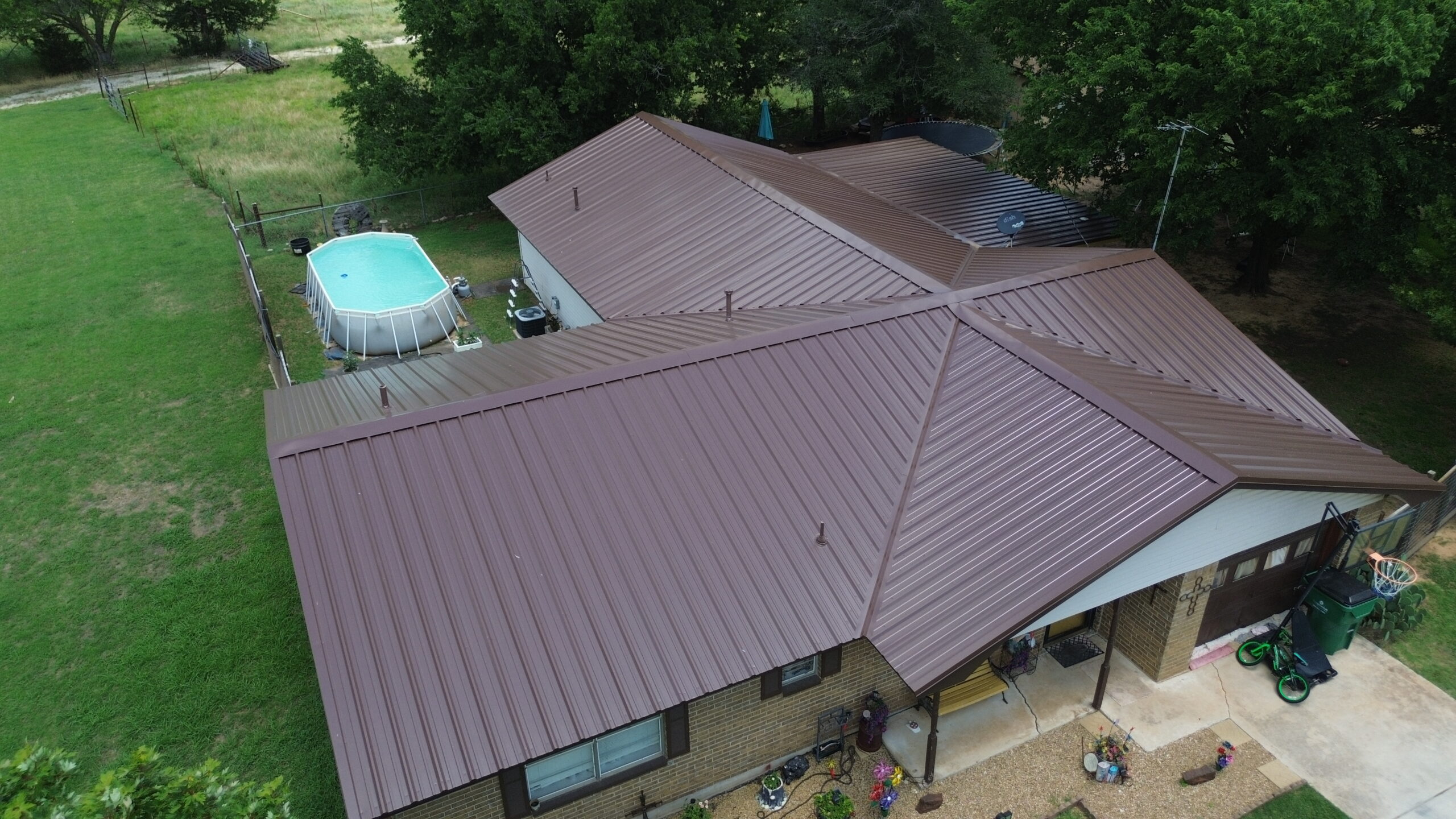
Protecting Roofing Materials During Wet Weather
Rain protection should extend beyond the roof itself. Roofing materials stored at the property can also be affected by wet weather if they are left exposed. Proper storage helps prevent damage to products before they are incorporated into the roofing system.
Materials should generally remain in their original packaging until they are needed, provided the manufacturer’s instructions allow it. Bundles should be positioned on suitable surfaces and protected from standing water. They should also be stored in a location where they will not interfere with worker access or become unstable during changing weather.
Underlayment, membranes, insulation, adhesives, sealants, and other roofing components may have specific moisture-storage requirements. Some products should be protected from direct exposure to rain, while others may tolerate limited outdoor storage. Contractors should follow the manufacturer’s instructions for each product instead of applying a single storage method to everything.
Packaging should also be checked after heavy rainfall. Water-damaged packaging can indicate that the material inside may have been exposed to moisture. If a product appears damaged, swollen, contaminated, or otherwise unsuitable, it should be evaluated before installation.
Roofing materials already placed on the roof require additional attention. Materials should not be left in locations where rainwater can collect around them or where they could move during strong winds. Properly distributing materials also helps prevent unnecessary loading of one section of the roof.
Homeowners should avoid moving roofing materials themselves during a weather delay. Heavy bundles and wet surfaces can create serious safety risks. The roofing contractor should manage material placement, protection, and inspection according to appropriate procedures.
Temporary Roof Protection During Rain Delays
Temporary protection becomes particularly important when the existing roof has been removed and the permanent roofing system cannot yet be installed. The purpose is to reduce the possibility of rain entering the building while work is paused. The protection method should be appropriate for the roof design, stage of construction, and expected weather.
Temporary coverings need to be secured properly. Rain is often accompanied by wind, and loose materials can move or tear when exposed to changing weather. Contractors should inspect temporary protection after significant weather events and make necessary adjustments before continuing work.
Water drainage should also be considered. A temporary covering should not create areas where rainwater can accumulate excessively. Standing water can place additional loads on the roof and may increase the possibility of leakage if the covering is not arranged correctly.
The condition of the temporary protection should be monitored during longer delays. If rainfall continues for several days, the contractor may need to check whether the covering remains secure and whether water has entered any exposed areas. Prompt attention can help prevent a temporary weather interruption from becoming a larger property problem.
Interior areas should also be observed for signs of water intrusion. Homeowners may notice damp ceilings, stains, dripping water, or moisture around windows and walls. Any signs of water entry should be reported to the roofing contractor promptly so the source can be investigated.
Temporary protection should not be treated as a substitute for the completed roofing system. It is intended to provide short-term protection until permanent installation can resume. Once weather conditions improve, the contractor should inspect the exposed roof and confirm that all surfaces and materials remain suitable.

How Rain Affects Adhesives, Sealants, and Flashing
Adhesives and sealants can be particularly sensitive to rain because many products require specific surface and weather conditions for proper application. Applying them to wet surfaces can interfere with bonding or curing when the product is designed for dry installation. Contractors should therefore check the manufacturer’s instructions before using these materials after rainfall.
Temperature can also influence how quickly a sealant or adhesive sets. When rain occurs at the same time as cooler temperatures or high humidity, the curing process may behave differently from what the installer expected. The product documentation should determine whether application can continue under the current conditions.
Flashing is another important area to inspect after rain. Flashing protects vulnerable points such as valleys, chimneys, walls, skylights, vents, and roof edges. If these components have been installed but the surrounding roofing work is incomplete, the contractor should make sure they remain properly positioned and protected.
Water can also reveal weaknesses in temporary or partially completed flashing. If moisture appears around a penetration or transition during a rain event, the area should be inspected before the roofing system is closed. Addressing the issue early is preferable to allowing a potential leak to remain hidden beneath finished materials.
Sealants should not be used as a quick solution for every rain-related problem. A properly designed roof relies on correct flashing, overlapping materials, drainage, and installation methods rather than excessive dependence on sealant. Contractors should follow the roofing system’s installation requirements and use sealants only where appropriate.
After rainfall, surfaces should be checked before adhesives or sealants are applied. Even when the roof appears dry, moisture can remain in seams, joints, or other protected areas. Allowing suitable drying time and following product requirements can improve the reliability of the finished installation.
Rescheduling Roofing Work After Rain Delays
Once rainfall has stopped, the contractor must determine when work can safely resume. The decision should consider more than whether rain is still falling. The roof surface, deck, materials, weather forecast, and working conditions all need to be suitable for the next stage of installation.
The contractor may inspect exposed areas first and identify any moisture or damage caused by the weather. If the roof deck remains wet, additional drying time may be necessary. If temporary protection has moved or been damaged, it may also need to be repaired before installation continues.
Weather conditions should continue to be monitored after the rain ends. Resuming work immediately before another period of heavy rainfall may create unnecessary exposure. A contractor may therefore choose a later start date if the forecast indicates that suitable conditions are unlikely to last long enough to complete the planned work.
The schedule may also need to be adjusted based on the type of roofing activity planned. Some tasks can be completed relatively quickly, while others require a longer uninterrupted period. Organizing the work around available dry conditions can help reduce the risk of another interruption.
Homeowners should receive clear information when the schedule changes. A professional contractor can explain what caused the delay, what has been done to protect the property, and what conditions are needed before work resumes. This communication helps homeowners understand why the original installation date may no longer be practical.
Rain delays can sometimes affect material deliveries and inspection appointments as well. If the project has a required inspection stage, the contractor may need to coordinate a new inspection date after the weather interruption. Material deliveries may also need to be adjusted so products do not arrive before they can be safely stored.
The goal is not simply to restart work as quickly as possible. The goal is to restart when the roof, materials, workers, and weather conditions are suitable for safe and proper installation. Taking this approach can help prevent moisture-related defects and reduce the likelihood of additional delays later in the project.
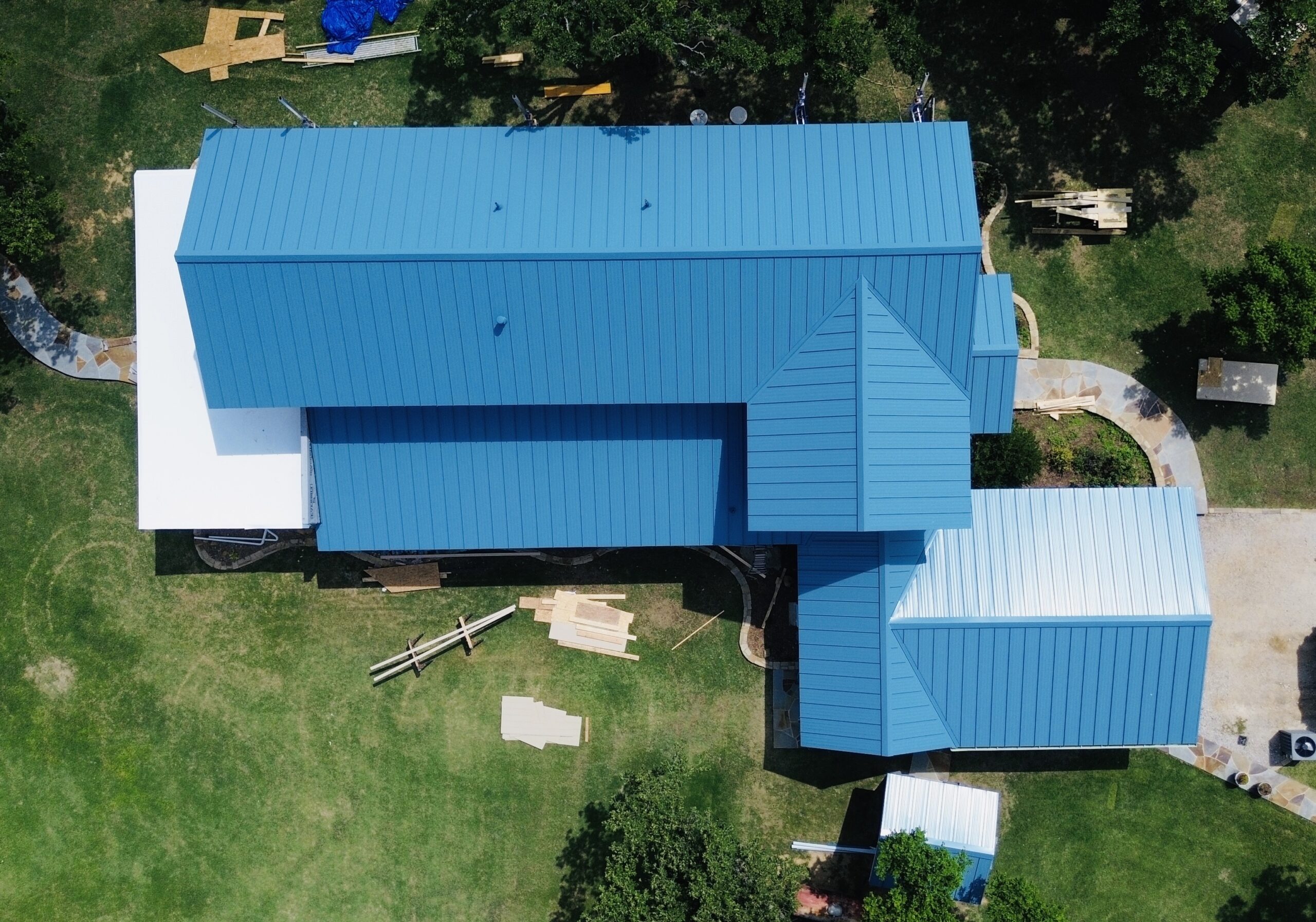
Inspecting the Roof After a Rain Delay
When rainfall has ended, roofing work should not automatically resume immediately. The contractor needs to inspect the roof and determine whether the exposed surfaces, roofing materials, and surrounding work area are suitable for continued installation. The amount of inspection required depends on how much rain occurred, how long the roof remained exposed, and what stage the installation had reached before the delay.
The roof deck should be checked for visible moisture, standing water, deterioration, and other conditions that may have developed during the delay. Areas around valleys, roof penetrations, edges, and low sections can retain moisture longer than other parts of the roof. These locations deserve particular attention before underlayment or permanent roofing materials are installed.
Temporary protection should also be inspected after significant rainfall. Covers can shift, tear, or allow water to collect underneath them, particularly when strong winds accompany the rain. If the protection has been damaged, the contractor should correct the problem and inspect the affected area before proceeding.
The contractor should also check roofing materials that were exposed during the weather interruption. Wet packaging, damaged underlayment, displaced materials, or contaminated surfaces may need to be replaced or evaluated before installation. Using damaged materials simply to keep the project moving can create problems that are more expensive to correct later.
Water intrusion inside the building should be investigated if the roof was exposed during rainfall. Homeowners may notice stains, damp ceilings, dripping water, or moisture around walls and openings. These signs should be reported to the contractor promptly so the source can be identified and the affected area protected.
The inspection should also consider whether the weather has affected the safety of the job site. Roof surfaces, ladders, scaffolding, walkways, and equipment may remain wet even after rainfall has stopped. Workers should return only when appropriate conditions and safety procedures are in place.
A post-rain inspection is therefore an important quality-control step rather than an unnecessary delay. It gives the contractor an opportunity to confirm that the roof is ready for the next stage of work. Taking this extra time can prevent moisture from being covered beneath the completed roofing system.
Common Mistakes During Rain-Related Roofing Delays
One of the most common mistakes is rushing back onto the roof as soon as the rain stops. A roof may still be wet, slippery, or unsuitable for certain installation activities even when the sky has cleared. Resuming work too quickly can increase safety risks and create installation problems.
Another mistake is assuming that a temporary covering means no further inspection is necessary. Temporary protection can reduce exposure to rain, but it can still move, tear, or allow moisture underneath. The contractor should inspect the protected area before continuing with permanent roofing work.
Installing roofing materials over a damp roof deck is another problem that can occur when contractors are under schedule pressure. The surface may look acceptable from a distance while retaining moisture in certain areas. Contractors should follow the requirements of the roofing system and allow suitable drying time when necessary.
Improperly storing roofing materials during a rain delay can also cause damage. Leaving materials directly on wet surfaces or allowing packaging to remain exposed to heavy rainfall may affect their condition. Products should be stored according to manufacturer instructions and inspected before installation.
Another mistake is ignoring the weather forecast after the first rain event. If another period of heavy rain is expected shortly after the initial delay, restarting a large section of exposed roofing may not be practical. Contractors should consider whether there is enough suitable weather to complete and protect the planned work.
Failing to communicate schedule changes can create frustration for homeowners. A homeowner may expect the crew to arrive on the original date without realizing that the roof still requires drying or inspection. Clear communication helps explain why work has been postponed and what needs to happen before installation resumes.
Some contractors may also try to recover lost time by extending working hours or increasing the pace of installation. This can create additional safety and quality risks, particularly when workers are trying to complete complex roofing tasks quickly. A responsible schedule should prioritize proper installation rather than attempting to eliminate every weather-related delay.
Finally, homeowners should avoid making their own decisions about whether the roof is ready for work. Even if the roof appears dry from the ground, conditions on the roof may be different. The contractor should evaluate the installation area and determine when it is appropriate for the crew to return.
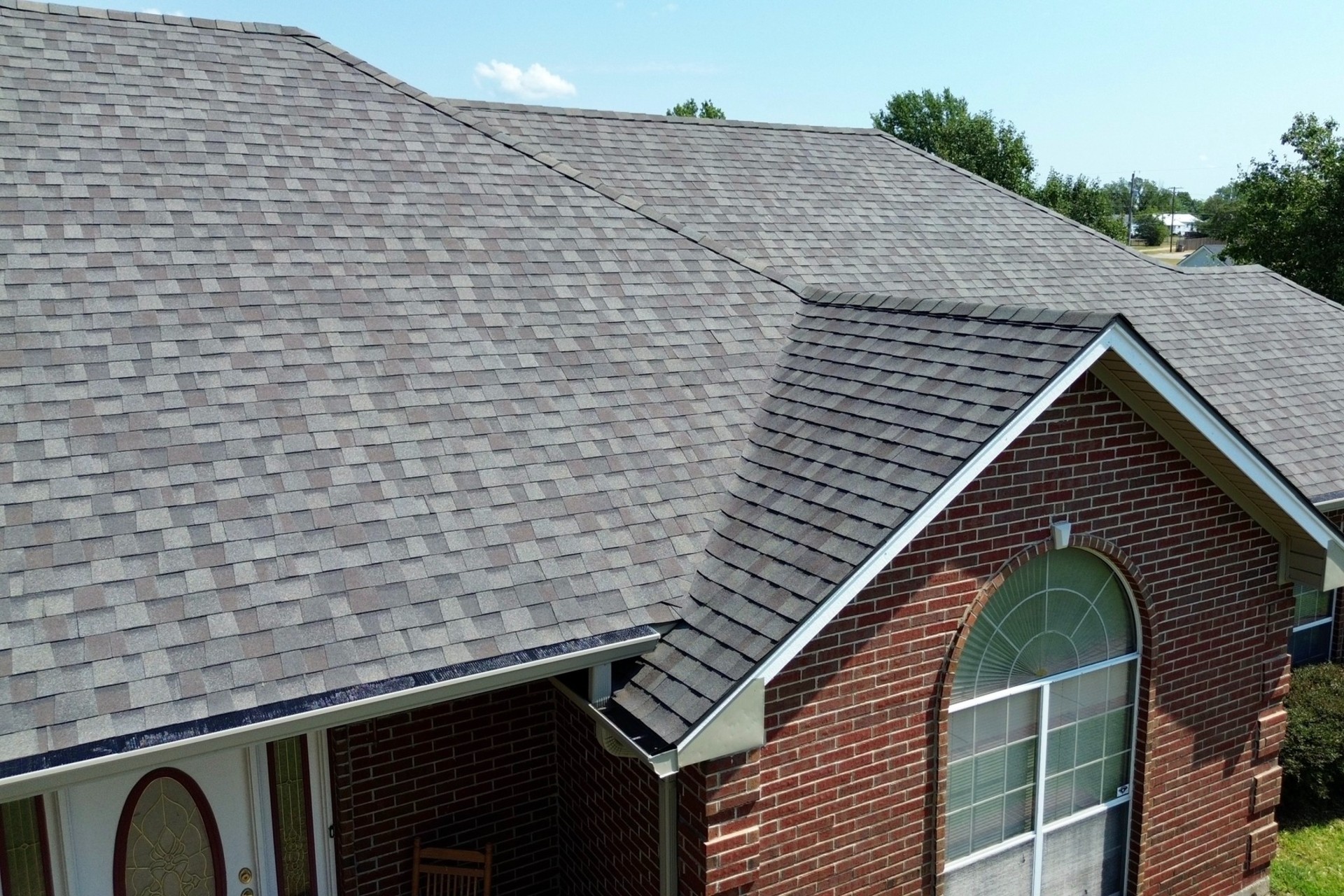
How Rain Can Affect Project Timelines and Costs
Rain delays can affect the expected completion date of a roofing project, particularly when rainfall continues for several days or occurs during critical installation stages. A short interruption may have little effect on the overall schedule, while prolonged wet weather can require several activities to be rescheduled. The impact depends on the project size, roofing system, weather conditions, and amount of work already completed.
The schedule can be affected because roofing work often follows a specific sequence. Tear-off, deck preparation, underlayment, flashing, roofing material installation, and final inspection may need to occur in a particular order. If one stage is delayed, later activities may also need to move.
Weather can also affect other parties involved in the project. Material deliveries, inspections, equipment rentals, subcontractors, and labor scheduling may all need to be adjusted. A contractor managing several projects may have to reorganize crews when one roofing project cannot proceed because of rain.
Costs can sometimes increase when a project experiences significant weather interruptions. Temporary protection, additional labor, material handling, rescheduled deliveries, or extended equipment rentals may contribute to additional expenses. However, the exact financial responsibility depends on the contract, project circumstances, local requirements, and agreements between the homeowner and contractor.
Homeowners should review the roofing contract carefully to understand how weather-related delays are handled. Some contracts may include provisions addressing weather interruptions and schedule extensions. Understanding these terms before work begins can prevent misunderstandings if rainfall affects the planned completion date.
Rain does not automatically mean that the contractor should absorb every resulting cost, nor does it mean that the homeowner should automatically pay additional charges. The circumstances should be evaluated according to the agreement and the work actually required. Any significant changes should be discussed clearly rather than assumed.
The best way to reduce weather-related costs is to plan realistically. Contractors can monitor forecasts, avoid exposing large roof areas unnecessarily, organize material deliveries, and use appropriate temporary protection. These practices may not eliminate delays, but they can reduce their impact.
A reasonable roofing schedule should also allow some flexibility for weather. Promising an exact completion date without considering seasonal rainfall can create unrealistic expectations. Building reasonable weather allowances into the schedule can make the project easier to manage when conditions change.
Communication Between Homeowners and Roofing Contractors
Communication becomes especially important when rain changes the roofing schedule. Homeowners naturally want to know when the work will start or resume, but contractors also need to ensure that the property is safe and the roof is ready for installation. Providing clear updates can help both sides understand why a delay is necessary.
The contractor should explain what the rain has affected and what needs to happen before work resumes. This might involve drying the roof deck, inspecting temporary protection, replacing damaged materials, waiting for a suitable weather window, or rescheduling an inspection. A clear explanation can make the delay easier for the homeowner to understand.
Homeowners should also notify contractors promptly if they notice water entering the building. Waiting until the next scheduled workday may allow moisture damage to become worse. Photographs can sometimes help the contractor understand the situation, although homeowners should not climb onto an exposed or wet roof to take pictures.
The revised schedule should be communicated as clearly as possible. Weather forecasting cannot always provide an exact restart date, particularly when several days of rain are expected. Contractors may need to provide a tentative schedule and update it as conditions become clearer.
Written communication can be useful for significant changes. Emails, messages, or other records can document the reason for the delay and the updated expectations. This can help avoid confusion about what was discussed and when the project is expected to continue.
Homeowners should also understand that a contractor may choose not to provide an exact date until suitable conditions are reasonably certain. Committing to a date too early can lead to repeated changes if another storm arrives. A responsible contractor may instead explain the conditions required for safe work and provide an update once those conditions are expected.
Good communication works both ways. Contractors should provide timely information, while homeowners should remain available for decisions concerning access, interior water intrusion, material changes, or scheduling. Cooperation can make a weather-related interruption much easier to manage.
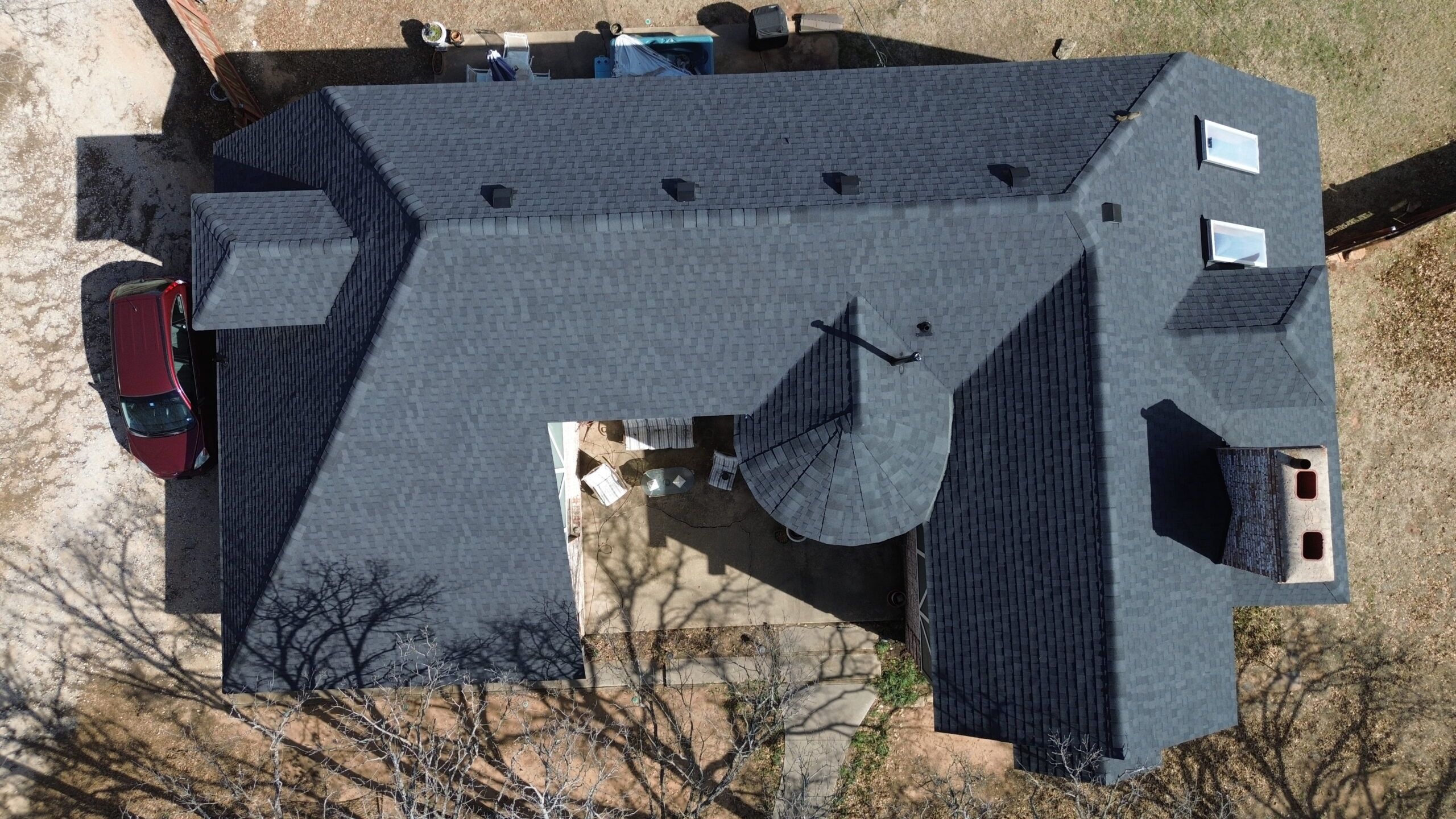
How Professional Contractors Manage Rain Delays
Professional roofing contractors generally approach rain delays as part of project planning rather than as an unexpected inconvenience. They monitor weather conditions, organize the installation sequence, protect exposed areas, and make decisions based on worker safety and roofing requirements. Their goal is to keep the project moving without sacrificing the quality of the finished roof.
Before beginning work, contractors can identify which stages of the installation are most vulnerable to rainfall. This allows them to plan how much of the roof should be exposed at one time and when temporary protection may be necessary. Careful sequencing can reduce the amount of unfinished roofing that is exposed to changing weather.
During a rain delay, the contractor should focus on protecting the building and materials. Temporary coverings, secure material storage, controlled access, and regular inspections can help reduce the possibility of damage. These measures are especially important when rainfall is expected to continue.
Once the weather improves, professional crews should inspect the roof before resuming work. The inspection can identify wet surfaces, damaged materials, water intrusion, displaced protection, or other conditions that need attention. Work should restart only when the relevant safety and installation requirements have been satisfied.
Professional contractors should also follow manufacturer instructions for the roofing products being installed. Different materials can have different requirements for moisture, temperature, curing, storage, and exposure. Experienced roofing work does not eliminate the need to follow these product-specific instructions.
Documentation can further support the process. Contractors may record weather-related interruptions, photographs of temporary protection, material conditions, inspections, and schedule changes. These records can be useful for tracking the project and explaining why certain work was postponed.
A well-managed rain delay ultimately protects the long-term quality of the roof. It may be frustrating to see the project paused, but allowing wet surfaces to dry and ensuring materials are installed under suitable conditions can prevent larger problems later. The goal should always be a safe, properly installed roofing system rather than simply completing the work as quickly as possible.
Conclusion
Rain delays are a normal consideration for many roof installation projects, particularly when work is performed during seasons with frequent or unpredictable rainfall. Rain can affect worker safety, roof deck conditions, roofing materials, adhesives, flashing, temporary protection, and the overall installation schedule. Delaying work when conditions are unsuitable can therefore be an important part of responsible roofing practice.
A rain delay does not automatically indicate poor project management. In many cases, it demonstrates that the contractor is taking the necessary precautions to protect workers and the property. Waiting for the roof deck to dry, inspecting exposed areas, protecting unfinished sections, and confirming suitable weather conditions can help prevent moisture-related problems.
Homeowners can make the process easier by maintaining communication with the roofing contractor and understanding that weather conditions are not always predictable. Asking how the exposed roof will be protected, when inspections will occur, and what conditions are needed before work resumes can provide greater confidence throughout the project.
Contractors can reduce the impact of rainfall by monitoring forecasts, planning the installation sequence carefully, protecting materials, and avoiding unnecessary exposure of the roof. They should also inspect the property after rainfall and follow the requirements of the selected roofing system before continuing.
The most important principle is that roofing work should resume because conditions are suitable, not simply because the project is behind schedule. A short delay is generally preferable to installing materials over a wet surface, exposing workers to unsafe conditions, or rushing through critical installation steps.
With careful planning, temporary protection, proper inspections, and clear communication, rain delays can be managed without compromising the quality of a roof installation. A weather-aware approach helps ensure that the completed roof provides dependable protection and performs as intended for years to come.