

Hidden Costs in Roof Installation Projects Homeowners Miss
Introduction
A new roof is often planned around a simple question: how much will the installation cost? Homeowners may receive an initial estimate that appears straightforward, but the final project price can be affected by expenses that are not obvious during the first inspection. Removal work, hidden structural damage, additional materials, permits, repairs, and site conditions can all increase the amount a homeowner ultimately pays.
These additional expenses are not always the result of poor estimating or dishonest pricing. Some roofing conditions cannot be fully identified until the existing materials are removed. Other costs depend on local requirements, the property’s design, or choices made by the homeowner during the project.
Understanding potential hidden costs before signing a roofing contract can make budgeting much easier. Homeowners can ask contractors better questions, compare estimates more accurately, and set aside an appropriate reserve for unexpected work. A detailed estimate should explain the major costs while also identifying conditions that could lead to additional charges.
The goal is not to assume that every roof installation will become more expensive than expected. Instead, homeowners should understand where unexpected costs commonly appear and make sure their contract explains how those situations will be handled. Good preparation can turn potential surprises into manageable parts of the overall roofing budget.
Why Roofing Estimates Can Increase
A roofing estimate is generally based on information available when the contractor evaluates the property. The contractor can measure the roof, inspect visible materials, discuss the desired roofing system, and calculate the expected labor and material requirements. However, some conditions remain hidden until construction begins.
The most common reason an estimate changes is the discovery of concealed damage. A roof deck may look acceptable while covered by old shingles, but deterioration may become visible after the existing materials are removed. Moisture damage, weakened wood, or previous repairs can require additional work before the new roof can be installed.
The project scope can also change because of homeowner decisions. A homeowner may decide to replace an old skylight, upgrade ventilation, change the roofing material, or add another feature after the project has already been planned. These changes can increase the final cost even though they were not part of the original estimate.
Local requirements and site conditions can create additional expenses as well. Permit fees, inspection requirements, difficult access, material delivery, and disposal costs may be handled differently by different contractors. Homeowners should therefore examine the complete estimate instead of assuming that the initial headline price represents every cost.
Hidden Cost of Roof Tear-Off and Removal
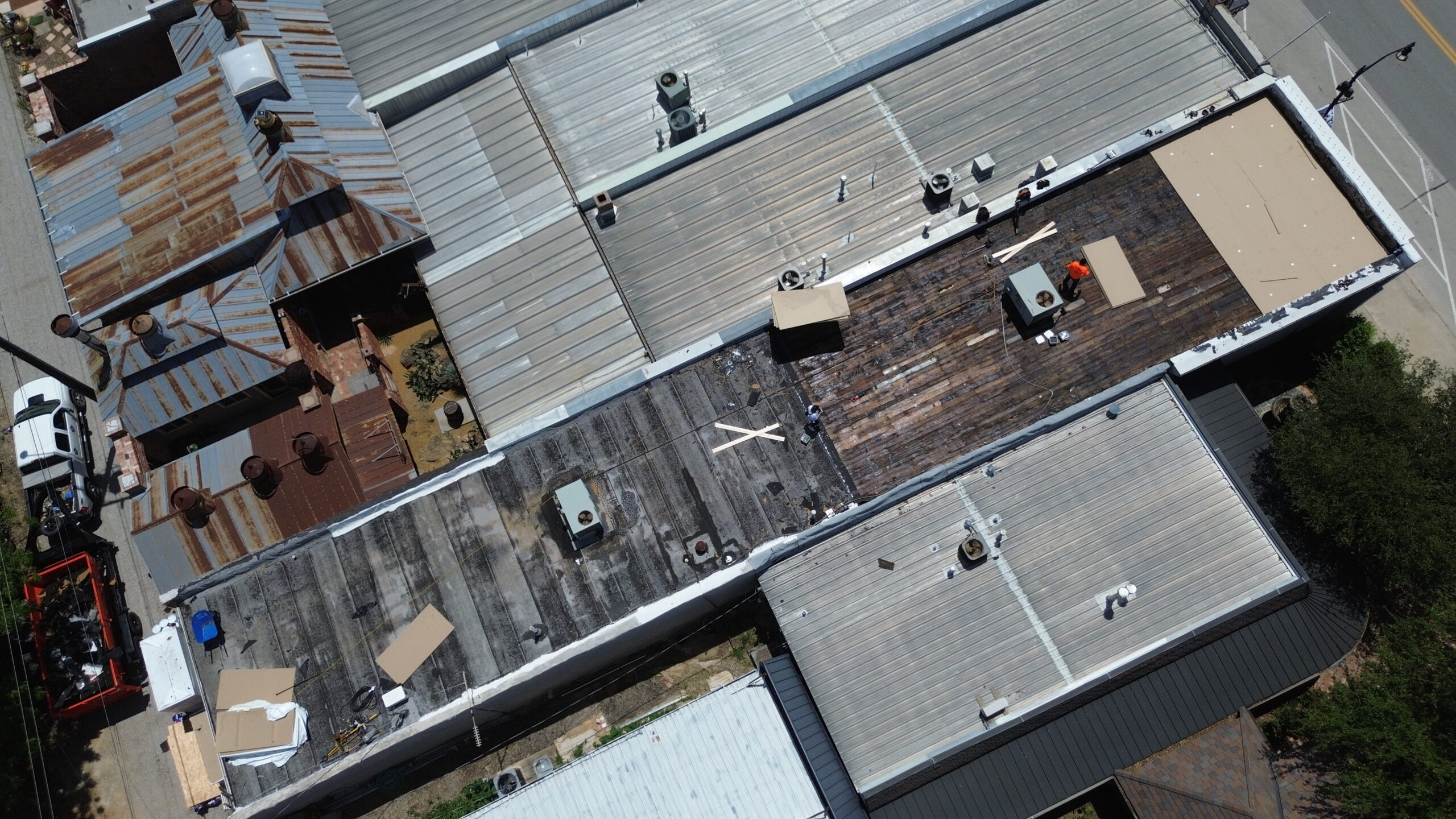
Roof removal is an important part of many replacement projects, but homeowners sometimes focus on the new roofing material and overlook the cost of removing the existing system. Tear-off requires workers to remove old shingles, panels, tiles, underlayment, fasteners, and other components before the new roof can be installed.
The cost of tear-off depends on the size of the roof and the number of existing layers. A roof with multiple layers can require more time and labor than a roof with only one layer. Heavier materials can also create additional handling requirements.
Tear-off can reveal conditions that were not visible during the initial inspection. Once the existing material is removed, contractors may discover damaged decking, deteriorated flashing, moisture problems, or other issues. These findings can increase the project cost because the affected areas may need to be repaired before installation continues.
Homeowners should ask whether complete tear-off is included in the quoted price. They should also determine whether the estimate covers all existing layers or assumes that some material will remain. A clear contract can prevent confusion when the actual removal process begins.
Roof Deck Damage and Unexpected Repairs
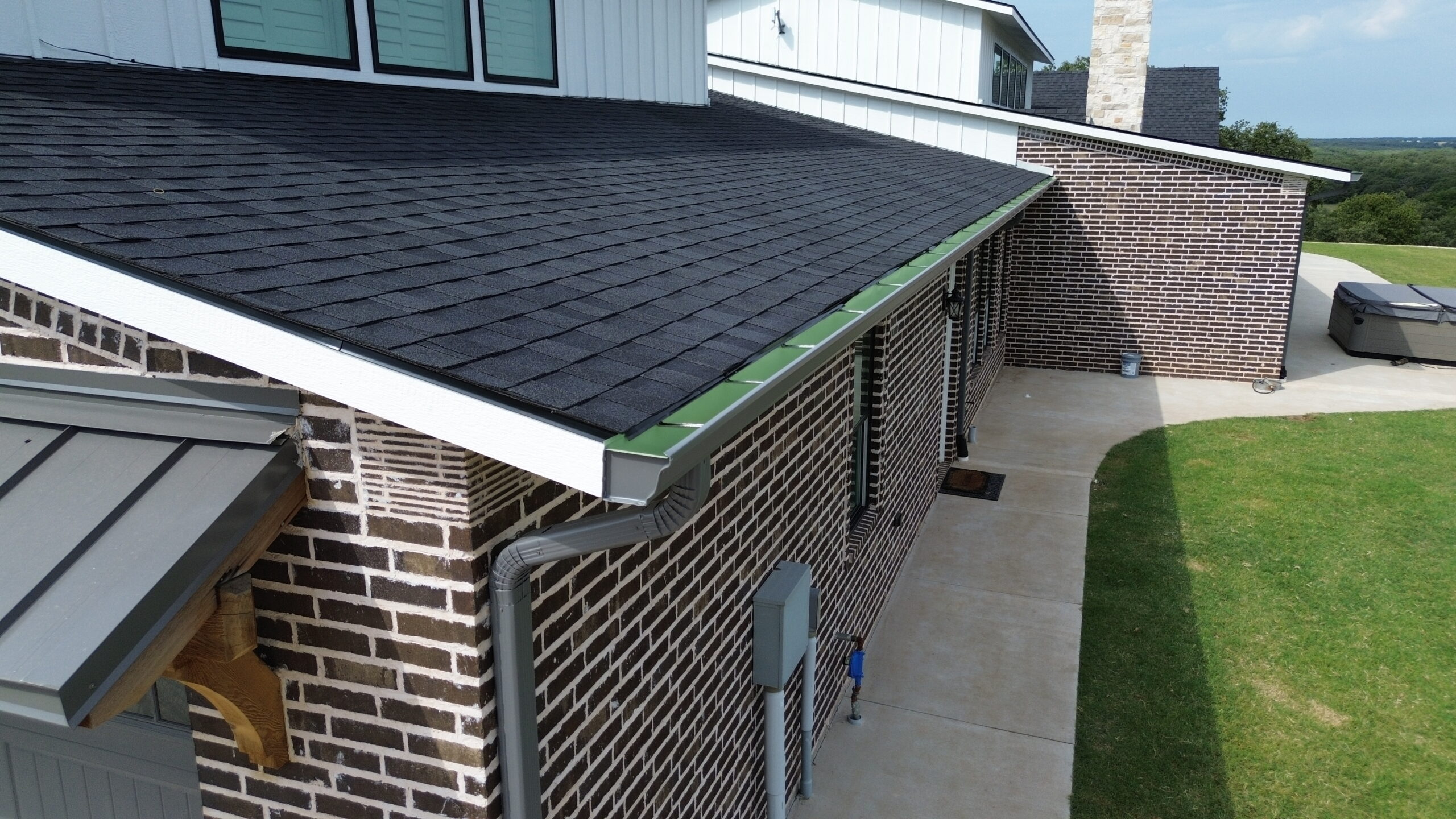
The roof deck is one of the most important areas where hidden costs can appear. It sits beneath the exterior roofing material and provides the surface on which the new system is installed. If sections of the deck have been weakened by water or age, they may not be suitable for the new roof.
Damage can develop gradually after repeated moisture exposure. A long-term leak may weaken wood around roof penetrations, valleys, edges, or other vulnerable locations. In some cases, previous repairs may have covered problems that are not obvious until the roof covering is removed.
The cost of deck repair depends on how much material is affected. A contractor may only need to replace a few sections, while extensive deterioration can require repairs across a much larger area. Labor is also required to remove damaged decking and install suitable replacement material.
Homeowners should ask contractors how deck repairs will be priced if hidden damage is discovered. Some contractors provide a price per unit of replacement material, while others include a specific allowance in the estimate. Knowing this information before the project begins can make an unexpected repair easier to manage.
Underlayment and Moisture Protection
Underlayment is another roofing component that homeowners may overlook when reviewing an estimate. Because it is hidden beneath the exterior roofing material, it can be easy to focus on shingles, panels, or tiles while forgetting that the complete roofing system contains several protective layers.
The type of underlayment can affect the total project cost. Different products have different material prices and may be selected according to the roofing material, roof design, and environmental conditions. Specialized protection may also be required in areas that are particularly vulnerable to water exposure.
Moisture protection can involve more than the main underlayment. Contractors may need additional materials around valleys, eaves, roof penetrations, or other areas where water management is especially important. The amount of material and labor required depends on the roof’s design.
A low initial quote may appear attractive if it includes only basic materials, but homeowners should determine exactly what underlayment and moisture protection are included. Reducing essential protective components simply to lower the upfront cost can create problems that are more expensive to correct later.
Flashing Replacement Costs
Flashing is used to protect areas where the roof meets another surface or where an opening interrupts the roofing system. Common locations include chimneys, skylights, walls, valleys, vents, and roof edges. Because these areas are vulnerable to water intrusion, damaged or outdated flashing may need to be replaced during a new roof installation.
Existing flashing may appear acceptable from the outside but may not be suitable for the new roofing system. In other situations, it may already be deteriorated due to age or repeated exposure to moisture. Replacing it can require additional materials and skilled labor.
The amount of flashing required depends on the roof design. A simple roof may have relatively few vulnerable transitions, while a complex roof with multiple penetrations can require considerably more flashing work. This means that two roofs of similar size can have different flashing costs.
Homeowners should ask whether flashing replacement is included in the estimate. If the contractor plans to reuse existing flashing, the homeowner should understand what condition it must be in for reuse. If replacement is likely, the cost should be clearly identified rather than appearing unexpectedly after installation has begun.
Ventilation Upgrades
Roof ventilation is another area where additional costs can appear. A new roof may expose deficiencies in the existing ventilation system, particularly when an older roof is being replaced. Depending on the property, the contractor may recommend adding or improving intake and exhaust ventilation.
Ventilation components can include ridge vents, soffit vents, intake vents, or other systems designed for the particular roof and attic configuration. The appropriate solution depends on the building and should be determined based on the actual structure rather than simply adding vents without a plan.
Upgrading ventilation can increase both material and labor costs. Installers may need to modify parts of the roofing system to integrate new components correctly. If the homeowner was not expecting this work, the additional expense can come as a surprise.
Homeowners should ask contractors to inspect the existing ventilation before approving the project. If improvements are recommended, the contractor should explain why they are needed and provide the associated cost. This allows the homeowner to decide whether the work should be included before construction begins.
Roofing Material Waste and Extra Materials
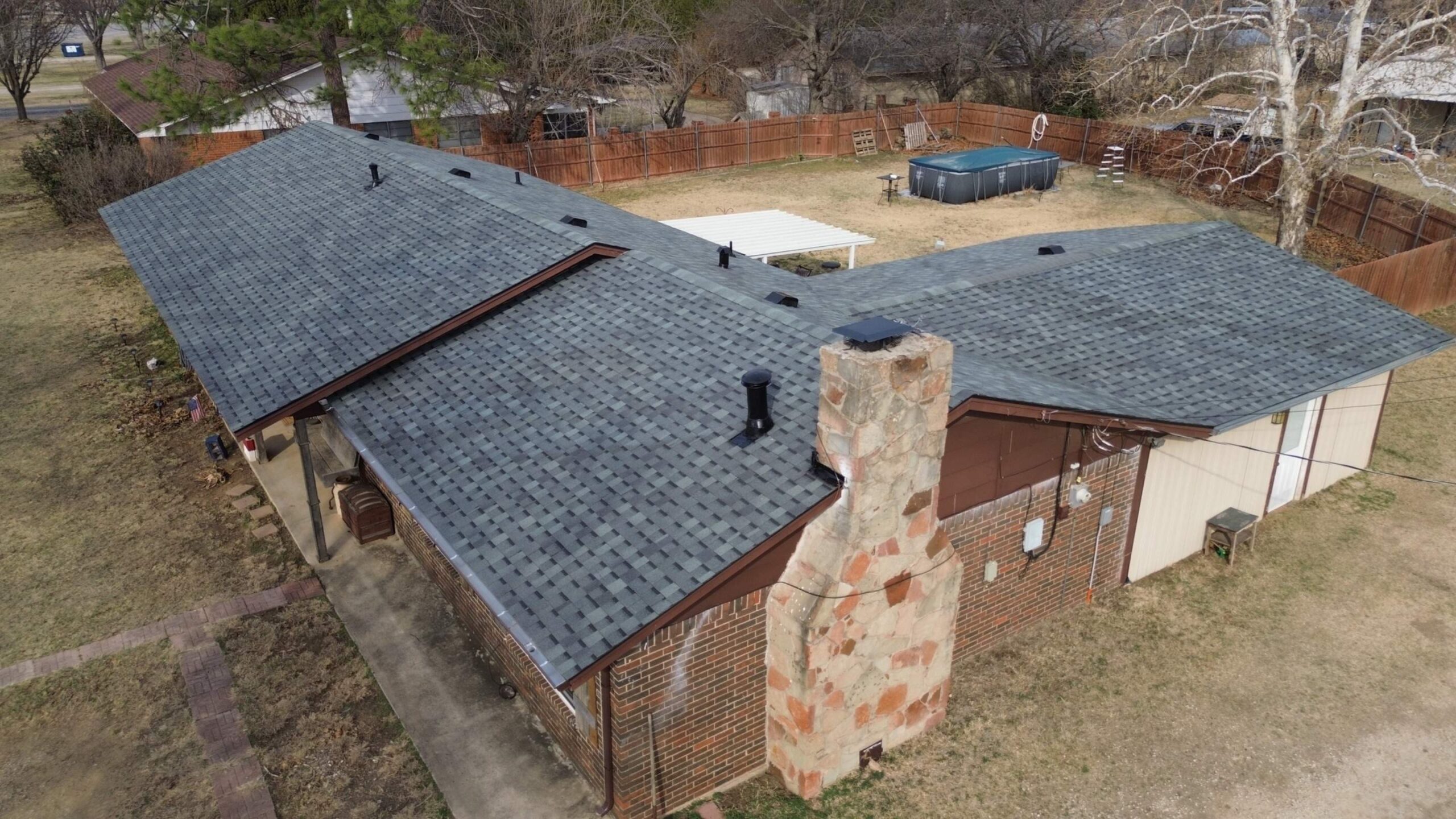
The quantity of roofing material required is not always equal to the exact measured roof area. Roofing products need to be cut and overlapped during installation, and additional material may be needed around valleys, ridges, hips, edges, and penetrations. This creates a normal allowance for installation waste.
The amount of additional material depends on the roof’s size and complexity. A simple roof with large rectangular sections may use materials efficiently, while a roof with many angles and features can require more cutting. Larger projects can also involve substantial quantities of additional material simply because the overall surface is bigger.
Homeowners sometimes question why a contractor orders more roofing material than the calculated square footage suggests. Some additional material is necessary to complete the system properly and account for cuts and overlaps. However, the contractor should be able to explain how the material quantity was calculated.
Material shortages can cause delays, while excessive ordering can unnecessarily increase the budget. Accurate measurements and proper material planning help maintain a balance between having enough material to complete the project and avoiding unnecessary waste.
Understanding the Difference Between Unexpected and Excluded Costs
Not every cost that appears after the initial estimate is genuinely unexpected. Some expenses may have been excluded from the original proposal or listed as conditional items. Homeowners should distinguish between costs that could not reasonably be known in advance and services that were simply not included.
For example, a contractor may provide a base price that excludes permit fees, deck repairs, or replacement of existing flashing. If these exclusions are clearly stated in the contract, they are not technically hidden costs, even though they may increase the final amount.
The problem occurs when homeowners assume that the initial price covers everything while the contractor assumes certain services are separate. Clear communication can prevent this misunderstanding. A written estimate should identify major exclusions and explain how additional work will be priced.
Homeowners should ask contractors to identify anything that could increase the quoted amount. This simple question can reveal potential expenses before the contract is signed and give the homeowner an opportunity to plan for them.
Understanding these initial hidden cost categories provides a stronger foundation for evaluating a roofing estimate. However, additional expenses can also arise from chimneys, skylights, roof penetrations, permits, material delivery, debris disposal, difficult access, structural repairs, weather delays, and change orders.
Chimney and Skylight Repairs
Chimneys and skylights can create hidden expenses during a roof installation because they require additional flashing, sealing, and careful workmanship. A roof may look relatively simple from the ground, but these features interrupt the roofing surface and create areas where water needs to be managed carefully. If existing components are damaged or outdated, replacement may become necessary during the project.
Chimney flashing is particularly important because it forms a transition between the roof and masonry. Old flashing can become corroded, loose, or improperly sealed over time. When the surrounding roof is replaced, the contractor may recommend replacing damaged flashing rather than installing new roofing materials around a component that could later cause a leak.
Skylights can create similar concerns. Older units may have worn seals, damaged frames, or deteriorated flashing that is difficult to reuse with a new roof. Homeowners may choose to replace an aging skylight while the roof is already open because doing so later could require disturbing sections of the new roofing system.
The cost of these repairs depends on the condition and number of features involved. Homeowners should ask whether chimney and skylight flashing are included in the estimate and whether replacement of the actual feature is included or charged separately. Clarifying these details before installation can prevent an unexpected increase in the final bill.
Plumbing Vents and Roof Penetrations
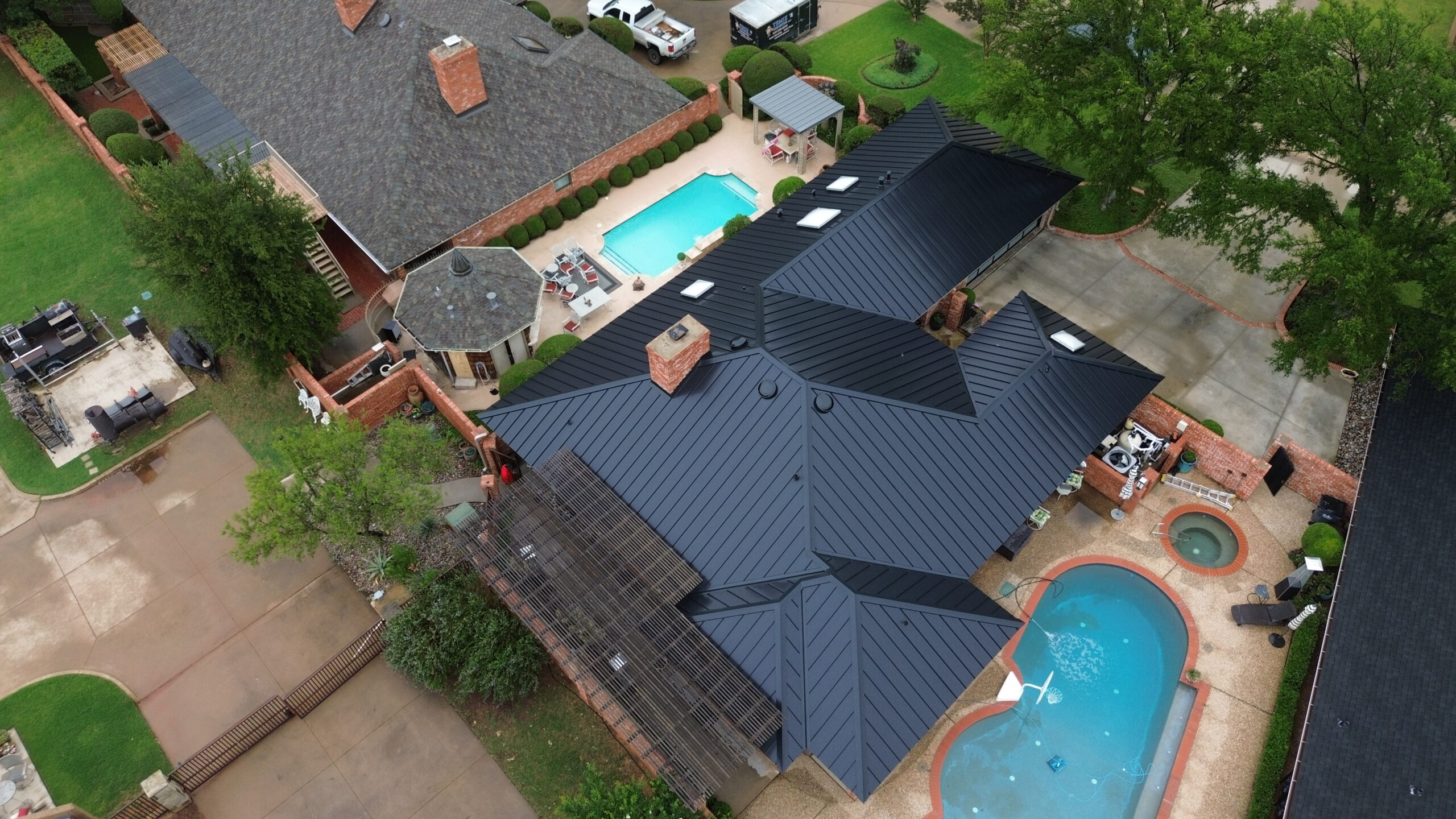
Roof penetrations are another common source of additional roofing expenses. Plumbing vents, exhaust vents, satellite mounts, pipes, and other objects that pass through the roof require carefully installed flashing and seals. Each penetration creates a potential water entry point, so contractors need to protect these areas properly.
The number of penetrations can influence both material and labor costs. A roof with several plumbing vents and exhaust outlets requires more detailed work than a roof with very few openings. The condition of existing vent boots and flashing also matters because older components may need replacement.
Some homeowners may not realize that replacing the roof can expose problems around these features. A vent boot may have become brittle or cracked over time, even if there is no obvious leak inside the home. Replacing it during the roofing project can be more practical than leaving an aging component beneath a new roof.
Homeowners should ask the contractor to inspect all roof penetrations and identify which components will be reused or replaced. The estimate should make clear whether new vent boots, flashing, or other accessories are included. This helps prevent small but numerous additions from accumulating into a substantial unexpected expense.
Permits and Inspection Fees
Permits and inspections can add to the cost of a roof installation depending on local building requirements. Homeowners sometimes assume that the contractor’s quoted price automatically includes every administrative expense, but this is not always the case. Requirements vary by location and project type, so the homeowner should confirm what applies before signing the contract.
Permit fees may not be large compared with the overall roofing investment, but they can still affect the final budget. Some contractors handle permit applications and include the associated charges in their estimates. Others may expect the homeowner to pay the fees directly or arrange certain parts of the process.
Inspections can create additional considerations. Local authorities may require an inspection during or after the installation to verify compliance with applicable building requirements. If corrections are requested, the contractor may need to perform additional work before the project can be completed.
Homeowners should ask who is responsible for obtaining permits and scheduling inspections. They should also determine whether the contractor’s price includes permit fees and the labor required to address inspection-related corrections. Having these responsibilities documented can prevent confusion later.
Delivery and Material Handling Costs
Roofing materials can be heavy and bulky, making transportation an important part of the installation process. A contractor may need to arrange delivery from a supplier, move materials to a staging area, and position them so the crew can work efficiently. These activities can create costs that homeowners do not always notice in an initial estimate.
The distance between the supplier and property can influence delivery charges. Specialty roofing products may need to travel farther than common materials, while limited local availability can require additional transportation arrangements. Large projects may also require multiple deliveries depending on the amount of material and storage space available.
Property access can affect material handling as well. A house with a wide driveway and suitable staging area may be easy to service, while a property with narrow access, fences, landscaping, or limited parking can require additional planning. In difficult situations, materials may need to be moved manually for longer distances.
Homeowners should discuss delivery arrangements during the estimate process. The contractor should explain whether material delivery is included and whether difficult access could result in additional labor or equipment charges. Addressing these details early makes the budget more predictable.
Debris Disposal and Cleanup
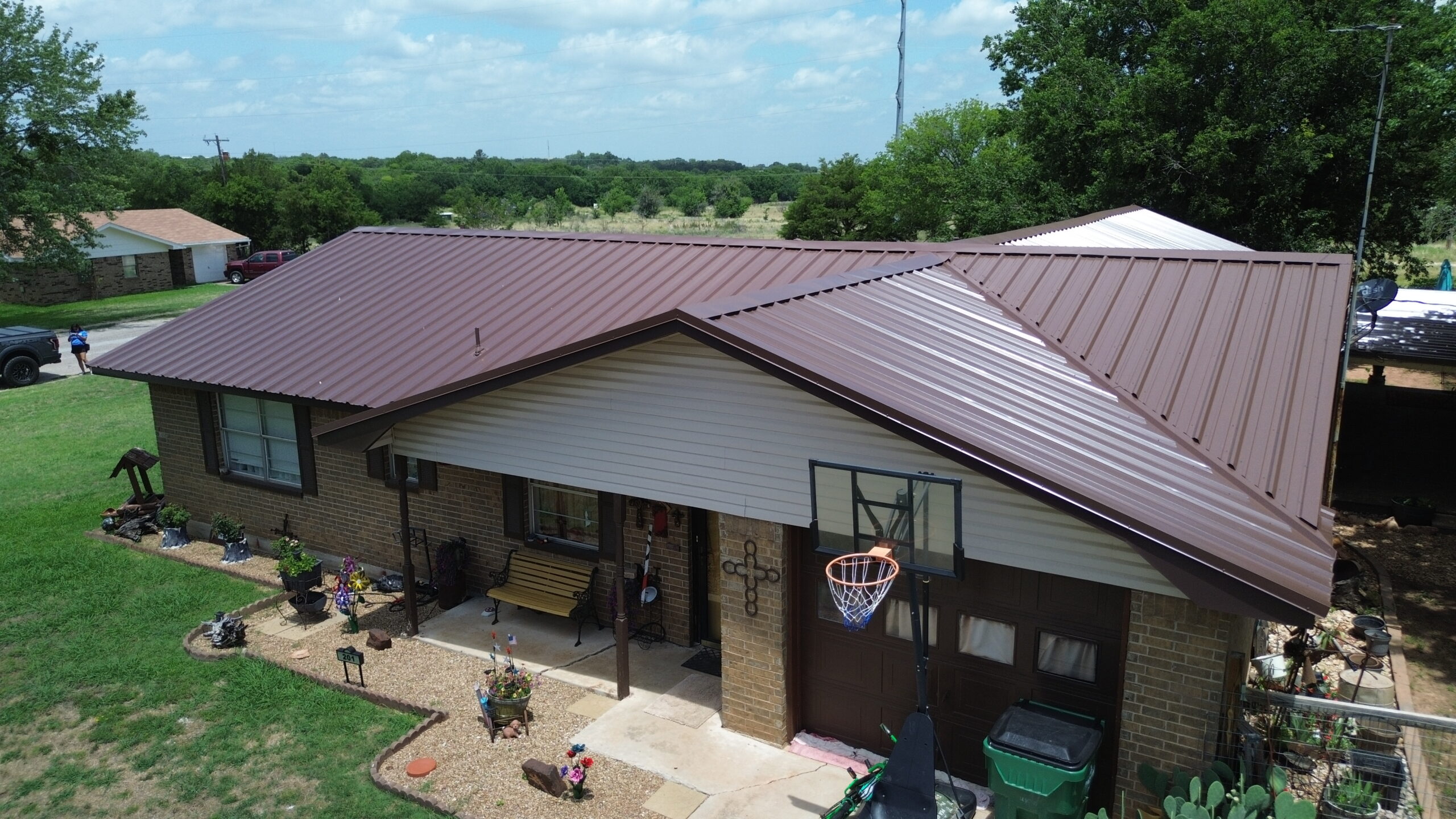
Roof replacement generates a significant amount of waste, especially when an existing roof is completely removed. Shingles, underlayment, fasteners, damaged decking, packaging, and other materials need to be collected and transported for disposal. Disposal expenses can increase with roof size, the number of existing layers, and the weight of the removed material.
Some contractors include disposal in their standard roofing price, while others identify it as a separate charge. Homeowners should carefully review the estimate to determine whether hauling, disposal fees, and cleanup are included. A low installation price may look attractive if disposal has been excluded, but the total project cost could be higher once all services are added.
Cleanup also involves more than removing large pieces of roofing material. Small nails and fragments can remain around driveways, walkways, gardens, and other areas of the property. Professional crews should take reasonable measures to collect construction debris and leave the work area in an appropriate condition.
Homeowners should ask what level of cleanup is included in the contract. If special landscaping protection or additional cleanup is required, the contractor should explain whether there is an extra charge. Clear expectations can prevent disagreements after the roof has been installed.
Difficult Roof Access
The physical accessibility of a property can influence installation costs even when the roof itself is relatively straightforward. Roofing crews need to transport materials, equipment, tools, and debris around the property. Difficult access can make these activities slower and more labor-intensive.
Properties with narrow driveways, limited parking, steep terrain, fencing, landscaping, or nearby structures may require additional planning. In some cases, contractors may need specialized equipment to safely move materials to the roof. The cost of this equipment and the additional labor may be reflected in the estimate.
Roof access can also affect safety requirements. A steep or unusually positioned roof may require additional fall protection, staging, ladders, or other equipment. These measures are important for protecting workers and should not be eliminated simply to reduce the project price.
Homeowners should provide contractors with accurate information about property access before receiving the final estimate. If possible, the contractor should inspect the site and identify any obstacles that could affect material delivery or installation. This helps ensure that access-related costs are considered from the beginning.
Structural Repairs and Additional Labor
Structural problems can create some of the most significant unexpected roofing expenses. While surface-level damage may be relatively straightforward to repair, problems involving framing or other structural components can require more extensive work. These conditions may not be visible until the existing roofing materials are removed.
Moisture exposure over a long period can affect more than the roof deck. If leaks have continued for an extended time, nearby structural wood may also have deteriorated. The contractor may need to recommend additional repairs before the new roofing system can be safely installed.
Structural repairs can involve additional materials, skilled labor, and potentially other professionals depending on the nature of the problem. The project schedule may also change because the roofing crew cannot simply cover the damaged area with new material and continue.
Homeowners should ask how structural concerns will be handled if they are discovered. The contract should explain whether additional work requires homeowner approval and how the price will be calculated. Having a clear process for unexpected repairs gives homeowners greater control over the project budget.
Seasonal Weather Delays
Weather conditions can create indirect costs during a roofing project. Rain, strong winds, extreme temperatures, or other unfavorable conditions may prevent workers from safely completing certain tasks. A delayed project can affect labor scheduling, material handling, and coordination with other contractors.
Weather is particularly important when a large roof replacement is expected to take several working days. If conditions interrupt the schedule, the contractor may need to protect partially completed areas before leaving the site. Additional visits or extended project coordination may affect the overall schedule and potentially the cost.
Homeowners should understand that weather-related delays are not necessarily a sign of poor project management. Roofing materials and installation procedures often require suitable conditions, and continuing work during unsafe weather can create greater risks or installation problems.
A good contract should explain how weather delays are handled and whether the expected completion date can change. Homeowners should also avoid making financial assumptions based on an exact completion date when weather conditions are outside the contractor’s control.
Emergency Temporary Protection
Unexpected roof problems can sometimes require temporary protection before permanent work can continue. For example, if severe deterioration or structural damage is discovered after the old roof has been removed, the contractor may need to protect the exposed area while additional repairs are arranged.
Temporary protection can involve tarping, temporary coverings, additional fastening, water management, or other measures depending on the situation. These services may involve additional labor and materials, particularly if the repair takes longer than expected.
Emergency protection can also become necessary before a planned roof replacement if severe weather causes new damage. A homeowner may need temporary repairs to prevent water from entering the property while waiting for the permanent installation.
Homeowners should ask contractors how emergency or temporary protection is handled. Not every project will require it, but understanding the possibility can help homeowners prepare for unexpected circumstances rather than treating every additional service as an unexplained charge.
Contractor Change Orders
Change orders are another common reason a roofing project’s final price differs from the original estimate. A change order occurs when the scope of work is modified after the contract has been established. Some changes are caused by unexpected conditions, while others result from homeowner decisions.
For example, a homeowner may decide to upgrade the roofing material, replace an old skylight, add ventilation, or request additional repairs after work has started. These choices can increase both material and labor costs. If the homeowner understands the price before approving the change, the additional expense is easier to manage.
Unexpected conditions can also require change orders. Hidden deck damage or deteriorated structural components may not have been visible during the initial inspection. In these cases, the contractor should explain the problem, describe the required work, and provide a price before proceeding whenever practical.
Homeowners should insist that significant changes are documented in writing. A written change order should identify what is being added or removed and how the adjustment affects the project price. This creates a clear record and helps prevent disagreements about the final invoice.
Distinguishing Hidden Costs From Legitimate Additional Work
The term “hidden cost” can sometimes create the impression that every unexpected charge is improper. In reality, some additional costs are legitimate because certain conditions cannot be confirmed before the roofing system is opened. The important issue is whether the contractor communicated the potential cost clearly and handled the change professionally.
For example, concealed deck damage is a legitimate reason for additional work when the problem could not reasonably have been identified during the initial inspection. The homeowner should still receive an explanation and understand how the repair is priced.
On the other hand, charges for services that were clearly included in the original contract should be questioned. Homeowners should compare the final invoice with the signed agreement and any approved change orders.
The best protection is a detailed contract. It should identify the major included services, exclusions, allowances, payment terms, and procedures for additional work. When both parties understand these terms, unexpected conditions are less likely to become a source of financial conflict.
Preparing for Additional Roofing Expenses
Homeowners can reduce the impact of hidden costs by creating a contingency reserve before construction begins. The reserve should reflect the age and condition of the existing roof, the complexity of the property, and the likelihood of concealed problems. An older roof with a history of leaks may justify more financial flexibility than a relatively new roof in good condition.
It is also useful to ask the contractor directly about potential additional charges. Questions about decking, flashing, roof penetrations, permits, disposal, access, and weather protection can reveal expenses that are not obvious from the base estimate.
A detailed estimate should separate known costs from conditional costs. This gives homeowners a clearer understanding of what they are definitely paying for and which expenses depend on conditions discovered during the project.
Preparing in advance does not eliminate every unexpected cost, but it can make those costs much easier to handle. Instead of being forced to make rushed decisions, homeowners can evaluate whether the additional work is necessary and understand how it affects the total budget.
Warranty and Workmanship Considerations
Warranty terms can affect the long-term cost of a roof installation, even though they may not appear as an immediate expense on the initial estimate. Homeowners should understand that material warranties and workmanship warranties are usually different forms of protection. A material warranty generally relates to defects in the roofing product, while a workmanship warranty relates to the contractor’s installation.
A warranty with broad coverage may provide useful protection, but homeowners should carefully review its conditions and exclusions. Certain warranties may require specific installation practices, approved components, regular maintenance, or documentation to remain valid. Assuming that every future roofing problem will automatically be covered can lead to unexpected repair expenses.
The contractor’s workmanship is equally important because poor installation can create problems that may not become visible immediately. Incorrect flashing, inadequate fastening, improper ventilation, or poor waterproofing can contribute to premature deterioration. Paying for experienced installation at the beginning can therefore help reduce the possibility of expensive corrections later.
Homeowners should request warranty information in writing before signing the contract. They should also ask who is responsible if a problem occurs, how warranty claims are handled, and whether any conditions could transfer responsibility to the homeowner. Understanding these details can help prevent warranty-related surprises in the future.
Landscaping and Property Protection
Roof installation can affect areas of the property beyond the roof itself. During tear-off and installation, workers need to move materials and equipment around the house, while old roofing materials and debris may fall toward surrounding areas. Landscaping, outdoor fixtures, windows, siding, driveways, and other property features may need protection.
Some contractors include standard property protection in their installation price. Others may identify special protection measures as additional services, particularly when a property has delicate landscaping or difficult access. Homeowners should ask what measures will be used to protect the property before work begins.
Large trees and dense landscaping can make roofing work more complicated. Branches may interfere with access, material placement, or worker movement, while delicate plants may require temporary protection. In certain situations, additional labor may be necessary to work safely around these obstacles.
Driveways and walkways can also be affected by construction activity. Heavy materials and equipment may need to be placed in specific locations, and homeowners should understand how the contractor intends to protect these surfaces. Discussing property protection in advance can reduce the risk of damage and clarify who is responsible if an issue occurs.
Financing and Payment-Related Costs
Financing can make a roof installation easier to manage when homeowners cannot pay the entire project cost upfront. However, financing may introduce expenses that are not part of the roofing contractor’s base price. Interest, administrative fees, longer repayment periods, or other financing charges can increase the total amount paid over time.
Homeowners should evaluate financing separately from the roofing estimate. A project may have an attractive monthly payment but a considerably higher total repayment amount. Understanding the interest rate, repayment period, fees, and total cost is important before accepting a financing arrangement.
Payment schedules can also affect the household budget. The roofing contract should clearly identify deposits, progress payments, and the final balance. Homeowners should understand what each payment covers and when it becomes due.
Additional work should also be documented before payment is made. If hidden deck damage or another necessary repair is discovered, the contractor should explain the work and associated price before proceeding whenever practical. Written change orders can help keep the financial record clear.
A homeowner should avoid making major financial decisions based solely on the lowest monthly payment. The full cost of the roofing project, including financing expenses, should be considered when determining whether the project fits within the household budget.
Insurance and Code-Required Upgrades
Insurance considerations can sometimes affect roofing costs, particularly when a roof is being replaced after damage. Homeowners should understand what their insurance policy may cover and what expenses remain their responsibility. Coverage can vary depending on the cause of the damage, policy terms, deductibles, exclusions, and the condition of the roof.
A contractor should not automatically assume that every roofing expense will be paid by insurance. Homeowners should review their policy and communicate with their insurer when a claim may be appropriate. The roofing estimate and insurance documentation should be kept separate but compared carefully so the homeowner understands the expected out-of-pocket amount.
Building code requirements can also create additional costs during replacement. Local requirements may have changed since the original roof was installed, and a new project may need to meet current standards. This can affect areas such as ventilation, fastening, flashing, structural components, or other installation details.
These upgrades may be necessary even when they were not part of the original roofing system. Homeowners should ask the contractor whether current requirements could affect the project and whether any code-related improvements have been included in the estimate.
How to Identify Hidden Costs Before Installation
The best way to reduce hidden roofing expenses is to identify potential cost areas before signing the contract. Homeowners should request a detailed written estimate that separates the primary roofing work from additional services and conditional expenses. This makes it easier to understand exactly what the initial price represents.
A contractor should be asked to identify any conditions that could increase the estimate. Questions about roof decking, flashing, ventilation, tear-off, disposal, roof penetrations, permits, material delivery, and property access can reveal potential charges before work begins.
Homeowners should also ask how unexpected repairs will be priced. A unit price for replacement decking or other materials can be especially useful because it establishes a clear method for calculating additional work. Without this information, homeowners may have difficulty determining whether a proposed change is reasonably priced.
It is also important to ask what the contractor has excluded from the estimate. An exclusion is not necessarily a problem, but homeowners need to know about it so they can include the expense in their own budget if necessary. A quote becomes much easier to evaluate when inclusions and exclusions are clearly identified.
The following questions can help uncover potential hidden expenses:
- Is complete tear-off included?
- Is disposal included in the quoted price?
- How will damaged decking be priced?
- Is flashing replacement included?
- Are permits and inspections included?
- Are delivery and difficult-access charges included?
- What happens if additional repairs are required?
- Are cleanup and property protection included?
Asking these questions before installation gives homeowners a clearer picture of the likely total cost.
Comparing Roofing Estimates Properly
Comparing several estimates is useful, but homeowners should compare complete scopes of work rather than simply looking for the lowest total. A quote can appear less expensive because it excludes certain services that another contractor has already included. The difference may become apparent only after installation begins.
Homeowners should first compare the primary roofing material. The same general description can cover products with different specifications, quality levels, and prices. The estimate should identify the product or appropriate material specification so that homeowners can determine whether the proposals are genuinely comparable.
The next step is to compare preparation and installation. Tear-off, underlayment, flashing, ventilation, fastening, cleanup, and disposal should be reviewed carefully. Any service that appears in one estimate but not another should be investigated.
Warranty coverage should also be compared. A contractor offering a lower price with limited workmanship protection may not provide the same long-term value as another contractor with a more comprehensive installation warranty.
Homeowners should also examine the contractor’s qualifications and communication practices. A detailed estimate that clearly explains potential additional work can be more valuable than a short quote that provides only a low total price.
Example of a Hidden-Cost Roofing Budget
Consider a homeowner who receives an initial estimate for a roof replacement based on the measured roof area and selected roofing material. The homeowner expects that amount to represent the entire project, but the contractor’s detailed inspection identifies several additional cost categories that need to be considered.
The existing roof requires complete tear-off, and the contractor expects significant disposal requirements. The inspection also identifies aging flashing around a chimney and several roof penetrations that may need replacement. The contractor further explains that some decking could require replacement if deterioration is found after the old roofing materials are removed.
A practical planning budget could be organized as follows:
| Cost Category | Budget Consideration |
|---|---|
| Primary roofing material | Main exterior roofing system |
| Installation labor | Professional preparation and installation |
| Tear-off | Removal of existing roofing layers |
| Disposal | Hauling and disposal of construction waste |
| Underlayment | Additional moisture protection |
| Flashing | Chimney, valleys, edges, and other transitions |
| Ventilation | Required or recommended ventilation work |
| Roof penetration repairs | Vents, skylights, pipes, and related components |
| Deck repair reserve | Potential hidden deterioration |
| Permit and inspection allowance | Applicable local requirements |
| Property protection | Landscaping and surrounding surfaces |
| Contingency reserve | Other reasonable unforeseen expenses |
This approach does not mean that every category will necessarily require additional spending. Instead, it helps homeowners see where costs can arise and prepare for them before the project begins.
For example, if the roof deck turns out to be in excellent condition, the repair reserve may not be used. If damaged sections are discovered, however, the homeowner already has funds available for the necessary work.
Ways Homeowners Can Avoid Unexpected Charges
The most effective way to reduce unexpected roofing costs is to plan before construction begins. Homeowners should obtain a detailed inspection, compare several qualified contractors, and request written estimates that clearly identify both included and excluded services.
It is also helpful to ask for a realistic explanation of potential hidden conditions. Contractors cannot predict every problem, but experienced professionals can often identify areas where additional work is more likely. A homeowner should pay particular attention to older roofs, previous leak locations, complicated roof designs, and areas around chimneys or skylights.
Avoiding last-minute changes can also help control costs. Once materials have been ordered or installation has begun, changing the roofing product or adding features may create additional material, labor, and scheduling expenses. Major decisions should therefore be finalized before the project starts whenever possible.
Homeowners should also maintain a contingency reserve rather than spending the entire budget on optional upgrades. Having additional funds available makes it easier to approve necessary repairs without delaying the project.
Finally, homeowners should not attempt to eliminate hidden costs by removing essential roofing components. Cutting back on underlayment, flashing, ventilation, necessary deck repairs, or proper installation may lower the initial price but can create larger expenses later.
Final Hidden Cost Checklist
Before signing a roofing contract, homeowners should complete a final review of all potential expenses. The objective is not to predict every possible problem but to make sure the major cost categories have been discussed and that the contract explains how unexpected conditions will be handled.
A homeowner can use this checklist as a final review:
- Confirm the roof size and material quantities.
- Verify whether complete tear-off is included.
- Confirm disposal and cleanup responsibilities.
- Review underlayment and moisture protection.
- Check whether flashing replacement is included.
- Ask about chimneys, skylights, vents, and other penetrations.
- Confirm whether ventilation upgrades are required.
- Ask how damaged decking or structural repairs will be priced.
- Review permit and inspection responsibilities.
- Confirm material delivery and difficult-access costs.
- Ask how weather delays and temporary protection are handled.
- Review warranty, payment, and change-order terms.
- Set aside a contingency reserve for unexpected conditions.
This review can help homeowners identify expenses that may otherwise appear after the project has started. It also gives them an opportunity to ask questions while the contract can still be adjusted.
Conclusion
Hidden costs are one of the most important financial considerations when planning a roof installation project. The initial estimate may cover the main roofing material and standard labor, but additional expenses can arise from tear-off, damaged decking, flashing, underlayment, ventilation, roof penetrations, permits, disposal, difficult access, structural repairs, and other project conditions.
Not every additional cost should be viewed as a warning sign. Some problems genuinely cannot be identified until the existing roofing system is removed. What matters is whether the contractor explains potential issues clearly, provides a reasonable method for pricing additional work, and documents changes before they are performed whenever practical.
Homeowners can reduce the risk of unexpected charges by obtaining detailed estimates, comparing complete scopes of work, asking direct questions, and maintaining a contingency reserve. Reviewing exclusions is just as important as reviewing included services because an apparently low quote may leave several necessary expenses outside the original price.
The best roofing contract is one that provides transparency from the beginning. Material specifications, labor, tear-off, disposal, flashing, ventilation, permits, warranties, payment terms, and procedures for unexpected repairs should all be clearly understood before installation begins.
A carefully planned budget also allows homeowners to distinguish between essential work and optional improvements. Necessary structural repairs and waterproofing components should take priority over cosmetic upgrades. Investing in proper installation and quality supporting components can help prevent avoidable repair expenses after the project is complete.
Ultimately, homeowners cannot eliminate every unexpected condition during a roof installation, but they can significantly reduce financial surprises through preparation. By understanding where hidden costs commonly appear and asking the right questions before work starts, homeowners can approach their roofing project with a more realistic budget, stronger expectations, and greater confidence in the final investment.