

Ultimate Guide to Residential Roofing Success for Homeowners
Introduction
A successful residential roofing project begins long before new shingles, tiles, or panels are installed. Homeowners need to understand the condition of the existing roof, choose materials that suit the property, establish a realistic budget, and work with a qualified roofing professional. Taking time to make these decisions carefully can reduce unexpected problems and help the finished roofing system provide dependable protection for years.
A residential roof is also more than its visible covering. It is a complete system that can include the roof deck, underlayment, flashing, ventilation, drainage components, fasteners, and roofing material. Each component contributes to the roof’s ability to manage water, withstand weather, and protect the structure, so a successful project should consider the entire assembly rather than focusing only on appearance.
Homeowners should also understand that roofing success involves both short-term project quality and long-term maintenance. A well-installed roof can still experience problems if gutters remain blocked, flashing is neglected, ventilation is inadequate, or storm damage is ignored. A practical approach combines informed purchasing decisions, professional installation, routine inspection, and timely maintenance.
Understanding the Residential Roofing System
The first step toward roofing success is understanding what actually makes up a residential roofing system. The visible roof covering receives the most attention because it is easy to see, but several hidden or less noticeable components are equally important. The roof deck provides the underlying surface, while underlayment adds another layer of weather protection and flashing helps manage water around vulnerable transitions.
Roofing materials can include asphalt shingles, metal panels, clay or concrete tiles, wood products, slate, and other systems. Each material has different characteristics related to durability, maintenance, appearance, installation requirements, and environmental performance. Homeowners should therefore select materials based on the home’s structure and conditions rather than choosing solely according to appearance.
Flashing deserves particular attention because it protects areas where roofing surfaces meet walls, chimneys, skylights, vents, and other penetrations. These locations can become pathways for water when flashing is damaged or improperly installed. A roofing proposal should therefore explain how important flashing details will be handled rather than simply stating that a new roof will be installed.
Ventilation is another part of the complete system. Proper attic airflow can help manage heat and moisture, while inadequate ventilation may contribute to condensation and premature deterioration. Ventilation should be considered together with insulation and the overall design of the attic rather than treated as an optional feature added without evaluation.
Drainage is equally important because a roof must move water away from the structure. Gutters, downspouts, valleys, and roof edges all contribute to this process. Consumer Reports recommends that roofing estimates consider components such as drip edges, gutters, underlayment, ventilation, and flashing rather than focusing only on the roof covering.
Understanding these components gives homeowners a better basis for discussing roofing work with contractors. Instead of comparing proposals based only on shingle brands or total price, they can ask how the complete system will be installed and maintained.
Choosing the Right Roofing Material for Your Home
Selecting the right roofing material is one of the most important decisions a homeowner makes during a roofing project. The best option depends on factors such as climate, roof slope, structural capacity, desired appearance, maintenance expectations, and available budget. A material that works well on one property may not be the best choice for another.
Asphalt shingles remain a common residential option because they are available in different styles and price ranges. Metal roofing can offer durability and a distinct appearance, while tile and slate can provide long-lasting performance when the structure and installation are appropriate. Wood roofing can also provide a traditional appearance but may require particular maintenance and environmental considerations.
Homeowners should consider the complete cost of ownership rather than focusing only on the purchase price. A lower-cost material may require more frequent maintenance or have a shorter expected service life, while a higher initial investment may provide different long-term benefits. Comparing durability, maintenance, installation requirements, and expected lifespan provides a more useful evaluation.
Climate should also influence material selection. Roofing systems are continuously exposed to sunlight, rain, wind, and temperature changes, while some properties may also experience hail, snow, ice, or other severe conditions. Homeowners should ask contractors how proposed materials are expected to perform under the specific environmental conditions affecting the property.
The weight of the material can also matter. Some roofing products are significantly heavier than others, and the home’s existing structure may not automatically be suitable for every option. A qualified professional should determine whether the structure can support the proposed system before installation.
Manufacturer requirements should be reviewed before selecting a product. Roofing materials often depend on specific installation methods, compatible components, and appropriate ventilation. Choosing a product without considering these requirements can create difficulties during installation and may affect expected performance.
Homeowners should also consider future maintenance. Some roofing systems require more specialized repairs or cleaning than others, and replacement components may differ in availability and cost. Thinking about long-term ownership can help homeowners select a material that fits both the property and their ability to maintain it.
The final decision should balance appearance, performance, durability, installation requirements, and cost. A roofing material should not simply look good when it is first installed; it should provide suitable protection and remain manageable throughout its expected service life.
Evaluating Roof Condition Before Starting a Project
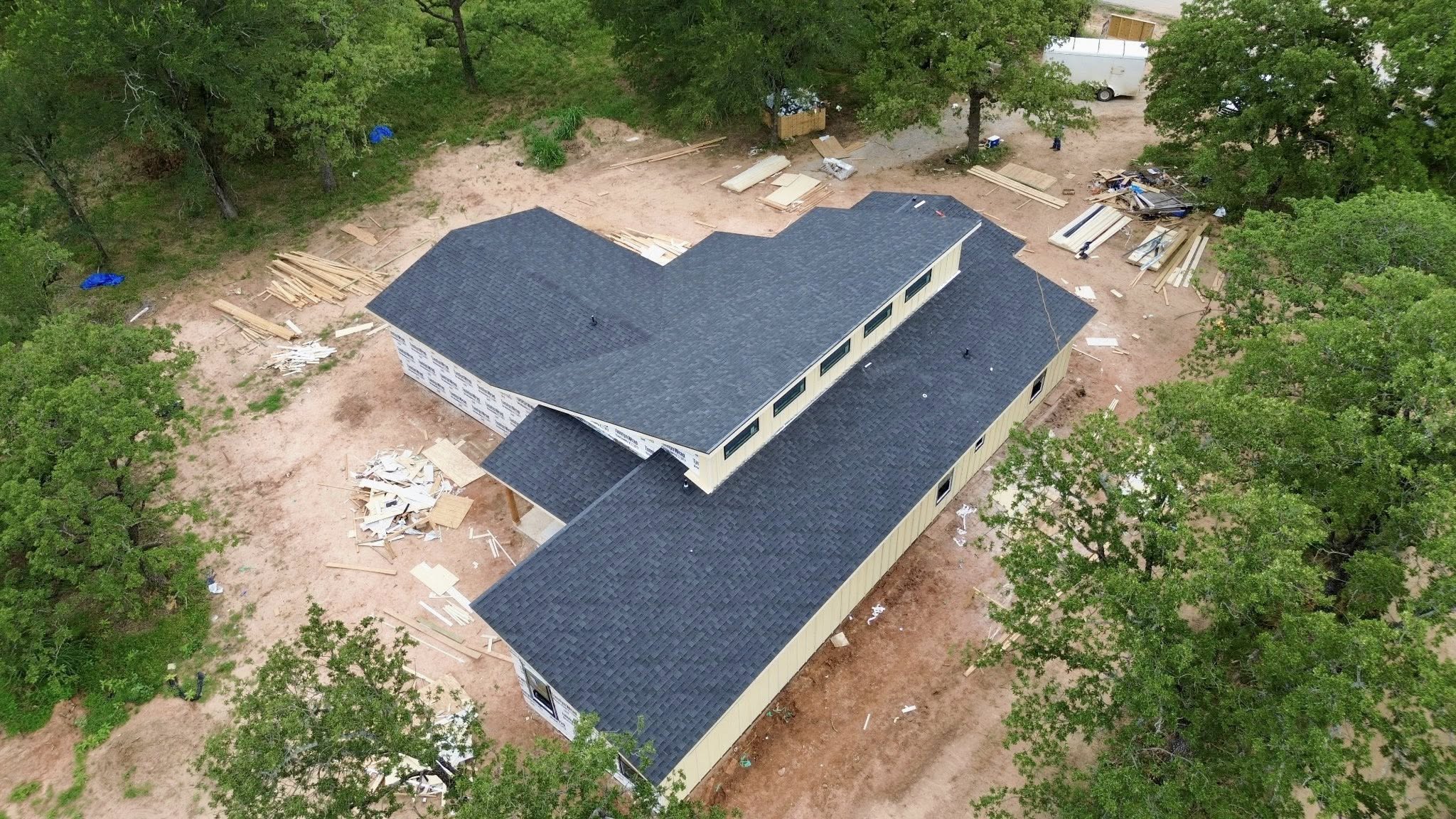
Before deciding what roofing work is necessary, homeowners should understand the current condition of the existing system. A visible leak or damaged shingle may be the immediate reason for calling a contractor, but the underlying problem may involve flashing, ventilation, drainage, or deterioration beneath the roof covering. A thorough assessment helps determine whether repair or replacement is the more appropriate approach.
The roof’s age provides useful context but should not be treated as the only deciding factor. An older roof that has been well maintained may continue to perform effectively, while a newer roof can develop significant problems because of storm damage or installation defects. Condition, history, and remaining service life should all be considered together.
Homeowners can begin with safe visual observations from the ground and accessible areas of the home. Missing or damaged roofing materials, sagging sections, excessive debris, damaged gutters, and visible changes in the roof surface can provide useful clues. Inside the home, ceiling stains, damp insulation, discoloration, or moisture around attic areas may indicate a roofing problem.
The roof deck should also be considered when replacement work is planned. If water has entered the system for an extended period, the underlying deck may have deteriorated. Installing new roofing over damaged substrate can undermine the performance of the new system, so contractors should explain how concealed damage will be identified and handled.
Previous repairs can provide additional information. A roof that has required repeated repairs in several locations may be experiencing broader deterioration rather than isolated defects. Homeowners should provide contractors with available repair records so that recurring problems can be considered during the assessment.
A professional inspection is especially valuable when the roof is old, has experienced severe weather, or has recurring leaks. The National Roofing Contractors Association notes that homeowner inspection and maintenance can help optimize roof system service life.
Homeowners should avoid diagnosing complex roofing conditions solely from interior stains or exterior appearance. Water can travel beneath roofing materials before becoming visible inside the home, meaning the location of a ceiling stain may not identify the actual source. Professional evaluation can help establish the cause before money is spent on ineffective repairs.
Building a Realistic Roofing Budget
A realistic roofing budget should account for the complete project rather than only the visible roofing material. Labor, removal of existing materials, disposal, underlayment, flashing, ventilation, drainage components, fasteners, permits where applicable, and potential repairs can all affect the final cost. Understanding these elements before signing a contract helps homeowners avoid unpleasant surprises.
The condition of the existing roof is one of the biggest variables. A straightforward replacement on a sound roof may involve fewer unexpected costs than a project where damaged decking or deteriorated flashing is discovered after removal begins. Homeowners should ask contractors how concealed problems will be identified and priced.
Material selection also affects the budget. Different roofing products have different purchase prices and installation requirements. Comparing proposals requires homeowners to confirm that each contractor is quoting a similar scope and quality level rather than comparing totals that include different materials or services.
Labor can represent a substantial part of the project cost. Experienced installation may cost more than an informal or inexperienced crew, but workmanship can have a major effect on long-term roof performance. Homeowners should evaluate the contractor’s qualifications, scope of work, insurance, references, and warranty rather than assuming the lowest estimate provides the best value.
A practical budget should include some flexibility for legitimate unforeseen conditions. However, homeowners should not accept vague statements that allow unlimited additional charges. The contract should explain how unexpected work is documented, priced, and approved.
Homeowners should compare written estimates carefully. A detailed proposal should make it easier to determine whether tear-off, underlayment, flashing, ventilation, cleanup, disposal, and other important components are included. Current homeowner guidance also recommends comparing the actual written scope instead of focusing only on the contractor’s total price.
A useful budget review can focus on these major categories:
- Roofing materials and supporting components
- Labor and installation
- Removal and disposal of existing roofing
- Potential roof deck or structural repairs
- Flashing, ventilation, and drainage work
- Permits, inspections, and project-related fees where applicable
Homeowners should also consider the long-term financial impact. Spending slightly more on appropriate materials or competent installation may provide better value if it reduces premature repairs. The objective is not necessarily to select the most expensive roofing system, but to create a realistic balance between quality, performance, and affordability.
Choosing the Right Roofing Contractor
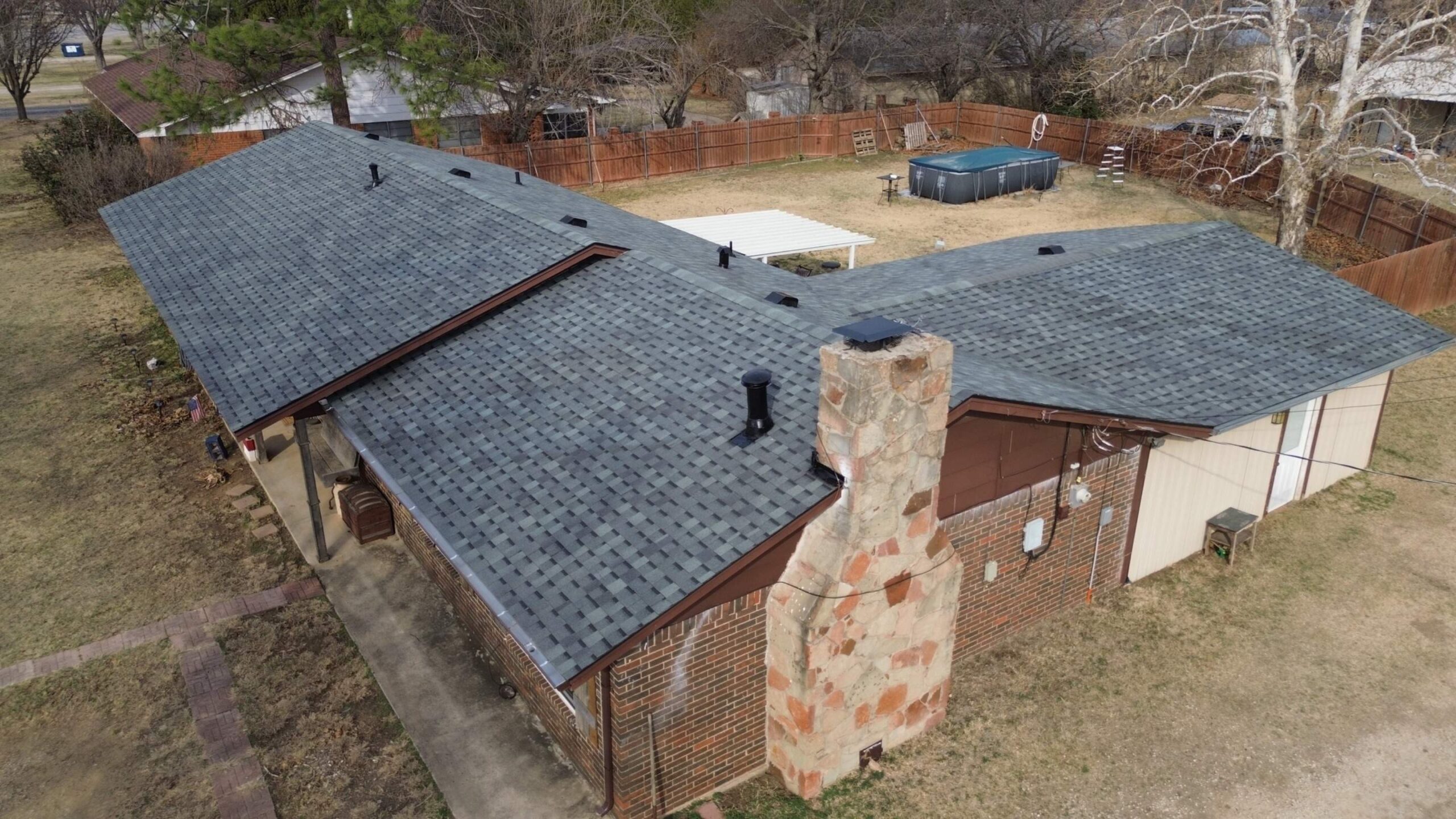
Choosing a qualified roofing contractor is one of the most important decisions in the entire project. Roofing materials are only as effective as the installation supporting them, and poor workmanship can create leaks, premature deterioration, and other problems. Homeowners should therefore evaluate contractors carefully rather than choosing based solely on price.
Start by verifying the contractor’s business information and qualifications that apply to the location and project. Appropriate insurance is also important because roofing work involves significant hazards. Homeowners should request documentation rather than relying solely on verbal assurances.
Experience with the specific roofing system is valuable. A contractor who regularly installs the material being considered is more likely to understand its installation requirements and common problem areas. Homeowners can ask for examples of comparable projects and references from previous customers.
The written proposal should be detailed enough to explain what will actually happen. It should identify the roofing material, removal process, underlayment, flashing, ventilation, treatment of damaged decking, cleanup, and other significant components. A short proposal containing only a total price makes meaningful comparison difficult.
Homeowners should also ask about warranties. Material warranties and contractor workmanship warranties are not necessarily the same, so both should be explained clearly. The homeowner should understand the coverage period, conditions, exclusions, and any maintenance or installation requirements associated with the warranties.
Communication style can provide useful information as well. A professional contractor should be able to explain the proposed work in understandable language and respond clearly to questions. Pressure to sign immediately, vague answers, or unwillingness to provide written information should be treated cautiously.
Before making a final choice, homeowners should compare multiple qualified contractors when practical. The comparison should focus on scope, materials, workmanship, qualifications, warranty terms, communication, and price together. A detailed proposal from a trustworthy contractor can provide substantially more value than a cheaper proposal with unclear responsibilities.
A successful roofing project begins with an informed homeowner and a capable contractor working from the same expectations. When the scope is clear, materials are appropriate, costs are understood, and communication remains open, the project has a much stronger foundation for producing a reliable residential roofing system.
Understanding Roofing Installation and Quality Workmanship
A successful roofing project depends heavily on how the roofing system is installed. Even high-quality materials can experience premature problems when installation is rushed, important components are skipped, or manufacturer requirements are not followed. Homeowners should therefore evaluate workmanship as carefully as they evaluate the roofing products themselves.
Proper installation begins with preparation of the existing roof structure. Depending on the project, the contractor may need to remove old roofing materials, inspect the roof deck, replace damaged sections, and prepare the surface for the new system. Installing new materials over deteriorated areas without addressing underlying problems can reduce the performance and service life of the finished roof.
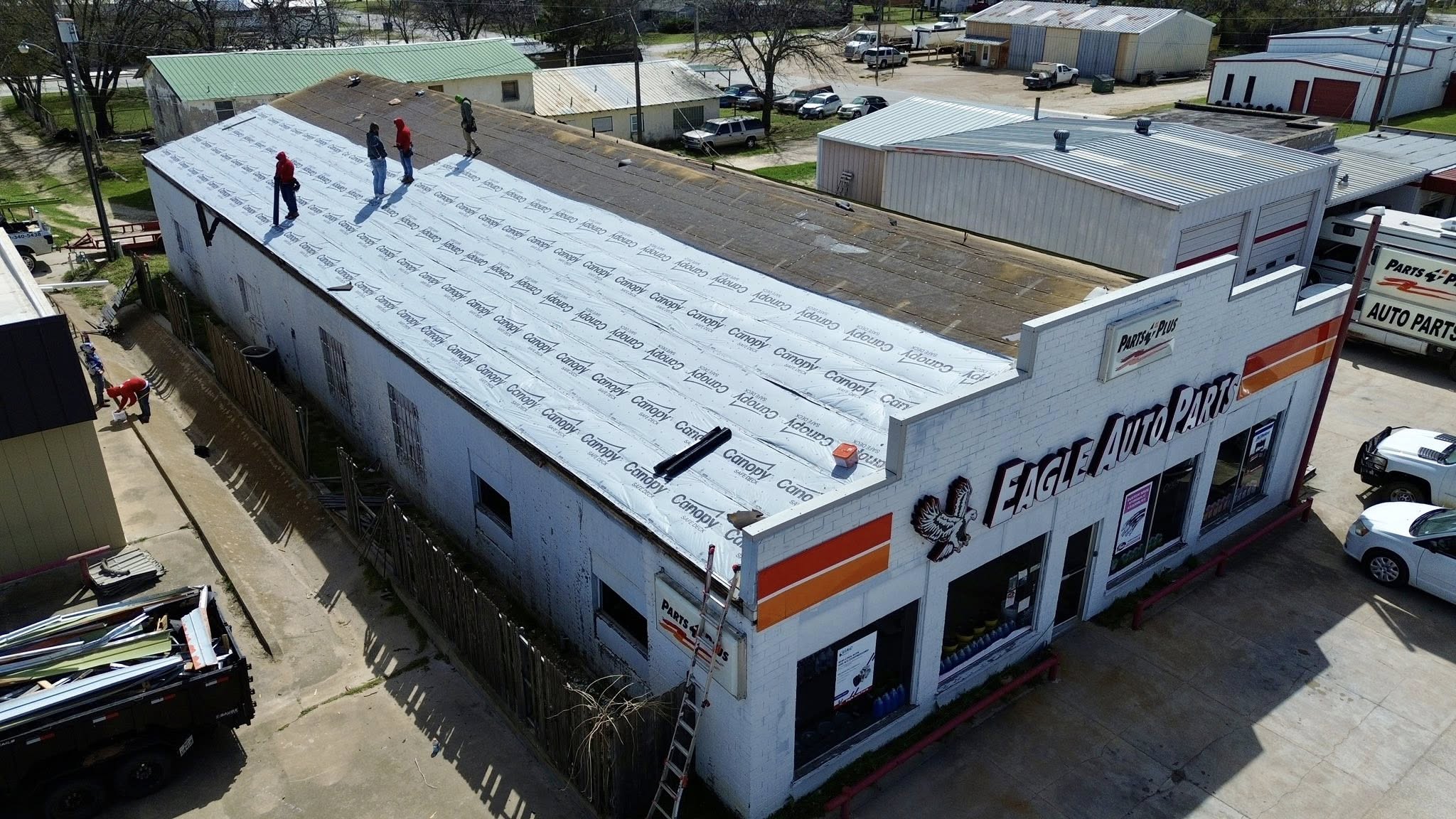
Underlayment provides an additional layer of protection beneath many roofing materials. It helps protect the structure from moisture that may pass beneath the primary roof covering. The type of underlayment and installation method should be appropriate for the roofing material, roof design, and applicable requirements.
Flashing is another critical installation detail. It should be properly integrated around chimneys, skylights, walls, valleys, vents, and other areas where water could enter. Poorly installed flashing can create leaks even when the surrounding roofing material appears to be in excellent condition.
Fasteners also need to be installed correctly. Their type, placement, spacing, and penetration can affect the ability of roofing materials to remain securely attached. Improper fastening may become particularly problematic during strong winds or other severe weather conditions.
Homeowners should not feel that they need to supervise every installation step. Instead, they should make sure the contract clearly identifies the major components and that the contractor follows appropriate installation practices. Asking questions about preparation, flashing, ventilation, fastening, and cleanup can provide valuable insight into the quality of the planned work.
A final inspection should take place after installation is complete. The contractor should confirm that the agreed scope has been completed and that visible defects, loose materials, debris, or incomplete details have been addressed. Proper workmanship provides the foundation on which the rest of the roof’s service life depends.
Managing Roof Ventilation and Attic Conditions
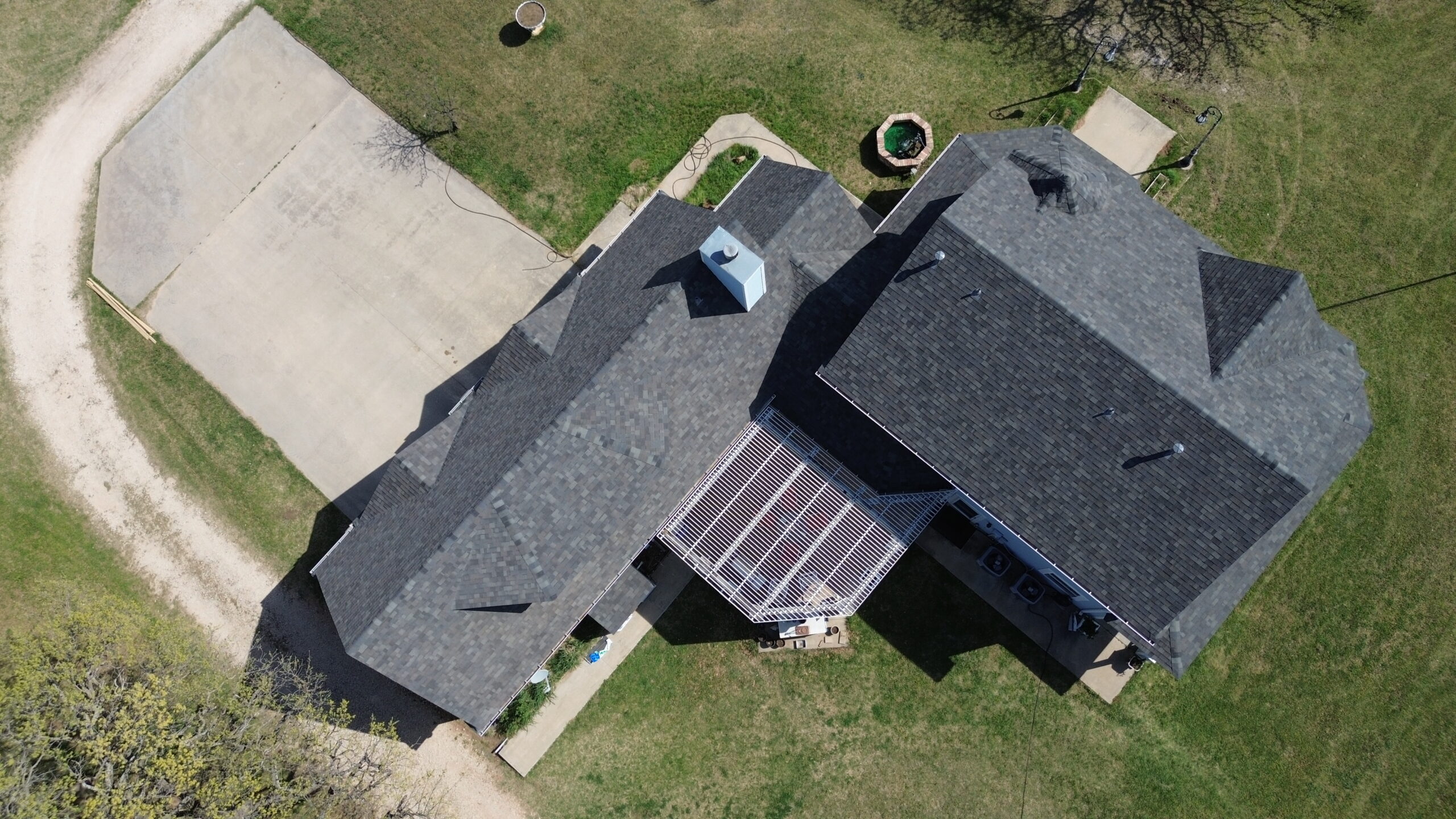
The roofing system does not operate independently from the attic. Conditions beneath the roof can affect the materials above it, particularly when heat and moisture are not properly controlled. Proper ventilation and insulation can support roof performance while helping protect the structure from condensation and excessive temperature-related stress.
Ventilation generally works by allowing air to move through appropriate intake and exhaust openings. The exact arrangement depends on the home’s design, roof configuration, and applicable requirements. The objective is to support consistent airflow without creating pathways for rain or other moisture to enter the attic.
Moisture control is particularly important. Warm indoor air can enter attic spaces through gaps and openings and condense on cooler surfaces. Persistent condensation can affect insulation, wood components, and other materials, potentially creating conditions that homeowners may mistake for a roof leak.
Insulation also plays an important role in attic performance. Appropriate insulation can reduce unwanted heat transfer between the living space and attic. However, insulation should not block ventilation openings that are intended to provide airflow along the roof assembly.
Homeowners should watch for signs that the attic environment may need attention. Damp insulation, condensation, musty odors, water staining, and unusually high attic temperatures can all justify further evaluation. These signs do not automatically prove that the roof is defective, so the source should be professionally assessed when necessary.
Roof vents and other ventilation components should remain unobstructed and properly protected. Damaged vent covers, deteriorated seals, or openings around penetrations can create opportunities for water intrusion. Regular inspection helps ensure that ventilation components continue serving their intended purpose.
Adding vents without understanding the existing airflow pattern is not always the correct solution. A balanced system should be evaluated before modifications are made. Professional assessment can determine whether ventilation, insulation, air sealing, or another issue is contributing to attic problems.
A healthy attic environment supports the roofing system from underneath. Homeowners who include ventilation and moisture management in their overall roofing strategy can reduce conditions that may otherwise contribute to premature deterioration.
Protecting Roof Drainage and Gutter Systems
Water management is one of the most important responsibilities of a residential roofing system. Roof surfaces collect rainfall and direct it toward designated drainage areas, where gutters, downspouts, and other components carry it away from the structure. Keeping these pathways clear and functional can help protect the roof and the rest of the home.
Gutters commonly collect leaves, branches, dirt, and other debris. When buildup becomes significant, water may overflow instead of flowing toward the downspouts. Overflow can affect fascia, exterior walls, landscaping, and areas around the foundation.
Downspouts should be checked to ensure that water can move through them without obstruction. Their outlets should also direct water away from the home rather than allowing it to collect close to the foundation. Poor drainage around the building can create moisture problems even when the roof itself is functioning properly.
Roof valleys require particular attention because they receive and direct water from multiple roof sections. Leaves and debris can accumulate in these areas, especially when the home is surrounded by trees. Maintaining clear drainage pathways helps water move efficiently during rainfall.
Gutters should also be inspected for sagging, separation, corrosion, or damaged sections. These conditions can affect their ability to maintain the intended slope toward downspouts. Replacing or repairing damaged drainage components can help prevent recurring water overflow.
Homeowners should establish a maintenance schedule based on their property’s environment. A home beneath mature trees may require more frequent gutter cleaning than a property with little surrounding vegetation. Waiting until water visibly overflows during a storm can allow problems to continue unnoticed for too long.
Drainage maintenance should extend beyond cleaning. If a particular section repeatedly experiences standing water, overflowing gutters, or erosion below a downspout, the underlying drainage arrangement should be evaluated. Repeatedly cleaning the same area without correcting the cause may not solve the problem.
Effective drainage protects more than the roof covering. It helps reduce moisture exposure to fascia, walls, foundations, landscaping, and other building components. For that reason, gutter and drainage maintenance should remain an important part of every homeowner’s roofing plan.
Handling Repairs, Storm Damage, and Leaks
No roofing system is completely protected from weather-related damage or normal aging. The difference between a manageable roofing problem and an expensive failure often depends on how quickly the issue is identified and addressed. Homeowners should treat unusual changes, leaks, and storm damage as reasons for evaluation rather than problems to ignore.
After severe weather, homeowners can perform a safe visual check from the ground. Missing or displaced roofing materials, fallen branches, damaged gutters, and other obvious changes should be documented. If damage is suspected, a professional inspection can determine whether additional problems exist.
Leaks require particular attention because water does not always travel directly from the damaged area to the visible interior stain. Moisture can move beneath roofing materials, along roof decking, or through building components before appearing inside the home. Simply covering the interior stain does not address the source.
When a leak occurs, homeowners should document the location and circumstances. Information about when the leak appears, whether it occurs during heavy rainfall, and whether it follows a particular wind direction can help professionals investigate the cause. Photographs of visible interior damage can also provide useful documentation.
Repairs should focus on restoring the roofing system rather than repeatedly covering symptoms. A damaged flashing component, failed seal, blocked drainage pathway, or deteriorated roofing section may require a specific repair. Applying temporary materials without identifying the cause can allow moisture intrusion to continue.
Storm-related repairs should also be approached carefully. Homeowners should avoid making immediate decisions under pressure from unexpected damage. A qualified roofing professional can assess the condition and explain whether localized repair, broader restoration, or eventual replacement is appropriate.
Insurance-related documentation may also be important after qualifying storm damage. Homeowners should preserve photographs, inspection reports, invoices, and other project records. Any insurance process should be handled according to the applicable policy and local requirements rather than relying on assumptions about coverage.
Timely repairs protect the investment already made in the roofing system. Small problems can remain manageable when corrected early, while prolonged moisture exposure can affect decking, insulation, framing, and interior finishes. Prompt professional attention is therefore one of the most effective ways to control roofing damage.
Avoiding Common Residential Roofing Mistakes
Homeowners can avoid many roofing problems by recognizing common mistakes before they occur. One of the most frequent is choosing a contractor based primarily on the lowest price. Price matters, but an unusually low estimate may reflect differences in materials, labor, project scope, insurance, warranties, or installation practices.
Another mistake is failing to understand what the contract includes. A homeowner should know whether removal, disposal, underlayment, flashing, ventilation, repairs to damaged decking, and cleanup are part of the quoted work. Written details reduce the possibility of disagreements after installation begins.
Ignoring small problems is another common issue. A missing roofing component or minor flashing defect may seem unimportant when there is no visible interior leak. However, repeated exposure to moisture can allow localized damage to become more extensive.
Homeowners should also avoid unnecessary roof access. Walking across roofing materials can cause damage depending on the product and can create a serious fall hazard. Inspection, maintenance, and repairs that require roof access should generally be handled by appropriately trained professionals.
Using incompatible repair materials can create additional problems. Roofing components should work together as a system, and replacement products should be suitable for the existing assembly. A quick repair that introduces incompatible materials may not provide reliable long-term performance.
Poor ventilation decisions can also create problems. Adding or removing ventilation components without understanding the attic’s airflow can produce an unbalanced system. Ventilation should be evaluated as part of the entire roof and attic design.
Homeowners should also avoid postponing professional evaluations after serious storms. Damage may not always be obvious from the ground, and delayed repairs can expose vulnerable areas to additional weather. Prompt inspection provides an opportunity to address problems before they become more expensive.
Finally, homeowners should not assume that a newly installed roof requires no maintenance. Even new roofing systems need appropriate drainage care, inspections, debris management, and attention to storm damage. Long-term roofing success depends on continuing care after the installation crew has left.
Understanding Roofing Warranties, Permits, and Documentation
Roofing documentation provides homeowners with important information about what was installed, who performed the work, and what protections may apply. Keeping these records organized can make future maintenance, repairs, warranty questions, and property transactions easier to manage.
Material warranties and workmanship warranties should be reviewed separately. A manufacturer may provide coverage for certain roofing products, while the contractor may provide separate coverage for installation-related issues. The duration, conditions, exclusions, and claim procedures can differ between these types of protection.
Homeowners should understand that warranty coverage may depend on proper installation and maintenance. Some products have specific installation requirements or conditions that must be met for certain warranty benefits to remain available. Following manufacturer and contractor guidance can therefore be important.
Permits and inspections may also apply depending on the location and type of roofing work. Requirements can vary by jurisdiction and project scope. Homeowners should ask the contractor which permits or inspections are required and who is responsible for obtaining and completing them.
The final project file should contain more than the signed contract. Homeowners should retain invoices, material information, warranty documents, inspection records, permits where applicable, photographs, and records of significant repairs. Keeping everything together creates a useful history of the roofing system.
Change orders should also be documented. If hidden damage is discovered or the homeowner approves additional work, the revised scope and cost should be recorded in writing. This provides both sides with a clear reference if questions arise later.
Good documentation becomes especially valuable as the roof ages. Future contractors can use previous records to understand repairs, materials, and recurring concerns. Homeowners can also compare current conditions with earlier inspection photographs and reports.
A successful roofing project therefore does not end when the final payment is made. The paperwork created during installation becomes part of the home’s long-term maintenance history. By protecting these records and understanding their importance, homeowners can make future roofing decisions with greater confidence.
Creating a Long-Term Roof Maintenance Strategy
A residential roofing project should be viewed as the beginning of long-term roof care rather than the end of the homeowner’s responsibility. Even a properly installed roof is continuously exposed to sunlight, rain, wind, temperature changes, debris, and other environmental conditions. A consistent maintenance strategy can help identify developing problems early and preserve the performance of the complete roofing system.
The first step is to establish a clear record of the roof’s condition. Homeowners should keep information about the installation date, roofing material, previous repairs, inspections, warranties, and major weather events. Photographs can also be useful because they provide a visual reference for comparing the roof’s condition over time.
Routine observation can help identify obvious changes before they become major concerns. From safe locations, homeowners can look for missing or damaged roofing materials, excessive debris, sagging areas, damaged gutters, and other visible issues. Accessible attic spaces and ceilings can also be checked for signs of moisture, although unusual conditions should be professionally evaluated.
Gutters and downspouts should remain clear so that rainfall can move away from the roof and structure efficiently. Properties surrounded by trees may require more frequent cleaning because leaves and branches can quickly accumulate in drainage systems. Homeowners should also monitor valleys and other areas where debris tends to collect.
Vegetation management should form another part of the maintenance plan. Branches that contact the roof can cause physical wear during windy conditions, while falling branches can cause severe storm damage. Appropriate tree maintenance can reduce these risks while also limiting excessive debris accumulation.
Professional inspections should supplement homeowner maintenance. A qualified roofing professional can evaluate areas that are difficult or unsafe to access and identify problems that may not be visible from the ground. Inspection frequency should depend on factors such as roof age, material, climate, previous damage, and overall condition.
Maintenance should also include attention to the attic environment. Proper ventilation and insulation can help manage heat and moisture beneath the roof. Signs such as condensation, damp insulation, unusual odors, or persistent moisture should be investigated rather than ignored.
A useful maintenance strategy should be practical enough to follow consistently. Homeowners do not need to perform complicated roofing work themselves, but they should establish routines for observation, drainage care, storm checks, record keeping, and professional evaluation. Consistency can make a significant difference in the long-term performance of the roof.
Knowing When to Repair or Replace the Roof
One of the most important roofing decisions a homeowner will eventually face is whether to continue repairing an existing roof or replace it. Choosing correctly requires more than looking at a single leak or calculating the roof’s age. The decision should consider overall condition, repair history, remaining service life, material deterioration, and the expected cost of continued maintenance.
Localized problems on an otherwise healthy roof are often suitable for repair. A damaged flashing section, a limited number of missing roofing components, or an isolated drainage problem may be corrected without replacing the entire system. Prompt repairs can help preserve a roof that still has substantial useful life remaining.
Replacement becomes more reasonable when deterioration is widespread. Multiple recurring leaks, extensive material damage, widespread surface deterioration, sagging areas, or significant underlying damage may indicate that the roofing system is no longer a strong candidate for isolated repairs. In such situations, repeated repairs may provide diminishing value.
Roof age should be considered but should not be the only deciding factor. Different roofing materials have different expected service lives, and environmental conditions can accelerate or slow deterioration. A professional assessment can provide a more useful understanding of the roof’s remaining performance than age alone.
Repair frequency can reveal another important pattern. If homeowners are repeatedly paying for repairs in different sections of the roof, the system may be approaching a point where replacement provides better long-term value. Repeated problems can also indicate an underlying installation, ventilation, drainage, or structural issue that has not been fully corrected.
The following comparison can help homeowners understand the general decision-making process:
| Roof Condition | More Likely Approach | Main Consideration |
|---|---|---|
| Minor isolated damage | Repair | Surrounding system remains healthy |
| Limited flashing or drainage issue | Repair | Cause can be corrected locally |
| Several recurring leaks | Professional evaluation | Determine whether deterioration is widespread |
| Extensive material deterioration | Replacement planning | Continued repairs may provide limited value |
| Significant structural or deck damage | Major repair or replacement | Underlying condition must be addressed |
| Older roof with widespread defects | Replacement evaluation | Compare future repair costs with replacement |
Homeowners should obtain professional advice before making a major decision. A qualified contractor can explain which components are failing, whether repairs are technically practical, and how much useful service might reasonably remain. This helps prevent homeowners from replacing a roof unnecessarily or spending repeatedly on a system that is already nearing the end of its practical life.
The objective is not simply to postpone replacement for as long as possible. A successful roofing strategy balances cost, reliability, safety, and expected performance. Making the decision based on evidence rather than urgency can provide better long-term value.
Improving Roof Lifespan Through Preventive Care
Preventive care is one of the most effective ways homeowners can protect their roofing investment. Roofing materials naturally age, but unnecessary deterioration can often be reduced through proper maintenance and timely attention. The goal is to control avoidable problems before they develop into expensive repairs.
Water management should remain a priority. Roofs are designed to shed water, so blocked gutters, damaged downspouts, clogged valleys, and poor drainage can interfere with this basic function. Keeping drainage pathways clear helps reduce prolonged moisture exposure and protects both the roofing system and the surrounding structure.
Debris should also be managed appropriately. Leaves, branches, dirt, and other materials can retain moisture and interfere with drainage. Homeowners should remove accessible debris safely and arrange professional assistance when roof access is necessary.
Storm preparation can reduce avoidable damage. Before severe weather, homeowners can make sure gutters are clear, nearby branches are properly maintained, and loose outdoor objects are secured. After significant weather events, a safe visual inspection can help identify obvious changes that may require professional evaluation.
Flashing and roof penetrations deserve ongoing attention. Areas around chimneys, skylights, vents, walls, and other openings can be more vulnerable to water intrusion. Deteriorated flashing or damaged seals should be evaluated rather than repeatedly covered with temporary materials.
Attic conditions should also be monitored. Excessive heat or moisture beneath the roof can contribute to deterioration and may affect insulation and structural components. Maintaining appropriate ventilation and insulation can support the overall performance of the roofing assembly.
Preventive care also means avoiding unnecessary damage. Homeowners should minimize roof foot traffic and should not place equipment or materials directly on roofing surfaces without considering their potential effect. Roofing work should be performed by professionals when it involves significant access, specialized tools, or potentially hazardous conditions.
Maintenance should follow the requirements of the particular roofing material. Different products may have different cleaning, inspection, repair, and installation recommendations. Using inappropriate cleaning methods or incompatible repair materials can damage the system instead of extending its life.
The most effective preventive care is consistent rather than complicated. Small maintenance activities performed regularly can help homeowners identify developing concerns while they are still manageable. This approach supports the roof’s long-term function and can reduce the likelihood of unexpected major expenses.
Preparing for Future Roofing Costs and Replacement
Every roofing system eventually requires significant repair or replacement, even when it has been carefully maintained. Planning for that expense in advance can make the process less stressful and reduce the temptation to choose unsuitable materials or contractors because of time pressure. Financial preparation should therefore be part of long-term homeownership.
Homeowners should begin by understanding the approximate age and current condition of the roof. A professional inspection can help identify whether major work is likely to be needed soon or whether continued maintenance is reasonable. This information provides a starting point for estimating when larger expenses may arise.
The future cost of roofing work can vary significantly. Roof size, design complexity, material selection, labor, removal requirements, accessibility, flashing, ventilation, decking repairs, and other project conditions can all affect the final price. Homeowners should therefore avoid relying on a single generic estimate for future budgeting.
Creating a dedicated roofing savings plan can make future replacement easier to manage. The amount needed will depend on the property and expected project requirements, but regular saving provides greater flexibility when major work becomes necessary. Planning early also gives homeowners time to compare materials and contractors.
Homeowners should research potential roofing materials before an emergency occurs. Understanding the advantages, maintenance requirements, appearance, and expected performance of available options makes future decisions more deliberate. It also gives homeowners time to determine which products fit the property’s structure and budget.
Contractor research can begin before replacement is urgent. Keeping information about reputable local roofing professionals can make it easier to request estimates when the time comes. Homeowners should still verify current qualifications, insurance, references, scope, and warranty terms before hiring anyone for the actual project.
Emergency conditions should not automatically determine long-term decisions. A temporary repair may sometimes provide time to plan a proper replacement when an unexpected failure occurs. However, temporary measures should not be allowed to substitute indefinitely for necessary major work.
A long-term financial plan should also consider related components. When a roof is replaced, homeowners may need to address deteriorated decking, flashing, ventilation, gutters, or other connected systems. Budgeting only for the visible roof covering can leave insufficient funds for necessary supporting work.
Preparing financially does not mean assuming that replacement must happen immediately. Instead, it gives homeowners greater control over the timing and quality of future decisions. A homeowner who plans ahead can compare options carefully instead of making a rushed choice after a major leak or storm event.
Building a Complete Homeowner Roofing Checklist
A roofing checklist can help homeowners organize the many responsibilities associated with maintaining a residential roofing system. Without a structured approach, important tasks can easily be forgotten, particularly when the roof appears to be functioning normally. A simple checklist can turn roofing maintenance into a manageable part of regular home care.
The checklist should begin with routine observation. Homeowners can safely monitor visible roofing areas, gutters, downspouts, exterior walls, and accessible attic spaces. Any unusual changes should be documented and evaluated when necessary.
After severe weather, additional checks should be performed. Missing materials, fallen branches, damaged gutters, visible debris, and interior water stains can indicate potential problems. Homeowners should avoid walking on the roof to investigate suspected damage and should arrange professional evaluation when closer inspection is required.
Important roofing records should remain organized. Homeowners should retain contracts, invoices, warranties, inspection reports, repair documentation, photographs, material information, and permits or inspection records where applicable. Keeping these documents together creates a useful reference for future maintenance and replacement decisions.
A practical homeowner checklist can include:
- Record the roof’s approximate installation date and material.
- Monitor gutters and downspouts for blockages or damage.
- Watch for visible roofing deterioration from safe locations.
- Check accessible attic areas for unusual moisture or condensation.
- Manage branches and vegetation around the roof.
- Arrange professional inspections when appropriate.
- Document repairs and storm-related damage.
- Review warranty and maintenance requirements.
- Plan financially for eventual major roofing work.
The checklist should be adapted to the specific property. A home with mature trees, a complex roof design, severe weather exposure, or an older roofing system may require more frequent attention than a simple, recently installed roof. Homeowners should focus on the conditions that create the greatest risks for their particular property.
A checklist should not encourage homeowners to perform dangerous repairs themselves. Roofing work can involve significant fall hazards and may require specialized knowledge of materials and building components. The purpose of homeowner maintenance is primarily to observe, maintain accessible areas, document changes, and arrange professional assistance when necessary.
Using a checklist consistently can also improve communication with contractors. When homeowners have records of previous leaks, repairs, inspections, and concerns, contractors can investigate problems with more background information. This can make maintenance and future projects more efficient.
Ultimately, the checklist provides a simple framework for protecting one of the home’s most important systems. Regular attention is easier when responsibilities are organized, documented, and incorporated into the homeowner’s normal maintenance routine.
Conclusion
Residential roofing success is not based on one decision or one installation day. It is the result of understanding the complete roofing system, selecting appropriate materials, choosing qualified professionals, maintaining the roof properly, and making informed decisions as the system ages. Homeowners who approach roofing as a long-term investment are better positioned to protect their property and manage costs.
A strong roofing strategy begins with proper planning. Evaluating the existing roof, creating a realistic budget, comparing detailed contractor proposals, and understanding materials and installation requirements can prevent many common problems. Clear contracts, appropriate warranties, professional workmanship, and accurate documentation further strengthen the project.
Once the roof is installed, ongoing maintenance becomes essential. Keeping drainage systems clear, managing surrounding vegetation, monitoring attic conditions, checking for storm damage, and addressing small problems early can help preserve the roofing system. Professional inspections provide additional assurance when the roof is aging, damaged, or difficult to evaluate safely.
Homeowners should also recognize that repair and replacement are not simply age-based decisions. The overall condition of the system, frequency of repairs, extent of deterioration, remaining service life, and expected future costs should all be considered. Making these decisions based on evidence can prevent both premature replacement and unnecessary spending on a failing roof.
Financial preparation is equally important. Every roof will eventually require significant investment, and planning ahead gives homeowners time to research materials, compare contractors, and prepare for related expenses. A proactive approach reduces the pressure that often comes with emergency roofing situations.
The ultimate goal is a roofing system that provides reliable protection while delivering reasonable long-term value. By combining informed planning, quality installation, preventive maintenance, professional evaluation, careful documentation, and responsible budgeting, homeowners can make better roofing decisions and enjoy greater confidence in one of the most important protective systems of their home.