

Preparing Home for Residential Roofing Installation Work
Introduction
Preparing a home before residential roofing installation work begins is an important part of the project that homeowners should not overlook. A roof replacement involves more than removing old roofing materials and installing new ones because the work can create noise, vibration, dust, falling debris, and temporary disruptions around the property. Taking time to prepare the interior and exterior of the home can help protect belongings, improve safety, and allow the roofing crew to work more efficiently.
A well-prepared property also makes communication between the homeowner and roofing contractor easier. When access points, storage areas, landscaping, vehicles, and household belongings are considered in advance, fewer problems are likely to occur during installation. Good preparation does not necessarily require complicated work, but it does require attention to areas that could be affected by construction activity.
Homeowners should also understand that every roofing project is different. The preparation required for a small roof repair may be much less than what is needed for a complete residential roof replacement. The roof design, number of stories, material being installed, property layout, weather conditions, and contractor’s equipment can all influence how the home should be prepared.
Understanding the Roofing Installation Process
Before preparing the property, homeowners should have a basic understanding of what will happen during the roofing project. A typical residential roofing installation may begin with an inspection, followed by delivery of materials, setup of equipment, removal of existing roofing materials, inspection of the roof deck, installation of protective layers, installation of the new roofing system, and final cleanup.
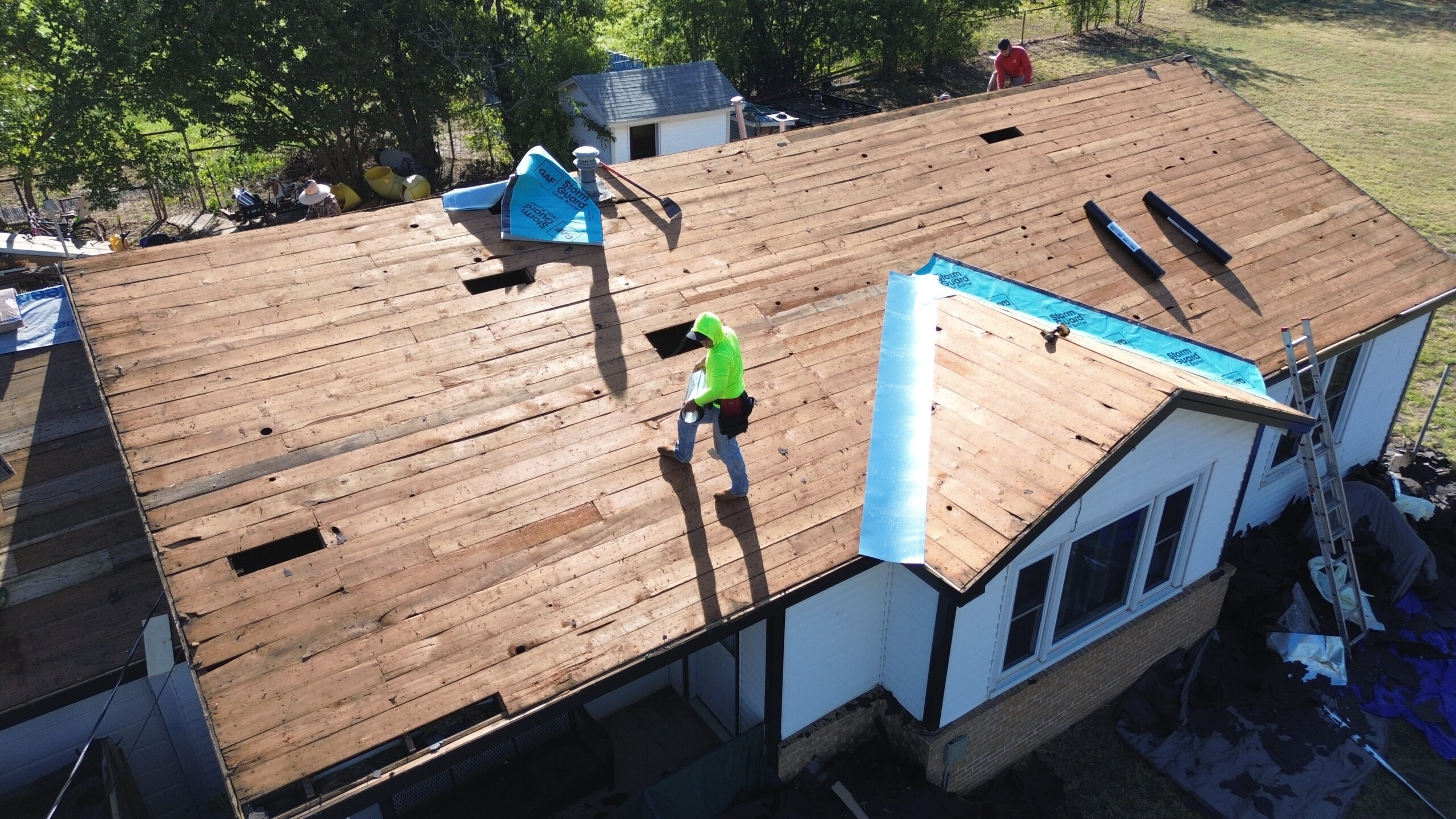
The removal stage can create considerable noise and vibration because workers may use roofing tools to detach shingles, flashing, underlayment, and other existing components. Some of this vibration can be noticeable inside the house, particularly in rooms directly below the roof or near exterior walls.
Roofing materials and equipment also need to be positioned around the property. Depending on the project, the contractor may need space for roofing materials, ladders, tools, protective equipment, and waste containers. Homeowners should discuss these requirements before installation day so there is enough room for the crew to operate without unnecessary obstacles.
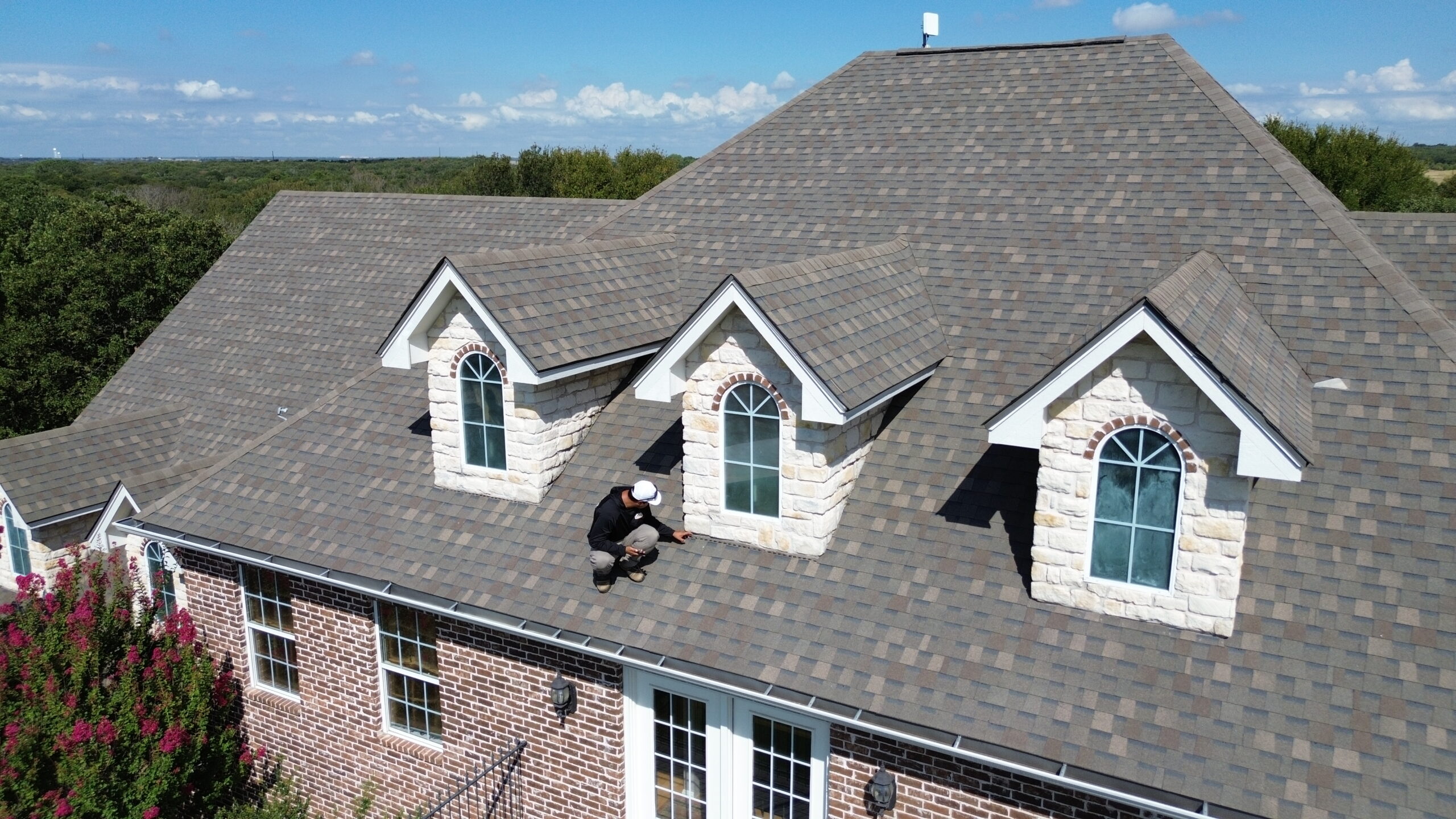
A pre-installation inspection is particularly useful because it allows potential problems to be identified before work starts. The contractor may examine the roof structure, flashing, ventilation, gutters, roof penetrations, and other components while also considering how materials and equipment will be moved around the property.
Preparing the Interior of the Home
Many homeowners focus primarily on the outside of the house when preparing for roofing work, but the interior deserves attention as well. Roofing installation can create vibration throughout the structure, which may cause unsecured objects to shift or fall from shelves, walls, and cabinets.
Decorations, framed pictures, mirrors, hanging ornaments, and other wall-mounted items should be checked before work begins. Particularly fragile or valuable items are better removed temporarily and stored in a secure location rather than left exposed to construction-related vibration.
Ceiling-mounted fixtures should also be considered, especially in rooms directly underneath the roof. While professional roofing work should not normally damage interior fixtures, vibration can affect poorly secured objects or items that were already loose.
Homeowners should pay particular attention to these areas before installation begins:
- Wall decorations and fragile objects
- Shelves containing breakable items
- Hanging fixtures and decorative pieces
- Valuable electronics and sensitive equipment
- Items stored directly below roof areas
Taking these precautions can reduce the chance of accidental damage and make the household more comfortable while the roofing crew is working. It is also useful to photograph valuable rooms or items before construction begins, particularly when the project involves extensive roof replacement.
Protecting Furniture and Household Belongings
Furniture does not normally need to be removed from the entire home during a roofing project, but valuable or delicate belongings should receive additional protection. Construction activity can create small amounts of dust and debris, particularly when old roofing materials are removed and when workers move materials around the structure.
Furniture located near exterior walls or directly beneath areas where roof work is taking place can be covered with protective sheets. This is especially helpful for upholstered furniture, wooden pieces, artwork, and other surfaces that may be difficult to clean.
Homeowners should also consider protecting sensitive electronics. Computers, televisions, audio equipment, and other devices can be affected by dust, vibration, or accidental contact if they are located close to construction activity. Moving these items away from potentially affected areas provides an additional layer of protection.
Important documents, jewelry, collectibles, and other valuables should be stored securely before the project starts. Keeping valuable possessions away from construction areas reduces unnecessary risk and allows the roofing crew to work without having to navigate around delicate household items.
Preparing the Attic and Upper Areas
The attic is one of the most important interior areas to prepare before roofing installation. Because it sits directly beneath the roof, it can experience dust, vibration, and debris during the removal and installation process. Items stored in the attic should therefore be reviewed before work begins.
Homeowners should remove or cover belongings that could be affected by dust. Cardboard boxes, clothing, photographs, books, electronics, and other sensitive items can be particularly vulnerable to construction debris. If possible, valuable or delicate belongings should be moved away from the work area.
The attic is also a useful location for identifying existing roofing problems before installation begins. Homeowners or contractors may notice signs of previous moisture intrusion, damaged insulation, staining, or areas where water may have entered around roof penetrations.
Any known leaks or interior ceiling stains should be communicated to the roofing contractor before installation starts. This information can help the crew pay closer attention to those areas during roof removal and inspection.
Preparing the attic also provides an opportunity to organize stored belongings. Items that are no longer needed can be removed, while remaining possessions can be placed in secure containers or positioned away from areas where construction debris may fall.
Protecting Ceilings and Interior Surfaces
Roofing work creates repeated movement across the roof structure, particularly during removal of old materials and installation of new components. Although properly performed roofing work should not harm ceilings, walls, or interior finishes, homeowners can take reasonable precautions to reduce the effects of vibration and dust.
Ceilings directly below active roofing areas may be more noticeable during construction. Small existing cracks, loose trim, or previously weakened finishes should be documented before work starts so that the homeowner can distinguish pre-existing conditions from any new concerns.
It is also helpful to keep interior doors closed when practical. Closing doors can limit the movement of dust between rooms and keep construction activity more contained within the home.
If the contractor has identified a specific area where roof access or structural work could affect the interior, the homeowner should follow the contractor’s recommendations. Professional guidance is especially important when the roofing project involves structural repairs, skylights, roof penetrations, or other specialized components.
Creating a Safe Household Routine
A roofing project can temporarily change the normal routine of a household. Workers may arrive early, vehicles may enter the property, and equipment may remain outside throughout the working day. Establishing a simple routine before installation can help household members adjust to these temporary changes.
Homeowners should know which entrances will remain available during construction and which areas may be temporarily restricted. If a particular doorway, driveway, walkway, or side passage will be used by the crew, household members should understand that access may change while materials are being moved.
It is also useful to keep essential household items in easily accessible areas. This prevents family members from repeatedly entering zones that may be close to ladders, tools, roofing materials, or other construction equipment.
Communication is another important part of household preparation. The homeowner should have a reliable way to contact the roofing contractor or project manager if an unexpected issue develops during the installation.
Preparing for Noise and Vibration
Roofing installation can be noisy, particularly during the removal of existing roofing materials. Hammering, cutting, walking on the roof, moving materials, and operating equipment can create sounds that are clearly noticeable inside the home.
Homeowners who work from home, study, care for young children, or have other activities requiring quiet should plan around the expected installation schedule. If possible, particularly noise-sensitive activities can be moved to another location while the most disruptive work is underway.
Vibration is another normal part of many roofing projects. It can be felt through ceilings and walls when workers remove old materials or install new roofing components. Preparing fragile interior belongings beforehand can reduce concerns associated with this temporary activity.
The contractor should provide information about the expected schedule and major stages of work when possible. Knowing when the noisiest work is likely to occur helps homeowners make practical arrangements without unnecessarily disrupting the project.
Reviewing Existing Roof Problems Before Work Begins
Before installation starts, homeowners should communicate any known roofing problems to the contractor. Previous leaks, damaged gutters, missing shingles, water stains, sagging areas, or recurring moisture issues can provide useful information during the initial assessment.
A contractor may discover additional problems once the existing roofing materials are removed. The roof deck underneath the old system may contain damaged sections that were not visible during the initial inspection. Homeowners should discuss how unexpected repairs will be handled before work begins, including how additional work will be approved.
Clear communication about potential repairs can prevent confusion later in the project. It also gives homeowners a better understanding of why the original installation plan might need to change after the existing roof is exposed.
Coordinating Preparation With the Contractor
Homeowners should not have to guess which preparation tasks are required for a particular roofing project. A professional contractor can explain where materials will be placed, how workers will access the roof, what areas should remain clear, and which property features require special protection.
Before installation day, it is helpful to review the project area with the contractor. This walkthrough allows both sides to identify potential obstacles and agree on how the property will be handled during construction.
Questions about access, material storage, waste removal, property protection, working hours, and cleanup should be addressed before the crew begins. Clear expectations can reduce misunderstandings and help the project move smoothly from preparation into active installation.
Good preparation ultimately creates a safer and more organized environment for everyone involved. Once the interior has been secured and the contractor has confirmed the exterior requirements, homeowners can move on to preparing the areas surrounding the house, including landscaping, driveways, outdoor belongings, and access routes.
Preparing the Exterior of the Home
Once the interior of the home has been prepared, attention should shift to the exterior areas surrounding the property. Roofing crews need clear and safe working space around the house because ladders, tools, roofing materials, protective equipment, and debris containers may need to be positioned close to the structure. Removing unnecessary obstacles before the crew arrives can make movement easier and reduce the possibility of accidental property damage.
Outdoor furniture, children’s toys, bicycles, gardening tools, decorative items, and portable equipment should be moved away from the house. Items that cannot be relocated should be discussed with the contractor so appropriate protective measures can be planned. Keeping the immediate work zone clear also gives workers more room to safely handle materials and move around the property.
Windows and exterior doors should also be considered during preparation. Although professional roofing crews generally take precautions around these areas, homeowners can make the process easier by removing fragile decorations from window ledges and keeping doors closed when construction activity is taking place nearby. If the contractor identifies a particularly vulnerable window, light fixture, or exterior feature, additional protection may be recommended.
Clearing Access Around the Property
Roofing crews require convenient access to different sides of the home throughout the installation. A narrow pathway, cluttered side yard, or blocked gate can make it difficult to move materials and equipment safely. Homeowners should therefore inspect the routes leading from the driveway or material staging area toward the roof.
Gates should be unlocked or accessible when workers need to use them, while unnecessary obstacles should be removed from walkways. If there are sections of fencing, landscaping, storage structures, or other features that could interfere with access, these should be discussed with the contractor before work begins.
Some roofing projects require workers to move repeatedly between the roof and ground level. Clear access can reduce unnecessary carrying distances and help the crew maintain an organized work area. It can also make emergency access easier if an unexpected situation occurs during installation.
Protecting Landscaping and Plants
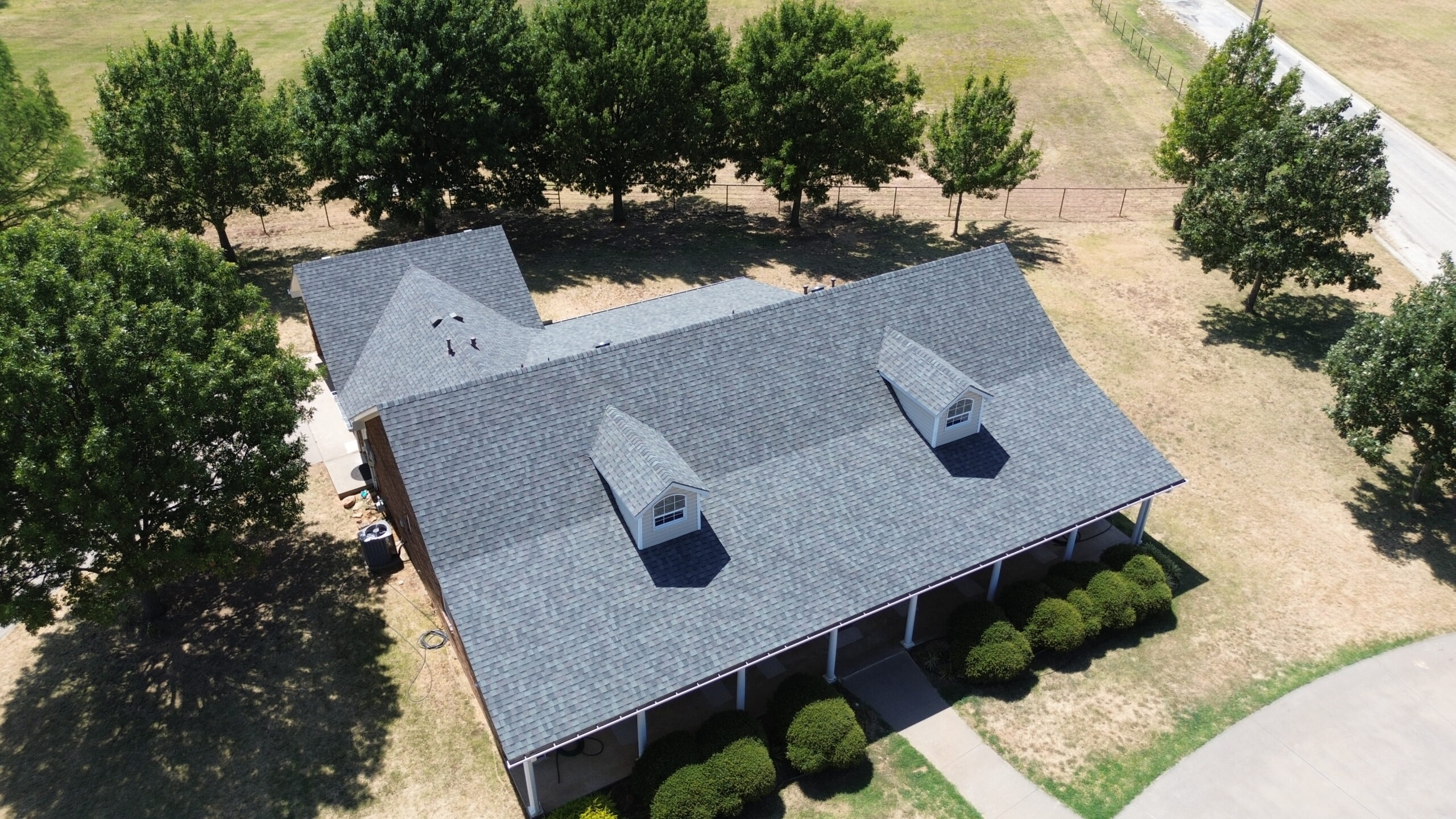
Landscaping can be vulnerable during roofing installation because falling debris, foot traffic, ladders, equipment, and material movement may affect areas near the home. Shrubs and plants growing close to exterior walls deserve particular attention because they may be located directly below active roofing sections.
Homeowners should identify valuable plants, delicate flowers, decorative shrubs, and other landscaping features before work starts. The contractor can then determine how these areas should be protected or whether certain temporary adjustments are necessary during the project.
Large trees should also be discussed if their branches extend close to the roof. Branches can interfere with worker access, material handling, or safe ladder placement. In some situations, limited trimming may be necessary, but homeowners should understand what work is being proposed before any landscaping is altered.
Protective coverings may be used around certain areas, but they should be applied carefully. Plants require adequate airflow and should not remain unnecessarily covered for extended periods, particularly during hot weather. The roofing contractor should determine appropriate protection methods based on the property’s conditions.
Moving Outdoor Furniture and Decorations
Outdoor furniture should be moved away from the immediate work zone before roofing begins. Patio tables, chairs, umbrellas, grills, decorative pieces, planters, and other movable objects can become obstacles when workers need to carry materials around the property.
Lightweight objects can also be affected by wind during the project. Even if they are not directly beneath the roof, unsecured items can move into pathways or become damaged if weather conditions change. Storing these belongings in a garage, shed, or other secure area can help keep the property organized.
Decorative items attached to exterior walls should be checked as well. Outdoor signs, hanging decorations, planters, lights, and similar features may be located close to areas where ladders or equipment will be used. Homeowners should ask the contractor whether any such items need to be temporarily removed.
Preparing the Driveway and Parking Area
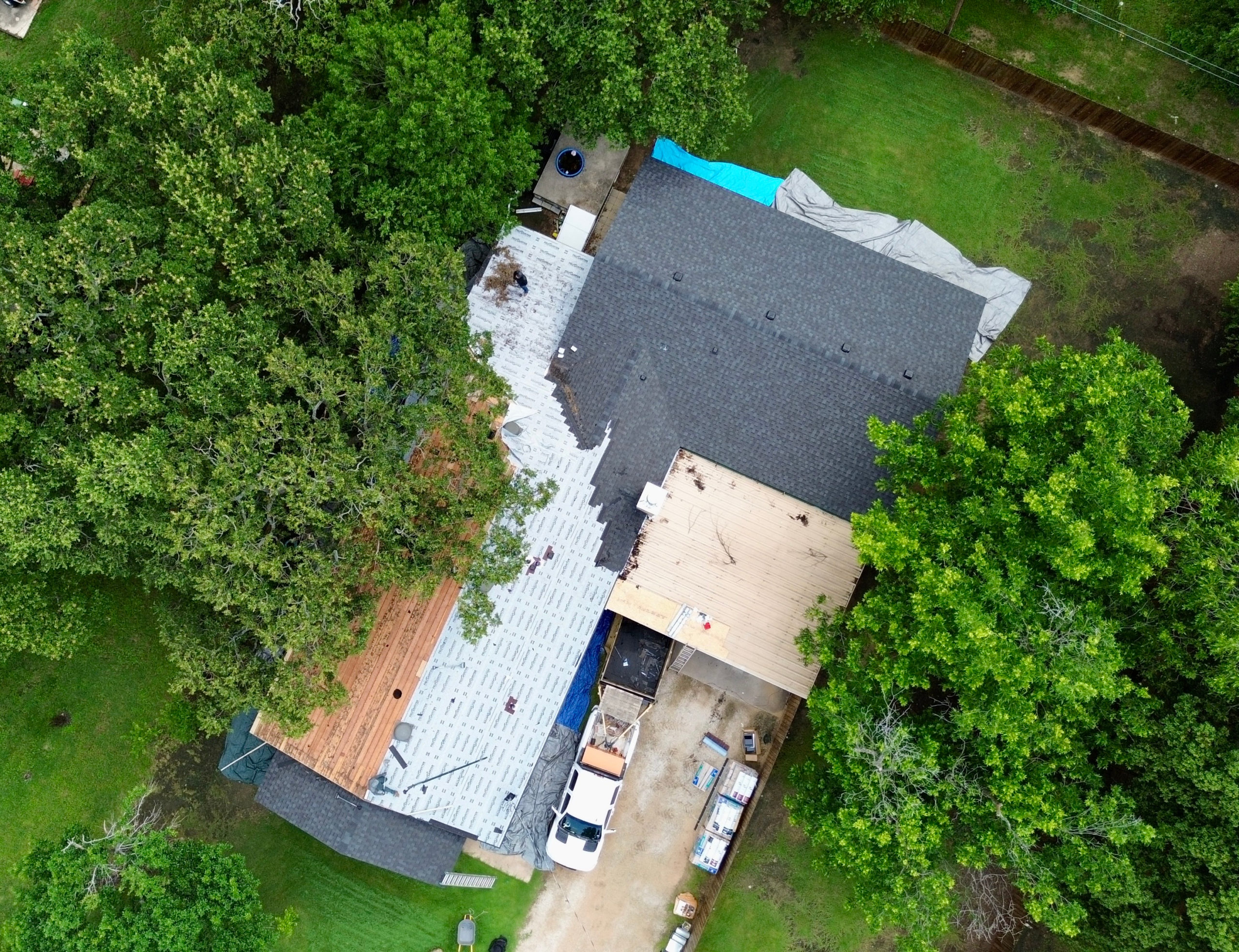
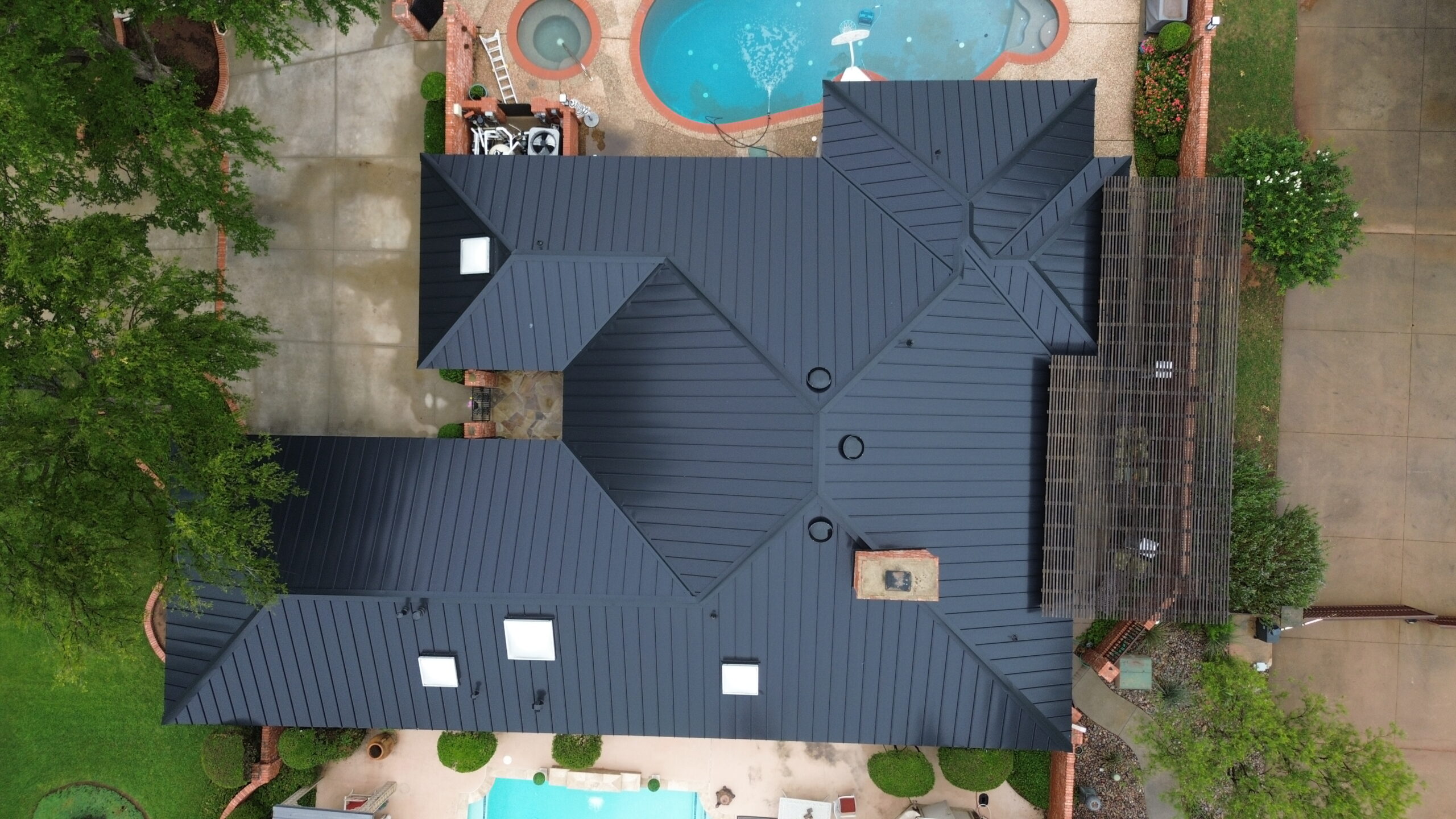
The driveway is often one of the most important areas to prepare before residential roofing installation. Roofing materials may be delivered by truck, while the crew may need space for vehicles, equipment, ladders, and waste containers. Keeping the driveway accessible can make material handling considerably more efficient.
Homeowners should move personal vehicles away from the expected work area before the crew arrives. Cars parked beneath roof edges may be exposed to dust, debris, or falling materials, even when the contractor takes reasonable precautions. Moving vehicles to a safe location also prevents them from blocking delivery vehicles or equipment.
If the driveway has special surfaces, decorative paving, or other features that require protection, these should be discussed in advance. The weight of delivery vehicles and equipment may place temporary stress on certain surfaces, so the contractor should know about any relevant concerns before materials arrive.
Recreational equipment, trailers, motorcycles, bicycles, and other large objects should also be relocated when possible. Creating an open staging area gives workers greater flexibility and reduces the chance that belongings will interfere with construction activity.
Planning for Material Delivery
Roofing materials often arrive before or shortly after installation begins. Depending on the size of the project, a significant quantity of shingles, underlayment, flashing, ventilation components, fasteners, and other materials may need to be delivered to the property.
Homeowners should ask where materials are expected to be placed and whether delivery will occur before the crew starts work. The selected location should provide practical access while minimizing disruption to the household and protecting landscaping and other property features.
Material placement can sometimes temporarily occupy part of a driveway or yard. Understanding this in advance helps homeowners plan parking and access arrangements. It also prevents confusion if materials appear on the property before the installation crew begins.
The contractor should determine the safest and most suitable staging location based on the roof design, property layout, delivery equipment, and material requirements. Homeowners should avoid moving roofing materials themselves because improper handling can cause injury or damage.
Protecting Exterior Fixtures and Equipment
Several exterior systems may be located near the roof and should be considered during preparation. These can include satellite dishes, antennas, air-conditioning equipment, exterior lights, vents, gutters, solar equipment, and other roof-related or wall-mounted components.
Some fixtures may need to be temporarily adjusted or removed to allow proper installation. Homeowners should discuss these items with the contractor rather than assuming they can remain untouched throughout the project.
Air-conditioning units and other outdoor equipment should also remain accessible for maintenance unless the contractor specifically recommends temporary protection. Workers should have enough room to move safely without damaging equipment or blocking essential service access.
If the property includes solar panels or other specialized roof-mounted systems, their removal and reinstallation may require coordination with an appropriate specialist. Homeowners should confirm responsibilities and scheduling before roofing work begins so the roofing project is not unnecessarily delayed.
Managing Children During Roofing Work
Children should be kept away from active roofing areas throughout the project. Construction zones can contain ladders, tools, nails, sharp roofing materials, heavy equipment, and falling debris, creating hazards even when workers are following appropriate safety procedures.
Parents and guardians should establish clear boundaries before the crew arrives. Children should understand that roofing materials and equipment are not play areas and that workers need uninterrupted access to the property.
Outdoor play areas may need to be temporarily relocated if they are close to the house. Basketball equipment, bicycles, toys, and play structures should be moved when necessary to create a safer separation between children and construction activity.
It is also important to consider what happens after workers leave for the day. Small pieces of debris or fasteners can occasionally remain despite cleanup efforts, so children should not enter the work area until the contractor has completed the daily cleanup and confirmed that the area is safe.
Making Arrangements for Pets
Pets can become stressed by construction noise, unfamiliar people, and changes to their normal environment. Dogs may react to workers moving around the property, while cats and smaller animals may attempt to investigate new equipment or escape through temporarily open gates and doors.
Pets should be kept inside or in another secure area away from active construction. Outdoor kennels and fenced areas should be checked carefully because workers may need access near them during the project.
Loud roofing activity can also make some animals anxious. Providing a quiet and secure indoor area can help reduce stress during the noisiest parts of the installation.
Homeowners should inform the roofing contractor about pets on the property, particularly if gates, side yards, or other areas need to remain accessible. Good communication helps workers avoid accidentally creating an escape route or entering an area where an animal is being kept.

Keeping Entrances and Walkways Safe
Roofing installation can temporarily change how people enter and leave the house. Ladders may be positioned near exterior walls, materials may be staged along pathways, and workers may frequently move through normally quiet areas.
Homeowners should identify the safest entrance for household use during construction. If one entrance is close to active work, another doorway may be preferable until the work in that area is completed.
Walkways should remain as clear as possible for both workers and household members. Shoes, toys, garden equipment, and other personal belongings should not be left in areas where they could create additional obstacles.
If the contractor needs temporary access through a gate or walkway, household members should be informed about the arrangement. This simple step can prevent accidental interruptions and help everyone understand which areas are active construction zones.
Communicating With the Roofing Contractor
Communication is one of the most effective ways to prepare a property for roofing installation. Homeowners should not hesitate to ask the contractor what needs to be moved, protected, covered, or made accessible before the crew arrives.
A pre-installation discussion should cover important practical details such as the expected start date, approximate working hours, material delivery, parking, waste containers, access points, landscaping concerns, and cleanup procedures. The contractor should also explain any preparation responsibilities that specifically belong to the homeowner.
Homeowners should communicate concerns about valuable landscaping, unusual property features, fragile exterior surfaces, or restricted access areas. Providing this information early gives the contractor an opportunity to plan appropriate protection rather than discovering the issue after work has started.
It is also useful to establish how unexpected problems will be communicated. Roofing projects can reveal hidden damage after old materials are removed, and homeowners should know who will contact them if additional decisions are required.
Reviewing Weather Conditions Before Installation
Weather can influence both roofing safety and project scheduling. Rain, strong winds, extreme temperatures, or other unfavorable conditions may require the contractor to delay certain stages of work.
Homeowners should understand that a schedule can change when weather conditions make roofing activity unsafe or when materials require suitable installation conditions. A delay may be inconvenient, but protecting workers and the home should remain the priority.
Before the project begins, homeowners should confirm how weather-related changes will be communicated. Knowing whether the contractor will call, text, or provide another form of notification can prevent confusion when the schedule changes.
If old roofing materials have already been removed, the contractor should have an appropriate plan for protecting the exposed structure when work cannot continue. Homeowners should discuss temporary weather protection procedures before installation begins.
Preparing for Unexpected Delays
Roofing projects can sometimes take longer than originally expected because of hidden structural damage, material delivery issues, weather, or other site conditions. Homeowners should allow some flexibility in their household schedule rather than assuming every project will finish at a precise time.
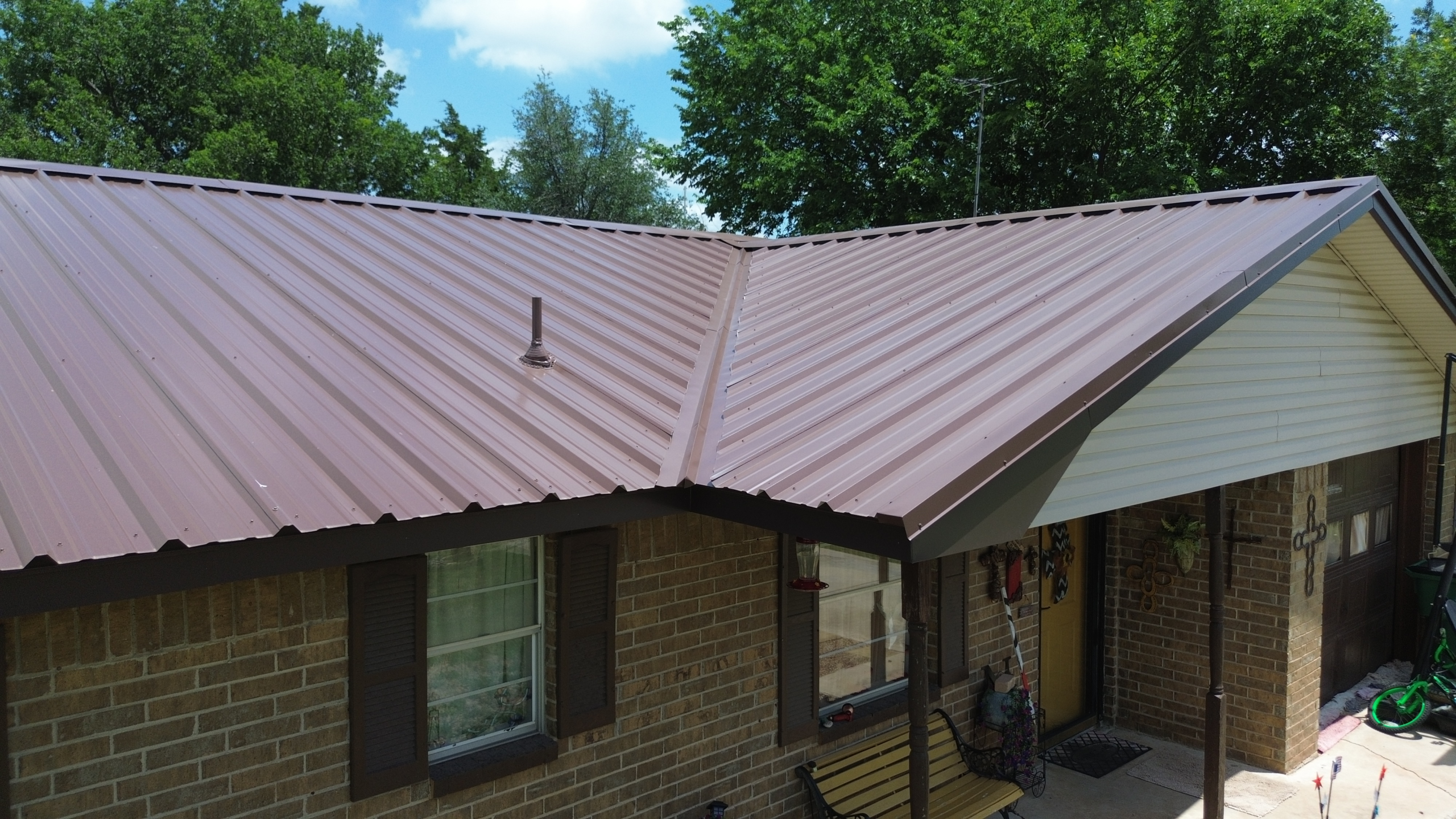
Unexpected repairs may become necessary once the existing roof is removed. Damaged decking, deteriorated flashing, ventilation concerns, or other concealed conditions can require additional work before the new roofing system can be installed correctly.
Before work begins, homeowners should ask how additional repairs will be identified and approved. Establishing this process early can make decision-making faster if an unexpected condition is discovered.
A flexible approach can also reduce pressure on the roofing crew. When homeowners understand that responsible installation sometimes requires adjustments, they can focus on maintaining communication and ensuring that the project is completed properly rather than rushing necessary work.
Establishing a Final Pre-Installation Check
A final property walkthrough should take place before active roofing work begins. The homeowner and contractor can use this opportunity to review access routes, material storage areas, landscaping, vehicles, exterior fixtures, and any previously discussed concerns.
During the walkthrough, homeowners should make sure belongings that were supposed to be moved have been relocated. Gates, parking arrangements, pet areas, and household access points should also be confirmed so everyone understands the plan.
This final check provides an opportunity to resolve small problems before they become construction delays. Once the property has been cleared and the contractor has confirmed the working arrangements, the home is better positioned for the installation phase.
The preparation process should continue into the final days before work starts rather than being treated as a single task. A carefully organized property gives the roofing crew safer access, helps protect household belongings, and creates a smoother transition into the active installation stage. With the exterior prepared, the next stage focuses on final material delivery, utility considerations, installation-day readiness, and what homeowners should expect while the new roof is being installed.
Preparing for Roofing Material Delivery
Roofing material delivery is an important part of the final preparation process because large quantities of materials may arrive before installation begins. Shingles, underlayment, flashing, ventilation components, fasteners, and other supplies need to be placed somewhere that allows the crew to access them efficiently without creating unnecessary hazards around the home.
Homeowners should confirm the expected delivery date and staging location with the roofing contractor. Materials may occupy part of a driveway or another designated area temporarily, so vehicles and personal belongings should be moved before delivery arrives.
The delivery area should remain accessible to the roofing crew throughout the project. Homeowners should avoid moving or rearranging roofing materials after they have been placed because materials can be heavy and may not be safe for untrained individuals to handle.
Managing Utilities and Home Access
Roofing projects can involve components connected to the exterior of the home, including satellite dishes, antennas, electrical equipment, vents, solar systems, and other fixtures. Some items may need temporary adjustment or removal to allow the roofing system to be installed correctly.
Homeowners should discuss these components with the contractor before installation begins. If a specialized service provider is needed to remove or reinstall equipment, that work should be scheduled in advance to prevent unnecessary delays.
Household access should also be reviewed before the first day of installation. Family members should know which entrances, walkways, and parking areas will remain available while workers and equipment occupy other parts of the property.
Preparing for Installation Day
The day before installation begins is a good time to complete a final check of both the interior and exterior. Furniture and fragile belongings should already be secured, vehicles should be moved, outdoor items should be relocated, and pets should have a safe area away from construction activity.
Homeowners should also make sure important contact information is readily available. Having the contractor’s phone number or project manager’s contact details nearby makes it easier to address questions about access, unexpected conditions, weather changes, or other project concerns.
A simple final preparation routine can help prevent last-minute problems:
- Confirm the arrival time and expected work schedule with the contractor.
- Check that vehicles, outdoor furniture, toys, and personal belongings are away from active work areas.
- Make sure pets and children have safe areas away from construction activity.
- Confirm that the contractor knows about landscaping, utilities, access restrictions, and other property concerns.
The final check should not involve homeowners entering areas that have already been designated as construction zones. Instead, preparation should be completed from safe areas before workers begin setting up equipment.
What Homeowners Should Expect During Roofing Work
Roofing installation can temporarily change the normal atmosphere of a home. Noise from removing old materials, walking on the roof, using hand tools, cutting materials, and moving equipment can continue for several hours during active work.
Vibration may also be noticeable inside rooms located beneath the roof. This is one reason fragile objects should be secured before installation begins rather than waiting until construction is underway.
Dust and small debris may also be present around the property. Professional crews generally use appropriate cleanup and debris-control methods, but roofing replacement is still construction work and homeowners should expect some temporary disruption.
Workers may also move repeatedly between the roof, ground-level staging areas, vehicles, and material storage locations. Household members should avoid entering active work zones unless the contractor specifically indicates that an area is safe to access.
Protecting the Home During Installation
Professional roofing crews should take reasonable steps to protect the property while working. Depending on the project, protective methods may include ground coverings, debris collection systems, controlled material staging, and careful placement of ladders and equipment.
Homeowners should still remain aware of the property’s condition throughout the project. If something appears different from the agreed preparation plan, the concern should be communicated to the contractor rather than attempting to correct the situation independently.
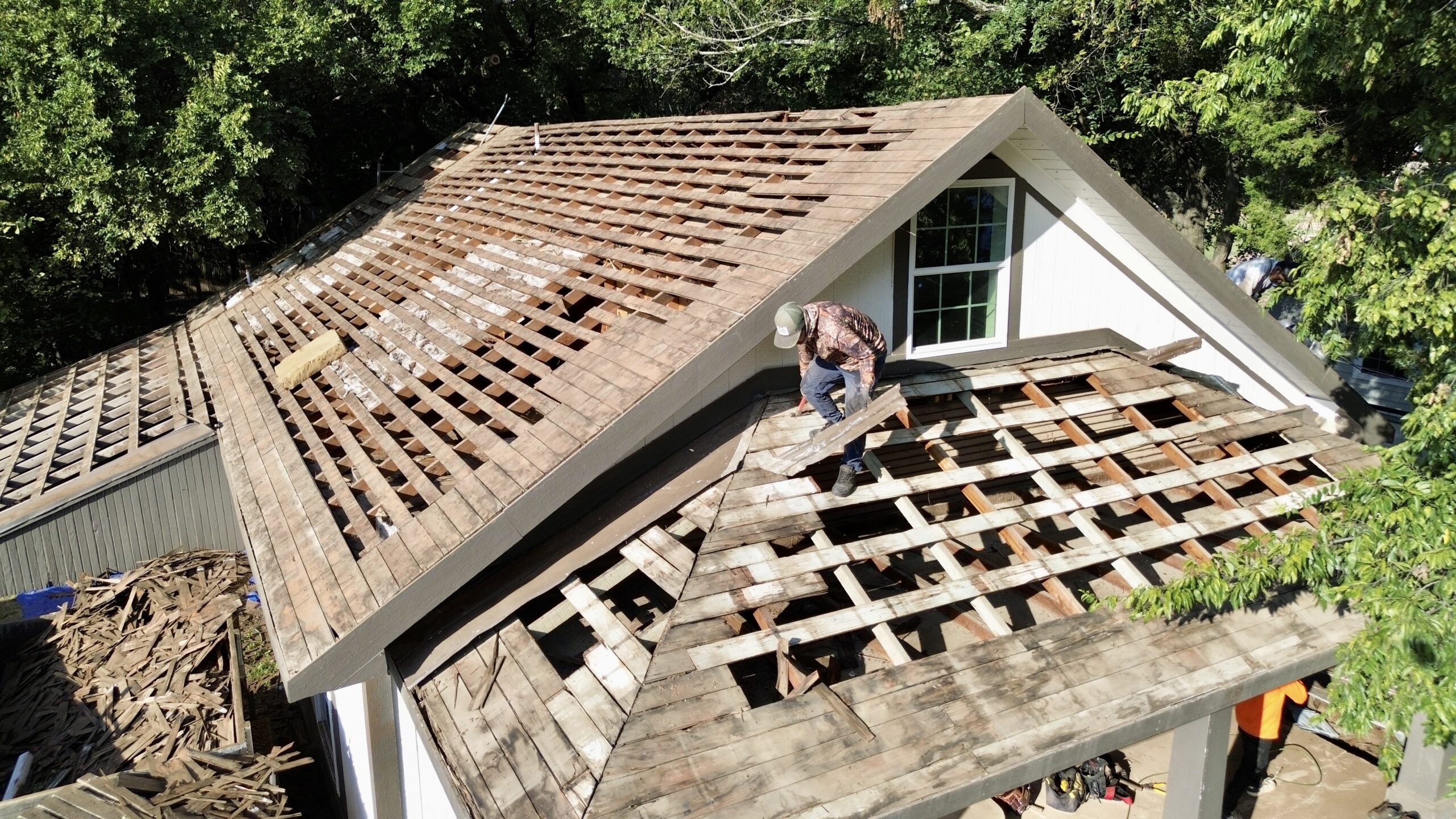
Roofing debris can include old shingles, nails, underlayment, flashing pieces, and other construction materials. These materials should be handled and removed by the roofing crew, while household members should stay away from areas where debris is being collected.
The same principle applies to ladders and tools. Even when workers are temporarily away from the equipment, homeowners and children should not touch, move, or use construction equipment because doing so can create unnecessary safety risks.
Keeping Children and Pets Safe During Installation
Children should remain away from the roofing work area for the entire installation process. A roof construction zone contains hazards that may not be obvious to children, including sharp materials, elevated equipment, ladders, and small debris.
Parents should establish clear boundaries before work begins and provide children with alternative areas for play. If the normal backyard or driveway cannot be used safely, another indoor or outdoor location should be selected until the daily work has finished.
Pets require similar attention because construction noise and unfamiliar workers can cause unexpected behavior. Dogs should remain secured, while cats and other animals should be prevented from entering areas where gates or doors may need to remain open.
After the crew finishes for the day, homeowners should still wait until the work area has been checked and cleaned before allowing children or pets outside near the construction zone. A professional cleanup reduces hazards, but homeowners should remain cautious until the project is completely finished.
Preparing for Daily Cleanup
Roof replacement can produce a substantial amount of waste, particularly when an existing roof is removed. A professional contractor should have a plan for collecting and disposing of old roofing materials throughout the project.
Homeowners should ask how daily cleanup will be handled before installation begins. Some contractors remove debris continuously, while others may complete more extensive cleanup at the end of each working day.
The property should be reasonably organized after each work period so that household members can safely use necessary entrances and outdoor areas. If the contractor needs to leave certain sections restricted overnight, homeowners should understand which areas must remain off-limits.
Final cleanup should include attention to the ground around the home, landscaping areas, driveway, walkways, and other locations where roofing debris may have fallen. A thorough cleanup is particularly important for removing small materials that could create problems after the crew leaves.
Conducting the Final Inspection
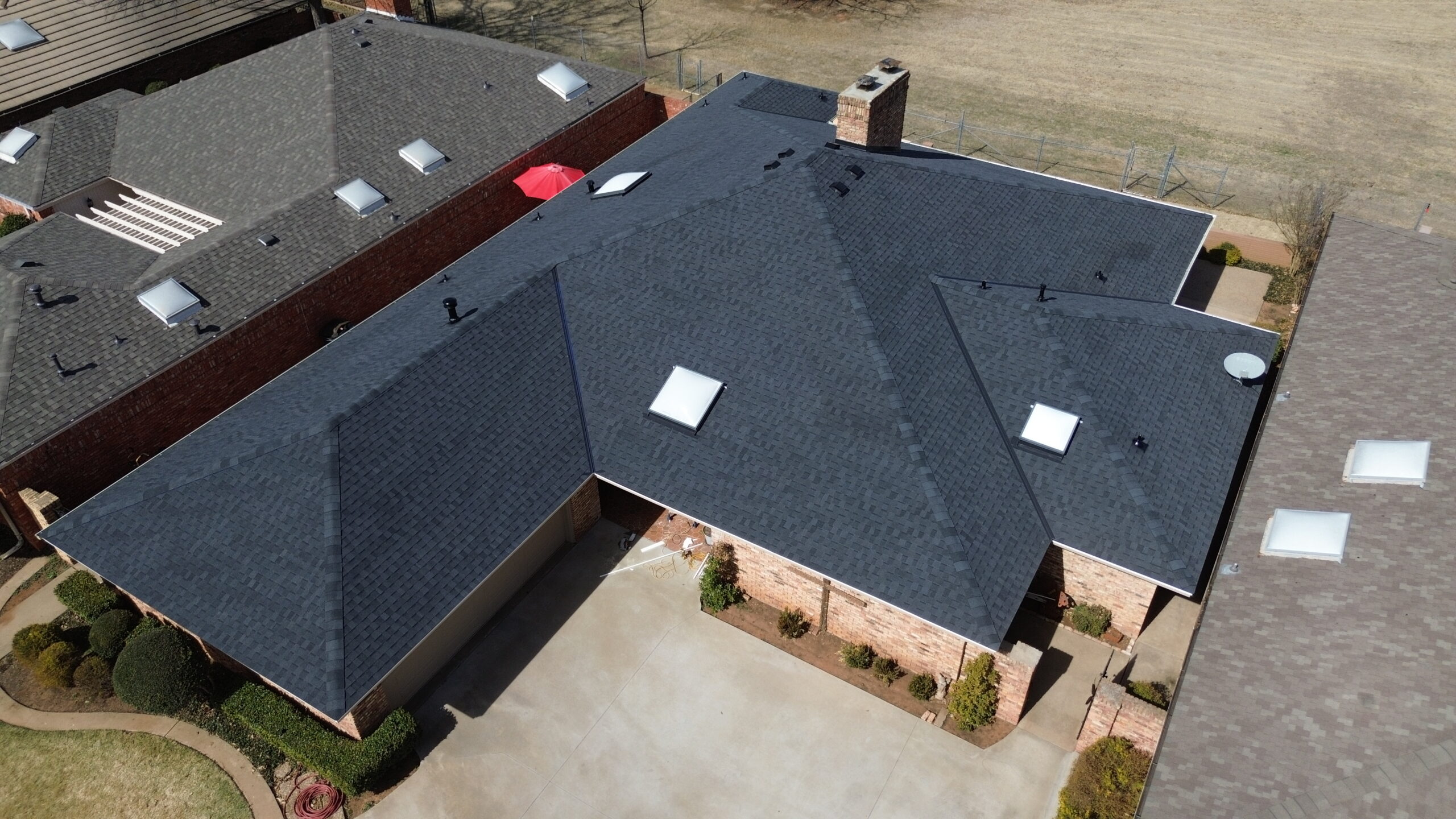
After the new roofing system has been installed, homeowners should participate in a final walkthrough with the contractor. This provides an opportunity to review the completed roof and surrounding property while the project details are still fresh.
The inspection may include visible roofing materials, flashing, gutters, roof penetrations, ventilation components, and areas where repairs were performed. Homeowners do not need to climb onto the roof themselves because roof inspections should be handled safely by qualified professionals.
The surrounding property should also be checked for signs of construction impact. Landscaping, siding, windows, doors, walkways, and driveway areas can be reviewed to ensure that cleanup and protection measures have been completed.
If the homeowner notices a concern, it should be discussed with the contractor promptly. Addressing questions before the crew leaves the project makes it easier to determine what happened and whether additional attention is necessary.
Checking the Interior After Installation
The inside of the home should receive a final check after roofing work is complete. Homeowners can inspect ceilings, upper walls, attic areas, and rooms directly beneath the roof for unusual stains, damage, or other changes.
Existing issues that were documented before installation can be compared with the home’s post-installation condition. This is another reason photographs and notes taken during the preparation stage can be useful.
The attic should receive particular attention because it is located directly beneath the new roofing system. Homeowners can look for unexpected moisture, damaged insulation, or other visible concerns, while more detailed inspections should be performed by an appropriate professional when necessary.
If any problem appears after installation, homeowners should contact the roofing contractor promptly rather than waiting for the issue to become more serious. Early communication can make troubleshooting and corrective work easier.
Organizing Roofing Documents and Warranty Information
Once installation is complete, homeowners should keep important project documents in a secure and easily accessible location. These may include invoices, contracts, material information, warranty documents, inspection records, photographs, and details about repairs completed during installation.
Manufacturer warranties and contractor workmanship warranties can have different requirements, so homeowners should understand what each document covers. Keeping records together makes future maintenance, repairs, or warranty questions easier to manage.
Homeowners should also record the approximate installation date and the roofing materials used. This information can be useful when arranging future inspections or discussing maintenance with another roofing professional.
Common Home Preparation Mistakes to Avoid
One common mistake is assuming that the roofing contractor will prepare every part of the property. Contractors normally handle their own construction setup and protection procedures, but homeowners are often responsible for moving personal belongings, vehicles, outdoor furniture, and other possessions.
Another mistake is leaving fragile belongings unsecured inside the home. Roofing vibration can affect objects that appear stable, so valuable decorations and delicate items should be secured before the crew arrives.
Homeowners should also avoid overlooking pets, children, landscaping, and access routes. These areas can create safety concerns if they are not considered during the preparation stage.
Finally, homeowners should avoid making last-minute changes to the contractor’s staging or equipment arrangement. If something needs to be moved or changed, it is safer to discuss the issue with the project manager first.
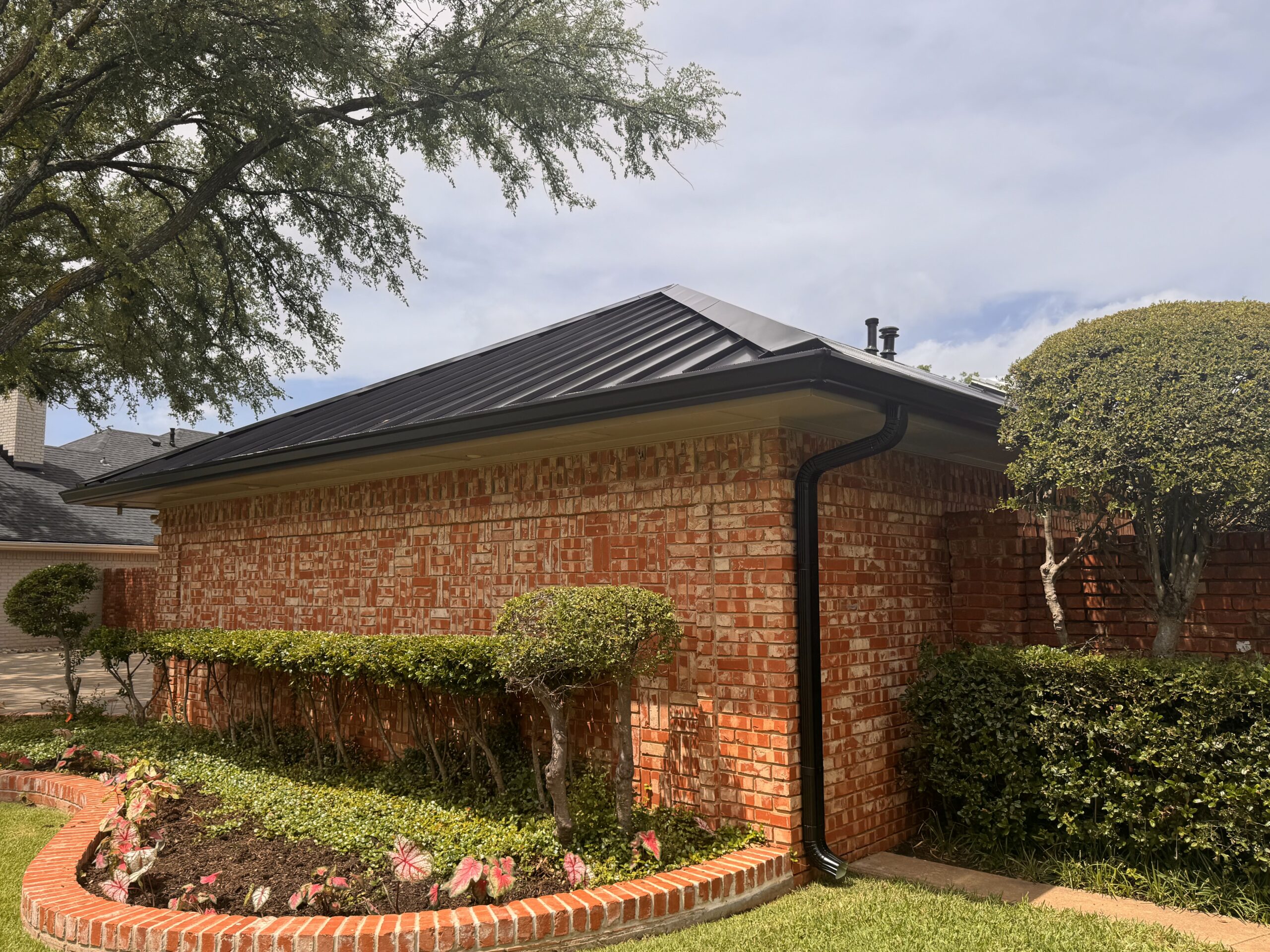
Building a Practical Pre-Roofing Preparation Routine
A successful roofing project begins before the first roofing material is installed. Preparing the home several days in advance gives homeowners enough time to move belongings, organize the attic, clear outdoor areas, arrange parking, protect landscaping, and discuss special concerns with the contractor.
On the final day before installation, homeowners should focus on completing remaining tasks rather than starting major changes. Vehicles should be moved, children and pets should have safe arrangements, fragile belongings should be secured, and household access should be confirmed.
On installation day, homeowners should allow the roofing crew to establish its work area without unnecessary interference. Staying informed, following agreed access arrangements, and communicating concerns promptly can help the project progress safely and efficiently.
Conclusion
Preparing a home for residential roofing installation work is an essential step toward a safer, more organized, and less stressful roofing project. Proper preparation protects household belongings, landscaping, vehicles, outdoor features, children, pets, and other areas that may be affected by construction activity.
The best preparation begins with communication between the homeowner and roofing contractor. Reviewing access requirements, material delivery, property protection, weather plans, cleanup procedures, and unexpected repair arrangements before work starts creates clearer expectations for everyone involved.
Homeowners should also remember that roofing installation is an active construction process that can involve noise, vibration, temporary restrictions, and debris. Preparing for these conditions in advance makes it easier for the household to continue its normal routine while giving the roofing crew the space needed to work safely.
Once installation is complete, a careful final walkthrough, interior check, cleanup review, and document organization can help close the project properly. With thoughtful preparation before, during, and after installation, homeowners can protect their property and create better conditions for a successful residential roofing project.