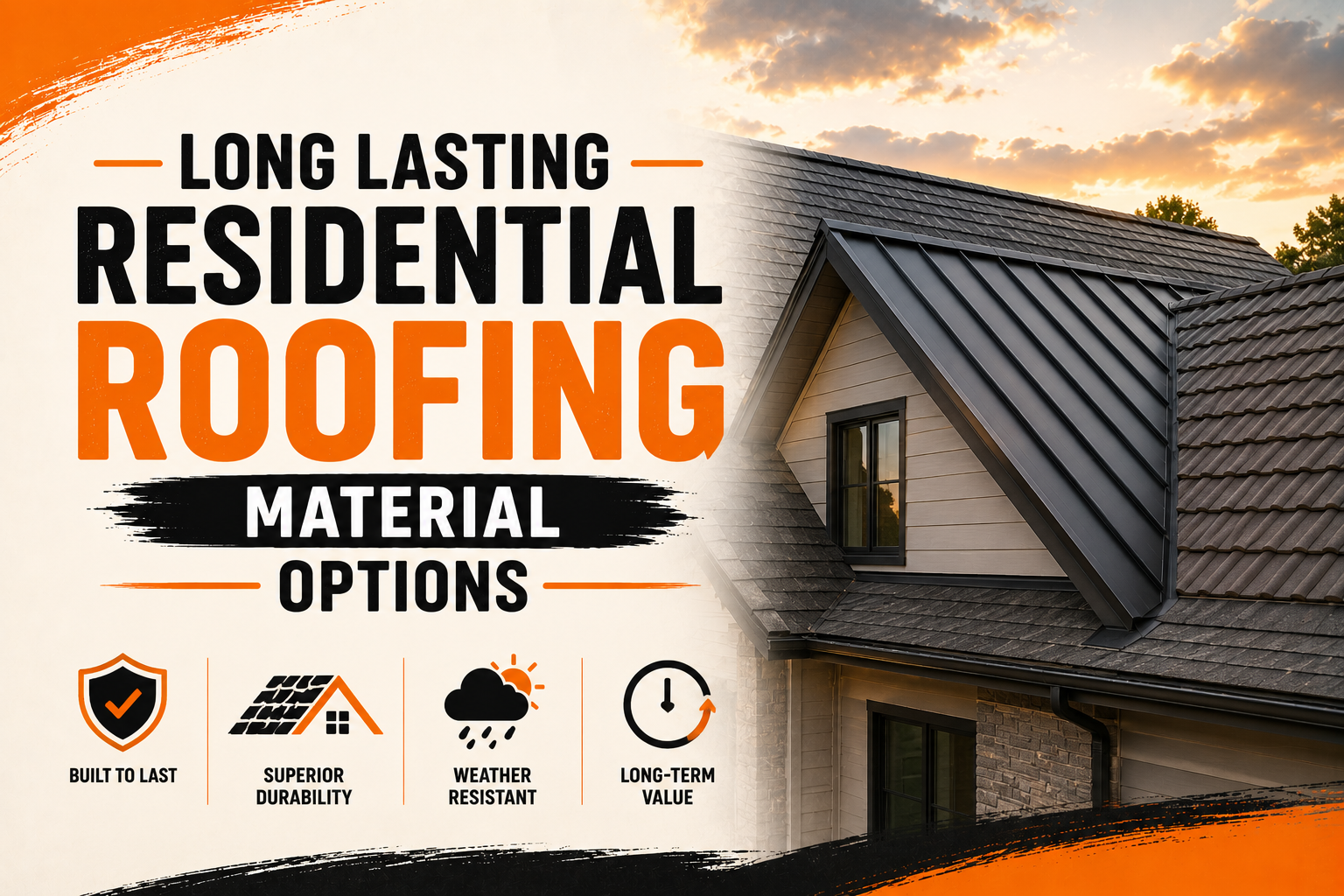
Long Lasting Residential Roofing Material Options
Introduction
A residential roof is one of the most important protective components of a home, shielding the structure from rain, wind, sunlight, snow, temperature changes, and other environmental conditions. Because roof replacement can be a significant investment, many homeowners look for materials that can provide reliable protection for as many years as possible. Choosing a long lasting roofing material can reduce the frequency of major replacement projects and provide greater value over the life of the home.
Roof longevity depends on much more than the material itself. Installation quality, climate, roof design, ventilation, drainage, maintenance, and exposure to severe weather can all influence how long a roofing system remains functional. A premium material installed incorrectly may fail sooner than an affordable material that is properly installed and carefully maintained.
Different roofing materials have different expected service lives and maintenance requirements. Asphalt shingles are widely used because they offer affordability and practical performance, while metal roofing can provide several decades of service when properly installed. Clay tile, concrete tile, and natural slate can last even longer under suitable conditions, although they may require greater upfront investment.
Homeowners should also consider how a material behaves in the local environment. A roof exposed to intense sunlight, frequent hail, heavy rain, coastal air, or freezing temperatures may experience different aging patterns than a roof in a mild climate. The best long lasting roofing material is therefore one that matches the property’s environmental conditions as well as the homeowner’s budget and expectations.
Understanding the strengths and limitations of each material makes it easier to compare long-term options. Rather than choosing a roof based only on its initial price, homeowners can evaluate expected lifespan, maintenance, repairability, appearance, energy performance, and resistance to local hazards. This approach can help create a roofing system that provides dependable protection for many years.
What Makes a Roofing Material Long Lasting?
A long lasting roofing material needs to withstand repeated environmental exposure without losing its ability to protect the home. Sunlight, rain, wind, temperature changes, moisture, and physical impacts can gradually affect roofing surfaces. Materials that resist these conditions effectively generally have a greater potential service life.
Material quality is one of the first factors to consider. Roofing products manufactured to consistent standards are more likely to provide predictable performance when installed correctly. Homeowners should review manufacturer specifications, warranties, testing information, and recommended installation practices before selecting a product.
Climate compatibility is equally important. A material that performs exceptionally well in a dry climate may require different maintenance in a humid or freezing environment. Local conditions should therefore influence the decision rather than relying solely on general lifespan estimates.
Roof design also affects longevity. Steep slopes can help water drain more quickly, while poor drainage can leave moisture on the roof for extended periods. Valleys, roof penetrations, flashing, and edges are particularly important because they contain transitions where water can enter if detailing is inadequate.
Installation quality has a major influence on service life. Correct fastening, underlayment, flashing, ventilation, and material placement help the roofing system perform as intended. Even durable materials can deteriorate prematurely when installation mistakes allow water intrusion or prevent normal movement.
Maintenance is another essential factor. Regular inspections can identify cracked materials, loose components, damaged flashing, blocked gutters, and other problems before they become extensive. Prompt repairs can prevent localized damage from spreading to the roof deck and other structural components.
The following characteristics commonly contribute to long-term roofing performance:
- Resistance to moisture and water intrusion
- Protection against ultraviolet radiation
- Ability to withstand temperature changes
- Resistance to wind and impact
- Durable connections and fasteners
- Compatibility with local climate conditions
- Ease of maintenance and repair
A long lasting roof is therefore the result of a complete system rather than simply a durable surface. Material selection, professional installation, appropriate design, and consistent maintenance all work together to determine how long a roof can realistically serve a home.
Asphalt Shingles and Their Long-Term Performance
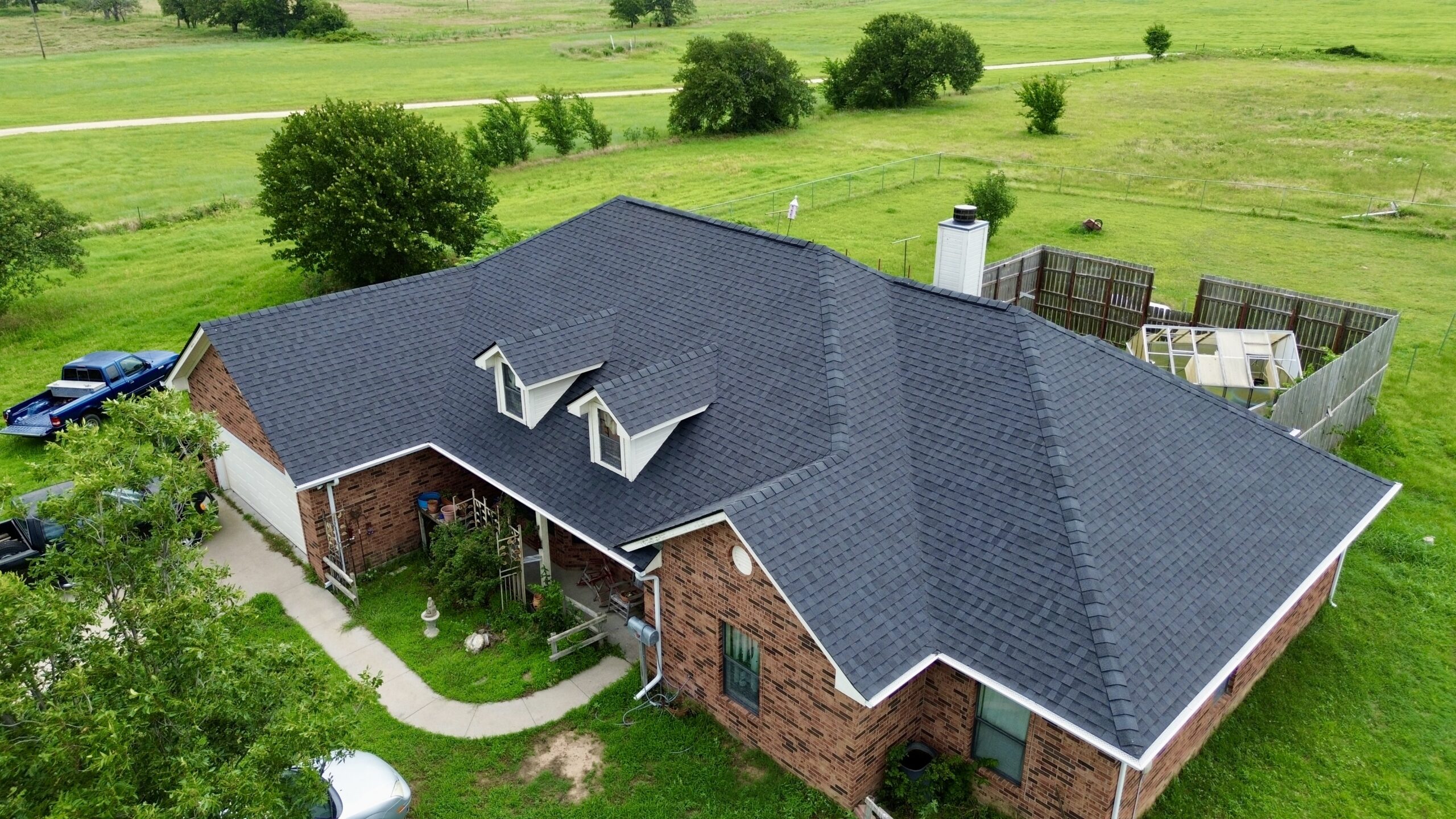
Asphalt shingles remain one of the most popular residential roofing materials because they offer a practical combination of cost, appearance, availability, and performance. They are available in several grades and styles, with architectural and premium products generally offering different performance characteristics from basic three-tab shingles. When properly selected and installed, asphalt shingles can provide many years of reliable protection.
The lifespan of asphalt shingles varies according to product quality and environmental exposure. Basic products generally have shorter expected service lives, while higher-quality architectural shingles can last significantly longer under favorable conditions. Severe weather, poor ventilation, inadequate installation, and neglect can shorten the actual lifespan.
One advantage of asphalt shingles is their relatively straightforward repair process. Individual damaged shingles can often be replaced without removing the entire roof. This allows homeowners to address localized problems while preserving the rest of the roofing system.
Modern asphalt shingles can also provide improved resistance to environmental stresses. Some products are designed with enhanced resistance to wind, algae growth, or impact. Homeowners should compare the specific characteristics of available products rather than assuming that every asphalt shingle provides the same level of durability.
Temperature can influence asphalt shingle performance. High heat and ultraviolet exposure can contribute to long-term aging, while very cold temperatures can make shingles less flexible. Repeated heating and cooling can also contribute to gradual material movement and deterioration.
Ventilation is particularly important for asphalt roofing systems. Excessive heat and moisture in the attic can contribute to unfavorable conditions beneath the shingles. Proper attic ventilation and insulation can help create a healthier environment and support the roof’s long-term performance.
Maintenance should include checking for missing or damaged shingles, exposed areas, excessive granule accumulation, deteriorated flashing, and signs of water intrusion. Gutters and drainage areas should also remain clear so that water does not remain around vulnerable roof components.
Asphalt shingles may not have the longest potential lifespan among residential roofing materials, but their balance of affordability and performance makes them attractive to many homeowners. For properties where budget is an important consideration, a quality asphalt shingle system can provide substantial value when properly installed and maintained.
Metal Roofing for Extended Service Life
Metal roofing is widely recognized for its durability and potential for long service life. Residential metal roofing can be manufactured from materials such as steel and aluminum, with different coatings and profiles available for different environments. Properly selected and installed metal roofing can remain functional for several decades.
One of the major strengths of metal roofing is its resistance to many common environmental stresses. It can withstand rain, sunlight, and strong winds when properly designed and attached. Metal roofing is also less vulnerable to some of the surface deterioration associated with organic roofing materials.
The coating system plays an important role in long-term performance. Protective coatings help shield the underlying metal from moisture and environmental exposure. If the coating becomes damaged, corrosion can develop depending on the metal, surrounding conditions, and level of maintenance.
Metal roofing can also respond well to temperature changes when the system is properly designed. Metal expands when heated and contracts when cooled, so panels, seams, fasteners, and connections must accommodate this movement. Correct installation helps prevent thermal movement from creating unnecessary stress.
Different metal profiles have different characteristics. Standing seam systems conceal many of their fasteners and use interlocking or mechanically connected panels, while exposed-fastener systems use fasteners that remain visible. The design, material thickness, coating, and installation quality all influence the expected service life.
Hail can dent some metal roofing products, although dents do not necessarily mean that the roof has lost its water-shedding function. More serious impacts can damage coatings, seams, or other components, so post-storm inspection is important when significant hail occurs.
Metal roofing can also provide energy-related advantages depending on the product and building design. Reflective coatings can reduce solar heat absorption, while the roof assembly’s insulation and ventilation determine how much heat ultimately enters the home.
Maintenance requirements are generally manageable, but metal roofs should still be inspected periodically. Homeowners should look for corrosion, loose fasteners, damaged coatings, failed sealants, and debris accumulation. Keeping gutters and drainage paths clear is also important for preventing moisture-related problems.
Although metal roofing can have a higher initial cost than standard asphalt shingles, its longer potential service life can make it an attractive long-term investment. Homeowners planning to remain in their property for many years may find that the durability and reduced replacement frequency justify the initial expense.
Clay and Concrete Tile Roofing
Clay and concrete tiles are among the long lasting roofing options available for residential properties. These materials are known for their durability and can remain functional for many decades when installed correctly and maintained appropriately. They are especially common in regions where warm climates and architectural traditions favor tile roofs.
Clay tile is manufactured from natural clay that is shaped and fired at high temperatures. This process creates a hard, durable roofing product that can tolerate prolonged exposure to sunlight and many environmental conditions. Properly manufactured clay tiles can maintain their appearance and protective function for a very long period.
Concrete tile is made from a mixture that is molded into roofing shapes and cured. It can provide substantial durability and is available in various colors and profiles. Concrete tile can also imitate the appearance of other roofing materials, giving homeowners more design options.
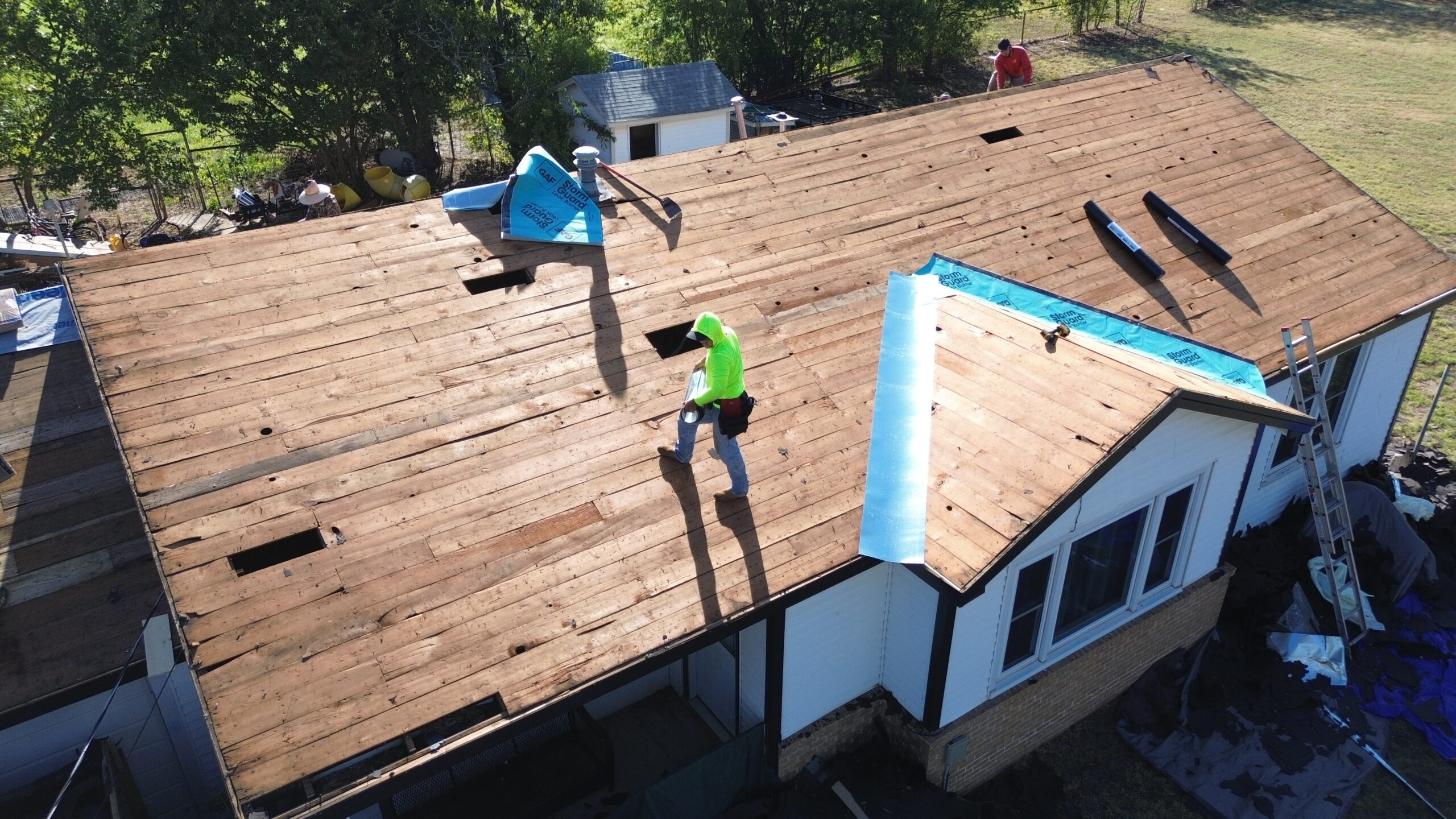
One important consideration is weight. Tile roofing is considerably heavier than many asphalt shingle systems, so the home’s roof structure must be capable of supporting the additional load. Structural requirements should be evaluated before installation, particularly when replacing a lighter roofing material with tile.
Tile itself can be durable, but individual pieces can crack or break due to severe impact, improper handling, or other physical stresses. Fortunately, localized damage can often be repaired by replacing individual tiles rather than removing the entire roof.
Temperature and moisture can affect tile performance. In regions with freezing conditions, water entering cracks or porous areas can freeze and expand. Repeated freeze-thaw cycles can gradually worsen damaged areas, making regular inspections important in colder climates.
The underlayment beneath tile is also important. Even when tiles remain intact, the supporting waterproofing layer can age over time. Flashing, fasteners, and other components may require attention before the visible tile reaches the end of its useful life.
Tile roofing can also contribute to a distinctive architectural appearance. Homeowners may choose clay or concrete tiles for aesthetic reasons as well as durability. However, the material’s weight, installation complexity, and higher initial cost should be included in the overall decision.
When installed by experienced professionals and maintained appropriately, tile roofing can provide exceptional long-term value. Its durability makes it particularly attractive to homeowners who prioritize longevity and are prepared for a larger initial investment.
Natural Slate Roofing
Natural slate is one of the most durable roofing materials used in residential construction. High-quality slate can remain functional for many decades and, under suitable conditions, can last for a century or more. Its exceptional longevity makes it a premium option for homeowners who prioritize long-term performance.
Slate is a natural stone that is split into relatively thin roofing pieces. Its dense composition allows it to resist many forms of weathering, and it is generally unaffected by the gradual surface aging associated with some manufactured roofing products.
One of slate’s most significant advantages is its resistance to moisture and environmental exposure. Properly installed slate can perform effectively through rain, sunlight, and temperature changes. However, the quality and type of slate are important because not all natural slate has identical durability.
Slate is relatively brittle compared with flexible roofing materials. A strong impact can crack or break individual pieces, and improper foot traffic can also cause damage. Repairs therefore require specialized knowledge, particularly when matching replacement slate to the existing roof.
The supporting components are just as important as the slate itself. Fasteners, underlayment, flashing, and roof decking can deteriorate while the slate remains in good condition. This means that the lifespan of the visible roofing material does not necessarily equal the lifespan of the complete roofing system.
Slate is also heavy. Like tile, it requires a structure capable of supporting its weight. Before installation, a professional should evaluate the building’s structural capacity and determine whether reinforcement is required.
Installation quality is especially important for slate roofing. The pieces must be properly selected, positioned, and secured, while flashing and penetrations need careful detailing. An inexperienced installer can create problems that significantly reduce the potential lifespan of an otherwise extremely durable material.
Cost is another consideration. Natural slate generally requires a greater initial investment than asphalt shingles and may involve specialized installation and repair services. Replacement pieces can also be more difficult to source, especially when working with older or unusual slate.
Despite these challenges, slate remains one of the strongest choices for homeowners seeking exceptional longevity. When high-quality slate is matched with a suitable structure, skilled installation, appropriate flashing, and regular maintenance, it can provide a roofing solution capable of protecting a home for generations.
Synthetic Roofing Materials
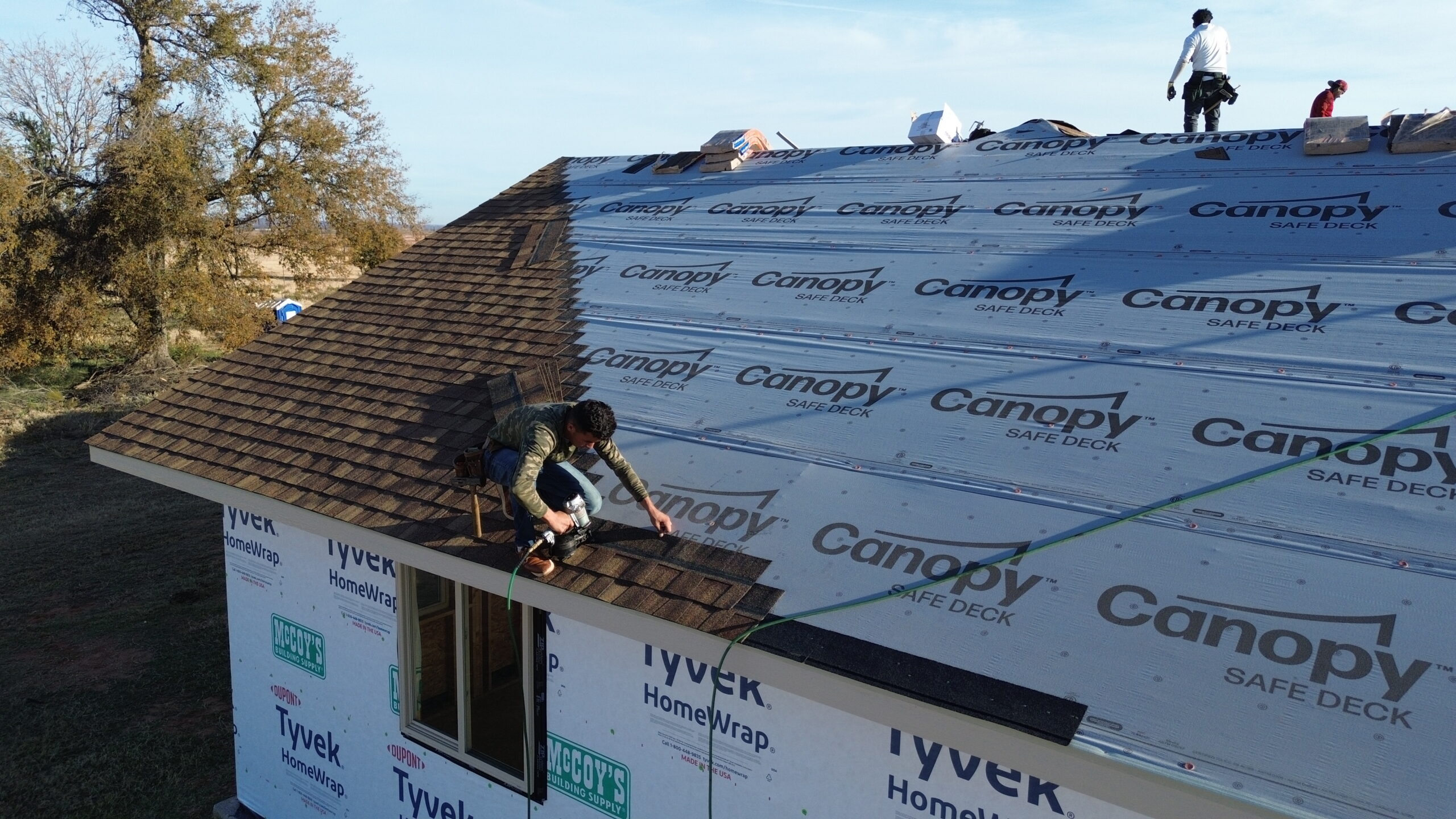
Synthetic roofing materials have become increasingly popular among homeowners who want the appearance of traditional roofing materials without some of their weight or maintenance challenges. These products can be manufactured from polymers, rubber, recycled materials, or engineered combinations designed to imitate slate, wood, or tile. Their expected service life varies by product, so homeowners should evaluate individual specifications rather than treating all synthetic roofing as one category.
One major advantage of synthetic roofing is its relatively consistent manufacturing process. Natural materials can vary in quality, while engineered products are generally produced according to specific performance requirements. Some synthetic systems are designed to resist cracking, moisture, impact, and ultraviolet exposure, making them suitable for demanding environments.
Weight can also be an important benefit. Certain synthetic slate and tile products are significantly lighter than natural slate or concrete tile. This can make them suitable for homes where structural limitations make heavier roofing materials impractical, although the building should still be evaluated before installation.
Temperature performance varies between products. Some synthetic materials are engineered to remain flexible across broad temperature ranges, while others can become more rigid in cold conditions or soften under intense heat. Homeowners should review manufacturer information regarding climate suitability and installation temperature requirements.
UV resistance is another important consideration. Continuous exposure to sunlight can gradually affect some polymer-based materials, causing fading, surface changes, or deterioration. Products manufactured with appropriate UV stabilizers and protective features may provide better long-term performance in sunny climates.
Synthetic roofing can also provide good impact resistance in certain applications. Flexible construction can allow some products to absorb impacts without cracking as easily as brittle materials. However, performance differs between manufacturers, and homeowners should look for verified testing rather than relying only on general marketing claims.
Maintenance is generally straightforward but should not be ignored. Roof inspections should look for cracked or displaced components, damaged flashing, loose fasteners, blocked drainage, and deterioration around penetrations. Early repairs can help prevent minor problems from affecting the underlying roof assembly.
The warranty should also be reviewed carefully. A long warranty may provide useful protection, but homeowners should understand what is covered, what conditions apply, and whether installation requirements must be followed for coverage to remain valid. A warranty should complement, rather than replace, careful evaluation of product quality.
Synthetic roofing can therefore be a practical long-term option for homeowners seeking durability, lighter weight, and design flexibility. Its value depends heavily on product quality, local climate, installation, and maintenance.
Wood Shingles and Shakes
Wood shingles and shakes provide a natural appearance that many homeowners find attractive. Commonly made from durable wood species, they can provide a substantial service life when properly installed and maintained. However, wood roofing requires more attention to environmental conditions than many manufactured alternatives.
Temperature affects wood through both direct heating and changes in moisture content. Hot, dry conditions can cause wood to lose moisture and become more prone to checking or splitting. Cooler and wetter conditions can cause wood to absorb moisture and expand, creating repeated dimensional changes.
Moisture management is one of the most important factors in the longevity of wood roofing. Wood that remains damp for extended periods can become vulnerable to decay, mold, and other deterioration. Proper ventilation, drainage, spacing, and roof design can help the material dry after wet conditions.
Sun exposure can also affect appearance and surface condition. Over time, untreated wood naturally changes color as it weathers. Prolonged ultraviolet exposure can contribute to surface degradation, while excessive heat can accelerate drying and aging.
The difference between shingles and shakes is also worth considering. Shingles are generally more uniformly cut, while shakes often have a more textured and natural appearance. Their manufacturing differences can influence installation and weathering characteristics.
Wood roofing can perform well in suitable climates when maintained correctly. However, homeowners should be cautious about installing it in areas where persistent humidity, frequent rainfall, or poor drying conditions create a higher risk of moisture-related deterioration.
Fire resistance is another important consideration. Wood roofing products may require specific treatments or construction methods to meet local requirements. Homeowners should check applicable building regulations and select products appropriate for the property’s location.
Regular maintenance can significantly influence service life. Inspections should identify splitting, curling, decay, damaged areas, and accumulation of leaves or organic debris. Keeping the roof clear allows water to drain more effectively and helps the wood dry after rainfall.
Wood roofing may not offer the longest potential lifespan compared with slate or certain metal systems, but it can still be a durable choice when the material, climate, installation, and maintenance practices are appropriate. Its main advantage is the combination of natural appearance and reasonable long-term performance when properly cared for.
Standing Seam Metal Roofing
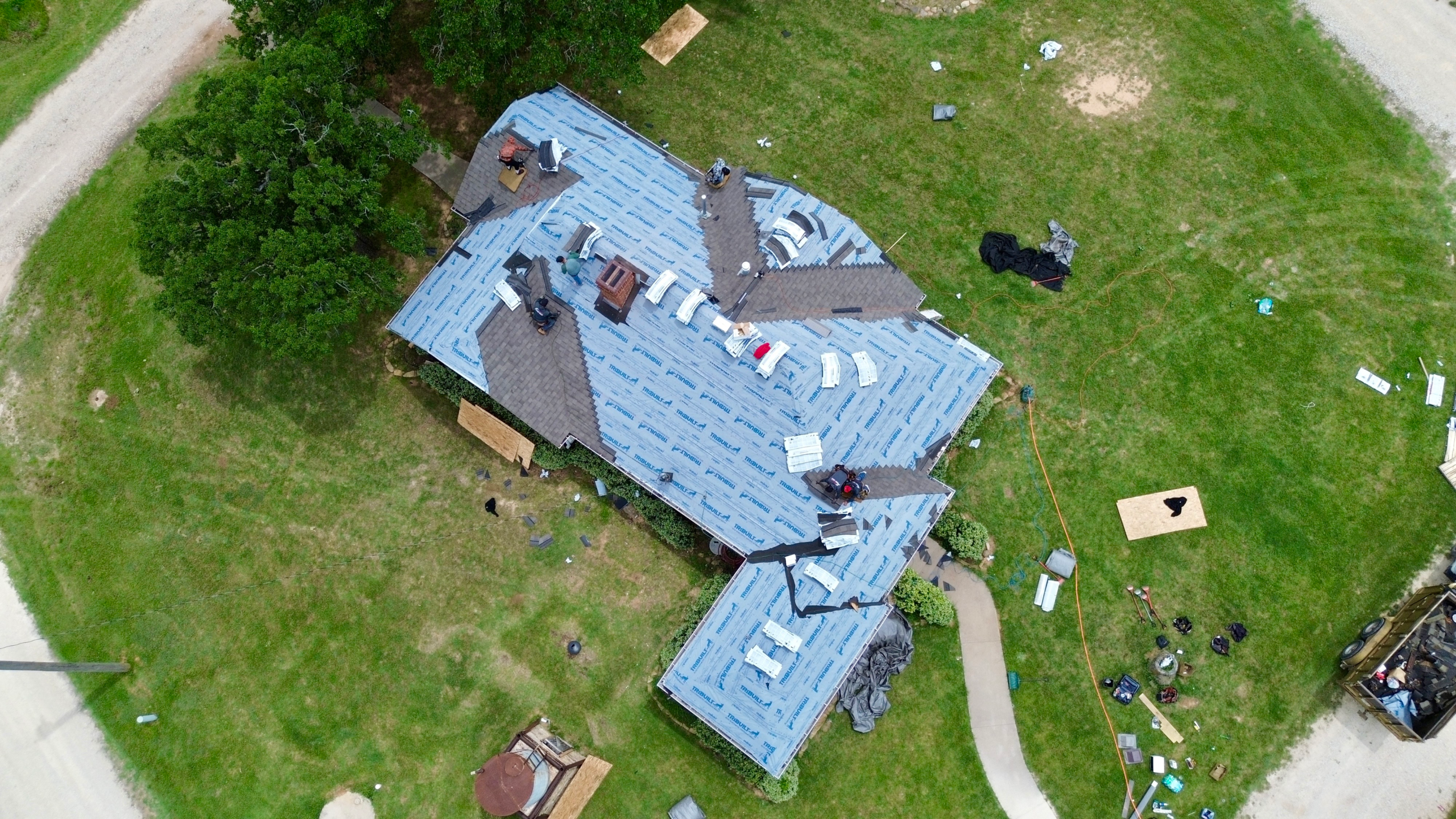
Standing seam metal roofing is a premium metal roofing system designed to provide long-term performance while reducing exposure of many fasteners. The panels typically have raised seams that connect adjacent sections, creating a continuous appearance and helping protect the fastening system from direct weather exposure.
One of the primary benefits of standing seam construction is its ability to accommodate thermal movement when correctly designed. Metal expands and contracts as temperatures change, and the fastening system can be configured to allow controlled movement. Proper detailing is essential because restricting natural movement can create unnecessary stress.
The concealed fastening design can also reduce some potential maintenance concerns. Exposed fasteners are directly exposed to weather and may eventually require attention, while concealed systems protect many connections beneath or within the panel design. However, standing seam roofs still require inspection of seams, flashing, penetrations, and other components.
Metal type and coating have a major influence on durability. Steel systems may use protective coatings to reduce corrosion, while aluminum provides natural resistance to corrosion and can be suitable for certain environments. The correct choice depends on local weather conditions, including humidity and coastal exposure.
Standing seam roofs can provide strong resistance to rain and wind when properly installed. Their long panels can create fewer horizontal joints than some other roofing systems, although penetrations and roof transitions still require careful detailing.
Heat performance depends partly on the roof’s color and coating. Reflective finishes can reduce solar heat absorption, while insulation and ventilation influence how much heat reaches the interior. A metal roof should therefore be considered as part of the complete building envelope.
Hail can dent metal panels, particularly when large hail strikes at high velocity. Dents may be primarily cosmetic in some cases, but severe impacts can affect coatings, seams, and other components. After significant hail events, professional inspection can determine whether repairs are needed.
Standing seam metal roofing generally requires a higher initial investment than standard asphalt shingles. However, its long service potential can make it attractive to homeowners planning to remain in their homes for many years. Proper installation and periodic maintenance are essential to achieving the expected service life.
Composite and Engineered Roofing Materials
Composite roofing materials are designed to combine characteristics from multiple materials into an engineered product. They can include blends of polymers, resins, recycled materials, fiberglass, and other components. Some are manufactured to resemble natural slate or wood while providing more predictable weight and performance characteristics.
One benefit of engineered roofing is the ability to design the product for specific performance goals. Manufacturers can create products with resistance to moisture, impact, temperature changes, and ultraviolet exposure. This makes composite roofing an option for homeowners seeking a balance between appearance and durability.
Composite materials can also address some limitations associated with natural roofing products. For example, synthetic slate can reproduce the visual character of natural slate without the same weight or brittleness. Engineered wood-look products can similarly provide a traditional appearance while requiring different maintenance.
Temperature stability should be considered carefully. Composite products can have different coefficients of thermal expansion depending on their formulation. A product designed for broad temperature ranges may perform well through seasonal changes, while an unsuitable product may experience movement or cracking.
Moisture resistance is another potential advantage. Many composite products are designed to resist water absorption, reducing some of the risks associated with organic roofing materials. However, water can still enter through poorly installed flashing, seams, fasteners, or damaged components.
Impact performance varies considerably. Some engineered products are designed to absorb impact and resist cracking, which can be useful in hail-prone regions. Homeowners should review standardized test results and product documentation when impact resistance is a major priority.
The installation system is equally important. Composite roofing may require specific fasteners, spacing, underlayment, or installation techniques. Following manufacturer instructions helps ensure that the product performs as intended and may also be necessary to maintain warranty coverage.
Maintenance generally involves periodic inspection and cleaning rather than intensive treatment. Homeowners should check for damaged components, drainage problems, flashing deterioration, and signs of movement. Prompt repairs can help preserve the roof’s service life.
Composite and engineered roofing can therefore provide an attractive middle ground between conventional asphalt products and premium natural materials. When a quality product is properly matched to the climate and installed correctly, it can offer a durable solution with useful design flexibility.
Comparing Roofing Lifespans and Maintenance Needs
When homeowners compare long lasting roofing materials, lifespan should be considered alongside maintenance and repair requirements. A material with a very long theoretical service life may not necessarily provide the best value if it requires expensive specialized repairs or is poorly suited to the local climate.
Typical lifespan ranges are only general estimates because actual performance depends on many variables. Climate, installation, roof pitch, ventilation, exposure to severe weather, maintenance, and product quality can all change the outcome.
| Roofing Material | General Long-Term Potential | Typical Maintenance Considerations |
|---|---|---|
| Asphalt Shingles | Moderate | Inspect shingles, flashing, gutters, and granule loss |
| Metal Roofing | Long | Check coatings, fasteners, seams, and corrosion |
| Clay Tile | Very Long | Replace broken tiles and inspect underlayment |
| Concrete Tile | Very Long | Monitor cracking, moisture, flashing, and underlayment |
| Natural Slate | Exceptional | Specialized inspection, flashing, fastener, and slate repairs |
| Wood Roofing | Moderate to Long | Monitor moisture, splitting, decay, and debris |
| Synthetic Roofing | Varies by product | Inspect components, flashing, fasteners, and weathering |
This comparison shows why there is no universal winner. Asphalt roofing may be ideal for homeowners who need lower initial costs, while slate may appeal to those who want a roof capable of lasting for generations. Metal and tile can occupy the middle ground by providing substantial durability with different maintenance and cost considerations.
Repairability is also important. Asphalt shingles and individual tiles can often be replaced relatively easily when localized damage occurs. Slate and specialty synthetic products may require more specialized materials and experienced contractors.
Availability of qualified installers should be considered as well. A highly durable material is less attractive if skilled installation or future repairs are difficult to obtain in the local area. Homeowners should research local contractor experience before committing to an unfamiliar roofing system.
Warranty terms can provide another point of comparison. However, warranties vary considerably and may cover manufacturing defects rather than normal aging, weather damage, or installation problems. Reading the actual terms is more useful than comparing warranty lengths alone.
The most durable roofing material is ultimately the one that can consistently perform under the property’s specific environmental conditions. A slightly shorter-lived material that is easy to maintain and well suited to the climate may provide better overall value than a premium material that is poorly matched to the home.
Climate and Environmental Factors Affecting Roof Longevity
Climate has a direct influence on how quickly roofing materials age. Heat, sunlight, rainfall, humidity, freezing temperatures, snow, hail, wind, and coastal conditions can all affect the service life of a roof. A material should therefore be selected based on the environment rather than lifespan estimates alone.
Hot climates can accelerate aging through prolonged solar exposure. Roofing materials may experience high surface temperatures, ultraviolet radiation, and repeated heating and cooling. Reflective coatings, suitable ventilation, and climate-appropriate materials can help manage these conditions.
Cold climates create different challenges. Freezing temperatures can make certain materials less flexible, while snow and ice can add physical loads. Freeze-thaw cycles can be particularly damaging when moisture enters cracks and repeatedly freezes and expands.
Humid environments increase the importance of moisture management. Persistent moisture can encourage biological growth and deterioration, particularly on materials that absorb water. Proper ventilation and drainage are essential for helping the roof dry after rainfall.
Areas with frequent severe storms require additional attention to wind and impact resistance. Hail can damage shingles, tile, and metal, while strong winds can exploit weak edges, fasteners, or improperly installed components. Choosing a material with appropriate tested performance can reduce vulnerability.
Coastal homes face the additional challenge of salt exposure. Salt-laden air can accelerate corrosion of certain metals and roofing components. Corrosion-resistant materials, protective coatings, and compatible fasteners can help extend service life in these environments.
Trees and surrounding vegetation can also influence longevity. Branches can scrape roofing surfaces or fall during storms, while leaves can accumulate and retain moisture. Regular property maintenance can reduce these additional sources of roof deterioration.
Ultimately, climate compatibility is one of the strongest predictors of long-term roofing performance. A durable material can provide excellent service when properly matched to its environment, while an unsuitable material may deteriorate much sooner than expected. Homeowners should therefore evaluate local weather patterns, building design, maintenance requirements, and material characteristics together when choosing a long lasting residential roof.
Installation Quality and Its Impact on Roof Life
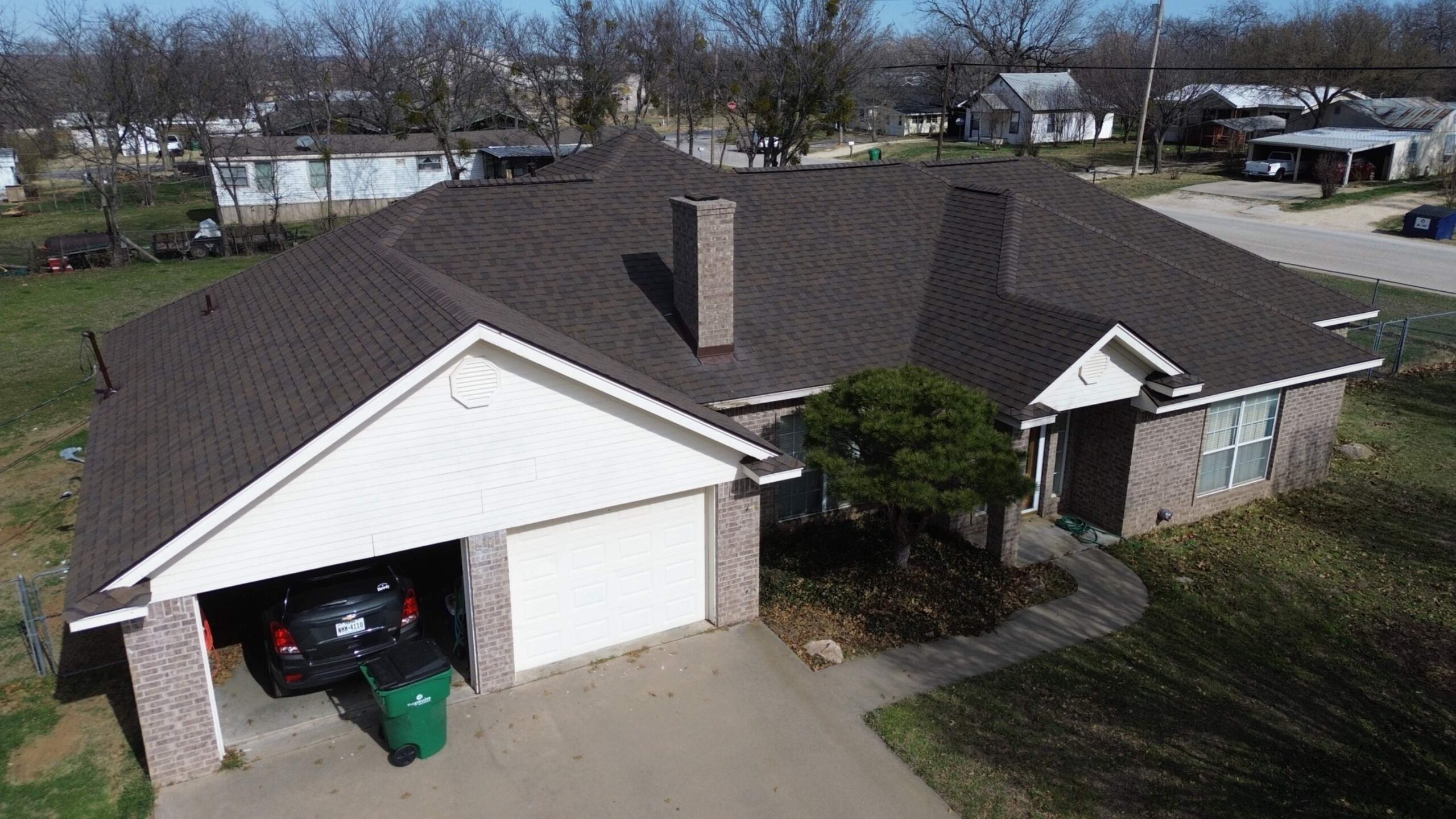
Even the most durable roofing material can have a shortened service life when it is installed incorrectly. Roofing systems depend on precise placement, proper fastening, suitable underlayment, effective flashing, and appropriate ventilation to perform as intended. Installation quality is therefore just as important as the material selected for the project.
Different roofing materials require different installation techniques. Asphalt shingles, metal panels, tile, slate, wood products, and synthetic roofing all have specific requirements for fastening, spacing, flashing, and movement. Contractors should follow the manufacturer’s instructions and applicable building requirements rather than using the same approach for every material.
Roof slope also influences installation and longevity. Some materials are better suited to steep slopes, while others can be installed on lower-slope applications with specific underlayment or waterproofing requirements. Choosing a material that matches the roof design helps prevent drainage and moisture problems.
Flashing deserves particular attention because it protects vulnerable transitions around chimneys, vents, skylights, walls, valleys, and roof edges. Poorly installed flashing can allow water into the roofing assembly even when the main roof covering remains in excellent condition. Properly detailed flashing can significantly reduce this risk.
Fasteners must also be compatible with the roofing material and local environmental conditions. Incorrect fasteners can corrode, loosen, or damage roofing components. In areas with high winds, appropriate attachment becomes especially important because strong wind can place significant stress on roof coverings and connections.
Ventilation and insulation should be considered during installation as well. Excessive heat and moisture within the attic can contribute to premature aging of some roofing components. A properly designed roof assembly helps control these conditions and supports long-term performance.
Professional installation can also protect the manufacturer’s warranty. Many roofing products have specific installation requirements that must be followed for warranty coverage. Homeowners should therefore select contractors with relevant experience and verify that the installation will follow the product manufacturer’s requirements.
Roof Maintenance for Maximum Service Life
Regular maintenance is one of the most effective ways to extend the useful life of a residential roof. Even highly durable materials can develop small defects over time, and addressing those problems early can prevent them from becoming expensive repairs. Maintenance should focus on the entire roofing system rather than only the visible surface.
Routine inspections can identify missing or damaged roofing materials, deteriorated flashing, loose components, clogged drainage systems, and signs of moisture intrusion. Inspections are especially useful after severe weather events because wind, hail, heavy rain, and falling branches can cause damage that is not always obvious from the ground.
Gutters and downspouts should remain clear so rainwater can leave the roof efficiently. Blocked drainage can allow water to accumulate around vulnerable areas, increasing the risk of leaks and material deterioration. Regular cleaning is particularly important when trees are located close to the home.
Roof penetrations should also be inspected periodically. Vents, skylights, chimneys, and pipes create openings in the roof surface that require reliable flashing and seals. Temperature changes and weather exposure can gradually affect these components, so deteriorated materials should be repaired promptly.
Vegetation should be managed around the roof. Overhanging branches can scratch roofing surfaces, drop debris, and create additional moisture exposure. Removing or trimming problematic branches can reduce the risk of physical damage while improving airflow around the roof.
Homeowners should avoid unnecessary roof traffic. Walking on fragile materials such as slate or certain tile products can cause cracking or breakage. Maintenance work should be performed using appropriate access methods and by professionals familiar with the roofing material.
Maintenance records can also be useful over the life of the roof. Keeping information about inspections, repairs, material specifications, and installation dates can help homeowners understand the roof’s condition and plan future work. Good records are particularly valuable when a home changes ownership.
Cost Versus Long-Term Roofing Value
A long lasting roofing material often costs more initially than a basic roofing option, but the higher purchase price does not automatically make it more expensive over the entire life of the roof. Homeowners should compare initial installation costs with expected lifespan, maintenance, repairs, energy considerations, and eventual replacement.
Asphalt shingles generally have a lower initial cost and are widely available. Their relatively simple installation and repair process can make them attractive for homeowners with limited budgets. However, they may require replacement sooner than premium materials, particularly when exposed to demanding weather conditions.
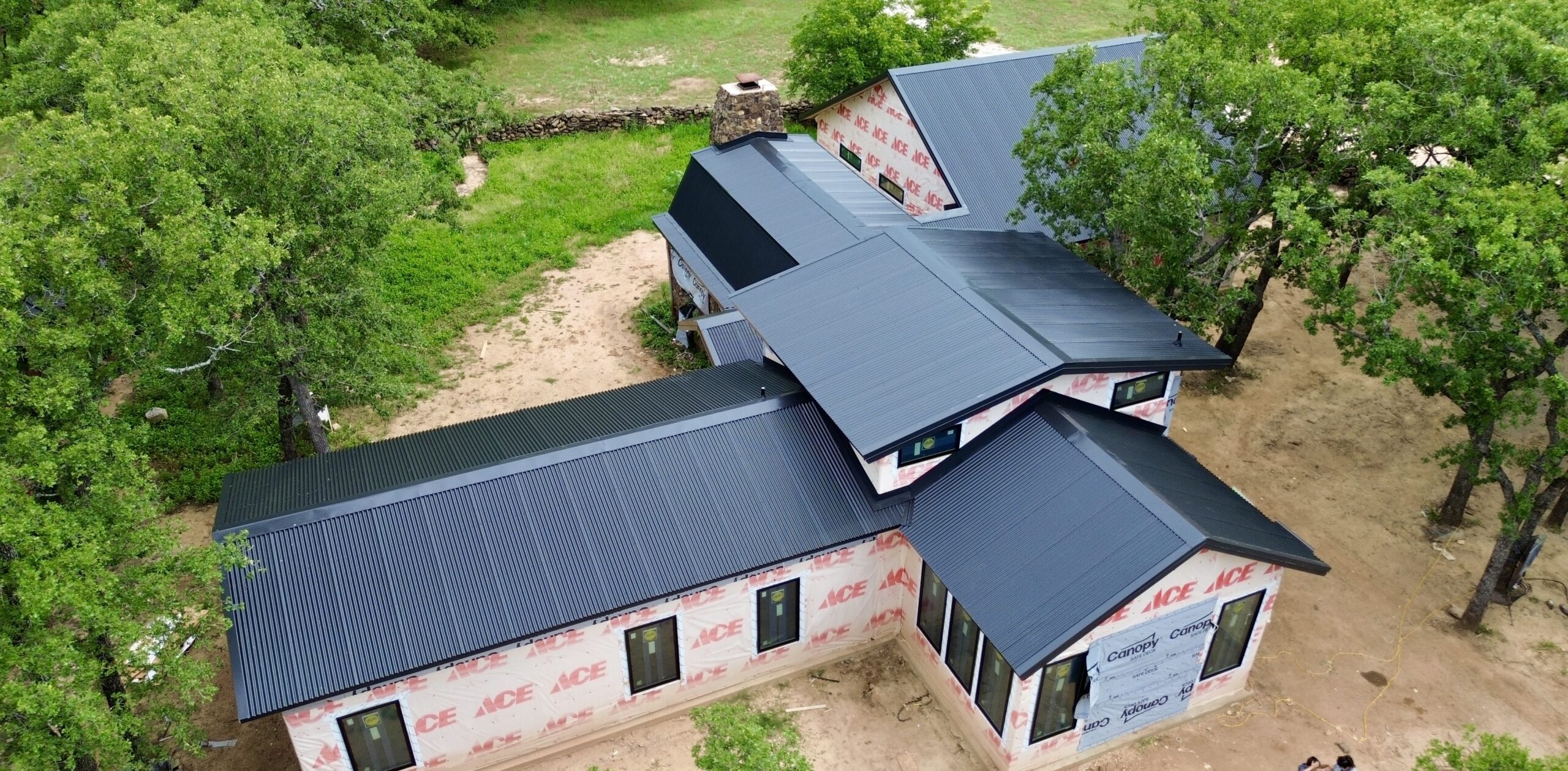
Metal roofing typically requires a larger upfront investment but can provide a much longer service life. Its durability can reduce the frequency of full roof replacement, which may improve long-term value for homeowners who plan to stay in the property for many years.
Tile and slate usually require significant initial investment. Their weight and specialized installation can increase project costs, while repairs may require experienced contractors. Their exceptional longevity, however, can make them financially attractive when evaluated over several decades.
Synthetic and composite products can provide an alternative balance. They may offer long service lives and premium appearances without the weight of natural slate or tile. Their value depends on product quality, warranty conditions, climate compatibility, and local installation costs.
Homeowners should also consider the cost of maintenance. A material that is easy to inspect and repair may be more convenient over time than a material requiring specialized services. The availability of replacement components is another factor that can influence long-term expenses.
Energy performance can contribute to overall value as well. Roofing color, reflectivity, insulation, ventilation, and material characteristics can influence heat transfer into the home. These factors may affect heating and cooling requirements, although energy performance depends on the complete building envelope.
The most useful comparison is therefore based on total ownership rather than installation price alone. A homeowner should consider how much the roof costs to install, how long it is expected to last under local conditions, how much maintenance it requires, and what major repairs may be needed during its service life.
Choosing the Right Long Lasting Roofing Material
Selecting a long lasting roofing material begins with understanding the property’s environment and structural requirements. Homeowners should consider local temperature patterns, rainfall, wind, hail, snow, humidity, sunlight, and coastal exposure before comparing specific products. A material that performs well in one environment may require different maintenance or may be unsuitable in another.
Budget should be considered realistically. Homeowners should establish both an initial project budget and a long-term maintenance budget. Choosing a premium material without considering installation and future repair costs can create financial pressure later.
The roof structure must also be evaluated. Heavy materials such as natural slate and concrete tile may require stronger structural support than lightweight asphalt or synthetic products. A professional assessment can determine whether the existing structure is suitable.
Appearance is another factor, especially for homeowners concerned with architectural style and property value. Slate, tile, wood, metal, and synthetic materials offer different visual characteristics. A long lasting roof should complement the home while also meeting practical performance requirements.
Availability of qualified contractors is important. Some roofing systems require specialized installation skills, and poor workmanship can undermine the advantages of a durable material. Homeowners should seek contractors with relevant experience rather than choosing solely based on the lowest quote.
Product documentation should also be reviewed carefully. Important information can include expected service conditions, installation requirements, maintenance instructions, testing standards, and warranty limitations. Comparing these details can provide a more accurate picture of long-term performance.
A practical selection process can follow these steps:
- Evaluate the local climate and severe-weather risks.
- Check the roof structure and slope for material compatibility.
- Compare expected service life and maintenance requirements.
- Review product testing, warranties, and manufacturer requirements.
- Obtain detailed installation estimates from qualified contractors.
- Consider long-term repair and replacement availability.
This process helps homeowners avoid selecting a material based solely on appearance or advertised lifespan. The best roofing choice should provide a practical combination of durability, climate resistance, maintenance needs, cost, and appearance.
Signs That a Long Lasting Roof Needs Replacement
Even a premium roofing material eventually reaches a point where repairs are no longer sufficient. Recognizing warning signs early can help homeowners plan replacement before serious water or structural damage occurs. The age of the roof is useful information, but visible condition and performance are equally important.
Asphalt shingles may show curling, cracking, missing granules, exposed areas, or widespread deterioration as they age. A few damaged shingles may be repairable, but extensive deterioration across the roof can indicate that replacement is becoming more practical.
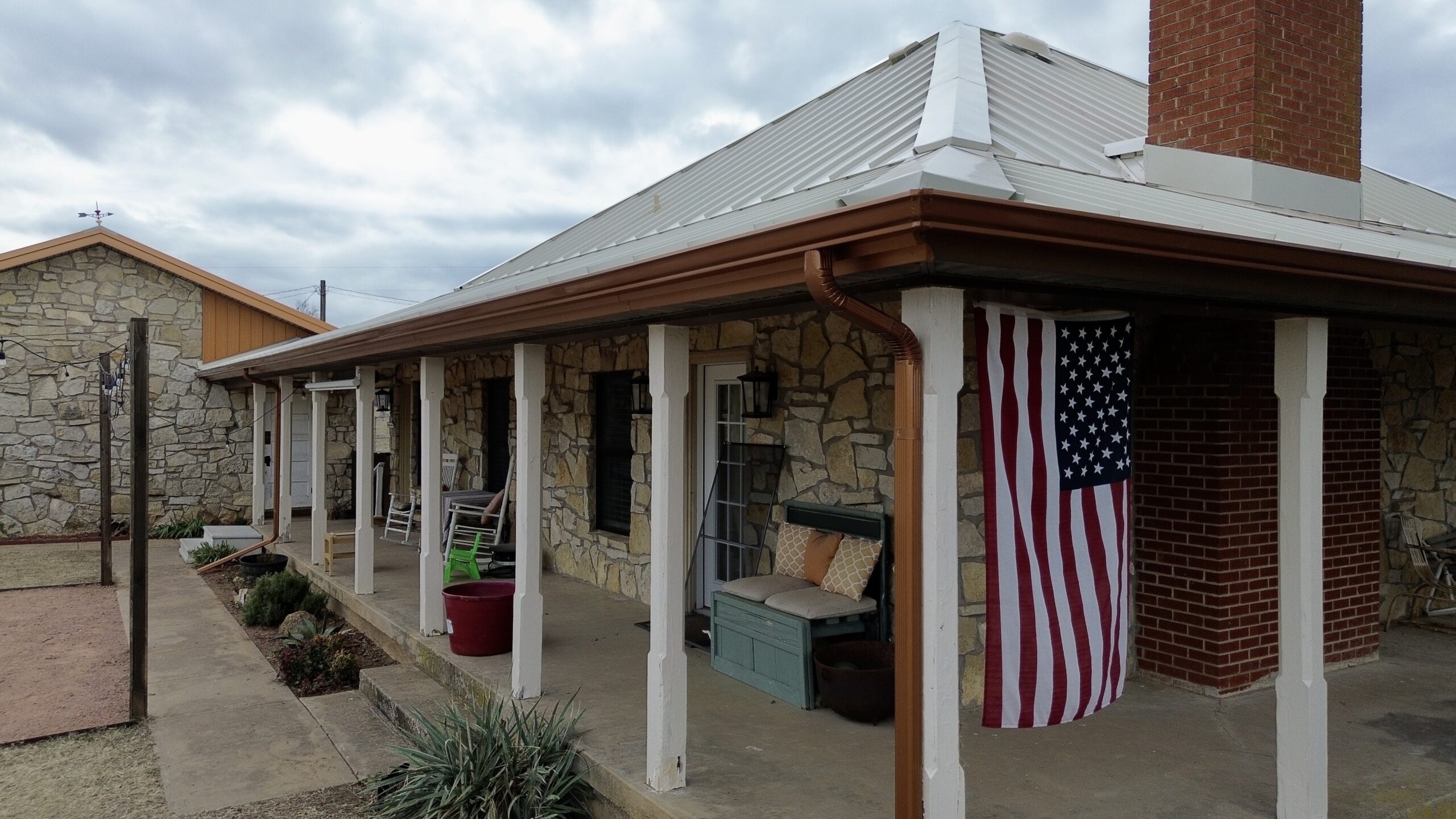
Metal roofs should be checked for corrosion, damaged coatings, loose fasteners, open seams, and significant deformation. A few localized issues may be repairable, while widespread corrosion or deterioration can justify more extensive work.
Tile and slate roofs may continue to look durable even when supporting components are aging. Damaged tiles, deteriorated flashing, failed fasteners, or aging underlayment can indicate that the roofing system needs professional evaluation. Replacing individual pieces may remain practical when the underlying assembly is sound.
Leaks are another important warning sign. A single leak does not necessarily mean the entire roof needs replacement, but repeated leaks or widespread moisture intrusion suggest that the roofing system may be approaching the end of its useful life.
Interior signs can include water stains, damp insulation, peeling paint, or damaged ceilings. These symptoms should be investigated promptly because moisture can cause additional deterioration within the building.
A roof that requires increasingly frequent repairs may also be approaching replacement. When repair costs become substantial compared with the remaining expected service life, investing in a new roofing system may provide better long-term value.
Conclusion
Long lasting residential roofing materials can provide homeowners with reliable protection and reduce the frequency of major replacement projects. However, no roofing material can achieve its maximum potential lifespan without proper installation, suitable environmental conditions, and regular maintenance. The complete roofing system must be considered when evaluating durability.
Asphalt shingles remain a practical choice because of their affordability, availability, and relatively straightforward repair process. Metal roofing can provide substantially longer service with proper installation and maintenance, while clay and concrete tile offer excellent durability in suitable environments. Natural slate stands among the longest-lasting options, although its higher cost, weight, and specialized installation requirements make it a premium choice.
Synthetic and composite materials provide additional options for homeowners who want a combination of appearance, durability, and manageable weight. Wood shingles and shakes can also provide long-term performance when installed in suitable climates and carefully maintained. Each material has advantages and limitations, so homeowners should avoid assuming that the material with the longest advertised lifespan is automatically the best choice.
Climate compatibility is one of the most important considerations. Heat, ultraviolet exposure, freezing temperatures, moisture, hail, wind, snow, and salt air can all influence how quickly roofing materials age. Selecting a material that is designed for the property’s specific environmental conditions can significantly improve the likelihood of achieving its expected service life.
Installation quality is equally important. Correct fastening, flashing, underlayment, drainage, ventilation, and roof detailing create the foundation for long-term performance. A high-quality roofing material cannot compensate for poor workmanship that allows water intrusion or prevents the system from responding properly to temperature and weather changes.
Maintenance should continue throughout the roof’s service life. Regular inspections, clean gutters, maintained flashing, controlled vegetation, and prompt repairs can prevent relatively small problems from becoming major failures. Professional inspections are particularly valuable after severe weather or when the roof begins showing signs of age.
Cost should also be evaluated from a long-term perspective. A less expensive roof may require earlier replacement, while a more expensive material may provide decades of additional service. Homeowners should compare installation costs, maintenance, repair requirements, expected lifespan, and replacement frequency rather than focusing only on the initial price.
Ultimately, the best long lasting residential roofing material is one that fits the home’s structure, climate, budget, architectural style, and maintenance expectations. By combining a suitable material with professional installation and consistent care, homeowners can create a roofing system that provides dependable protection and strong long-term value for many years.