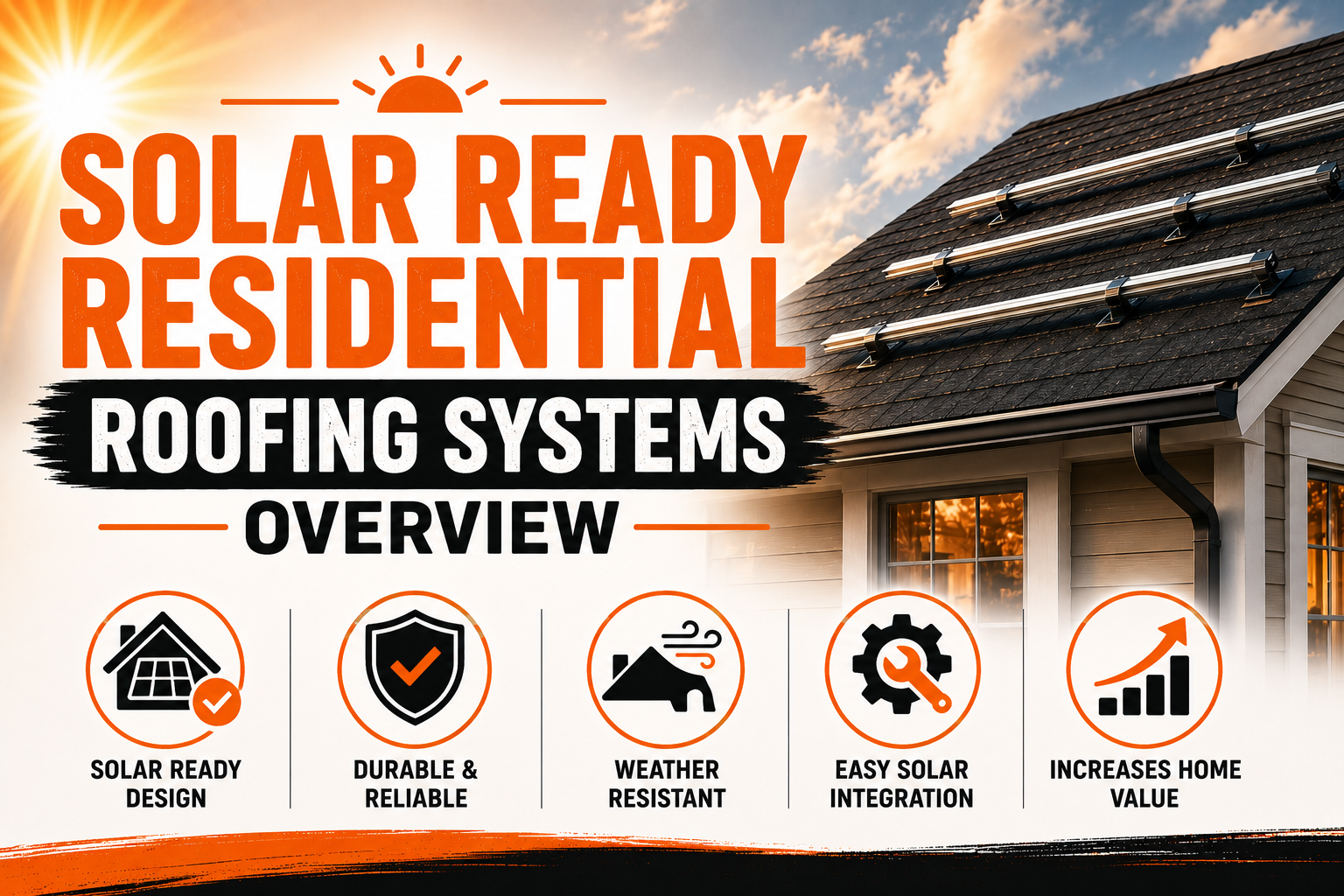
Solar Ready Residential Roofing Systems Overview
Introduction
A solar-ready residential roofing system is designed with future solar installation in mind, even when solar panels are not being installed immediately. Instead of treating solar panels as an addition that can be figured out later, a solar-ready approach considers roof orientation, available roof area, structural capacity, shading, electrical planning, and roofing materials during the design or replacement process. The goal is to create a roof that can accommodate a future solar energy system more easily and with fewer modifications.
Planning for solar before panels are installed can make future work more straightforward. The U.S. Department of Energy explains that a solar-ready home incorporates design considerations that make a later solar installation easier, including suitable roof space, structural support, wiring pathways, and electrical provisions.
Solar readiness can be particularly useful for homeowners who want renewable energy but are not ready to make the full investment immediately. A homeowner may first replace an aging roof and prepare the structure for solar, then install the photovoltaic system several years later. This approach can avoid some of the complications that occur when solar equipment is added to a roof without considering its existing design.
A solar-ready roof can also support better long-term planning. The roofing system should remain durable, accessible for maintenance, and capable of supporting the expected solar equipment. When roofing and solar considerations are addressed together, homeowners can make decisions that support both roof performance and future energy goals.
Understanding What Makes a Roof Solar Ready
Solar readiness means preparing a residential roof and its supporting systems for a future solar photovoltaic installation. It does not necessarily mean that panels must be installed during the original roofing project. Instead, the roof is designed or upgraded so that future solar work can be completed with fewer structural, electrical, and roofing complications.
One of the first considerations is the location of the future solar array. A suitable area of the roof should be identified before construction or replacement work is completed. This helps determine where panels could eventually be placed and prevents important roof features from occupying the most valuable solar collection area.
The U.S. Department of Energy’s Renewable Energy Ready Home guidance recommends documenting the proposed array location, roof orientation, roof inclination, and shading conditions. It also emphasizes evaluating whether the roof has adequate solar resource potential before designating it as a suitable future solar location.
Structural capacity is another important element. Solar panels are mounted using racking or other support systems that add weight and transfer forces to the roof structure. The roof therefore needs to be capable of supporting the future system while also handling expected environmental loads.
Electrical planning is equally important. A solar-ready home can include planned pathways for future wiring, space for electrical equipment, and appropriate provisions near the electrical service panel. These preparations can reduce the amount of invasive work required when the solar system is eventually installed.
Roof penetrations should also be considered carefully. Vents, chimneys, skylights, and other structures can interfere with future panel placement or create shading. Planning these features in relation to the potential array can preserve more usable roof space.
Solar readiness is therefore best understood as a coordinated design strategy. It involves the roof structure, roofing materials, electrical system, roof layout, and future maintenance requirements rather than simply leaving an empty area for panels.
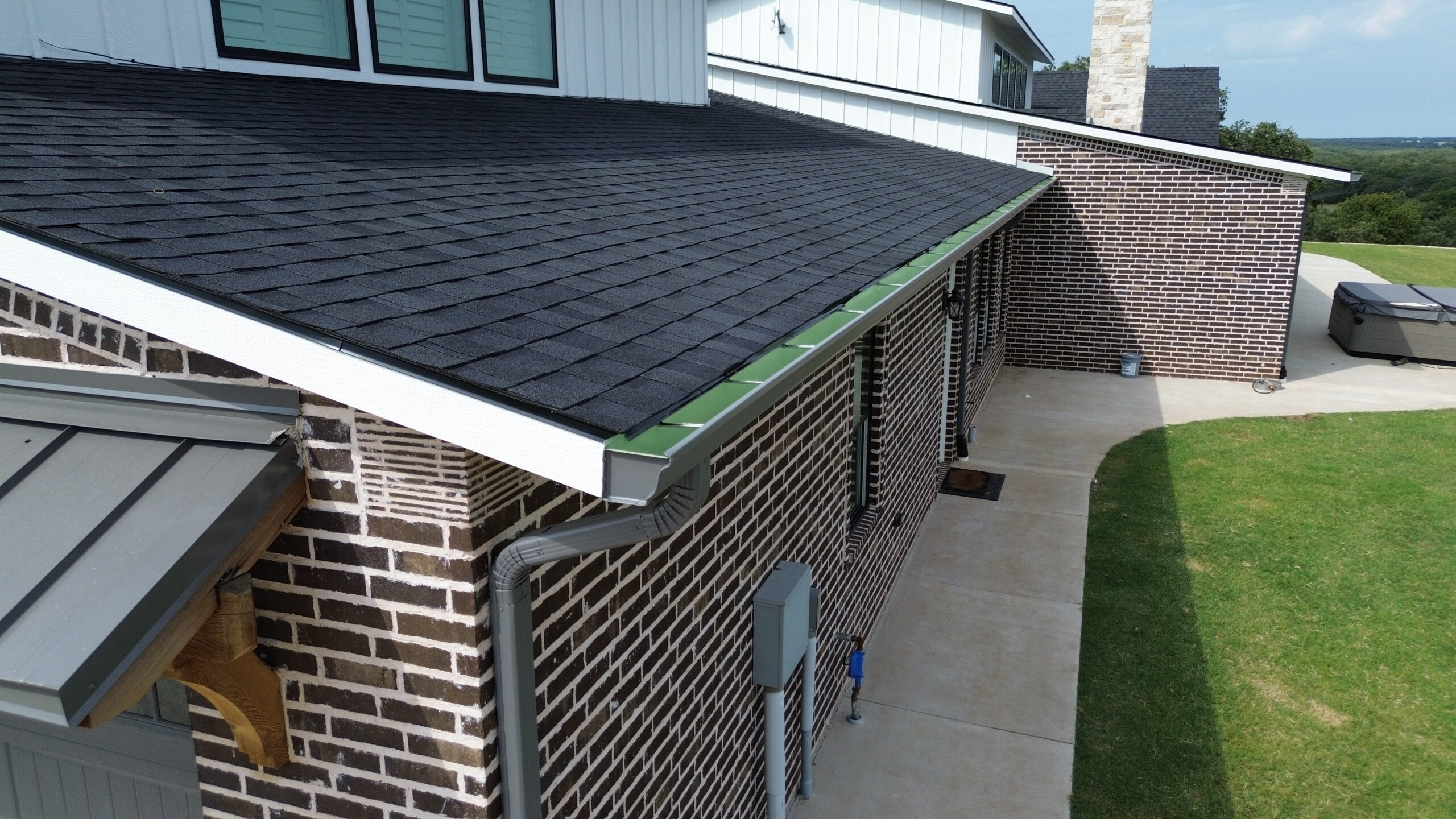
Roof Orientation, Pitch, and Available Solar Area
Roof orientation is one of the most important factors when planning a solar-ready residential roof. The direction a roof surface faces affects how much sunlight a future solar array can receive throughout the day and year. In the Northern Hemisphere, south-facing roof areas are generally favorable for solar production, although east- and west-facing surfaces can also be suitable depending on the site and system design.
Roof pitch also influences solar performance. The U.S. Department of Energy notes that solar panels commonly perform well on roofs with slopes between approximately 15 and 40 degrees, although suitable conditions can vary depending on location and system design.
A solar-ready roof does not need to have a perfect orientation or exact ideal slope to be useful. Solar technology can be installed on many different roof configurations, and installers can use mounting systems to accommodate different conditions. What matters is understanding the roof’s characteristics early enough to plan the future installation effectively.
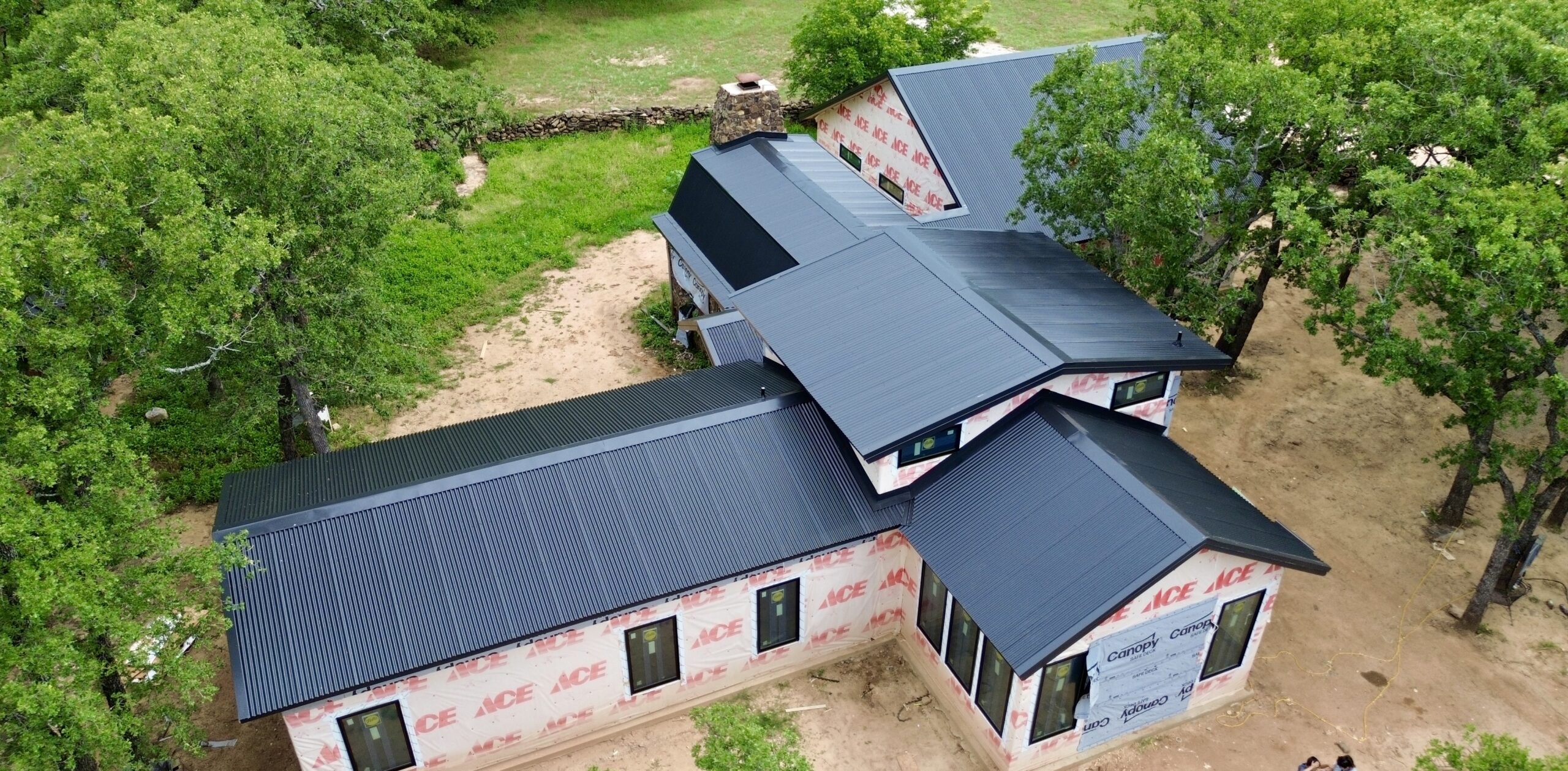
Available roof area is another major consideration. A roof may appear large from the ground but have less usable space than expected because of vents, chimneys, skylights, roof valleys, dormers, hips, ridges, and other obstacles. These features can divide the roof into smaller sections and reduce the area available for a practical solar array.
Shading must also be evaluated. Trees, neighboring buildings, chimneys, roof peaks, and other structures can cast shadows on potential panel locations. The Department of Energy identifies shading, roof size, roof shape, slope, and orientation as important factors in determining rooftop solar potential.
When designing a new home or replacing an existing roof, it can be beneficial to preserve the largest practical unobstructed roof area for future panels. Roof penetrations and mechanical equipment can sometimes be positioned away from the intended array area, reducing future conflicts.
A well-planned roof can therefore provide flexibility. Even if the homeowner does not install solar immediately, documenting the preferred array location and protecting that area from unnecessary obstructions can make a future installation easier.
Structural Strength and Roofing Materials
A solar-ready roof needs adequate structural capacity for the future solar installation. Solar panels themselves may not be extremely heavy individually, but the complete system also includes mounting hardware and other components. The roof must safely support these loads while continuing to handle environmental forces such as wind and, where applicable, snow.
The U.S. Department of Energy’s renewable energy ready guidance recommends documenting the allowable dead and live load ratings of the roof. The information can then be provided to a future solar installer or structural professional when the photovoltaic system is designed.
Roof condition is equally important. Installing solar panels on a roof that is already near the end of its useful life can create unnecessary complications. If the roof needs replacement shortly after the solar installation, panels and mounting equipment may need to be removed and reinstalled.
For this reason, homeowners considering future solar should evaluate roof age and expected remaining service life. The Department of Energy recommends considering how long the existing roof will last when planning a solar installation and notes that installing solar alongside a roof replacement can sometimes save money and avoid future disruption.
The roofing material also matters. Asphalt shingles, metal roofing, tile, and other materials have different installation methods and requirements for solar mounting. The future attachment method should be compatible with the roofing system and should maintain effective weather protection.
Water management is especially important around solar mounting points. Any attachment that penetrates the roof needs appropriate flashing and sealing to prevent leaks. A solar-ready roof should therefore be designed with future mounting locations and roofing details in mind rather than leaving these decisions entirely until installation day.
A durable roofing system can provide a better foundation for long-term solar use. Homeowners should consider both roof service life and solar system service life so that the two systems can work together without creating avoidable maintenance problems.
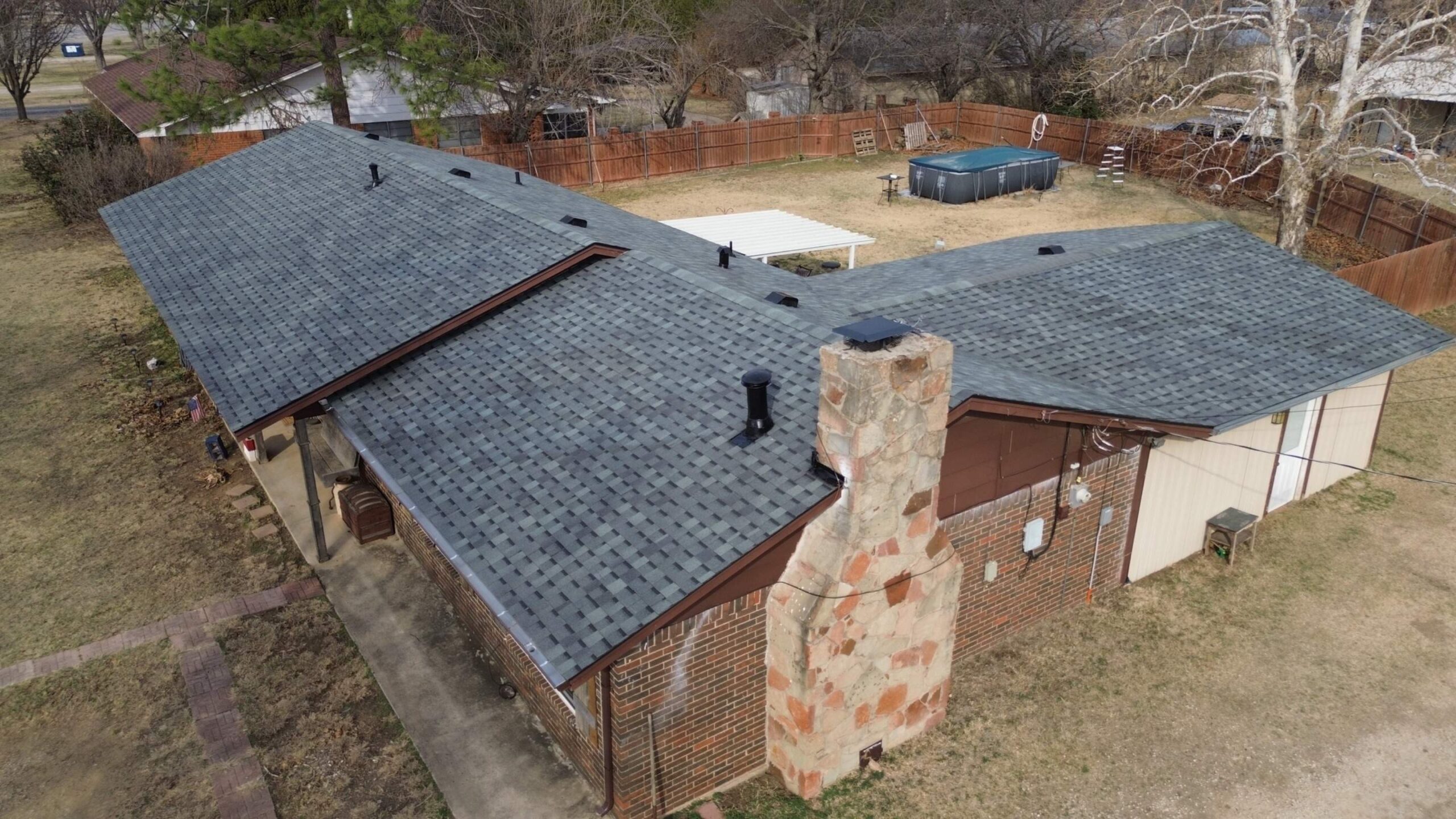
Planning Electrical Pathways and Solar Infrastructure
A solar-ready roof should not be planned only from the outside. The future solar system will need to connect the rooftop array to electrical equipment and ultimately to the home’s electrical service. Preparing these pathways in advance can make future installation less disruptive.
One useful preparation is a designated pathway for future wiring between the roof area and the location where the inverter or other electrical equipment will be installed. The Department of Energy’s Renewable Energy Ready Home specifications include provisions for conduit between the proposed solar array and the inverter location, as well as a pathway between the inverter and the electrical service panel.
A designated equipment location can also be planned. Inverters, disconnects, and other balance-of-system components need suitable locations that meet applicable electrical and safety requirements. Reserving space in advance can help avoid difficult equipment placement later.
The electrical service panel should also be evaluated. A future solar system may require appropriate space and capacity for the connection. Modern solar-ready guidance includes provisions for reserving electrical panel space for future photovoltaic equipment.
Clear labeling and documentation can make these preparations more useful. Future homeowners, electricians, roofers, and solar installers should be able to identify where conduits terminate and understand their intended purpose.
Documentation is particularly valuable when a home changes ownership. A homeowner may not be the person who originally planned the roof, but clear architectural and electrical information can help a future installer understand the original solar-ready provisions.
These preparations can reduce the need to open finished walls, drill unnecessary pathways, or make significant electrical modifications later. They also allow roofing and electrical professionals to coordinate their work more effectively during construction.
Solar readiness does not mean that every future solar component must be installed in advance. Instead, it creates a planned infrastructure framework that makes the eventual system easier to design and install.
Designing a Roof for Long-Term Solar Compatibility
A solar-ready residential roof should be designed with the entire life of the roofing system in mind. Solar panels can remain on a roof for many years, so the roof needs to remain accessible, maintainable, and weather resistant throughout that period.
Roof penetrations should be minimized or strategically located wherever possible. Vents and other obstructions placed directly within the future array area can make panel layouts more complicated and reduce usable space. Department of Energy guidance identifies strategic placement of roof penetrations as a useful solar-ready design practice because obstructions can cast shadows on potential solar panels.
Maintenance access is another important consideration. Solar panels should not prevent roof inspections or make necessary repairs unnecessarily difficult. The roofing and solar systems should be arranged so that professionals can inspect important roof areas and service equipment when needed.
Drainage should also remain effective after panels are installed. Water must continue to move toward appropriate drainage points without being obstructed by mounting systems or poorly planned equipment placement. Roof valleys, gutters, flashing, and other water-management features should remain functional.
Wind exposure should be considered during both roof and solar planning. Solar mounting systems need to be properly attached and designed for local environmental conditions. The roof structure and mounting system should work together rather than being treated as separate components.
Future replacement should also be considered. If the roofing material eventually reaches the end of its service life, homeowners need a practical way to remove and reinstall the solar system if necessary. Choosing durable roofing materials and planning the system carefully can help reduce future complications.
A solar-ready roof is therefore more than a roof with available space. It is a roofing system that anticipates future solar installation while maintaining structural strength, weather protection, electrical accessibility, and long-term serviceability.
These principles provide the foundation for understanding solar-ready roofing. The next part will explore roofing material choices, shading and climate considerations, solar mounting, maintenance, and the relationship between solar-ready design and long-term residential energy performance.
Choosing Roofing Materials for Solar Compatibility
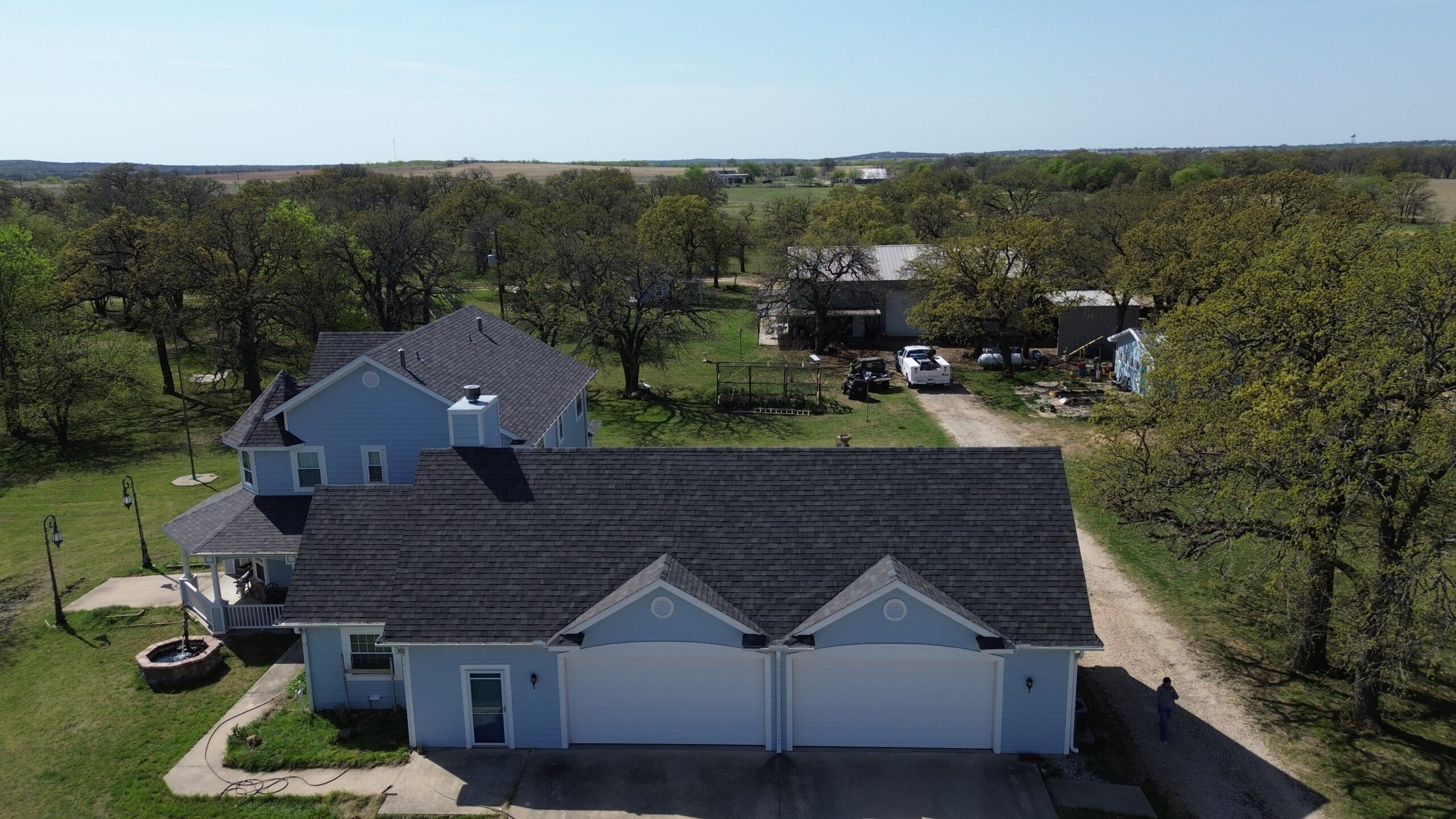
Selecting the right roofing material is an important part of preparing a residential roof for future solar installation. Solar panels can be installed on many common roofing systems, but each material has different characteristics that affect mounting methods, maintenance, durability, and installation complexity. Choosing a roof with long-term solar compatibility can help reduce problems when panels are eventually added.
Asphalt shingles are widely used on residential properties and are generally compatible with many solar mounting systems. Their relatively straightforward installation can make rooftop solar projects practical when the roof is in good condition. However, homeowners should consider the expected remaining life of the shingles before installing a solar array.
Metal roofing can also be suitable for solar applications. Some metal roof profiles allow mounting systems to attach without creating as many roof penetrations as certain other approaches. Standing-seam metal roofs, for example, can accommodate specialized clamps that attach to the seams, depending on the roofing system and mounting design.
Tile roofing requires more careful planning because individual tiles can be fragile and may need to be worked around during solar installation. Specialized mounting methods can be used, but installers need to understand how to protect the roofing material while creating secure attachment points.
Synthetic roofing products can offer another option where their structural and installation characteristics are suitable for solar mounting. Homeowners should always confirm compatibility between the roofing material, mounting equipment, and installation method before beginning a project.
The expected service life of the roof is one of the most important considerations regardless of material. Installing solar panels on an aging roof may result in additional costs later if the roof needs replacement while the solar system is still in service.
A solar-ready approach therefore considers the roof and solar system as connected long-term investments. Selecting a durable roofing material and planning appropriate mounting locations can make future solar installation easier while helping protect the roof from unnecessary damage.
Shading and Solar Exposure Considerations
Shading is one of the most important factors affecting the usefulness of a solar-ready roof. A roof can have sufficient physical space for panels but still provide limited solar potential if trees, buildings, chimneys, roof structures, or other objects regularly block sunlight.
Trees are a particularly common source of shading. A tree that appears small when a roof is first designed may grow significantly over the following years and eventually cast shadows across a future solar array. Homeowners planning a solar-ready property should consider both existing vegetation and likely future growth.
Nearby buildings can also affect solar exposure. Neighboring homes, commercial structures, walls, and other tall objects may create shadows at different times of the day. The impact can change seasonally as the sun’s position changes throughout the year.
Roof features can create smaller areas of shade as well. Chimneys, vents, skylights, dormers, and raised roof sections may cast shadows on nearby panels. Strategic placement of these features can preserve larger uninterrupted areas for future solar equipment.
A solar-ready roof does not necessarily need to eliminate every source of shade. Instead, the goal is to identify the most useful areas for solar installation and avoid unnecessarily placing permanent obstacles in those locations.
Homeowners should also consider how shading may change over time. Future landscaping, construction, or neighboring development can alter the amount of sunlight reaching a roof. Although not every future change can be predicted, planning with long-term conditions in mind can improve the usefulness of the roof.
Solar professionals can evaluate solar exposure using site measurements and specialized assessment tools. This evaluation can help determine which roof sections are most suitable for panels and whether the proposed array should be concentrated in specific areas.
Understanding solar exposure early allows roofing decisions to support future energy production. A roof that provides usable, relatively unobstructed space can give homeowners greater flexibility when they are ready to install a photovoltaic system.
Solar Mounting and Roof Attachment Planning
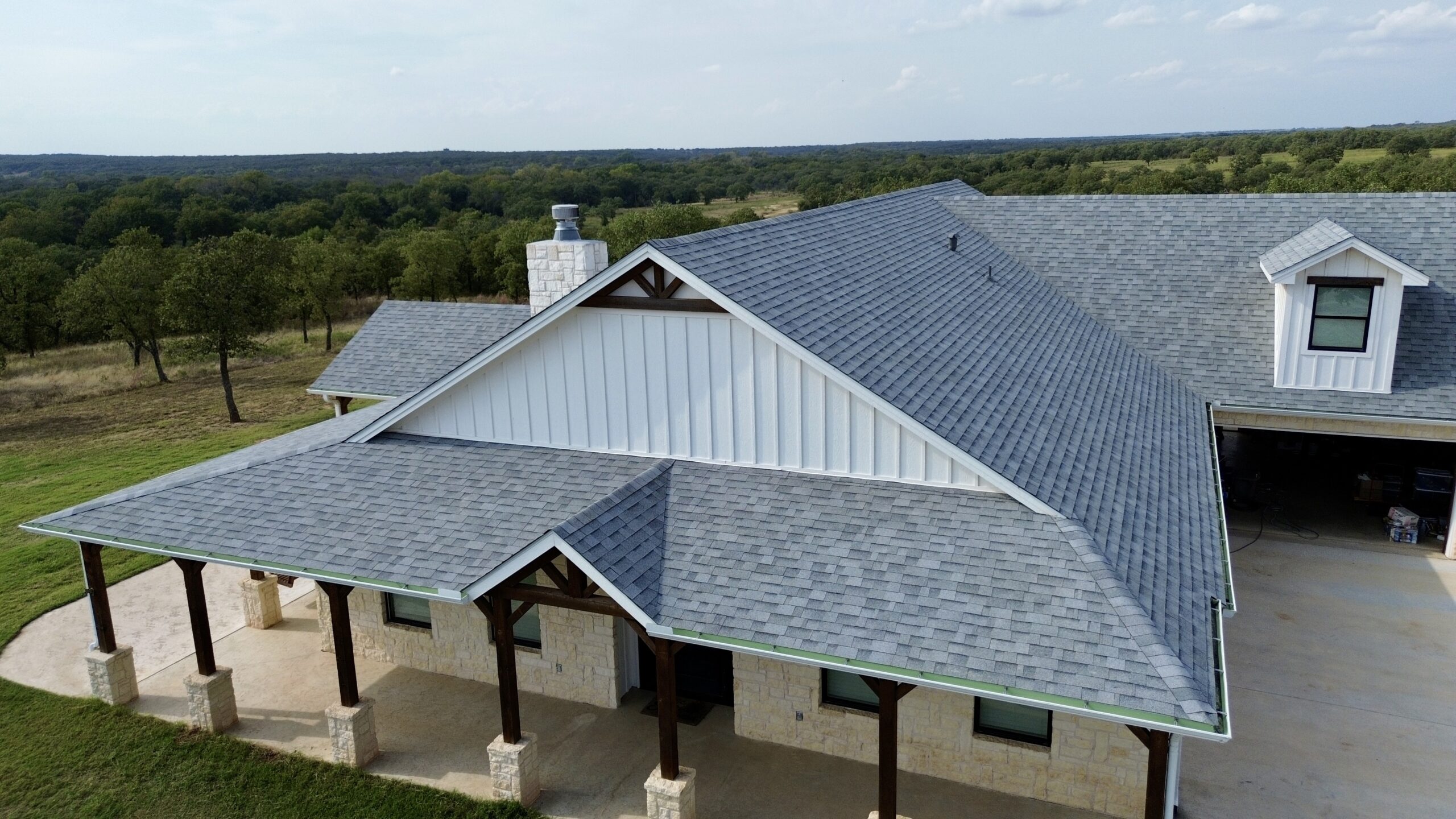
Solar mounting systems connect photovoltaic panels to the roof structure. Because these mounting components can affect both structural performance and weather protection, their future installation should be considered when designing a solar-ready roof.
Different roofing materials require different attachment approaches. Some systems use penetrations through the roof surface, while others can use specialized clamps or mounting methods that reduce the number of penetrations. The appropriate approach depends on the roof type, panel layout, structural requirements, and manufacturer’s specifications.
Where penetrations are required, proper flashing and sealing are essential. Water must be prevented from entering around mounting points, particularly during heavy rain or severe weather. Poorly installed attachments can create leaks that damage insulation, roof decking, and interior finishes.
Mounting locations should also connect effectively with the structural framing beneath the roof. Solar equipment should not simply be attached to the roof covering without considering how loads are transferred to the supporting structure. A structural evaluation may be necessary, particularly when the existing roof was not originally designed with solar installation in mind.
The mounting layout should account for roof edges, valleys, ridges, vents, skylights, and maintenance pathways. Panels need sufficient space and appropriate positioning to create a practical array while allowing important roof components to remain accessible.
Wind conditions should also be considered. Solar panels and their mounting systems experience forces from wind, and attachment methods need to be suitable for the local environment. The roof structure must be able to handle these forces without compromising its weather-resistant function.
Planning mounting locations before the roof is constructed or replaced can provide useful advantages. Structural reinforcement, attachment planning, and waterproofing details can be coordinated in advance rather than being added after the roofing work is complete.
A properly planned mounting strategy protects both systems. The solar array receives a secure foundation, while the roofing system retains its ability to manage water, wind, and other environmental conditions.
Preparing for Future Solar Electrical Connections
A solar-ready roofing system also needs to consider what happens beneath and inside the home. Solar panels generate electricity on the roof, but that electricity needs a planned pathway to reach the home’s electrical equipment.
One useful preparation is a designated conduit route from the future array area toward the planned inverter or electrical equipment location. Installing or reserving a suitable pathway during construction can reduce the need to open walls or create new routes later.
The inverter location should also be considered early. Depending on the system design, the inverter may be installed in a garage, utility area, exterior location, or another appropriate space. The location should provide suitable access, ventilation, protection, and compliance with applicable electrical requirements.
The home’s electrical service should be evaluated as part of solar planning. The future photovoltaic system may require specific connections, equipment, and available space within or near the electrical service area. Planning this before solar installation can help identify potential limitations early.
Electrical pathways should also be documented clearly. Labels, diagrams, and construction records can help future electricians and solar installers understand where pathways were created and what they were intended to support.
This documentation becomes especially valuable when ownership changes. A future homeowner may decide to install solar several years after the roof was constructed, and clear records can make the preparation easier to understand.
Solar-ready electrical planning should not be confused with installing a complete solar system in advance. The purpose is to create a practical infrastructure path for future equipment while allowing the homeowner to delay the photovoltaic investment.
Coordinating roofing and electrical planning can also reduce unnecessary disruption. If conduits, pathways, or structural provisions are addressed during a major renovation, fewer invasive modifications may be necessary later.
The result is a home that is better prepared for future renewable energy. The roof provides the physical foundation, while the planned electrical infrastructure provides a connection between the future solar array and the home’s electrical system.
Roof Maintenance After Solar Installation
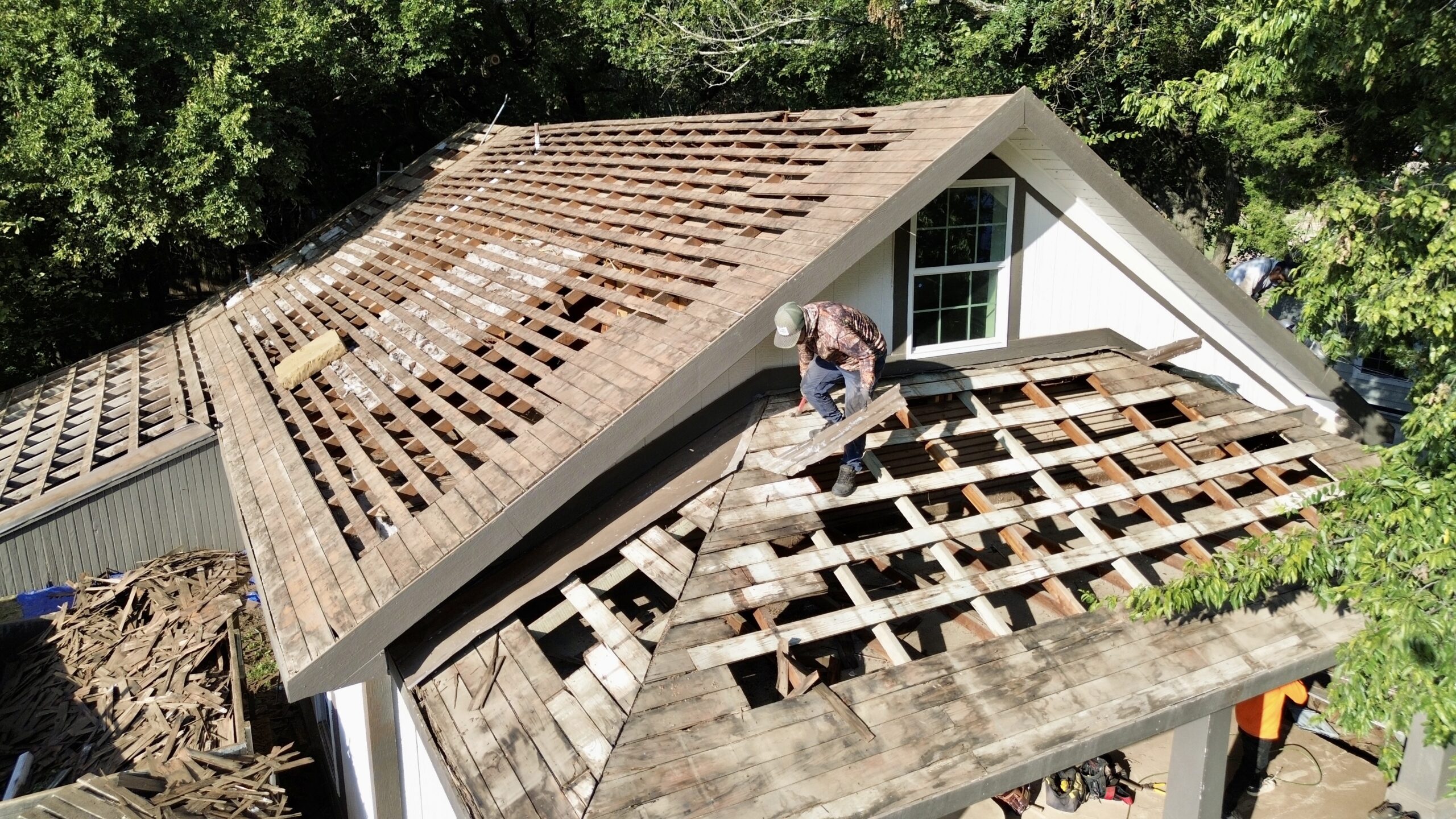
Once solar panels are installed, maintaining the roof remains important. The presence of a solar array does not eliminate the need for inspections, drainage maintenance, or attention to roofing materials. Instead, maintenance may require coordination between roofing and solar professionals.
Roof inspections can become more involved when panels cover portions of the roof surface. Some areas may be difficult to access directly, making careful planning important when inspecting flashing, roofing materials, drainage paths, and mounting points.
Water management should receive particular attention. Gutters, valleys, and drainage pathways need to remain clear so that rainwater can move away from the roof efficiently. Solar mounting components should not interfere with normal drainage.
Roof penetrations should also be monitored for signs of leakage. Proper installation should protect these areas, but periodic inspection can help identify deteriorating seals or flashing before water damage becomes extensive.
Solar panels themselves may also require maintenance depending on the local environment. Dust, leaves, bird activity, and other debris can affect panel performance. Cleaning requirements vary according to local conditions and panel design.
When roof repairs become necessary, homeowners should use qualified professionals who understand the relationship between the solar array and the roofing system. Panels may need to be temporarily removed in some situations, particularly when repairs involve areas directly beneath the array.
Planning for this possibility during the original roof and solar design can make future maintenance easier. Adequate access, organized equipment placement, and clear documentation can reduce unnecessary disruption.
Regular maintenance helps protect the investment in both systems. A solar array can continue producing energy effectively only when the roof remains structurally sound and weather resistant.
Climate and Long-Term Solar Ready Roof Performance
Climate plays an important role in how a solar-ready roof should be designed. Different regions expose roofing systems and solar equipment to different combinations of heat, rain, humidity, wind, snow, and temperature changes.
Hot climates can place significant thermal stress on roofing materials. High temperatures and intense sunlight make reflective roofing options, adequate insulation, and appropriate ventilation particularly relevant. Solar panels can also operate at elevated temperatures, so system design should account for local environmental conditions.
Humid climates require careful moisture management. Roofing materials, flashing, ventilation, and air sealing should work together to reduce the possibility of moisture entering the roof assembly. Solar mounting points also need reliable weather protection.
Regions with heavy rainfall require effective drainage. Roof slopes, valleys, gutters, flashing, and panel layouts should allow water to move away efficiently. Solar equipment should be installed without creating areas where water can accumulate.
High-wind areas require strong attention to structural attachment. Solar mounting systems must be designed for local wind conditions, while the roofing structure needs adequate strength to support both the roof and future solar equipment.
Cold climates create different concerns. Snow loads can add weight to the roof and solar equipment, while freeze-thaw cycles can affect roofing materials and flashing. The design should account for local structural and weather conditions.
Climate should therefore be considered before selecting roofing materials or solar mounting methods. A system designed for the local environment is more likely to provide reliable performance over its expected service life.
A solar-ready roof is ultimately a long-term investment. Its success depends on whether the roof, solar equipment, electrical infrastructure, and maintenance strategy continue to work together as environmental conditions and household needs change.
By planning materials, shading, mounting, electrical pathways, maintenance, and climate considerations in advance, homeowners can create a stronger foundation for future solar energy. The final part will examine the benefits, costs, common mistakes, planning checklist, and long-term value of solar-ready residential roofing systems.
Benefits of a Solar Ready Residential Roof
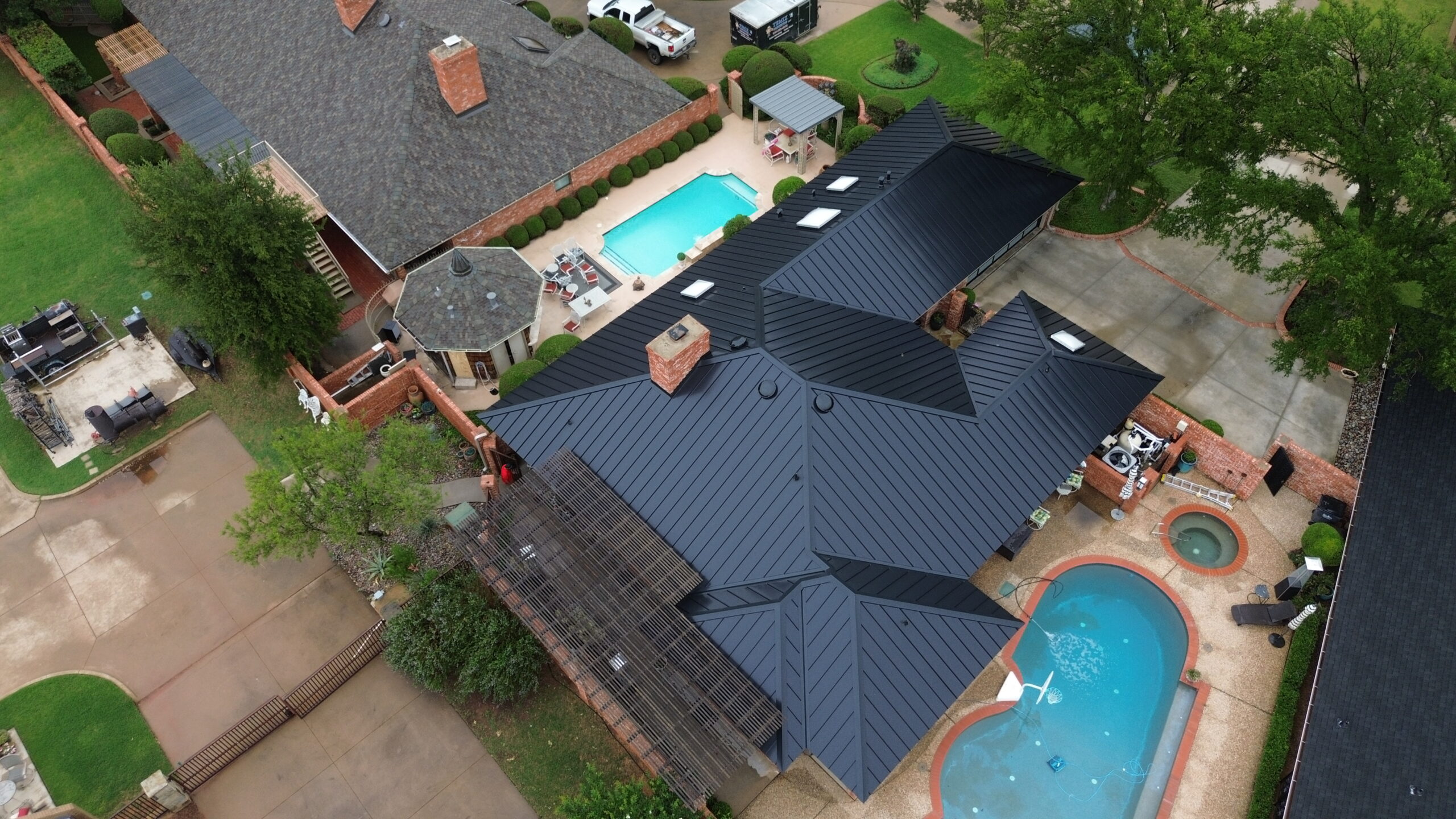
A solar-ready residential roof can provide homeowners with greater flexibility when planning future energy improvements. Instead of installing a roof without considering future solar equipment, homeowners can prepare the structure, roof layout, and electrical pathways in advance. This approach can make a later solar installation more organized and may reduce the need for unnecessary modifications.
One major benefit is better coordination between the roof and future solar panels. When the roof is designed with solar placement in mind, important features such as vents, skylights, chimneys, and mechanical equipment can be positioned more strategically. This can preserve larger areas of usable roof space and make it easier for a solar installer to create an efficient panel layout.
Solar readiness can also help homeowners avoid installing panels on a roof that needs replacement soon. If a roof is replaced first and designed for long-term solar compatibility, the homeowner can potentially install the photovoltaic system later without immediately facing another major roofing project.
Another benefit is improved planning for electrical connections. Future conduit routes, equipment locations, and electrical service requirements can be considered before walls and ceilings are finished. This can reduce the amount of invasive work needed when the solar system is eventually installed.
A solar-ready roof may also support broader energy-efficiency goals. Homeowners can combine future solar generation with insulation improvements, efficient HVAC equipment, reflective roofing materials, and other measures designed to reduce household energy demand.
The benefits can be summarized through several important areas:
- Easier future solar installation
- Better use of available roof space
- Improved coordination between roofing and electrical systems
- Reduced risk of conflicts between solar equipment and roof features
- Greater flexibility for future energy upgrades
- Better long-term planning for roof maintenance and replacement
Solar readiness does not guarantee that a future solar system will produce a specific amount of electricity. Solar performance still depends on sunlight, roof orientation, shading, panel technology, system design, and local conditions. However, preparing the roof properly can create a stronger foundation for a successful future installation.
Cost Considerations for Solar Ready Roofing
The cost of making a roof solar ready depends on how much preparation is required and whether the work is being completed during new construction, roof replacement, or an existing-home renovation. Planning these features during a major roofing project can sometimes be more practical than modifying the roof later.
A homeowner replacing an aging roof may already have access to the roof structure, decking, insulation, and other components. This creates an opportunity to evaluate structural capacity and prepare suitable locations for future solar mounting. Electrical pathways can also be considered while walls or ceilings are already accessible.
Adding solar-ready features may increase the initial roofing project cost. However, the long-term value should be considered alongside the additional expense. Preparing a conduit pathway or planning structural support during construction may be less disruptive than creating those provisions after the roof and interior finishes are complete.
The roof’s expected service life is another financial consideration. A high-quality roofing system can provide a long-lasting foundation for solar panels, while a roof nearing the end of its service life may create additional costs if solar is installed too soon.
Homeowners should also compare the cost of different roofing materials. Some materials may have higher installation costs but offer longer service lives or mounting advantages. Standing-seam metal roofing, for example, can sometimes accommodate specialized solar mounting methods, although the suitability depends on the specific roof and system.
Solar readiness should not be viewed as a requirement to purchase a solar system immediately. A homeowner can prepare the roof today and decide to install photovoltaic panels later when finances, energy goals, or technology make the investment more attractive.
When estimating costs, homeowners should consider the complete project rather than focusing on one feature. Roofing materials, structural evaluation, electrical preparation, insulation, ventilation, solar mounting requirements, and future maintenance can all influence the total investment.
Professional estimates are useful because each property has different requirements. A solar-ready design for a new home may be relatively straightforward, while preparing an older roof may require structural repairs, electrical upgrades, or replacement of deteriorated roofing components.
The objective should be to achieve practical future compatibility without paying for unnecessary features. A well-planned solar-ready roof balances preparation costs with long-term usefulness and the expected needs of the homeowner.
Common Mistakes to Avoid When Preparing a Roof for Solar
One of the most common mistakes is installing solar panels on an aging roof without considering its remaining service life. Although the solar system may function properly, the roof could require replacement several years later. Removing and reinstalling solar equipment can add cost and create unnecessary disruption.
Another mistake is failing to evaluate the roof structure. Solar panels and mounting equipment add loads to the roofing system, and the structure must also withstand local environmental forces. A structural evaluation can help identify whether reinforcement or other modifications are necessary.
Ignoring shading is another problem. A roof may have plenty of physical space but still have poor solar potential because of trees, buildings, chimneys, or other obstructions. Shading should be evaluated before the roof layout is finalized.
Homeowners should also avoid placing too many roof penetrations in areas intended for future solar panels. Vents, skylights, and other features can reduce usable space and create shading. Strategic placement can preserve more flexibility for the future array.
Poor electrical planning can create additional complications. If no pathway exists between the roof and the future electrical equipment location, installers may need to create new routes through finished walls. Planning conduit pathways during construction can help reduce this type of disruption.
Another mistake is assuming that every roofing material works the same way with solar mounting. Tile, metal, asphalt shingles, and synthetic roofing products have different attachment requirements. The mounting system should be compatible with the specific roofing material and installed according to appropriate requirements.
Homeowners should also avoid choosing roofing materials based only on appearance. A visually attractive roof may not provide the most practical combination of durability, structural compatibility, maintenance access, and solar readiness.
Maintenance access is sometimes overlooked as well. Solar panels should not make it unnecessarily difficult to inspect or repair important roofing components. The final design should leave appropriate access to drainage areas, roof edges, equipment, and other components that may require attention.
Finally, homeowners should keep documentation of solar-ready features. Roof plans, structural information, conduit locations, electrical provisions, and designated array areas can be extremely useful years later when a solar installer evaluates the property.
Avoiding these mistakes can make future solar installation more predictable. Proper planning also protects the roof itself, ensuring that renewable energy improvements do not compromise the home’s weather-resistant envelope.
Planning a Solar Ready Roof Step by Step
A practical solar-ready roofing plan begins with evaluating the property and determining whether the roof has suitable space for future solar panels. The evaluation should consider roof orientation, pitch, shading, usable area, structural condition, and the location of permanent roof features.
The next step is to assess the existing roof or planned roof design. If the roof is approaching the end of its useful life, replacement may be appropriate before solar installation. If the roof is relatively new and structurally sound, preparation may focus on electrical pathways, documentation, and future mounting considerations.
The following planning sequence can help organize the project:
- Evaluate the roof condition and expected service life. Identify leaks, damaged materials, structural concerns, and areas that may require repair or replacement before solar installation.
- Identify the best solar areas. Consider orientation, roof pitch, shading, usable space, and permanent obstructions when selecting the future panel location.
- Review structural capacity. Determine whether the roof structure can support the expected solar equipment and environmental loads.
- Plan electrical pathways. Establish suitable routes between the future array, inverter location, and electrical service area while following applicable requirements.
- Coordinate roofing and mounting details. Select compatible materials and plan attachment locations so that future solar installation does not compromise weather protection.
- Document the preparation. Keep roof plans, structural information, electrical pathways, and future array locations for use by future homeowners and installers.
This process does not mean that every solar component needs to be purchased or installed immediately. The purpose is to create a coordinated foundation that can accommodate a future photovoltaic system.
Professional coordination can be particularly useful when multiple trades are involved. Roofers, builders, electricians, structural professionals, and solar installers may each have different responsibilities, so communication can help prevent conflicting decisions.
The plan should also account for future maintenance. Solar panels, roof coverings, flashing, gutters, and electrical equipment may all require attention during their service lives. A good design allows these systems to be maintained without creating unnecessary complications.
By completing this planning before construction or roof replacement, homeowners can identify problems while changes are still relatively easy to make. This can be much more practical than discovering limitations after the roof is finished.
Solar Ready Roofing and Long Term Home Energy Goals
A solar-ready roof can become an important part of a home’s broader energy strategy. Solar panels generate electricity, but reducing the amount of energy a home needs is also important. Roofing, insulation, ventilation, windows, appliances, and HVAC equipment can all influence total household energy demand.
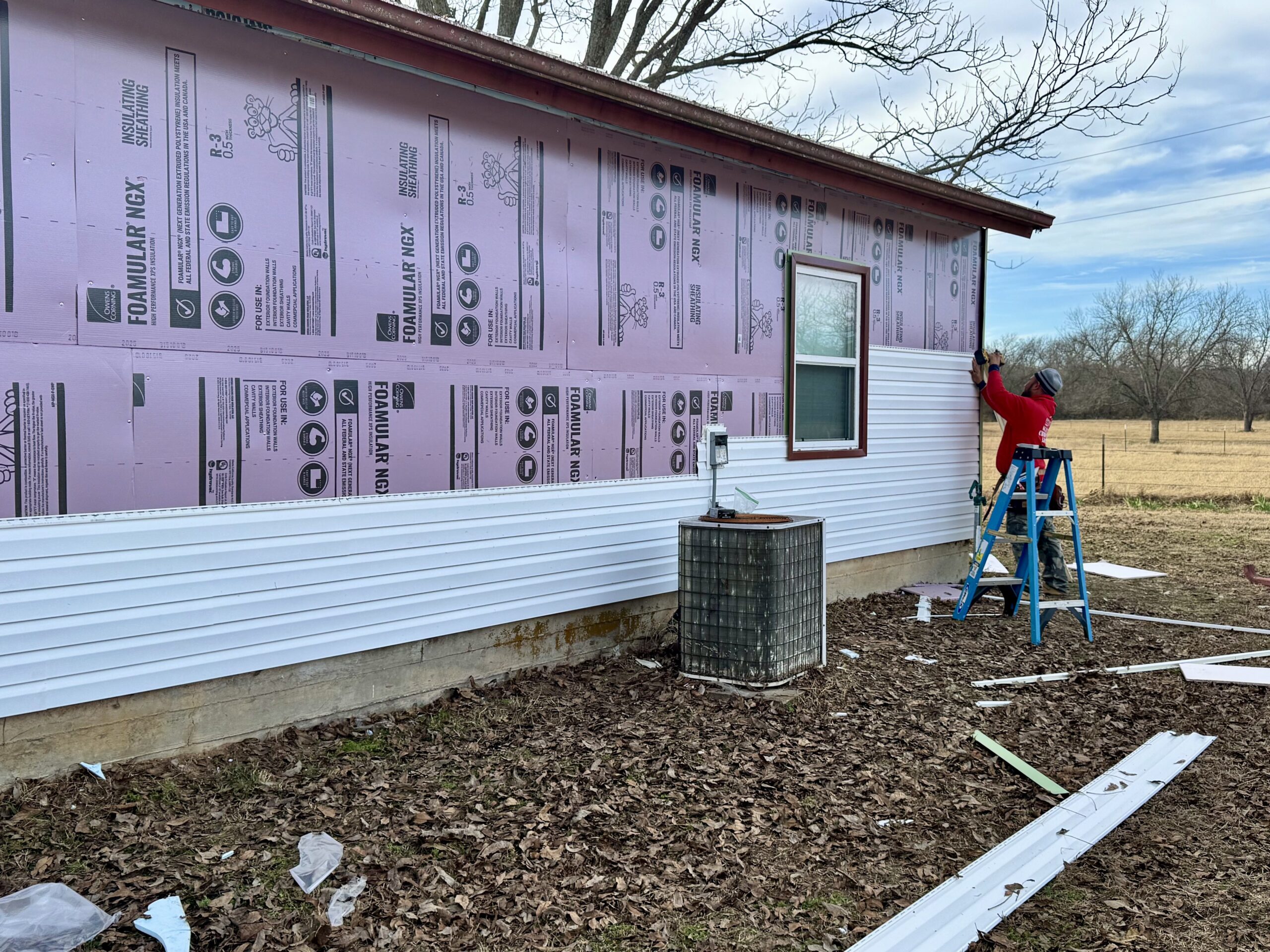
A homeowner can therefore approach solar readiness as part of a larger efficiency plan. A well-insulated roof can reduce heating and cooling demand, while future solar panels can generate electricity to help meet the remaining energy needs.
Roofing material can also support this strategy. Reflective roofing options may help reduce solar heat absorption in suitable climates, potentially lowering cooling requirements. However, the effectiveness of any roofing material depends on the complete building assembly and local environmental conditions.
Future energy technology should also be considered. Homeowners may eventually add battery storage, electric vehicle charging, heat pumps, or other electrical equipment. Planning sufficient electrical infrastructure can provide greater flexibility as household energy needs change.
Solar-ready design can also support long-term property value by making the home more adaptable to renewable energy improvements. Prospective homeowners may appreciate a property where the roof, structure, and electrical system have already been considered for future solar installation.
The roof’s durability remains essential. Solar panels can have a long operating life, so the roof beneath them should be capable of supporting the system for an appropriate period. Choosing durable materials and maintaining the roof can help prevent conflicts between roofing replacement and solar equipment.
Homeowners should also consider future changes to the property. Trees may grow, nearby structures may change, and household energy requirements may increase. A flexible roof design can make it easier to adapt the solar system when circumstances change.
Solar readiness is therefore not simply about preparing for one future purchase. It is about creating a home that can accommodate evolving energy technologies while maintaining strong weather protection and thermal performance.
Conclusion
A solar-ready residential roofing system provides a practical foundation for homeowners who want to prepare their properties for future renewable energy. Instead of waiting until solar panels are ready to be installed, homeowners can consider roof condition, structural capacity, orientation, shading, usable roof area, electrical pathways, and mounting requirements during roof design or replacement.
The roof itself is a critical part of this preparation. A durable roofing system with sufficient remaining service life can reduce the likelihood that solar equipment will need to be removed for premature roof replacement. Selecting compatible roofing materials and planning future attachment locations can also help protect the roof from unnecessary damage.
Solar exposure is equally important. Orientation, pitch, shading, roof obstructions, and available surface area all influence the practicality of a future solar array. Preserving unobstructed roof sections and strategically locating vents and other features can give homeowners greater flexibility when the time comes to install panels.
Structural and electrical planning should also be completed early. The roof needs to support the future equipment and local environmental loads, while planned conduit pathways and electrical provisions can reduce invasive modifications later. Proper documentation ensures that these preparations remain useful even if the home changes ownership.
Maintenance should remain part of the long-term plan. Solar panels do not eliminate the need for roof inspections, drainage maintenance, flashing checks, or repairs. A well-designed solar-ready roof should allow both the roofing system and future solar equipment to be maintained without unnecessary difficulty.
Cost is another important consideration. Solar-ready preparation may add some expense during construction or roof replacement, but early planning can reduce future disruption and help avoid certain installation challenges. Homeowners should compare the preparation cost with the expected long-term benefits and avoid paying for unnecessary features.
Ultimately, solar readiness is about planning ahead. A roof designed to accommodate future solar energy can support greater energy flexibility, better coordination between roofing and electrical systems, and a smoother transition toward renewable power.
The strongest approach is to treat the roof, solar system, electrical infrastructure, insulation, and other energy improvements as connected parts of the same home. With careful planning, suitable materials, proper structural support, effective electrical pathways, and regular maintenance, a solar-ready residential roof can provide a durable foundation for future energy upgrades and long-term home performance.