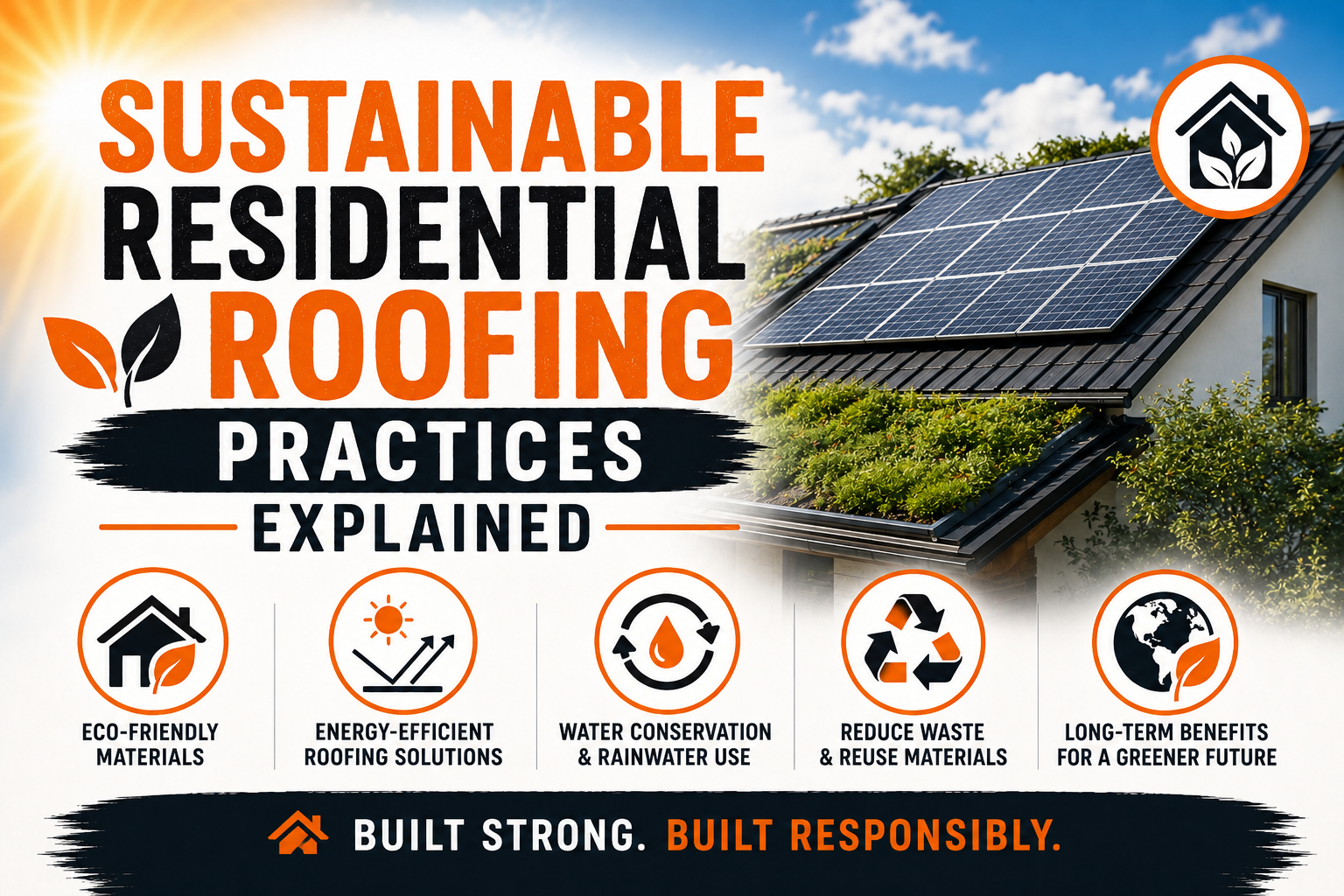
Sustainable Residential Roofing Practices Explained
Introduction
Sustainable residential roofing focuses on creating roof systems that protect homes while using resources responsibly and reducing unnecessary environmental impact. Instead of considering only the initial purchase price, sustainable roofing looks at material selection, energy performance, durability, maintenance, waste, and the roof’s entire service life.
A roof affects much more than protection from rain and sunlight. Its surface can influence indoor temperatures, cooling requirements, stormwater movement, material consumption, and the amount of waste produced when the roof eventually needs replacement. Choosing appropriate materials and construction methods can therefore make roofing an important part of a home’s overall sustainability strategy.
Sustainable roofing does not necessarily mean choosing the most expensive or newest product. A practical sustainable roof is one that suits the local climate, lasts for a long time, performs efficiently, can be maintained effectively, and uses materials responsibly. A durable conventional material may sometimes be a better environmental choice than a short-lived alternative that needs frequent replacement.
Energy efficiency is one of the major goals of sustainable roofing. Roofing surfaces, insulation, ventilation, and air sealing can work together to reduce unwanted heat transfer. In warm climates, reflective materials may reduce solar heat absorption, while proper insulation can help maintain more stable indoor temperatures.
Material selection is equally important. Some roofing products contain recycled content, can be recycled after removal, or are manufactured using processes designed to reduce waste. Other materials may have a longer service life, reducing the frequency with which new roofing resources are required.
Sustainable roofing also considers maintenance and repair. Replacing one damaged component can be more resource-efficient than removing an entire roof that still has many years of useful life. Regular inspections can help identify small problems before they develop into extensive damage requiring large amounts of new material.
Water management is another part of sustainable roof design. Gutters, downspouts, valleys, drainage systems, and appropriate roof slopes can help control rainfall and reduce unnecessary water-related damage. In some homes, collected rainwater can also be directed toward suitable landscape or water-management systems.
The most effective sustainable roofing approach considers the complete life cycle of the roof. From manufacturing and transportation to installation, maintenance, repair, and eventual disposal or recycling, each stage can influence environmental performance. Understanding these factors helps homeowners make decisions that balance durability, comfort, cost, and environmental responsibility.
Understanding Sustainable Residential Roofing
Sustainable residential roofing is based on the idea of achieving reliable roof performance while minimizing unnecessary resource consumption. It involves selecting suitable materials, improving energy performance, extending service life, managing waste, and maintaining the roof so that replacement is not required prematurely.
One of the most important principles is durability. A roof that lasts longer can reduce the need for repeated manufacturing, transportation, installation, and disposal of roofing materials. Longevity does not automatically make a roof sustainable, but it can be an important part of reducing its overall environmental burden.
The local climate should influence sustainable roofing decisions. A roof exposed to intense sunlight may benefit from reflective surfaces, while a property with heavy rainfall may require stronger moisture-management strategies. Homes in areas with severe winds or hail may need materials designed to resist those conditions.
Sustainable roofing also considers the complete building envelope. A highly reflective roof may have limited value if the home has inadequate insulation or significant air leakage. Roofing, insulation, ventilation, windows, walls, and air sealing should work together to improve the building’s overall performance.
Maintenance is another fundamental part of sustainability. Small cracks, loose materials, damaged flashing, blocked drainage, and deteriorated sealants can allow moisture to enter the roof system. Addressing these problems early can protect the underlying structure and reduce the need for more extensive repairs.
Homeowners can support sustainable roof performance by focusing on several practical priorities:
- Select roofing materials appropriate for the local climate and roof design.
- Prioritize durability and expected service life.
- Improve insulation and ventilation where appropriate.
- Keep drainage systems clear and functional.
- Repair localized damage before it spreads.
- Consider recycled or recyclable materials where suitable.
- Plan for responsible disposal or recycling at the end of the roof’s life.
Sustainability should not be viewed as a single product feature. A roofing material may contain recycled content but have a short service life, while another product may last much longer but require more resources during manufacturing. Evaluating several factors together provides a more realistic understanding of environmental performance.
The installation process also affects sustainability. Excess material waste, unnecessary transportation, poor measurements, and installation errors can increase resource consumption. Accurate planning and skilled workmanship can help reduce waste while improving the performance and lifespan of the completed roof.
Choosing Environmentally Responsible Roofing Materials
Material selection is one of the most visible aspects of sustainable roofing. Homeowners have access to asphalt shingles, metal roofing, clay and concrete tiles, slate, wood products, synthetic materials, and other options. Each material has different characteristics related to durability, manufacturing, maintenance, energy performance, weight, and end-of-life disposal.
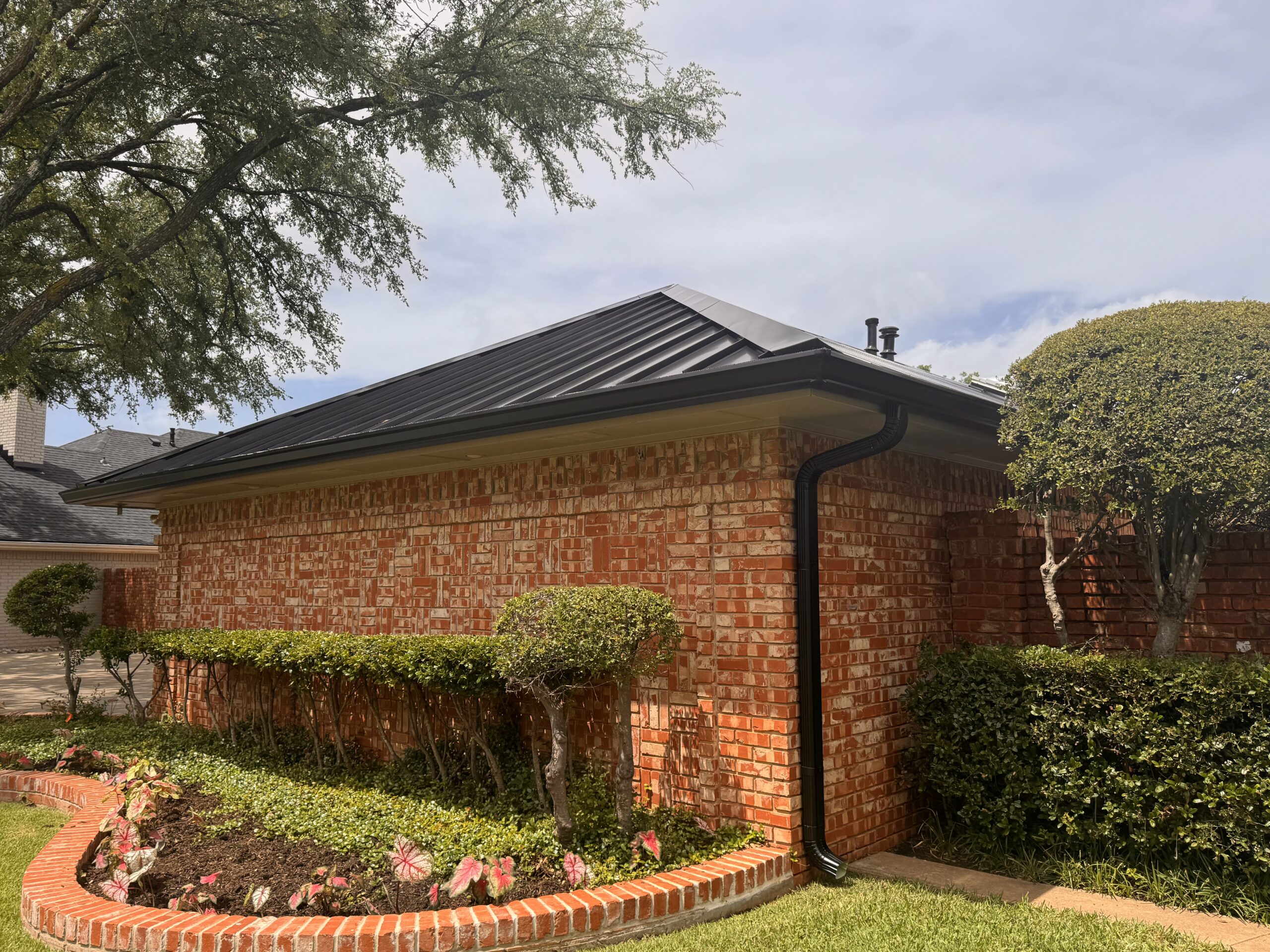
Metal roofing can be an attractive sustainable option because many metal products contain recycled material and may be recyclable after removal. Metal roofs can also have long service lives when properly installed and maintained. Their reflective finishes may provide additional energy benefits in appropriate climates.
Clay and concrete tiles can also provide long-term performance. Their durability can reduce the frequency of replacement, while some tile products can be reused or recycled depending on their condition and local facilities. Their weight should be considered because the supporting structure must be capable of carrying the roof load.
Slate is a natural material known for potentially very long service life when properly installed. A long-lasting slate roof can reduce replacement frequency, although quarrying, transportation, installation requirements, and the need for specialized repairs should also be considered when evaluating its overall environmental impact.
Wood roofing can provide a natural appearance, but sustainability depends heavily on the source of the wood and how the material is treated. Responsibly sourced wood can support better environmental outcomes, while poor moisture management can shorten the service life and lead to premature replacement.
Synthetic roofing materials offer another possibility. Some products are manufactured from recycled polymers or engineered composites and are designed to replicate traditional materials. Their environmental value depends on factors such as recycled content, manufacturing processes, expected lifespan, maintenance needs, and end-of-life options.
Asphalt shingles remain common in residential construction. Some manufacturers incorporate recycled materials into certain products, and recycling programs for used shingles exist in some regions. Homeowners should check local availability rather than assuming that all roofing waste can be recycled.
When comparing materials, homeowners can consider several questions:
- How long is the expected service life under local conditions?
- Does the material contain recycled or responsibly sourced content?
- Can it be repaired without replacing large sections?
- Can the material be recycled or reused at the end of its life?
- How well does it perform under the property’s climate conditions?
The environmental impact of roofing materials should therefore be evaluated over the complete life cycle. A product that costs more initially may provide greater value if it lasts significantly longer and requires fewer replacements. Conversely, a lower-cost material may become less sustainable if it requires frequent replacement because it is poorly suited to the local environment.
Energy-Efficient Roofing Design
Energy-efficient roofing design aims to reduce unwanted heat transfer between the exterior environment and the interior of the home. The roof is a major part of the building envelope, so its materials and construction can influence heating and cooling requirements.
Insulation plays a central role in this process. Properly installed insulation can reduce heat movement between the living space and the roof assembly. This can help maintain more consistent indoor temperatures and reduce the workload on heating and cooling equipment.
Air sealing works alongside insulation. Gaps around electrical fixtures, ducts, pipes, vents, and other penetrations can allow conditioned air to escape or outdoor air to enter. Reducing unwanted air movement can improve the effectiveness of the insulation system.
Roof ventilation can help manage heat and moisture in appropriate attic designs. Intake and exhaust ventilation can encourage controlled airflow through the attic space. However, ventilation must be designed correctly because simply adding vents without considering insulation and air sealing may not produce the desired results.
The roofing surface itself can also influence energy performance. Reflective materials can reduce solar heat absorption during periods of strong sunlight. This may be particularly beneficial in hot climates where air conditioning represents a significant portion of household energy use.
Roof color can influence solar absorption, but modern roofing technology goes beyond color alone. Reflective coatings, specially designed granules, metal finishes, and other surface treatments can be engineered to reflect more solar energy while maintaining different visual appearances.
The orientation and shape of the roof can also affect energy and solar performance. Areas receiving strong direct sunlight may have greater potential for solar energy generation or greater exposure to heat. Shading from trees and nearby buildings can influence both solar energy potential and roof temperature.
Energy-efficient roofing should therefore be planned as part of the whole home. Improving only the roof surface may provide limited benefits if insulation, air sealing, windows, or HVAC systems perform poorly. A coordinated approach can provide greater overall energy savings and comfort.
Sustainable design also considers the energy used throughout the roof’s life. A material that requires less frequent replacement can reduce the energy and resources associated with manufacturing, transportation, and installation. This is another reason durability is closely connected to sustainable roofing.
Reflective Roofing and Heat Reduction
Reflective roofing is an important sustainable practice for homes exposed to significant solar heat. A conventional dark roof can absorb substantial amounts of sunlight, causing the surface temperature to rise considerably during clear, hot weather. Reflective roofing materials are designed to return more solar energy toward the environment instead of absorbing it.
Cool roofing can be achieved through reflective coatings, specially designed shingles, metal roofing finishes, membranes, tiles, and other products. The appropriate option depends on the roof type and the climate. Products should be selected according to their actual performance characteristics rather than simply choosing the lightest available color.
Reducing roof temperatures can decrease the amount of heat transferred into attic spaces. When combined with suitable insulation, this can help reduce the amount of energy needed to keep living spaces comfortable. The actual savings will depend on the home’s construction, climate, HVAC equipment, and existing insulation.
Reflective surfaces may also help reduce thermal stress. Roofing materials repeatedly expand and contract as their temperatures change. Reducing extreme surface temperatures can potentially moderate some of these cycles, although the effect varies by material and environmental conditions.
Urban areas may also benefit from reflective roofing. Large numbers of dark surfaces can contribute to higher local temperatures by absorbing and releasing solar heat. Increasing the use of reflective roofing can form part of broader strategies for reducing heat accumulation around residential buildings.
However, reflective roofing is not automatically the best choice for every climate. In cooler regions, solar heat absorption may provide some useful warmth during certain seasons. Homeowners should consider local weather patterns and the home’s heating and cooling requirements before selecting a reflective roofing system.
Reflective roofing should also be paired with appropriate insulation. A highly reflective roof cannot compensate for major weaknesses in the rest of the building envelope. Combining surface reflectivity with insulation and air sealing can provide a more comprehensive approach to thermal efficiency.
Maintenance can affect reflective performance over time. Dirt, debris, biological growth, and surface deterioration may change the appearance and performance of some roofing materials. Regular inspection and appropriate cleaning practices can help maintain the intended characteristics without damaging the roofing surface.
Improving Roof Lifespan Through Sustainable Maintenance
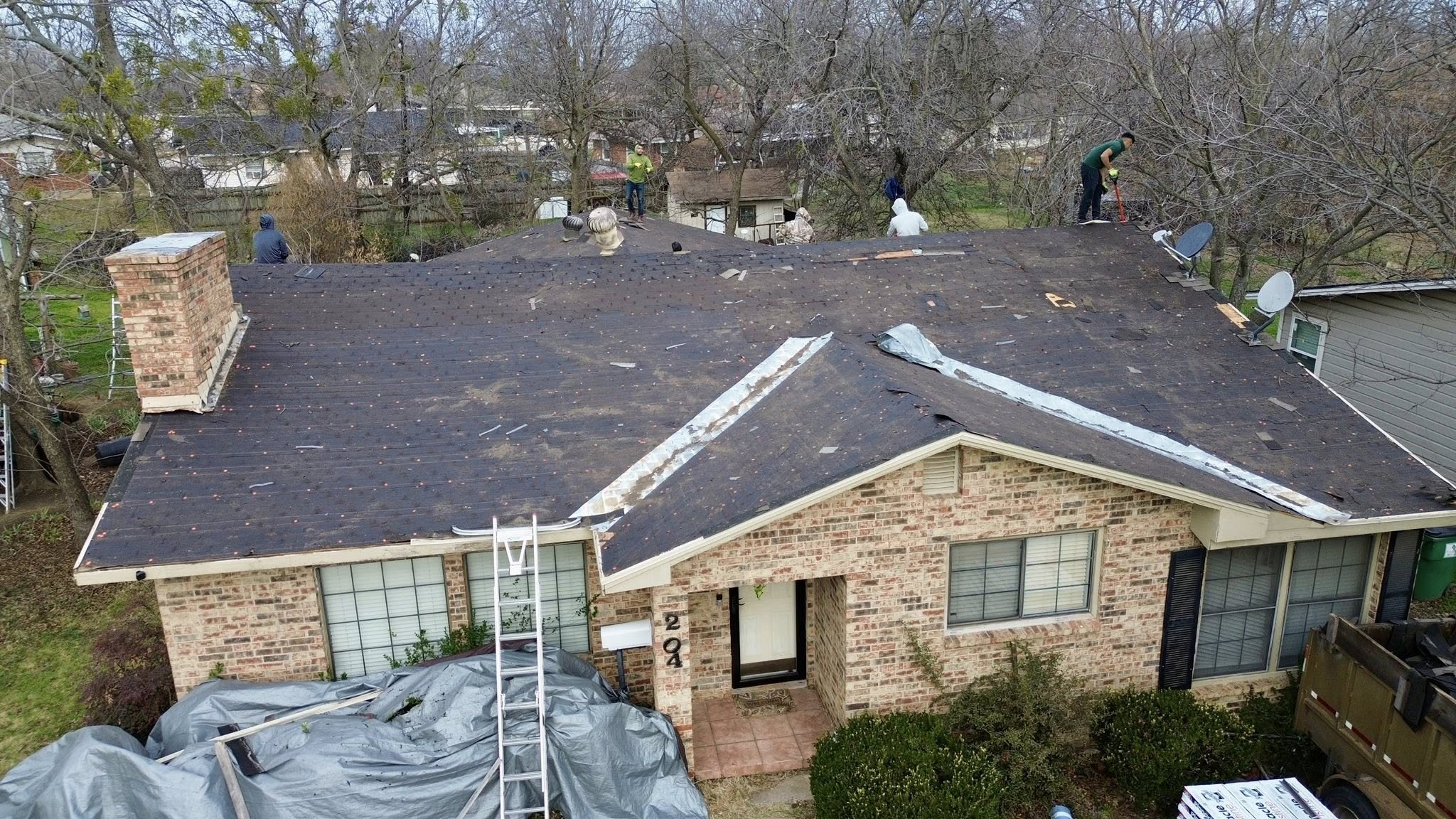
Extending the useful life of an existing roof is one of the simplest sustainable roofing practices. Manufacturing and installing a new roof require materials, energy, transportation, labor, and disposal of the old roofing system. Keeping a serviceable roof functioning longer can reduce the need for these resources.
Regular inspections can identify small defects before they develop into larger problems. Damaged shingles, cracked tiles, loose metal components, deteriorated flashing, and failing sealants can often be addressed before they allow extensive moisture intrusion.
Gutters and downspouts should remain clear so that rainwater can move away from the roof efficiently. Blocked drainage can cause water to accumulate around roof edges and other areas, increasing the risk of deterioration. Proper drainage also helps protect exterior walls and foundations.
Vegetation management is another useful practice. Overhanging branches can scrape roofing surfaces, drop debris, and create pathways for moisture retention. Trees near a home should be maintained appropriately to reduce the risk of branch damage while preserving their environmental benefits.
Roof surfaces should be treated according to the requirements of their specific materials. Walking unnecessarily on fragile roofing products can cause cracks or displacement. Cleaning methods should also be selected carefully because aggressive tools or chemicals can damage protective surfaces.
Repairs should focus on the cause of a problem rather than simply covering its visible symptoms. For example, replacing a damaged roofing component without correcting the flashing or drainage problem that caused the damage may result in repeated repairs. Addressing underlying causes supports longer service life and reduces material waste.
Sustainable maintenance can also include keeping accurate records. Homeowners can document repairs, inspections, material information, and installation dates. These records make it easier to determine when maintenance is needed and can help prevent unnecessary replacement of components that still have useful life.
A sustainable roofing strategy does not mean avoiding replacement forever. Every roofing system eventually reaches a point where continued repair is no longer practical. The goal is to maintain the roof responsibly so that replacement occurs because the system genuinely needs it rather than because preventable damage was ignored.
By combining appropriate materials, energy-efficient design, reflective technologies, and consistent maintenance, homeowners can reduce resource consumption while improving roofing performance. These practices establish the foundation for more advanced sustainable approaches, including recycled materials, solar energy, improved insulation, rainwater management, and green roofing systems.
Recycled and Recyclable Roofing Materials
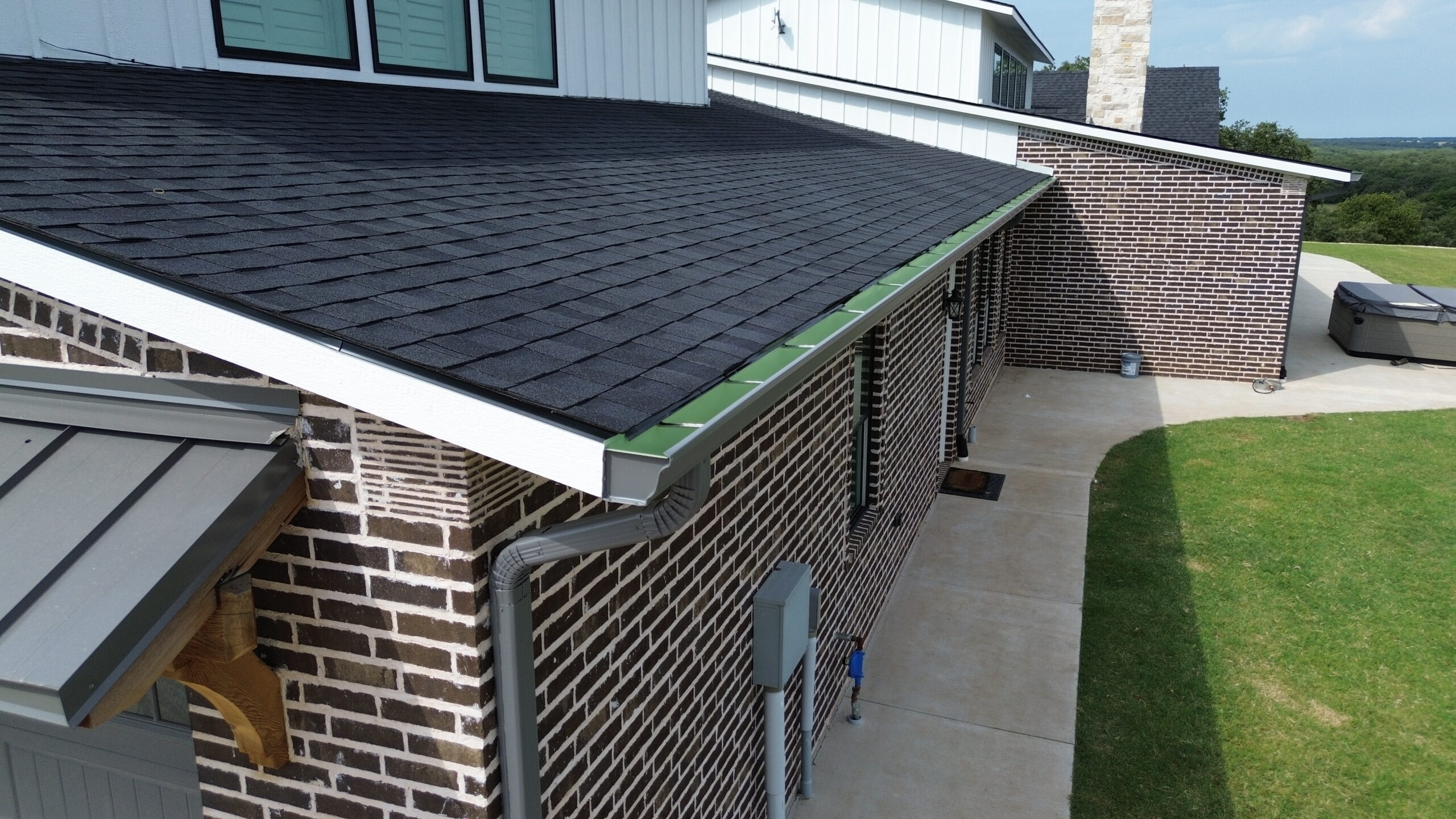
Recycled and recyclable roofing materials are becoming increasingly important as homeowners look for ways to reduce construction waste. Roofing replacement can generate a substantial amount of discarded material, so selecting products that contain recycled content or have recycling potential can improve the environmental profile of a project. The benefits depend on the material, manufacturing process, expected service life, and availability of suitable recycling facilities.
Metal roofing is one example of a material with strong recycling potential. Many metal products can contain recycled content, and metal can often be recovered and processed again after the roof reaches the end of its useful life. Its long service life can further reduce the need for frequent replacement and the resources associated with installing new roofing.
Some asphalt roofing products incorporate recycled materials into their manufacturing process. Used asphalt shingles may also be accepted by recycling facilities in certain regions and converted into materials for other applications. Homeowners should check local recycling programs before assuming that removed roofing materials can be processed.
Recycling is only one part of sustainable material selection. A roofing product that can technically be recycled may still have a significant environmental impact if it requires frequent replacement. Durability, maintenance requirements, transportation distance, and manufacturing practices should all be considered when evaluating the overall sustainability of a material.
Roofing materials should also be purchased according to the actual needs of the property. Ordering significantly more material than required can create unnecessary waste, while inaccurate measurements can result in additional trips and unused products. Careful planning before installation helps reduce both material waste and transportation-related impacts.
Some materials can potentially be reused rather than completely recycled. Certain tiles, slate pieces, and other durable roofing components may be salvaged when they remain in suitable condition. Reuse can preserve more of the original material’s value than processing it into another product.
Responsible disposal becomes particularly important during roof replacement. Roofing waste should not simply be left where it can create environmental or safety problems. Contractors and homeowners can discuss disposal options before work begins so that suitable materials are separated and directed toward appropriate facilities where available.
Sustainable material selection can therefore involve several considerations:
- Recycled content
- Recyclability at the end of service life
- Expected durability
- Repairability
- Manufacturing impact
- Transportation requirements
- Local disposal and recycling options
Homeowners should also consider product documentation when comparing sustainable roofing materials. Manufacturers may provide information about recycled content, environmental certifications, expected service life, and disposal options. Reviewing this information can make sustainability decisions more practical and evidence-based.
Solar Roofing and Renewable Energy Integration
Residential roofs can serve a purpose beyond weather protection by becoming locations for renewable energy generation. Solar photovoltaic panels and integrated solar roofing products can convert sunlight into electricity while using an area of the property that would otherwise remain largely unused. This can make renewable energy part of a broader sustainable roofing strategy.
Traditional solar panels are generally installed above the existing roofing surface using mounting systems. These systems can work with many roof types when properly designed and installed. The attachment points require careful waterproofing because penetrations through the roof can create potential pathways for moisture.
Solar shingles provide another approach by combining roofing and photovoltaic functions. Instead of placing separate panels over the roof, photovoltaic technology is integrated into selected roofing components. This can provide a more uniform appearance while allowing the roof to generate electricity.
The condition of an existing roof should be considered before solar installation. Installing a long-term energy system on an aging roof may create complications if the roof needs replacement later. Evaluating the remaining service life of the roofing system can help homeowners avoid unnecessary removal and reinstallation work.
Solar performance depends on several site characteristics. Roof orientation, pitch, shading, available surface area, and local sunlight conditions all influence potential electricity generation. Nearby buildings and trees can reduce solar exposure and should be considered during planning.
Solar roofing can also be combined with energy storage. Batteries can store some generated electricity for later use, potentially improving the usefulness of renewable energy during periods when sunlight is unavailable. The appropriate system depends on household energy needs, local electrical conditions, and installation requirements.
Sustainability also involves considering the materials used to manufacture solar equipment. Solar systems require energy and resources to produce, transport, install, maintain, and eventually dispose of their components. Their environmental benefits should therefore be considered over the full life cycle rather than only by looking at electricity generation.
Roofing and solar technology should be designed as one coordinated system. The roof must continue to handle rain, wind, drainage, thermal movement, and maintenance requirements after solar equipment is installed. Proper design and installation help ensure that renewable energy equipment does not compromise the primary weather-protection function of the roof.
As solar technology continues to develop, integrated systems may become more common. Combining energy generation with durable roofing materials can reduce the need for separate structures and create a roof that contributes directly to the home’s energy performance.
Sustainable Roof Insulation and Ventilation
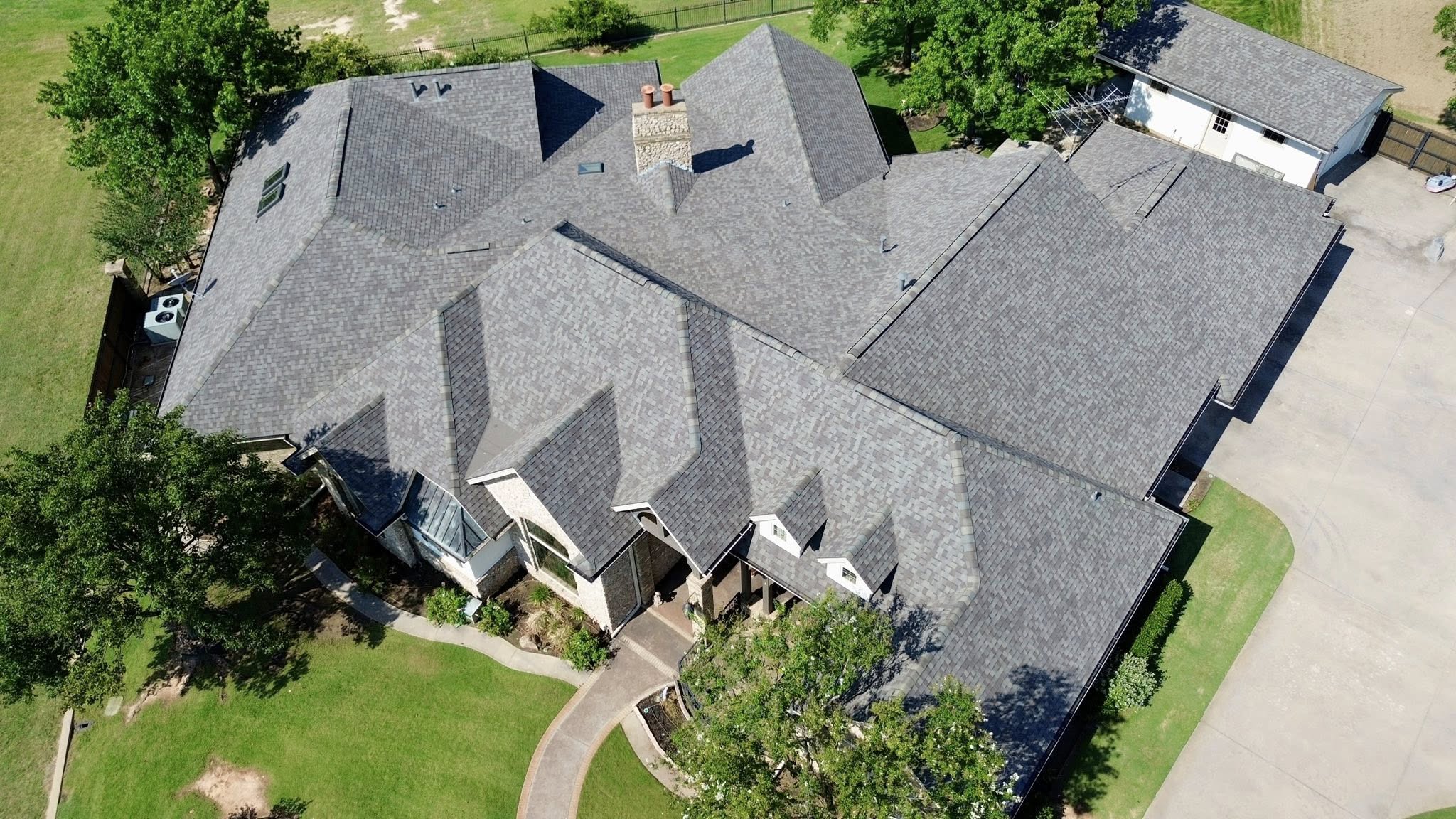
Insulation and ventilation are essential components of sustainable residential roofing because they influence energy consumption, indoor comfort, and moisture management. A roof can have a highly efficient surface material, but poor insulation or uncontrolled air movement can reduce the overall benefit. A complete approach considers how heat and moisture move through the entire roof assembly.
Insulation reduces heat transfer between the interior and exterior of the home. In warm weather, it can slow the movement of outdoor heat into living areas, while in cooler conditions it can reduce the loss of indoor heat. Maintaining appropriate insulation levels can therefore reduce the workload placed on heating and cooling equipment.
Air sealing works alongside insulation by controlling unwanted air movement. Gaps around ducts, pipes, electrical components, vents, and other penetrations can allow conditioned air to escape. Sealing appropriate openings can improve energy performance while also helping control moisture entering the attic.
Ventilation can help manage heat and moisture in suitable attic configurations. Intake vents can allow outside air to enter while exhaust vents provide pathways for air to leave. The system should be designed as a balanced assembly rather than simply adding vents wherever space is available.
Moisture management is particularly important for sustainable roof performance. Excess moisture can damage insulation, roof decking, framing, and other building components. Preventing moisture-related deterioration helps extend the life of the roof and reduces the resources required for premature repairs or replacement.
The type of roof assembly affects ventilation requirements. Traditional vented attic systems differ from unvented or conditioned roof assemblies, and each approach requires appropriate detailing. Homeowners should avoid mixing strategies without professional guidance because incorrect arrangements can create condensation or energy-performance problems.
Sustainable insulation choices can also involve material considerations. Some insulation products contain recycled or renewable materials, while others may provide high thermal performance with relatively small thicknesses. The appropriate choice depends on the climate, building design, moisture conditions, fire considerations, and applicable construction requirements.
Insulation should not block ventilation pathways where those pathways are intentionally required. Maintaining appropriate clearance around ventilation areas helps ensure that airflow remains effective. Installation quality is therefore just as important as the insulation material itself.
A sustainable roofing system aims to reduce energy consumption without creating new moisture problems. Properly coordinated insulation, air sealing, and ventilation can help achieve that balance while protecting the roof structure and improving indoor comfort.
Rainwater Management and Responsible Drainage
Rainwater management is another important part of sustainable residential roofing. A roof collects a significant amount of rainfall, and poorly managed runoff can contribute to soil erosion, foundation problems, drainage overload, and water-related roof deterioration. A well-designed system directs water safely away from vulnerable parts of the property.
Gutters and downspouts are the most common components used to manage roof runoff. They collect water from roof edges and direct it toward appropriate discharge locations. Keeping these systems clear allows rainfall to move away from the roof without unnecessary accumulation.
Roof valleys require particular attention because they collect water from multiple roof surfaces. Proper valley design and installation help prevent water from entering beneath roofing materials. Debris should also be removed because blocked valleys can interfere with drainage.
Rainwater harvesting can provide another sustainable option where appropriate. Collected roof water may be used for suitable non-potable purposes such as landscape irrigation, depending on local regulations and the design of the collection system. Proper filtration, storage, and handling are important when implementing any rainwater collection approach.
Downspouts should discharge water in locations that do not create damage around foundations or exterior walls. Extensions or suitable drainage features can help move water farther away from the building. The goal is to manage runoff without simply transferring the problem to another vulnerable area.
Permeable landscaping can complement sustainable roof drainage. Surfaces that allow water to infiltrate into the ground can reduce the amount of runoff entering conventional drainage systems. Rain gardens and other landscape features may also help manage stormwater where local conditions permit.
Roofing material selection can influence water management as well. Appropriate roof slopes help water move efficiently toward drainage points. Materials and flashing should also be installed so that water is directed over the intended surfaces rather than into joints or vulnerable transitions.
Drainage maintenance is essential. Gutters filled with leaves, sediment, or other debris cannot perform effectively, and blocked downspouts can cause water to accumulate around roof edges. Regular cleaning and inspection can prevent avoidable moisture damage and extend the service life of the roofing system.
Sustainable water management therefore involves more than collecting rainwater. It means controlling runoff, protecting the roof and building structure, reducing unnecessary erosion, and directing water toward appropriate destinations. A well-managed drainage system supports both roofing durability and broader property sustainability.
Reducing Roofing Waste During Installation and Replacement
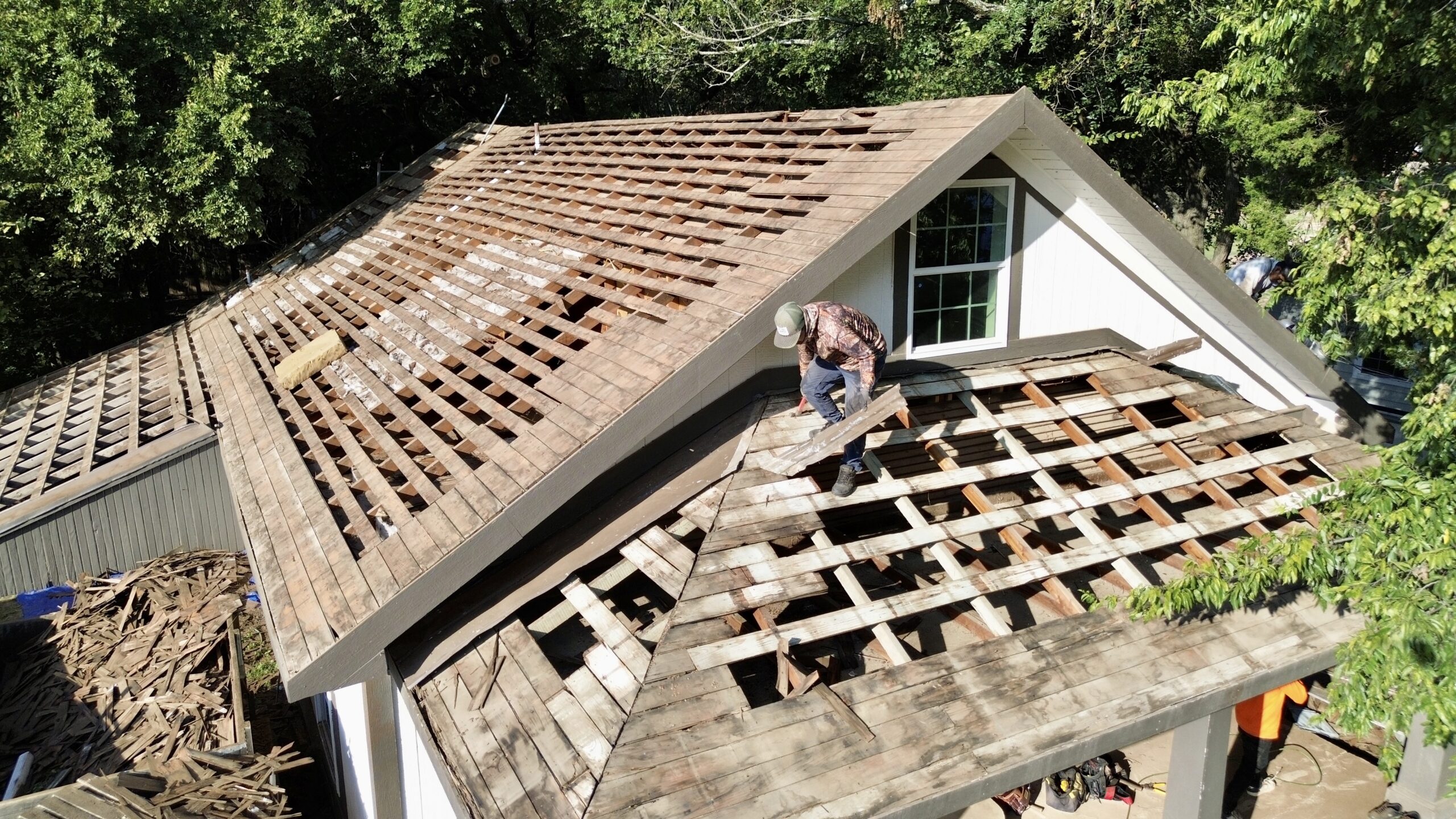
Roofing projects can generate considerable waste if materials are poorly planned or removed without an organized disposal strategy. Sustainable installation aims to use materials efficiently, minimize unnecessary offcuts, protect products from damage, and manage removed roofing responsibly.
Accurate roof measurements are one of the simplest ways to reduce waste. Digital measurement tools and careful site assessment can help contractors estimate material requirements more precisely. Better estimates reduce the likelihood of ordering excessive quantities that later become unused waste.
Material handling also matters. Roofing products that are damaged during transportation or installation may need to be discarded before they can be used. Proper storage and careful handling can protect materials from moisture, impact, and other unnecessary damage.
During replacement, materials should be removed systematically. Some components may be suitable for recycling or reuse, while others may require specialized disposal. Separating materials where practical can make it easier to direct them toward appropriate waste-management channels.
Roofing contractors can also reduce waste by planning cuts efficiently. Certain materials require trimming around roof edges, valleys, penetrations, and complex shapes. Careful layout can minimize unnecessary offcuts without compromising installation quality.
Packaging waste should also be considered. Cardboard, plastic wrapping, pallets, and other packaging materials can accumulate during a large roofing project. Where recycling facilities are available, separating these materials from general construction waste can reduce landfill disposal.
Repair can sometimes be more sustainable than replacement. If the main roofing system remains in good condition, replacing a small damaged section may require considerably fewer materials than removing the entire roof. Professional evaluation can determine whether repair is technically appropriate.
When replacement is necessary, selecting a durable system can reduce future waste. A roof that performs well for many years may prevent another major removal and installation cycle. This demonstrates why service life is an important part of sustainable roofing decisions.
Homeowners can discuss waste-management plans with contractors before work begins. Asking how removed materials will be handled, whether recycling is available, and how unused materials will be managed can encourage more responsible project practices.
Reducing waste does not mean compromising roof quality. Correct installation remains the priority because improperly installed materials may fail early and create even greater environmental costs. Sustainable roofing combines efficient resource use with reliable long-term performance.
Green Roofing and Vegetation-Based Systems
Green roofing introduces vegetation into the roof system and can provide environmental benefits when properly designed. Unlike conventional roofs, green roofs include growing media and plants above waterproofing and drainage layers. They are more common on suitable low-slope structures, although specific residential applications depend heavily on structural and climatic conditions.
Vegetation can provide shade over the roof surface and reduce direct solar exposure. Plants and growing media can also influence roof temperatures by absorbing and releasing heat differently from conventional roofing materials. This can contribute to improved thermal performance under suitable conditions.
Green roofs can also help manage rainfall. The growing medium can retain a portion of precipitation, while drainage layers control how water moves away from the roof. This can reduce the speed and volume of runoff reaching conventional drainage systems during certain rainfall events.
The environmental benefits depend on the complete design. A green roof requires waterproofing, root-resistant layers, drainage, growing media, and suitable plants. These components must work together to prevent water from reaching the underlying structure.
Structural capacity is a major consideration for residential green roofs. Saturated growing media can be significantly heavier than conventional roofing materials. The structure must therefore be evaluated before installation to determine whether it can safely support the additional load.
Maintenance is also necessary. Plants need appropriate care, drainage systems must remain clear, and the waterproofing assembly should be monitored. Neglecting maintenance can undermine both environmental benefits and roof performance.
Green roofs may also provide habitat for insects and other organisms when suitable plants are selected. In urban environments, vegetation-based roofs can contribute to broader efforts to increase green space. Their value can extend beyond the individual home when they form part of a larger sustainable building strategy.
However, green roofing is not suitable for every residential property. Roof slope, structural design, climate, access, maintenance capacity, and installation cost all need to be considered. A conventional sustainable roof may be a more practical choice when a green roof cannot be safely or efficiently supported.
Green roofing demonstrates how sustainable residential roofing can combine building protection with environmental functions. When properly designed and maintained, it can contribute to stormwater management, thermal performance, biodiversity, and roof durability while reducing some of the environmental effects associated with conventional roofing systems.
Sustainable Roofing Maintenance and Repair Strategies
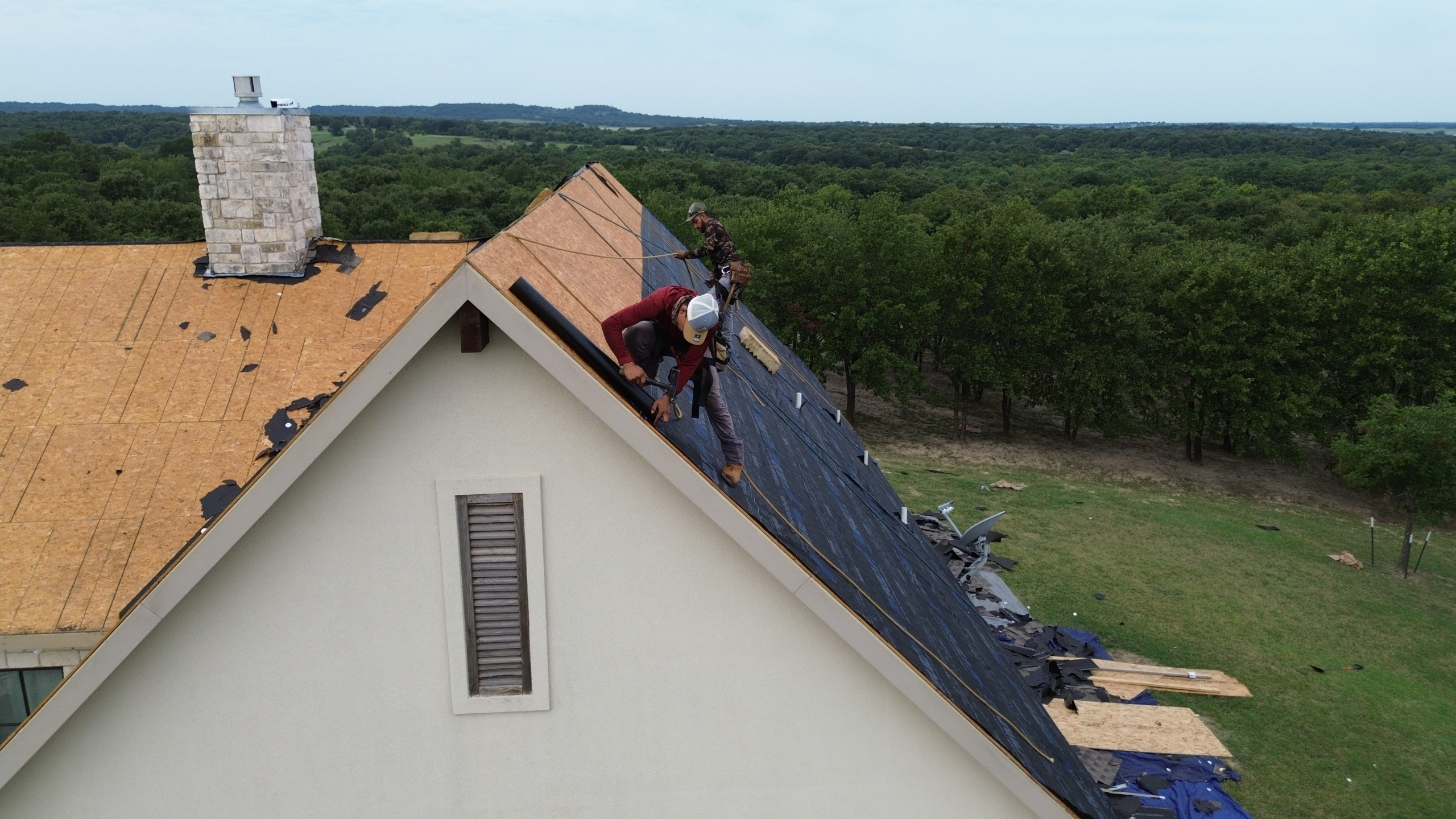
Sustainable roofing does not end when installation is complete. Regular maintenance is one of the most effective ways to reduce material consumption because keeping an existing roof functional can delay the environmental and financial costs associated with replacement. A proactive maintenance program focuses on identifying small problems early and correcting their causes before they develop into major failures.
Roof inspections should pay attention to shingles, tiles, metal panels, flashing, vents, valleys, gutters, drainage points, and visible roof penetrations. Small defects such as lifted materials, cracked sealants, loose flashing, or damaged drainage components can allow moisture to enter the roofing assembly. Repairing these issues early can protect the roof deck and structural components from more extensive deterioration.
Cleaning should be performed carefully and according to the roofing material. Removing leaves, branches, dirt, and other debris can help keep drainage pathways clear, but aggressive pressure washing or unsuitable chemicals can damage some roofing surfaces. Sustainable maintenance means protecting the existing material rather than creating new damage while attempting to clean it.
Tree management can also extend roof life. Branches that repeatedly contact the roof can scrape protective surfaces and cause physical damage, while falling leaves can retain moisture and block gutters. Maintaining appropriate clearance around the roof can reduce these risks while allowing homeowners to preserve the environmental benefits of healthy trees.
Repairs are generally more resource-efficient when they address the underlying cause. Replacing a damaged section without correcting a drainage, flashing, or ventilation problem may result in repeated repairs. Proper diagnosis can therefore reduce material waste and prevent unnecessary work.
Homeowners should also maintain records of inspections and repairs. A simple record can include the date of inspection, areas examined, repairs completed, and materials used. Over time, these records can help identify recurring problems and support better decisions about when replacement is genuinely necessary.
Eventually, every roof reaches the end of its useful life. Sustainable maintenance does not mean keeping a failing roof indefinitely, because continued deterioration can cause greater damage to the building. The objective is to maximize useful service life while replacing the roof when repair is no longer a responsible or practical solution.
Climate-Resilient Roofing for Long-Term Sustainability
Climate-resilient roofing is closely connected to sustainability because a roof that cannot withstand local environmental conditions may require frequent repairs and premature replacement. Selecting materials according to actual weather exposure can reduce resource consumption over the long term. The best sustainable roof is therefore one that is both environmentally responsible and capable of performing reliably in its climate.
Hot climates may require special attention to solar heat, ultraviolet exposure, and thermal movement. Reflective surfaces, suitable insulation, and effective ventilation can help manage heat while reducing stress on the roofing assembly. Materials should also be selected for their ability to withstand prolonged sunlight exposure.
Areas with heavy rainfall require strong drainage and moisture protection. Proper roof slopes, flashing, underlayments, gutters, and downspouts help direct water away from vulnerable areas. Preventing water intrusion is essential because moisture damage can affect both roofing materials and the structure beneath them.
High-wind regions may benefit from roofing systems designed with stronger attachment methods. Correct fastening, secure roof edges, compatible adhesives, and appropriate installation procedures can improve resistance to wind uplift. A durable material provides limited value if it is not properly secured to the structure.
Hail-prone areas can benefit from impact-resistant roofing products. These materials may reduce the likelihood of damage from severe weather events, potentially decreasing the need for emergency repairs. Homeowners should evaluate product performance specifications rather than relying only on general descriptions.
Climate resilience also supports sustainability by reducing waste after severe weather. A roof that withstands environmental stresses more effectively may require fewer replacements over its service life. This reduces the demand for new materials and the amount of discarded roofing entering waste-management systems.
Comparing the Environmental Impact of Roofing Materials
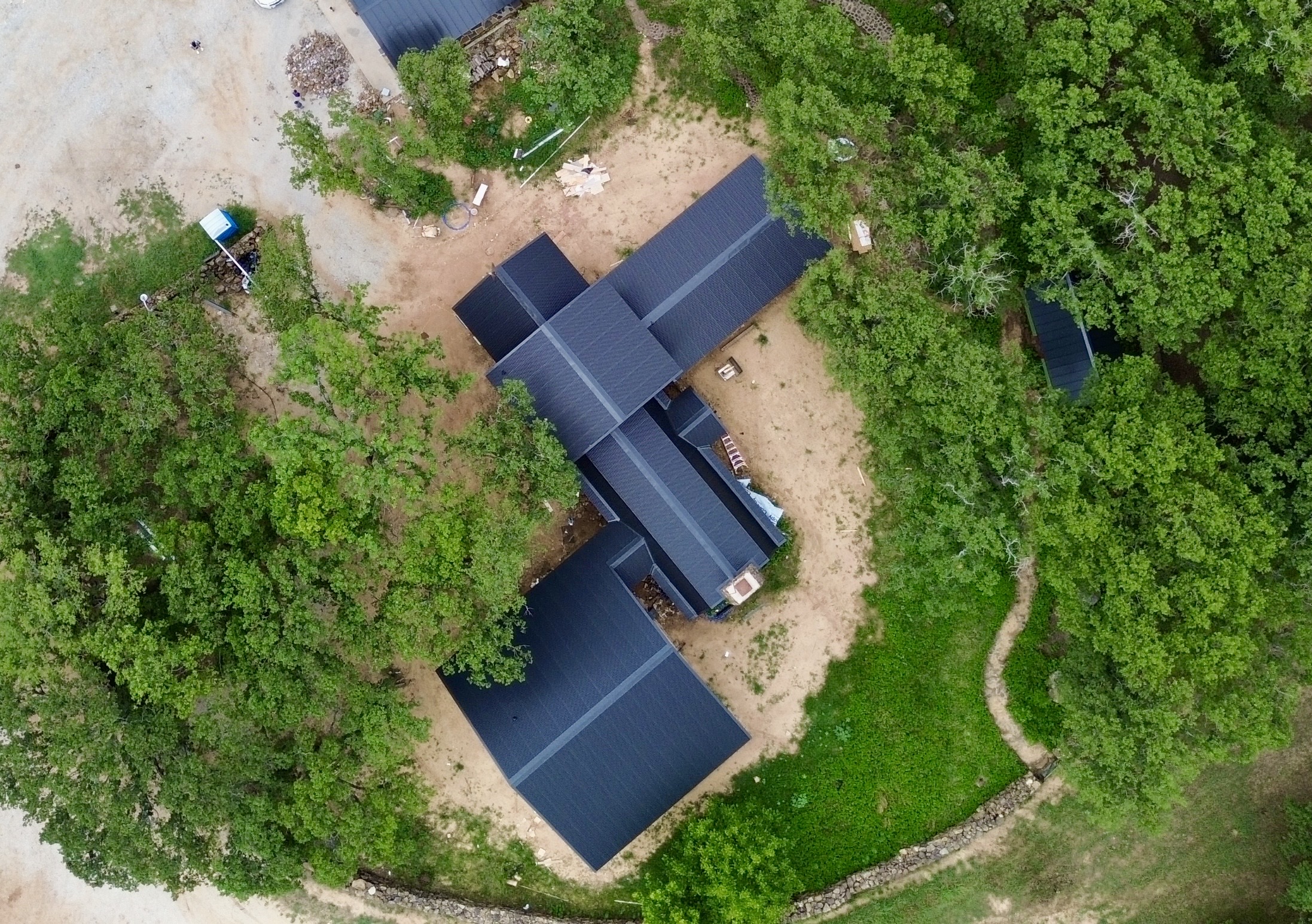
No single roofing material is automatically the most sustainable choice for every residential property. Environmental performance depends on several factors, including manufacturing, transportation, durability, maintenance, energy performance, and end-of-life management. Comparing materials across their entire life cycle provides a more balanced perspective.
Metal roofing can offer long service life and strong recycling potential, while some products contain recycled content. Its environmental performance can be affected by manufacturing energy requirements and transportation, but durability may offset some of these impacts over time.
Clay and concrete tiles can also provide long-term performance. Their durability can reduce replacement frequency, although their weight may increase transportation and structural requirements. Local availability can influence their overall environmental impact.
Asphalt shingles are widely available and can be economical, with some products incorporating recycled materials. Their sustainability can improve when they are maintained effectively and recycled where suitable programs exist. However, their shorter potential service life compared with some alternatives may increase replacement-related resource use.
Synthetic roofing products can offer durability, lightweight construction, and the ability to reproduce the appearance of traditional materials. Their sustainability depends on the source of their raw materials, manufacturing methods, service life, and whether recycling or reuse is available at the end of their life.
A useful comparison should therefore consider:
| Roofing consideration | Why it matters |
|---|---|
| Service life | Longer-lasting roofs may reduce replacement frequency |
| Recycled content | Can reduce demand for some new raw materials |
| Energy performance | May reduce heating or cooling requirements |
| Maintenance | Lower maintenance can reduce resource consumption |
| Repairability | Allows damaged areas to be addressed without full replacement |
| End-of-life options | Recycling or reuse can reduce disposal waste |
The most sustainable choice is usually the material that provides an appropriate balance between environmental performance and reliable service. A product that performs poorly in the local climate may become less sustainable if it requires frequent repairs or early replacement.
Planning a Sustainable Residential Roof
Planning should begin before roofing materials are purchased. Homeowners should consider the property’s climate, roof structure, drainage, energy goals, maintenance expectations, and available budget. This allows sustainability to be incorporated into the complete design rather than added as an afterthought.
The existing roof should be inspected before major improvements are made. If the roof structure, decking, or flashing has serious problems, these issues should be addressed before installing new sustainable technologies. This is particularly important when adding solar systems, green roofing, or other components that may remain in place for many years.
Energy performance should be evaluated alongside material selection. Reflective roofing, insulation, ventilation, and air sealing can work together to reduce heat transfer. Solar technology can then be considered when the roof has suitable exposure and sufficient remaining structural and service life.
Water management should also be included in the plan. Gutters, downspouts, valleys, and drainage pathways need to be designed to handle expected rainfall. Where practical, rainwater collection or landscape-based stormwater management can complement the roof’s drainage system.
Homeowners should discuss waste reduction with contractors before installation. Accurate measurements, efficient material planning, responsible removal, and appropriate recycling can reduce the amount of waste generated during the project. Selecting durable materials can also reduce waste over the longer term.
A sustainable roofing project should prioritize quality installation. Poor workmanship can cause premature failure regardless of how environmentally responsible the selected material may be. Qualified installation helps ensure that the roof delivers the expected service life and performance.
Future Trends in Sustainable Roofing
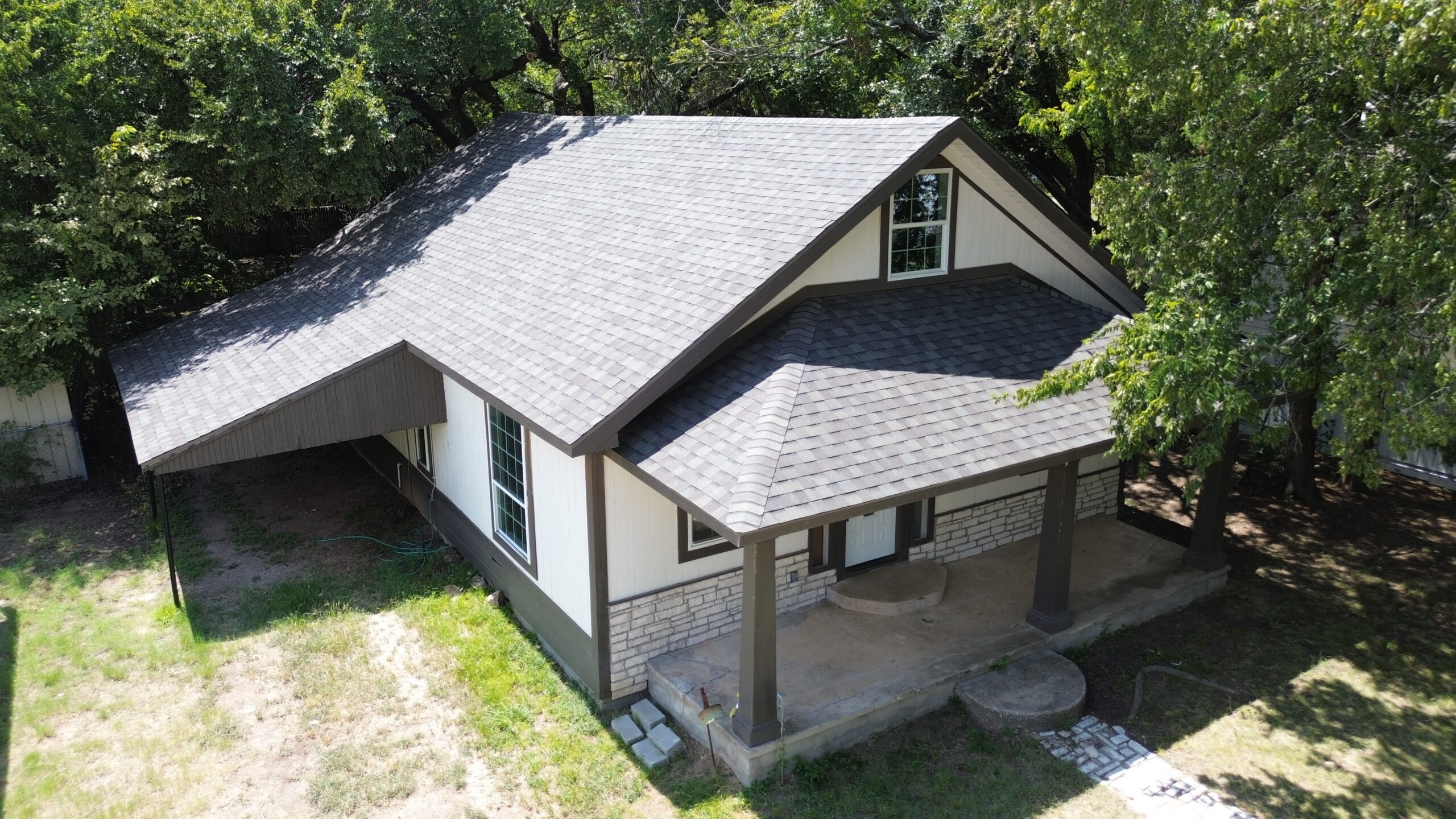
Sustainable roofing is likely to become increasingly connected with smart technology and renewable energy. Future roofing systems may combine reflective surfaces, solar generation, advanced insulation, sensors, and digital monitoring into integrated building solutions.
Smart sensors may help homeowners monitor moisture, temperature, and other roof conditions. Early warnings could allow problems to be investigated before they result in major material damage. This type of predictive maintenance could reduce unnecessary repairs and extend roof service life.
Solar roofing is also likely to become more integrated into residential construction. Photovoltaic materials may increasingly resemble conventional roofing products while generating electricity. Improvements in energy storage could further strengthen the connection between roofing and household energy systems.
Material development will continue to focus on durability and resource efficiency. Manufacturers may increase recycled content, develop materials that are easier to recycle, and improve manufacturing processes that reduce waste. Longer-lasting products can also contribute to sustainability by reducing replacement frequency.
Digital design and measurement tools may help reduce installation waste. More accurate roof measurements can improve material estimates, while digital records can preserve information about the roof throughout its service life. This information can support future maintenance and replacement decisions.
Green roofing and stormwater management may also become more common where conditions allow. Vegetated roofs, rain gardens, permeable landscaping, and improved drainage can work together to manage rainfall and provide additional environmental benefits.
The future of sustainable roofing will likely focus on integration rather than one single innovation. Roofing materials, energy systems, water management, smart monitoring, and maintenance strategies can increasingly operate as parts of one coordinated residential system.
Conclusion
Sustainable residential roofing is about making thoughtful decisions throughout the entire life of a roof. Material selection, energy efficiency, water management, installation quality, maintenance, repair, recycling, and eventual replacement all influence the environmental performance of a roofing system.
Durability is one of the strongest foundations of sustainable roofing. A roof that remains reliable for many years can reduce the need for repeated manufacturing, transportation, installation, and disposal. However, durability must be combined with suitability for the local climate and proper installation to provide meaningful long-term benefits.
Energy-efficient roofing can further improve sustainability. Reflective surfaces, effective insulation, appropriate ventilation, and air sealing can reduce unwanted heat transfer and help control household energy use. Solar roofing can take this concept further by allowing the roof to become a source of renewable electricity.
Responsible material management is equally important. Recycled and recyclable products, reusable components, accurate material planning, and appropriate disposal can reduce waste during installation and replacement. Homeowners can also support sustainability by repairing serviceable roofs rather than replacing them prematurely.
Water management should not be overlooked. Proper drainage protects the roof and building while responsible runoff management can reduce erosion and unnecessary strain on local drainage systems. In suitable situations, rainwater collection and green roofing can provide additional environmental benefits.
The most sustainable roof is not necessarily the product with the highest recycled content or the newest technology. It is a complete system that performs reliably, lasts appropriately, uses resources responsibly, and can be maintained throughout its service life.
As roofing technology continues to advance, homeowners will have more opportunities to combine sustainability with comfort, durability, energy efficiency, and resilience. By planning carefully and considering the complete life cycle of the roof, residential property owners can create roofing systems that protect their homes while reducing unnecessary environmental impact.