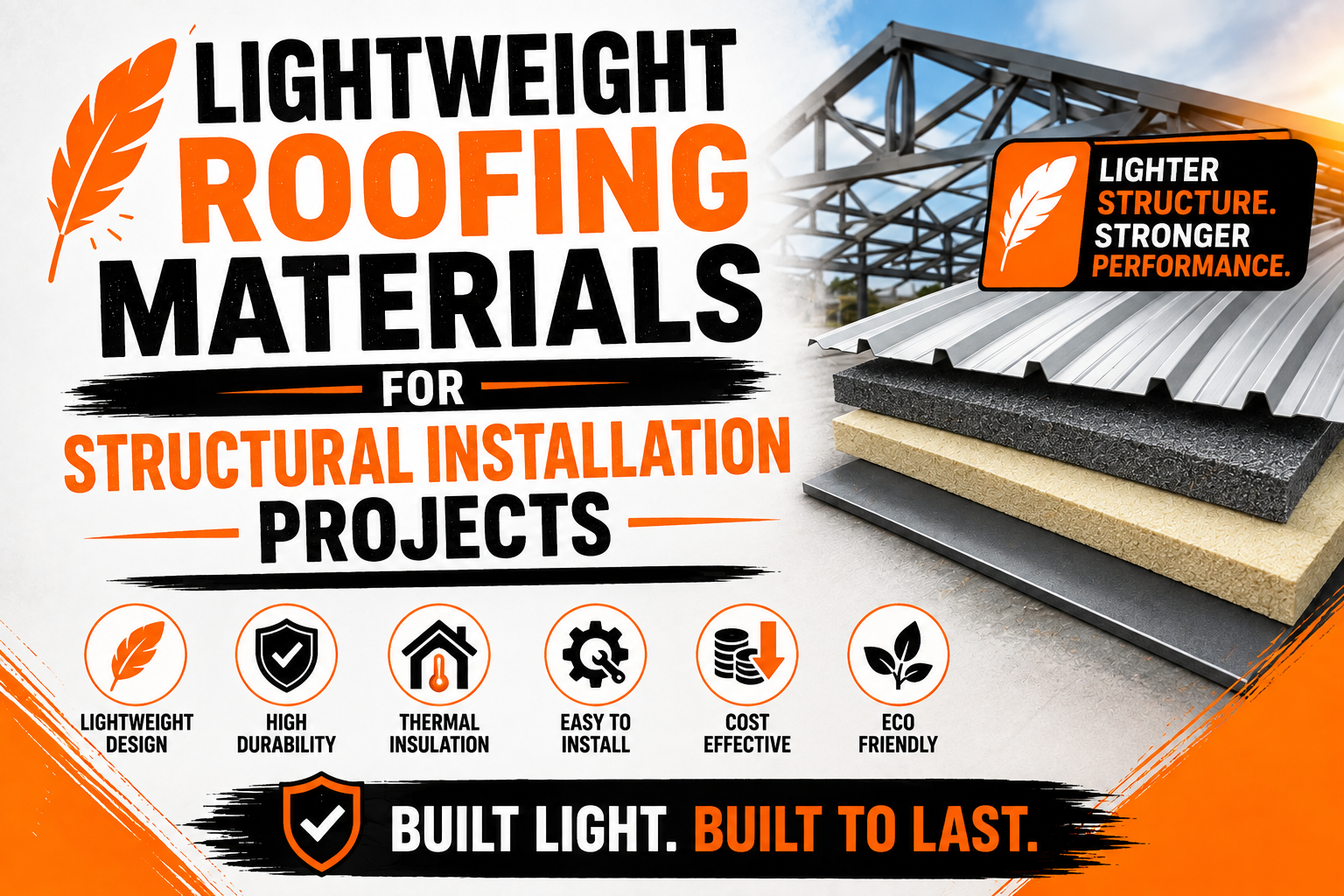
Lightweight Roofing Materials for Structural Installation Projects
Introduction
Lightweight roofing materials have become increasingly popular in modern construction because they offer an effective combination of strength, efficiency, and structural flexibility. Whether used in residential homes, commercial buildings, industrial facilities, or renovation projects, lightweight roofing systems reduce the load placed on the building while providing dependable protection against weather conditions. Advances in roofing technology have also expanded the variety of lightweight materials available, allowing property owners to choose products that meet both functional and aesthetic requirements.
Traditional roofing materials such as natural slate and heavy concrete tiles provide excellent durability, but they also place significant weight on the building’s structural framework. In many situations, especially renovation projects or older buildings, the existing structure may not be designed to support these heavier roofing systems without expensive reinforcement. Lightweight roofing materials solve this challenge by delivering comparable protection while placing far less stress on walls, foundations, and roof framing.
The growing demand for energy efficient and sustainable buildings has further increased interest in lightweight roofing. Many modern products improve thermal performance, simplify installation, and reduce transportation costs because less material weight means easier handling. These advantages benefit contractors during construction while providing long term value for property owners.
Lightweight roofing materials are also widely used in areas where earthquake resistance is important. A lighter roof creates lower structural loads during seismic activity, helping reduce the forces acting on the building. Similarly, buildings in regions with weaker soil conditions often benefit from reduced roof weight because the overall structural load remains lower.
Choosing the right lightweight roofing material requires more than simply selecting the lightest available product. Durability, climate suitability, maintenance requirements, lifespan, energy efficiency, and installation quality all influence long term performance. Understanding these factors helps property owners select roofing systems that provide reliable protection while supporting the structural needs of the building.
This guide explains how lightweight roofing materials support structural installation projects, explores their advantages, and introduces the most commonly used lightweight roofing systems available for modern construction.
What Are Lightweight Roofing Materials
Lightweight roofing materials are roofing products specifically designed to minimize structural load while maintaining the strength and weather resistance required to protect a building. Compared to traditional heavy roofing systems, these materials weigh significantly less per square meter, making them easier to transport, install, and support.
The reduced weight comes from advances in material engineering and manufacturing. Modern roofing products use high strength metals, engineered polymers, fiber reinforced composites, lightweight concrete formulations, and improved asphalt technologies to achieve excellent performance without unnecessary mass. These innovations allow manufacturers to produce roofing systems that combine durability with structural efficiency.
Weight plays an important role in overall building design. Every kilogram added to the roof increases the load carried by rafters, trusses, walls, columns, and foundations. By reducing roof weight, lightweight materials decrease structural stress while allowing greater design flexibility for architects and engineers.
Lightweight roofing does not mean weaker roofing. Many modern products undergo rigorous testing for wind resistance, impact resistance, fire performance, and waterproof protection. Properly installed lightweight roofing systems often perform as well as heavier alternatives under challenging environmental conditions.
These roofing materials are suitable for both new construction and renovation projects. Older buildings frequently benefit because lightweight systems can often be installed without requiring costly structural upgrades. This makes them especially valuable during roof replacement projects where preserving the existing building structure is important.
The growing popularity of lightweight roofing reflects changing construction priorities. Builders increasingly seek materials that reduce labor, improve efficiency, and support sustainable construction while maintaining long term reliability.
Why Lightweight Roofing Is Becoming More Popular
The construction industry has experienced significant changes in recent years, with greater emphasis on efficiency, sustainability, and cost effectiveness. Lightweight roofing materials align closely with these priorities, making them increasingly attractive for a wide variety of building projects.
One major reason for their popularity is the reduced structural load they create. Lighter roofs require less support from framing systems, allowing engineers greater flexibility during building design. In some cases, reducing roof weight also lowers construction costs by decreasing the amount of structural material required.
Renovation projects have also contributed to increased demand. Many older buildings were designed decades ago using different engineering standards. Installing heavy roofing materials on these structures may require reinforcement of roof framing and supporting walls. Lightweight roofing often eliminates this need, simplifying renovation while reducing overall project expenses.
Faster installation is another important advantage. Lighter materials are easier to transport onto rooftops, move across the work area, and position accurately during installation. Contractors often complete projects more efficiently because workers spend less time handling heavy roofing products.
Transportation efficiency further supports their popularity. Trucks carrying lightweight materials often transport larger coverage areas in fewer trips compared to heavier roofing systems. Reduced transportation contributes to lower fuel consumption and decreased project costs while supporting environmentally responsible construction practices.
Modern manufacturing has also improved the appearance of lightweight roofing materials. Many products now successfully imitate the look of slate, clay tile, or wood shakes while weighing only a fraction of the natural materials. Property owners no longer need to compromise between appearance and structural efficiency.
Growing awareness of energy efficiency has encouraged further adoption. Many lightweight roofing systems incorporate reflective surfaces, improved insulation compatibility, or ventilation features that contribute to lower heating and cooling costs throughout the building’s lifetime.
As construction continues evolving toward greater efficiency and sustainability, lightweight roofing materials are expected to remain an increasingly important component of modern building design.
Key Benefits of Lightweight Roofing Materials
Lightweight roofing systems provide numerous advantages that extend beyond simply reducing roof weight. Their structural, financial, and practical benefits make them valuable choices for many different installation projects.
One of the most significant advantages is reduced stress on the building structure. Roof framing, load bearing walls, and foundations experience lower loads, helping improve structural efficiency while reducing long term stress on construction materials. This can be especially valuable for renovation projects where existing structural capacity is limited.
Installation efficiency also improves considerably. Workers can lift, position, and secure lightweight materials more quickly than heavier alternatives. Reduced physical effort contributes to improved productivity while helping shorten project completion times.
Transportation costs are often lower because lighter materials require less fuel during delivery. More roofing coverage can frequently be transported in a single shipment, reducing logistical expenses while minimizing environmental impact associated with transportation.
Improved earthquake performance represents another important benefit. Buildings with lighter roofs generally experience lower seismic forces during earthquakes because the total moving mass is reduced. This characteristic makes lightweight roofing particularly valuable in regions with elevated seismic activity.
Many lightweight roofing materials also provide excellent weather resistance. Modern engineering has produced products capable of resisting strong winds, heavy rainfall, ultraviolet radiation, and temperature changes while maintaining relatively low weight. Proper installation allows these materials to perform reliably under demanding environmental conditions.
Maintenance requirements are often lower as well. Many lightweight products resist corrosion, moisture absorption, insect damage, and biological growth more effectively than certain traditional materials. Lower maintenance contributes to reduced ownership costs over many years.
Sustainability also plays an increasingly important role. Many lightweight roofing materials contain recycled content or can themselves be recycled after their service life ends. Combined with lower transportation emissions and improved energy efficiency, these characteristics contribute to more environmentally responsible construction.
Factors to Consider Before Choosing Lightweight Roofing
Although lightweight roofing offers many advantages, selecting the right material requires careful evaluation of several important factors. Every building presents unique structural requirements, environmental conditions, and performance expectations that influence material selection.
Climate should always be considered first. Roofing materials perform differently depending on local weather conditions. Areas experiencing heavy rainfall require excellent waterproof performance, while regions with strong winds demand roofing systems capable of resisting uplift forces. Hot climates often benefit from reflective roofing materials that improve energy efficiency.
Expected lifespan is another important consideration. Some lightweight roofing products remain functional for several decades, while others may require earlier replacement depending on environmental exposure. Evaluating long term durability helps property owners compare overall value rather than focusing only on installation cost.
Structural compatibility should also be verified. Although lightweight roofing reduces building loads, contractors must still ensure the roof framing and deck are suitable for the selected roofing system. Proper structural evaluation prevents installation problems while supporting long term safety.
Maintenance expectations vary among different roofing materials. Some systems require only occasional inspections, while others benefit from periodic cleaning or protective treatments. Property owners should select materials that align with their willingness and ability to perform routine maintenance.
Aesthetic preferences naturally influence the final decision as well. Roofing contributes significantly to the building’s overall appearance. Fortunately, modern lightweight materials are available in many colors, textures, and profiles that complement both traditional and contemporary architectural styles.
Budget remains an important factor, but total ownership cost should receive greater attention than installation price alone. A slightly more expensive roofing material with longer service life and lower maintenance requirements often provides better value over several decades.
Finally, local building codes and manufacturer recommendations should always be reviewed before selecting roofing materials. Compliance with applicable standards helps ensure safety while maintaining warranty protection.
Structural Advantages of Lightweight Roofing Systems
Reducing roof weight influences many aspects of structural engineering, making lightweight roofing particularly attractive for modern construction. Lower roof loads improve building performance while expanding design possibilities for architects and engineers.
The most obvious structural advantage is reduced dead load. Dead load refers to the permanent weight carried by the building structure, including roofing materials, framing, insulation, and other fixed components. Lower dead loads reduce stress throughout the entire structural system.
Roof trusses and rafters often require less structural capacity when supporting lightweight roofing. This may reduce the amount of timber or steel required during construction, contributing to lower material costs while maintaining structural safety.
Foundation performance also benefits from reduced roof weight. Lower structural loads transfer less force to the building foundation, making lightweight roofing advantageous in areas with weaker soil conditions or limited foundation capacity.
Seismic performance represents another significant advantage. During earthquakes, heavier buildings experience greater inertial forces because more mass moves with the ground motion. Lightweight roofing reduces these forces, helping improve overall structural behavior during seismic events.
Building renovations frequently rely on lightweight roofing because existing structures often have limited reserve capacity. Installing lightweight materials allows roof replacement without extensive structural reinforcement, reducing both project cost and construction time.
Long term structural movement may also be reduced. Lower permanent loads place less stress on framing members, decreasing the likelihood of gradual sagging or deflection over many years. Maintaining structural stability supports better roof performance throughout its service life.
These structural advantages explain why lightweight roofing has become increasingly common across residential, commercial, industrial, and institutional construction projects.
Common Types of Lightweight Roofing Materials
The roofing industry offers numerous lightweight materials suitable for different building designs and environmental conditions. Each product provides distinct advantages that make it appropriate for particular installation projects.
Metal roofing remains one of the most widely used lightweight roofing systems. Steel and aluminum panels combine exceptional strength with relatively low weight while providing excellent weather resistance. Their long lifespan and recyclability further enhance their appeal.
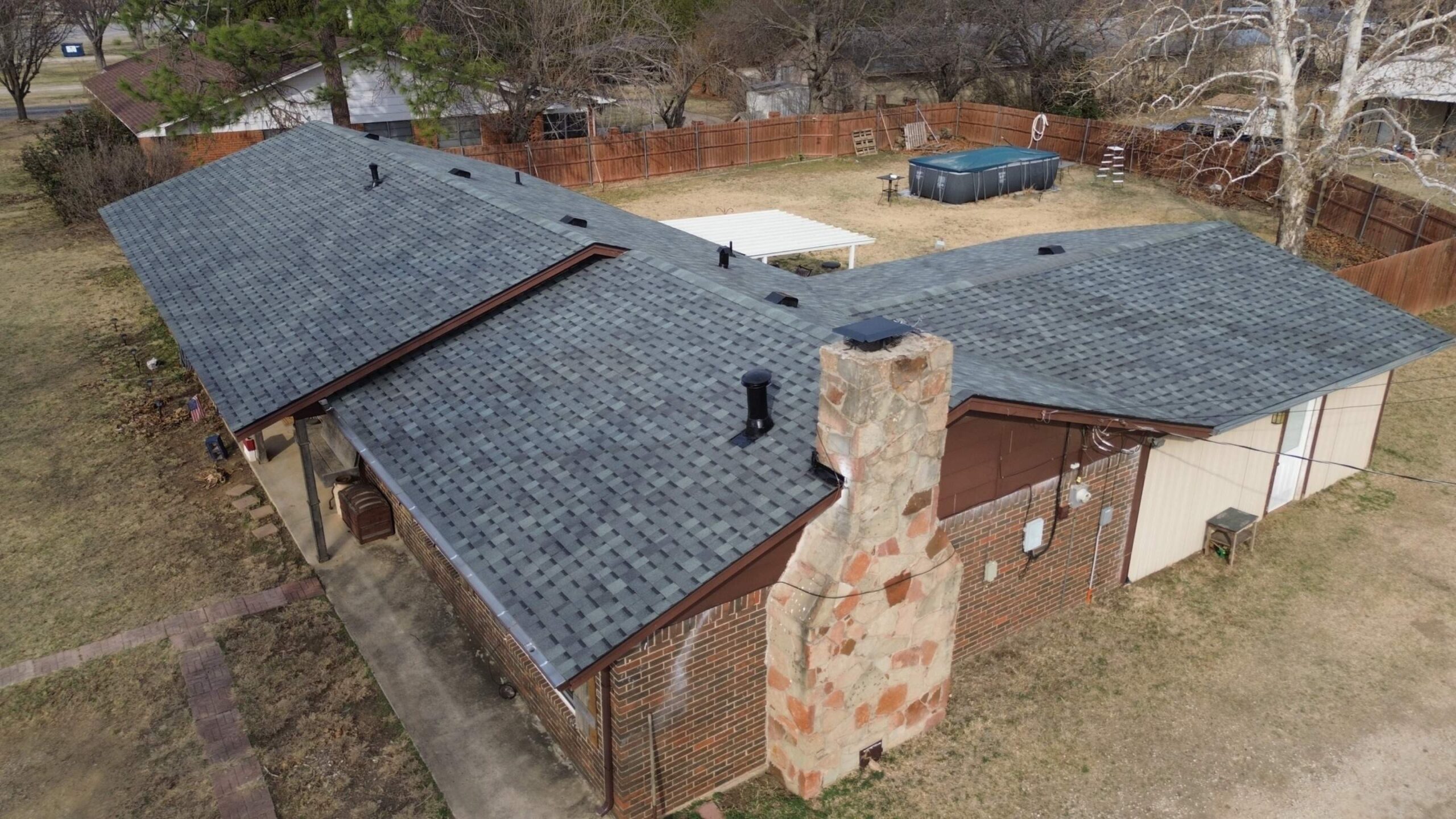
Asphalt shingles also qualify as lightweight roofing compared to many traditional tile or slate systems. Their affordability, wide availability, and straightforward installation make them popular choices for residential construction throughout many regions.
Synthetic roofing materials continue gaining popularity because they imitate premium roofing products while remaining significantly lighter. Engineered polymers and composite materials reproduce the appearance of slate, wood, and clay tile without imposing heavy structural loads.
Fiber cement roofing combines lightweight construction with impressive durability. Modern formulations provide excellent fire resistance and weather performance while maintaining moderate weight suitable for many residential and commercial buildings.
Corrugated metal and polycarbonate panels are commonly used for agricultural, industrial, and commercial structures. Their lightweight nature allows rapid installation while covering large roof areas efficiently.
Insulated sandwich panels represent another increasingly popular lightweight roofing solution. These panels combine exterior metal sheets with insulating cores, providing structural strength, thermal efficiency, and simplified installation within a single product.
Metal Roofing as a Lightweight Solution
Metal roofing has become one of the leading choices for structural installation projects because it combines low weight with exceptional strength. Compared to traditional roofing materials such as clay tiles or natural slate, metal roofing places significantly less stress on the building while maintaining excellent weather protection. This balance between strength and weight makes it suitable for residential, commercial, agricultural, and industrial buildings.
Steel and aluminum are the two most commonly used metals for roofing systems. Steel offers outstanding structural strength and is often protected with galvanized or specialized coatings that resist corrosion. Aluminum provides similar benefits while offering superior resistance to rust, making it especially suitable for coastal environments where salt exposure can accelerate corrosion.
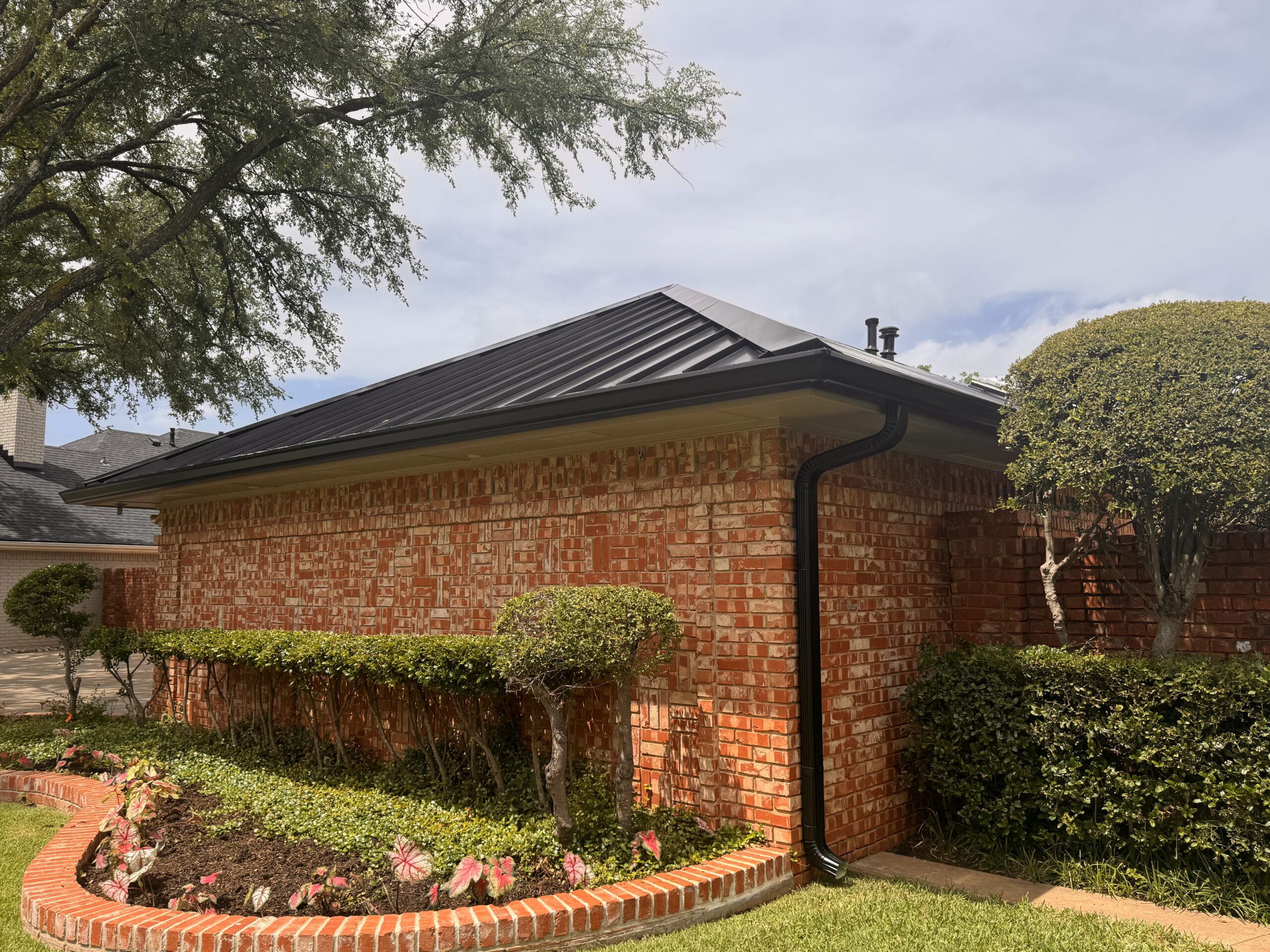
Standing seam metal roofing is particularly popular because concealed fasteners improve weather resistance while creating a clean architectural appearance. The raised seams help prevent water penetration during heavy rainfall, while allowing the panels to expand and contract naturally with temperature changes. Proper installation ensures long term durability with minimal maintenance.
Corrugated metal roofing is another lightweight solution widely used on warehouses, workshops, farms, and modern residential buildings. Its distinctive profile increases structural rigidity without adding unnecessary weight. Large panels also allow contractors to complete installations efficiently while reducing labor requirements.
Energy efficiency is another important advantage of metal roofing. Many products feature reflective coatings that reduce solar heat absorption during hot weather. Lower rooftop temperatures help decrease cooling costs while improving indoor comfort throughout the year.
Metal roofing also performs exceptionally well during severe weather. Properly installed systems resist strong winds, heavy rainfall, snow, and hail more effectively than many conventional roofing materials. This durability reduces repair frequency while extending the overall service life of the roofing system.
Maintenance remains relatively straightforward. Routine inspections, occasional cleaning, and checking fasteners or flashing are generally sufficient to preserve long term performance. Because of its lightweight construction, durability, and recyclability, metal roofing continues to be one of the most practical solutions for structural installation projects.
Asphalt Shingles for Cost Effective Lightweight Installation
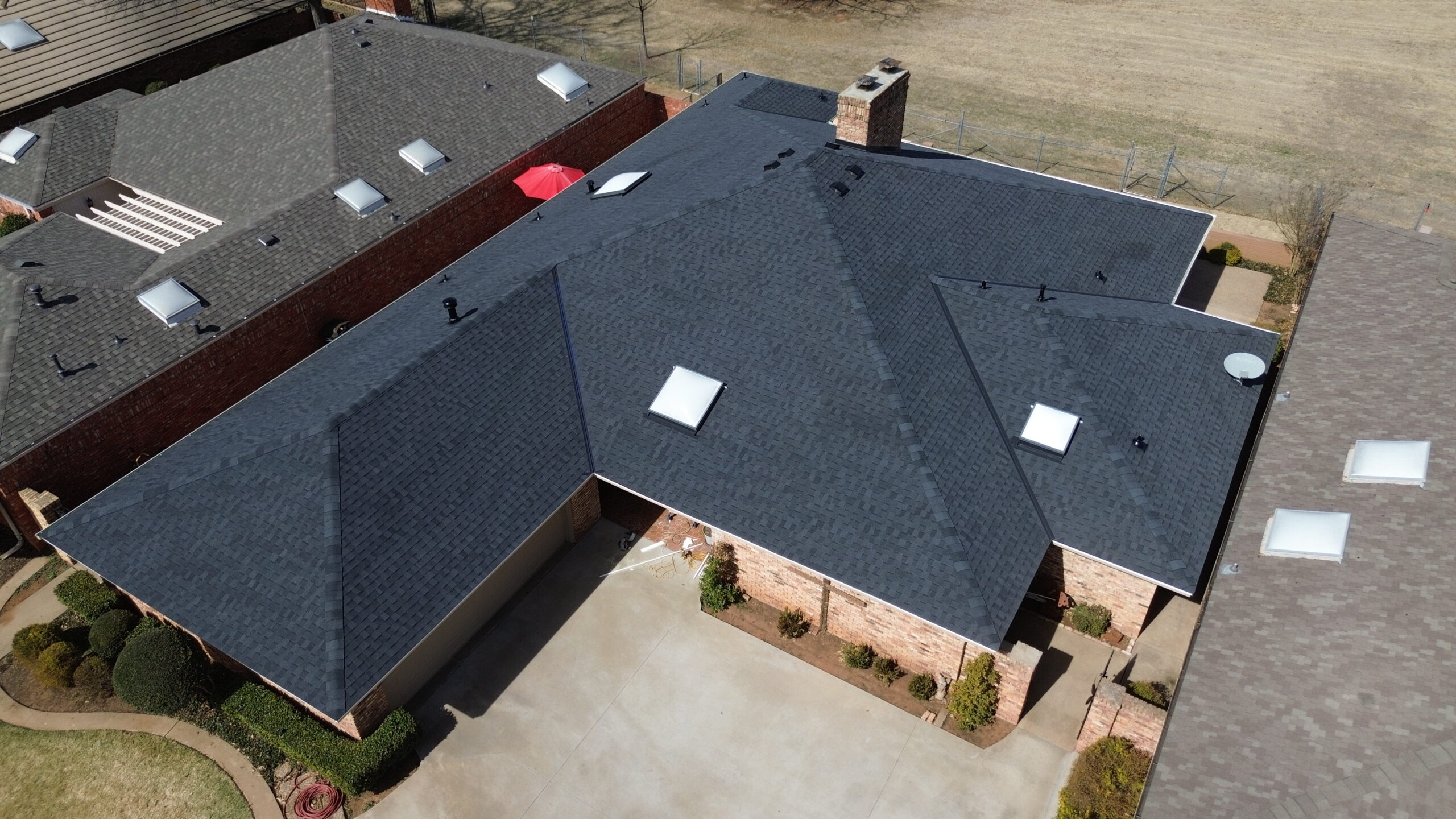
Asphalt shingles remain one of the most widely installed roofing materials because they provide dependable performance at an affordable cost. Although heavier than some metal roofing systems, asphalt shingles are considerably lighter than concrete tiles, clay tiles, or natural slate. Their moderate weight allows installation on a wide variety of residential structures without requiring major structural reinforcement.
Modern asphalt shingles consist of fiberglass reinforcement covered with waterproof asphalt and protective mineral granules. These layers provide weather resistance while maintaining flexibility during changing temperatures. Advances in manufacturing have significantly improved durability compared to earlier generations of asphalt roofing.
Installation is relatively simple, making asphalt shingles a practical option for projects requiring efficient construction. Individual shingles are lightweight enough for easy handling, allowing contractors to work quickly while maintaining accurate placement. This contributes to lower labor costs and shorter installation schedules.
Architectural asphalt shingles provide improved appearance and durability compared to traditional three tab shingles. Their thicker construction creates greater visual depth while improving wind resistance and overall lifespan. Many homeowners choose architectural shingles because they resemble more expensive roofing materials without substantially increasing project costs.
Asphalt shingles are available in a wide range of colors and textures, allowing property owners to match different architectural styles. Whether the building features a traditional or contemporary design, manufacturers offer numerous options to complement the exterior appearance.
Routine maintenance includes inspecting for damaged or missing shingles, cleaning gutters, and removing accumulated debris from roof valleys. Timely replacement of individual shingles prevents moisture from reaching the roof deck while preserving the roofing system’s waterproof performance.
Although asphalt shingles generally have a shorter lifespan than premium roofing materials, they continue to provide excellent value for many residential installation projects where affordability, appearance, and dependable performance are primary considerations.
Synthetic Roofing Materials and Composite Panels
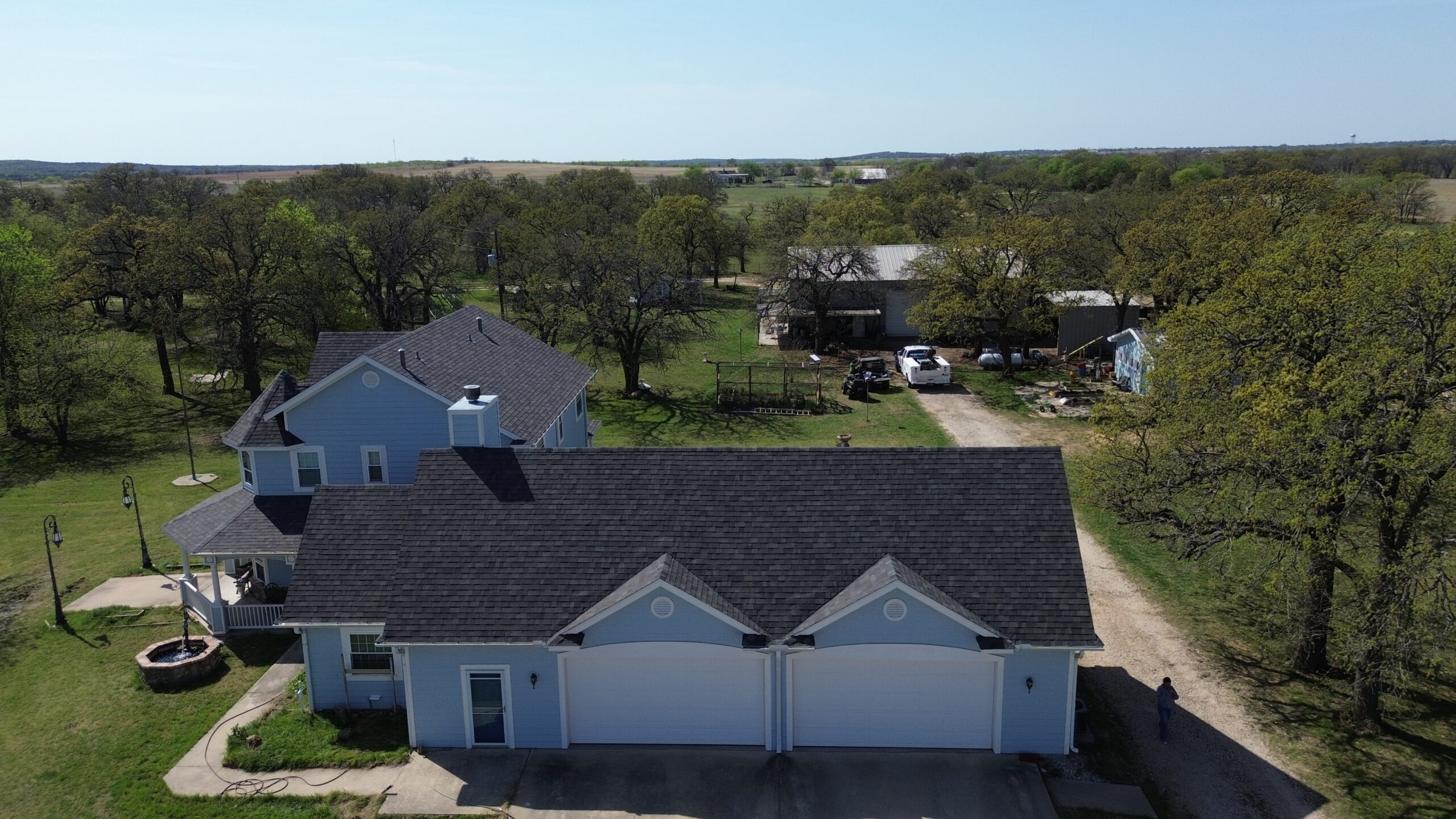
Synthetic roofing materials represent one of the fastest growing segments of the roofing industry because they combine lightweight construction with impressive durability and design flexibility. Engineered polymers, recycled plastics, rubber compounds, and advanced composite materials allow manufacturers to create roofing products that closely resemble natural slate, cedar shakes, or clay tiles without their substantial weight.
One major advantage of synthetic roofing is its exceptional strength to weight ratio. These materials are engineered to resist cracking, impact damage, moisture, insects, and ultraviolet radiation while remaining significantly lighter than many traditional alternatives. Reduced structural loading expands installation possibilities for both new construction and renovation projects.
Composite roofing panels also simplify transportation and handling. Their lightweight nature reduces physical strain on installation crews while allowing larger roof areas to be transported in fewer deliveries. Lower transportation requirements contribute to reduced fuel consumption and overall project efficiency.
Many synthetic roofing products provide excellent weather resistance. They tolerate repeated freeze thaw cycles, heavy rainfall, strong winds, and prolonged sunlight without experiencing many of the deterioration issues associated with natural materials. This durability reduces maintenance while extending service life.
Modern manufacturing techniques have greatly improved visual realism. High quality synthetic roofing accurately reproduces the texture, color variation, and profile of premium roofing materials, making it difficult to distinguish from natural products when viewed from ground level.
Environmental sustainability also contributes to their popularity. Many composite roofing systems incorporate recycled materials while remaining recyclable at the end of their service life. Combined with long lifespan and minimal maintenance, this supports environmentally responsible construction.
Installation typically follows manufacturer specific guidelines regarding fastening methods, ventilation, and underlayment. Professional installation ensures the roofing system achieves maximum durability while maintaining warranty coverage.
For property owners seeking premium appearance without the structural demands of heavier materials, synthetic roofing provides an excellent balance of performance, efficiency, and long term value.
Lightweight Concrete and Fiber Cement Roofing
Concrete roofing has traditionally been associated with heavy construction, but advances in manufacturing have produced lightweight concrete roofing products that maintain excellent durability while reducing structural load. These innovations allow more buildings to benefit from concrete roofing without extensive structural reinforcement.
Lightweight concrete tiles incorporate specialized aggregates and manufacturing techniques that reduce density while preserving strength. The resulting products provide many of the same weather resistant characteristics as traditional concrete tiles but with significantly lower weight. This makes them suitable for a broader range of residential and commercial buildings.
Fiber cement roofing offers another lightweight alternative with impressive durability. Manufactured using cement reinforced with cellulose or synthetic fibers, these products resist fire, moisture, insects, and weather exposure while maintaining moderate weight. Fiber reinforcement also improves structural stability and impact resistance.
One of the key advantages of fiber cement roofing is dimensional stability. The material experiences relatively little expansion or contraction during temperature changes, reducing stress on fasteners and roof components. This contributes to consistent long term performance under varying weather conditions.
Both lightweight concrete and fiber cement products are available in numerous profiles and colors. Manufacturers produce designs resembling clay tiles, slate, wood shingles, and other architectural styles, allowing property owners to achieve desired appearances without selecting heavier roofing materials.
Routine maintenance requirements remain relatively low. Periodic inspections help identify damaged components while cleaning removes accumulated debris that may affect drainage. Individual damaged pieces can often be replaced without disturbing large sections of the roof.
These roofing systems provide an attractive compromise between the durability associated with traditional masonry products and the structural efficiency demanded by modern construction.
Corrugated Roofing Panels for Residential and Commercial Buildings
Corrugated roofing panels have been used successfully for many decades because of their strength, lightweight construction, and installation efficiency. Their distinctive ridged profile increases structural rigidity, allowing thin materials to span greater distances while maintaining excellent load carrying capacity.
Steel remains the most common material used for corrugated roofing, although aluminum, fiberglass, and polycarbonate panels are also widely available. Each material serves different building requirements depending on environmental conditions, structural demands, and desired appearance.
Residential applications have expanded significantly in recent years. Modern architectural designs frequently incorporate corrugated metal roofing because it complements contemporary aesthetics while providing outstanding weather resistance. Improved coatings and color options have further increased its popularity among homeowners.
Commercial and industrial buildings benefit particularly from the large panel sizes available with corrugated roofing. Contractors can cover extensive roof areas quickly, reducing labor requirements while maintaining consistent installation quality. Faster installation contributes to lower project costs and shorter construction schedules.
Agricultural buildings also rely heavily on corrugated roofing because it combines affordability with dependable performance. Barns, storage facilities, workshops, and equipment shelters benefit from durable roofing systems capable of resisting changing weather conditions with minimal maintenance.
Polycarbonate corrugated panels offer an additional advantage by allowing natural daylight to enter interior spaces. These translucent panels are commonly installed over patios, greenhouses, warehouses, and covered walkways where increased natural lighting is beneficial.
Routine maintenance generally involves cleaning accumulated debris, inspecting fasteners, and checking flashing around roof penetrations. Proper maintenance helps preserve waterproof performance while maximizing roof lifespan.
Corrugated roofing demonstrates how thoughtful engineering can produce lightweight roofing systems capable of serving diverse construction needs across residential, commercial, agricultural, and industrial sectors.
Comparing Lightweight Roofing Materials
Each lightweight roofing material offers unique advantages depending on building type, climate, budget, and structural requirements. Comparing these characteristics helps property owners make informed installation decisions.
| Roofing Material | Relative Weight | Average Lifespan | Maintenance Level | Weather Resistance | Best Application |
|---|---|---|---|---|---|
| Metal Roofing | Very Light | 40 to 70 years | Low | Excellent | Residential and commercial |
| Asphalt Shingles | Light | 20 to 30 years | Low | Good | Residential homes |
| Synthetic Roofing | Very Light | 40 to 60 years | Low | Excellent | Residential and renovation projects |
| Lightweight Concrete | Moderate | 40 to 60 years | Low | Very Good | Residential buildings |
| Fiber Cement Roofing | Light | 30 to 50 years | Low | Very Good | Residential and commercial |
| Corrugated Metal Panels | Very Light | 30 to 50 years | Low | Excellent | Industrial, agricultural, commercial |
| Polycarbonate Panels | Very Light | 15 to 25 years | Low | Good | Patios, greenhouses, covered walkways |
This comparison illustrates that lightweight roofing materials provide different combinations of durability, maintenance requirements, and structural efficiency. Selecting the appropriate product depends on the building’s intended use, environmental conditions, and long term ownership goals.
Selecting the Best Lightweight Roofing Material for Different Structures
The ideal lightweight roofing material varies according to building type because every structure has different performance requirements. Residential homes, commercial buildings, industrial facilities, and agricultural structures each benefit from roofing systems designed specifically for their intended purpose.
Single family homes often prioritize appearance alongside durability and affordability. Asphalt shingles remain a popular choice because they provide attractive appearance with moderate weight, while metal roofing and synthetic products appeal to homeowners seeking longer lifespan and reduced maintenance.
Luxury residential properties frequently select standing seam metal roofing or premium synthetic materials. These systems combine architectural elegance with structural efficiency while reducing the load placed on roof framing. Their long service life also contributes to excellent lifetime value.
Commercial buildings generally emphasize durability, maintenance simplicity, and energy efficiency. Standing seam metal roofing, fiber cement products, and insulated roofing panels provide dependable performance while supporting large roof spans with relatively low structural weight.
Industrial facilities often require roofing capable of covering extensive areas efficiently. Corrugated steel panels remain one of the most practical solutions because they combine strength, affordability, and rapid installation. Their lightweight construction also reduces demands on large structural frameworks.
Agricultural buildings benefit from durable roofing systems that withstand changing weather conditions while requiring minimal maintenance. Corrugated metal panels continue to dominate this sector because they provide reliable protection at reasonable cost while covering wide roof areas efficiently.
Renovation projects frequently present unique structural limitations. Lightweight roofing allows contractors to replace aging roofs without overloading existing structural systems. Metal roofing and synthetic materials are particularly valuable in these situations because they combine reduced weight with excellent durability.
Installation Best Practices for Lightweight Roofing
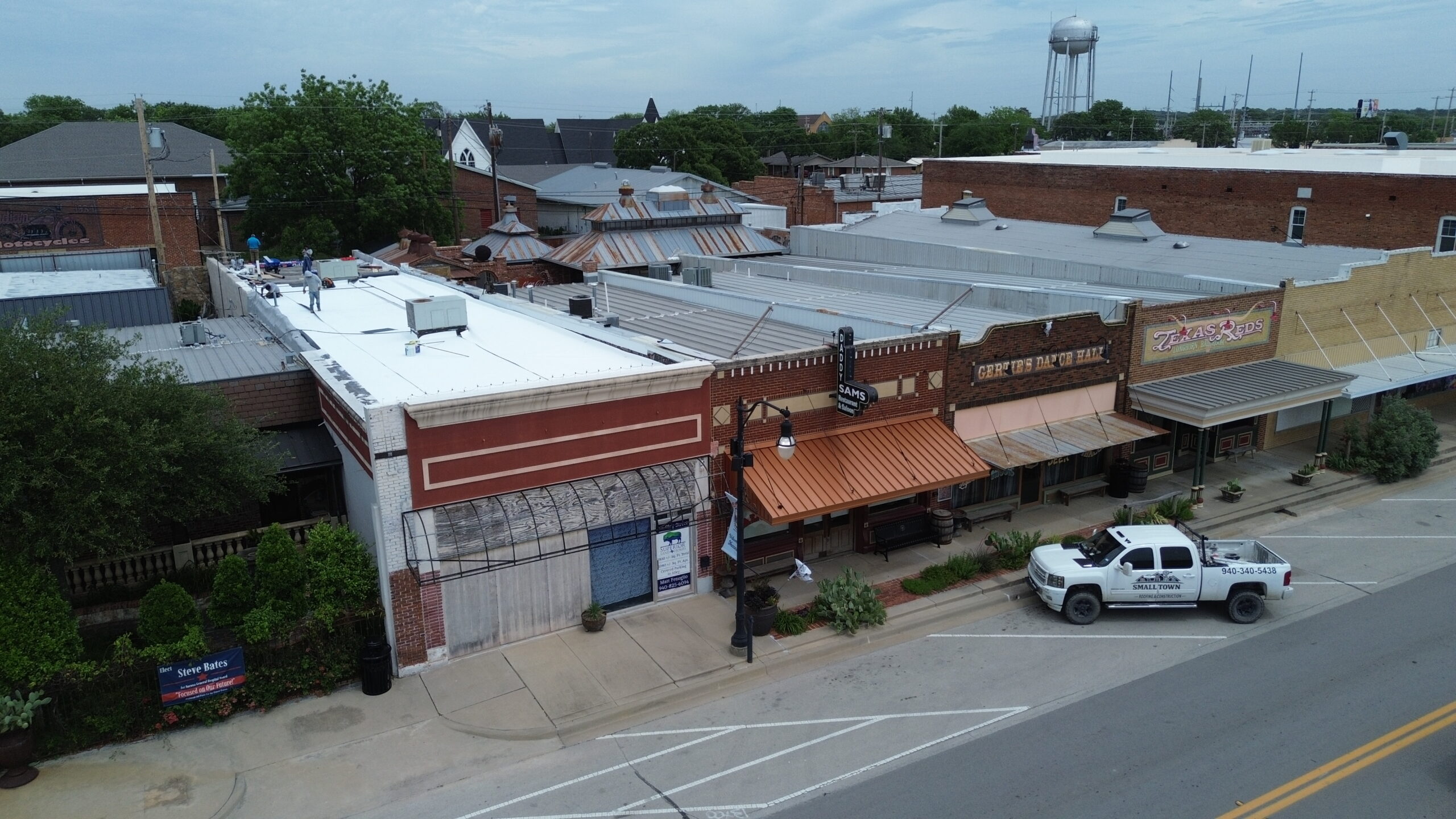
Selecting a high quality lightweight roofing material is only the first step toward a successful roofing project. Proper installation determines whether the roofing system will deliver its expected lifespan, weather resistance, and structural performance. Even the most advanced roofing products can experience premature problems if installation standards are not followed carefully.
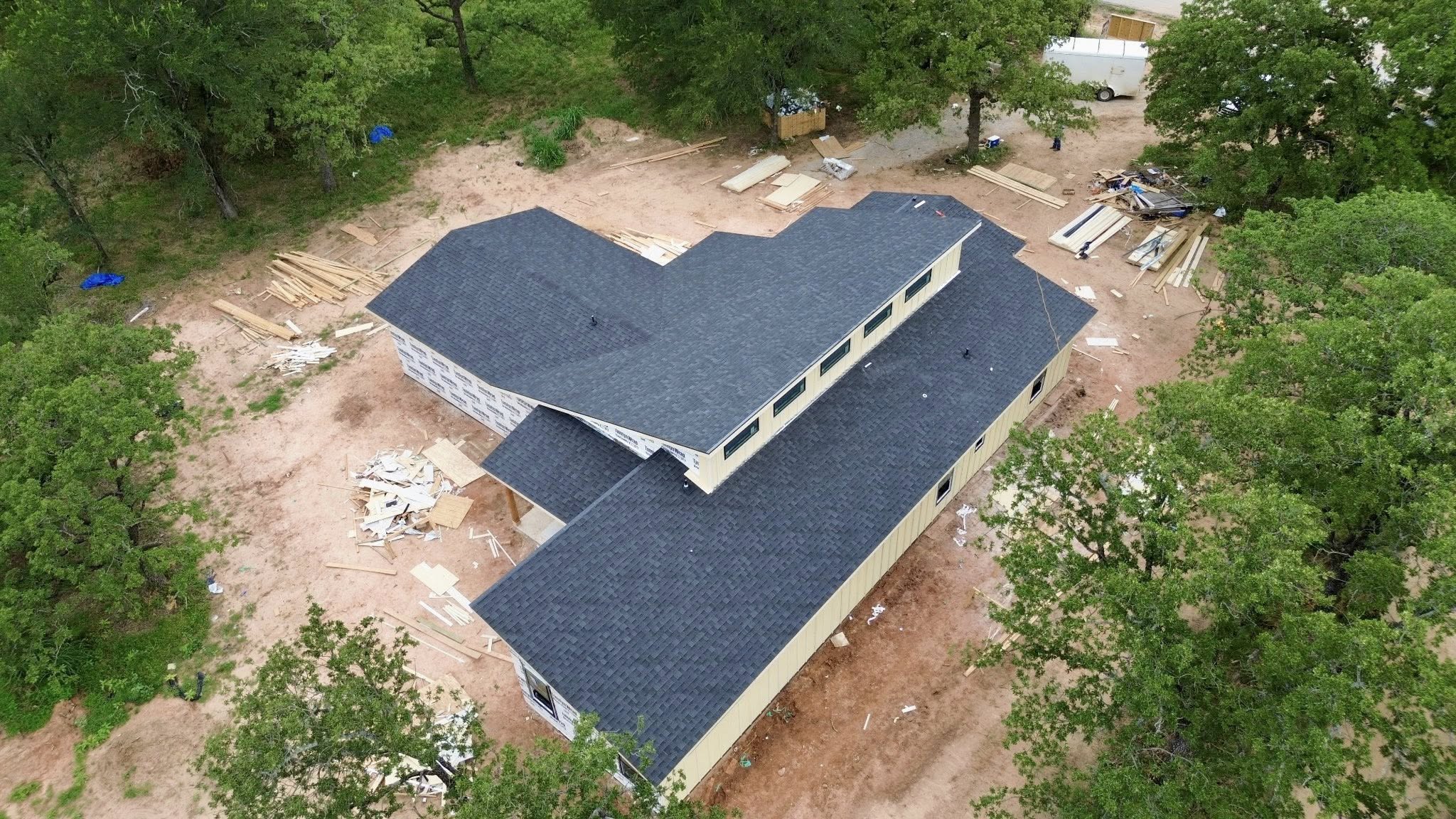
The installation process should always begin with a complete inspection of the existing roof structure. Contractors evaluate the condition of rafters, trusses, roof decking, and supporting walls before any roofing materials are installed. Repairing damaged structural components beforehand provides a stable foundation that allows the lightweight roofing system to perform as designed.
Roof deck preparation is equally important. The deck must be clean, dry, level, and securely attached before underlayment is installed. Any loose boards, moisture damage, or uneven areas should be corrected because these issues may affect the performance of the finished roofing system.
High quality underlayment creates an additional protective barrier beneath the visible roofing material. It helps prevent moisture penetration while improving overall waterproof performance during severe weather. Choosing underlayment compatible with the selected roofing material contributes to better long term protection.
Proper ventilation should never be overlooked during installation. Adequate airflow beneath the roof helps regulate temperature, reduce condensation, and prevent moisture buildup within the roofing assembly. Well designed ventilation systems improve energy efficiency while extending the life of both the roofing material and the supporting structure.
Fastening methods vary depending on the roofing product. Metal panels, synthetic roofing, asphalt shingles, and fiber cement products each require specific fastening patterns recommended by the manufacturer. Correct fastener spacing improves wind resistance while preventing unnecessary stress on roofing components.
Special attention should also be given to roof penetrations. Chimneys, vents, skylights, solar panel mounts, and HVAC equipment interrupt the roofing surface and require carefully installed flashing. Waterproof flashing prevents moisture intrusion while maintaining the integrity of the roofing system.
Weather conditions during installation influence overall quality as well. Heavy rain, strong winds, or extremely high temperatures may interfere with proper installation procedures. Experienced contractors schedule roofing work under suitable weather conditions whenever possible to ensure materials are installed correctly.
Quality control inspections should continue throughout the installation process rather than only at project completion. Checking alignment, fastening, flashing, drainage, and overall workmanship allows contractors to correct small issues before they become larger problems.
Professional installation ultimately protects the investment made in lightweight roofing materials. Proper workmanship ensures the roofing system performs efficiently while maintaining its structural advantages for many years.
Maintenance Tips for Lightweight Roofing Systems
Although lightweight roofing materials generally require less maintenance than many traditional roofing systems, regular care remains essential for preserving their performance and extending their service life. Routine maintenance also helps identify developing problems before they require major repairs.
The roof should be inspected at least twice each year, preferably during spring and autumn. Additional inspections following severe storms provide an opportunity to identify damage caused by strong winds, hail, or falling tree branches. Early detection reduces repair costs while preventing more serious structural issues.
Keeping the roof surface clean is one of the simplest maintenance tasks. Leaves, branches, dirt, and other debris can trap moisture and interfere with proper drainage. Removing accumulated debris allows rainwater to flow freely toward gutters and drainage systems.
Gutters and downspouts should also receive regular attention. Blocked drainage systems may cause water to back up onto the roof, increasing the risk of leaks and moisture related damage. Cleaning gutters several times each year supports efficient water management.
Metal roofing should be inspected for loose fasteners, damaged sealants, and scratches in protective coatings. Addressing these concerns promptly helps prevent corrosion while maintaining the roof’s appearance and weather resistance.
Asphalt shingles should be checked for curling, cracking, missing shingles, or damaged flashing. Individual damaged shingles can often be replaced without disturbing surrounding areas, preventing water from reaching the roof deck beneath.
Synthetic roofing materials typically require only basic inspections and occasional cleaning. Their resistance to insects, moisture, and ultraviolet radiation allows them to maintain performance with relatively little maintenance compared to certain traditional roofing products.
Fiber cement roofing should be inspected for cracked panels, loose fasteners, or damaged flashing after severe weather events. Replacing individual damaged sections promptly helps preserve waterproof protection.
Tree branches hanging over the roof should be trimmed regularly. Branches rubbing against roofing materials during windy conditions may damage protective surfaces, while falling leaves contribute to debris accumulation.
Property owners should avoid walking unnecessarily on lightweight roofing systems unless appropriate safety measures are taken. Excessive foot traffic increases the risk of accidental damage, particularly on specialized roofing products designed primarily for weather protection rather than continuous access.
Professional roof inspections every few years provide additional confidence that hidden problems have not developed beneath the roofing material. Contractors can identify moisture intrusion, ventilation concerns, or structural movement before visible damage appears.
Consistent maintenance helps lightweight roofing systems deliver the durability, efficiency, and structural benefits expected throughout their entire service life.
Common Mistakes to Avoid During Material Selection
Choosing lightweight roofing materials involves more than selecting the product with the lowest weight. Several common mistakes can reduce long term performance or increase ownership costs if careful planning is overlooked.
One of the most frequent mistakes is focusing exclusively on installation price. While budget is an important consideration, lower priced materials may require more frequent maintenance or earlier replacement. Evaluating total ownership cost provides a more accurate comparison between roofing systems.
Ignoring local climate conditions is another common error. Roofing materials should be selected according to expected rainfall, temperature fluctuations, wind exposure, snowfall, and humidity levels. Products that perform well in one climate may not provide the same durability in another.
Some property owners assume that lightweight materials automatically provide lower quality than heavier roofing systems. Modern engineering has demonstrated that lightweight roofing can achieve exceptional strength, weather resistance, and long service life when properly manufactured and installed.
Choosing roofing materials based only on appearance may also lead to disappointment. Attractive products should also satisfy structural requirements, maintenance expectations, and energy efficiency goals. Balancing aesthetics with practical performance creates better long term results.
Hiring contractors without experience installing the selected roofing system is another avoidable mistake. Every roofing material has unique installation requirements, and professional expertise significantly influences long term performance.
Failing to verify manufacturer warranties and installation guidelines may also create unnecessary risks. Many warranties require installation according to specific instructions. Ignoring these requirements may reduce warranty protection even when high quality materials are used.
Some property owners overlook future maintenance requirements before making their selection. Although lightweight roofing generally requires less maintenance than heavier alternatives, maintenance needs still vary among different materials. Understanding these expectations helps avoid unexpected ownership costs.
Structural compatibility should always be confirmed before installation begins. Even lightweight roofing systems require appropriate roof framing, decking, and support systems to perform safely over many decades.
Finally, delaying minor repairs after installation often leads to larger and more expensive problems. Replacing a loose fastener or damaged flashing early is much easier than repairing extensive water damage caused by prolonged moisture intrusion.
Avoiding these mistakes allows property owners to maximize the structural, financial, and practical advantages offered by lightweight roofing materials.
Frequently Asked Questions
Are lightweight roofing materials durable?
Yes. Modern lightweight roofing materials are engineered to provide excellent durability while reducing structural weight. Products such as metal roofing, synthetic roofing, and fiber cement systems often remain functional for several decades when professionally installed and properly maintained.
Do lightweight roofs perform well during strong winds?
Many lightweight roofing systems are specifically designed to resist high wind conditions. Proper fastening methods, quality installation, and compliance with manufacturer recommendations allow these materials to perform reliably during severe weather.
Can lightweight roofing be installed on older buildings?
Yes. Lightweight roofing is often recommended for older buildings because it places less stress on existing structural components. In many renovation projects, lightweight materials reduce or eliminate the need for costly structural reinforcement.
Which lightweight roofing material lasts the longest?
Metal roofing generally offers one of the longest service lives among lightweight roofing systems, often lasting forty to seventy years or more with proper maintenance. High quality synthetic roofing materials also provide excellent long term durability.
Does lightweight roofing improve energy efficiency?
Many lightweight roofing products improve energy efficiency through reflective coatings, improved ventilation compatibility, and reduced heat absorption. Combined with proper insulation, these systems help lower heating and cooling costs.
Is lightweight roofing more expensive than traditional roofing?
The answer depends on the material selected. Asphalt shingles remain relatively affordable, while premium metal or synthetic roofing systems require greater initial investment. However, longer lifespan, reduced maintenance, and improved energy efficiency often provide greater long term value.
Conclusion
Lightweight roofing materials have transformed modern construction by demonstrating that reducing structural weight does not require sacrificing strength, durability, or appearance. Advances in manufacturing have produced roofing systems capable of providing excellent weather protection while placing significantly less stress on roof framing, walls, and foundations.
The wide variety of lightweight roofing options allows property owners to select materials that match their specific structural requirements, architectural preferences, environmental conditions, and budget. Metal roofing, asphalt shingles, synthetic products, fiber cement roofing, lightweight concrete systems, and corrugated panels each provide unique advantages that make them suitable for different types of buildings.
One of the greatest benefits of lightweight roofing is its contribution to structural efficiency. Reduced dead loads improve building performance, simplify renovation projects, lower transportation costs, and often accelerate installation. In earthquake prone regions, lighter roofs also reduce seismic forces acting on the building, contributing to improved structural safety.
Professional installation remains essential for achieving these benefits. Careful structural preparation, proper ventilation, accurate fastening, quality flashing, and thorough inspections ensure lightweight roofing systems perform according to manufacturer specifications. Regular maintenance then preserves their appearance, weather resistance, and long term reliability.
Property owners should also evaluate roofing materials based on lifetime value rather than installation cost alone. A roofing system offering longer service life, reduced maintenance, improved energy efficiency, and dependable structural performance often provides greater financial benefits over several decades than a lower priced alternative requiring earlier replacement.
As building technology continues advancing, lightweight roofing materials will remain an important part of efficient and sustainable construction. Their ability to combine structural advantages, installation efficiency, attractive appearance, and dependable performance makes them one of the most practical roofing solutions for modern residential, commercial, industrial, and renovation projects. By selecting the right material and ensuring professional installation, property owners can enjoy durable protection, lower structural stress, and long lasting value for many years to come.