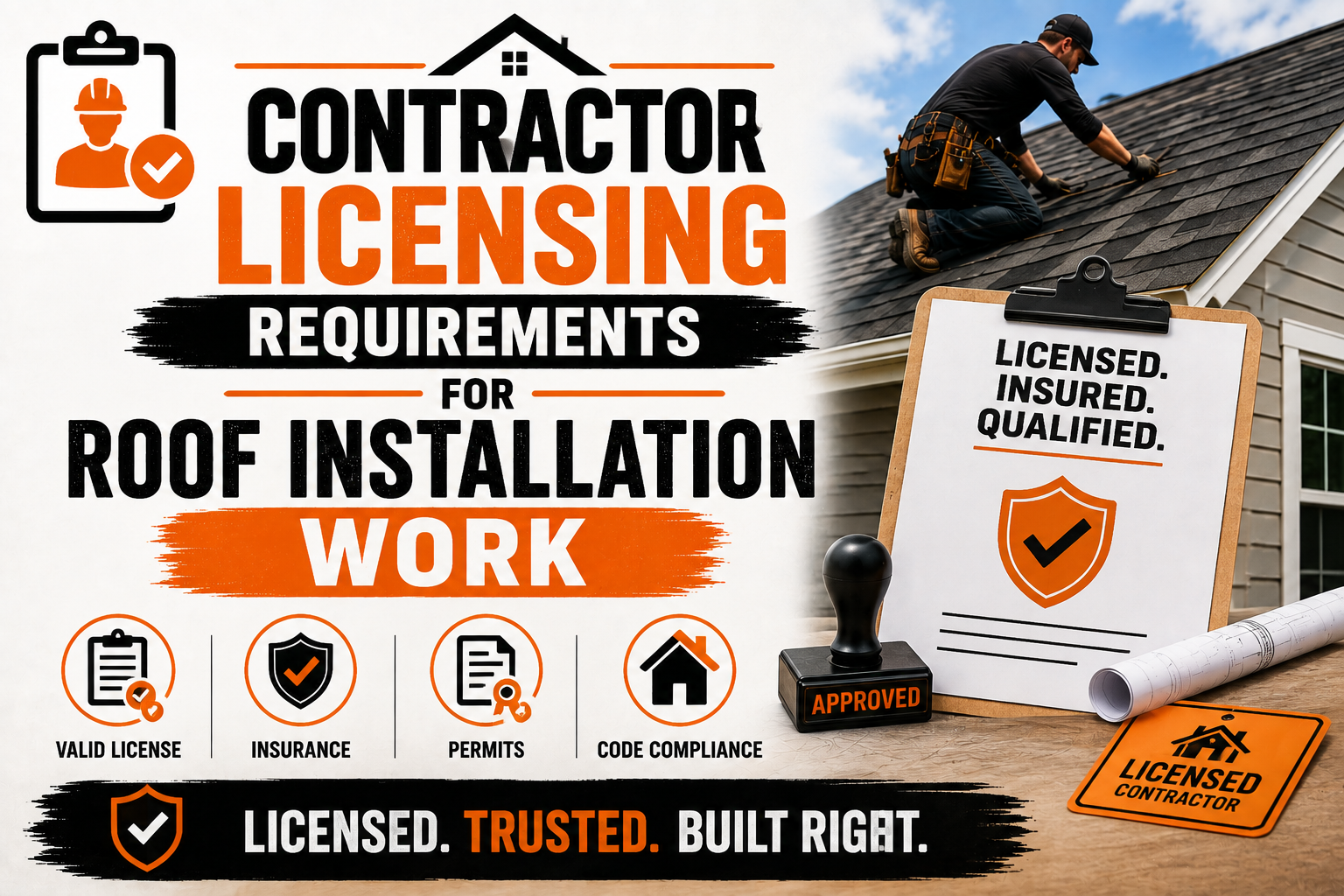
Contractor Licensing Requirements for Roof Installation Work
Introduction
Roof installation is a major construction project that affects the safety, durability, energy efficiency, and overall value of a property. Because roofing work involves structural components, weather protection, fall hazards, building codes, and specialized installation methods, many jurisdictions regulate the contractors who perform this work. Depending on the location and type of project, a roofing contractor may need a specific contractor license, a general construction license, local registration, permits, insurance, or a combination of these requirements.
Contractor licensing requirements are not identical everywhere. In the United States, state, county, and city governments can establish different rules for construction businesses, and some jurisdictions have specific classifications for roofing work while others regulate roofing under broader contractor categories. The U.S. Small Business Administration notes that licensing and permit requirements depend on the business activity and location, making it important for contractors and property owners to verify the rules that apply to a particular project.
Understanding these requirements can help property owners make better hiring decisions and help contractors operate legally. A properly licensed roofing professional is generally better positioned to demonstrate that the business has met applicable regulatory requirements, while homeowners can use license information as one part of a broader credential-checking process.
Understanding Contractor Licensing for Roof Installation Work
A contractor license is an authorization issued by a government agency that allows a person or business to perform certain types of construction work under defined conditions. The exact meaning of a license depends on the jurisdiction, because some states regulate contractors at the state level while others give substantial licensing authority to counties, cities, or other local agencies.
Roof installation can fall under several different licensing classifications. A jurisdiction may have a dedicated roofing contractor license, a residential building contractor classification, a general contractor license that includes roofing, or a specialty contractor category. The classification can also determine which types of roofing projects a contractor is legally permitted to perform.
Licensing is different from simply registering a business. A roofing company may need to register its business name or legal entity while also obtaining a contractor license and complying with local construction requirements. Business registration establishes the business for legal or administrative purposes, while a contractor license generally addresses the company’s authority to perform regulated construction activities.
For property owners, this distinction is important because seeing a business registration certificate does not automatically mean that the company is licensed to perform roofing work. Before signing a contract, homeowners should determine which credentials are required for the specific project and verify them with the appropriate government authority.
Why Contractor Licensing Matters for Roofing Projects
Roofing work may appear straightforward from the ground, but professional installation requires knowledge of materials, underlayment, flashing, ventilation, drainage, fastening methods, and applicable building requirements. Poor installation can allow water to enter the building envelope, damage insulation and framing, encourage mold growth, and shorten the useful life of the roof.
Licensing requirements are designed in part to establish minimum standards for contractors operating within a jurisdiction. Depending on the local system, an applicant may have to demonstrate experience, pass an examination, provide financial information, maintain insurance, obtain a bond, or satisfy other conditions before receiving authorization to work.
Licensing can also create accountability. When a contractor operates under a government-issued license, the licensing authority may maintain records associated with that business or individual, including license status and, in some jurisdictions, disciplinary information. This gives property owners an additional source of information when comparing roofing companies.
A license should not be treated as a guarantee that every aspect of a roofing project will be perfect. Instead, it should be viewed as one important credential alongside experience, references, insurance, written contracts, material knowledge, safety practices, and a demonstrated understanding of the property’s specific roofing requirements.
When a Roofing Contractor Needs a License
Whether a roofing contractor must hold a license depends primarily on the jurisdiction and the scope of work. Some locations regulate roofing as a specialized construction activity, while others may impose licensing requirements based on the dollar value of the project, the type of property, or the work being performed.
For example, a jurisdiction may distinguish between minor repairs and complete roof replacement. A small repair may fall below a licensing or permit threshold, while installing an entirely new roofing system may require a licensed contractor and a building permit. These thresholds can change, so contractors should not rely solely on past projects when determining whether a current job requires licensing.
Roof installation on residential properties can also be treated differently from commercial construction. Commercial projects may involve additional requirements related to building size, occupancy, fire protection, structural considerations, or specialized roofing systems.
Property owners should therefore avoid assuming that a contractor who is allowed to perform minor repairs is automatically authorized to install a complete roof. The contractor’s license classification and permitted scope of work should match the project being proposed.
Differences Between General Contractor and Roofing Contractor Licensing
One of the most common areas of confusion involves the difference between a general contractor license and a roofing-specific license. A general contractor may be authorized to coordinate or perform a broad range of construction activities, but the precise scope depends on the licensing rules of the jurisdiction.
A roofing contractor license, where available, is generally focused on roofing-related construction activities. It may cover installation, replacement, repair, maintenance, or particular roofing materials, depending on the applicable classification.
Some jurisdictions do not use a separate roofing license at all. Instead, roofing may be included within a broader building or construction contractor classification, or it may be regulated through local licensing systems. This is why property owners should verify the actual licensing category rather than assuming that every state uses the same terminology.
The following comparison illustrates why checking the specific license classification matters:
| Credential or Requirement | What It Generally Indicates | Why It Matters |
|---|---|---|
| Contractor license | Authorization to perform regulated construction work | Helps establish that the contractor meets applicable licensing requirements |
| Roofing specialty license | Authorization focused on roofing activities where such a classification exists | Helps confirm that the contractor’s scope matches the roofing project |
| Business registration | Legal registration of the business entity or trade name | Confirms business registration but does not necessarily authorize construction work |
| Building permit | Government approval for specified construction work | Helps confirm that the planned work complies with applicable construction requirements |
| Insurance certificate | Evidence of specified insurance coverage | Provides financial protection against certain covered risks |
These credentials serve different purposes and should not be treated as interchangeable. A professional roofing company should be able to explain which licenses, registrations, permits, and insurance policies apply to its work.
State and Local Licensing Requirements
Contractor licensing can be controlled at different levels of government. Some states establish statewide contractor licensing systems, while others allow local governments to regulate certain construction activities. In some areas, a contractor may need both state-level authorization and local registration before beginning work.
The requirements can include application forms, licensing fees, examinations, proof of experience, financial documentation, insurance, surety bonds, background checks, or continuing education. Not every jurisdiction requires all of these items, and the exact requirements can differ substantially.
The SBA specifically advises businesses to research state, county, and city requirements because construction is among the business activities commonly regulated at the state or local level.
This means a contractor working in one city cannot necessarily assume that the same credentials are sufficient in another city. A roofing company expanding its service area may need to research additional registration or licensing requirements before accepting projects outside its usual jurisdiction.
Property owners should also be aware that a contractor’s license may have an expiration date. Licensing authorities can require periodic renewals, and businesses may have continuing obligations to remain legally compliant. The SBA recommends keeping track of license, permit, and certificate renewal requirements because these vary by jurisdiction.
How Roofing Contractor Licensing Requirements Vary by Location
Location is one of the most important factors in determining roofing licensing requirements. Two neighboring cities can have different registration procedures, permit requirements, or contractor classifications even when they use similar building codes.
State laws may establish the basic licensing framework, while local governments may impose additional requirements. A roofing company may therefore need to check the state licensing agency, county authorities, and city building department before starting certain projects.
The project’s location is not the only consideration. The type of building, project value, scope of work, roofing material, structural changes, and whether the project involves a new roof or replacement can also affect the applicable requirements.
For contractors, the safest approach is to verify requirements before preparing a proposal. For homeowners, asking the contractor to explain which licensing authority issued the license and what work the license covers can help identify potential problems before work begins.
Common Qualifications for Roofing Contractor Licensing
Where licensing is required, applicants may have to meet specific qualifications before receiving authorization. Experience is one common consideration because roofing requires practical knowledge that cannot always be demonstrated through a written application alone.
Some licensing systems require applicants or qualifying individuals to document a certain amount of construction experience. The required experience may need to be obtained under the supervision of an appropriately licensed contractor or through another recognized pathway.
Examinations may also be part of the licensing process. Depending on the jurisdiction, an examination can cover construction practices, roofing systems, safety requirements, business regulations, building codes, or other subjects relevant to contractor responsibilities.
Financial requirements can also be included. A licensing authority may require evidence that the business can meet certain financial obligations, particularly when contractors handle substantial construction projects or enter into contracts with property owners.
Other requirements can include maintaining a business address, registering the legal business entity, obtaining insurance, securing a surety bond, or providing documentation about responsible individuals within the company. Since these conditions vary, contractors should obtain requirements directly from the relevant licensing authority rather than relying on informal advice.
Experience, Training, and Technical Knowledge Requirements
Roofing contractors need more than basic familiarity with roofing materials. A professional installation requires an understanding of roof slopes, drainage, flashing, underlayment, ventilation, fastening patterns, weather exposure, material compatibility, and manufacturer installation requirements.
Experience can help contractors recognize conditions that may not be obvious to a property owner. For example, removing an existing roof may reveal damaged decking, inadequate ventilation, deteriorated flashing, or moisture-related problems that need to be addressed before the new roofing system is installed.
Training is also important because roofing materials and installation methods continue to change. Contractors may work with asphalt shingles, metal roofing, tile, synthetic materials, membrane systems, or other products that have different installation requirements.
Where licensing examinations or continuing education requirements apply, they can encourage contractors to remain familiar with relevant rules and professional practices. However, homeowners should still evaluate the contractor’s actual experience with the specific roofing system being proposed.
Insurance and Bonding Requirements
Insurance and bonding are separate from licensing, but they are often closely connected to contractor compliance. Depending on the jurisdiction, a contractor may need to maintain certain insurance coverage or provide evidence of financial responsibility as part of the licensing process.
General liability insurance can help protect against certain claims involving property damage or bodily injury arising from covered business operations. Workers’ compensation coverage may also be required when a roofing company has employees, although the exact rules depend on state law and business circumstances.
Surety bonds serve a different purpose. A bond can provide a form of financial protection connected to the contractor’s obligations under applicable law or licensing requirements, depending on the type of bond and jurisdiction.
Homeowners should request current certificates or other appropriate documentation rather than relying on a contractor’s verbal statement. Insurance policies can expire or change, and a contractor who was properly insured when hired may not necessarily maintain the same coverage indefinitely.
Permits and Their Connection to Contractor Licensing
A contractor license and a building permit are not the same thing. A license generally concerns the contractor’s legal authorization to perform regulated work, while a permit provides approval for a particular construction project or scope of work.
Roof replacement may require a permit depending on the location and the extent of the work. Permit requirements can address issues such as structural changes, roofing materials, building code compliance, inspections, and other construction considerations.
A licensed contractor may be responsible for obtaining the required permit, or the property owner may have responsibilities depending on local procedures. The contract should clearly state who will apply for permits, pay associated fees, schedule inspections, and provide documentation.
Failing to obtain a required permit can create complications later. Problems may arise during inspections, property sales, insurance claims, or future construction projects, so homeowners should confirm permit requirements with the relevant building department rather than assuming that a contractor’s license eliminates the need for project-specific approval.
How to Verify a Roofing Contractor’s License
Before hiring a roofing contractor, property owners should independently verify the contractor’s credentials through the appropriate licensing authority. A contractor should be able to provide a business name, license number, and information about the licensing classification when a license is required.
Online license lookup systems are available in many jurisdictions. These databases may show whether a license is active, the license classification, expiration information, and sometimes disciplinary or enforcement records.
A simple verification process can help reduce the risk of hiring a contractor who cannot legally perform the proposed work. Property owners should check the information against the contractor’s written proposal and confirm that the licensed entity is the same business that will actually enter into the roofing contract.
A practical verification process includes the following steps:
- Ask the contractor for the exact legal business name and license number.
- Check the information through the relevant state or local licensing authority.
- Confirm that the license is active and covers the proposed roofing work.
- Request current insurance documentation and verify important details.
- Confirm who is responsible for obtaining required project permits.
Taking these steps before signing a contract can make the hiring process more transparent. It also gives the property owner an opportunity to ask questions before materials are ordered or work begins.
Common Licensing Mistakes Property Owners Should Avoid
One common mistake is assuming that a contractor who has operated for many years must automatically be properly licensed. Experience is valuable, but it does not replace a legal licensing requirement when one applies.
Another mistake is checking only whether a company exists as a registered business. Business registration and contractor licensing serve different purposes, so both should be evaluated when required by local law.
Homeowners should also avoid accepting an old license document without checking its current status. Licenses can expire, classifications can change, and businesses can operate under different legal names, making current verification important.
Finally, property owners should not assume that a license alone proves that a contractor is the right choice. Licensing should be considered together with insurance, experience, references, written estimates, safety practices, material knowledge, communication, and the contractor’s willingness to clearly explain the scope of work.
Licensing Requirements for Residential Roof Installation
Residential roof installation projects are often subject to licensing and permitting requirements designed to ensure that construction work is performed according to applicable standards. The exact requirements depend on the state, county, and city where the property is located, because construction is commonly regulated at the state and local levels.
For a complete roof installation or replacement, homeowners should determine whether the contractor needs a specific roofing license, a general contractor license, or another applicable classification. The contractor’s authorization should match the type and scope of work being performed rather than simply showing that the company is registered as a business.
Residential roofing can involve more than removing old shingles and installing new materials. Contractors may need to inspect roof decking, replace damaged components, install underlayment and flashing, improve ventilation, and ensure that the completed system satisfies applicable building requirements.
Permit requirements can also apply separately from contractor licensing. A licensed contractor may still need to obtain a project-specific permit before beginning work, depending on local rules and the nature of the project.
Licensing Requirements for Commercial Roofing Projects
Commercial roofing projects can involve additional requirements because commercial buildings may be larger, more complex, or subject to different building and safety regulations. A contractor may need a broader construction classification or a specific commercial roofing authorization depending on the jurisdiction and project scope.
The type of roofing system can also influence contractor qualifications. Commercial properties may use membrane roofing, modified bitumen, built-up roofing, metal systems, coatings, or other materials that require specialized installation knowledge.
Property owners and facility managers should confirm that the contractor has experience with the specific system being installed. A contractor who primarily installs residential asphalt shingles may not have the training, equipment, or workforce needed for a large commercial membrane roofing project.
Commercial projects can also involve several parties, including general contractors, roofing subcontractors, architects, engineers, building officials, and property managers. Clear documentation of licensing responsibilities helps ensure that each party understands its role before construction begins.
Special Requirements for Roof Replacement and Major Repairs
Roof replacement can require different approvals from minor maintenance work. Removing an existing roof can expose structural problems that were not visible during an initial inspection, particularly when water has entered the decking or framing.
Some jurisdictions establish thresholds that determine when a permit or licensed contractor is required. These thresholds can depend on the type of construction, value of the project, extent of alteration, or other local factors, so property owners should verify the requirements before work starts.
Major repairs may also involve structural modifications. If a project includes changes to roof framing, structural supports, roof geometry, or other significant building components, additional permits or professional approvals may be necessary.
A contractor should explain the planned scope clearly in the proposal. This allows the property owner to determine whether the contractor’s license, insurance, and proposed work all correspond to the actual project.
Building Codes and Roofing Contractor Responsibilities
Building codes establish minimum requirements intended to address safety, structural performance, weather resistance, and other construction concerns. Roofing contractors are expected to understand the codes that apply to the work they perform and to follow applicable requirements during installation.
Roofing systems must also be installed according to the manufacturer’s specifications. Even when a contractor has extensive experience, using the wrong fastening method, installing flashing incorrectly, or failing to provide proper drainage can reduce the performance of the finished roof.
Code compliance can involve several aspects of a roofing project. These may include materials, attachment methods, ventilation, flashing, roof drainage, structural conditions, fire-related requirements, and requirements associated with the property’s location.
Building departments may inspect roofing work during or after construction when a permit requires inspection. Contractors should coordinate with the appropriate authority and make sure the project remains accessible for required inspections.
Permit Applications and Inspections
A building permit is generally connected to a specific construction project rather than serving as a general authorization for a contractor to work anywhere. This distinction is important because having a contractor license does not necessarily mean that every roofing project can begin without obtaining a separate permit.
The responsibility for obtaining a permit can vary. In some situations, the contractor handles the application, while in others the property owner may have a direct role in the process.
Before signing an agreement, homeowners should ask who will obtain the permit and whether permit fees are included in the project price. The written contract should identify these responsibilities so there is less risk of confusion later.
Inspections may occur at different stages depending on local requirements. If an inspection identifies a problem, the contractor may need to correct the work before the project can be approved or closed out.
Property owners should keep copies of permits, inspection records, and final approvals when applicable. These documents can provide useful evidence that the work was completed through the required regulatory process.
Insurance Coverage Required for Roofing Contractors
Insurance is an important part of contractor qualification, particularly because roofing work involves elevated surfaces, tools, materials, vehicles, and potential property damage. Licensing requirements in some jurisdictions may require contractors to maintain particular types of insurance or provide evidence of coverage.
General liability insurance is commonly used to address certain covered claims involving property damage or bodily injury. However, the coverage limits, exclusions, and policy conditions can vary, so homeowners should not assume that every contractor’s policy provides identical protection.
A contractor should be able to provide appropriate evidence of current coverage when requested. Homeowners should review the certificate carefully and confirm that the insured business name corresponds with the company named in the roofing agreement.
Insurance should also remain active throughout the project. A certificate that was valid several months earlier does not necessarily prove that the policy remains in force when roofing work begins.
Workers’ Compensation and General Liability Insurance
Workers’ compensation is particularly relevant to roofing because employees face significant workplace hazards while working at height. State rules determine when employers must carry workers’ compensation coverage, and the requirements can differ according to factors such as the number of employees and business structure.
Homeowners should be cautious when a contractor claims that workers do not need coverage simply because they are called subcontractors. Worker classification and insurance obligations can involve specific legal rules, and the responsibility should be clarified before work starts.
General liability insurance addresses a different category of risk. It may cover certain claims involving third-party bodily injury or property damage, subject to the policy’s terms and limits.
The two forms of protection should therefore not be treated as substitutes for one another. A responsible contractor should understand the insurance requirements that apply to its workforce and business operations and maintain appropriate coverage.
Surety Bonds and Contractor Financial Responsibility
Some jurisdictions require contractors to obtain a surety bond as part of licensing or registration. A surety bond is different from insurance because it generally involves a contractual guarantee related to specific obligations rather than simply transferring covered risks to an insurance company.
Bond requirements vary significantly between jurisdictions. The amount, type, purpose, and conditions can depend on the contractor classification and the rules established by the licensing authority.
A bond may provide a mechanism for addressing certain claims involving a contractor’s failure to meet specified legal or contractual obligations. However, homeowners should understand that a bond is not a replacement for careful contractor selection or a well-written roofing contract.
When a bond is required, property owners can ask the contractor for relevant documentation and verify it through the appropriate authority when possible. Contractors should also ensure that required bonds remain active during the period in which they are legally required.
Local Business Licenses and Registration Requirements
Contractor licensing is only one part of operating a roofing business legally. A company may also need to register its business entity, trade name, or assumed name and comply with local business requirements.
The U.S. Small Business Administration explains that business registration depends on factors such as business structure and location, while local governments may separately establish licensing and permitting requirements.
This distinction matters when evaluating a roofing company. A business can be properly registered while still needing a separate contractor license for construction activities.
Some roofing contractors work across multiple cities or counties. Expanding into a new service area can create additional compliance responsibilities because local governments may have different registration or licensing procedures.
Contractors should research the requirements before advertising or accepting projects in a new jurisdiction. Property owners can also ask whether the contractor is authorized to perform work in their specific city or county rather than assuming that a license from another location automatically applies.
Licensing for Roofing Subcontractors
Roofing projects sometimes involve subcontractors who perform specific portions of the work. The general contractor’s license does not automatically mean that every subcontractor is exempt from applicable licensing requirements.
The requirements depend on the jurisdiction and the nature of the subcontracted work. A subcontractor may need its own license, registration, insurance, or other credentials depending on the activity being performed.
Property owners should know who will actually perform the roofing work. If a contractor plans to use subcontractors, the contract should identify how subcontracting will be handled and who remains responsible for the completed roofing system.
Contractors should also verify that subcontractors maintain appropriate credentials before allowing them to begin work. This can reduce compliance problems and make responsibility clearer if an issue occurs during construction.
Hiring Licensed Roofing Contractors for Complex Projects
Complex roofing projects require greater attention to qualifications because they can involve structural work, specialized materials, multiple crews, or coordination with other construction activities. Choosing a contractor based only on the lowest price can create problems if the company does not have the necessary credentials or experience.
Property owners should compare contractors based on licensing, insurance, relevant project experience, references, written specifications, warranties, and communication. A detailed proposal can also reveal whether the contractor understands the actual scope of work.
A professional contractor should be willing to explain its licensing classification and provide documentation when requested. Avoiding questions about licensing, permits, insurance, or subcontractors can be a warning sign that deserves further investigation.
For larger projects, property owners may also want to confirm the contractor’s experience with similar buildings and roofing systems. Previous work that closely resembles the current project can provide more useful evidence than a general claim of extensive construction experience.
Penalties for Hiring or Operating Without Proper Licensing
Operating without a required contractor license can expose a roofing business to regulatory and financial consequences. Depending on the jurisdiction, violations can result in fines, stop-work orders, disciplinary action, restrictions on future licensing, or other legal consequences.
Property owners can also face complications when hiring an improperly licensed contractor. A project may be delayed if authorities discover that required credentials or permits were missing, particularly when the work requires inspection or correction.
The financial consequences can extend beyond the initial roofing price. Correcting defective installation, obtaining missing approvals, replacing damaged materials, or completing unfinished work can substantially increase the overall cost of a project.
For this reason, homeowners should verify credentials before signing an agreement rather than waiting until a problem develops. Contractors should likewise treat licensing compliance as an ongoing responsibility instead of something that matters only when applying for a license.
How Property Owners Can Check Contractor Credentials Before Work Begins
Credential verification should take place before materials arrive and crews begin work. The process does not need to be complicated, but homeowners should use reliable sources rather than relying entirely on documents provided by the contractor.
The most dependable starting point is usually the government agency responsible for contractor licensing in the relevant jurisdiction. The SBA notes that license and permit requirements vary according to business activity and location and advises businesses to research applicable state, county, and city requirements.
Homeowners can also ask for proof of insurance and verify that the coverage is current. If the project requires a permit, they should determine whether the contractor or property owner is responsible for obtaining it.
A useful credential check should confirm the following:
- The contractor’s legal business name matches the contract and license information.
- The license is active and covers the proposed roofing work.
- Required insurance coverage is current.
- Required bonds are in place when applicable.
- Project permits and inspections have been addressed.
- Subcontractors meet applicable licensing and insurance requirements.
These checks provide a stronger picture of the contractor’s compliance than a license number alone. They also create a written record of the homeowner’s due diligence before the project begins.
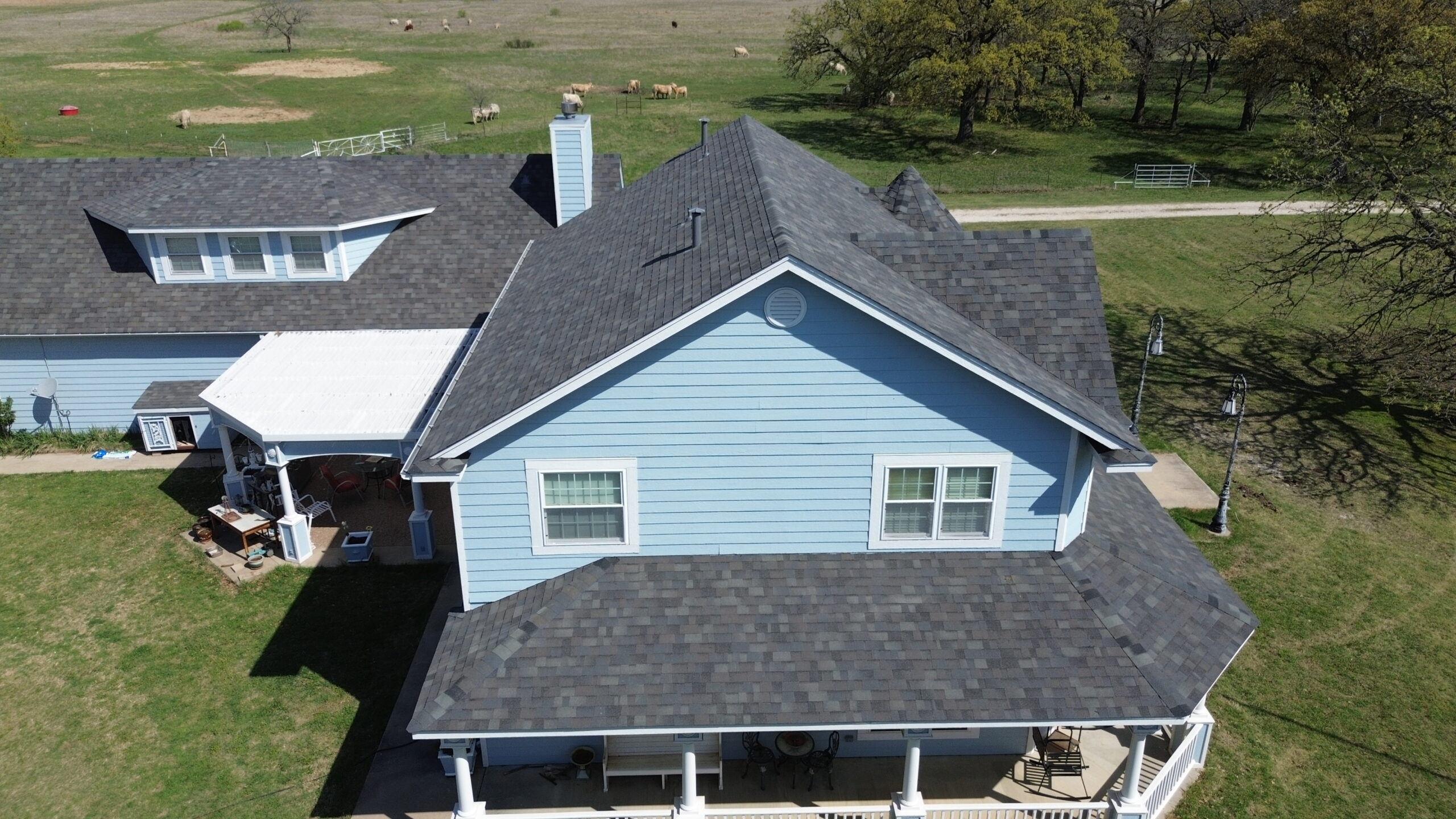
Questions to Ask a Roofing Contractor About Licensing and Credentials
Homeowners should feel comfortable asking direct questions about licensing before hiring a roofing contractor. A professional company should be able to explain which license it holds, which authority issued it, and what type of roofing work the license permits.
Useful questions can include whether the contractor is licensed for the specific project location, whether the license is current, and whether the company carries the required insurance. Homeowners can also ask who will obtain permits, whether subcontractors will be used, and who will be responsible for inspections.
It is also reasonable to request written documentation. Reviewing the information before signing the contract gives both parties an opportunity to correct misunderstandings while the project is still in the planning stage.
Because licensing and permit rules vary by jurisdiction, homeowners should independently confirm important requirements with the appropriate government office. The SBA specifically recommends checking state, county, and city regulations because construction licensing and permitting requirements can vary by location.
A contractor who communicates clearly about credentials, insurance, permits, and responsibilities can make the project easier to manage from the beginning. These checks become even more important when a roofing project involves storm damage, extensive replacement work, commercial buildings, multiple subcontractors, or significant structural repairs.
How Licensing Protects Property Owners
Contractor licensing gives property owners an additional way to evaluate whether a roofing company is authorized to perform regulated construction work. While a license does not guarantee perfect workmanship, it can indicate that the contractor has met requirements established by the relevant licensing authority. Because licensing rules vary by state, county, and city, homeowners should verify the requirements that apply to their specific property.
Licensing can also provide a level of accountability when problems arise. Depending on the jurisdiction, licensing agencies may maintain contractor records and may have processes for handling complaints or disciplinary matters involving licensed businesses.
For homeowners, this makes license verification an important part of the hiring process. It should be combined with checking insurance, reviewing references, examining the written proposal, and confirming that the contractor has experience with the proposed roofing system.
The Relationship Between Licensing, Insurance, and Quality Work
Licensing, insurance, and workmanship are related but they serve different purposes. A contractor license concerns legal authorization to perform regulated work, while insurance provides financial protection against certain covered risks and workmanship depends on the contractor’s skills, supervision, materials, and installation practices.
A properly licensed contractor can still make mistakes, which is why homeowners should not stop their evaluation after checking a license number. The strongest hiring decision considers several credentials and practical factors together.
Insurance is particularly important for roofing because workers operate at elevated heights and projects can involve ladders, equipment, vehicles, tools, and heavy materials. Homeowners should request current documentation and confirm that the insured business is the same company named in the roofing agreement.
Contractors should also understand that maintaining compliance is an ongoing responsibility. The SBA explains that businesses need to keep applicable licenses, permits, and certificates current and should check renewal requirements with the appropriate authorities.
What Homeowners Should Include in a Roofing Contract
A written roofing contract creates a clear record of what the contractor has agreed to provide. It should describe the scope of work, materials, payment arrangements, estimated schedule, warranties, responsibilities, and other important project conditions.
The contract should also identify the contractor using the same legal or registered business name associated with its licensing and insurance documents. This reduces confusion when several companies have similar names or when a contractor operates under a trade name.
Important project details should be written rather than discussed only verbally. A detailed contract can make it easier for both parties to understand what happens if hidden damage is discovered after the existing roof is removed.
A strong roofing agreement should generally identify:
- Contractor’s legal business name and contact information
- Applicable license information
- Detailed roofing materials and installation scope
- Payment schedule and total project price
- Permit responsibilities
- Insurance information
- Change-order procedures
- Warranty information
- Cleanup and disposal responsibilities
- Expected project schedule
These details help prevent misunderstandings before construction begins. Homeowners should read the complete agreement carefully and request clarification for anything that is unclear before signing.
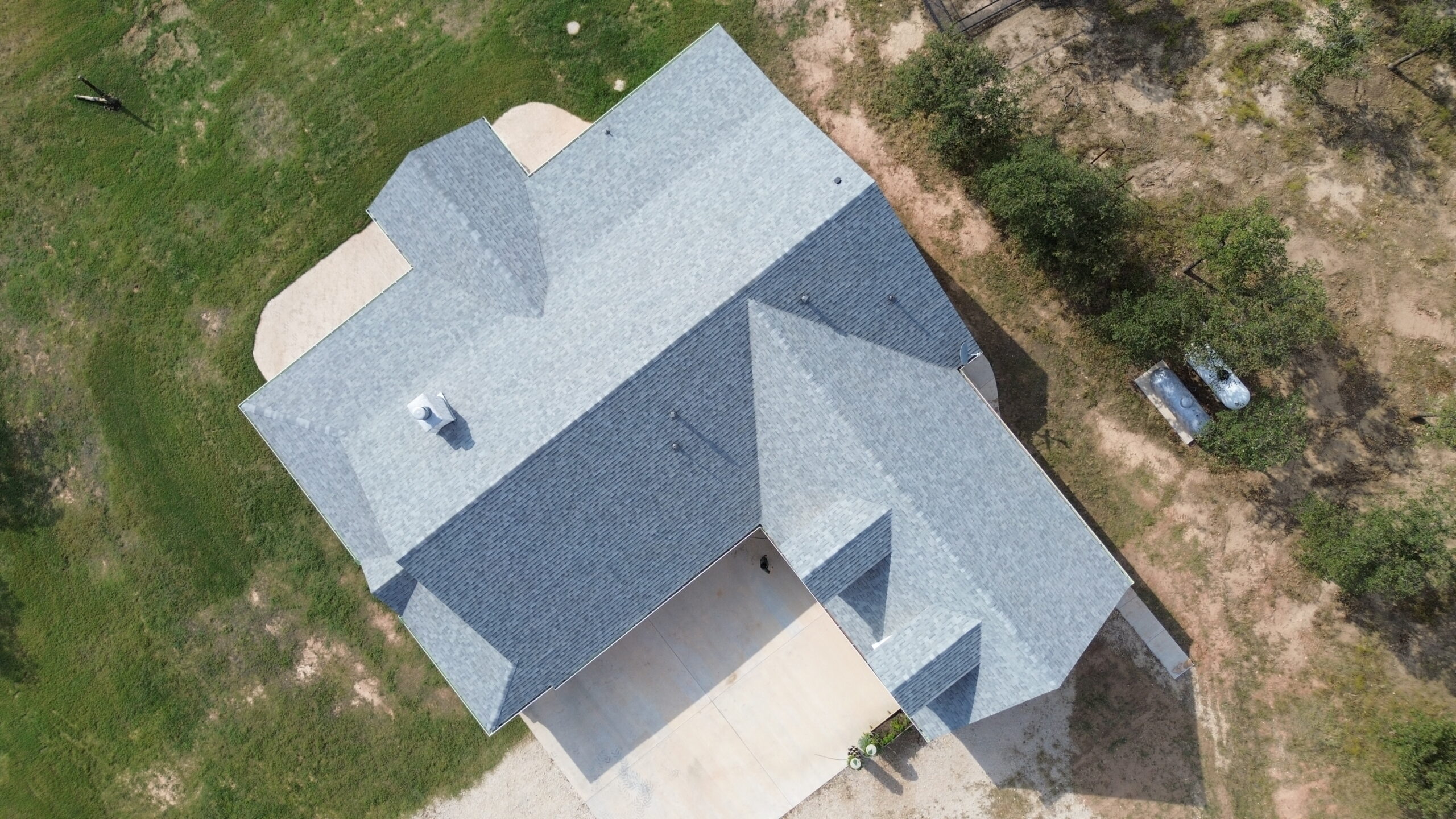
Warning Signs of an Unlicensed or Unqualified Roofing Contractor
Certain behaviors can indicate that a contractor may not be properly prepared to perform the proposed work. Refusing to provide a license number, avoiding questions about insurance, or giving inconsistent business information should encourage a homeowner to investigate further.
Another warning sign is pressure to begin work immediately without allowing time to review the contract or verify credentials. A legitimate contractor should generally understand that property owners need time to make an informed decision, especially when the project involves a substantial financial commitment.
Homeowners should also be cautious when a contractor claims that permits or licensing are unnecessary without providing a clear explanation. Since construction requirements differ by location, the claim should be verified with the relevant building or licensing authority.
Extremely low estimates can also deserve additional attention. A low price does not automatically indicate poor work, but an unusually low proposal may result from omitted materials, inadequate insurance, unqualified labor, incomplete scope descriptions, or unrealistic project assumptions.
How Licensing Requirements Help After Storm or Weather Damage
Storm damage can create an especially difficult environment for homeowners because repairs may be needed quickly. High winds, hail, falling branches, heavy rain, or other weather events can leave roofs vulnerable to additional water intrusion, making prompt temporary protection important.
During major storms, property owners may receive offers from contractors who travel from other areas to find repair work. A contractor who normally works in another jurisdiction may need additional licensing or registration before legally performing construction in the affected location.
The SBA notes that businesses expanding into new states, counties, or cities should check the licensing, permit, zoning, and registration requirements of the new location. A license or permit from one area does not automatically mean that the same business can operate without additional requirements elsewhere.
Homeowners dealing with storm damage should therefore verify credentials before authorizing permanent repairs. Emergency circumstances may require temporary measures first, but permanent roof replacement should still be handled through the appropriate licensing, permitting, insurance, and contractual process.
Choosing a Roofing Contractor Based on Credentials and Experience
Selecting a roofing contractor should involve more than comparing estimates. Price is important, but homeowners should also consider whether each contractor has the required authorization, relevant experience, insurance, appropriate materials knowledge, and a clear approach to project management.
Experience with the specific roofing system is particularly valuable. A contractor experienced with asphalt shingles may not have the same level of expertise with standing-seam metal roofing, tile, synthetic roofing, or commercial membrane systems.
Homeowners should also review references from projects that resemble their own. Asking about communication, project completion, cleanup, unexpected costs, and how the contractor handled problems can provide useful information that a license record alone cannot provide.
A good contractor should be able to explain the proposed installation in understandable terms. They should also identify potential issues before work begins instead of promising that every project will proceed without unexpected conditions.
Steps to Take Before Signing a Roofing Installation Agreement
Taking a structured approach can make contractor selection easier and reduce avoidable problems. Homeowners should complete their credential checks before making a substantial deposit or allowing permanent construction work to begin.
The process can be organized into several practical steps:
- Identify the project scope: Determine whether the work involves a repair, partial replacement, complete replacement, or new roof installation.
- Check local requirements: Contact the appropriate state, county, or city authority to determine applicable licensing and permit requirements.
- Verify the contractor: Confirm the contractor’s license status, classification, business identity, and authorization to perform the proposed work.
- Review insurance: Request current insurance documentation and determine whether the coverage is appropriate for the project.
- Compare written proposals: Review materials, labor, cleanup, warranties, payment schedules, and exclusions rather than comparing price alone.
- Confirm permit responsibilities: Establish who will obtain required permits and coordinate inspections.
- Review the contract: Make sure important promises and responsibilities appear in writing before signing.
This process gives homeowners a stronger basis for comparing contractors. It also creates an opportunity to identify missing information before the project becomes difficult or expensive to change.
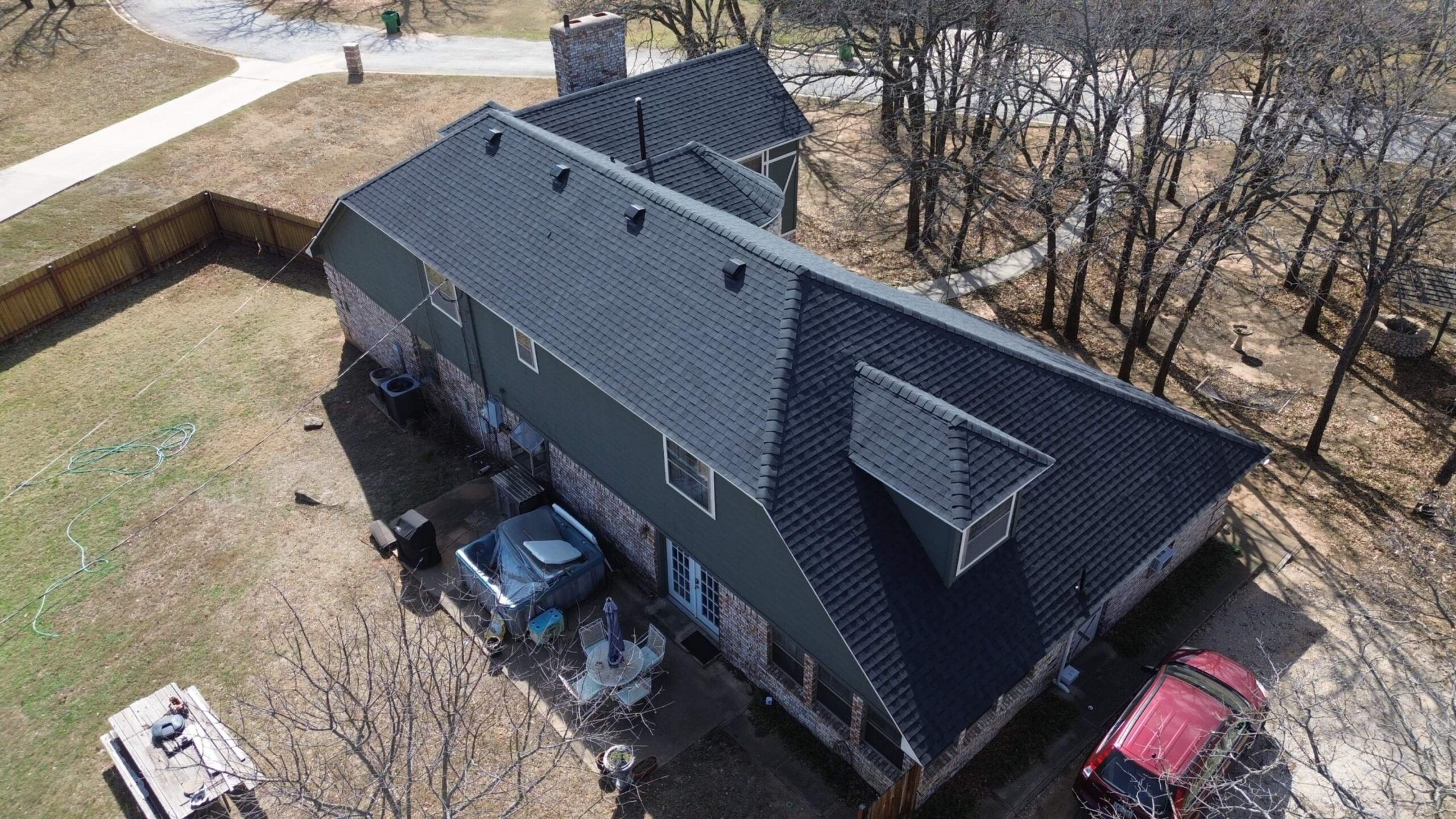
What to Do if a Contractor Cannot Provide Proof of Licensing
If a contractor cannot provide proof of a required license, homeowners should pause before authorizing the work. The issue may be a simple documentation problem, but it could also indicate that the contractor does not have the authorization required for the project.
The contractor should be asked for the exact legal business name and license information. Homeowners can then independently check the information through the relevant government licensing authority.
If the contractor refuses to provide the information or gives a license number that cannot be verified, choosing another contractor may be the safer option. Property owners should not allow pressure or urgency to replace basic credential verification.
Where requirements are unclear, homeowners can contact the local building department or licensing agency directly. Government requirements are the most reliable source because licensing rules and renewal conditions can vary by location.
Understanding Renewals, Expired Licenses, and Ongoing Compliance
A contractor’s licensing responsibilities do not necessarily end when the original license is issued. Many licenses, permits, and registrations have renewal requirements, and businesses must keep their credentials current to remain compliant.
The renewal period can vary depending on the licensing authority. Some jurisdictions may require periodic applications, fees, continuing education, updated insurance documentation, or other information before a license can remain active.
Homeowners should therefore verify the current status of a license rather than relying on an old certificate displayed on a website or provided during a previous project. The SBA advises businesses to keep track of expiration dates because licenses and permits may need periodic renewal.
Contractors that work in multiple locations should also monitor each jurisdiction separately. Expanding into another state or locality can create additional compliance requirements, including registration and licensing obligations.
How Professional Licensing Supports Safer Roof Installation
Roof installation combines specialized construction work with significant safety risks. Workers may operate several feet above the ground while handling tools, fasteners, roofing materials, ladders, and equipment, making proper training and safety procedures essential.
Licensing requirements can encourage contractors to meet minimum professional standards established by the relevant jurisdiction. Where examinations, experience requirements, insurance, bonding, or continuing education apply, these measures can provide additional safeguards for the construction industry.
However, licensing should not be considered a substitute for active jobsite safety management. Contractors remain responsible for following applicable workplace safety requirements and using appropriate equipment, procedures, supervision, and training.
Property owners can ask contractors how they manage jobsite safety before work begins. Questions about fall protection, debris management, worker access, material storage, and protection of landscaping or nearby structures can reveal how seriously a contractor approaches the project.
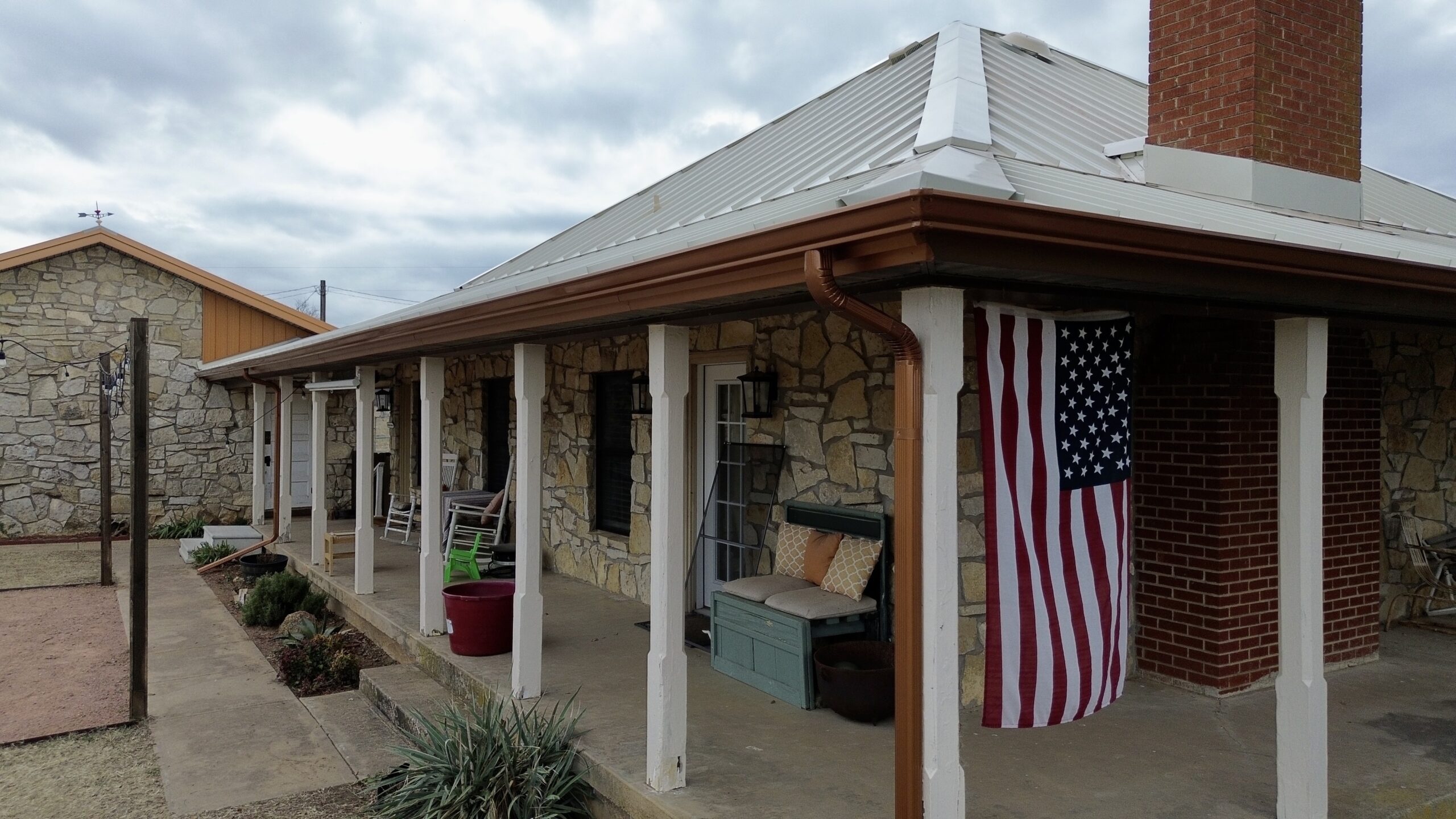
Key Considerations for Comparing Licensed Roofing Contractors
Once homeowners have identified contractors who meet the applicable licensing requirements, they can compare the companies on broader measures of quality and reliability. A license establishes an important baseline, but it does not determine which contractor will provide the best value for a particular property.
The scope of work should be compared carefully because two estimates can appear similar while covering very different materials or installation procedures. One contractor may include replacement of damaged decking, upgraded ventilation, new flashing, and extensive cleanup, while another may exclude those items.
Warranty terms should also be reviewed closely. Homeowners should understand which warranties cover the roofing materials, which cover workmanship, how long coverage lasts, and what conditions could affect warranty protection.
Communication is another important consideration. Contractors who answer questions clearly, provide organized documentation, explain changes before performing additional work, and maintain realistic expectations can make the project substantially easier to manage.
A useful comparison should therefore consider the complete value of the proposal rather than selecting the lowest initial price. The following factors can help homeowners make a more balanced decision:
| Evaluation Factor | What to Check | Why It Matters |
|---|---|---|
| License | Current status and correct classification | Confirms applicable authorization |
| Insurance | Current coverage and insured business name | Helps address certain covered risks |
| Experience | Similar roofing projects completed | Indicates familiarity with the proposed system |
| Written proposal | Materials, labor, exclusions, and scope | Reduces misunderstandings |
| Permits | Who obtains required approvals | Helps maintain regulatory compliance |
| Warranty | Material and workmanship coverage | Clarifies future responsibilities |
| References | Recent and comparable projects | Provides insight into past performance |
| Communication | Responsiveness and documentation | Makes project coordination easier |
No single factor should determine the hiring decision. Looking at the contractor as a whole gives property owners a better opportunity to choose a company that is properly qualified and suited to the project.
Conclusion
Contractor licensing is an important consideration when planning roof installation or replacement work. Although licensing requirements differ across states, counties, and cities, property owners should determine which rules apply to their project and verify that the selected contractor has the appropriate authorization. The SBA confirms that construction licensing and permit requirements can vary according to business activity and location, making local verification an essential part of the process.
A roofing contractor’s license should be considered alongside insurance, bonding, experience, permits, references, written agreements, and knowledge of applicable building requirements. These credentials serve different purposes, so relying on a single document does not provide a complete picture of a contractor’s qualifications.
Homeowners can reduce unnecessary risks by checking credentials before signing a contract, confirming who is responsible for permits, reviewing insurance documentation, and ensuring that the proposed work is clearly described in writing. Contractors should likewise maintain their licenses, registrations, permits, insurance, and other required credentials throughout their operations rather than treating compliance as a one-time task.
The best roofing projects begin with careful planning and informed contractor selection. By understanding licensing requirements and verifying credentials before work starts, property owners can approach roof installation with greater confidence while giving qualified contractors a clear framework for completing the project professionally and responsibly.