
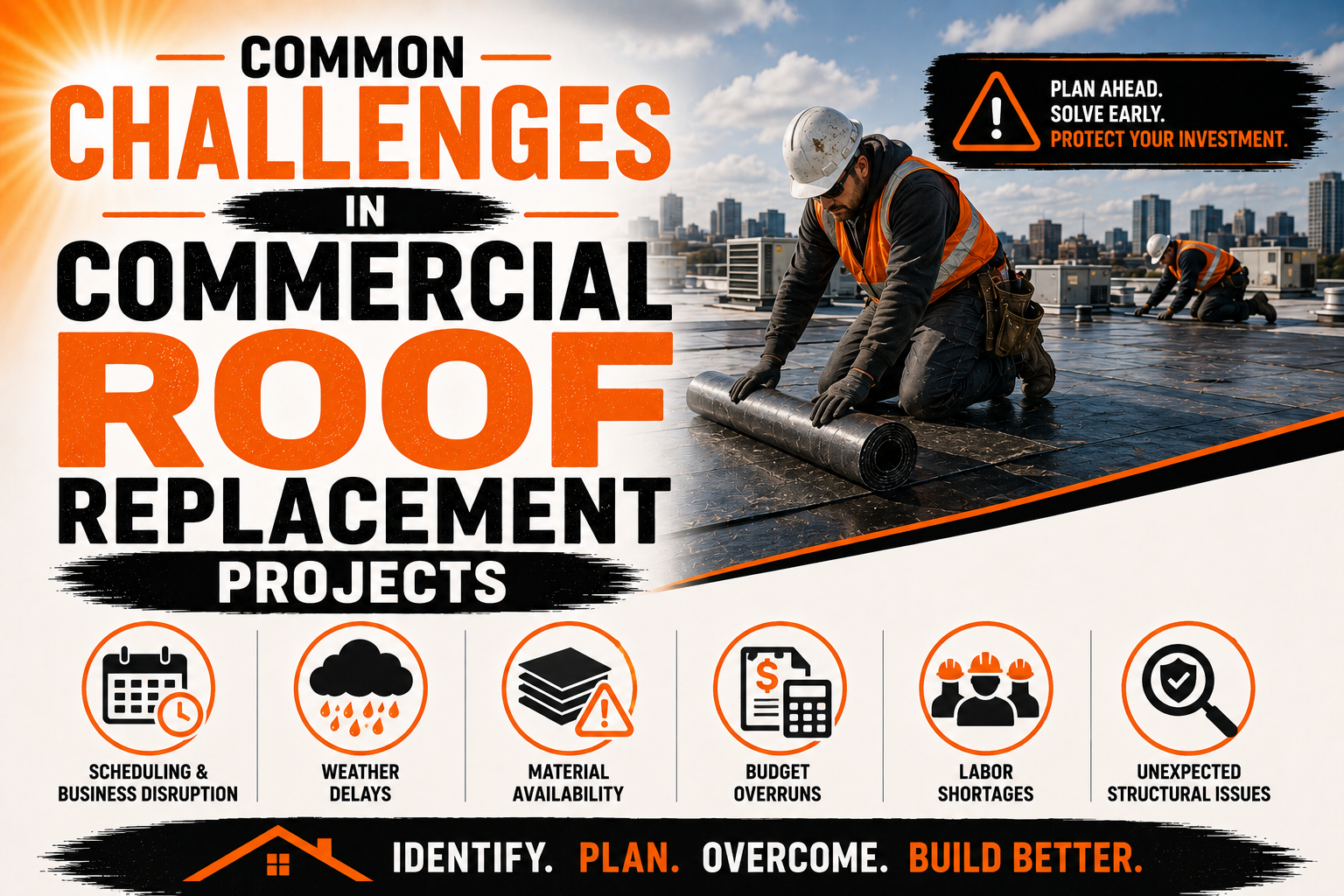
Common Challenges in Commercial Roof Replacement Projects
Introduction
Commercial roof replacement is a major construction project that can affect a building’s structure, daily operations, employees, tenants, customers, equipment, and finances. Unlike a small residential roofing job, commercial replacement often involves large roof areas, complex drainage systems, rooftop equipment, specialized materials, safety requirements, and detailed scheduling. Even when a project is carefully planned, unexpected challenges can develop once the existing roofing system is opened.
The first step toward managing these challenges is understanding where they commonly occur. Hidden moisture, damaged roof decks, changing weather, material delays, business disruptions, and coordination problems can all affect the project. Recognizing these risks early allows property owners and contractors to develop practical solutions before they become expensive delays.
A successful replacement project depends on more than selecting quality roofing materials. The building must be properly prepared, the existing roof must be evaluated, workers must follow appropriate safety procedures, and the installation must be coordinated with the property’s normal activities. Good communication between the owner, contractor, facility manager, and other trades can make the process considerably easier.
Identifying Hidden Roof Damage
One of the most common challenges during commercial roof replacement is discovering damage that could not be fully identified before the existing roofing system was removed. A roof inspection can reveal visible deterioration, but some problems remain concealed beneath membranes, insulation, cover boards, or previous repair layers.
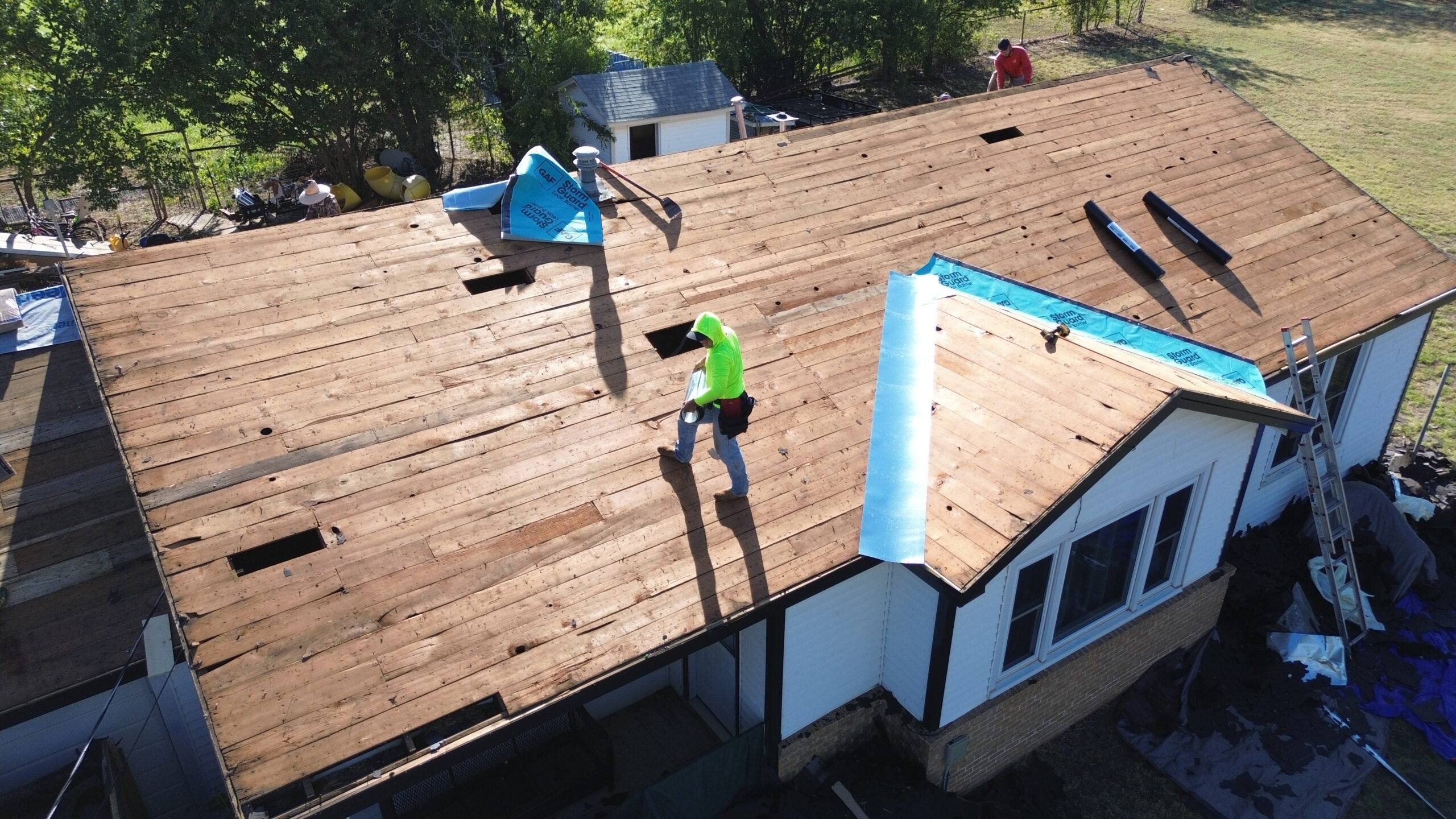
Once the old roofing materials are removed, contractors may discover wet insulation, deteriorated decking, corrosion, damaged fasteners, or areas of previous repair work. These conditions can change the project’s scope because the affected materials may need to be removed and replaced before the new roof can be installed.
Moisture is especially challenging because it can spread beyond the areas where leaks are visible inside the building. Water may travel through insulation or along the roof deck before reaching an interior location. As a result, an interior stain does not always indicate the exact location of the original roof failure.
A professional inspection before replacement can reduce surprises, but it cannot always identify every concealed condition. Some areas become fully visible only during tear-off. Contractors should therefore explain the possibility of concealed damage before work begins and establish a process for documenting and approving additional repairs.
When hidden damage is discovered, the affected area should be photographed and evaluated before it is covered. The contractor can then explain what was found, why replacement is necessary, and how the additional work may affect the schedule and budget.
This process helps separate legitimate construction discoveries from unnecessary changes. Clear documentation also gives the property owner a record of conditions that were not visible during the initial planning stage.
Managing Weather and Unexpected Conditions
Weather can create significant challenges during commercial roof replacement. Roofing work often requires dry conditions, suitable temperatures, and manageable wind conditions, depending on the materials and installation methods being used.
Rain can be particularly disruptive when the existing waterproofing layer has been removed. An exposed roof deck or partially completed roofing assembly may be vulnerable to water intrusion. Contractors must therefore plan temporary protection and avoid exposing larger areas than can be safely completed.
Strong winds can also interfere with material handling and installation. Large membrane sheets, insulation boards, metal panels, and other lightweight materials can become difficult to control during windy conditions. Safety requirements may require work to pause until conditions improve.
Extreme heat can affect both workers and roofing materials. Employees may face increased heat exposure, while certain adhesives, sealants, or installation processes can have temperature-related requirements. The contractor must follow appropriate procedures for the specific roofing system.
Cold weather can create another set of challenges. Some adhesives and coatings may require particular temperature conditions for proper application. Moisture, frost, or freezing conditions can also affect substrate preparation.
Weather delays should be considered when developing the project schedule. A realistic schedule allows some flexibility rather than assuming every working day will have ideal conditions.
The contractor should also maintain a clear weather-monitoring process. When unfavorable conditions are expected, the crew can prioritize protected work, adjust material deliveries, or temporarily secure exposed areas.
Protecting Business Operations During Replacement
A commercial roof replacement can create disruption even when the contractor performs the work correctly. Employees may hear construction noise, customers may encounter temporary access changes, and building operations may need to accommodate workers and equipment.
The impact can be greater for facilities that operate continuously. Warehouses, manufacturing facilities, retail properties, offices, healthcare buildings, and other occupied structures may have different requirements for maintaining normal activities during construction.
The roofing contractor and property manager should establish access routes before work begins. Employees and visitors should know which areas are restricted and where construction equipment will be positioned.
Material deliveries can also affect daily operations. Large quantities of insulation, membrane, metal components, and other supplies may require temporary use of parking areas, loading zones, driveways, or staging spaces.
Noise and vibration may be another concern. Tear-off equipment, mechanical fasteners, lifts, generators, and material movement can create significant noise during certain phases. Businesses may need to schedule especially disruptive activities around meetings, customer hours, production periods, or other sensitive operations.
Interior protection should also be considered. Construction activity can create dust, debris, or vibration that affects occupied spaces. The contractor should coordinate with building management when interior conditions could be affected.
Clear communication is essential throughout the project. Employees, tenants, and customers should receive reasonable information about access changes, expected disruptions, and important safety restrictions.
Removing Existing Roofing Materials Safely
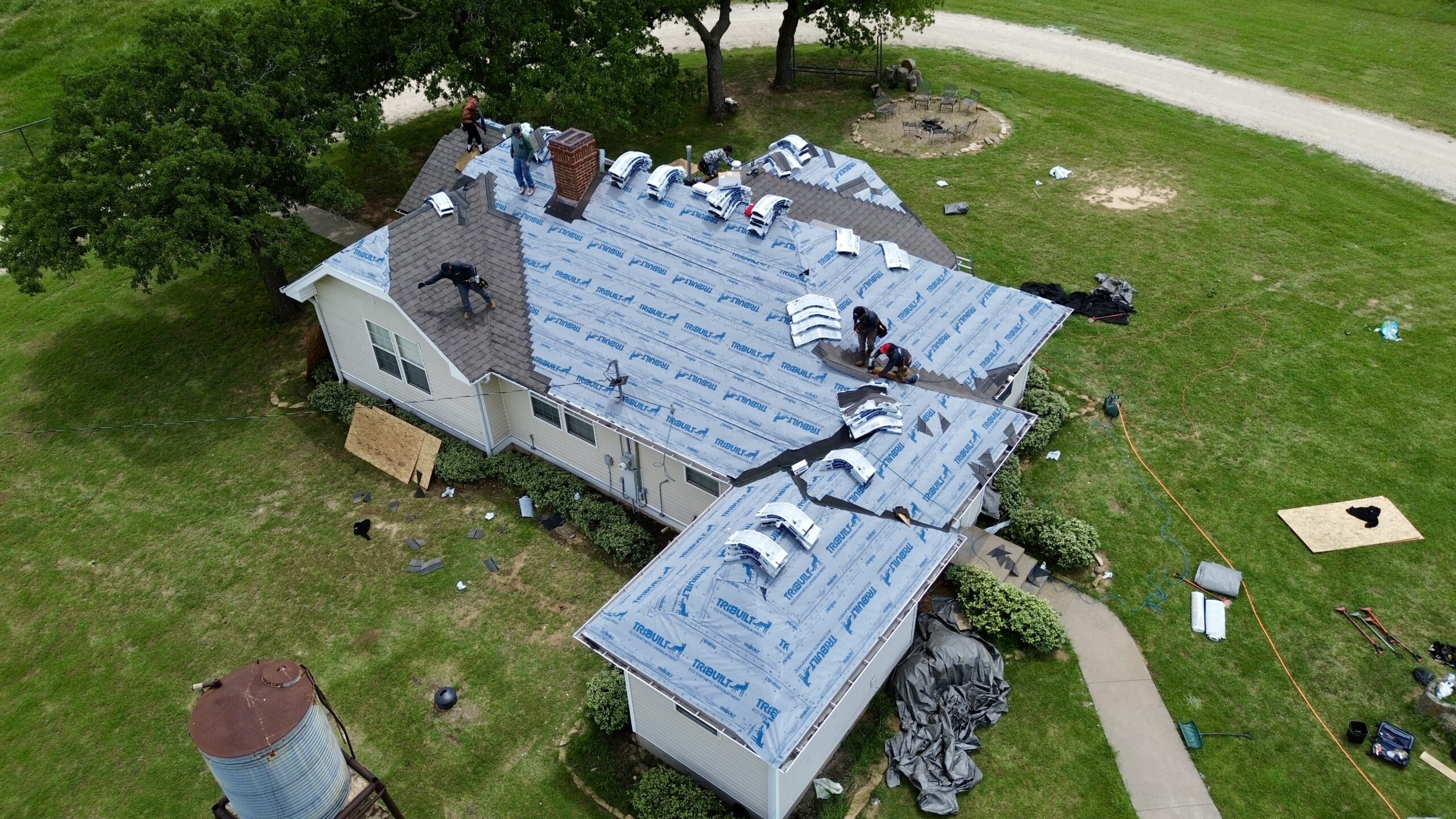
Removing the old roofing system is one of the most physically demanding stages of a commercial replacement project. Existing roofs may contain multiple layers of membrane, insulation, fasteners, flashing, adhesives, and other components.
The removal process must be carefully organized to protect workers, the building, and surrounding property. Debris should not be allowed to accumulate in work areas or interfere with access routes and drainage components.
Large commercial roofs can produce substantial quantities of waste. Contractors need an efficient method for moving old materials from the roof to designated disposal or recycling areas. Depending on the building, this may involve cranes, hoists, lifts, containers, or other equipment.
The roof deck must also be protected during demolition. Aggressive removal methods can damage the substrate, especially when the deck is older or already weakened. Workers need to remove materials carefully enough to expose the deck without creating unnecessary damage.
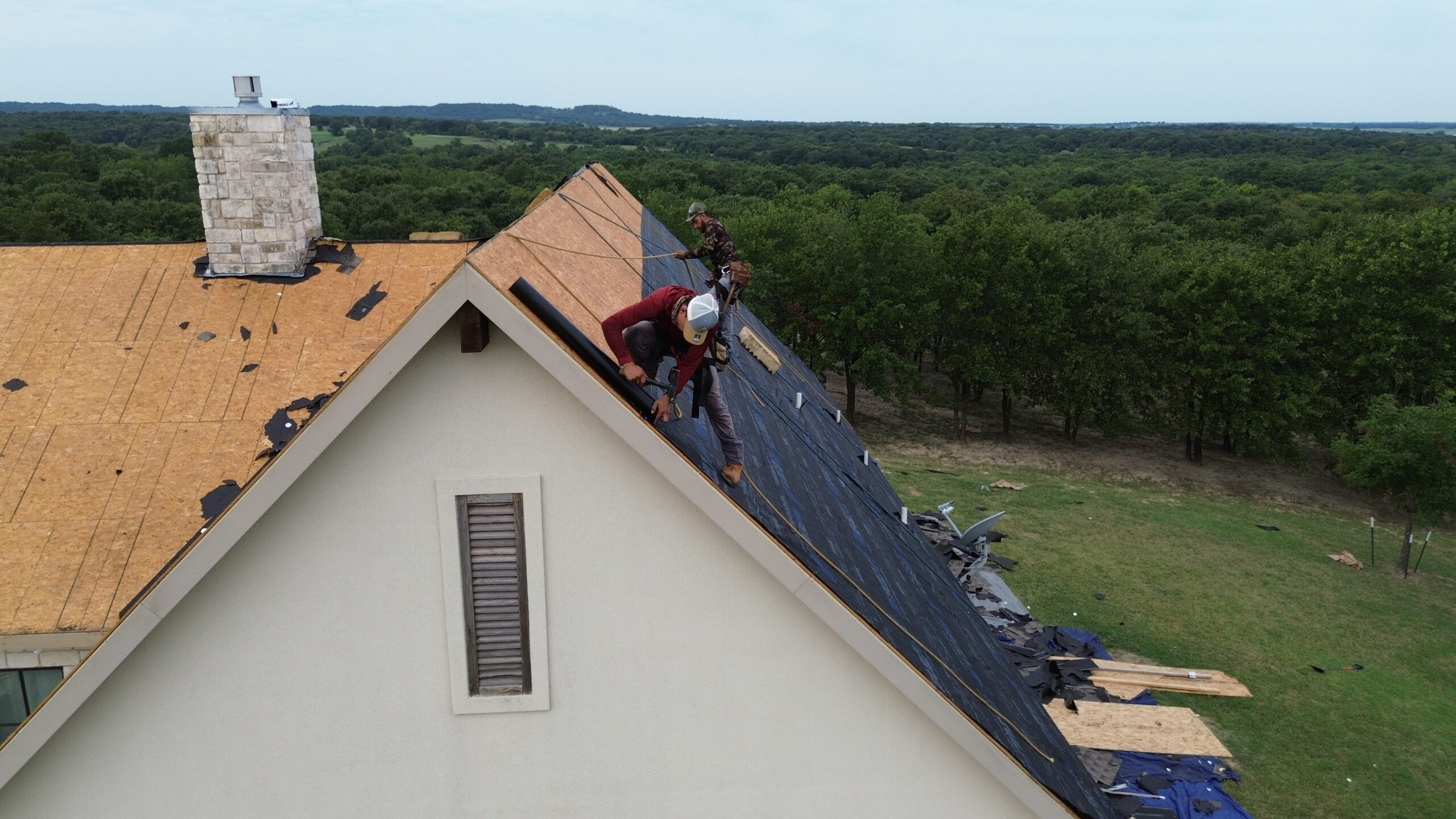
Safety becomes particularly important around roof edges, openings, skylights, mechanical equipment, and other hazards. Appropriate fall protection, access controls, barriers, and work procedures should be established according to the project’s requirements.
Weather protection must continue during tear-off. The crew should have a plan for securing exposed sections if rain or other unfavorable conditions develop unexpectedly.
The challenge is therefore not simply removing the old roof quickly. The goal is controlled removal that prepares the building for the new system while minimizing damage, safety risks, debris, and disruption.
Dealing With Rooftop Equipment and Building Penetrations
Commercial roofs often contain much more than roofing material. HVAC units, vents, pipes, electrical equipment, skylights, exhaust systems, solar equipment, and other installations can create complex conditions for the roofing contractor.
Some equipment may need to remain in place during replacement. Other components may need to be temporarily moved or coordinated with another contractor. The correct approach depends on the equipment and the roofing system being installed.
HVAC equipment can be particularly challenging because the roof membrane must be properly integrated around equipment curbs and supports. Poor coordination can create delays or leave incomplete flashing details.
Pipes and smaller penetrations also require careful attention. Each penetration creates a potential transition where water could enter if the flashing or membrane connection is not installed correctly.
Solar equipment can create additional coordination requirements. If panels or mounting systems are already installed, the roofing contractor may need to work around them or coordinate removal and reinstallation with the solar provider.
The project team should identify rooftop equipment before construction begins. This allows the contractor to determine what must be protected, relocated, disconnected, or coordinated with another trade.
Building owners should also consider future access. A newly installed roof may require regular equipment maintenance, so service paths and protective measures can help reduce accidental membrane damage.
Careful planning around rooftop equipment prevents the roofing contractor from discovering major coordination problems after installation has already begun.
Managing Material Availability and Delivery
Material availability can create unexpected delays in commercial roofing projects. Large replacement jobs may require substantial quantities of membrane, insulation, cover boards, fasteners, adhesives, flashing, edge materials, and other components.
Some products may have longer lead times than others. Specialty colors, thicknesses, custom metal components, or particular system accessories may need to be ordered well in advance.
Material availability should therefore be confirmed before the project schedule is finalized. Ordering too late can create gaps between tear-off and installation, potentially increasing the amount of time the building remains exposed to construction risks.
Storage is another challenge. Roofing materials need to be stored according to manufacturer recommendations and protected from moisture, damage, and contamination. The site must have enough suitable space without interfering with normal business operations.
Material deliveries also require planning. Large quantities may arrive on trucks that need access to loading zones, parking areas, or staging locations. The delivery schedule should account for building traffic and other construction activities.
The contractor should also verify materials as they arrive. Damaged, incorrect, or incomplete shipments should be identified before installation begins.
Good material planning can prevent a situation where the crew has removed the existing roof but cannot proceed because an essential component has not arrived.
Maintaining Proper Drainage During Replacement
Drainage problems can become especially serious during commercial roof replacement. Existing drains, scuppers, gutters, and internal drainage systems must remain functional during construction whenever possible.
Tear-off debris can quickly collect around drains. If this material blocks the drainage system during rainfall, water may accumulate on exposed sections of the roof and increase the risk of interior damage.
Temporary drain protection can help prevent debris from entering the drainage system, but the protection must be managed carefully. It should not create an unintended blockage during rain.
The contractor should also maintain temporary drainage routes when portions of the roof are exposed. Water needs a controlled path away from vulnerable areas throughout the construction process.
Once the new roofing assembly is installed, drainage components should be checked again. The finished system should direct water toward the intended drains, scuppers, or other outlets without unnecessary obstruction.
Slope should also be considered. If the replacement includes tapered insulation or other slope improvements, the installation must follow the approved design. Unexpected low areas should be evaluated before the roof is completed.
Drainage is not simply a final inspection item. It is an ongoing concern from tear-off through final installation, and effective management can help prevent avoidable water damage during the project.
Coordinating Multiple Contractors and Building Teams
Commercial roof replacement projects often involve more than the roofing contractor. HVAC technicians, electricians, mechanical contractors, facility managers, inspectors, building owners, and other specialists may need access to the roof before, during, or after installation. Coordinating these different teams can become challenging when their work affects the roofing schedule.
Rooftop equipment may need to be disconnected, moved, protected, or reinstalled before the roofing crew can complete certain areas. If another contractor is not available when required, the roofing crew may have to stop work or leave sections unfinished.
Communication should therefore begin before construction starts. A project schedule should identify which trades are responsible for specific tasks and when their work needs to be completed.
Regular coordination meetings can help identify upcoming conflicts. Even short updates between the property manager and contractors can prevent misunderstandings about access, deliveries, equipment, and completed areas.
The project manager should also establish who has authority to approve changes. When unexpected conditions are discovered, the team needs a clear process for documenting the issue, deciding what action is necessary, and confirming the financial impact.
Good coordination reduces idle time and helps keep different trades from interfering with one another. It also creates a more organized environment where roofing work can progress without unnecessary interruptions.
Meeting Commercial Building Codes and Safety Requirements
Commercial roof replacement must account for applicable building codes and safety requirements. These requirements can affect the roofing assembly, insulation, fire performance, wind resistance, drainage, edge details, access, and other components of the project.
Older buildings can present particular challenges because the existing roof may have been installed under previous requirements. When the roof is replaced, current requirements may apply to certain aspects of the new system.
Code-related upgrades can increase project costs and affect the original scope. For example, additional insulation, improved edge protection, or other required modifications may be necessary depending on the building and jurisdiction.
Safety is equally important during construction. Commercial roofs can contain open edges, skylights, roof openings, mechanical equipment, electrical hazards, and other risks that require appropriate controls.
Workers need suitable access and fall protection systems for the conditions of the project. Material handling and equipment operation must also be coordinated so that workers and building occupants are protected.
The property owner should work with qualified professionals to understand applicable requirements before construction begins. Discovering a major code or safety issue after materials have been ordered can create delays and unexpected expenses.
Compliance should be treated as part of project planning rather than an obstacle that is addressed only at the end. Building code and safety considerations should influence material selection, design, scheduling, and installation procedures from the beginning.
Managing Unexpected Project Costs
Budget uncertainty is one of the most common concerns during commercial roof replacement. Even a detailed estimate may change when concealed conditions are discovered or project requirements become clearer.
Hidden deck damage, wet insulation, additional flashing, drainage repairs, material price changes, and code requirements can all increase the final cost. Some expenses may be impossible to determine until the existing roof has been removed.
A contingency allowance can provide the business with some financial flexibility. The appropriate amount depends on the condition of the existing roof and the complexity of the project.
Contractors should clearly explain how unexpected work will be handled. If additional repairs become necessary, the owner should receive documentation describing the condition, recommended solution, added cost, and potential schedule impact.
Change orders should be reviewed carefully rather than approved automatically. The business should understand whether the additional work is necessary for proper roof performance or represents an optional improvement.
Material substitutions can also affect costs. If the originally specified product becomes unavailable, an alternative should be evaluated for compatibility, performance, warranty implications, and price before approval.
Keeping a clear record of the original scope and approved changes makes financial management easier. It also helps prevent disputes when the final invoice differs from the initial estimate.
Handling Structural and Roof Deck Problems
The roof deck provides the foundation for the roofing assembly, so structural or substrate problems can become major challenges during replacement. A damaged deck may not be visible until the old roofing materials are removed.
Steel decks can develop corrosion, while wood decks may experience deterioration or moisture-related damage. Concrete decks can have cracks or other conditions that require evaluation.
If damaged sections are discovered, they may need to be repaired or replaced before the new roofing system is installed. The correct repair method depends on the deck type and the severity of the problem.
Structural concerns may require additional professional evaluation. Roofing contractors should not assume that every structural problem can be addressed through a simple surface repair.
The condition of the deck can also affect attachment methods. Mechanical fasteners, adhesives, and other installation techniques require suitable substrates.
Unexpected deck repairs can affect both schedule and budget. The roofing crew may need to pause installation while materials are sourced and the repair is completed.
Property owners can reduce this risk by arranging a thorough pre-project assessment. Although some concealed conditions will remain unknown until tear-off, early investigation can identify obvious concerns before construction begins.
The most important principle is to avoid covering an unsuitable substrate. A new roof installed over a damaged or unstable deck can create performance problems that are far more expensive to correct later.
Maintaining Quality During Large-Scale Installation
Large commercial roofs can cover extensive areas, making consistent workmanship a challenge. A crew may install thousands of square feet of membrane or other roofing materials, and small inconsistencies can become significant when repeated across a large surface.
Quality control should occur throughout installation rather than only at the end. Supervisors should inspect material placement, attachment, seams, flashing, penetrations, drainage details, and perimeter conditions as work progresses.
Different roofing materials require different installation techniques. For example, thermoplastic membranes may require properly welded seams, while other systems rely on adhesives, tapes, or mechanical connections.
Workers also need to follow manufacturer requirements for substrate preparation and material application. Incorrect adhesive coverage, poor seam preparation, improper fastener placement, or inadequate flashing can affect long-term performance.
Weather conditions can further influence workmanship. Moisture, wind, and extreme temperatures may affect certain installation procedures, so crews need to adjust work practices when conditions change.
Material handling is another quality concern. Roofing products should be stored and moved in a way that prevents damage before installation.
A strong quality-control process catches problems while they are still easy to correct. Once several layers have been installed over a defective area, repairs can become more difficult and expensive.
Managing Noise, Dust, Odors, and Site Disruption
Commercial roof replacement can create environmental disruptions that affect people inside and around the building. Tear-off equipment, drills, fasteners, generators, material movement, and other activities can generate significant noise.
Dust and debris may also become concerns, particularly when construction occurs near occupied spaces. Businesses that operate continuously may need additional measures to protect employees, customers, inventory, and sensitive equipment.
Some roofing systems or installation methods may produce odors during application. Adhesives, coatings, asphalt-related materials, and other products can affect nearby occupants depending on the system and building configuration.
The contractor and facility manager should discuss these concerns before work begins. Certain activities may be scheduled during less disruptive periods when practical.
Temporary barriers, controlled access routes, ventilation strategies, and other measures may help reduce the impact of construction. The appropriate solution depends on the building’s use and the specific roofing process.
Communication with occupants is equally important. Employees and tenants are more likely to cooperate with temporary restrictions when they understand why the changes are necessary and how long they are expected to last.
The goal is not necessarily to eliminate every construction impact, which may be unrealistic, but to manage the disruption responsibly. Careful scheduling and communication can make the project easier for everyone affected.
Keeping the Project on Schedule
Commercial roof replacement schedules can be affected by many factors, including weather, material availability, concealed damage, equipment coordination, inspections, code requirements, and business operations.
A realistic schedule should account for these potential disruptions. Setting an aggressive completion date without allowing flexibility can create pressure that affects quality and safety.
Material ordering should occur early enough to reduce the risk of shortages. Long-lead items should be identified during planning, especially when specialized roofing components or custom metalwork are required.
The contractor should also coordinate inspections and approvals in advance. Waiting for an inspection after an area is ready can create unnecessary downtime if the responsible party is not available.
Weather delays should be expected to some degree. A project schedule that includes reasonable flexibility can absorb short interruptions without causing major disruption.
Daily progress tracking can help identify problems early. If installation is falling behind, the project manager can determine whether additional labor, schedule changes, material adjustments, or other measures are appropriate.
However, schedule pressure should never justify skipping important installation steps. Rushing seam work, flashing, inspections, or safety procedures can create defects that remain long after construction is finished.
Maintaining a successful schedule therefore requires balancing speed with quality. A well-managed commercial roof replacement should aim for efficient progress while preserving the workmanship and safety standards required for a durable system.
The final challenges involve correcting installation issues, managing drainage and water intrusion risks, protecting warranties, communicating with building occupants, and ensuring that the newly installed roof is properly protected after construction.
Addressing Installation Defects and Final Corrections
Even when a commercial roof replacement has been carefully planned, small installation problems can sometimes be discovered during inspections or after portions of the system have been completed. These may involve seams, flashing, fasteners, membrane placement, drainage details, edge conditions, or penetrations around rooftop equipment. Identifying these issues before the project is officially closed gives the contractor an opportunity to correct them while the work area is still accessible.
Final inspections should therefore be treated as an important quality-control stage rather than a simple formality. The property owner, contractor, and appropriate project representatives can review completed areas and compare the installation with the approved specifications. Any incomplete or questionable work should be documented clearly and assigned for correction.
Water testing or other inspection methods may be appropriate for certain roofing systems and details. The exact testing approach depends on the roof design and manufacturer requirements, but the goal is to identify potential weaknesses before they develop into significant problems.
The contractor should also inspect transitions between different roofing components. Areas around drains, curbs, penetrations, parapets, roof edges, and expansion joints can require especially careful detailing because they involve changes in materials or geometry.
Corrections should be completed before final acceptance whenever practical. A small issue that is easy to repair during construction can become much more difficult after equipment, access systems, or other building components are returned to their normal positions.
The owner should receive documentation showing that identified deficiencies were corrected. This creates a useful record and helps establish that the final roof was reviewed rather than simply accepted without inspection.
Managing Drainage and Water Intrusion Risks
Water management remains one of the most important challenges throughout commercial roof replacement. A new roofing system must direct rainwater toward drains, scuppers, gutters, or other designed outlets while minimizing areas where water can remain trapped.
During construction, temporary drainage can become especially important. Portions of the existing roof may be removed while other sections remain exposed, creating conditions where rainfall could enter the building if temporary protection is inadequate.
After installation, drains should be checked for debris and proper operation. Construction materials, packaging, fasteners, and other debris can obstruct drainage if cleanup is incomplete.
Low areas should also receive attention. Some commercial roofs are designed with positive drainage, but changes in insulation, deck conditions, or existing building geometry can affect how water moves across the surface.
Rooftop penetrations require careful inspection as well. Pipes, curbs, vents, skylights, and mechanical equipment create locations where water could enter if flashing or membrane connections are improperly installed.
Property owners should avoid treating drainage as an issue that can be ignored until the first major rainfall. Water management should be considered during design, installation, inspection, and maintenance.
A good drainage strategy protects both the roofing system and the building below it. Properly maintained drains and correctly detailed penetrations can reduce the likelihood of water-related problems after replacement.
Handling Warranty and Documentation Issues
Commercial roofing warranties can provide valuable protection, but only when the owner understands what the warranty covers and what responsibilities must be fulfilled. Warranty documentation should be collected and reviewed before the project is considered complete.
A commercial roof may have separate manufacturer and contractor warranties. These documents can address different issues, such as material defects, system performance, or workmanship.
Owners should verify that the warranty information corresponds to the actual roofing system installed. Material specifications, system type, installation details, and project information should be recorded accurately.
Maintenance requirements are also important. Some warranties may require periodic inspections, approved repairs, or other maintenance practices. Ignoring these requirements could create complications if a warranty issue develops later.
The owner should keep records of inspections and repairs performed after installation. If a problem occurs, these records can help demonstrate that the roof has been maintained appropriately.
Future contractors should also be informed about warranty requirements before making modifications. Unauthorized repairs or installations can potentially affect warranty protection depending on the applicable terms.
A complete project file should contain the contract, final scope, change orders, inspection reports, photographs, invoices, material information, warranties, and maintenance recommendations. Keeping these records together makes future roof management easier.
Documentation may seem like an administrative task after construction, but it can become extremely valuable years later when the roof needs repair, inspection, warranty service, or eventual replacement.
Communicating With Employees, Tenants, and Customers
Commercial roofing projects can affect people who are not directly involved in construction. Employees may encounter restricted areas, tenants may have concerns about noise, and customers may notice equipment or temporary access changes.
Clear communication can reduce confusion and help maintain safe conditions. Building management should explain where construction will occur, which areas are restricted, and whether entrances, parking spaces, or walkways will temporarily change.
For businesses that remain open during replacement, communication should continue throughout the project. A schedule that changes because of weather or unexpected conditions should be communicated when those changes affect building occupants.
Customers should also be protected from construction hazards. Material staging, equipment movement, debris, and restricted areas should be managed so visitors do not accidentally enter unsafe locations.
Tenants may need advance notice of particularly disruptive work. If certain activities will produce significant noise, odors, vibration, or temporary access restrictions, providing reasonable notice can help occupants make appropriate arrangements.
Employees should understand that roofing areas are construction zones. Unauthorized access can create safety risks and potentially damage the newly installed roofing system.
A designated point of contact can make communication easier. Instead of receiving conflicting information from different workers, occupants can direct questions to the facility manager or project representative.
Good communication does not eliminate construction inconvenience, but it makes the disruption more predictable. Predictability allows businesses and occupants to plan around the project rather than being surprised by every change.
Protecting the New Roof After Installation
A newly installed commercial roof can still be damaged after the roofing contractor leaves the immediate work area. HVAC technicians, electricians, maintenance workers, solar contractors, and other trades may need rooftop access.
Foot traffic can affect certain roofing materials, particularly when people walk across areas that are not intended to function as regular walkways. Tools, equipment, dropped materials, and sharp objects can also damage the membrane.
The building owner should establish clear rooftop access procedures after replacement. Workers should use designated paths and take reasonable precautions when carrying tools or equipment across the roof.
Protective walkways may be appropriate in areas where frequent maintenance traffic is expected. The specific protection should be compatible with the roofing system and installed according to appropriate requirements.
Rooftop equipment maintenance should also be coordinated carefully. Contractors working on HVAC units or other systems should understand where they can safely walk and how to avoid damaging flashing, membrane surfaces, and other roofing components.
Drainage areas should remain clear after every service visit. Small pieces of debris can eventually obstruct drains and create water-management problems.
The roof should also be inspected after major construction work performed by other trades. If a contractor installs new equipment, cables, supports, or penetrations, the roofing details around those components should be checked.
Protecting the roof after replacement extends the value of the investment. A durable roofing system can still experience premature problems if it is repeatedly exposed to uncontrolled rooftop activity.
Preventing Future Commercial Roofing Problems
The end of a replacement project should mark the beginning of a structured maintenance program. Regular inspections can identify small problems before they become major repairs.
Inspections should pay attention to seams, flashing, drains, roof edges, penetrations, equipment supports, and areas exposed to frequent traffic. The exact inspection frequency should reflect the roofing system, building conditions, local environment, and manufacturer recommendations.
Debris should be removed when necessary. Leaves, branches, packaging, construction materials, and other objects can interfere with drainage or damage roofing components.
Building owners should also monitor interior spaces for signs of potential roof problems. Water stains, unusual odors, damp insulation, or ceiling damage can indicate that further investigation is necessary.
Maintenance records should be updated after every inspection or repair. A simple history of observed conditions and completed work can help identify recurring issues.
Rooftop equipment should be maintained without compromising the roofing system. When equipment requires repair or replacement, contractors should coordinate with roofing professionals when necessary to ensure that penetrations and flashing remain properly protected.
Preventive maintenance is generally easier to manage than emergency repairs. Identifying a small flashing problem during a routine inspection can be far less disruptive than discovering extensive water damage after a severe storm.
A commercial roof should therefore be managed as an ongoing building asset. Proper maintenance can help preserve performance and potentially extend the useful service life of the system.
Practical Strategies for a Smoother Replacement Project
Many commercial roof replacement challenges can be reduced through careful preparation. The goal is not to eliminate every unexpected condition, because some problems can only be discovered during construction, but to create a process that handles them efficiently.
A practical approach includes several important steps:
- Conduct a detailed roof inspection before developing the final replacement scope.
- Identify rooftop equipment, penetrations, access points, drainage components, and other potential complications.
- Confirm material availability and delivery requirements before scheduling major tear-off work.
- Establish communication responsibilities between the owner, roofing contractor, facility manager, and other trades.
- Create a plan for weather protection and temporary drainage.
- Establish a clear process for documenting concealed damage and approving necessary changes.
- Inspect installation quality throughout the project instead of waiting until the final day.
- Collect warranties, photographs, specifications, invoices, and other project records before closeout.
These steps help turn potential problems into manageable project tasks. They also make it easier for the owner to understand why changes occur and how those changes affect cost and scheduling.
The contractor’s experience is another important factor. Commercial roofing requires knowledge of large-scale installation, safety procedures, material handling, drainage, flashing, rooftop equipment, and project coordination.
The property owner should therefore evaluate contractors based on more than price. Relevant commercial experience, communication, installation quality, safety practices, references, and understanding of the proposed roofing system can all influence project success.
Conclusion
Commercial roof replacement involves many moving parts, and even a well-planned project can encounter unexpected challenges. Hidden moisture, damaged decking, changing weather, material delays, rooftop equipment, drainage issues, safety requirements, and business disruption can all affect the work.
The best way to manage these challenges is to identify potential problems before construction begins whenever possible. A detailed roof assessment, realistic schedule, appropriate material planning, clear communication, and professional coordination can reduce many avoidable delays.
Some challenges cannot be discovered until the existing roof is removed. When concealed damage appears, the project team should document the condition carefully, explain the necessary correction, and establish a clear process for approving additional work.
Quality control should continue throughout installation. Seams, flashing, penetrations, edges, drainage components, and other critical details should be inspected before they become difficult to access.
Business operations also deserve careful consideration. Employees, tenants, customers, and other occupants should receive useful information about construction activities, access restrictions, noise, deliveries, and schedule changes.
Once the new roof is installed, the project is not truly finished until documentation, warranties, final inspections, and maintenance procedures are addressed. Protecting the new roof from future rooftop traffic and maintaining drainage systems can help preserve the investment.
Ultimately, successful commercial roof replacement depends on preparation, communication, workmanship, and ongoing maintenance. By anticipating common challenges and establishing practical solutions before they become major problems, business owners can make the replacement process more predictable and give the new roofing system a stronger foundation for long-term performance.