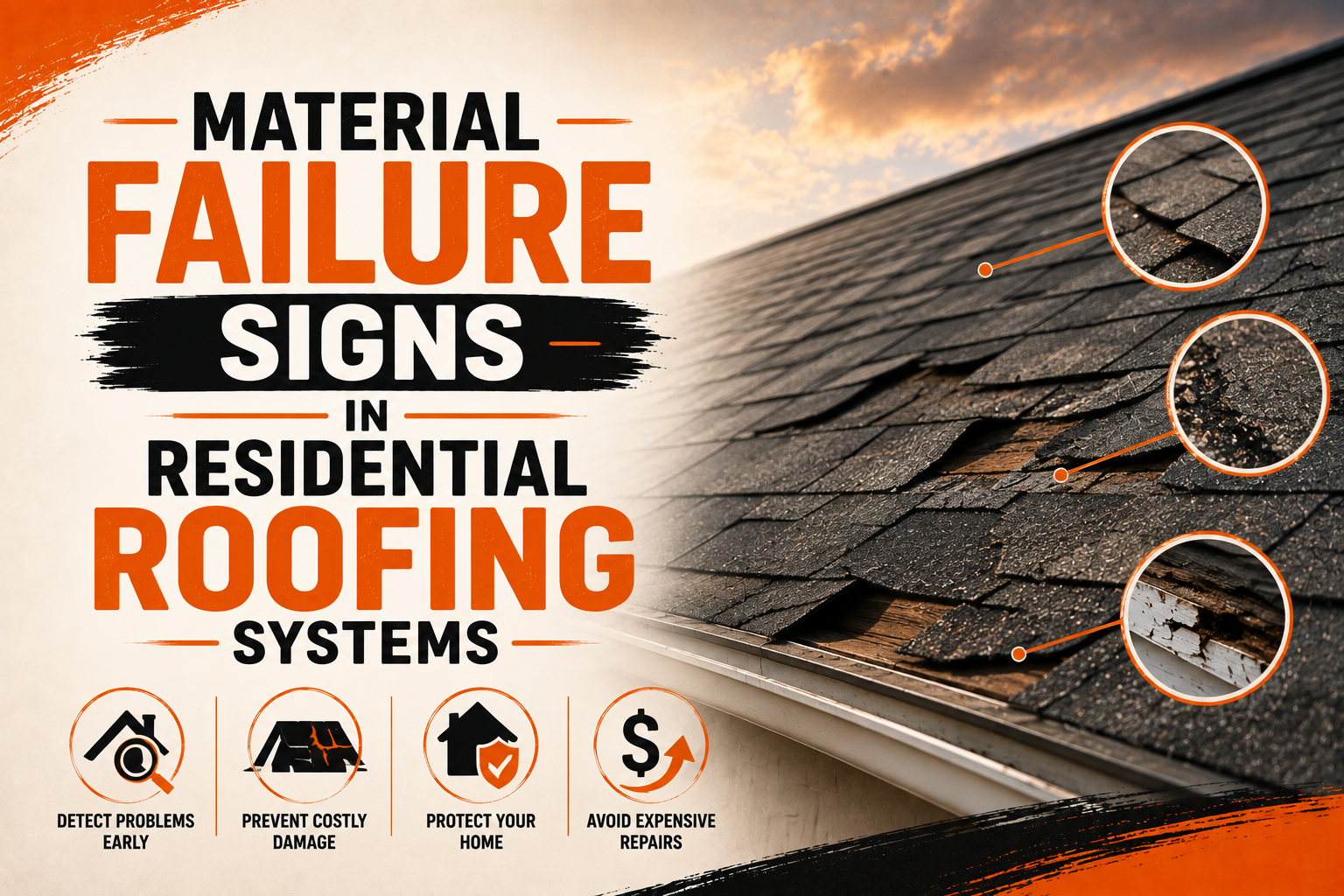
Material Failure Signs in Residential Roofing Systems
Introduction
Residential roofing systems are designed to protect homes from rain, wind, sunlight, temperature changes, and other environmental stresses. However, every roofing material gradually changes as it ages, and certain conditions can accelerate deterioration. Recognizing material failure signs early can help homeowners address problems before they spread into the roof deck, insulation, walls, or interior spaces.
Roofing material failure does not always begin with a major leak or dramatic damage. It can start with small cracks, surface wear, loose fasteners, missing granules, corrosion, or slight movement of individual components. These early signs can become more serious when they are exposed repeatedly to moisture, strong winds, ultraviolet radiation, and temperature fluctuations.
Different roofing materials fail in different ways. Asphalt shingles may curl or lose protective granules, metal panels can develop corrosion or loose connections, while tile and slate can crack or become displaced. Understanding the characteristics of each material makes it easier to recognize when a roof is approaching the end of its useful performance.
Material failure can also be influenced by installation quality. Even a durable roofing product may deteriorate prematurely if it was installed incorrectly or if flashing, ventilation, drainage, and fastening systems were not properly designed. For this reason, homeowners should evaluate the entire roofing system rather than focusing on one visible component.
Regular inspection is one of the most practical ways to identify early deterioration. Some problems can be seen from the ground, while others require a closer professional assessment. Prompt attention to warning signs can help reduce repair costs and extend the useful life of a roofing system.
Understanding Material Failure in Residential Roofing Systems
Material failure occurs when a roofing component can no longer perform its intended function effectively. This may involve losing its ability to shed water, resist wind, maintain structural integrity, or protect the underlying layers of the roof. Failure can affect the outer covering or hidden components beneath it.
Natural aging is one of the most common causes of roofing deterioration. Roofing materials are continuously exposed to sunlight, rain, wind, humidity, and temperature changes. Over time, these conditions can alter the physical properties of roofing products and reduce their ability to perform as they did when they were new.
Environmental exposure can accelerate this process. Homes in areas with intense sunlight may experience faster surface degradation, while properties in wet climates may face increased moisture-related deterioration. Coastal environments can create additional challenges because salt and humidity may accelerate corrosion of susceptible metal components.
Mechanical damage is another source of material failure. Falling branches, hail, foot traffic, construction activity, and severe storms can damage roofing materials. Even when the damage appears minor, it may create openings that allow water to reach the underlying roof assembly.
Poor installation can create failure points much earlier than expected. Incorrect fastener placement, inadequate overlaps, poorly installed flashing, and unsuitable materials can reduce the roof’s ability to withstand normal weather conditions. These problems may remain hidden until the roof experiences heavy rain or strong winds.
Homeowners should watch for several general indicators of material deterioration:
- Cracking, splitting, curling, or warping
- Missing, loose, or displaced roofing components
- Excessive surface wear or granule loss
- Corrosion or exposed metal
- Water stains or signs of moisture intrusion
- Repeated repairs in the same area
The presence of one sign does not automatically mean the entire roof has failed. A professional assessment can determine whether the problem is localized, widespread, or related to an underlying installation or structural issue.
Understanding how failure develops is important because roofing materials rarely deteriorate at exactly the same rate. One section may remain in good condition while another area has already developed serious problems due to shade, drainage, foot traffic, or repeated weather exposure.
Visible Signs of Asphalt Shingle Failure
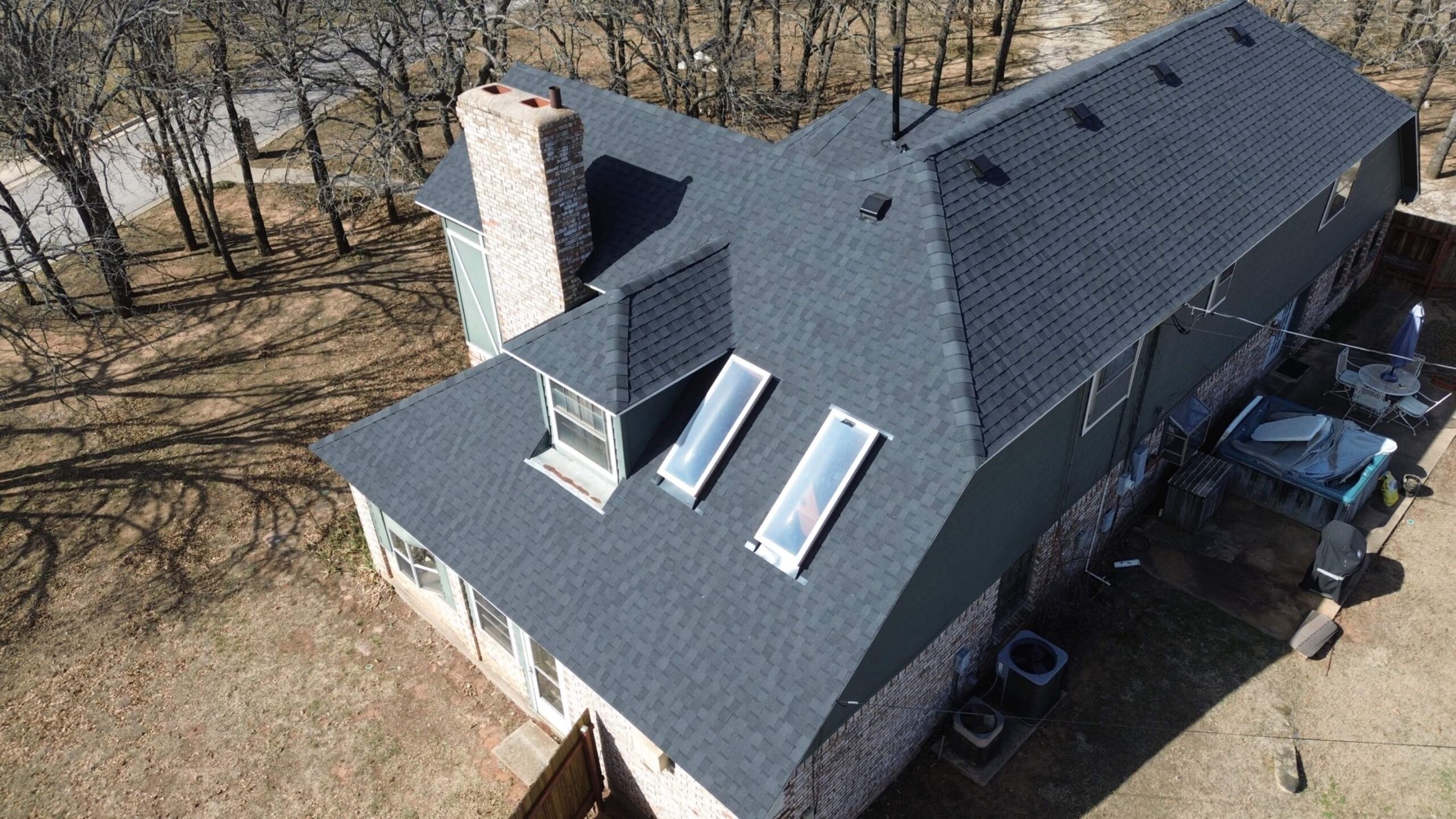
Asphalt shingles are widely used in residential roofing because they offer a practical combination of cost, appearance, and weather protection. Like all roofing materials, however, they gradually deteriorate with age and environmental exposure. Several visible signs can indicate that asphalt shingles are no longer performing properly.
Curling is one common warning sign. Shingle edges may begin to curl upward or the corners may turn downward as the material ages. Curling can reduce the effectiveness of the overlapping layers and may make shingles more vulnerable to wind damage.
Cracking can also indicate material deterioration. Small cracks may develop because of aging, temperature changes, or prolonged exposure to sunlight. When cracking becomes widespread, water can potentially reach the layers underneath the shingles.
Granule loss is another important indicator. Asphalt shingles contain protective granules that help shield the surface from ultraviolet radiation and weather exposure. Some granule loss is normal over the life of a roof, but excessive loss can leave areas of the shingle exposed and accelerate deterioration.
Homeowners may notice granules collecting in gutters or downspouts. A small amount may occur naturally, particularly after installation, but significant accumulation on an older roof can indicate that the shingles are losing their protective surface. The overall age and condition of the roof should be considered when evaluating this sign.
Missing shingles are a more obvious form of failure. Strong winds can loosen or remove shingles, while deteriorated adhesive strips may reduce resistance to wind uplift. Missing shingles expose the underlayment and roof deck to direct weather exposure and should generally be addressed promptly.
Blistering can also occur when roofing materials develop raised areas or bubbles. These may be associated with moisture, manufacturing characteristics, ventilation conditions, or prolonged heat exposure. Areas with widespread blistering should be evaluated to determine whether repair or replacement is appropriate.
Dark or damaged areas can sometimes indicate localized deterioration. Moss and algae growth may also appear on aging roofs, particularly in shaded or humid environments. While biological growth does not automatically mean that shingles have failed, persistent moisture conditions can contribute to faster deterioration.
Age should always be considered alongside visible symptoms. A few isolated damaged shingles on a relatively new roof may be repairable, while widespread curling, cracking, and granule loss on an older roof may indicate that replacement is more practical.
Warning Signs in Metal Roofing Materials
Metal roofing systems are known for durability, but they can still experience material failure. Their performance depends on the condition of panels, seams, fasteners, coatings, flashing, and supporting components. Early detection of deterioration can help prevent moisture intrusion and more extensive damage.
Corrosion is one of the most recognizable signs of metal deterioration. Rust may develop when protective coatings are damaged or when the metal is repeatedly exposed to moisture. Corrosion can become more serious when it affects fasteners, seams, or structural connections.
Paint or protective coating failure can also indicate aging. Peeling, chalking, fading, or exposed metal may reduce the protection provided by the original finish. The significance of the problem depends on the metal type, coating system, environmental conditions, and extent of deterioration.
Loose fasteners can create another vulnerability. Temperature changes cause metal roofing materials to expand and contract, and repeated movement can affect fasteners over time. If fasteners loosen, water may enter through the attachment points or panels may become more vulnerable to wind.
Seam separation is particularly important on standing-seam or other seamed metal systems. A seam that no longer remains properly connected can create a pathway for water. It may also indicate movement or deterioration elsewhere in the roofing assembly.
Dents and deformation can occur after hail, falling branches, or other impacts. Minor cosmetic dents may not affect performance, but severe deformation can damage seams, coatings, and drainage patterns. Any significant impact should be professionally evaluated.
Metal roofing can also experience problems around penetrations. Vents, chimneys, skylights, and pipes require properly installed flashing that can accommodate movement. Deteriorated flashing may allow water to enter even when the metal panels themselves remain in good condition.
Homeowners should pay attention to recurring leaks because they may indicate a system-level problem rather than an isolated defect. Repeated repairs around the same seam, penetration, or roof section may suggest that the underlying cause has not been corrected.
Tile and Slate Roofing Failure Indicators
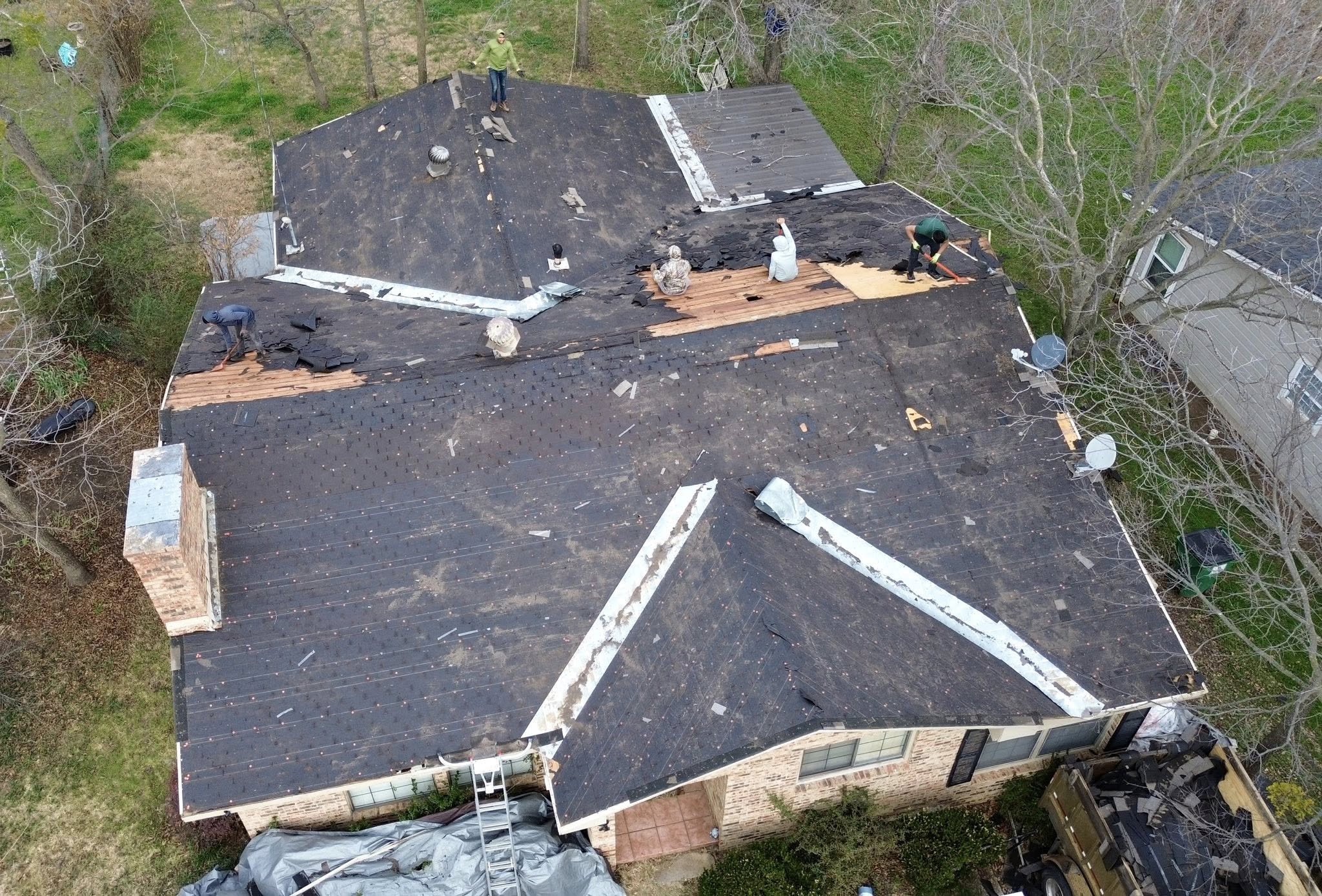
Tile and slate roofs can provide long service lives, but their individual components can crack, break, shift, or become loose. Because these materials are installed as separate pieces, failure in one location can expose the layers underneath and allow moisture to enter.
Cracked clay or concrete tiles are an obvious warning sign. Cracks can develop from impact, thermal movement, structural movement, or aging. Broken tiles should be replaced because exposed underlayment can eventually deteriorate when subjected to repeated weather conditions.
Displaced tiles can be equally important. Strong winds, improper fastening, walking on the roof, or structural movement can cause tiles to shift from their intended positions. Gaps between components can allow rainwater to reach areas that were designed to remain protected.
Slate can develop cracks or breaks from impact and physical stress. Individual pieces may also become loose when fasteners deteriorate. Missing slate leaves openings in the roof covering and should be repaired using compatible materials.
Efflorescence or surface changes on some masonry-based roofing products may indicate moisture movement, although these signs require careful interpretation. Not every surface discoloration means the roofing material has failed. A professional should evaluate unusual changes alongside other evidence.
The condition of the fasteners is particularly important for slate and tile systems. Even when the visible roofing material appears sound, deteriorated attachment components can allow individual pieces to loosen. Over time, this can create widespread instability.
Flashing should also be inspected on tile and slate roofs. Valleys, chimneys, walls, and roof penetrations require carefully designed transitions because water can move beneath individual roofing pieces. Deteriorated flashing may cause leaks even when the majority of tiles or slate remain intact.
How Age and Weathering Contribute to Material Failure
Every roofing material experiences some degree of weathering throughout its service life. Sunlight, moisture, wind, temperature changes, and airborne contaminants gradually affect surfaces and connections. The rate of deterioration depends on the material, climate, installation quality, maintenance, and exposure level.
Ultraviolet radiation can gradually weaken certain roofing materials and protective coatings. Continuous sunlight may cause fading, surface drying, brittleness, or loss of protective properties. Roof sections receiving intense sunlight may therefore age differently from areas that remain shaded.
Temperature changes create repeated expansion and contraction. Materials expand when heated and contract as temperatures fall, creating movement within panels, fasteners, seals, and joints. Over many years, these repeated cycles can contribute to cracking, loosening, or separation.
Moisture is another major factor. Persistent wet conditions can accelerate corrosion, encourage biological growth, and contribute to deterioration of wood-based components. Poor drainage can make these effects worse because water remains in contact with roofing materials for longer periods.
Wind can gradually weaken roofing connections. Repeated exposure to strong winds may loosen fasteners or lift edges, especially when materials are already aged. Severe storms can then turn a minor weakness into major material failure.
Hail and falling debris can create localized impact damage. Even when a roof does not immediately leak after an impact, small cracks, dents, or fractures can become more significant as the roof continues to experience weather exposure.
Roofing materials also age differently depending on maintenance. Keeping gutters clear, removing debris, addressing damaged materials, and maintaining flashing can reduce unnecessary stress on the roofing system. Ignoring small defects can allow moisture and weather exposure to accelerate deterioration.
Homeowners should therefore consider both the roof’s age and its current condition. A roof that has reached an advanced age but remains well maintained may perform better than a younger roof affected by poor installation or severe environmental exposure.
Material failure is ultimately a gradual process in many roofing systems. Recognizing early warning signs gives homeowners an opportunity to investigate the cause, repair localized problems, and determine whether the existing roof can continue to provide reliable protection.
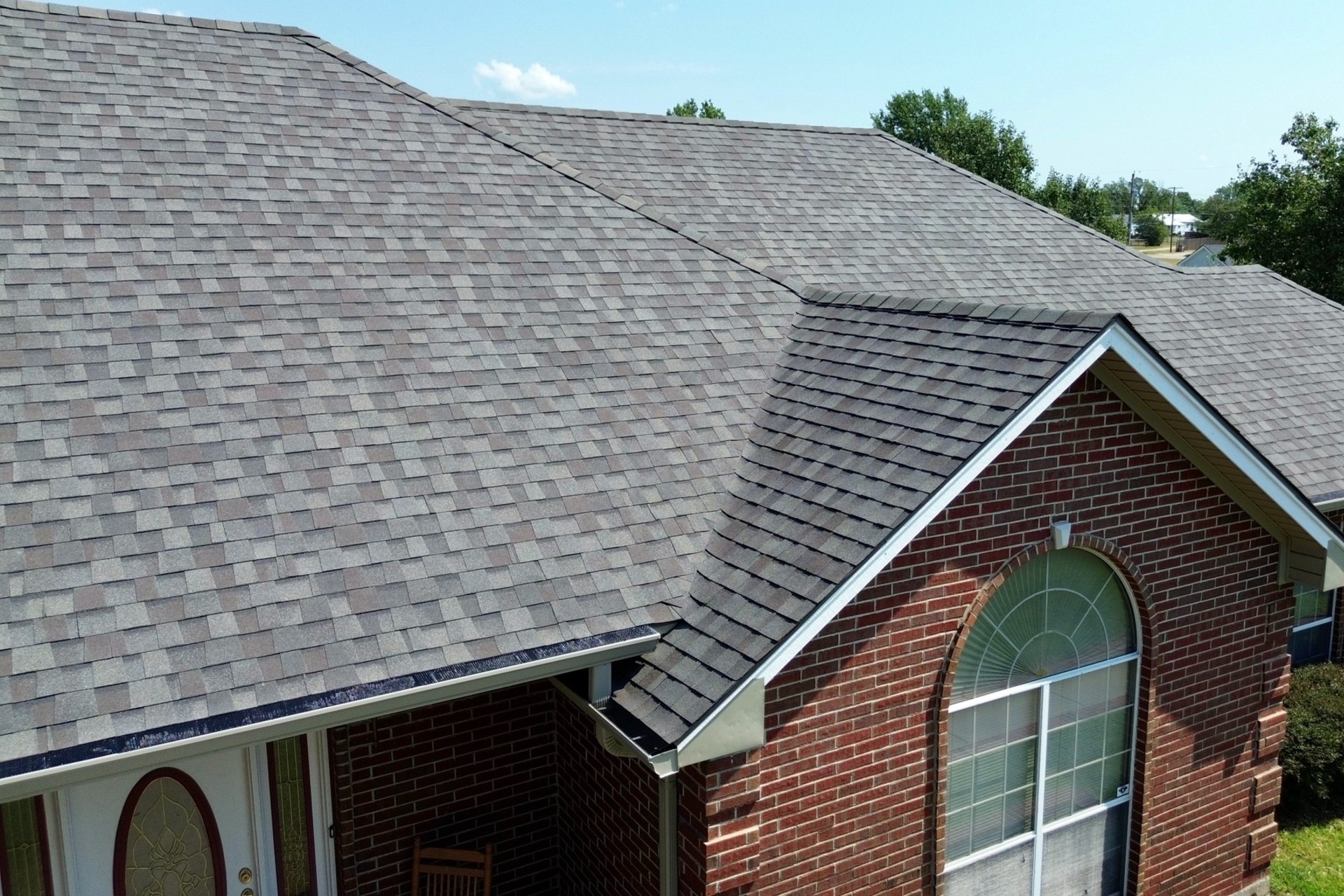
Signs of Underlayment and Roof Deck Failure
The visible roofing material is only the first layer of a residential roofing system. Beneath shingles, tiles, slate, or metal panels are components such as underlayment and roof decking that provide additional protection and structural support. Failure in these hidden layers can become serious because the damage may continue for a long time before it becomes visible from inside the home.
Underlayment is designed to provide secondary protection against moisture that passes beneath the primary roof covering. It can deteriorate because of age, prolonged moisture exposure, ultraviolet exposure during installation, physical damage, or poor installation. Once the underlayment becomes compromised, water may reach the roof deck more easily.
One warning sign is recurring moisture in the attic despite apparently intact shingles or other roof coverings. This may indicate that water is moving beneath the surface and reaching the underlayment. The exact source should be professionally investigated because condensation and plumbing problems can create similar symptoms.
Roof decking can also deteriorate when moisture remains present for extended periods. Wood-based decking may become discolored, soft, swollen, warped, or weakened. These changes can affect the structural support beneath the roofing materials and may require replacement of affected sections.
Sagging areas are another important warning sign. A localized dip in the roof surface may indicate damaged decking, structural movement, trapped moisture, or another underlying problem. A sagging roof should be assessed promptly because it may represent more than a surface-level material issue.
Visible staining on roof decking can indicate previous or ongoing water exposure. Dark marks around roof penetrations, valleys, or roof edges may point toward recurring leaks. However, stains do not always indicate active leakage, so an inspection should determine whether the area is currently wet.
Insulation can provide additional evidence of hidden roofing problems. Wet, compressed, or deteriorated insulation near the roof deck may suggest that water has entered the assembly. Moisture trapped in insulation can also slow drying and contribute to secondary deterioration.
The condition of the roof deck becomes especially important during roof replacement. If new roofing materials are installed over severely damaged decking, the new surface may not provide the expected long-term performance. Damaged structural materials should be evaluated and repaired before the new roof covering is completed.
Homeowners should never assume that a roof is structurally sound simply because the exterior looks acceptable. Hidden components can deteriorate beneath a relatively intact surface. Professional inspections are particularly valuable when a roof has experienced repeated leaks, severe weather, or prolonged moisture exposure.
Flashing and Sealant Failure
Flashing protects some of the most vulnerable areas of a roofing system. It is used around chimneys, skylights, vents, walls, valleys, roof edges, and other transitions where water could otherwise enter. When flashing fails, the roof may develop leaks even when the main roofing material remains in relatively good condition.
Corrosion is one visible sign of flashing deterioration, particularly on metal flashing exposed to moisture for long periods. Rust can weaken the material and eventually create holes or openings. Coastal environments and areas with high humidity may accelerate this process.
Bent or displaced flashing can also indicate failure. Severe weather, structural movement, installation problems, or previous repairs may cause flashing to move away from its intended position. Once a flashing component no longer directs water correctly, moisture can enter around the transition.
Sealants can deteriorate due to ultraviolet exposure, temperature changes, moisture, and normal aging. Cracking, shrinking, peeling, or separation may indicate that a seal is no longer providing effective protection. However, replacing sealant alone may not solve the problem if the underlying flashing design is defective.
Roof penetrations require particular attention because they create openings through the roofing surface. Plumbing vents, exhaust vents, skylights, and pipes rely on flashing systems that must remain properly connected as the roof ages. Damaged flashing around these areas can become a major source of moisture intrusion.
Chimney flashing can be especially complex because it connects the roof to a vertical masonry structure. Step flashing, counterflashing, and other components must work together to direct water away from the joint. Deterioration in any of these areas can create leaks that may appear far from the chimney inside the home.
Roof-to-wall intersections can also develop flashing problems. Water flowing down a roof may collect where the roof meets a wall if the transition is not properly designed. Damaged or missing flashing can allow moisture to move behind exterior materials and into the building assembly.
Repeated patching is another possible warning sign. If a flashing area has been repaired several times but continues to leak, the problem may involve incorrect installation or an underlying design issue. In such situations, replacing the flashing system may be more effective than continuing temporary repairs.
Flashing should therefore be evaluated as part of the entire roofing system. A strong roof covering cannot compensate for failing transitions and penetrations. Maintaining these areas can significantly reduce the risk of water-related material deterioration.
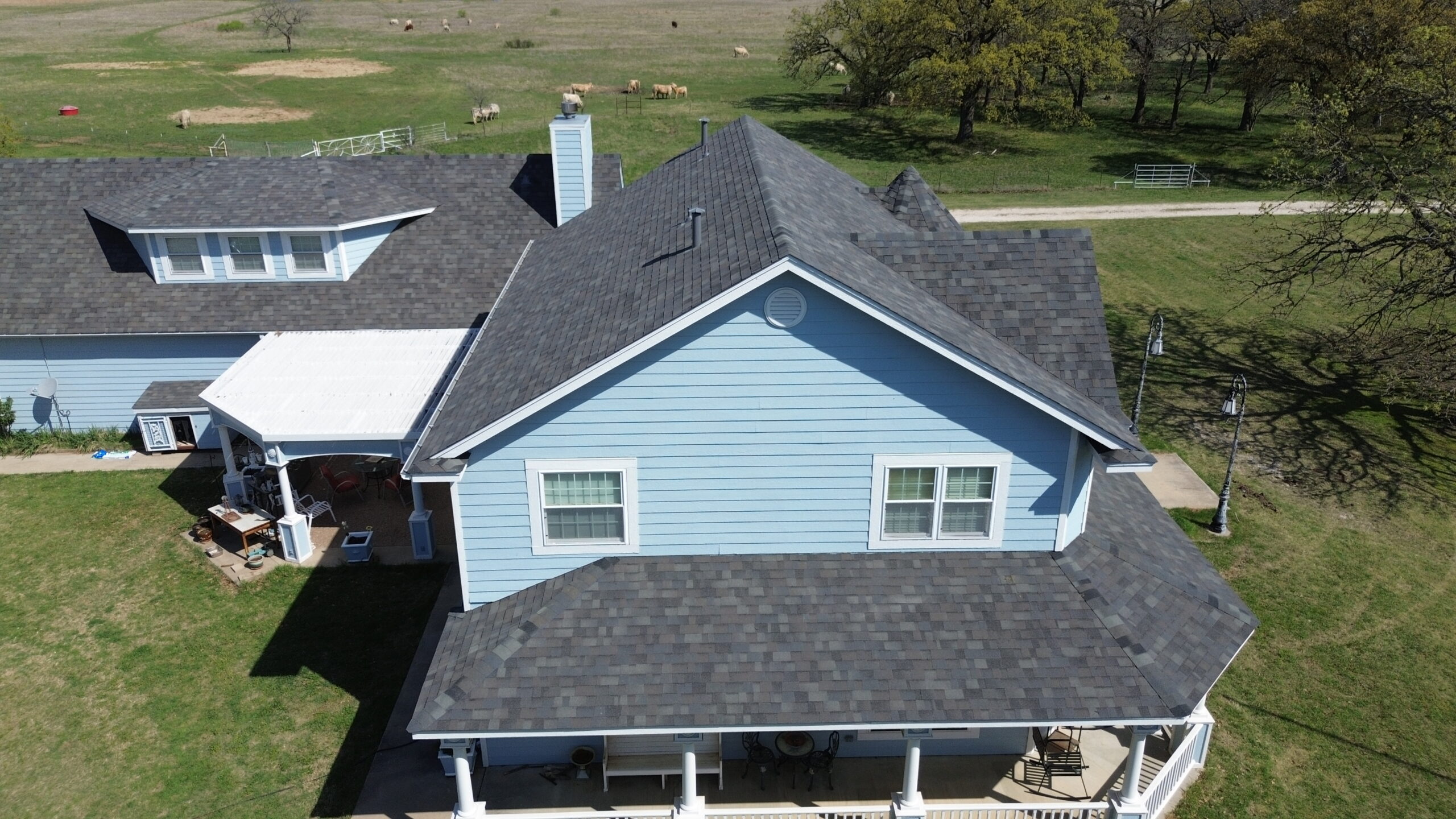
Moisture and Water-Related Material Deterioration
Water is one of the most common causes of roofing material deterioration. A small amount of moisture entering the system may not produce immediate visible damage, but repeated exposure can gradually weaken multiple layers. This makes moisture-related failure particularly important to identify early.
Wood components are especially vulnerable to prolonged moisture. Roof decking, rafters, trusses, and other wood elements can absorb water and become discolored, swollen, softened, or decayed. If the condition continues, the structural strength of the material may be affected.
Metal components can experience corrosion when protective coatings are damaged or when moisture remains against the surface. Fasteners may deteriorate faster than large metal panels because their smaller dimensions and exposed connections can make them more vulnerable. Corroded fasteners can compromise both moisture protection and attachment strength.
Roofing materials may also change appearance when exposed to persistent moisture. Dark staining, streaking, moss, algae, or other biological growth can occur, particularly in shaded areas. These signs do not automatically indicate material failure, but they can suggest that moisture is remaining on the roof for extended periods.
Water can also deteriorate adhesives and seals. Repeated wetting and drying cycles can affect certain sealants and bonding materials, especially when they are exposed to sunlight and temperature fluctuations. Deteriorated seals may allow water to enter around roof penetrations and joints.
Poor drainage can accelerate moisture damage. When gutters are blocked or roof valleys become filled with debris, water may remain against roofing materials instead of flowing away. This increases the duration of moisture exposure and can accelerate deterioration.
Condensation can create similar problems without any external roof leak. Warm, humid air entering an attic can condense against cooler roof components. If ventilation and air sealing are inadequate, repeated condensation may cause material deterioration even during dry weather.
Moisture-related failure often becomes a cycle. Water enters through a small defect, the material deteriorates, the opening becomes larger, and additional water enters. Breaking this cycle requires identifying the original source rather than simply repairing the visible damage.
Homeowners should pay attention to repeated leaks, musty odors, damp insulation, discolored decking, and interior stains. These signs may indicate that moisture has reached hidden parts of the roofing assembly. Early investigation can prevent a localized problem from developing into extensive material failure.
Damage Caused by Wind, Hail, and Severe Weather
Severe weather can cause sudden roofing material failure or accelerate deterioration that has already begun. High winds, hail, heavy rain, falling branches, and debris can affect different roofing materials in different ways. Even when the roof remains functional after a storm, hidden damage may require attention.
Wind can lift shingles, loosen tiles, move slate pieces, and stress metal roofing connections. Strong gusts place pressure on roof edges and seams, particularly when materials or fasteners are already weakened. Missing or displaced components should be addressed before another storm creates further damage.
Hail can cause dents, cracks, fractures, or surface damage. Asphalt shingles may develop bruised areas or lose protective granules, while metal panels can become dented. Clay, concrete, and slate components may crack or break when struck by larger hailstones.
Falling branches create another common source of impact damage. A branch can break individual roofing components or damage a large section of the roof. Even if the opening is not immediately visible from inside the home, water may enter through the affected area during subsequent rainfall.
Heavy rain can expose weaknesses that were not obvious under normal conditions. Wind-driven water may enter through small gaps around flashing, seams, or damaged materials. Repeated storms can therefore accelerate failure in areas that were already nearing the end of their service life.
Severe weather can also damage gutters and drainage systems. Bent gutters, detached downspouts, and blocked drainage paths can cause water to remain around roof edges. These secondary problems can contribute to material deterioration after the storm has passed.
After a significant weather event, homeowners should inspect the roof from a safe location. They should look for missing components, visible cracks, displaced materials, damaged flashing, and unusual debris. If the roof is difficult to assess safely, a professional inspection is preferable to climbing onto the surface.
Storm damage can sometimes be mistaken for normal aging. For example, granule loss may be associated with both long-term deterioration and hail impact. Professional assessment can help determine whether damage is localized or whether the storm has exposed a broader material failure.
Prompt repairs are important after severe weather because temporary openings can allow moisture to enter the roofing assembly. Even if a permanent repair cannot be completed immediately, appropriate professional temporary protection can help limit additional water exposure.
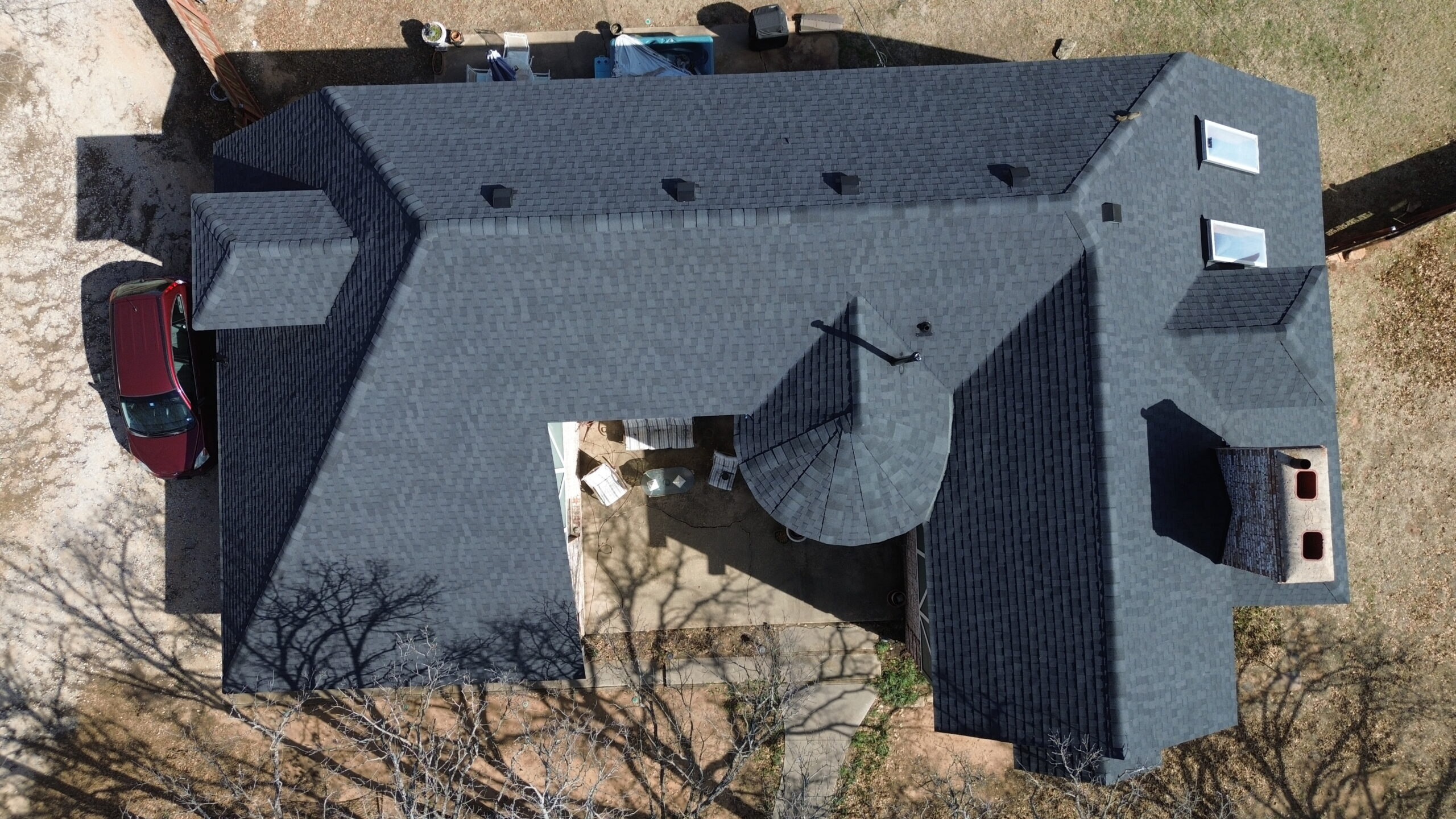
Thermal Stress and Repeated Temperature Changes
Residential roofs experience continuous temperature changes throughout the year. Roofing materials can become extremely hot under direct sunlight and then cool rapidly during evenings, storms, or seasonal changes. Repeated expansion and contraction can gradually affect materials, joints, fasteners, and seals.
Metal roofing is particularly responsive to temperature changes because metal expands when heated and contracts as it cools. Properly designed systems accommodate this movement through suitable fastening and connection details. Problems can develop when installation does not allow the material to move as intended.
Sealants can also be affected by repeated temperature changes. Expansion and contraction may cause some sealants to crack, shrink, or separate from surrounding materials. Once the seal loses continuity, water can enter around penetrations and joints.
Asphalt-based materials can become softer during high temperatures and more brittle in cold conditions. Repeated thermal cycling can contribute to cracking, curling, and surface deterioration, particularly as the roof approaches the end of its service life.
Tile and slate can also experience thermal stress. Although these materials are generally durable, sudden temperature changes or existing weaknesses may contribute to cracking. Structural movement beneath rigid materials can increase this risk.
Roofing materials with different thermal properties can move at different rates. This is why transitions between roofing components need appropriate detailing. Flashing, fasteners, membranes, and seals should be compatible with the expected movement of the roof assembly.
Ventilation can help manage excessive heat and moisture within appropriate attic spaces. However, ventilation should be designed correctly rather than added without considering the entire roof assembly. Proper insulation and air sealing also help regulate conditions beneath the roof.
Temperature-related material failure is often gradual. Homeowners may notice small cracks, loose components, deteriorated sealants, or changing roof alignment before a major problem occurs. Early inspection can identify these issues before thermal movement contributes to more extensive deterioration.
Structural and Installation-Related Roofing Failures
Roofing material failure is not always caused by the material itself. Structural movement, incorrect installation, unsuitable fasteners, inadequate roof slope, and poor detailing can place excessive stress on roofing components. These conditions may cause premature deterioration even when the selected material is otherwise durable.
Improper fastening is a common installation-related problem. Fasteners that are incorrectly positioned or insufficient in number may reduce resistance to wind and movement. Overdriven fasteners can also damage roofing materials and create points where moisture may enter.
Roof slope must be appropriate for the selected material. Some roofing products depend on sufficient pitch to shed water effectively. Installing materials outside their recommended slope range can increase the likelihood of water intrusion and premature material deterioration.
Poor flashing installation can create concentrated stress and moisture problems around penetrations. Flashing should be integrated with the roof covering and surrounding building materials according to established installation practices. Improper transitions may begin failing long before the main roofing surface reaches the end of its expected life.
Structural movement can also affect rigid roofing materials. If the underlying roof deck or framing shifts, tiles, slate, and other components may crack or become displaced. Repeated movement can create widespread problems if the underlying structural condition is not addressed.
Inadequate ventilation and insulation can contribute to material deterioration through heat and condensation. Excessive attic temperatures may accelerate aging in some roofing components, while moisture accumulation can damage the roof deck and supporting structure.
Previous repairs can sometimes introduce new weaknesses. Incompatible materials, improper fasteners, excessive sealant, or poorly installed patches may temporarily hide a problem without correcting its cause. Over time, these repairs can become failure points themselves.
A reliable roofing system depends on coordination between materials, structure, installation, and maintenance. When one part is poorly designed or installed, the resulting stress can shorten the service life of other components.
Recognizing installation and structural causes is important because replacing the visible roofing material alone may not solve the problem. The underlying condition needs to be corrected so that the new or repaired roof can perform properly over time.
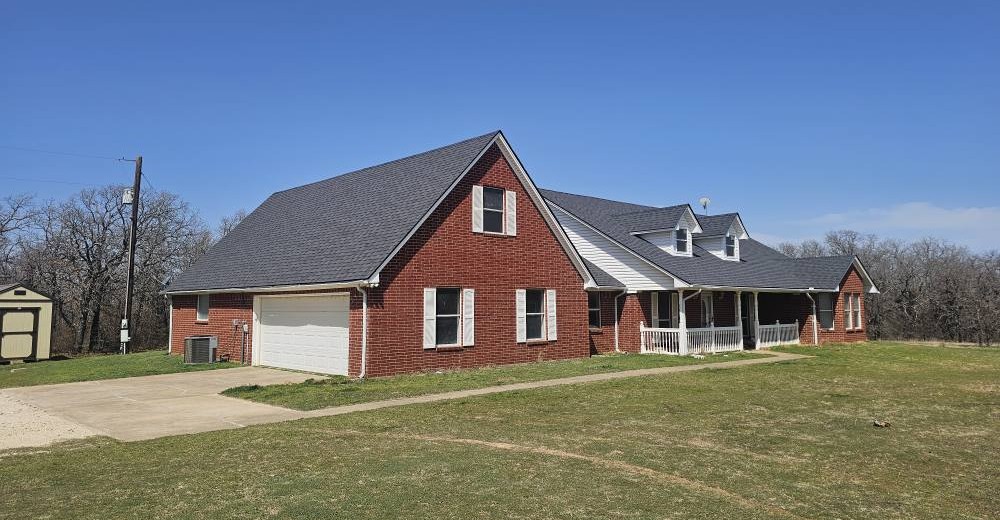
Hidden Signs of Roofing Material Failure
Not all roofing failures are visible from the ground. Some of the most important problems develop beneath the outer roofing material, where moisture, heat, and structural movement can gradually affect the roof deck and supporting components. Hidden deterioration may continue for months or years before it produces an obvious interior symptom.
One warning sign is recurring moisture in the attic. If roof decking, insulation, or framing remains damp after rainfall, there may be an opening in the roofing system or a problem with flashing. Condensation should also be considered because moisture can enter an attic from the interior of the home without an exterior roof leak.
Discoloration on roof decking can provide another clue. Dark stains, water marks, or areas that appear different from surrounding wood may indicate previous or ongoing moisture exposure. A single old stain does not necessarily mean active leakage, but new or expanding discoloration deserves further investigation.
A musty smell can also indicate hidden moisture. Odors may develop when insulation, wood, or other materials remain damp for extended periods. The source should be identified rather than simply covering the odor because untreated moisture can continue damaging the roofing assembly.
Soft or weakened roof decking is a more serious warning sign. Wood that has deteriorated because of prolonged moisture may lose some of its structural strength. If damaged decking is discovered during an inspection or roof replacement, the affected sections may need to be repaired before new roofing materials are installed.
Uneven roof surfaces can indicate underlying problems. A localized depression, sagging area, or unusual change in roof alignment may be associated with damaged decking, structural movement, trapped moisture, or other conditions. These signs should receive professional attention because they may involve the roof structure rather than only the surface covering.
Homeowners should also be aware that interior stains may not appear directly beneath the damaged area. Water can travel along decking, rafters, insulation, and other building components before reaching a ceiling or wall. This means that the location of an interior stain may not identify the actual roof failure point.
Hidden failure can be especially difficult to diagnose when the roofing material appears relatively new. A newer roof can still experience problems because of installation defects, storm damage, defective components, or inadequate flashing. Age alone should therefore never be used to determine whether a roofing system is performing correctly.
Professional inspections can help identify problems that are difficult to see from the ground. An experienced roofing professional can assess visible materials, flashing, drainage, attic conditions, and other components to determine whether deterioration is localized or widespread.
When Roofing Damage Requires Immediate Attention
Some roofing material failures can be monitored and repaired during routine maintenance, while others require prompt attention. The difference often depends on whether the damage affects weather protection, structural integrity, or the safety of occupants. Ignoring serious warning signs can allow a small defect to become a much larger repair.
Active water intrusion is one of the clearest reasons to act quickly. Water entering the home through the ceiling, attic, walls, or roof assembly can damage insulation, drywall, framing, and electrical components. Continued exposure may also create conditions that encourage mold and other biological growth.
Large areas of missing roofing material should also be addressed promptly. Missing shingles, tiles, slate, or metal components can expose the underlayment or roof deck to direct weather exposure. Temporary protection may be necessary until permanent repairs can be completed.
Severe structural sagging requires immediate professional evaluation. A roof that visibly changes shape may have problems involving the decking, framing, moisture damage, or structural loading. Homeowners should avoid walking on questionable areas because the damaged surface may not safely support weight.
After major storms, roofing materials should be inspected for impact and wind damage. Even when there is no visible leak, damaged shingles, cracked tiles, loose metal panels, or displaced flashing can allow water to enter during the next rainfall. Prompt assessment helps prevent secondary damage.
A practical response to serious roofing problems can follow these steps:
- Identify visible signs from a safe location and avoid walking on damaged or unstable areas.
- Arrange a professional inspection when the source or severity of the problem is uncertain.
- Protect exposed areas appropriately if permanent repairs cannot be completed immediately.
- Repair the underlying cause, rather than covering only the visible symptom.
- Inspect surrounding components to determine whether moisture or structural damage has spread.
Repeated leaks also deserve attention even when each individual leak appears minor. A roof that requires frequent repairs may be experiencing widespread material deterioration or an unresolved installation problem. Continued patching may become less practical when multiple components are approaching the end of their service life.
Repair Versus Full Roof Replacement
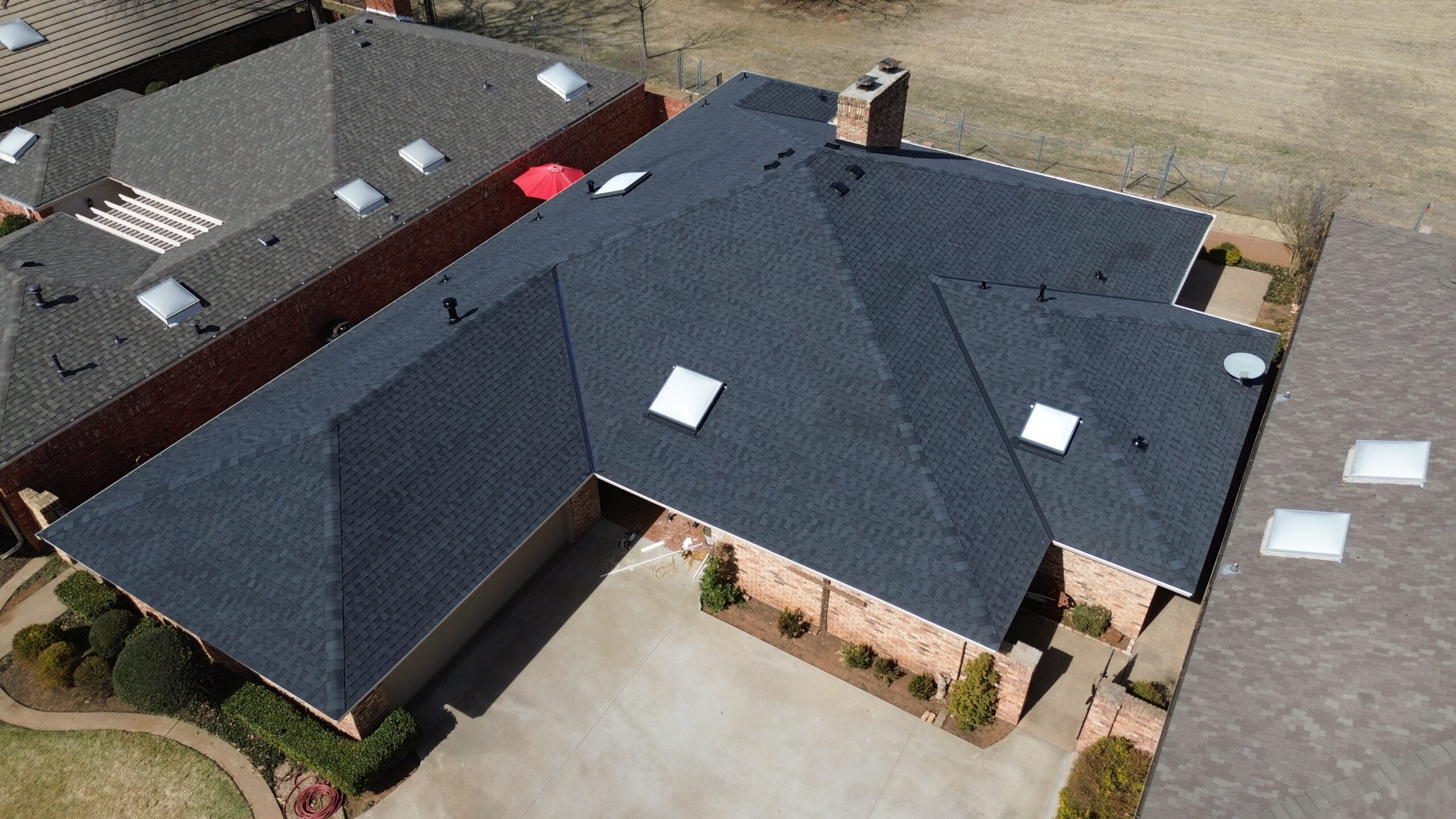
Deciding whether to repair or replace a roof depends on the extent of material failure, the age of the system, the condition of the underlying layers, and the expected cost of continued maintenance. A localized defect does not automatically justify full replacement. However, widespread deterioration may make repeated repairs inefficient.
Repairs are often appropriate when damage is limited to a small area and the surrounding roofing system remains in good condition. Individual shingles, tiles, slate pieces, flashing sections, or fasteners can sometimes be replaced without disturbing the rest of the roof. The repair should address the cause of the failure rather than only covering the damaged surface.
Replacement becomes more reasonable when deterioration is widespread. Extensive cracking, curling, corrosion, repeated leaks, large areas of damaged roofing material, or significant roof deck deterioration may indicate that the system is nearing the end of its practical service life.
The condition of the underlayment also matters. If the primary roofing material has deteriorated throughout the roof, replacing only visible sections may leave older hidden components in place. A complete replacement allows the roofing assembly to be inspected and upgraded as needed.
Roof age should be considered but should not be the only factor. An older roof in excellent condition may continue performing effectively, while a relatively young roof may require major work because of severe weather or installation problems.
Cost is another consideration. Repeated repairs can become expensive when the same areas continue to fail. Homeowners should compare the cost of maintaining the existing roof with the expected value and service life of a replacement system.
The decision should also consider future maintenance. A new roof with properly installed flashing, underlayment, ventilation, and drainage can provide a more reliable system than continuing to repair an aging assembly with multiple weaknesses.
Professional assessment is valuable before making a replacement decision. A roofing specialist can distinguish between localized material failure and broader system deterioration. This can help homeowners avoid replacing a roof unnecessarily while also preventing them from spending repeatedly on repairs when replacement is the more practical option.
Preventing Premature Roofing Material Failure
Preventing material failure starts with selecting roofing products that are appropriate for the home’s climate and roof design. Materials should be suitable for expected rainfall, wind conditions, temperature changes, sunlight exposure, and other environmental stresses. A product that performs well in one environment may require different maintenance or installation methods in another.
Installation quality is equally important. Roofing materials should be installed according to manufacturer requirements and applicable building standards. Correct fastening, flashing, underlayment, ventilation, drainage, and roof slope all contribute to long-term performance.
Regular maintenance can also slow deterioration. Gutters should remain clear, roof valleys should be free from excessive debris, and damaged roofing components should be repaired before they become larger openings. Nearby trees should be managed to reduce the risk of falling branches and excessive organic debris.
Ventilation and insulation should be maintained as part of the complete roof system. Poor attic conditions can increase heat and moisture exposure, which may accelerate deterioration of roofing and structural materials. Proper air sealing can also reduce the amount of indoor moisture entering attic spaces.
Homeowners should avoid unnecessary foot traffic on roofing materials. Some products, particularly brittle tiles and slate, can be damaged when walked on incorrectly. Maintenance tasks should be performed using appropriate access methods or by qualified professionals.
After severe weather, an inspection can identify damage before it becomes a long-term problem. Wind, hail, heavy rain, and falling debris can create small defects that may not immediately cause visible leaks. Finding and repairing these defects early can reduce the chance of secondary moisture damage.
Preventive roofing maintenance should focus on the entire system rather than only the visible surface. Flashing, drainage, ventilation, underlayment, roof decking, and structural components all contribute to the roof’s performance. Keeping these elements in good condition can significantly reduce premature material failure.
Choosing Durable Materials for Long-Term Performance
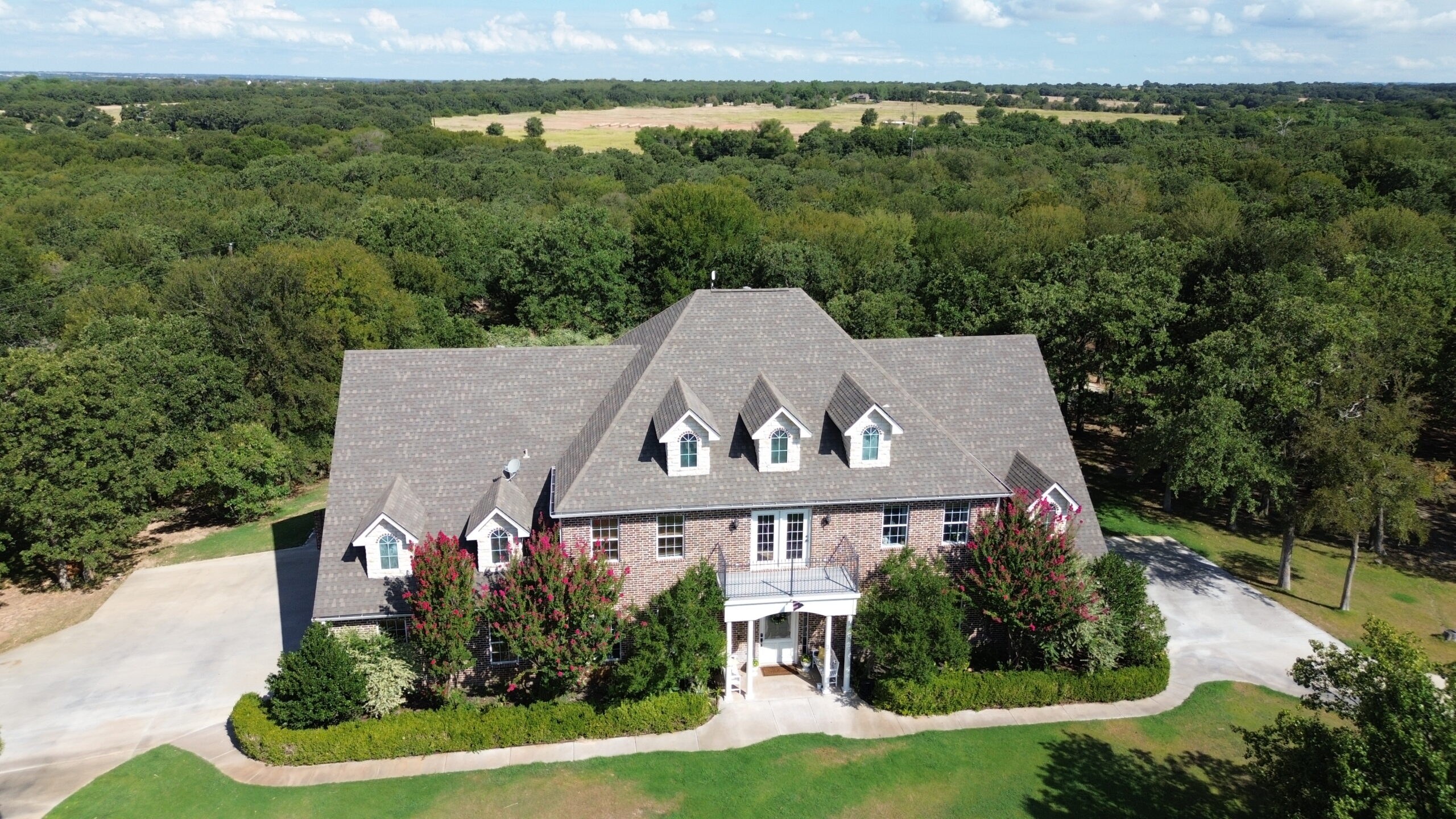
Choosing durable roofing materials requires more than selecting the product with the longest advertised service life. Homeowners should consider how the material will perform under the specific conditions affecting their property. Climate, roof design, maintenance requirements, installation quality, and local exposure all influence actual performance.
Asphalt shingles remain a common choice because they offer a balance between cost, appearance, and weather protection. Higher-quality products can provide improved durability, but their performance still depends on proper installation and maintenance. Curling, cracking, excessive granule loss, and missing shingles should be monitored throughout the roof’s life.
Metal roofing can provide strong long-term performance when properly designed and installed. Coating quality, corrosion resistance, seam design, fastener selection, and flashing details are particularly important. In humid or coastal areas, appropriate corrosion protection becomes even more important.
Clay and concrete tiles can provide excellent durability and resistance to many environmental conditions. Their individual pieces can still crack or shift, so maintenance remains necessary. The underlayment and flashing beneath the tiles are also important parts of the system.
Slate is known for its long potential service life when quality material and skilled installation are used. However, slate systems require appropriate fasteners and specialized maintenance. Replacing damaged pieces with compatible materials helps preserve the performance of the roof.
Synthetic roofing products can offer another option, particularly for homeowners who want the appearance of traditional materials with different weight or maintenance characteristics. Performance varies between products, so specifications, installation requirements, and warranty conditions should be reviewed carefully.
The best choice is ultimately a complete roofing system rather than a single material. A durable outer covering will not provide reliable long-term protection if the flashing, underlayment, drainage, ventilation, or supporting structure is poorly designed.
| Roofing material | Common failure signs | Important maintenance focus |
|---|---|---|
| Asphalt shingles | Curling, cracking, granule loss, missing shingles | Inspect surface, flashing, and drainage |
| Metal roofing | Corrosion, loose fasteners, seam problems, coating damage | Check seams, fasteners, and protective finish |
| Clay or concrete tile | Cracks, breaks, displaced tiles | Replace damaged pieces and inspect underlayment |
| Slate | Cracked or missing pieces, loose fasteners | Inspect slate, fasteners, and flashing |
| Wood roofing | Splitting, decay, discoloration, biological growth | Control moisture and maintain ventilation |
| Synthetic roofing | Cracking, deformation, damaged connections | Follow product-specific inspection requirements |
Durability should also be considered alongside maintenance needs. A material that requires specialized repairs may have different long-term costs than a product that is easier to maintain locally. Homeowners should evaluate expected service life, installation quality, repair availability, and environmental conditions together.
Conclusion
Material failure is a natural part of the life cycle of residential roofing systems, but premature failure is often preventable. Roofing materials are continuously exposed to sunlight, moisture, wind, temperature changes, and physical impact, and these conditions gradually affect their performance. Recognizing deterioration early gives homeowners more opportunities to repair localized problems before they become widespread.
Different materials display different failure signs. Asphalt shingles may curl, crack, or lose granules, while metal roofs can develop corrosion, loose fasteners, coating deterioration, and seam problems. Tile and slate systems may experience cracking or displacement, while wood roofing can show splitting, decay, and moisture-related deterioration.
Hidden components deserve equal attention. Underlayment, roof decking, flashing, insulation, and structural materials can deteriorate beneath an apparently intact roof surface. Water stains, musty odors, damp insulation, sagging areas, and recurring leaks can provide important clues that a deeper problem exists.
Severe weather can accelerate material failure significantly. High winds can loosen roofing components, hail can damage surfaces, and falling branches can create openings. After major storms, timely inspection and repair can prevent small defects from becoming pathways for prolonged moisture intrusion.
The decision between repair and replacement should be based on the condition of the complete roofing system. Localized damage may be repaired effectively, while widespread deterioration, repeated leaks, damaged decking, or extensive aging may make replacement more practical. Professional assessment can help homeowners make this decision based on actual roof conditions rather than appearance alone.
Preventive maintenance remains one of the most effective ways to extend roofing performance. Keeping drainage systems clear, maintaining flashing, inspecting roofing materials, managing nearby vegetation, and addressing small defects early can reduce unnecessary stress on the roof.
Ultimately, a durable residential roof depends on more than the material selected for its visible surface. Long-term performance comes from the interaction of quality materials, proper installation, sound structural support, effective moisture management, regular maintenance, and timely repairs. By understanding the warning signs of material failure and responding to them early, homeowners can protect their properties and get greater value from their roofing investment.