
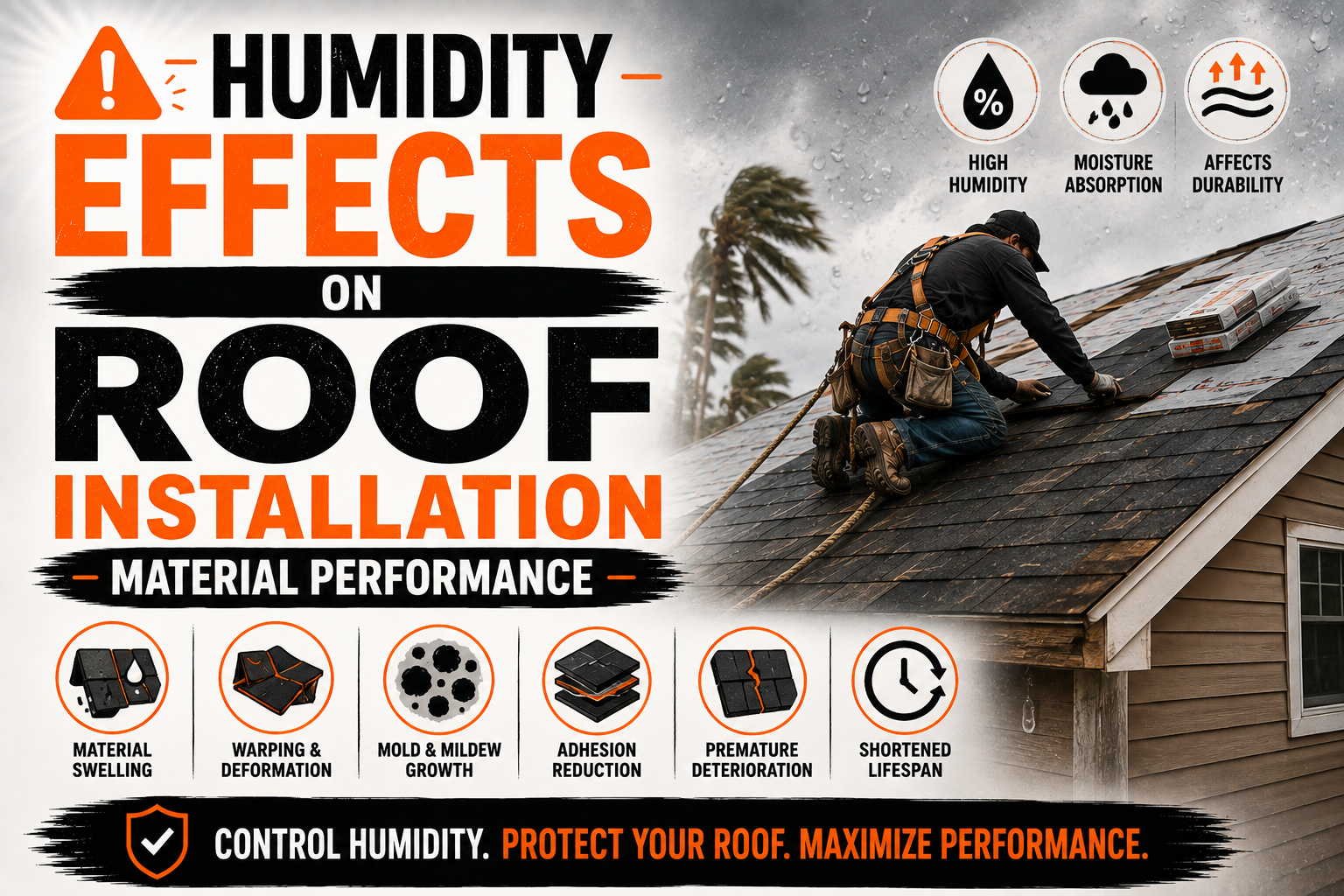
Humidity Effects on Roof Installation Material Performance
Introduction
Humidity is an important environmental factor that can influence how roofing materials perform after installation. While rain and storms are easy to notice, moisture in the air can also affect roofing systems over time. High humidity can contribute to condensation, corrosion, biological growth, material deterioration, and moisture-related damage when the roof is not properly designed and maintained.
Different roofing materials respond to humid conditions in different ways. Metal components may be vulnerable to corrosion, wood-based materials can absorb moisture, and some roofing products may experience changes in their performance when repeatedly exposed to damp conditions. The effects may not appear immediately, but continuous humidity can gradually reduce the effectiveness and service life of a roofing system.
Humidity also affects more than the outer roof covering. Underlayment, insulation, roof decking, fasteners, flashing, sealants, and ventilation systems all interact with moisture inside and around the roof. A material that performs well in a dry climate may require additional protection or a different installation approach in an area with consistently high humidity.
Understanding how humidity affects roofing materials helps property owners make better decisions before installation begins. By considering moisture resistance, ventilation, drainage, material compatibility, and local weather conditions, a roofing system can be designed to provide reliable protection even in persistently humid environments.
Understanding Humidity and Its Effect on Roofing Systems
Humidity refers to the amount of water vapor present in the air. Relative humidity expresses how much moisture the air contains compared with the maximum amount it can hold at a particular temperature. Warm air can generally hold more moisture than cold air, which means humidity conditions can change significantly throughout the day and across different seasons.
A roof is continuously exposed to the surrounding atmosphere, so humidity can influence its materials even when there is no active rainfall. Moisture-laden air can enter roof spaces through ventilation openings, gaps, building movement, or normal air exchange. When warm, humid air meets a cooler surface, condensation can occur and introduce liquid moisture into parts of the roofing assembly.
This process is especially important in enclosed roof spaces where airflow is limited. If moisture remains trapped for long periods, it can affect the roof deck, insulation, fasteners, and structural components. Over time, repeated exposure can create conditions that encourage deterioration.
The impact of humidity depends on several factors, including temperature, ventilation, roof design, material composition, exposure duration, and installation quality. A roof in a region with occasional humidity may experience very different conditions from one located in a tropical environment where moisture levels remain high for much of the year.
Why Humidity Matters During Roof Installation
Humidity does not only affect an installed roof because it can also influence the installation process itself. Certain roofing products, adhesives, coatings, sealants, and underlayments have environmental requirements that should be followed during installation. Excessive moisture can interfere with how some materials adhere, cure, seal, or settle.
Roofing contractors need to understand the manufacturer’s requirements before installing products in humid conditions. If a material requires a relatively dry surface for proper adhesion, installing it on a damp substrate could compromise its performance. Moisture trapped beneath roofing layers may also remain hidden after installation and create problems later.
The condition of the roof deck is particularly important. If decking has already absorbed excessive moisture, installing a new roofing covering over it without addressing the underlying issue may trap moisture inside the assembly. The new roof may appear complete while the underlying components continue to deteriorate.
Humidity can also affect worker safety and installation efficiency. Wet surfaces may become slippery, while high temperatures combined with high humidity can create difficult working conditions. Professional roofing crews must therefore consider both material requirements and site conditions when planning installation.
Proper preparation helps reduce humidity-related risks. Roofing professionals should inspect surfaces, verify material requirements, allow appropriate drying where necessary, and make sure the roof assembly is designed to manage moisture after installation.
How Humidity Affects Asphalt Shingles
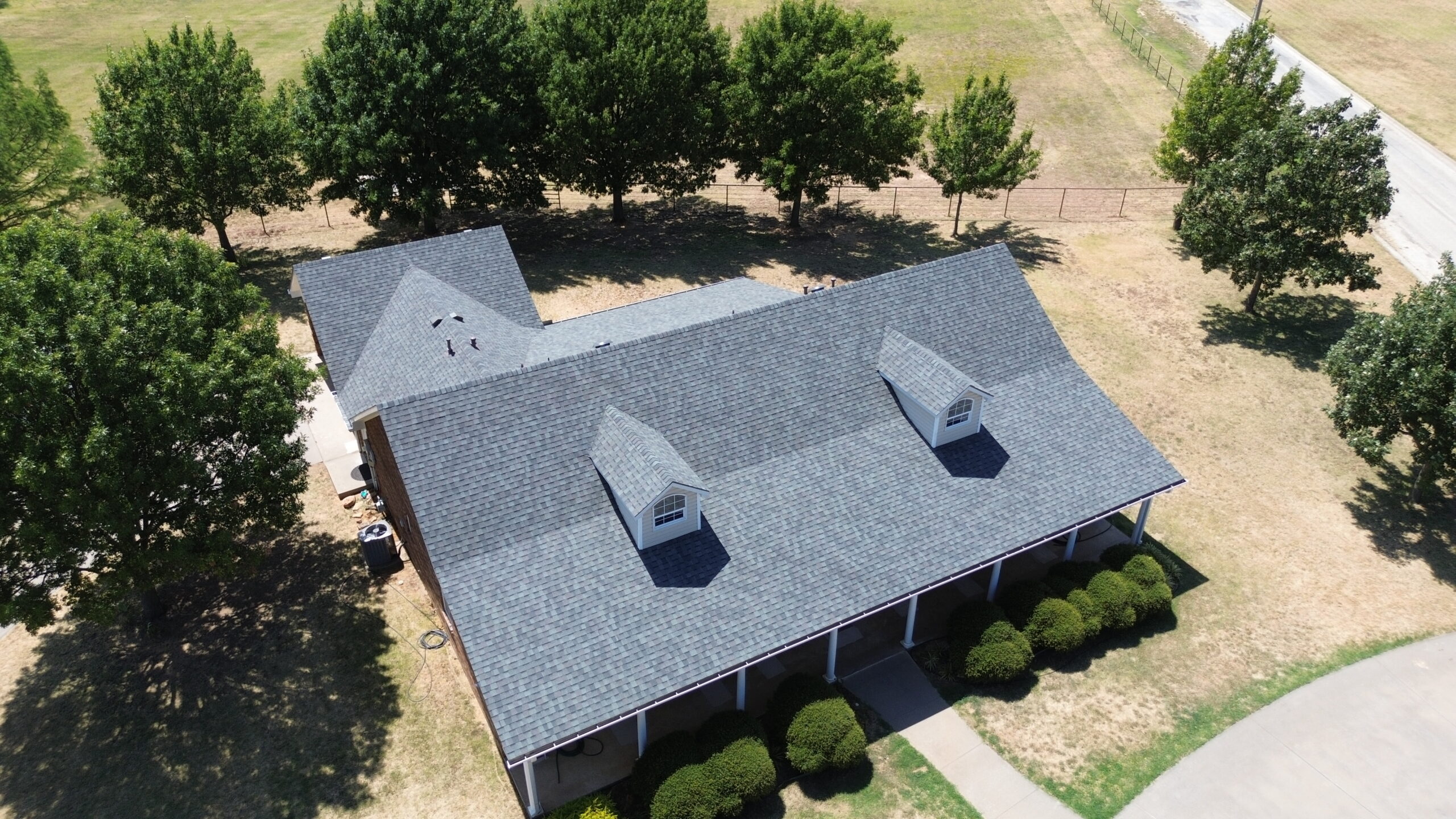
Asphalt shingles are widely used because they offer a practical combination of cost, appearance, availability, and performance. However, their performance can be influenced by prolonged exposure to moisture and humid conditions. The extent of the effect depends on the product quality, installation method, ventilation, and overall roof design.
High humidity can contribute to moisture accumulation within areas of the roofing system. If the roof does not have adequate ventilation, warm and moist air may remain beneath the roof covering. Over time, this can contribute to deterioration of the roof deck and other components beneath the shingles.
The shingles themselves are designed to withstand outdoor weather, but damaged or improperly installed shingles can provide pathways for moisture. Missing shingles, lifted edges, damaged flashing, and poorly sealed penetrations can allow humid conditions and rainfall to affect the underlying materials.
Humidity can also contribute to biological growth on some roof surfaces, particularly where moisture remains for extended periods. Algae and other growth may become more noticeable in warm, damp environments. While surface growth does not always indicate structural damage, persistent moisture should be investigated to determine whether drainage or ventilation problems are present.
Proper installation and ventilation can help asphalt shingle systems perform more reliably in humid climates. The roofing contractor should also consider local rainfall, roof slope, drainage, and expected exposure when selecting products and installation methods.
Humidity and Metal Roofing Performance
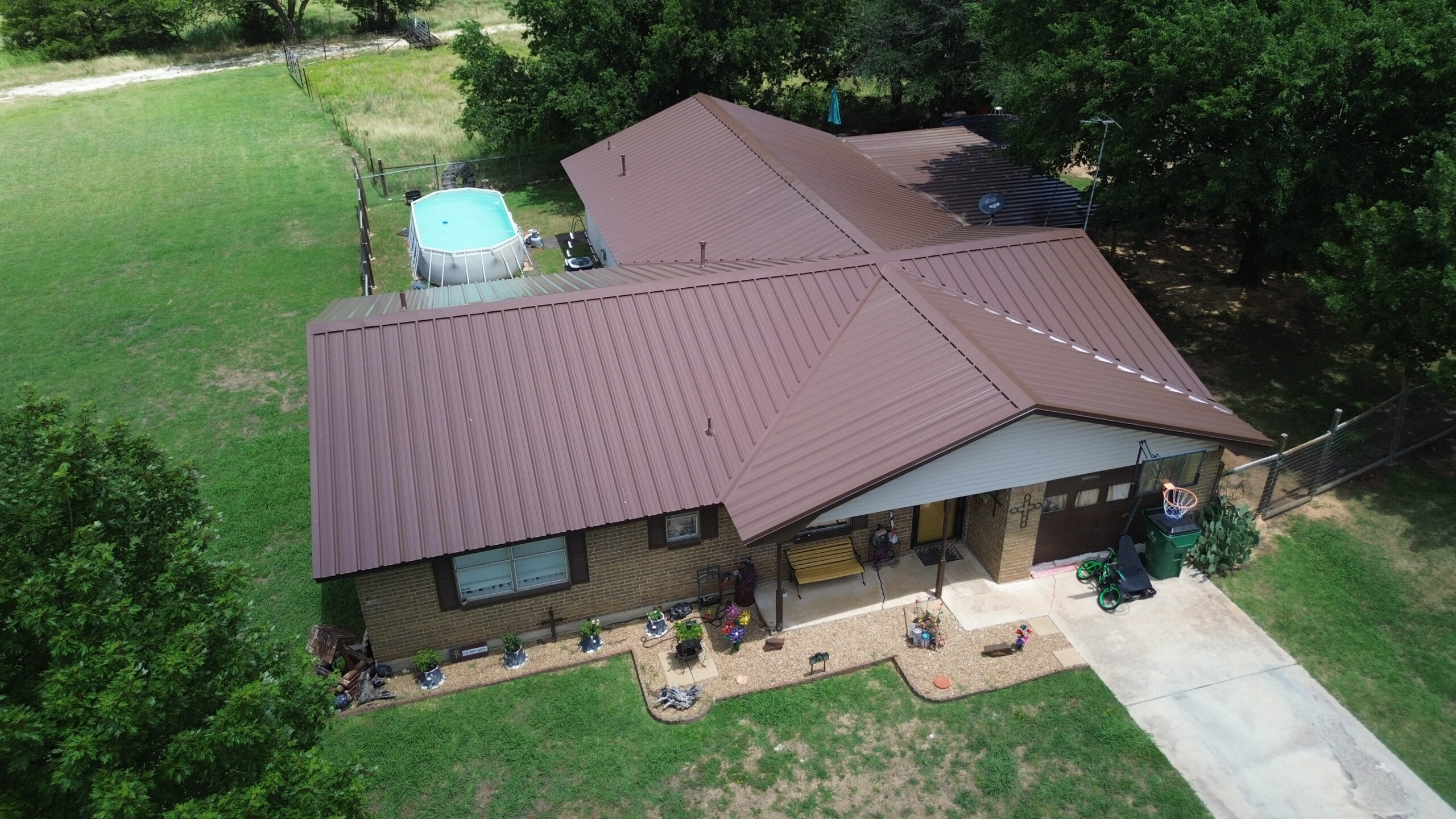
Metal roofing is often valued for its durability, but moisture exposure remains an important consideration. Humid environments can increase the risk of corrosion, particularly when the metal surface, fasteners, joints, or cut edges are not adequately protected.
Not all metals respond to humidity in the same way. The type of metal, protective coating, surface treatment, environmental exposure, and contact with other materials can influence corrosion resistance. Coastal environments can be especially challenging because humidity may be combined with airborne salt, creating more aggressive conditions for susceptible components.
Fasteners deserve particular attention because they create connection points throughout the roofing system. Using incompatible or poorly protected fasteners can create localized corrosion and may eventually affect the security of the roof. Roofing professionals should select fasteners that are compatible with the roofing material and appropriate for the environmental conditions.
Protective coatings can provide an additional barrier against moisture and environmental exposure. However, coatings can deteriorate over time, so regular inspections remain important. Scratches, exposed metal, damaged coatings, and corrosion should be addressed before the affected area becomes more extensive.
Proper drainage is also important for metal roofs. Water should not remain around seams, penetrations, valleys, or other areas where moisture can accumulate. A well-installed metal roof combined with suitable protective finishes and effective drainage can provide strong performance in many humid environments.
Moisture Absorption in Wood Roofing Components
Wood can be particularly sensitive to humidity because it naturally interacts with moisture in the surrounding environment. Wood-based roof decking, framing, and certain roofing products can absorb and release moisture depending on changing environmental conditions.
Repeated moisture absorption and drying can cause wood to expand and contract. Over time, these changes can contribute to movement, warping, cracking, or other forms of deterioration when moisture exposure becomes excessive. Persistent dampness can also create favorable conditions for fungal growth and wood decay.
The risk is greater when moisture becomes trapped inside the roofing assembly. A small amount of moisture that can dry quickly may not cause serious problems, but repeated or prolonged dampness can become a significant concern. This is why ventilation and moisture management are important parts of roof construction.
During installation, roofing professionals should inspect wood decking for signs of excessive moisture or deterioration. Damaged sections may need to be repaired or replaced before the new roofing material is installed. Covering compromised decking without addressing the underlying condition can allow the problem to continue beneath the finished roof.
Humidity levels can also vary between the exterior and interior of a building. Poor indoor ventilation, bathrooms, kitchens, and other moisture-producing areas can increase the amount of humid air entering the roof space. Proper building ventilation can therefore support the performance of the roofing system.
The Role of Roof Decking in Humid Conditions
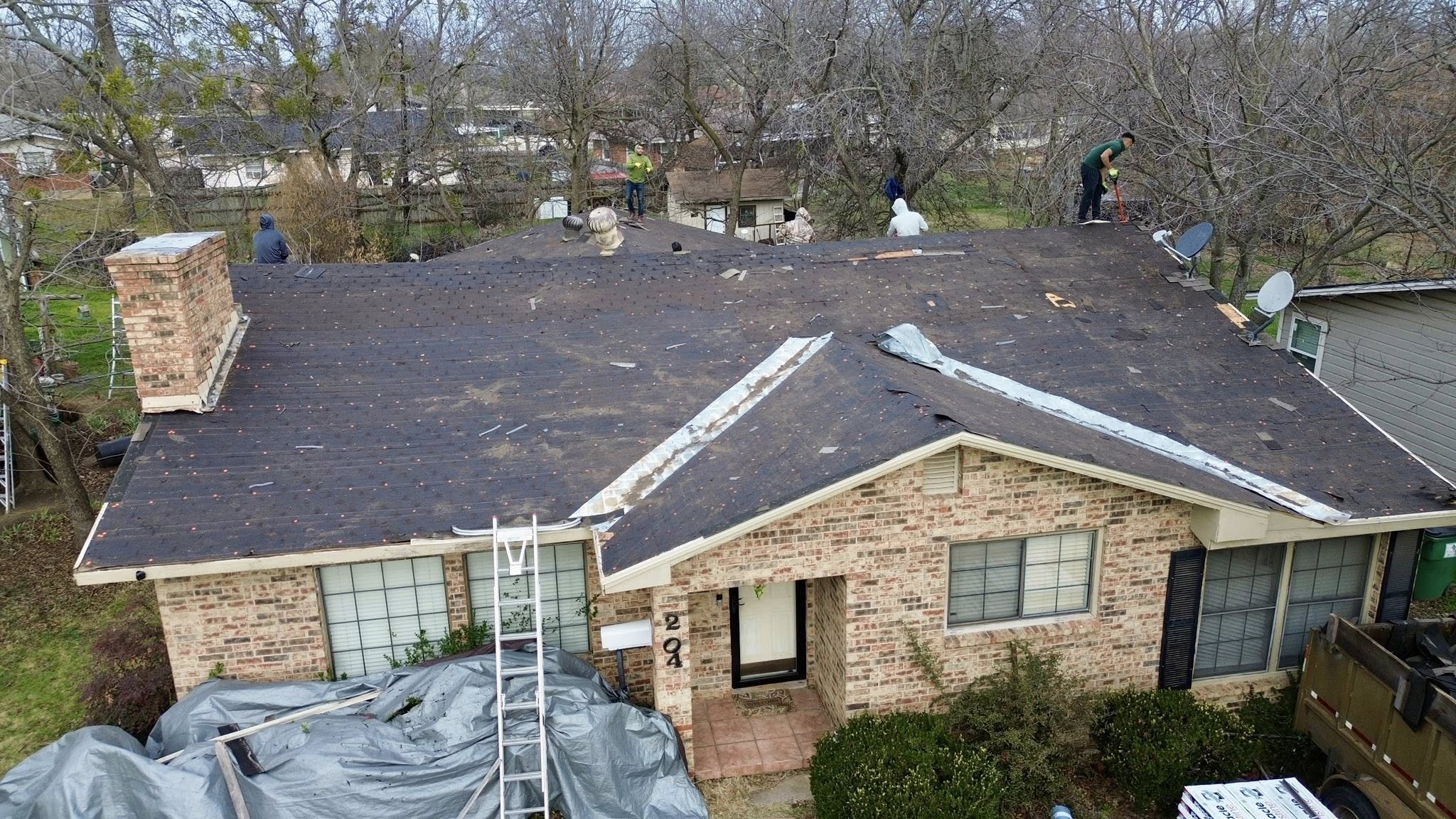
The roof deck provides a structural base for many roofing systems, making its condition essential to overall roof performance. When humidity and moisture reach the decking, the material can gradually lose some of its structural integrity if exposure remains excessive.
Wood-based decking is especially sensitive to prolonged moisture exposure. Swelling, staining, soft spots, mold growth, and deterioration may indicate that moisture has entered the roof assembly. These problems can sometimes remain hidden beneath the roofing material until significant damage has developed.
Metal and other types of roof decking have different moisture characteristics, but they still require protection from corrosion and condensation. The choice of decking should therefore be considered alongside the climate and roofing assembly rather than treated as an isolated component.
Proper underlayment can provide an additional moisture barrier between the roof covering and the deck. However, underlayment should not be viewed as a substitute for proper drainage and ventilation. If moisture repeatedly enters the roofing assembly, the underlying deck may still experience problems.
Before installing a new roof, contractors should inspect the deck for moisture-related deterioration. Identifying these issues before installation allows damaged areas to be corrected rather than hidden beneath the new roofing material.
Humidity, Condensation, and Roof Ventilation
Condensation is one of the most important humidity-related concerns in roofing systems. It occurs when moisture-laden air comes into contact with a surface that is cold enough for water vapor to turn into liquid water. Within a roof space, repeated condensation can introduce moisture even when there is no roof leak.
Ventilation helps control this problem by allowing air to move through the roof assembly and helping remove excess heat and moisture. Intake and exhaust ventilation should be appropriately balanced so that air can circulate through the intended pathways.
In humid climates, ventilation becomes especially important because the surrounding air may already contain significant moisture. Poorly designed ventilation can allow moisture to remain trapped inside the attic or roof cavity. Over time, this may contribute to damp insulation, deteriorating decking, corrosion, and biological growth.
However, ventilation must be designed carefully. Simply adding vents without considering the overall roof assembly does not automatically solve moisture problems. The location of vents, insulation placement, air sealing, roof design, and climate should all be considered together.
A properly designed roof ventilation strategy can support longer material life by helping control both temperature and moisture. This makes ventilation an important consideration when selecting and installing roofing materials for humid environments.
Choosing Roofing Materials for High-Humidity Climates
Material selection should begin with an understanding of how much moisture the roof is expected to encounter. Areas with consistently high humidity may require greater attention to corrosion resistance, moisture management, ventilation, drainage, and material compatibility than relatively dry locations.
Metal roofing can be suitable when the correct metal, protective finish, and fasteners are selected. Asphalt shingles can also perform well when properly installed and supported by an effective moisture-management system. Tile and other durable materials may provide additional options depending on roof design and structural requirements.
The most suitable material is not necessarily the one with the highest advertised durability rating. A roofing system must be compatible with the property’s structure and local environmental conditions. Installation quality can have as much influence on long-term performance as the material itself.
When comparing materials for humid climates, property owners should consider:
- Resistance to moisture and corrosion
- Compatibility with local temperature conditions
- Ability to work with appropriate underlayment
- Ventilation and drainage requirements
- Expected maintenance needs
- Manufacturer installation requirements
Selecting materials based on these factors can reduce the likelihood of moisture-related problems. It also allows homeowners and contractors to develop a roofing system that addresses both visible weather exposure and hidden moisture within the roof assembly.
The Importance of Proper Roof Drainage
Humidity and rainfall often occur together, making drainage another important part of roof performance. A roof should be designed so that water moves efficiently away from the surface and does not remain around vulnerable areas. Poor drainage can increase the amount of time roofing materials remain exposed to moisture.
Roof slope influences how quickly water moves across the surface. Gutters, downspouts, valleys, flashing, and drainage outlets must also be installed correctly to prevent water from accumulating. Even highly moisture-resistant roofing materials can experience problems if water repeatedly collects in the wrong locations.
Blocked gutters can be particularly problematic in humid and rainy regions. Leaves, dirt, and other debris can prevent water from flowing freely, allowing moisture to remain near roof edges and potentially enter the structure. Regular maintenance helps keep drainage pathways functioning as intended.
Proper flashing is equally important around chimneys, vents, skylights, walls, and other penetrations. These areas create natural opportunities for moisture entry, so their design and installation should receive careful attention.
Effective drainage does not eliminate the effects of humidity, but it reduces the amount of liquid water that remains in contact with the roofing system. Combined with proper ventilation and suitable materials, it forms an important part of a moisture-resistant roof.
How Humidity Affects Roofing Underlayment
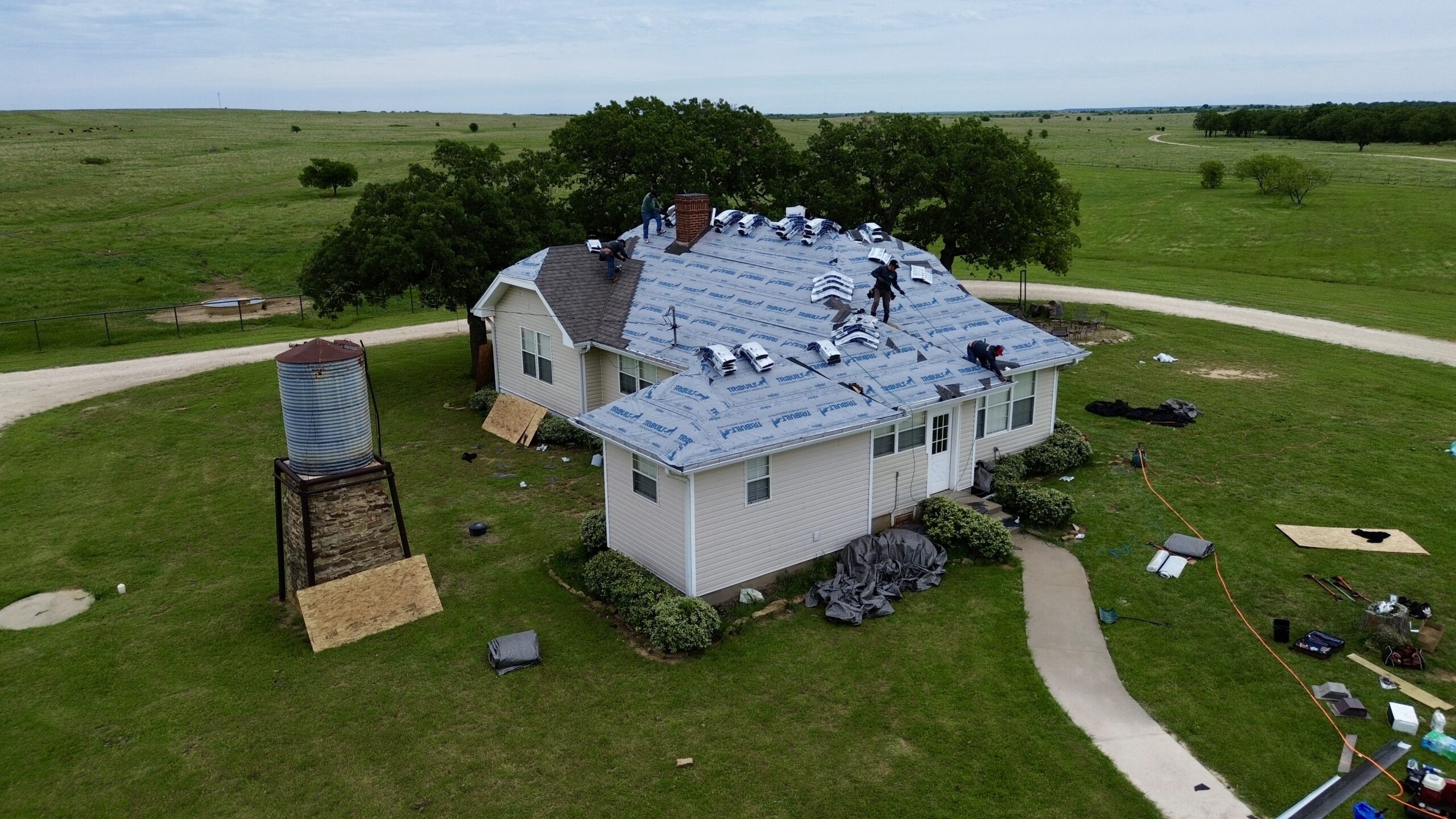
Underlayment serves as an additional protective layer between the roof covering and the roof deck. It helps reduce the risk of moisture reaching the structural components when water gets beneath the primary roofing material. In humid environments, selecting an underlayment that is compatible with local conditions becomes particularly important because moisture exposure can occur through both rainfall and condensation.
Different underlayment products have different moisture resistance characteristics. Synthetic underlayments are commonly selected for their resistance to water and durability during installation, while other systems may use specialized membranes in areas where moisture exposure is expected to be higher. The appropriate product depends on the roof design, covering material, climate, and manufacturer’s requirements.
Installation quality is just as important as the underlayment itself. Overlapping sections, securing edges, sealing vulnerable areas, and protecting penetrations must be handled correctly to prevent moisture from finding pathways into the roof deck. If underlayment is damaged or improperly installed, its ability to provide secondary protection can be reduced.
Humid conditions can also make the installation surface more difficult to manage. If the roof deck or surrounding materials are damp when installation begins, moisture may become trapped beneath layers of the roofing assembly. Contractors should therefore evaluate surface conditions and follow product-specific requirements before installing underlayment.
Effects of Humidity on Roofing Fasteners and Flashing
Fasteners and flashing are relatively small components, but they have a major influence on roof durability. Fasteners hold roofing materials in place, while flashing directs water away from vulnerable joints and penetrations. Because both components can be repeatedly exposed to moisture, humidity can contribute to corrosion and deterioration when unsuitable materials are used.
Fasteners made from corrosion-resistant materials are often preferred in humid environments. The exact choice depends on the roofing material and environmental conditions because different metals can interact with one another. Incompatible materials may contribute to galvanic corrosion, where contact between dissimilar metals accelerates deterioration under suitable moisture conditions.
Flashing around chimneys, skylights, vents, walls, and roof valleys requires similar attention. Moisture can collect around these areas, particularly when drainage is poor or seals have deteriorated. Using suitable flashing materials and installing them according to the roofing system’s requirements helps reduce the risk of moisture entering the building.
Sealants can also be affected by long-term environmental exposure. Changes in temperature and moisture can cause some sealants to lose flexibility or adhesion over time. Regular inspections can help identify cracking, separation, or deterioration before water reaches the underlying roof structure.
A roofing system installed in a humid environment should therefore use compatible components throughout the assembly. Choosing a moisture-resistant roof covering while using poorly protected fasteners or unsuitable flashing can create weak points that undermine the performance of the entire system.
Humidity and Roof Insulation Performance
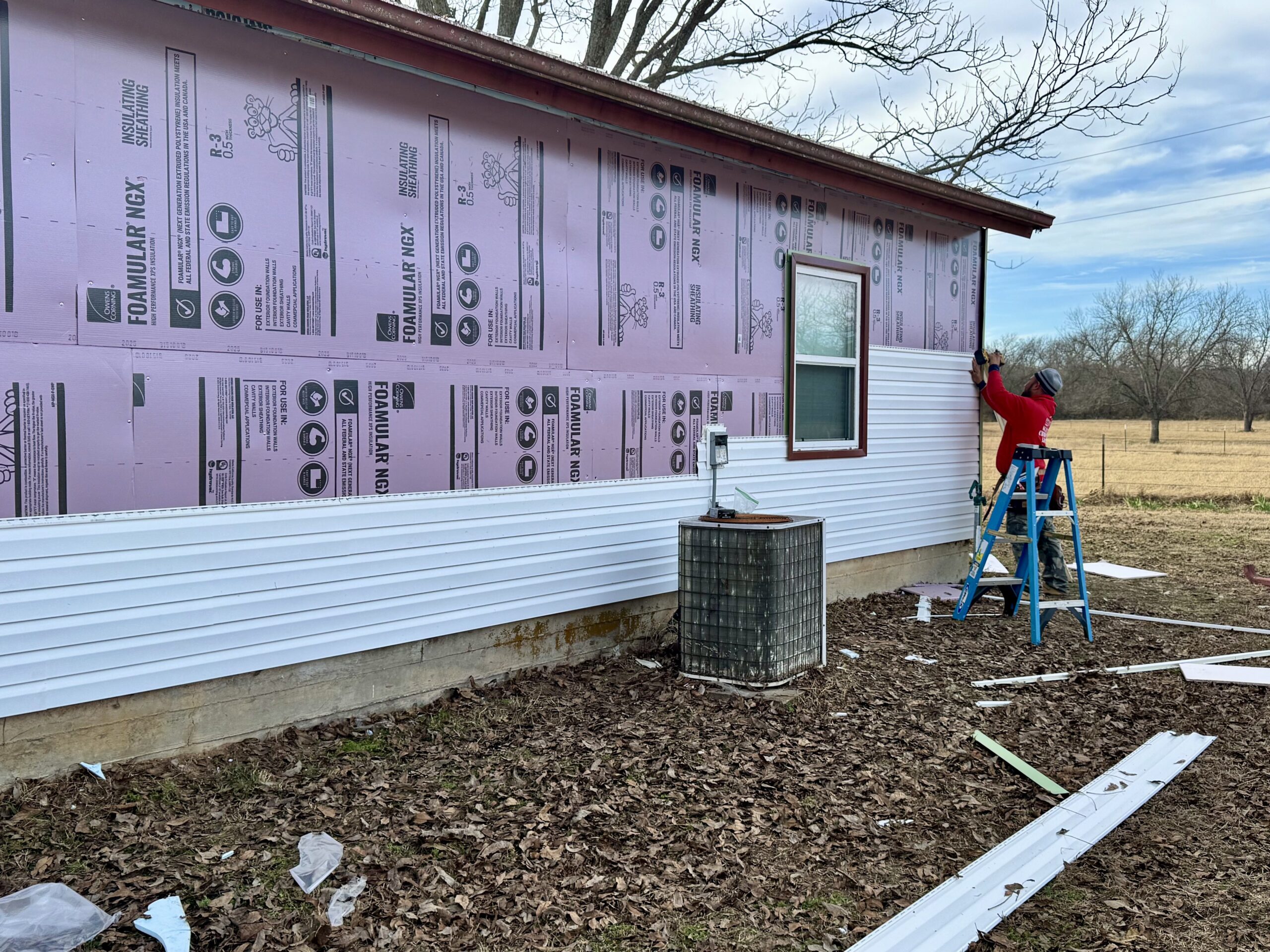
Insulation plays an important role in controlling indoor temperature, but moisture can affect its performance. When insulation becomes damp, its ability to provide effective thermal resistance may be reduced depending on the type of insulation and the extent of moisture exposure. Persistent dampness can also create additional concerns within the roof assembly.
Fiberglass insulation, for example, can experience reduced effectiveness when it becomes significantly wet. Other insulation materials have different moisture characteristics, but none should be treated as a substitute for proper moisture control. Preventing moisture from entering the insulation is generally more effective than relying on the insulation to tolerate prolonged damp conditions.
High humidity can also contribute to condensation around insulation when temperature differences exist within the roof assembly. Warm, moisture-filled air can reach cooler surfaces and produce water droplets. If this process occurs repeatedly, surrounding materials may remain damp for extended periods.
Air sealing can help reduce the movement of humid indoor air into roof cavities. This is particularly important in buildings where bathrooms, kitchens, laundry areas, or other spaces generate significant moisture. Controlling indoor humidity can therefore support the performance of both insulation and roofing materials.
Proper insulation placement should also be coordinated with ventilation. Blocking intended ventilation pathways with insulation can reduce airflow and create conditions that allow heat and moisture to accumulate. A properly designed roofing assembly should allow insulation and ventilation components to work together rather than interfere with one another.
Mold, Algae, and Biological Growth on Roofs
Warm and humid conditions can create an environment that supports biological growth on roofing surfaces. Algae, moss, mold, and other organisms may become more noticeable when moisture remains on the roof for extended periods. The presence of surface growth does not always mean that the roof has structural damage, but it can indicate that moisture conditions deserve attention.
Algae can appear as dark streaks or discoloration on some roofing materials. While the visual impact may be the primary concern in the early stages, persistent moisture and organic growth can contribute to surface deterioration under certain conditions. Moss can be more problematic because it can retain moisture against the roofing surface and may interfere with drainage.
The risk of biological growth can increase where roofs receive limited sunlight or where nearby trees keep surfaces shaded. Leaves and other organic debris can also retain moisture, creating favorable conditions for growth. Regular roof and gutter maintenance can help reduce these conditions.
Some roofing products are manufactured with features intended to resist algae growth. However, these products should still be installed and maintained properly because no roofing material eliminates the need for moisture management.
When biological growth is already present, aggressive cleaning methods may damage the roofing material. Homeowners should follow manufacturer recommendations or consult a roofing professional before attempting treatment. Preventing persistent moisture is generally more useful for long-term roof performance than repeatedly treating the visible growth.
Humidity and Thermal Expansion in Roofing Materials
Humidity does not act independently from temperature. In many regions, high humidity occurs alongside high temperatures, creating conditions in which roofing materials experience both moisture exposure and thermal movement. Materials expand when heated and contract as temperatures fall, and repeated cycles can place stress on connections and joints.
Metal roofing is particularly noticeable in this regard because metal can expand and contract as temperatures change. Proper installation allows the system to accommodate expected movement without compromising seams, fasteners, or other connections. Humidity can increase the importance of maintaining protective coatings and corrosion resistance during these repeated cycles.
Other roofing materials also respond to temperature changes, although the amount and nature of movement vary. Sealants, membranes, and flashing materials must remain sufficiently flexible to accommodate movement without cracking or separating.
Installation conditions can affect how some products behave. Contractors should follow manufacturer recommendations regarding temperature, surface preparation, fastening, and sealing. Ignoring these requirements can increase the risk of premature problems.
A roofing system designed for a humid climate should therefore consider both moisture and temperature. Addressing only one environmental factor may leave the roof vulnerable to another source of stress.
Coastal Humidity and Salt Exposure
Coastal regions can present more challenging conditions because high humidity is often combined with salt carried through the air. Salt particles can settle on roofing materials and metal components, and moisture can help create conditions that accelerate corrosion.
Metal roofing systems require particular attention in coastal locations. Protective coatings, corrosion-resistant metals, and suitable fasteners can help reduce deterioration. However, the level of protection required depends on how close the building is to the coastline and how strongly it is exposed to salt-laden air.
Flashing, gutters, screws, vents, and other metal accessories should also be considered. A roofing system may use a corrosion-resistant primary covering but still develop problems if secondary components are made from materials that are poorly suited to the environment.
Regular cleaning and inspections can be useful in coastal environments. Removing accumulated salt and debris can help reduce prolonged exposure, although cleaning methods should be appropriate for the roofing material and coating.
Coastal humidity can also be accompanied by strong winds and heavy storms. This means that roofing decisions should address multiple hazards rather than focusing only on corrosion. Wind resistance, drainage, fastening, and moisture protection may all need to be incorporated into the installation plan.
How Humidity Influences Roofing Material Lifespan
The service life of a roofing material depends on many factors, and humidity can influence several of them at the same time. Constant moisture exposure can contribute to corrosion, biological growth, material degradation, and deterioration of supporting components. These effects may gradually reduce the period during which the roof performs effectively.
However, high humidity does not automatically mean that a roof will have a short service life. Roofing materials are available with different levels of moisture and corrosion resistance, and proper installation can significantly improve performance. A well-designed roof can manage humid conditions more effectively than one installed without considering local environmental factors.
Maintenance also influences longevity. Small problems such as damaged flashing or blocked drainage may become more serious when moisture levels are consistently high. Prompt repairs can prevent water from reaching the roof deck and other components.
Material lifespan should therefore be viewed as a combination of product characteristics, installation quality, climate exposure, maintenance, and building conditions. Manufacturer lifespan estimates should be treated as general expectations rather than guarantees because actual performance varies between locations and properties.
Comparing Roofing Materials for Humid Environments
Different roofing materials can provide effective performance in humid regions when they are properly selected and installed. The following comparison highlights general characteristics that may help property owners understand how common materials respond to moisture.
| Roofing Material | Humidity Performance | Main Moisture Concern | Important Consideration |
|---|---|---|---|
| Asphalt Shingles | Good with proper installation | Moisture beneath damaged areas | Ventilation and underlayment |
| Metal Roofing | Very good with suitable protection | Corrosion | Coatings and compatible fasteners |
| Clay Tile | Very good | Moisture around joints and underlayment | Proper installation and drainage |
| Concrete Tile | Very good | Moisture beneath damaged or displaced tiles | Structural support and flashing |
| Slate | Very good | Moisture entering weak points | Skilled installation |
| Synthetic Roofing | Depends on product | Product-specific moisture behavior | Manufacturer specifications |
This comparison demonstrates that material selection alone does not determine performance. A material with strong moisture resistance can still experience problems when water is trapped beneath it or when installation details are neglected.
For example, metal roofing may provide excellent moisture performance, but corrosion can develop if the wrong fasteners or coatings are used. Tile may resist water effectively, but damaged flashing or displaced tiles can still allow moisture to reach the roof deck.
Property owners should therefore compare the complete roofing system rather than focusing only on the material’s surface characteristics. Professional recommendations can help determine which combination of covering, underlayment, ventilation, insulation, flashing, and fasteners is appropriate for the building.
Installation Practices That Help Manage Humidity
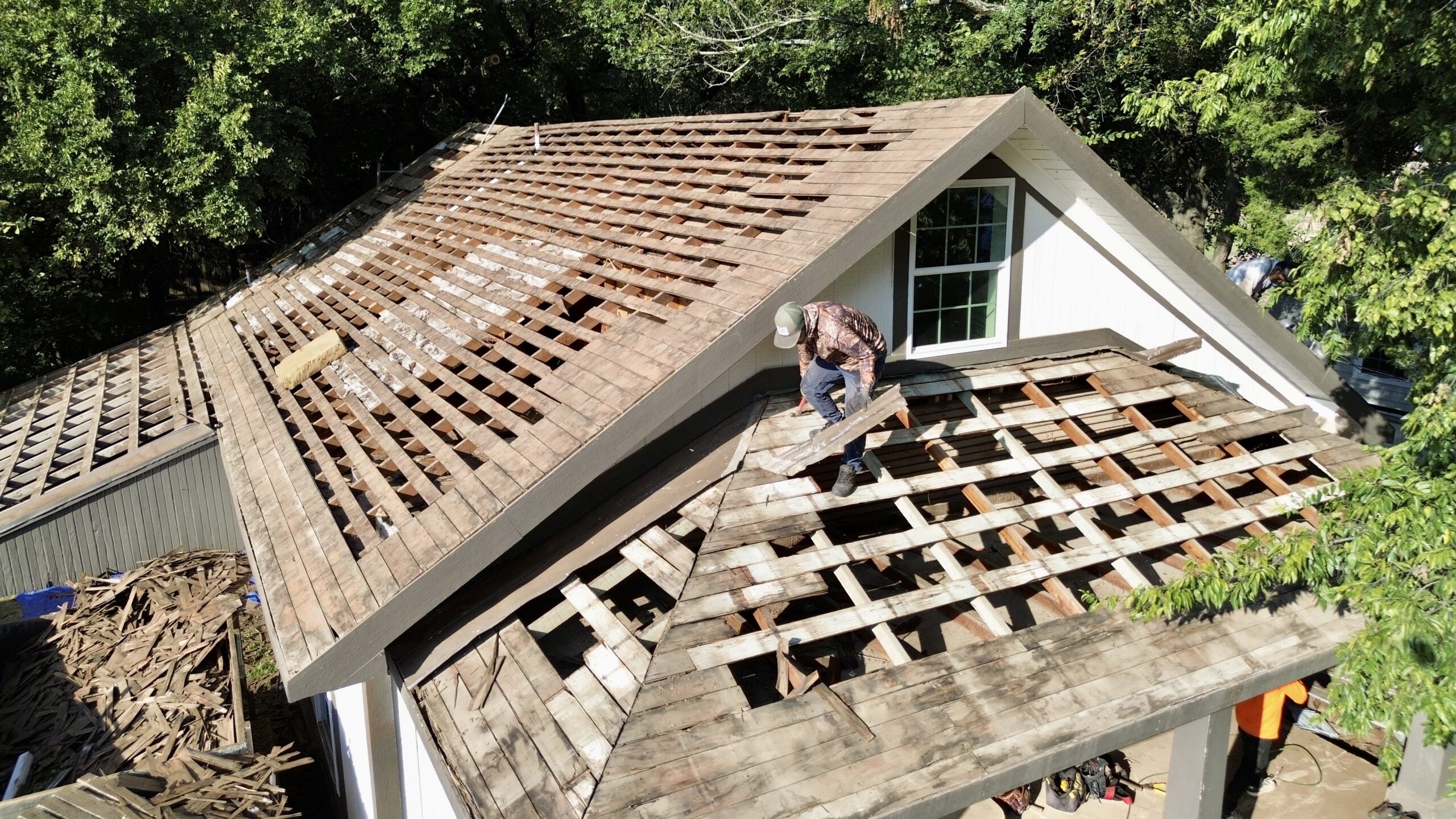
Proper installation is one of the most effective ways to reduce humidity-related roofing problems. Contractors should begin with a dry, structurally sound substrate whenever the product requirements call for it. Installing materials over damp or deteriorated surfaces can trap moisture and create problems that are difficult to detect after the roof is completed.
Roofing materials should also be handled and stored correctly before installation. Some products can be affected by prolonged exposure to moisture before they are installed. Keeping materials protected from unnecessary environmental exposure helps preserve their condition.
Ventilation openings should remain unobstructed, while underlayment and flashing should be installed according to the roofing system’s requirements. Penetrations and joints deserve particular attention because they represent common locations where water and humid air can enter.
Contractors should also avoid relying on sealants as the primary solution for poor installation. Sealants can provide useful protection at appropriate locations, but they are not a replacement for correctly designed flashing, drainage, fastening, and material overlap.
A carefully installed roofing system provides multiple layers of protection. The roof covering sheds most water, underlayment provides secondary protection, flashing protects vulnerable transitions, and ventilation helps control moisture within the assembly.
Managing Indoor Humidity to Protect the Roof
Humidity problems can sometimes originate inside the building rather than outside. Everyday activities such as cooking, showering, drying clothes, and cleaning can release moisture into indoor air. If this humid air enters the attic or roof cavity, it can contribute to condensation and moisture accumulation.
Bathroom and kitchen exhaust fans should discharge moisture appropriately rather than allowing humid air to remain within the building. Air sealing around ceiling penetrations can also reduce the movement of conditioned indoor air into roof spaces.
Maintaining reasonable indoor humidity levels can support the performance of insulation, decking, and other roofing components. This is particularly important during seasons when indoor and outdoor temperatures differ significantly.
The roof should therefore be considered part of the building’s overall moisture-management system. Exterior drainage and roofing materials are important, but indoor ventilation, air sealing, insulation, and mechanical exhaust can also influence the condition of the roof assembly.
When exterior and interior moisture sources are addressed together, the risk of condensation and hidden deterioration can be reduced. This approach becomes especially valuable in buildings located in regions where high humidity persists for long periods.
How Roof Design Can Reduce Humidity-Related Damage
Roof design has a significant influence on how effectively a roofing system manages moisture. In humid climates, the roof should be designed to move rainwater away efficiently while also allowing trapped heat and moisture to escape from the roofing assembly. A design that ignores these factors can increase the likelihood of condensation, material deterioration, and premature repairs.
Roof slope is one important consideration because it affects how quickly water moves across the surface. Properly designed slopes help prevent prolonged water accumulation, while valleys and drainage points need careful planning because they receive concentrated water flow. Gutters, downspouts, flashing, and drainage outlets should all work together to direct water away from the structure.
Roof orientation and surrounding conditions can also influence moisture levels. Areas that remain shaded for much of the day may dry more slowly after rainfall, particularly when humidity is already high. Nearby trees can increase shade and allow leaves or organic debris to accumulate, creating additional moisture-retaining areas.
A well-designed roof therefore considers both water management and airflow. Combining suitable slope, drainage, ventilation, insulation, and moisture-resistant materials can significantly improve performance in humid environments.
Selecting Corrosion-Resistant Roofing Components
Humidity can be especially challenging for exposed metal components because moisture can contribute to corrosion over time. This includes not only metal roofing panels but also screws, flashing, gutters, vents, brackets, and other accessories. Selecting corrosion-resistant components can help maintain the strength and appearance of the roofing system.
The correct material depends on the environment. A roof located in an inland humid region may have different corrosion requirements from one located near the coast, where salt particles can make the atmosphere more corrosive. Roofing professionals should therefore evaluate the property’s exposure before selecting metal components.
Protective coatings can provide another layer of defense. However, coatings should be inspected periodically because scratches, impact damage, or general deterioration can expose the underlying material to moisture. Once protective layers are compromised, corrosion may develop more quickly in continuously humid conditions.
Fastener compatibility is equally important. Roofing components should be selected so that metals do not create unnecessary corrosion risks when they come into contact with one another. Using products recommended for the specific roofing system can help reduce these problems.
Importance of Roof Ventilation in Humid Weather
Ventilation remains one of the most important methods of managing moisture within a roof assembly. Without adequate airflow, warm and humid air can remain trapped beneath the roof covering, increasing the possibility of condensation. Persistent condensation can affect insulation, roof decking, fasteners, and structural components.
A properly designed ventilation system generally uses intake and exhaust pathways to encourage continuous air movement. Intake vents allow outside air to enter the appropriate area, while exhaust vents help remove warm and moisture-laden air. The system needs to be balanced so that airflow can move through the intended space.
Ventilation should also be coordinated with insulation and air sealing. If insulation blocks intake openings, airflow may be restricted. If air leaks from the living area into the attic or roof cavity, indoor moisture can increase condensation risks even when exterior ventilation appears adequate.
Humid climates require particular attention because outdoor air already contains significant moisture. Ventilation should therefore be designed according to the building’s climate, roof construction, and applicable requirements rather than relying on a generic solution.
The Effect of Humidity on Roof Coatings and Sealants
Roof coatings and sealants can provide valuable protection in certain roofing systems, but their performance can be influenced by humidity. Some coatings require specific surface conditions during application, and excessive moisture can interfere with adhesion or curing. Applying a product to a damp or improperly prepared surface may reduce its effectiveness.
Manufacturers usually provide instructions regarding temperature, surface preparation, moisture conditions, and curing requirements. These instructions should be followed carefully because the performance of a coating depends heavily on proper application.
Sealants around penetrations, joints, flashing, and other vulnerable areas can also deteriorate over time. Repeated exposure to moisture, sunlight, and temperature changes may cause some products to crack, shrink, or lose adhesion.
Regular inspections can help identify failing sealants before moisture reaches the underlying materials. However, replacing sealant should not be used to hide a larger drainage or flashing problem. If water continues to enter because of poor roof design, surface-level sealing may only provide temporary protection.
Maintenance Strategies for Humid-Climate Roofs
Regular maintenance is particularly important when a roof is exposed to persistent humidity. Moisture-related problems can develop gradually, and early signs may be difficult to notice from inside the building. Routine inspections provide an opportunity to identify damaged roofing materials, blocked drainage, corrosion, and biological growth before they become more serious.
Gutters and downspouts should remain clear so rainfall can move away from the roof efficiently. Leaves, dirt, branches, and other debris can hold moisture against roofing surfaces and restrict drainage. Keeping these areas clean can reduce unnecessary moisture exposure.
Roof penetrations and flashing should also be inspected periodically. Cracked sealants, damaged flashing, loose components, or gaps around vents can create pathways for water. Addressing these problems early can help protect the roof deck and interior spaces.
Homeowners should also look for signs such as:
- Dark or damp areas on ceilings and walls
- Persistent musty odors near attic spaces
- Rust or corrosion on visible metal components
- Mold, algae, or moss on roof surfaces
- Damaged or displaced roofing materials
- Sagging or deteriorated roof decking
These signs do not always identify the exact source of a moisture problem, so professional assessment may be necessary. Finding the cause is more effective than repeatedly repairing visible symptoms.
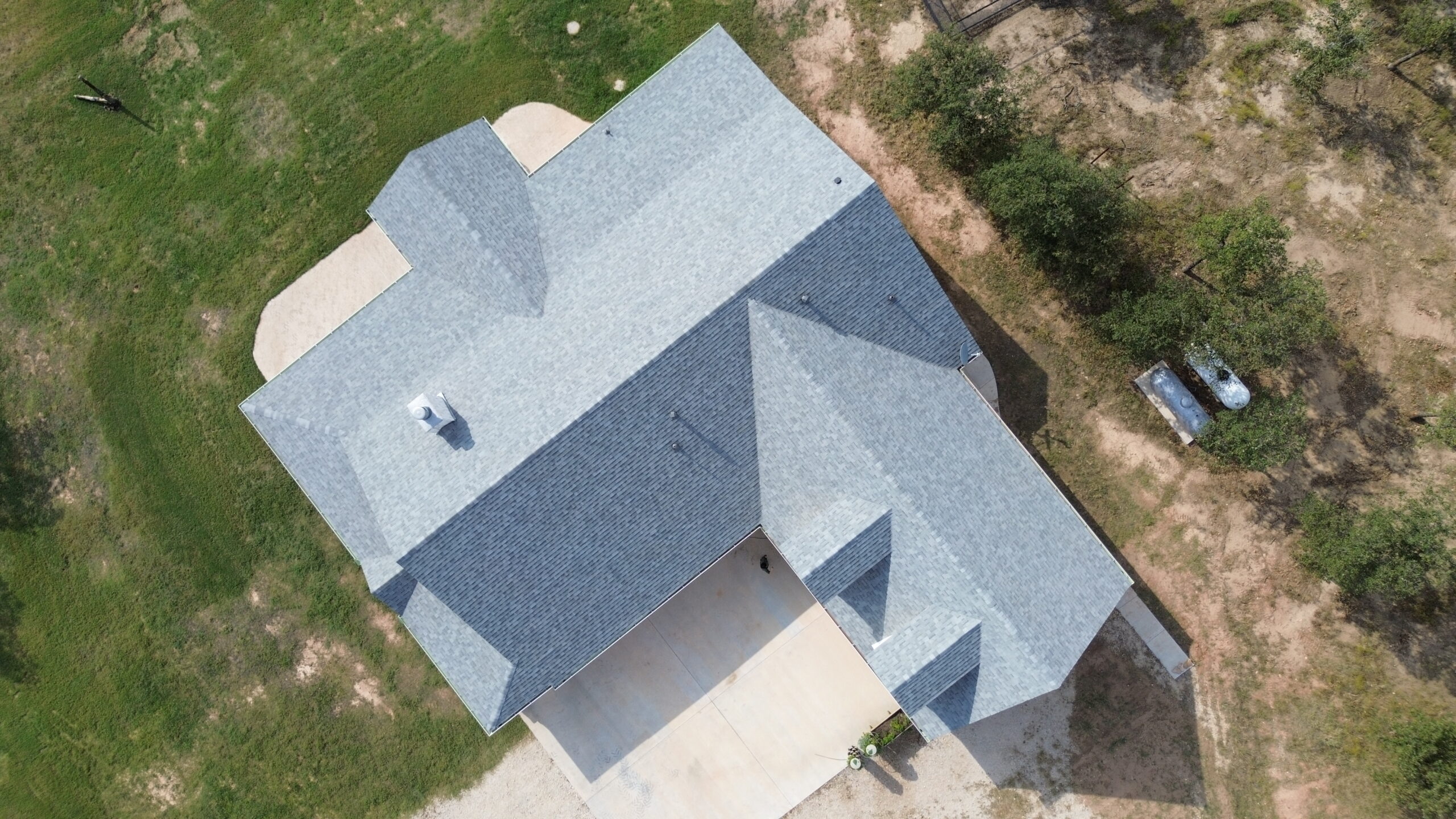
Humidity Effects on Different Roofing Materials
The response of roofing materials to humidity varies according to their composition and construction. Asphalt shingles can provide dependable performance when installed with suitable underlayment and ventilation, while metal roofing can perform exceptionally well when corrosion protection is appropriate.
Clay and concrete tiles are generally resistant to moisture, but the components beneath them still require protection. Water can enter through damaged tiles, poorly installed flashing, or deteriorated underlayment, making the supporting layers important to the overall system.
Slate can provide long-lasting performance in many environments, but its installation requires appropriate expertise. The supporting structure, flashing, fasteners, and underlayment must all be suitable for the material and climate.
Synthetic roofing products can offer another option, but performance varies between manufacturers and product designs. Homeowners should review product specifications rather than assuming that all synthetic materials respond to humidity in the same way.
The following factors can help compare materials for a humid environment:
| Factor | Why It Matters in Humid Conditions |
|---|---|
| Moisture resistance | Helps reduce deterioration caused by repeated exposure |
| Corrosion resistance | Protects metal roofing and accessories |
| Ventilation compatibility | Helps control condensation and trapped moisture |
| Underlayment compatibility | Provides secondary protection beneath the roof covering |
| Maintenance requirements | Helps identify and correct moisture problems early |
| Material durability | Influences long-term performance under repeated exposure |
The most suitable material depends on the property’s specific conditions. Climate, roof design, budget, structural capacity, installation quality, and expected maintenance should all be considered before making a final selection.
Common Mistakes in Humid-Climate Roof Installation
One common mistake is installing roofing materials over a damp or deteriorated roof deck. Covering moisture rather than addressing its source can trap water inside the roofing assembly. The resulting damage may remain hidden until it affects the roof structure or interior of the building.
Another mistake is selecting materials based only on their appearance or initial price. A low-cost product may not provide the corrosion resistance or moisture performance needed for a particular environment. Long-term maintenance and replacement costs should be considered alongside the initial installation price.
Poor ventilation is another frequent problem. A roof can have a high-quality exterior covering but still develop moisture issues if humid air remains trapped beneath it. Ventilation, insulation, and air sealing should be planned together rather than treated as unrelated components.
Using incompatible fasteners or flashing materials can also accelerate corrosion. This is particularly important in coastal environments where humidity and salt exposure can work together. Roofing components should be selected as a compatible system according to manufacturer recommendations.
Finally, some property owners overlook maintenance after installation. Even a properly installed roof can develop drainage blockages, damaged flashing, biological growth, or corrosion over time. Regular inspections are therefore an important part of protecting the original investment.
Professional Installation for Humid Environments
Professional installation can make a substantial difference in how roofing materials respond to humidity. Experienced roofing contractors understand that moisture management involves more than selecting a water-resistant outer covering. They evaluate the roof deck, ventilation, flashing, drainage, fasteners, insulation, and material compatibility as part of the installation process.
Before installation begins, the existing roof should be assessed for signs of moisture damage. Any deteriorated decking or structural components should be addressed before the new roofing system is installed. This prevents existing problems from being concealed beneath new materials.
Contractors should also follow manufacturer instructions for storage, installation, sealing, fastening, and environmental conditions. These requirements are particularly important when humidity or moisture may affect adhesives, coatings, membranes, or other products.
Proper installation also includes attention to areas where water is most likely to enter. Valleys, roof edges, penetrations, chimneys, skylights, and wall transitions should receive appropriate flashing and moisture protection.
Professional workmanship does not eliminate the effects of humidity, but it helps the roofing system respond to those effects more effectively. When suitable materials and correct installation practices are combined, the roof can provide stronger long-term protection.
Improving Roof Performance Through Moisture Management
Humidity should be considered part of a property’s overall moisture-management strategy. The roof, attic, insulation, ventilation, gutters, exterior walls, and indoor ventilation all interact with one another. Problems in one area can sometimes contribute to moisture problems in another.
For example, excessive indoor humidity can increase condensation in a poorly ventilated attic. Blocked gutters can allow exterior water to remain near roof edges, while damaged flashing can direct moisture into the roof assembly. These situations show why humidity-related roof performance cannot be addressed by changing the outer roofing material alone.
A practical moisture-management approach combines appropriate material selection with good installation and routine maintenance. Controlling indoor moisture, maintaining drainage, preserving ventilation pathways, and repairing damaged roofing components can all contribute to better performance.
Homeowners should also respond promptly when moisture problems are discovered. A small area of corrosion or damaged flashing may be easier and less expensive to correct than extensive deterioration of the roof deck or framing.
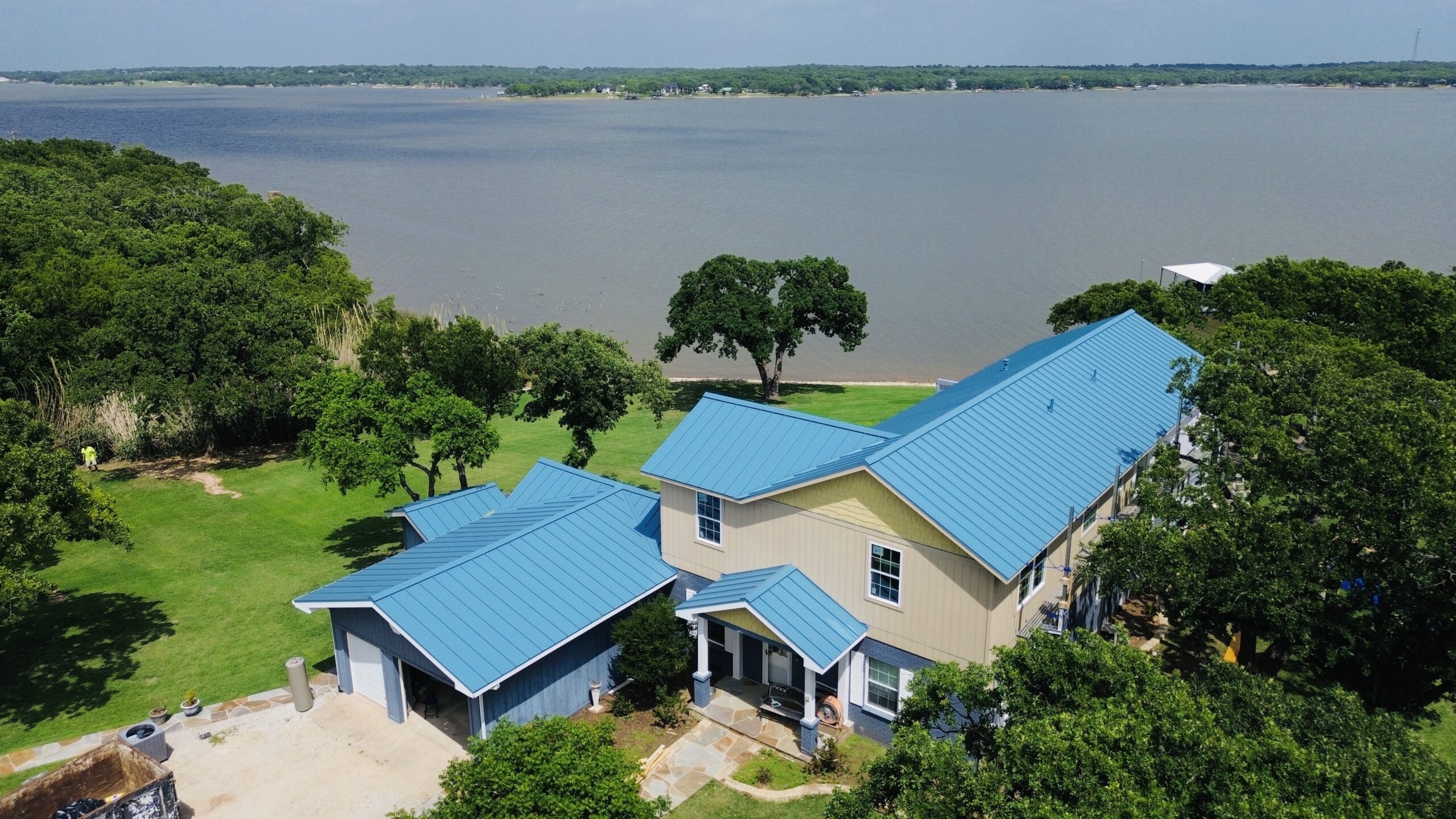
Making the Right Roofing Material Decision
Choosing roofing materials for a humid climate requires a balance between moisture resistance, durability, cost, appearance, and installation requirements. The ideal material should be capable of handling the expected environmental conditions while working effectively with the rest of the roofing assembly.
Property owners should begin by identifying the primary moisture risks. These may include persistent humidity, heavy rainfall, coastal salt exposure, condensation, or frequent temperature changes. Understanding the dominant conditions makes it easier to narrow down suitable roofing options.
The next step is to evaluate the complete roofing system. Underlayment, flashing, fasteners, insulation, ventilation, drainage, and roof decking should all be considered. A moisture-resistant roof covering cannot fully protect a building if water can enter through poorly designed joints or deteriorated supporting materials.
Long-term maintenance should also influence the decision. Some materials may require more frequent inspections or specialized maintenance, while others may offer lower routine maintenance requirements. The best choice depends on the property owner’s priorities and the environmental conditions of the location.
Professional advice can make the selection process more reliable. A qualified roofing contractor can inspect the property, identify existing moisture concerns, compare appropriate materials, and install the selected system according to applicable requirements.
Conclusion
Humidity can have a significant effect on roofing material performance because moisture interacts with almost every part of a roofing system. Prolonged exposure can contribute to corrosion, condensation, biological growth, material deterioration, and damage to roof decking or insulation. These effects can become more serious when poor ventilation, inadequate drainage, or improper installation allows moisture to remain trapped.
The right roofing material can reduce many of these risks, but material selection is only one part of the solution. Underlayment, flashing, fasteners, insulation, ventilation, drainage, and roof decking must all work together to create a moisture-resistant system. A strong roofing assembly manages both external moisture from weather and internal moisture generated within the building.
Different roofing materials can perform successfully in humid climates when they are selected and installed according to local conditions. Metal roofing may require corrosion-resistant coatings and compatible fasteners, asphalt shingles benefit from proper ventilation and moisture protection, while tile, slate, and synthetic systems have their own installation and maintenance considerations.
Regular maintenance also plays an important role in protecting the roof from humidity-related deterioration. Keeping drainage systems clear, inspecting flashing, addressing corrosion, controlling indoor moisture, and responding quickly to signs of leaks or biological growth can help extend the useful life of the roofing system.
Ultimately, humidity should be treated as a major factor when planning a roof installation rather than an environmental condition that can be ignored. By combining climate-appropriate materials, professional installation, effective ventilation, proper drainage, and consistent maintenance, property owners can create roofing systems that remain more durable and reliable under persistent moisture exposure.