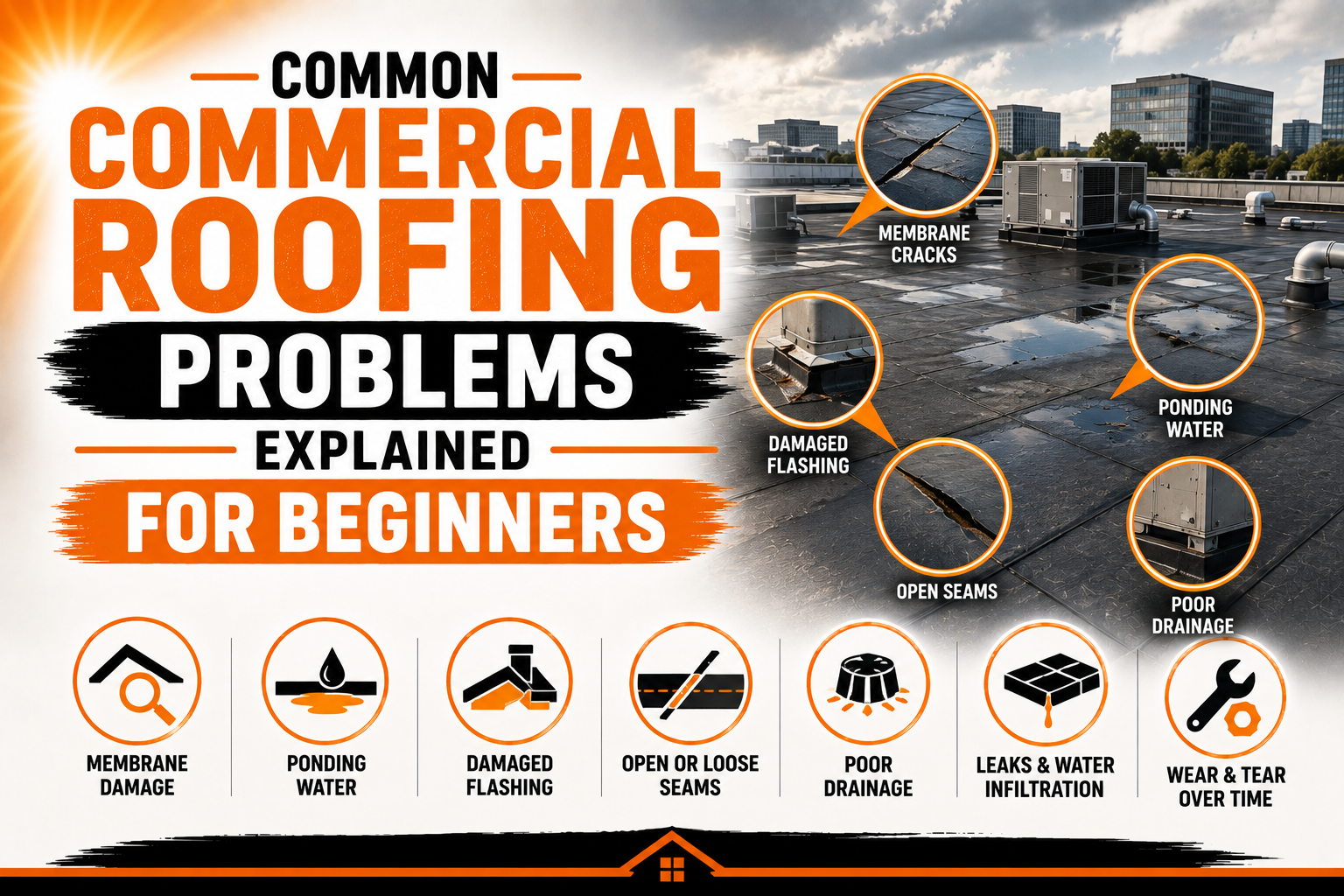
Common Commercial Roofing Problems Explained for Beginners
Introduction
Commercial roofing protects large buildings from rain, wind, sunlight, temperature changes, and other outdoor conditions. Offices, warehouses, retail properties, schools, factories, apartment buildings, and other commercial facilities all depend on their roofing systems to keep the interior environment safe and usable. When a roofing system develops a problem, the effects can extend beyond the roof itself and may affect insulation, ceilings, equipment, inventory, and daily operations.
For beginners, commercial roofing can seem complicated because it involves more than one material or surface. A typical system may include a structural deck, insulation, a waterproofing membrane, flashing, drains, roof edges, penetrations, and protective components. These parts must work together to keep water outside and protect the building underneath.
Many commercial roofing problems begin as relatively small defects. A blocked drain, loose flashing detail, small membrane puncture, or damaged seam may not immediately create serious interior damage. However, if the condition is ignored, repeated exposure to water and weather can cause the problem to expand.
Understanding common roofing problems makes it easier for property owners and managers to recognize warning signs and arrange professional assistance at the right time. The following sections explain the most common issues in simple terms and show why they matter for long-term building protection.
Understanding Why Commercial Roofing Problems Occur
Commercial roofs are exposed to demanding conditions throughout their service life. Unlike many interior building components, the roof must continuously withstand sunlight, rainfall, wind, temperature fluctuations, debris, rooftop traffic, and equipment maintenance. These factors can gradually affect roofing materials even when the system was properly installed.
Age is one of the most common contributors to roofing deterioration. Roofing materials naturally change as they remain exposed to weather for years. Membranes may lose flexibility, flashing can deteriorate, seams may weaken, and protective surfaces can become more vulnerable to damage.
Installation quality also plays a major role. Even a high-quality roofing material can perform poorly if seams, flashing, drainage details, fasteners, or penetrations were not installed correctly. Problems caused during installation may remain hidden for some time before becoming visible.
Poor maintenance can accelerate deterioration as well. Leaves, dirt, branches, construction debris, and other materials can collect on the roof and interfere with drainage. Small defects may also become larger when inspections and repairs are postponed.
Commercial roofs often contain equipment that creates additional challenges. HVAC units, vents, pipes, skylights, electrical systems, communication equipment, and other installations may require openings or supports within the roofing assembly. Every penetration must be properly protected because it creates a potential path for water.
Foot traffic is another common source of damage. Maintenance technicians and contractors may need to walk across the roof to reach equipment, but repeated or careless traffic can puncture, abrade, or compress certain roofing materials. Protective walkways can help reduce this risk.
Severe weather can cause sudden damage. Strong winds may affect roof edges and unsecured components, while hail or falling branches can damage exposed surfaces. Heavy rainfall can also reveal weaknesses in drainage systems or existing roof defects.
Understanding these causes helps beginners recognize that roofing problems rarely have a single explanation. A leak, for example, may be related to a membrane defect, flashing failure, blocked drainage, or another condition. Professional inspection is often necessary to determine the actual cause.
Roof Leaks and Water Intrusion
Roof leaks are among the most recognizable commercial roofing problems, but finding the exact source can be more complicated than it appears. Water does not always enter directly above the ceiling stain or wet area visible inside the building. It can travel through the roofing assembly before appearing at a different location.
Leaks may develop for many reasons. Damaged membranes, open seams, deteriorated flashing, failed seals, blocked drains, damaged penetrations, and roof edge problems can all allow water to enter. The source may be obvious in some cases, while other situations require a detailed professional investigation.
Interior signs can provide useful warning signals. Property managers may notice ceiling stains, damp insulation, peeling finishes, water marks, dripping fixtures, or moisture around walls and equipment. These signs should not be ignored simply because the affected area appears small.
Water intrusion can become more serious when it remains undetected. Moisture may affect insulation and reduce its intended performance. Depending on the building materials and conditions, prolonged moisture can also contribute to deterioration of other components.
Commercial properties may face additional risks because valuable equipment or inventory can be located beneath the roof. Water entering a warehouse, office, manufacturing area, or retail space may damage products, machinery, computers, documents, and interior finishes.
Temporary measures may sometimes be necessary when an active leak occurs during severe weather. However, a temporary patch should not be considered the final solution. The underlying cause should be investigated and permanently addressed when conditions allow.
Beginners should also understand that repeated leaks in the same area deserve special attention. If a location continues to leak after several repairs, the previous repair may not have addressed the actual source. There may be a larger problem involving flashing, drainage, movement, membrane deterioration, or concealed moisture.
A professional roofing contractor can inspect the surrounding area and determine an appropriate repair method. The repair should be compatible with the existing roofing system and should address the cause rather than simply covering the visible symptom.
Prompt leak response can prevent a relatively small roofing problem from becoming a major building issue. Property managers should document the location, timing, weather conditions, and visible signs whenever a leak occurs. This information can help roofing professionals investigate the problem more efficiently.
Ponding Water and Drainage Problems
Ponding water occurs when water remains on a commercial roof instead of draining away within a reasonable period. Some low-slope roofs may temporarily hold water after heavy rainfall, but persistent accumulation should be evaluated because it can indicate a drainage or roof-surface problem.
Commercial roofs commonly use internal drains, scuppers, gutters, and downspouts to remove rainfall. These systems are designed to work with the roof’s slope so water can move toward appropriate outlets. If one part of the drainage system becomes blocked or damaged, water may accumulate in unexpected areas.
Debris is a common cause of drainage problems. Leaves, branches, dirt, packaging materials, and construction waste can collect around drains and restrict water movement. Regular inspection and cleaning can help prevent these simple problems from developing into larger concerns.
Roof slope can also affect drainage. Low-slope commercial roofs are designed with subtle gradients that may not be obvious to someone standing on the surface. If the slope is inadequate or changes because of structural movement or other conditions, water may remain in certain areas.
Ponding can place additional stress on roofing materials. Prolonged exposure to water may contribute to deterioration depending on the roofing system and surrounding conditions. Water can also increase the likelihood that small defects will develop into leaks.
Property managers should pay attention to recurring ponding locations. If the same area repeatedly collects water after rainfall, a professional should determine why it happens. Simply removing the water without addressing the underlying cause may allow the condition to continue.
Drainage problems can also affect areas beyond the roof. Overflowing gutters or scuppers may direct water onto exterior walls, entrances, foundations, or landscaping. This can create building-envelope and site drainage problems in addition to roofing concerns.
Preventive drainage maintenance is therefore an important part of commercial roof care. Drains and outlets should be kept clear, and damaged components should be repaired when necessary. After major storms, drainage areas may also need additional attention because severe weather can bring debris onto the roof.
Beginners should remember that effective drainage is not an optional feature. A commercial roof needs a reliable way to move water away from the building. Keeping that system functional can reduce one of the most common causes of long-term roofing problems.
Damaged Roofing Membranes and Surface Deterioration
The roofing membrane is one of the main protective layers of many commercial roofing systems. It forms a weather-resistant surface over the building and helps prevent water from reaching the insulation, roof deck, and interior spaces. Damage to this layer can therefore create significant problems if it is not identified and repaired.
Membranes can be damaged by many factors. Severe weather, falling branches, maintenance activities, rooftop equipment work, construction traffic, and careless foot traffic can all create punctures or other defects. Normal aging can also gradually affect the material.
Visible signs of membrane deterioration may include cracks, splits, blisters, punctures, loose areas, surface wear, or separated sections. The exact warning signs depend on the roofing material and system. Some problems may be obvious during a visual inspection, while others may require professional assessment.
Punctures are particularly important because they can create direct pathways for water. A small hole may not produce an immediate interior leak, especially if weather conditions have not yet allowed significant moisture to enter. That does not mean the defect should be ignored.
Seam problems can be equally significant. Many commercial roofing systems rely on connected sections of membrane, and those connections must remain secure and weather-resistant. If a seam opens or deteriorates, water may enter the roofing assembly.
Surface deterioration can also occur as materials age. Long-term exposure to ultraviolet radiation, temperature changes, moisture, and other environmental conditions can gradually affect roofing components. Older systems may therefore require more frequent inspections.
Roofing membranes can sometimes be repaired when damage is localized and the surrounding system remains in good condition. The appropriate repair method depends on the specific material and the nature of the defect. Using an incompatible material or unsuitable repair technique may create additional problems.
Property managers should avoid assuming that every visible defect requires complete roof replacement. A professional assessment can determine whether the issue is isolated or part of broader deterioration. This distinction is important when deciding how to allocate maintenance and capital budgets.
At the same time, repeated membrane failures should not be treated as isolated incidents forever. If a roof develops defects across numerous areas, the pattern may indicate that the system is approaching the end of its practical service life. Understanding the difference between localized damage and widespread deterioration helps property owners make better long-term decisions.
Flashing, Seams, and Roof Edge Problems
Flashing, seams, and roof edges are among the most important details on a commercial roofing system because they occur where different components meet. These areas can be more vulnerable than the open roof surface and often require careful installation and regular inspection.
Flashing is used around transitions such as walls, parapets, vents, pipes, skylights, HVAC equipment, and other penetrations. Its purpose is to help direct water away from vulnerable connections and maintain the weather-resistant barrier. If flashing becomes damaged or detached, water may find a path into the building.
Seams connect sections of roofing material and must remain properly secured and sealed. Depending on the roofing system, seams may be formed through adhesives, mechanical fastening, heat welding, or other approved methods. Deteriorated or improperly formed seams can become sources of water intrusion.
Roof edges are exposed to significant environmental forces. Wind can place pressure on membranes and edge components, especially during severe storms. Damaged edge metal, loose components, or deteriorated perimeter details can therefore create both weather and roofing concerns.
Parapet walls also require careful attention. The area where the roof meets a parapet is a transition that must be properly detailed to prevent water from entering. Deteriorated coping, flashing, or sealants can contribute to moisture problems.
Beginners may overlook these details because they occupy relatively small portions of the roof. However, a small failure at a penetration or edge can allow water to reach the building beneath it. This is why professional roof inspections examine transitions and perimeter details rather than focusing only on the central roof surface.
Regular maintenance can help identify deteriorating flashing, loose components, open seams, and damaged edge details before they become major failures. Repairs should follow the requirements of the existing roofing system and should be performed by qualified professionals.
When these components remain in good condition, they help maintain a continuous protective barrier around the entire building. Understanding their importance gives property owners a clearer picture of why commercial roofing requires attention to details as well as the main roof surface.
Problems Around Rooftop Equipment and Penetrations
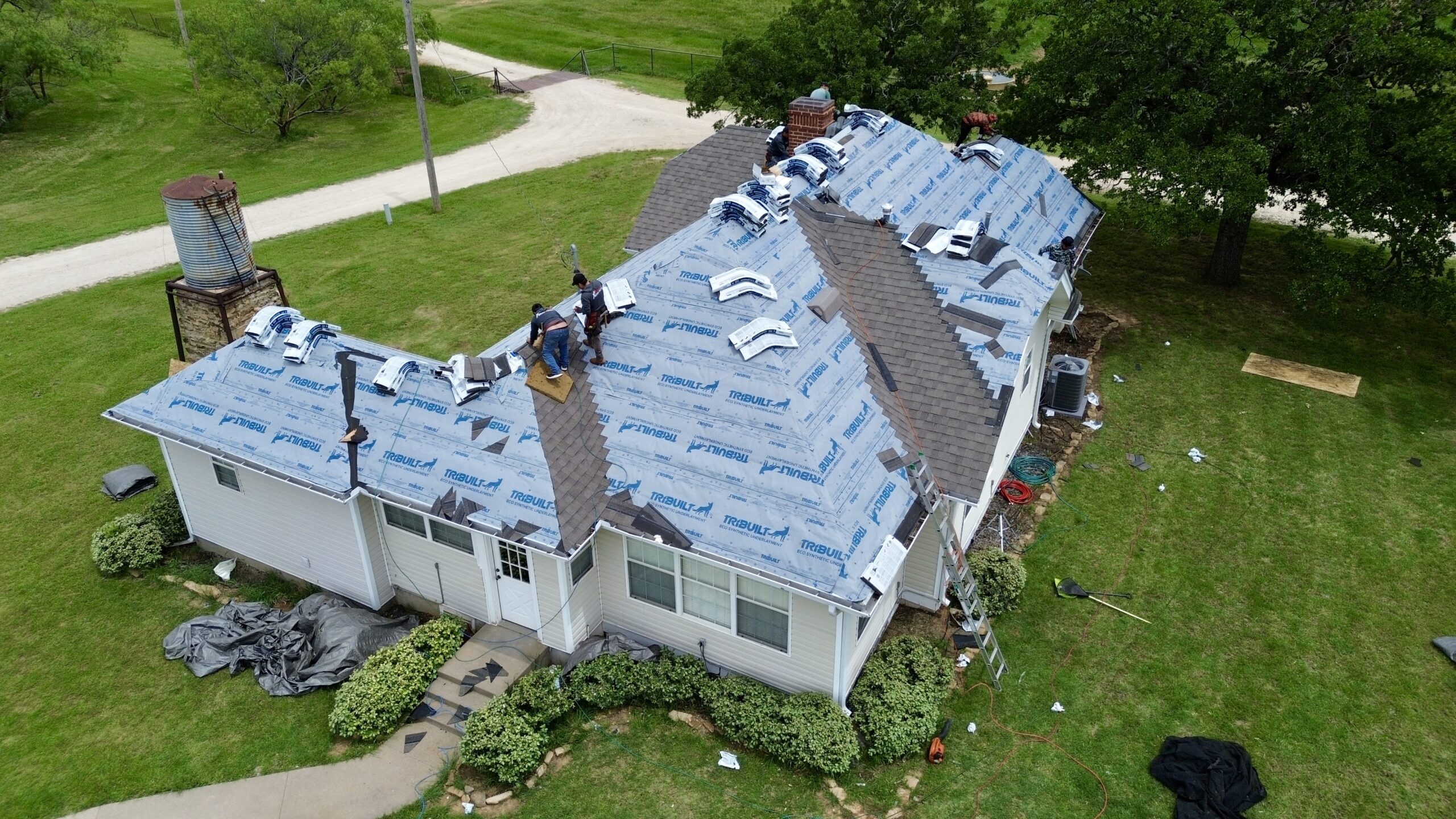
Commercial buildings often have equipment installed on or around the roof, including HVAC units, exhaust fans, vents, pipes, skylights, electrical systems, communication equipment, and other building services. These installations are necessary for building operations, but they can also create potential weak points in the roofing system. Every opening, support, curb, or attachment must be properly integrated with the roof to prevent water from entering the building.
Penetrations are especially important because they interrupt the continuous roofing surface. A pipe passing through a membrane, for example, requires flashing or another approved detail to create a weather-resistant connection. If that detail becomes damaged, loose, or improperly sealed, rainfall can enter around the opening.
Rooftop equipment can also cause problems when maintenance work is performed without protecting the roof. HVAC technicians and other contractors may carry tools, replacement parts, or equipment across the roofing surface. Heavy objects or sharp materials can puncture or damage certain roofing membranes.
Frequent foot traffic can create similar problems. Some commercial roofs are not designed to handle unlimited pedestrian activity, particularly around equipment that requires regular servicing. Designated walkways and protective pads can reduce unnecessary wear and help direct workers toward appropriate access routes.
Equipment curbs are another common area requiring attention. These raised structures support mechanical units and must connect properly with the roofing assembly. Deteriorated flashing around a curb can allow water to enter even when the surrounding membrane appears to be in good condition.
Skylights require special care as well. Aging skylight materials may become brittle or damaged, while the surrounding flashing can deteriorate over time. Because skylights are openings in the roof system, their condition should be evaluated during routine inspections.
New equipment installations can create additional risks if roofing requirements are not considered during planning. A contractor installing solar panels, HVAC equipment, communication systems, or other components may need to modify the roof. Coordination between the roofing contractor and other trades helps ensure that these changes do not compromise waterproofing.
Property managers should also consider the age of the existing roof before adding major rooftop installations. If a roof is already approaching replacement, installing new equipment that will remain in place for many years can complicate future roofing work. Planning these projects together may reduce unnecessary costs.
Problems around equipment and penetrations are often repairable when identified early. However, repeated leaks around the same equipment may indicate a larger detailing or installation problem. Professional evaluation can determine whether localized repair, component replacement, or broader work is necessary.
The main lesson for beginners is simple: rooftop equipment and penetrations should never be treated as separate from the roofing system. They are part of the roof’s overall weather barrier and require proper installation, access management, inspection, and maintenance.
Damaged Insulation and Moisture Beneath the Roof
The visible roof surface is only one part of a commercial roofing system. Beneath the membrane, many buildings have insulation and other layers that contribute to thermal performance and moisture control. Damage or moisture within these hidden layers can become a serious roofing problem even when the exterior surface looks relatively normal.
Insulation helps reduce heat transfer between the building interior and outside environment. When insulation becomes wet, damaged, compressed, or otherwise compromised, its ability to perform as intended may be affected. Moisture can also remain trapped within portions of the roof assembly.
Water may reach insulation through a damaged membrane, failed seam, defective flashing, or another opening. Because water can travel sideways beneath the surface, the affected area may extend beyond the location where the leak originally developed.
One challenge with concealed moisture is that it may not immediately create visible interior symptoms. A roof can appear acceptable from the ground while moisture is developing beneath the membrane. This is one reason professional inspections can be important for older roofs or systems with recurring problems.
Signs of possible concealed moisture can include recurring leaks, soft or unusual areas on certain roofing systems, staining, changes in surface appearance, or persistent interior moisture. These signs do not prove that insulation is damaged, but they can justify further investigation.
Moisture beneath a roof can also complicate repairs. Applying a surface patch without understanding the condition underneath may leave damaged materials in place. Depending on the roofing system and extent of the problem, sections of wet insulation may need to be removed and replaced.
The roof deck beneath the insulation may also require evaluation. Prolonged moisture exposure can affect certain deck materials and supporting components. The appropriate inspection method depends on the construction and the suspected condition.
Property owners should not assume that replacing the membrane alone will solve every roofing problem. A complete repair may require attention to the layers below the visible surface. Professional contractors can determine the appropriate scope after evaluating the system.
Maintaining proper drainage and repairing leaks quickly can help reduce the likelihood of moisture reaching the insulation. Regular inspections also provide opportunities to identify problems before they spread.
For beginners, the key point is that a commercial roof is a layered system. Protecting the visible surface is important, but protecting the materials underneath is equally necessary for maintaining the building’s long-term performance.
Wind, Hail, Storm, and Weather-Related Damage
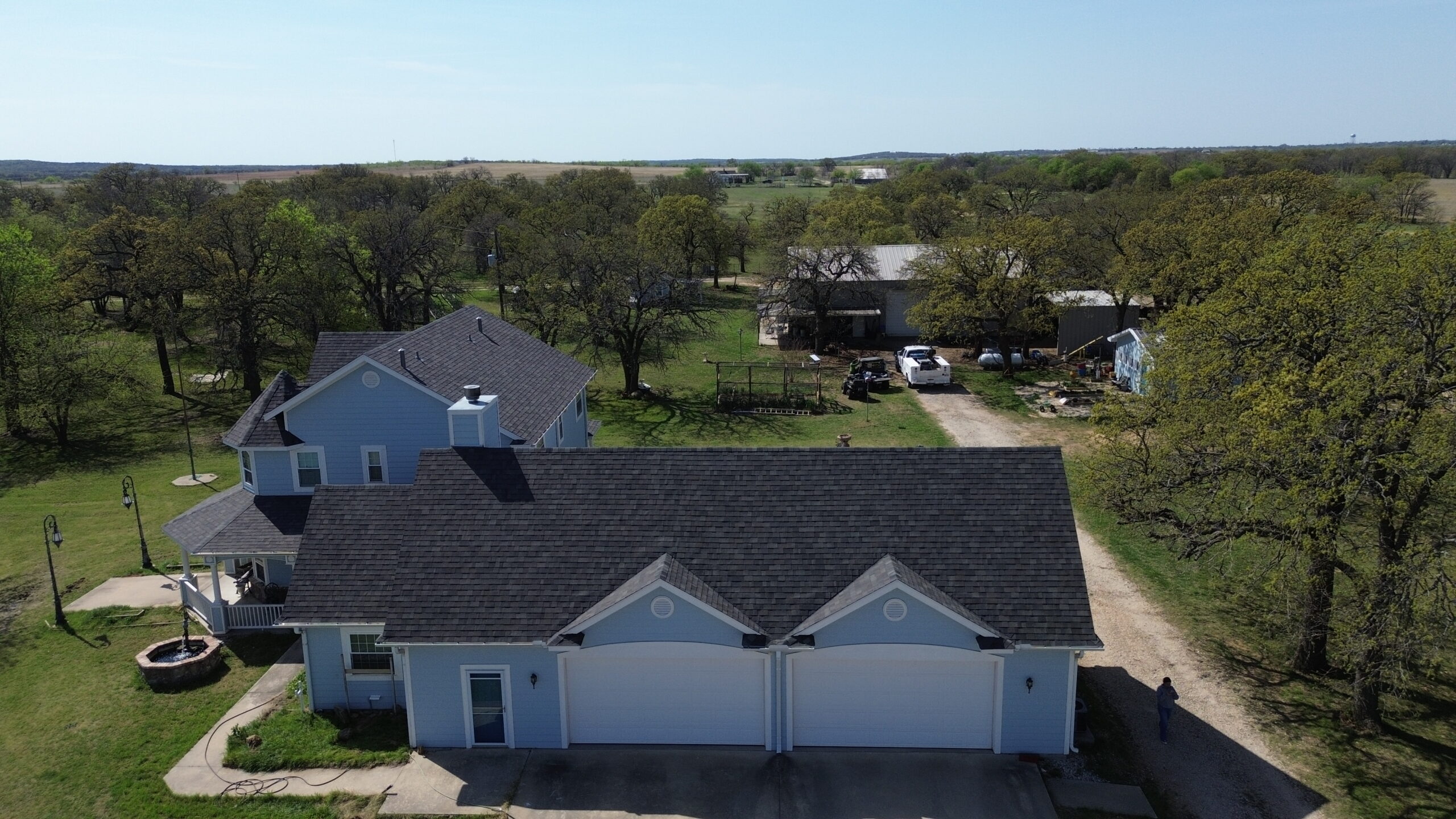
Commercial roofs face constant exposure to changing weather conditions, and severe events can cause sudden damage. Strong winds, hail, heavy rain, falling branches, extreme temperatures, and other environmental conditions can affect different parts of a roofing system in different ways.
Wind can place significant pressure on roof membranes and perimeter components. Roof edges and corners may experience particularly strong forces during severe weather. Loose materials, damaged flashing, or weakened attachment systems can become more vulnerable under these conditions.
Hail can create physical damage to exposed roofing surfaces. The severity depends on factors such as hail size, impact force, roofing material, and the condition of the existing system. Damage may not always be obvious immediately, so inspections after significant hail events can be valuable.
Heavy rainfall can reveal existing weaknesses in the roof. A membrane defect that has not previously caused visible problems may begin allowing water inside during prolonged or intense rain. Blocked drainage systems can also become more noticeable when large amounts of water reach the roof in a short period.
Falling branches and other debris can puncture or scrape roofing surfaces. Buildings surrounded by mature trees may be particularly vulnerable during strong winds. Property maintenance, including appropriate tree management, can help reduce this risk.
Temperature changes can also contribute to long-term roofing stress. Materials expand and contract as temperatures change, and repeated movement can affect seams, flashing, joints, and other connections. The extent of this effect varies depending on the roofing system and installation details.
Severe weather does not always mean that an entire roof needs replacement. Damage may be limited to specific areas or components and could potentially be repaired. A professional inspection should determine the extent of the damage before major decisions are made.
After a major storm, property managers should document visible conditions when it is safe to do so. Photographs can help record damage and provide useful information for contractors, owners, and insurance-related processes when applicable.
Emergency repairs may be necessary to reduce additional water intrusion. Temporary measures can help protect the building until permanent repairs are completed. However, temporary protection should be followed by a proper assessment of the roofing system.
Weather-related damage is easier to manage when the roof is already maintained properly. A system with good drainage, secure edges, intact flashing, and regular inspections may be better positioned to withstand environmental stress than one with neglected defects.
Punctures, Foot Traffic, and Accidental Roof Damage
Commercial roofing systems can be damaged by everyday activities that take place on the roof. Maintenance workers, contractors, construction crews, equipment installers, and other personnel may need access to rooftop areas. Without proper precautions, routine activity can cause punctures, abrasion, cuts, or other damage.
Punctures are particularly concerning because they can create direct pathways for water. Sharp tools, dropped equipment, fasteners, discarded materials, or heavy objects can damage a membrane. Even a small puncture may eventually lead to moisture entering the roofing assembly.
Foot traffic can also cause gradual wear. Areas around HVAC units and other equipment may receive frequent visits from technicians. Repeated movement over the same area can affect some roofing materials, especially when workers carry heavy tools or equipment.
Designated walkways can help manage this problem. Protective surfaces can guide personnel between access points and equipment while reducing direct traffic across sensitive portions of the roof. The appropriate protection depends on the roofing system.
Construction projects create additional risks. Contractors working on walls, electrical systems, HVAC equipment, solar installations, or other building components may place materials on the roof. Property managers should establish procedures that protect the roofing surface during these activities.
Temporary storage can also become a problem. Materials should not be placed on the roof without considering their weight, location, and potential effect on the roofing assembly. Heavy loads may create concerns for both roofing materials and the underlying structure.
Accidental damage should be reported quickly. Covering a puncture with debris or ignoring a small cut can allow water to enter during the next rainfall. Early professional repair may prevent a simple defect from developing into a larger moisture problem.
Property managers should communicate roof access requirements to all contractors before work begins. This can include designated access routes, prohibited areas, protective materials, cleanup procedures, and requirements for reporting damage.
A roofing system does not need to be completely inaccessible to remain protected. Instead, controlled access and appropriate protection allow necessary maintenance while reducing avoidable damage.
For beginners, the important lesson is that roof damage does not always come from weather or aging. People working on the building can also create problems, which means good coordination and roof-access procedures are an important part of commercial roofing maintenance.
Roof Aging and Repeated Repair Problems
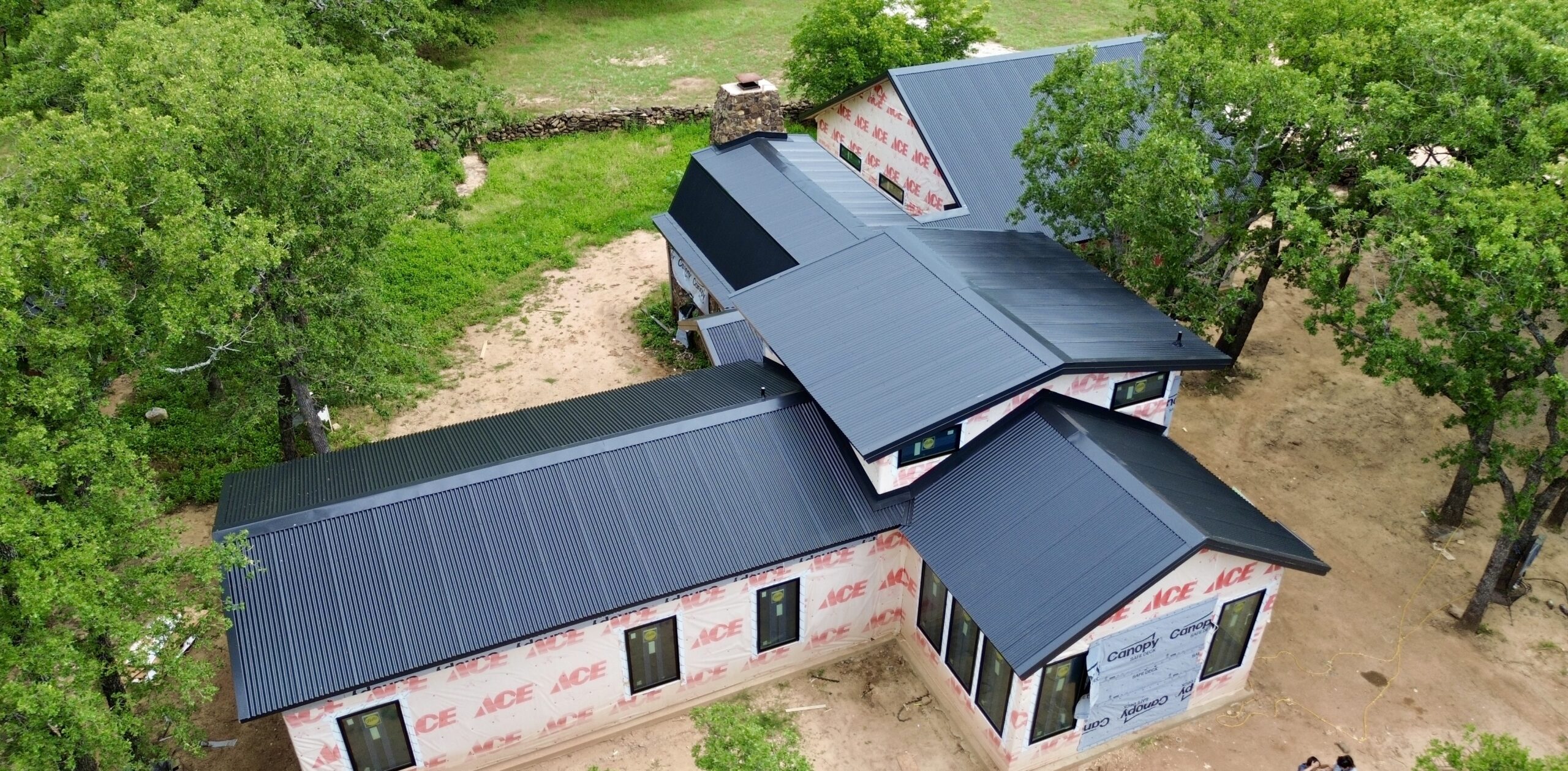
Every commercial roofing system has a practical service life, although the actual duration varies according to material, installation quality, environmental conditions, maintenance, and building use. As a roof ages, individual components may gradually deteriorate and require more frequent attention.
Aging can affect membranes, flashing, seams, insulation, fasteners, coatings, and other components. Sunlight and weather exposure can gradually change roofing materials, while repeated temperature changes can affect connections and transitions.
One of the clearest warning signs of an aging roof is an increase in repair frequency. A roof that once required only occasional maintenance may begin developing leaks or defects in several areas. This pattern may indicate that the system is approaching the end of its practical service life.
Repeated repairs can create a difficult decision for property owners. A localized repair may still be appropriate when the surrounding roof remains healthy. However, continually repairing an extensively deteriorated system may not provide good long-term value.
The location and type of repairs matter as well. If different problems appear across large sections of the roof, the issue may be broader than individual defects. If the same area repeatedly fails, there may be an unresolved underlying condition.
Roof age should therefore be considered together with condition. An older roof does not automatically require replacement, just as a relatively newer roof should not be assumed to be problem-free. Professional inspections provide a better basis for determining the system’s remaining service life.
Maintenance history can make a significant difference. A roof that has received regular inspections, drainage maintenance, prompt repairs, and appropriate restoration may perform better than a similar roof that has been neglected.
Property owners should also monitor the cost of ongoing repairs. When repair expenses become frequent or unpredictable, it may be more practical to plan for restoration or replacement. A planned project generally provides more control than waiting for a major failure.
Long-term planning is especially important for large commercial properties. Replacement can require significant funding, scheduling, tenant coordination, equipment planning, and business disruption. Starting the planning process early provides more opportunities to compare options and prepare a realistic budget.
Beginners should understand that roof aging is gradual. There is rarely one exact day when a roof suddenly becomes unusable. Instead, its condition changes over time, and property managers must evaluate whether continued maintenance remains practical.
Signs That a Commercial Roof Needs Professional Attention
Knowing when to call a roofing professional is one of the most useful skills for anyone responsible for a commercial property. Not every visible issue represents an emergency, but certain warning signs should not be ignored because they can indicate developing damage.
Recurring interior leaks are one of the clearest reasons to request professional evaluation. Even if a leak appears small, repeated water intrusion can affect insulation, ceilings, equipment, and other building components. A professional can investigate the source rather than relying only on the location of the interior stain.
Persistent ponding water is another important warning sign. If water repeatedly remains on the same roof area after rainfall, the drainage system, roof slope, membrane condition, or other factors should be evaluated.
Visible membrane damage should also receive attention. Cracks, punctures, open seams, blisters, loose areas, or significant surface deterioration may allow water to enter the roofing assembly.
Deteriorated flashing around walls, vents, skylights, HVAC units, and other penetrations can create additional leak risks. Because these areas are complex transitions, repairs should generally be performed using methods appropriate for the existing roofing system.
Problems around roof edges should not be overlooked. Loose edge components, damaged coping, deteriorated perimeter flashing, or signs of wind damage may require professional evaluation, particularly after severe weather.
Aging roofs with increasing repair frequency deserve closer assessment. Repeated repairs may be manageable for a healthy system, but widespread deterioration can indicate that restoration or replacement should be considered.
The following warning signs are especially useful for beginners to remember:
- Recurring leaks or interior water stains
- Persistent ponding after rainfall
- Visible membrane punctures or splits
- Damaged flashing or open seams
- Loose or damaged roof-edge components
- Increasing frequency of repairs
- Signs of moisture beneath the roofing system
- Damage following severe weather
A professional inspection does not automatically mean that expensive work is required. In many cases, the purpose of an inspection is simply to determine what is happening and whether a problem can be addressed through routine maintenance or a localized repair.
The earlier a problem is identified, the more options a property owner may have. Prompt attention can help prevent minor defects from spreading and can reduce the possibility of costly interior damage.
Preventing Common Commercial Roofing Problems
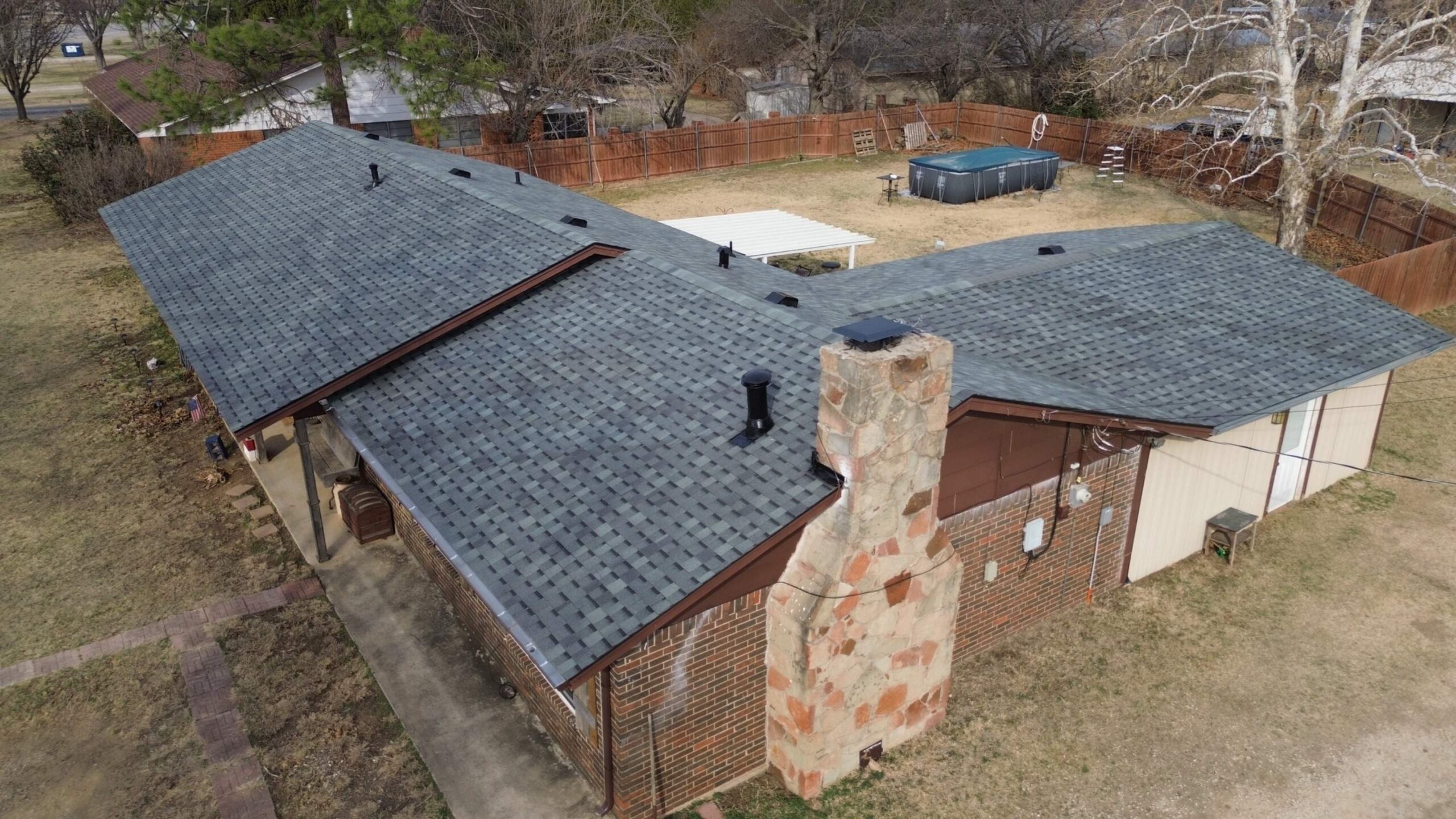
Preventing commercial roofing problems is usually easier and less expensive than dealing with major failures after they occur. A good prevention strategy begins with understanding that the roof is a complete system rather than a single layer of material. Membranes, insulation, flashing, drainage components, roof edges, penetrations, and rooftop equipment all need appropriate care to keep the building protected.
Regular inspections are one of the simplest ways to identify developing problems. A professional should examine the roof surface, seams, flashing, drains, gutters, scuppers, equipment areas, and perimeter details. Inspections can reveal minor defects that may be repaired before they allow water to enter the building.
Drainage deserves particular attention because blocked outlets can quickly create problems during heavy rainfall. Leaves, dirt, branches, trash, and construction debris should be removed from drainage areas so water can move toward the intended outlets. Property managers should also investigate locations where water repeatedly collects after storms.
Rooftop access should be controlled to reduce accidental damage. Workers who need to service HVAC units, electrical systems, communication equipment, or other installations should use designated pathways where appropriate. Protective pads and walkways can help limit wear in areas that receive frequent foot traffic.
Another important preventive measure is coordinating work between contractors. HVAC technicians, electricians, solar installers, construction crews, and other trades may need to work directly on or around the roof. Clear procedures can help prevent tools, materials, equipment, and construction activities from damaging roofing components.
Property managers should respond promptly to visible problems rather than waiting for a leak to appear. Damaged flashing, open seams, punctures, deteriorated edge components, and blocked drains may be easier to correct before they cause water intrusion. Small maintenance tasks can therefore play an important role in protecting the larger building.
Weather preparation is also useful. After significant storms, the roof should be inspected when conditions are safe. Strong winds, hail, falling branches, and heavy rainfall can expose weaknesses or create new damage that may not be obvious from inside the building.
A simple maintenance record can improve prevention efforts. Property owners should keep inspection reports, photographs, repair information, warranties, and recommendations in an organized location. Reviewing this information over time can reveal recurring problems and help determine whether a roof is approaching the end of its practical service life.
Prevention does not mean that every roofing problem can be avoided. Roofing materials eventually age, severe weather can cause unexpected damage, and building changes can introduce new challenges. However, consistent maintenance can reduce avoidable problems and give property owners more control over long-term roofing costs.
Commercial Roof Inspection and Maintenance
Commercial roof inspection and maintenance provide the foundation for keeping a roofing system functional throughout its useful life. While property managers can observe obvious warning signs, professional inspections can identify conditions that may not be visible from the ground or from inside the building.
An inspection should consider the entire roofing assembly and not just the membrane. The professional may examine seams, flashing, penetrations, drains, scuppers, gutters, roof edges, insulation conditions, equipment areas, and other components. The exact inspection process depends on the roofing system and building configuration.
Inspection frequency should reflect the property’s circumstances. An older roof may require closer monitoring than a recently installed system, while buildings with extensive rooftop equipment or challenging environmental conditions may also benefit from more frequent evaluations. Additional inspections can be appropriate after major storms or construction activities.
Maintenance commonly includes clearing drainage components, removing debris, checking flashing, repairing minor defects, and addressing areas affected by rooftop traffic. These tasks may seem simple, but they help prevent conditions from developing into larger roofing failures.
Inspection findings should be documented clearly. Photographs can be particularly useful because they allow property managers to compare the condition of the same areas over time. Written notes should identify the location of problems, their apparent severity, and recommended next steps.
A useful maintenance program should distinguish between urgent problems and conditions that can be monitored. Active leaks, significant structural concerns, and major drainage failures may require prompt action, while minor surface deterioration may be suitable for scheduled maintenance depending on the circumstances.
Roof maintenance should also be coordinated with the building’s overall facility plan. Mechanical equipment maintenance, exterior cleaning, construction projects, and other activities can affect the roof. Including roofing requirements in broader facility procedures reduces the possibility of accidental damage.
Property managers should avoid using unqualified methods to repair commercial roofing problems. Applying random sealants, adhesives, or patches without considering the existing roofing material can create compatibility issues or make future repairs more difficult. Professional contractors can select methods appropriate for the specific system.
Maintenance records can also support warranty requirements when applicable. Roofing warranties may include conditions related to inspection, maintenance, approved repairs, or contractor involvement. Keeping accurate documentation can help property owners demonstrate that the system has been properly managed.
The main goal of inspection and maintenance is not simply to make the roof look good. The purpose is to preserve its ability to control water, withstand environmental exposure, protect the building, and perform reliably. Consistent care can also provide valuable information for future repair and replacement decisions.
Choosing the Right Repair Approach
When a commercial roofing problem is discovered, the next step is determining how it should be corrected. The appropriate repair depends on the type of damage, the roofing material, the size of the affected area, the condition of surrounding components, and the overall age of the system.
A localized defect may be suitable for a targeted repair. Examples can include a small puncture, limited seam separation, isolated flashing damage, or a specific drainage problem. If the surrounding roof remains in good condition, repairing the affected area may provide an effective solution.
Repairs should address the actual cause of the problem. Simply covering a visible opening may not solve the issue if water is entering through a nearby transition or if drainage is causing repeated stress. A professional assessment helps identify the source before repair work begins.
Compatibility is another important consideration. Commercial roofing systems use different membranes, adhesives, fasteners, coatings, and flashing materials. The repair materials and techniques should be appropriate for the existing system to avoid creating additional weaknesses.
Temporary repairs may sometimes be necessary when a leak occurs during unfavorable weather or outside normal working conditions. Temporary protection can limit additional water intrusion while permanent work is arranged. However, temporary measures should not become a substitute for proper corrective work.
Repeated repairs require broader evaluation. If the same roof section continually develops leaks, there may be an underlying problem that individual patches are not solving. If defects are appearing throughout the roof, the system may be experiencing widespread deterioration rather than isolated damage.
Repair decisions should also consider the remaining service life of the roof. Spending heavily on repairs for a system that is already extensively deteriorated may not provide the best long-term value. Conversely, replacing a roof that only has a few manageable defects may be unnecessary.
Property owners should request clear explanations from contractors. A professional should be able to identify the observed problem, explain the recommended repair, describe the expected result, and identify any limitations or additional conditions that could affect the work.
Written repair documentation is valuable as well. Records should identify what was repaired, where the work was completed, which materials were used, and whether additional monitoring is recommended. This information becomes useful during future inspections and when evaluating the roof’s overall history.
The right repair approach balances immediate protection with long-term performance. The goal is not simply to stop today’s leak but to restore the affected part of the roofing system in a way that supports continued protection of the building.
When Commercial Roof Replacement Becomes Necessary
Repair is not always the best long-term solution. Eventually, every commercial roofing system reaches a point where deterioration becomes too extensive, repairs become too frequent, or the existing assembly no longer provides reliable protection. At that stage, replacement may offer a more practical solution.
One important warning sign is widespread deterioration. If membrane damage, flashing failures, seam problems, and other defects are appearing across numerous areas, the issue may extend beyond isolated sections. Continuing to repair individual defects may only provide temporary improvement.
Frequent leaks can also indicate that replacement should be considered. A roof that repeatedly requires emergency attention can create unpredictable maintenance costs and increase the risk of interior damage. Reviewing the repair history can help reveal whether problems are becoming more common.
The condition of underlying materials is another consideration. Wet insulation, damaged decking, or other concealed deterioration may require significant work even if the membrane appears repairable. A professional assessment can help determine how extensive the underlying problem is.
Roof age provides useful context, although age alone does not determine whether replacement is necessary. A well-maintained roof may continue performing effectively beyond expectations, while poor installation or neglected maintenance can shorten the useful life of a newer system.
Replacement also provides an opportunity to address deficiencies in the existing design. Owners may be able to improve drainage, insulation, flashing, edge details, rooftop access, or other components as part of a comprehensive project.
Planning should begin before complete failure whenever possible. Commercial roof replacement can require budgeting, contractor selection, equipment coordination, tenant communication, scheduling, and operational planning. Starting early gives property owners more time to make informed decisions.
A replacement project should also account for future building needs. If new HVAC equipment, solar systems, skylights, or other rooftop installations are planned, these requirements should be considered before the new roof is completed.
The following conditions can indicate that a professional should evaluate whether replacement is becoming more appropriate:
- Repairs are becoming increasingly frequent and expensive.
- Roofing deterioration is widespread rather than localized.
- Moisture has affected significant areas beneath the membrane.
- The roof has reached an advanced stage of aging.
- Repeated repairs are no longer providing reliable performance.
- Major building improvements require a longer-lasting roofing system.
Replacement should not be viewed as a failure of maintenance. It is a normal stage in the life cycle of a commercial roofing system. Proper maintenance is intended to maximize useful service life, not prevent replacement forever.
Managing Commercial Roofing Costs and Long-Term Risks
Commercial roofing costs can become difficult to manage when problems are addressed only after emergencies occur. A proactive approach allows property owners to plan maintenance, repairs, restoration, and eventual replacement rather than reacting to every issue as it appears.
The first step is understanding the roof’s current condition. A professional assessment can identify existing defects, estimate remaining service life, and highlight areas that may require attention. This information helps owners prioritize spending according to actual needs.
Maintenance costs should be viewed as part of long-term asset management. Regular inspections and small repairs require investment, but they can help reduce the likelihood of larger failures. Ignoring minor problems may allow moisture to reach insulation, decking, equipment, and interior finishes.
Emergency work can also be more expensive than planned projects. A major leak during severe weather may require immediate temporary protection, interior cleanup, equipment relocation, and urgent contractor availability. Planned maintenance provides greater control over timing and scope.
When comparing repair or replacement proposals, owners should consider the complete scope rather than the lowest initial price. Materials, labor, preparation, insulation, flashing, drainage improvements, warranties, disposal, and potential additional work can all influence the actual value of a proposal.
Long-term risk should also be considered. A cheaper repair may be appropriate for a healthy roof, but repeated spending on an extensively deteriorated system may provide limited value. Similarly, delaying replacement too long can increase the possibility of business disruption and interior damage.
Property managers can benefit from maintaining a roofing reserve or capital plan for future work. The exact amount depends on the property, roof size, system, age, and expected needs. The important principle is to recognize that replacement is a predictable life-cycle expense rather than an unexpected event.
Documentation supports better financial decisions. Repair records can show how much has been spent over time and whether the frequency of problems is increasing. This information can help owners decide when continued repairs are no longer the most economical approach.
Risk management also includes protecting people and operations. Roof problems can create slippery areas, interior hazards, damaged electrical systems, or unsafe working conditions. Promptly addressing serious defects helps reduce these risks while protecting the building’s occupants and assets.
A long-term roofing budget should therefore consider both immediate costs and potential consequences. Spending appropriately on maintenance and planned improvements can help reduce emergency expenses, extend service life, and protect the larger investment represented by the commercial property.
Conclusion
Commercial roofing problems are easier to manage when property owners understand how roofing systems work and recognize common warning signs. Leaks, ponding water, membrane damage, flashing failures, drainage problems, rooftop equipment issues, concealed moisture, storm damage, and aging can all affect the performance of a commercial roof.
Many roofing problems begin as relatively small conditions. A blocked drain or damaged seam may not immediately appear serious, but continued exposure to water and weather can allow the problem to grow. Early inspections and timely repairs provide an opportunity to correct these issues before they affect larger areas of the building.
Preventive maintenance is one of the most practical ways to protect a commercial roof. Keeping drainage systems clear, controlling rooftop traffic, inspecting flashing and seams, documenting repairs, and coordinating work with other contractors can reduce avoidable damage and support longer service life.
When a problem does occur, the correct repair approach should be based on the actual condition of the roofing system. Localized damage may be repairable, while widespread deterioration, repeated failures, concealed moisture, or advanced aging may indicate that restoration or replacement deserves consideration.
Property owners should avoid assuming that every leak means the entire roof must be replaced. At the same time, repeatedly patching an extensively deteriorated system may not provide reliable long-term protection. Professional assessment helps determine whether continued repair is practical or whether a larger project is justified.
Commercial roofing should ultimately be managed as a long-term building asset. Regular inspections, planned maintenance, accurate records, responsible roof access, appropriate repairs, and early replacement planning can help control costs and reduce operational risks.
For beginners, the most important lesson is to avoid waiting for a major failure before paying attention to the roof. A commercial roofing system works continuously to protect the building, and consistent care helps it continue performing that job. With a proactive approach, property owners can identify problems earlier, make better repair decisions, protect valuable assets, and maintain a safer and more reliable commercial property.