
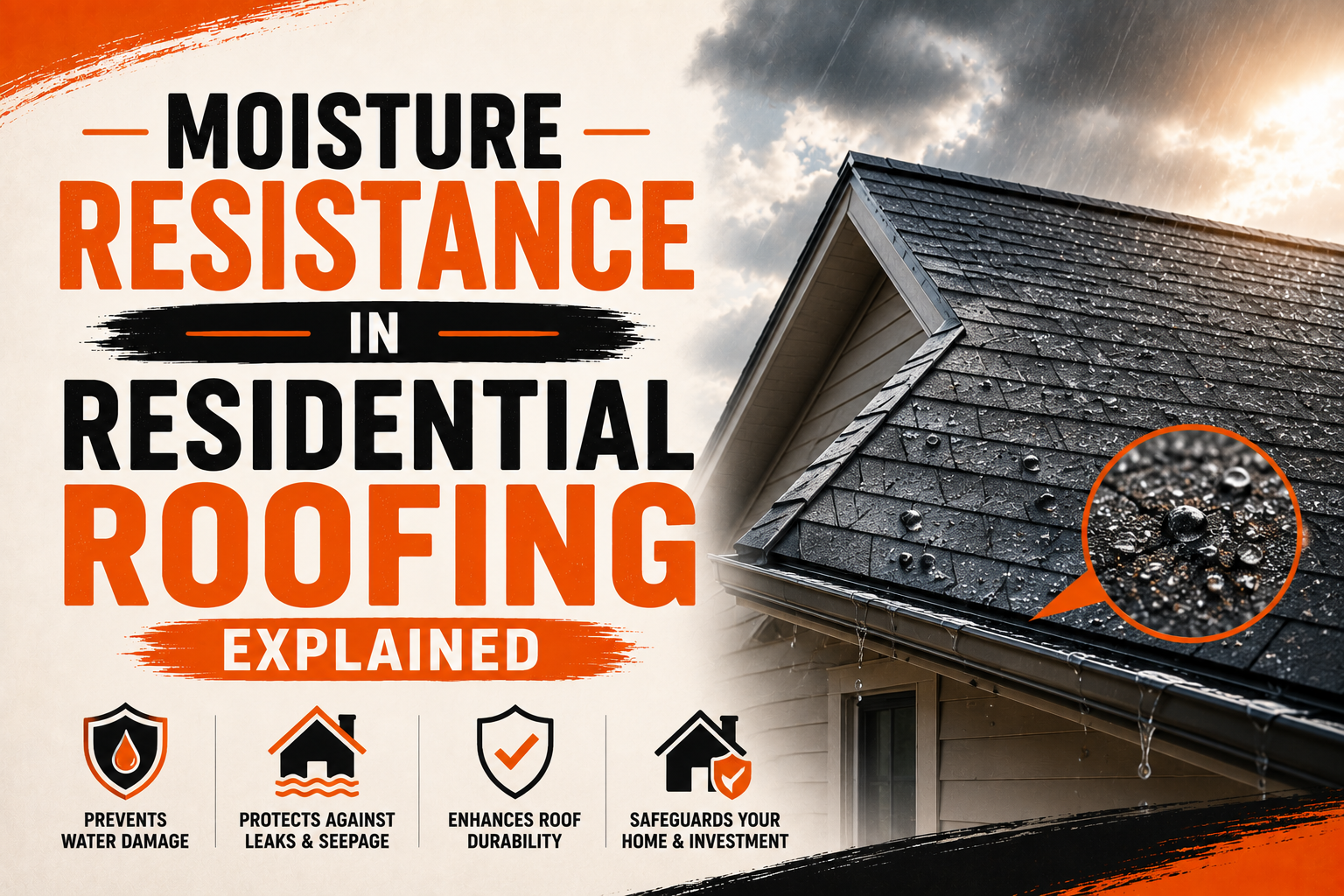
Moisture Resistance in Residential Roofing Explained
Introduction
Moisture is one of the most persistent threats to residential roofing systems. Rain, humidity, condensation, melting snow, and water carried by wind can gradually weaken roofing materials and create problems beneath the visible roof surface. A moisture-resistant roof is designed to shed water effectively while protecting the roof deck, insulation, framing, and interior spaces from unwanted moisture.
A roof does more than simply cover the top of a house. It is a layered system that includes the outer roofing material, underlayment, flashing, ventilation, drainage components, and structural deck. Each layer has a role in preventing water from reaching areas where it can cause deterioration.
Moisture damage can develop slowly, which makes it particularly difficult to identify during the early stages. A small leak around a roof penetration may allow water to enter repeatedly without producing an obvious ceiling stain. Over time, the moisture can contribute to damaged insulation, wood deterioration, mold growth, unpleasant odors, and costly repairs.
Weather conditions also influence how much moisture protection a roof requires. Homes in regions with frequent rainfall may need strong drainage and water-shedding systems, while properties in humid climates may require careful attention to ventilation and condensation control. Cold climates create additional challenges because snow and ice can melt and refreeze around roof edges.
Understanding moisture resistance helps homeowners make better decisions about roofing materials, installation, maintenance, and repairs. Rather than focusing only on whether a roof appears waterproof, it is more useful to understand how the entire roofing assembly manages water throughout its service life.
Understanding Moisture Resistance in Residential Roofing
Moisture resistance refers to the ability of a roofing system to prevent water from entering unwanted areas and to manage moisture that reaches or exists within the roof assembly. A moisture-resistant roof does not simply block rain at the surface. It also provides layers of protection that help direct water away from the structure.
The outer roofing material is the first major barrier against precipitation. Asphalt shingles, metal panels, clay tiles, concrete tiles, slate, and synthetic products are designed to shed water in different ways. Their effectiveness depends on their design, condition, roof slope, installation method, and the surrounding components.
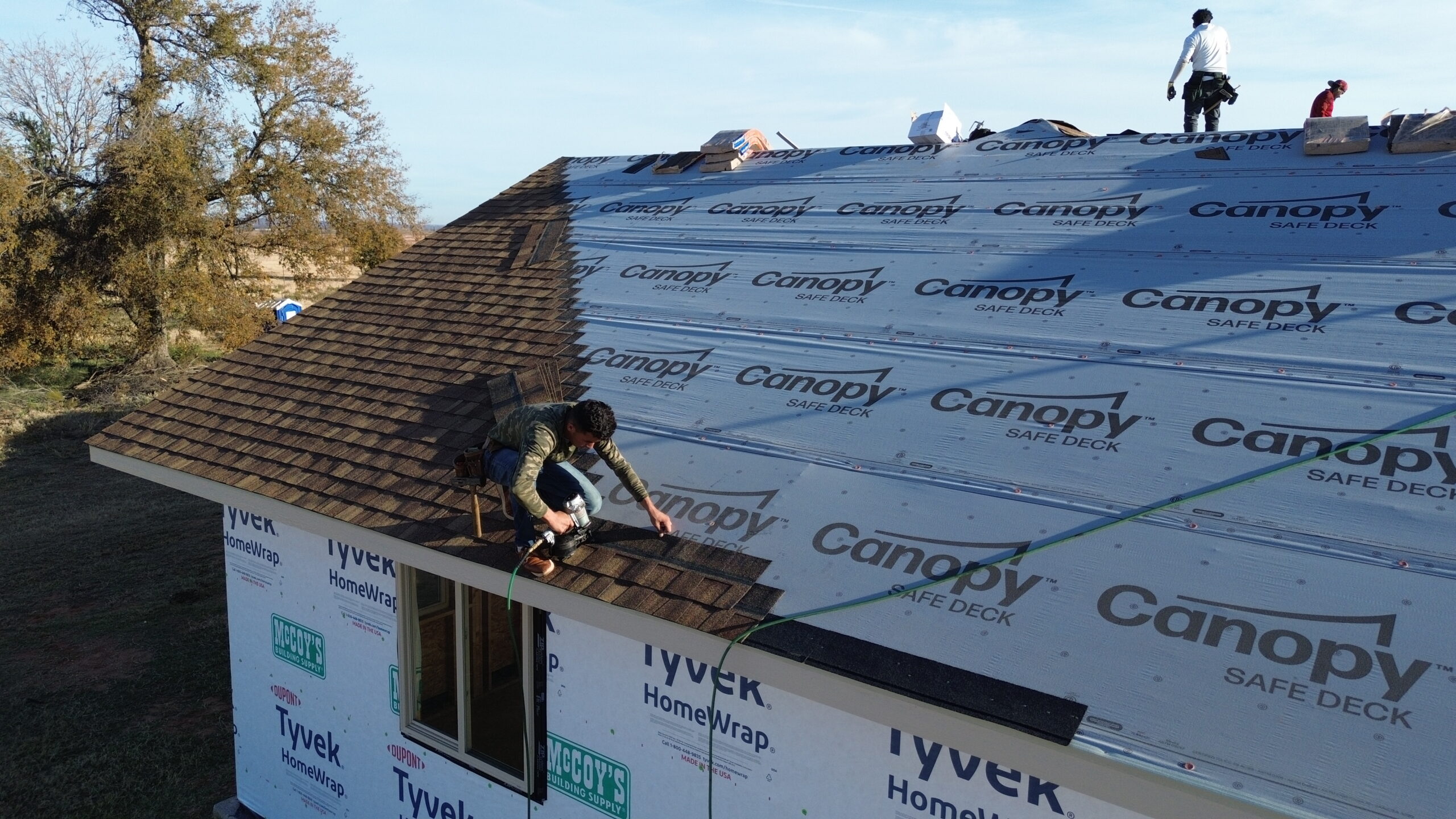
Underlayment provides another protective layer below many roofing materials. If wind-driven rain gets beneath the outer covering, properly installed underlayment can help prevent that water from immediately reaching the roof deck. This secondary protection becomes particularly valuable around vulnerable areas and during severe weather.
Flashing protects transitions where water is more likely to enter. Chimneys, walls, skylights, vents, valleys, and roof edges require carefully designed details because they interrupt the continuous roofing surface. Poorly installed or deteriorated flashing can become a source of leaks even when the main roof covering remains in good condition.
Drainage is equally important. Water should move quickly from the roof toward gutters, downspouts, or other approved drainage paths. When water becomes trapped or remains on the surface for extended periods, the likelihood of moisture-related deterioration can increase.
Roof ventilation also plays a role in moisture management. Moist air from inside the home can enter the attic through gaps and condense when it reaches cooler surfaces. Proper air sealing, insulation, and ventilation can help reduce this type of moisture accumulation.
Several factors contribute to effective moisture resistance:
- Durable and properly selected roofing materials
- Correctly installed underlayment
- Reliable flashing around vulnerable areas
- Adequate roof slope and drainage
- Proper attic ventilation and insulation
- Well-maintained gutters and downspouts
- Regular inspection and timely repairs
These components work together rather than independently. A failure in one area can reduce the effectiveness of the entire system. For example, excellent shingles cannot fully compensate for a blocked drainage system or damaged flashing around a chimney.
Moisture resistance should therefore be considered a system-level feature. Homeowners evaluating a roof should look beyond the surface and consider how every layer manages water and moisture.
How Rainwater Affects Roofing Systems
Rain is the most obvious source of moisture exposure for residential roofs. During normal rainfall, the roof covering should direct water toward drainage points without allowing it to penetrate the underlying structure. Heavy rain and wind-driven precipitation can place additional pressure on areas that are already vulnerable.
Roof slope has an important influence on water movement. Steeper roofs generally allow water to move away more quickly, while low-slope roofs may require more specialized drainage and waterproofing systems. The appropriate roof design depends on the structure, climate, materials, and local construction requirements.
Heavy rainfall can reveal weaknesses that may remain unnoticed during dry periods. Cracked roofing materials, missing components, open seams, deteriorated flashing, and damaged seals can allow water to enter the roofing assembly. Once water gets beneath the primary covering, it may travel horizontally before reaching the interior.
Wind can make rain more difficult to manage. Instead of simply falling downward, wind-driven rain can move sideways or upward against roof edges, flashing, walls, and other transitions. Properly designed overlaps, flashing, underlayment, and seals help protect these areas from water intrusion.
Roof valleys are particularly important during rainfall because they collect and channel large amounts of water. If a valley becomes blocked with leaves or debris, water may back up and remain against roofing materials. Regular cleaning can help maintain proper water movement.
Gutters and downspouts also influence how the roof responds to rain. When gutters are blocked, water can overflow over roof edges and onto fascia, siding, and foundations. Prolonged overflow may contribute to wood deterioration and moisture problems beyond the roofing system itself.
Rainwater can also enter around roof penetrations. Vents, pipes, skylights, chimneys, and other openings interrupt the roof surface and require properly integrated flashing. If these details deteriorate, rainfall may enter even when the surrounding roofing material remains relatively new.
Water damage is not always visible immediately. Moisture may remain within insulation or travel along roof framing before appearing inside the home. This means that a visible stain on a ceiling may be located some distance from the actual point where water entered.
After periods of heavy rainfall, homeowners should pay attention to new stains, damp odors, peeling interior finishes, and unusual moisture in attic areas. These signs can indicate that water has entered the building assembly and should be investigated before the damage becomes more extensive.
The Role of Underlayment in Moisture Protection
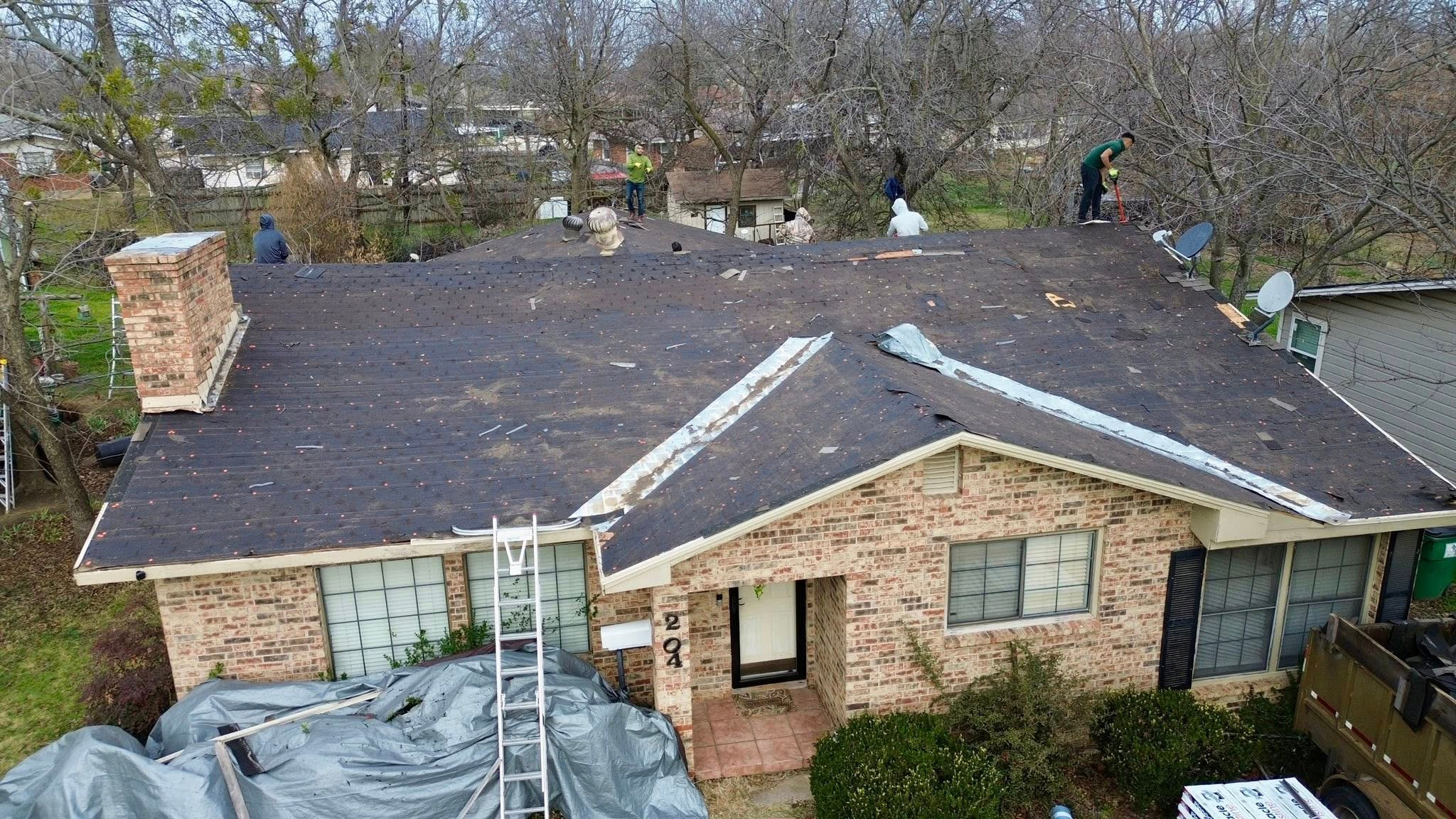
Underlayment is a protective layer installed beneath many types of roofing materials. It provides secondary protection when water passes beneath the primary roof covering. Although it is usually hidden after installation, its condition and installation quality can have a major influence on moisture resistance.
Traditional roofing underlayments may be made from asphalt-saturated materials, while modern systems can include synthetic products with different performance characteristics. Specialized membranes may also be used in vulnerable locations or roof designs that require additional moisture protection.
Underlayment is especially valuable during wind-driven rain. Shingles and tiles are designed primarily to shed water, but severe weather can force moisture beneath individual components. A properly installed underlayment helps prevent that moisture from immediately reaching the roof deck.
Roof valleys may require additional protection because they receive concentrated water flow. Certain roofing systems use specialized valley membranes or other waterproofing details in these areas. These components help reduce the chance of water reaching the structure when surface drainage becomes challenging.
Roof edges and penetrations can also benefit from carefully designed underlayment systems. The material must be installed with appropriate overlaps and transitions so that water is directed away from vulnerable areas. Gaps or improperly positioned sections can reduce the effectiveness of the moisture barrier.
Installation is just as important as product selection. Underlayment that is torn, improperly overlapped, poorly secured, or installed around penetrations without suitable detailing may not provide the expected protection. Contractors should follow manufacturer instructions and applicable building requirements.
The underlayment should also be compatible with the primary roofing material. Different materials can have different movement characteristics and installation requirements. Using an appropriate combination helps the layers work together instead of creating unnecessary weaknesses.
Underlayment does not replace a properly installed roof covering. It is a secondary defense that becomes particularly important when the outer surface is exposed to severe weather or develops localized damage. The strongest moisture-resistant systems use multiple protective layers rather than relying on a single barrier.
When replacing a roof, homeowners should therefore ask about the type and condition of the underlayment being used. Investing in suitable secondary protection can improve the resilience of the complete roofing assembly, particularly in regions that experience frequent rain or severe storms.
Roofing Materials and Their Moisture Resistance
Different roofing materials manage moisture in different ways. Some are designed primarily to shed water from overlapping surfaces, while others create more continuous barriers. Material selection should account for local rainfall, humidity, temperature changes, roof slope, maintenance requirements, and expected service life.
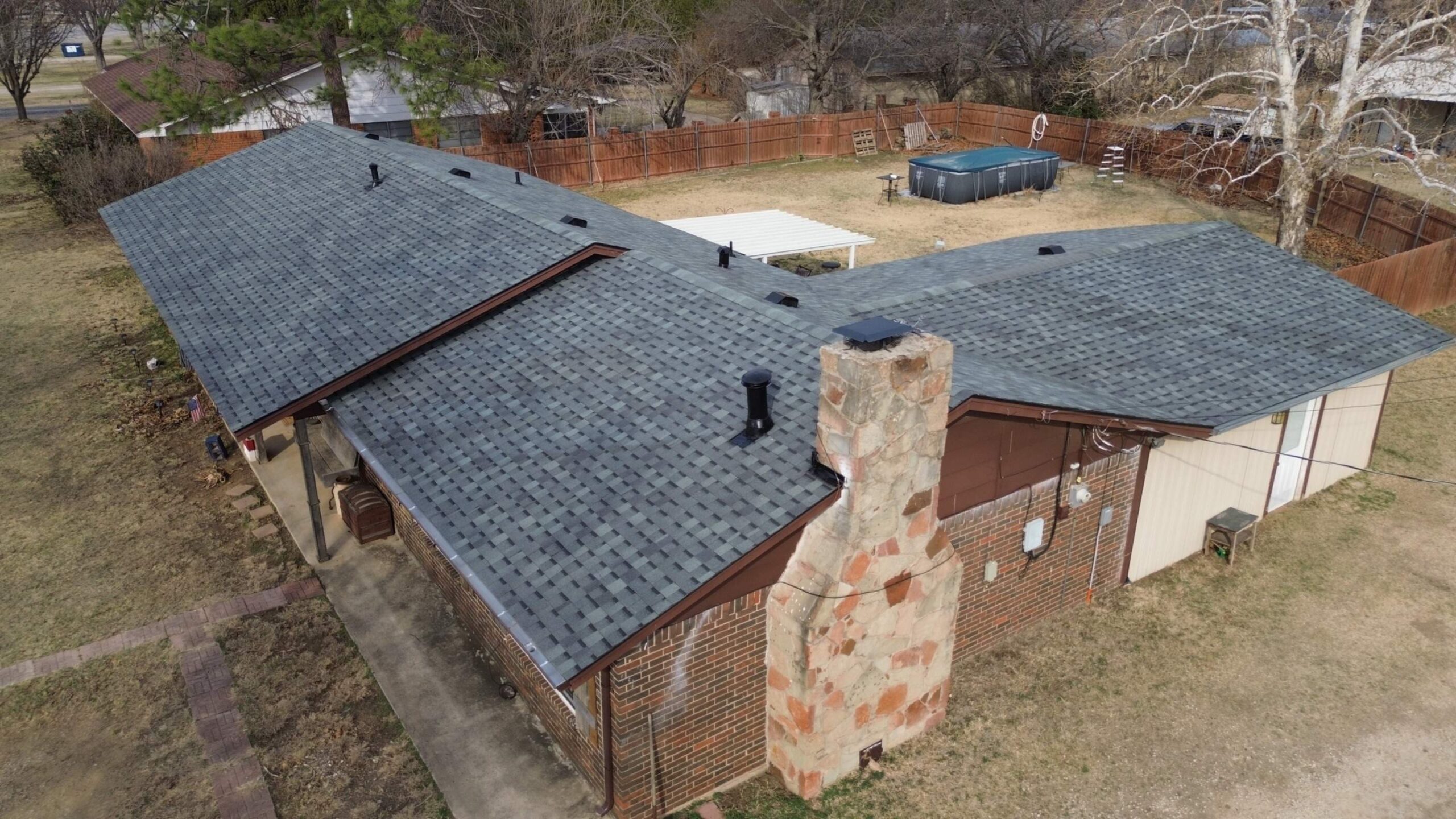
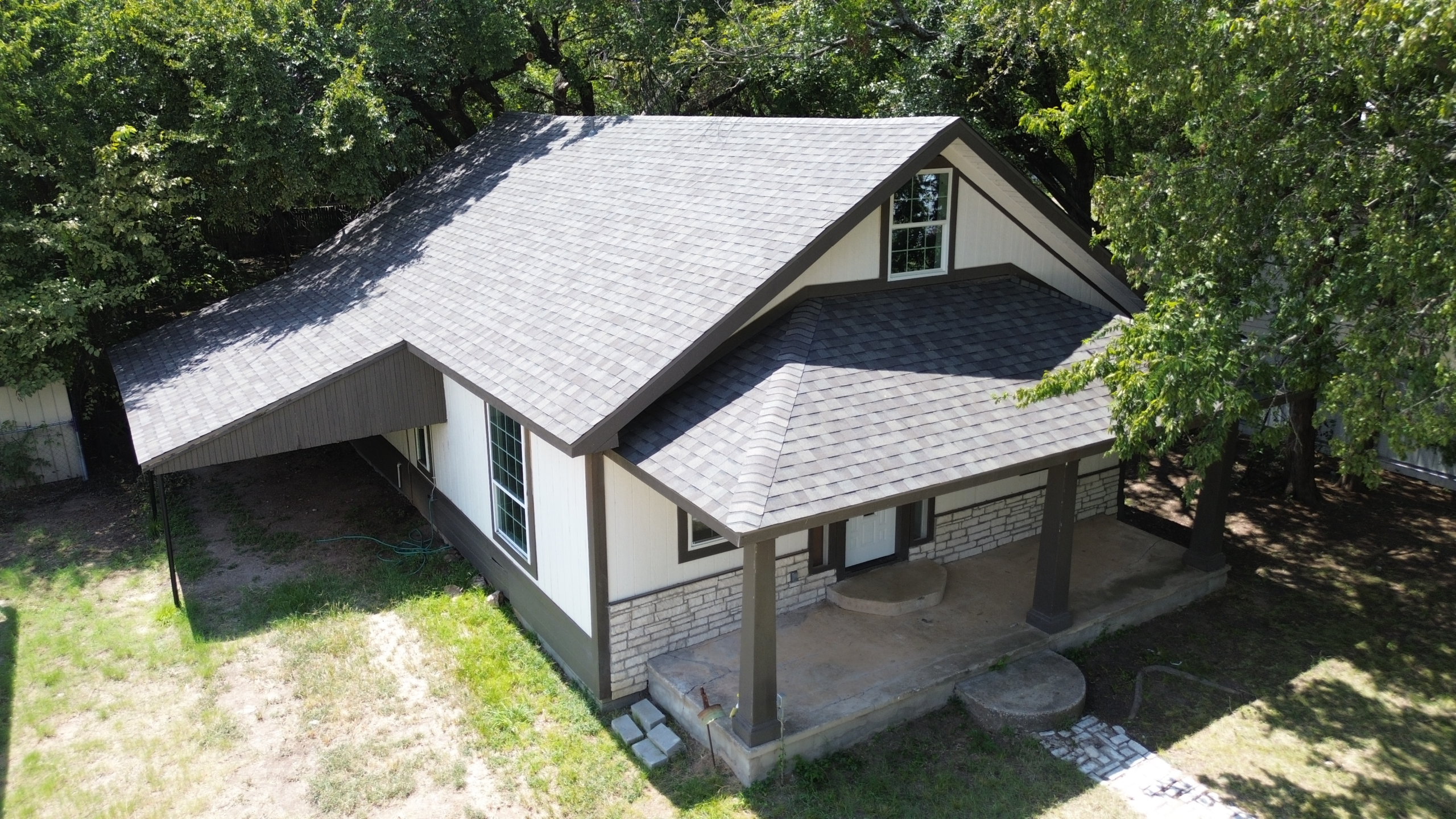
Asphalt shingles are widely used because they provide practical water-shedding performance when correctly installed. Their overlapping design allows rainwater to move down the roof surface. However, cracked, missing, curled, or improperly installed shingles can create openings through which moisture reaches the layers underneath.
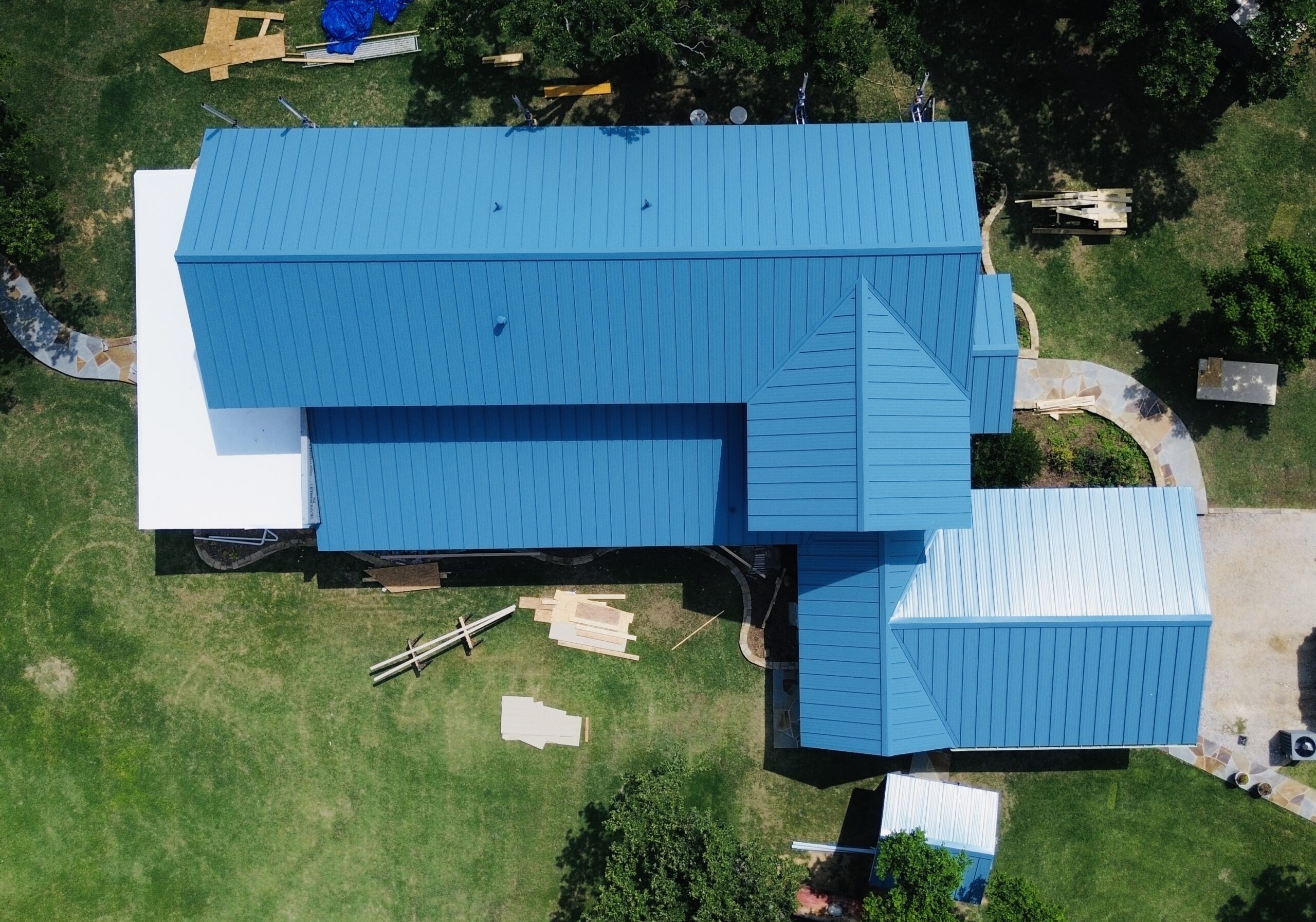
Metal roofing can provide strong moisture resistance when panels, seams, fasteners, and flashing are properly installed. Many metal systems use interlocking or overlapping connections that direct water away from the structure. Damaged coatings, loose fasteners, or poorly sealed penetrations can still create potential leak points.
Clay and concrete tiles are also effective at shedding rain when correctly installed. Their curved or overlapping shapes allow water to move toward the drainage system. Broken or displaced tiles can expose the underlying layers, so damaged pieces should be repaired or replaced promptly.
Slate provides long-term moisture resistance when high-quality material and appropriate installation methods are used. Individual slate pieces can become cracked or displaced, while fasteners may deteriorate over time. Maintaining the attachment system and replacing damaged slate helps preserve the roof’s water-shedding ability.
Wood roofing requires more careful moisture management because wood can absorb and retain water. Proper spacing, ventilation, drainage, and maintenance help the material dry after rainfall. Persistent moisture can contribute to decay, biological growth, and deterioration.
Synthetic roofing products vary considerably. Some are designed to resist moisture very effectively and may imitate the appearance of slate, wood, or tile. Homeowners should evaluate the specific product’s technical information rather than assuming that all synthetic materials have identical water resistance.
Material choice should also consider the environment surrounding the home. A roofing material that performs well in a dry climate may require different maintenance in a humid or rainy region. Long-term moisture resistance depends not only on the material itself but also on how it interacts with the climate and roofing system.
A durable roofing material can provide excellent protection, but no material eliminates the need for proper installation. Seams, overlaps, fasteners, flashing, underlayment, and drainage must all work together to maintain a continuous moisture defense.
How Roof Design and Drainage Prevent Water Problems
Roof design plays a central role in controlling moisture because it determines how water moves across the building. A properly designed roof gives rainwater clear paths toward gutters, drains, or other approved discharge points. Poor drainage can allow water to remain on surfaces or collect around vulnerable areas.
Roof pitch is one of the most important design factors. Steeper roofs generally encourage faster water movement, while low-slope systems often require specialized membranes and drainage solutions. The roofing material must also be suitable for the slope on which it is installed.
Valleys require careful design because they concentrate water from multiple roof sections. If the valley is too narrow, poorly detailed, or obstructed by debris, water can back up against roofing materials. Proper valley construction and regular maintenance help keep this concentrated water moving safely away.
Roof edges should also be designed to direct water into gutters or away from exterior walls. Drip edges and properly positioned drainage components can reduce the chance of water reaching fascia and other vulnerable materials. Without effective edge protection, repeated water exposure can contribute to deterioration.
Complex roof designs contain more transitions and penetrations than simple roof forms. Dormers, skylights, chimneys, multiple valleys, and roof-to-wall intersections can all create additional opportunities for moisture intrusion. Each transition requires suitable flashing and careful installation.
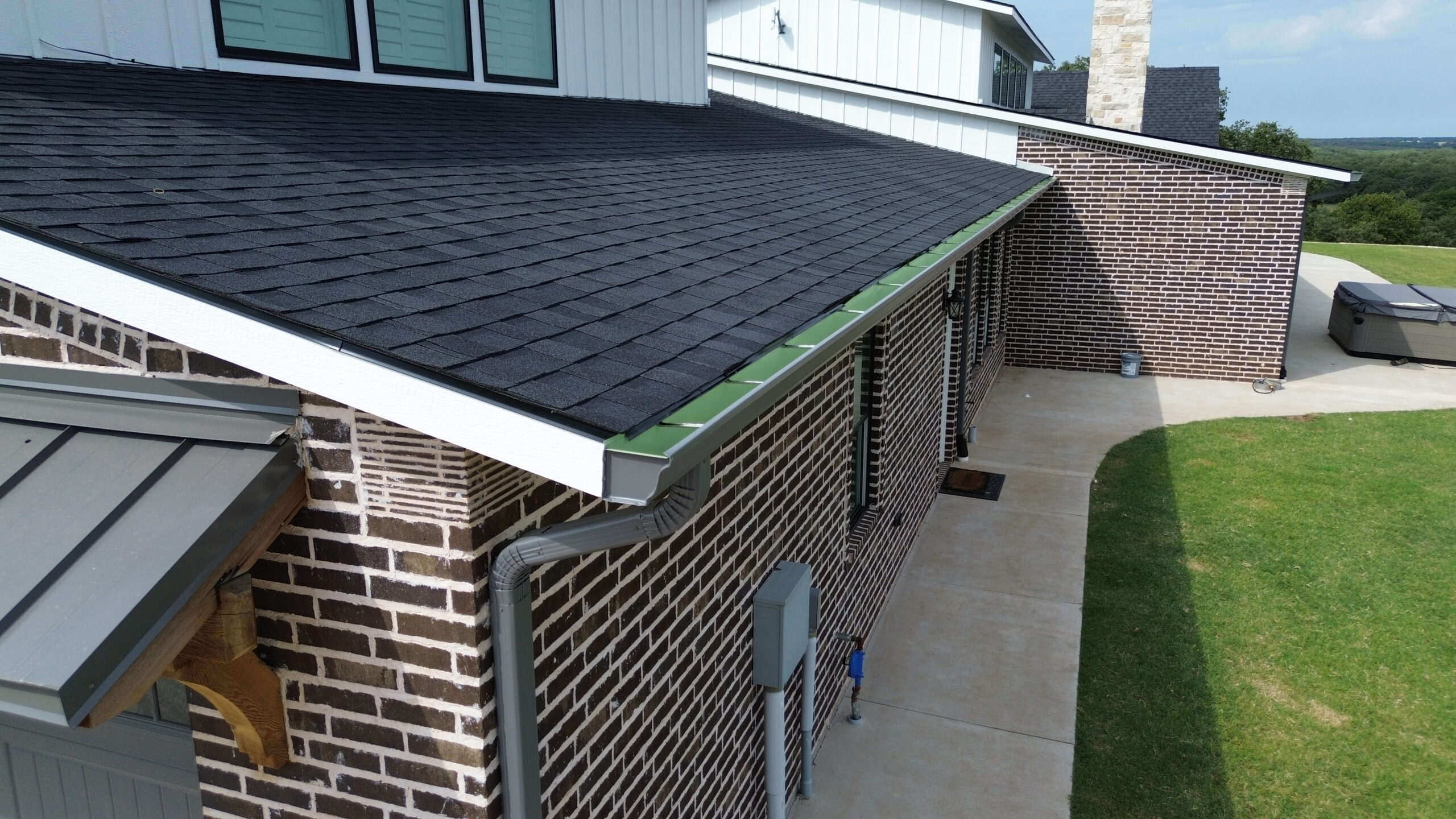
Gutters and downspouts extend the roof’s drainage system beyond the roof surface. They collect water and direct it away from walls and foundations. Proper sizing, positioning, slope, and maintenance are important because even a well-designed roof can experience drainage problems if its gutters are blocked or undersized.
Homeowners should also consider where downspouts discharge water. Water should be directed far enough away from the building to reduce the chance of moisture accumulating near the foundation. Poorly positioned downspouts can transfer a roof drainage problem into a broader property moisture issue.
A moisture-resistant roof therefore depends on more than waterproof materials. Good design gives water a predictable path away from the building, while underlayment and flashing provide backup protection where water movement becomes more difficult.
Flashing and Roof Penetrations
Flashing is one of the most important moisture-control components in a residential roofing system. It is installed around areas where the roof meets another surface or where an opening passes through the roof. These locations are naturally more vulnerable because they interrupt the continuous water-shedding surface.
Common flashing locations include chimneys, skylights, plumbing vents, roof-to-wall intersections, valleys, dormers, and roof edges. Proper flashing directs water away from these vulnerable points instead of allowing it to collect around joints. When correctly installed, it works together with the roofing material and underlayment to create a continuous moisture barrier.
Chimneys can be particularly challenging because they create a large transition between the roof and a vertical masonry or metal surface. Flashing must be carefully integrated so water flowing down the roof does not collect behind the chimney. Counterflashing and step flashing are commonly used to protect these transitions, depending on the construction.
Plumbing vents and other small penetrations can also become sources of leaks. These openings typically use flashing components designed to fit around the pipe while allowing water to flow around the penetration. Over time, rubber or synthetic seals can deteriorate due to sunlight, temperature changes, and aging.
Skylights require equally careful attention because they combine a roof opening with a framed structure. Flashing around a skylight needs to direct water around the unit and back onto the roof drainage path. Deteriorated flashing or improperly installed components can allow moisture to enter around the skylight even when the surrounding roof remains intact.
Roof-to-wall intersections deserve attention because water flowing down the roof can encounter a vertical wall and become concentrated in the joint. Step flashing, counterflashing, and compatible weather barriers help control this flow. Poorly detailed intersections can allow moisture to move behind exterior materials and into the wall assembly.
Sealants can provide additional protection in selected locations, but they should not be considered a replacement for properly designed flashing. Sealants can shrink, crack, or lose adhesion as they age. Mechanical and layered water-shedding details generally provide more dependable long-term protection.
Roof penetrations should be inspected regularly because they can deteriorate faster than large sections of the roof surface. Homeowners should look for cracked seals, lifted flashing, visible gaps, rust, or loose components. Addressing these problems early can prevent water from reaching insulation, framing, and interior finishes.
Moisture, Condensation, and Attic Ventilation
Not all roofing moisture problems come from rain. Water vapor from inside the home can move into the attic and condense when it contacts cooler surfaces. This process can create moisture even when the exterior roof covering appears completely intact.
Everyday household activities produce water vapor. Cooking, bathing, washing clothes, drying clothes indoors, and even normal breathing release moisture into indoor air. If warm, humid air escapes into an attic instead of remaining within the conditioned part of the house, it can contribute to condensation.
Condensation becomes more likely when warm air encounters cold surfaces. During colder weather, roof decking, nails, fasteners, and other components can become cold enough for water vapor to condense. Repeated condensation can gradually affect wood, insulation, and other materials.
Proper insulation can help reduce temperature differences within the roof assembly. However, insulation alone does not solve every moisture problem. Air sealing is also important because uncontrolled air movement can carry significant amounts of moisture into attic spaces.
Ventilation can help remove accumulated heat and moisture from appropriate attic spaces. Intake and exhaust ventilation should be balanced according to the roof design and local requirements. Simply adding vents without considering the overall airflow pattern may not produce the desired result.
Blocked ventilation paths can reduce the effectiveness of the system. Insulation should not obstruct designed airflow channels near roof edges where ventilation is required. Regular inspection can help identify blocked or damaged vents before they contribute to long-term moisture problems.
Condensation can be especially difficult to diagnose because it may resemble a roof leak. Water marks on roof decking do not always mean that rain has entered through the roof covering. A professional inspection can help determine whether the source is exterior water intrusion, interior air leakage, condensation, or a combination of factors.
Moisture management should therefore consider both sides of the roof. The exterior needs effective water shedding and drainage, while the interior needs appropriate insulation, air sealing, and ventilation. When these elements work together, the roofing assembly is better positioned to remain dry.
Humidity, Mold, and Biological Growth
High humidity can create long-term challenges for residential roofing systems, especially in warm climates. Moist air can increase the likelihood of condensation and can slow the drying of roofing components after rainfall. When moisture remains available for extended periods, biological growth and material deterioration may become more likely.
Mold can develop when moisture and suitable organic materials are present. Roof decking, insulation, wood framing, and other components can provide environments where mold may grow if moisture is not controlled. The visible appearance of mold is often a sign that an underlying moisture condition needs attention.
Moss and algae can also appear on exterior roofing surfaces. These organisms are more common in shaded areas where surfaces remain damp for longer periods. Their presence does not always mean that the roof is failing, but persistent growth can indicate that the surface is experiencing frequent or prolonged moisture exposure.
Moss can become more problematic when it grows thickly over roofing materials. It may retain moisture against the surface and can sometimes interfere with shingles or other components. Removing moss aggressively can also damage roofing materials, so cleaning methods should be selected carefully.
Algae commonly appears as dark streaks or discoloration on some asphalt shingle roofs. In many cases, the primary issue is appearance, but persistent moisture conditions should still be evaluated. Nearby trees, poor sunlight exposure, and inadequate drying can contribute to recurring growth.
Humidity can also affect metal roofing components. In coastal or highly humid environments, moisture can accelerate corrosion when protective coatings are damaged or when incompatible metals come into contact. Choosing appropriate materials and maintaining protective coatings can help reduce these risks.
Good ventilation and drainage support faster drying after wet weather. Vegetation should also be managed so that branches do not continuously shade the roof or deposit organic debris. Keeping gutters and valleys clear allows water to leave the roof instead of remaining around vulnerable areas.
If mold or biological growth is discovered inside an attic, simply cleaning the visible area may not solve the problem. The source of moisture should be identified and corrected. Otherwise, the growth may return because the underlying conditions remain unchanged.
How Different Roofing Materials Handle Long-Term Moisture
Roofing materials differ in how they respond to repeated moisture exposure. Some materials naturally resist water absorption, while others rely heavily on protective coatings, surface treatments, drainage design, or ventilation. Long-term performance depends on both material characteristics and the conditions in which the roof is installed.
Asphalt shingles provide moisture protection primarily through overlapping layers and water-shedding surfaces. When installed correctly, they can perform effectively in many climates. However, aging, cracking, curling, missing shingles, and damaged seal strips can create pathways for water to reach the underlayment.
Metal roofing can provide strong long-term moisture resistance because properly installed panels can create broad water-shedding surfaces. Seams, fasteners, penetrations, and flashing remain important because these areas can become leak points. Corrosion protection is particularly important in environments with high humidity or salt exposure.
Clay and concrete tiles are highly resistant to water exposure, but the roof system beneath them remains important. Tiles can crack or shift, allowing water to reach the underlayment. Because tiles are individual components rather than one continuous surface, the supporting moisture barrier plays an important role.
Slate is naturally durable and can provide long-term resistance to rain. Its performance depends heavily on the quality of the slate, fasteners, flashing, and installation. Broken pieces and deteriorated attachment systems should be repaired before they create larger openings.
Wood roofing requires more active moisture management. Wood can absorb water and needs adequate time and airflow to dry. If it remains damp for extended periods, decay, fungal growth, and structural deterioration can develop.
Synthetic roofing materials vary considerably. Some products are designed to resist water absorption and remain stable through repeated weather exposure. Others may have different characteristics, so homeowners should review product specifications rather than assuming that every synthetic roof provides identical moisture performance.
Roofing material selection should therefore account for the local environment. A material that performs well in a relatively dry climate may require more maintenance in a region with heavy rainfall and persistent humidity. The roof’s design and supporting components should be selected to match the expected moisture exposure.
The age of the material also matters. Even highly durable roofing products can experience deterioration after years of ultraviolet exposure, temperature changes, storms, and moisture cycles. Regular inspection helps determine whether the roofing system is still providing the expected level of protection.
Installation Quality and Waterproofing Performance
Installation quality has a direct influence on moisture resistance. Roofing materials are designed to work according to specific installation requirements, including fastener placement, overlaps, flashing details, underlayment installation, and drainage provisions. When these requirements are ignored, even a high-quality product can develop leaks prematurely.
Incorrect fastening is one common problem. Fasteners that are placed too high, too low, or at incorrect angles can reduce the effectiveness of shingles and other roofing components. Overdriven fasteners can also damage materials and create weak points.
Underlayment installation requires careful attention to overlaps and transitions. Water should always be directed over the next protective layer rather than behind it. Poorly positioned overlaps can create pathways for moisture to reach the roof deck.
Flashing details require particularly careful workmanship. Flashing should be integrated with surrounding materials so that water continues to move toward the drainage system. Simply covering a damaged area with sealant may provide temporary protection but may not address the underlying problem.
Roof penetrations should also be installed according to the roofing manufacturer’s requirements. Pipes, vents, skylights, and other openings need suitable flashing and compatible components. Improperly fitted materials can allow water to enter around the penetration.
Roof slope must match the roofing material being installed. Some products are suitable for lower slopes, while others require greater pitch to shed water effectively. Installing a material outside its appropriate slope range can increase the risk of water intrusion.
Ventilation and insulation details should also be coordinated during installation. Blocking ventilation channels or leaving significant air leaks can create moisture problems that appear long after the roof has been completed. A well-installed roof therefore requires coordination between roofing and attic components.
Quality installation should be viewed as an investment in the roof’s service life. Correct workmanship reduces the likelihood of premature leaks, helps materials perform as designed, and makes future maintenance easier.
Common Causes of Moisture Damage in Residential Roofs
Moisture damage can develop from a combination of small problems rather than one dramatic failure. A minor flashing defect, blocked gutter, deteriorated seal, or cracked roofing component may allow small amounts of water to enter repeatedly. Over time, this repeated exposure can produce significant deterioration.
One common cause is damaged or missing roofing material. Storms, falling branches, foot traffic, and aging can create openings in the roof surface. These defects should be repaired promptly because even a small opening can expose the underlayment and roof deck to repeated moisture.
Blocked gutters are another frequent problem. When rainwater cannot move freely through the drainage system, it may overflow over roof edges or remain against roofing materials. Water can then reach fascia, siding, and other building components.
Damaged flashing is also a major source of leaks. Because flashing protects transitions and penetrations, deterioration in these locations can allow water to bypass otherwise effective roofing materials. Flashing problems may be difficult to identify from the ground, making professional inspections valuable.
Poor roof ventilation can cause condensation-related moisture problems. Warm, humid air entering an improperly ventilated attic can condense on cold surfaces and gradually damage wood and insulation. This type of problem can continue even during periods without rainfall.
Improper previous repairs can create additional vulnerabilities. A patch may stop a visible leak temporarily while leaving the original drainage or flashing problem unresolved. Repeated patching without addressing the underlying cause can make future repairs more complicated.
Age is another factor. Roofing materials naturally deteriorate over time as they experience sunlight, temperature changes, storms, and moisture. As materials become older, regular inspection becomes increasingly important because small defects may develop more frequently.
The most effective way to manage moisture damage is to identify problems early and understand their source. A roof should not be judged only by whether water is currently dripping inside the home. Moisture can remain hidden for long periods, so proper inspection and maintenance are essential for protecting the entire roofing assembly.
Maintenance Practices for Moisture-Resistant Roofs
Regular maintenance is one of the most effective ways to preserve a roof’s moisture resistance throughout its service life. Even durable roofing materials can develop leaks when flashing deteriorates, gutters become blocked, or small areas of damage remain unrepaired. A consistent maintenance routine helps identify these issues before they develop into larger structural problems.
Roof inspections should be performed periodically and after severe weather events. Homeowners should look for missing or damaged roofing materials, cracked seals, loose flashing, blocked valleys, and visible deterioration around roof penetrations. Areas that cannot be safely inspected from the ground should be assessed by a qualified roofing professional.
Gutters and downspouts deserve particular attention because they control where rainwater goes after leaving the roof. Leaves, dirt, branches, and other debris can restrict water flow and cause overflow. Keeping these drainage components clear helps prevent water from backing up against the roof edge or collecting around the building.
Trees should also be maintained around the property. Overhanging branches can scrape roofing materials during windy conditions and may drop leaves or branches onto the roof. Keeping vegetation appropriately trimmed can reduce debris accumulation and improve sunlight and airflow around damp areas.
Roof valleys should remain clear because they carry concentrated amounts of water. Debris trapped in these areas can slow drainage and increase the time that moisture remains against roofing materials. Cleaning valleys carefully helps maintain the intended drainage path without damaging the roofing surface.
Flashing around chimneys, vents, skylights, and walls should be checked for signs of deterioration. Cracks, gaps, rust, lifted sections, and damaged seals can indicate potential moisture entry points. Small defects are generally easier and less expensive to correct before they allow water to reach the roof deck or interior.
Attic inspections can also provide useful information about roof moisture performance. Darkened wood, damp insulation, musty odors, water stains, or visible condensation may indicate an underlying problem. Finding these signs early can help determine whether the source is a roof leak, ventilation issue, plumbing problem, or another moisture source.
Maintenance should focus on prevention rather than waiting for visible leaks. A roof that looks acceptable from outside can still have hidden moisture damage underneath. Regular professional assessments are especially useful for older roofs or properties exposed to frequent rainfall, humidity, or severe storms.
Warning Signs of Water and Moisture Damage
Moisture problems can produce several visible and less obvious warning signs inside and outside a home. Recognizing these signs early can help homeowners investigate the source before damage spreads. A small stain or unusual odor should not automatically be dismissed as a minor cosmetic issue.
Water stains on ceilings and walls are among the most recognizable indicators. Brown, yellow, or discolored patches can appear after rainfall, but the location of the stain does not necessarily identify the exact entry point. Water can travel along roof decking, insulation, framing, or other surfaces before becoming visible.
Peeling paint and bubbling drywall can also indicate repeated moisture exposure. These problems may occur near ceilings, upper walls, skylights, or exterior wall intersections. If the affected area returns after repairs, the underlying moisture source should be investigated.
Musty odors are another warning sign. Persistent damp smells in an attic or upper floor may indicate trapped moisture or biological growth. Even when no visible water is present, the odor can justify further inspection.
Homeowners may also notice damaged or deteriorating roofing materials. Curling shingles, cracked tiles, loose slate, corroded metal, and damaged seals can create opportunities for water intrusion. These defects should be assessed rather than ignored because small openings can become larger during subsequent storms.
Mold or fungal growth can indicate that moisture has remained present for an extended period. Growth may occur on roof decking, insulation, framing, or other materials within the building assembly. Removing the visible growth without correcting the moisture source may allow the problem to return.
Some warning signs are particularly important to investigate after heavy rainfall:
- New ceiling or wall stains
- Damp attic insulation
- Water around roof penetrations
- Musty odors
- Overflowing or damaged gutters
- Visible roof material deterioration
These signs do not always mean that the roof itself is responsible. Plumbing leaks, condensation, HVAC systems, and wall moisture can produce similar symptoms. Proper diagnosis is therefore important before major roofing work begins.
Early detection can significantly reduce repair complexity. Addressing a small flashing problem is generally more straightforward than repairing widespread damage to decking, insulation, framing, and interior finishes. Regular inspections give homeowners a better chance of identifying problems while they are still manageable.
Improving Moisture Protection Before Heavy Rain
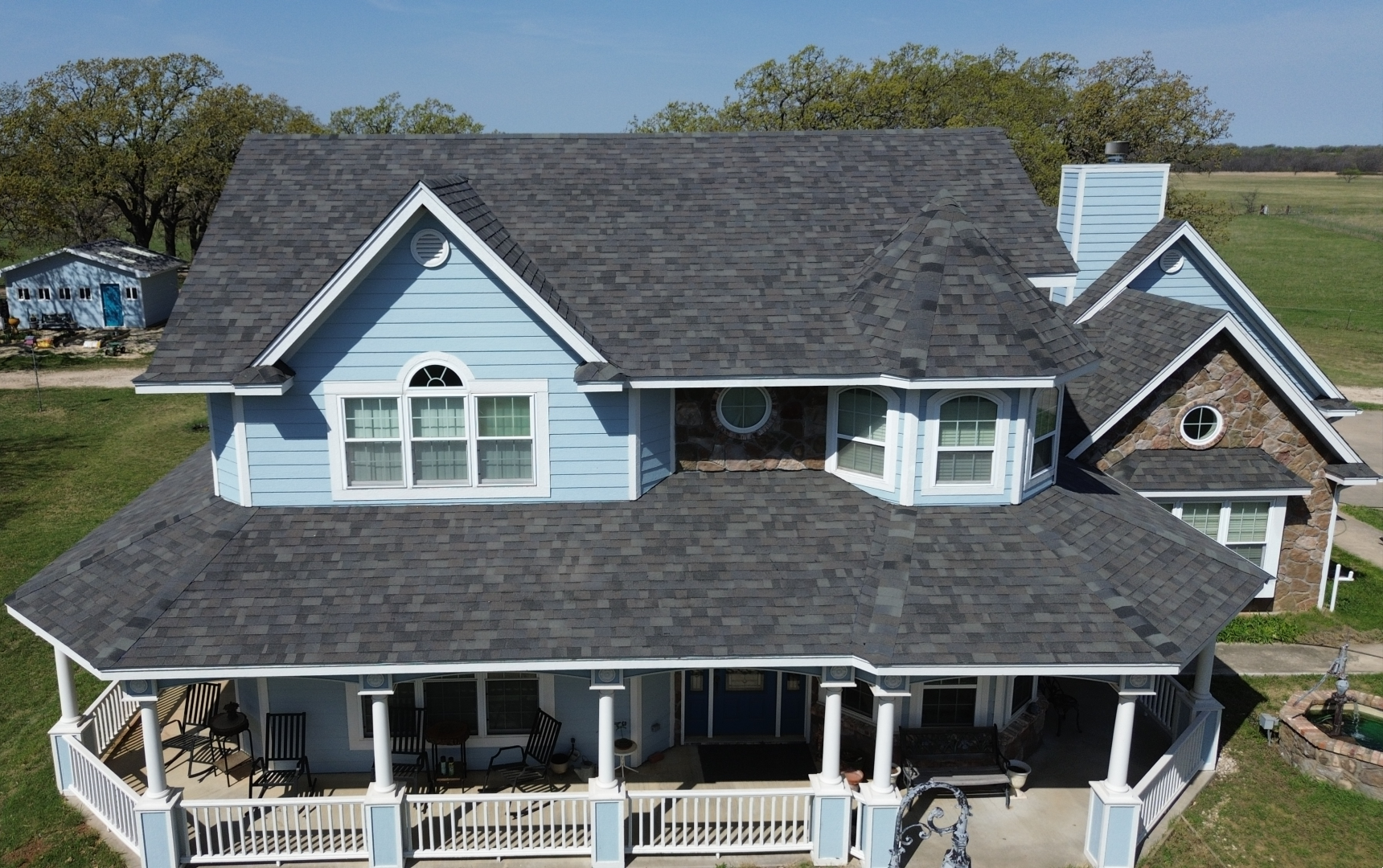
Preparing a roof before periods of heavy rainfall can reduce the likelihood of preventable moisture problems. Weather forecasts can provide useful warnings, but preparation should ideally begin well before a major storm arrives. Small maintenance tasks can become more difficult once heavy rain and strong winds begin.
Gutters should be cleaned before periods of expected heavy rainfall. Blocked gutters can cause water to overflow and remain against roof edges, fascia, and exterior walls. Downspouts should also be checked to ensure that water can flow freely away from the building.
Roof surfaces should be inspected for obvious damage. Missing shingles, cracked tiles, loose metal panels, damaged slate, and deteriorated flashing should be addressed where possible. Small defects can become more serious when exposed to strong wind and large volumes of water.
Tree branches near the roof should also be evaluated. Loose or dead branches can fall during storms and damage roofing materials. Removing hazardous branches before severe weather can reduce both impact damage and the accumulation of organic debris.
Roof penetrations deserve special attention before heavy rain. Flashing around vents, skylights, chimneys, and pipes should be in good condition. If gaps or deterioration are visible, professional repair may prevent water from entering during the storm.
Homeowners should avoid making unsafe emergency repairs during severe weather. Climbing onto a wet roof can be extremely dangerous, particularly when surfaces are slippery or wind conditions are changing. Professional roofing contractors are better equipped to evaluate and address problems safely.
Preparation also includes understanding the roof’s drainage system. Water should have clear paths from the roof surface through gutters and downspouts to suitable discharge areas. Any obstruction can become more significant when rainfall increases.
For properties in areas with frequent storms, preventive inspections can be particularly valuable. A professional can identify aging materials, deteriorated flashing, and drainage problems that may not be obvious from the ground. Addressing these issues before the rainy season can reduce the risk of emergency repairs.
Repairing and Replacing Moisture-Damaged Roofing
When moisture damage occurs, the appropriate response depends on the extent and location of the problem. Small localized defects may only require targeted repairs, while widespread deterioration may indicate that the roofing system has reached the end of its useful life. A proper assessment should determine the source of the moisture before repairs begin.
Minor damage may involve replacing a few shingles, tiles, slate pieces, fasteners, or flashing components. These repairs can restore the water-shedding function when the surrounding roofing system remains in good condition. The replacement materials should be compatible with the existing system.
More extensive damage can affect the roof deck beneath the outer covering. Prolonged moisture exposure may cause wood to soften, decay, or lose structural strength. Damaged decking may need to be replaced before new roofing materials are installed.
Insulation can also be affected by water intrusion. Wet insulation may lose effectiveness and can contribute to persistent moisture problems if it does not dry properly. Depending on the material and extent of exposure, replacement may be necessary.
When moisture damage extends across large portions of the roof, replacement may be more practical than repeated repairs. An aging roof with multiple leak locations can become increasingly difficult to maintain. Replacement also provides an opportunity to improve underlayment, flashing, ventilation, and drainage.
Homeowners considering replacement should evaluate the complete roofing assembly rather than focusing only on the outer material. The new system should be appropriate for the local climate, roof slope, structural design, and expected moisture exposure. Proper installation is essential to achieving the expected performance.
A roof replacement can also address weaknesses that contributed to previous moisture problems. Improved flashing, upgraded underlayment, better drainage, and appropriate ventilation can provide additional protection. These improvements can make the new roof more resilient against future rainfall.
Repairs and replacements should be performed according to applicable building requirements and manufacturer specifications. Professional installation is particularly important for complex roof designs with multiple valleys, penetrations, and roof-to-wall transitions.
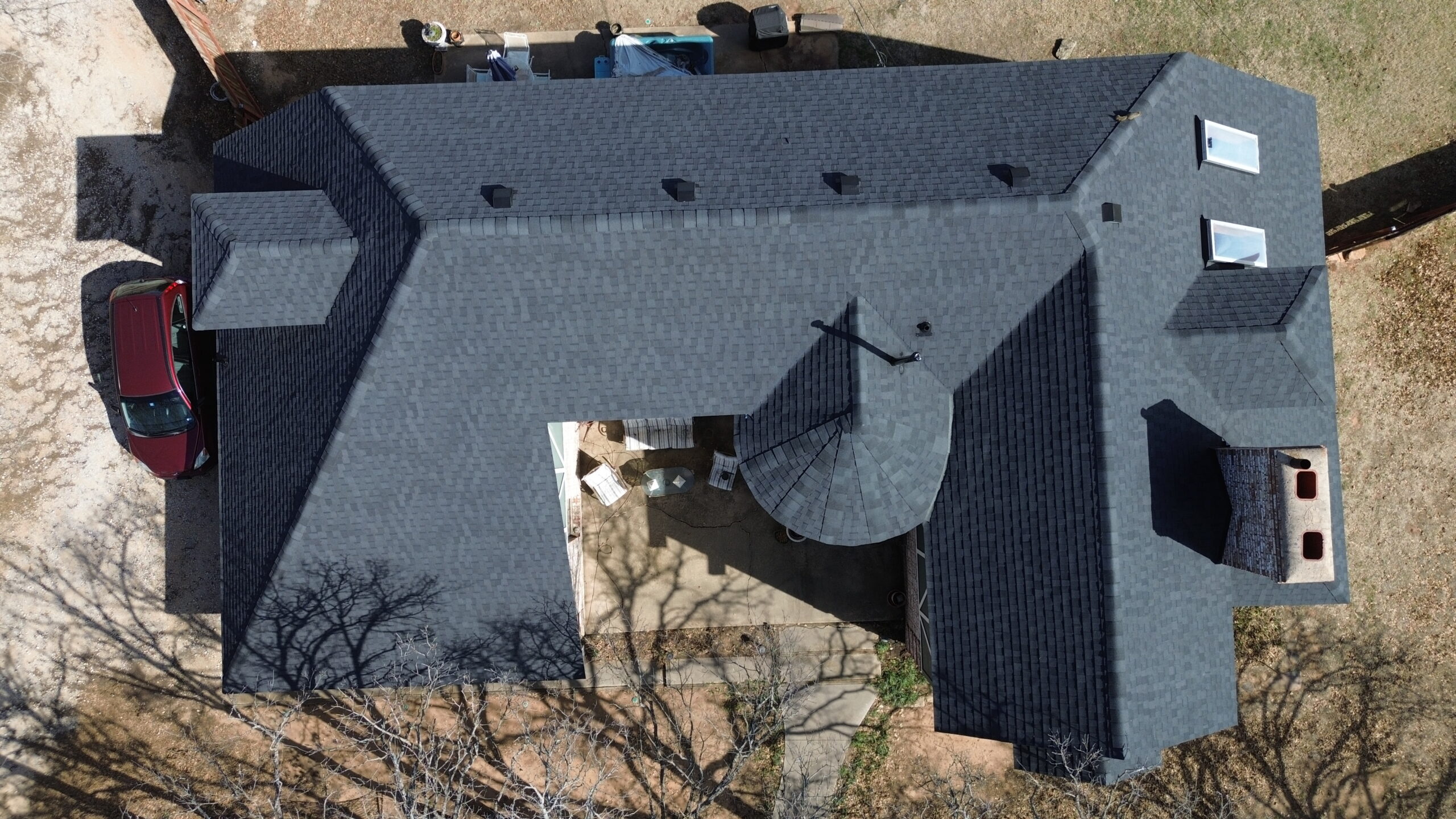
Choosing the Right Roofing System for Wet Climates
Homes in wet or humid climates require roofing systems that can manage frequent moisture exposure without excessive deterioration. Material selection should be based on more than water resistance alone. Durability, drainage, ventilation, maintenance requirements, and installation quality all influence long-term performance.
Metal roofing can provide effective water shedding when seams, fasteners, and flashing are properly installed. Protective coatings may also help resist corrosion, particularly in environments where moisture and salt exposure are significant. Regular inspection remains important because damaged coatings or loose connections can create vulnerabilities.
Asphalt shingles can perform well in many rainy climates when the correct product and installation method are used. Their overlapping design helps direct water down the roof, while suitable underlayment provides secondary protection. Proper roof slope and flashing are especially important for maintaining performance.
Clay and concrete tiles can offer strong durability in wet conditions when correctly installed. Their individual components allow water to move across the roof while the underlayment provides additional protection underneath. Broken or displaced tiles should be repaired to prevent water from reaching vulnerable layers.
Slate can provide very long service life when installed and maintained correctly. However, it requires appropriate fasteners, flashing, and specialized installation practices. Damaged slate or deteriorated attachment components can reduce moisture protection even though the material itself remains highly durable.
Synthetic roofing products can also be suitable for wet climates, but performance varies between manufacturers and product types. Homeowners should examine specifications related to water absorption, weathering, installation requirements, and expected service life. Product-specific information is more useful than relying on broad assumptions about synthetic materials.
Wet climates also make ventilation important. High outdoor humidity combined with indoor moisture can increase the potential for condensation within poorly designed roof assemblies. Proper ventilation, air sealing, and insulation help manage moisture from inside the home.
The best roofing system is one that combines suitable materials with effective water management. A roof should shed rain efficiently, protect vulnerable transitions, allow appropriate drying, and remain maintainable throughout its expected service life.
Conclusion
Moisture resistance is one of the most important characteristics of a residential roofing system because water can affect nearly every part of a home when it enters through the roof. Roofing materials, underlayment, flashing, drainage systems, ventilation, and roof decking all contribute to the building’s ability to remain dry. When these components work together, the roof can provide reliable protection against rain, humidity, condensation, and other moisture sources.
Different roofing materials offer different approaches to moisture management. Metal, slate, clay tile, concrete tile, asphalt shingles, and synthetic products can all provide effective protection when properly selected and installed. Wood roofing requires more careful moisture management because the material can absorb water and deteriorate when it remains damp for extended periods.
Installation quality is just as important as material selection. Incorrect flashing, poor fastening, damaged underlayment, inadequate drainage, and improperly sealed penetrations can create leaks even when high-quality roofing materials are used. A professional installation helps ensure that each layer works together to direct water away from the structure.
Maintenance is essential for preserving moisture resistance over time. Cleaning gutters, keeping valleys clear, trimming nearby vegetation, inspecting flashing, checking roof penetrations, and repairing damaged materials can prevent small problems from developing into major water damage. Regular inspections are particularly valuable for older roofs and homes exposed to heavy rainfall or high humidity.
Homeowners should also recognize early warning signs such as ceiling stains, musty odors, peeling finishes, damp insulation, mold growth, and visible roof deterioration. Finding the source of moisture quickly can reduce the extent of damage and may allow a localized repair instead of a much larger replacement project.
Ultimately, a moisture-resistant roof is not simply a roof made from a waterproof material. It is a complete system designed to shed water, prevent unwanted entry, control condensation, and allow appropriate drainage and drying. By selecting suitable materials, maintaining the roofing system, and addressing problems early, homeowners can protect their properties from the long-term effects of moisture and extend the useful life of their residential roofs.