

How Installation Quality Affects Roof Lifespan
Introduction
A roof is designed to protect a building for many years, but its actual lifespan depends on much more than the roofing material selected for the project. Installation quality plays a major role in determining how effectively the roof performs against rain, wind, sunlight, temperature changes, and moisture. Even a high-quality roofing product can experience premature deterioration when it is installed incorrectly.
Roofing systems contain several components that must work together as one protective assembly. The roof deck, underlayment, flashing, ventilation, fasteners, drainage features, and visible roofing materials all contribute to the roof’s performance. When one component is poorly installed, it can place additional stress on other parts of the system and gradually reduce its useful life.
Many installation problems are not immediately visible. A misplaced fastener, inadequate flashing overlap, small gap around a penetration, or blocked ventilation opening may not cause an obvious problem on the day the project is completed. However, repeated exposure to weather can turn these small defects into leaks, moisture damage, material deterioration, or structural problems.
Installation quality also affects how well roofing materials can perform according to their intended design. Manufacturers provide specific requirements for fastening, placement, overlap, slope, underlayment, flashing, and other details. Following these requirements helps the roofing system withstand normal environmental conditions and reduces the risk of premature failure.
The difference between a roof that performs well for many years and one that requires early repairs can often begin during installation. Careful planning, skilled workmanship, proper preparation, and thorough inspections can prevent problems before they become hidden beneath the completed roof. This makes installation quality an important investment in the long-term performance of the entire building.
Proper Roof Inspection and Planning
The first step toward a long-lasting roof is a thorough inspection and carefully developed installation plan. Contractors should understand the condition of the existing roofing system and supporting structure before deciding how the new roof will be installed. Skipping this stage can allow existing weaknesses to remain underneath the new materials.
The inspection should look for signs of moisture, damaged decking, structural deterioration, deteriorated flashing, drainage problems, and other conditions that could affect installation. Some problems may be visible from the exterior, while others may only become apparent after existing roofing materials are removed. Contractors should explain this possibility to property owners before the project begins.
Roof design should also be considered during planning. A simple roof with large continuous surfaces may require fewer specialized details than a complex roof containing valleys, dormers, skylights, chimneys, vents, and multiple slopes. Each transition creates another location where water management and installation accuracy become important.
The roof’s slope can also influence material selection and installation methods. Different roofing systems are designed for different applications, and contractors should confirm that the selected materials are appropriate for the roof configuration. Using a material outside its intended application can reduce performance even when the installation appears visually acceptable.
Environmental conditions should be part of the planning process as well. Roofs exposed to strong winds, heavy rainfall, intense sunlight, or large temperature fluctuations may experience different stresses than roofs in milder environments. Understanding these conditions helps contractors determine which installation details deserve particular attention.
Accurate measurements are another important planning requirement. Contractors need sufficient quantities of roofing materials, underlayment, flashing, fasteners, and other components to complete the installation properly. Incorrect estimates can lead to shortages, rushed material purchases, or unnecessary substitutions that may affect the consistency of the finished roof.
A detailed installation plan should also establish the sequence of work. The crew needs to know when the roof deck will be inspected, when protective layers will be installed, how flashing will be integrated, and when the primary roofing material will be applied. A logical sequence reduces the chance that one stage will interfere with another.
Planning can also identify areas that may require additional protection. Valleys, roof edges, wall intersections, penetrations, and drainage points should be considered before materials are installed. Preparing for these details in advance allows the contractor to use appropriate components rather than improvising after the main roofing work has already begun.
Careful inspection and planning create a strong foundation for the rest of the project. They help contractors understand what the roof needs, allow homeowners to establish realistic expectations, and reduce the likelihood that hidden problems will be covered without being addressed.
Quality Roof Deck Preparation
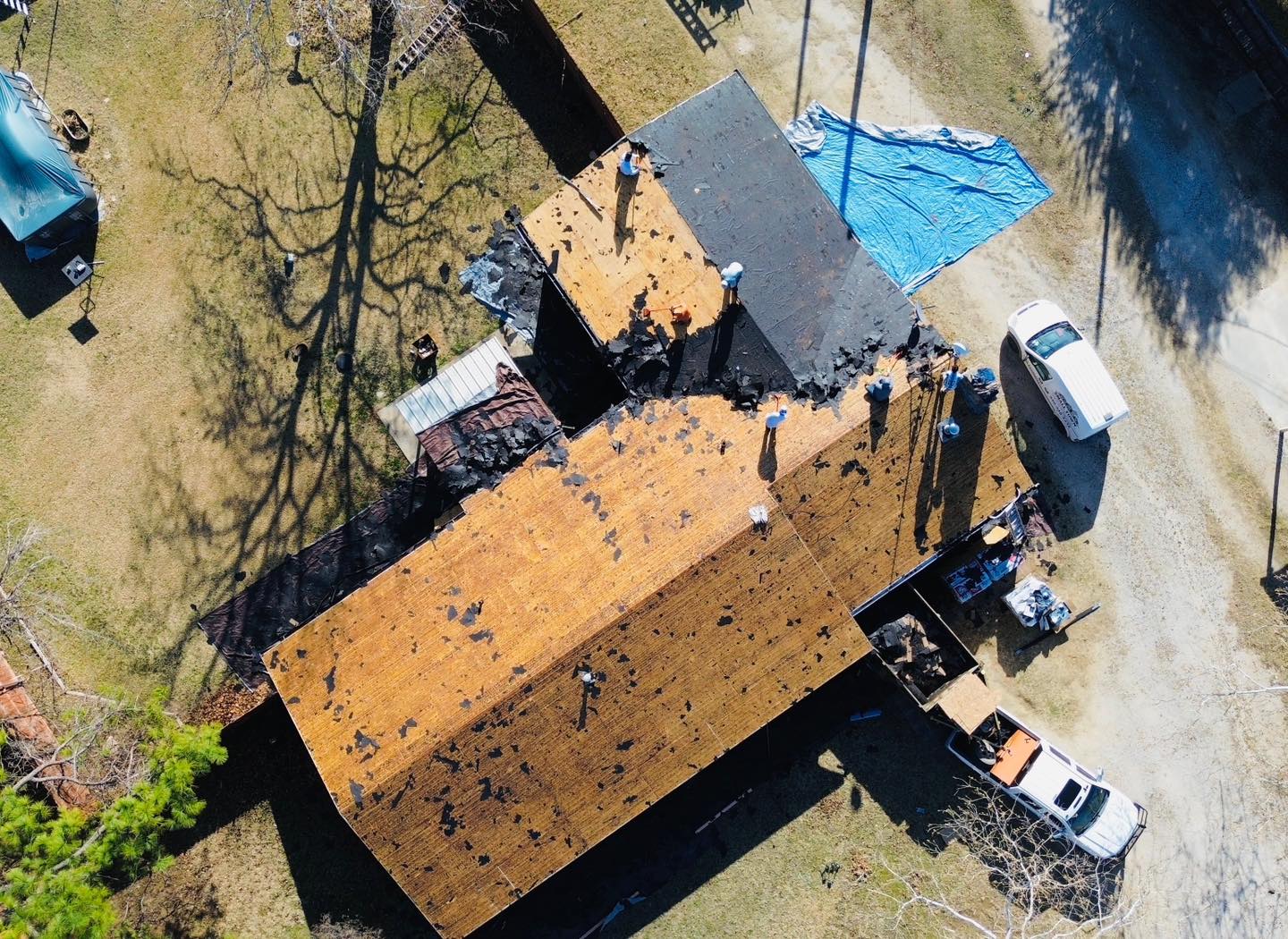
The roof deck is one of the most important structural surfaces in a roofing system because it supports the layers installed above it. If the deck is weak, damaged, wet, or uneven, even excellent roofing materials may not perform as intended. Proper preparation therefore has a direct relationship with the long-term lifespan of the roof.
After existing roofing materials are removed, the exposed deck should be examined carefully. Contractors should look for soft areas, rot, cracks, sagging, water damage, or other weaknesses that could affect the stability of the roofing system. Damaged sections should be repaired or replaced when necessary before the new roofing materials are installed.
Moisture damage deserves particular attention. A long-standing roof leak may have affected the decking without creating obvious signs on the exterior. If deteriorated wood is simply covered by new materials, the underlying problem remains and may continue to worsen over time.
The deck should also be reasonably clean and free of conditions that interfere with installation. Loose debris, old fasteners, broken material, and uneven surfaces can prevent underlayment and roofing materials from sitting correctly. Removing these obstacles creates a more consistent surface for the new roofing assembly.
Proper deck preparation also supports secure fastening. Roofing fasteners depend on the substrate beneath them to provide adequate holding strength. If a fastener is placed into severely deteriorated material, it may not provide the attachment required by the roofing system.
The condition of the deck around vulnerable areas should receive additional attention. Roof valleys, chimneys, skylights, vents, and edges can experience greater moisture exposure, making deterioration in these locations particularly important to identify. Repairing weak areas before covering them can prevent future problems that would otherwise remain hidden.
Contractors should also avoid rushing deck preparation simply because the work will not be visible after installation. The fact that the deck becomes concealed does not make its condition less important. In fact, hidden components can be more difficult and expensive to repair once the new roof has been installed.
A properly prepared roof deck gives the roofing system a stable foundation. It helps underlayment remain properly positioned, supports secure fastening, and reduces the chance that moisture or structural problems beneath the roof will shorten its service life.
Correct Underlayment Installation
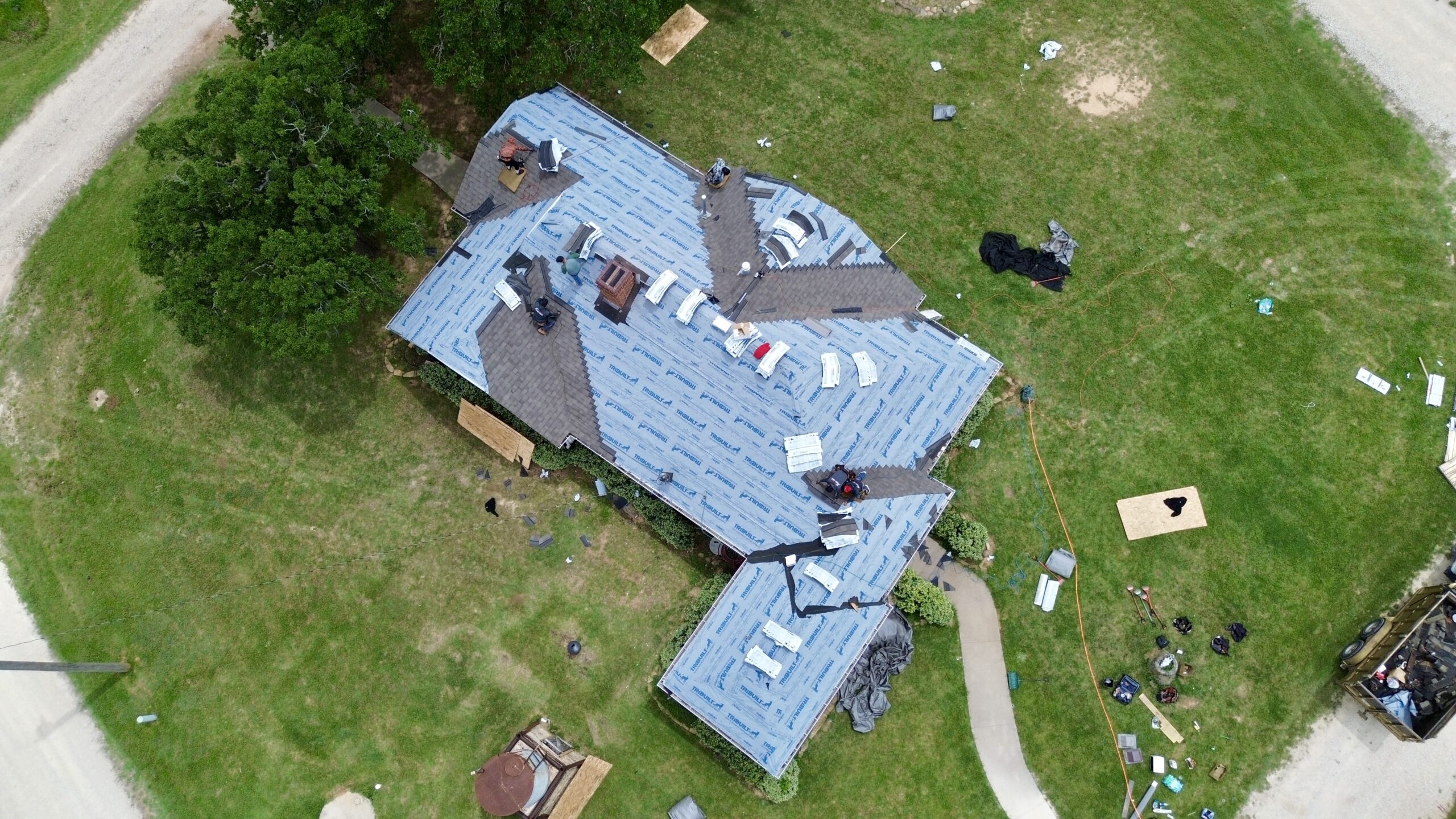
Underlayment serves as an additional protective layer beneath many roofing materials. It can help protect the roof deck from moisture that reaches beneath the primary roofing surface. Because it is usually hidden after installation, homeowners may not notice whether it was installed correctly, but its quality can influence long-term roof performance.
The appropriate underlayment should be selected according to the roofing system and project requirements. Contractors should follow manufacturer recommendations and applicable installation requirements rather than choosing a product solely because it is inexpensive or readily available.
Correct positioning is essential. Underlayment should cover the intended areas without unnecessary gaps, wrinkles, or exposed sections. If the material is not positioned correctly, it may provide less effective protection when water reaches beneath the exterior roofing layer.
Overlapping is another critical detail. Sections of underlayment should be installed so that water moves across the protective layer rather than underneath its seams. Insufficient or incorrectly arranged overlaps can create pathways through which moisture reaches the roof deck.
Fastening methods also affect performance. Underlayment needs to remain secure while the rest of the roof is being installed. Poor fastening can allow material to shift or become damaged, while excessive or incorrectly positioned fasteners may create unnecessary openings or damage.
Special attention is often needed around valleys, edges, roof penetrations, and other vulnerable areas. These locations can receive greater water exposure and may require additional protective materials or specific installation methods. Contractors should understand these requirements before beginning the installation.
Workers should also inspect underlayment after it has been installed. Tears, punctures, displaced sections, or exposed areas should be corrected before the primary roofing material covers them. Once the upper roofing layer is installed, identifying and repairing damage underneath can require unnecessary removal of finished materials.
Proper underlayment installation does not replace the need for good flashing or a properly installed exterior roof covering. Instead, it adds another layer of protection within the overall system. When each layer is installed correctly, the roof has multiple defenses against moisture intrusion.
Proper Flashing Installation
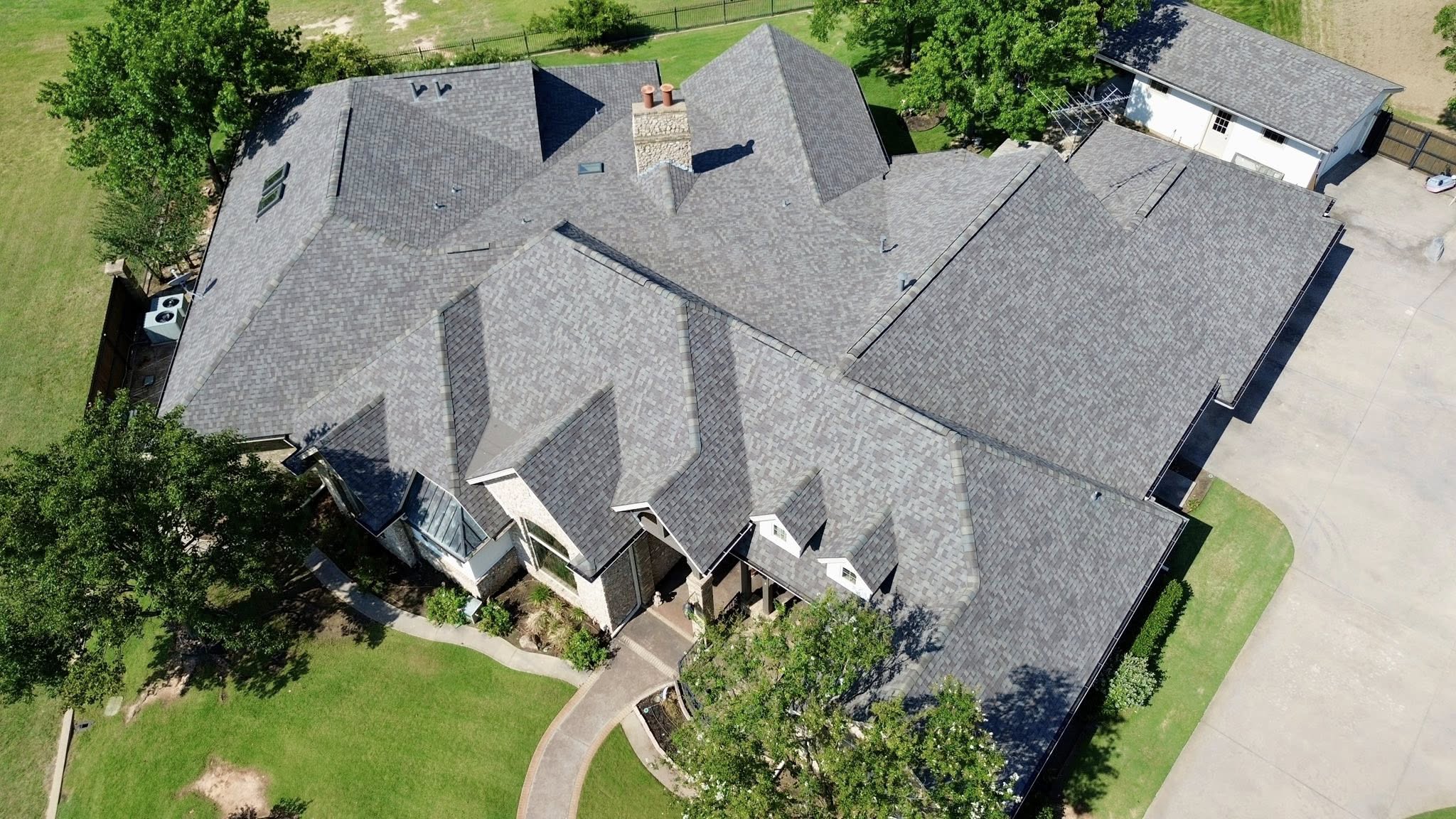
Flashing is one of the most important components for protecting areas where roofing materials meet other building features. Chimneys, skylights, vents, walls, valleys, and roof edges can all create potential pathways for water. Correct flashing installation helps direct water away from these vulnerable areas and toward the intended drainage paths.
One common installation problem is incorrect flashing placement. Flashing needs to be integrated with the surrounding roofing materials so that water flows over the protective layers rather than behind them. Poorly positioned or inadequately overlapped flashing can allow moisture to reach the roof deck.
Roof-to-wall transitions deserve particular attention because water can collect or travel along these joints. Proper flashing details help separate the roofing system from the wall and provide a controlled path for water. These details should be installed according to the requirements of the roofing system rather than improvised on site.
Chimneys and skylights also require careful flashing. These structures interrupt the roof surface and create multiple transition points. Contractors need to coordinate the flashing, underlayment, and primary roofing material so that the entire area remains protected.
Roof penetrations such as pipes and vents should be handled with compatible flashing components. Damaged boots, poorly fitted collars, or gaps around penetrations can become sources of leaks. These areas should be inspected carefully before and after the surrounding roofing material is installed.
Valleys are particularly important because they collect water from multiple roof sections. If flashing or valley protection is installed incorrectly, significant amounts of water may reach vulnerable areas during rainfall. Correct installation helps maintain a continuous drainage path and reduces the likelihood of water intrusion.
Sealants can provide useful protection in appropriate applications, but they should not be used as a substitute for proper flashing design. Sealants can deteriorate with age, sunlight, temperature changes, and movement. A durable roofing system should rely on correctly layered and positioned materials to manage water effectively.
Proper flashing installation protects more than the roof surface. By limiting water intrusion, it can help protect the deck, insulation, framing, walls, ceilings, and interior finishes. This makes flashing quality an important factor in preserving the lifespan of both the roof and the building beneath it.
Choosing and Installing Suitable Roofing Materials
The materials selected for a roof should match the building, roof design, climate, and expected conditions. Choosing a product simply because it is inexpensive or visually attractive may not provide the long-term performance the property requires. Material suitability and installation quality need to be considered together.
Different roofing systems have different installation requirements. Shingles, metal panels, tiles, membranes, and other materials may require different fasteners, underlayments, flashing details, slopes, and installation techniques. Contractors should be familiar with the specific system being installed rather than assuming that one method works for every material.
Climate should also influence material selection. Roofing systems may be exposed to strong sunlight, heavy rain, high winds, freezing conditions, or repeated temperature changes. The selected material should be appropriate for the environmental conditions it is expected to withstand.
Compatibility between roofing components is equally important. The primary roofing material needs to work properly with the underlayment, flashing, fasteners, ventilation products, and other accessories. Mixing incompatible components can create weaknesses that may affect the roof over time.
Manufacturer installation instructions provide valuable guidance. They may specify fastening patterns, minimum slopes, material handling procedures, overlap requirements, and other details necessary for proper performance. Contractors who follow these instructions reduce the likelihood of installation-related defects.
Material handling is another part of installation quality. Roofing products can be damaged before they are permanently installed if they are stored incorrectly, dropped, bent, or exposed to unsuitable conditions. Contractors should inspect materials and handle them carefully throughout the project.
Proper alignment and fastening are also essential. Materials that are uneven, loose, cracked, or incorrectly positioned may be more vulnerable to weather exposure. Consistent installation helps the finished roof function as a complete system rather than a collection of poorly connected components.
Correct Fastening and Attachment
A roofing system needs secure attachment to remain effective throughout its service life. Fasteners hold roofing materials in place and help the roof resist movement caused by wind, temperature changes, and other environmental forces. Even durable roofing materials can experience premature problems when fasteners are missing, incorrectly positioned, or unsuitable for the system.
Contractors should select fasteners that are appropriate for the roofing material and supporting structure. The correct type, length, material, and corrosion resistance can vary depending on the roofing system and installation conditions. Using whatever fastener is readily available may save time during installation but can create weaknesses that become more serious as the roof ages.
Fastener placement is equally important. Roofing manufacturers generally specify where fasteners should be installed and how many are required for particular materials or applications. Following these requirements helps distribute attachment forces properly and reduces the risk of materials becoming loose or displaced.
Overdriving fasteners is a common workmanship problem. When a fastener is driven too deeply, it can damage the surrounding roofing material and reduce the effectiveness of the attachment. The opposite problem can occur when fasteners are left too high, preventing the material from sitting correctly or creating exposed points that can interfere with water management.
Using too few fasteners can also reduce the roof’s resistance to wind. A roofing system is designed around specific attachment requirements, and removing fasteners to save labor can compromise the intended performance. This may be particularly important in areas where roofs regularly experience strong winds or severe storms.
Fasteners should be inspected during the installation rather than waiting until the final inspection. Workers can correct missing or improperly installed fasteners while the relevant area remains accessible. Early correction is much easier than removing finished roofing materials later to reach hidden attachment points.
The substrate must also be suitable for fastening. If roof decking is deteriorated, a fastener may not have enough material to grip securely. This demonstrates how different stages of installation are connected, because proper deck preparation supports the attachment of the roofing system above it.
Correct fastening contributes to longevity by keeping roofing components stable. Secure materials are less likely to shift, lift, crack, or separate under normal environmental forces. When fastening is performed according to the roofing system requirements, it helps the roof maintain its intended protective function for a longer period.
Effective Roof Ventilation
Roof ventilation can have a significant influence on the condition of the roofing assembly over time. Heat and moisture can accumulate in attic spaces when airflow is inadequate or improperly balanced. These conditions may affect roofing materials and the components beneath them, contributing to deterioration that could shorten the roof’s useful life.
A properly designed ventilation system typically depends on both intake and exhaust airflow. Intake openings allow outside air to enter the appropriate attic area, while exhaust openings allow warm or moist air to leave. Both parts need to work together for the system to function effectively.
Installation mistakes can interfere with this balance. Roofing materials, insulation, debris, or other components may accidentally block intake openings during construction. Contractors should identify ventilation pathways before installation and make sure that the new roofing system does not obstruct them.
Exhaust ventilation also requires appropriate installation. Vents need to be positioned and integrated with the roof so that they can perform their intended function without creating new opportunities for water intrusion. Every roof penetration should receive suitable flashing and protective detailing.
Moisture control is particularly important because condensation can affect wood, insulation, fasteners, and other materials beneath the roof. If moisture remains trapped for long periods, it can contribute to deterioration even when the exterior roofing material appears to be in good condition.
Heat can also affect the roof assembly. Attic temperatures can become significantly higher than outdoor temperatures under intense sunlight. Proper airflow can help manage these conditions, although ventilation should be considered alongside insulation, air sealing, and the building’s overall design rather than treated as a stand-alone solution.
Contractors should avoid assuming that adding more vents automatically improves a roof. An excessive or poorly balanced ventilation arrangement may not provide the intended results. The system should be planned according to the building’s design and the applicable requirements for the roofing assembly.
Ventilation components must also remain compatible with moisture protection. A newly installed vent should not create a pathway for rainwater to reach the roof deck. Correct flashing, underlayment integration, and sealing details are essential around every penetration.
Effective ventilation supports longevity by helping manage the environment beneath the roof. When heat and moisture are controlled appropriately, the roofing system and underlying materials may experience less unnecessary stress. Proper ventilation therefore forms an important part of installation quality rather than being an optional feature considered after the roof is completed.
Proper Drainage and Water Management
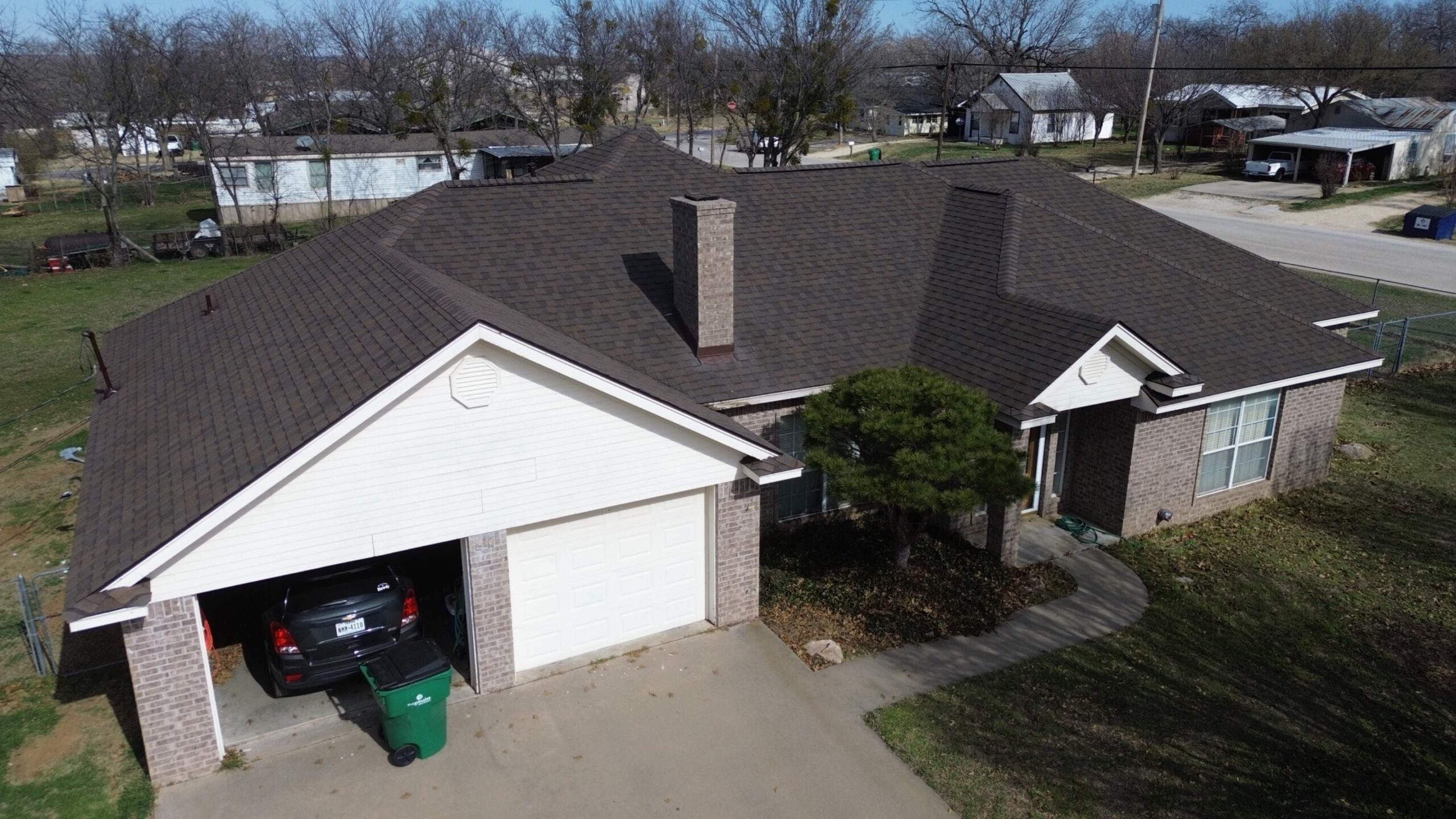
Water is one of the most persistent threats to roof durability. A roof can be constructed from high-quality materials, but poor drainage can expose those materials to prolonged moisture and increase the likelihood of leaks. Proper installation should therefore create clear and reliable pathways for rainwater to move away from the building.
Roof slope plays an important role in water movement. Contractors should make sure that the selected roofing system is appropriate for the roof’s slope and that installation follows the requirements for that configuration. Materials designed for one type of roof may not provide the same performance when installed under different conditions.
Valleys deserve particular attention because they collect runoff from multiple roof surfaces. During heavy rainfall, significant amounts of water may pass through these areas. Incorrectly installed valley protection can allow water to move beneath the roofing materials and reach the underlayment or roof deck.
Roof edges also require careful detailing. Water should be directed toward the intended drainage system rather than allowed to move beneath exposed roofing components. Proper edge treatment can help protect the deck and reduce the chance of water reaching vulnerable parts of the structure.
Gutters and downspouts need to work effectively with the roof. Roofing materials should not obstruct water pathways, and drainage components should be positioned to carry runoff away from walls and foundations. If water repeatedly collects around the roof perimeter, it can expose surrounding materials to unnecessary moisture.
Standing water can be particularly concerning when it remains in the same location for extended periods. Repeated moisture exposure may contribute to material deterioration and can increase the risk of leaks. Contractors should identify potential drainage problems during installation rather than assuming that they will resolve themselves after the roof is completed.
Water management also depends on coordination between several components. Flashing, underlayment, roofing materials, valleys, gutters, and roof edges need to work together to guide water in the intended direction. A problem in one area can affect another, making the roof’s drainage system a complete installation concern rather than a collection of separate details.
Drainage should also be reviewed during final quality control. Contractors can look for areas where materials may obstruct water movement or where runoff could collect unexpectedly. Addressing these conditions before project completion can reduce the likelihood of recurring moisture problems.
Proper water management can significantly support roof longevity. By reducing prolonged exposure to moisture and directing rainfall away from vulnerable areas, a well-installed drainage system helps protect both the visible roofing materials and the structure beneath them.
Installation Workmanship and Attention to Detail
The skill and care of the installation crew can have a major influence on how long a roof remains effective. Roofing work involves many details that may appear minor but can have important consequences over time. Consistent workmanship helps ensure that the different parts of the roofing system are installed according to the intended design.
A skilled crew should understand the materials being used and the requirements associated with them. This includes knowing how to handle roofing products, position them correctly, install fasteners, integrate flashing, protect penetrations, and complete transitions between different roof surfaces. Experience with one roofing material does not necessarily mean that the same worker has equal expertise with every roofing system.
Attention to detail is particularly important around complex areas. Chimneys, skylights, vents, dormers, valleys, roof-to-wall intersections, and changes in slope require more careful installation than large uninterrupted roof surfaces. Small mistakes in these areas can create pathways for water or weaken the attachment of surrounding materials.
Shortcuts can also affect longevity. A crew may attempt to save time by using fewer fasteners, reducing preparation work, skipping an inspection step, or relying excessively on sealant. These shortcuts may not be visible once the project is complete, but they can reduce the reliability of the finished roofing system.
Material handling should also be considered part of workmanship. Roofing components can be damaged if they are dropped, bent, stored improperly, or handled carelessly. Installing damaged materials may introduce weaknesses that become more noticeable after repeated weather exposure.
Consistent installation practices are important when multiple workers are involved. If each person uses a different method, the finished roof may contain areas with inconsistent fastening, alignment, overlap, or flashing details. Clear instructions and supervision help maintain a consistent standard across the entire project.
Good workmanship also includes correcting mistakes when they are discovered. No installation process is completely immune to human error, but professional crews should identify and address problems rather than covering them with subsequent layers. Correcting a defect while it is accessible is generally easier than attempting to repair it after the roof is finished.
The quality of workmanship can therefore influence whether roofing materials reach their expected service life. Materials are manufactured to perform under particular conditions, but proper installation is what allows those design characteristics to translate into real-world performance.
Quality Control During Roof Installation
Quality control provides a structured way to verify that installation work is being completed correctly. Without regular inspections, small errors can remain hidden beneath later roofing layers. Once the project is complete, identifying the source of a problem may require removing materials that were already installed.
Quality control should begin before the first roofing material is placed. The contractor should inspect the roof deck, confirm that preparation has been completed, and verify that required materials are available. This prevents the installation from moving forward over an unsuitable foundation.
The underlayment should then be reviewed before it is covered. Inspectors can check coverage, overlaps, fastening, tears, and vulnerable areas around penetrations and valleys. Correcting these details at this stage is much easier than discovering them after the primary roofing material is installed.
Flashing should receive its own inspection because it is responsible for protecting many of the roof’s most vulnerable areas. Contractors should examine flashing around walls, chimneys, skylights, vents, valleys, and edges. The goal is to ensure that water will move over the protective components rather than behind them.
Primary roofing materials should also be checked for alignment, fastening, damage, and proper installation patterns. A final inspection from ground level is not enough to confirm every detail. Supervisors should examine accessible areas closely and verify that the crew followed the required installation procedures.
Documentation can strengthen the quality control process. Photographs taken before sections become covered can provide a useful record of the installation. These records may also help future maintenance professionals understand how the roofing system was constructed.
Quality control should involve more than one inspection at the end of the project. Stage-by-stage checks allow problems to be found when they are still manageable. They also encourage workers to maintain consistent standards throughout the installation.
A final inspection should confirm that the roofing system is complete and that no obvious defects remain. The contractor should review the roof surface, flashing, drainage, ventilation components, penetrations, edges, and cleanup before handing the project over to the property owner.
Strong quality control reduces the risk that installation mistakes will shorten the roof’s lifespan. It creates a process in which workmanship is verified rather than simply assumed to be correct.
Weather Conditions During Installation
The conditions under which roofing materials are installed can influence their performance after the project is complete. Rain, strong winds, extreme heat, cold temperatures, and other environmental conditions can make installation more difficult or affect certain products. Contractors should consider weather conditions when scheduling and performing roofing work.
Rain can create problems when parts of the roof are exposed. Moisture may reach the roof deck or other unfinished components before they are permanently protected. Contractors should have appropriate procedures for covering or securing unfinished sections when weather conditions change.
Wind can affect both workers and materials. Lightweight components such as underlayment and roofing materials can move or become damaged before they are secured. Strong winds may also make it difficult to maintain proper alignment and fastening, creating a reason to delay certain stages when conditions are unsuitable.
Temperature can affect installation products as well. Some adhesives, sealants, membranes, and other materials may have specific temperature requirements for application or curing. Contractors should follow the product instructions rather than assuming that installation can proceed under every condition.
Extreme heat can also affect workers and material handling. Roofing surfaces exposed to direct sunlight can become significantly hotter than the surrounding air. Maintaining safe working conditions helps crews avoid rushing and reduces the chance that fatigue will affect workmanship.
Weather delays should be communicated clearly to the property owner. A delay may be necessary to protect the quality of the installation, and homeowners are generally better prepared when they understand why the schedule has changed. Attempting to meet a deadline by installing materials under unsuitable conditions can create defects that remain long after the weather improves.
Temporary protection is important whenever a roof cannot be completed in a single working period. Contractors should protect exposed areas appropriately so that unexpected rain or other conditions do not compromise the work already completed.
Weather management ultimately supports roof longevity by protecting the installation process itself. Roofing materials need to be installed, secured, and integrated under conditions that allow them to perform as designed. Careful scheduling and appropriate protection can prevent environmental conditions from turning a well-planned project into a source of premature roof problems.
How Poor Installation Shortens Roof Lifespan
Poor installation can significantly reduce the amount of time a roofing system performs effectively. Roofing materials are manufactured to withstand specific environmental conditions, but their performance depends on being installed according to the system’s requirements. When contractors cut corners or overlook important details, the resulting weaknesses can expose the roof to problems long before the materials would normally be expected to deteriorate.
One of the most common consequences is premature water intrusion. Incorrect flashing, inadequate underlayment, damaged roof deck areas, poorly sealed penetrations, and improper drainage can create pathways for moisture. Once water reaches the underlying structure, the damage may spread beyond the original entry point and affect insulation, decking, framing, ceilings, and interior finishes.
Poor fastening can also shorten roof life. Missing fasteners, incorrect placement, or inadequate attachment can allow roofing materials to shift or lift during strong winds. Repeated movement can damage materials and create openings that make the roof more vulnerable to additional weather exposure.
Ventilation problems can contribute to deterioration beneath the roof. Inadequate or poorly balanced airflow may allow excessive heat or moisture to accumulate in the attic or roof assembly. Over time, these conditions can affect wood, insulation, fasteners, and other components, potentially reducing the overall performance of the roofing system.
Poor drainage creates another long-term risk. When water repeatedly collects on or near the roof, materials may experience prolonged moisture exposure. This can accelerate deterioration and increase the possibility of leaks, especially when drainage problems occur around valleys, roof edges, or other vulnerable areas.
Installation shortcuts can also lead to repeated repairs. A contractor may temporarily address a visible leak without correcting the underlying installation problem, allowing the same issue to return. Repeated repairs can increase costs while failing to restore the roof’s original performance.
Poor installation may therefore reduce roof lifespan in several interconnected ways. A small workmanship defect can expose one component to moisture, which then affects another component, eventually creating a chain of deterioration. Preventing these problems during installation is generally more effective than trying to correct them after years of exposure.
How Proper Installation Extends Roof Performance
Proper installation gives roofing materials the best opportunity to perform according to their intended design. A durable roof is not created by one component alone but by several layers and systems working together. When each part is installed correctly, the entire roof can better manage moisture, wind, heat, and other environmental stresses.
Correct installation helps protect the roof deck by keeping water above the protective layers and directing it toward appropriate drainage points. Proper underlayment and flashing provide additional barriers where moisture could otherwise enter. These details reduce the chance that hidden components will deteriorate prematurely.
Secure attachment also supports long-term performance. Correctly installed fasteners help keep roofing materials in their intended positions, even when the roof experiences strong winds or repeated temperature changes. This reduces unnecessary movement that could damage materials or create openings.
Proper ventilation can help manage conditions beneath the roof. When intake and exhaust pathways function as intended, the attic or roof assembly may experience better control of heat and moisture. This can help protect the materials beneath the exterior roof covering.
Effective drainage provides another layer of protection. When water is directed away from the roof instead of being allowed to collect, roofing materials experience less prolonged moisture exposure. Properly installed valleys, edges, gutters, and drainage components can therefore contribute to longer-lasting performance.
Installation quality also affects maintenance. A roof that has been installed consistently is easier to inspect and repair because its components are positioned according to a predictable system. Future roofing professionals can more easily identify problems and determine how individual components were intended to function.
Professional installation can also help homeowners make better use of applicable warranties. Roofing products often have installation requirements, and following those requirements provides a stronger basis for maintaining applicable product coverage. Keeping records of materials and installation details can further support future warranty or maintenance needs.
Proper installation does not make a roof immune to storms, aging, or unexpected damage. Every roofing system has a finite service life, and environmental exposure will eventually affect its condition. However, high-quality installation reduces preventable weaknesses and allows the roof to reach its expected performance more effectively.
Signs of Installation Problems That Affect Lifespan
Some signs may indicate that installation quality is affecting a roof’s performance. These signs do not always prove that a contractor made a mistake because roofing problems can have several causes. However, when problems develop unusually early or repeatedly occur in the same locations, a professional inspection can help determine whether installation quality is contributing to the issue.
Repeated leaks are one of the clearest warning signs. A roof that begins leaking soon after installation may have problems with flashing, underlayment, roof penetrations, drainage, or another installation detail. The visible location of a ceiling stain may not match the actual entry point, so the roof should be evaluated carefully rather than repaired only where the interior damage appears.
Loose, lifted, cracked, or uneven roofing materials may also deserve attention. These conditions can result from weather exposure, material aging, or improper fastening and installation. If they appear shortly after a new roof has been installed, the homeowner should document the condition and discuss it with the contractor.
Flashing problems are another important warning sign. Gaps, loose sections, damaged components, or deteriorated seals around chimneys, skylights, vents, and walls can allow water to enter. Because these areas are particularly vulnerable, problems should be addressed before they contribute to more extensive moisture damage.
Poor drainage can also indicate installation concerns. Water that repeatedly collects in the same location after rainfall may suggest an issue with roof slope, valley construction, gutter placement, or another drainage detail. Standing water should not simply be ignored, especially when it appears repeatedly.
Ventilation problems can be harder to identify from outside the building. Excessive attic heat, moisture, condensation, or deterioration of attic materials may indicate that the ventilation system is not functioning as intended. A qualified professional can assess whether the ventilation design and installation are appropriate for the roof.
Homeowners should also pay attention to premature deterioration. Roofing materials naturally age, but unusually rapid wear, cracking, granule loss, corrosion, or other deterioration may justify further investigation. Material quality, environmental exposure, ventilation, installation practices, and maintenance history can all contribute to such conditions.
When warning signs appear, homeowners should avoid attempting complex roof repairs themselves. A professional inspection can help determine whether the problem is related to installation, weather damage, material failure, or another cause. Early assessment can prevent a relatively small issue from developing into extensive structural or interior damage.
Maintenance and Inspections After Installation
Proper installation provides a strong starting point, but ongoing maintenance is still necessary to preserve roof performance. Every roof is exposed to weather and environmental conditions after installation, and even high-quality materials can develop problems over time. Regular inspections help identify these issues before they become more difficult to repair.
Homeowners should pay attention to the roof after significant weather events. Strong winds, heavy rain, hail, or other severe conditions can damage roofing materials even when the damage is not immediately visible from the ground. A professional inspection can identify loose materials, damaged flashing, blocked drainage, or other concerns.
Drainage systems should also be maintained. Leaves, branches, dirt, and other debris can restrict gutters and downspouts, causing water to accumulate near the roof edges. Keeping these pathways clear helps the roof direct water away from the building as intended.
Minor defects should be addressed promptly. A small flashing issue or damaged roofing component may be relatively straightforward to repair when discovered early. If ignored, the same problem could allow moisture to reach the deck or interior structure and create much more extensive damage.
Homeowners should also maintain records of the original installation. Contracts, product information, warranties, photographs, inspection reports, and repair records can provide useful information for future maintenance. These documents can help contractors understand the roofing system without having to rely entirely on visual assumptions.
Any modifications to the roof should also be planned carefully. Installing equipment, creating new penetrations, or making structural changes can affect existing waterproofing and flashing. Such work should be completed by qualified professionals who understand how to preserve the integrity of the existing roofing system.
Regular maintenance does not mean that homeowners need to constantly interfere with the roof. Instead, it involves observing its condition, keeping drainage systems functional, responding to warning signs, and arranging professional inspections when appropriate. These simple practices help preserve the benefits of quality installation.
The relationship between installation and maintenance is important. Good installation reduces preventable weaknesses, while maintenance protects the system from problems that naturally develop during years of exposure. Together, they provide a stronger approach to achieving the roof’s expected service life.
Conclusion
Installation quality has a direct and lasting effect on roof lifespan. Roofing materials may be designed to provide years of protection, but they can only perform effectively when they are installed correctly and supported by a properly prepared structure. Workmanship determines whether the individual components function together as the complete roofing system they were designed to be.
The process begins with inspection and planning. Contractors need to identify existing damage, understand the roof’s design, select suitable materials, and prepare the roof deck before installation begins. These early steps can prevent hidden weaknesses from becoming part of the new roofing system.
Installation details are equally important. Correct underlayment, flashing, fastening, ventilation, drainage, material placement, and workmanship all contribute to the roof’s ability to withstand environmental exposure. Skipping one of these areas may create a weakness that eventually leads to leaks, deterioration, or premature repairs.
Quality control provides another important layer of protection. Inspecting the work at different stages allows contractors to identify problems while they are still accessible. This is much more effective than discovering installation defects years later after moisture has already affected the underlying structure.
Homeowners also have an important role after installation. Regular inspections, prompt repairs, clear drainage pathways, and proper maintenance help preserve the condition of the roofing system. Keeping installation and warranty records can also make future maintenance and repairs easier.
The signs of poor installation should not be ignored. Recurring leaks, loose roofing materials, flashing defects, poor drainage, ventilation concerns, or unusually early deterioration may indicate that the roof requires professional evaluation. Addressing these issues early can help prevent further damage and protect the remaining life of the roofing system.
Ultimately, a roof’s lifespan is influenced by many factors, including material quality, climate, weather exposure, maintenance, and age. Installation quality is one of the factors that property owners can address from the beginning, making it an especially valuable part of the investment.
A properly installed roof is more than an attractive finished surface. It is a coordinated system designed to manage water, resist weather, control moisture, and protect the building beneath it. By combining suitable materials with skilled workmanship, careful preparation, thorough quality control, and ongoing maintenance, property owners can give their roofing system the best opportunity to provide reliable protection and long-term performance.