
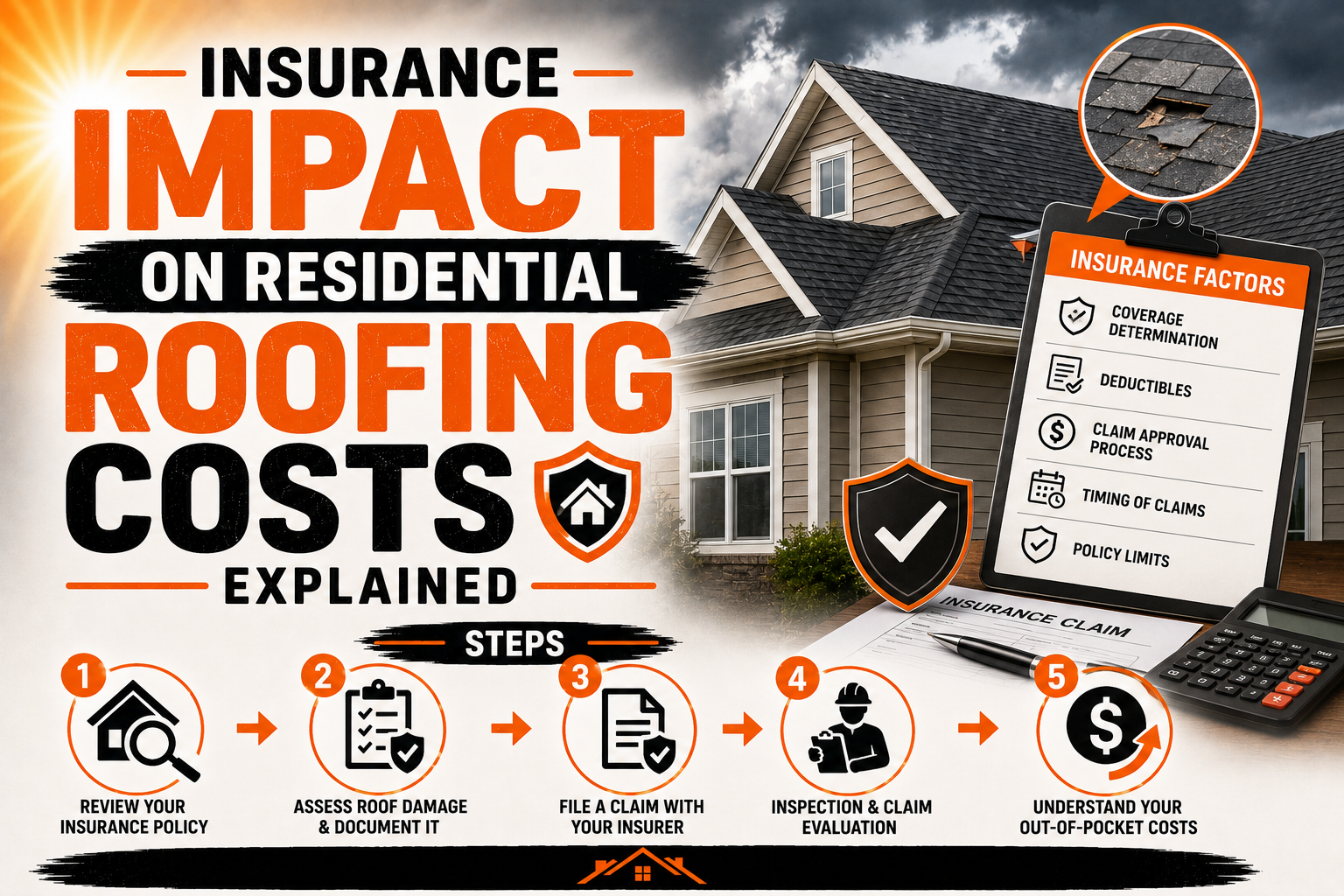
Insurance Impact on Residential Roofing Costs Explained
Introduction
Residential roofing can represent a significant household expense, particularly when a roof requires extensive repairs or complete replacement. Homeowners insurance may help cover certain roofing costs when damage results from a covered event, but insurance does not automatically pay for every roofing problem. Understanding how insurance and roofing expenses interact can help homeowners prepare financially and avoid unexpected out-of-pocket costs.
The relationship between insurance and roofing costs depends on several factors, including the cause of the damage, the terms of the policy, the roof’s age, the deductible, the type of coverage, and the documentation available. A roof damaged by a covered storm may be treated differently from a roof that has gradually deteriorated because of age or lack of maintenance.
Insurance policies can also differ significantly. Some homeowners may have coverage that considers the replacement cost of eligible damage, while others may receive compensation based on the roof’s depreciated value. Policy conditions, exclusions, limits, and deductibles can all influence the amount the homeowner ultimately receives.
Homeowners should therefore avoid assuming that an insurance claim will cover the complete roofing bill. Before starting major work, it is important to understand what the policy covers and how the insurer handles roofing claims. A professional roofing inspection and a detailed estimate can also help homeowners understand the physical scope of the damage.
Insurance should be viewed as one part of a broader roofing financial plan. Even when damage qualifies for coverage, the homeowner may still be responsible for a deductible, excluded work, upgrades, or other expenses. Planning for these costs can make the repair or replacement process more manageable.
How Homeowners Insurance Relates to Roofing Costs
Homeowners insurance is designed to provide financial protection against certain unexpected losses covered by the policy. Roofing is an important part of the home, so roof damage can sometimes be included when it results from a covered cause. However, the exact protection depends on the policy language and circumstances surrounding the damage.
A homeowner may have coverage for damage caused by certain weather events, falling objects, fire, or other covered incidents. The insurer generally evaluates whether the specific event is covered and whether the resulting damage meets the policy requirements. Homeowners should review their own policy rather than relying on general assumptions about insurance coverage.
The cost of a roofing claim can include several components. Depending on the policy and approved scope, expenses may involve materials, labor, removal of damaged materials, disposal, and certain related repairs. The insurer may also consider the condition and age of the roof when determining the amount payable.
Homeowners should understand that insurance coverage is not the same as a roofing warranty. A roofing warranty generally relates to the product or workmanship under specific conditions, while insurance concerns covered property losses. These are separate forms of protection with different purposes.
The roofing contractor also has a different role from the insurance company. A contractor can inspect the roof, identify visible damage, estimate repair or replacement costs, and complete authorized work. The insurer determines coverage according to the policy and claim evaluation process.
When a roof has been damaged, homeowners should avoid authorizing major work before understanding the insurance process when circumstances allow. Emergency measures may be necessary to prevent further damage, but permanent replacement should generally be coordinated with the homeowner’s insurer and qualified contractor.
The homeowner’s financial responsibility depends on the policy. Even when a claim is approved, the deductible and any non-covered expenses may remain the homeowner’s responsibility. Understanding these potential costs helps families plan their roofing budget more accurately.
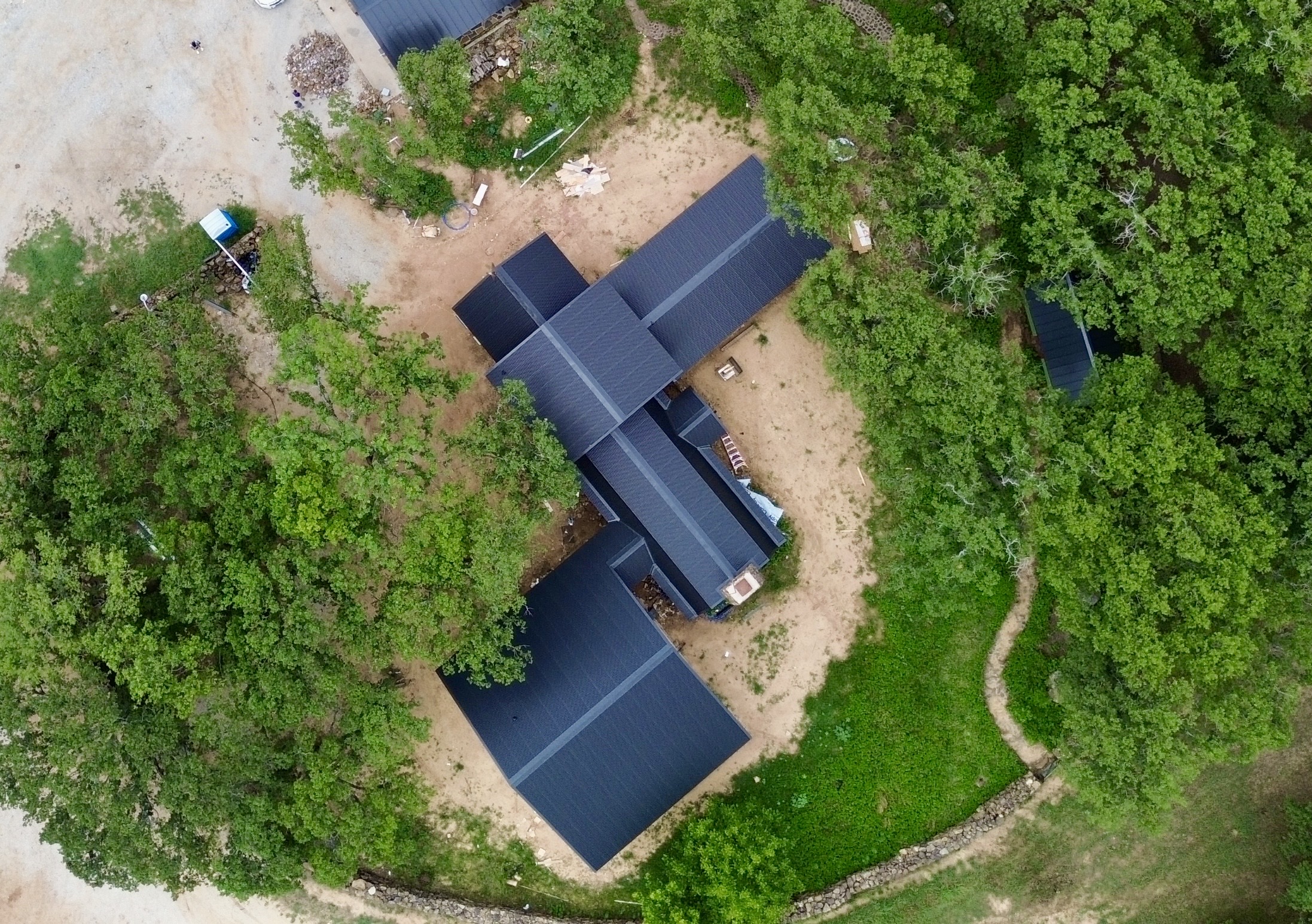
Covered Roof Damage vs. Normal Wear and Aging
One of the most important distinctions in roofing insurance is the difference between sudden damage and normal deterioration. Insurance policies generally focus on covered losses rather than the ordinary aging of building materials. A roof that has simply reached the end of its expected service life may not receive the same treatment as a roof damaged by a covered event.
Roofing materials naturally deteriorate over time. Sun exposure, temperature changes, moisture, wind, and normal weathering can gradually reduce their condition. Shingles may become brittle, surfaces can lose protective qualities, and sealants or flashing may deteriorate.
If a roof develops problems primarily because it is old, worn, or poorly maintained, the homeowner may have to pay for the necessary work. Insurance may not be intended to fund routine maintenance or predictable replacement. However, policy language varies, so homeowners should review their specific coverage.
Sudden damage can be different. For example, a severe weather event may damage otherwise functional roofing materials. Missing shingles, broken tiles, damaged flashing, or punctures caused by an insured event may potentially qualify for coverage if the policy includes that type of loss.
The distinction can sometimes become complicated when an older roof experiences storm damage. The insurer may evaluate both the storm-related damage and the pre-existing condition of the roof. The age and condition of the materials can influence how the claim is assessed.
Homeowners should avoid making their own final determination about whether damage is covered. A professional inspection can identify the physical cause or signs of damage, while the insurance company determines coverage according to the policy.
Maintenance records can also be valuable. Documentation showing that the roof was maintained and inspected may help provide context about its condition before an incident. Photos taken before severe weather can be particularly useful if they clearly show the roof’s previous condition.
Understanding this distinction is important because homeowners should not build a financial plan around insurance coverage for ordinary roof replacement. A separate roofing savings fund can help cover expected replacement costs, while insurance may provide protection for qualifying unexpected losses.
How Deductibles Affect Out-of-Pocket Roofing Expenses
A deductible is one of the most important factors homeowners need to consider when evaluating the financial impact of a roofing insurance claim. It represents the amount the homeowner is generally responsible for under the applicable policy before insurance contributes toward a covered loss. The exact rules depend on the policy.
For example, if an approved roofing claim results in covered costs of $15,000 and the applicable deductible is $2,000, the homeowner may be responsible for that deductible while the insurer considers the remaining eligible amount according to the policy. This is a simplified example, because actual claims can involve limits, depreciation, exclusions, and other factors.
Different types of deductibles may apply to different losses. Some policies can include special deductibles for certain weather-related events. Homeowners should review their policy carefully to understand which deductible applies to a particular roofing claim.
The deductible should be included in the household roofing budget from the beginning. Waiting until the claim is approved to think about this expense can create financial stress, especially when the roof requires urgent repairs.
Homeowners should also distinguish the deductible from upgrades or improvements. If a homeowner chooses a more expensive roofing material than the policy requires, the additional cost may not necessarily be covered. Similarly, improvements made for aesthetic reasons may be treated differently from repairs required to restore covered damage.
A detailed contractor estimate can help homeowners understand the total project price, while the insurer’s claim documentation can explain the amount considered eligible under the policy. Comparing these figures can reveal potential out-of-pocket expenses.
Families may choose to maintain a dedicated home repair fund to prepare for deductibles and other unexpected costs. This can be particularly helpful in areas where severe weather creates a higher possibility of roofing claims.
Homeowners should also avoid assuming that a contractor can eliminate or waive the deductible. The deductible is generally a policy responsibility, and attempts to manipulate the price or claim documentation can create serious problems.
Understanding the deductible before filing or proceeding with a claim helps homeowners make realistic financial decisions. It also makes it easier to compare whether an insurance claim is appropriate for a particular situation.
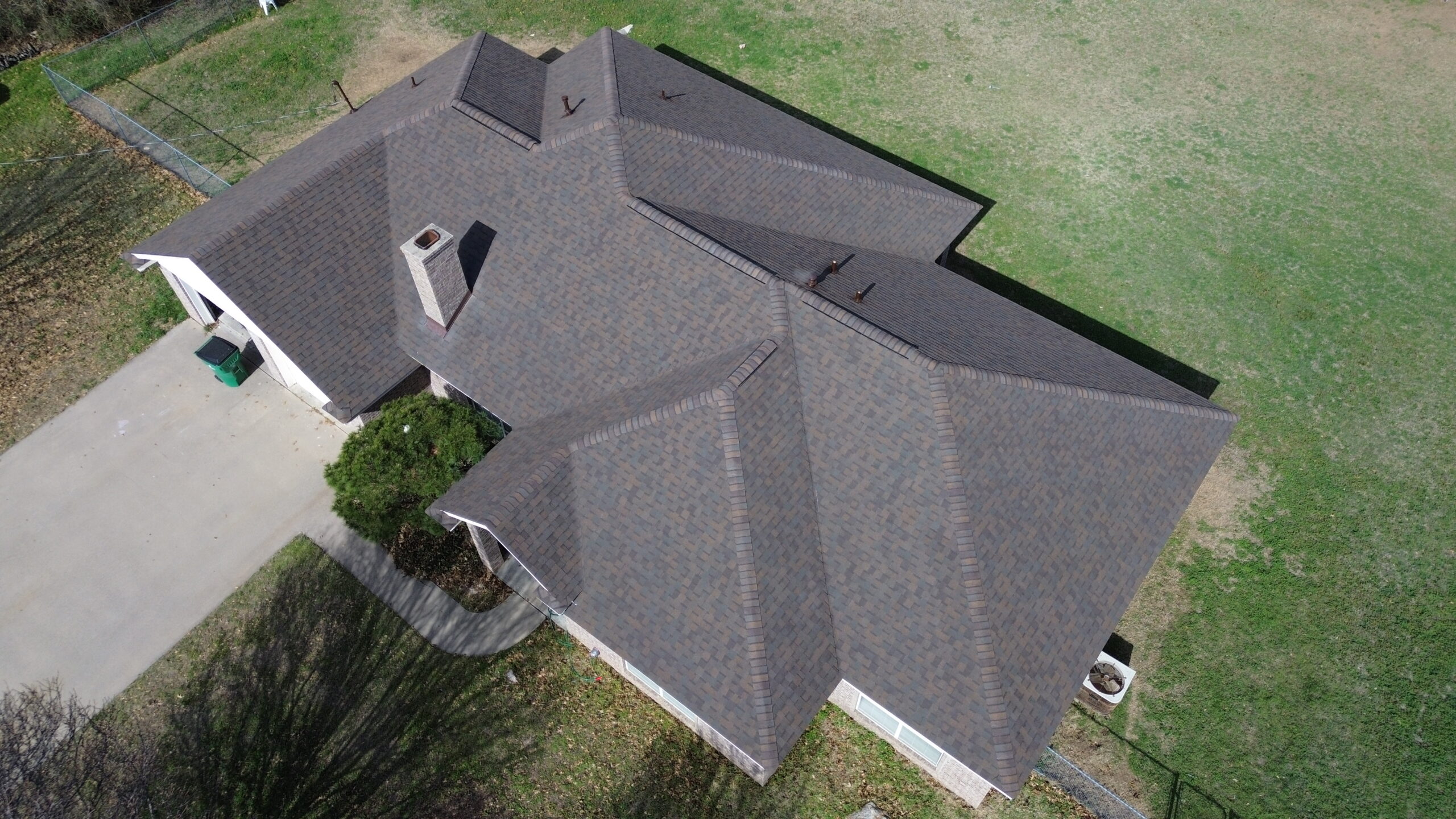
Roof Age, Condition, and Insurance Considerations
The age and condition of a roof can have an important relationship with insurance costs and claims. Older roofs may have greater deterioration, making it more difficult to separate long-term wear from sudden damage. Insurance companies may also have specific requirements or limitations related to roof age and material.
Homeowners should understand the age of their roofing system before assuming that insurance will provide full replacement coverage. The policy may address older roofs differently from newer ones, depending on the insurer and coverage terms.
Roof condition is also important. A roof that was already deteriorated before a storm may be evaluated differently from a well-maintained roof that suffers sudden damage. Existing damage, maintenance history, previous repairs, and the condition of roofing materials can all provide context during a claim.
Regular inspections can help homeowners monitor the roof as it ages. An inspection may identify cracked materials, deteriorating flashing, damaged seals, blocked drainage, or other concerns that should be addressed before they become larger problems.
Maintenance can also support better financial planning. If an inspection indicates that a roof is approaching the end of its useful service life, the homeowner can begin saving for replacement rather than waiting for an emergency. This reduces dependence on insurance for predictable expenses.
Older roofs may also require homeowners to pay closer attention to policy changes. Insurance companies can revise underwriting requirements, coverage conditions, or eligibility standards over time. Homeowners should review their policy documents and communicate with their insurer when they are unsure how an aging roof is treated.
The material itself can also influence the evaluation. Asphalt shingles, metal panels, tile, slate, and other materials have different expected service lives and replacement costs. A homeowner should understand whether the policy provides protection based on the actual material and its condition.
Roof age should therefore be considered as part of both insurance planning and household budgeting. A roof nearing the end of its service life may need a replacement fund even if no insurance claim is expected.
Documentation and Inspection Before Filing a Claim
Good documentation can make the roofing insurance process easier because it provides evidence about the property’s condition and the damage being reported. Homeowners should keep records of roof installation, repairs, maintenance, inspections, invoices, warranties, and relevant photographs whenever possible.
Photographs taken before and after a damaging event can be especially useful. Before-and-after images may help show that a particular problem appeared after the reported incident rather than being a long-standing condition. Homeowners should only take photographs from safe locations and should not climb onto a damaged roof without appropriate training and equipment.
A professional roofing inspection can provide additional information about the physical condition of the roof. The contractor may identify missing shingles, broken tiles, damaged metal panels, punctures, flashing problems, or other visible concerns. A written report and detailed estimate can help homeowners understand the scope of work.
The inspection should distinguish between damage that appears related to a specific event and general deterioration where possible. Homeowners should avoid asking a contractor to label normal wear as storm damage simply to increase the possibility of a claim. Accurate documentation protects the homeowner and supports a more reliable claims process.
Homeowners should also keep copies of communication with the insurance company. Claim numbers, inspection dates, correspondence, estimates, and other records can help maintain an organized file. Having the information available can be useful when questions arise during the claim.
If temporary repairs are necessary to prevent additional damage, homeowners should document the original condition before making the repair when it is safe to do so. Receipts for reasonable emergency work should also be retained because the policy may address certain mitigation expenses.
Before signing a major roofing contract, homeowners should understand how insurance and payment responsibilities will be handled. The contractor should explain the roofing work and pricing clearly, while the insurer should explain coverage and claim decisions.
Thorough documentation does not guarantee claim approval, but it can help create a clear record of the roof’s condition and the circumstances surrounding the damage. By combining careful records, professional inspection, and a clear understanding of policy terms, homeowners can approach roofing insurance claims with better financial preparation and fewer surprises.
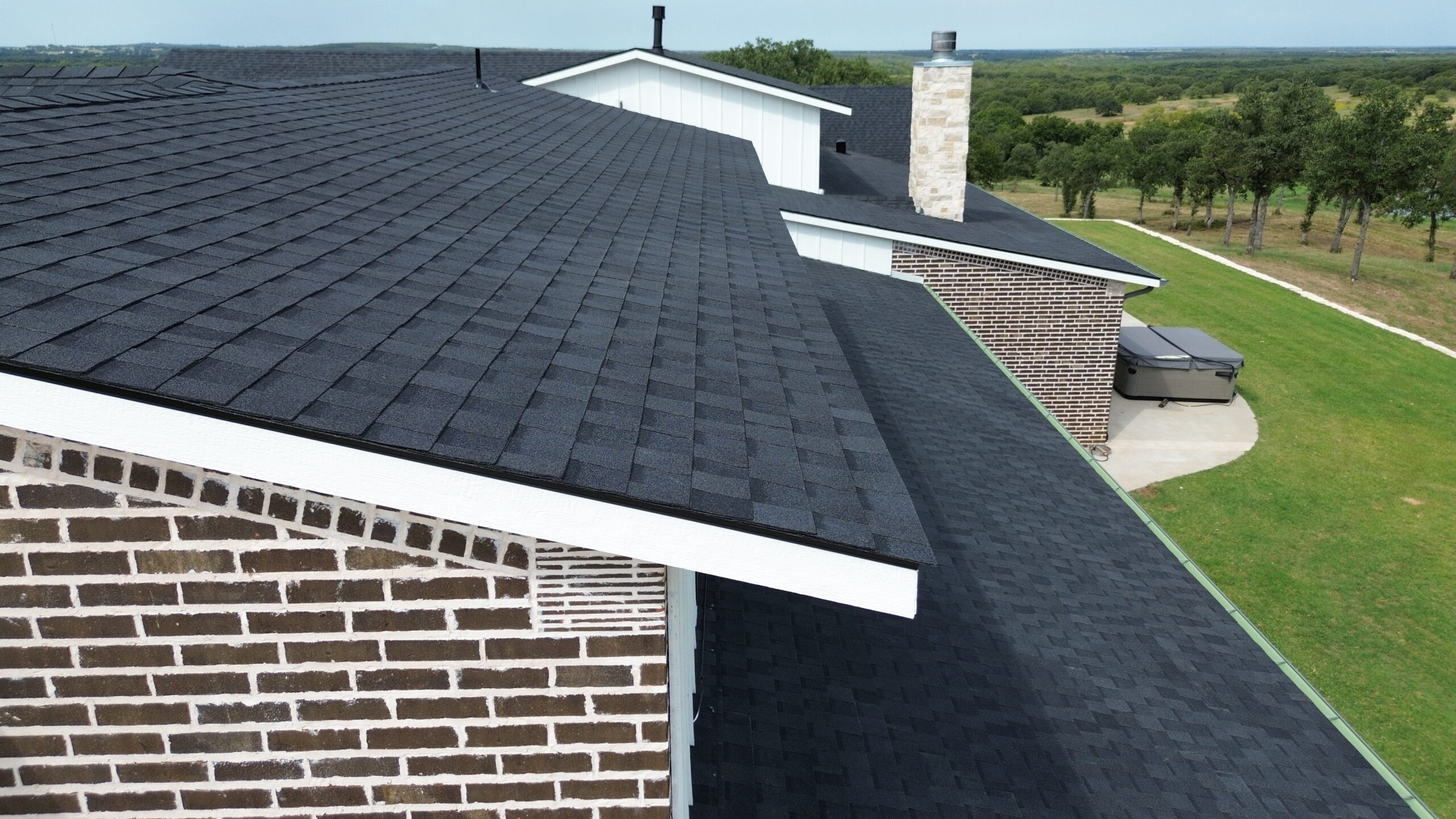
Storm Damage and Residential Roofing Insurance Claims
Storm damage is one of the situations in which homeowners may consider insurance when facing significant roofing expenses. Strong winds, hail, falling branches, and other severe weather events can damage roofing materials and create openings that allow water to enter the home. Whether the resulting repairs or replacement are covered depends on the specific insurance policy and the circumstances of the loss.
After a severe weather event, homeowners should first prioritize safety and prevent additional damage where reasonably possible. A damaged roof can contain loose materials, exposed nails, unstable sections, or other hazards. Homeowners should avoid climbing onto the roof themselves and should arrange a professional inspection when conditions are safe.
Visible signs of storm damage can include missing or displaced shingles, cracked tiles, dented metal panels, damaged flashing, fallen branches, and exposed roofing areas. Interior signs may include water stains, damp ceilings, dripping water, or moisture around walls. These signs should be documented promptly.
Homeowners should contact their insurance company according to the policy’s claim procedures when they believe a covered event has caused damage. The insurer may provide instructions about documentation, inspections, temporary repairs, and the claims process. Following those instructions can help keep the process organized.
A roofing contractor can inspect the property and prepare an estimate for necessary repairs. However, the contractor does not determine whether the insurance policy covers the damage. The insurer reviews the claim according to the policy language, applicable deductibles, exclusions, and other conditions.
Emergency measures may sometimes be necessary before permanent roofing work can begin. For example, temporary protection may help limit water intrusion after a section of roofing has been damaged. Homeowners should document the condition before emergency work when it is safe and retain receipts for relevant expenses.
Storm damage can also affect other parts of the property. Gutters, siding, windows, insulation, ceilings, and exterior structures may be damaged during the same event. Homeowners should document the entire property rather than focusing exclusively on the roof.
The timing of a claim can matter because delaying attention to visible damage may allow water intrusion to worsen. Additional deterioration that occurs because an existing problem was not addressed promptly may be treated differently under the policy. Homeowners should therefore follow the insurer’s reporting requirements and address urgent conditions as soon as reasonably possible.
Insurance can provide valuable financial protection when a qualifying storm causes roof damage, but homeowners should not assume that every storm-related issue will result in a full replacement payment. The cause of damage, roof condition, deductible, coverage type, and policy terms all influence the final outcome.
How Insurance Adjusters Evaluate Roof Damage
An insurance adjuster may inspect the roof and surrounding property to determine the extent and potential cause of reported damage. The inspection is part of the insurer’s process for evaluating whether the loss falls within the policy’s coverage. Homeowners should understand that an adjuster’s assessment may focus on specific damage rather than the overall age or appearance of the roof.
The adjuster may look for evidence consistent with the reported event. On a wind-damaged roof, this could involve displaced or missing materials and related damage. After hail, the inspection may focus on impact-related signs across appropriate roofing surfaces and other exterior components.
The roof’s existing condition can also be considered. If materials were already deteriorated, cracked, brittle, or damaged before the reported event, the insurer may distinguish those conditions from new damage. This is one reason maintenance records and previous photographs can be valuable.
The adjuster may also review the roofing material and installation characteristics. Different materials can respond differently to weather events, and the estimated cost of restoring the property can depend on the existing roofing system. The insurer may consider whether a repair is sufficient or whether replacement is necessary under the circumstances.
Homeowners should provide accurate information during the process. If they have inspection reports, invoices, photographs, warranty documents, or records of previous repairs, these materials can help establish the property’s history.
A contractor’s estimate and an insurance estimate may not always match. Contractors may identify work they believe is necessary to restore the roofing system, while the insurer evaluates the claim based on coverage provisions and its own estimating process. Differences should be discussed rather than automatically treated as an error.
Homeowners can ask questions when they do not understand why certain work has been included or excluded. They can request explanations of how the claim amount was calculated and which policy provisions apply. Clear communication can help homeowners understand their financial responsibilities.
If there is a disagreement about the scope or coverage, homeowners should review the policy and follow the insurer’s formal process for questions, supplements, reconsideration, or appeals where available. They should keep records of communications and supporting documents.
The adjuster’s role is important, but homeowners remain responsible for understanding their own policy. Reading the coverage documents before a loss occurs is ideal because it gives families time to understand deductibles, exclusions, limits, and claim procedures without the pressure of an emergency.
Actual Cash Value vs. Replacement Cost Coverage
The way an insurance policy values damaged roofing materials can have a significant effect on the amount a homeowner receives. Two common concepts are actual cash value and replacement cost coverage. The exact application depends on the policy, so homeowners should confirm which approach applies to their property.
Actual cash value generally considers depreciation when determining the value of damaged property. A roof that has aged significantly may therefore receive a lower valuation than a newer roof with similar damage. The homeowner may be responsible for a larger portion of the replacement cost if the policy does not provide full replacement coverage.
Replacement cost coverage is generally designed to consider the cost of replacing covered damaged property with comparable new materials, subject to the policy’s conditions and limits. This does not necessarily mean every upgrade or improvement will be covered.
The distinction can be particularly important for older roofs. If the roofing material has already experienced substantial depreciation, the difference between its current value and the cost of installing new materials can be significant. Homeowners should understand their policy’s valuation method before relying on insurance to fund a replacement.
Deductibles remain relevant under either approach. Even when a claim is covered, the homeowner may have an applicable deductible that must be paid. Other excluded expenses or upgrades may also remain the homeowner’s responsibility.
Homeowners should ask their insurer how depreciation is calculated when they are unsure about the policy. They should also determine whether additional payment may be available after completed replacement work under the policy’s requirements.
The difference between actual cash value and replacement cost can influence the household’s financing needs. A homeowner expecting full replacement funding may be surprised if the policy provides only a depreciated amount. Understanding the coverage in advance allows the family to maintain a more realistic emergency roofing fund.
Policy language can vary, and homeowners should not rely on general descriptions to determine their specific benefits. The insurance declarations, endorsements, exclusions, and coverage terms should be reviewed carefully.
When comparing insurance coverage options, homeowners should consider not only the premium but also the potential financial responsibility following a major roofing loss. A policy with different valuation terms may create significantly different out-of-pocket costs after a covered event.
How Roofing Materials and Installation Affect Claim Costs
The roofing material installed on a home can influence the cost of repairing or replacing covered damage. Asphalt shingles, metal roofing, tile, slate, wood products, and synthetic materials have different prices, installation methods, and availability. Insurance coverage may consider the existing roofing system and the cost required to restore covered damage under the applicable policy.
Material availability can affect the price of repairs. Common products may be easier to source, while specialty materials may require longer ordering times or additional transportation. If an exact matching material is difficult to obtain, homeowners should discuss the situation with their insurer and contractor.
Roofing installation requirements can also influence the total claim estimate. A steep or complicated roof may require additional labor, safety equipment, and preparation. Features such as chimneys, skylights, valleys, and multiple roof sections can add detail to the restoration process.
Supporting components may also require attention. Storm damage can affect flashing, underlayment, vents, gutters, and other parts of the roofing system. Whether these items are covered depends on the policy and the relationship between the damage and the covered event.
Building requirements can create another consideration. If local requirements have changed since the original roof was installed, certain work may need to meet current standards. Whether additional costs associated with such requirements are covered depends on the policy and applicable endorsements.
Homeowners should distinguish restoration from upgrades. Replacing a damaged roof with a comparable system may be treated differently from choosing a significantly more expensive material or adding optional improvements. The homeowner may need to pay the difference for certain upgrades.
Installation quality remains important even when insurance is involved. The contractor should use appropriate materials and follow applicable manufacturer and building requirements. Poor installation can create future problems that may not be related to the original insured event.
A detailed estimate should identify the materials and work required. Homeowners can use this information when discussing the claim with their insurer and determining how much money may need to come from personal funds.
The interaction between material choice and insurance demonstrates why homeowners should review coverage before a roofing emergency occurs. Understanding the policy and maintaining records about the existing roof can make the financial planning process easier when significant damage occurs.
Common Insurance Exclusions That Affect Roofing Expenses
Insurance policies contain exclusions and limitations that can affect how much homeowners ultimately pay for roofing work. These conditions vary between policies, but homeowners should understand that not every cause of roof damage automatically qualifies for coverage.
Normal wear and tear is a common consideration. Roofing materials naturally deteriorate over time, and routine aging may not be treated as an insured loss. A roof that has simply reached the end of its useful life may therefore require replacement at the homeowner’s expense.
Neglect and maintenance-related deterioration can also affect coverage. If problems have been allowed to develop over a long period, the insurer may evaluate them differently from sudden damage caused by a covered event. Regular inspections and timely repairs can help homeowners maintain the property and identify problems early.
Certain weather-related events may also have specific limitations or deductibles. Homeowners should understand whether their policy treats wind, hail, hurricanes, or other events differently. The applicable deductible can have a major effect on out-of-pocket costs.
Damage caused by certain pests, animals, or environmental conditions may also be excluded or limited. The exact treatment depends on the policy. Homeowners should review their coverage rather than assuming that every source of roof damage is protected.
Poor workmanship can create another complicated issue. If a roof fails because of installation defects, the contractor’s workmanship warranty or other remedies may be more relevant than homeowners insurance. Insurance policies and warranties serve different purposes.
Cosmetic damage may also receive different treatment from functional damage. A roof can appear less attractive after an event without necessarily suffering the type of physical damage required for coverage. Homeowners should ask for clarification if they are uncertain.
Understanding exclusions can help families create a realistic roofing emergency fund. Insurance should provide protection against eligible unexpected losses, but homeowners should still prepare for routine maintenance, aging, deductibles, and excluded repairs.
Working With Roofing Contractors During the Insurance Process
A qualified roofing contractor can be valuable during an insurance-related roofing project because the contractor can identify physical damage and provide a detailed estimate. However, homeowners should remember that the contractor and insurance company have different responsibilities.
The contractor should document the roof’s condition accurately and describe the work required to restore it. Photographs, measurements, material specifications, and written estimates can help create a clear record of the proposed work.
Homeowners should be cautious about contractors who guarantee that an insurance claim will be approved. No contractor can determine the insurer’s final coverage decision. Promises about guaranteed claim amounts should therefore be treated carefully.
The roofing contract should clearly identify the work being performed and the homeowner’s payment responsibilities. If insurance pays only part of the project, the homeowner should understand how the remaining balance will be handled.
Homeowners should also avoid signing documents they do not understand. Any agreement involving insurance claims, assignments, financing, or additional work should be reviewed carefully before authorization.
Communication between the homeowner, contractor, and insurer can help reduce confusion. Homeowners should keep copies of estimates, photographs, claim documents, invoices, and written communications throughout the process.
If additional damage is discovered after work begins, the contractor should document it and explain why additional work is necessary. The homeowner can then communicate with the insurer about whether the additional work may qualify under the claim.
The strongest approach is to treat insurance as one part of the roofing project rather than the entire financial plan. A qualified contractor can help identify the work, the insurer can evaluate coverage, and the homeowner can manage deductibles and non-covered expenses.
By understanding each party’s role and keeping accurate records, homeowners can approach insurance-related roofing projects with clearer expectations. Careful planning can reduce financial surprises and help ensure that necessary repairs are completed properly without confusing coverage decisions with the actual cost of roofing work.
Managing Out-of-Pocket Roofing Expenses
Even when homeowners insurance covers part of a roofing project, families may still need to pay a portion of the total cost themselves. Deductibles, excluded repairs, depreciation, upgrades, and costs that exceed policy limits can all create out-of-pocket expenses. Understanding these possibilities before work begins can make it easier to build a realistic roofing budget.
The first step is to compare the contractor’s complete estimate with the insurance company’s approved amount. This comparison can show whether the expected insurance payment will cover the entire project or whether additional funds will be necessary. Homeowners should ask questions about any differences rather than assuming that one estimate is automatically correct.
A separate emergency fund can help cover unexpected roofing expenses. This money may be useful for deductibles, temporary repairs, or necessary work that falls outside the policy. Maintaining such a reserve can reduce the need to rely entirely on high-cost borrowing after a major weather event.
Homeowners should also distinguish necessary restoration from optional upgrades. If a homeowner chooses a more expensive roofing material, decorative feature, or improvement beyond the approved restoration, the additional expense may become their responsibility. Discussing upgrades with the insurer and contractor before ordering materials can prevent surprises.
Financing can sometimes help manage a remaining balance, but homeowners should carefully evaluate interest rates, fees, repayment periods, and total costs before borrowing. Insurance proceeds should not be treated as guaranteed until the claim and payment terms are clear.
Preventive Maintenance and Insurance Costs
Regular roof maintenance can play an important role in controlling long-term household expenses. Although maintenance does not guarantee insurance coverage, keeping the roof in good condition can help homeowners identify problems before they become major repairs.
Inspections can reveal damaged shingles, cracked tiles, deteriorated flashing, blocked drainage, damaged vents, and other concerns. Addressing small problems promptly may reduce the possibility of water intrusion and more extensive structural damage.
Homeowners should keep records of completed maintenance and repairs. Invoices, inspection reports, photographs, and contractor recommendations can provide a useful history of the roof’s condition. These records may also help explain the property’s condition if a future insurance claim occurs.
Preventive maintenance can also help homeowners distinguish expected replacement costs from unexpected insured losses. A roof approaching the end of its useful life should be included in the household’s future budget rather than treated as an emergency that insurance will necessarily cover.
Families can create a dedicated home maintenance fund and contribute to it regularly. Even modest contributions can gradually build a reserve for roofing repairs, inspections, or future replacement.
Maintenance should never be viewed as a guarantee that an insurer will approve a claim. Instead, it is a practical way to protect the property, manage predictable expenses, and reduce avoidable deterioration.
How Roofing Improvements May Affect Insurance Considerations
Homeowners sometimes consider upgrading their roofing materials or systems after experiencing damage. Improvements may include impact-resistant products, stronger fastening systems, upgraded ventilation, improved drainage, or more durable roofing materials. These changes can affect the project price and may have different insurance implications.
Some improvements can potentially provide additional property protection, depending on the product and location. However, homeowners should not assume that an upgrade will automatically reduce insurance premiums or increase coverage. Any potential insurance benefit should be confirmed directly with the insurer.
The cost of an upgrade should also be separated from the cost of restoring covered damage. If the policy covers a comparable replacement but the homeowner chooses a substantially more expensive product, the additional amount may need to be paid personally.
Improved roofing systems can still provide long-term value even when they do not produce an immediate insurance benefit. A durable material may reduce maintenance requirements or improve resistance to certain environmental conditions.
Homeowners should consider the property’s age and future plans when evaluating upgrades. A premium roofing system may make sense for someone planning to remain in the home for many years, while a more economical replacement may be appropriate for another household.
Before choosing an upgraded system, homeowners should ask both the contractor and insurer how the change will affect the project and coverage. Getting the information in writing can help prevent misunderstandings.
Avoiding Common Roofing Insurance and Cost Mistakes
One of the most common mistakes homeowners make is assuming that insurance will automatically pay for a complete roof replacement. Coverage depends on the policy, the cause of damage, the roof’s condition, deductibles, exclusions, and other factors. Reviewing the policy before an emergency can prevent unrealistic expectations.
Another mistake is delaying repairs after visible damage occurs. Water entering through a damaged roof can affect insulation, ceilings, walls, electrical components, and other parts of the home. Homeowners should take reasonable steps to prevent further damage while following their insurer’s claim instructions.
Hiring a contractor based solely on promises about insurance coverage can also be risky. Homeowners should evaluate licensing or qualifications where applicable, insurance, references, experience, written estimates, and contract terms independently of the insurance claim.
Homeowners should also avoid falsifying damage or exaggerating a claim. Accurate reporting protects the homeowner and helps maintain a trustworthy claims process. Any contractor who encourages misleading information should be treated with caution.
Another mistake is failing to understand the deductible. Even an approved claim can leave the homeowner responsible for a significant amount. The deductible should be included in the family’s financial planning from the beginning.
Finally, homeowners should not compare roofing estimates solely by the bottom-line price. A lower estimate may exclude important materials, preparation, flashing, disposal, or other work. A detailed comparison provides a better understanding of what each contractor is actually offering.
Planning a Roofing Budget With Insurance in Mind
A strong roofing budget should account for both insured and non-insured expenses. Homeowners can begin by determining the roof’s age, current condition, approximate replacement cost, and available insurance coverage.
A professional roofing inspection can help identify whether the roof needs routine maintenance, repairs, or eventual replacement. If replacement is likely within the next few years, families can begin saving before the project becomes urgent.
Homeowners should also review the policy’s deductible and valuation method. Understanding whether eligible losses are handled according to actual cash value or replacement cost can significantly affect the amount of money the homeowner may need to contribute.
The budget should include a contingency amount for unexpected conditions. Roof replacement can reveal damaged decking, deteriorated flashing, ventilation problems, or other issues that were not visible before materials were removed.
A simple planning approach can include:
- Expected roofing project cost
- Applicable insurance contribution
- Policy deductible
- Possible excluded repairs
- Optional upgrades
- Emergency reserve
Keeping these categories separate makes it easier to understand the family’s actual financial responsibility. It also helps homeowners decide whether they need additional savings or financing before work begins.
Insurance should be treated as protection against qualifying unexpected losses rather than a replacement for regular roofing savings. A balanced approach combines appropriate insurance coverage with maintenance and personal financial preparation.
Key Questions Homeowners Should Ask Their Insurer
Homeowners can avoid many misunderstandings by asking their insurer specific questions about roofing coverage before damage occurs. Policy documents provide important information, but speaking directly with the insurer can help clarify how certain provisions apply to the property.
Useful questions include whether the roof is covered for specific weather-related damage, what deductible applies, and how the insurer calculates the value of an older roof. Homeowners should also ask whether there are special limitations for certain roofing materials or roof ages.
It is also useful to understand the claim process. Homeowners can ask how quickly a claim should be reported, what documentation is required, whether an adjuster will inspect the property, and how temporary repairs should be handled.
If a homeowner is considering a new roofing material, they can ask whether the selected material affects coverage or premiums. They should also confirm whether additional endorsements or special requirements apply.
Keeping written answers and policy documents organized can make future claims easier to manage. Homeowners should remember that verbal information should not replace the actual policy terms, so important coverage decisions should be confirmed through official documentation.
Conclusion
Insurance can play an important role in managing residential roofing costs, particularly when a roof suffers unexpected damage from a covered event. However, insurance does not eliminate every roofing expense, and homeowners may still be responsible for deductibles, depreciation, excluded damage, maintenance, or optional upgrades.
Understanding the difference between covered damage and normal aging is essential. A roof that has reached the end of its useful life generally requires a different financial approach from a roof that experiences sudden damage during a qualifying event. Reviewing policy terms and maintaining accurate roofing records can help homeowners understand these differences.
The type of insurance coverage also matters. Actual cash value and replacement cost approaches can produce different financial outcomes, especially for older roofing systems. Homeowners should understand how their insurer evaluates roofing losses before they need to file a claim.
Preventive maintenance remains equally important. Regular inspections, prompt repairs, proper documentation, and a dedicated home maintenance fund can reduce financial pressure and help homeowners prepare for predictable roofing expenses.
When damage does occur, homeowners should document the condition, follow the insurer’s claim procedures, obtain a detailed roofing estimate, and carefully compare approved coverage with the actual project cost. Working with a qualified roofing contractor while maintaining clear communication with the insurer can help keep the process organized.
Ultimately, insurance should be one component of a broader residential roofing financial strategy. By understanding coverage, planning for deductibles, maintaining the roof, comparing project estimates, and preparing for expenses that insurance may not cover, homeowners can make more confident decisions and protect both their property and household budget.