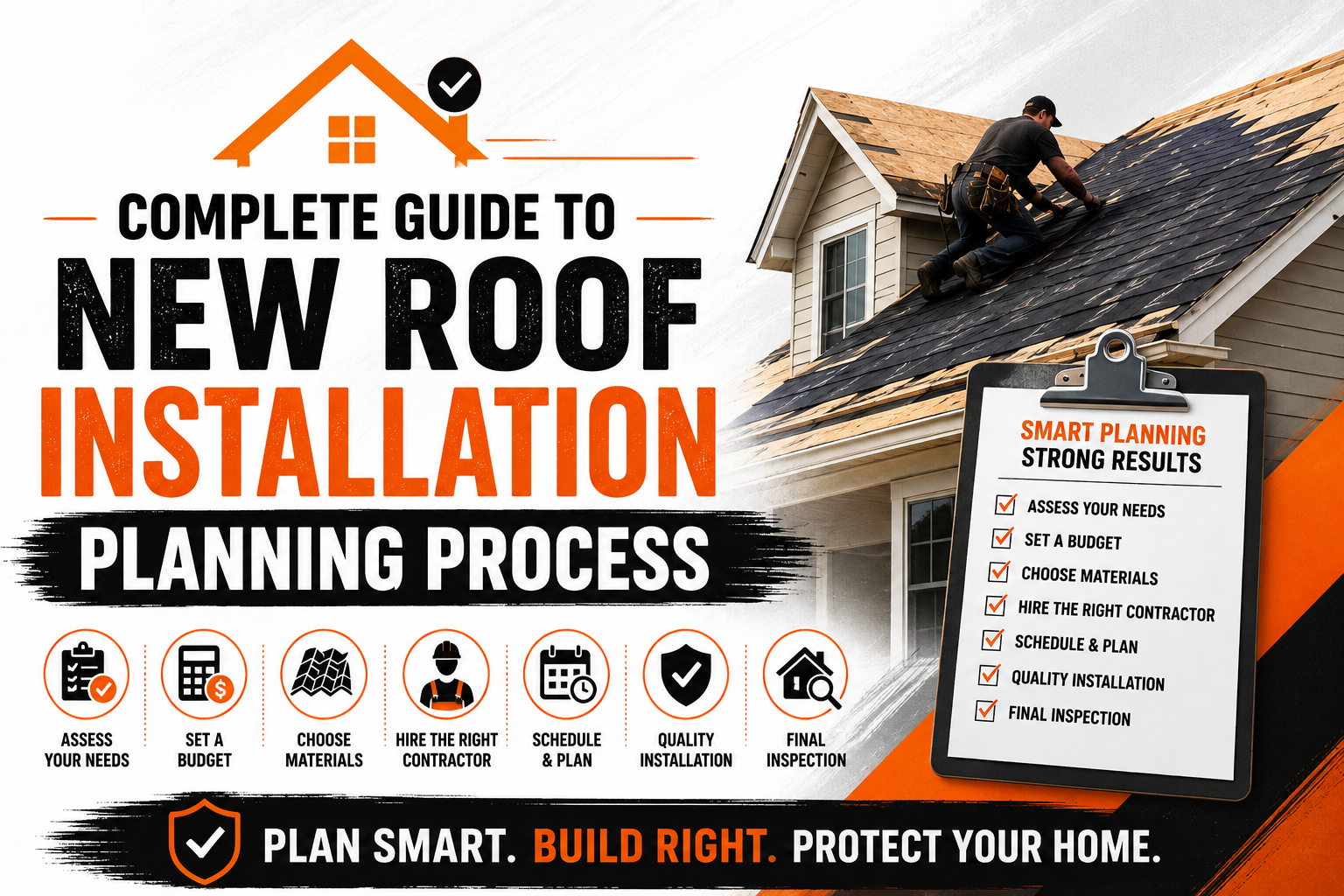
Complete Guide to New Roof Installation Planning Process
Introduction
A new roof installation is one of the most important investments a property owner can make. Whether you are building a new home, replacing an aging roof, or constructing a commercial property, careful planning determines how successful the entire project will be. A well planned installation improves durability, enhances energy efficiency, protects the building from weather, and reduces future maintenance costs.
Many people focus only on roofing materials or contractor pricing, but the planning process begins long before installation starts. Every roof should be designed around the building’s structure, local climate, budget, and long term goals. Missing even one planning step can result in delays, unexpected expenses, or performance issues that could have been prevented.
A properly planned roof installation creates a strong foundation for decades of reliable protection. It also helps property owners understand the complete scope of the project before any work begins. This makes budgeting easier, reduces surprises, and allows every stage of construction to move smoothly.
In this first part of the guide, we will explore everything that should happen before the first roofing material reaches the construction site. From evaluating the structure to selecting suitable roofing systems, these planning decisions influence the quality and lifespan of the finished roof.
Why Careful Planning Matters Before Roof Installation
Roof installation is far more than attaching shingles or metal panels to a building. Every roofing system functions as a complete protective structure made up of multiple components that must work together. Proper planning ensures that each component is compatible with the others and meets the specific needs of the property.
Without careful planning, contractors may encounter structural weaknesses, inaccurate material estimates, or design conflicts after construction begins. These unexpected problems often increase project costs and extend completion times. Spending additional time during the planning phase is usually far less expensive than correcting mistakes during installation.
Planning also helps property owners make informed decisions instead of rushed ones. Roofing materials, insulation, ventilation, drainage systems, and underlayment options all have advantages and limitations. Understanding these factors before construction begins leads to better long term performance.
Another important reason for planning is risk reduction. Proper preparation minimizes safety hazards, scheduling conflicts, weather related interruptions, and material shortages. It creates a structured roadmap that everyone involved in the project can follow.
A well planned roofing project generally provides several important benefits:
- Better project budgeting and cost control
- Improved structural performance
- Reduced construction delays
- Longer roof lifespan
- Greater energy efficiency
- Easier maintenance throughout the roof’s life
These advantages demonstrate why planning should never be treated as a minor step. Instead, it should be viewed as the foundation upon which the entire roofing project is built.
Understanding the Scope of a New Roof Installation Project
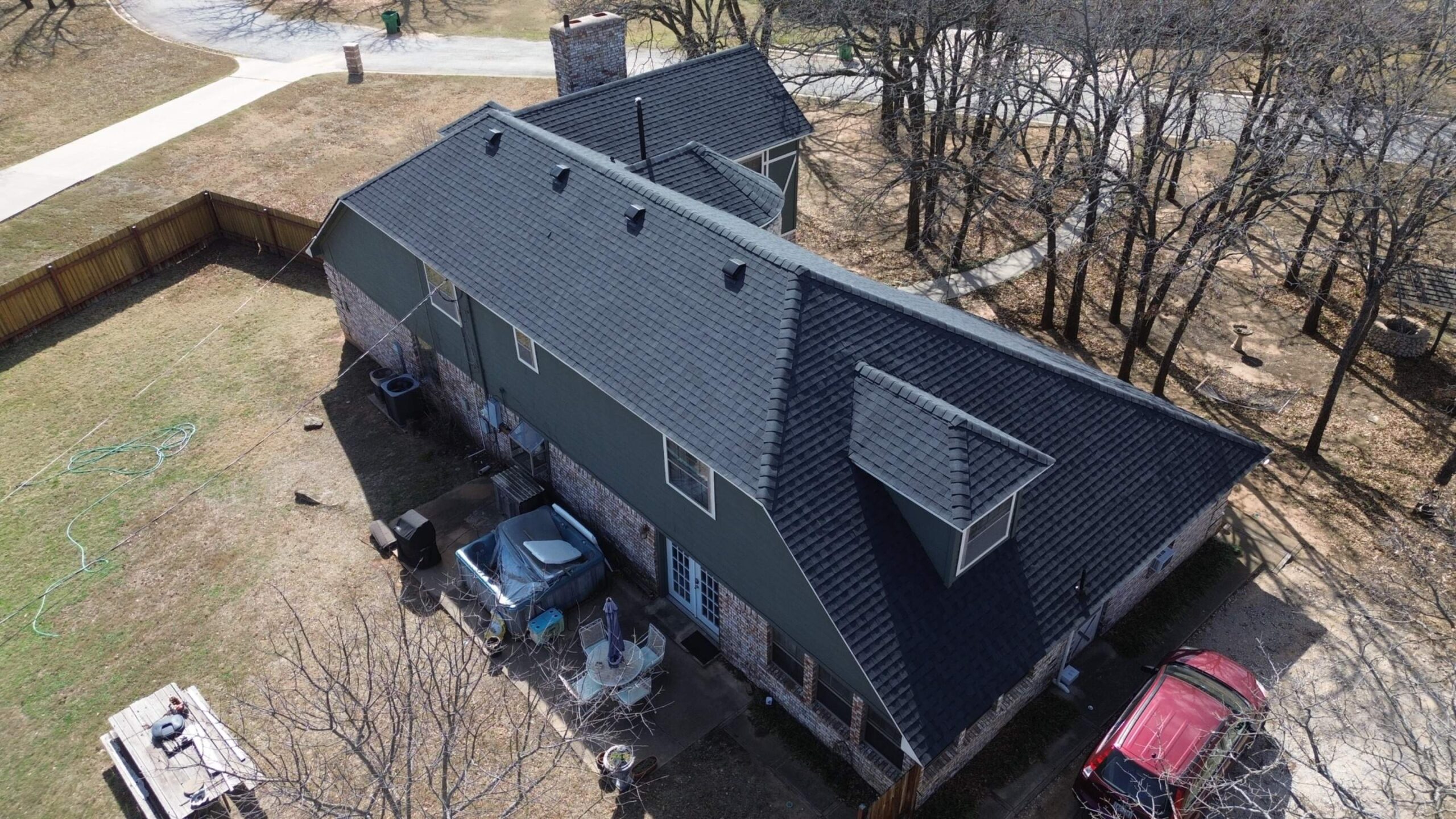
Before selecting materials or hiring contractors, it is important to understand what a complete roof installation project actually includes. Many homeowners assume roofing only involves visible exterior materials, but a modern roofing system consists of several interconnected layers designed to protect the building from moisture, wind, heat, and structural movement.
The roofing project usually begins with structural evaluation and design planning. Once these assessments are complete, material selection, budgeting, scheduling, permitting, and contractor coordination follow. Only after these planning activities are finished does the physical installation begin.
A complete roofing system commonly includes the roof deck, moisture barriers, underlayment, flashing, ventilation systems, insulation, drainage components, and the final roofing material. Every layer contributes to overall performance and should be selected with the entire system in mind rather than individually.
The project scope may also include improvements beyond the roof itself. Gutters, skylights, chimneys, attic ventilation, roof penetrations, and insulation upgrades often become part of the installation plan. Addressing these elements together reduces future repair work and creates a more efficient roofing system.
Understanding the complete project scope also allows property owners to communicate effectively with contractors. Clear expectations reduce misunderstandings and help ensure every required task is included in the project proposal.
Evaluating the Building Structure Before Installation
Every successful roof installation begins with a careful assessment of the building that will support it. Even the highest quality roofing materials cannot perform well if the underlying structure has weaknesses or hidden damage. Structural evaluation helps determine whether the building is capable of supporting the planned roofing system safely.
The roof framing should be inspected for signs of deterioration, moisture damage, insect activity, or excessive movement. Damaged rafters, trusses, or support beams may require repairs before installation begins. Ignoring structural issues can shorten the lifespan of the new roof and create safety concerns for occupants.
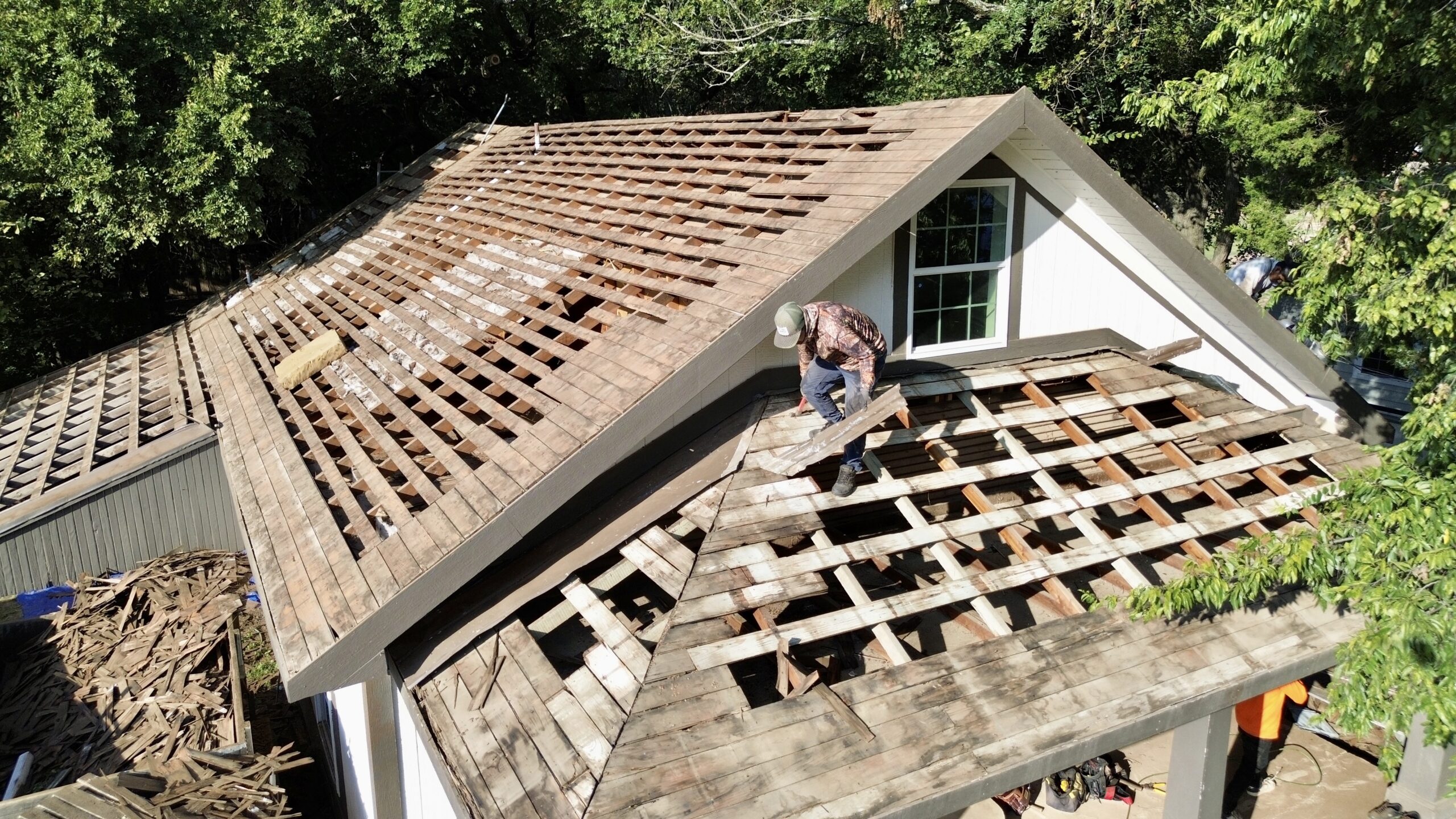
The roof deck also deserves close attention during the planning phase. Soft spots, water damage, rot, and warped sheathing should be identified early. Replacing damaged decking before installing new roofing materials creates a stable base that improves long term durability.
Attic conditions provide additional information about the health of the roofing system. Poor ventilation, excessive humidity, mold growth, or insulation problems may indicate issues that should be corrected before construction starts. Solving these problems early helps prevent future moisture damage beneath the new roof.
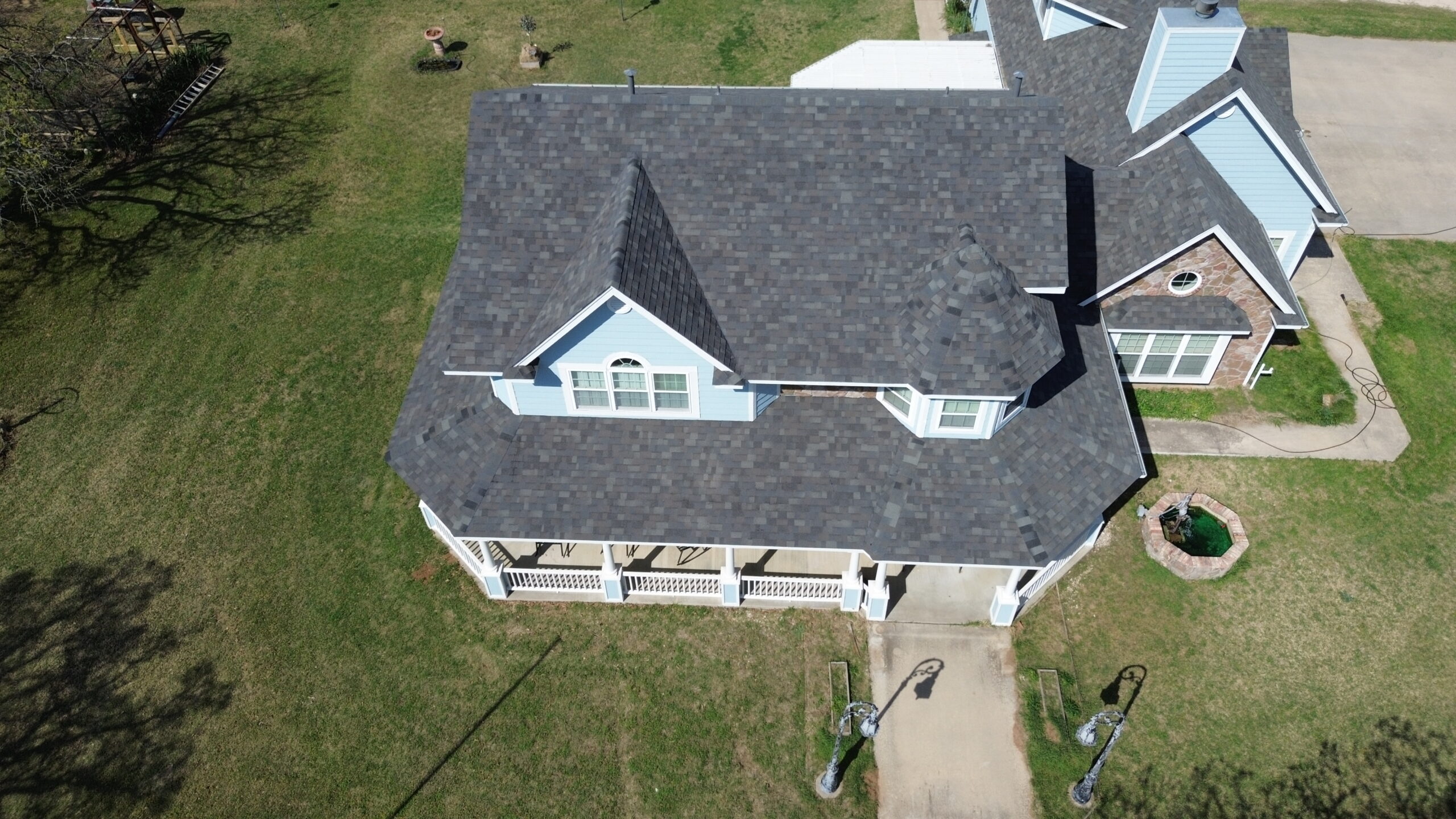
Roof geometry is another important factor during structural evaluation. Steeper slopes require different installation methods than low slope roofs, while complex roof designs with multiple valleys, dormers, or intersecting sections demand additional planning to ensure proper waterproofing.
Professional structural assessments often include measurements of load capacity. Roofing materials vary significantly in weight, and the supporting framework must safely carry both permanent loads and temporary weather loads such as snow or heavy rainfall. Selecting materials without confirming structural capacity can lead to expensive modifications later.
Choosing the Right Roofing System for Your Property
Selecting the right roofing system involves much more than choosing an attractive appearance. Every property has unique requirements based on its design, location, expected lifespan, and maintenance expectations. The planning phase should carefully evaluate these factors before making a final decision.
Residential homes often prioritize appearance, energy efficiency, and affordability. Commercial buildings may focus more heavily on durability, drainage performance, and ease of maintenance. Industrial facilities often require specialized roofing systems designed for equipment, ventilation units, or chemical exposure.
Climate plays a major role in determining which roofing system performs best. Areas with frequent rainfall require excellent water shedding capabilities, while regions with intense sunlight benefit from reflective roofing materials that reduce heat absorption. Wind resistance also becomes increasingly important in areas exposed to severe storms.
Maintenance expectations should also influence roofing selection. Some materials require periodic inspections, cleaning, or protective coatings throughout their lifespan. Others offer relatively low maintenance requirements while still providing excellent durability.
Future expansion plans deserve consideration as well. If solar panels, skylights, or rooftop equipment may be installed later, planning for these additions during the initial roofing project can simplify future modifications and reduce installation costs.
Choosing a roofing system should balance appearance, performance, durability, maintenance, and budget rather than focusing on only one factor.
Comparing Popular Roofing Materials
Roofing materials vary widely in appearance, lifespan, maintenance requirements, installation complexity, and overall cost. Understanding these differences allows property owners to make informed decisions that match both immediate needs and long term goals.
| Roofing Material | Typical Lifespan | Maintenance Level | Best Suited For |
|---|---|---|---|
| Asphalt Shingles | 20 to 30 years | Low | Residential homes |
| Metal Roofing | 40 to 70 years | Low | Homes and commercial buildings |
| Clay Tiles | 50 to 100 years | Moderate | Warm climates and luxury homes |
| Concrete Tiles | 40 to 60 years | Moderate | Residential properties |
| Slate Roofing | 75 to 100+ years | Low | Historic and premium homes |
| Synthetic Roofing | 30 to 50 years | Low | Various residential applications |
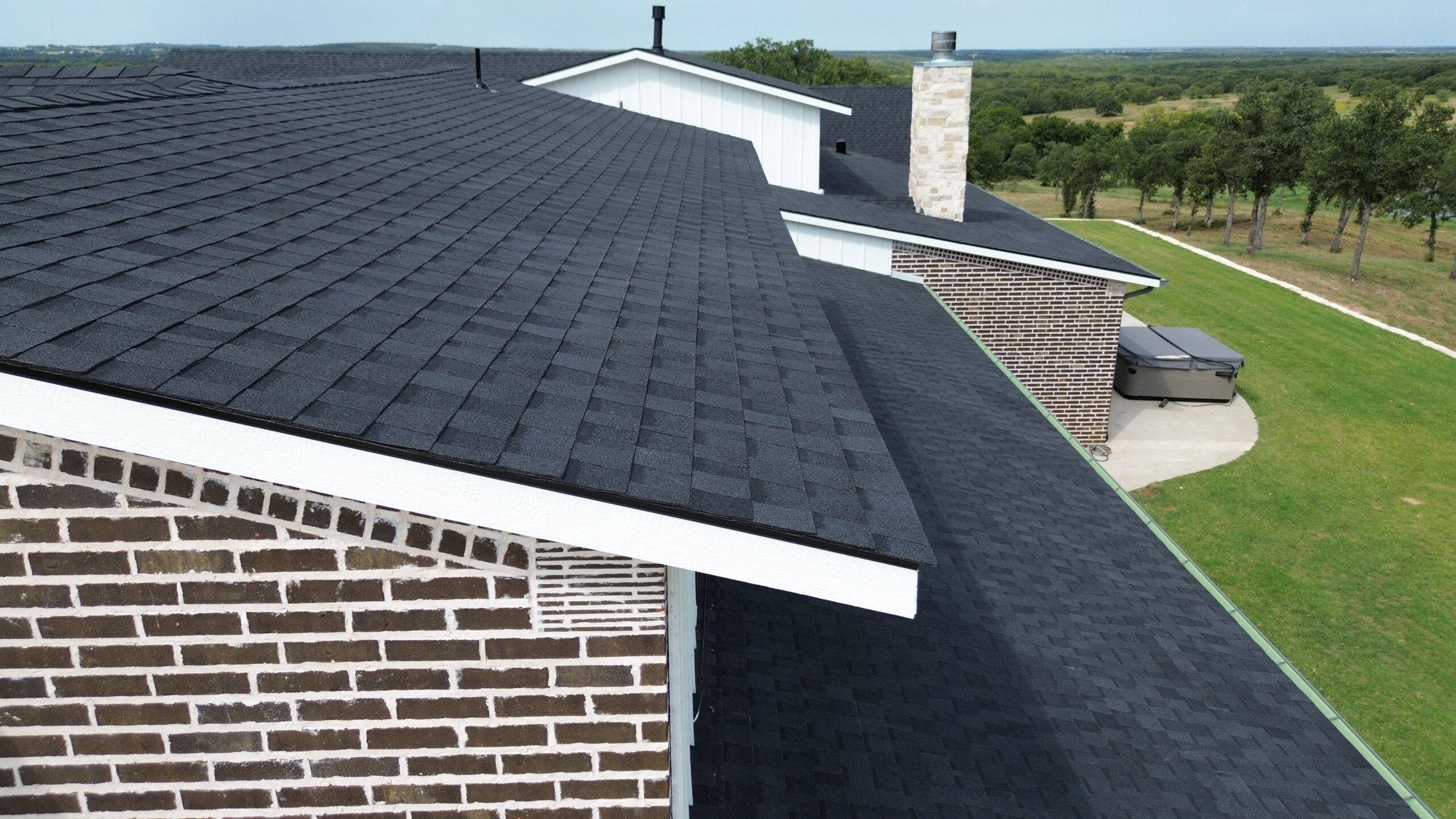
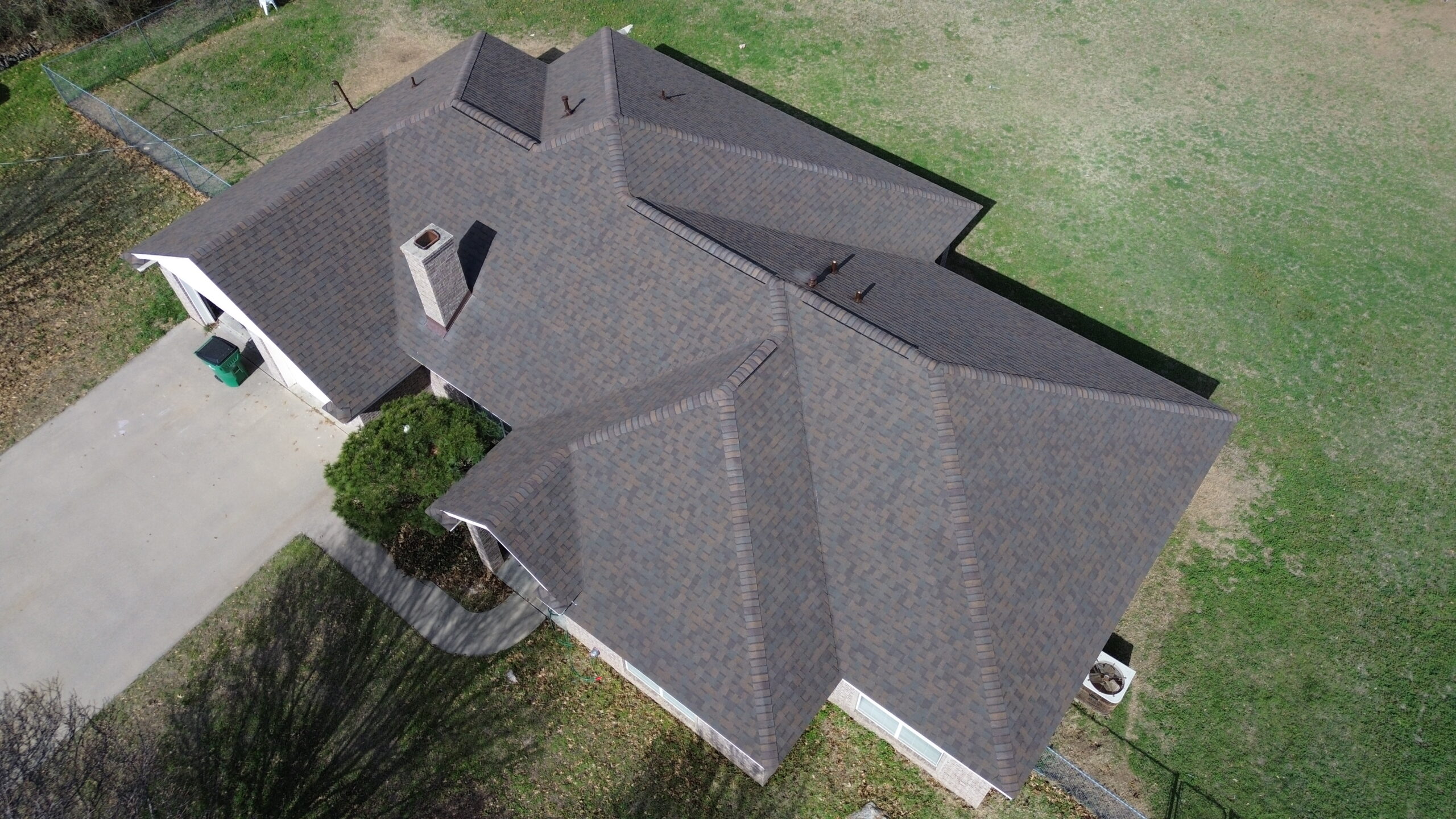
Asphalt shingles remain one of the most common choices because they offer a balance between affordability and performance. Modern shingles are available in many colors and styles, making them suitable for a wide range of architectural designs.
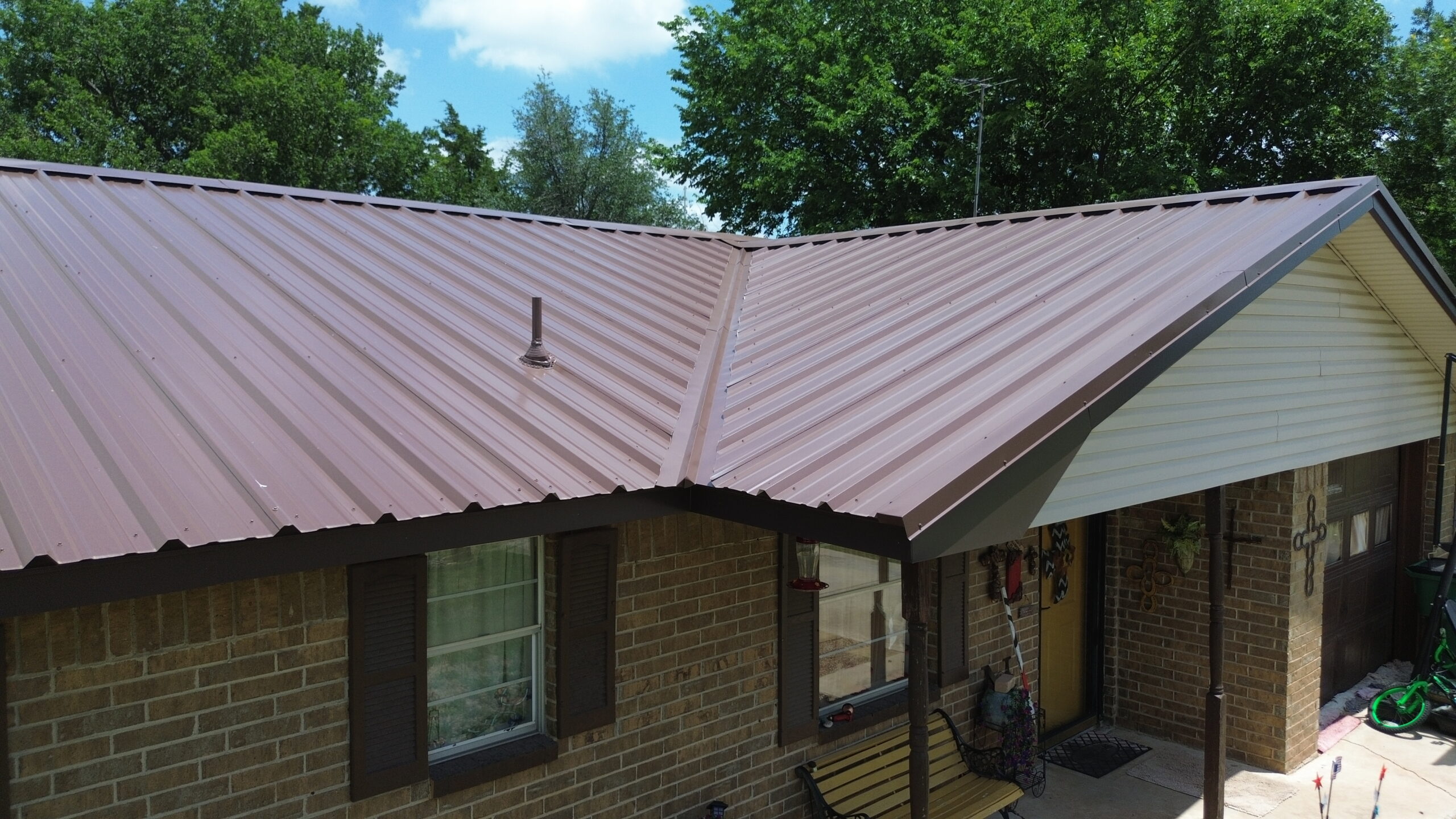
Metal roofing continues to gain popularity because of its durability and energy efficiency. Properly installed metal roofs can withstand severe weather while reflecting solar heat, helping reduce cooling costs in warmer climates.
Clay and concrete tiles provide exceptional longevity and create a distinctive architectural appearance. Their heavier weight, however, requires adequate structural support, making early planning especially important.
Slate remains one of the longest lasting roofing materials available. Although its initial cost is higher than many alternatives, its durability and timeless appearance make it a valuable investment for certain properties.
Synthetic roofing products have expanded rapidly in recent years. Many are designed to replicate traditional materials while offering reduced weight, easier installation, and improved impact resistance.
Each roofing material should be evaluated according to the property’s structural capacity, local weather conditions, maintenance preferences, and overall budget rather than price alone.
Climate and Environmental Factors That Influence Roofing Decisions
Climate has a direct impact on how well a roof performs throughout its lifespan. Roofing systems should always be selected with local weather patterns in mind rather than relying solely on appearance or popularity.
Regions with heavy rainfall require roofing materials that efficiently channel water away from the structure. Proper drainage design, flashing installation, and waterproof underlayment become especially important in these environments. Even small drainage problems can eventually lead to moisture infiltration if left unaddressed.
Areas that experience high temperatures benefit from roofing materials with reflective properties. Cool roofing technologies reduce heat absorption, helping maintain comfortable indoor temperatures while lowering energy consumption during warmer months. Improved energy efficiency often results in noticeable savings over the roof’s lifespan.
Snow and ice present another planning challenge in colder climates. Roof structures must support additional seasonal loads while allowing snow and melting water to drain safely. Proper insulation and attic ventilation also help reduce the formation of damaging ice dams.
Wind resistance should never be overlooked in storm prone regions. Roofing systems should include fastening methods, edge protection, and materials capable of withstanding strong wind events. Selecting products with appropriate wind ratings increases long term reliability.
Environmental conditions beyond weather also influence roofing performance. Trees surrounding the property may deposit leaves and branches onto the roof, increasing maintenance needs. Coastal locations expose roofing materials to salt air, while industrial areas may expose roofs to pollutants that accelerate material aging.
Considering environmental conditions during planning helps property owners choose roofing systems that perform consistently throughout changing seasons instead of requiring premature repairs.
Budget Planning and Long Term Cost Considerations
One of the biggest mistakes property owners make is focusing only on the initial installation price. A roof should be viewed as a long term investment rather than a short term purchase. Planning for lifetime costs often leads to better financial decisions and improved overall value.
The project budget should include more than roofing materials alone. Labor, structural repairs, permits, disposal of construction waste, insulation improvements, ventilation upgrades, and contingency funds all contribute to the final project cost. Including these items from the beginning reduces unexpected financial surprises later.
Property owners should also consider the expected maintenance requirements of different roofing systems. A material with a lower purchase price may require more frequent repairs, inspections, or protective treatments throughout its lifespan. Higher quality materials sometimes provide greater value because of lower maintenance expenses over several decades.
Energy efficiency is another financial consideration that deserves attention during planning. Reflective roofing materials, improved insulation, and better ventilation may reduce heating and cooling expenses year after year. These operational savings often offset higher installation costs over time.
Creating a realistic roofing budget generally involves several important steps:
- Estimate total material and labor costs.
- Include permits, inspections, and disposal expenses.
- Reserve funds for unexpected structural repairs.
- Compare long term maintenance costs instead of only installation prices.
- Evaluate potential energy savings throughout the roof’s expected lifespan.
A comprehensive budget helps property owners make confident decisions without sacrificing quality. It also provides flexibility if unexpected repairs are discovered once construction begins.
By approaching roof installation as a long term investment instead of simply selecting the lowest bid, property owners are more likely to achieve lasting performance, greater reliability, and stronger overall value.
Preparing for Installation and Managing the Project
Planning does not end once the roofing material has been selected and the budget has been approved. The next phase focuses on organizing every aspect of the installation process so that construction proceeds efficiently, safely, and according to schedule. Proper preparation reduces delays, improves communication between everyone involved, and helps ensure the finished roof performs as expected for many years.
This stage connects the planning decisions made in Part 1 with the actual installation work that will soon begin. Every detail, from obtaining permits to preparing the property, contributes to a smoother project and minimizes the risk of unexpected complications during construction.
Creating a Detailed Roof Installation Plan
A successful roof installation follows a well organized plan rather than relying on last minute decisions. Creating a detailed project plan allows contractors, property owners, suppliers, and inspectors to understand their responsibilities before work begins. It also provides a clear timeline that helps keep the project on track.
The installation plan should define the project’s objectives, materials, estimated schedule, labor requirements, equipment needs, and quality expectations. Having these details documented reduces confusion and allows everyone involved to coordinate more effectively throughout the project.
Communication plays a major role during this planning stage. Property owners should discuss expectations regarding work hours, project milestones, cleanup procedures, safety measures, and possible weather related delays. Addressing these topics early helps prevent misunderstandings once construction begins.
The project plan should also include contingency strategies for unexpected situations. Material delivery delays, hidden structural damage, or sudden weather changes can affect the schedule. Preparing for these possibilities allows the project to continue with minimal disruption.
A well documented installation plan also serves as a reference throughout construction. If questions arise regarding materials, scheduling, or workmanship, everyone can refer back to the agreed plan instead of relying on assumptions.
Permits, Building Codes, and Local Compliance Requirements
Roof installation projects often require compliance with local building regulations before construction can begin. Building codes exist to ensure roofing systems meet minimum safety, structural, and performance standards. Following these requirements protects both the property owner and future occupants.
Permit requirements vary depending on the property’s location, project scope, and whether the installation involves structural modifications. Some projects only require basic permits, while larger residential or commercial installations may involve multiple inspections during construction.
Building codes commonly regulate several important roofing elements. These include structural load capacity, fire resistance, wind resistance, ventilation, drainage, flashing installation, and energy efficiency requirements. Ignoring these regulations can result in costly corrections or delays before project approval.
Professional roofing contractors are usually familiar with local permit procedures and inspection schedules. Even so, property owners should confirm that permits have been obtained before work starts. Maintaining copies of permits and inspection reports is also valuable for future property records and resale documentation.
Compliance extends beyond government regulations. Many roofing material manufacturers specify installation guidelines that must be followed to maintain warranty protection. Using approved installation methods ensures the roofing system performs as designed while preserving manufacturer coverage.
Selecting a Reliable Roofing Contractor
Choosing the right roofing contractor is one of the most influential decisions in the entire planning process. Even premium roofing materials cannot compensate for poor workmanship. Experienced contractors combine technical knowledge with proper installation practices that maximize roof performance and lifespan.
Property owners should begin by researching contractors with established experience in projects similar to their own. Residential roofing, commercial roofing, and specialty roofing systems often require different expertise, making relevant experience an important consideration.
A contractor’s reputation provides valuable insight into the quality of their work. Reviews, referrals, completed projects, and professional certifications help demonstrate reliability and consistency. Speaking with previous customers may also reveal how effectively the contractor communicates, solves problems, and completes projects on schedule.
Insurance and licensing should always be verified before signing any agreement. Proper insurance protects both the contractor and property owner in the event of accidents, property damage, or workplace injuries during construction.
The written proposal deserves careful review as well. It should clearly describe materials, labor, project timelines, warranty information, payment schedules, cleanup responsibilities, and any additional services included within the contract. Clear documentation reduces uncertainty and establishes realistic expectations for everyone involved.
Rather than selecting the lowest price automatically, property owners should compare overall value. A contractor offering better workmanship, stronger warranties, and higher quality materials may provide significantly greater long term benefits.
Preparing the Property Before Installation Begins
Property preparation is often overlooked, yet it contributes significantly to both safety and project efficiency. Preparing the worksite allows roofing crews to begin installation immediately without unnecessary interruptions or hazards.
Outdoor furniture, vehicles, decorative items, and landscaping near the building should be protected or temporarily relocated before construction starts. Roofing materials, tools, and debris may fall during installation despite careful safety procedures, making advance preparation worthwhile.
Interior preparation is equally important. Vibrations caused by roofing work can affect items mounted on walls or stored in attics. Fragile decorations, electronics, and valuable belongings should be secured before installation begins to reduce the risk of accidental damage.
Access routes should remain clear throughout the project. Contractors require space for material deliveries, equipment placement, waste containers, and work vehicles. Maintaining organized access improves productivity while reducing safety risks.
Neighbors may also appreciate advance notice before construction begins. Roofing projects often generate temporary noise and increased activity. Informing nearby residents demonstrates consideration and helps minimize potential concerns during the installation period.
Proper preparation also includes protecting utilities and identifying sensitive areas around the property. Sprinkler systems, air conditioning units, garden features, and outdoor lighting should be marked or covered when necessary to prevent accidental damage during construction.
Understanding the Roof Installation Timeline
Every roofing project follows a sequence of activities that should be carefully coordinated during planning. While project duration varies depending on roof size, complexity, weather, and material availability, understanding the general timeline helps property owners prepare for each phase.
The planning stage usually occupies a significant portion of the overall schedule. Structural evaluations, contractor selection, material ordering, permit approval, and scheduling often require several weeks before physical construction begins. Rushing this stage increases the likelihood of delays later.
Material delivery must be coordinated with installation dates to avoid unnecessary storage or transportation issues. Delivering materials too early may expose them to weather or create storage challenges, while late deliveries can interrupt construction progress.
Weather remains one of the most unpredictable factors affecting roof installation schedules. Rain, snow, strong winds, or extreme temperatures may temporarily suspend work to protect both workers and roofing materials. Flexible scheduling helps accommodate these unavoidable interruptions.
Once installation begins, daily progress should follow the established project plan whenever possible. Regular communication between the contractor and property owner helps address any issues quickly before they develop into larger problems.
After installation is complete, final inspections, cleanup, documentation, and warranty registration conclude the project. These final activities are just as important as the installation itself because they verify the roof meets expected quality standards.
Essential Materials, Equipment, and Safety Measures
Roof installation requires careful coordination of materials, specialized equipment, and strict safety practices. Proper planning ensures every required resource is available before work begins, preventing delays caused by missing supplies or equipment shortages.
Roofing materials should be inspected upon delivery to verify they match the project specifications. Damaged, incorrect, or incomplete shipments should be identified immediately so replacements can be arranged before installation starts. Early inspection helps maintain the project schedule.
Contractors also rely on specialized equipment to perform installation safely and efficiently. Ladders, scaffolding, fall protection systems, lifting equipment, cutting tools, and material handling equipment should all be inspected before use. Well maintained equipment improves productivity while reducing accident risks.
Safety planning extends beyond equipment alone. Every roofing project should establish clear safety procedures covering worker protection, emergency response, equipment operation, and hazard identification. Consistent adherence to these procedures creates a safer working environment for everyone involved.
The following checklist highlights several important safety priorities before installation begins:
- Inspect ladders, scaffolding, and safety equipment.
- Verify weather conditions before each workday.
- Secure construction materials against strong winds.
- Establish safe access routes around the property.
- Use appropriate personal protective equipment throughout the project.
These precautions help reduce workplace accidents while protecting both workers and property during construction.
Coordinating Material Deliveries and Storage
Efficient material management plays an important role in keeping roof installation projects on schedule. Even a well planned construction timeline can experience delays if roofing materials arrive late, are stored improperly, or become damaged before installation.
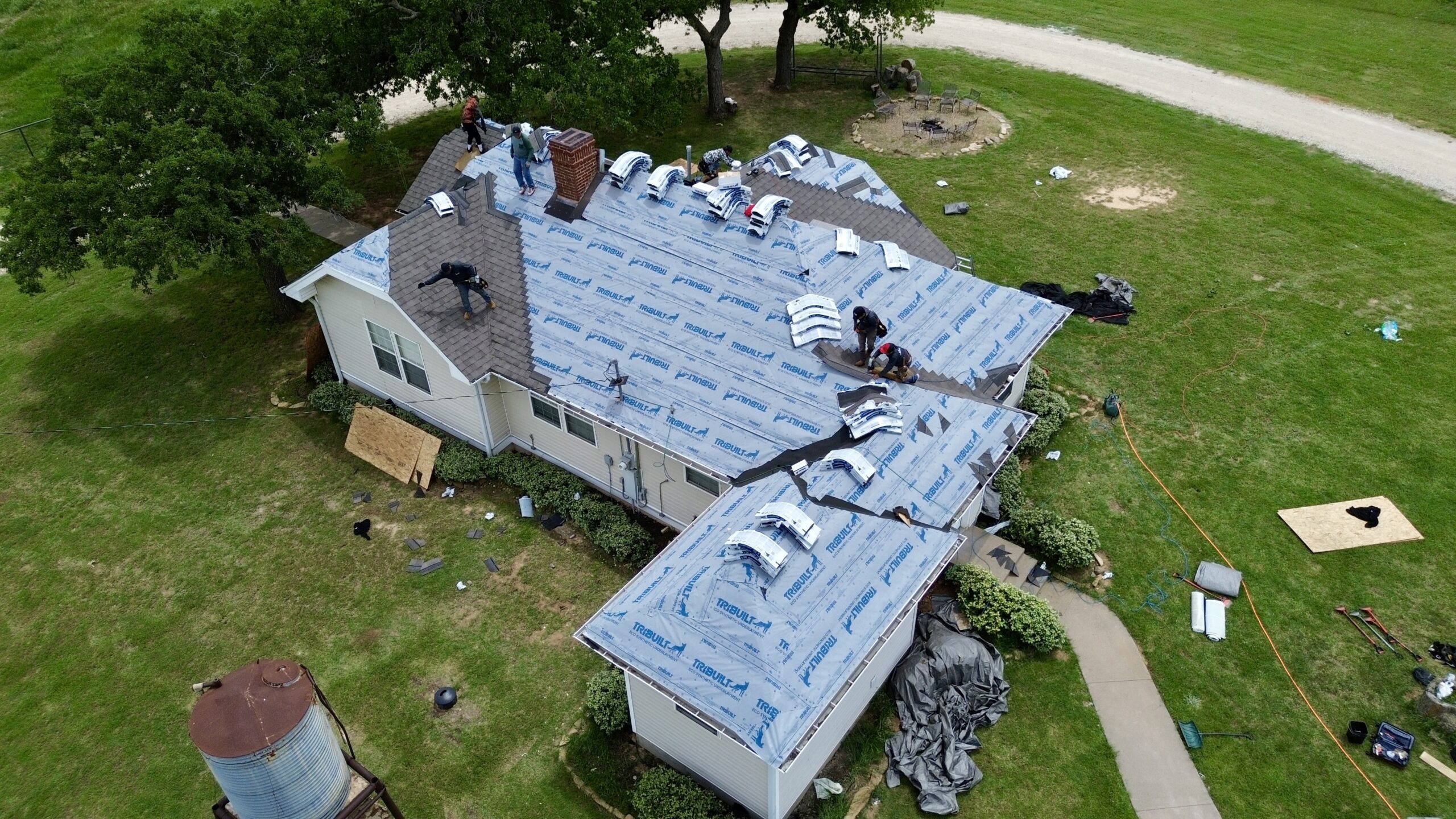
Materials should be delivered according to the construction schedule rather than all at once whenever possible. Coordinated deliveries reduce storage requirements and help contractors access the materials they need without unnecessary handling or movement around the job site.
Storage conditions are equally important. Roofing products should be protected from excessive moisture, direct sunlight, and physical damage while awaiting installation. Some materials have manufacturer recommendations regarding stacking height, storage temperature, or protective covering that should always be followed.
Inventory management also deserves attention during the planning phase. Tracking delivered materials helps verify that quantities match project estimates and reduces the likelihood of shortages before installation is complete. Careful inventory control also helps prevent unnecessary waste and simplifies project accounting.
Communicating Throughout the Roofing Project
Effective communication supports every stage of a successful roof installation. Regular updates allow contractors and property owners to remain informed about progress, upcoming activities, schedule adjustments, and any unexpected findings discovered during construction.
Project meetings do not need to be lengthy, but they should occur consistently throughout the installation process. Reviewing completed work, discussing upcoming tasks, and addressing concerns early helps maintain project momentum while reducing misunderstandings.
Documentation is another valuable communication tool. Written records of material selections, schedule changes, inspection results, and approved modifications create a reliable reference if questions arise later. Clear documentation also helps maintain transparency throughout the project.
Open communication becomes especially important when unforeseen issues are discovered. Structural damage, hidden moisture problems, or design adjustments should be discussed immediately so informed decisions can be made without delaying the entire project.
A collaborative approach benefits everyone involved. Contractors gain a better understanding of owner expectations, while property owners remain informed about project progress and important decisions that affect the finished roofing system.
Common Planning Mistakes and How to Avoid Them
Even experienced property owners sometimes overlook important planning details before roof installation. Understanding these common mistakes makes it easier to avoid expensive corrections later in the project.
One frequent mistake is selecting roofing materials based solely on price. Lower initial costs may appear attractive, but materials with shorter lifespans or higher maintenance requirements often become more expensive over time. Evaluating long term value produces better investment decisions.
Another common issue involves underestimating the total project budget. Many owners account for roofing materials and labor while overlooking permits, structural repairs, disposal fees, insulation upgrades, or contingency expenses. A comprehensive budget provides greater financial stability throughout the project.
Poor contractor selection also creates unnecessary risks. Choosing a contractor without verifying experience, insurance, licensing, or references may lead to installation defects, delays, or warranty complications. Taking time to evaluate contractors carefully usually results in a smoother project.
Weather planning is sometimes neglected as well. Roofing schedules should remain flexible enough to accommodate changing weather conditions without compromising installation quality. Attempting to rush construction during unsuitable conditions can affect long term roof performance.
Finally, inadequate communication often causes avoidable misunderstandings. Maintaining regular communication between property owners, contractors, suppliers, and inspectors helps identify concerns early and keeps the project moving toward successful completion.
By avoiding these planning mistakes, property owners significantly increase the likelihood of receiving a roofing system that performs reliably, remains within budget, and provides lasting protection for many years.
Completing the Installation and Protecting Your Investment
The final stage of a new roof installation focuses on verifying that every component has been installed correctly and preparing the roof for decades of dependable service. While the installation itself may be complete, several important steps remain before the project can truly be considered finished. Careful inspections, proper documentation, ongoing maintenance, and a clear understanding of warranties all contribute to protecting the investment made during the planning and construction phases.
This final part builds on the foundation established in Parts 1 and 2. By following through with quality control and long term maintenance, property owners can maximize the lifespan of their new roofing system while reducing the likelihood of costly repairs in the future.
Quality Control During the Roof Installation Process
Quality control should never be treated as a final step performed only after the roofing work is complete. Instead, it should be an ongoing process that continues throughout installation. Regular inspections allow contractors to identify and correct small issues before they become larger problems that affect the finished roof.
Every roofing layer should be inspected as installation progresses. The roof deck, underlayment, flashing, ventilation components, and final roofing material should all meet manufacturer specifications and local building requirements. Confirming proper installation at each stage helps maintain the integrity of the complete roofing system.
Material handling also plays an important role in quality control. Roofing products that become damaged during transportation or installation should be replaced immediately rather than installed with visible defects. Even minor damage can affect long term performance if left unaddressed.
Attention to detail is especially important around roof penetrations, valleys, skylights, chimneys, and edges. These locations experience greater exposure to moisture and weather conditions, making proper installation essential for preventing leaks and premature deterioration.
Contractors should also perform regular cleanup throughout construction. Removing loose nails, discarded materials, and debris improves job site safety while preventing unnecessary damage to the surrounding property.
Final Inspection and Project Completion Checklist
Once installation is complete, the roofing system should undergo a comprehensive final inspection. This inspection verifies that the project meets design specifications, complies with applicable building regulations, and satisfies the quality standards established during planning.
Both the contractor and property owner should participate in the final walkthrough whenever possible. Reviewing the completed work together provides an opportunity to ask questions, verify completed tasks, and identify any remaining concerns before the project is officially closed.
A thorough inspection should include both exterior and interior evaluations. The roof surface, flashing, gutters, attic, ventilation system, and surrounding property should all be examined carefully. Looking beyond the visible roofing material helps confirm that every part of the roofing system is functioning properly.
The following checklist can help guide the final inspection process:
| Inspection Area | What Should Be Verified |
|---|---|
| Roofing Material | Proper alignment, secure fastening, consistent appearance |
| Flashing | Correct installation around valleys, chimneys, vents, and skylights |
| Gutters and Drainage | Proper water flow and secure attachment |
| Roof Ventilation | Intake and exhaust vents functioning correctly |
| Attic Space | No signs of daylight, moisture, or insulation disturbance |
| Cleanup | Nails, debris, and leftover materials removed from property |
| Documentation | Warranties, permits, inspection reports, and maintenance instructions received |
Completing this inspection before making the final payment helps ensure any remaining issues are addressed promptly. It also provides peace of mind that the roofing project has been completed according to expectations.
Roof Maintenance Planning After Installation
A newly installed roof requires ongoing attention even if it has been constructed using premium materials. Preventive maintenance helps identify small issues before they develop into significant repairs and allows the roof to achieve its expected service life.
Property owners should establish a maintenance schedule soon after installation. Waiting until visible problems appear often allows minor issues to become more expensive repairs. Regular inspections provide opportunities to detect loose materials, blocked drainage systems, or early signs of wear.
Seasonal inspections are particularly valuable because changing weather conditions place different stresses on the roofing system. Heavy rain, strong winds, snow, and prolonged sunlight each affect roofing materials in different ways. Monitoring the roof after each season helps ensure any damage is identified quickly.
Cleaning also contributes to long term performance. Leaves, branches, dirt, and debris should be removed from the roof and gutters before they interfere with drainage. Proper water flow reduces the likelihood of standing water and moisture related damage.
Maintenance records should be kept throughout the roof’s lifespan. Recording inspection dates, repairs, cleaning activities, and contractor visits creates a valuable history that supports warranty claims and future property transactions.
Understanding Warranty Coverage and Documentation
Roof warranties provide valuable protection, but only when property owners understand exactly what they cover. Many people assume every roofing issue will be covered automatically, yet warranty terms often contain important conditions that must be followed throughout the roof’s lifespan.
Most roofing projects include two separate types of warranty coverage. One protects the roofing materials provided by the manufacturer, while the other covers the contractor’s workmanship. Understanding the difference between these warranties helps property owners know who to contact if problems arise.
Manufacturer warranties generally cover defects in roofing materials under normal conditions. Contractor workmanship warranties address installation related issues that may develop because of improper construction techniques. Both forms of protection contribute to the long term value of the roofing investment.
Warranty documentation should be stored in a secure location along with permits, inspection reports, invoices, material specifications, and maintenance records. Having complete documentation available simplifies future warranty claims and provides useful information if the property is sold.
Property owners should also understand what actions may void warranty protection. Unauthorized modifications, improper repairs, neglected maintenance, or installation of incompatible equipment can sometimes affect warranty eligibility. Reviewing warranty requirements carefully helps preserve coverage throughout the roof’s expected lifespan.
Signs of a Properly Installed Roof
After installation is complete, several visible and functional characteristics indicate that the roofing system has been installed correctly. Recognizing these signs helps property owners evaluate the quality of the finished project and identify any issues that may require attention.
A properly installed roof presents a consistent and uniform appearance. Roofing materials should be aligned evenly, securely fastened, and free from visible gaps or irregular spacing. Straight roof lines and smooth transitions between different sections demonstrate careful workmanship.
Flashing should fit tightly around roof penetrations without exposed openings or loose sections. Valleys and edges should also appear clean and professionally finished because these areas play an important role in directing water away from the structure.
Inside the building, the attic should remain dry and well ventilated. There should be no visible daylight entering through the roof deck, and insulation should remain undisturbed following construction. Proper ventilation also helps regulate temperature and moisture levels throughout the year.
Rain provides another opportunity to evaluate roof performance. Water should flow efficiently into gutters without pooling on the roof surface or overflowing from drainage systems. Smooth water movement indicates that the roof slope and drainage components are functioning as intended.
Long Term Maintenance Strategies for Maximum Roof Life
A roof’s lifespan depends not only on installation quality but also on the care it receives throughout its service life. Developing consistent maintenance habits helps preserve structural integrity while reducing the frequency and cost of repairs.
Professional inspections should be scheduled periodically even if no visible problems exist. Experienced roofing specialists can often identify early warning signs that may not be noticeable to property owners. Addressing these issues promptly usually prevents more extensive damage later.
Tree branches hanging over the roof should be trimmed regularly to reduce debris accumulation and minimize the risk of impact damage during storms. Maintaining adequate clearance also improves sunlight exposure, helping moisture evaporate more efficiently after rainfall.
Drainage systems deserve continuous attention as well. Gutters and downspouts should remain free of leaves, dirt, and other obstructions that could restrict water flow. Effective drainage protects both the roof and the building’s foundation from moisture related problems.
Repairs should never be postponed once damage has been identified. Small leaks, loose flashing, or damaged shingles may appear minor initially, but they often allow moisture to spread into structural components if ignored. Prompt maintenance preserves the condition of the roofing system while reducing long term repair costs.
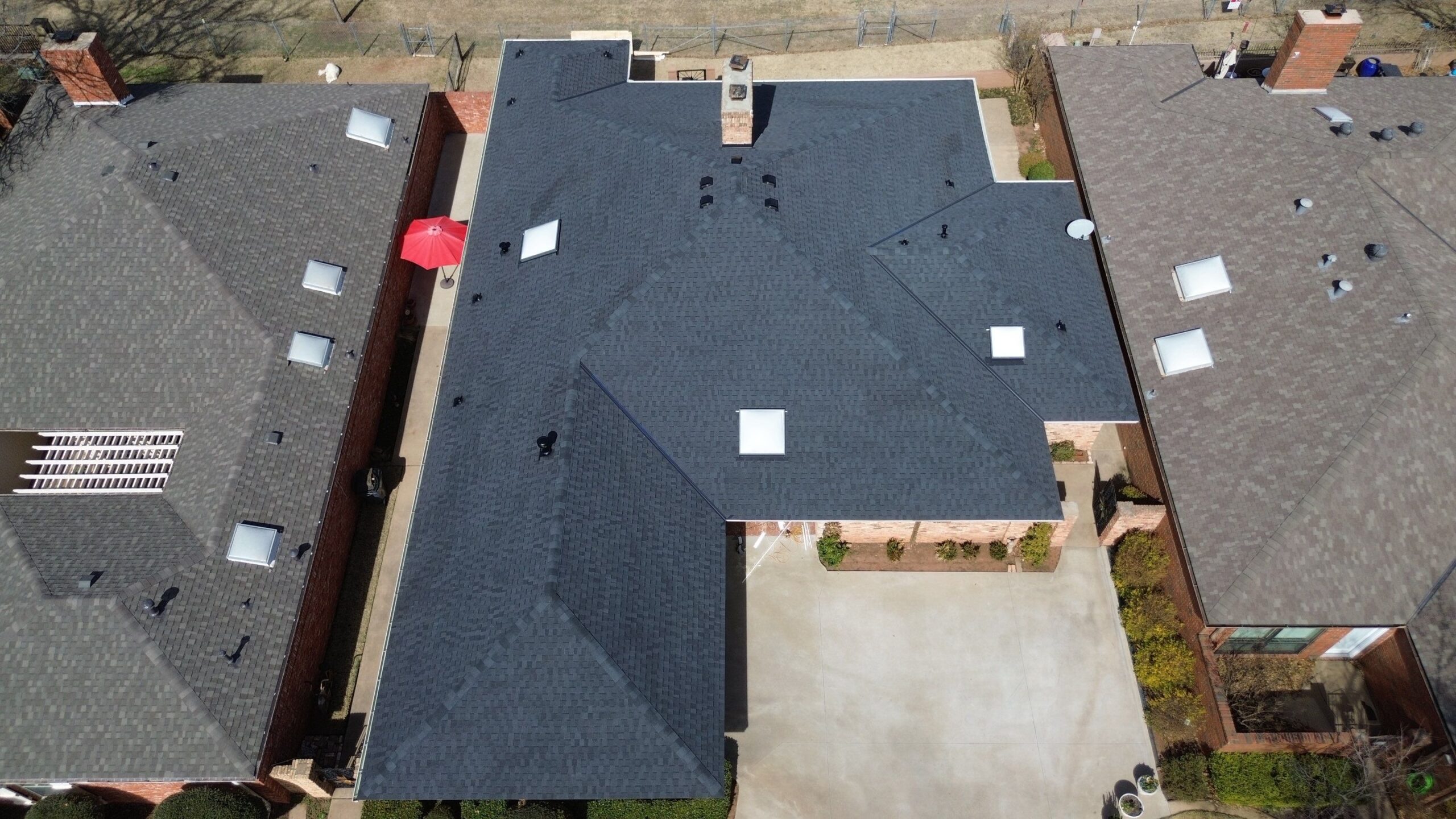
Technology also offers new opportunities for roof maintenance. Some property owners now use drone inspections, moisture detection equipment, or thermal imaging to evaluate roof conditions without extensive physical access. These tools can improve inspection accuracy while reducing safety risks.
Frequently Asked Questions About New Roof Installation Planning
How long does proper roof installation planning usually take?
The planning phase varies depending on project size, material selection, permit requirements, and contractor availability. Smaller residential projects may require only a few weeks of preparation, while larger or more complex installations can take considerably longer. Investing sufficient time in planning generally reduces delays during construction.
Should the lowest contractor estimate always be accepted?
Not necessarily. Price is only one factor when selecting a roofing contractor. Experience, workmanship quality, warranty coverage, licensing, insurance, communication, and customer reviews often provide a better indication of long term value than the lowest bid alone.
Can roof installation continue during poor weather?
Most roofing contractors avoid installation during heavy rain, strong winds, snow, or other unsafe weather conditions. Adverse weather may affect material performance and create unnecessary safety risks. Delaying work until conditions improve usually results in better installation quality.
Why is roof ventilation important?
Proper ventilation helps regulate attic temperature and moisture levels throughout the year. Good airflow reduces condensation, improves energy efficiency, and helps extend the lifespan of roofing materials by preventing excessive heat buildup.
How often should a new roof be inspected?
Many professionals recommend inspecting the roof at least once or twice each year, along with additional inspections following severe storms or unusually harsh weather conditions. Regular inspections allow minor concerns to be corrected before they become significant repairs.
Is preventive maintenance really necessary for a new roof?
Yes. Even newly installed roofing systems benefit from routine maintenance. Regular inspections, cleaning, and prompt repairs help maximize the roof’s lifespan while protecting warranty coverage and reducing future maintenance costs.
Conclusion
Planning a new roof installation involves much more than selecting materials and scheduling construction. A successful project begins with careful evaluation of the building, thoughtful budgeting, climate considerations, material selection, and choosing an experienced contractor. These early decisions establish the foundation for a roofing system that performs reliably for many years.
Preparation before installation is equally important. Obtaining permits, organizing materials, preparing the property, coordinating schedules, and maintaining clear communication all contribute to a smoother construction process. Attention to detail during this stage minimizes delays, controls costs, and helps ensure every component is installed according to plan.
Once installation is complete, quality inspections, proper documentation, routine maintenance, and an understanding of warranty requirements protect the investment over the long term. A well maintained roof not only safeguards the building from the elements but also improves energy efficiency, enhances property value, and reduces future repair expenses.
By following a structured planning process from the earliest design decisions through ongoing maintenance, property owners can approach roof installation with greater confidence. Careful preparation, informed decision making, and consistent upkeep work together to create a roofing system that delivers dependable performance, lasting durability, and peace of mind for decades to come.