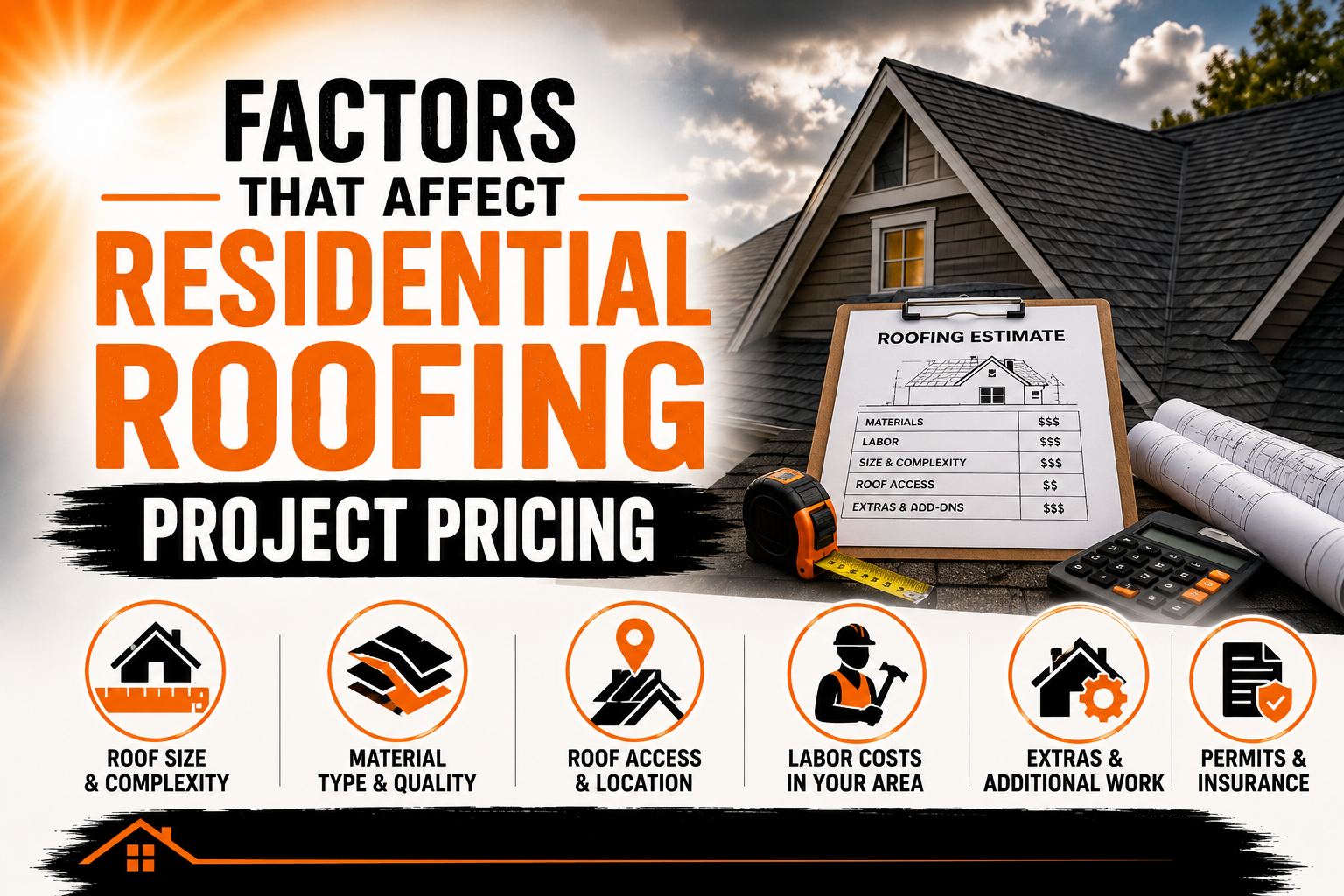
Factors That Affect Residential Roofing Project Pricing
Introduction
Residential roofing projects can represent a significant investment for homeowners, but the final price is rarely determined by one factor alone. Roofing contractors consider the size of the roof, selected materials, labor requirements, roof design, existing conditions, and many other details before preparing an estimate. Understanding these factors can help homeowners create a more realistic budget and make better decisions when comparing roofing proposals.
A roofing estimate may look simple on the surface, but several components contribute to the total cost. Materials make up an important portion of the price, while labor, removal, preparation, safety measures, and additional roofing components can also affect the final amount. Even two homes with similar dimensions can receive different estimates because their roofs may have different pitches, layouts, accessibility, or levels of deterioration.
The condition of an existing roof is particularly important when a replacement is being considered. A roof that appears acceptable from the ground may contain damaged decking, deteriorated flashing, moisture problems, or inadequate ventilation beneath the visible roofing material. These hidden conditions may only become fully apparent after the old roofing is removed.
Homeowners should also understand that roofing prices can vary by location and season. Local labor rates, transportation costs, building requirements, weather patterns, and contractor demand can all influence project pricing. By learning how these factors work together, homeowners can evaluate estimates based on the complete scope of work rather than focusing only on the lowest quoted amount.
Roof Size and Overall Surface Area
Roof size is one of the most direct factors affecting the price of a residential roofing project. A larger roof generally requires more roofing materials, more underlayment, additional fasteners, greater labor time, and more cleanup. However, roof size is based on the actual surface area rather than simply the home’s floor dimensions.
Roofing professionals commonly measure roofs in squares, with one roofing square representing 100 square feet of roof surface. This measurement helps contractors estimate the amount of material required for the project. The actual number of squares can be higher than homeowners expect because sloped surfaces, roof extensions, multiple levels, and architectural features add to the total area.
The shape of the roof can also affect material usage. A simple roof with large, uninterrupted sections may require less cutting and produce less waste than a roof containing numerous angles and intersections. Complex designs can therefore increase the amount of material needed even when two roofs have similar overall measurements.
Material waste is an important consideration during installation. Roofing products must often be cut around valleys, edges, chimneys, vents, skylights, and other features. The amount of waste depends on the roof’s design and the type of roofing material selected, so contractors generally include an appropriate allowance when calculating material quantities.
Larger roofs also require more time to prepare and install. Workers must move materials across the property, remove debris, install roofing components, and complete finishing details over a larger area. As the project scope increases, labor and equipment requirements can increase as well.
Homeowners should avoid estimating roofing costs solely from the size of the home’s interior. A professional roof measurement provides a more accurate basis for pricing because it accounts for slope, roof geometry, overhangs, and individual roof sections. This helps ensure that the estimate reflects the actual work required.
Roofing Material Selection
The type of roofing material selected can have a major influence on the total project price. Different materials have different manufacturing costs, installation requirements, durability levels, maintenance needs, and expected service lives. Homeowners should therefore compare materials based on both their initial cost and their long-term performance.
Asphalt shingles are commonly used in residential roofing because they offer a practical combination of affordability, availability, appearance, and relatively straightforward installation. Different grades and styles can have different prices, allowing homeowners to choose an option that fits their budget. Higher-quality asphalt products may provide improved appearance or durability compared with basic options.
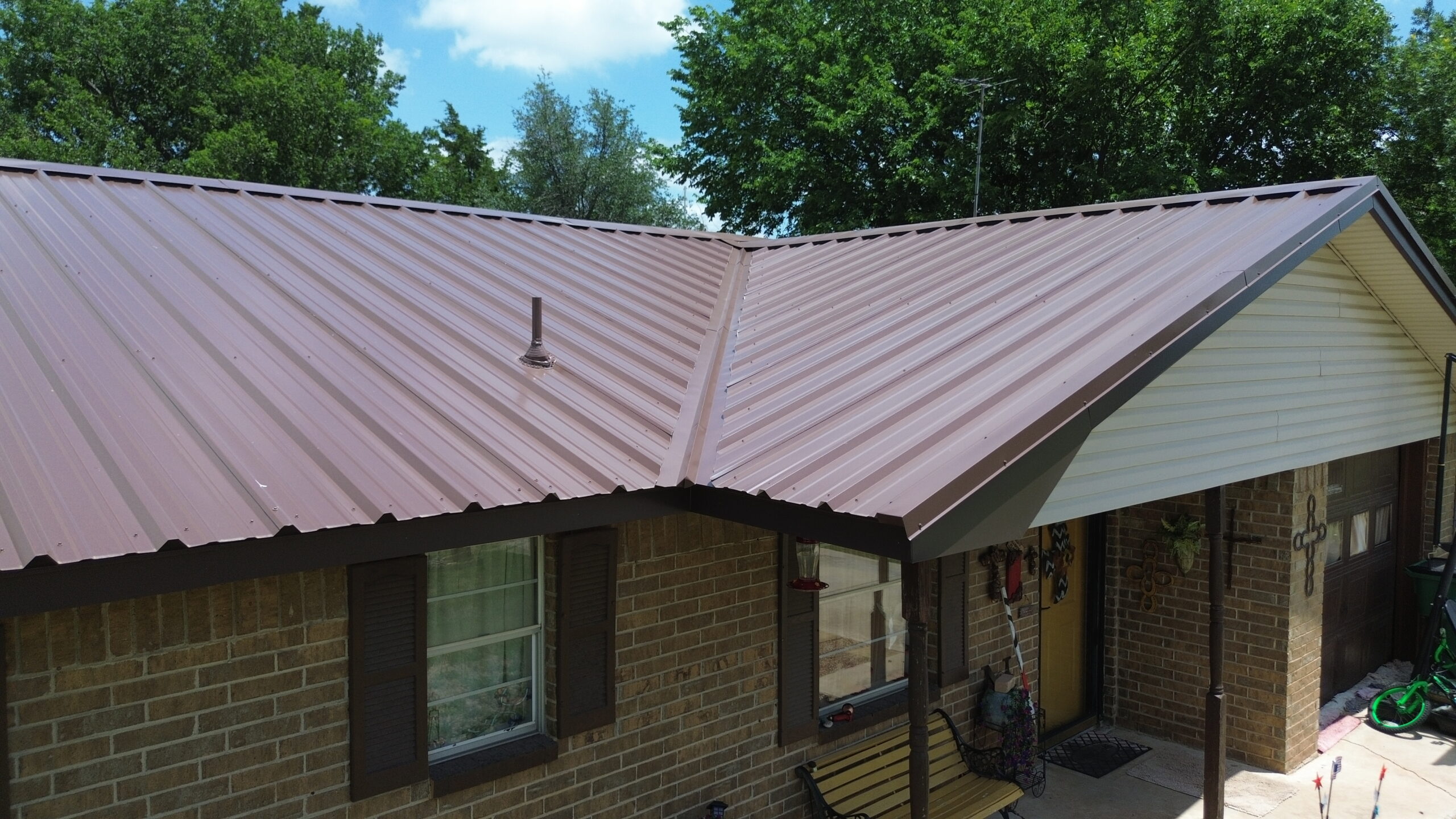
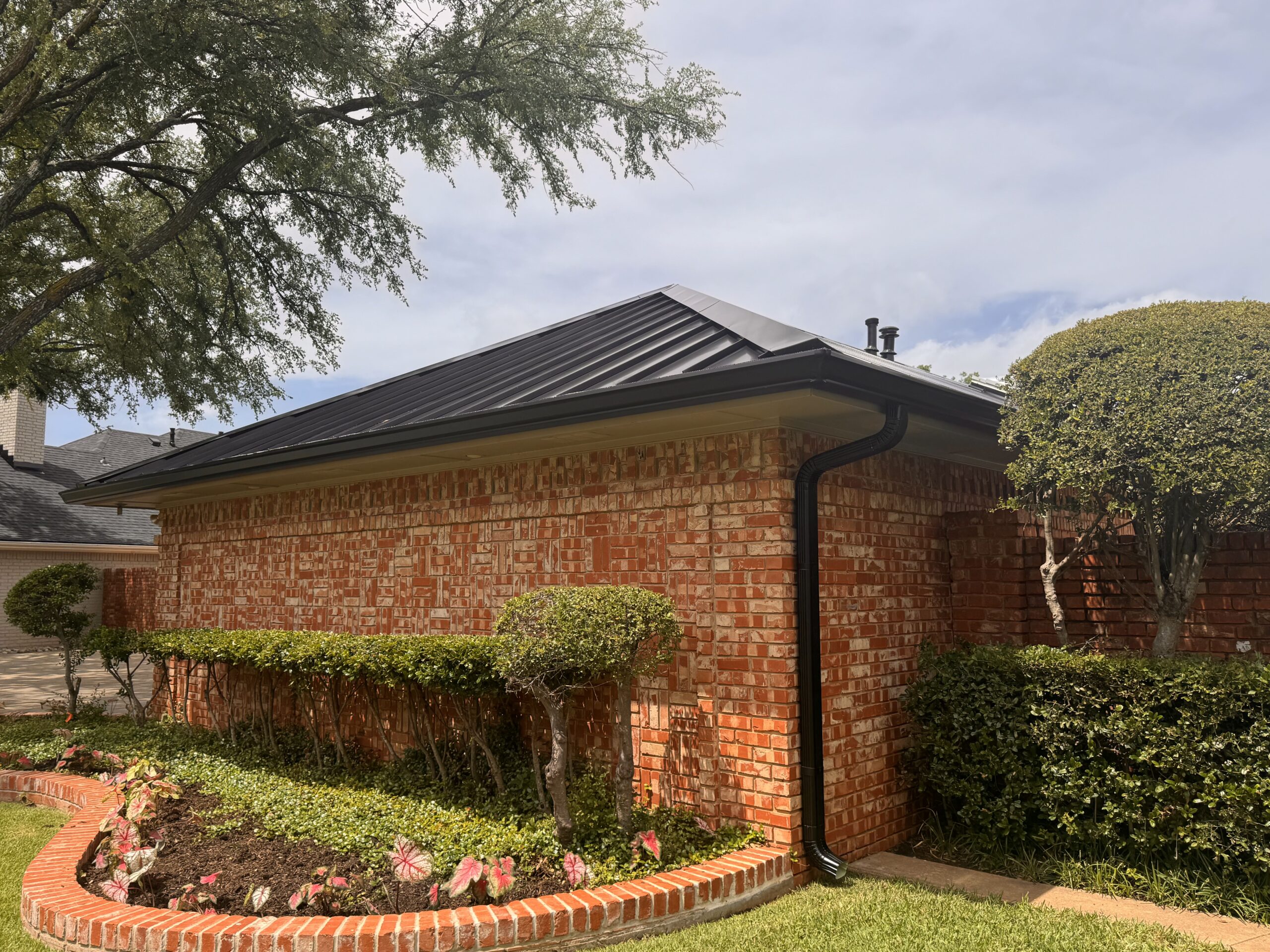
Metal roofing generally requires a higher initial investment than standard asphalt shingles. However, metal systems can provide long service life and may offer strong resistance to certain environmental conditions when properly installed. The specific type of metal, coating, panel design, and installation method can all influence the final price.
Tile roofing can also affect project pricing because of its material cost, weight, and installation requirements. Concrete and clay tiles have different characteristics, and the roof structure may need to be evaluated to ensure it can support the selected system. The complexity of installing individual tiles can also contribute to labor costs.
Slate is generally considered a premium roofing option and can have significantly higher material and installation costs. Its weight, handling requirements, and specialized installation can make the project more demanding. However, its potential longevity can make it attractive to homeowners who prioritize long-term durability.
Synthetic and composite roofing materials provide another choice for homeowners. These products can be manufactured to resemble natural materials while offering different weight, maintenance, or performance characteristics. Prices vary widely depending on the product, so homeowners should review specifications and warranties before making a selection.
The chosen material can also influence future costs. A less expensive material may have a shorter expected service life or require more frequent maintenance, while a higher-quality system may provide longer service with appropriate care. Homeowners should consider the complete lifecycle of the roof rather than focusing exclusively on the initial installation price.
Roof Pitch and Design Complexity
The slope or pitch of a residential roof can significantly affect project pricing. Low-slope and moderately pitched roofs may be easier for workers to access and move across, while steep roofs can require additional safety equipment, preparation, and installation time. As a result, a steep roof may cost more to work on even if its overall surface area is not unusually large.
Roof pitch can also affect how materials are installed. Steeper surfaces may require workers to use specialized safety systems and take additional precautions while moving materials and equipment. These requirements can increase the time needed to complete the project and contribute to higher labor expenses.
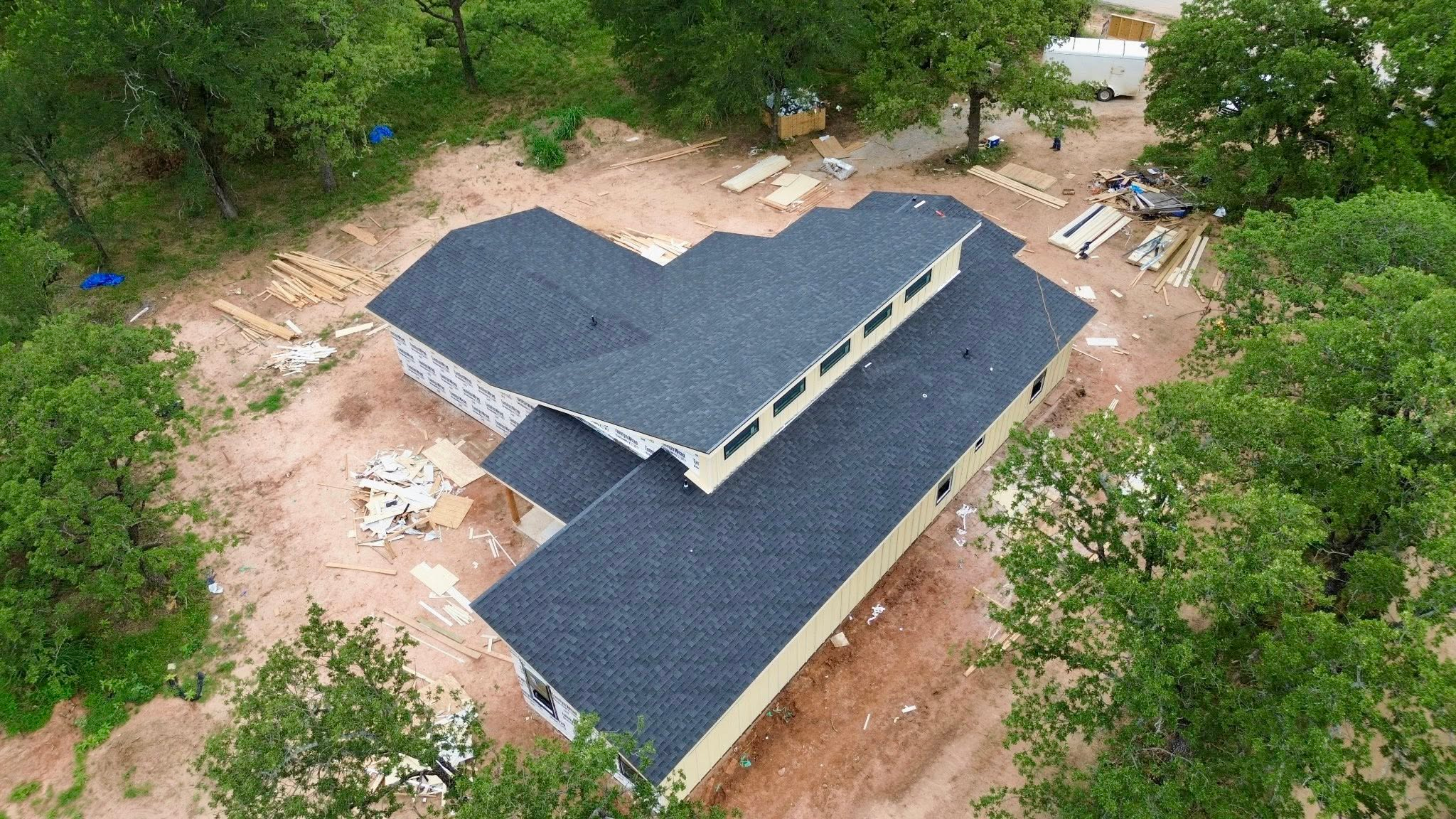
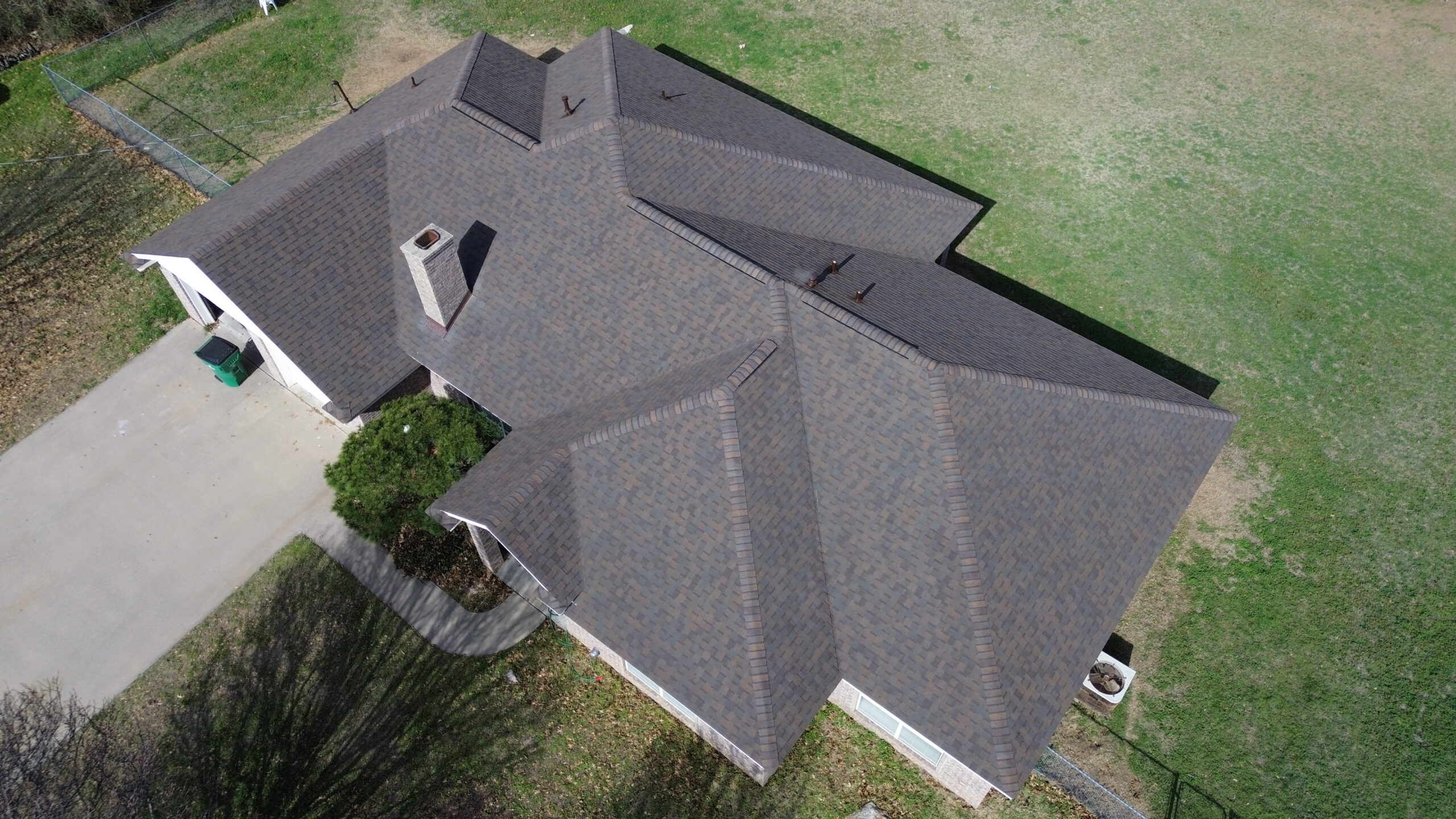
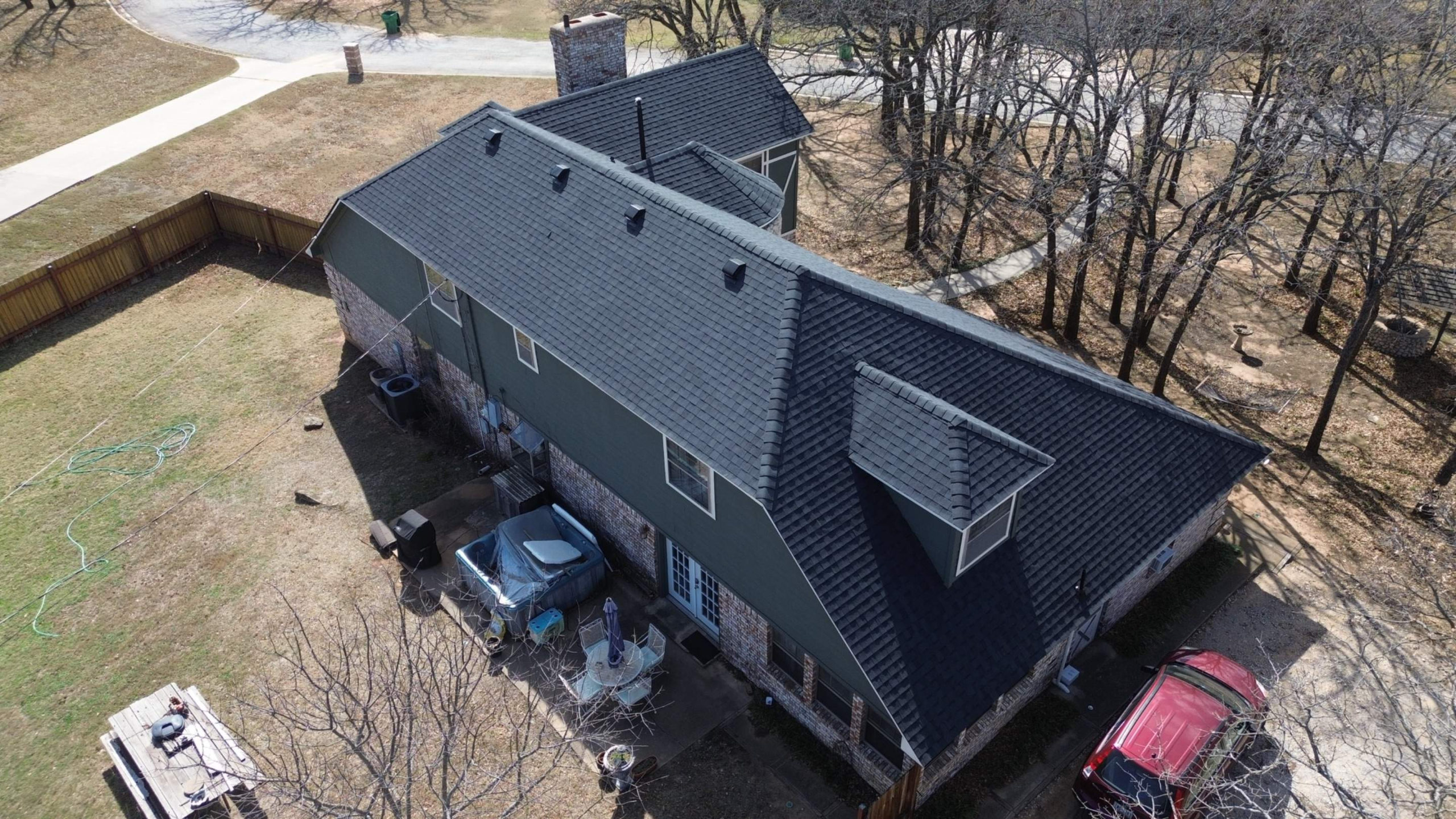
Design complexity is another important factor. A simple gable roof with large uninterrupted sections may be relatively straightforward to install. A roof with multiple hips, valleys, dormers, skylights, chimneys, or intersecting sections requires more detailed work because roofing materials must be carefully fitted around each feature.
Valleys deserve particular attention because they are important drainage areas where different roof sections meet. Proper installation requires accurate cutting, appropriate underlayment, and effective flashing or valley protection. More valleys generally mean additional installation time and materials.
Chimneys and skylights can also increase project complexity. Contractors must install flashing correctly around these penetrations to reduce the risk of water entering the building. Existing flashing may also need to be replaced if it is damaged or incompatible with the new roofing system.
The roof’s shape can affect waste as well. Straight roof sections may allow materials to be installed efficiently, while complicated layouts can require more cutting. This means a complex roof may use more materials and require more labor than a simpler roof with the same approximate area.
Homeowners should therefore expect the roof’s design to be reflected in the estimate. A contractor who carefully accounts for pitch and complexity is more likely to provide a realistic price than one who calculates the project using surface area alone.
Existing Roof Condition
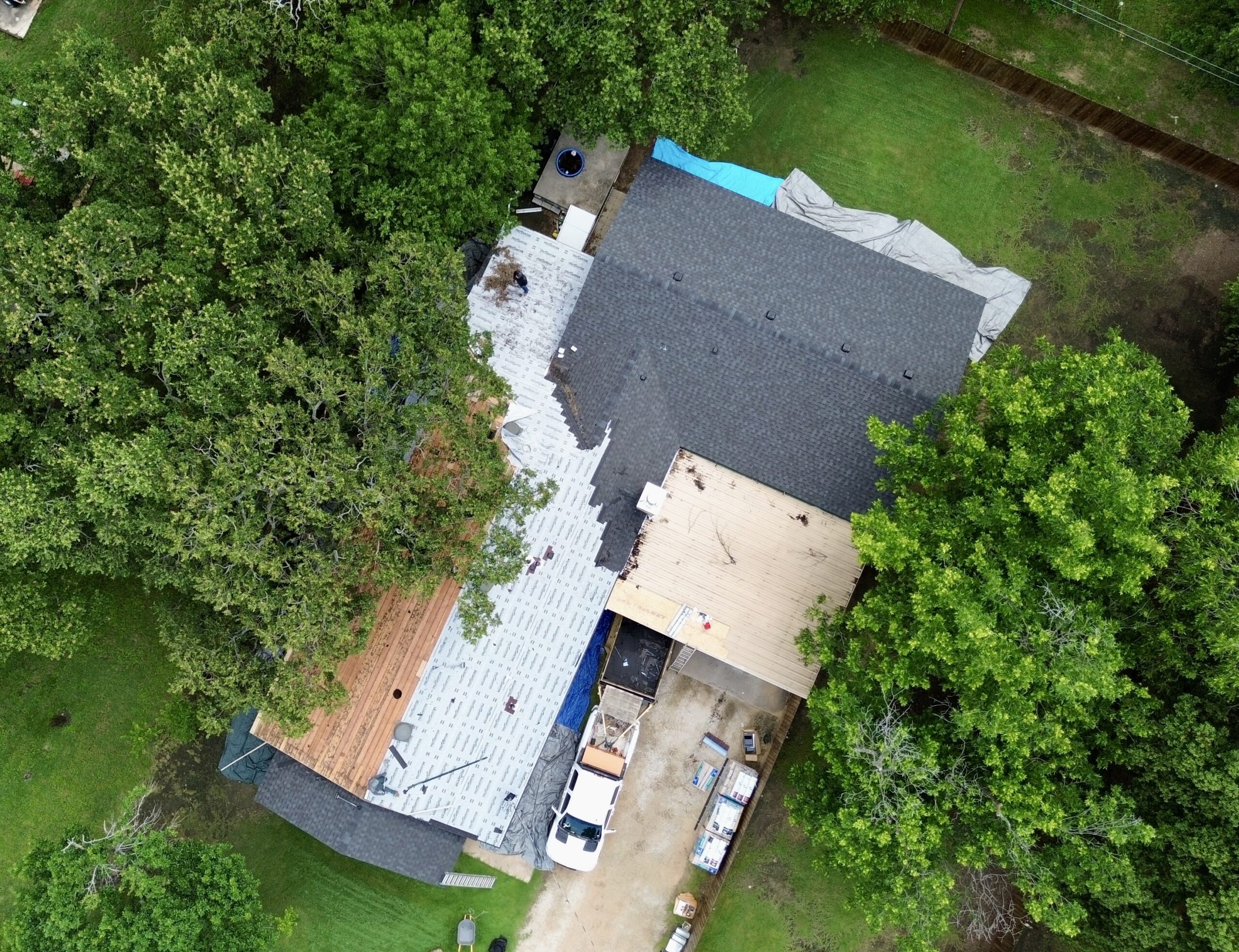
The condition of the existing roofing system is one of the most important factors affecting replacement pricing. A roof that is simply worn but structurally sound may require a relatively straightforward replacement. However, hidden deterioration can increase costs once the existing materials are removed.
Roof decking is particularly important because it supports the roofing system. Long-term moisture exposure can cause sections of decking to weaken or deteriorate. Damaged areas may need to be removed and replaced before new roofing materials can be installed, increasing both material and labor costs.
Water damage can also extend beyond the roof surface. Persistent leaks may affect insulation, framing, ceilings, walls, and other components of the home. If moisture has been present for an extended period, addressing the underlying problem may require additional work beyond replacing shingles or other visible materials.
The age of the existing roof can provide useful information when evaluating its condition. Older roofs may have widespread wear, brittle materials, deteriorated flashing, or outdated ventilation. If multiple areas are already failing, repeated repairs may become less economical than a complete replacement.
Previous repairs can also affect project pricing. Multiple layers of roofing materials, patchwork repairs, incompatible materials, or poorly installed components may require additional removal and preparation. Contractors need to account for these conditions when determining how much labor and material will be required.
A professional inspection is therefore valuable before finalizing a roofing budget. While some conditions can be identified from the exterior, others may remain hidden until the roofing system is opened. Homeowners should ask contractors how unexpected damage will be handled and whether additional work requires approval before it is performed.
Understanding the existing roof condition helps homeowners distinguish between the basic replacement price and potential additional expenses. It also provides a clearer picture of whether repair or replacement is the more practical long-term option.
Labor and Installation Requirements
Labor is a major component of residential roofing project pricing because proper installation requires skill, time, safety procedures, and careful attention to detail. The labor portion of an estimate can vary depending on the roof size, material, pitch, design, accessibility, and complexity of the installation.
Experienced roofing professionals must perform several tasks beyond installing the visible roofing material. Depending on the project, workers may remove existing materials, inspect and prepare the roof deck, install underlayment, replace flashing, install ventilation components, position roofing materials, seal vulnerable areas, and clean up the property afterward.
The roofing material itself can influence installation time. Some systems are relatively straightforward to install, while others require specialized techniques, precise fitting, or additional handling. Premium materials may therefore have higher labor costs even when their surface coverage is similar to less expensive options.
Safety requirements can also affect labor pricing. Steep roofs, difficult access, and certain property conditions may require additional equipment and precautions. Contractors must protect workers and the property throughout the project, and these safety requirements can add time and operating costs.
Crew experience is another consideration. A skilled crew may complete a project efficiently while maintaining proper installation standards. Homeowners should be cautious about selecting a contractor based solely on a low labor price because poor workmanship can lead to leaks, premature deterioration, and additional repair costs.
Cleanup and debris removal may also be included in labor. Roofing replacement can generate substantial waste, and the crew must collect materials and leave the work area in an appropriate condition. Some contractors include cleanup and disposal within the project price, while others list these services separately.
Ultimately, labor pricing should be evaluated alongside the quality and completeness of the proposed work. A professional estimate should make it clear what installation services are included and how additional work will be handled if unexpected conditions are discovered. Understanding labor requirements gives homeowners a better basis for comparing roofing proposals and planning the overall project budget.
Roof Accessibility and Property Conditions
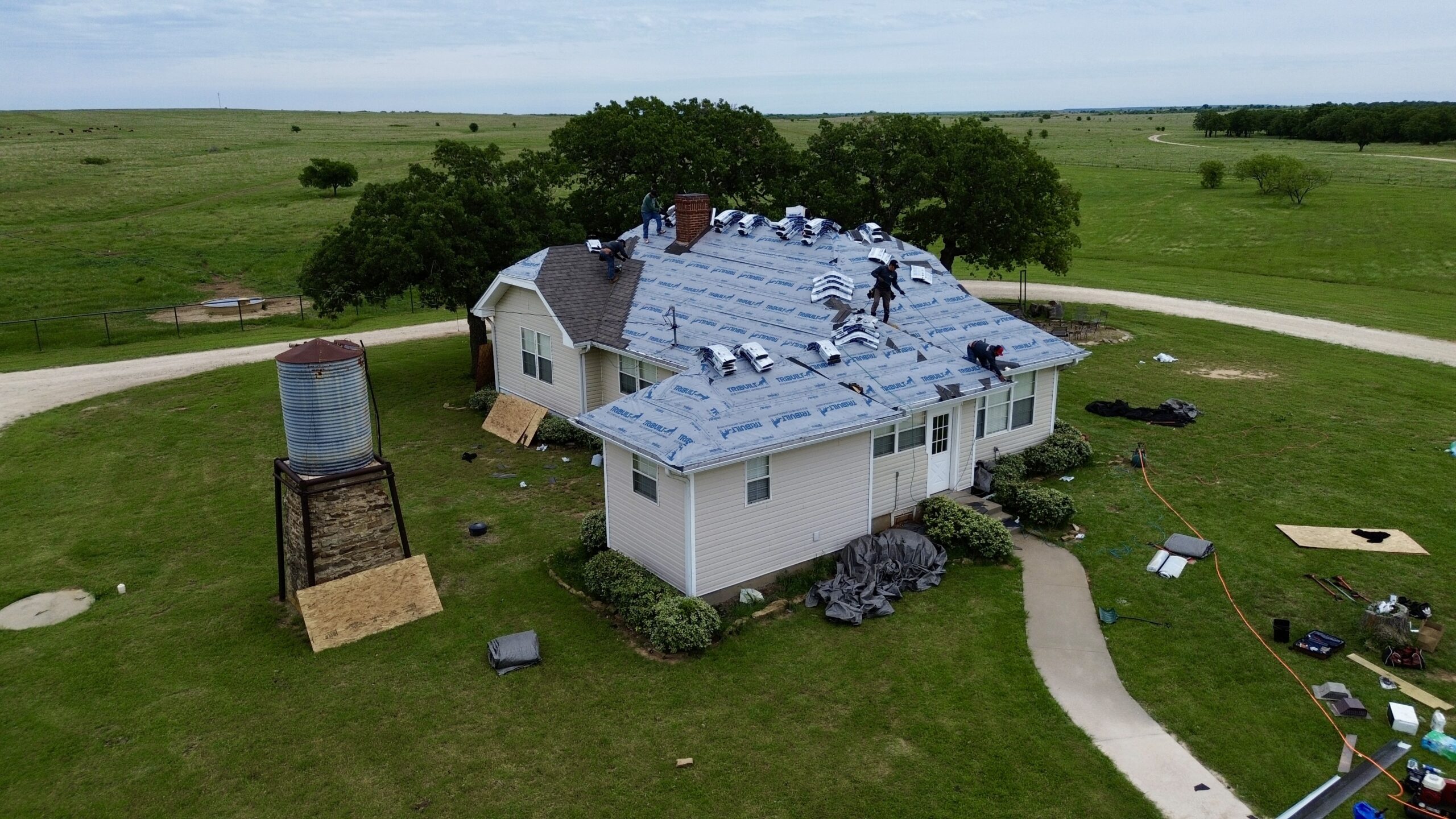
The accessibility of a residential roof can have a meaningful effect on project pricing because roofing work requires materials, equipment, workers, and debris to move safely around the property. A roof that is easy to reach from an open driveway or yard is generally simpler to service than one surrounded by fences, landscaping, neighboring structures, or other obstacles. Contractors may need additional time and equipment when access is restricted.
The height of the home can also influence labor requirements. A single-story property may provide easier access than a multi-story home, particularly when roofing materials must be lifted to higher levels. Scaffolding, ladders, material lifts, safety equipment, and other tools may be required depending on the property’s design and the contractor’s installation practices.
The distance between the material delivery area and the roof can affect efficiency as well. If roofing materials cannot be placed close to the home, workers may need to transport them farther by hand or use additional equipment. Longer movement distances can increase labor time and make the project more demanding.
Landscaping can create another challenge. Trees, gardens, decorative features, outdoor structures, and other elements around the home may need protection during the project. Contractors may have to establish specific access routes or use protective coverings to reduce the possibility of property damage.
The surrounding neighborhood can also influence how materials and debris are handled. Narrow driveways, limited parking, nearby homes, and restricted access roads may make deliveries and waste removal more complicated. In some situations, contractors need to coordinate carefully with homeowners to keep access areas available throughout the project.
Roof accessibility can also affect worker safety. Steep or elevated roofs require appropriate fall protection and safe working procedures. If the property makes it difficult to position safety equipment, additional preparation may be necessary before installation begins.
Homeowners should therefore understand that accessibility is not simply a convenience issue. It can influence the time, equipment, labor, and safety measures required to complete the project. A contractor who inspects the property before providing a final estimate can account for these conditions more accurately.
Removal and Disposal of Existing Roofing
When a homeowner replaces an existing roof, removing the old roofing materials can become a significant part of the project cost. The removal process involves stripping the existing roofing system, collecting debris, transporting waste, and preparing the surface for new materials. The amount of work required depends on the roof’s size, material, condition, and number of existing layers.
Some older roofs may contain more than one layer of roofing material. Removing multiple layers requires additional labor and creates more debris than removing a single layer. Contractors must also determine whether local building requirements allow new roofing to be installed over existing materials or whether complete removal is necessary.
The type of existing roofing material can affect removal difficulty. Asphalt shingles may be relatively straightforward to remove, while heavier materials such as tile, slate, or certain metal systems may require different handling methods. Materials that are fragile or difficult to separate can increase the time needed for tear-off.
Disposal is another cost homeowners should review carefully. Old roofing materials must be collected and transported to an appropriate disposal or recycling facility. Disposal fees can vary depending on the material, local regulations, facility charges, and total weight of the debris.
The condition of the old roof can also influence removal. Brittle materials may break apart during tear-off, while deteriorated roofing may require additional cleanup. If moisture has damaged the underlying decking, workers may need to remove affected sections before the new roofing system can be installed.
Property protection is an important part of the tear-off process. Contractors may use protective coverings to shield landscaping, siding, windows, outdoor equipment, and other areas from falling debris. Cleanup must also be thorough because roofing waste can spread throughout the work area.
Homeowners should ask whether tear-off and disposal are included in the estimate. A proposal that appears less expensive may exclude these services, creating additional charges later. Comparing estimates becomes easier when every contractor clearly identifies the removal and disposal work included in the project.
Roof Decking and Structural Repairs
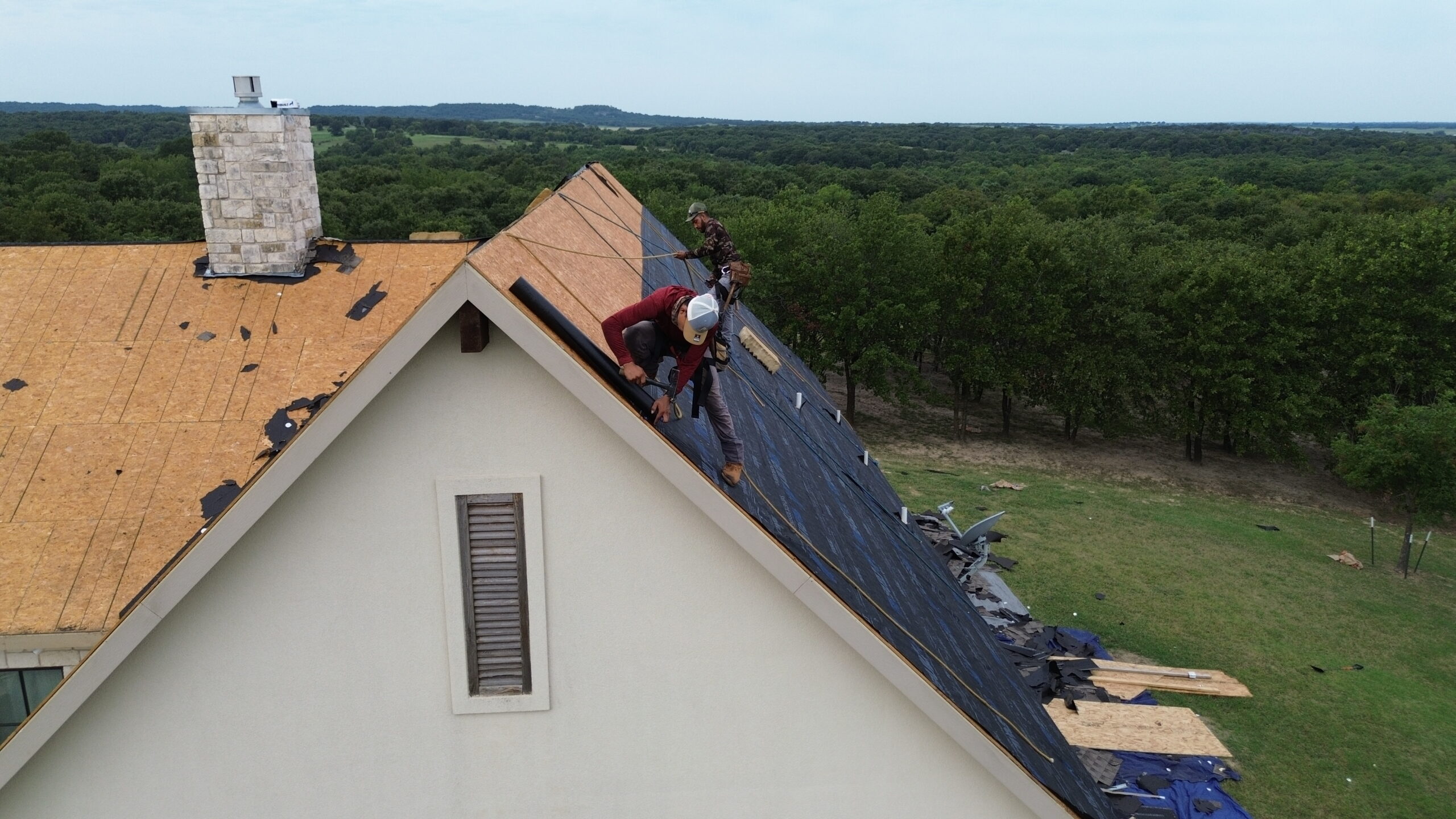
The roof decking provides the surface that supports many roofing components, making its condition an important factor in project pricing. Although the decking is usually hidden beneath the visible roofing material, it can deteriorate because of long-term moisture exposure, leaks, age, or other structural problems. Damaged decking may need to be repaired or replaced before new roofing materials are installed.
Water intrusion is one of the most common causes of decking deterioration. If a roof has experienced leaks for an extended period, moisture may weaken wood panels or other structural materials beneath the roofing system. The extent of damage may not be obvious until the old roofing materials are removed.
Not every roofing replacement requires extensive decking work. A roof that has remained dry and well maintained may have a sound underlying structure. However, older homes or roofs with a history of leaks may have a greater possibility of requiring repairs.
The amount of replacement decking required can significantly influence the final project price. Replacing a few damaged sections is different from replacing a large portion of the roof deck. Labor, materials, removal, fastening, and preparation all contribute to the additional cost.
Structural repairs can be more extensive in certain situations. If moisture has affected framing members or other structural components, a roofing contractor may need to recommend further evaluation. Depending on the situation, specialized professionals may be required to determine the appropriate repair.
Homeowners should ask how decking replacement is priced before work begins. Some contractors provide a unit price for each additional area of decking that needs replacement, while others may use a different method. Understanding this process allows homeowners to anticipate possible costs without assuming that the initial roofing estimate covers every hidden condition.
A contractor should also communicate with the homeowner when unexpected structural damage is discovered. Photographs and explanations can help the homeowner understand why additional work is recommended. Clear communication is especially important because structural repairs can affect the project timeline as well as the budget.
Flashing, Ventilation, and Other Roofing Components
The cost of a roofing project is influenced by more than the main roofing material. Flashing, underlayment, ventilation, drip edges, pipe boots, fasteners, and other components work together to protect the home from water and environmental exposure. Replacing or upgrading these components can increase the initial project price but may be important for the performance of the finished roofing system.
Flashing is particularly important around areas where the roof meets another structure or contains an opening. Chimneys, skylights, walls, vents, and roof intersections can create vulnerable points where water may enter if flashing is damaged or incorrectly installed. During a replacement, contractors may recommend replacing deteriorated flashing rather than installing new roofing around old components.
Underlayment is another layer beneath the primary roofing material. It provides additional protection against moisture and can help support the overall roofing system. Different roofing products and climates may require different underlayment specifications, so homeowners should understand which product is included in their estimate.
Ventilation can also influence project pricing. Proper attic ventilation helps manage heat and moisture within the roof assembly. If existing ventilation is inadequate, a contractor may recommend improvements such as additional intake or exhaust ventilation, depending on the design of the home.
Drip edges and other edge components can also contribute to the overall cost. These components help manage water around roof edges and protect vulnerable areas. Although they may represent a smaller portion of the total budget, they contribute to the performance of the complete roofing system.
Pipe boots and other roof penetrations should also be inspected during replacement. Older seals can become brittle or deteriorated over time, potentially creating leak points. Replacing these components while the roof is already being worked on can be more practical than waiting for a future leak to develop.
Homeowners should not automatically reject additional components simply because they increase the estimate. Instead, they should ask why each item is recommended, whether it is required, and how it contributes to the roofing system. This approach helps distinguish necessary work from optional upgrades.
Geographic Location and Local Labor Rates
Where a residential roofing project takes place can have a significant effect on pricing. Roofing contractors operate under different labor markets, business expenses, material supply conditions, transportation requirements, and building regulations. As a result, the same roofing project can have different prices in different cities or regions.
Local labor rates are one of the most important geographic factors. Roofing companies must account for wages, insurance, equipment, transportation, administrative expenses, and other operating costs. Areas with higher business and living costs may consequently have higher roofing labor prices.
Material availability can also vary by location. Common roofing products may be readily available in one market but require special ordering in another. If materials need to travel farther, transportation and delivery expenses can influence the overall estimate.
Local building codes can affect project requirements as well. Some communities may have specific standards for roofing materials, ventilation, fastening methods, storm resistance, or other installation details. Meeting these requirements can add materials, labor, inspections, or administrative costs to the project.
Climate also plays an important role. Homes in areas exposed to heavy rainfall, strong winds, snow, extreme heat, or frequent storms may require roofing products and installation practices suited to those conditions. The local environment can therefore influence both material selection and installation requirements.
Property taxes and general construction demand can indirectly affect pricing as well. When construction activity is high, roofing contractors may have more projects competing for available crews and materials. This can influence scheduling and, in some markets, the price homeowners receive.
Homeowners should therefore compare local estimates rather than relying entirely on national roofing cost averages. Online averages can provide general context, but they cannot account for every regional condition. A local professional inspection and detailed proposal will provide a more useful indication of what a specific property is likely to cost.
Seasonal Demand and Weather Conditions
The time of year when a roofing project is scheduled can influence both pricing and availability. Roofing contractors often experience periods of higher demand when weather conditions are favorable for outdoor construction. During busy seasons, homeowners may face longer scheduling periods because contractors have many projects already booked.
Weather conditions can also influence installation efficiency. Roofing materials often require appropriate conditions for installation, and rain, high winds, extreme temperatures, or other severe weather can interrupt work. Delays can increase project duration and may affect labor scheduling.
After major storms, demand for roofing services can increase rapidly. Many homeowners may need emergency repairs or replacement at the same time, creating a temporary shortage of available contractors. This can make it more difficult to obtain immediate service and may affect pricing.
Seasonal material demand can also influence availability. If a particular roofing product becomes popular during a busy period, suppliers may experience limited stock. Delays or special-order requirements can affect both scheduling and transportation costs.
Homeowners can reduce some scheduling pressure by planning roofing work before an existing problem becomes an emergency. A planned replacement gives the homeowner more time to compare contractors, select materials, review estimates, and arrange a suitable installation date.
However, homeowners should not delay essential roofing work simply to wait for a potentially lower price. A small leak or damaged section can become significantly more expensive if moisture continues entering the home. The condition and urgency of the roof should remain the primary consideration.
Weather also affects worker safety and installation quality. Professional contractors must determine whether conditions are suitable for safe roofing work and may postpone certain activities when conditions become hazardous. Although a delay can be inconvenient, proper safety and installation practices are more important than completing the project during unsuitable weather.
Understanding seasonal demand helps homeowners plan more effectively. By considering weather, contractor availability, material supply, and the urgency of the project, homeowners can make better scheduling decisions while avoiding unnecessary pressure during periods of high demand.
Permits, Building Codes, and Inspection Requirements
Permits, building codes, and inspections can influence the total price of a residential roofing project because roofing work may need to comply with local construction requirements. The exact rules vary by location and by the type of work being performed. A simple repair may have different requirements from a complete roof replacement or structural modification.
Permit costs themselves may represent only a small portion of the overall project, but the requirements associated with obtaining a permit can affect the scope of work. Contractors may need to provide project information, submit documentation, arrange inspections, or follow specific installation standards. These administrative and compliance requirements can add time to the project.
Building codes may also determine how certain roofing components are installed. Requirements can address fastening patterns, ventilation, flashing, underlayment, roof coverings, drainage, and other aspects of the roofing system. In areas exposed to severe weather, additional requirements may apply to improve resistance against wind, rain, or other environmental conditions.
Inspection requirements can affect scheduling as well. If an authority needs to inspect specific stages of the work, the contractor may need to coordinate the project around those appointments. Delays can occur if an inspection is required before another stage of construction can proceed.
Homeowners should ask their roofing contractor whether permits are required and whether permit fees are included in the estimate. They should also clarify who will arrange inspections and handle related documentation. Having these responsibilities established before work begins can prevent confusion and unexpected expenses.
Compliance can sometimes increase the initial project cost, but it provides important benefits. Properly permitted and code-compliant roofing work can help protect the homeowner, support safe construction practices, and reduce problems during future property transactions. Ignoring local requirements may result in additional expenses if corrections become necessary later.
The cost impact of building codes should therefore be considered as part of the complete roofing budget rather than treated as an unexpected add-on. A professional contractor familiar with local requirements can usually identify the relevant obligations during the planning and estimating process.
Emergency Roofing and Storm Damage Pricing
Emergency roofing work can have a different pricing structure from planned roofing projects because homeowners often need immediate assistance after unexpected damage. Severe wind, hail, falling branches, heavy rain, or other events can create openings that allow water to enter the home. When immediate protection is necessary, contractors may need to prioritize the property and respond outside normal scheduling conditions.
Emergency services can involve temporary measures such as tarping, sealing, covering exposed areas, or securing damaged roofing materials. These actions are designed to reduce further damage until permanent repairs can be completed. The cost depends on the extent of the damage, accessibility, materials required, and urgency of the response.
Storm damage can also make roofing prices more difficult to estimate initially. A contractor may be able to identify visible damage from an exterior inspection, but additional problems may become apparent once damaged materials are removed. Moisture intrusion, damaged decking, broken flashing, or compromised structural components can increase the final repair or replacement cost.
Large storms can create another pricing challenge because many properties may require roofing services at the same time. High demand can reduce contractor availability and increase waiting periods. Homeowners may receive different estimates depending on when the project is scheduled and how much work is required.
Insurance may be relevant when damage results from a covered event, but homeowners should understand that insurance coverage and roofing project pricing are separate matters. A contractor can provide an estimate for the required work, while the insurance provider determines coverage according to the policy and claim conditions.
Homeowners should be cautious about choosing a contractor solely because they promise an unusually low emergency price or make broad claims about insurance coverage. A professional contractor should clearly describe the damage, recommended work, materials, and expected costs. The homeowner should also keep photographs, estimates, receipts, and other relevant documentation related to the project.
Preventive maintenance can reduce the likelihood of expensive emergency work. Regular inspections, timely replacement of damaged components, proper drainage, and attention to loose or deteriorated roofing materials can help identify weaknesses before severe weather turns them into major problems.
Roofing Warranties and Long-Term Value
Warranties can influence how homeowners evaluate the price of a roofing project because they provide protection against certain defects or installation problems. However, warranties vary considerably, and a longer warranty does not necessarily mean the roofing system is automatically the best choice. Homeowners should understand what each warranty covers and what conditions may apply.
Manufacturer warranties generally cover specific defects in roofing materials. Their terms can vary according to the product, manufacturer, installation requirements, and other conditions. Some premium products may offer broader coverage, while basic products may provide more limited protection.
Workmanship warranties are different because they relate to the contractor’s installation work. Improper installation can cause problems even when the roofing material itself is free from defects. A contractor’s workmanship warranty can therefore be an important consideration when comparing estimates from different roofing companies.
Homeowners should read warranty exclusions carefully. Certain types of damage, improper maintenance, unauthorized modifications, severe weather events, or installation by an unapproved contractor may not be covered. Understanding these limitations before signing a contract helps prevent unrealistic expectations later.
Long-term value should also be considered when comparing roofing prices. A lower initial cost can be attractive, but a roof that requires frequent repairs or replacement may become more expensive over its lifetime. A higher-quality roofing system may require greater upfront spending while providing longer service and potentially lower maintenance requirements.
Material durability is only one part of long-term value. Installation quality, ventilation, drainage, maintenance, climate exposure, and roof design all affect how well a roofing system performs. Even an expensive material can experience premature problems if it is installed incorrectly or placed on a poorly prepared surface.
Homeowners should therefore evaluate the total value of a roofing proposal rather than simply comparing its starting price. Material specifications, contractor experience, warranties, installation practices, maintenance requirements, and expected service life can provide a more complete picture of the investment.
A roof is expected to protect the home for many years, so short-term savings should not come at the expense of reliable performance. Choosing a suitable system and qualified installer can help homeowners avoid unnecessary costs associated with premature deterioration and repeated repairs.
Contractor Experience and Estimate Differences
The roofing contractor selected for a project can have a major effect on both pricing and overall value. Different contractors may use different estimating methods, materials, labor structures, and installation practices. This is one reason homeowners can receive significantly different prices for what appears to be the same roofing project.
Experience is particularly important when a roof has complex features or significant existing damage. An experienced contractor may be better prepared to identify potential problems and account for them in the estimate. This can reduce the likelihood of major surprises after work begins.
Contractor overhead also contributes to pricing. Roofing companies may have different costs for insurance, equipment, transportation, employee wages, training, administration, and business operations. These expenses are reflected in the prices they charge for their services.
The size and structure of the roofing company can also influence estimates. A larger company may have more administrative resources and crews, while a smaller contractor may operate with lower overhead. Neither approach is automatically better, so homeowners should evaluate the contractor’s qualifications, reputation, communication, and project proposal.
A detailed estimate should explain the scope of work clearly. It should identify the roofing material, removal requirements, installation work, underlayment, flashing, ventilation, cleanup, disposal, warranties, and any conditions that could result in additional charges. Comparing these details helps homeowners understand why one contractor may charge more than another.
Homeowners should be cautious when an estimate is dramatically lower than competing proposals. A low price can sometimes result from lower-grade materials, incomplete preparation, reduced labor, omitted services, or inaccurate assumptions about the roof’s condition. Asking the contractor to explain the differences can help determine whether the lower price represents genuine savings or a narrower scope of work.
Communication is another important factor. A reliable contractor should be willing to explain the estimate and respond to questions before the project begins. Homeowners should feel comfortable asking about materials, installation procedures, payment terms, warranties, scheduling, and how unexpected conditions will be handled.
The best contractor is not necessarily the most expensive or the cheapest. A strong choice is generally one that provides a transparent proposal, appropriate materials, skilled installation, clear warranty information, and professional communication at a reasonable price.
How Homeowners Can Compare Roofing Project Prices
Comparing roofing prices effectively requires homeowners to look beyond the total amount shown at the bottom of an estimate. Two proposals can have very different prices because they may include different materials, preparation requirements, warranty terms, or levels of service. The goal should be to compare equivalent scopes of work before deciding which option provides the best value.
Homeowners should first confirm that each contractor has measured the roof accurately. Estimates based on different roof measurements may not be directly comparable. The proposals should also identify the roofing material and product quality so that homeowners are not comparing a basic product with a premium one.
The following steps can make the comparison process more useful:
- Review the complete scope of work and confirm what is included in each proposal.
- Compare roofing materials, underlayment, flashing, ventilation, and other major components.
- Check whether tear-off, disposal, cleanup, permits, and inspections are included.
- Review workmanship and manufacturer warranties separately.
- Ask how damaged decking or unexpected structural problems will be priced.
- Compare project schedules, payment terms, and procedures for approving additional work.
Homeowners should also examine whether the contractor has accounted for the property’s specific conditions. Roof pitch, accessibility, landscaping, multiple levels, skylights, chimneys, and other features can affect labor requirements. A detailed estimate should reflect these conditions instead of relying on a generic price.
It is also useful to ask whether the contractor expects to install new flashing, pipe boots, ventilation components, or other accessories. These items may be essential to the complete roofing system, but they may not be included in every proposal.
The written contract should match the agreed estimate as closely as possible. If unexpected work becomes necessary, homeowners should understand how the contractor will document the change and obtain approval. Clear procedures can help prevent disputes about additional charges.
Homeowners should also consider references, licensing or registration requirements where applicable, insurance, and previous experience. Price is important, but the quality of the contractor’s work can have a direct impact on how long the roofing system performs.
By comparing estimates carefully, homeowners can identify which contractor offers the strongest combination of price, materials, workmanship, warranty protection, and project scope. This approach reduces the risk of selecting a proposal simply because it has the lowest headline price.
Creating a Realistic Roofing Budget
A realistic residential roofing budget should account for both predictable expenses and potential additional costs. Homeowners can begin by arranging a professional inspection and obtaining detailed estimates based on the actual roof size, design, material requirements, and existing condition. This provides a more reliable foundation than relying on general cost averages.
The budget should include the primary roofing material and labor, but it should also account for removal, disposal, underlayment, flashing, ventilation, permits, and cleanup when applicable. If the existing roof is older or has a history of leaks, homeowners should consider setting aside additional funds for possible decking or structural repairs.
Material selection should be based on the home’s requirements rather than price alone. Homeowners can compare suitable roofing systems according to durability, appearance, maintenance, climate suitability, warranty protection, and expected service life. A balanced decision can provide better value than selecting either the cheapest or most expensive option without considering actual needs.
The following factors can help homeowners build a more complete roofing budget:
| Pricing Factor | Potential Effect on Cost | Budget Consideration |
|---|---|---|
| Roof size | More materials and labor | Obtain accurate measurements |
| Roof pitch | Additional safety and labor | Account for steep sections |
| Design complexity | More cutting and installation time | Consider valleys and penetrations |
| Material choice | Different material and labor costs | Compare lifecycle value |
| Existing roof condition | Possible repairs | Allow for hidden damage |
| Accessibility | Additional equipment or labor | Inspect surrounding property |
| Tear-off | Removal and disposal expenses | Confirm number of existing layers |
| Decking | Additional structural work | Ask about unit pricing |
| Permits | Administrative and inspection costs | Check local requirements |
| Weather and demand | Scheduling and availability changes | Plan ahead where possible |
A contingency allowance can be especially useful for replacement projects. It does not mean that unexpected expenses will definitely occur, but it gives homeowners greater flexibility if hidden damage is discovered. The appropriate amount depends on the roof’s age, condition, complexity, and the information available from the inspection.
Homeowners should also consider future maintenance when creating their budget. A new roof is not necessarily maintenance-free, and periodic inspections can help protect the investment. Addressing minor issues early may prevent larger repair expenses later.
Ultimately, residential roofing project pricing reflects the unique characteristics of each property and the quality of the proposed roofing system. A well-prepared budget allows homeowners to consider these variables without being surprised by every additional requirement. By evaluating the full project rather than focusing on one price figure, homeowners can make a more confident and financially responsible roofing decision.
Conclusion
Residential roofing project pricing is influenced by a wide range of factors, from roof size and material selection to labor, accessibility, existing damage, local requirements, seasonal demand, and contractor experience. Because these variables differ from one property to another, there is no single price that accurately represents every residential roofing project.
The condition and design of the roof often have a particularly strong effect on cost. A large or complicated roof can require more materials and labor, while steep slopes, difficult access, multiple roof features, and damaged decking can increase installation requirements. Additional components such as flashing, ventilation, underlayment, and drainage systems can also contribute to the final project price.
External conditions matter as well. Local labor rates, material availability, building codes, permit requirements, weather patterns, and seasonal demand can all influence what homeowners ultimately pay. Emergency projects following storms may involve additional urgency, while planned replacements generally provide more time to compare contractors and materials.
Homeowners can make better financial decisions by requesting detailed written estimates and comparing the complete scope of work. The most useful comparison considers materials, labor, removal, disposal, warranties, preparation, additional components, and procedures for unexpected repairs rather than simply comparing the final totals.
A roofing project should be viewed as a long-term investment in the protection and performance of the home. Selecting appropriate materials, qualified professionals, and proper installation practices can provide greater value than choosing a low initial price that excludes important work. With careful planning and a clear understanding of the factors that affect residential roofing project pricing, homeowners can establish realistic budgets and approach their roofing decisions with greater confidence.