Residential Roofing Budget Planning Guide for Families
Introduction
Planning a residential roofing budget can feel overwhelming for families because a roof is a major home expense that often arrives at an inconvenient time. Whether a family is preparing for a planned replacement, dealing with an aging roof, or responding to unexpected damage, having a clear financial plan can make the process easier. A realistic budget helps homeowners understand what they can afford, compare roofing options, and prepare for expenses that may not be obvious at the beginning.
Roofing costs vary from one home to another because every property has different requirements. Roof size, design, material selection, labor, accessibility, existing damage, local conditions, and installation requirements can all influence the final price. Families should therefore avoid relying on one general price estimate and instead develop a budget based on the actual condition and characteristics of their home.
A good roofing budget should cover more than the visible roofing material. Underlayment, flashing, ventilation, removal of existing materials, disposal, roof decking repairs, permits, labor, and cleanup may all contribute to the total project cost. Planning for these expenses in advance can reduce the chance of financial surprises once work begins.
Families should also think beyond the initial installation price. A roofing system is a long-term investment, so durability, maintenance requirements, expected service life, warranties, and future repair costs should be considered when selecting materials. A slightly higher initial investment may provide better value if it results in fewer repairs and longer service.
The goal of a roofing budget is not simply to find the cheapest available option. Instead, families should aim to create a realistic spending plan that protects the home while fitting comfortably within their financial situation. Understanding the major cost categories is the first step toward achieving that balance.
Understanding the True Cost of a Residential Roofing Project
The total cost of a roofing project is made up of several different components, and understanding each one can help families plan more accurately. The most visible expense is usually the roofing material, but labor and preparation can represent a substantial portion of the overall budget. Additional costs may appear when the existing roof requires removal, repairs, or upgrades before the new system can be installed.
Roof size is one of the first factors contractors consider when preparing an estimate. A larger roof requires more materials and generally takes more time to install. However, the size of the home’s floor area does not always represent the actual roof surface because slopes, overhangs, multiple levels, and architectural features can increase the roofing area.
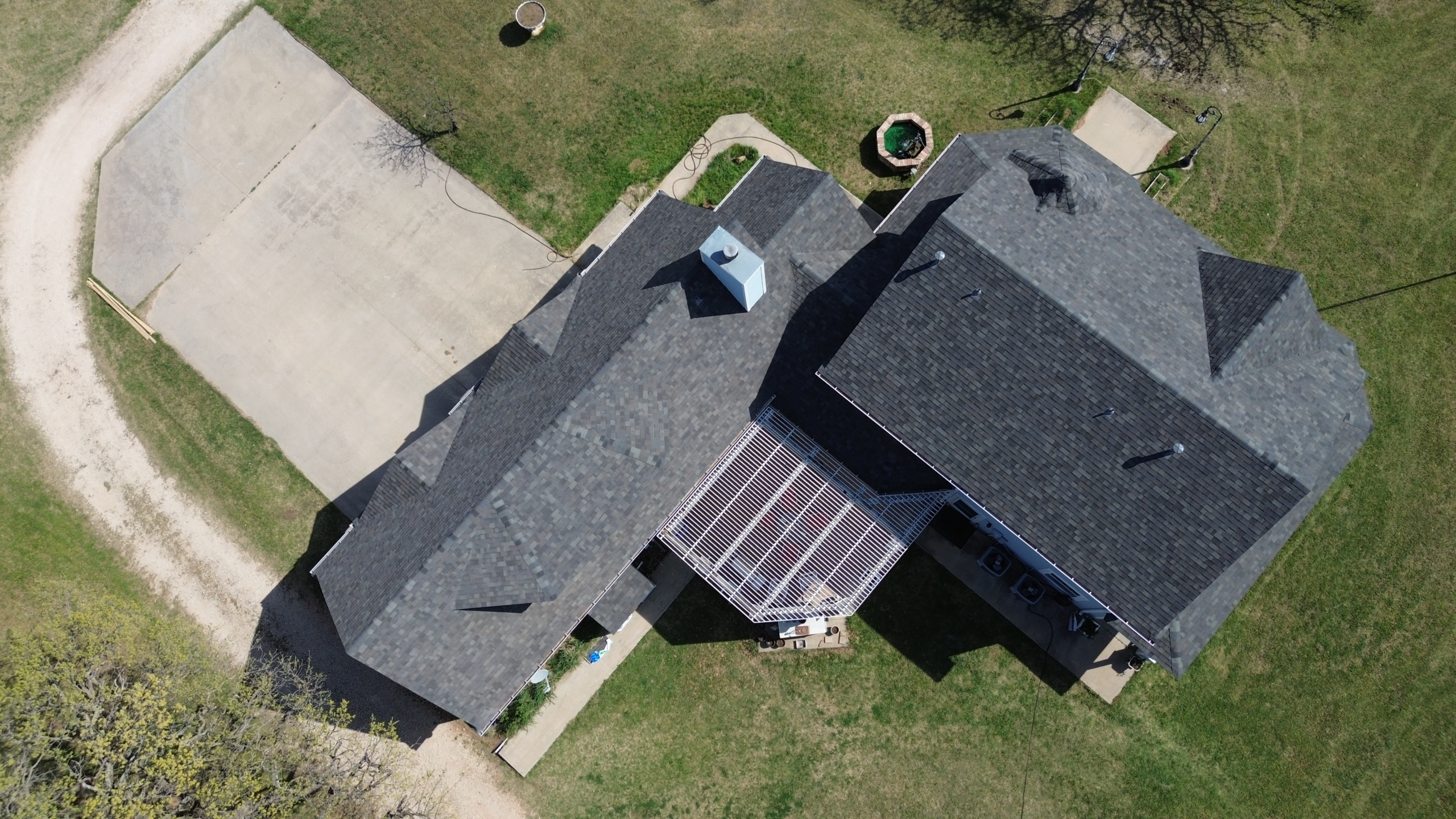
The complexity of the roof can also affect pricing. A simple roof with large uninterrupted sections may be relatively straightforward to install, while a roof containing valleys, dormers, skylights, chimneys, and multiple angles may require additional labor. These features require careful cutting, flashing, sealing, and installation.
Labor costs include more than simply placing shingles or panels on the roof. Professional roofing crews may need to remove old materials, prepare the roof surface, install underlayment, replace damaged components, install flashing, complete ventilation work, and clean the property after installation. The type of roofing material and the difficulty of the property can affect how much time these tasks require.
Removal and disposal can also be significant expenses during a replacement. Old roofing materials need to be stripped from the home and transported for appropriate disposal or recycling. If the roof contains multiple layers, the removal process may require additional labor and generate more debris.
A family budget should also consider possible hidden costs. Once the old roofing is removed, contractors may discover damaged decking, moisture problems, deteriorated flashing, or other conditions that were not visible during the initial inspection. Setting aside a reasonable contingency amount can help families manage these unexpected expenses without disrupting other household finances.
Assessing Your Roof Before Setting a Budget
Before establishing a specific roofing budget, families should understand the current condition of their roof. A professional inspection can identify visible wear, damaged materials, leaks, drainage problems, ventilation concerns, and other issues that may affect the scope of work. This information provides a much stronger starting point than choosing a budget based on general online averages.
The age of the roof is one useful factor to consider. Roofing materials have different expected service lives, and an older roof may be closer to replacement even if it does not currently have major visible problems. The material, installation quality, weather exposure, and maintenance history can all influence actual performance.
Families should also look for signs that indicate the roof may require attention. Water stains on ceilings or walls, missing or damaged shingles, visible sagging, deteriorated flashing, excessive granule loss, and recurring leaks can all indicate potential roofing problems. Some issues may require immediate repair, while others may be addressed as part of a planned replacement.
The condition of the roof deck is particularly important because it supports the roofing system. Long-term moisture exposure can weaken decking, but damage may not be visible until the existing roofing material is removed. Families should ask contractors how potential decking repairs will be handled and whether a unit price for replacement can be included in the estimate.
Drainage should also be considered during the assessment. Gutters, downspouts, valleys, and other drainage components help move water away from the home. If these systems are blocked, damaged, or poorly designed, they can contribute to roofing and moisture problems.
Ventilation is another area worth evaluating. Poor attic ventilation can contribute to heat and moisture buildup, which may affect the roof structure and roofing materials over time. If ventilation improvements are recommended, families should understand why they are needed and include them in the overall project budget.
A thorough assessment allows homeowners to separate immediate needs from optional improvements. This distinction is particularly useful for families working with a limited budget because it helps them prioritize essential work while considering additional upgrades separately.
Estimating Roofing Material Costs
Roofing materials can represent a large portion of a family’s total roofing budget. The available choices range from relatively affordable asphalt shingles to premium materials such as metal, tile, slate, and specialized synthetic products. Each option has different characteristics, installation requirements, maintenance needs, and expected service life.
Asphalt shingles are widely used for residential homes because they provide a practical balance between cost and performance. They are available in several styles and quality levels, allowing families to select an option that fits their budget. Higher-grade shingles may cost more but can offer improved appearance, durability, or warranty coverage.
Metal roofing generally has a higher upfront cost than basic asphalt shingles. However, it can provide long service life and may perform well under various environmental conditions when correctly installed. Families considering metal roofing should compare the specific product, coating, installation method, warranty, and expected lifespan rather than assuming every metal roof has the same price.
Tile roofing can also require a larger investment because of material costs, handling, and installation requirements. Concrete and clay tiles have different properties, and the home’s structure may need to be evaluated before installation. Their durability and appearance can make them attractive for families seeking long-term value.
Slate is another premium option that can involve significant material and labor expenses. Its weight and specialized installation requirements make professional assessment particularly important. While the initial cost may be high, its long service life can make it suitable for homeowners who prioritize longevity.
Synthetic roofing products can provide alternatives to natural materials. Some are designed to reproduce the appearance of slate, wood, or tile while offering different weight and maintenance characteristics. Pricing varies by product quality and manufacturer, so families should review specifications and warranty terms carefully.
Material costs should also include accessories and supporting components. Underlayment, flashing, fasteners, ventilation products, drip edges, sealants, and other materials may be necessary for a complete roofing system. Families should ask contractors whether these items are included in the quoted material price.
When comparing materials, families should consider lifecycle value rather than focusing exclusively on the initial purchase price. A lower-cost material that requires earlier replacement may cost more over the long term than a more durable system. The best choice depends on the family’s budget, home design, climate, expected ownership period, and maintenance preferences.
Planning for Labor and Installation Expenses
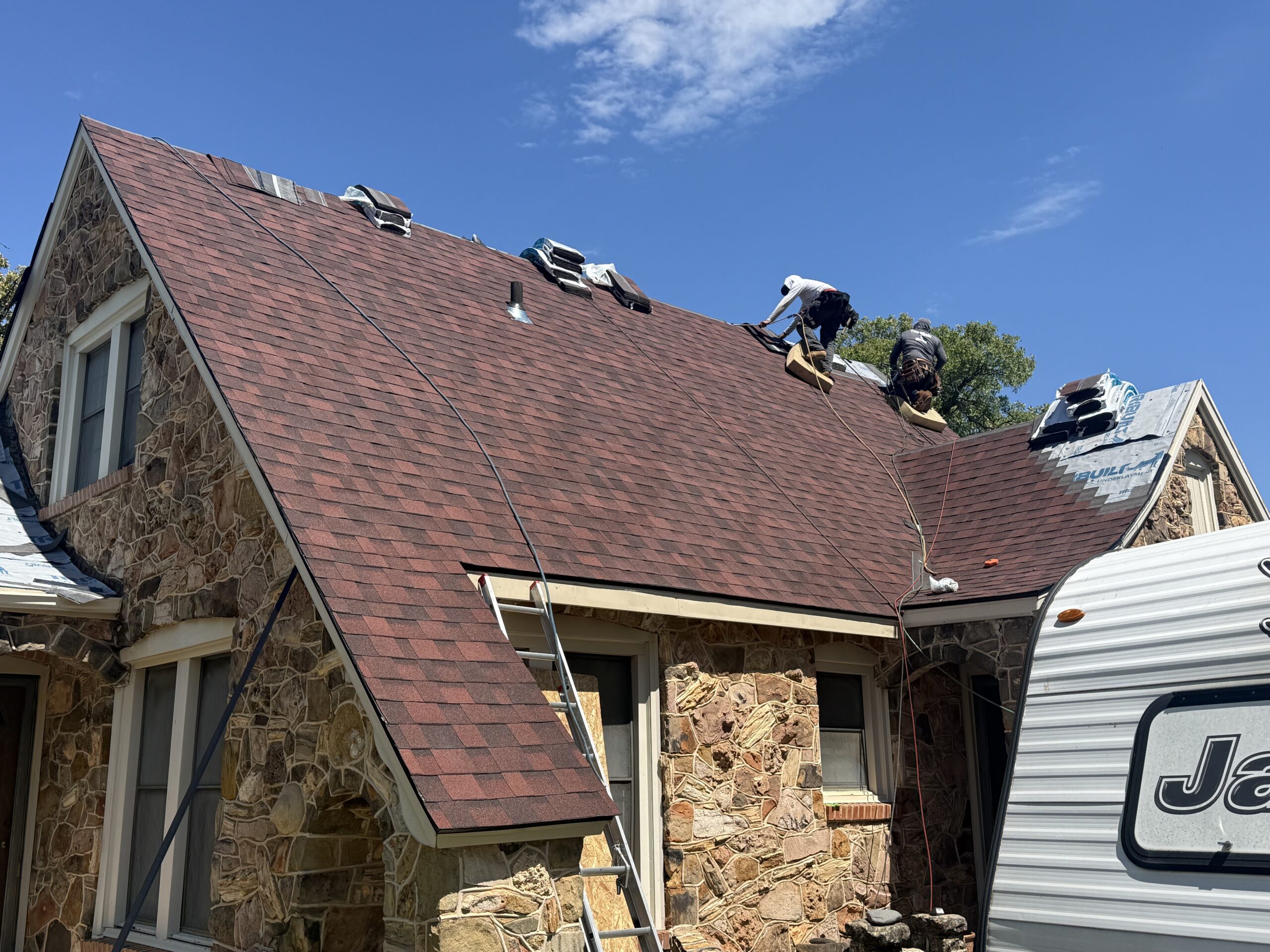
Labor is an essential part of any residential roofing budget because proper installation directly affects the roof’s performance and service life. Roofing crews must work safely at height while installing materials accurately and protecting vulnerable areas of the home. The amount of labor required depends on the roof’s size, pitch, complexity, material, accessibility, and existing condition.
Steep roofs often require additional safety equipment and working time. Roofs with multiple levels, valleys, dormers, skylights, or chimneys may also require more detailed installation. These characteristics can increase labor expenses even when the total roof area is not unusually large.
The type of material selected can influence labor as well. Some roofing products can be installed relatively quickly, while others require specialized techniques or additional preparation. Premium materials may therefore have higher installation costs in addition to higher material prices.
Removal of the existing roof may be included in the labor estimate or listed separately. Families should confirm whether the contractor will remove one or more existing layers and whether debris disposal is included. Understanding these details helps prevent an estimate from appearing artificially low.
Property accessibility can also affect labor. A home surrounded by landscaping, fences, narrow driveways, or other obstacles may require additional preparation and equipment. Multi-story properties can create additional challenges when materials and debris must be moved vertically.
Families should compare contractor estimates based on the complete scope of work rather than choosing a contractor solely because the labor price is lower. A qualified crew with appropriate experience may charge more while providing better preparation, installation, safety practices, and warranty protection.
Homeowners should also ask about cleanup. Roofing replacement can create considerable debris, and professional cleanup should be part of the project plan. Clarifying whether cleanup, hauling, and disposal are included can help families calculate their actual out-of-pocket cost.
Accounting for Roof Removal and Preparation Costs
Roof removal and preparation are important parts of a replacement budget because the new roofing system cannot always be installed immediately over the existing materials. Contractors may need to remove old shingles, panels, tiles, underlayment, flashing, and other components before inspecting and preparing the roof deck.
The number of existing roofing layers can have a direct impact on removal costs. A single layer may require less labor and produce less debris, while multiple layers require additional stripping and disposal. Families should ask contractors to identify how many layers are present and whether complete removal is included in the estimate.
The existing roofing material also matters. Some materials are easier to remove than others, while heavy or fragile products may require additional handling. The condition of the material can also affect the process because deteriorated roofing may break apart and create more cleanup requirements.
Once the old material has been removed, the contractor can inspect the roof deck more thoroughly. Any damaged sections may need to be replaced before new materials are installed. This work can increase the budget, but it may be essential for providing a stable surface for the new roofing system.
Preparation may also include replacing old flashing, installing new underlayment, improving ventilation, adding drip edges, or correcting drainage-related problems. These tasks may not be obvious when looking at the roof from the ground, but they can contribute significantly to the performance of the finished roofing system.
Disposal should also be included in the family’s financial planning. Old roofing materials need to be collected, loaded, transported, and disposed of according to local requirements. Some contractors include disposal in the total estimate, while others list it as a separate charge.
A careful budget should therefore distinguish between the visible cost of the new roof and the work required to prepare the home for it. By accounting for removal, disposal, decking, flashing, underlayment, and other preparation requirements, families can create a more accurate financial plan and reduce the likelihood of unexpected expenses during the project.
Budgeting for Repairs and Unexpected Roof Damage
Families planning a residential roofing project should leave room in their budget for repairs that may not be visible during the initial inspection. A roof can appear relatively stable from the outside while having hidden moisture damage, deteriorated decking, damaged flashing, or other problems beneath the surface. Preparing for these possibilities can help prevent an unexpected roofing expense from disrupting the household budget.
Minor repairs may include replacing damaged shingles, repairing flashing, sealing certain penetrations, or addressing isolated leaks. These projects can be considerably less expensive than a complete replacement when the rest of the roofing system remains in good condition. However, homeowners should consider the age and overall condition of the roof before deciding whether repeated repairs are financially sensible.
Older roofs may require more frequent repairs because multiple components are approaching the end of their useful service life. Paying for one repair after another can gradually become more expensive than replacing the roofing system. Families should compare the expected cost of continued maintenance with the cost and benefits of a planned replacement.
Storm damage is another potential source of unexpected expense. Strong winds, hail, falling branches, heavy rainfall, or other severe weather can damage roofing materials and create openings that allow water into the home. Emergency protection may be required before permanent repairs can be completed, which can add to the total project cost.
Homeowners should consider establishing a contingency amount within their roofing budget. This reserve can help cover necessary repairs discovered during the project without requiring the family to reduce other essential household spending. The appropriate amount depends on the age, condition, size, and complexity of the existing roof.
Contractors should explain how unexpected repairs will be handled. Families can ask whether the contractor will provide photographs, written descriptions, and updated pricing before completing additional work. Clear communication helps homeowners understand why a change is necessary and prevents confusion about the final bill.
A roofing contingency should not be viewed as money that must be spent. It is simply a financial safeguard against conditions that cannot always be identified before old materials are removed. Including this allowance makes the overall budget more realistic and gives families greater confidence when beginning a major roofing project.
Including Flashing, Ventilation, Gutters, and Other Components
A complete roofing budget should include more than shingles, panels, or other primary roofing materials. Several supporting components work together to protect the home from water and environmental exposure. If these components are damaged or outdated, replacing them during the roofing project may be practical.
Flashing is especially important around chimneys, skylights, walls, vents, valleys, and other roof intersections. These areas can become vulnerable to leaks when flashing deteriorates or is improperly installed. Families should ask whether existing flashing will be reused, repaired, or replaced as part of the project.
Underlayment provides another layer of protection beneath the primary roofing material. The appropriate type can depend on the roofing material, climate, roof design, and local requirements. Homeowners should confirm which underlayment product is included in the contractor’s estimate.
Ventilation can also influence the budget. Proper attic ventilation helps manage heat and moisture within the roof assembly. If the existing system does not provide adequate airflow, the contractor may recommend improvements involving intake or exhaust ventilation.
Gutters and downspouts are closely connected to roof drainage. They collect water from the roof and direct it away from the home’s foundation. If existing gutters are damaged, poorly positioned, or unable to handle the roof’s drainage needs, replacement or adjustments may be worth considering.
Drip edges, pipe boots, sealants, fasteners, and other smaller components can also contribute to the total price. Although each item may represent a relatively small expense, together they form an important part of the complete roofing system.
Families should ask contractors to identify these components separately when possible. This makes it easier to understand the estimate and determine which items are essential, recommended, or optional. Clear explanations can also help homeowners avoid removing useful components unnecessarily or overlooking important areas.
Budgeting for the entire roofing system rather than just the visible covering can lead to better long-term results. A roof is made up of multiple interconnected components, and proper installation of each part contributes to the home’s protection.
Comparing Roofing Materials for Different Family Budgets
Families have different financial priorities, so roofing material selection should reflect both immediate affordability and long-term needs. The cheapest material may provide an accessible starting point, but the most appropriate choice depends on durability, maintenance, appearance, climate, installation requirements, and expected ownership period.
Asphalt shingles are often considered a practical option for families seeking a balance between cost and performance. They are widely available and come in several grades and styles. Basic products can help control the initial budget, while upgraded options can provide enhanced appearance or durability at a higher cost.
Metal roofing can require greater upfront spending but may provide a long service life when installed and maintained properly. Families who expect to remain in their homes for many years may consider the long-term benefits of investing in a durable roofing system. Different metal products have different prices, so homeowners should compare specific systems rather than treating all metal roofs as equivalent.
Tile roofing can provide durability and a distinctive appearance but may involve higher material and installation costs. Its weight should also be considered because the home’s structure must be suitable for the selected roofing system. Professional evaluation is important before choosing this type of material.
Slate roofing is another premium option that can involve substantial upfront costs. It can offer exceptional longevity, but specialized installation and structural requirements can increase the overall budget. Families considering slate should evaluate whether the long-term benefits justify the initial investment for their particular property.
Synthetic roofing products can provide another alternative for homeowners who want the appearance or characteristics of premium materials. Some products are designed to resemble slate, tile, or wood while offering different weight and maintenance requirements. Prices vary by product, so warranty terms and manufacturer specifications should be reviewed carefully.
Families should compare materials using both initial and lifecycle costs. A product that costs less today may require earlier replacement, while a more durable system may cost more initially but provide longer service. The right choice is the one that provides appropriate performance without placing unnecessary pressure on the household budget.
A useful way to compare materials is to consider these factors together:
| Roofing Consideration | Questions for Families |
|---|---|
| Initial cost | Does the material fit the available project budget? |
| Lifespan | How long is the roofing system expected to perform? |
| Maintenance | Will it require regular or specialized maintenance? |
| Installation | Does it require specialized labor or structural preparation? |
| Warranty | What protection is provided by the manufacturer and contractor? |
| Climate suitability | Is it appropriate for local weather conditions? |
| Long-term value | Could the higher initial cost reduce future expenses? |
Understanding Contractor Estimates and Payment Terms
Contractor estimates are an important part of roofing budget planning because they provide a detailed picture of expected project expenses. Families should obtain written estimates that explain the scope of work instead of relying on informal verbal pricing. A clear proposal makes it easier to compare contractors and identify costs that may otherwise be overlooked.
The estimate should identify the roofing material, estimated quantities, labor, tear-off, disposal, underlayment, flashing, ventilation, cleanup, and other applicable components. It should also explain how unexpected repairs will be priced if hidden damage is discovered after removal.
Payment terms should be reviewed carefully before signing a contract. Homeowners should understand the required deposit, progress payments if applicable, final payment, accepted payment methods, and circumstances under which additional charges may occur. Clear payment terms help families manage their cash flow throughout the project.
Families should be cautious about estimates that are dramatically lower than competing proposals. A low price may result from different material quality, incomplete preparation, excluded disposal, limited warranties, or assumptions that do not match the actual condition of the roof. Comparing the complete scope can reveal why estimates differ.
Contractor experience and qualifications should also be considered. A reliable contractor should be willing to explain the estimate, answer questions, and provide relevant documentation where required. Homeowners should not feel pressured into approving a project before they understand the costs.
Changes to the project should ideally be documented in writing. If damaged decking or another unexpected condition requires additional work, the contractor should explain the issue and provide updated pricing before proceeding when practical. This process allows the family to make an informed decision rather than discovering an unexpected charge at the end.
Families should also review warranty information carefully. Manufacturer warranties and contractor workmanship warranties are different, and their coverage may vary. Understanding these protections can help homeowners compare proposals based on value rather than price alone.
A detailed estimate is ultimately a budgeting tool. The more clearly it explains the project, the easier it becomes for a family to plan expenses and avoid financial surprises.
Building an Emergency Roofing Fund
A dedicated roofing reserve can provide valuable financial protection for families because roofing problems do not always occur at convenient times. Unexpected leaks, storm damage, falling branches, or sudden material failures can require immediate attention. Having money set aside for urgent roofing work can reduce the need to make rushed financial decisions.
Families can build an emergency roofing fund gradually rather than waiting until a major problem occurs. The amount saved each month can depend on household income, existing expenses, roof age, and the estimated remaining service life of the roofing system. Even smaller contributions can become useful over time.
The age of the roof should influence how aggressively a family prepares. An older roof nearing the end of its expected service life may require more careful financial planning than a relatively new roof in good condition. Homeowners can discuss expected replacement timing with a qualified roofing professional.
A roofing reserve can also help with routine repairs. Not every roofing expense requires a complete replacement, and a dedicated fund can cover smaller problems before they become more serious. Early repairs may protect other parts of the home from water damage.
Families should keep the roofing reserve separate from funds intended for everyday household expenses when possible. This can make it easier to preserve the money for its intended purpose. A dedicated account or clearly identified savings category can help maintain financial discipline.
Insurance may provide financial assistance for certain types of covered damage, but homeowners should not assume that every roofing problem will qualify. Normal wear, aging, maintenance issues, and certain exclusions may not be covered. Families should understand their policy and maintain appropriate documentation without relying entirely on insurance for routine roofing expenses.
Emergency planning should also include a list of reliable roofing contacts. Knowing which qualified contractors can provide inspections or temporary protection can save valuable time when a problem occurs. However, homeowners should still verify credentials and project details before authorizing significant work.
A roofing emergency fund is ultimately a form of household preparedness. It gives families more flexibility when unexpected problems occur and can help prevent a roofing issue from becoming a broader financial crisis.
Balancing Short-Term Costs With Long-Term Roofing Value
The most effective roofing budget balances what a family can afford today with what the roofing system is likely to cost over time. Focusing entirely on the lowest initial price can lead to compromises in material quality, installation, or durability. On the other hand, selecting the most expensive option without considering the home’s needs can place unnecessary pressure on the household budget.
Families should begin by identifying the essential requirements of the home. Climate, roof design, structural capacity, maintenance preferences, and expected ownership period can all influence which roofing materials are appropriate. Once those requirements are understood, homeowners can compare products within a realistic price range.
Long-term maintenance should be included in the decision. Some roofing systems may require more specialized care than others, while certain materials may have longer expected service lives. Understanding these differences can help families estimate the true cost of ownership rather than focusing only on installation.
Energy performance can also be considered where relevant. Roofing materials, insulation, ventilation, and attic conditions can affect how a home manages heat. While a roofing material alone does not determine household energy costs, appropriate roofing and ventilation choices may contribute to overall building performance.
Warranty protection is another element of long-term value. Families should compare both manufacturer and workmanship warranties and understand their limitations. A strong warranty cannot replace good installation, but it can provide additional protection when qualifying problems occur.
The quality of installation remains one of the most important considerations. Even a high-quality roofing material may perform poorly if the roof deck is inadequately prepared or flashing, fastening, ventilation, and other components are installed incorrectly. Paying a qualified contractor for proper workmanship can therefore be an important part of long-term financial planning.
Families should also avoid delaying necessary work simply because the current budget is tight. A small roofing problem can become more expensive if water continues entering the home. When funds are limited, homeowners can discuss repair priorities with a professional and develop a phased plan when appropriate.
A well-planned roofing budget gives families the ability to make decisions based on value rather than pressure. By considering initial costs, maintenance, durability, warranties, installation quality, and future repair needs together, homeowners can choose a roofing system that protects both the home and the family’s long-term financial stability.
Creating a Step-by-Step Family Roofing Budget
Creating a roofing budget becomes easier when families break the project into clear financial categories instead of treating the roof as one large expense. Start by arranging a professional inspection to determine whether the home needs repairs, partial replacement, or a complete roofing system. The inspection should also identify possible concerns involving decking, flashing, ventilation, drainage, and other components that could affect the final cost.
After the inspection, request detailed estimates from qualified roofing contractors. Each estimate should identify materials, labor, removal, disposal, preparation, installation, cleanup, warranties, and any potential additional charges. Comparing estimates with similar scopes of work gives families a much more reliable basis for determining the expected project cost.
Families should then divide the expected expense into essential and optional categories. Essential work may include replacing severely damaged roofing, repairing structural problems, installing required flashing, or meeting applicable building requirements. Optional improvements can be evaluated separately so that homeowners can prioritize necessary work without losing control of the overall budget.
The next step is to establish a contingency reserve. Roofing projects can uncover hidden damage after existing materials are removed, especially on older homes or roofs with a history of leaks. Keeping additional funds available provides protection against these unexpected conditions and reduces the likelihood that necessary repairs will have to be postponed.
A simple family budgeting process can follow these steps:
- Inspect the roof and identify the required work.
- Obtain detailed estimates from qualified contractors.
- Compare materials, labor, warranties, and project scope.
- Set aside funds for unexpected repairs.
- Confirm payment terms and schedule before signing the contract.
Families should also consider how the roofing expense fits into their wider household finances. A major roofing project should not be planned in isolation from mortgage payments, utilities, education expenses, emergency savings, and other important financial commitments. Creating a realistic project limit can help homeowners choose appropriate materials without putting unnecessary pressure on their monthly budget.
Ways Families Can Reduce Roofing Expenses
Reducing roofing costs does not necessarily mean choosing the cheapest material or contractor. Families can often control expenses through early planning, regular maintenance, careful material selection, and detailed comparison of contractor proposals. These strategies can reduce unnecessary spending while still allowing homeowners to invest in a reliable roofing system.
Addressing small problems early is one of the most effective ways to control long-term expenses. A damaged shingle, deteriorated flashing component, or minor leak may be relatively manageable when identified quickly. If ignored, the same issue can allow moisture to affect decking, insulation, walls, ceilings, or other parts of the home.
Families can also compare several roofing materials that are appropriate for their property. A premium product is not always necessary for every home, and a basic product may not provide the durability needed in demanding conditions. Selecting a material based on climate, roof design, expected service life, maintenance requirements, and budget can provide better overall value.
Obtaining multiple estimates can help identify unusual pricing. However, families should compare the complete scope of work rather than selecting the contractor with the lowest total. A slightly higher estimate may include better materials, more comprehensive preparation, stronger warranties, or important services that another proposal excludes.
Scheduling planned work can also reduce financial pressure. Emergency roofing projects may require immediate service and can be more difficult to organize. When a roof is approaching the end of its service life, planning ahead gives families more time to save money, compare contractors, and select suitable materials.
Homeowners can also maintain gutters, drainage areas, and visible roofing components as recommended. Keeping water moving away from the roof and foundation can help reduce moisture-related problems. Regular professional inspections can identify developing issues before they become larger expenses.
Families should avoid unnecessary changes that add cost without providing meaningful benefits. Contractors may recommend various upgrades, but homeowners should ask what each recommendation does, whether it is required, and how it affects long-term performance. This allows the family to prioritize improvements that provide genuine value.
Common Roofing Budgeting Mistakes to Avoid
One of the biggest roofing budgeting mistakes is relying on a general online price without considering the specific property. Average roofing costs can provide useful background information, but they cannot account for a home’s exact roof size, pitch, accessibility, material choice, or hidden damage. A professional estimate based on an actual inspection is more useful for financial planning.
Another common mistake is focusing only on the roofing material. Shingles, panels, tiles, or other visible products are only one part of a complete roofing system. Labor, tear-off, disposal, underlayment, flashing, ventilation, decking repairs, permits, and cleanup can all influence the final project price.
Families may also underestimate the importance of contingency funds. Even when a contractor provides a detailed estimate, hidden conditions can appear after old materials are removed. Without a reserve, homeowners may have difficulty paying for necessary repairs without affecting other household expenses.
Choosing a contractor solely because of the lowest price is another risky approach. A very low estimate may exclude important work or use different materials from competing proposals. Families should compare the complete scope, warranty protection, installation practices, qualifications, and reputation of each contractor.
Delaying repairs can create another financial problem. A small leak may appear manageable, but continued moisture exposure can increase the amount of damage. Families should address roofing concerns promptly and determine whether a repair can reasonably extend the roof’s life or whether replacement planning is more appropriate.
Homeowners should also avoid assuming that insurance will pay for every roofing expense. Coverage depends on the specific policy and circumstances of the damage. Normal aging and maintenance-related deterioration may be treated differently from damage caused by a covered event.
Another mistake is failing to understand payment terms. Families should know how much is due before work begins, when additional payments are required, and how unexpected work will be approved. Written agreements can reduce confusion and help homeowners maintain control of their budget throughout the project.
Planning Roofing Maintenance After Installation
A roofing budget should continue beyond the installation date because regular maintenance can help protect the investment. Even a newly installed roof benefits from periodic attention to drainage, flashing, penetrations, visible damage, and other components. Maintenance can help identify problems before they develop into expensive repairs.
Families should monitor the roof after severe weather events. Strong winds, heavy rain, hail, falling branches, and other conditions can damage roofing materials even when the problem is not immediately visible from inside the home. A professional inspection can be useful when homeowners notice missing materials, leaks, unusual debris, or other signs of damage.
Gutters and downspouts should also receive appropriate attention. Leaves, dirt, and other debris can interfere with drainage and cause water to remain near roofing edges or flow toward unwanted areas. Keeping drainage pathways functioning properly can support the overall performance of the roofing system.
Homeowners should pay attention to interior warning signs as well. Water stains, damp areas, peeling paint, unusual odors, or moisture around ceilings and walls can indicate a roofing or drainage problem. Addressing these signs early can reduce the possibility of more extensive damage.
Maintenance should follow the requirements of the selected roofing system and manufacturer recommendations. Some materials may have specific care requirements, while others may require different inspection practices. Families should keep warranty documents and maintenance records so that they can refer to the appropriate information when needed.
Budgeting for maintenance is also important. A small annual or periodic allowance for inspections and minor repairs can be easier to manage than a large unexpected expense. Preventive spending may help extend the useful life of the roofing system and protect the family’s original investment.
Reviewing Warranties and Future Replacement Costs
Warranties should be reviewed carefully when a roofing project is completed because they can provide valuable protection, but their coverage varies. Manufacturer warranties generally concern defects in roofing products, while workmanship warranties relate to the contractor’s installation. Families should understand both types before assuming that every future roofing problem will be covered.
Warranty terms may include specific requirements for installation, maintenance, or approved products. Exclusions can also apply to certain types of damage, severe weather, improper modifications, or neglect. Keeping documentation from the original project can make future warranty discussions easier.
Families should also keep track of the roof’s installation date and expected service life. Different roofing materials can have significantly different lifespans, and actual performance depends on climate, maintenance, installation quality, and exposure. Knowing the approximate replacement horizon allows homeowners to begin financial planning well before the roof reaches the end of its useful life.
Long-term replacement planning can be especially useful for families with older homes. Instead of waiting for a serious leak or storm emergency, homeowners can gradually build a roofing reserve as the roof ages. This approach provides more flexibility when replacement eventually becomes necessary.
Homeowners should also retain important project records. These may include contracts, invoices, material information, warranty documents, inspection reports, photographs, and repair records. Such information can help with maintenance, future repairs, warranty claims, and potentially property resale.
The best roofing budget therefore continues throughout the life of the roof. Planning for maintenance, repairs, and eventual replacement helps families avoid treating every roofing expense as an unexpected financial emergency.
Conclusion
A residential roofing budget is more than a calculation of how much new roofing material will cost. Families need to consider inspection, labor, preparation, removal, disposal, repairs, supporting components, warranties, maintenance, and possible unexpected expenses. By understanding these categories before beginning a project, homeowners can create a financial plan that is more realistic and easier to manage.
The first step is to understand the actual condition of the roof. A professional inspection can help determine whether the home needs repairs, partial replacement, or a complete roofing system. Detailed estimates from qualified contractors can then provide a clearer picture of the expected investment and help families compare different options.
Material selection should be based on both budget and long-term value. Families should consider expected service life, maintenance, climate suitability, appearance, installation requirements, and warranty protection rather than focusing only on the lowest initial price. A roofing system that performs reliably for many years can provide greater value than one that requires frequent repairs or early replacement.
Families should also maintain a contingency reserve for unexpected conditions. Hidden decking damage, deteriorated flashing, moisture problems, and other issues may not become fully visible until existing roofing materials are removed. Preparing for these possibilities can prevent necessary repairs from becoming a major financial burden.
Once the new roof is installed, budgeting should continue through regular maintenance and future replacement planning. Inspections, drainage maintenance, prompt repairs, and careful record keeping can help protect the roofing investment. Setting aside money over time can also make eventual replacement easier to manage.
Ultimately, effective roofing budget planning is about balancing protection, affordability, quality, and long-term value. Families that plan ahead, compare complete estimates, understand their roofing needs, and prepare for future expenses can make confident decisions without allowing a major home improvement project to overwhelm their household finances.