

How Local Laws Affect Roof Installation Scheduling
Introduction
Roof installation may appear to be a straightforward construction project, but the actual schedule can be influenced by a wide range of local laws, permit requirements, inspection procedures, working-hour restrictions, and property regulations. A contractor may have the crew, materials, and equipment ready to begin, yet still need to delay work because a permit has not been approved or a required inspection has not been scheduled. Understanding these requirements before setting a project start date helps contractors create realistic schedules and avoid unnecessary disruptions.
Local requirements vary significantly between cities, counties, states, and other jurisdictions. In the United States, many communities adopt model building codes and then modify them to reflect local conditions, practices, and legal requirements. The International Code Council explains that model codes such as the International Building Code are adopted through the laws and procedures of individual jurisdictions, meaning the rules applicable to one location may not be identical to those in another.
For roofing contractors, this means scheduling should begin with regulatory research rather than simply choosing a convenient installation date. A successful schedule should allow time for permit processing, inspections, material delivery, weather interruptions, restricted work hours, and any approvals required before specific stages can proceed. Building these requirements into the schedule from the beginning can help prevent costly delays later.
Why Local Laws Matter for Roof Installation Scheduling
Local laws can determine when roofing work can begin, what approvals must be obtained, and when certain inspections need to occur. Some jurisdictions may require permits for specific roof replacement or structural work, while other locations may have exemptions for limited repairs. The requirements can also change depending on whether the project involves a complete replacement, structural modifications, changes to roof materials, or work on a commercial building.
A permit is more than administrative paperwork because it can become a prerequisite for starting construction legally. The International Code Council describes a building permit as legal permission to begin construction in accordance with approved drawings and specifications and recommends contacting the local building department to determine whether a particular project requires one.
When a permit is required, the contractor needs to account for the time involved in submitting the application, providing supporting documents, responding to questions, and receiving approval. If the application contains incomplete information, the review may take longer than originally expected. Starting the schedule before understanding the approval process can therefore create unrealistic promises to the property owner.
Local regulations can also affect the sequence of work. A contractor may need to complete one stage, request an inspection, and wait for approval before covering or proceeding with another part of the roof assembly. This makes regulatory requirements an important part of construction planning rather than an issue that can be handled separately from the project schedule.
Researching Local Roofing Requirements Before Scheduling
The first scheduling step should be determining which government authority has jurisdiction over the property. Depending on the location, this could involve a city building department, county authority, municipal office, or another permitting agency. Contractors should confirm the correct authority instead of assuming that the rules used on a previous project will apply to the new property.
The contractor should then determine whether the planned roofing work requires a permit. Requirements may differ depending on the scope of work, building type, location, and local amendments to adopted codes. The safest approach is to verify the requirements directly with the relevant building department before promising a firm installation date.
Contractors should gather the information needed for the permit application as early as possible. Depending on the project, this may include property information, project descriptions, roofing specifications, drawings, structural details, contractor information, and other documentation requested by the jurisdiction. Having these details ready can reduce avoidable delays during the review process.
Local code requirements should also be checked for restrictions that could influence the materials or installation methods. Some jurisdictions may have requirements related to wind resistance, fire performance, energy efficiency, historic properties, or specific construction details. The International Code Council notes that jurisdictions adopting model codes may amend them to reflect local practices and laws, which is why contractors should not assume that a model code alone represents the complete local requirement.
How Permit Approval Can Change the Schedule
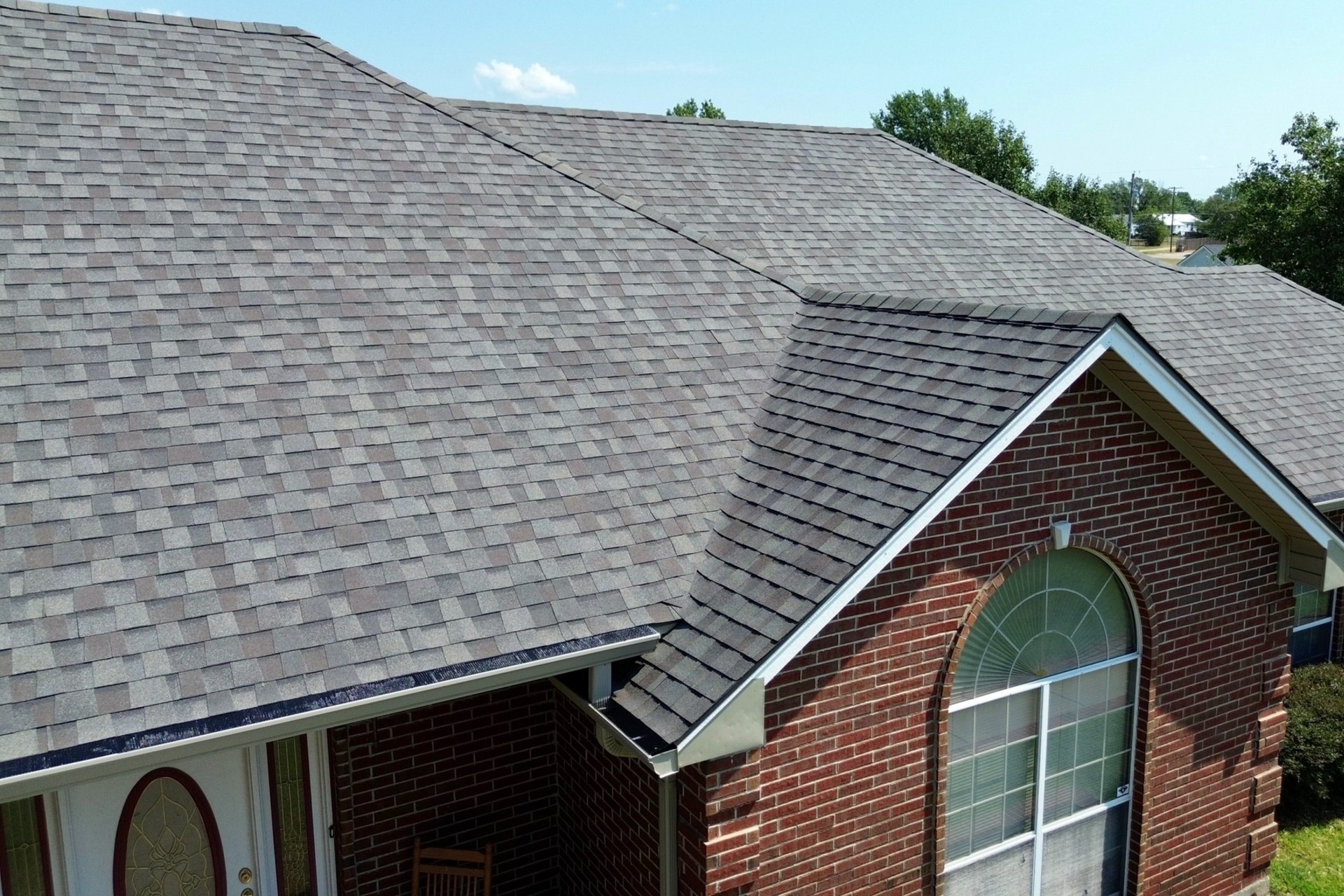
Permit processing is one of the most important factors contractors should consider when establishing a roofing schedule. Even when the actual roof installation may take only a few days, administrative approval can take additional time. The contractor should therefore separate the permit approval stage from the physical construction stage when creating the project timeline.
A useful scheduling approach is to treat permit approval as a project milestone rather than simply an administrative task. The installation start date should be connected to the expected approval rather than being scheduled independently. This gives the contractor more flexibility if the reviewing authority requests revisions or additional information.
For example, a contractor might initially expect to begin work on a Monday. If the permit application has not yet been approved by the preceding week, the contractor may need to move the crew to another project instead of leaving workers and equipment waiting. A flexible schedule allows the contractor to adjust resources without creating unnecessary downtime.
Permit delays can also affect material deliveries. Ordering materials too early may create storage problems if the project cannot start as planned, while ordering too late can leave the crew waiting after approval is received. Contractors should coordinate procurement with the expected permit timeline and communicate changes with suppliers when necessary.
The project contract should also clearly explain how permit-related delays are handled. When the contractor is not responsible for the delay, the agreement may provide mechanisms for adjusting the schedule. Clear communication with the property owner can prevent misunderstandings when government review takes longer than anticipated.
Building Inspections Into the Roofing Schedule
Inspections are another major factor that can affect the timing of roof installation. A jurisdiction may require an inspection at one or more stages of construction, depending on the scope and applicable code requirements. The building official is responsible for performing required inspections under the adopted code framework, although approved agencies or individuals may be permitted to provide inspection reports in certain circumstances.
The timing of an inspection matters because some work may need to remain visible until the inspector has completed the required review. If a contractor covers an element before an inspection that was required at that stage, the project may face additional work or delays. The crew should therefore know which stages require inspection before work begins.
Inspection appointments should be requested with enough lead time for the local authority’s process. Contractors should not assume that an inspector will always be available immediately after a request is submitted. Availability can vary depending on workload, season, project volume, and the procedures used by the jurisdiction.
A roofing schedule should therefore include inspection milestones alongside construction milestones. A simplified project sequence might look like this:
- Permit approval before authorized construction begins.
- Initial preparation and removal of existing materials.
- Required inspection before covered work proceeds.
- Installation of approved roofing components.
- Additional inspections where required.
- Final inspection and project completion.
The exact sequence depends on local requirements and the scope of the work. Contractors should verify the required inspection stages with the applicable building authority rather than relying on a generic roofing schedule.
Local Building Codes and Roofing Work
Building codes can influence both the installation method and the amount of time required to complete a project. Roofing contractors may need to account for requirements concerning roof coverings, underlayment, flashing, ventilation, structural support, drainage, wind resistance, fire performance, or other components. If a proposed installation does not meet the applicable code, the contractor may need to modify the work before proceeding.
This can affect scheduling in several ways. First, the contractor may need additional time to review code requirements before materials are ordered. Second, certain materials may need to be selected based on local requirements rather than simply based on customer preference. Third, unexpected code issues discovered during construction can force the crew to pause while a compliant solution is developed.
Local amendments are particularly important because two jurisdictions can adopt the same model code while applying different amendments. The International Code Council states that the International Building Code is intended to be adopted according to the laws and procedures of each governmental jurisdiction and that jurisdictions may amend it to reflect local practices and laws.
Contractors working in multiple service areas should therefore maintain location-specific compliance information. A scheduling process that works in one city should not automatically be copied to another city without checking its local requirements.
Historic Districts and Special Property Rules
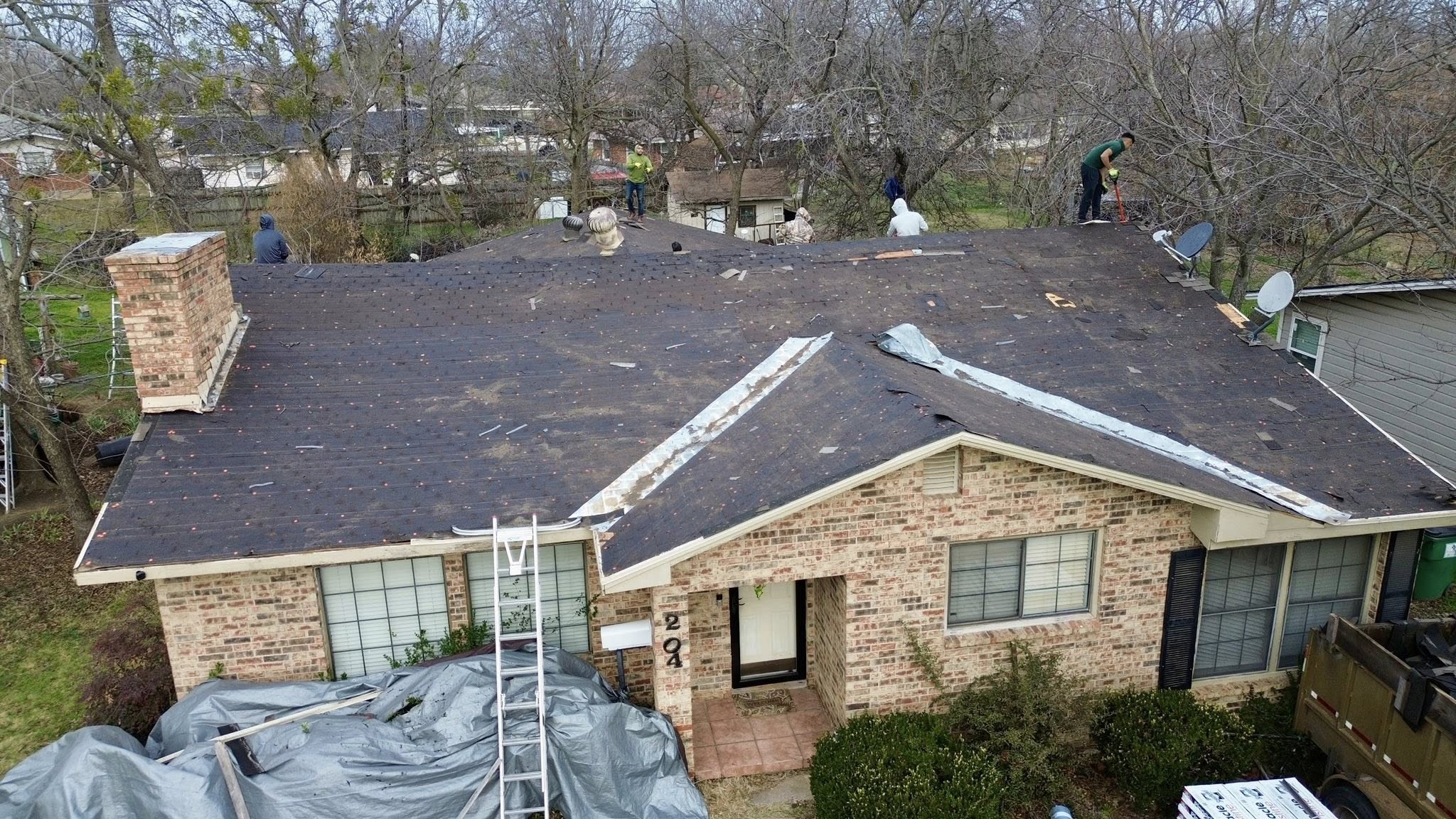
Some roofing projects involve properties subject to additional local controls because of their historic or architectural significance. A building located within a designated historic district may have restrictions concerning roof materials, visible features, colors, architectural details, or changes to the exterior. These requirements can introduce an additional review process before roofing work begins.
Historic approval can affect the schedule because the contractor may need to submit photographs, material information, drawings, or proposed changes to a preservation authority. The approval may take place separately from the standard building permit process, meaning both timelines need to be considered.
A contractor should identify these restrictions during the initial property assessment. Waiting until the roofing materials have already been ordered can create significant problems if the selected product does not meet the property’s requirements.
Properties in conservation areas or locations with special planning rules may also have additional restrictions. The exact requirements vary by jurisdiction, so contractors should confirm them before establishing the final project schedule.
Noise and Local Working-Hour Restrictions
Local laws may restrict the hours during which construction activities can take place. These rules are particularly relevant for roofing because installation often involves hammering, nail guns, compressors, generators, saws, material movement, and other activities that can create significant noise.
A contractor may normally plan an eight-hour workday, but a local ordinance could limit noisy construction to specific daytime hours. If the crew cannot begin early in the morning or continue into the evening, the number of productive hours available each day may be reduced.
Noise restrictions can have a greater effect on projects located in densely populated residential neighborhoods. Contractors may need to coordinate their activities so the loudest operations occur during permitted hours while quieter preparation tasks are performed at other times.
Ignoring these restrictions can lead to complaints, warnings, fines, or forced interruptions. It can also damage the contractor’s relationship with the property owner and nearby residents. Checking local construction-hour requirements before scheduling the crew helps prevent these avoidable problems.
How Local Rules Affect Contractor Planning
The impact of local laws extends beyond the start date because regulatory requirements can influence the entire sequence of a roofing project. Contractors need to consider permits, inspections, working hours, property restrictions, code requirements, and administrative deadlines when estimating completion dates.
A realistic schedule should therefore contain some flexibility rather than assuming every activity will happen exactly as planned. Construction projects can experience delays caused by government review, weather, material availability, inspection timing, or unexpected site conditions. Local regulations can add another layer of dependency that contractors must account for.
Good planning also requires communication between the contractor, property owner, suppliers, inspectors, and other parties involved in the project. When everyone understands which approvals are required and when inspections may occur, it becomes easier to coordinate the work. This reduces the possibility of having workers arrive at a property before the project is legally or practically ready to proceed.
Local law should therefore be treated as one of the fundamental inputs to a roofing schedule. By researching requirements early, allowing time for approvals, coordinating inspections, and maintaining flexibility, contractors can create schedules that are more realistic and less vulnerable to regulatory delays.
Working-Hour Restrictions and Construction Noise
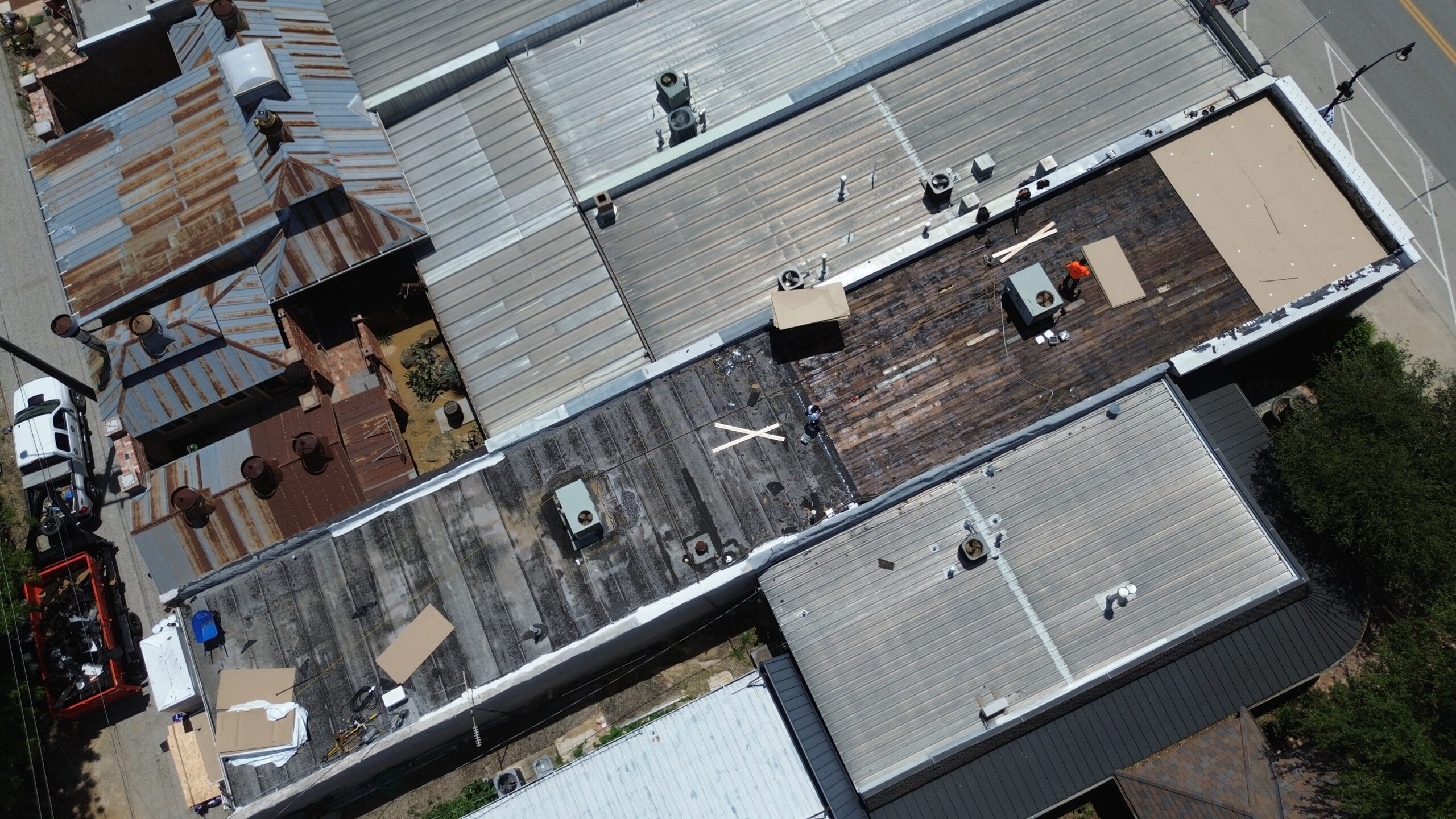
Local working-hour rules can have a direct effect on how many productive hours a roofing crew has available each day. Roofing installation often involves hammering, nail guns, compressors, generators, saws, material deliveries, and other activities that can produce noticeable noise. If a municipality restricts construction activities during early mornings, evenings, weekends, or holidays, contractors may need to adjust the project schedule accordingly.
These restrictions can be especially important for roofing projects in residential neighborhoods. A contractor may normally plan to begin work early to take advantage of cooler temperatures or complete more work during daylight hours, but local noise regulations may prevent certain activities from starting at the preferred time. The schedule may therefore need to separate quiet preparation work from louder installation activities.
Contractors should verify construction-hour requirements with the applicable local authority before setting the start and completion dates. Rules can vary considerably between jurisdictions, and some communities may establish different requirements for residential areas, commercial districts, weekends, or special circumstances. Assuming that the rules from another project apply to a new location can create avoidable scheduling problems.
Noise restrictions can also affect material deliveries. A roofing crew may be unable to receive a delivery at the same time that installation begins if local rules restrict vehicle activity or construction-related noise. Coordinating deliveries with permitted working hours helps prevent materials from arriving when workers cannot legally unload or use them.
Weekend and Holiday Restrictions
Some jurisdictions place additional restrictions on construction activities during weekends or public holidays. These rules can reduce the number of working days available during a roofing project, particularly when the contractor has promised a short completion window. A project that appears to require five working days under normal conditions may take longer if one or more days fall under local restrictions.
Contractors should check these requirements during the scheduling stage rather than discovering them after crews and materials have already been arranged. The property owner should also understand whether weekend work is permitted before the project begins. Clear expectations can prevent disagreements when the contractor cannot work on a particular day.
Holiday restrictions can become especially important during busy construction seasons. If several holidays occur close together, inspection offices and permitting departments may also have reduced operating hours. This can affect both physical construction and administrative tasks such as permit processing or inspection scheduling.
A realistic project calendar should therefore include applicable weekends and holidays from the beginning. This allows contractors to estimate the actual number of working days instead of relying on a simple calendar-day calculation.
Seasonal Rules and Weather-Related Scheduling
Local laws may interact with seasonal conditions in ways that affect roofing schedules. Some areas experience periods of heavy rainfall, snow, freezing temperatures, hurricanes, or extreme heat that can make certain construction activities difficult or unsafe. While weather itself is not necessarily a legal restriction, local requirements may establish standards that affect how work is performed under those conditions.
Roofing contractors should consider seasonal patterns when selecting a project start date. Installing a roof during a period of frequent storms can increase the likelihood of interruptions, particularly when materials must remain exposed during different stages of construction. A schedule that allows no additional time for weather may therefore be unrealistic even when the legal approvals are complete.
Weather can also affect inspection timing. If rain prevents a required stage of construction from being completed, the contractor may need to move the inspection appointment or delay subsequent work. This can create a chain reaction because other crews, material deliveries, and equipment may already be scheduled.
Contractors should avoid promising completion dates based on ideal conditions. A better approach is to establish a target schedule with reasonable allowances for weather and regulatory dependencies. The amount of flexibility needed will depend on the local climate, season, roofing system, and project size.
Permit Expiration Dates and Scheduling
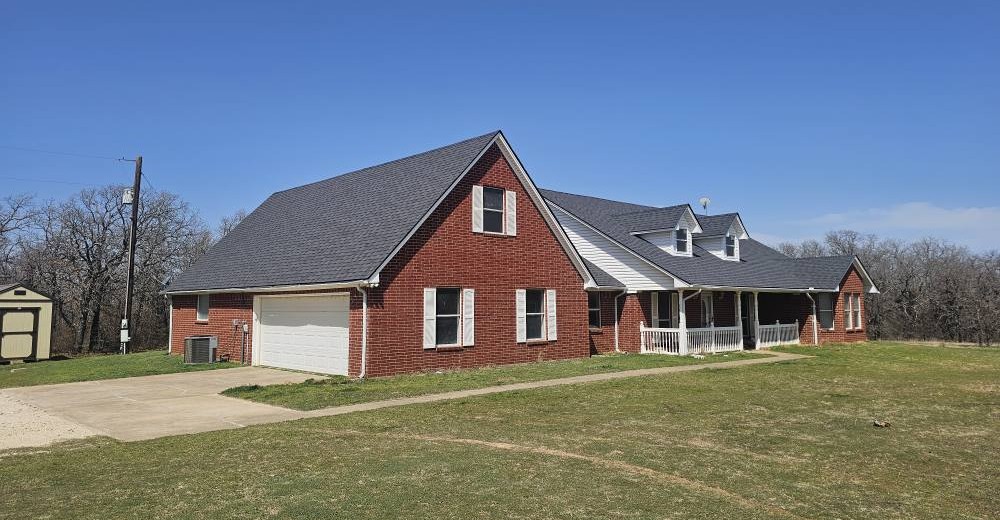
A roofing permit may have an expiration period or other conditions that affect how long the contractor has to complete the permitted work. Contractors should understand these requirements before creating a long-term schedule. If a project extends beyond the permitted period, an extension, renewal, or other action may be required depending on local rules.
Permit expiration can become an issue when a project is delayed by factors outside the contractor’s control. Material shortages, severe weather, inspection delays, design changes, or unexpected structural repairs can extend the project beyond the original schedule. Contractors should monitor permit status rather than assuming the approval remains valid indefinitely.
A permit-related deadline can also affect the order in which projects are scheduled. If a contractor has several roofing jobs with different permit expiration dates, those deadlines may need to be considered when assigning crews. Projects approaching an administrative deadline may require priority even if another project would otherwise be more convenient to complete first.
Contractors should maintain records of permit numbers, approval dates, expiration dates, inspection requirements, and other relevant information. A centralized tracking system can make it easier to identify approaching deadlines before they become urgent.
Inspection Availability and Scheduling Delays
Inspection availability can have a significant impact on roofing schedules because construction may need to pause while waiting for an inspection. The problem becomes more serious when the inspection must occur before a particular component is covered or concealed. Contractors should know these requirements before assigning the crew to the project.
Inspection requests should be made as early as the applicable process allows. Waiting until the last possible moment can create unnecessary downtime if the local authority cannot provide an appointment when the contractor expects one. The project schedule should account for the possibility that the inspection date may not align perfectly with the crew’s planned work sequence.
The contractor should also communicate with the property owner when an inspection affects the schedule. A delay caused by a required government inspection is different from a delay caused by poor project planning, and explaining the reason clearly can help maintain trust. The contractor can provide an updated expected completion date once the inspection timing is known.
Inspection failures can create additional delays. If an inspector identifies work that does not meet the applicable requirements, the contractor may need to correct the issue and request another inspection before proceeding. This is why code compliance should be considered before installation rather than only when an inspector arrives.
Local Code Amendments and Project Preparation
Local building codes can affect scheduling because they may require roofing details that differ from the contractor’s standard installation practices. The International Code Council explains that model codes become part of the legal framework through adoption by governmental jurisdictions, and jurisdictions may amend those codes to reflect local laws and practices.
For contractors working across multiple service areas, this means the same roof replacement specification may not automatically apply everywhere. One jurisdiction might require particular wind-resistance measures, while another may have different requirements concerning roof coverings, underlayment, energy performance, or structural considerations. These differences can affect both material selection and the time required for installation.
Contractors should review the applicable code before ordering materials. If the selected product does not meet local requirements, replacing it after delivery can cause additional expense and delay. Early code review allows the contractor to select compliant materials and prepare the correct installation details before the crew arrives.
A contractor handling projects in several municipalities may benefit from maintaining a location-specific compliance reference. This can include the adopted code edition, local amendments, permit requirements, inspection procedures, construction-hour rules, and contact information for the relevant authority. Keeping this information current can make scheduling more predictable.
Historic Preservation and Design Review
Roofing work on historic buildings or properties located within designated historic districts may require additional approval. A contractor may need to submit proposed materials, colors, photographs, drawings, or other information before replacing an existing roof. The review process can add time before construction is allowed to begin.
Historic requirements can affect the schedule even when the physical roofing work is relatively simple. For example, the owner may want a particular roofing material, but the local preservation authority may require a different product or appearance. The contractor may then need to revise the proposal, obtain approval, and potentially reorder materials.
These requirements should be identified during the initial property assessment. Contractors should ask whether the property is subject to historic, conservation, architectural, or other special controls before giving the customer a firm installation date. Early identification allows additional review time to be included in the schedule.
Special design requirements can also affect installation duration. A roof with historically significant details may require careful removal, preservation, or replication of existing features. The contractor should therefore avoid using a standard production estimate for a project that requires additional approval and specialized work.
HOA and Private Property Rules
Homeowners associations can impose rules that affect roofing projects even when the work is permitted under public law. An HOA may have architectural standards governing roofing materials, colors, visible features, or the timing of exterior improvements. These private requirements can introduce another approval stage before installation begins.
Contractors should ask property owners whether an HOA or similar organization controls the property. The owner may be responsible for obtaining the association’s approval, but the contractor should understand whether that approval is a scheduling dependency. Starting work before required private approval can create disputes or force changes after materials have been purchased.
HOA review periods can vary, so the contractor should not assume approval will be immediate. The project schedule should allow enough time for the owner to complete the necessary process. Where possible, the contract should identify which approvals are the owner’s responsibility and which are handled by the contractor.
Private restrictions can also affect material availability. If only certain roofing products or colors are approved, the contractor may have fewer suppliers or longer lead times. This makes early approval and procurement especially important.
Material Delivery and Local Access Rules
Local regulations can also affect how roofing materials reach the property. Some urban areas restrict delivery vehicles, street parking, sidewalk obstruction, crane operations, or temporary placement of materials in public areas. A contractor may need additional authorization before occupying a street or sidewalk with equipment.
This can be particularly important when shingles, metal panels, insulation, or other materials must be lifted to the roof. A delivery truck may require a specific position, while a crane or material lift may need space that extends beyond the property boundary. If public space is affected, the contractor should determine whether a temporary-use permit or other authorization is required.
Failure to plan for access restrictions can result in a delivery arriving before the necessary space or approval is available. The crew may then have to reschedule the delivery, creating additional labor and equipment costs. Coordinating logistics with local requirements helps prevent these problems.
Urban projects often require more detailed scheduling because access may be limited by traffic, pedestrians, neighboring properties, and restricted parking. Contractors should inspect the property before scheduling large deliveries and determine how materials and equipment can safely reach the work area.

Emergency Repairs and Special Scheduling Rules
Not every roofing project follows the normal permit and scheduling process. Emergency repairs after storms, fires, fallen trees, or other events may be subject to special local procedures. Some jurisdictions may have emergency provisions that allow immediate temporary work while still requiring subsequent permits, inspections, or documentation.
Contractors should never assume that an emergency situation automatically eliminates all legal requirements. The applicable authority should be contacted to determine what work can be performed immediately and what approvals are required afterward. The distinction between temporary emergency protection and permanent roof replacement may also affect the process.
Storm damage can create scheduling pressure because property owners may want repairs completed immediately. Contractors should balance the urgency of protecting the building with the need to follow applicable safety, permit, and inspection requirements. Clear communication can help the owner understand which work can begin immediately and which work must wait for approval.
Emergency projects should also be documented carefully. Photographs, descriptions of damage, permit information, invoices, and inspection records can help demonstrate what work was performed and why. Proper documentation is particularly useful when insurance claims or later regulatory reviews are involved.
Coordinating Multiple Regulatory Requirements
A roofing project may involve several regulatory processes at the same time. A contractor could need a building permit, inspection approval, temporary access authorization, compliance with construction-hour restrictions, and approval from a private property organization. Each requirement can become a scheduling dependency.
The most effective way to manage these dependencies is to identify them before construction begins. Contractors can create a simple compliance timeline showing when each approval is needed, who is responsible for obtaining it, and which construction activity depends on that approval.
For example, a project might follow this general sequence:
- Confirm the applicable local authority and roofing requirements.
- Determine whether the planned work requires a permit.
- Submit the permit application and supporting documents.
- Obtain any HOA, historic, or special-property approval.
- Schedule material deliveries and equipment access.
- Confirm required inspection stages.
- Begin installation during permitted working hours.
- Complete required inspections before covering applicable work.
- Schedule final inspection and close out the project.
The exact process will vary by jurisdiction and project. The purpose of the sequence is to show how regulatory tasks can be integrated into the construction schedule rather than handled separately.
Communication With Local Authorities
Maintaining communication with the local building department can help contractors avoid misunderstandings about requirements. Contractors should use the official information provided by the authority having jurisdiction rather than relying solely on old project documents or informal advice from another contractor.
Questions should be addressed before work begins whenever possible. If the contractor is uncertain whether a particular roofing activity requires approval or inspection, confirming the requirement in advance is generally more efficient than discovering an issue after the work has started.
Communication should also continue when the project changes. A roof replacement may reveal structural damage or other conditions that were not visible during the original assessment. If the scope changes significantly, the contractor should determine whether revised documents, additional approvals, or further inspections are required.
Keeping records of important communications can also improve project management. Contractors can retain permit documents, inspection confirmations, approved plans, correspondence, and other relevant records as part of the project file. This provides a clear reference when questions arise during construction.
How Permit Delays Affect the Overall Project Timeline
Permit delays can affect more than the planned start date of a roofing project. When approval takes longer than expected, the contractor may need to move the crew to another project, reschedule material deliveries, change equipment reservations, and revise the customer’s expected completion date. These changes can create additional coordination work even when the physical roof installation itself remains unchanged.
Contractors should therefore avoid scheduling labor too tightly around an assumed permit approval date. A better approach is to establish a target start window and confirm the permit status before committing workers and equipment. This allows the contractor to respond more easily if the reviewing authority requests additional information or corrections.
Permit applications should be submitted as early as practical once the project scope is sufficiently defined. Contractors should review the application carefully before submission because missing documents, incorrect property information, or incomplete project descriptions may require additional communication with the permitting office. Preparing accurate documentation from the beginning can reduce avoidable administrative delays.
Property owners should also understand that permit processing may be outside the contractor’s direct control. Including clear scheduling language in the agreement can explain how government review periods affect the expected installation date. This can help prevent disputes when a legally required approval takes longer than originally anticipated.
Managing Schedule Changes During Construction
Even when all approvals are obtained before work begins, local requirements can still influence the schedule during construction. An inspection may identify a condition requiring correction, a permit may need to be amended because of an unexpected structural issue, or the scope of work may change after the existing roof is removed. Contractors should have a process for handling these situations without creating confusion among workers and customers.
A change in scope should be reviewed before the additional work is performed. If the modification requires new approval, the contractor should determine what must be submitted and whether work can continue in unaffected areas. Proceeding without understanding the regulatory consequences can create greater delays later.
Unexpected structural damage is a common example. A contractor may remove old roofing and discover deteriorated decking that was not visible during the initial inspection. Replacing the damaged material may be necessary, but the contractor should determine whether the additional work affects the permit, inspection requirements, or project scope before proceeding.
The schedule should be updated whenever a major change occurs. Revised dates should be communicated to the property owner, suppliers, subcontractors, and other parties whose work depends on the new timeline. Good schedule management reduces the chance that one delay will create several additional problems.
Coordinating Roofing Crews With Inspection Requirements
Crew scheduling should be coordinated with required inspections so workers are not left waiting unnecessarily. If a particular stage must be inspected before it can be covered, the contractor should plan the installation sequence around the expected inspection availability. This can be especially important when the crew is working on several projects at the same time.
For example, a contractor may complete a required stage of roof work on a Tuesday but not receive an inspection appointment until Thursday. If the next stage cannot legally or practically proceed until approval is received, the crew may need to perform other tasks or move to another project. Building these possibilities into the schedule can reduce downtime.
The contractor should also ensure that the site is ready when an inspector arrives. Required components should be accessible, relevant documents should be available, and the work should match the approved plans and applicable requirements. Poor preparation can result in an unsuccessful inspection and another scheduling delay.
Inspection coordination is therefore both a regulatory and project-management responsibility. Contractors who communicate clearly with inspection authorities and prepare the work properly are more likely to maintain a predictable construction sequence.
Accounting for Local Environmental Requirements
Certain jurisdictions have environmental or resource-related requirements that can affect roofing work. These may include rules concerning disposal of construction materials, stormwater management, hazardous substances, recycling, or protection of surrounding areas. The specific requirements depend on the location and the type of project.
Roof replacement can generate substantial quantities of old shingles, membranes, insulation, wood, metal, and other materials. Contractors may need to arrange appropriate disposal or recycling services, and some projects may involve special handling requirements. If waste services are not scheduled in advance, debris can accumulate and interfere with the progress of the roofing crew.
Environmental requirements can also affect site preparation. A contractor working on a larger commercial property may need to consider drainage, runoff, or other site conditions while construction is underway. These requirements should be identified during planning so they do not unexpectedly interrupt installation.
The contractor should determine which environmental rules apply before work begins. Where specialized disposal, documentation, or permits are required, those tasks should be included in the project schedule alongside the roofing activities.

Roofing Work in High-Density Areas
Urban and densely populated areas can create additional scheduling challenges because roofing work may interact with traffic, pedestrians, neighboring buildings, parking restrictions, and limited access. A contractor may need to coordinate deliveries and equipment placement around existing public activity rather than having unrestricted access to the property.
Street occupancy can be particularly important when large roofing materials must be delivered or lifted. A truck, crane, dumpster, or other equipment may temporarily occupy an area outside the property’s normal boundaries. Depending on local requirements, this may require prior authorization or coordination with the relevant authority.
Pedestrian protection should also be considered when work takes place above sidewalks or entrances. The contractor may need to establish controlled areas or temporary protection so people can safely pass the property. These arrangements can affect where equipment is placed and how materials are moved.
Urban projects may therefore take longer than similar work on properties with open access. Contractors should inspect the site carefully and identify logistical restrictions before establishing a firm schedule.
Communicating Local Requirements to Property Owners
Property owners play an important role in keeping a roofing project on schedule. They may need to provide documents, obtain HOA approval, approve material selections, provide access to the property, or make decisions when unexpected conditions are discovered. Delays can occur when the owner does not understand which actions are required before installation can proceed.
Contractors should explain the major scheduling dependencies before signing or finalizing the project. The owner should understand whether a permit is required, whether inspections are involved, whether local working-hour restrictions apply, and whether special property approvals could affect the start date.
A written schedule can make these responsibilities easier to understand. Instead of simply stating that installation will begin on a particular date, the contractor can identify the conditions that must be satisfied before that date. This creates a more realistic expectation and gives the owner a clear understanding of the process.
Communication should continue throughout the project. If an approval, inspection, or local restriction changes the expected schedule, the contractor should provide an updated explanation as soon as practical. Transparency helps maintain trust and gives the property owner time to adjust their own plans.
Using Local Regulations to Build Better Estimates
Local regulations should be considered when contractors estimate project duration and cost. A roofing estimate that accounts only for labor and material installation time may not reflect the actual time required to obtain permits, attend inspections, coordinate deliveries, or comply with restricted working hours.
For example, a roof that physically requires three days of installation may occupy a larger portion of the calendar if the project includes permit processing and a required inspection between stages. The contractor should distinguish between physical work time and total project duration when communicating the expected timeline.
This distinction is particularly useful for customers comparing contractors. One contractor may promise an extremely short completion period without accounting for regulatory dependencies, while another may provide a longer but more realistic schedule. A properly prepared estimate should reflect the requirements that genuinely affect the project.
Contractors should also review historical project information from the same jurisdiction. If previous roofing jobs consistently experienced inspection or permit delays, that experience can help inform future scheduling. Local experience should supplement, not replace, confirmation of current requirements.
Maintaining Compliance When Laws Change
Local laws and building requirements can change over time. A contractor who has worked in the same area for years may still encounter a new code edition, revised permit procedure, updated fee structure, or changed inspection process. Relying entirely on previous projects can therefore create compliance problems.
Contractors should periodically verify information with the relevant local authorities and professional organizations. When a jurisdiction adopts a new code edition, the contractor may need to update standard specifications, training materials, estimating procedures, and scheduling templates.
Changes can also affect material selection. A roofing product previously accepted under an older requirement may need additional documentation or may no longer satisfy a revised standard. Reviewing requirements before ordering materials can prevent costly substitutions.
Keeping compliance information current is particularly important for contractors serving multiple communities. A change in one jurisdiction may not apply elsewhere, so location-specific records should be maintained rather than applying one set of assumptions to every project.
Practical Ways Contractors Can Reduce Regulatory Delays
Contractors cannot control every action taken by a government office, inspection authority, or private organization, but they can reduce preventable delays through preparation. Early research, accurate documentation, timely applications, and clear communication can make the regulatory side of a roofing project easier to manage.
Several practices can make a meaningful difference:
- Verify the applicable jurisdiction before preparing the project schedule.
- Confirm permit requirements before promising an installation date.
- Submit complete and accurate applications as early as practical.
- Identify all required inspections and schedule them around the construction sequence.
- Check local working-hour, noise, access, and holiday restrictions.
- Determine whether the property is subject to HOA or historic-review requirements.
- Coordinate material deliveries and equipment access with local restrictions.
- Keep records of permits, approvals, inspections, and important communications.
- Recheck requirements when the project scope changes.
- Update the customer promptly when a regulatory dependency changes the schedule.
These practices do not eliminate every possible delay, but they make the schedule more resilient. They also demonstrate that the contractor is managing the project professionally rather than treating legal requirements as unexpected obstacles.
Conclusion
Local laws can have a major effect on roof installation scheduling, even when the physical roofing work itself is relatively simple. A contractor may be prepared to install a roof, but permit approvals, inspection appointments, construction-hour restrictions, property-specific rules, and local code requirements can determine when that work can legally and practically take place.
The key to managing these requirements is early preparation. Contractors should research the applicable rules before setting firm dates, submit complete permit applications, identify required inspections, check working-hour restrictions, and determine whether the property is subject to additional approvals. Building these tasks into the project timeline creates a more realistic schedule and reduces the risk of avoidable interruptions.
Communication is equally important. Property owners should understand which approvals are required, which tasks depend on government or private review, and why the final completion date may change when an external approval takes longer than expected. Contractors should provide updates whenever regulatory conditions affect the agreed schedule.
Roofing contractors should also remember that local requirements can vary from one jurisdiction to another and can change over time. The rules that applied to a previous roof installation may not automatically apply to the next project, even when the buildings appear similar. Confirming current requirements with the appropriate authority is therefore an essential part of professional project planning.
Ultimately, effective roof installation scheduling is about more than assigning workers and choosing a start date. It requires coordination between regulations, permits, inspections, materials, labor, weather, property restrictions, and customer expectations. When contractors incorporate local laws into the schedule from the beginning, they can reduce surprises, improve communication, protect project timelines, and complete roofing work in a more organized and compliant manner.