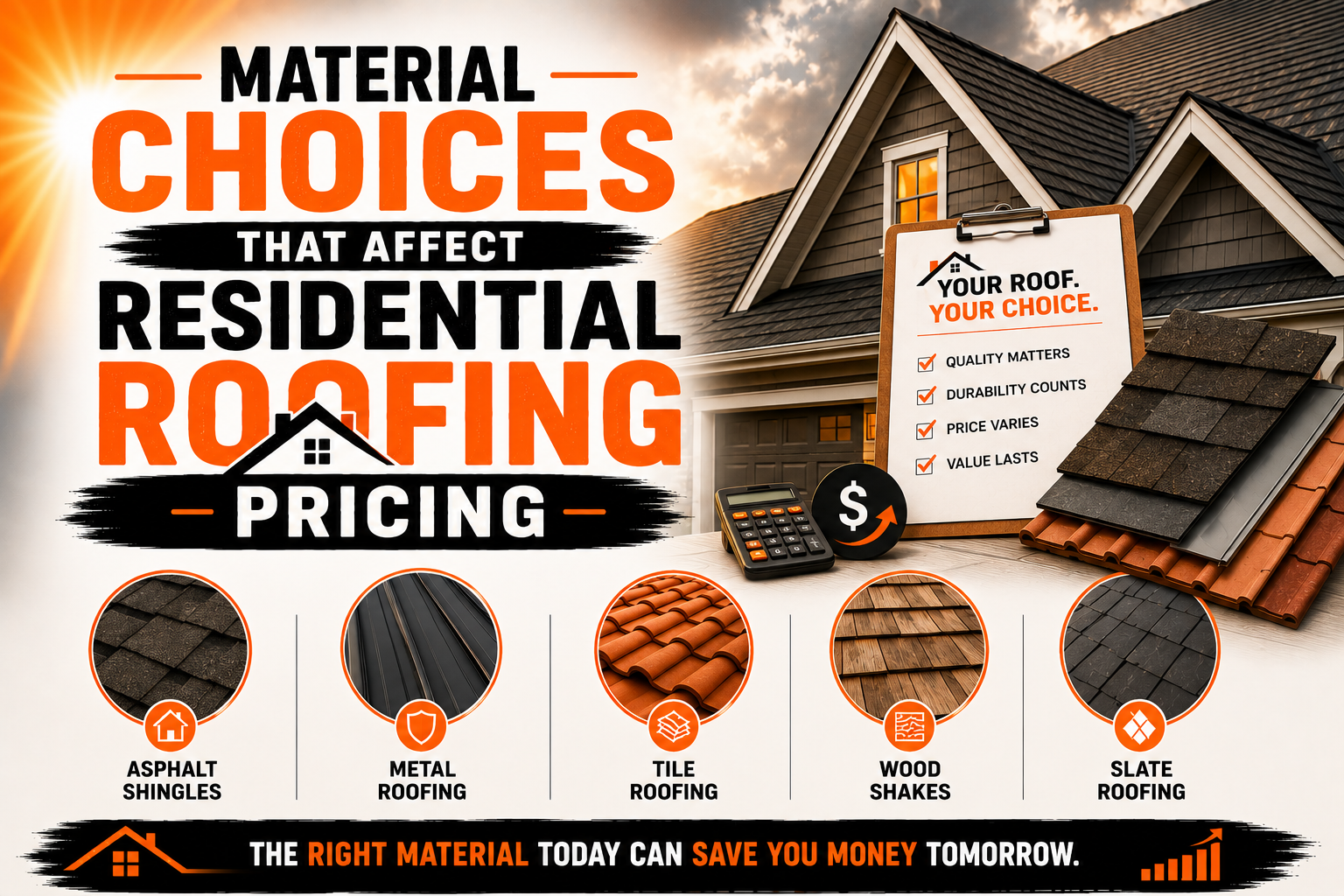
Material Choices That Affect Residential Roofing Pricing
Introduction
Choosing a roofing material is one of the most important decisions homeowners make when planning a residential roofing project. The material affects not only the initial purchase price but also installation labor, maintenance requirements, expected service life, repair costs, and long-term value. Because roofing materials vary considerably in quality and performance, two homes with similar roof sizes can have very different project prices.
Homeowners often begin by comparing the price of shingles, panels, tiles, or other visible roofing products. However, the material itself is only one part of the total roofing system. Installation methods, underlayment, flashing, fasteners, ventilation, structural requirements, and specialized labor can all change the final cost depending on the material selected.
The availability of roofing materials in a particular region can also affect pricing. Common products may be easier and less expensive to obtain, while specialty materials may require longer transportation or advance ordering. Local weather conditions can further influence the most suitable material, particularly in areas exposed to strong winds, heavy rain, extreme temperatures, or other demanding conditions.
Homeowners should therefore avoid choosing a roofing material based only on its initial price. A less expensive material may require replacement sooner, while a higher-priced option may provide a longer service life when properly installed and maintained. Understanding the differences between major roofing materials can help families select an option that fits both their property and their budget.
Why Roofing Material Selection Affects Overall Project Cost
Roofing material selection directly affects the amount homeowners spend on a project because different products have different manufacturing costs, installation requirements, weights, durability levels, and maintenance needs. A basic roofing material may have a relatively low purchase price, while premium materials can require substantially greater investment. The final cost depends on how the material interacts with the rest of the roofing system.
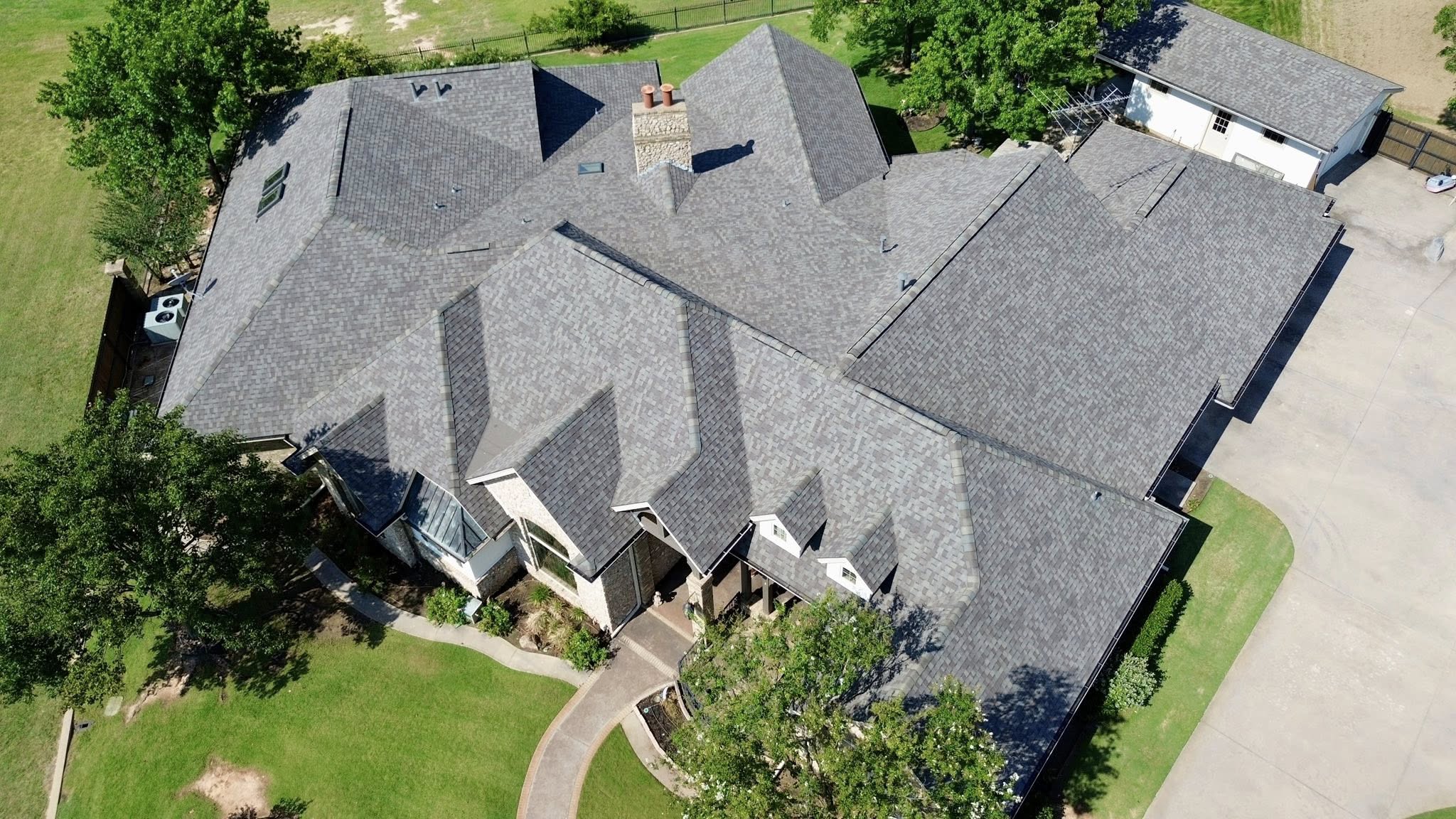
Material quantity is an important starting point. Larger roofs naturally require more roofing products, but material waste can also vary depending on the roof’s design. Complex roofs with numerous valleys, angles, dormers, chimneys, and skylights may require more cutting, which can increase material waste and labor.
The weight of a roofing material can also influence project requirements. Heavy materials such as certain tile and slate products may require an assessment of the home’s structural capacity. If reinforcement or structural modifications are necessary, the additional work can increase the total project budget.
Installation complexity is another major factor. Some roofing products can be installed using relatively standard techniques, while others require specialized skills and equipment. Contractors with experience installing premium or specialized materials may charge more for labor because the installation process can require greater precision.
Supporting materials can also change according to the roofing product. Different materials may require specific underlayment, fasteners, flashing systems, ventilation components, or edge treatments. These additional products contribute to the overall project price even though they are not always visible after installation.
Availability and transportation can have an effect as well. A roofing material that is widely stocked by local suppliers may be easier to obtain than a specialty product that must be ordered from a distant manufacturer. Delivery distance, availability, and market demand can therefore influence the final material cost.
The long-term performance of the material should also be considered. A low initial price may not represent the lowest total cost if the roof requires frequent repairs or earlier replacement. Homeowners should compare initial investment with expected service life, maintenance, warranty coverage, and suitability for the home’s environment.
Asphalt Shingles and Their Pricing Levels
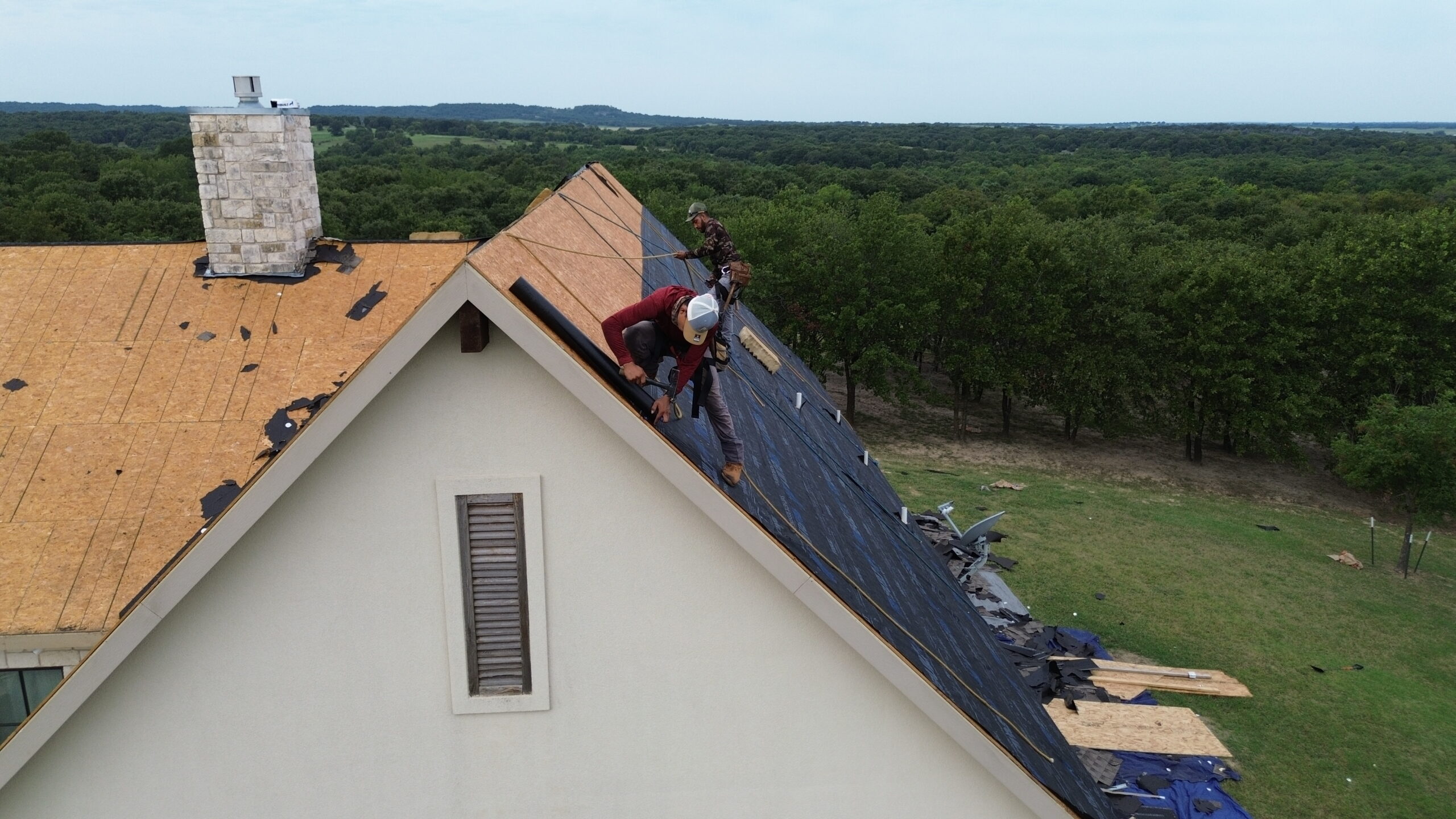
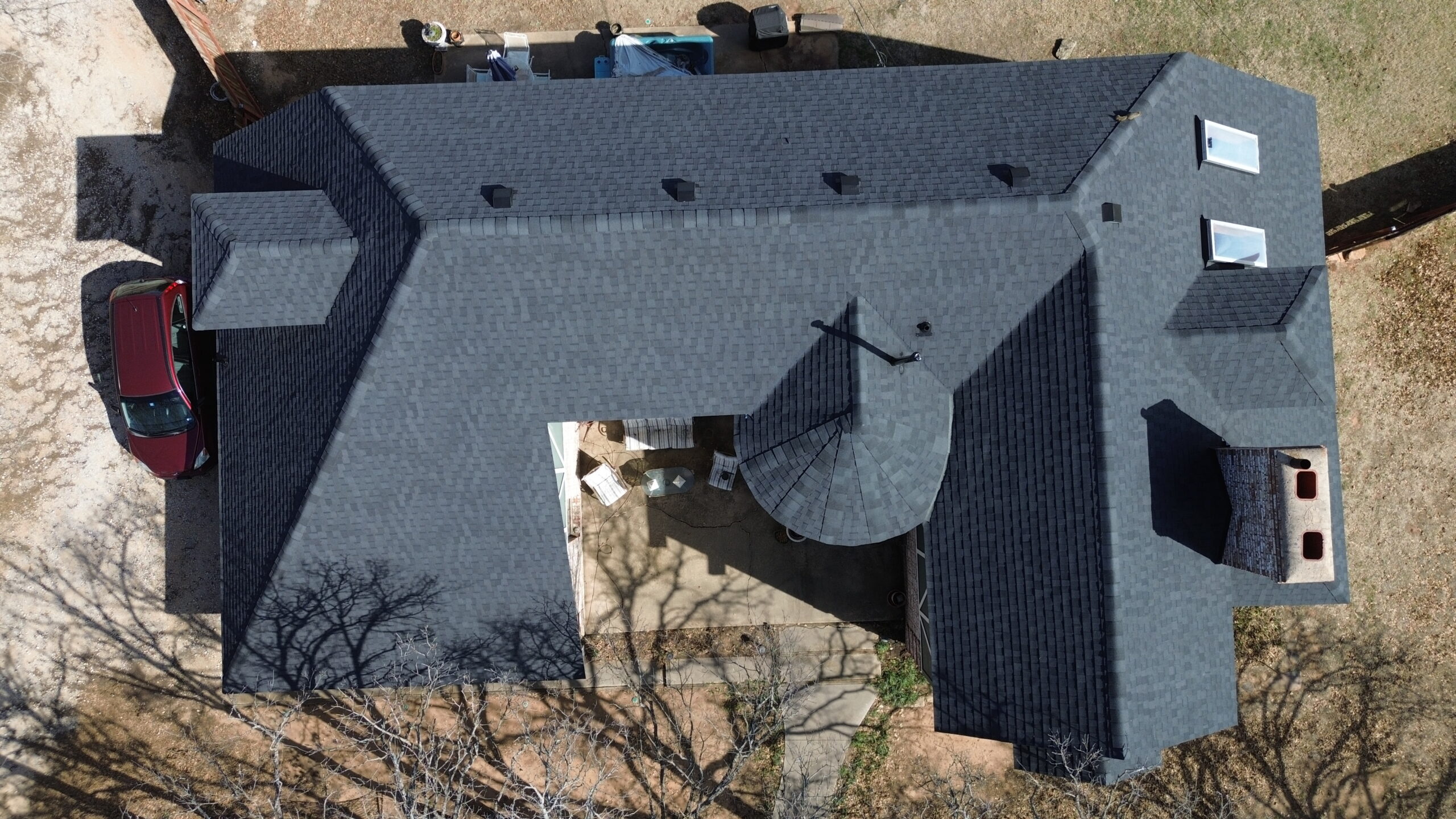
Asphalt shingles are among the most common residential roofing materials because they provide a practical combination of affordability, availability, appearance, and installation flexibility. They are available in different grades and styles, allowing homeowners to select products that match their budgets and performance expectations.
Basic asphalt shingles are generally positioned as an economical roofing choice. They can provide dependable protection when properly installed and maintained while keeping material costs relatively manageable. For homeowners replacing a roof under a strict budget, standard shingles can be an attractive option.
Architectural shingles generally provide a more dimensional appearance than basic three-tab products. Their construction and design can offer different performance characteristics, but they may have a higher material price. The additional cost can also affect the overall project because heavier or more complex products may influence handling and installation.
Premium or designer asphalt shingles can cost more because they are manufactured to provide enhanced appearance or to resemble higher-end materials. These products may include more detailed textures, patterns, or color variations. Homeowners should determine whether the additional appearance and performance benefits justify the higher investment.
Asphalt shingles can also have different warranty terms depending on the product. A longer or more comprehensive warranty may be associated with a higher-grade material, although homeowners should review the actual warranty conditions rather than relying only on its stated length.
Installation labor for asphalt shingles is generally more accessible because many roofing contractors have experience working with them. However, labor costs can still vary based on roof pitch, design, accessibility, existing roof condition, and local market conditions.
The cost of asphalt roofing can also increase when homeowners select upgraded accessories. Better underlayment, new flashing, ventilation improvements, ice and water protection where appropriate, and other components may improve the complete roofing system but add to the project price.
For families seeking a balance between initial affordability and dependable performance, asphalt shingles can be a practical choice. However, homeowners should compare specific product grades rather than assuming that every asphalt shingle roof has the same price or expected service life.
Metal Roofing Options and Cost Differences
Metal roofing can have a higher initial price than many standard asphalt roofing systems, but it offers characteristics that can make it attractive to homeowners seeking durability and long-term performance. The cost of metal roofing varies considerably depending on the type of metal, panel design, coating, thickness, installation method, and overall quality.
Steel is commonly used in residential metal roofing and can be available in different finishes and profiles. Galvanized or coated steel products are designed to provide protection against environmental exposure. Pricing depends on the specific product and finish selected.
Aluminum is another metal roofing option. It can be particularly useful in environments where corrosion resistance is an important consideration. Aluminum products can differ significantly in price based on thickness, coating, profile, and manufacturer.
Copper is generally considered a premium roofing material and can involve a substantially higher initial investment. Its distinctive appearance and long-term durability make it attractive for certain architectural applications, but its price places it outside many standard roofing budgets.
Standing seam metal roofs can also cost more because of their construction and installation requirements. The panels are joined using concealed fastening or specialized seam systems, creating a clean appearance and a roofing system designed for long-term performance. Installation generally requires contractors with appropriate experience.
Metal roofing costs are not limited to the panels themselves. Flashing, trim, fasteners, underlayment, ventilation, and other accessories contribute to the complete system. Roof geometry can also affect labor because panels must be carefully measured and fitted around penetrations and transitions.
The long-term value of metal roofing should be evaluated alongside its initial price. A durable metal system may provide many years of service when properly installed and maintained. However, homeowners should not assume that every metal roof has the same lifespan or performance because product quality and installation standards vary.
Metal roofing can therefore be a suitable choice for homeowners who are willing to make a larger initial investment in exchange for durability and a different maintenance profile. Comparing specific products and installation proposals is essential before making a final decision.
Clay and Concrete Tile Roofing Costs
Clay and concrete tiles are popular in homes where homeowners want a distinctive appearance combined with durable roofing performance. These materials can provide a substantial service life when properly installed, but their weight, handling requirements, and installation methods can make them more expensive than basic asphalt roofing.
Concrete tiles are manufactured in various shapes, textures, and colors. Their availability in different designs allows homeowners to achieve different architectural appearances. The price depends on the specific product, profile, finish, and quantity required for the roof.
Clay tiles are produced from natural clay and are often associated with traditional or Mediterranean-inspired architectural styles. They can have a higher material cost than some concrete products, although prices vary considerably according to manufacturing methods, design, and quality.
The weight of tile roofing is an important consideration. Before installation, contractors may need to determine whether the home’s structure can support the selected material. If structural modifications are required, these additional expenses can significantly affect the overall roofing budget.
Tile installation can also require specialized labor. Individual tiles must be positioned correctly, and details around valleys, edges, chimneys, vents, and other roof features require careful attention. The labor cost can therefore be higher than that of more straightforward roofing systems.
Transportation and handling can also contribute to the expense. Tiles are heavier than many common roofing products, so moving them from the supplier to the property and then onto the roof can require additional planning and equipment.
Repairs should also be considered when budgeting for tile roofing. Individual tiles can sometimes crack or become displaced, particularly after severe weather or physical impact. Replacing damaged tiles requires appropriate matching materials and careful installation.
Despite the higher initial investment, tile roofing can offer long-term value when the home is structurally suitable and the system is professionally installed. Homeowners should evaluate the expected service life, maintenance needs, climate suitability, and architectural benefits alongside the initial price.
Slate and Premium Natural Roofing Materials
Slate is one of the more premium residential roofing materials and can have a significantly higher initial cost than standard asphalt shingles. Natural slate is valued for its distinctive appearance, durability, and potential longevity. However, its material and installation requirements make it important for homeowners to plan carefully.
Natural slate is available in different grades, thicknesses, sizes, and colors. These variations can create substantial differences in material pricing. Higher-quality or specialty slate products can increase the cost of the roofing project considerably.
Weight is another important consideration. Slate is a heavy roofing material, so the home’s structural capacity should be evaluated before installation. Older homes may require additional structural assessment or reinforcement, which can add to the overall project expense.
Installation requires specialized knowledge because slate pieces must be handled and fastened carefully. Cutting, fitting, flashing, and replacing individual pieces require experience with slate roofing systems. Labor costs can therefore be substantially higher than those associated with common asphalt shingles.
The roof’s design also affects slate installation costs. Complex roofs containing valleys, dormers, chimneys, skylights, and multiple slopes require more detailed work. Material waste and specialized flashing around these features can increase both labor and material expenses.
Slate can provide long-term value because properly selected and installed natural slate may remain functional for many decades. However, homeowners should consider whether their property is suitable for the material and whether they have access to contractors with appropriate experience.
Other natural roofing materials, such as certain wood-based products, can also have premium pricing depending on the product and installation requirements. Their appearance may be attractive to homeowners seeking a traditional or distinctive architectural style, but maintenance and local climate suitability should be evaluated carefully.
Premium natural roofing materials are therefore best considered as long-term investments rather than simple alternatives to lower-cost roofing. Their higher initial price can be justified for some homes, but homeowners should examine structural requirements, installation expertise, maintenance expectations, warranties, and expected service life before committing to the material.
Synthetic and Composite Roofing Materials
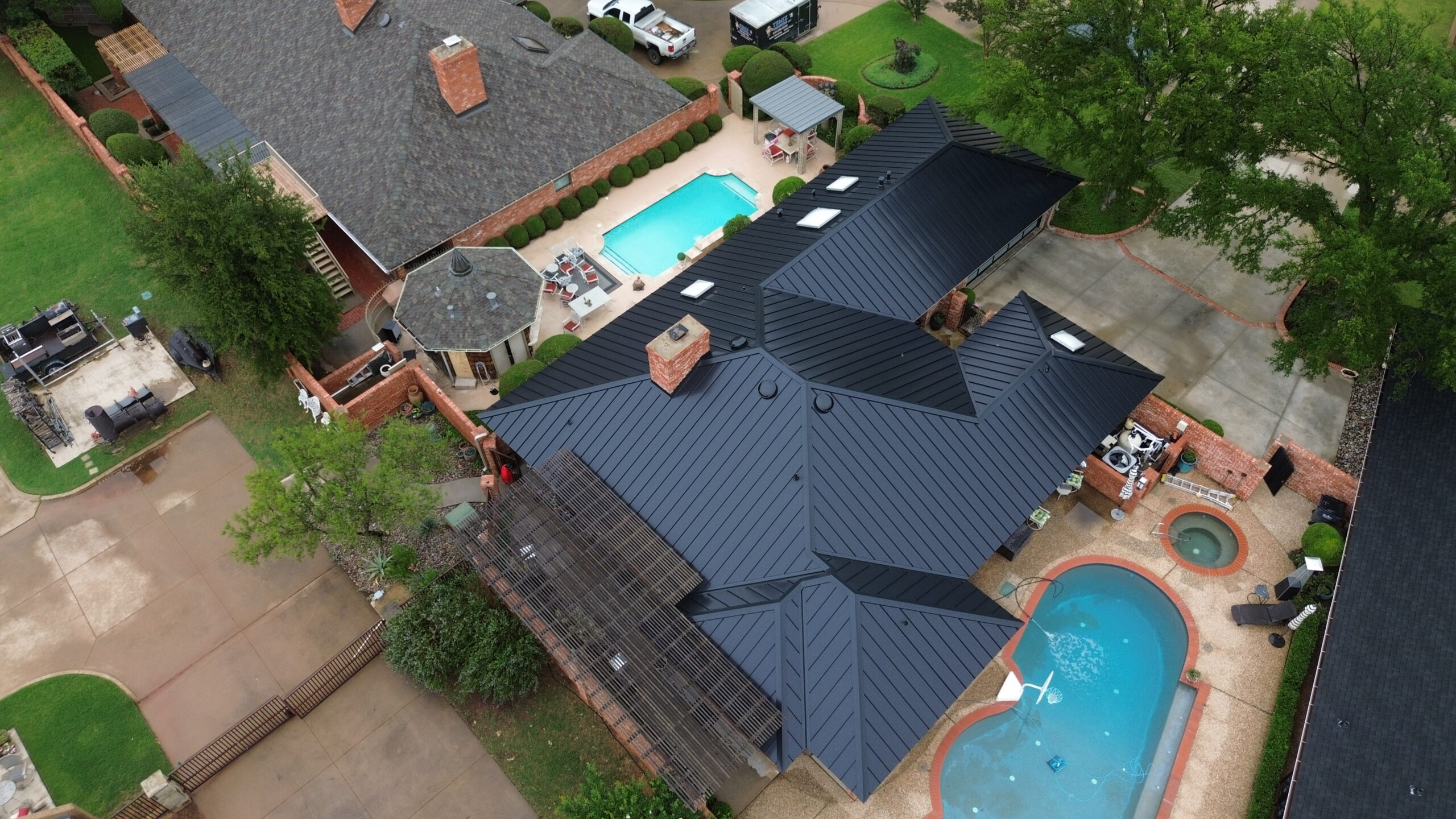
Synthetic and composite roofing materials have become an increasingly considered option for homeowners who want the appearance of premium roofing without necessarily using traditional natural materials. These products can be manufactured to resemble slate, wood shakes, or tile while using engineered materials designed for residential applications. Their pricing varies according to the product’s composition, manufacturing quality, appearance, durability, and installation requirements.
Composite roofing products can be made from combinations of polymers, recycled materials, fiberglass, or other engineered components. Because manufacturers use different formulations, homeowners should compare specific products rather than assuming that all synthetic roofing systems offer the same performance. Differences in thickness, impact resistance, fire characteristics, warranties, and expected service life can influence the total price.
One potential advantage of synthetic materials is their lighter weight compared with some natural slate or tile products. A lighter roofing system may reduce structural concerns on certain homes, although the home’s existing structure should still be evaluated before installation. Reduced weight can also simplify handling and transportation, which may influence labor requirements.
Installation costs can vary significantly depending on the product. Some synthetic shingles are designed to install in ways similar to conventional roofing materials, while others require specialized techniques. A contractor’s familiarity with the selected product can affect installation efficiency and therefore the final labor cost.
The appearance of synthetic roofing can also affect pricing. Basic products may offer simple designs and limited color selections, while premium products can closely reproduce the texture and visual depth of natural materials. Homeowners seeking a highly customized appearance may therefore pay more for specialty finishes.
Synthetic materials can also offer different maintenance characteristics. Some products are designed to resist moisture, insects, cracking, or other common concerns associated with certain traditional materials. However, homeowners should review the manufacturer’s specifications instead of assuming that a synthetic product requires no maintenance.
Warranty coverage should be considered carefully as well. A longer warranty can be attractive, but homeowners should examine what the warranty actually covers, whether installation requirements apply, and what circumstances can invalidate coverage. The warranty should be evaluated alongside the product’s expected service life and overall price.
For homeowners comparing roofing materials, synthetic products can provide a middle ground between standard roofing and premium natural materials. They may offer distinctive appearances and useful performance characteristics while avoiding some of the weight or installation concerns associated with traditional slate or tile. The best choice depends on the home’s requirements, the selected product, and the homeowner’s long-term budget.
Wood Shingles and Wood Shakes
Wood shingles and wood shakes can give a home a natural, traditional appearance that is difficult to reproduce with some manufactured materials. Their distinctive look can make them appealing for certain architectural styles, but their material selection, installation, maintenance, and climate requirements can affect roofing costs.
Wood shingles are generally manufactured with a more uniform shape, while wood shakes often have a more textured and rustic appearance. Both can be produced from different types of wood, and the species selected can influence the material price. Premium wood products can cost considerably more than basic roofing materials.
Installation can also require additional attention. Wood roofing must be installed with appropriate spacing and ventilation to help manage moisture. Contractors need to understand the characteristics of the selected wood and follow suitable installation practices to achieve reliable performance.
The local climate is particularly important for wood roofing. Areas with frequent moisture, high humidity, or conditions that encourage biological growth may require more careful maintenance. Homeowners should evaluate whether the selected wood product is suitable for the property’s environment before considering its appearance alone.
Treatment can affect both price and performance. Some wood roofing products may receive treatments designed to improve resistance to moisture, insects, or decay. These treatments can increase the initial cost but may provide useful protection depending on the product and local conditions.
Fire resistance is another factor that can influence the choice. Requirements vary by location, and some areas may impose restrictions or require specific fire-resistant wood roofing products. Homeowners should confirm applicable requirements before purchasing materials.
Maintenance costs should be included in the overall budget. Wood roofing may require inspections and attention to damaged or deteriorated areas. If maintenance is neglected, moisture or biological growth can contribute to premature deterioration and potentially increase repair costs.
Replacement materials should also be considered. If individual shingles or shakes become damaged, homeowners may need to locate compatible products for repairs. Matching an older wood roof can sometimes be more complicated than replacing common asphalt shingles.
Wood roofing can provide strong aesthetic value, particularly on homes designed around natural materials. However, the total cost should include the material, installation, treatments, maintenance, local requirements, and expected service life. A homeowner who understands these factors can make a better decision about whether the appearance and characteristics justify the additional investment.
Flat and Low-Slope Roofing Materials
Flat and low-slope roofs require different material considerations from conventional steep-sloped residential roofs. Water does not drain from these surfaces as quickly, so roofing systems must be designed to manage moisture effectively. The material selected can therefore have a significant effect on both installation cost and long-term performance.
Common systems for low-slope residential applications can include modified bitumen, built-up roofing, single-ply membranes, and other specialized products. Each system has different manufacturing characteristics, installation methods, and maintenance requirements. Pricing can vary according to the material, roof size, design complexity, and local labor conditions.
Single-ply membranes are often used on low-slope roofs because they can provide a continuous waterproofing layer when properly installed. Different membrane products have different characteristics, thicknesses, reinforcement methods, and installation procedures. These differences can affect both material and labor costs.
Modified bitumen systems can provide another option for low-slope applications. They may be installed using different techniques depending on the product, building design, and contractor expertise. Installation requirements can influence the final project price considerably.
Drainage is an important part of low-slope roofing costs. The system may require carefully designed drains, scuppers, gutters, tapered insulation, or other components to direct water away from the roof. If drainage improvements are necessary, they can add to the project budget but may be essential for long-term performance.
Insulation can also influence the cost of a low-slope roofing project. Depending on the building design and applicable requirements, homeowners may need specific insulation systems beneath the membrane. The type, thickness, and installation method can affect the overall investment.
Roof penetrations are another consideration. HVAC equipment, vents, skylights, pipes, and other features can create areas that require careful detailing. More penetrations generally mean more labor and additional flashing or sealing materials.
Maintenance costs should also be considered. Low-slope roofs may require periodic inspection of seams, drainage areas, flashing, and membrane surfaces. Standing water or damaged membrane areas should be addressed promptly to reduce the risk of moisture entering the building.
Homeowners should therefore avoid comparing low-slope roofing solely with the per-unit price of shingles. These systems operate differently and require different installation practices. A complete estimate should include the membrane or roofing material, insulation, drainage, flashing, labor, preparation, and other system components.
Underlayment, Flashing, and Supporting Materials
The visible roofing material is only one part of the complete roofing system. Underlayment, flashing, ventilation components, fasteners, edge materials, sealants, and other accessories can contribute significantly to the final price. Choosing a premium roof covering while overlooking these supporting components can reduce the overall value of the project.
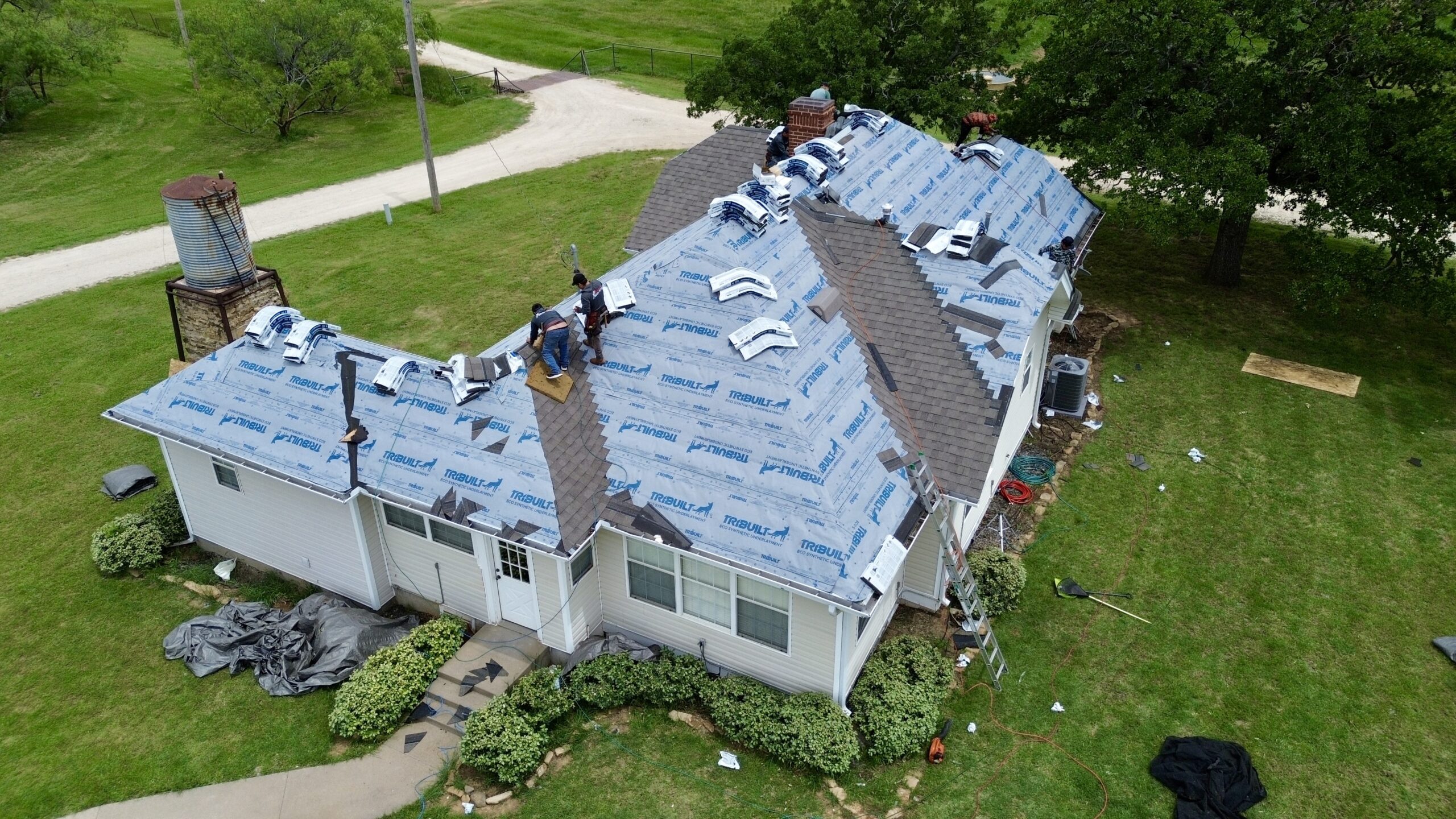
Underlayment is installed beneath the primary roofing material and provides an additional layer of protection. Different roofing materials can require different underlayment products, and some homes may benefit from enhanced protection in areas exposed to moisture or severe weather. The product selected can therefore influence the material budget.
Flashing is especially important around areas where the roof meets another structure or where water could collect. Chimneys, walls, skylights, valleys, vents, and roof edges often require carefully installed flashing. Replacing old or deteriorated flashing during a roof replacement can increase the project cost but may be important for preventing future leaks.
Fasteners also vary depending on the roofing material. Metal roofing, slate, tile, asphalt shingles, and other products can require different fastening systems. Using the appropriate fasteners is essential for proper installation and can influence the total material expense.
Ventilation components can also add to the budget. Ridge vents, intake vents, soffit ventilation, and other systems help manage airflow in appropriate roof assemblies. If the existing ventilation system is inadequate, improvements may be recommended during the roofing project.
Edge protection is another component homeowners should consider. Drip edges and related materials help manage water along roof edges and can contribute to a properly finished roofing system. Their cost is generally smaller than the primary roofing material, but they remain part of the complete project.
Sealants and protective accessories can also vary by roofing material. Some products require specialized sealants that are compatible with the roofing surface. Using inappropriate materials can create installation or warranty concerns.
Homeowners should ask contractors whether supporting materials are included in the estimate. A proposal that lists only the main roofing material may not provide a complete picture of the project’s actual cost. Comparing detailed estimates makes it easier to identify whether important components have been included.
The supporting materials can sometimes represent a relatively small portion of the total price, but their role in roof performance can be significant. Saving money by selecting unsuitable underlayment, flashing, or fasteners can create problems that cost much more to repair later.
Material Durability and Expected Service Life
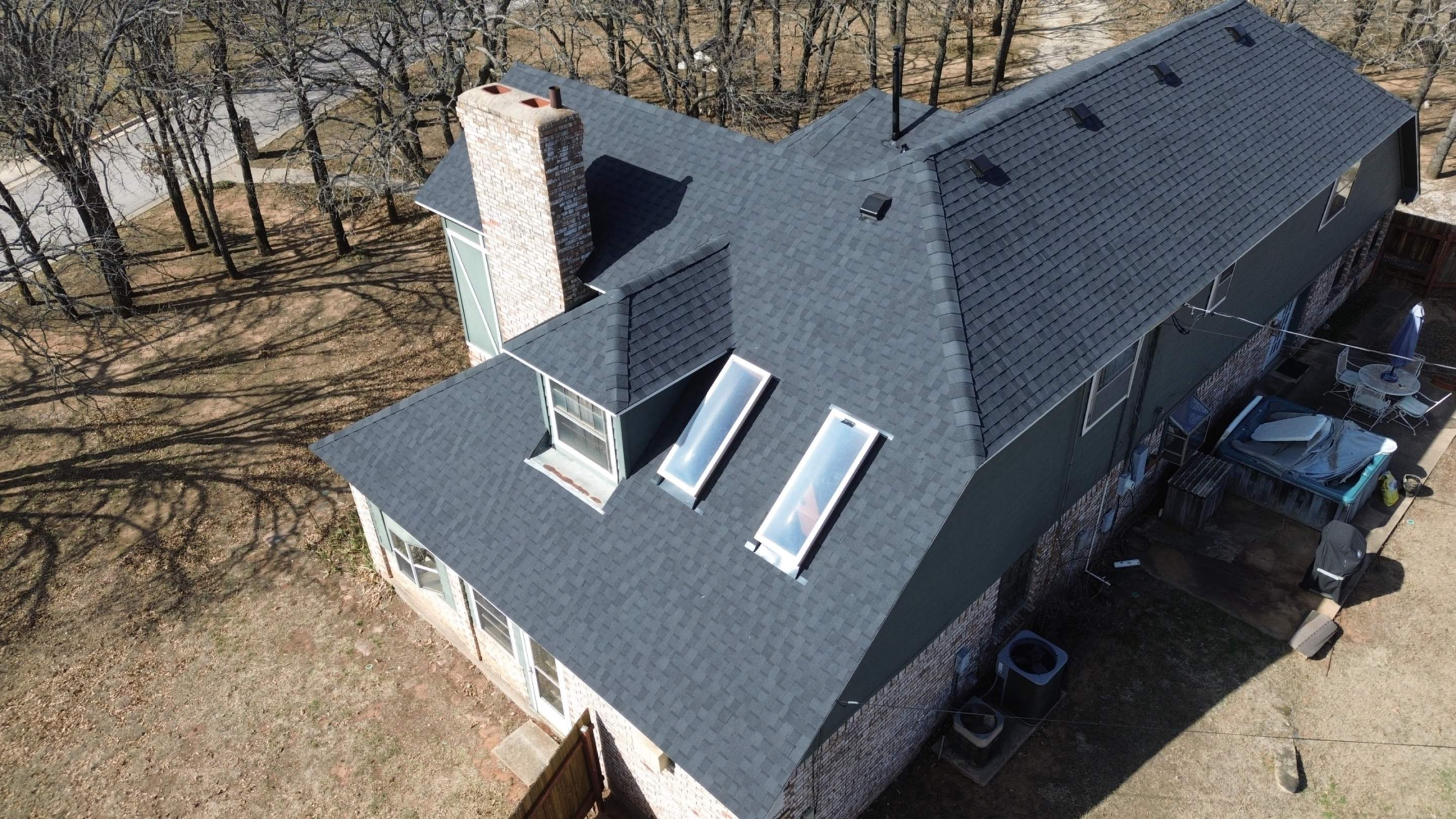
Durability is one of the most important factors homeowners should consider when comparing roofing materials because it affects how long the initial investment may remain useful. Roofing products differ in their resistance to weather, impact, moisture, temperature changes, and other environmental conditions. These differences can influence both immediate pricing and long-term value.
A material with a lower initial cost may need replacement sooner than a more durable product. This does not automatically make the cheaper material a poor choice because homeowners may have different budgets and ownership plans. However, comparing expected service life can provide a more meaningful picture of the investment.
Installation quality has a major effect on durability. Even an expensive roofing material can experience premature problems if it is installed incorrectly. Proper preparation, fastening, flashing, ventilation, and adherence to manufacturer requirements are essential for achieving the expected performance.
Maintenance also influences service life. Regular inspections can identify damaged materials, blocked drainage, deteriorated flashing, or other issues before they become more serious. A homeowner who maintains the roof appropriately may be able to protect the original investment for longer.
Climate exposure can affect durability as well. Roofing materials face different stresses depending on local weather patterns. Strong winds, intense sunlight, heavy rainfall, freezing temperatures, hail, and temperature fluctuations can all affect different products in different ways.
Material warranties can provide additional information about expected performance, but homeowners should not treat a warranty period as a guaranteed lifespan. Warranty conditions may contain exclusions, installation requirements, maintenance obligations, and limitations. Reading the actual warranty documentation is more useful than comparing warranty length alone.
Homeowners should also consider repairability. Some roofing systems allow individual damaged components to be replaced relatively easily, while others may require specialized materials or contractors. Repair availability can affect long-term maintenance expenses.
A durable material may have a higher upfront price but can provide value when its performance and service life align with the homeowner’s goals. The best decision is not necessarily the material with the longest possible lifespan, but the material that offers appropriate durability for the property and budget.
How Climate and Local Conditions Affect Material Costs
Climate and local environmental conditions can influence both the price and suitability of residential roofing materials. A product that performs well in one region may not be the most appropriate choice in another. Homeowners should consider the weather conditions their roof regularly experiences before selecting a material based primarily on appearance or price.
High-wind areas may require roofing materials and fastening systems designed to withstand stronger wind forces. Certain products can require specialized installation methods or additional components to meet applicable requirements. These factors can increase the total project cost.
Heavy rainfall creates another important consideration. Roofing systems need effective water shedding, properly installed flashing, reliable underlayment, and functional drainage. Materials that require more detailed waterproofing may increase installation costs but can provide important protection when properly installed.
Hail-prone regions may influence material selection as well. Homeowners may consider products with enhanced impact resistance where appropriate. These materials can cost more than standard alternatives, but their characteristics may provide additional protection under certain weather conditions.
Intense sunlight and heat can also affect roofing products. Some materials are designed with coatings or properties intended to handle prolonged exposure to ultraviolet radiation and elevated temperatures. The selected product’s specifications should be evaluated against the local environment.
Cold climates can create different challenges, including freeze-thaw cycles, ice formation, and snow accumulation. Roofing systems in these areas may require specific underlayment, flashing, ventilation, or other protective features. These additions can influence the total installation budget.
Local building requirements can affect material choices as well. Certain communities may have rules concerning fire ratings, wind resistance, appearance, or approved roofing materials. Homeowners should confirm applicable requirements before purchasing materials because changing products after installation begins can be costly.
Material availability is another local factor. Products commonly stocked by regional suppliers may have more predictable pricing and shorter delivery times. Specialty products that must be transported from distant locations may involve additional shipping expenses and longer lead times.
Comparing Initial Roofing Costs With Long-Term Value
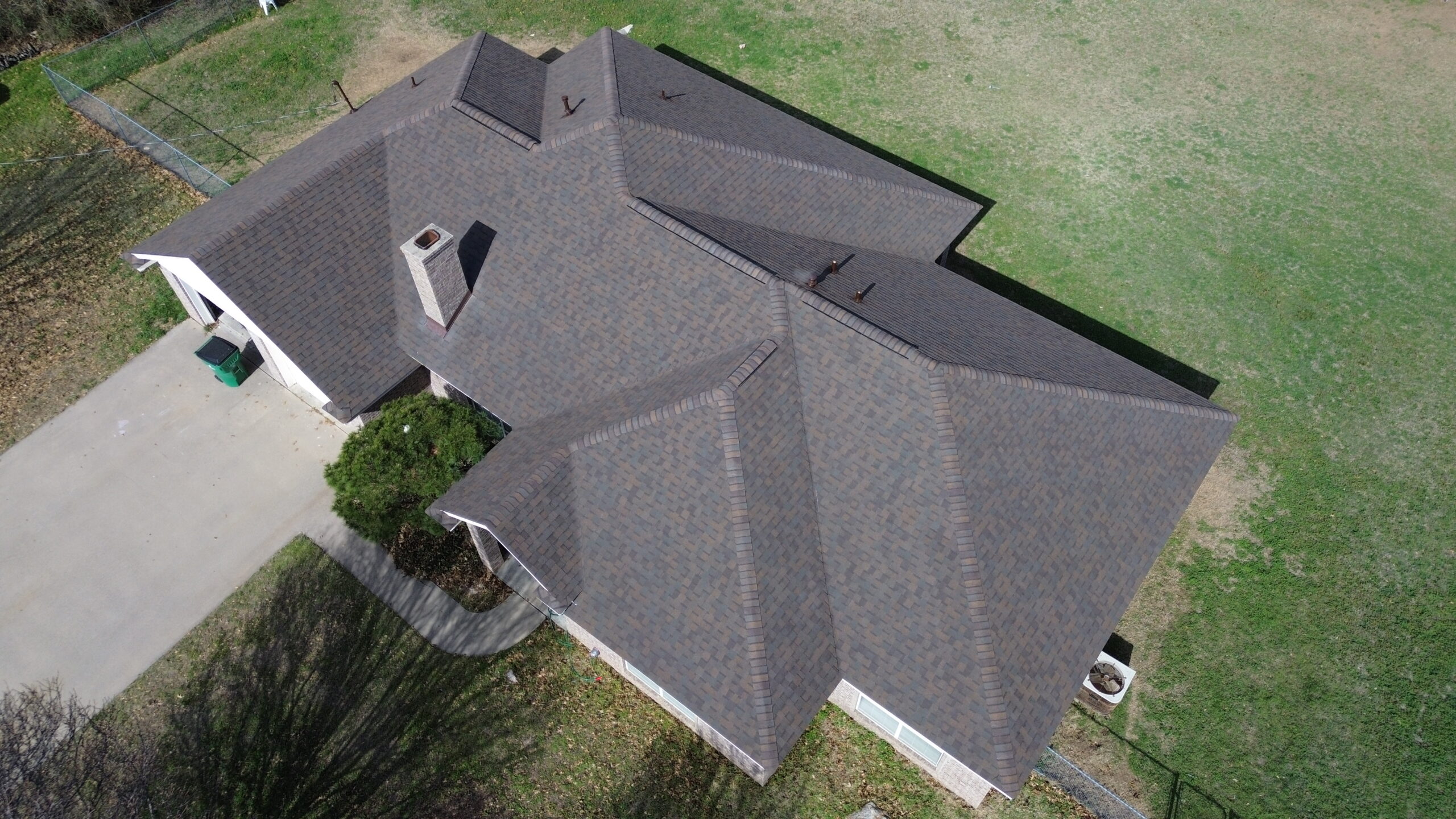
The initial price of a roofing material is one of the first factors homeowners consider, but it should not be the only measure of affordability. A roof is a long-term investment, so homeowners should consider how the material’s purchase price compares with its expected service life, maintenance requirements, repair needs, and replacement schedule. A material that costs more initially may provide better value if it performs reliably for many years.
For example, standard asphalt shingles may offer an affordable starting point for families with limited budgets. Premium metal, tile, or slate systems can require a larger initial investment, but they may provide different durability and maintenance characteristics. The appropriate choice depends on the homeowner’s financial situation, property requirements, and how long they expect to remain in the home.
Long-term value should also include the cost of supporting materials and installation. A roofing material may appear inexpensive until homeowners account for specialized labor, structural preparation, flashing, underlayment, ventilation, or additional equipment. Comparing complete installed prices provides a more accurate picture of the actual investment.
Homeowners should also consider future replacement. If a lower-cost roof requires replacement considerably sooner, the homeowner may eventually spend more than expected. This does not mean premium materials are always financially better, but it shows why service life should be included when comparing roofing options.
Installation Labor and Material-Specific Requirements
Labor can represent a substantial portion of residential roofing costs, and the selected material can directly influence installation expenses. Asphalt shingles are widely installed, so many contractors are familiar with their installation methods. Specialty materials such as slate, tile, certain metal systems, and synthetic products may require more specialized skills.
Roof complexity can increase labor costs regardless of the selected material. Multiple roof sections, steep slopes, dormers, chimneys, skylights, and valleys require additional measuring, cutting, flashing, and installation work. Materials that are already complex to install can become even more expensive on highly detailed roof designs.
Weight can also affect labor and preparation. Heavy tile or slate may require additional handling and structural assessment before installation. If the roof structure needs reinforcement, those costs should be included in the overall project budget.
Homeowners should ask contractors whether they regularly install the specific material being considered. Experience can help reduce installation errors and may also be important for maintaining manufacturer warranty requirements. Choosing an unfamiliar material simply because it appears inexpensive can create problems if qualified installation is difficult to obtain locally.
Maintenance and Repair Costs by Material
Maintenance is another factor that affects the long-term cost of a roofing material. Every roofing system requires appropriate care, but the frequency and type of maintenance can differ considerably. Homeowners should understand these requirements before choosing a product.
Asphalt shingles may require inspection for missing, cracked, or damaged shingles and attention to flashing and sealant areas. Metal roofing can require checks for damaged panels, fasteners, coatings, and flashing. Tile roofing may require attention to cracked or displaced tiles, while wood roofing can require more careful monitoring for moisture-related deterioration.
Repair costs can also vary based on material availability and specialist requirements. A common roofing product may be easier to repair because replacement materials and experienced contractors are widely available. Specialty materials may require specific products or skilled workers, potentially increasing repair costs.
Homeowners should not assume that expensive materials are maintenance-free. Even highly durable roofing systems can develop problems if drainage is blocked, flashing deteriorates, or severe weather causes damage. Regular inspections and timely repairs can help protect the initial investment.
Roofing Warranties and Material Pricing
Warranty coverage can influence how homeowners evaluate the price of different roofing materials. Manufacturers may provide warranties that cover certain product defects, while contractors may provide separate workmanship warranties. The terms, limitations, and coverage periods can vary considerably.
A longer warranty can make a product appear more valuable, but homeowners should read the actual conditions. Some warranties require specific installation methods, approved components, regular maintenance, or registration. Certain types of damage may also be excluded.
The warranty should therefore be compared alongside material quality and installation standards. Paying more for a product with a stronger warranty may make sense in some situations, but only when the additional protection is relevant to the homeowner’s needs.
Homeowners should also keep copies of invoices, product information, installation documents, and warranty registrations. These records can be useful if a warranty issue occurs later. Proper documentation can also help when selling the property or planning future repairs.
How Homeowners Can Choose Materials Within Their Budget
Choosing a roofing material within a realistic budget starts with determining the maximum amount the household can comfortably spend. Homeowners should consider available savings, financing costs, expected maintenance expenses, and other financial obligations before selecting a product.
The cheapest material should not automatically become the final choice. Instead, homeowners can create a shortlist of products that meet the property’s performance requirements and then compare their installed costs and expected long-term value.
It can also help to divide the roofing budget into essential and optional expenses. Essential work may include structural repairs, appropriate underlayment, flashing, ventilation, and installation. Decorative upgrades or premium finishes can be considered after the necessary components have been properly budgeted.
Obtaining several detailed estimates can help homeowners understand the local price range. Each estimate should describe the same general scope of work so that the prices can be compared fairly. A low estimate may not actually be less expensive if it excludes important components.
Homeowners should also discuss material alternatives with their contractor. A professional may be able to recommend several products that meet the property’s requirements at different price levels. This allows families to make a choice based on performance and affordability rather than feeling restricted to one material.
Balancing Appearance, Performance, and Affordability
Roofing material affects more than the home’s protection from weather. It also contributes to curb appeal and can influence the overall appearance of the property. Homeowners may therefore want a material that complements the architectural style while remaining within a practical budget.
Asphalt shingles offer numerous colors and styles and can work with many residential designs. Metal roofing provides a range of profiles and finishes, while tile and slate can create distinctive architectural appearances. Synthetic materials can also reproduce the look of premium products in different designs.
Appearance should not outweigh performance requirements. A material may look attractive but perform poorly if it is unsuitable for the local climate or roof structure. Homeowners should first confirm that the material is technically appropriate before comparing colors, textures, and decorative features.
The best balance often comes from selecting a product that meets the home’s essential requirements without paying for features that provide little practical benefit. A family may choose a mid-range product instead of the most basic or premium option and still achieve a strong combination of appearance, durability, and affordability.
Final Material Selection Considerations
Before making a final decision, homeowners should review the complete roofing proposal rather than focusing only on the material price. The proposal should explain the selected product, installation method, supporting components, labor, removal, disposal, warranties, and procedures for unexpected repairs.
Homeowners should also confirm that the material is suitable for the roof’s slope and structure. Certain products may have specific installation requirements or limitations. Professional evaluation can help identify problems before materials are purchased.
Availability should be considered as well. A material that is difficult to obtain locally may have longer delivery times or higher transportation costs. This can be particularly important when a damaged roof needs urgent replacement.
The expected maintenance schedule should also be understood. Families should know what inspections, cleaning, repairs, or other care may be necessary over the life of the roof. These future expenses should be considered when comparing materials with different price levels.
Finally, homeowners should consider the property’s long-term plans. Someone planning to remain in the home for decades may evaluate durable premium materials differently from someone expecting to move within a few years. The best roofing investment should match both the property and the homeowner’s expected ownership period.
Conclusion
Material selection plays a major role in residential roofing pricing because it affects the cost of products, installation, supporting components, maintenance, repairs, and eventual replacement. Asphalt shingles may provide an accessible option for many families, while metal, tile, slate, wood, synthetic, and low-slope systems can offer different combinations of appearance, durability, and performance.
Homeowners should avoid choosing a roofing material based entirely on the lowest initial price. The complete installed cost, expected service life, maintenance requirements, warranty conditions, climate suitability, structural needs, and contractor expertise should all be considered before making a decision.
A more expensive material is not automatically a better investment, just as an inexpensive material is not automatically poor quality. The strongest choice is one that provides appropriate protection, durability, appearance, and long-term value while remaining within the family’s financial limits.
By comparing detailed estimates, discussing suitable alternatives with qualified contractors, and considering both immediate and future expenses, homeowners can make a more informed roofing decision. Careful material planning can help control project costs while ensuring that the finished roof provides dependable protection for the home for years to come.