
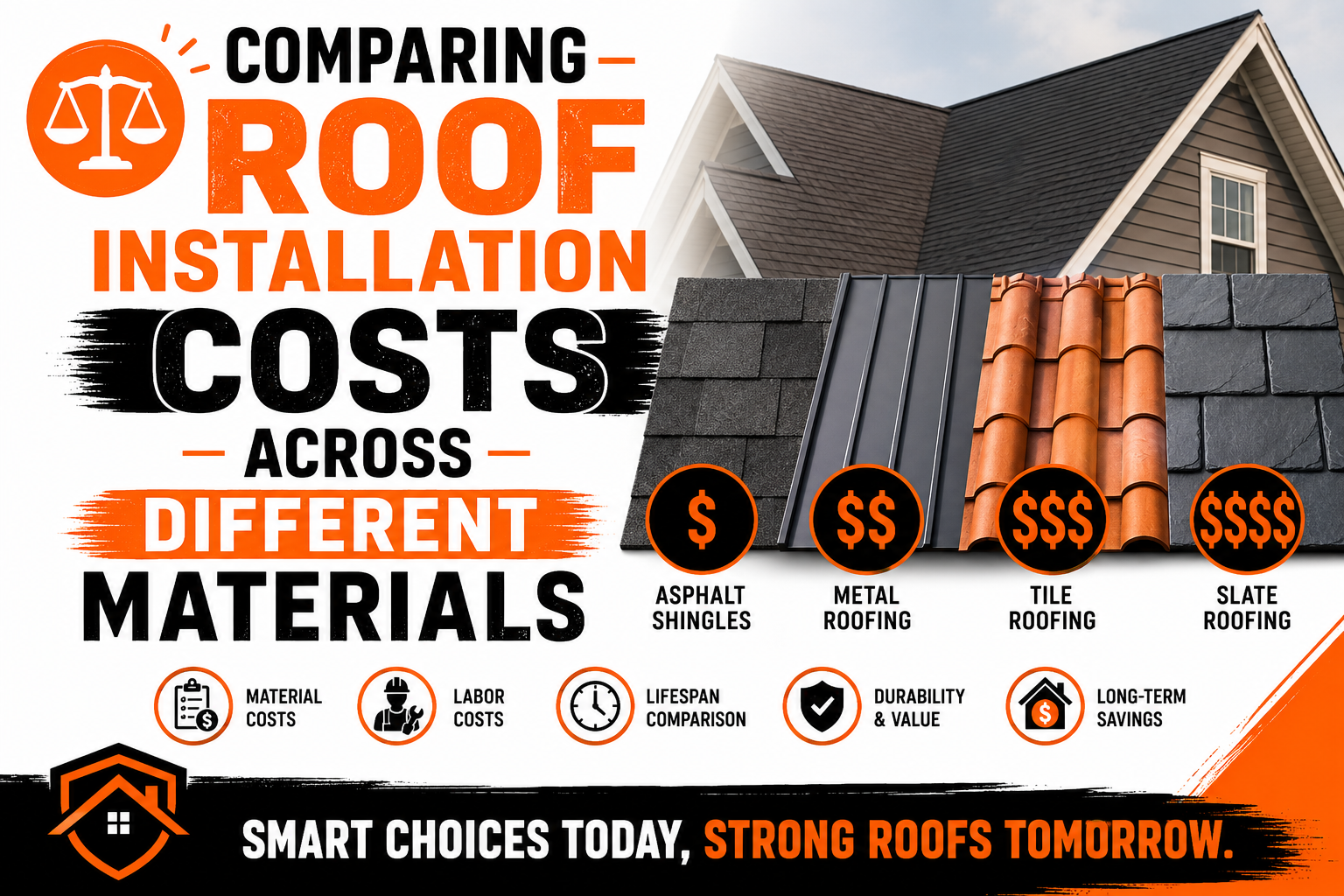
Comparing Roof Installation Costs Across Different Materials
Introduction
Choosing a roofing material is one of the most important decisions homeowners make when planning a new roof. The material affects not only the appearance of the property but also the installation cost, expected lifespan, maintenance requirements, energy performance, and long-term value of the roofing system. Because different materials have very different price ranges and installation requirements, comparing costs carefully can help homeowners make a more informed decision.
The initial price of roofing materials is only one part of the total installation expense. Labor, roof design, material weight, removal of the existing roof, underlayment, flashing, ventilation, structural preparation, permits, and disposal can all influence the final project cost. A material that appears inexpensive at first may require more maintenance or replacement sooner, while a higher-priced material may provide a longer service life.
Homeowners should therefore look beyond the price per square foot when comparing roofing options. Understanding what contributes to installation costs and how different materials affect labor and project requirements provides a clearer picture of the overall investment. This comparison can make it easier to select a roofing system that fits both the property’s needs and the available budget.
Understanding Roof Installation Costs
Roof installation costs are usually made up of several components rather than one simple material price. The final estimate generally reflects the roofing material, labor, preparation, removal of the existing roof, accessories, and any additional repairs needed before the new system can be installed. Each of these factors can change depending on the type of roofing material selected.
The size of a roof is one of the first factors contractors consider when preparing an estimate. Larger roofs require more materials and generally involve more labor, while smaller roofs may have higher costs per square foot because certain fixed expenses are spread across a smaller project. The shape and layout of the roof can also make a significant difference.
Roof pitch is another important consideration. Steep roofs can require additional safety equipment, specialized installation procedures, and more time for workers to complete the project. A roof with multiple slopes, valleys, dormers, skylights, or other architectural features may also require more detailed work than a simple roof design.
The condition of the existing roof can affect the price as well. If old roofing material needs to be removed, the contractor may charge for tear-off and disposal. If the underlying decking is damaged, additional repairs may be required before the new roofing material can be installed properly.
Other components can include underlayment, flashing, drip edges, ventilation systems, fasteners, sealants, and other accessories. These materials may not attract as much attention as shingles, metal panels, or tiles, but they contribute to the performance and durability of the complete roofing system.
Asphalt Shingles
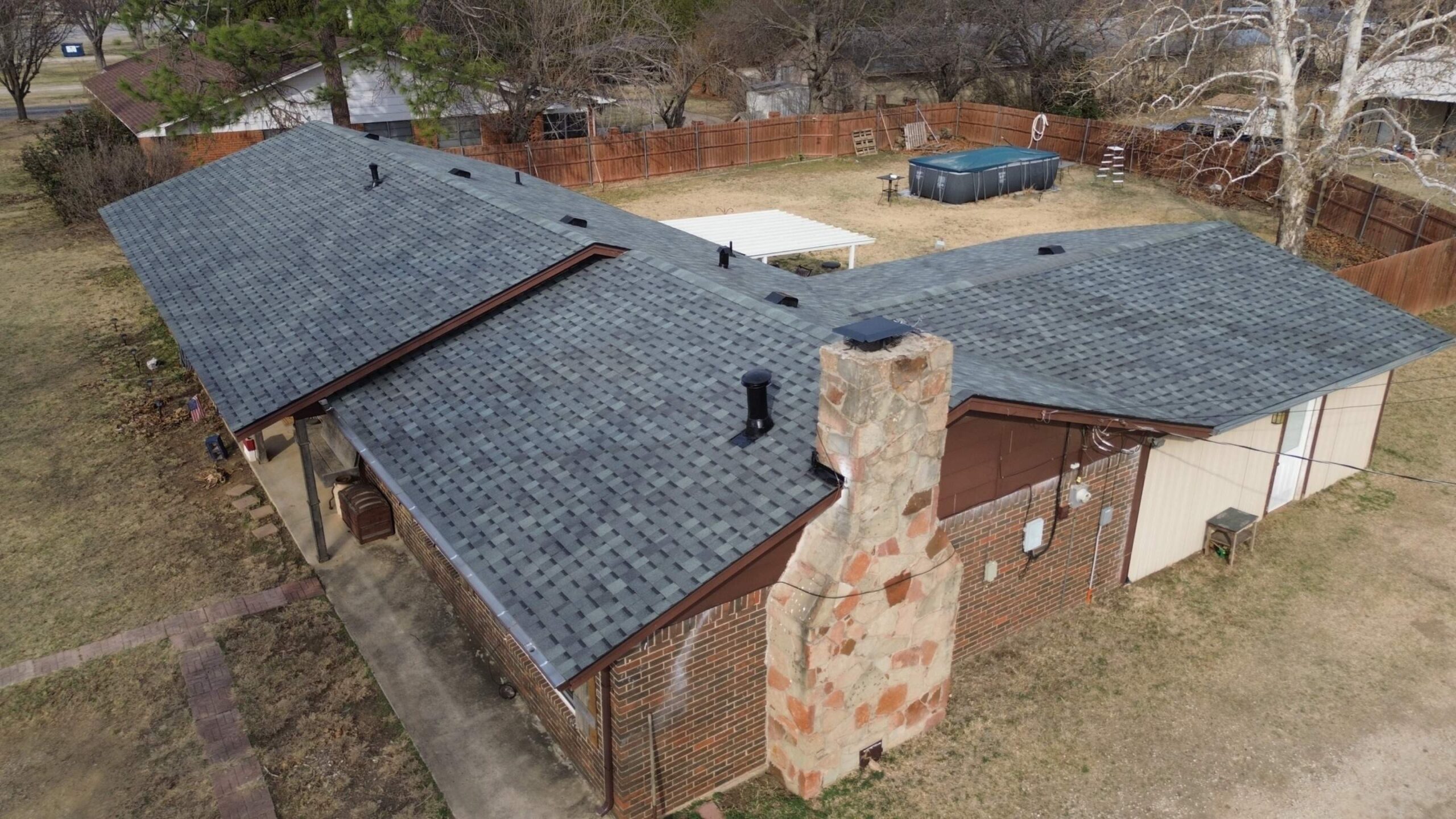
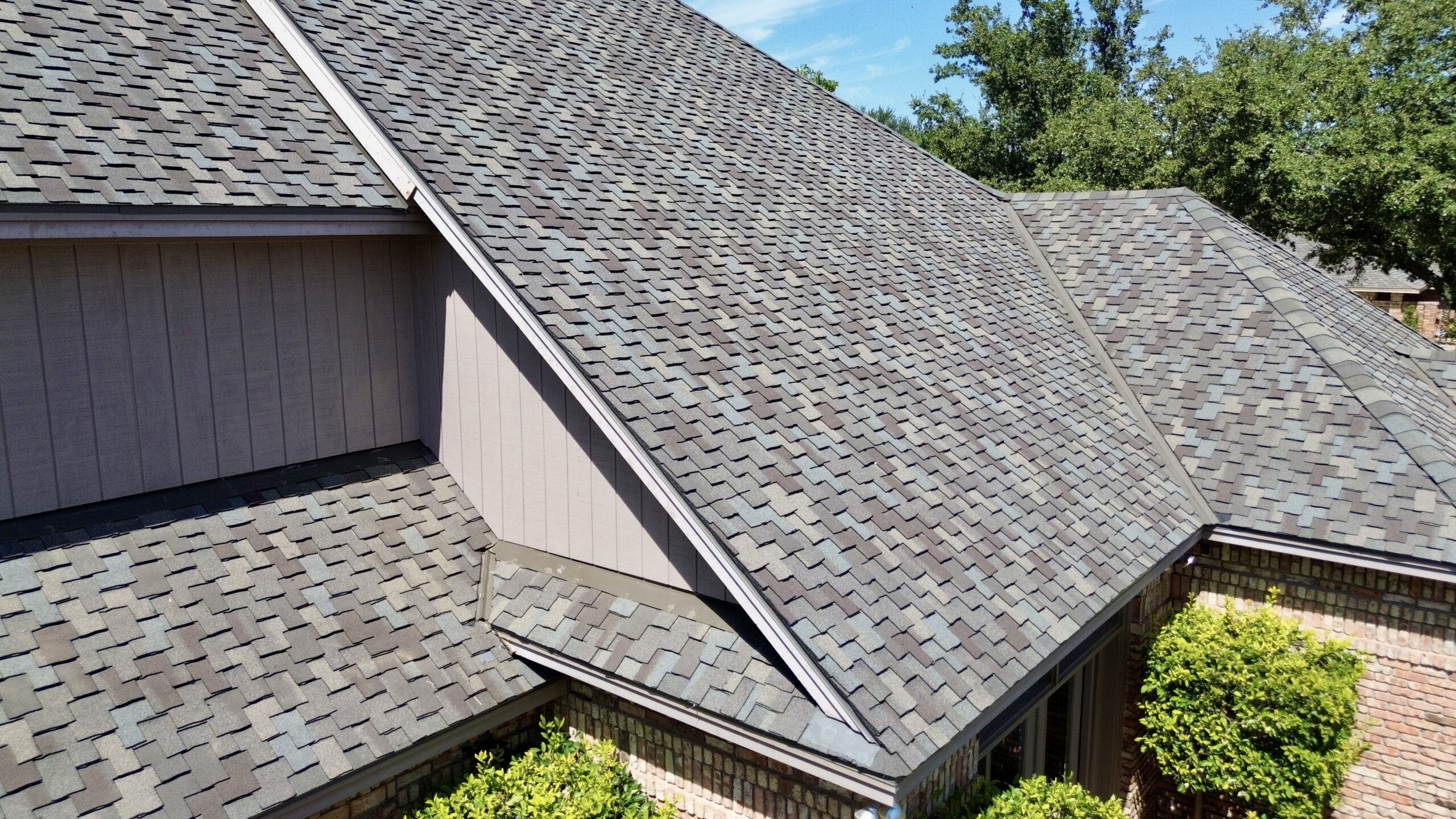
Asphalt shingles are among the most widely used roofing materials for residential properties. Their popularity comes from their relatively accessible cost, broad availability, variety of styles, and straightforward installation compared with many heavier or more specialized roofing systems. For homeowners working with a moderate budget, asphalt shingles can provide a practical balance between initial cost and expected performance.
There are several types of asphalt shingles, and their prices can vary depending on construction and quality. Basic three-tab shingles generally have a lower initial cost, while architectural or dimensional shingles typically cost more but offer a more substantial appearance and may provide improved durability.
Installation costs for asphalt shingles are influenced by the roof’s size and complexity. Because the material is relatively lightweight and familiar to many roofing contractors, labor can be less specialized than with some premium materials. However, steep slopes, complicated roof designs, difficult access, and extensive preparation can still increase the overall labor expense.
Another advantage of asphalt shingles is that replacement components are generally easy to find. Repairs can often be completed without requiring highly specialized materials, which can help keep future maintenance costs manageable. However, the expected service life depends on the specific shingle type, installation quality, climate, maintenance, and exposure to severe weather.
Homeowners should avoid comparing asphalt shingles solely against more expensive materials based on their initial purchase price. A lower upfront cost can be attractive, but the expected lifespan and future replacement requirements should also be considered when evaluating long-term value.
Metal Roofing
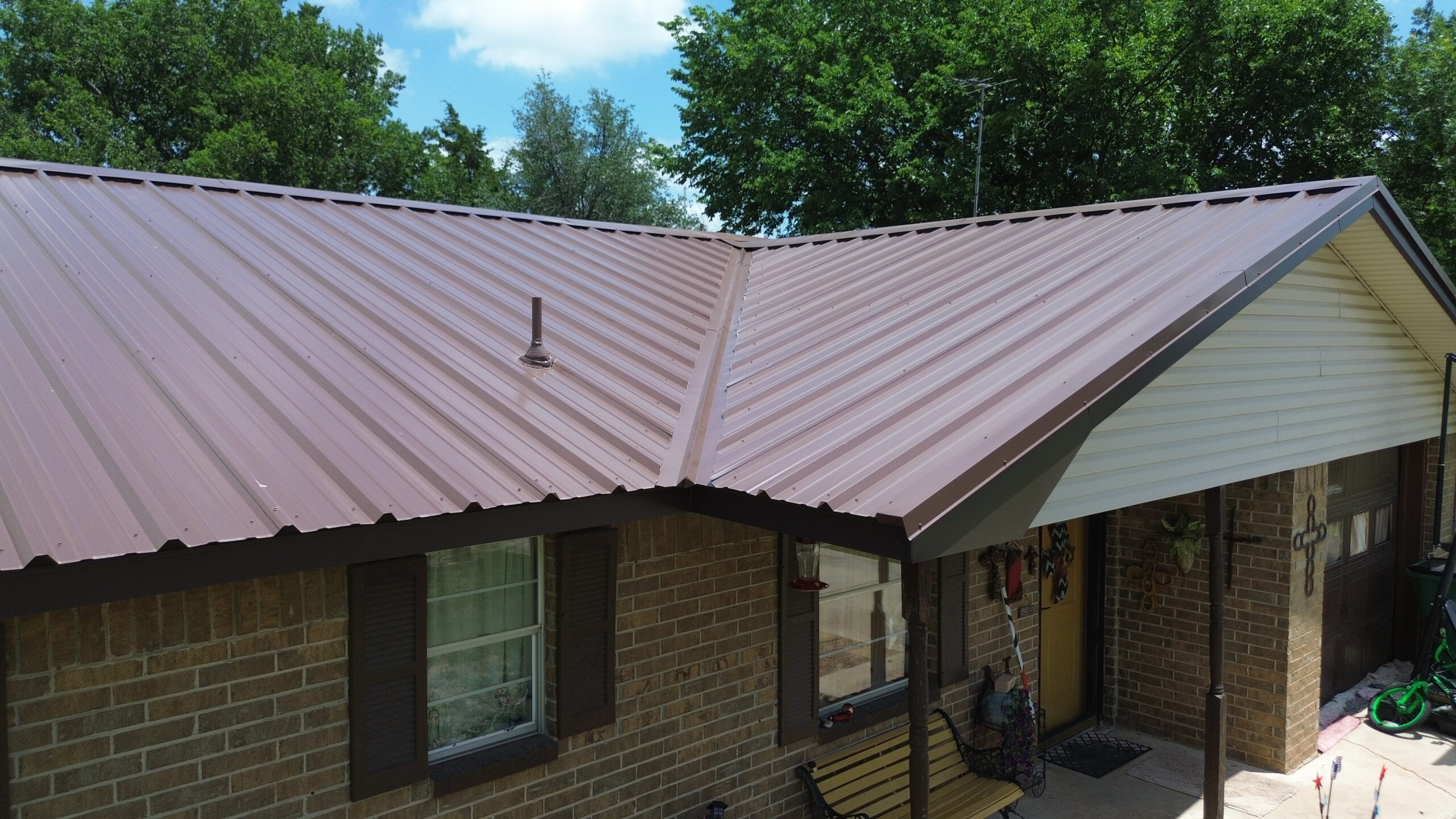
Metal roofing has become an increasingly popular option for homeowners who want a durable roofing system with a distinctive appearance. Metal roofs can be made from materials such as steel, aluminum, copper, and other metal products, with costs varying significantly depending on the material, coating, profile, and installation system.
The initial installation cost of metal roofing is generally higher than basic asphalt shingles. The material itself can be more expensive, and installation may require specialized knowledge depending on the type of metal system being used. Some metal roofing systems also require specific fastening methods, underlayment, flashing details, and accessories.
Labor can represent a significant portion of a metal roofing project’s cost. Although metal panels can cover large areas efficiently, precise measurements and installation are important for creating proper seams, penetrations, edges, and drainage details. Contractors may also need to account for expansion and contraction characteristics of certain metal systems.
One reason homeowners consider metal roofing despite its higher upfront cost is its potential longevity. A properly selected and professionally installed metal roof can provide service for many years, potentially reducing the frequency of complete roof replacement compared with shorter-lived materials.
Metal roofing can also offer a wide range of visual styles. Some systems have a traditional panel appearance, while others are designed to resemble shingles, slate, or tile. This variety allows homeowners to consider durability and appearance together rather than treating metal roofing as a purely utilitarian option.
Wood Shingles and Shakes
Wood shingles and shakes provide a natural appearance that can complement certain architectural styles. They are commonly made from wood species selected for roofing applications, and the appearance can change over time as the material weathers. Their distinctive look makes them appealing to homeowners who want something different from conventional asphalt roofing.
The installation cost of wood roofing can be higher than basic asphalt shingles because the material and installation process may require greater attention to detail. Proper spacing, ventilation, moisture management, flashing, and fastening are important considerations when installing wood roofing systems.
Maintenance requirements can also influence the long-term cost. Wood is a natural material and can be affected by moisture, insects, weather exposure, and other environmental conditions. Depending on the climate and material used, homeowners may need to devote more attention to maintenance than they would with some manufactured roofing products.
The suitability of wood roofing also depends on local conditions and building requirements. Some areas may have restrictions or additional requirements for certain wood roofing products because of fire risk. Homeowners should verify local requirements and discuss appropriate materials with a qualified roofing professional before making a decision.
While wood roofing can provide strong visual appeal, the total investment should include both installation and future maintenance. Comparing only the initial material price may not accurately represent the cost of owning the roof over its useful life.
Clay and Concrete Tile Roofing
Tile roofing can create a distinctive and durable appearance, particularly on homes designed around Mediterranean, Spanish, Southwestern, or similar architectural styles. Clay and concrete tiles are available in a range of colors, profiles, and finishes, allowing homeowners to select a style that complements the property’s design.
Tile roofing generally has a higher initial installation cost than basic asphalt shingles. The material itself can be more expensive, and the installation process requires careful placement, fastening, flashing, and attention to the underlying roofing structure.
Weight is an important consideration with tile. Concrete and clay tiles can be significantly heavier than asphalt shingles, so the existing roof structure may need to be evaluated to ensure it can support the selected system. Additional structural preparation can increase the project’s overall cost if reinforcement is required.
Labor costs can also vary because tile installation involves handling individual pieces and maintaining proper alignment across the roof. Roof geometry can make the process even more complicated when there are valleys, hips, penetrations, or other detailed areas.
Despite the higher initial investment, tile can offer a long service life when properly installed and maintained. Homeowners evaluating tile should therefore consider the expected durability alongside the upfront cost rather than assuming that the highest installation price automatically represents poor value.
Slate Roofing
Slate is considered one of the premium roofing materials and is known for its natural appearance and potential longevity. Genuine slate is a natural stone product available in different colors and grades, and properly selected slate can provide a distinctive appearance that lasts for decades.
The installation cost of slate roofing can be substantially higher than common roofing materials. The material itself is expensive, and installation requires experienced professionals who understand how to handle, cut, fasten, and detail slate properly.
Weight is another major consideration. Natural slate can be heavy, so the structural capacity of the building may need to be evaluated before installation. If modifications are necessary to support the roofing system, the additional structural work can increase the total project cost.
Repairs can also require specialized knowledge and matching materials. Replacing individual slate pieces may not be as straightforward as replacing an asphalt shingle, particularly when the roof has aged and the original slate is difficult to match.
However, slate’s potential longevity can make it an attractive option for homeowners who are focused on long-term performance and architectural character. When evaluating the cost, homeowners should consider the expected lifespan and the property’s structural suitability rather than comparing slate directly with lower-cost materials based only on the initial installation price.
Comparing Material Costs and Installation Requirements
Different roofing materials can vary considerably in both material price and labor requirements. A material with a relatively low purchase price may be easier and faster to install, while a premium material may require specialized labor, additional structural preparation, and more detailed installation techniques.
| Roofing Material | Typical Cost Position | Installation Considerations | Long-Term Consideration |
|---|---|---|---|
| Asphalt shingles | Lower to moderate | Generally straightforward installation | Accessible replacement and maintenance |
| Metal roofing | Moderate to high | Precise installation and specialized systems | Strong durability and potentially long service life |
| Wood shingles or shakes | Moderate to high | Detailed installation and moisture considerations | Maintenance can affect ownership cost |
| Clay or concrete tile | High | Heavy material and detailed installation | Long service potential when properly maintained |
| Slate | Very high | Specialized installation and structural evaluation | Potentially exceptional longevity |
These categories are general comparisons rather than fixed prices because roofing costs vary by location, contractor, material quality, roof size, and market conditions. A premium version of one material can also overlap in price with a lower-grade version of another material.
Labor should receive particular attention when comparing estimates. A contractor may quote a higher installation price for a material that requires more preparation or specialized skills, but that does not necessarily mean the contractor is charging excessively. The installation method and complexity of the roofing system can legitimately influence the cost.
Homeowners should ask contractors to explain what is included in each estimate. A detailed proposal can help identify whether the quoted amount covers removal, underlayment, flashing, ventilation, disposal, cleanup, warranties, and necessary repairs.
Why Roof Complexity Changes Installation Costs
The roofing material is only one part of the pricing equation. Two homes with the same roof area can have very different installation costs if their designs and accessibility differ. A simple roof with broad, uninterrupted slopes is generally easier to work on than a complex roof containing numerous angles and penetrations.
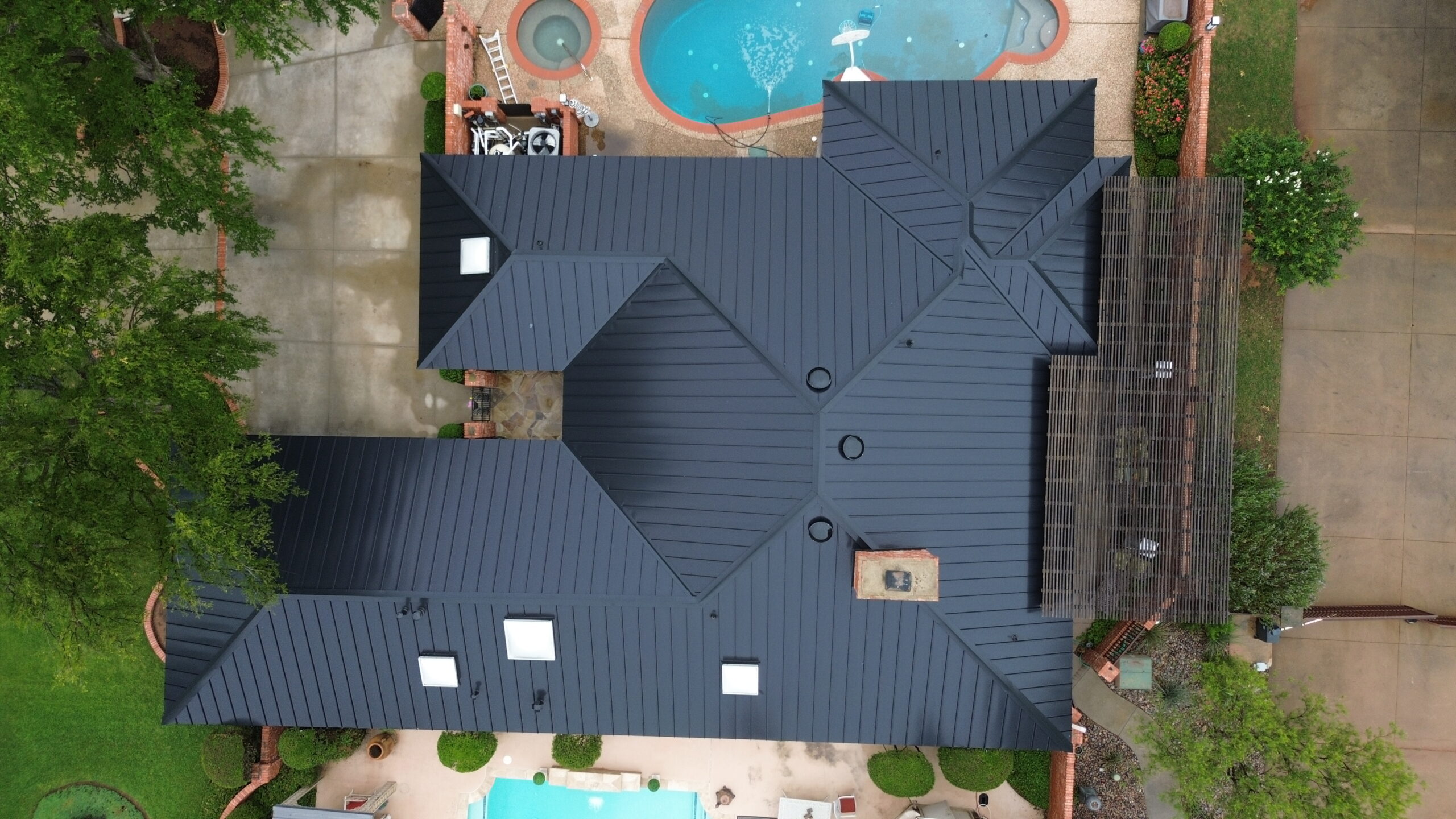
Features such as chimneys, skylights, dormers, valleys, and multiple roof levels require additional detailing. These areas can require more flashing and careful cutting, while also increasing the amount of time needed to complete the installation.
Steep roofs can create additional labor and safety requirements. Workers may need specialized equipment and additional precautions, which can increase installation time and project expenses. This factor applies across many roofing materials, although the exact impact varies by contractor and roofing system.
Accessibility can also influence the estimate. A property with limited space for material delivery, difficult roof access, or restricted areas around the home may require additional planning. Contractors may need to use different equipment or adjust the installation process to work safely and efficiently.
For this reason, homeowners should avoid assuming that a material has a fixed installation cost regardless of the property. A professional estimate based on the actual roof is more useful than a general price range found online.
Looking Beyond the Initial Installation Price
The cheapest roofing material is not always the least expensive option over the life of the roof. Homeowners should consider expected service life, maintenance, repair frequency, energy performance, and eventual replacement when comparing different materials.
A lower-cost roof may require replacement sooner than a more durable system. If the homeowner plans to remain in the property for many years, a longer-lasting material could potentially provide greater value despite requiring a larger initial investment.
Maintenance should also be included in the comparison. Some roofing systems may require more frequent inspections, treatments, repairs, or replacement of individual components. These expenses can accumulate over time and change the overall cost of ownership.
Professional installation is another important part of long-term value. Even a high-quality roofing material can perform poorly if it is installed incorrectly. Proper preparation, ventilation, flashing, fastening, and adherence to manufacturer requirements can help the roofing system achieve its expected performance.
When comparing roofing materials, homeowners should therefore consider the entire ownership period rather than focusing only on the amount required on installation day. This approach creates a more realistic understanding of what each material may cost and provide over time.
Synthetic Composite Roofing
Synthetic composite roofing is designed to reproduce the appearance of materials such as slate, wood, or tile while using manufactured components. These products can provide homeowners with a broader range of design choices without necessarily requiring the same structural support as some natural materials.
The installation cost can range from moderate to high depending on the product selected, roof design, and manufacturer requirements. Some synthetic systems are relatively lightweight and easier to handle than natural slate or tile, which can reduce certain structural concerns during installation.
One potential advantage is consistency. Manufactured roofing products are generally produced to specific dimensions, which can make replacement pieces easier to match than some natural materials. Their resistance to certain environmental conditions can also make them appealing to homeowners looking for a combination of appearance and practical performance.
However, synthetic roofing should still be evaluated based on the complete product specification rather than appearance alone. Different manufacturers can use different materials, construction methods, warranties, and installation requirements, so the price and expected performance can vary significantly.
Flat Roofing Materials
Flat and low-slope roofs require different roofing systems from many traditional sloped residential roofs. Common options can include modified bitumen, built-up roofing, single-ply membranes, and other systems designed to manage water on roofs with limited slope.
The installation cost depends heavily on the selected membrane or roofing system and the condition of the existing roof. Flat roofing can require careful attention to seams, drainage, flashing, penetrations, and edge details because water management is especially important on low-slope surfaces.
Labor can represent a substantial portion of the total cost because proper installation requires accurate preparation and detailed waterproofing work. Poorly installed seams or drainage components can contribute to leaks, making professional installation particularly important.
Homeowners comparing flat roofing options should therefore consider more than the material itself. The contractor’s experience with the specific roofing system, expected service life, maintenance requirements, and warranty conditions can all influence the overall value.
Roof Size and Its Effect on Installation Costs
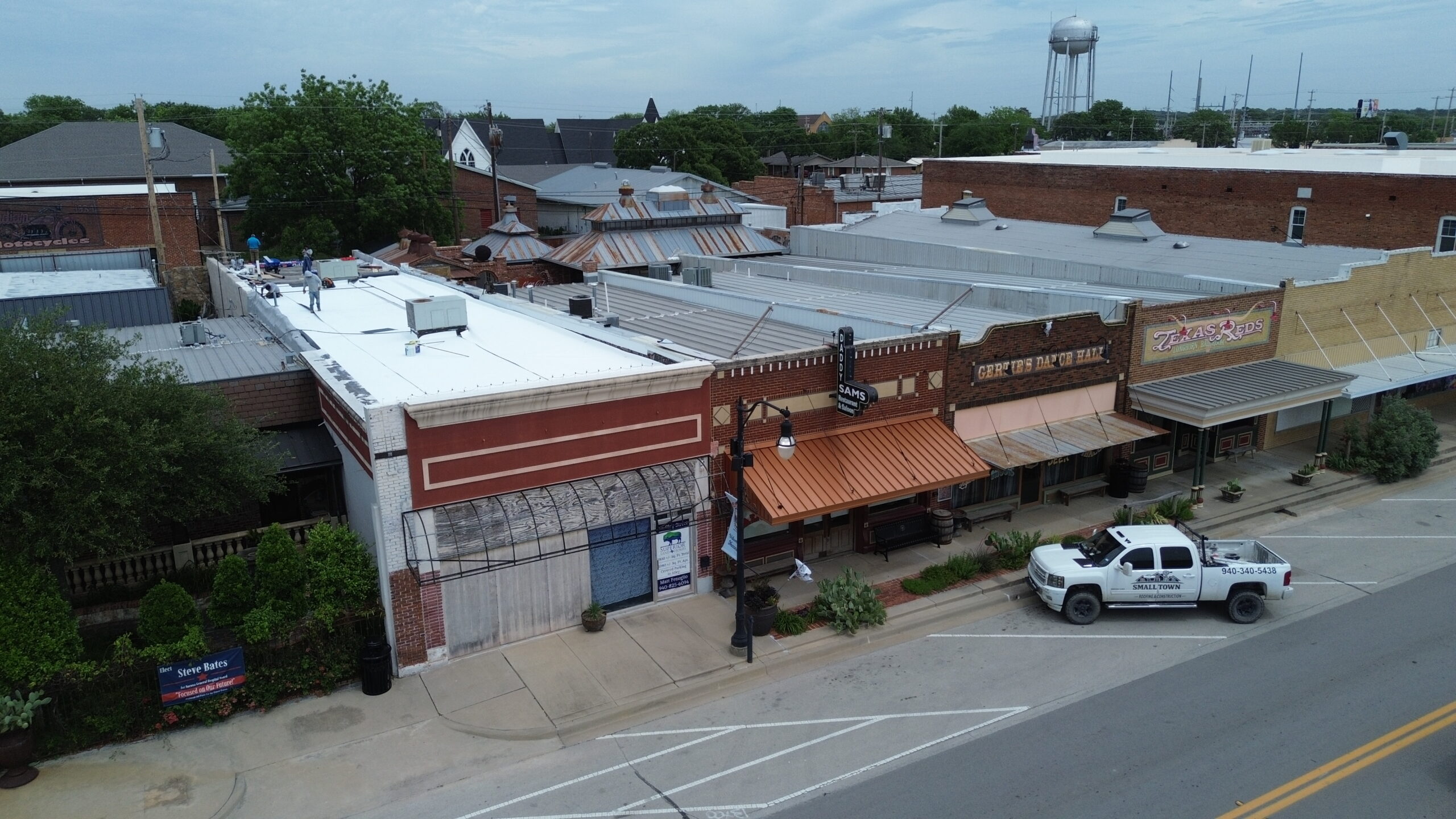
Roof size is one of the most obvious factors affecting installation expenses. A larger roof generally requires more roofing material, underlayment, fasteners, flashing, and labor. However, the relationship between roof size and total cost is not always perfectly proportional.
Some expenses are relatively fixed regardless of the size of the roof. Mobilization, permits, equipment, setup, inspection requirements, and certain preparation tasks may cost a similar amount whether the roof is small or large. This can cause smaller projects to have a higher effective cost per roofing square.
The measurement of the roof itself can also be more complicated than simply measuring the home’s floor area. Roof pitch, overhangs, multiple levels, and other design features affect the actual roofing surface. Professional contractors typically calculate the roofing area based on the roof’s physical dimensions rather than the property’s interior footprint.
Homeowners should ask whether an estimate is based on the complete roof area and whether waste material is included. Roofing contractors need additional material for cuts, overlaps, starter sections, ridge details, and other installation requirements, so the material quantity will normally be greater than the exact exposed roof surface.
Labor Costs Across Different Roofing Materials
Labor is an important part of almost every roofing project, but the amount can vary significantly by material. Asphalt shingles can generally be installed using familiar techniques, while slate, tile, metal, and some specialty systems may require more specialized skills and additional installation time.
The experience of the roofing crew can influence both labor costs and installation quality. A contractor who regularly works with a specific roofing material may be able to complete the project efficiently while following the manufacturer’s requirements. Hiring a contractor without the appropriate experience simply because the labor price is lower can create additional risks.
Some materials also require more individual handling. Tile and slate, for example, involve numerous separate pieces that must be positioned correctly, while certain metal systems require precise measurements and fastening. The roof’s design can further increase the amount of detailed labor needed.
Homeowners should be cautious about comparing labor prices without considering what is included. One contractor may provide a low labor figure but exclude important preparation or cleanup services, while another may include a more comprehensive installation package.
A detailed estimate should explain the scope of labor rather than simply listing one total amount. This makes it easier to determine whether differences between contractors reflect genuine differences in service or simply different approaches to pricing.
Removing the Existing Roof
The cost of installing a new roof may increase when the existing roofing system needs to be removed. Tear-off involves removing old roofing materials and preparing the surface for the new system. The number of existing layers, material type, roof accessibility, and disposal requirements can all affect the cost.
Some roofing systems may be installed over an existing layer when local requirements and manufacturer specifications permit it. However, covering an existing roof is not always appropriate, particularly when the existing system is damaged, has multiple layers, or prevents proper inspection of the underlying structure.
Removal becomes more complex when the existing material is heavy or difficult to handle. Tile, slate, and other dense materials can require additional labor and equipment for safe removal and transportation.
Disposal is another part of the tear-off cost. Old roofing material must be collected, transported, and disposed of according to applicable requirements. Larger projects can generate substantial quantities of waste, which means disposal charges can represent a noticeable part of the final estimate.
Homeowners should ask whether tear-off and disposal are included in the quoted price. If these services are listed separately, they should be considered when comparing the total cost of different contractors or roofing materials.
Underlayment, Flashing, and Other Roofing Components
A roof is more than its visible outer material. Underlayment, flashing, ventilation components, drip edges, fasteners, sealants, and other accessories all contribute to the performance of the complete roofing system. The requirements can differ depending on the roofing material and roof design.
Underlayment provides an additional protective layer beneath many roofing systems. Different materials and roof designs may require different underlayment products, and the selected system can influence both material and labor costs.
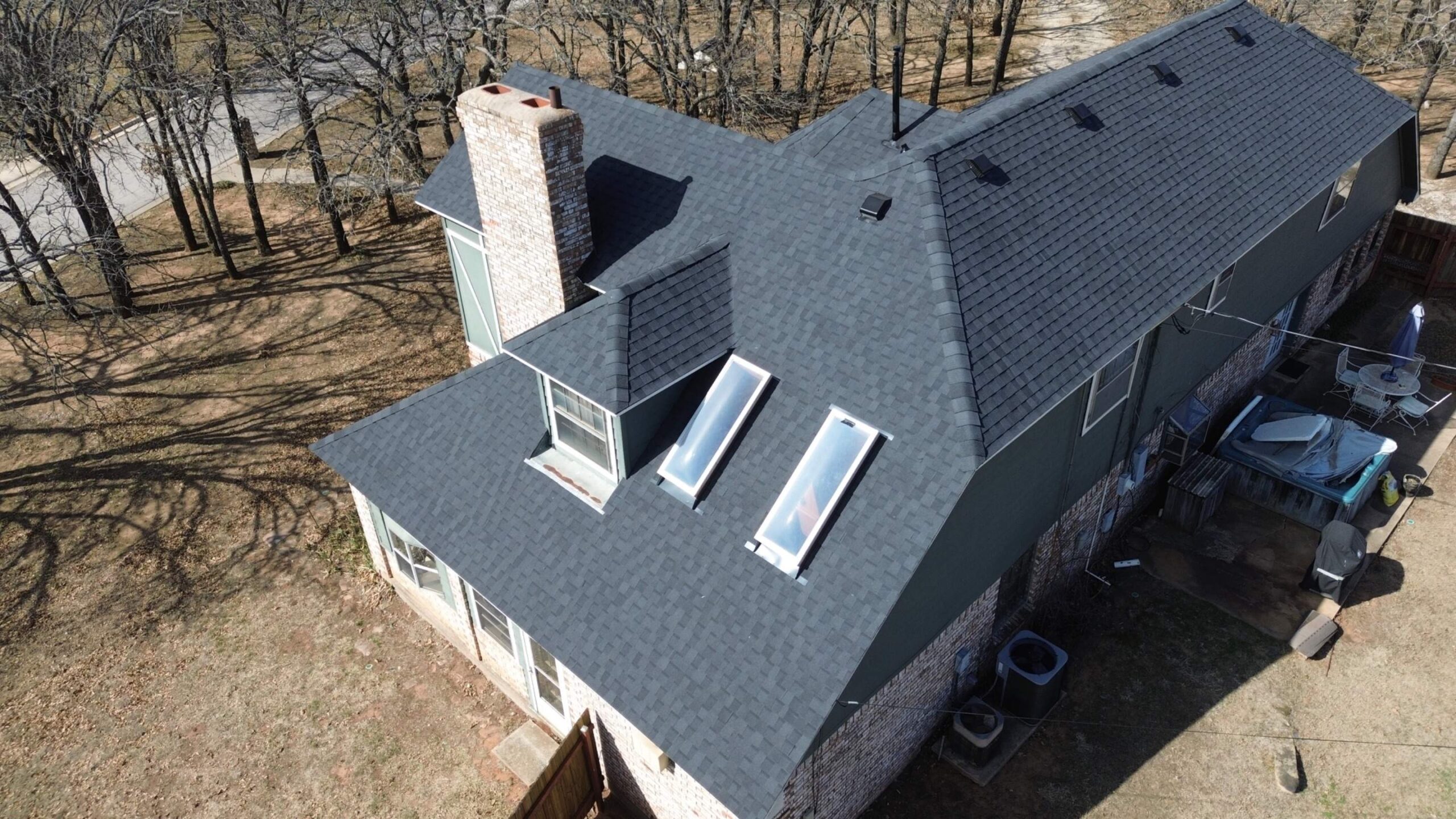
Flashing is especially important around areas where the roof meets another structure or where water could enter. Chimneys, skylights, walls, valleys, vents, and other penetrations may require carefully installed flashing. Replacing deteriorated flashing during a roof installation can increase the project cost but may also address vulnerabilities that could otherwise lead to future leaks.
Ventilation should also be considered when evaluating a roofing proposal. Proper attic ventilation can support moisture management and help maintain appropriate conditions beneath the roofing system. If existing ventilation is inadequate, improving it may add to the initial project expense.
These components can be easy to overlook because they are not always visible after installation. However, a roofing estimate that includes appropriate accessories and preparation may provide greater value than a lower estimate that leaves important components out.
Structural Repairs and Preparation
The condition of the roof deck can have a significant impact on the final installation price. Roofing contractors may discover damaged or deteriorated decking after removing the existing roofing material. If the underlying surface is not suitable for the new roofing system, repairs may be necessary.
Moisture damage can be one reason decking requires replacement. Long-term leaks can weaken wood materials and may affect areas around roof penetrations, valleys, chimneys, or other vulnerable locations. The extent of the damage may not be fully visible until the old roof is removed.
Structural preparation can be particularly important for heavy roofing systems. Homes that were previously covered with lightweight materials may require evaluation before installing concrete tile, clay tile, or natural slate. Additional structural work can substantially change the total project budget.
Homeowners should ask contractors how unexpected decking or structural repairs will be handled. Some agreements may include a specified allowance, while others may charge for additional work based on the amount of material that needs to be replaced.
Having a contingency amount in the roofing budget can help manage these situations. It is generally better to plan for the possibility of necessary repairs than to assume the initial estimate will never change.
Regional Differences in Roofing Costs
Roof installation costs can vary significantly from one location to another. Labor rates, material availability, building requirements, transportation expenses, climate conditions, and local demand can all influence the price homeowners receive.
Areas with higher labor costs may have more expensive roofing installation even when the same material is used. Similarly, locations where a particular roofing material is not commonly stocked may have higher transportation or ordering costs.
Local building requirements can also affect the project. Certain areas may have requirements related to wind resistance, fire performance, snow loads, ventilation, or other conditions. Meeting these standards can influence which materials are suitable and how they must be installed.
Climate is another consideration when comparing materials. Roofing systems may perform differently depending on exposure to heat, heavy rainfall, strong winds, freezing temperatures, humidity, or other environmental conditions. A material that performs well in one region may not necessarily be the best choice for another property.
For this reason, online price ranges should be treated as general reference points rather than exact project quotes. A local roofing estimate based on the property’s specific characteristics is a more reliable way to understand the actual installation cost.
Climate and Roofing Material Selection
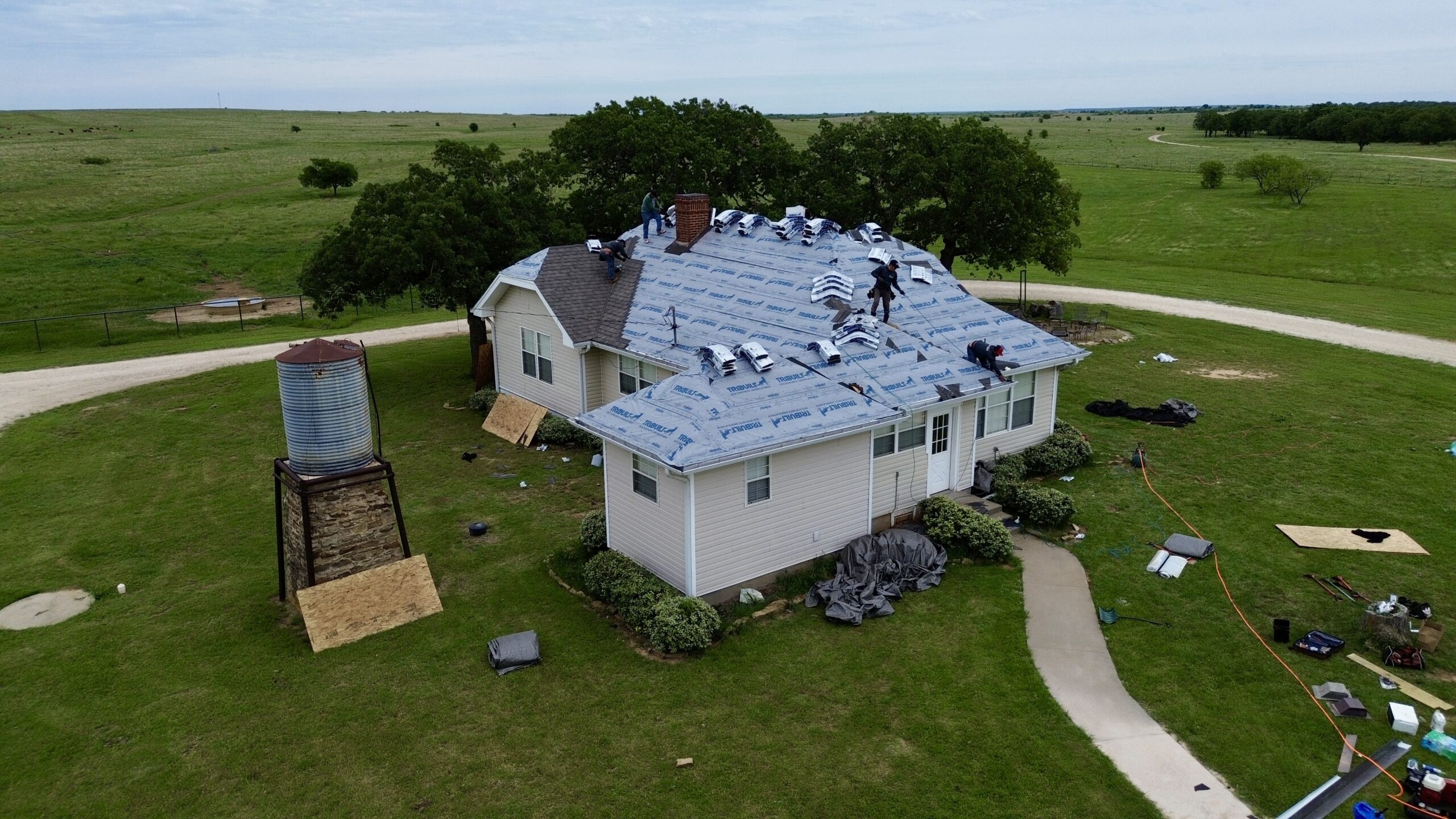
Weather conditions can influence both the initial installation requirements and the long-term cost of a roofing system. Homes in areas exposed to severe storms may require roofing products with appropriate wind resistance and installation specifications. In regions with intense sunlight, homeowners may also consider materials and designs that perform well under prolonged heat exposure.
Heavy rainfall makes water management especially important. Proper flashing, drainage, underlayment, and installation details can be just as important as the visible roofing material. Choosing an inexpensive material without considering the property’s environmental conditions may result in higher maintenance expenses later.
Cold climates can introduce different concerns, including snow loads, freezing conditions, and repeated temperature changes. The roofing material and installation system should be selected with local requirements in mind.
Homeowners should therefore discuss climate conditions with their roofing contractor before choosing a material. The lowest-priced option may not provide the best overall value if it is poorly suited to the property’s environment.
Maintenance and Repair Costs
Installation price provides only a snapshot of the total cost of owning a roof. Maintenance and repairs can influence the financial value of a roofing system over many years. Some materials require more regular attention than others, while severe weather can affect any roofing system regardless of its original price.
Routine inspections can help identify problems before they become larger repairs. Missing or damaged roofing components, deteriorated flashing, blocked drainage, and other issues may be easier and less expensive to address when discovered early.
Maintenance requirements can also vary by material. Wood roofing may require greater attention to moisture and environmental exposure, while tile and slate may require specialized replacement pieces when damage occurs. Metal roofing may require inspection of fasteners, seams, coatings, and other system components.
The availability of qualified repair professionals can also affect long-term costs. Widely used materials may have a larger pool of contractors and replacement products, while specialty materials may require a contractor with specific experience.
A homeowner should therefore consider maintenance expectations when comparing installation costs. Paying more initially can sometimes be reasonable when the material offers characteristics that reduce long-term replacement or maintenance needs.
Upfront Cost Versus Long-Term Value
The difference between price and value is particularly important when comparing roofing materials. Price describes how much the homeowner spends on installation, while value considers what the homeowner receives in return over the roof’s useful life.
A lower-cost material may be attractive when the budget is limited or when the homeowner expects to sell the property relatively soon. However, a homeowner planning to remain in the property for decades may place greater importance on longevity, durability, maintenance requirements, and replacement frequency.
A simple way to think about the comparison is to consider the expected cost over the period the homeowner plans to own the property. This does not produce a guaranteed future cost because repairs and replacement dates can vary, but it encourages a broader evaluation than simply comparing installation estimates.
Warranty coverage should also be reviewed as part of the long-term value assessment. Material warranties and workmanship warranties can have different terms and limitations, and homeowners should understand what each warranty actually covers.
Professional installation remains essential regardless of the selected material. A premium roofing system cannot deliver its expected benefits if it is installed incorrectly, while a properly installed moderately priced material may provide reliable performance when appropriately selected for the property.
Getting Accurate Roofing Estimates
The most reliable way to compare roof installation costs is to obtain detailed estimates from qualified contractors. Ideally, homeowners should compare proposals that cover the same scope of work so that differences in price can be evaluated fairly.
A useful estimate should identify the roofing material, approximate quantity, installation labor, tear-off, disposal, underlayment, flashing, ventilation, cleanup, warranties, and any known additional work. If a contractor leaves major parts of the project vague, homeowners may find it difficult to determine the true cost.
It is also helpful to ask contractors about potential additional charges. Questions about damaged decking, unexpected structural repairs, material changes, permit costs, and disposal can reveal expenses that may not be included in the initial figure.
Homeowners should not automatically select the lowest estimate. A significantly lower price may reflect a smaller project scope, lower-grade materials, reduced preparation, or missing services. Comparing the complete proposal can provide a better understanding of which contractor offers the strongest overall value.
Evaluating the Total Cost of Ownership
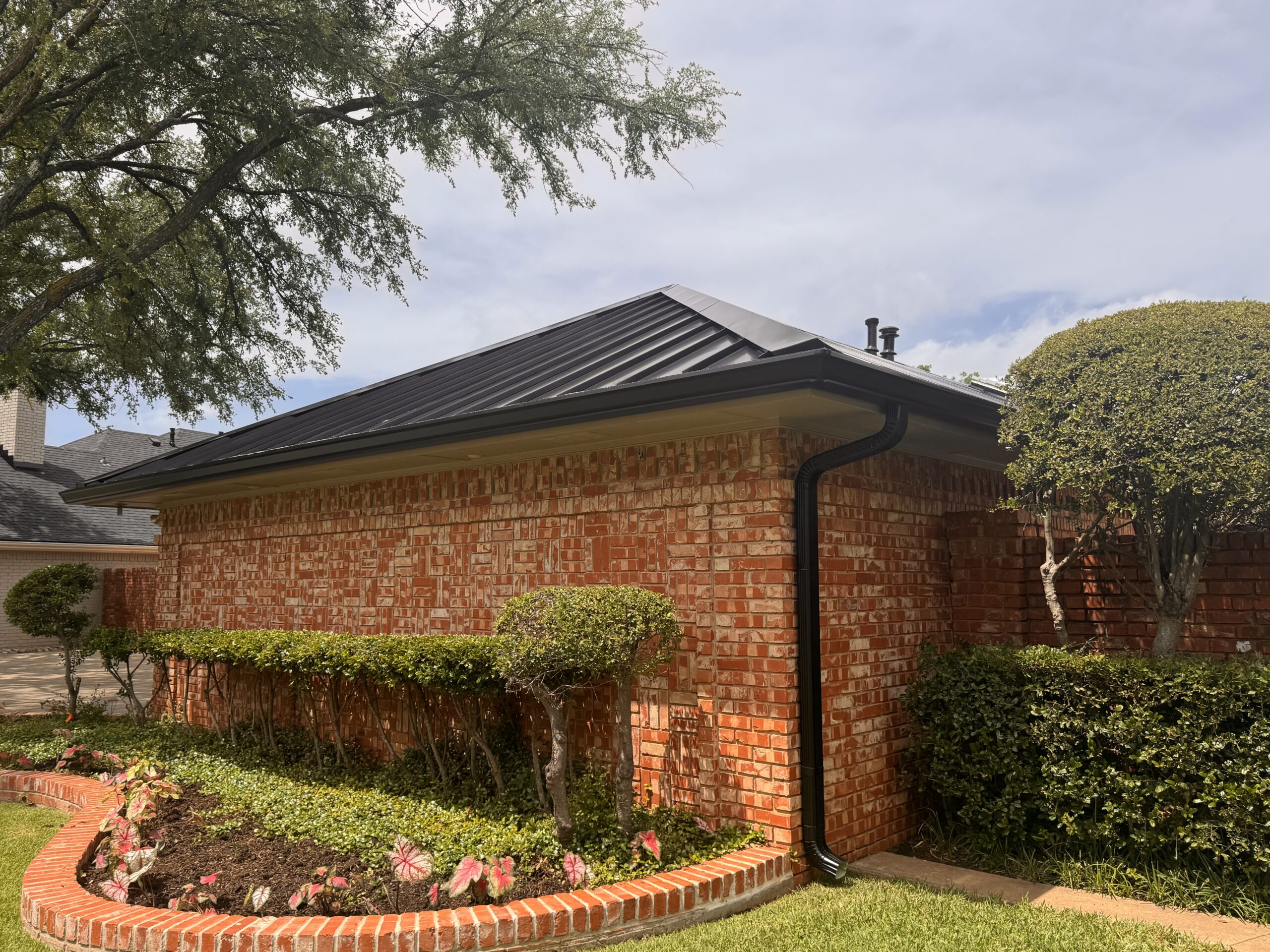
Comparing roofing materials becomes more useful when homeowners consider the total cost of ownership rather than focusing only on the installation bill. The initial price is important, but the roof may remain on the property for many years, making maintenance, repairs, energy performance, and eventual replacement relevant to the overall investment.
A lower-priced material may provide an attractive starting point, particularly for homeowners with a limited budget. However, if it requires earlier replacement or more frequent repairs, the long-term cost can become less favorable than expected. More expensive materials may offer greater durability, although their higher initial price should still be weighed against the homeowner’s financial situation.
The expected ownership period can influence the decision as well. Homeowners planning to remain in the property for many years may place greater value on longevity, while those expecting to move sooner may prioritize manageable upfront costs and broad buyer appeal.
Choosing a Roofing Material Based on Budget
A roofing budget should be established before selecting a material. Homeowners should determine how much they can comfortably spend without putting unnecessary pressure on other household expenses or taking on unaffordable debt.
For homeowners seeking a practical and relatively accessible option, asphalt shingles may provide a reasonable starting point. They are available in different styles and price levels, allowing homeowners to select a product that fits the property’s appearance and budget.
Metal, tile, synthetic composite, and slate roofing can require a larger initial investment. These materials may be appropriate when homeowners prioritize durability, appearance, or long-term performance, but the additional cost should be justified by the property’s requirements and the homeowner’s plans.
Budget should not be the only factor. Choosing the least expensive material without considering climate, roof structure, installation requirements, and expected service life can create additional expenses later.
Identifying Hidden Roofing Expenses
Some roofing costs are difficult to identify before the existing roof is removed. Damaged decking, deteriorated flashing, inadequate ventilation, or unexpected structural problems can increase the final project price.
Homeowners can reduce surprises by asking contractors to explain which conditions could lead to additional charges. A written estimate should clearly identify the main project scope and explain how unexpected work will be priced if it becomes necessary.
Disposal and cleanup are also worth checking. Some estimates include these services, while others may list them separately. Comparing complete project totals rather than individual material prices can prevent homeowners from choosing an apparently inexpensive proposal that contains numerous additional charges.
Permits and inspections may also contribute to the overall cost depending on local requirements. Homeowners should ask whether these expenses are included in the contractor’s estimate or whether they will need to be handled separately.
Comparing Contractor Estimates
Getting multiple estimates can help homeowners understand whether a roofing proposal is reasonably priced. However, the estimates should be compared based on the same scope of work rather than simply selecting the lowest total.
One contractor may recommend a particular shingle grade, while another may quote a premium product. Similarly, one estimate may include new flashing and ventilation improvements while another may assume the existing components will remain. These differences can make two apparently similar prices difficult to compare.
Homeowners should review the material specifications, labor, tear-off, disposal, underlayment, flashing, ventilation, cleanup, warranties, and additional work included in each proposal. Asking contractors to explain significant differences can make the comparison much clearer.
Experience with the selected roofing material should also be considered. A contractor who regularly installs the chosen system may be better prepared to follow its specific installation requirements and manufacturer guidelines.
Balancing Cost With Roofing Performance
The best roofing material is not necessarily the cheapest or most expensive option. It should provide an appropriate combination of cost, durability, appearance, maintenance requirements, and performance for the specific property.
Climate should remain part of the decision. Materials need to withstand the environmental conditions common in the area, while the roof design and installation method should support proper drainage, ventilation, and weather resistance.
Homeowners should also consider how the material fits the property’s architectural style. Asphalt shingles can suit many residential designs, while tile, slate, wood, and certain metal systems may complement specific architectural appearances particularly well.
Professional installation is equally important. Even a high-quality roofing product may experience premature problems if it is installed incorrectly, so homeowners should evaluate workmanship alongside material quality and price.
Making the Final Roofing Material Decision
Once homeowners understand the installation costs and long-term considerations, they can narrow their choices based on what matters most for their property. A useful decision should consider the total project estimate, expected service life, maintenance needs, climate suitability, structural requirements, and available budget.
Homeowners should avoid making the decision based entirely on an online price range. Roofing costs vary by location, material quality, roof complexity, labor rates, and current market conditions, so a professional inspection and detailed estimate provide more useful information.
It is also worth considering whether the selected material can be repaired or replaced easily in the future. Availability of replacement products and qualified installers can influence maintenance costs throughout the roof’s life.
Taking time to compare these factors can prevent homeowners from focusing too heavily on the initial installation bill. The goal is to select a roofing system that provides appropriate protection and value without creating unnecessary financial strain.
Conclusion
Comparing roof installation costs across different materials requires a broader perspective than simply looking at the price of shingles, panels, tiles, or other roofing products. Asphalt shingles may provide an accessible option for many homeowners, while metal, wood, tile, synthetic composite, and slate systems can offer different combinations of durability, appearance, and long-term performance.
Installation costs are affected by far more than the roofing material itself. Roof size, pitch, design complexity, labor requirements, existing roof removal, underlayment, flashing, ventilation, structural repairs, disposal, and local conditions can all influence the final price.
Homeowners should also consider the long-term cost of ownership. A material with a higher upfront price may provide greater value when its service life, maintenance requirements, and replacement frequency are considered, while a lower-cost option may remain attractive when upfront affordability is the primary concern.
The most effective approach is to obtain detailed estimates from qualified roofing contractors and compare proposals based on the same scope of work. Reviewing materials, labor, preparation, warranties, potential additional charges, and installation requirements can provide a much clearer understanding of the true project cost.
Ultimately, the right roofing material is the one that fits the property’s structure, climate, appearance, expected ownership period, and financial plan. By looking beyond the initial installation price and considering both immediate expenses and long-term value, homeowners can make a more confident roofing decision and invest in a system that provides dependable protection for years to come.