

Installing Roofs During Summer Heat Conditions Explained
Introduction
Summer can be an attractive time to install a new roof because longer daylight hours can provide contractors with more time to complete the work. Dry weather can also make it easier to remove existing roofing materials, prepare the roof deck, and install new components without frequent interruptions from rain. However, high temperatures and direct sunlight create their own challenges that must be considered before roofing work begins.
Extreme heat can affect roofing materials, workers, tools, equipment, and the roof surface itself. Some materials become softer or more flexible when exposed to high temperatures, while adhesives and sealants can behave differently in hot conditions. At the same time, workers performing physically demanding tasks on a roof can be exposed to intense heat and sunlight for several hours.
Proper planning is therefore important when installing a roof during summer. A contractor needs to consider the weather forecast, material requirements, job-site conditions, worker safety, and the manufacturer’s installation instructions. Scheduling the work at suitable times of the day can also reduce unnecessary exposure to the hottest conditions.
Summer roofing does not automatically create problems when the project is planned correctly. In many cases, warm conditions can actually help certain roofing materials perform as intended during installation. The key is understanding how heat affects each part of the process and making adjustments when temperatures become excessive.
Understanding How Summer Heat Affects Roof Installation
High temperatures can influence almost every stage of a roofing project. The roof surface can become significantly hotter than the surrounding air because roofing materials absorb solar radiation throughout the day. Dark-colored surfaces can become particularly hot under direct sunlight, creating a difficult environment for both workers and materials.
Roofing materials may change their physical characteristics as temperatures rise. Asphalt-based products, for example, can become softer and more flexible in hot weather. This flexibility can sometimes help shingles settle and form seals, but excessive heat can also make materials easier to damage if they are handled incorrectly.
Adhesives and sealants can also react differently under high temperatures. Some products may become softer and easier to spread, while others may cure or set more quickly than expected. Contractors need to follow the manufacturer’s instructions because temperature limits and handling requirements can differ between products.
The roof deck can also become hot during prolonged exposure to sunlight. When workers are kneeling, standing, or moving across the surface, the heat can increase physical strain. A hot roof can also make certain tools, metal components, and exposed surfaces uncomfortable or unsafe to handle.
Summer conditions can affect the project in several ways:
- Materials may become softer or more flexible.
- Adhesives and sealants may behave differently.
- Roof surfaces can become much hotter than air temperatures.
- Workers may experience increased heat stress and fatigue.
- Direct sunlight can affect visibility and working comfort.
Wind can make hot conditions more complicated as well. Strong summer winds can interfere with material handling, especially when lightweight underlayment, flashing components, or loose roofing materials are being positioned on the roof. Contractors should therefore consider the complete weather forecast rather than focusing only on the temperature.
Heat can also influence the pace of construction. Workers may need more frequent rest periods and hydration breaks, particularly during extreme temperatures. Attempting to maintain a normal work pace during dangerous heat can increase the risk of accidents and reduce the quality of installation.
Understanding these effects allows contractors to plan the installation more effectively. Instead of treating summer heat as simply a temperature issue, it should be considered as a combination of material, environmental, and worker-safety factors.
Preparing the Roof and Job Site Before Installation
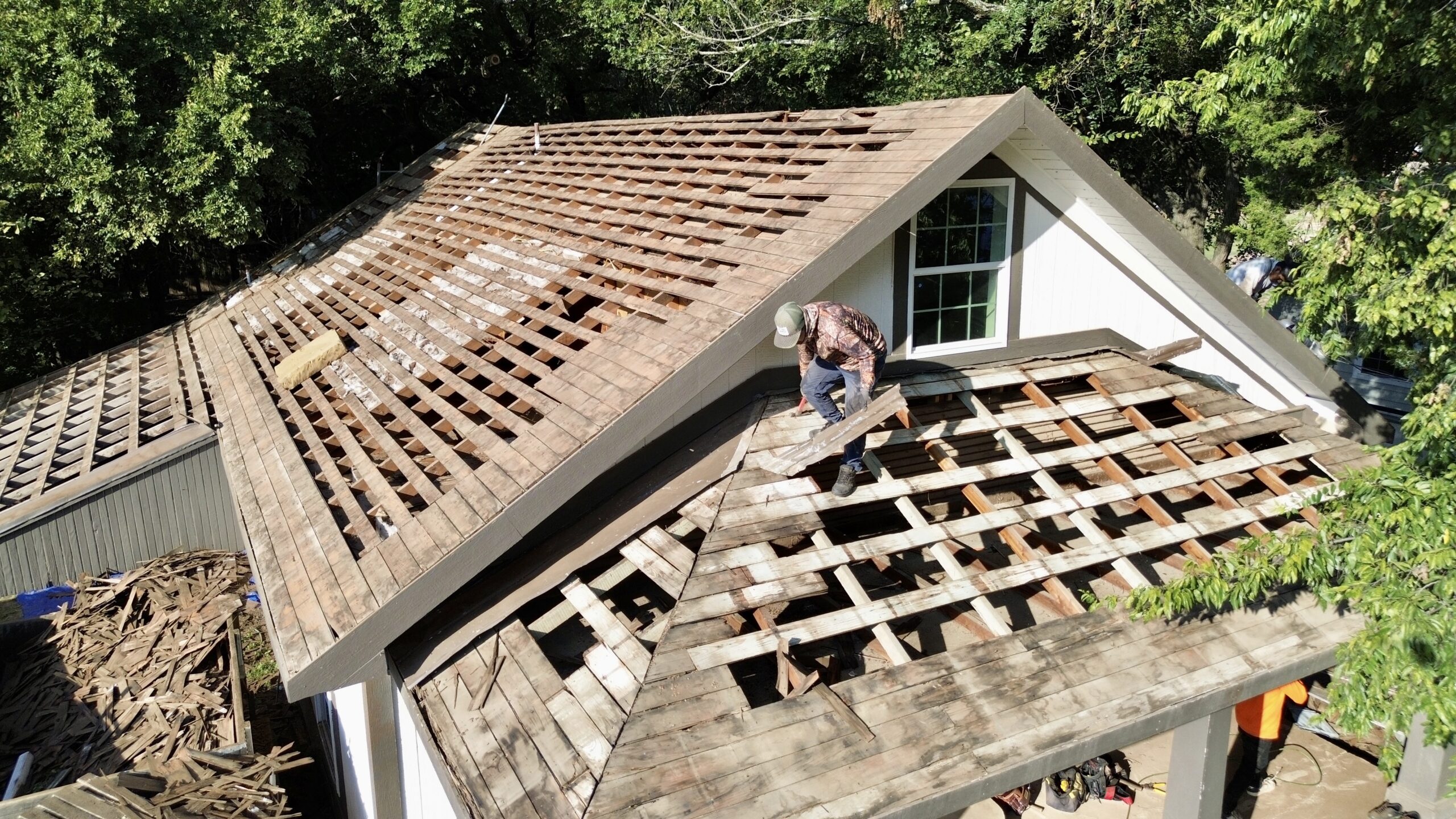
Proper preparation becomes particularly important when roofing work is scheduled during hot weather. Before materials are installed, the contractor should inspect the existing roof, evaluate the roof deck, organize the work area, and determine how materials will be moved safely around the property. Preparing these details before the hottest part of the day can make the installation more efficient.
The existing roofing system should be inspected for visible damage and conditions that could affect the replacement. Damaged decking, deteriorated structural components, moisture problems, or other issues may need to be addressed before the new roofing system is installed. Identifying these conditions early can reduce unexpected interruptions once the project is underway.
The job site should also be organized so that workers can access materials without unnecessary movement across hot surfaces. Roofing materials should be placed in locations that are convenient for installation while avoiding areas where excessive heat, moisture, or direct sunlight could damage them. The manufacturer’s storage requirements should always take priority.
Tools and equipment should be checked before work begins. High temperatures can affect batteries, power tools, hoses, compressors, and other equipment used during roofing work. Having properly maintained equipment available can reduce delays and prevent workers from spending unnecessary time on the roof.
Access to drinking water and suitable shaded areas should also be planned before installation starts. Workers may need regular opportunities to move away from direct sunlight and recover from heat exposure. A prepared job site makes these breaks easier to manage without disrupting the overall workflow.
Homeowners can also help prepare the property before the roofing crew arrives. Outdoor furniture, vehicles, fragile decorations, and other items around the building may need to be moved or protected. Roofing work can produce dust, debris, and noise, so preparing the surrounding area can make the project safer and more organized.
Choosing Roofing Materials for Hot Weather
The choice of roofing materials can influence how well a roof performs in hot summer conditions. Different roofing systems have different thermal characteristics, installation requirements, durability ratings, and responses to prolonged sunlight. Material selection should therefore consider the local climate as well as the design and requirements of the building.
Asphalt shingles are widely used in residential roofing and can be installed successfully during warm weather when the manufacturer’s requirements are followed. Heat can soften asphalt-based components and help certain shingles form stronger bonds as they are exposed to sunlight. However, excessive heat can make the shingles more vulnerable to scuffing or damage if workers walk carelessly across them.
Metal roofing behaves differently from asphalt-based materials. Metal panels can become extremely hot when exposed to direct sunlight, making handling more difficult for workers. At the same time, metal roofing can provide useful durability and reflectivity characteristics depending on the selected finish and system design.
Tile and other rigid roofing materials can also be installed during summer, but their handling requirements remain important. Some materials can become hot enough to create uncomfortable working conditions, while improper movement across installed areas can cause cracking or breakage. Contractors should follow the installation procedures specified for the particular roofing system.
Reflective or light-colored roofing materials may be considered in climates where reducing solar heat gain is an important objective. However, the appropriate choice depends on the building, climate, roof design, energy requirements, and available products. A roofing professional can help evaluate the characteristics of different systems rather than choosing materials based only on color.
Material selection should also consider more than summer temperatures. A roof must withstand changing weather throughout the year, including rain, wind, cold conditions, and other environmental stresses. Choosing a material solely because it performs well in hot weather may overlook other requirements that are important to the property’s long-term performance.
Before selecting a roofing system, contractors and property owners should consider:
- Local climate and typical summer temperatures.
- Manufacturer installation and temperature requirements.
- Expected solar exposure and roof orientation.
- Material durability and maintenance requirements.
- Applicable building and energy code requirements.
The selected roofing system should be appropriate for the property as a whole. Professional installation remains important because even high-quality materials can perform poorly when they are installed incorrectly or outside the manufacturer’s specified conditions.
Managing Roofing Material Storage in High Temperatures
Roofing materials should be stored carefully during summer because prolonged exposure to high temperatures can affect certain products. Materials should generally remain in the conditions recommended by their manufacturers until they are ready to be installed. Improper storage can cause deformation, damage, contamination, or other problems that may affect installation quality.
Shingles are an important example because they can become more flexible when exposed to heat. Storing bundles on a hot surface or in direct sunlight for extended periods may affect their condition. Materials should be placed on a suitable, stable surface and protected according to the manufacturer’s storage instructions.
Some products should remain covered but still require adequate ventilation. Completely enclosing materials in a way that traps excessive heat or moisture may create its own problems. Contractors should follow the specific storage requirements provided for each product instead of using the same storage method for every roofing component.
Adhesives, sealants, coatings, and other chemical products may have specific temperature ranges for storage and application. Some products can become excessively fluid when exposed to high temperatures, while others may have limits concerning direct sunlight or storage duration. Reading the product label and manufacturer’s instructions before use is essential.
Material handling should also be considered. Heavy bundles can be difficult to move safely during extreme heat because workers are already experiencing increased physical strain. Planning material deliveries and placement can reduce unnecessary lifting and movement during the hottest periods of the day.
Keeping materials organized also helps protect the installation process. Products should not be left scattered across the roof where they could become obstacles or be affected by changing weather conditions. A clean and organized work area makes it easier for workers to locate the correct materials and reduces the risk of accidental damage.
If materials appear warped, damaged, overheated, contaminated, or otherwise unsuitable for installation, they should not simply be used because the project is already underway. The contractor should determine whether the material remains acceptable according to the manufacturer’s requirements. Replacing compromised materials may be preferable to installing products that could affect the performance of the finished roof.
Worker Safety During Extreme Summer Heat
Worker safety is one of the most important considerations when installing roofs during summer heat. Roofing already involves elevated work, ladders, tools, heavy materials, and uneven surfaces, and extreme heat can increase fatigue and reduce concentration. Heat-related illness can develop quickly when workers are exposed to high temperatures and direct sunlight for extended periods.
Roofing workers may be exposed to additional heat because roof surfaces can become considerably hotter than the surrounding air. Protective clothing and safety equipment can also make it more difficult for the body to release heat. For this reason, workers need appropriate opportunities to hydrate, rest, and cool down during demanding summer projects.
Work scheduling can help reduce heat exposure. When conditions allow, contractors may plan physically demanding tasks during cooler portions of the day and reduce work during the hottest periods. The appropriate schedule depends on the local weather, project requirements, and safety procedures used by the roofing company.
Hydration should be available throughout the workday rather than waiting until workers feel severely thirsty. Suitable shaded or cooled areas can provide workers with a place to recover during breaks. Supervisors should also pay attention to signs that a worker may be struggling with the heat.
Common warning signs can include unusual weakness, dizziness, headache, excessive fatigue, confusion, nausea, or other concerning symptoms. Workers should not be expected to continue working through serious symptoms. Appropriate workplace heat-safety procedures should be followed whenever someone appears to be experiencing heat-related illness.
Personal protective equipment remains necessary even in hot conditions. Workers should not remove required safety equipment simply because temperatures are uncomfortable. Instead, contractors should plan work practices that balance heat management with fall protection, eye protection, gloves, footwear, and other required protective measures.
The job site’s physical conditions should also be monitored throughout the day. As temperatures rise, surfaces can become more difficult to walk on, materials may become softer, and workers may become less alert. Supervisors can adjust the work plan when conditions become unsafe rather than treating the original schedule as fixed.
Planning the Installation Schedule Around Heat Conditions
Scheduling can make a significant difference when installing a roof during summer. The hottest part of the day is not always the most suitable period for demanding roofing tasks, especially during periods of extreme heat. A thoughtful schedule can help reduce worker exposure while still taking advantage of longer summer daylight hours.
Weather forecasts should be reviewed before the project begins and monitored during the installation. Temperature is only one factor, so contractors should also consider humidity, wind, precipitation, cloud cover, and other conditions that can influence the safety and quality of the work. Sudden changes in weather can affect material handling and the ability to complete exposed sections of the roof.
Morning work can provide cooler conditions in many climates, although the exact timing depends on the local environment. Contractors may choose to complete preparation and physically demanding tasks earlier when conditions are more manageable. As temperatures increase, work practices can be adjusted to reduce exposure to the hottest roof surfaces.
The project schedule should also include enough time for breaks and unexpected conditions. Trying to finish a task quickly because of a tight schedule can encourage unsafe practices when workers are already fatigued. Building reasonable flexibility into the schedule can make it easier to stop, cool down, or adjust activities when conditions become extreme.
Material deliveries can be coordinated with the installation schedule as well. Delivering large quantities of roofing materials too early may expose them to unnecessary heat, while delaying deliveries too long can interrupt the work. Proper planning helps ensure that materials arrive when they can be safely stored and used.
Homeowners should understand that extreme heat may affect the planned completion date. A professional contractor may need to modify working hours, take additional safety breaks, or temporarily stop work if conditions become unsafe. These adjustments are part of responsible project management rather than an indication that the roofing crew is working inefficiently.
A summer roof installation should ultimately prioritize both safety and installation quality. Longer daylight hours can provide scheduling flexibility, but they should not be used as a reason to extend work into unsafe conditions. By planning around weather patterns, material requirements, and worker safety, contractors can create a more controlled installation process.
How Heat Affects Asphalt Shingle Installation
Asphalt shingles are commonly installed during warm weather, and moderate summer temperatures can actually support certain parts of the installation process. Heat can soften the asphalt and activate the shingles’ factory-applied adhesive strips, helping them bond as intended. However, extremely high temperatures can also make shingles softer and more vulnerable to scuffing, tearing, bending, or other damage during handling.
Workers should take care when walking across newly installed shingles during hot conditions. The combination of heat and pressure can leave marks or damage the surface granules, particularly when workers repeatedly move across the same area. Using appropriate footwear and installation practices can help minimize unnecessary damage to the roofing surface.
Shingles should also be handled according to the manufacturer’s instructions. When bundles are moved, lifted, or positioned on the roof, workers should avoid bending them excessively or dragging them across the roof deck. Excessive heat can make asphalt materials more flexible, so careless handling can increase the chance of deformation.
Another important consideration is the adhesive bond. Some shingles are designed to seal through exposure to sunlight and warmth, while others may require additional fastening or manual sealing under certain conditions. Contractors should follow the installation instructions for the specific product instead of assuming that high temperatures automatically guarantee proper sealing.
Hot weather can also affect the appearance of installed shingles during the early stages of the project. Slight variations in how materials settle or seal may become less noticeable as the roof is exposed to normal weather conditions. Proper installation remains essential because heat alone cannot correct incorrect alignment, fastening, or preparation.
Roofers should also consider how long materials have been exposed to direct sunlight before installation. Shingles that have become excessively hot may be more difficult to handle safely. Organizing bundles so that workers can access them efficiently without unnecessary movement can help reduce physical strain and material damage.
The roof’s slope can influence how difficult hot-weather installation becomes. Steeper roofs already require careful fall protection and controlled movement, and high temperatures can add another challenge. Contractors should maintain required safety practices even when heat makes the work physically uncomfortable.
Warm weather should therefore be viewed as both a benefit and a potential challenge for asphalt shingle installation. Suitable temperatures can help the shingles seal, but excessive heat requires greater attention to handling, worker safety, surface protection, and manufacturer requirements.
Installing Underlayment and Flashing in Hot Weather
Underlayment provides an additional layer of protection beneath the primary roofing material, and its installation must be handled carefully during summer conditions. Different underlayment products can have different temperature, storage, and installation requirements. Contractors should review the manufacturer’s instructions before exposing or installing the material in extreme heat.
Some underlayment products may become softer or more flexible as temperatures increase. This can affect how easily the material can be positioned and secured. Workers should avoid stretching products beyond the manufacturer’s requirements because excessive tension can affect how the material performs after installation.
Direct sunlight can also make underlayment surfaces uncomfortable to work on. Workers may need to minimize unnecessary exposure and organize the installation so that sections are completed efficiently. Proper preparation of the roof deck remains important because the underlayment should be installed over an appropriate and clean surface.
Flashing requires similar attention because it is responsible for protecting vulnerable areas where the roof meets walls, chimneys, skylights, vents, valleys, and other penetrations. Metal flashing can become extremely hot under direct sunlight. Workers should use appropriate handling practices and avoid unnecessary contact with overheated surfaces.
The flexibility of certain flashing materials can also change with temperature. Some components may be easier to shape when warm, but excessive heat does not eliminate the need for accurate measurements and proper installation. Flashing should remain securely positioned and correctly integrated with the surrounding roofing system.
Underlayment and flashing should be installed in the correct sequence according to the roofing system’s requirements. Incorrect sequencing can create pathways for water intrusion even if the materials themselves are high quality. Contractors should therefore prioritize the manufacturer’s instructions and applicable roofing standards rather than speeding up the installation because of hot weather.
Another consideration is temporary exposure. If underlayment is installed but the final roofing material will not be placed immediately, the contractor should verify how long the product can remain exposed to sunlight and weather. Some products have specific exposure limitations that need to be followed.
The same principle applies to flashing materials and accessories. Components should not be left exposed unnecessarily when they are intended to be incorporated into the completed roof assembly. Proper scheduling helps ensure that each layer is installed and protected within the conditions specified for the product.
Handling Roofing Adhesives and Sealants During Summer
Adhesives, sealants, cement, coatings, and other roofing compounds can behave differently in high temperatures. Some products become more fluid when warm, while others may cure faster than expected. These changes can affect application, positioning, bonding, and finishing if workers are not familiar with the product requirements.
Manufacturers commonly provide temperature ranges for storage and application. These instructions should be followed carefully because a product that is suitable at one temperature may not perform in the same way under extreme heat. Contractors should review the product label and technical documentation before using adhesives or sealants on a hot roof.
Direct sunlight can increase the temperature of the container and the material inside it. Products should be stored in the manner recommended by the manufacturer and protected from excessive heat when necessary. Leaving containers exposed to intense sunlight for long periods can change the consistency of some materials.
Application speed can also become important. A sealant that begins to cure quickly may become difficult to work with if it is spread over a large area before the installer can properly finish it. Workers may need to apply the product in manageable sections so that it can be installed and finished according to the manufacturer’s instructions.
Excessive heat can also make some materials run or spread more easily than intended. Applying too much product may create messy conditions and can interfere with the appearance or performance of the finished roof. Using the correct quantity and application method is important regardless of temperature.
Adhesives should not be used simply because they feel workable. A product may appear easy to spread while still being outside its recommended application conditions. The manufacturer’s temperature limits should be treated as the controlling requirement for the product.
Weather conditions can influence curing as well. Temperature, humidity, wind, and direct sunlight can interact in different ways depending on the material. Contractors should allow sufficient time for the product to set or cure before exposing it to conditions that could affect the bond.
Proper handling of adhesives and sealants helps prevent problems that may not become visible immediately. A poorly bonded component can allow water intrusion or become detached later, even if the roof initially appears complete. Following product instructions during summer installation is therefore an important part of long-term roof performance.
Managing Roof Deck and Surface Temperatures
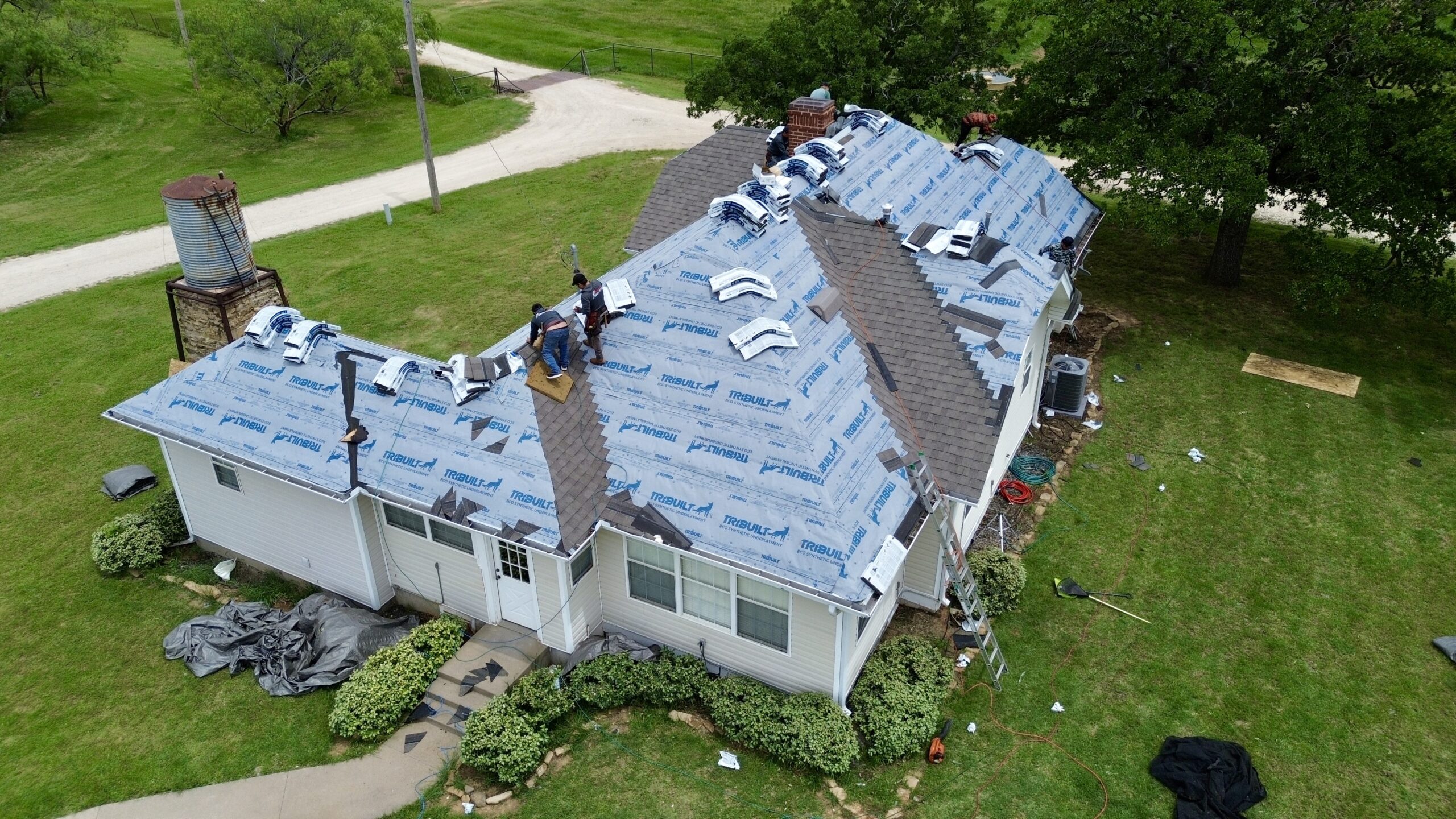
The roof deck is the foundation of the roofing system, and its condition should be evaluated carefully before new materials are installed. During summer, the deck can become very hot after hours of direct solar exposure. High surface temperatures can affect working conditions and may also influence how certain roofing products behave during installation.
Before covering the deck, contractors should inspect it for damage, deterioration, moisture problems, and other conditions that could affect the new roof. A damaged deck may need repair or replacement before underlayment and roofing materials are installed. Covering a defective surface can make future problems more difficult to identify and repair.
Surface temperature can also affect workers’ ability to move safely around the roof. Hot surfaces can increase fatigue, particularly when workers must kneel or stand for extended periods. Planning work in shorter sections and allowing appropriate breaks can help reduce unnecessary exposure.
Tools and metal components can become extremely hot when left in direct sunlight. Workers should handle equipment carefully and avoid placing tools where they can create hazards or damage finished roofing materials. Organizing the work area can reduce the need to repeatedly move equipment across hot surfaces.
Roof color can influence surface temperature as well. Dark roofing materials generally absorb more solar energy than lighter surfaces, although actual temperatures depend on several environmental and material factors. Contractors should consider the selected material and roof exposure when planning summer work.
Moisture management is another consideration. If the roof deck has been exposed to rain or morning moisture, the contractor should make sure the surface meets the installation requirements of the roofing system before proceeding. High temperatures do not automatically make a damp or unsuitable surface ready for installation.
Some roofing products may have specific substrate temperature requirements. These requirements can affect whether an adhesive, coating, membrane, or other material can be installed successfully. Measuring or assessing conditions may be necessary when temperatures become extreme.
The goal is to create suitable installation conditions rather than simply waiting for the roof to become hot enough. Contractors should follow the product requirements and adjust the schedule when surface temperatures exceed acceptable limits. This approach helps protect both the workers and the roofing system.
Protecting Materials From Heat and Sun Exposure
Roofing materials can be damaged when they are exposed to unsuitable storage conditions before installation. Summer sunlight can heat products significantly, particularly when materials are left uncovered on the roof or placed on dark surfaces. Contractors should therefore plan material placement carefully throughout the installation.
Roofing bundles should be positioned in accordance with manufacturer instructions and the structural requirements of the roof. Excessive concentration of heavy materials in one location can create unnecessary loads, while poorly placed materials can interfere with worker movement. Balanced material distribution can make the job safer and more efficient.
Some products require protection from direct sunlight or extreme temperatures before installation. Underlayment, membranes, adhesives, coatings, insulation, and other components can have different storage requirements. Contractors should not assume that every material can be stored outdoors under the same conditions.
Packaging should remain intact where appropriate. Damaged or opened packaging can expose products to moisture, dirt, ultraviolet radiation, or other environmental conditions. Keeping materials protected until they are needed can help preserve their intended performance.
Material placement should also consider the progress of the installation. Bringing all materials onto the roof at once may expose them to unnecessary heat and create clutter. Delivering or positioning materials in stages can reduce the time they remain exposed and make the work area easier to manage.
Homeowners may also need to consider where materials are delivered and stored around the property. A driveway, lawn, garage, or other surface may have different limitations concerning heat, weight, or access. The contractor should choose storage locations that protect the materials without creating hazards for people or property.
When materials are found to be damaged by heat or improper storage, they should be evaluated before installation. Using a compromised product simply to avoid delaying the project can create larger problems later. If there is uncertainty about whether a material remains suitable, the contractor should consult the manufacturer or follow the applicable replacement procedure.
Maintaining Proper Ventilation During Summer Roof Installation
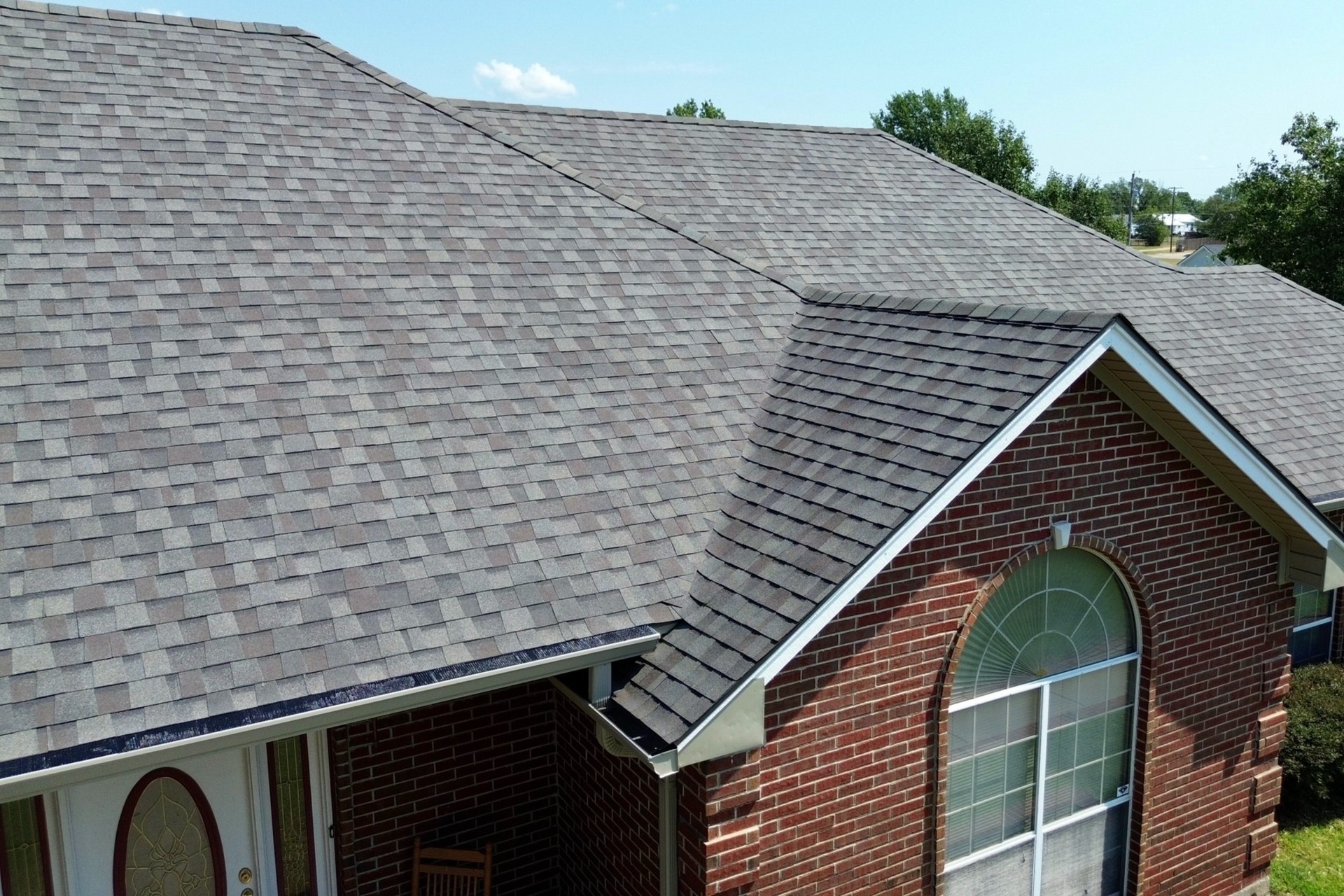
Ventilation is an important part of roof performance, particularly in climates where buildings experience high summer temperatures. A properly designed ventilation system can help manage heat and moisture within the roof assembly. However, ventilation should be considered as part of the overall roof design rather than added randomly during installation.
Roofing projects can provide an opportunity to inspect existing ventilation components. Contractors may identify damaged vents, blocked openings, missing components, or other conditions that affect airflow. If ventilation is being modified as part of the project, the proposed changes should be consistent with applicable building requirements.
Attic ventilation and roof ventilation systems generally depend on a balanced arrangement of intake and exhaust pathways. Simply adding additional exhaust vents without considering the rest of the system may not produce the expected result. The design should account for the building’s existing conditions and the requirements of the selected roofing system.
High summer temperatures can make ventilation particularly important for indoor comfort and roof performance, but ventilation does not replace proper insulation or other building-envelope measures. A roof assembly should be designed as a complete system that manages heat, moisture, and weather exposure appropriately.
Roof penetrations associated with ventilation equipment must also be properly flashed and sealed. A ventilation component can create a potential water-entry point if it is installed incorrectly. Contractors should follow the manufacturer’s installation requirements and ensure that flashing is integrated correctly with the surrounding roofing materials.
Ventilation components should not be moved or removed simply to make installation easier without considering their purpose. Changing their location can affect airflow or create compliance issues. If the roof design requires changes, those changes should be evaluated before installation.
Summer installation therefore requires attention to both immediate working conditions and long-term roof performance. A roof that looks complete from the outside still needs appropriate ventilation, flashing, insulation, and other components to function properly. Proper coordination during installation helps ensure that heat-management measures do not create new problems elsewhere in the roof assembly.
Hot-weather roofing requires more than simply choosing a suitable day to work. Material behavior, surface temperatures, adhesives, underlayment, flashing, ventilation, and worker conditions all need to be considered together. Once the installation is underway, careful quality control becomes essential to identify problems before they become permanent, while post-installation inspection and maintenance can help confirm that the finished roof is ready for long-term service.
Quality Control During Hot Weather Roof Installation
Quality control is especially important when a roof is installed during summer heat because high temperatures can influence both materials and working conditions. A roofing crew may need to make adjustments throughout the day as the roof surface becomes hotter. Regular checks can help ensure that materials are being installed correctly and that heat is not causing avoidable damage.
The first step is to confirm that the roof deck is properly prepared before the new roofing system is installed. The surface should be clean, structurally suitable, and free from conditions that could interfere with the roofing materials. Any damaged decking or structural concerns should be addressed according to the requirements of the project before the area is covered.
Material placement should also be checked as installation progresses. Shingles, membranes, flashing, underlayment, fasteners, and other components should match the approved roofing system and manufacturer requirements. Using the wrong material or installation method can create performance problems even when the finished roof initially appears acceptable.
Alignment is another important quality-control consideration. Roofing materials should be installed with the correct spacing, overlaps, courses, seams, and fastening patterns. Excessive heat can make some materials softer and easier to move, but this should not be mistaken for permission to handle or reposition them carelessly.
Flashing areas deserve particular attention because they are common locations for potential water intrusion. Roof edges, valleys, walls, chimneys, skylights, vents, and other penetrations should be inspected as installation progresses. Properly installed flashing should integrate with the surrounding roofing system rather than relying only on surface sealants.
Adhesive and sealant applications should also be checked during hot weather. If a product is spreading too quickly, curing unusually fast, or behaving differently from the manufacturer’s instructions, the installation method may need to be adjusted. Workers should not continue using a product under unsuitable conditions simply because the material appears usable.
Quality checks can be performed throughout the project rather than waiting until the entire roof is complete. This makes it easier to identify and correct problems while the affected area is still accessible. A small alignment or fastening issue is generally easier to address immediately than after several additional layers have been installed.
Documentation can support the quality-control process as well. Contractors may maintain photographs, material records, inspection notes, and other project information that shows how the installation progressed. These records can be useful if questions arise about the roof later.
Hot weather should not be used as a reason to reduce installation standards. If extreme conditions make it difficult to achieve the required quality, the contractor may need to change the work schedule or temporarily stop certain activities. Protecting the finished roof is more important than completing a task quickly under unsuitable conditions.
Common Mistakes When Installing Roofs in Extreme Heat
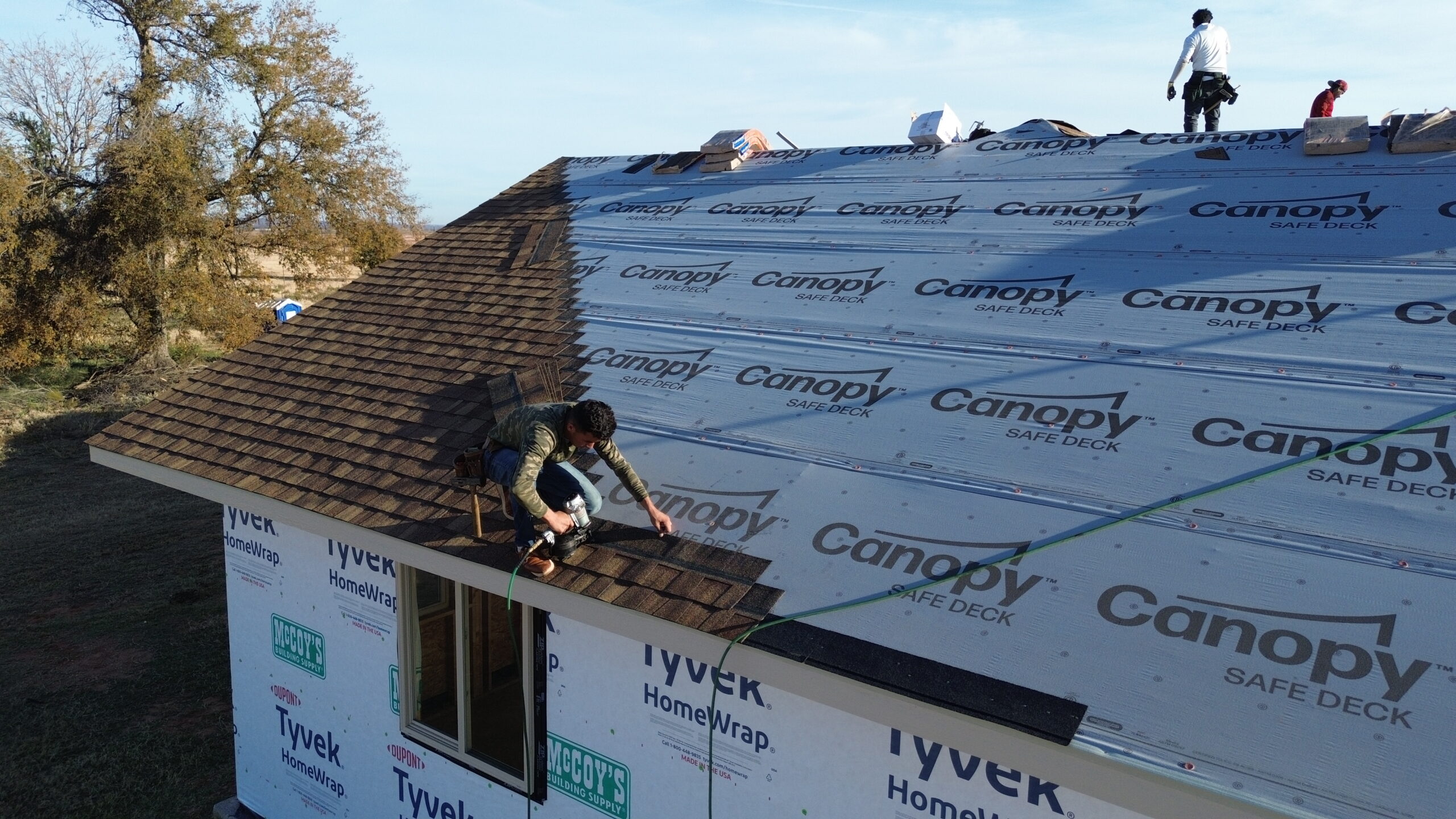
One common mistake is treating a hot summer day as though it were no different from a mild-weather installation. High temperatures can affect worker fatigue, material handling, adhesive behavior, roof surface temperatures, and equipment. Ignoring these differences can increase the risk of both safety problems and installation defects.
Another mistake is leaving roofing materials exposed to direct sunlight for longer than necessary. Products that become excessively hot may be more difficult to handle or may be outside their recommended storage conditions. Materials should be stored and positioned according to the manufacturer’s requirements throughout the project.
Walking carelessly on hot asphalt shingles can also cause damage. High temperatures can make shingles softer, increasing the risk of scuffing or disturbing the surface granules. Workers should use appropriate footwear and movement techniques and avoid unnecessary traffic over newly installed areas.
Using adhesives or sealants outside their specified temperature range is another potential problem. A product may appear workable but still fail to perform as intended if it is applied under unsuitable conditions. Following the manufacturer’s temperature and application requirements is more reliable than judging the material by appearance alone.
Workers may also underestimate the effects of roof-surface temperatures. Air temperature measurements do not fully describe the conditions on a roof exposed to direct sunlight. The surface can become significantly hotter, increasing fatigue and physical stress during installation.
A rushed installation is another risk. Contractors may feel pressure to complete the project before temperatures become even higher or before a scheduled deadline. Rushing can lead to missed fasteners, poor alignment, inadequate flashing, improper sealing, or other defects that affect the finished roof.
Some common hot-weather mistakes can be summarized as follows:
| Common Mistake | Potential Problem |
|---|---|
| Leaving materials in direct sunlight | Material damage or unsuitable handling conditions |
| Ignoring manufacturer temperature limits | Poor product performance |
| Excessive foot traffic on hot shingles | Surface scuffing or material damage |
| Skipping heat-related rest breaks | Worker fatigue and safety risks |
| Rushing installation | Errors in fastening, alignment, or flashing |
| Ignoring roof-surface temperature | Increased heat exposure and reduced working efficiency |
Another mistake is failing to monitor changing weather conditions. Summer weather can change quickly, and strong winds or unexpected storms can create hazards even when the temperature is suitable. Contractors should continue monitoring conditions throughout the workday rather than relying only on the forecast reviewed before the project began.
Finally, contractors should avoid assuming that experience eliminates the need to follow product instructions. Experienced roofing professionals may have worked in hot climates for many years, but individual products can have different requirements. Manufacturer instructions, applicable building requirements, and established safety procedures should remain the foundation of the installation process.
Post-Installation Inspection and Maintenance Considerations
Completing the roof installation is not the end of the quality-control process. A final inspection can help identify visible problems, incomplete areas, damaged materials, or installation details that need attention. The inspection should be performed carefully after the roofing system has been installed and the work area has been cleaned.
The contractor should review the roof for obvious concerns such as damaged shingles, missing components, exposed fasteners where they should not be visible, incomplete flashing, or improperly finished edges. Drainage features should also be checked to ensure that water can move away from the roof as intended.
Roof penetrations deserve additional attention during the final review. Vents, skylights, chimneys, pipes, and other openings create areas where water can potentially enter if flashing or sealants are not installed correctly. These components should be inspected to confirm that they are properly integrated into the finished roof system.
Summer conditions can also reveal certain installation issues. For example, excessive heat may make some sealants or adhesives behave differently during installation, while repeated exposure to sunlight can highlight areas where materials were not handled properly. Early inspection gives the contractor an opportunity to correct problems before they become more difficult to repair.
Homeowners should receive information about the installed roofing system when the project is completed. Useful records may include product names, warranty information, maintenance instructions, installation records, photographs, and other documents provided by the contractor or manufacturer. Keeping these records can simplify future repairs or warranty claims.
Maintenance should begin soon after installation rather than waiting until visible damage appears. The roof should be kept clear of unnecessary debris, drainage systems should remain functional, and visible problems should be addressed promptly. Regular inspections can help identify minor issues before they develop into larger repairs.
The timing of maintenance inspections depends on the roof type, climate, surrounding environment, and manufacturer’s recommendations. Properties surrounded by trees or exposed to severe weather may require more frequent attention than properties in relatively sheltered locations. Following the recommended maintenance schedule can support the roof’s long-term performance.
Homeowners should also avoid walking on the roof unnecessarily. Even properly installed roofing materials can be damaged by repeated foot traffic, particularly on steep or delicate roof systems. When inspection or repair is necessary, it is generally better to have qualified roofing professionals perform the work.
Working With Professional Roofing Contractors During Summer
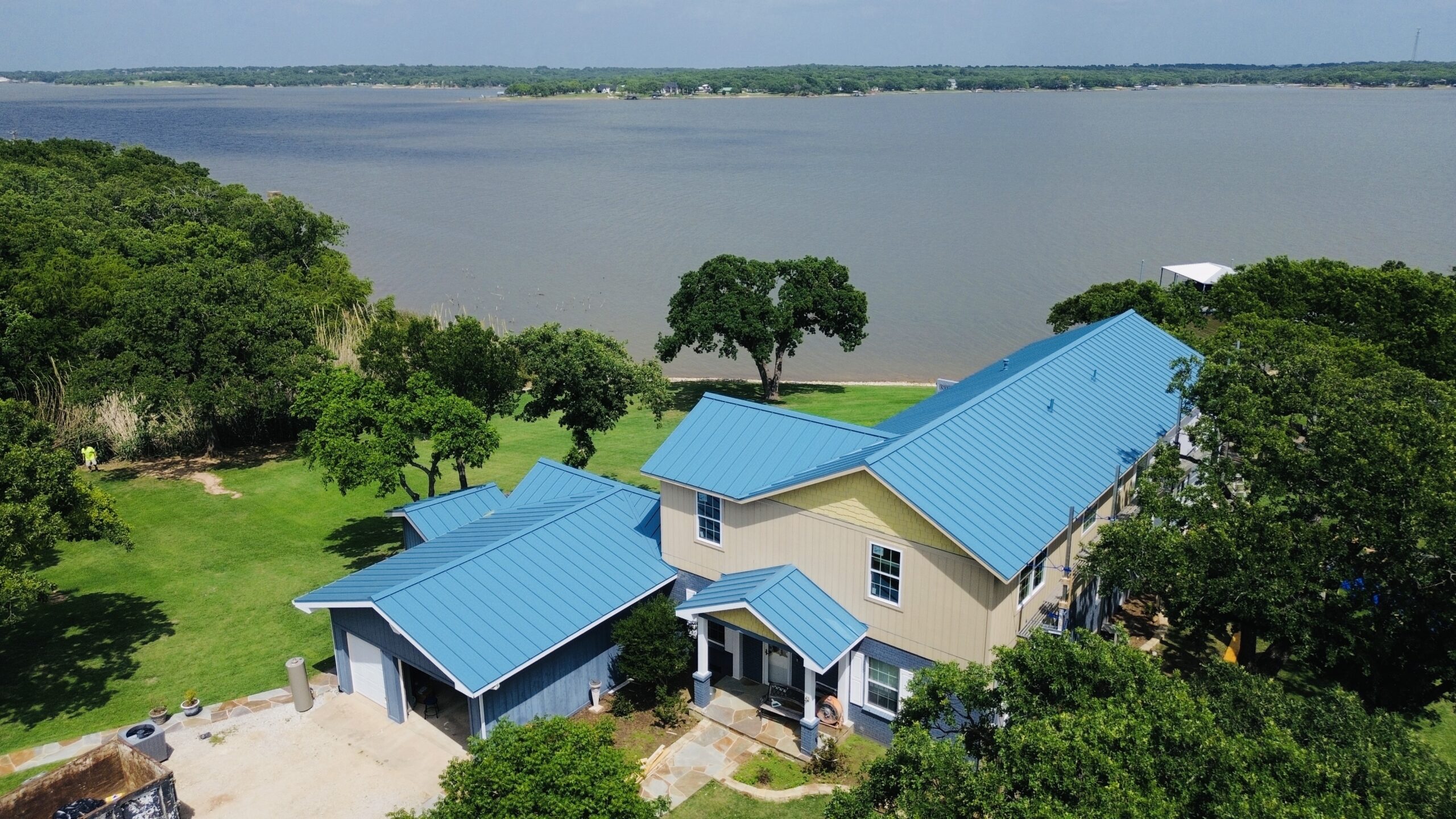
A professional roofing contractor can make summer roof installation more manageable by combining appropriate planning with safe installation practices. Contractors should evaluate weather conditions, material requirements, worker safety, and the specific roofing system before work begins. This allows the project schedule to be adjusted when extreme heat creates unsuitable conditions.
Homeowners should discuss summer working conditions with the contractor before signing a roofing agreement. The project schedule, expected work hours, material storage arrangements, weather-related delays, and inspection requirements should be clearly understood. Establishing these details early can prevent disagreements if extreme heat requires changes to the original schedule.
Contractor experience is valuable, but homeowners should also look for evidence of organized project management. A responsible roofing company should have procedures for worker safety, material handling, installation quality, and weather monitoring. The contractor should also be willing to explain how the selected roofing materials should be handled under the expected summer conditions.
The contractor should follow the manufacturer’s requirements for every major roofing component. This includes shingles, membranes, underlayment, flashing, adhesives, sealants, insulation, ventilation components, and other products used in the roof assembly. Product instructions should not be ignored simply because the crew has installed similar materials before.
Communication is particularly important when weather conditions change. If extreme heat, high winds, or storms make the roof unsafe to work on, the contractor should explain the situation and adjust the schedule appropriately. A temporary delay can be preferable to exposing workers or materials to unnecessary risk.
A professional contractor should also maintain appropriate documentation throughout the project. This can include material records, photographs, inspection information, warranty documentation, and other project details. These records provide useful evidence that the installation followed the planned process and can support future maintenance.
Homeowners can contribute to a successful installation by keeping the work area accessible and following the contractor’s instructions. Pets, children, vehicles, outdoor furniture, and fragile items should be kept away from active work areas. Roofing installation can involve falling debris and equipment, so maintaining a controlled job site benefits everyone.
The contractor should also complete a final review before considering the project finished. Any visible defects or incomplete work should be corrected, and the homeowner should receive information about maintenance and warranty requirements. A careful closeout process helps ensure that the roof is ready for long-term use.
Conclusion
Installing a roof during summer can offer useful advantages, including longer daylight hours and generally favorable dry-weather conditions, but high temperatures require careful planning. Heat can affect roofing materials, roof surfaces, adhesives, sealants, equipment, and worker safety. Understanding these conditions allows contractors to adjust their methods without compromising the quality of the finished roof.
Material handling is one of the most important considerations during hot-weather installation. Asphalt shingles can become softer, metal components can become extremely hot, and adhesives or sealants may behave differently as temperatures rise. Following manufacturer instructions for storage, application, temperature limits, and handling can help prevent avoidable material problems.
Worker safety should remain a central part of every summer roofing project. High roof-surface temperatures, direct sunlight, physical exertion, and protective equipment can increase heat exposure and fatigue. Appropriate scheduling, hydration, rest periods, shade, monitoring, and other workplace safety practices can help reduce the risks associated with extreme heat.
Installation quality also depends on careful preparation and regular inspection. Roof decks should be suitable for installation, underlayment and flashing should be properly integrated, ventilation should be considered as part of the overall roof system, and materials should be protected from excessive heat and sunlight. Checking the work throughout the installation makes it easier to correct problems before they become hidden beneath later layers.
Extreme heat should never be a reason to rush roofing work or ignore established installation requirements. If conditions become unsafe or unsuitable for a particular product, adjusting the schedule can be the responsible choice. A well-planned project balances productivity with worker safety, material performance, and long-term roof quality.
Professional roofing contractors can help homeowners manage these challenges by planning around weather conditions, following product requirements, maintaining safe working practices, and conducting thorough quality checks. When summer roof installation is approached with careful preparation and attention to detail, the finished roofing system can provide reliable protection while avoiding many of the problems associated with extreme heat.