
How Professional Residential Roofing Inspections Work
Introduction
A residential roofing inspection is a detailed evaluation of a home’s roof system to determine its current condition, identify visible and hidden problems, and assess whether repairs or further maintenance may be needed. Unlike a quick visual check by a homeowner, a professional inspection follows a systematic process that considers roofing materials, flashing, drainage, ventilation, structural conditions, and signs of moisture. The goal is not simply to find damage, but to understand how different parts of the roofing system are performing together.
Professional roofing inspections can help homeowners identify problems before they become expensive repairs. Small issues such as loose shingles, deteriorated flashing, blocked drainage areas, or minor moisture intrusion can become more serious when they remain unnoticed. An inspection gives homeowners useful information about the roof’s condition and helps them make informed decisions about maintenance, repairs, or eventual replacement.
The inspection process can vary depending on the roof design, roofing material, property age, weather conditions, and reason for the inspection. A professional may inspect the roof from the ground, use a ladder to access accessible areas, walk on suitable roof surfaces, and examine the attic and interior for evidence of problems. Each stage provides information that contributes to a more complete understanding of the roofing system.
What a Professional Residential Roofing Inspection Is
A professional residential roofing inspection is a structured assessment of the roof and related components of a home. The inspector examines accessible areas for visible damage, deterioration, installation concerns, drainage problems, moisture indicators, and conditions that could affect the roof’s performance. The inspection may also consider the age and general condition of the roofing system.
Professional inspections are different from informal roof checks because inspectors use a consistent process rather than looking at only the most obvious areas. They pay attention to locations where roofing problems commonly develop, including valleys, roof edges, penetrations, flashing, drainage points, and areas around chimneys or other structures. They also consider whether individual problems may be connected to a larger roofing issue.
The inspection usually begins with an assessment of the property and roof configuration. The inspector may note the roof type, approximate age, roofing material, number of roof sections, slope, visible additions, and other features that could influence the inspection. This initial information helps determine which areas require closer attention.
Safety is also an important part of the process. Professional inspectors evaluate whether roof access is appropriate based on the roof slope, surface condition, weather, height, and other hazards. If an area cannot be safely accessed, the inspector may evaluate it from another position or use other available inspection methods rather than taking unnecessary risks.
Why Professional Roof Inspections Matter
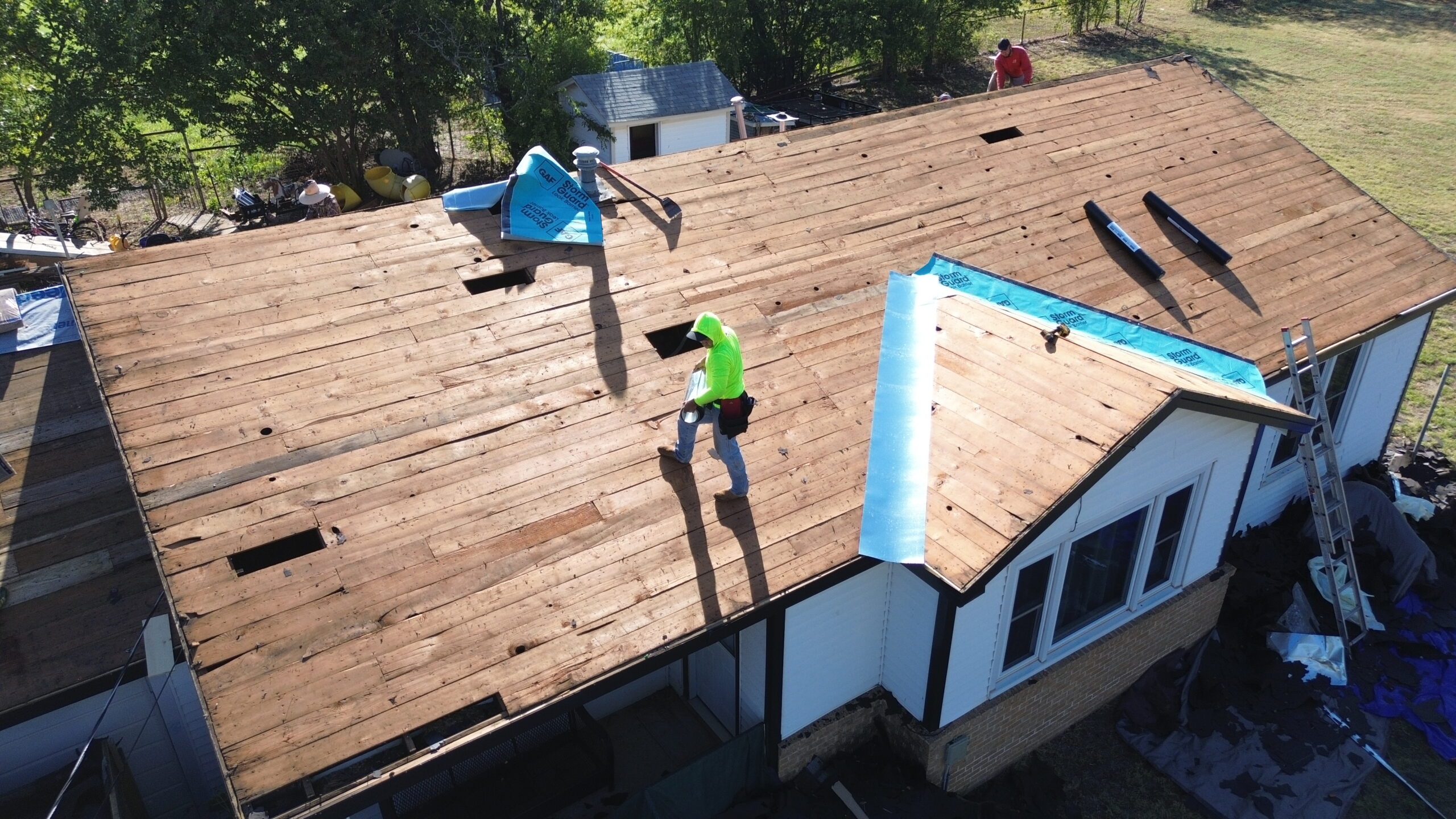
A roof can appear to be in good condition from the ground while still developing problems in less visible areas. Shingles may look intact while flashing is deteriorating, moisture is entering around a penetration, or ventilation problems are contributing to premature material deterioration. Professional inspections help identify these conditions before they become more difficult to manage.
One important benefit is early problem detection. Roofing defects can become progressively worse when exposed to rain, wind, sunlight, temperature changes, and repeated moisture. Finding a small problem early may allow a homeowner to address it before it affects insulation, decking, interior finishes, or other parts of the home.
Professional inspections are particularly useful after severe weather. Strong winds, hail, heavy rain, and falling branches can affect roofing materials in ways that are not always immediately noticeable. An inspection after a significant weather event can help determine whether the roof has visible damage and whether additional evaluation is appropriate.
Inspections can also support long-term maintenance planning. Instead of waiting until a leak appears inside the home, homeowners can use inspection findings to understand which components are aging and which areas may require attention. This can make roofing expenses more predictable and reduce the likelihood of emergency repairs.
For homeowners buying or selling a property, a roofing inspection can also provide valuable information about the condition of the roof. A buyer may want to understand whether the roof appears serviceable, while a seller may benefit from knowing about potential issues before listing the property. The inspection does not replace all other property evaluations, but it provides focused information about one of the home’s most important protective systems.
When Homeowners Should Schedule a Roof Inspection
There is no single situation in which every homeowner should schedule a roofing inspection. Different properties require different inspection schedules depending on roof age, local weather exposure, roofing materials, maintenance history, and previous repairs. However, several situations make a professional inspection especially useful.
After a major storm is one of the most common reasons to arrange an inspection. High winds and hail can damage shingles, flashing, vents, gutters, and other components. Even when there is no visible interior leak, an inspection can help identify exterior conditions that may allow water to enter later.
Homeowners should also consider an inspection when they notice signs such as missing or damaged shingles, water stains on ceilings, damp attic insulation, damaged flashing, sagging areas, or unusual granules around drainage points. These signs do not always indicate the same underlying problem, so professional evaluation can help determine what is actually happening.
Older roofs may benefit from more frequent attention as materials approach the later portion of their expected service life. An inspection can help distinguish between normal aging, repairable deterioration, and conditions that may justify planning for replacement.
An inspection may also be appropriate before purchasing a home or when preparing a property for sale. Knowing the roof’s condition can help prevent unexpected surprises during a transaction. In either situation, the inspection should provide objective information about observable roofing conditions rather than simply assuming that roof age determines its condition.
What Inspectors Check Before Going on the Roof
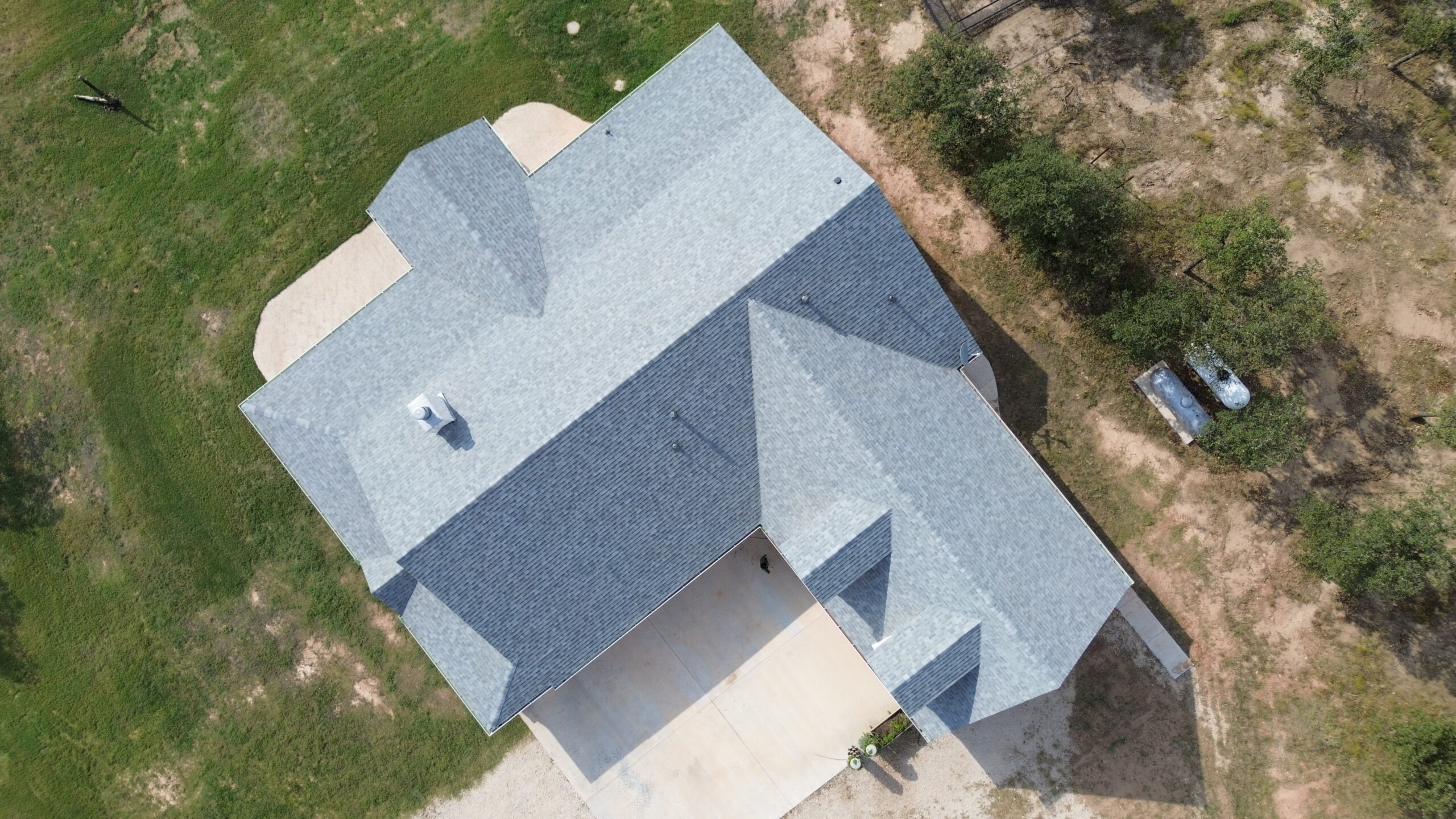
A professional roofing inspection does not necessarily begin by immediately walking onto the roof. The inspector first evaluates the property, surroundings, and roof configuration to determine how the inspection should be performed. This initial stage can reveal useful information before close-up examination begins.
From the ground, the inspector may examine roof lines, visible shingles or other roofing materials, roof slopes, gutters, downspouts, flashing, vents, and areas around roof penetrations. They may look for uneven surfaces, missing materials, visible deterioration, staining, sagging, or debris accumulation. Ground-level observations can also help identify areas that deserve closer inspection.
The inspector may also consider nearby trees and other environmental conditions. Overhanging branches can contribute to physical damage and debris accumulation, while shaded areas may remain damp for longer periods. The surrounding environment can therefore influence how certain roofing components age and perform.
Before accessing the roof, safety conditions are considered carefully. Wet surfaces, excessive slopes, unstable ladders, electrical hazards, fragile roofing materials, and severe weather can make direct access unsafe. A professional inspection should prioritize safe procedures while still gathering as much reliable information as reasonably possible.
The inspector may also ask the homeowner about the roof’s history. Information about previous leaks, repairs, replacements, storm events, recurring moisture problems, or unusual interior signs can help focus the inspection. These details provide context that may not be visible from the exterior alone.
How the Exterior Roof Inspection Works
Once the inspector has evaluated the property and determined that roof access is appropriate, the exterior inspection focuses on the condition and performance of accessible roofing components. The exact process depends on the roof design and material, but the inspector generally works systematically across different sections instead of examining only one area.
Roofing materials are checked for signs of physical damage and deterioration. On asphalt shingle roofs, an inspector may look for missing, cracked, curled, blistered, loose, or displaced shingles. They may also examine whether shingles appear properly aligned and whether exposed areas show signs of excessive wear.
Other roofing materials require different observations. Metal roofs may be checked for corrosion, damaged panels, loose fasteners, deteriorated coatings, or compromised seams. Tile and other rigid materials may be examined for cracked, broken, displaced, or missing pieces. The inspection focuses on conditions relevant to the particular roofing system rather than applying the same checklist to every material.
Roof surfaces are also evaluated for irregularities that may indicate underlying concerns. Areas that appear uneven, sagging, or unusually depressed may require additional attention. Such conditions can have different causes, including material deterioration, moisture-related damage, structural movement, or installation issues, so inspectors generally document the observation before determining what further evaluation may be necessary.
Valleys and transitions receive particular attention because they are important paths for rainwater. Debris, damaged materials, deteriorated flashing, or improper water flow in these areas can increase the risk of moisture intrusion. Inspectors examine these locations carefully because problems in a valley can affect more than one roof section.
Roof penetrations are another important inspection area. Vents, pipes, skylights, chimneys, and other openings interrupt the continuous roofing surface and therefore require appropriate sealing and flashing. The inspector looks for visible deterioration, gaps, damaged materials, or other conditions that could allow water to move beneath the roofing system.
Roof edges and perimeter areas are also examined because wind can place significant stress on these locations. The inspector may look for loose materials, damaged edges, deteriorated components, and conditions that could affect how securely the roof performs during severe weather.
Throughout the exterior inspection, observations are recorded so that important findings can later be organized into a report. The inspector may take photographs of significant conditions and note their approximate locations. This documentation helps homeowners understand what was observed and provides a useful reference when discussing recommended maintenance or repairs.
The exterior inspection is therefore more than a search for obvious damage. It is a systematic review of the roofing surface and its visible components, with attention given to areas that commonly experience wear, water exposure, movement, and weather-related stress. In the next stage of the inspection process, professionals examine additional components such as flashing, drainage systems, roof penetrations, attic conditions, and interior evidence of moisture.
How Roof Flashing and Penetration Areas Are Inspected
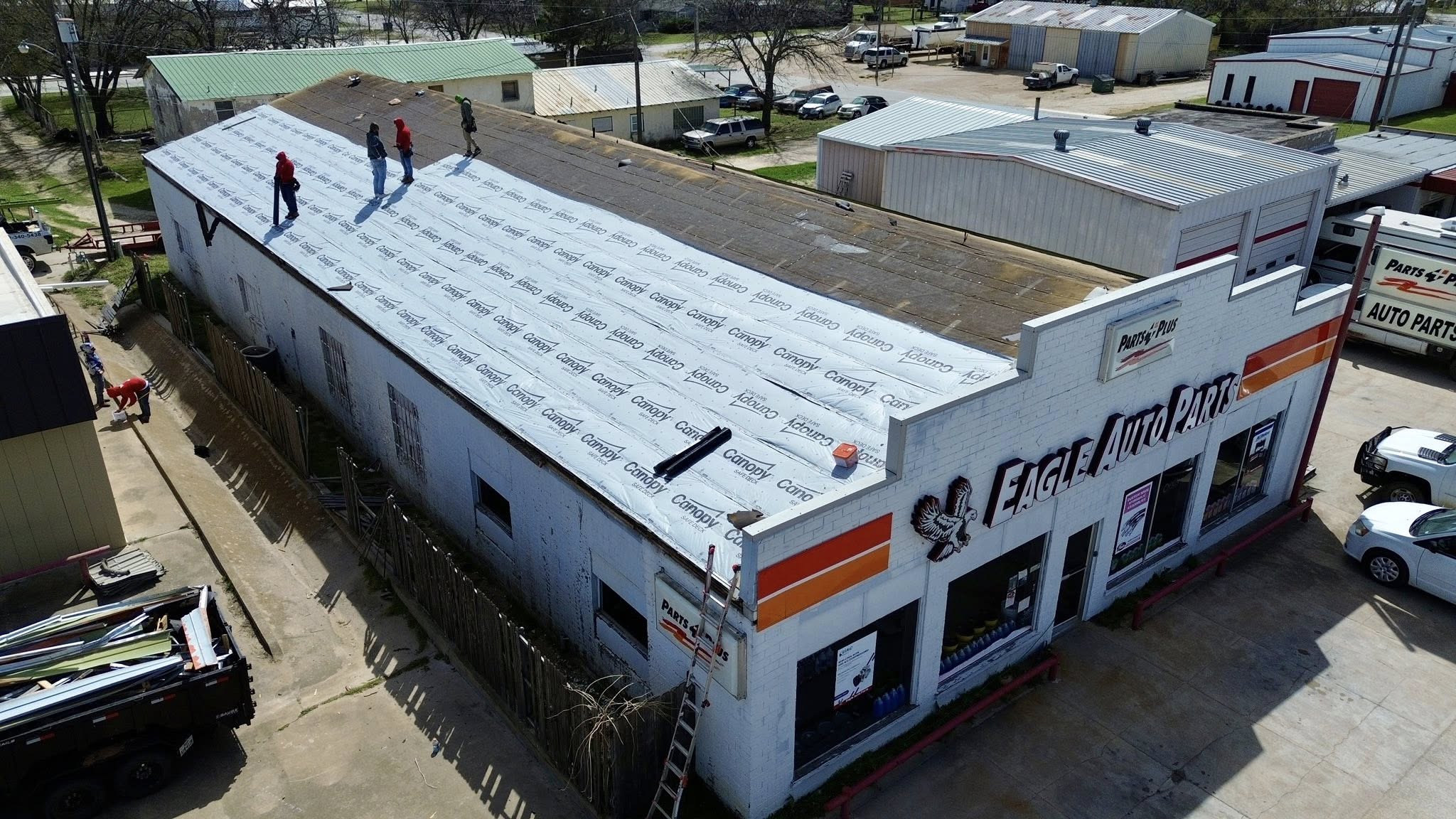
Roof flashing is one of the most important components examined during a professional residential roofing inspection because it helps direct water away from vulnerable joints and transitions. Flashing is commonly installed around chimneys, skylights, vents, walls, roof valleys, and other locations where different surfaces meet. When flashing becomes loose, damaged, corroded, or improperly sealed, water may find a path beneath the roofing materials.
During an inspection, the professional examines visible flashing for signs of deterioration or displacement. They may look for gaps, lifted sections, rust, cracked sealants, damaged edges, or areas where water could collect. The condition of the surrounding roofing materials is also considered because flashing problems and roofing problems can sometimes contribute to each other.
Roof penetrations receive similar attention because they create openings through an otherwise continuous roof surface. Plumbing vents, exhaust vents, skylights, satellite equipment, and other installations can create potential entry points for water. Inspectors check the materials surrounding these penetrations to determine whether they appear properly integrated with the roofing system.
The inspector may also examine the condition of seals and transition areas where visible. However, sealant alone is not always considered a permanent solution for a flashing problem. If the underlying flashing or installation is defective, simply adding more sealant may not address the actual cause.
Chimneys require particularly careful inspection because they involve multiple surfaces and often have several flashing components. The inspector may examine the visible flashing around the chimney base, nearby roofing materials, and areas where water could move toward the structure. Interior observations may later be compared with exterior findings to determine whether there are signs of moisture intrusion.
Skylights are another area that receives close attention. The inspector looks for visible deterioration around the skylight, damaged surrounding materials, signs of improper drainage, and evidence that water may have entered the surrounding roof assembly. Condensation or staining inside the home may also provide additional clues.
The goal is not simply to identify whether a piece of flashing looks old. The inspector considers whether its current condition could affect the roof’s ability to manage water. This distinction helps separate normal aging from conditions that may require maintenance or professional repair.
How Gutters, Drainage, and Roof Edges Are Checked
A roofing system depends heavily on effective water drainage. Rainwater must move from the roof surface into appropriate drainage components and away from the home’s foundation. During an inspection, professionals therefore examine gutters, downspouts, roof edges, valleys, and other areas involved in controlling water movement.
Gutters are checked for visible damage, sagging, separation, excessive debris, corrosion, and conditions that could interfere with normal drainage. An inspector may also look for signs that water has been overflowing or repeatedly collecting along certain sections. These observations can indicate drainage problems that may affect both the roof and exterior walls.
Downspouts are examined to determine whether they appear properly connected and capable of carrying water away from the building. Disconnected or damaged downspouts can cause water to discharge close to the foundation or exterior walls. While a drainage issue may seem unrelated to the roof itself, poor water management can contribute to broader property problems.
Roof valleys are especially important because they collect water from intersecting roof slopes. The inspector checks for debris, damaged roofing materials, deteriorated flashing, and visible conditions that could interfere with water flow. A valley that cannot drain properly may experience increased moisture exposure during heavy rainfall.
Roof edges are also reviewed because they are exposed to weather and help define the boundary of the roofing system. Inspectors may examine visible edge materials, fascia, drip edges, and nearby roofing components for deterioration or displacement. Problems around the perimeter can become more noticeable during periods of strong wind or heavy rain.
A professional may also observe whether water appears to be draining naturally or whether certain areas show evidence of repeated runoff. Water stains, algae growth, damaged exterior materials, or soil erosion near discharge points can provide useful clues. These observations are considered together rather than treated as isolated problems.
Drainage inspection is therefore an important part of understanding overall roof performance. A roof can have relatively sound shingles but still experience problems if water is not being directed away efficiently. Identifying drainage concerns allows homeowners to address conditions that could otherwise contribute to premature deterioration.
How Attic and Interior Areas Are Inspected
A complete residential roof inspection often extends beyond the exterior. The attic and interior spaces can provide valuable evidence about what is happening beneath the roof surface. Some roofing problems are easier to identify from inside the home because moisture may leave stains, discoloration, or other indicators before exterior damage becomes obvious.
In the attic, the inspector may examine the underside of the roof decking and surrounding areas for visible signs of moisture. They may look for water staining, damp insulation, mold-like growth, damaged wood, or other unusual conditions. These observations can help identify areas that may require additional investigation.
The condition of roof decking is also important. The decking provides a structural surface beneath many roofing materials, and prolonged moisture exposure can affect its condition. An inspector looks for visible deterioration or irregularities that could suggest a moisture problem or another underlying concern.
Insulation may also be reviewed because moisture can affect its performance and condition. Wet or displaced insulation can indicate water intrusion, ventilation problems, or other issues that deserve attention. However, the presence of damaged insulation alone does not necessarily establish the exact source of moisture.
Ventilation components are considered during attic inspection as well. Proper attic ventilation can help manage heat and moisture within the roof assembly. Inspectors may check whether visible vents appear blocked, damaged, or insufficient for the roof configuration.
Inside the living areas, inspectors may look at ceilings, upper walls, and areas around skylights or roof penetrations for stains or discoloration. Water marks can sometimes indicate previous or ongoing moisture intrusion. However, an interior stain does not automatically identify the exact location of the exterior roof defect because water can travel along building components before becoming visible.
Homeowners should provide information about any recurring leaks or areas where they have noticed stains. Even if the area appears dry on the inspection day, the history of the problem can help the inspector investigate possible sources. This is particularly useful when leaks occur only during heavy rain or specific wind conditions.
Interior observations are therefore used alongside exterior findings. When the two sets of information point toward the same area, the inspector may have stronger evidence about where further evaluation is needed. This combined approach makes the inspection more useful than relying only on what can be seen from the roof surface.
How Inspectors Identify Water Damage and Moisture Problems
Water intrusion is one of the most common concerns associated with residential roofing. Professional inspectors look for visible evidence that moisture may have entered the roof system or surrounding building components. Identifying moisture problems early can help prevent more extensive deterioration.
Exterior clues may include damaged shingles, deteriorated flashing, open joints, blocked drainage paths, and areas where water appears to collect. Interior clues can include ceiling stains, wall discoloration, damp insulation, damaged wood, or recurring odors. Each clue is considered within the broader condition of the property.
Inspectors also consider whether a moisture mark appears active or old. A stain may remain visible long after the original source has been corrected. For this reason, professionals do not always assume that every visible mark represents an ongoing leak.
The location of moisture evidence can also be misleading. Water entering through one point on the roof may travel along decking, rafters, insulation, or other surfaces before reaching the interior. This means the location of an interior stain may not directly correspond with the location of the exterior defect.
When appropriate, inspectors may recommend additional testing or specialist evaluation. Certain conditions cannot be confirmed through visual inspection alone. If the source of moisture remains uncertain, further investigation may be needed before major repair decisions are made.
A professional inspection therefore focuses on identifying evidence and determining likely areas of concern rather than making unsupported assumptions. Clear documentation of moisture indicators helps homeowners understand what was observed and what additional steps may be appropriate.
How Structural and Ventilation Conditions Are Evaluated
The roofing system is connected to the structural components of the home, so inspectors pay attention to visible signs that may indicate structural concerns. Sagging roof sections, unusual deflection, damaged decking, or significant deterioration may require closer evaluation. A roofing inspector can document visible conditions, while more complex structural questions may require a qualified structural professional.
Roof slope and overall configuration are also considered because they influence how water moves across the surface. Low-slope areas may require different inspection considerations than steeply pitched sections. Changes between roof slopes can create locations where water management and flashing become particularly important.
Ventilation is another part of the inspection because heat and moisture can accumulate in an inadequately ventilated attic. The inspector may examine visible intake and exhaust vents, check for obstruction, and look for signs of excessive moisture or heat-related deterioration. The actual ventilation requirements depend on the roof design and applicable building standards.
Poor ventilation does not necessarily cause every roofing problem, but it can contribute to certain forms of premature deterioration under some conditions. Inspectors therefore consider ventilation alongside insulation, moisture evidence, roof age, and material condition. This broader assessment helps avoid treating one component as the explanation for every issue.
Structural and ventilation observations can also influence long-term maintenance recommendations. A roof may need relatively minor exterior repairs while still having an attic condition that deserves attention. Addressing these related conditions can help support better overall roof performance.
How Roofing Inspectors Document Their Findings
Documentation is an essential part of a professional roofing inspection because homeowners need more than a verbal description of what the inspector observed. A detailed report can organize findings, photographs, observations, and recommendations in a way that is easier to understand and reference later.
Photographs are commonly used to show significant conditions. Images may document damaged roofing materials, flashing concerns, drainage problems, attic evidence, or other areas that require attention. Good documentation helps homeowners see the issue without relying entirely on technical descriptions.
Inspectors may classify findings according to their apparent condition or level of concern. For example, some observations may represent routine maintenance, while others may require timely repair or additional professional evaluation. The exact terminology varies between inspection companies and report formats.
A useful inspection report generally connects observations with specific roof locations. Instead of simply stating that the roof has damage, the report may identify the affected roof section or component. This makes it easier for homeowners and contractors to understand which areas need attention.
The report may also include information about the general condition of the roofing system, visible signs of aging, drainage performance, flashing, ventilation, and interior observations. These details provide a more complete picture than a simple statement that the roof is good or bad.
Homeowners should review the report carefully and ask questions about unfamiliar terms or recommendations. A professional inspection is most valuable when the findings are understandable and can be used to make practical maintenance decisions.
By the end of the inspection process, the professional has gathered information from multiple areas of the property rather than relying on a single visual observation. The exterior roof, drainage components, flashing, penetrations, attic, interior spaces, structural indicators, and ventilation conditions can all contribute to the final assessment. The next stage is to interpret these findings and determine what they mean for the roof’s repair, maintenance, and long-term replacement needs.
How Inspectors Determine Repair or Replacement Needs
After examining the roof, drainage system, flashing, attic, and interior areas, a professional inspector reviews the collected information to determine the overall condition of the roofing system. The presence of one damaged component does not automatically mean that the entire roof needs replacement. Inspectors consider the type, extent, location, severity, and likely impact of each problem before making recommendations.
Minor issues may often be addressed through routine maintenance or localized repairs. Examples can include a limited number of damaged shingles, deteriorated sealant, small flashing concerns, or drainage components that need cleaning or adjustment. When these issues are identified early, addressing them promptly may help prevent them from developing into larger roofing problems.
More extensive deterioration can require a different approach. If damage is present across multiple roof sections, roofing materials are significantly deteriorated, or recurring moisture problems affect underlying components, the inspector may recommend further evaluation or replacement planning. The recommendation should be based on the observed condition rather than roof age alone.
Roof age can still be an important factor in the decision-making process. An older roof with widespread wear may have less remaining service life than a newer roof with isolated damage. However, age does not by itself prove that replacement is necessary, which is why a professional assessment considers age together with visible condition.
| Inspection Finding | Possible Significance | Typical Next Step |
|---|---|---|
| Isolated damaged shingles | Localized roof deterioration | Repair or replace affected materials |
| Damaged flashing | Potential water entry point | Repair or replace flashing |
| Blocked or damaged gutters | Poor drainage | Clean, repair, or improve drainage |
| Attic moisture evidence | Possible water or ventilation issue | Investigate source and correct cause |
| Widespread roofing deterioration | Reduced overall roof performance | Professional repair assessment or replacement planning |
The inspector may also distinguish between immediate concerns and conditions that can be monitored. A small maintenance issue may not require emergency action, while an active leak or significant structural concern may require prompt attention. This distinction helps homeowners prioritize their next steps.
Understanding Roof Inspection Reports and Recommendations
A professional roof inspection report summarizes what was observed during the inspection and provides homeowners with a record of the roof’s condition at that time. The report may include photographs, descriptions of individual findings, general observations, and recommendations for repairs or additional evaluation. Its purpose is to make the inspection results easier to understand and use.
Homeowners should pay attention to the difference between an observation and a recommendation. An observation describes what the inspector saw, while a recommendation explains what action may be appropriate. For example, visible deteriorated flashing is an observation, while recommending repair or further evaluation is a response to that observation.
Reports may also identify areas that were not accessible. Certain roof sections, attic spaces, or components may be difficult or unsafe to inspect directly. A professional report should make these limitations clear so homeowners understand what the inspection did and did not cover.
Recommendations should be reviewed according to their urgency. Conditions involving active water intrusion, major deterioration, or potential structural concerns generally deserve more immediate attention than routine maintenance items. Homeowners can discuss unclear recommendations with the inspector before deciding how to proceed.
It is also useful to keep inspection reports for future reference. Comparing documentation from different inspections can help homeowners understand how the roof is aging over time. Previous photographs and observations may also help contractors understand the history of repairs or recurring problems.
An inspection report should not be viewed simply as a pass-or-fail document. Residential roofs have many components, and their conditions can vary across the property. A good report gives homeowners information that supports practical decisions about maintenance, repairs, monitoring, and future replacement.
Common Problems Found During Professional Roof Inspections
Professional roofing inspections can reveal many different conditions, depending on the property’s age, roof material, climate, maintenance history, and exposure to severe weather. Some problems are relatively minor, while others can affect the performance of several parts of the roofing system.
Damaged or missing shingles are common findings on asphalt shingle roofs. Shingles can become displaced or deteriorated because of age, wind, impact, installation problems, or repeated exposure to weather. Even when only a small area is affected, damaged shingles should be evaluated because they can reduce the roof’s ability to shed water.
Flashing deterioration is another frequent concern. Flashing around chimneys, walls, skylights, vents, and valleys can become damaged or displaced over time. Because these areas are particularly important for water management, flashing problems can create potential pathways for moisture.
Drainage problems may also be identified during an inspection. Gutters filled with debris, disconnected downspouts, poor water flow, or damaged drainage components can cause water to accumulate where it should not. Improving drainage can be an important part of protecting both the roof and the surrounding structure.
Moisture evidence in an attic is another significant finding. Water stains, damp insulation, damaged decking, or other indicators may suggest that moisture has entered the roof assembly. However, determining the exact source may require comparing interior evidence with exterior conditions.
Roof ventilation concerns can also appear during inspections. Blocked vents, inadequate airflow, or visible moisture buildup may indicate that the attic environment needs additional attention. Ventilation findings should be evaluated in relation to the roof design and the overall condition of the attic.
Some inspections also identify signs of previous repairs. Repairs are not automatically a problem because properly completed repairs can extend the useful life of a roof. However, poorly matched materials, temporary fixes, or repeated repairs in the same location may indicate that the underlying issue deserves closer examination.
What Homeowners Should Do After an Inspection
Once the inspection is complete, homeowners should review the findings carefully rather than immediately assuming that every recommendation requires the same level of urgency. The report can help separate routine maintenance from conditions that require prompt professional attention. Understanding this difference can make the next steps more manageable.
The first priority should generally be conditions that could allow water to enter the home or create a safety concern. Active leaks, significant roof deterioration, severe structural indicators, or exposed roofing areas may require faster action. Homeowners should discuss these concerns with a qualified roofing professional and determine what repair approach is appropriate.
Routine maintenance can be scheduled separately when the inspection identifies lower-priority issues. Cleaning drainage components, addressing minor deterioration, maintaining nearby vegetation, or monitoring certain aging materials may help support the roof’s long-term performance. Keeping up with smaller tasks can reduce the chance of preventable problems becoming more serious.
Homeowners should also avoid attempting repairs that require specialized roof access or technical knowledge. Walking on steep, wet, fragile, or damaged roofing surfaces can create safety risks and may cause additional damage. Professional assistance is often the safer option when work involves elevated areas or complex roofing components.
If an inspection recommends further evaluation, homeowners should understand why it is being suggested. A roofing inspector may identify a condition that requires a structural professional, specialized moisture investigation, or another form of assessment. Additional evaluation can help prevent major decisions from being based on incomplete information.
It is also useful to keep records of completed repairs. Photographs, invoices, inspection reports, and maintenance notes can create a useful history of the roofing system. This information may help future inspectors or contractors understand what has already been repaired and which areas have experienced recurring problems.
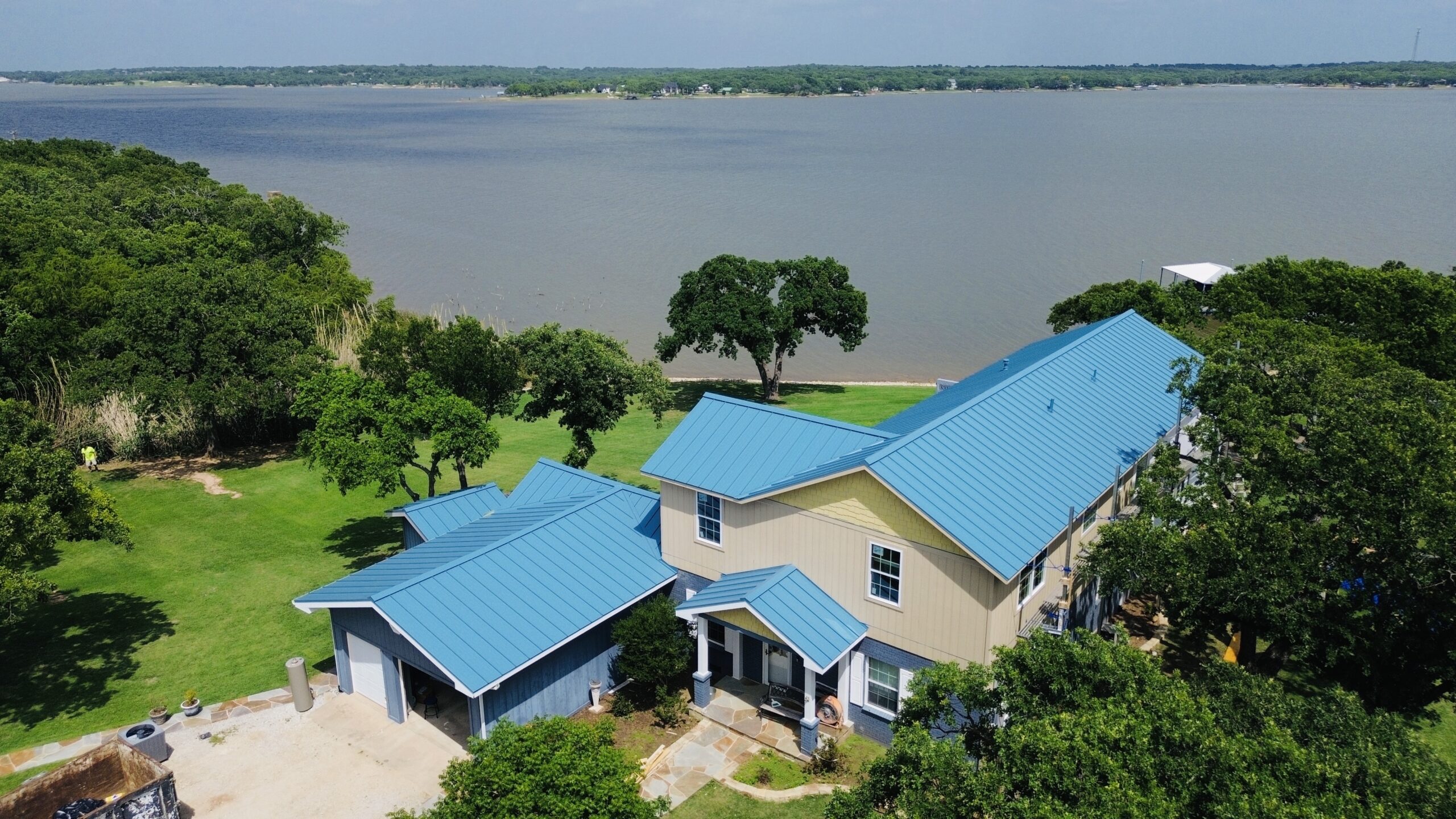
How Regular Inspections Help Extend Roof Life
Regular professional inspections can help homeowners stay aware of how their roofing system changes over time. Roofs are continuously exposed to sunlight, rain, wind, temperature changes, and other environmental conditions. Monitoring these effects allows developing problems to be identified before they necessarily become major repairs.
An inspection can also help homeowners plan maintenance according to the actual condition of their roof. Instead of relying only on assumptions based on the roof’s age, homeowners can use documented observations to decide which areas deserve attention. This approach can make maintenance more organized and potentially reduce unexpected expenses.
Regular inspections are especially valuable when a roof has experienced severe weather. A roof may not show an interior leak immediately after a storm, yet exterior components could still have been damaged. A professional assessment can provide a clearer picture of whether the roof appears to have sustained damage.
Maintenance history also becomes more useful when inspections are performed periodically. If the same roof is evaluated over several years, homeowners can compare observations and photographs to see whether certain conditions are stable or worsening. This can help identify patterns that might not be obvious from a single inspection.
Regular inspections can also support better communication with roofing contractors. When a homeowner has a documented inspection report, contractors can review identified conditions and provide repair recommendations based on specific areas. This can make conversations about roofing work more focused and easier to understand.
A professional inspection cannot prevent every roofing problem, and it does not guarantee that hidden defects will always be discovered. However, it provides an important opportunity to identify observable concerns and make informed decisions before problems become more difficult to manage.
Conclusion
Professional residential roofing inspections provide homeowners with a structured way to understand the condition of one of the most important protective systems in a house. The process goes beyond looking at shingles from the ground and can include the roof surface, flashing, penetrations, drainage components, roof edges, attic, ventilation, interior areas, and visible structural indicators.
A thorough inspection can identify conditions such as damaged roofing materials, deteriorated flashing, drainage problems, moisture evidence, ventilation concerns, and signs of aging. These findings help homeowners understand which issues may require immediate attention, which can be handled through routine maintenance, and which may require additional professional evaluation.
The inspection process is also valuable because roofing problems do not always appear in obvious places. Water can travel from one area to another, flashing can deteriorate without creating an immediate interior leak, and small exterior defects can become more serious when exposed to repeated weather. Looking at multiple components together gives homeowners a more complete understanding of roof performance.
After receiving an inspection report, homeowners should focus on understanding the findings and prioritizing appropriate next steps. Prompt attention to significant concerns, combined with regular maintenance and periodic professional inspections, can help protect the roof and the structure beneath it.
Ultimately, professional roofing inspections are about informed decision-making rather than simply labeling a roof as good or bad. By understanding how inspections work and using the results responsibly, homeowners can better manage maintenance, address problems at the appropriate time, and plan for the future condition of their residential roofing system.