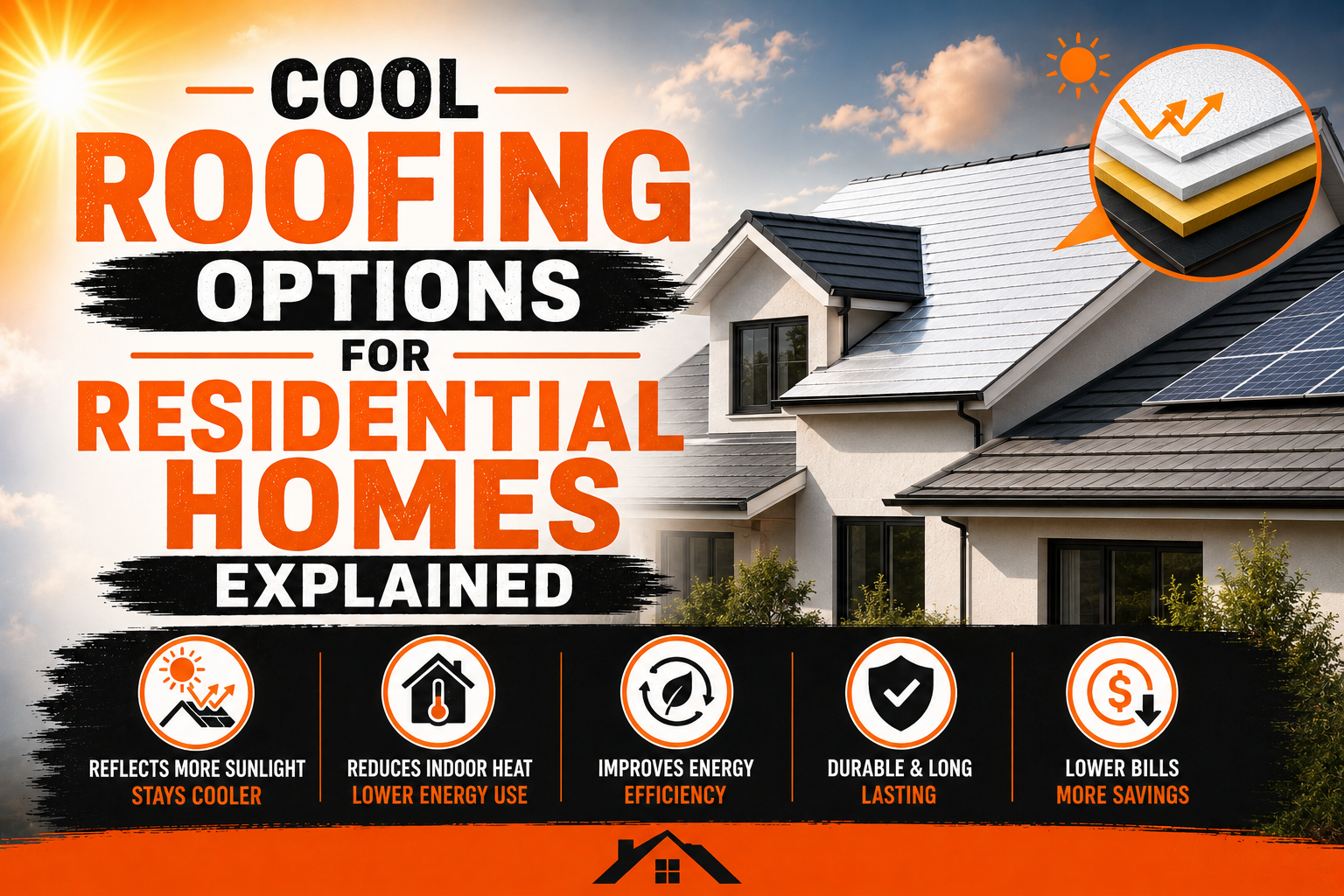
Cool Roofing Options for Residential Homes Explained
Introduction
Cool roofing has become an increasingly popular option for homeowners looking for practical ways to improve energy efficiency and manage indoor temperatures. Unlike conventional roofing materials that can absorb a significant amount of sunlight and convert it into heat, cool roofing systems are designed to reflect more solar energy while releasing absorbed heat more effectively. This can help reduce the amount of heat transferred into the home, especially during hot and sunny weather.
The concept of cool roofing is particularly important in residential areas where summer temperatures can place heavy demands on air conditioning systems. A roof receives direct exposure to sunlight for several hours each day, making its surface one of the most significant areas for solar heat gain. When a roof becomes extremely hot, some of that heat can travel through the roofing assembly and increase temperatures inside the attic and living spaces.
A cool roof does not automatically make every home energy efficient, and its performance depends on several factors, including the roofing material, roof design, insulation, ventilation, climate, and installation quality. However, selecting a suitable reflective roofing system can be an effective part of a broader energy-saving strategy. Homeowners can benefit from understanding how these roofing systems work before deciding which option is appropriate for their property.
How Cool Roofing Works
Cool roofing works primarily through two important properties called solar reflectance and thermal emittance. Solar reflectance refers to the ability of a roofing surface to reflect sunlight rather than absorb it as heat. A roof with higher solar reflectance generally stays cooler under direct sunlight because more of the incoming solar energy is redirected away from the surface.
Thermal emittance describes how efficiently a material releases the heat it has absorbed. A roofing material with high thermal emittance can radiate absorbed heat away from its surface more effectively. When high solar reflectance and high thermal emittance are combined, the roofing surface can remain considerably cooler than a conventional roof exposed to the same outdoor conditions.
Roof color can influence these properties, but color alone does not determine whether a roofing material is cool. Modern roofing products can use specially engineered pigments and coatings that provide stronger solar reflection even in colors that appear darker. This gives homeowners more design flexibility when selecting an energy-conscious roofing system.
The performance of a cool roof also depends on the complete roofing assembly. Insulation beneath the roof can slow the movement of heat into the home, while proper attic ventilation can help remove accumulated heat and moisture. This means a cool roofing project can be even more effective when the roof surface, insulation, and ventilation work together as one system.
During hot weather, a conventional dark roof can become much hotter than the surrounding air because it absorbs solar radiation throughout the day. A reflective roof can reduce the amount of heat stored at the roof surface, which may lower attic temperatures and reduce the heat moving toward conditioned rooms. The exact benefit varies by climate, building design, roofing material, and how much cooling the home already requires.
Why Homeowners Are Considering Cool Roofing
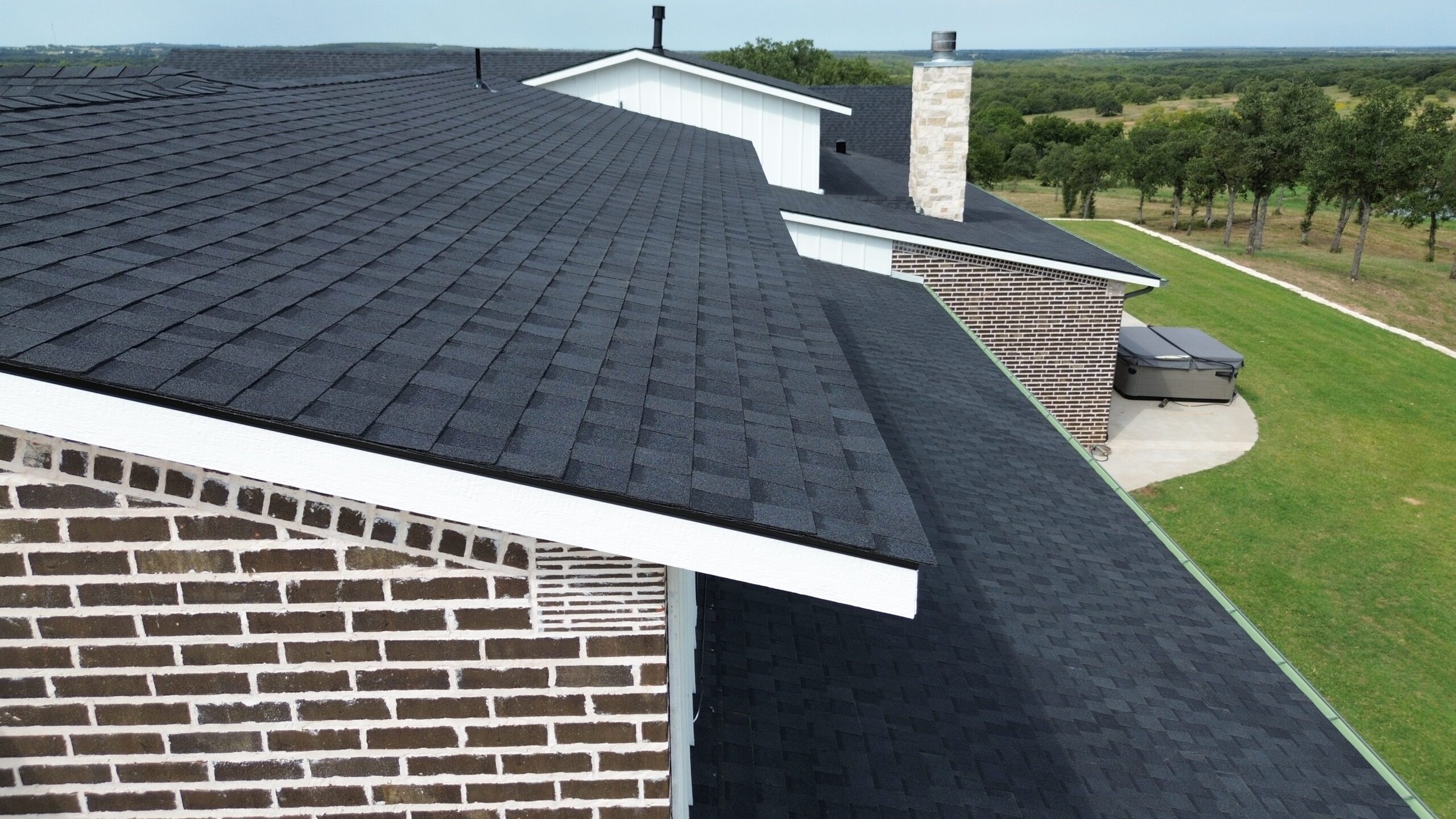
One of the main reasons homeowners consider cool roofing is the possibility of reducing cooling demand during warm seasons. When less solar heat enters the building through the roof, an air conditioning system may not need to operate as heavily to maintain a comfortable indoor temperature. This does not guarantee a specific reduction in energy bills, but it can contribute to lower cooling requirements in suitable homes.
Cool roofing can also improve comfort in areas where upper floors or rooms beneath the roof become noticeably warmer than other parts of the house. Excessive roof heat can make these spaces uncomfortable, particularly when insulation or attic ventilation is insufficient. By reducing the temperature of the roofing surface, a cool roof can help limit one source of heat entering the building.
Another consideration is the long-term condition of the roofing system. High temperatures and repeated heating and cooling cycles can place stress on roofing materials over time. A roofing surface that remains cooler may experience less thermal stress, although actual durability depends heavily on the material, installation quality, weather exposure, and maintenance.
Homeowners may also choose cool roofing because energy efficiency is becoming an important part of residential design. A roof is not only a protective structure that keeps out rain, wind, and sunlight. It can also play a meaningful role in the home’s overall thermal performance when it is selected and installed with energy efficiency in mind.
Several factors should be considered when evaluating a cool roofing investment:
- The local climate and typical summer temperatures can influence how valuable a reflective roof will be.
- The existing insulation and attic ventilation can affect how much roof heat reaches the living space.
- The roof’s expected service life should be compared with its initial installation cost.
- The roofing material should be selected for compatibility with the home’s structure, slope, and weather conditions.
Reflective Roofing Materials for Homes
Residential cool roofing is available in several material categories, giving homeowners different combinations of appearance, durability, cost, and energy performance. Reflective asphalt shingles are one of the more familiar choices because they resemble traditional shingles while incorporating technology intended to increase solar reflectance. This can make them suitable for homeowners who want improved roof performance without changing the overall architectural appearance of the house.
Metal roofing is another common choice for energy-conscious homes. Metal naturally reflects a portion of solar energy, and manufacturers can add specialized finishes or coatings that further improve its reflective performance. Metal roofs are available in many profiles and colors, allowing them to fit both traditional and modern residential designs.
Reflective roof coatings provide another approach. These coatings can be applied to certain existing roofing surfaces to create a more reflective exterior layer. Depending on the product, coatings may be designed to protect the roof surface while improving solar reflectance. Their suitability depends on the existing roof material, surface condition, drainage, and manufacturer’s requirements.
Synthetic and composite roofing materials can also be designed with reflective characteristics. These products may imitate the appearance of slate, tile, wood, or other roofing materials while incorporating modern manufacturing techniques. For homeowners focused on both appearance and performance, synthetic products can provide additional design options.
Choosing among these materials should involve more than simply selecting the most reflective product available. The roof must also provide appropriate resistance to rain, wind, temperature changes, and other local weather conditions. A roofing material that performs well in one climate or building design may not provide the same advantages in another.
Cool Roof Shingles and Their Benefits
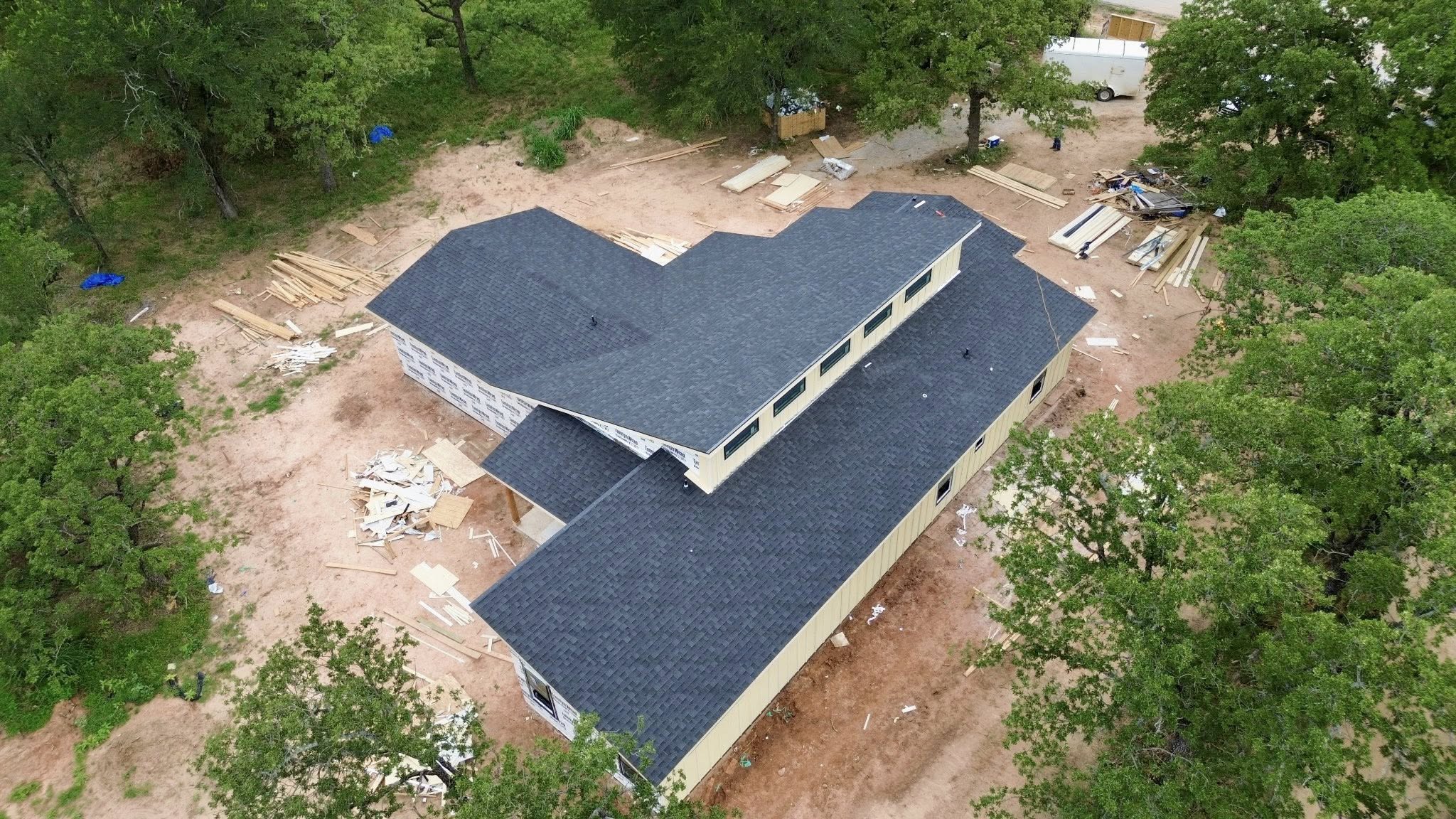
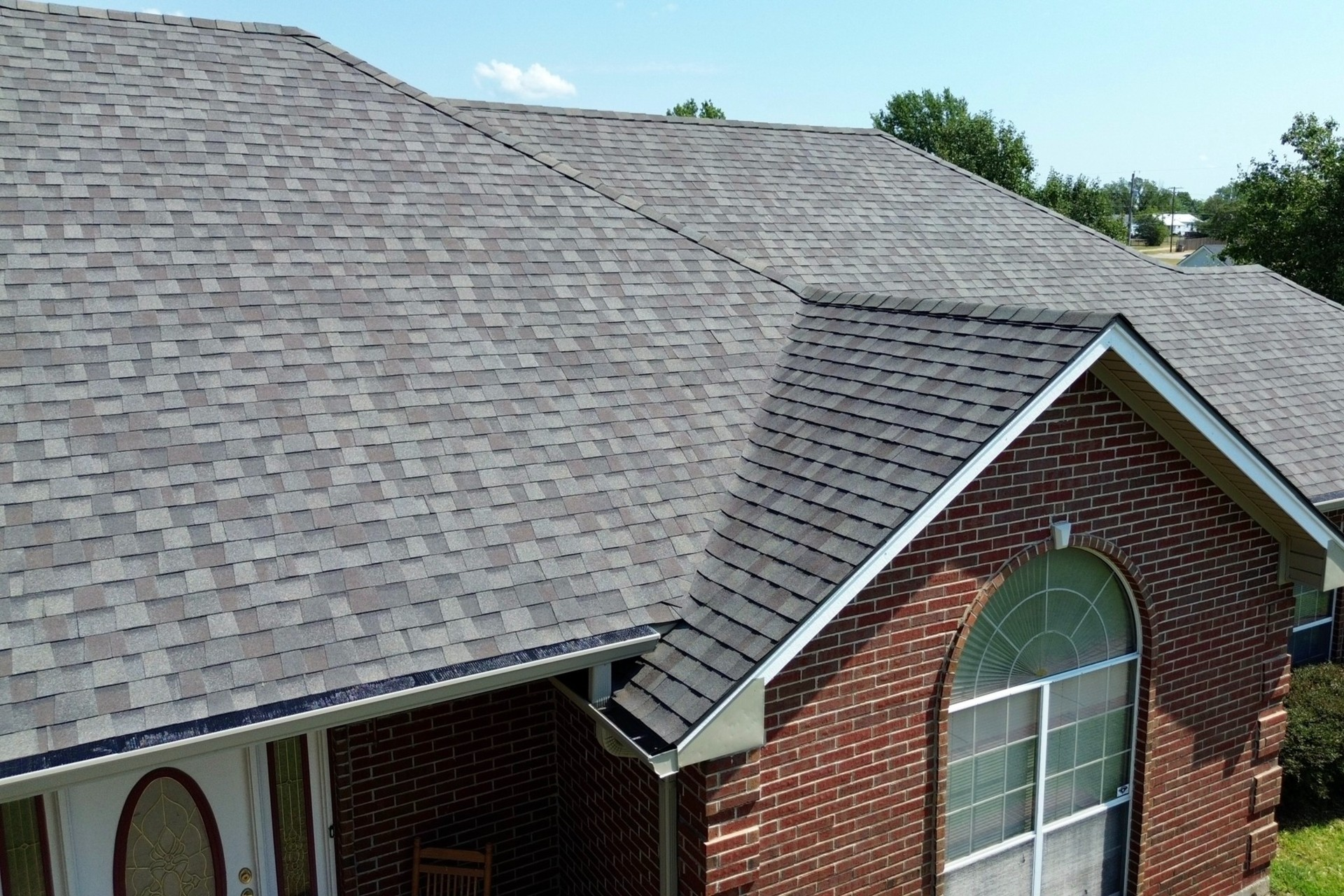
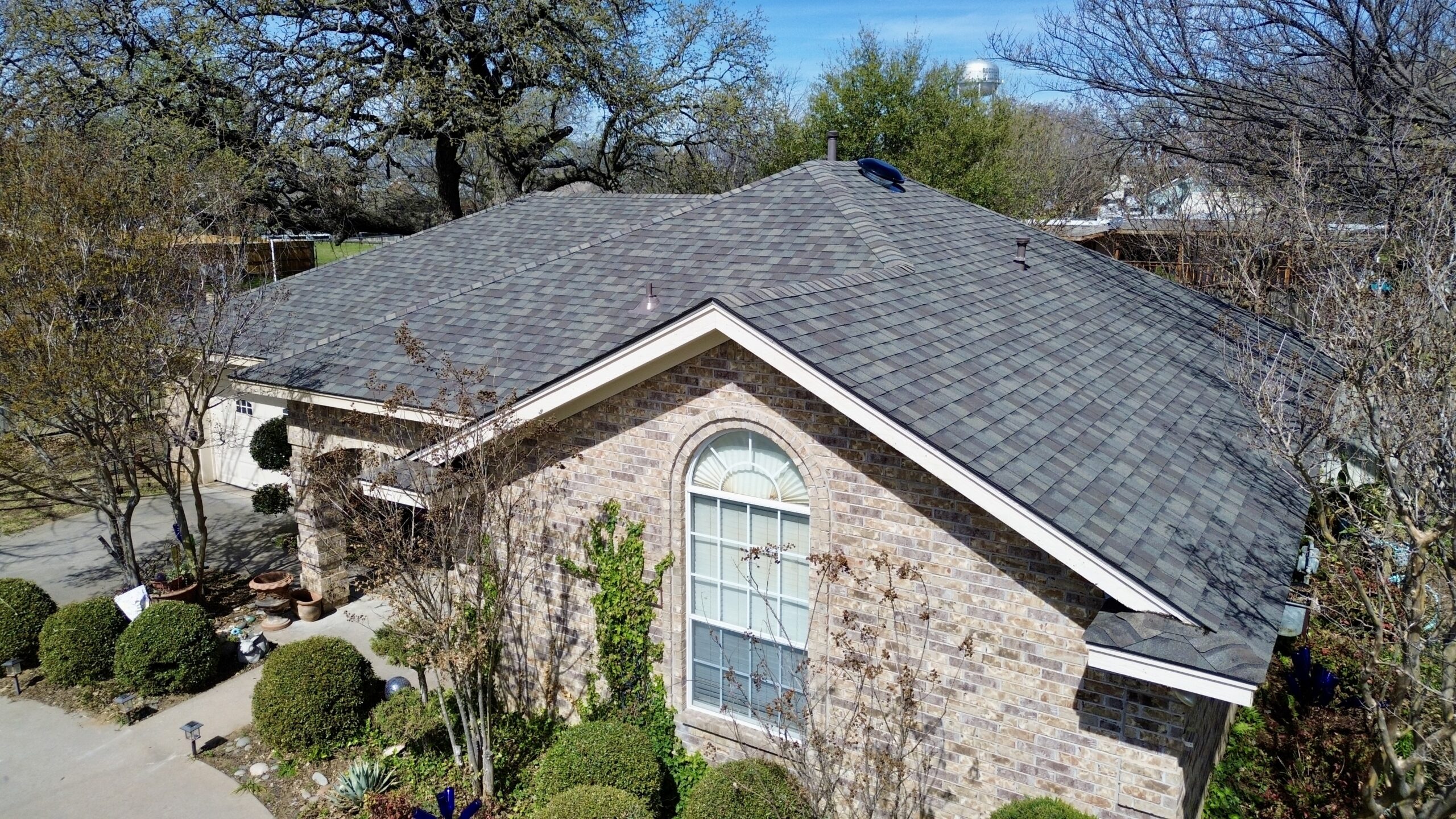
Cool roof shingles are designed to provide the familiar appearance of traditional asphalt shingles while improving their ability to manage solar heat. Conventional shingles can absorb substantial solar radiation, particularly when they have darker surfaces. Cool shingles use reflective granules or other material technologies to redirect more sunlight away from the roof.
One advantage of cool shingles is that they can be easier to integrate into residential neighborhoods where homeowners want to maintain a conventional roof appearance. They are available in various colors and styles, so the roof can continue to complement the home’s exterior design. This can be especially valuable for properties where homeowners do not want a bright white or highly reflective roof.
The effectiveness of cool shingles depends on their construction and verified performance rather than appearance alone. Two shingles with similar colors may have different solar reflectance and thermal characteristics because of differences in pigments, surface treatments, and manufacturing processes. Homeowners should therefore review product specifications and performance information instead of assuming that a particular color will automatically provide cool-roof benefits.
Installation quality is equally important. Shingles need to be installed according to manufacturer requirements so that the roofing system can provide appropriate weather protection and maintain its expected service life. Poor installation can create issues such as water penetration, premature deterioration, and reduced overall roof performance.
Maintenance should also be part of the decision. Although shingles generally require less specialized maintenance than some roofing systems, homeowners should still monitor for damaged or missing shingles, exposed areas, deteriorated flashing, and problems around roof penetrations. Keeping the roofing system in good condition helps preserve both its protective function and its energy-related performance.
Metal Roofing as a Cool Roofing Option
Metal roofing has become an important choice for homeowners who want a durable roofing system with strong potential for solar reflectance. Its reflective characteristics can be enhanced with specially formulated coatings that are designed to reflect solar radiation and reduce surface temperature. Depending on the product, metal roofs can also be manufactured in colors that provide different levels of solar performance.
One of the strengths of metal roofing is its versatility. It can be produced in standing-seam profiles, panels, or other styles that complement different residential architectures. This means homeowners do not necessarily have to choose between energy-conscious roofing and an attractive exterior appearance.
Metal roofing can also have a long service life when properly installed and maintained. Its durability can make the higher initial investment worthwhile for some homeowners, particularly when they plan to remain in the property for many years. However, cost comparisons should consider the complete system, including underlayment, flashing, fasteners, ventilation, labor, and future maintenance.
The performance of a metal roof can be influenced by its color and finish. A reflective coating can help prevent excessive solar heat absorption, while lighter or specially designed colors may offer stronger reflective performance. Homeowners should look at tested product characteristics rather than relying only on visual appearance.
Metal roofing also requires careful installation because expansion and contraction can occur as temperatures change. Proper fastening systems, movement allowances, flashing details, and drainage design all contribute to reliable performance. Professional installation is particularly important when replacing an older roof or installing a metal system over a complex residential structure.
Another consideration is the roof assembly beneath the metal surface. Reflective metal roofing can reduce heat absorption, but insulation and ventilation remain important for controlling heat transfer inside the home. A well-designed roofing system combines a suitable exterior surface with effective layers underneath to create better overall thermal performance.
Cool Roof Coatings for Residential Properties
Cool roof coatings provide homeowners with another way to improve the reflective performance of a roofing system without necessarily replacing the entire roof. These products are typically applied as a continuous layer over a suitable roof surface, creating a finish that can reflect more sunlight and release absorbed heat more efficiently. Depending on the product and existing roofing material, coatings may also provide an additional protective barrier against weather exposure.
Several types of roof coatings are available for residential applications, including acrylic, silicone, and other specialized formulations. Each type has different properties related to reflectance, flexibility, moisture resistance, adhesion, and expected service life. The best choice depends on the existing roof, local climate, drainage conditions, and the manufacturer’s application requirements.
A coating is not a universal solution for every roof. The existing surface needs to be inspected before application to identify leaks, damaged areas, poor drainage, loose materials, or other problems that should be corrected first. Applying a reflective coating over a roof that already has significant structural or water-related problems may hide defects temporarily without addressing the underlying cause.
Proper preparation can have a major effect on the final result. The roof may need cleaning, repairs, priming, or treatment of seams and penetrations before the coating is installed. Contractors should also follow the manufacturer’s requirements for surface preparation, application thickness, drying conditions, and weather limitations.
One of the appealing features of reflective coatings is their ability to work with certain existing roofing assemblies. This can sometimes extend the useful life of a serviceable roof while improving its solar performance. However, homeowners should compare the cost and expected benefits of recoating with the cost, lifespan, and performance of a complete roof replacement.
White and Light-Colored Roofing Options
White and light-colored roofing surfaces are traditionally associated with cool roofing because they can reflect a large portion of incoming sunlight. When sunlight strikes a highly reflective surface, less solar energy is absorbed as heat, helping the roof stay cooler during periods of strong sun exposure. This principle makes light-colored roofing an attractive option in many hot and sunny environments.
However, homeowners should not assume that every white or light-colored roof will automatically provide the same performance. Roofing products differ in their solar reflectance and thermal emittance, even when they look similar from the ground. Product specifications provide a more reliable basis for comparison than color alone.
Light-colored roofing can also influence the overall appearance of a home. A bright white surface may create a modern, clean appearance, while beige, light gray, pale green, or other soft shades can provide a more traditional look. Manufacturers have developed a wider range of reflective roofing colors, allowing homeowners to balance design preferences with energy-conscious choices.
In neighborhoods with architectural guidelines or homeowners’ association requirements, roof appearance may also be an important consideration. Some communities have restrictions on materials, colors, or visible roof finishes. Checking these requirements before purchasing materials can help prevent delays and avoid the need for costly changes later.
Climate plays an important role in evaluating light-colored roofing. In areas with long, hot summers, reducing solar heat gain can provide a meaningful advantage. In cooler regions where heating demand is significant, homeowners should consider the roof’s performance throughout the year rather than focusing only on summer conditions.
A light-colored roof can be particularly useful when combined with proper insulation and attic ventilation. The reflective surface reduces heat absorbed by the roof, while insulation slows heat transfer toward the interior. Ventilation can then help manage the heat and moisture that remain within the attic space, creating a more complete approach to residential thermal control.
Dark Roofs vs Cool Roofs
Dark roofs have traditionally been popular because they create a strong visual appearance and are available in many conventional roofing styles. The challenge is that darker surfaces generally absorb more solar radiation than highly reflective surfaces, which can cause the roof to reach substantially higher temperatures during periods of direct sunlight. This additional heat can increase the thermal load on the building below.
A cool roof, on the other hand, is designed around measurable performance characteristics rather than simply its visible color. Some cool roofing products can provide improved solar reflectance while still using medium or darker shades. This is possible because manufacturers can incorporate reflective pigments or specially engineered surface materials into the roofing product.
The difference becomes especially relevant during warm weather. A conventional dark surface may absorb a considerable amount of incoming solar energy and transfer heat into the roofing assembly, while a reflective surface can redirect more of that energy away from the structure. The actual impact inside the home depends on insulation, roof construction, attic ventilation, building orientation, and other factors.
Dark roofing can still be appropriate in certain circumstances. Homeowners may prioritize appearance, local architectural traditions, or specific material characteristics that are not available in lighter finishes. In these situations, selecting a dark roofing product with enhanced reflective properties can provide a compromise between appearance and energy performance.
The choice should also account for the home’s climate and heating requirements. In areas with cooler weather for much of the year, homeowners may need to evaluate whether summer cooling benefits outweigh any potential changes in winter heat absorption. A roofing decision should therefore be based on the complete annual energy profile rather than one season.
The comparison between dark and cool roofing demonstrates why homeowners should evaluate actual roofing performance instead of relying on color alone. A well-designed roofing system considers reflectance, emittance, insulation, ventilation, material durability, and local weather exposure together.
Green and Energy-Efficient Roofing Alternatives
Cool roofing does not have to be limited to reflective shingles, metal panels, or coatings. Some homeowners may consider broader energy-efficient roofing approaches that combine multiple technologies to improve building performance. Green roofs, insulated roofing systems, and solar-ready designs are examples of strategies that can complement conventional cool roofing principles.
Green roofs use vegetation and growing media as part of the roof assembly. The plants and growing materials can provide shading and help manage heat at the roof surface. They may also influence stormwater management and create environmental benefits, although residential green roofs require appropriate structural support, waterproofing, drainage, and ongoing maintenance.
Solar-ready roofing is another consideration for homeowners planning future energy upgrades. A roof that is structurally sound, properly oriented, and designed with suitable electrical and mounting provisions can make future solar panel installation easier. Pairing solar technology with an energy-conscious roofing system can help homeowners approach energy efficiency from both the roof surface and electricity-generation side.
Insulated roofing assemblies can also support cool roof performance. Reflective materials reduce solar heat absorption, while insulation limits the amount of heat moving from the roof toward interior spaces. When properly designed, these layers can work together to improve comfort and reduce the workload on heating and cooling equipment.
Some homeowners may benefit from combining multiple strategies rather than relying on a single roofing feature. For example, a reflective roof surface can be paired with improved attic insulation and ventilation to address several sources of unwanted heat transfer. The most effective combination depends on the home’s existing construction and the homeowner’s priorities.
Before adopting an alternative roofing system, structural and maintenance requirements should be reviewed carefully. Green roofs, solar installations, and specialized roofing assemblies can involve additional weight, drainage considerations, access requirements, and installation details. Professional evaluation is important before changing the structure or adding equipment to an existing residential roof.
Choosing Cool Roofing Based on Climate
Climate is one of the most important factors when selecting a cool roofing option. A roof that performs very well in a hot, sunny region may not provide the same overall value in a climate with mild summers and long winters. Understanding local weather patterns can help homeowners choose a roof based on actual environmental conditions rather than general assumptions.
In hot and sunny climates, solar heat gain can represent a significant part of the cooling challenge. Reflective roofing materials can help limit the amount of energy absorbed by the roof during peak sunlight. Homeowners in these areas may find cool shingles, reflective metal, or suitable roof coatings especially useful when combined with effective insulation and attic ventilation.
Humid climates require additional attention because moisture can affect roofing systems and attic spaces. A roofing material should provide strong weather resistance while the overall roof assembly manages moisture appropriately. Reflective performance is useful, but it should never be prioritized at the expense of proper drainage, ventilation, waterproofing, or durability.
Mixed climates present a more complex decision because homes experience both warm summers and colder periods. In these areas, homeowners should consider the roof’s performance across the full year. Insulation levels, building orientation, heating demand, cooling demand, and roof color can all influence whether a particular cool roofing option provides the best long-term balance.
Seasonal conditions can also affect the expected value of a cool roof. A home with high summer air conditioning use may benefit more noticeably from reducing solar heat gain than a highly shaded property with low cooling demand. Likewise, homes with extensive roof insulation may experience a different level of benefit than homes with poorly insulated attic spaces.
Local weather should also influence material selection beyond temperature alone. Wind, hail, heavy rainfall, snow, ultraviolet exposure, and rapid temperature changes can all affect roofing performance. A material should therefore be evaluated according to its ability to handle the complete set of conditions the home experiences throughout the year.
Important Factors Before Installing a Cool Roof
Before investing in a cool roofing system, homeowners should evaluate the condition and design of the existing roof. A roof with extensive leaks, structural deterioration, or damaged decking may require repairs or replacement before energy-saving improvements can provide meaningful value. Addressing basic roof integrity should always come before focusing on reflective performance.
Roof slope is another important consideration because different roofing materials are designed for specific applications. Some materials perform best on steeply sloped roofs, while others may be suitable for lower-slope residential assemblies when installed with the correct waterproofing system. Choosing a product that matches the roof’s design helps reduce the risk of installation problems.
The age of the existing roof should also be considered. If the roof is already near the end of its expected service life, applying an improvement such as a coating may not make financial sense compared with installing a new high-performance roofing system. On the other hand, a relatively sound roof may be a suitable candidate for a reflective upgrade if the material is compatible.
Cost is another major factor, but the lowest initial price does not always represent the best value. Homeowners should consider material cost, professional labor, maintenance, expected lifespan, energy performance, and potential replacement frequency. Looking at the complete ownership cost can provide a clearer picture of which roofing option is most practical.
Professional installation is especially important because roofing performance depends on accurate detailing and workmanship. Flashing, ventilation openings, roof edges, seams, penetrations, fasteners, and drainage paths all need to be handled correctly. A high-performance material cannot compensate for poor installation practices.
Before making a final decision, homeowners can compare options using several practical considerations:
| Roofing Option | Reflective Potential | Appearance Choices | Maintenance Consideration | Common Residential Use |
|---|---|---|---|---|
| Cool asphalt shingles | Moderate to high | Wide range | Routine inspection | Sloped residential roofs |
| Reflective metal roofing | High | Many profiles and colors | Generally low to moderate | New roofs and replacements |
| Reflective roof coating | High on suitable surfaces | Mostly coating-based finishes | Periodic recoating may be needed | Compatible existing roofs |
| Synthetic or composite roofing | Varies by product | Wide design flexibility | Varies by material | Specialty and design-focused homes |
The final selection should balance energy performance with durability, appearance, installation requirements, and climate suitability. A cool roof works best as part of a complete residential energy strategy, where roofing, insulation, ventilation, windows, and mechanical systems are considered together rather than as isolated upgrades.
Comparing Popular Cool Roofing Options
Choosing a cool roofing system involves comparing more than the visible appearance of different materials. Homeowners should consider how effectively each option reflects solar energy, how long it is expected to last, how much maintenance it requires, and how well it fits the home’s structure. The right choice can vary significantly depending on climate, roof slope, budget, and long-term plans for the property.
Cool asphalt shingles are often attractive to homeowners who want an energy-conscious upgrade while keeping the familiar appearance of a traditional shingle roof. They can be available in different colors and designs, making them relatively easy to coordinate with existing exterior finishes. Their performance depends on the specific product, so homeowners should review verified roofing specifications rather than choosing based only on color.
Metal roofing can provide another strong combination of durability and reflective performance. Coated metal surfaces can be designed to reflect solar radiation while maintaining a variety of colors and profiles. Although the initial investment may be higher than some basic roofing options, a properly installed metal roof can provide long-term service and may be especially suitable for homeowners planning to stay in the property for many years.
Reflective roof coatings can be useful where an existing roof remains structurally sound and compatible with the selected coating. Instead of removing the entire roof, a suitable coating may improve the surface’s reflective properties while adding another protective layer. However, coatings are not designed to repair every roof problem, so leaks, damaged areas, drainage issues, and other defects should be corrected before application.
Synthetic and composite roofing products offer additional design flexibility. Some are manufactured to resemble premium materials while incorporating modern performance features. Their value depends heavily on the particular product, so homeowners should compare technical specifications, expected service life, installation requirements, and local weather resistance before making a decision.
A useful comparison should consider the complete roofing system rather than the material alone. A roof with strong reflective characteristics may provide limited benefits if the attic has inadequate insulation, poor ventilation, or significant air leakage. Likewise, a durable roofing product may not be a practical choice if its installation requirements conflict with the home’s design or the owner’s budget.
Energy Savings and Long-Term Value
One of the primary reasons homeowners consider cool roofing is the potential to reduce the amount of energy needed for summer cooling. A reflective roof can absorb less solar heat, which may reduce heat transfer into the attic and conditioned areas. When cooling equipment has less heat to overcome, it may operate less intensively under suitable conditions.
Actual energy savings vary considerably from one home to another. Factors such as climate, roof orientation, building size, insulation levels, attic construction, window performance, air leakage, and air conditioning efficiency all influence the final result. Because of these differences, homeowners should be cautious about broad claims that suggest every cool roof will produce the same percentage of savings.
The greatest value may occur when a cool roofing system is included in a wider energy improvement project. For example, upgrading the roof while improving attic insulation and sealing major air leaks can address several pathways through which heat enters the home. Combining improvements can create a stronger overall effect than relying on roof reflectance alone.
Initial cost is another important part of the long-term value calculation. A reflective shingle system may have a different purchase and installation cost than a coated metal roof, while a coating project may have a lower upfront cost than full replacement. The best option depends on how long the homeowner expects to keep the property and whether the existing roof is already approaching the end of its service life.
Long-term value should also account for maintenance and replacement. A roof that lasts longer may justify a higher initial cost if it reduces the frequency of major replacement projects. At the same time, homeowners should consider future repair needs, coating renewal requirements, material availability, and professional service costs when comparing options.
Energy efficiency should therefore be viewed as one component of roofing value rather than the only measure. A roof must continue to protect the building from rain, wind, moisture, and weather exposure while meeting structural and aesthetic requirements. The most valuable cool roofing system is one that provides reliable protection while also contributing to improved thermal performance.
Cool Roofing and Indoor Home Comfort
Roofing can have a noticeable influence on how comfortable a home feels during hot weather. Rooms directly below an attic or roof can become warmer when significant solar heat is absorbed overhead. This can be particularly noticeable in upper-level bedrooms, home offices, and other spaces where occupants spend considerable time.
A cool roof can reduce the amount of heat stored at the exterior roof surface. This does not mean the roof will remain cold throughout the day, but a more reflective surface can reduce the intensity of solar heat absorption. When paired with proper insulation, this can help limit the amount of heat that eventually reaches the interior.
Attic temperature is also an important part of the equation. A roof exposed to strong sunlight can cause attic temperatures to rise significantly, especially when ventilation is inadequate. Proper ventilation allows accumulated heat and moisture to move out of the attic, supporting the overall performance of the roofing assembly.
The interaction between roofing and insulation is especially important. Insulation does not stop the roof from becoming hot, but it slows the movement of heat from the roof and attic toward conditioned living spaces. A reflective roof can reduce the amount of heat that needs to be managed, while insulation creates a barrier that makes that heat transfer more difficult.
Air conditioning performance can also be affected by the thermal environment around the home. When indoor spaces gain less heat, cooling systems may have an easier time maintaining the desired temperature. However, homeowners should not expect a cool roof to replace efficient HVAC equipment, appropriate insulation, or other basic building-performance improvements.
Comfort benefits may be most noticeable during periods of intense heat and direct solar exposure. Homes with shaded roofs, very high insulation levels, or low cooling requirements may experience smaller changes. This makes it important to evaluate the home’s current conditions before assuming that a roofing upgrade will solve all temperature-related comfort problems.
Maintenance and Lifespan of Cool Roofing Systems
Regular maintenance helps preserve the performance of any roofing system, including cool roofs. Homeowners should periodically inspect the roof for damaged materials, loose components, deteriorated flashing, blocked drainage areas, and signs of moisture intrusion. Small problems can become more expensive when they remain unnoticed for extended periods.
The maintenance routine depends on the roofing material. Asphalt shingles may require inspection for missing, cracked, or deteriorated shingles, while metal roofs should be checked for damaged panels, loose fasteners, coating deterioration, and problems around penetrations. Roof coatings may require additional attention because their reflective surface can gradually weather and may eventually need another application.
Cleanliness can also influence roof appearance and, in some cases, surface performance. Dirt, debris, organic growth, and accumulated material can alter the condition of the roof surface. Cleaning should be performed using methods appropriate for the material because aggressive techniques or unsuitable chemicals can cause damage.
Roof drainage deserves particular attention. Gutters, downspouts, valleys, and drainage paths should remain clear so water can move away from the building effectively. Persistent standing water can create problems for some roofing systems and may indicate a drainage or slope issue that requires professional evaluation.
Lifespan depends on many conditions, including material quality, installation, climate, maintenance, and exposure to severe weather. A roof in a region with intense ultraviolet exposure, strong winds, hail, or frequent temperature changes may experience different wear patterns than a roof in a milder environment.
Homeowners should also understand that cool-roof performance can change over time. Surface weathering, dirt accumulation, coating deterioration, and material aging may alter reflective properties. Regular inspections and timely maintenance can help homeowners identify these changes before they become more serious roofing problems.
Common Mistakes When Choosing a Cool Roof
One common mistake is selecting a roofing product based entirely on color. Although lighter colors can often provide strong solar reflectance, visible color does not tell the complete story about a product’s thermal performance. Roofing specifications and tested characteristics provide a more reliable way to compare products.
Another mistake is ignoring the local climate. A roofing system should be evaluated against the home’s actual weather conditions, including summer heat, winter temperatures, rainfall, humidity, wind, and sunlight exposure. A material that performs well in one region may not provide the same overall value in a different environment.
Homeowners can also overlook insulation and ventilation when planning a cool roofing project. A highly reflective roof may reduce heat absorption, but poor insulation or inadequate attic ventilation can still contribute to uncomfortable indoor conditions. Roofing improvements work best when they are coordinated with the other parts of the building envelope.
Choosing a material without checking roof compatibility can create avoidable problems. Certain roofing products require particular slopes, underlayments, fastening methods, structural conditions, or installation details. Before purchasing materials, homeowners should confirm that the product is appropriate for the existing roof design.
Another frequent issue is focusing only on the upfront price. A cheaper roofing option may have higher maintenance needs, a shorter service life, or less suitable performance for the local climate. Comparing the total expected cost over the roof’s useful life can provide a more realistic assessment of value.
Finally, some homeowners underestimate the importance of installation quality. Even an excellent roofing material can perform poorly when flashing, seams, drainage, ventilation, or fastening details are handled incorrectly. Hiring a qualified roofing professional can help ensure that the selected cool roofing system is installed according to appropriate specifications.
How to Select the Right Cool Roofing Option for Your Home
The first step in choosing a cool roofing system is to evaluate the existing roof and the home’s current energy performance. Homeowners should consider the roof’s age, condition, slope, insulation, attic ventilation, and history of leaks or repairs. This assessment helps determine whether the best approach is a complete replacement, a compatible coating, or another roofing upgrade.
Next, climate should be matched with roofing performance. Homes in hot, sunny areas may benefit strongly from reflective roofing, while properties in mixed or cooler climates may require a more balanced assessment. The goal should be to select a roofing system that performs effectively throughout the year rather than optimizing for a single weather condition.
Budget and expected ownership period should also influence the decision. A homeowner planning to remain in the property for decades may place greater value on long service life and durability, while someone planning to move sooner may prioritize installation cost and practical maintenance requirements. Comparing several qualified roofing options can make these trade-offs easier to understand.
Homeowners should also consider appearance because the roof is a major part of a home’s exterior. Fortunately, modern cool roofing products are available in a wide variety of colors, profiles, and styles. This makes it possible to pursue improved solar performance without necessarily sacrificing the architectural appearance of the property.
Professional guidance can make the selection process more reliable. A qualified roofing contractor can inspect the existing assembly, identify potential structural or drainage concerns, explain material requirements, and provide installation recommendations. Energy professionals can also help identify whether insulation, ventilation, air sealing, or other improvements should be completed at the same time.
The final decision should be based on the complete roofing system and the home’s long-term needs. A practical selection process looks at reflectance, durability, climate suitability, maintenance, cost, appearance, installation quality, insulation, and ventilation together. When these factors are considered carefully, cool roofing can become a valuable part of a more comfortable and energy-conscious residential home.
Conclusion
Cool roofing offers homeowners an opportunity to manage solar heat while supporting broader residential energy-efficiency goals. Options such as cool asphalt shingles, reflective metal roofing, roof coatings, and specialized synthetic materials can provide different combinations of performance, appearance, durability, and cost. The right choice depends on the home’s climate, roof condition, construction, and the homeowner’s long-term priorities.
A successful cool roofing project should not focus on reflectivity alone. Roofing materials work as part of a larger building system that includes insulation, attic ventilation, air sealing, drainage, and heating and cooling equipment. Addressing these elements together can provide a more meaningful improvement in comfort, energy performance, and long-term roof value.
Homeowners should also remember that every property has different requirements. A roofing solution that works well for one house may not be suitable for another because of differences in climate, roof slope, structural design, budget, or maintenance expectations. Careful product comparison and professional evaluation can help reduce costly mistakes and improve the chances of achieving the desired results.
Ultimately, the best cool roof is one that provides reliable weather protection while delivering appropriate thermal performance for the home’s environment. By considering material characteristics, installation quality, maintenance, energy needs, and long-term value, homeowners can make a more informed roofing decision. A thoughtfully selected cool roofing system can contribute to a home that remains more comfortable during hot weather while supporting efficient and responsible energy use.