
Modern Technology in Residential Roofing Systems Explained
Introduction
Residential roofing has changed significantly as new technologies, materials, and construction methods have become available. Traditional roofing systems still provide reliable protection, but modern solutions can improve energy efficiency, weather resistance, monitoring, durability, and environmental performance. These developments are changing how homeowners approach roof design, installation, maintenance, and replacement.
Modern roofing technology is not limited to a new type of shingle or tile. It includes improvements across the entire roofing assembly, from reflective surfaces and advanced membranes to solar systems, smart sensors, digital inspections, and improved ventilation. These technologies are designed to help roofing systems respond more effectively to changing environmental conditions and homeowner needs.
Energy efficiency has become an important consideration in residential roofing. A roof can influence how much heat enters a home during warm weather and how effectively indoor temperatures are maintained throughout the year. Reflective roofing materials, improved insulation, ventilation systems, and solar technologies can all contribute to better overall building performance.
Technology has also changed how roofs are inspected and maintained. Drones, digital imaging, sensors, and data-based assessment tools can help identify problems that may be difficult to detect through traditional visual inspections. These technologies can provide homeowners and roofing professionals with more information about roof condition and potential areas of concern.
Modern materials are also being developed with greater attention to durability and sustainability. Recycled content, longer-lasting coatings, lightweight composite materials, and improved manufacturing processes can reduce resource use while maintaining roofing performance. The goal is increasingly to create roofing systems that provide protection while using energy and materials more efficiently.
Understanding these developments can help homeowners make informed decisions when considering a new roof. Modern technology does not automatically make every roofing system better for every property. The right solution depends on climate, roof design, budget, energy goals, maintenance requirements, and the specific characteristics of the home.
Evolution of Modern Residential Roofing Technology
Roofing technology has evolved from simple protective coverings into increasingly sophisticated building systems. Early residential roofs often relied on locally available materials such as wood, clay, stone, or thatch. Modern construction provides homeowners with a much wider range of engineered materials designed for specific performance requirements.
Asphalt shingles became widely popular because they offered practical installation, consistent manufacturing, and relatively affordable costs. Over time, manufacturers improved shingle construction by developing stronger reinforcement, better weathering characteristics, improved adhesives, and enhanced surface protection.
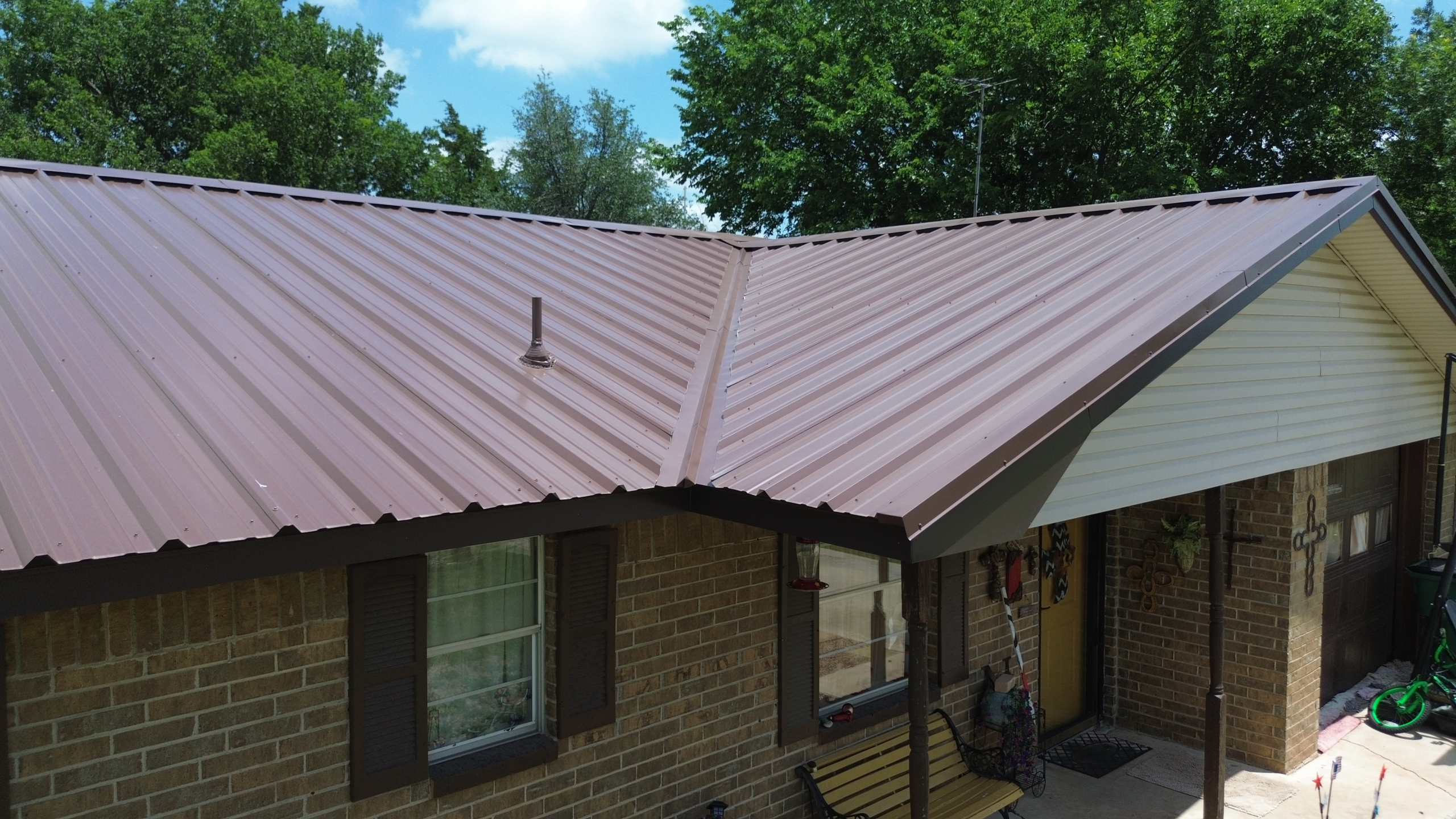
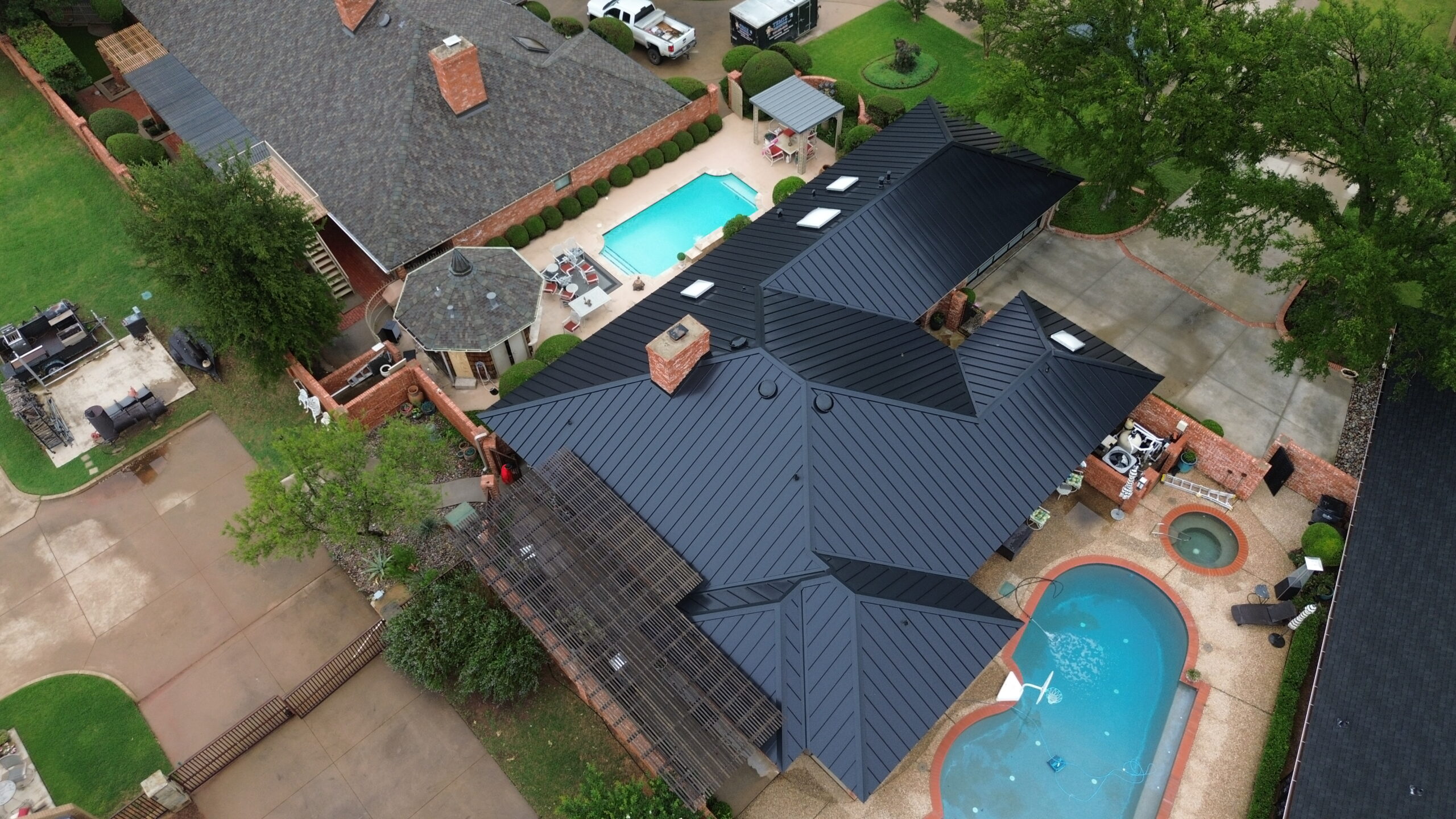
Metal roofing has also evolved considerably. Modern metal systems can include protective coatings designed to resist corrosion, fading, and environmental exposure. Standing-seam systems and improved fastening methods allow metal panels to accommodate movement caused by temperature changes while maintaining weather protection.
Synthetic roofing products represent another development. Modern synthetic materials can replicate the appearance of slate, wood, or tile while offering different weight and maintenance characteristics. Some products are manufactured with engineered polymers or composite materials designed to withstand repeated weather exposure.
Roofing technology has also expanded beyond the outer surface. Underlayments, membranes, flashing systems, ventilation components, insulation, and fasteners have all experienced improvements. These components work together to create more complete roofing assemblies.
Digital technology has introduced another major change. Roofing contractors can now use aerial imagery, digital measurement tools, thermal imaging, and software-based assessments to gather information before beginning work. This can reduce measurement errors and help identify areas requiring closer inspection.
The evolution of roofing technology can be summarized through several major developments:
- More durable engineered roofing materials
- Improved moisture and weather barriers
- Energy-efficient reflective surfaces
- Integrated solar roofing systems
- Digital inspection and measurement tools
- Smart monitoring and sensor technologies
- Recycled and sustainable roofing products
Modern roofing therefore represents more than a change in appearance. It reflects a broader movement toward systems that can provide multiple functions, including weather protection, energy management, monitoring, and environmental efficiency.
Smart Roofing Materials and Advanced Shingles
Modern shingles are increasingly designed to provide more than basic water shedding. Manufacturers are developing products with improved resistance to wind, impact, ultraviolet exposure, algae growth, and temperature changes. These improvements can help roofing systems maintain their performance for longer periods under demanding conditions.
Some advanced asphalt shingles incorporate stronger reinforcement and improved bonding technologies. Better adhesion can help reduce the risk of shingle lifting during strong winds. Enhanced surface materials can also provide additional protection against sunlight and weathering.
Impact-resistant shingles are another development in residential roofing. These products are designed to withstand greater levels of impact than standard shingles. They can be particularly useful in areas where hail and severe storms are common, although actual performance depends on product specifications and installation quality.
Reflective or cool shingles are designed to reduce the amount of solar energy absorbed by the roof surface. Some use specially engineered granules or coatings that reflect more sunlight than conventional dark roofing materials. By reducing surface heat, these products can help lower heat transfer into the attic and living areas.
Algae-resistant shingles are also available for homes in humid environments. Certain products use specially designed granules or treatments that help reduce the growth of algae on the roof surface. This can help maintain appearance while reducing the need for aggressive cleaning.
Synthetic shingles provide another modern option. Some are manufactured to resemble traditional roofing materials while offering resistance to moisture, impact, and weathering. Their lighter weight can also make them suitable for certain structures where traditional slate or tile may be less practical.
Advanced shingles still depend on correct installation. Even a high-performance product can fail prematurely when it is incorrectly fastened, installed on an unsuitable roof slope, or combined with incompatible components. Technology improves the material, but installation remains a major part of roofing performance.
Homeowners should therefore evaluate product specifications rather than relying solely on marketing terms. Important characteristics may include wind resistance, impact performance, solar reflectance, expected service life, fire performance, and installation requirements.
Cool Roofing and Reflective Technologies
Cool roofing technology focuses on reducing the amount of solar heat absorbed by a roof. Conventional dark roofing surfaces can become extremely hot under direct sunlight, particularly during summer. A reflective roof can reduce surface temperatures by sending a greater portion of incoming solar energy back toward the environment.
Cool roofing can involve reflective coatings, specially designed membranes, metal finishes, tiles, or shingles. The exact approach depends on the roofing material and roof design. Reflective performance should be evaluated based on the complete roofing system rather than color alone.
Roof color can influence solar absorption, but modern roofing technology goes beyond simple light-versus-dark comparisons. Manufacturers can engineer surface materials and coatings to reflect specific portions of solar radiation while maintaining desired colors and appearances.
Reducing roof temperatures can affect the building beneath the roof. Lower surface temperatures may reduce heat transfer into attic spaces and can potentially reduce cooling demand during hot weather. The actual energy benefit depends on insulation, ventilation, climate, building orientation, air conditioning efficiency, and other factors.
Cool roofing can be particularly useful in warm climates where air conditioning represents a significant portion of household energy use. However, the benefits may be different in colder climates because solar heat can sometimes contribute to passive warming during certain periods.
Reflective technology can also reduce thermal stress on some roofing materials. Repeated cycles of extreme heating and cooling can contribute to material movement and aging. Lower surface temperatures may help reduce some of these stresses, although the overall effect depends on the material and environmental conditions.
Roof coatings are another option in some roofing systems. A compatible reflective coating can create an additional protective layer over an existing surface. However, coatings must be selected and applied according to the roofing material and manufacturer’s requirements.
Cool roofing is therefore both an energy-efficiency strategy and a material-performance consideration. It can contribute to lower heat absorption while supporting the long-term performance of suitable roofing assemblies.
Solar Roofing and Integrated Energy Systems
Solar technology has become one of the most significant developments in modern residential roofing. Traditional rooftop solar installations use photovoltaic panels mounted above an existing roof surface. Newer approaches can integrate energy generation more directly with the roofing system.
Solar shingles, sometimes called solar roof tiles, are designed to combine roofing and photovoltaic functions. Instead of installing separate large panels above the roof covering, photovoltaic components are incorporated into roofing products. This can create a more integrated appearance for homeowners who want renewable energy without conventional panel layouts.
Traditional solar panels remain a practical option for many homes. They can be installed over a variety of roofing materials using mounting systems designed to secure the panels while protecting the roof from water intrusion. Proper flashing and attachment methods are essential because each mounting point can become a potential moisture vulnerability.
Roof orientation and available sunlight influence solar performance. A roof with suitable exposure and limited shading may provide better energy-generation potential than a roof surrounded by tall trees or nearby structures. Solar planning should therefore consider the property’s location, roof geometry, shading, and electrical requirements.
The condition of the roof should also be evaluated before installing solar equipment. Adding solar technology to an aging roof can create complications if the roof requires replacement later. In many cases, it is practical to assess the remaining roof life before committing to a long-term solar installation.
Modern solar roofing can provide two functions within one building system: weather protection and electricity generation. However, this integration requires careful design because the roof must continue to manage rain, wind, thermal movement, and maintenance access while supporting energy equipment.
As solar technology continues to develop, residential roofing is increasingly becoming part of a home’s energy infrastructure. Future systems may combine energy generation, storage, smart monitoring, and efficient roofing materials into more integrated building solutions.
Advanced Underlayment and Moisture Protection
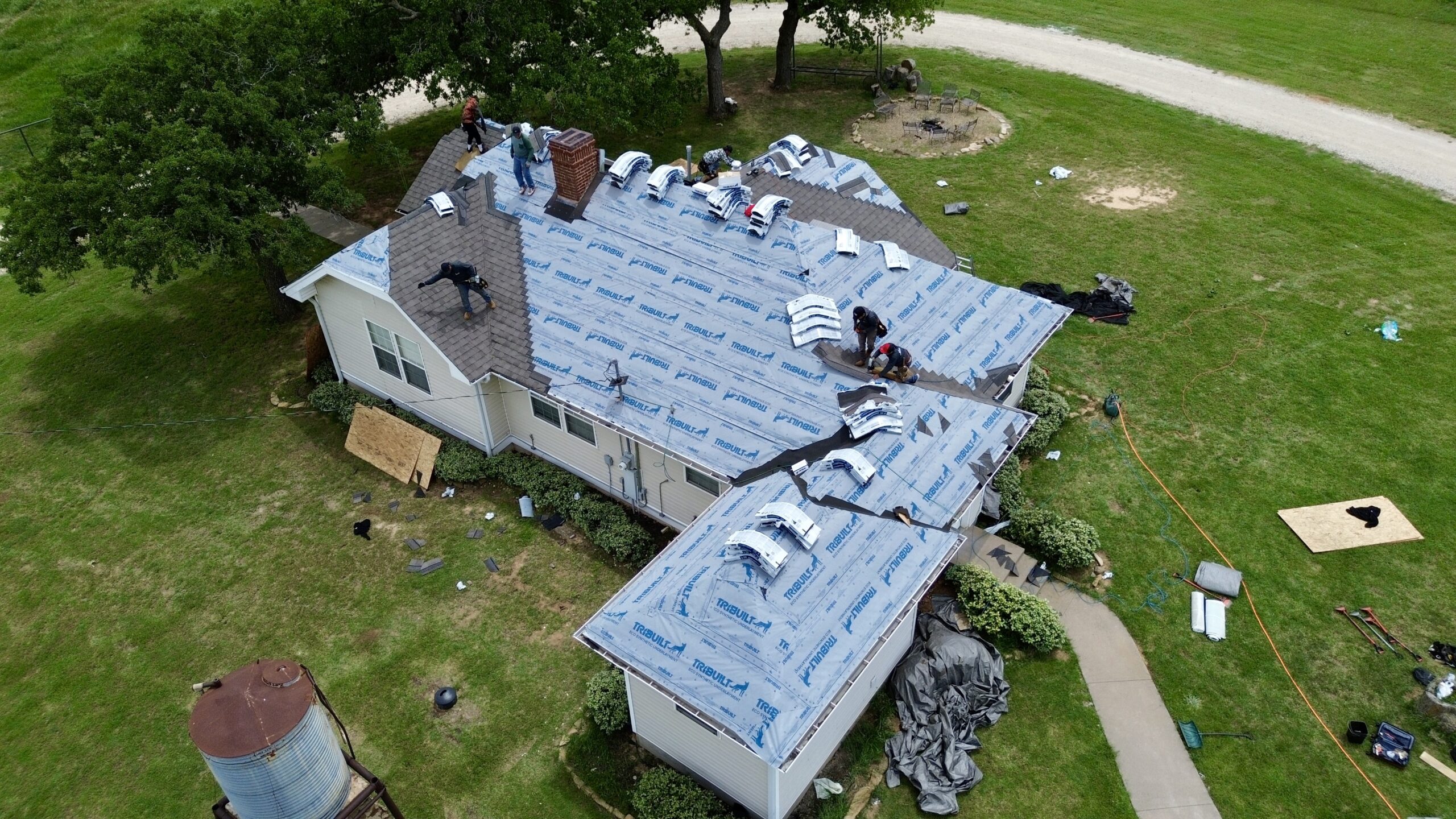
Modern roofing technology has also improved the layers beneath the visible roofing material. Underlayment provides secondary protection against water that may pass beneath shingles, tiles, slate, or other roof coverings. Advanced synthetic underlayments and specialized membranes can offer improved durability, handling, and moisture resistance compared with some traditional materials.
Synthetic underlayments are often designed to resist tearing and moisture exposure during installation and throughout the roof’s service life. Some products are lightweight and easier to handle than traditional materials while providing a consistent protective layer beneath the roof covering.
Water-resistant membranes are particularly useful in vulnerable areas. Roof valleys, eaves, penetrations, and other locations can experience concentrated water exposure. Specialized membrane products may provide additional protection in these areas when installed correctly.
Modern underlayments can also incorporate improved fastening and overlap designs. These details help maintain continuity between individual sections of the protective layer. A continuous moisture barrier is important because gaps and poorly integrated overlaps can create pathways for water intrusion.
Flashing technology has advanced alongside underlayment systems. Modern flashing products can be designed to accommodate movement, improve compatibility between materials, and provide better protection around complex roof transitions. These developments can reduce the likelihood of premature leakage when properly installed.
Moisture technology also extends into ventilation and air control. Some modern roofing assemblies combine improved insulation, air sealing, and ventilation strategies to reduce condensation risks. Managing both external water and internal moisture is important for protecting the roof deck and supporting structure.
Technology cannot eliminate the need for proper workmanship. Even advanced membranes and underlayments must be installed with correct overlaps, fasteners, transitions, and flashing details. A high-performance product can only provide its intended benefits when it forms part of a properly designed and installed roofing assembly.
As residential roofing continues to evolve, these hidden layers are becoming increasingly important. Homeowners are no longer relying solely on the outer roof covering to provide protection. Modern roofing systems use multiple layers and technologies to control water, heat, airflow, and environmental exposure, creating a more resilient structure overall.
Modern Roof Ventilation and Climate Control
Modern roof ventilation has become an important part of residential roofing technology because temperature and moisture inside the roof assembly can affect both comfort and material durability. Traditional ventilation relied mainly on basic soffit and ridge vents, while newer systems can use improved vent designs, insulation strategies, air sealing, and climate-control approaches to manage conditions more effectively.
A well-designed attic ventilation system allows appropriate airflow through the roof space. Intake vents can bring in outside air while exhaust vents allow warm or moist air to leave. When these components are correctly balanced, they can help reduce excessive heat buildup and control moisture accumulation.
Modern ventilation technology is particularly useful in hot climates. During sunny weather, attic temperatures can become considerably higher than outdoor temperatures. Excessive heat can increase cooling demands and may contribute to accelerated aging of certain roofing and insulation components.
Moisture control is equally important. Warm indoor air can enter an attic through gaps around light fixtures, electrical penetrations, ducts, and other openings. When this humid air reaches cooler surfaces, condensation may form and gradually affect roof decking, insulation, and structural components.
Modern roofing systems increasingly combine ventilation with improved air sealing. Air sealing reduces uncontrolled movement of indoor air into attic spaces, while ventilation manages the airflow that is intentionally introduced into the roof assembly. These strategies address different aspects of temperature and moisture management.
Some modern homes use advanced roof designs that integrate insulation directly with the roof assembly. These systems can reduce unwanted air movement and help maintain more consistent indoor temperatures. However, they require careful design because incorrect ventilation or moisture management can create problems within enclosed roof spaces.
Technology also supports better monitoring of attic conditions. Sensors can measure temperature and humidity and provide information that may help identify unusual conditions. This can be especially useful in homes where moisture problems are difficult to detect through occasional visual inspections.
Homeowners should understand that more ventilation is not always automatically better. Vent locations, insulation, air barriers, roof design, and climate conditions need to work together. An improperly designed ventilation system can fail to control moisture or may interfere with the intended performance of the building envelope.
Modern ventilation therefore focuses on controlled airflow rather than simply adding more openings. When combined with appropriate insulation and air sealing, it can help improve energy performance, reduce condensation risks, and support longer roofing material life.
Roofing Sensors and Smart Monitoring Systems
Smart monitoring is one of the newer developments influencing residential roofing maintenance. Traditional roof inspections generally depend on periodic visual assessments, meaning problems may remain unnoticed between inspections. Sensors can provide more frequent information about conditions affecting the roofing system.
Roofing sensors can be designed to monitor factors such as temperature, humidity, moisture, and in some systems structural movement. The information can help homeowners or building professionals identify unusual changes that may require further investigation.
Moisture sensors can be particularly useful in vulnerable areas. A sensor installed near a roof penetration, valley, or other high-risk location may detect moisture before a leak becomes visible inside the home. Early information can give homeowners an opportunity to investigate the problem before extensive damage develops.
Temperature sensors can provide information about roof and attic conditions. Unusually high temperatures may indicate inadequate ventilation or insulation problems, while unexpected temperature patterns can sometimes identify areas that require closer examination.
Smart monitoring systems may also connect with mobile applications or home automation platforms. Depending on the system, users can receive notifications when monitored conditions exceed selected thresholds. This can make roof maintenance more proactive rather than relying entirely on scheduled inspections.
However, sensors should not be considered a replacement for professional roofing inspections. A sensor can identify a change in conditions but may not determine why the change occurred. Physical inspection is still necessary to evaluate damaged materials, flashing, drainage, structural components, and other potential causes.
The technology is most useful when combined with other maintenance practices. For example, a homeowner may use monitoring data to identify an unusual moisture increase and then arrange an inspection before visible interior damage appears.
Smart systems may become increasingly common as connected home technology develops. Roofing could eventually become more integrated with broader building-management systems that monitor indoor climate, energy consumption, moisture, and exterior weather conditions.
For homeowners, the value of smart monitoring depends on the roof’s complexity, climate, maintenance needs, and cost of installation. Simple roofs may not require extensive sensor networks, while larger or technologically advanced homes may benefit more from continuous monitoring.
Drone Inspection and Digital Roof Assessment
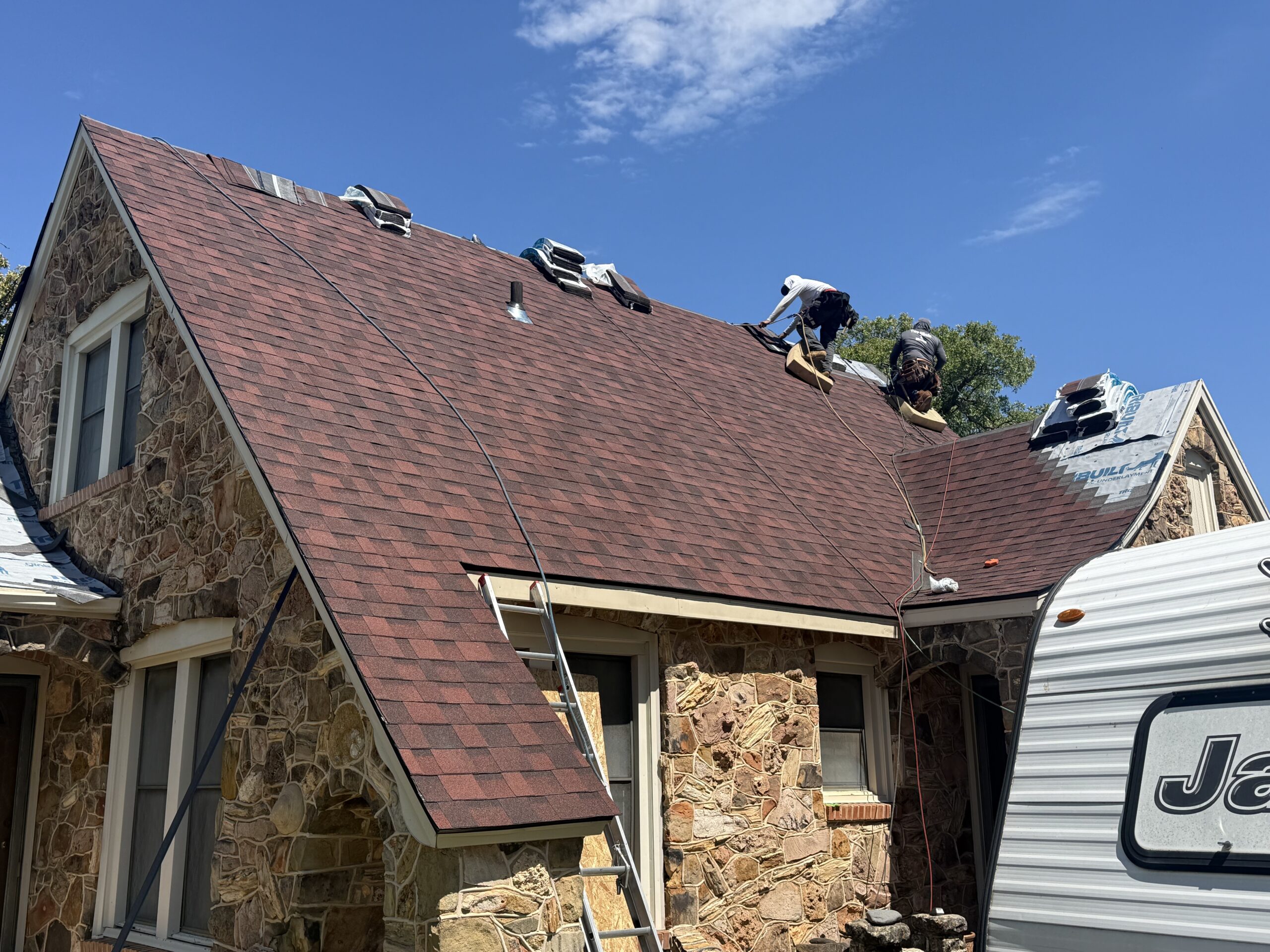
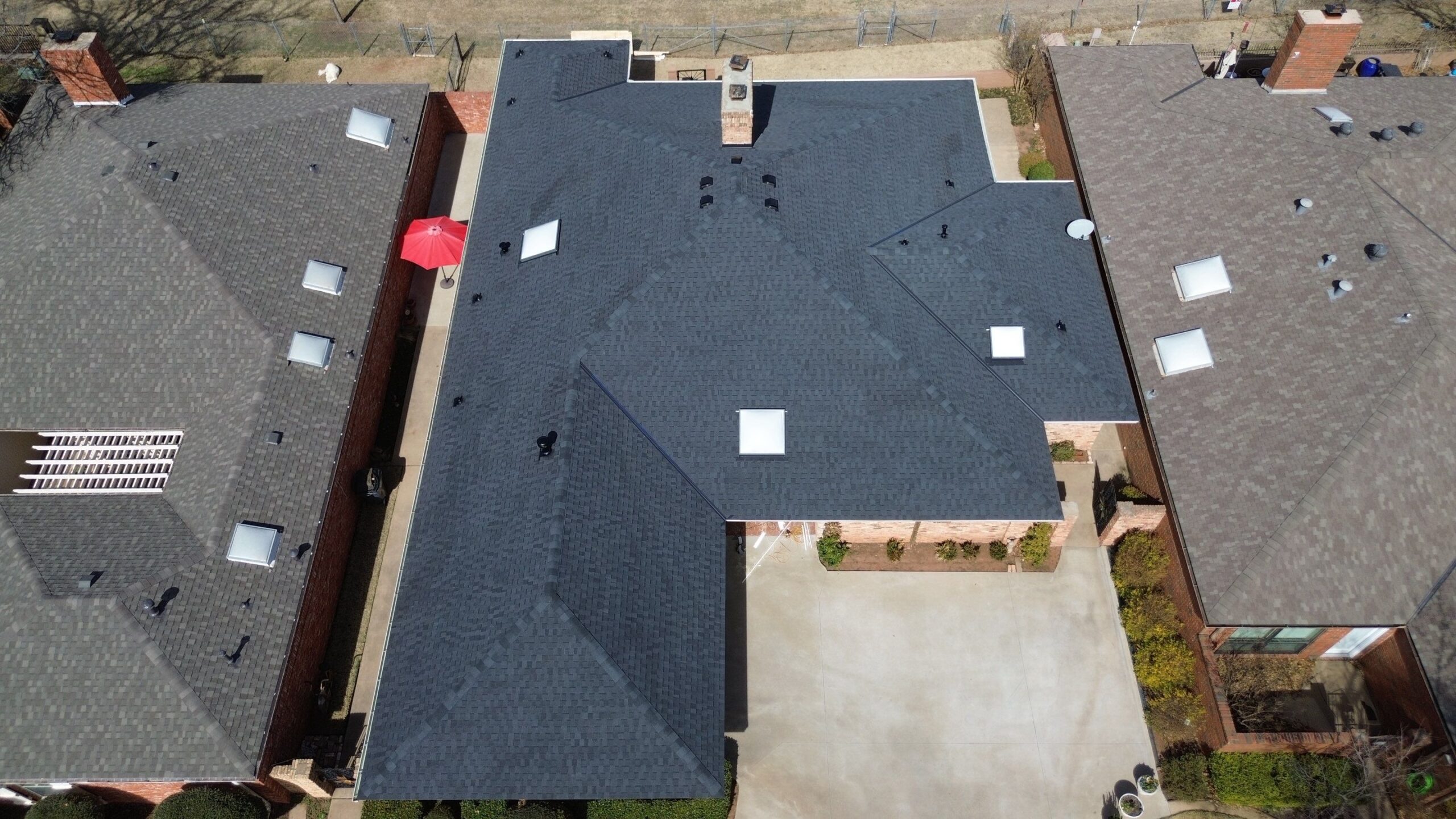
Digital inspection technology has changed how roofing professionals collect information about residential roofs. Drones equipped with high-resolution cameras can capture aerial images of roof surfaces without requiring inspectors to walk across every area. This can improve access to difficult locations and reduce certain inspection risks.
Drone photography can provide detailed views of roofing materials, valleys, flashing, roof edges, and areas around structures. Images can be reviewed more closely than what may be visible from the ground. This can help identify missing components, damaged materials, debris accumulation, and other visible concerns.
Digital measurements can also improve the planning process. Software can analyze aerial imagery to estimate roof dimensions, slopes, sections, and material requirements. Accurate measurements can help contractors prepare estimates and reduce some of the errors associated with manual measurements.
Thermal imaging adds another layer of technology. Infrared cameras can identify temperature differences across a roof surface or within building assemblies. These differences may help locate areas associated with moisture, insulation problems, or unusual heat patterns.
Thermal imaging requires skilled interpretation. A temperature difference does not automatically prove that a roof is leaking. Environmental conditions, sunlight, insulation variations, and other factors can produce different thermal patterns.
Digital roof models can also support communication between homeowners and contractors. Instead of relying entirely on verbal descriptions, professionals can show images of damaged areas and explain where repairs may be required. This can make the inspection process easier to understand.
Drone technology is especially valuable for roofs that are steep, complex, high, or difficult to access. It can provide an initial overview without requiring unnecessary movement across fragile roofing materials. However, certain areas may still require physical inspection to confirm the condition of materials.
The use of digital inspection tools can therefore improve efficiency and documentation. Images and measurements can also be stored for comparison during future inspections, allowing homeowners to track changes in roof condition over time.
Advanced Roofing Materials for Extreme Weather
Climate conditions are encouraging the development of roofing materials designed to handle more demanding weather environments. Modern products may be engineered for improved resistance to high winds, hail, intense sunlight, heavy rainfall, and temperature extremes.
Impact-resistant roofing materials are one example. Some shingles and other roofing products are designed to withstand stronger impacts than conventional products. These materials may be useful in regions where hail or wind-driven debris is a recurring concern.
High-wind roofing systems also use improved attachment methods. Stronger adhesives, enhanced fastening patterns, reinforced materials, and carefully designed roof edges can improve resistance to wind uplift. The performance of the complete system depends on installation as well as the material itself.
Metal roofing technology has also advanced for severe weather applications. Modern panels can include stronger connection systems and protective coatings designed to withstand environmental exposure. Properly designed seams and fastening systems allow the roof to accommodate thermal movement while maintaining weather protection.
Reflective roofing materials can help manage extreme heat. Surfaces designed to reflect more solar energy may remain cooler than conventional materials under strong sunlight. This can reduce heat transfer into the building and may help limit thermal stress.
Modern waterproofing systems also provide additional protection during intense rainfall. Advanced underlayments and specialized membranes can help prevent water from reaching the roof deck if moisture passes beneath the primary covering.
Extreme-weather performance should always be considered as a complete system characteristic. A highly impact-resistant shingle cannot compensate for weak flashing or inadequate roof attachment. Similarly, a strong metal panel may still leak if penetrations and seams are poorly installed.
Homeowners should therefore consider local weather patterns when selecting roofing technology. The best system for a high-wind region may differ from the ideal solution for a hot, humid, hail-prone, or heavily rainy environment.
Improved Fastening, Flashing, and Waterproofing Technologies
Modern roofing technology has improved many of the smaller components that play a major role in preventing leaks. Fasteners, flashing, membranes, adhesives, and sealants may appear less important than the main roofing material, but failures in these components can significantly affect roof performance.
Modern fasteners are available in different materials and configurations depending on the roofing system. Corrosion-resistant fasteners can help improve durability in humid or coastal environments. Correct placement and penetration remain essential regardless of the fastener type.
Adhesive technology has also improved. Certain roofing systems use advanced bonding materials to secure components and improve resistance to wind uplift. Adhesives must be compatible with the roofing material and applied according to manufacturer requirements.
Flashing systems are becoming more integrated with other moisture-control layers. Instead of treating flashing as an isolated metal component, modern installation approaches can connect flashing, underlayment, membranes, and exterior weather barriers into a coordinated water-shedding system.
Waterproof membranes may be used in areas exposed to concentrated moisture. Roof valleys, eaves, penetrations, and low-slope sections can benefit from additional protection where appropriate. These products provide another defensive layer beneath the visible roofing material.
Sealants have also become more specialized. Modern products may be designed for specific temperature ranges, materials, and exposure conditions. However, sealants should still be considered part of a broader flashing and waterproofing strategy rather than the only protection against water.
Improved installation tools can support more consistent workmanship. Digital measurements, specialized fastening equipment, and manufacturer-specific installation systems can help contractors follow required procedures more accurately.
The combination of improved materials and better installation methods can make modern roofs more resistant to common failure points. However, technology cannot eliminate the importance of skilled workmanship. A sophisticated waterproofing system still requires correct detailing at every transition and penetration.
Sustainable and Recycled Roofing Materials
Environmental considerations are increasingly influencing residential roofing technology. Manufacturers are developing products that use recycled materials, reduce manufacturing waste, improve energy efficiency, or provide longer service lives. These developments can help reduce the environmental impact associated with roof construction and replacement.
Recycled-content roofing products may incorporate materials recovered from manufacturing processes or other sources. Some roofing products can also be recycled at the end of their service life, depending on local recycling infrastructure and material composition.
Metal roofing is one example of a material that can contain recycled content and may be recyclable after removal. Its long potential service life can also reduce the frequency with which a homeowner needs to replace the roof.
Some asphalt roofing products incorporate recycled materials as part of their manufacturing process. Recycling old roofing materials can also reduce the amount of waste sent to landfills where appropriate collection and processing programs are available.
Synthetic roofing can provide another sustainability option. Certain products are manufactured using engineered materials that can offer long service lives and reduced maintenance requirements. Their environmental performance depends on manufacturing methods, material composition, transportation, and end-of-life options.
Energy-efficient roofing can contribute to sustainability by reducing cooling demand. Reflective materials may lower heat absorption during hot weather, while appropriate insulation and ventilation can improve the overall thermal performance of the home.
Durability itself is also an important sustainability factor. A roof that remains functional for a long period may require fewer replacement materials over its lifetime. Choosing a roofing system based on both durability and environmental performance can therefore provide long-term benefits.
Sustainable roofing technology should not be judged by a single feature. Homeowners should consider the complete life cycle of the material, including manufacturing, transportation, installation, maintenance, service life, energy performance, and disposal.
As technology continues to develop, sustainable roofing is likely to become increasingly integrated with other innovations. Future systems may combine recycled materials, reflective surfaces, solar energy generation, smart monitoring, and improved durability into a single residential roofing solution.
Artificial Intelligence and Predictive Roof Maintenance
Artificial intelligence is beginning to influence residential roofing by making inspections and maintenance more data-driven. Traditional maintenance usually depends on scheduled inspections, visible damage, and homeowner reports, but digital systems can analyze images, weather information, sensor readings, and historical records to identify potential problems earlier.
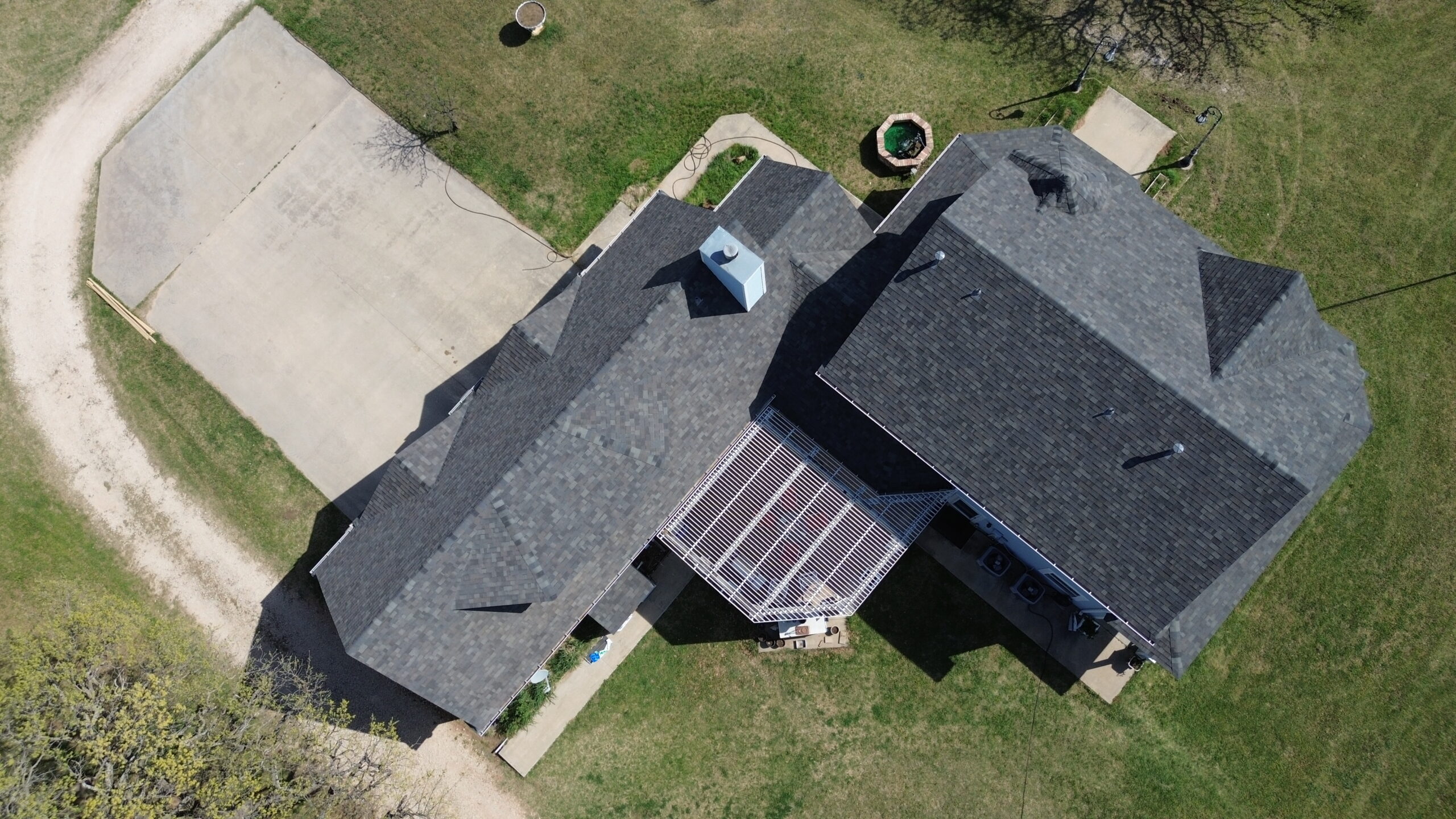
AI-powered image analysis can help detect visible roofing defects such as missing shingles, cracked tiles, damaged flashing, surface deterioration, and debris accumulation. When large numbers of roof images are processed, software can identify patterns that may be difficult to notice during a quick manual review. Human inspection remains important because automated systems may not correctly interpret every condition.
Predictive maintenance takes this concept further by using available information to estimate when certain components may require attention. A system could consider the age of the roof, weather exposure, previous repairs, temperature patterns, and inspection results when identifying areas that deserve closer monitoring.
Weather data can also contribute to predictive maintenance. Repeated exposure to strong winds, hail, intense sunlight, or heavy rainfall can increase stress on roofing materials. Combining weather information with roof condition records can help homeowners prioritize inspections after significant environmental events.
Digital records can make this process more useful over time. If inspection photographs are stored from one year to the next, changes in a particular roof section can be compared. A gradual increase in cracking, corrosion, surface wear, or displacement may become easier to identify when previous images are available.
AI does not eliminate the need for roofing professionals. Instead, it can help professionals process information more efficiently and focus attention on areas that require physical assessment. A roofing expert can then determine the actual cause of deterioration and recommend an appropriate repair or replacement.
Predictive technology may eventually become a normal part of residential maintenance. Instead of waiting until a leak appears, homeowners could receive an indication that a particular roofing component is showing signs of increased deterioration. This approach could reduce emergency repairs and support more organized maintenance planning.
Energy-Efficient Roofing and Home Performance
Modern roofing technology increasingly focuses on the relationship between the roof and the home’s overall energy performance. A roof is part of the building envelope, so its materials, insulation, ventilation, and surface characteristics can influence how heat moves into and out of the home.
Reflective roofing is one technology that can reduce solar heat absorption. During hot weather, reflective surfaces can remain cooler than some conventional roofing materials. This can reduce the amount of heat transferred into attic spaces and potentially reduce cooling requirements.
Insulation is another critical part of energy-efficient roofing. High-quality insulation can reduce heat transfer between the living space and the roof assembly. When combined with proper air sealing, it can help maintain more stable indoor temperatures.
Ventilation works alongside insulation by helping manage conditions in appropriate attic spaces. Properly designed intake and exhaust pathways can help remove excess heat and moisture. However, ventilation should be designed according to the roof and building configuration rather than added without considering the complete assembly.
Solar roofing provides another approach to energy performance by generating electricity from the roof itself. Traditional photovoltaic panels and integrated solar shingles can transform unused roof space into part of the home’s energy system. The suitability of solar technology depends on factors such as roof orientation, shading, available area, structural considerations, and local conditions.
Modern roofing systems can therefore support several energy-related functions simultaneously. A roof may protect the home from weather, reduce heat absorption, support insulation and ventilation, and generate renewable electricity.
| Technology | Primary function | Potential residential benefit |
|---|---|---|
| Reflective roofing | Reduces solar heat absorption | Can help reduce cooling demand |
| Advanced insulation | Limits heat transfer | Improves indoor temperature control |
| Roof ventilation | Manages heat and moisture | Supports roof and attic performance |
| Solar shingles | Generates electricity | Integrates renewable energy with roofing |
| Smart sensors | Tracks roof conditions | Supports earlier maintenance decisions |
| Digital inspection | Documents roof condition | Improves assessment and maintenance planning |
Energy efficiency should be evaluated as a complete system rather than through one roofing product. A reflective roof may have limited benefits if insulation and air sealing are poor. Similarly, excellent insulation cannot correct significant moisture intrusion or major roofing defects.
Technology for Longer Roof Service Life
Modern roofing technology is increasingly focused on extending the useful life of roofing systems. Longer service life can reduce replacement frequency, maintenance disruption, material consumption, and long-term ownership costs. Achieving this goal requires improvements in both materials and installation practices.
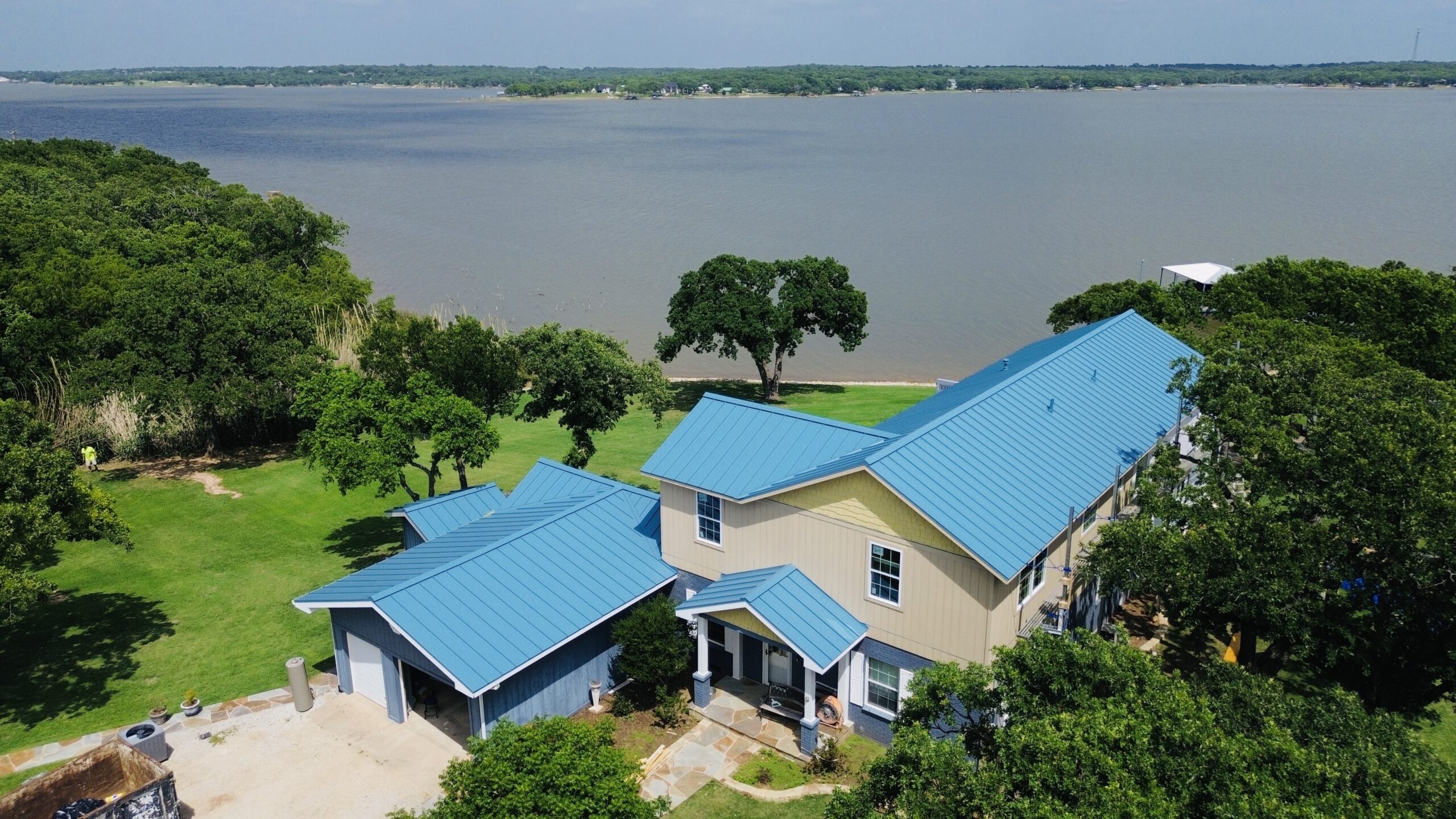
Advanced protective coatings can help certain roofing materials resist ultraviolet exposure, moisture, corrosion, and surface deterioration. These coatings can be particularly useful for metal roofing, where maintaining the protective finish can reduce exposure of the underlying metal.
Improved roofing membranes provide another layer of protection. Modern synthetic underlayments and waterproofing products can help protect the roof deck when water moves beneath the primary roof covering. Their effectiveness depends on proper installation, compatible materials, and correct detailing.
Fastening technology also contributes to durability. Roofing components need to remain securely attached while accommodating environmental movement. Correct fastener selection, placement, and corrosion resistance can help reduce premature loosening and deterioration.
Manufacturing improvements can increase consistency in roofing products. Engineered materials are often produced under controlled conditions, allowing manufacturers to maintain specific physical and performance characteristics. Better consistency can support predictable installation and long-term behavior.
Durability also depends on maintenance. Even advanced materials can deteriorate when gutters remain blocked, flashing is damaged, vegetation repeatedly contacts the roof, or small defects are ignored. Technology can improve resistance to these conditions, but it cannot remove the need for appropriate care.
A longer-lasting roof begins with proper planning. Homeowners should select materials that are suitable for their climate, roof design, and maintenance expectations. They should also ensure that the complete roofing assembly is installed according to the requirements of the selected products.
Technology can make maintenance more efficient as well. Digital inspection records, aerial images, sensors, and predictive tools can help identify changes before they become major failures. This supports a preventive approach rather than relying only on emergency repairs.
The ultimate goal is not simply to purchase the most technologically advanced product. It is to create a roofing system in which materials, structure, drainage, ventilation, waterproofing, and maintenance work together to provide dependable performance for many years.
Choosing Modern Roofing Technology for Residential Properties
Modern roofing technology offers many choices, but not every innovation is appropriate for every home. Homeowners should begin by identifying the property’s environmental conditions and practical requirements before selecting specific products or systems.
Climate is one of the most important considerations. A home in a hot region may benefit from reflective roofing and improved thermal management, while a property in a high-wind area may require stronger attachment systems and impact-resistant materials. Homes exposed to frequent rainfall may require particular attention to waterproofing, drainage, flashing, and moisture control.
The existing roof condition should also be evaluated. Installing new technology over a severely deteriorated roof may not produce the expected results. Before adding solar equipment, advanced coatings, or other systems, homeowners should determine whether the underlying roof has sufficient remaining service life.
Budget is another important factor. Advanced roofing products can have higher initial costs than conventional alternatives. However, potential benefits such as energy savings, longer service life, lower maintenance requirements, and improved weather resistance should be considered when evaluating total long-term value.
Homeowners should also consider installation expertise. Some modern systems require specialized knowledge, tools, or manufacturer-approved installation methods. A high-performance material can lose much of its intended benefit when installed incorrectly.
Maintenance requirements should be understood before selecting a technology. Some systems may require periodic inspections, specialized cleaning, monitoring equipment, or particular replacement components. Knowing these requirements can help homeowners choose a solution that fits their long-term expectations.
A practical evaluation can include the following factors:
- Climate and weather exposure: Consider heat, rainfall, wind, hail, humidity, and seasonal temperature changes.
- Roof condition: Determine whether the existing structure and roofing materials are suitable for upgrades.
- Energy objectives: Decide whether the priority is lower cooling demand, renewable energy generation, or improved thermal performance.
- Maintenance needs: Compare inspection, repair, cleaning, and replacement requirements.
- Long-term value: Consider service life, operating benefits, installation costs, and future maintenance expenses.
Professional advice can be especially useful when multiple technologies are being considered. A roofing professional can evaluate the existing structure and determine whether a particular system is technically suitable. For solar installations or significant structural modifications, additional specialists may also be required.
The best modern roofing solution is therefore not necessarily the newest product available. It is the technology that matches the home’s conditions, performance goals, structural requirements, budget, and expected maintenance approach.
Future Trends in Residential Roofing Systems
Residential roofing technology is likely to become increasingly connected, energy efficient, and responsive. Future roofing systems may combine several functions that are currently handled separately. Instead of simply protecting a home from rain, the roof could contribute to energy generation, environmental monitoring, thermal management, and predictive maintenance.
Smart sensors are likely to become more capable and affordable. Future systems could continuously monitor moisture, temperature, movement, and other conditions across important roof areas. This information could help identify unusual changes before they become visible signs of failure.
Artificial intelligence may also improve roof assessments. As digital inspection databases grow, automated systems may become better at recognizing common deterioration patterns. AI could assist professionals by highlighting areas that require closer inspection and organizing maintenance information.
Solar roofing is another area with significant potential. Improvements in photovoltaic materials could make energy-generating roof surfaces more efficient and visually integrated. Combining solar generation with battery storage and smart home energy controls could make the roof an increasingly important part of residential energy management.
New materials may also provide improved combinations of durability and sustainability. Manufacturers are likely to continue developing roofing products that use recycled content, reduce waste, resist severe weather, and remain functional for longer periods. Lightweight composite materials may also provide alternatives to traditional heavy roofing products.
Advanced coatings could provide additional functionality. Future surfaces may be designed not only to resist weathering but also to manage heat, reduce environmental contamination, improve water shedding, or support easier maintenance.
Digital documentation may become a standard part of roof ownership. Homeowners could maintain a digital history containing installation information, inspection images, repair records, warranty details, and sensor data. Such records could make it easier to understand how a roof has changed throughout its service life.
The future of residential roofing is therefore likely to focus on integration. Roofing materials, digital technologies, renewable energy systems, building controls, and maintenance tools may increasingly operate as connected parts of a single building system.
Conclusion
Modern technology is transforming residential roofing from a primarily protective surface into a more advanced component of the home. Improvements in materials, ventilation, waterproofing, energy efficiency, digital inspection, monitoring, and renewable energy are creating new opportunities for homeowners to improve roof performance.
Advanced shingles and synthetic materials can provide improved resistance to environmental stresses, while reflective roofing can help manage solar heat. Solar shingles and photovoltaic systems can allow roofs to contribute to electricity generation, while improved underlayments and flashing systems provide additional protection against moisture intrusion.
Digital tools are changing how roofs are inspected and maintained. Drones can provide detailed aerial imagery, thermal imaging can help identify unusual temperature patterns, and smart sensors can monitor conditions that may otherwise remain unnoticed. Artificial intelligence may further improve these systems by helping identify patterns and prioritize areas for professional assessment.
Energy efficiency is also becoming a major part of roofing design. Reflective surfaces, insulation, ventilation, and solar technology can work together to improve building performance. The most effective approach considers the entire roof and building envelope rather than treating individual technologies as separate solutions.
Durability remains equally important. Modern materials can provide stronger resistance to weather, corrosion, impact, and thermal stress, but long service life still depends on correct installation and maintenance. Flashing, fasteners, drainage, underlayment, and structural components must work together with the primary roofing material.
Sustainability is another growing influence on roofing technology. Recycled materials, recyclable products, energy-efficient surfaces, and longer-lasting systems can reduce the resources associated with frequent roof replacement. Choosing durable materials that are suitable for the local environment can provide both practical and environmental benefits.
Homeowners should approach modern roofing technology based on their individual needs rather than selecting innovations simply because they are new. Climate, roof condition, energy goals, budget, installation requirements, and maintenance expectations should all be considered before making a decision.
The future of residential roofing will likely involve greater integration between physical materials and digital technologies. Smart monitoring, artificial intelligence, solar energy, advanced coatings, sustainable materials, and improved weather resistance may work together to create roofs that are more efficient, durable, and responsive.
Ultimately, modern roofing technology is valuable when it solves real problems and improves the performance of the complete roofing system. By combining appropriate materials with quality installation, regular maintenance, and suitable technology, homeowners can create roofing systems that provide reliable protection while supporting the energy efficiency, durability, and long-term performance of their homes.