
Comparing Roofing Companies for Installation Services
Introduction
Choosing a roofing company for a new installation is an important decision because the quality of the contractor’s work can affect the roof’s durability, appearance, energy performance, and ability to protect the property. Many homeowners compare companies primarily by looking at the total price, but cost alone does not provide enough information to determine which contractor offers the best value. A lower estimate may leave out important services, use different materials, or provide less warranty protection than a more detailed proposal.
Comparing roofing companies carefully allows homeowners to understand what they are actually receiving for their investment. Experience, licensing, insurance, installation practices, materials, communication, warranties, project timelines, and the details included in the estimate can all make a significant difference. Looking at these factors together provides a clearer picture of whether a contractor is prepared to manage the project professionally.
The comparison process should begin before signing a contract or making a major payment. Homeowners can request proposals from several qualified contractors and review them using the same basic criteria. This makes it easier to identify meaningful differences between companies instead of choosing based on the first estimate that appears attractive.
Understanding What Each Roofing Company Offers
The first step in comparing roofing companies is understanding the services each contractor actually provides. Not every roofing company operates in exactly the same way, and two contractors may offer very different levels of service even when both advertise similar installation work. A proposal should clearly explain what the company will do, which materials will be used, and what parts of the roofing system are included.
A professional installation may involve much more than installing the visible roofing material. Depending on the condition and design of the roof, the project can include removal of the existing roof, inspection of the roof deck, replacement of damaged sections, underlayment, flashing, ventilation components, edge materials, new roofing materials, and final cleanup.
Homeowners should therefore avoid comparing two estimates based only on their final totals. If one company includes several important components while another provides only a basic roofing installation, the lower price does not necessarily represent better value. The scope of work needs to be compared before the prices can be meaningfully evaluated.
It is also useful to determine whether the company has experience with the specific roofing system being considered. A contractor who regularly installs asphalt shingles may have a different level of experience with metal roofing, tile, slate, or other specialized materials. The installation method and required expertise can vary significantly between roofing systems.
The following points can help homeowners establish a basic comparison before reviewing detailed estimates:
- Type of roofing materials offered
- Complete scope of installation services
- Experience with similar roofing projects
- Availability of trained installation crews
- Warranty and workmanship coverage
- Project management and communication practices
A company’s approach to the initial consultation can also provide useful information. Contractors who take time to understand the property, discuss the homeowner’s needs, inspect the roof carefully, and explain possible solutions are generally easier to evaluate than companies that provide a quick price without much explanation.
Checking Roofing Company Experience
Experience is one of the most important factors to consider when comparing roofing contractors. Roofing installation requires practical knowledge of materials, roof structures, weather conditions, flashing details, ventilation, fastening methods, and many other components. A contractor with substantial experience may be better prepared to recognize problems and handle complicated installation conditions.
However, the number of years a company has been operating should not be the only measure of experience. Homeowners should also consider whether the contractor has completed projects similar to theirs. A company may have extensive general roofing experience but limited experience with a particular material, steep roof design, or complex property.
It can be useful to ask contractors about the types of projects they commonly complete. Questions about previous installations can reveal whether the company regularly performs full roof replacements or primarily focuses on repairs. Contractors should be able to explain their experience without making unrealistic claims about their capabilities.
Local experience can also be valuable because roofing contractors working in the same region may be familiar with common weather conditions, building characteristics, and material requirements. They may have experience dealing with the types of heat, rainfall, wind, or seasonal conditions that affect roofs in the area.
Homeowners can also ask who will actually perform the installation. The company providing the estimate may not always be the same team performing the physical work. Understanding whether the project will be completed by company employees, subcontractors, or a combination of workers can help homeowners determine how installation quality will be supervised.
A reliable contractor should be willing to explain how the installation crew is organized and who will be responsible for overseeing the project. Clear supervision can make a major difference because roofing quality depends not only on the materials selected but also on how carefully those materials are installed.
Verifying Licensing, Insurance, and Credentials
Before comparing prices in detail, homeowners should verify that the roofing companies being considered have the appropriate credentials for their location and type of work. Licensing requirements vary by jurisdiction, so homeowners should understand which credentials are required locally and ask contractors to provide relevant documentation.
Insurance is another important consideration. Roofing work involves significant risks because workers operate at heights and use tools, equipment, and heavy materials. Appropriate insurance coverage can help protect the contractor, workers, and property owner from certain risks associated with the project.
Homeowners should ask whether the contractor carries general liability insurance and workers’ compensation coverage where applicable. They should also verify that the information provided is current rather than assuming that a contractor’s verbal statement is sufficient.
Some roofing manufacturers offer contractor certification programs for companies that meet specific requirements. Such credentials may indicate that a contractor has completed certain training or meets particular manufacturer standards, although homeowners should still evaluate the company’s overall experience and reputation.
Credentials should be treated as one part of the comparison rather than the entire decision. A contractor may have appropriate licensing and insurance but still provide an unclear proposal or weak communication. The strongest candidate should demonstrate both professional credentials and a reliable approach to managing the installation.
Homeowners can create a simple verification process by checking the following information before moving forward:
| Comparison Factor | What to Review |
|---|---|
| Licensing | Required local contractor credentials |
| Insurance | General liability and applicable worker coverage |
| Experience | Similar roofing installation projects |
| Certifications | Relevant manufacturer or industry credentials |
| Documentation | Current and verifiable information |
Taking time to verify these details can help eliminate contractors who are not adequately prepared to manage a professional roofing installation.
Evaluating Reputation and Customer Reviews
A roofing company’s reputation can provide useful insight into how it handles projects and customers. Online reviews, testimonials, references, and local recommendations can help homeowners identify patterns in a contractor’s performance. However, reviews should be evaluated carefully rather than relying on a single positive or negative comment.
Recent reviews can be particularly useful because they may reflect the company’s current crew, management practices, communication style, and customer service. A contractor’s operations can change over time, so homeowners should not assume that very old reviews accurately represent the company’s current performance.
When reading reviews, it is helpful to look for repeated themes. Several customers mentioning poor communication, incomplete cleanup, unexpected charges, or installation concerns may indicate a pattern that deserves further investigation. Likewise, consistent comments about punctuality, professional crews, clear communication, and quality workmanship can provide useful supporting evidence.
Homeowners should also consider how a company responds to negative feedback. A professional response does not necessarily mean that every complaint was the contractor’s fault, but it can show whether the company attempts to address customer concerns respectfully and responsibly.
References can provide another useful source of information. Homeowners may ask whether the contractor can provide references from recent customers who had similar roofing projects. Speaking with someone who has actually worked with the company can provide practical information that may not appear in an online estimate.
Reputation should not be considered separately from the rest of the comparison. A company with excellent reviews but an incomplete proposal may still require additional investigation, while a newer company with fewer reviews may need stronger documentation and references to establish confidence.
Comparing Written Roofing Estimates
After evaluating basic qualifications and reputation, homeowners can compare written estimates in greater detail. A professional roofing estimate should provide enough information for the homeowner to understand what is being proposed and how the total cost was calculated. Estimates that contain only a single price and a general description can be difficult to compare fairly.
A detailed estimate should identify the roofing materials being proposed and describe the main installation activities. It should also indicate whether the price includes removal of the existing roof, disposal of old materials, preparation of the roof deck, installation of underlayment, flashing work, ventilation, and cleanup.
Labor and material costs may not always be presented in exactly the same format, but the homeowner should be able to understand the overall scope. If an estimate excludes certain potential repairs, those exclusions should be clear so the homeowner knows what could result in an additional charge.
Material specifications deserve particular attention. Two estimates may both state that they include new shingles, for example, while offering different product lines, quality levels, warranties, or installation requirements. Comparing only the word “shingles” without checking the actual product information can lead to an inaccurate price comparison.
The same principle applies to other components of the roofing system. Underlayment, flashing, ventilation, fasteners, edge materials, and sealants can all influence the performance of the completed roof. A proposal that includes these components in detail gives the homeowner a much better basis for comparing contractors.
Homeowners should also examine payment requirements and conditions. The estimate or contract should clearly explain the expected payment schedule, what circumstances could result in additional charges, and how changes to the original scope will be handled.
The most useful comparison is therefore not simply which contractor has the lowest total. Instead, homeowners should ask whether each proposal provides a similar level of materials, labor, preparation, protection, cleanup, warranty coverage, and project management.
A detailed estimate can make differences between contractors much easier to identify. When several proposals are reviewed using the same criteria, homeowners can see which companies provide comprehensive services and which estimates may appear inexpensive because important work has been excluded.
By carefully comparing the scope, credentials, experience, reputation, and written estimates, homeowners can narrow their options to contractors that appear capable of completing the installation professionally. These early comparisons create a stronger foundation for evaluating the next major factors, including roofing materials, warranties, project schedules, installation crews, and overall project value.
Comparing Roofing Materials and Installation Methods
The materials proposed by different roofing companies should be compared carefully because the type and quality of roofing products can significantly affect the roof’s appearance, durability, maintenance needs, and expected service life. Two contractors may offer similar installation prices while recommending completely different products, making it difficult to determine which proposal provides better value without examining the material specifications.
Common roofing options include asphalt shingles, metal roofing, tile, slate, and other specialized systems. Each material has different installation requirements, performance characteristics, maintenance considerations, and price ranges. The best choice depends on factors such as the property’s design, local climate, roof structure, homeowner preferences, and available budget.
When comparing proposals, homeowners should ask contractors to identify the specific manufacturer and product being offered rather than accepting a general description. For example, an estimate that simply says “architectural shingles” does not provide as much useful information as one that identifies the product line, relevant specifications, and applicable warranty.
Installation methods should also be considered alongside the materials. High-quality roofing products can still perform poorly when they are installed incorrectly or when important supporting components are missing. Contractors should explain how they plan to prepare the roof, install the roofing system, handle flashing, address ventilation, and complete details around penetrations and edges.
The installation method may vary according to the roofing material. Metal panels, tiles, and shingles require different fastening systems, spacing considerations, cutting techniques, and detailing. A contractor’s experience with the specific material therefore becomes an important part of the comparison.
Homeowners should also be cautious when a contractor recommends a material solely because it is cheaper or easier to install. A professional recommendation should consider the property’s requirements and explain why the proposed product is appropriate. Comparing materials based on specifications and long-term value gives homeowners a more meaningful basis for choosing between roofing companies.
Understanding What Is Included in Each Proposal
After comparing the roofing materials, homeowners should examine the complete scope of work included in each proposal. The visible roofing material is only one part of a complete roofing system, and important supporting components can have a significant effect on the finished roof’s performance.
A detailed proposal should explain what happens to the existing roof. If the project requires removal, the estimate should clarify whether the contractor will remove one or multiple layers of existing roofing material and how the resulting debris will be handled. This information is important because tear-off and disposal can represent a significant portion of the project’s labor and cost.
The condition of the roof deck should also be addressed. Contractors may not know the exact condition of concealed decking until the existing roofing materials are removed, but the proposal can explain how damaged areas will be handled if they are discovered. Homeowners should understand whether deck repairs are included, priced separately, or charged according to an agreed method.
Other components should receive similar attention. Depending on the roofing system and property, the proposal may need to address underlayment, flashing, drip edges, ventilation, fasteners, sealants, and other accessories. If these items are not mentioned, homeowners should ask whether they are included or excluded.
It is useful to compare proposals by looking at the complete installation rather than individual line items. A contractor may appear more expensive because the estimate includes more comprehensive preparation and finishing work, while another may offer a lower price by excluding certain components that will eventually be necessary.
A homeowner can ask each contractor the same questions to make the comparison more consistent. This can reveal differences that are not immediately obvious when reviewing the total price alone.
Another important consideration is how changes will be handled if unexpected conditions are discovered. For example, if damaged decking is found after tear-off, the contractor should have a clear process for documenting the issue, explaining the required repair, and obtaining approval before additional work is performed.
Clear scope information protects both parties. The homeowner understands what is included in the project, while the contractor has a defined set of responsibilities. This reduces misunderstandings and makes it easier to compare competing proposals on an equal basis.
Comparing Roofing Warranties
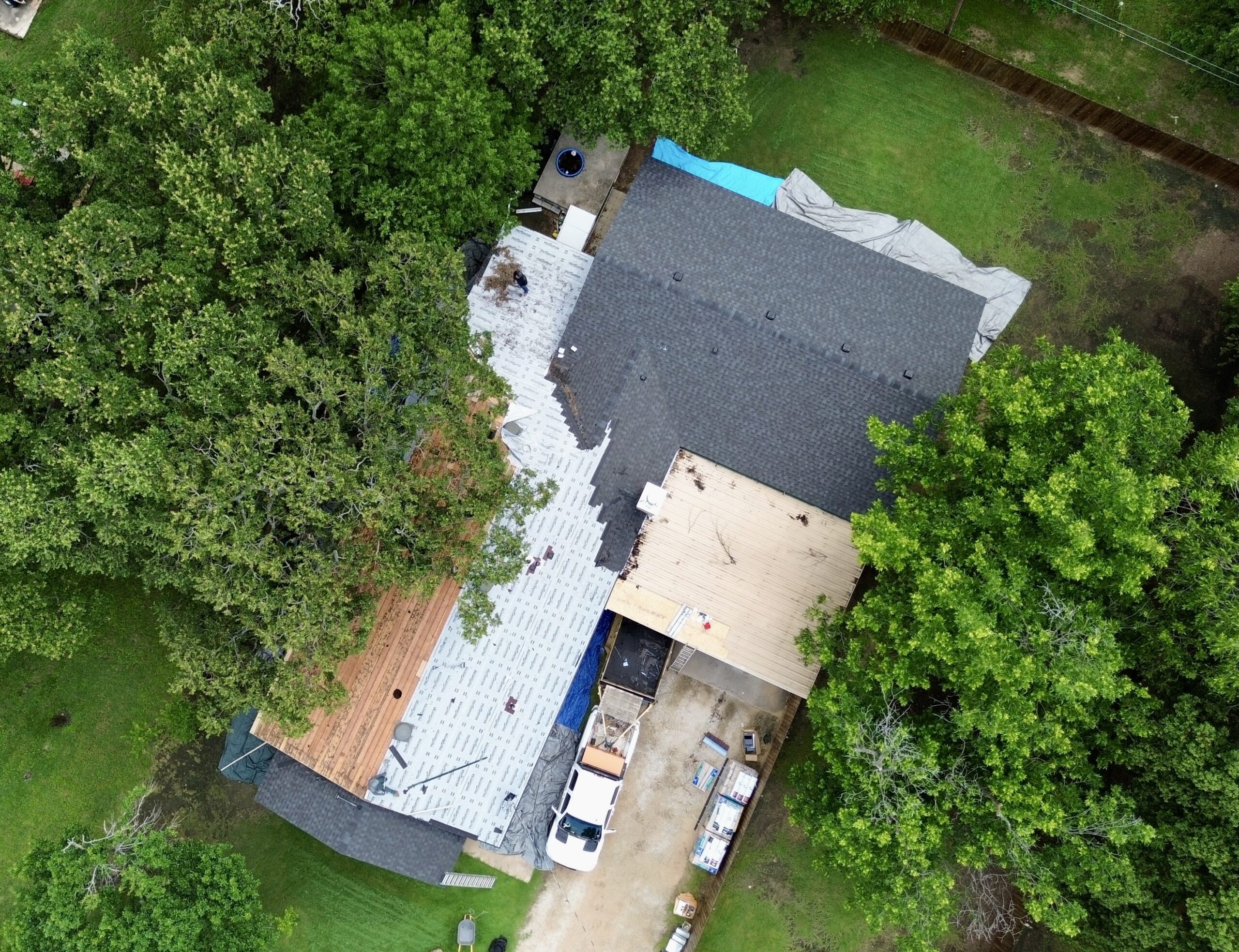
Warranty coverage is another important factor when comparing roofing companies. A roofing project can involve more than one type of warranty, including coverage provided by the material manufacturer and workmanship coverage provided by the contractor. These warranties should be reviewed carefully because their terms and limitations can vary considerably.
A manufacturer warranty generally relates to the roofing products themselves and may cover certain defects under specific conditions. However, the length and extent of coverage can differ depending on the product, manufacturer, installation requirements, and warranty type.
Workmanship coverage is different because it relates to the contractor’s installation work. If an installation-related problem develops, the contractor’s workmanship warranty may determine what responsibilities the company has to inspect and address the issue.
Homeowners should not judge warranties solely by the number of years stated in the marketing material. A long warranty period does not necessarily mean that every type of future problem will be covered. Conditions, exclusions, maintenance requirements, transfer provisions, and other limitations can affect the actual protection provided.
When comparing contractors, homeowners should request warranty information in writing. They should understand who provides each warranty, how long it lasts, what is covered, and what circumstances may exclude coverage.
It is also worth asking how warranty claims are handled. A contractor may offer attractive warranty language, but the practical experience can depend on how responsive the company is when a customer reports a problem. A reliable company should be able to explain the process for reporting and evaluating potential warranty issues.
Homeowners should also understand that proper installation can be important to manufacturer warranty requirements. Some products have specific installation standards or require particular components. This makes it important to compare the contractor’s installation approach as well as the warranty language itself.
A strong roofing proposal should make warranty information easy to understand rather than using vague statements such as “lifetime warranty” without further explanation. Comparing the actual terms allows homeowners to distinguish meaningful coverage from broad marketing claims.
Evaluating Project Timelines
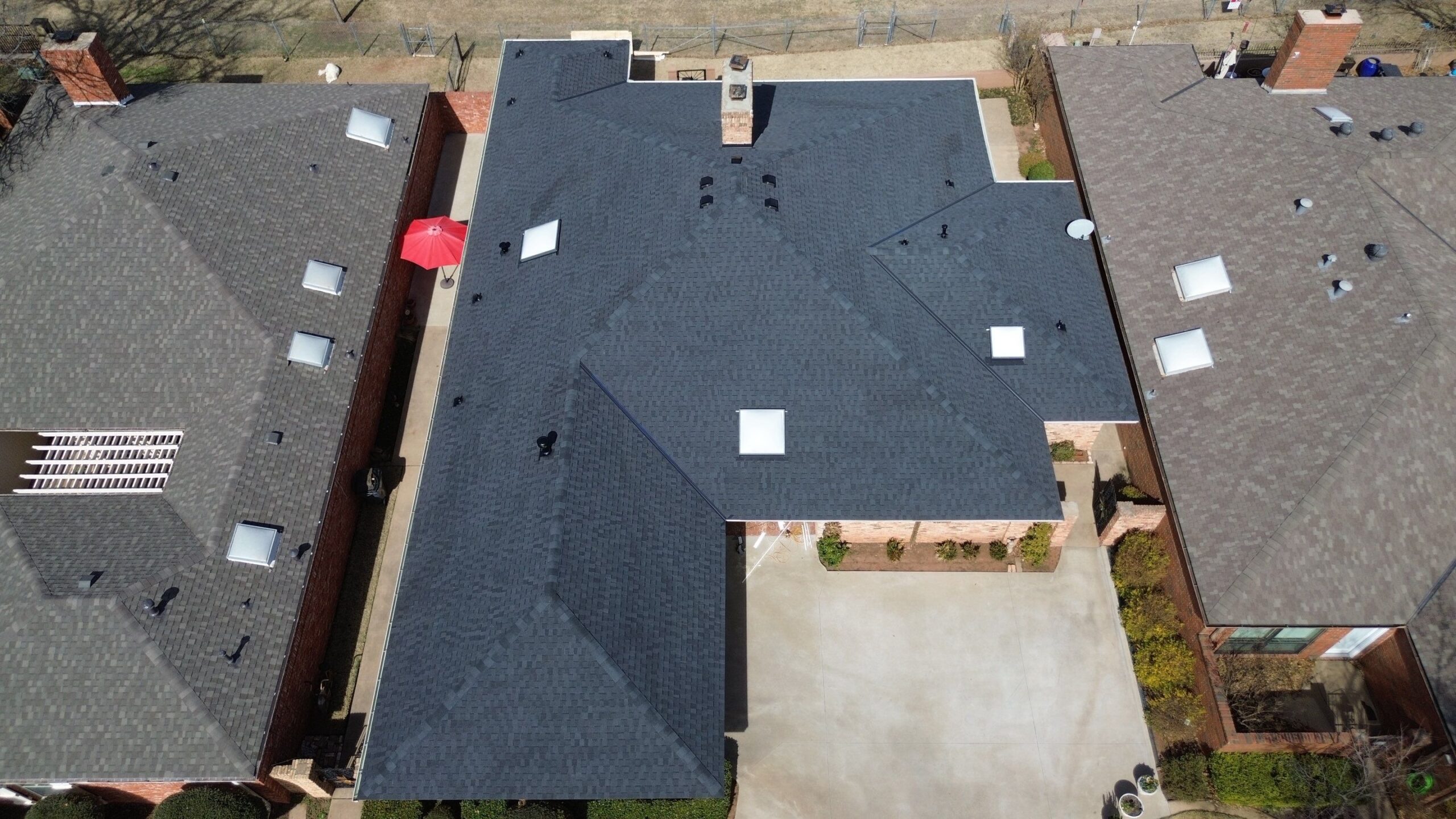
The proposed project timeline is another area where roofing companies can differ significantly. Homeowners naturally want their roofing project completed promptly, but the fastest promised completion date is not automatically the most reliable option. A realistic schedule should account for the size and complexity of the roof, crew availability, material delivery, weather, preparation, inspections, and possible repairs.
Contractors should be able to provide a general indication of when the project can begin and how long installation is expected to take. The exact schedule may change because roofing is performed outdoors, but a professional company should have a process for managing those changes.
Material availability can have a major influence on the schedule. If a specific roofing product needs to be ordered, the contractor should confirm whether it is readily available and when it is expected to arrive. Starting a project without securing necessary materials can create unnecessary interruptions.
Homeowners should also ask how weather delays are handled. A responsible contractor should prioritize safe working conditions rather than continuing installation during unsuitable weather simply to maintain a promised completion date. The contractor should explain how delays will be communicated and how the schedule will be adjusted.
The availability of the installation crew is another consideration. A contractor who accepts more projects than the available workforce can handle may struggle to maintain promised schedules. Asking who will perform the work and when the crew is expected to be available can provide useful information.
An efficient roofing company should also coordinate deliveries, labor, equipment, inspections, and cleanup as part of the schedule. The project should not be viewed as simply a start date and an end date. Each stage needs to connect logically so that one delay does not unnecessarily disrupt the entire installation.
When comparing timelines, homeowners should look for realistic planning rather than aggressive promises. A contractor who provides a reasonable schedule and explains possible delays may be more dependable than one who guarantees an unusually fast completion without discussing the factors that could affect the project.
Comparing Roofing Crews and Subcontractors
The people performing the actual installation can have a major influence on the final quality of the roof. Homeowners should therefore ask roofing companies who will perform the work and how the crew will be supervised.
Some roofing companies use their own employees, while others rely on subcontractors or specialized crews. Neither arrangement automatically determines quality, but the contractor should be transparent about how the installation workforce is organized and who is responsible for managing the project.
Homeowners can ask whether the same crew will remain on the project from beginning to completion. They can also ask who will serve as the site supervisor and who should be contacted if an installation concern develops during the work.
Crew experience is particularly important when the project involves complex roof designs or specialized materials. Workers should understand the installation requirements of the specific roofing system rather than relying on general roofing experience alone.
Supervision can help maintain consistency across the project. A qualified foreman or project manager can monitor installation details, coordinate tasks, inspect completed sections, and communicate with the homeowner or company management when decisions are needed.
Homeowners should also ask how subcontractors are selected and monitored when subcontracting is part of the company’s business model. A contractor that carefully manages subcontractors can maintain strong accountability, while a company with unclear responsibility may create confusion if problems occur.
The key issue is accountability. Regardless of whether the work is performed by employees or subcontractors, the company accepting the roofing contract should clearly explain who is responsible for the quality and completion of the installation.
Evaluating Communication and Customer Service
Communication can reveal a great deal about how a roofing company manages projects. The comparison process itself provides an early opportunity to observe how quickly contractors respond, whether they answer questions clearly, and whether they provide the information requested.
A contractor who communicates professionally during the estimate stage is more likely to establish clear expectations for the installation. Homeowners should pay attention to whether the company listens to their concerns or simply pushes a particular product or price.
Before selecting a contractor, homeowners should understand how project updates will be provided. Some companies may use phone calls, emails, text messages, photographs, or project management systems. The specific method is less important than having a reliable way to receive information throughout the installation.
Communication becomes particularly important when something unexpected occurs. If the contractor discovers hidden damage, experiences a material delay, or needs to change the schedule, the homeowner should be informed promptly. Waiting until the end of the project to explain major changes can create unnecessary frustration and disputes.
Customer service also includes how the contractor handles questions and concerns. Homeowners should feel comfortable asking about materials, installation details, payment terms, warranties, and project timing before signing the agreement. A contractor who becomes difficult to reach before the project begins may create greater communication problems once work is underway.
The best roofing companies generally establish expectations early. They explain what the homeowner can expect from the crew, how the property will be protected, when materials will arrive, how the site will be cleaned, and what happens during the final inspection.
Comparing communication quality alongside price, materials, and credentials gives homeowners a more complete picture of each company. A contractor may offer competitive pricing and strong materials, but poor communication can make the project unnecessarily stressful.
By this stage of the comparison, homeowners should have a clearer understanding of how each roofing company approaches materials, project scope, warranties, scheduling, crews, and customer service. These factors help distinguish contractors that simply provide a price from those that offer a complete and professionally managed roofing installation. The final decision should then focus on overall project value, cost transparency, potential warning signs, and how confidently each contractor can support the homeowner before, during, and after installation.
Comparing Total Project Costs
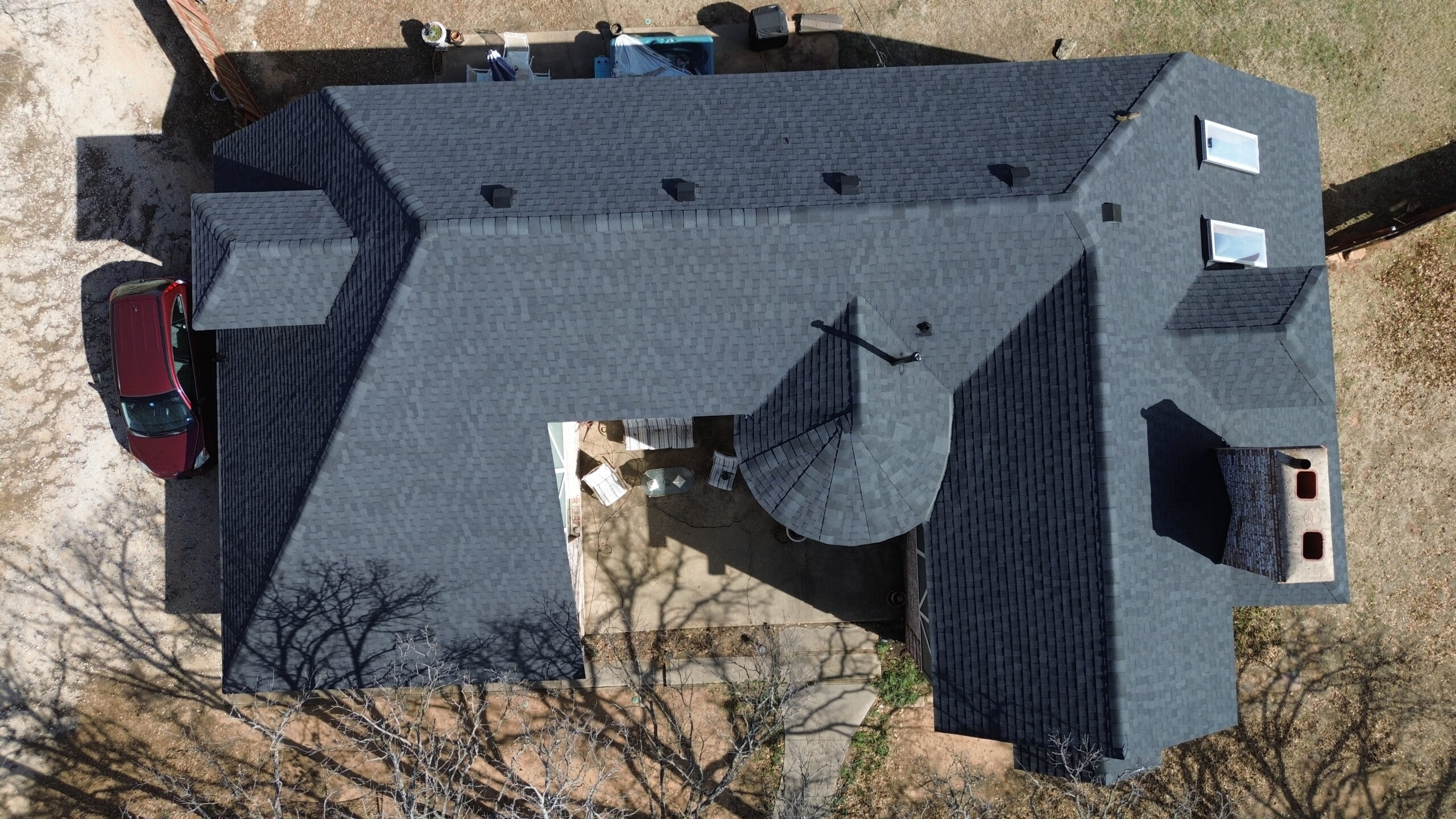
Price is one of the most visible differences between roofing companies, but it should not be the only factor used when selecting an installation contractor. A roofing estimate represents the combined cost of materials, labor, preparation, removal, disposal, equipment, project management, and other services, so two companies offering different prices may not actually be offering the same project.
Homeowners should compare the total scope of each proposal before deciding which estimate is more affordable. A lower price may look attractive at first, but it could exclude important components such as roof deck repairs, underlayment, flashing, ventilation, disposal, or thorough cleanup. If those items become additional charges later, the final project cost may be much closer to or even higher than a more comprehensive estimate.
Material quality also has a direct effect on price. Two contractors may quote for the same general type of roofing material while offering different product grades, manufacturers, warranties, or accessories. Comparing the specific products and installation requirements helps homeowners understand whether a price difference reflects a meaningful difference in quality.
Labor costs should also be considered carefully. Skilled roofing installation requires experienced workers who understand proper preparation, fastening, flashing, ventilation, and finishing techniques. A contractor who invests in experienced labor may charge more than a company using less experienced workers, but the additional cost can represent greater attention to workmanship and project management.
Homeowners should also ask about potential additional costs before signing an agreement. If the contractor discovers damaged decking or other hidden conditions after removing the existing roof, the contract should explain how such work will be evaluated and approved. Clear procedures for changes can prevent disagreements about unexpected charges.
An extremely low estimate deserves additional attention rather than immediate acceptance. It may be legitimate in some circumstances, but homeowners should determine why the price is significantly lower than competing proposals. Differences in material quality, labor, scope, warranty coverage, or excluded services can explain a large price gap.
The goal should be to identify the contractor offering the strongest overall value rather than simply the lowest initial number. A slightly higher investment may provide better materials, more complete preparation, stronger workmanship coverage, clearer communication, and fewer surprises during the project.
Identifying Roofing Contractor Red Flags
While comparing roofing companies, homeowners should pay attention to warning signs that could indicate problems with professionalism, transparency, or project management. One concerning sign is pressure to make an immediate decision without enough time to review the proposal. A reputable contractor should allow homeowners to compare information, ask questions, and understand the agreement before committing.
Another warning sign is an estimate that is extremely vague. If the proposal provides only a total price without identifying the roofing material, installation scope, removal process, warranty, or other important details, it becomes difficult to determine what the homeowner is actually purchasing.
Homeowners should also be cautious when a contractor is unwilling to provide appropriate documentation. Licensing, insurance, certifications, references, and warranty information should be available when applicable. Refusing reasonable requests for verification can make it difficult to establish whether the company is properly prepared for the project.
Unclear payment requirements can create another risk. Homeowners should understand when payments are due, what the payment schedule covers, and how additional work will be approved. Large or unusual payment demands should be reviewed carefully against the written contract and applicable local requirements.
Poor communication before the project begins can also be an important warning sign. If a contractor repeatedly misses appointments, fails to answer basic questions, changes information without explanation, or takes an unusually long time to provide requested documentation, homeowners should consider whether the same communication problems could continue during installation.
Some common warning signs include:
- Pressure to sign a contract immediately
- Unusually low estimates without a clear explanation
- Vague descriptions of materials or installation work
- Missing or difficult-to-verify credentials
- Unclear warranty terms
- Unexplained changes to the proposed price
- Poor communication or inconsistent information
Homeowners should evaluate these signs in context rather than rejecting a company because of one minor issue. However, several warning signs appearing together can indicate that additional research is necessary before moving forward.
A professional contractor should be willing to explain the project clearly and provide reasonable documentation. Transparency is especially important because roofing installation involves a significant investment and the finished work may remain in place for many years.
Questions to Ask Before Choosing a Roofing Company
Asking the same core questions to every roofing company can make comparisons much easier. Instead of relying only on what contractors choose to mention during sales conversations, homeowners can create a consistent set of questions and compare the responses side by side.
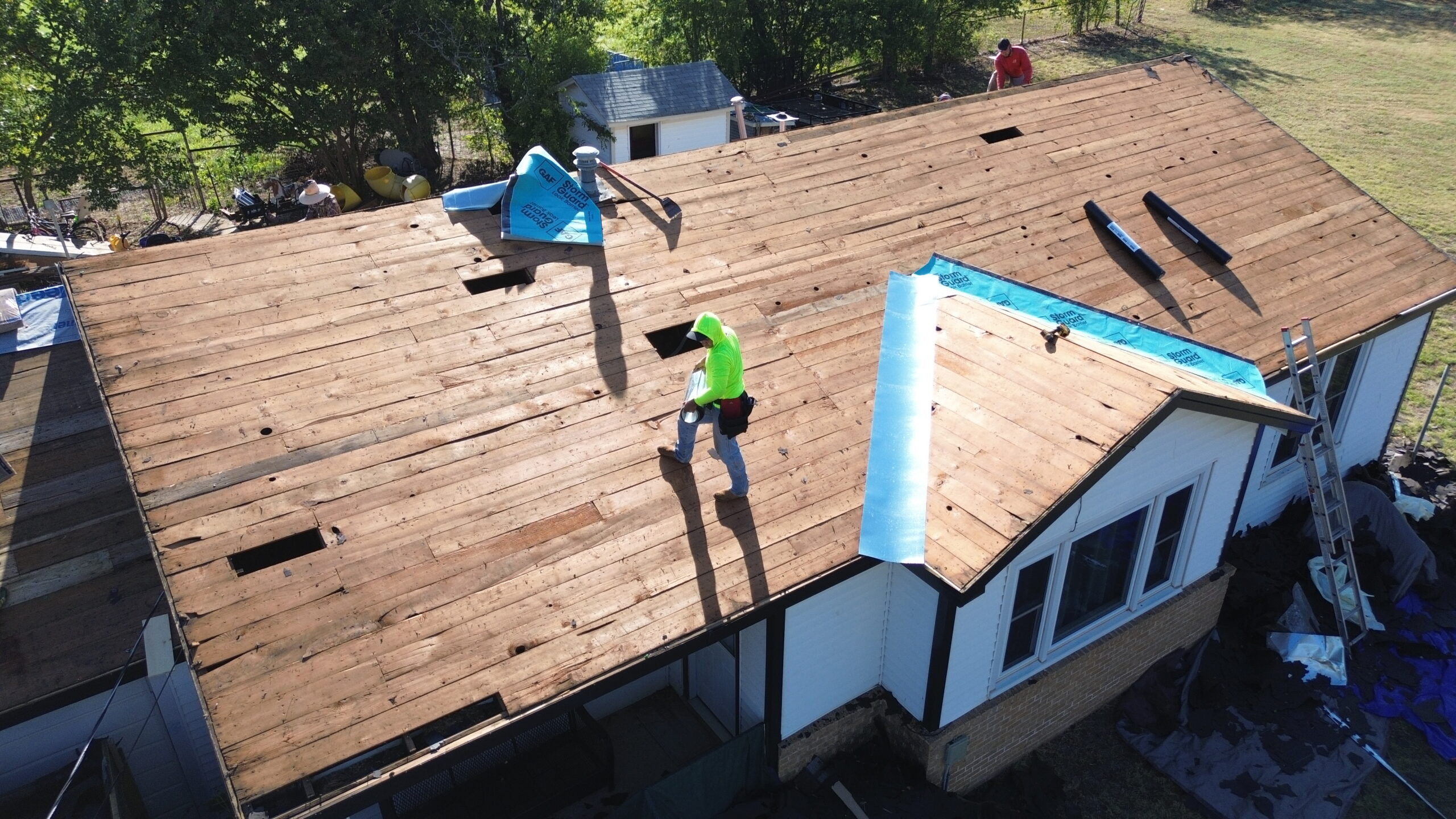
The first questions should focus on experience and qualifications. Homeowners can ask how long the company has been operating, how often it completes similar roof installations, and whether the crew has experience with the specific roofing material being proposed. They can also ask who will supervise the installation and whether subcontractors will be involved.
Questions about the installation process are equally important. Homeowners should understand how the existing roof will be removed, how the roof deck will be inspected, what happens if damage is discovered, and which components will be installed beneath and around the new roofing material.
Material questions can help reveal differences between proposals. The contractor should be able to identify the manufacturer and product being recommended and explain why that product is appropriate for the property. Homeowners can also ask whether alternative materials are available and how changing products would affect the overall project cost.
Warranty questions should be specific rather than general. Instead of simply asking whether the roof has a warranty, homeowners can ask what the manufacturer covers, what the contractor’s workmanship warranty covers, how long each warranty lasts, and what responsibilities the homeowner has to maintain coverage.
A useful comparison process can follow these steps:
- Request detailed written estimates from qualified roofing companies.
- Confirm that each proposal covers a similar scope of work.
- Compare material specifications, warranties, labor, and preparation.
- Verify licensing, insurance, experience, and references where applicable.
- Ask each contractor about scheduling, crew supervision, and unexpected repairs.
- Review payment terms and change-order procedures carefully.
- Select the contractor offering the strongest combination of quality, reliability, transparency, and value.
Homeowners should also ask how communication will work during the installation. Knowing who will provide updates and who should be contacted if a problem occurs can make the project easier to manage.
The contractor’s willingness to answer questions can itself be informative. A professional roofing company should understand that homeowners may need explanations before making a major investment. Clear answers can help establish confidence, while vague or contradictory responses may justify further investigation.
Comparing Roofing Estimates Fairly
A fair comparison requires homeowners to put competing estimates on as equal a basis as possible. Looking only at the final price can create an inaccurate comparison because contractors may use different materials, include different services, or make different assumptions about the existing roof.
The first step is to compare the scope of work. If one contractor includes complete tear-off and disposal while another assumes that some existing material will remain, their prices cannot be compared directly. The same issue applies to flashing, ventilation, underlayment, roof deck repairs, edge details, and cleanup.
Material specifications should then be reviewed. Homeowners should check the manufacturer, product type, grade, and relevant warranty information where available. A higher price may be reasonable when the proposal includes a better product or additional components that another contractor has excluded.
Installation quality should also remain part of the comparison. Contractors should explain how they approach preparation, fastening, flashing, ventilation, and other important details. The cheapest proposal is not necessarily the best choice if it provides less confidence in workmanship.
Homeowners should examine exclusions as carefully as inclusions. An estimate may look comprehensive while quietly excluding certain services that could become necessary later. Asking contractors to identify potential additional charges makes the comparison more transparent.
The payment structure should also be reviewed. Two contractors may offer similar total prices but require payments at different stages. Homeowners should make sure the payment schedule is clearly documented and understand how approved changes will be handled.
Communication quality can be included in the comparison as well. If one contractor provides detailed answers, responds promptly, documents the roof condition, and explains the project clearly, while another provides minimal information, that difference has practical value even if their estimates are close.
A fair comparison therefore considers the complete package rather than treating the estimate as a single number. When the scope, materials, labor, warranties, schedule, and communication are evaluated together, homeowners can make a much more informed decision.
Making the Final Roofing Company Selection
After reviewing estimates, credentials, materials, warranties, schedules, crews, communication, and potential warning signs, homeowners can begin narrowing their choices. At this stage, it can be helpful to consider which contractor provides the greatest confidence in the entire installation process rather than focusing on one attractive feature.
Experience should carry meaningful weight, particularly when the property has a complicated roof design or requires specialized materials. However, experience should be considered alongside current credentials, project management practices, communication, and the quality of the proposed installation.
The written contract should be reviewed carefully before signing. Homeowners should make sure the final agreement reflects the discussed roofing materials, scope of work, project price, payment terms, warranty information, expected schedule, and procedures for handling approved changes.
It is also important to confirm who will perform and supervise the work. If subcontractors are involved, the homeowner should understand the arrangement and know which company remains responsible for the completed project. Clear accountability can make it easier to resolve questions if concerns arise.
The final decision should not be based solely on which company creates the most persuasive sales presentation. A professional roofing contractor should provide information that can be evaluated objectively and should give homeowners enough time to make a thoughtful decision.
The strongest choice is often the company that demonstrates consistency from the first inspection through the final proposal. If a contractor is thorough during the inspection, provides a detailed estimate, explains material choices, answers questions clearly, offers understandable warranty information, and presents a realistic schedule, those qualities can indicate a well-organized approach to the actual installation.
Once a contractor has been selected, homeowners should keep copies of the contract, estimate, warranty documents, payment records, and other important project information. Having these records organized can make communication easier throughout the installation and after the roof has been completed.
Conclusion
Comparing roofing companies for installation services requires more than collecting several prices and selecting the lowest number. A roof is a major part of a property’s protection, so the contractor’s experience, installation practices, materials, workmanship, communication, warranty coverage, and project management should all be considered before making a decision.
A detailed comparison allows homeowners to identify meaningful differences between contractors. One company may offer a lower price but provide fewer services, while another may charge more because its proposal includes better materials, more comprehensive preparation, stronger warranty coverage, or more experienced installation crews. Understanding these differences makes it easier to determine whether the additional cost represents genuine value.
The quality of the initial inspection can also reveal how seriously a contractor approaches the project. A company that carefully evaluates the roof, explains its findings, documents existing conditions, and prepares a detailed proposal demonstrates a stronger commitment to planning than one that provides a quick estimate without much investigation.
Homeowners should also look beyond the visible roofing material. Underlayment, flashing, ventilation, roof deck preparation, fastening, edge details, and cleanup all contribute to the performance of the completed roofing system. Comparing these components ensures that competing estimates are being evaluated on a similar basis.
Credentials, insurance, reputation, and references provide another layer of confidence. Although no single credential guarantees perfect workmanship, verifying professional information can help homeowners eliminate contractors who may not be adequately prepared to manage a major installation.
Communication should remain a priority throughout the selection process. A contractor who answers questions clearly, explains unexpected conditions, provides realistic timelines, and maintains transparent communication is more likely to provide a smoother customer experience during installation.
Most importantly, homeowners should focus on long-term value rather than short-term savings. The right roofing company should provide a combination of reliable materials, skilled workmanship, organized project management, appropriate safety practices, clear documentation, and responsive customer service.
By comparing roofing companies using consistent criteria, homeowners can make their decision with greater confidence. Instead of asking only, “Which contractor is cheapest?” the better question is, “Which contractor offers the quality, reliability, transparency, and overall value needed to install my roof properly?” That approach can help turn a complicated contractor-selection process into a more informed decision and provide a stronger foundation for a successful roofing installation.