Common Mistakes During Metal Roof Installation Projects
Introduction
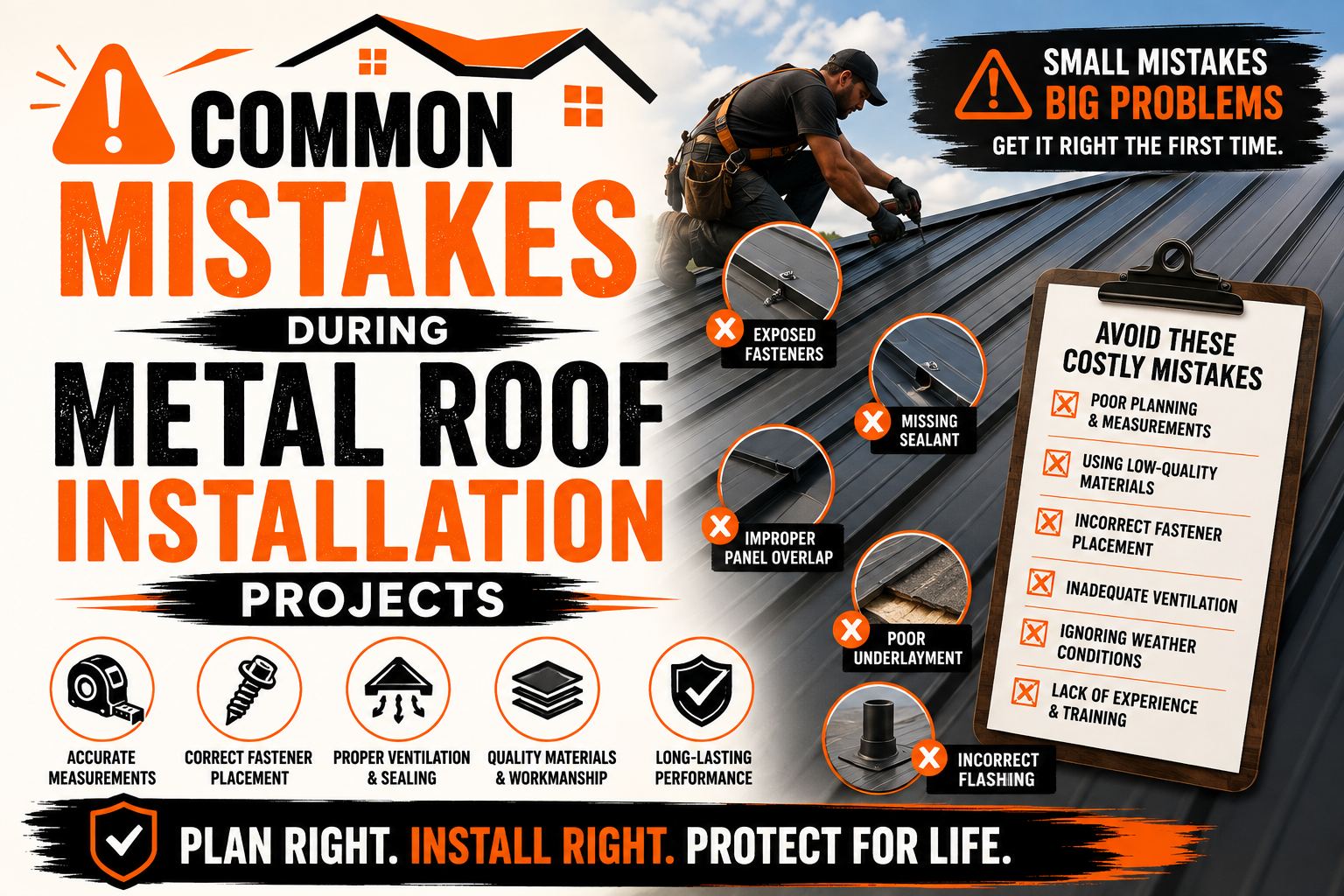
A metal roof is designed to provide decades of reliable protection, making it one of the most durable roofing options available for homes and commercial buildings. However, even the highest quality roofing materials cannot perform as intended if they are installed incorrectly. Small mistakes made during installation can develop into larger problems over time, leading to leaks, structural damage, reduced energy efficiency, and expensive repairs. Understanding these common mistakes helps homeowners and property owners recognize the importance of proper installation from the very beginning.
Unlike many traditional roofing systems, metal roofing requires careful planning, accurate measurements, and specialized installation techniques. Every panel, fastener, flashing component, and sealing material must work together to create a weather resistant roofing system. Missing even one important step can compromise the roof’s performance and shorten its expected lifespan.
Many installation problems are preventable when contractors follow industry best practices and manufacturer recommendations. Homeowners also benefit from understanding the installation process because they can ask informed questions, evaluate contractor proposals, and identify potential issues before construction begins. Being proactive often saves both time and money while improving the long term value of the roofing investment.
This guide explores some of the most common mistakes that occur during metal roof installation projects. It explains why these errors happen, how they affect roofing performance, and what homeowners should know before beginning their own roofing project.
Why Precision Matters in Metal Roofing
Metal roofing is very different from conventional asphalt shingles or other traditional roofing materials. Although it offers exceptional durability and longevity, it also requires a much higher level of installation accuracy. Every component must be installed correctly because the entire roofing system functions as a connected structure rather than a collection of individual pieces.
One of the reasons precision is so important is the way metal panels interact with one another. Panels are designed to overlap, interlock, or connect through specialized fastening systems that create a continuous barrier against water infiltration. If one panel is even slightly misaligned, it can affect the fit of surrounding panels and reduce the roof’s ability to shed water effectively.
Metal roofing also responds differently to changing weather conditions. As temperatures rise and fall, the panels naturally expand and contract. Professional installers understand how to allow for this movement without creating stress on the roofing system. Improper installation can restrict this natural expansion, eventually causing panel distortion, loose fasteners, or damaged seams.
Water management is another area where precision plays a critical role. Every flashing detail, roof penetration, and valley must direct water safely away from the structure. Even small gaps or poorly installed flashing can allow moisture to enter beneath the roofing panels, where hidden damage may develop long before leaks become visible inside the building.
Appearance is equally important. Properly aligned metal roofing creates clean, straight lines that enhance the property’s overall appearance. Uneven spacing, crooked panels, or inconsistent fastening patterns not only reduce visual appeal but may also indicate installation issues that could affect long term performance.
Because metal roofing systems are engineered products, they are designed to perform according to specific installation standards. Following these standards carefully helps maximize durability, weather resistance, and warranty protection throughout the roof’s expected lifespan.
Using the Wrong Roofing Materials
Selecting the correct roofing materials is one of the most important steps in any installation project. While many roofing products may appear compatible at first glance, using the wrong materials together can create serious performance problems over time. Every component within the roofing system should be chosen to work together as recommended by the manufacturer.
One common mistake involves mixing incompatible metals. Certain metal combinations can create galvanic corrosion when they come into contact with moisture. This chemical reaction gradually weakens the materials and accelerates deterioration, reducing the roof’s lifespan. Professional contractors understand which materials can safely be used together and which combinations should always be avoided.
Fasteners are another critical component that is sometimes overlooked. Using screws or nails that are not designed for the specific roofing system may result in poor holding strength, corrosion, or water infiltration. Fasteners should match both the roofing material and the environmental conditions where the roof will be installed.
Sealants also require careful selection. Not every sealant performs well with every type of metal roofing. Some products may deteriorate under prolonged ultraviolet exposure, while others may fail to bond properly with certain panel finishes. Choosing manufacturer approved sealants helps maintain weather resistance throughout the roof’s service life.
Underlayment should never be selected based only on price. High quality synthetic underlayment often provides better moisture protection, tear resistance, and durability than lower quality alternatives. Since the underlayment serves as an additional moisture barrier beneath the metal panels, selecting the appropriate product is essential for long term protection.
Even small accessories such as flashing, closure strips, ridge caps, and ventilation components should be compatible with the roofing system. Using mismatched accessories may seem like a minor issue during installation, but these differences can affect both performance and appearance once the roof is exposed to years of changing weather conditions.
Choosing quality materials that are specifically designed to work together creates a stronger and more reliable roofing system. While premium products may increase the initial installation cost, they often reduce maintenance needs and improve long term performance.
Poor Roof Preparation Before Installation
A successful metal roof installation begins long before the first panel is placed on the roof. Proper preparation creates the foundation that supports every component installed afterward. Skipping preparation steps or rushing this stage can lead to problems that remain hidden until significant damage has already occurred.
The roof deck should always be carefully inspected before installation begins. Contractors need to check for signs of rot, moisture damage, loose sheathing, structural weakness, or deteriorated wood. Installing new roofing panels over damaged decking only hides existing problems instead of solving them.
Moisture trapped beneath the old roofing system also deserves careful attention. Water damage may weaken structural components and create conditions that encourage mold or mildew growth. Identifying and repairing these issues before installation helps ensure the new roof performs as expected.
The roof surface should also be clean and properly prepared before underlayment is installed. Dirt, debris, loose nails, and damaged materials can interfere with proper installation and reduce the effectiveness of moisture protection systems. Taking time to prepare a clean working surface improves both efficiency and final installation quality.
Roof framing should also be evaluated when necessary. If sections of the roof have shifted over time or if structural members have weakened, correcting these issues before installation prevents future alignment problems. A stable and level foundation allows roofing panels to fit together correctly while maintaining consistent appearance across the entire roof.
Professional contractors recognize that preparation is not simply an early stage of the project but one of its most important phases. Investing additional time before installation often prevents costly repairs after the roof has been completed.
Incorrect Roof Measurements
Accurate measurements are essential for every successful metal roof installation. Even small measuring errors can affect material ordering, installation efficiency, project costs, and the final appearance of the roof. Unlike some roofing materials that allow greater flexibility during installation, metal roofing requires carefully planned panel dimensions and layouts.
One common mistake is relying only on the building’s floor dimensions rather than measuring the actual roof surface. Roof slopes, overhangs, valleys, and complex architectural features all increase the total roofing area. Failing to account for these details often results in ordering too little material.
Material shortages can interrupt the installation schedule while additional panels are manufactured or delivered. In some situations, replacement panels may even come from different production batches, creating slight color variations that become noticeable after installation.
Overestimating measurements creates a different set of problems. Ordering excessive materials increases project costs and produces unnecessary waste. Although some additional material is always required to account for cutting and trimming, significant overordering represents avoidable expense.
Complex roof designs require even greater measurement accuracy. Dormers, chimneys, skylights, intersecting roof sections, and valleys all require custom cuts that depend on precise dimensions. Mistakes in these areas may delay installation while replacement components are ordered.
Professional contractors often perform multiple measurement checks before finalizing material orders. Many also use digital measuring technology to improve accuracy, particularly on larger or more complicated roofing projects. Careful planning during this stage contributes directly to smoother installation and better overall project efficiency.
Ignoring Manufacturer Installation Guidelines
Every metal roofing system is designed according to specific engineering standards established by its manufacturer. These guidelines explain how the roofing components should be installed to achieve maximum durability, weather resistance, and structural performance. Ignoring these recommendations is one of the most serious mistakes that can occur during installation.
Manufacturers provide detailed instructions covering panel spacing, fastening methods, seam installation, flashing techniques, ventilation requirements, and underlayment specifications. These instructions are based on extensive testing under various environmental conditions. Deviating from these recommendations may reduce the roof’s ability to perform during severe weather.
Fastener placement is one area where manufacturer guidelines are especially important. Installing screws in the wrong location or using incorrect spacing may reduce wind resistance and increase the risk of water infiltration. Even when the roof initially appears secure, improper fastening can gradually create problems as the building experiences temperature changes and weather exposure.
Manufacturers also specify approved accessories that have been tested with their roofing systems. Using alternative products may affect compatibility and reduce the effectiveness of seals, flashings, or protective coatings. While substitute materials may appear less expensive, they can compromise the overall performance of the roofing system.
Warranty protection is another major consideration. Most manufacturers require installation to follow their published guidelines in order for warranty coverage to remain valid. If installation errors are discovered later, warranty claims may be denied because the roof was not installed according to the specified procedures.
Experienced roofing professionals remain familiar with the installation requirements for the products they use. They understand that following manufacturer instructions protects not only the roof itself but also the homeowner’s long term investment. Proper installation ensures that the roofing system performs as intended throughout its expected service life.
Improper Fastener Installation
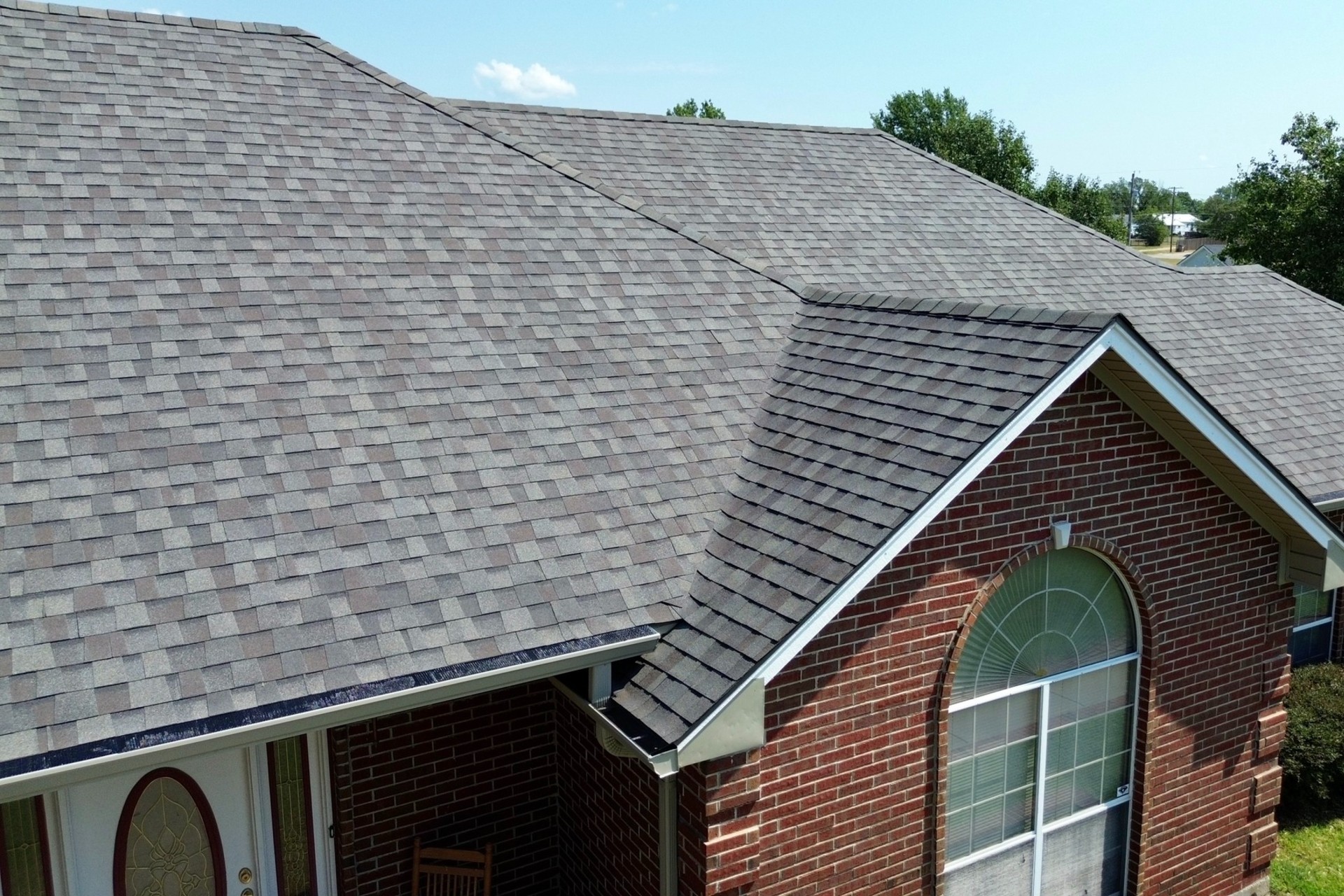
Fasteners may seem like small components compared to the metal panels themselves, but they play a critical role in the strength and weather resistance of the entire roofing system. Every screw or fastener helps secure the panels while maintaining a watertight seal. Even minor fastening mistakes can lead to significant problems over time.
One of the most common errors is overdriving the fasteners. When screws are tightened too much, the rubber washer beneath the fastener becomes compressed beyond its intended limit. This excessive pressure can damage the washer, reducing its ability to create a proper seal against water intrusion.
Underdriving fasteners creates a different issue. If the screw is not tightened enough, it may leave a small gap between the washer and the roofing panel. Water can gradually enter through these openings, increasing the risk of leaks during heavy rain or wind driven storms.
Incorrect fastener placement is another frequent mistake. Manufacturers specify precise locations where fasteners should be installed to provide maximum strength and allow proper panel movement. Installing screws in the wrong positions may weaken the roofing system and reduce its ability to withstand strong winds.
Using the wrong type of fastener can also shorten the roof’s lifespan. Fasteners should be compatible with the roofing material and designed to resist corrosion under local environmental conditions. Selecting high quality fasteners and installing them correctly helps ensure the roof remains secure for many years.
Incorrect Panel Alignment
Proper panel alignment is essential for both the appearance and performance of a metal roof. Straight, evenly spaced panels not only create an attractive finished look but also help maintain effective water drainage across the roof surface. Poor alignment often indicates installation problems that may affect long term durability.
Installation usually begins with the first row of panels. If the starting point is even slightly out of alignment, every panel installed afterward may continue the same error. By the time the roof is complete, the misalignment becomes much more noticeable and difficult to correct.
Misaligned panels may also interfere with overlapping seams. When seams do not fit together properly, water can enter beneath the roofing system during heavy rainfall. Over time, repeated moisture exposure may damage the underlayment or roof deck beneath the panels.
Uneven spacing between panels can also affect thermal movement. Metal naturally expands and contracts as temperatures change, and improperly aligned panels may experience unnecessary stress during this movement. This stress can eventually lead to loose fasteners, distorted panels, or damaged seams.
Experienced installers frequently check panel alignment throughout the project rather than waiting until installation is complete. Continuous measurements help identify small deviations early, allowing corrections before they affect larger sections of the roof.
Poor Flashing Installation
Flashing is one of the most important elements of any roofing system because it protects areas where water is most likely to enter the building. Metal panels alone cannot fully seal roof penetrations or transitions, making flashing essential for long term weather protection.
Chimneys, skylights, plumbing vents, roof valleys, and wall intersections all require carefully installed flashing. These areas experience concentrated water flow during rainfall, meaning even small installation errors can result in persistent leaks.
One common mistake is using flashing that does not properly match the roofing profile. Poorly fitted flashing may leave gaps where water can enter beneath the roofing panels. Selecting manufacturer approved flashing components improves compatibility and creates more reliable protection.
Improper sealing is another frequent issue. Applying excessive sealant does not necessarily improve waterproofing, while using too little may leave vulnerable openings. Sealants should be applied according to manufacturer recommendations and combined with correctly installed flashing rather than serving as the primary defense against water.
Incorrect overlap between flashing pieces can also create problems. Water naturally follows the path of least resistance, and improperly overlapped flashing may direct moisture beneath the roofing system instead of away from it. Careful installation ensures water continues flowing safely toward the roof drainage system.
Because flashing protects the roof’s most vulnerable locations, investing extra time during installation helps prevent costly repairs in the future.
Insufficient Roof Ventilation
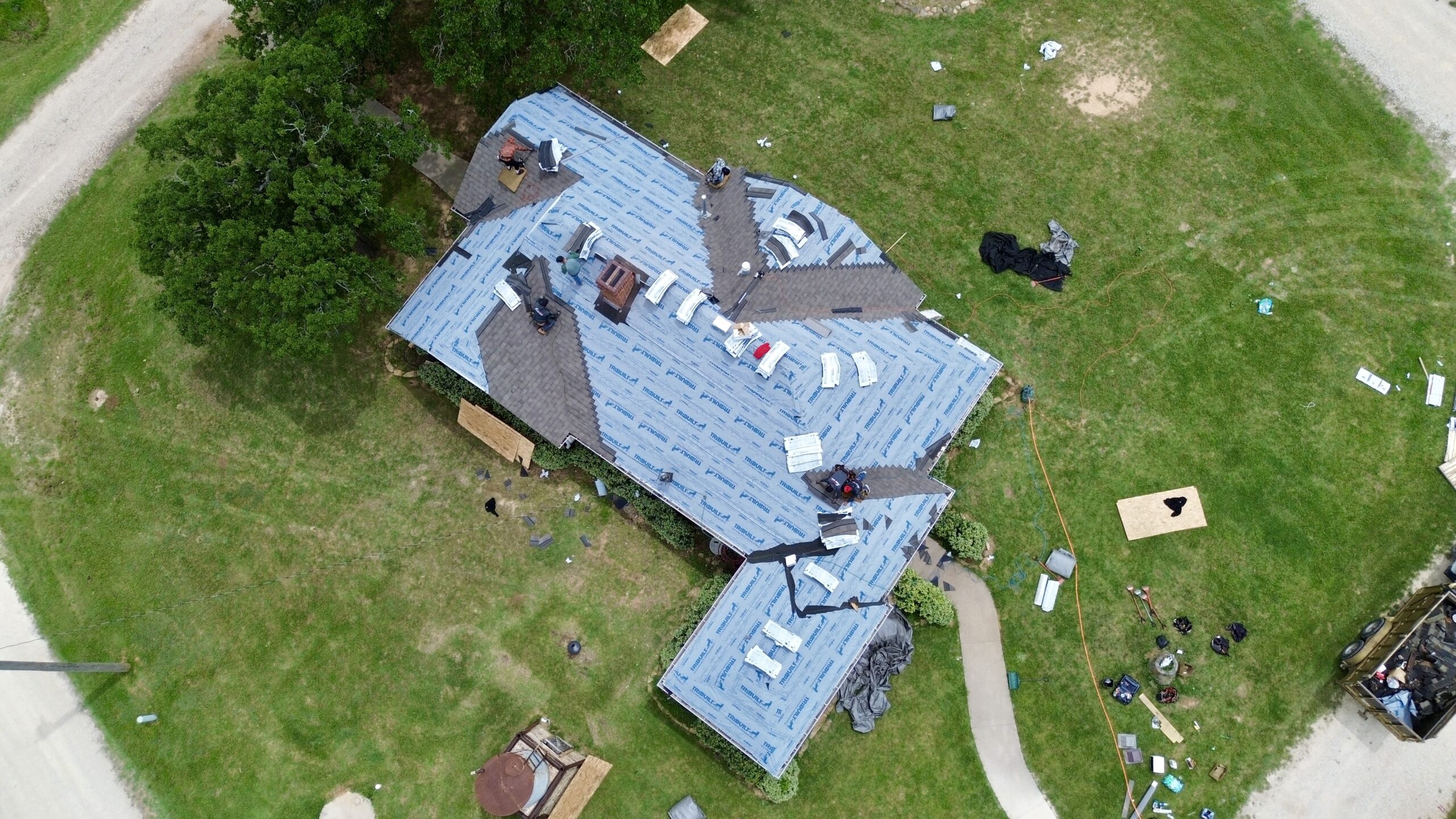
Many homeowners associate roof ventilation with attic comfort, but its importance extends far beyond indoor temperature control. Proper ventilation plays a major role in preserving both the roofing materials and the structure beneath them. Ignoring ventilation requirements during installation can create problems that gradually reduce the roof’s lifespan.
A well ventilated roof allows fresh air to enter through intake vents while warm, moist air exits through exhaust vents. This continuous airflow helps regulate attic temperatures and prevents excessive moisture accumulation beneath the roofing system.
Poor ventilation may allow condensation to develop inside the attic. Over time, trapped moisture can damage wooden framing, insulation, and roof decking while creating conditions that encourage mold growth. These hidden problems may remain unnoticed until significant repairs become necessary.
Excessive heat buildup is another concern. During warm weather, poorly ventilated attics can become extremely hot, increasing stress on roofing materials and reducing energy efficiency inside the building. Proper airflow helps maintain more stable temperatures throughout the year.
Metal roofing systems are designed to perform as part of a complete building envelope. Proper ventilation works together with insulation and underlayment to improve comfort, protect structural components, and extend the service life of the roof.
Ignoring Expansion and Contraction
One characteristic that makes metal roofing different from many traditional roofing materials is its natural response to changing temperatures. Metal expands as temperatures rise and contracts as temperatures fall. This movement is completely normal, but the roofing system must be installed in a way that allows it to occur safely.
One common installation mistake is fastening panels too tightly. Restricting natural movement places unnecessary stress on the panels and fasteners. Over time, this stress may lead to distorted panels, enlarged fastener holes, or damaged seams.
Another issue occurs when installers fail to leave the recommended expansion gaps where required. Without adequate space, panels may press against one another as temperatures increase. This pressure can create visible buckling and reduce the roof’s overall appearance.
Standing seam roofing systems are specifically designed to accommodate thermal movement through concealed fastening methods. However, these systems must still be installed according to manufacturer guidelines to function correctly. Even advanced roofing systems cannot compensate for poor installation practices.
Climate also influences the importance of thermal movement. Regions that experience large temperature differences between seasons place greater demands on roofing materials. Professional installers consider local climate conditions when determining proper installation techniques for each project.
Allowing for expansion and contraction helps preserve the roof’s appearance while reducing long term stress on critical roofing components.
Working in Unsuitable Weather Conditions
Weather conditions have a significant impact on roofing installation quality. Although experienced contractors carefully plan projects around weather forecasts, unexpected changes can sometimes create difficult working conditions. Attempting to continue installation during unsuitable weather often increases the likelihood of mistakes.
Rain is one of the most obvious concerns because it introduces moisture onto the roof deck before installation is complete. Wet surfaces reduce worker safety while increasing the risk of trapping moisture beneath the roofing system. If moisture becomes sealed inside the roof, hidden damage may develop over time.
Strong winds also create challenges when handling large metal panels. Roofing panels can act like sails, making them difficult to position accurately and increasing the risk of damage during installation. Windy conditions may also interfere with precise fastening and alignment.
Extremely hot weather affects both workers and roofing materials. High temperatures can make metal panels difficult to handle while accelerating the curing process for certain sealants. Installers may need to adjust their workflow to maintain consistent installation quality.
Cold weather presents different challenges. Freezing temperatures can reduce the flexibility of some materials and make installation more difficult. Ice and frost also create hazardous working conditions that increase the risk of accidents.
Professional contractors understand that delaying installation for unfavorable weather is often the safest and most cost effective decision. Waiting for suitable conditions helps ensure better workmanship and reduces the likelihood of future roofing problems.
Inspection Checklist Table
The following table summarizes several common installation mistakes, their potential consequences, and the best ways to prevent them.
| Installation Mistake | Possible Consequences | Prevention |
|---|---|---|
| Improper fastener installation | Leaks, loose panels, reduced wind resistance | Follow manufacturer fastening specifications. |
| Incorrect panel alignment | Uneven appearance, poor drainage, seam issues | Check alignment continuously during installation. |
| Poor flashing installation | Water intrusion around roof penetrations | Use compatible flashing and proper sealing methods. |
| Inadequate roof ventilation | Moisture buildup, mold, reduced roof lifespan | Install balanced intake and exhaust ventilation. |
| Ignoring thermal movement | Buckled panels, loose fasteners, damaged seams | Allow proper expansion and contraction space. |
| Installing during poor weather | Moisture damage, alignment errors, safety risks | Schedule work during suitable weather conditions. |
Preparing for a Successful Installation
Avoiding installation mistakes requires more than quality materials alone. Careful workmanship, attention to detail, and following proven installation practices all contribute to the long term success of a metal roofing system. Every stage of the installation process influences how well the roof will perform over the coming decades.
Homeowners also benefit from understanding these common errors because they can communicate more effectively with contractors and recognize the importance of proper installation procedures. Asking informed questions throughout the project helps ensure quality remains the highest priority from start to finish.
Hiring the Right Roofing Contractor
One of the most effective ways to avoid installation mistakes is to hire a qualified and experienced roofing contractor. Even the highest quality metal roofing materials cannot deliver their full performance if they are installed by someone who lacks the necessary skills or experience. A professional contractor understands the unique requirements of metal roofing systems and follows proven installation practices that help ensure long term reliability.
Experience should be one of the first factors homeowners consider. Contractors who regularly install metal roofing are familiar with different panel systems, fastening methods, flashing details, and ventilation requirements. Their practical knowledge allows them to identify potential challenges before installation begins and develop solutions that prevent costly mistakes later.
Licensing and insurance are equally important. A licensed contractor demonstrates compliance with local regulations, while insurance protects both the homeowner and the workers if accidents occur during the project. Requesting proof of these documents before signing a contract provides additional confidence that the company operates professionally.
Homeowners should also ask about manufacturer certifications. Many metal roofing manufacturers provide specialized training programs for contractors who install their products. Certified installers are often more familiar with product specific installation methods, helping ensure the roofing system performs according to manufacturer expectations.
References and previous projects provide valuable insight into the contractor’s workmanship. Speaking with past customers or viewing completed installations allows homeowners to evaluate the quality of previous work and understand how the contractor manages communication, scheduling, and customer service throughout the project.
Written contracts are another sign of professionalism. A detailed agreement should clearly define the scope of work, materials being installed, estimated completion timeline, warranty information, payment schedule, and procedures for handling unexpected repairs. Having these details documented reduces misunderstandings and creates clear expectations for both parties.
Communication is equally important throughout the selection process. Contractors who answer questions openly and explain installation procedures clearly often demonstrate greater transparency and professionalism. Good communication before construction usually continues throughout the project, helping homeowners stay informed from beginning to end.
Although experienced contractors may charge more than less qualified competitors, the additional investment often prevents expensive repairs caused by installation errors. Choosing expertise over the lowest price usually delivers greater value over the entire lifespan of the roof.
Questions to Ask Before Installation Begins
A successful roofing project begins with clear communication between the homeowner and the contractor. Asking the right questions before installation starts helps establish expectations, clarify responsibilities, and reduce the likelihood of misunderstandings during construction.
The following questions provide a strong foundation for productive discussions before work begins.
- How much experience do you have installing this specific type of metal roofing system?
- Will you inspect the roof deck before beginning installation?
- Which underlayment and moisture protection products will be used?
- How will ventilation be improved if necessary?
- What steps will be taken to protect landscaping and surrounding property during construction?
- How will weather delays be handled if conditions become unsuitable?
- What warranties are included for both materials and workmanship?
- Who will supervise the installation each day?
- How will unexpected structural damage be addressed if discovered?
- What maintenance recommendations should I follow after installation is complete?
These questions encourage detailed conversations rather than simple yes or no answers. The contractor’s willingness to explain each aspect of the project often reflects their professionalism and confidence in the quality of their work.
Homeowners should also request written documentation whenever possible. Product specifications, warranty information, project schedules, and payment terms should all be clearly documented before installation begins. Written records help avoid confusion and provide useful references throughout the project.
Quality Control Throughout the Project
Hiring an experienced contractor is an important first step, but maintaining quality throughout the installation process is equally valuable. Regular inspections and open communication help ensure that work continues according to the agreed standards from the first day of installation until the final inspection.
Homeowners do not need to supervise every detail of the installation, but staying informed throughout the project can be beneficial. Periodic conversations with the project supervisor allow homeowners to understand progress, ask questions, and receive updates regarding any unexpected discoveries or schedule adjustments.
The installation should follow a logical sequence. Contractors typically begin by preparing the roof deck, installing underlayment, positioning panels, securing fasteners, installing flashing, and completing finishing details. Observing this organized workflow provides confidence that important steps are not being skipped to save time.
Material handling should also be monitored. Roofing panels should be stored carefully to prevent scratches, dents, or moisture exposure before installation. Proper handling protects both the appearance and performance of the finished roof.
Fastener placement deserves particular attention because incorrect fastening is one of the most common installation mistakes. Professional installers follow manufacturer recommendations regarding screw placement, spacing, and tightening pressure. Consistent fastening patterns usually indicate careful workmanship.
Panel alignment should remain straight and uniform throughout the project. Crooked panel lines, inconsistent spacing, or uneven seams may indicate measurement or installation errors that should be addressed before construction progresses further.
Flashing installation is another stage where quality control is essential. Chimneys, skylights, vents, roof valleys, and wall intersections require careful attention because these locations experience the greatest water exposure. Properly installed flashing should fit neatly while directing water away from vulnerable areas.
Homeowners should also encourage ongoing communication throughout the installation. If unexpected structural damage or weather related delays occur, discussing these issues immediately helps avoid misunderstandings and allows informed decisions to be made before work continues.
Photographs taken during different stages of installation can also be valuable. They provide documentation of hidden components such as underlayment, flashing, and ventilation systems before they become covered by the finished roofing panels. These records may prove useful for future maintenance or warranty discussions.
Quality control is not about questioning the contractor’s expertise but about ensuring the completed roof meets the highest possible standards. A collaborative approach benefits both the homeowner and the installation team.
Common Warning Signs of Poor Installation
Even without extensive roofing knowledge, homeowners can often recognize warning signs that suggest installation problems may exist. Identifying these issues early allows corrections to be made before they develop into larger and more expensive repairs.
Some warning signs that deserve immediate attention include:
- Crooked or uneven panel alignment across the roof surface.
- Visible gaps between roofing panels or flashing components.
- Fasteners that appear loose, crooked, or inconsistently spaced.
- Panels with dents, scratches, or noticeable damage immediately after installation.
- Flashing that appears poorly fitted around chimneys, skylights, or roof penetrations.
- Water stains or moisture appearing inside the attic soon after installation.
- Excessive leftover materials that suggest measurement or planning errors.
- Panels that produce unusual movement or rattling during moderate winds.
- Missing trim pieces or unfinished roof edges.
- Sealant applied excessively or unevenly in visible areas.
These warning signs do not always indicate severe structural problems, but they should never be ignored. Prompt communication with the contractor often allows corrections to be made while installation is still underway, preventing more significant issues in the future.
Homeowners should also inspect the surrounding property after installation is complete. Roofing debris, loose fasteners, metal scraps, and discarded materials should be removed during final cleanup. A professional contractor typically leaves both the roof and the property in clean condition after completing the project.
Maintaining a Newly Installed Metal Roof
Proper installation provides the foundation for a durable roofing system, but ongoing maintenance helps preserve that investment throughout its lifespan. Fortunately, metal roofs generally require less maintenance than many traditional roofing materials, making routine care relatively simple.
Regular visual inspections are one of the easiest maintenance practices homeowners can perform. Walking around the property and observing the roof from ground level allows potential issues to be identified before they become serious. Looking for loose trim, damaged flashing, or accumulated debris after major storms helps detect problems early.
Keeping the roof clean also contributes to long term performance. Leaves, branches, dirt, and other debris should not be allowed to accumulate for extended periods because they can trap moisture against the roofing surface. Cleaning gutters regularly also helps maintain proper drainage and reduces the likelihood of water backing up beneath the roofing system.
Tree branches that extend over the roof should be trimmed when appropriate. During storms, branches may scrape protective coatings or fall onto the roof, causing dents or surface damage. Maintaining adequate clearance helps reduce these risks while minimizing the amount of debris that reaches the roof.
Homeowners should also inspect roof penetrations periodically. Flashing around chimneys, vents, skylights, and other openings experiences continuous exposure to changing weather conditions. Early identification of worn sealants or loose flashing allows minor repairs before leaks develop.
Professional inspections every few years can also be valuable, particularly after severe weather events. Experienced roofing professionals may identify subtle issues that are not immediately visible to homeowners. Addressing these concerns early often prevents more extensive repairs later.
When maintenance or repairs become necessary, using compatible materials is important. Replacement fasteners, flashing, sealants, and accessories should match the original roofing system whenever possible. Mixing incompatible products may reduce performance and create unnecessary maintenance challenges.
Routine maintenance requires relatively little effort but significantly extends the lifespan of the roofing system. Consistent care protects both the appearance and structural performance of the roof while helping preserve manufacturer warranty coverage.
Why Proper Installation Protects Your Investment
A metal roof represents a substantial financial investment, and proper installation plays a central role in protecting that investment for decades. While premium materials contribute to durability, their benefits can only be fully realized when every component is installed according to professional standards.
Correct installation improves weather resistance by ensuring panels, flashing, and fasteners work together as a complete system. Water is directed safely away from vulnerable areas, reducing the likelihood of leaks and moisture related structural damage. This level of protection helps preserve not only the roof itself but also the interior of the building.
Proper workmanship also supports energy efficiency. Well installed roofing systems work effectively with insulation and ventilation to regulate indoor temperatures throughout the year. Reduced heat transfer and improved airflow contribute to lower energy consumption while creating a more comfortable indoor environment.
Warranty protection is another significant advantage. Most manufacturers require their installation guidelines to be followed before warranty coverage applies. Professional installation therefore protects both the physical roofing system and the financial value of manufacturer supported warranties.
Property value can also benefit from quality installation. A professionally installed metal roof demonstrates careful maintenance and provides confidence to future buyers who appreciate durable building materials with long remaining service lives. Strong curb appeal combined with documented quality workmanship may strengthen resale opportunities.
Another often overlooked benefit is reduced maintenance costs. Roofs installed correctly from the beginning generally require fewer repairs because common installation related problems have already been avoided. Preventing issues before they occur is almost always less expensive than correcting them after damage develops.
Most importantly, proper installation provides peace of mind. Homeowners can feel confident knowing their property is protected by a roofing system designed to withstand years of changing weather while requiring minimal ongoing maintenance. That confidence becomes one of the most valuable returns on the original roofing investment.
Final Thoughts
Metal roof installation is far more than attaching panels to a roof structure. Every stage of the project, from planning and preparation to fastening, flashing, ventilation, and final inspection, contributes to the long term success of the roofing system. Even small installation mistakes can gradually develop into larger problems that affect durability, appearance, and weather resistance.
Understanding these common mistakes allows homeowners to participate more confidently in the roofing process. By selecting qualified contractors, asking informed questions, monitoring installation quality, and maintaining the roof properly after completion, property owners significantly improve the likelihood of enjoying decades of dependable performance.
A successful roofing project is built on careful planning, skilled workmanship, quality materials, and attention to detail. When these elements come together, a metal roof becomes one of the most reliable and valuable improvements a homeowner can make.
Conclusion
Common mistakes during metal roof installation projects are often preventable when proper planning, professional workmanship, and high quality materials are combined. Errors such as poor roof preparation, incorrect measurements, improper fastening, inadequate flashing, insufficient ventilation, and ignoring manufacturer guidelines may seem minor during installation, but they can lead to leaks, structural damage, reduced energy efficiency, and costly repairs over time.
The best way to avoid these problems is to work with experienced roofing professionals who understand the unique requirements of metal roofing systems. Taking time to compare contractors, ask detailed questions, monitor installation quality, and perform regular maintenance helps ensure the finished roof delivers the durability and performance it was designed to provide.
While a metal roof is a significant investment, proper installation protects that investment by maximizing lifespan, preserving warranty coverage, reducing maintenance expenses, and improving overall property value. By focusing on quality rather than shortcuts, homeowners can enjoy a strong, attractive, and dependable roofing system that continues to perform efficiently for many decades.