
Best Underlayment Materials Used in Roof Installation Work
Introduction
A roof is only as reliable as the system built beneath its outer covering. While shingles, metal panels, or roof tiles receive most of the attention, one of the most important components of any roofing system is the underlayment. Installed directly over the roof deck and beneath the finished roofing material, underlayment provides an additional layer of protection that helps safeguard the building from moisture, wind, and weather related damage.
Modern roof installation relies heavily on quality underlayment because it serves as the roof’s secondary weather barrier. Even the most durable roofing materials can occasionally allow small amounts of water to penetrate due to wind driven rain, damaged shingles, or severe storms. Properly installed underlayment prevents this moisture from reaching the roof deck, helping reduce the risk of leaks, wood rot, mold growth, and structural deterioration.
Roof underlayment has evolved considerably over the years. Traditional asphalt saturated felt was once the standard choice for nearly every roofing project. Today, synthetic underlayments, rubberized asphalt membranes, and self adhering waterproof barriers offer improved durability, moisture resistance, and installation efficiency. Each option provides unique advantages depending on the roofing material, climate, and building requirements.
Selecting the right underlayment is just as important as choosing the visible roofing material. The wrong product may shorten roof lifespan, reduce weather protection, or increase maintenance requirements. On the other hand, selecting an underlayment suited to the local environment and roofing system significantly improves the overall performance of the roof.
Professional roofing contractors evaluate several factors before recommending a specific underlayment. Climate conditions, roof slope, roofing material, expected lifespan, ventilation, and local building codes all influence the best choice for each installation project. Understanding these considerations allows property owners to make informed decisions before construction begins.
This guide explains the purpose of roof underlayment, why it is essential during installation, and the different materials commonly used in today’s roofing industry. By understanding the strengths of each option, property owners can select roofing systems that provide dependable long term protection.
What Is Roof Underlayment
Roof underlayment is a protective material installed directly on top of the roof deck before the final roofing material is applied. It forms an additional moisture resistant barrier between the roof structure and the exterior roofing surface. Although it remains hidden after installation, underlayment performs one of the most important functions within the entire roofing system.
The primary purpose of underlayment is to prevent water from reaching the roof deck if moisture passes beneath the exterior roofing material. Rain driven by strong winds, melting snow, ice dams, or damaged roofing components can allow small amounts of water to penetrate the roof surface. Underlayment blocks this moisture while directing it safely toward the roof’s drainage system.
Underlayment also protects the roof deck during construction. Roofing projects often require several days to complete, and weather conditions may change unexpectedly before the final roofing material is installed. A quality underlayment provides temporary weather protection until the finished roof covering is secured.
Modern underlayments are manufactured using a variety of materials including asphalt saturated felt, synthetic polymers, rubberized asphalt, and self adhering waterproof membranes. Each product offers different levels of durability, moisture resistance, flexibility, and installation characteristics.
Building codes frequently specify minimum underlayment requirements depending on roof slope, climate, and roofing material. Professional contractors follow these regulations while selecting products compatible with the chosen roofing system. Proper compliance improves both safety and long term roof performance.
Although homeowners rarely see the underlayment after installation is complete, its contribution to the roof’s durability cannot be overstated. It serves as an invisible layer of protection that continues working throughout the life of the roof.
Why Roof Underlayment Is Essential During Installation
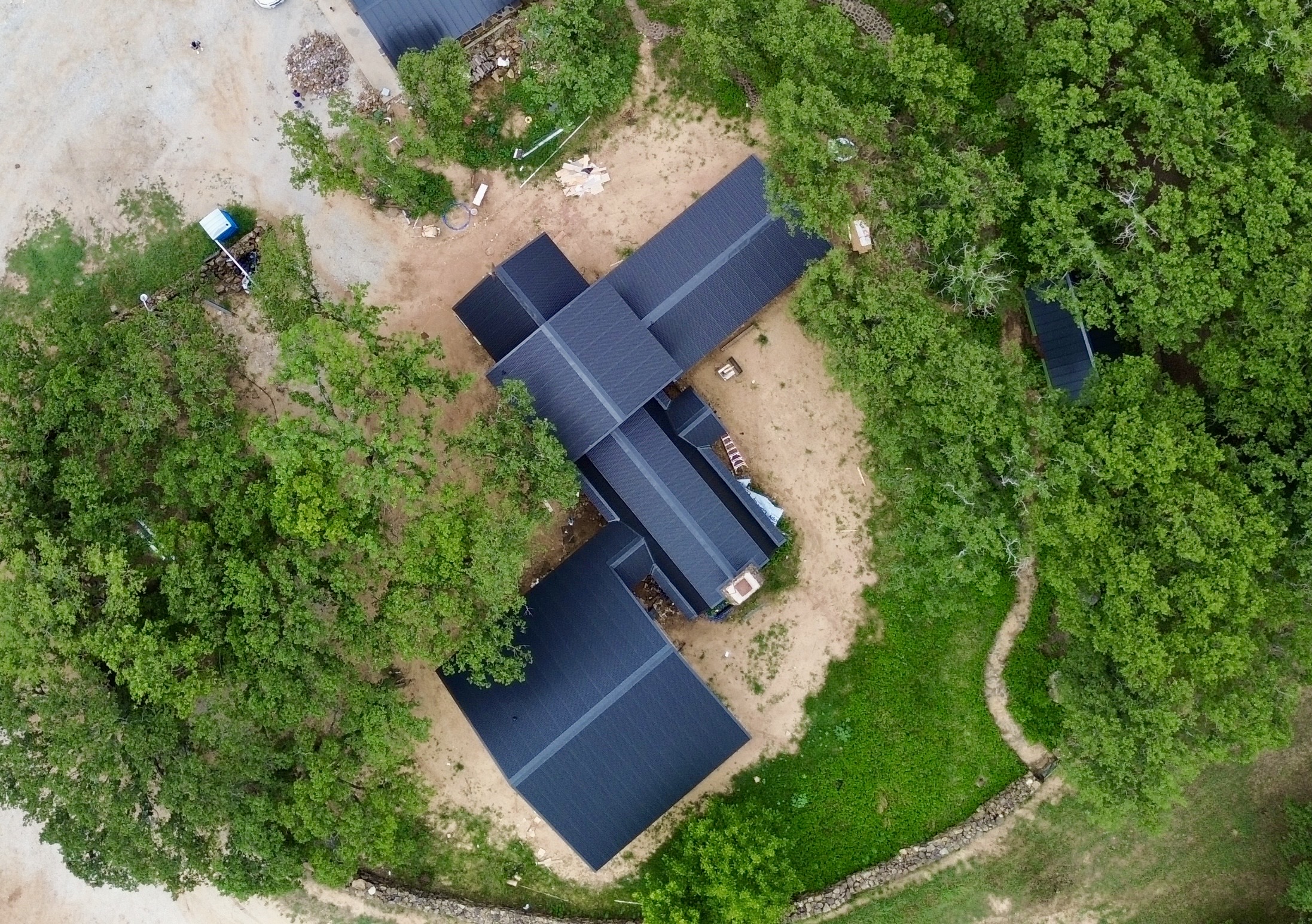
Roof underlayment performs several essential functions that extend far beyond simple waterproofing. It acts as a secondary defense system, providing additional protection whenever the exterior roofing material becomes compromised or weather conditions become unusually severe.
One of the most important benefits is leak prevention. Roofing materials such as shingles, tiles, and metal panels are designed to shed water efficiently, but no roofing system is completely immune to damage. Broken shingles, loose fasteners, or wind driven rain may allow moisture beneath the roof covering. Underlayment prevents this water from reaching the wooden roof deck.
Protection against ice dams is another significant advantage. In colder climates, melting snow may refreeze near roof edges, trapping water beneath roofing materials. High quality underlayment helps prevent this trapped moisture from entering the building until drainage conditions improve.
Roof underlayment also improves wind resistance. Strong winds may temporarily lift shingles or force rain beneath roof coverings. The additional protective layer reduces the likelihood of moisture reaching structural components during severe storms.
Construction safety benefits should not be overlooked. Certain synthetic underlayments provide improved slip resistance, giving roofing crews better footing while working on sloped roofs. Improved worker safety contributes to higher quality installation while reducing accident risks.
Dust and resin from wooden roof decks can also affect certain roofing materials over time. Underlayment creates separation between the roof deck and finished roofing material, reducing unwanted interactions while supporting long term performance.
Another valuable benefit involves warranty protection. Many roofing manufacturers require approved underlayment products to maintain warranty coverage. Installing incompatible materials may reduce or even void manufacturer warranties despite using premium roofing products.
These combined benefits demonstrate why underlayment has become a standard requirement in modern roofing construction. Rather than serving as an optional upgrade, it functions as an essential component of a complete roofing system.
Key Functions of Roofing Underlayment
Roof underlayment performs multiple protective functions simultaneously, making it one of the hardest working components within the roofing system. Understanding these roles helps explain why professional installation always includes carefully selected underlayment materials.
Moisture protection remains its primary responsibility. The underlayment forms a continuous barrier that prevents water reaching the roof deck if moisture passes beneath shingles, metal panels, or roof tiles. This protection significantly reduces the likelihood of leaks developing inside the building.
Wind driven rain protection is another important function. Severe storms often force rain upward beneath roofing materials where conventional water shedding becomes less effective. Underlayment blocks this moisture while directing it safely downward toward roof drainage systems.
Temporary weather protection during construction provides another valuable benefit. If installation is interrupted by unexpected rain before the finished roof covering is completed, quality underlayment helps protect the exposed roof deck until work resumes.
Additional protection against snow and ice further improves roof performance in colder climates. Ice dams, snow accumulation, and repeated freeze thaw cycles increase moisture exposure around roof edges and valleys. Specialized waterproof underlayments provide enhanced protection in these vulnerable locations.
Many modern underlayments also improve roof durability by reducing friction between roofing materials and the roof deck. This separation helps accommodate natural expansion and contraction caused by changing temperatures while reducing stress on roofing components.
Fire resistance is another consideration for certain underlayment products. Some roofing systems require underlayments meeting specific fire safety standards to comply with local building regulations and manufacturer requirements.
Together, these functions transform underlayment from a simple protective sheet into an essential performance component supporting the entire roofing system throughout its lifespan.
Factors to Consider Before Choosing Underlayment
Selecting roof underlayment involves evaluating several factors rather than simply choosing the most familiar product. Every roofing project presents different environmental conditions, structural requirements, and performance expectations that influence the best underlayment choice.
Roofing material compatibility should always be considered first. Asphalt shingles, metal roofing, clay tiles, slate, and synthetic roofing systems each interact differently with underlayment materials. Manufacturers often recommend specific underlayments that maximize performance and maintain warranty protection.
Climate significantly affects underlayment selection. Buildings located in areas with heavy rainfall require excellent moisture resistance, while colder regions often benefit from self adhering waterproof membranes capable of resisting ice dam formation. Hot climates may prioritize products resistant to prolonged heat exposure.
Roof slope is another important consideration. Low slope roofs generally experience slower water runoff than steep roofs, increasing moisture exposure. Specialized underlayments designed for these conditions provide improved waterproof performance.
Expected roof lifespan should also influence product selection. Premium roofing materials intended to last several decades deserve equally durable underlayments. Using inexpensive underlayment beneath long lasting roofing materials may reduce overall system performance.
Installation method also matters. Some underlayments require mechanical fasteners while others use self adhering technology that creates watertight seals around nails and roof penetrations. Contractors select installation methods based on roof design, climate, and manufacturer recommendations.
Budget naturally influences material selection, but lifetime value deserves greater attention than purchase price alone. Higher quality underlayments often provide better durability, improved weather resistance, and lower long term maintenance costs.
Finally, local building codes establish minimum underlayment requirements for many roofing projects. Professional contractors ensure selected products satisfy both code requirements and manufacturer specifications before installation begins.
Considering all of these factors helps property owners choose underlayment that supports dependable roof performance throughout many years of service.
How Climate Influences Underlayment Selection
Climate has a direct impact on roof performance, making environmental conditions one of the most important considerations when selecting underlayment materials. Choosing products suited to local weather helps maximize moisture protection while extending overall roof lifespan.
Regions with frequent rainfall require underlayments providing dependable water resistance even under prolonged moisture exposure. Synthetic underlayments and rubberized asphalt membranes often perform particularly well because they resist water absorption while maintaining structural integrity.
Cold climates create different challenges through snow accumulation, ice dams, and repeated freeze thaw cycles. Water trapped beneath snow or ice may remain on the roof for extended periods, increasing leak potential. Self adhering waterproof membranes provide enhanced protection in these demanding environments.
High wind areas also influence underlayment selection. Strong winds may temporarily lift shingles or force rain beneath roofing materials. Durable synthetic underlayments often provide improved tear resistance while remaining securely attached during severe weather.
Hot climates expose roofing systems to prolonged ultraviolet radiation and elevated temperatures. Certain underlayments resist heat degradation more effectively than traditional felt products, making them suitable for regions experiencing intense sunlight throughout much of the year.
Humid environments increase the likelihood of condensation beneath roofing materials. Underlayments that resist moisture absorption help maintain structural stability while reducing opportunities for mold growth or wood deterioration.
Coastal regions introduce additional concerns because salt exposure accelerates corrosion of metal fasteners and roofing components. Moisture resistant underlayments combined with corrosion resistant fasteners provide improved long term protection under these conditions.
Matching underlayment performance to local climate significantly improves the reliability of the entire roofing system while reducing future maintenance requirements.
Overview of the Most Common Roof Underlayment Materials
Modern roofing projects benefit from several different underlayment materials, each designed to address specific performance requirements. Understanding these products provides a foundation for selecting the most suitable option during roof installation.
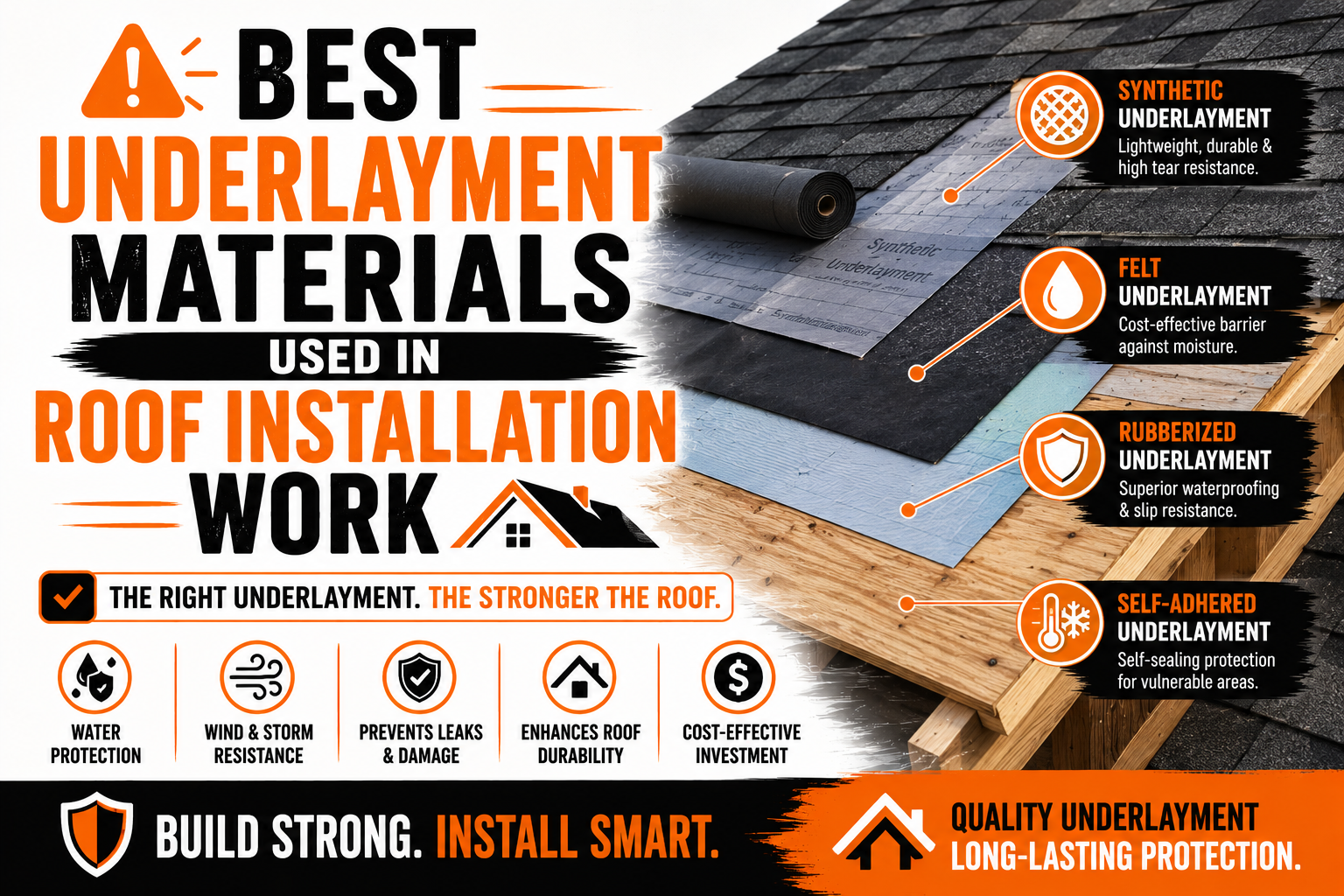
Asphalt saturated felt remains one of the oldest and most widely recognized underlayment materials. Manufactured by saturating organic or fiberglass mats with asphalt, felt provides dependable moisture resistance at an affordable cost. It continues serving many residential roofing projects successfully.
Synthetic underlayment has become increasingly popular because of its exceptional strength, lightweight construction, and resistance to tearing. Manufactured using advanced polymers, these products often outperform traditional felt while simplifying installation through improved handling characteristics.
Rubberized asphalt underlayment provides enhanced waterproof protection by incorporating rubber polymers into asphalt based materials. These products remain flexible while creating excellent moisture barriers suitable for demanding weather conditions.
Self adhering waterproof membranes offer one of the highest levels of moisture protection available. Their adhesive backing bonds directly to the roof deck while sealing around nails and fasteners. These membranes are commonly installed in roof valleys, around penetrations, and along roof edges where water exposure is greatest.
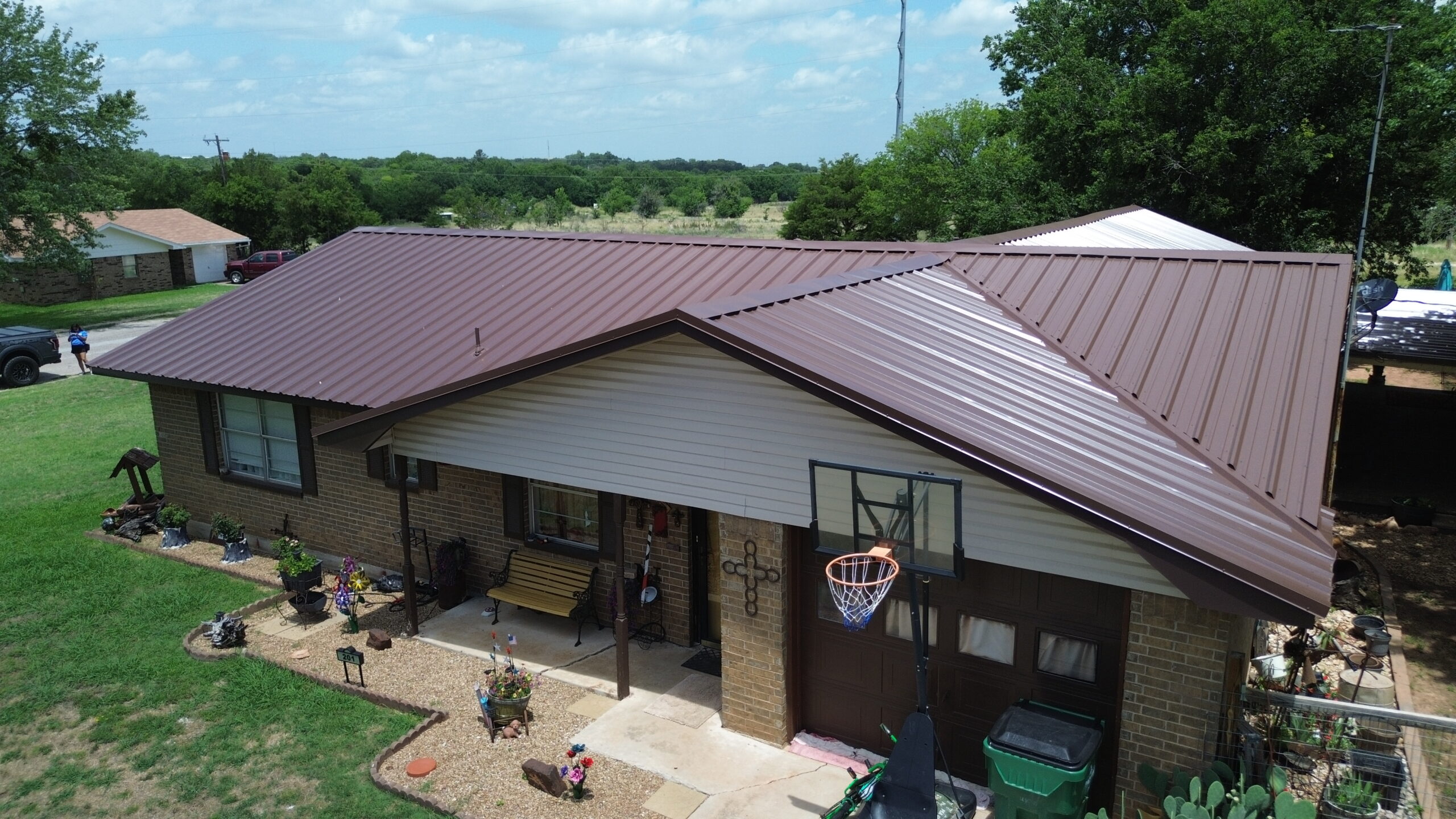
Specialized metal roof underlayments are designed specifically to perform beneath standing seam and other metal roofing systems. These products resist high temperatures while accommodating the expansion and contraction characteristic of metal roofing.
Asphalt Saturated Felt Underlayment
Asphalt saturated felt has been used in roofing installations for many decades and continues to be one of the most recognized underlayment materials in the construction industry. Despite the introduction of modern alternatives, felt underlayment remains a dependable option for many residential roofing projects because it provides reliable moisture protection at an affordable price.
This underlayment is manufactured by saturating an organic or fiberglass mat with asphalt, creating a flexible sheet that resists water penetration while allowing the roofing system to breathe. The asphalt coating improves durability and provides temporary weather protection during roof installation before the finished roofing material is applied.
Two common thicknesses are available, often referred to as 15 pound and 30 pound felt. The heavier version offers greater durability and improved tear resistance, making it more suitable for projects where additional protection is desired. Contractors select the appropriate thickness according to roof design, local weather conditions, and project requirements.
One advantage of asphalt felt is its long history of successful performance. Roofing professionals are familiar with its installation techniques, and it remains compatible with many common roofing materials including asphalt shingles and certain tile systems. Its widespread availability also contributes to its popularity.
However, felt underlayment has some limitations compared to newer products. It absorbs moisture more readily than synthetic materials, which may cause wrinkling if exposed to rain for extended periods before roof installation is completed. It is also generally heavier than synthetic underlayments, making transportation and handling somewhat more demanding.
Proper installation remains essential for achieving dependable performance. Sheets should overlap according to manufacturer recommendations while fasteners are positioned carefully to minimize the risk of moisture penetration. When installed correctly beneath quality roofing materials, asphalt saturated felt continues providing reliable secondary weather protection.
Although synthetic alternatives have become increasingly popular, asphalt saturated felt remains a practical and economical underlayment choice for many roofing projects where cost effectiveness and proven performance are important considerations.
Synthetic Roof Underlayment
Synthetic roof underlayment has become one of the most widely recommended materials for modern roofing installations. Manufactured using advanced polypropylene or polyethylene polymers, these products provide excellent durability while remaining lightweight and easy to install. Their superior strength has made them increasingly popular for residential, commercial, and industrial roofing projects.
One of the greatest advantages of synthetic underlayment is its exceptional tear resistance. Compared to traditional felt, synthetic materials withstand foot traffic, strong winds, and construction activities much more effectively. This improved durability reduces the likelihood of damage before the final roofing material is installed.
Moisture resistance is another major benefit. Synthetic underlayments absorb very little water, allowing them to maintain their shape and strength even after exposure to rain. Unlike felt products, they resist wrinkling and remain stable during changing weather conditions.
Lightweight construction simplifies transportation and installation. Roofing crews can move larger rolls more easily across the roof while covering greater areas with fewer seams. Reduced weight also contributes to faster installation and improved worker efficiency.
Many synthetic underlayments include textured walking surfaces designed to improve slip resistance during installation. This feature enhances worker safety while reducing the likelihood of accidents on sloped roofs.
Ultraviolet resistance provides another practical advantage. Certain synthetic products can remain exposed to sunlight for extended periods before the finished roofing material is installed without experiencing significant deterioration. This flexibility benefits projects affected by weather delays or complex construction schedules.
Compatibility with numerous roofing materials further increases their versatility. Synthetic underlayments perform well beneath asphalt shingles, metal roofing, tile roofing, slate, and synthetic roofing products. Manufacturers often recommend them for premium roofing systems requiring long service life.
Although synthetic underlayments generally cost more than traditional felt, their improved durability, weather resistance, and installation efficiency frequently justify the additional investment over the lifetime of the roofing system.
Rubberized Asphalt Underlayment
Rubberized asphalt underlayment provides one of the highest levels of moisture protection available for modern roofing systems. By combining asphalt with rubber polymers, manufacturers create flexible membranes capable of resisting water penetration under demanding weather conditions. These products are particularly valuable in areas vulnerable to heavy rainfall, snow, and ice dam formation.
The rubber content allows the material to remain flexible during changing temperatures while maintaining excellent waterproof performance. This flexibility helps accommodate natural movement within the roofing system caused by thermal expansion and contraction.
One of the defining characteristics of rubberized asphalt underlayment is its self sealing capability. When roofing fasteners penetrate the membrane, the surrounding material tightly seals around nails or screws, significantly reducing opportunities for moisture infiltration. This feature provides added protection beneath roof coverings.
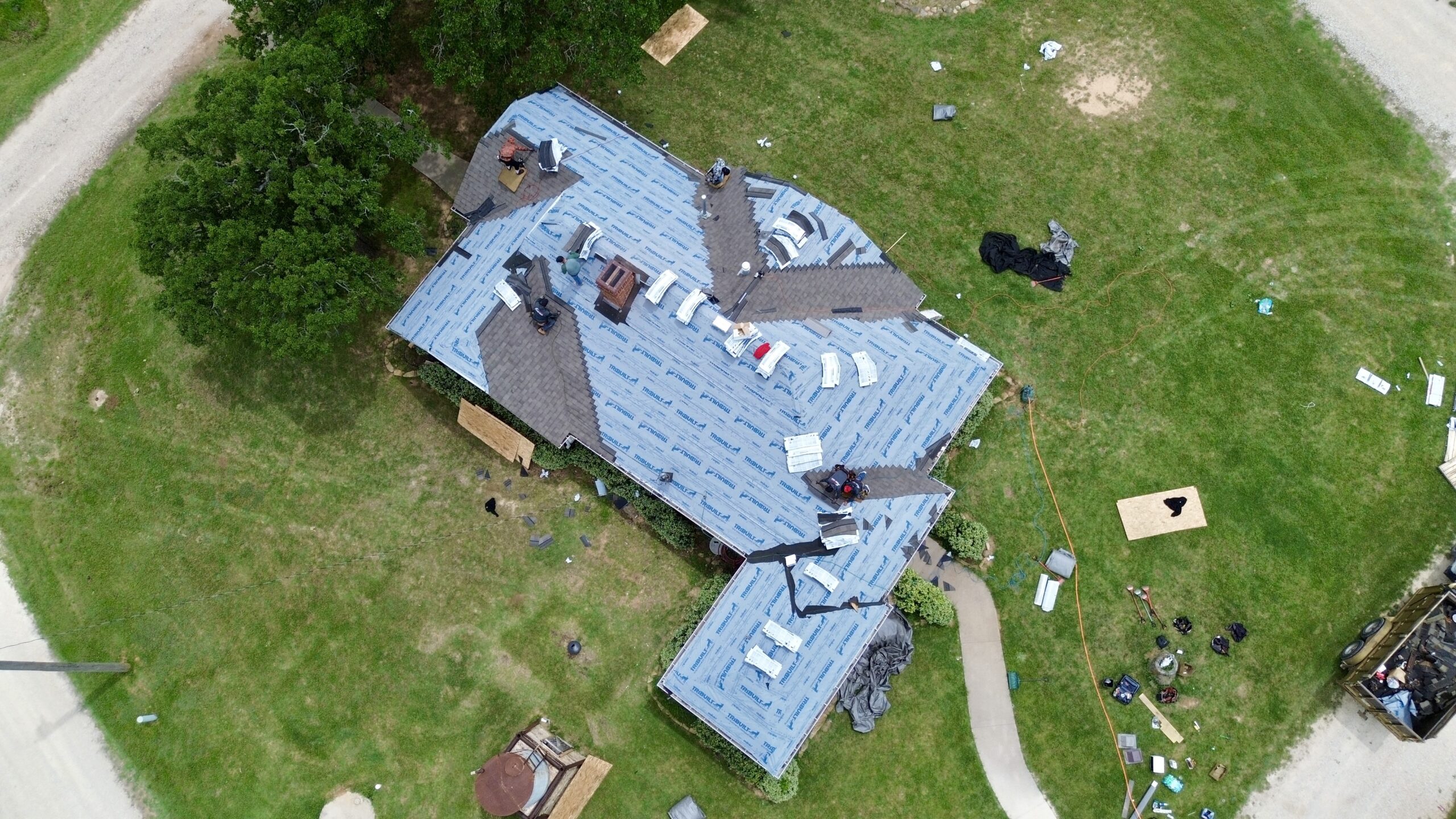
Rubberized asphalt products are commonly installed in high risk areas rather than across the entire roof. Roof valleys, eaves, chimneys, skylights, and plumbing vent penetrations receive concentrated water exposure, making these locations ideal candidates for enhanced waterproof protection.
Cold climate performance represents another important strength. Ice dams often trap water beneath shingles near roof edges during winter. Rubberized asphalt membranes provide reliable barriers that prevent trapped moisture from reaching the roof deck until melting conditions improve.
Installation generally involves removing a protective release film while pressing the adhesive membrane directly onto the roof deck. Proper surface preparation ensures strong adhesion and long term waterproof performance throughout the roof’s service life.
Although these membranes cost more than conventional underlayments, their outstanding moisture resistance makes them valuable investments for buildings located in challenging climates or areas experiencing elevated leak risks.
Self Adhering Waterproof Membranes
Self adhering waterproof membranes represent one of the most advanced underlayment technologies available today. These products combine waterproof materials with pressure sensitive adhesives that bond directly to the roof deck without requiring mechanical attachment across the entire surface. The resulting waterproof seal provides exceptional protection against moisture intrusion.
Unlike mechanically fastened underlayments, self adhering membranes create continuous contact with the roof deck. This eliminates many pathways through which wind driven rain or melting snow could potentially travel beneath the underlayment.
One of their greatest advantages is the watertight seal formed around roofing fasteners. Nails, screws, and other penetrations become tightly surrounded by the adhesive membrane, greatly reducing the possibility of water entering through fastening points. This feature provides additional security beneath premium roofing materials.
Self adhering membranes are especially valuable around roof penetrations where moisture problems most commonly occur. Chimneys, skylights, valleys, roof edges, and vent openings all benefit from enhanced waterproof protection because these locations experience concentrated water flow during storms.
These membranes also improve temporary weather protection during construction. Because they bond directly to the roof deck, they remain securely in place even under windy conditions while protecting the building before the final roofing material is installed.
Surface preparation is extremely important for successful installation. The roof deck must be clean, dry, and free from dust or loose materials before adhesive membranes are applied. Proper installation ensures full contact between the membrane and roof surface.
Although self adhering waterproof membranes involve higher material costs, they provide exceptional leak prevention that often justifies the investment, particularly beneath premium roofing systems or in climates experiencing severe weather.
Specialized Underlayments for Metal Roofs
Metal roofing presents unique installation challenges because metal panels expand and contract as temperatures change. Specialized underlayments are therefore designed specifically to perform beneath metal roofing systems while maintaining long term durability under elevated temperatures.
One important characteristic of metal roof underlayments is heat resistance. Metal roofing surfaces may reach significantly higher temperatures than other roofing materials during direct sunlight. Specialized underlayments resist heat related deterioration while maintaining structural stability beneath the roofing panels.
Smooth surface construction also benefits metal roofing installations. Rough underlayment surfaces may increase friction as metal panels expand and contract repeatedly. Specialized products reduce this friction, allowing natural movement while minimizing wear on both the roofing panels and the underlayment.
Moisture management remains equally important beneath metal roofs. Condensation occasionally forms on the underside of metal panels during changing weather conditions. Quality underlayments provide dependable moisture barriers that protect the roof deck from this condensation while supporting long term durability.
Many manufacturers recommend synthetic underlayments specifically formulated for metal roofing because they combine excellent tear resistance with lightweight construction and prolonged weather exposure capability. These products also simplify installation while maintaining compatibility with standing seam and exposed fastener roofing systems.
Noise reduction represents another practical benefit. Although modern insulation significantly reduces sound transmission, quality underlayments help dampen vibrations created by rain or hail striking metal roofing surfaces. This contributes to greater indoor comfort during severe weather.
Proper installation follows manufacturer guidelines regarding overlap, fastening, ventilation, and flashing integration. Professional workmanship ensures specialized underlayments perform effectively beneath metal roofing throughout many decades of service.
Selecting the correct underlayment for metal roofing improves waterproof performance, durability, thermal movement accommodation, and overall roof longevity.
Choosing the Right Underlayment for Different Roofing Materials
Different roofing materials require underlayments with specific performance characteristics. Selecting compatible products ensures the roofing system functions efficiently while maintaining manufacturer warranty protection.
Asphalt shingles typically perform well with either asphalt saturated felt or synthetic underlayment. Felt remains a cost effective solution for many residential projects, while synthetic products provide improved durability and moisture resistance for homeowners seeking longer roof lifespan.
Metal roofing generally benefits from synthetic or specialized high temperature underlayments. These products withstand elevated temperatures while accommodating the natural expansion and contraction characteristic of metal panels. Proper compatibility helps preserve both roofing materials throughout their service life.
Clay and concrete tile roofing require underlayments capable of resisting prolonged moisture exposure because rainwater may occasionally circulate beneath individual tiles. Synthetic and rubberized asphalt underlayments often provide dependable long term protection in these installations.
Natural slate roofing typically involves premium materials expected to last many decades. High quality synthetic underlayments or specialized waterproof membranes complement these long lasting roofing systems by providing equally durable secondary weather protection.
Wood shingles and shakes require underlayments that balance moisture protection with adequate ventilation. Contractors carefully select products that minimize trapped moisture while maintaining dependable waterproof performance beneath natural wood roofing.
Synthetic roofing materials generally remain compatible with several modern underlayments. Manufacturers frequently recommend synthetic products because of their comparable service life and improved weather resistance.
Matching underlayment performance with roofing material characteristics maximizes durability while improving the overall reliability of the completed roofing system.

Roof Underlayment Comparison Table
The following table compares the major characteristics of commonly used roof underlayment materials.
| Underlayment Material | Water Resistance | Durability | Average Cost | Best Roofing Applications | Climate Suitability |
|---|---|---|---|---|---|
| Asphalt Saturated Felt | Good | Moderate | Low | Asphalt shingles | Moderate climates |
| Synthetic Underlayment | Excellent | Excellent | Medium | Most roofing materials | All climates |
| Rubberized Asphalt | Outstanding | Excellent | High | High moisture areas | Cold and wet climates |
| Self Adhering Membrane | Outstanding | Excellent | High | Roof edges, valleys, penetrations | Severe weather regions |
| Metal Roof Underlayment | Excellent | Excellent | Medium to High | Standing seam and metal roofing | Hot and mixed climates |
This comparison demonstrates that each underlayment offers different strengths depending on environmental conditions, roofing material, and project priorities. Selecting the appropriate product improves the long term performance of the complete roofing system.
Matching Underlayment to Different Climate Conditions
Environmental conditions strongly influence the performance requirements of roof underlayment. Selecting materials suited to local weather allows roofing systems to provide dependable protection throughout changing seasons.
Warm climates often benefit from synthetic underlayments because they resist prolonged heat exposure while maintaining structural stability beneath roofing materials. High temperature resistance helps preserve long term performance even during intense summer conditions.
Cold climates require greater protection against snow accumulation, ice dams, and repeated freeze thaw cycles. Rubberized asphalt membranes and self adhering waterproof barriers provide outstanding moisture resistance where melting snow may remain trapped beneath roofing materials.
Regions experiencing frequent rainfall benefit from highly water resistant synthetic underlayments capable of maintaining strength despite continuous moisture exposure. Their low water absorption helps preserve both the underlayment and the roof deck.
High wind areas demand durable underlayments resistant to tearing and uplift before roofing installation is completed. Synthetic materials generally outperform traditional felt under these demanding conditions while remaining securely attached to the roof deck.
Humid climates require products that resist moisture absorption and support proper roof ventilation. Limiting trapped moisture helps reduce mold growth while preserving structural components beneath the roofing system.
Coastal environments combine moisture, salt exposure, and strong winds. Synthetic underlayments paired with corrosion resistant fasteners provide reliable protection while supporting long term roof durability under these challenging conditions.
Best Practices for Installing Roof Underlayment
Proper installation is just as important as selecting the right underlayment material. Even premium underlayments cannot provide dependable protection if they are installed incorrectly or if important details are overlooked during construction. Professional installation ensures the underlayment performs effectively throughout the entire lifespan of the roofing system.
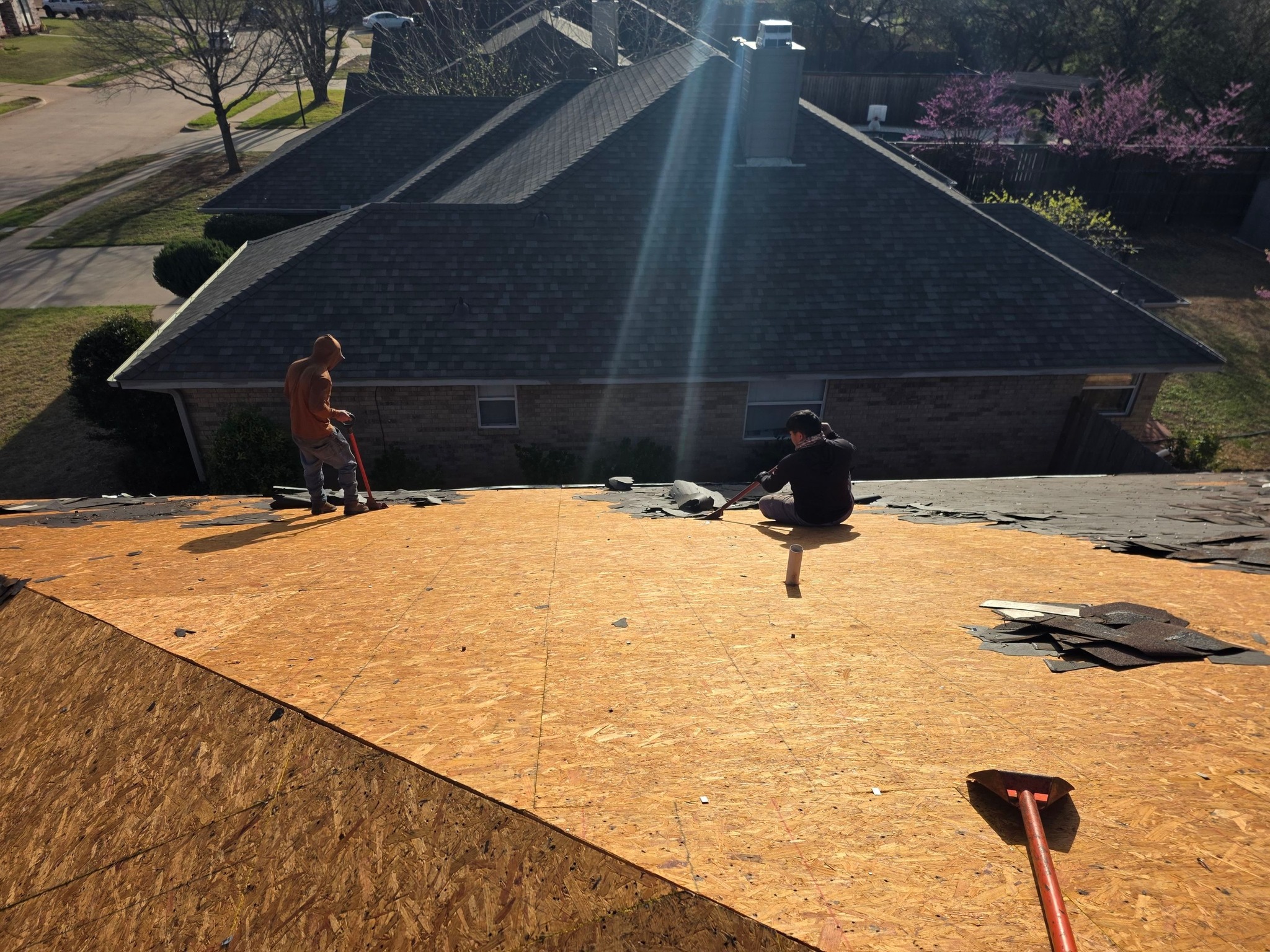
Every roofing project should begin with a thorough inspection of the roof deck. Contractors examine the deck for moisture damage, loose panels, rot, or structural weaknesses before installing any underlayment. A solid, clean, and dry roof deck provides the stable foundation needed for long term roofing performance.
Surface preparation plays a major role in successful installation. Dust, dirt, nails, and construction debris should be removed before underlayment is rolled into place. Clean surfaces improve adhesion for self adhering membranes and help all underlayment materials lie flat without wrinkles.
Correct installation direction is equally important. Most roofing professionals begin at the lowest edge of the roof and work upward toward the ridge. Each successive layer overlaps the previous one, allowing water to flow naturally over the underlayment instead of beneath it.
Proper overlap dimensions vary depending on roof slope, underlayment type, and manufacturer recommendations. Adequate overlap prevents moisture from penetrating joints while maintaining a continuous protective barrier across the roof deck. Contractors should always follow product specifications rather than relying on general assumptions.
Fastening methods must also match the selected underlayment. Felt and many synthetic products require corrosion resistant nails or plastic capped fasteners placed according to manufacturer guidelines. Proper fastener spacing prevents movement while reducing the likelihood of water infiltration.
Roof valleys require additional attention because they collect large volumes of rainwater during storms. Many contractors install extra waterproof membranes beneath the primary underlayment in these locations to provide enhanced protection against leaks.
Roof penetrations such as chimneys, skylights, plumbing vents, and exhaust outlets should receive carefully installed flashing integrated with the underlayment. Proper sequencing ensures water flows over flashing components rather than beneath them.
Weather conditions should also be considered during installation. Heavy rain, strong winds, or icy surfaces may reduce installation quality and create safety concerns for roofing crews. Scheduling work during suitable weather conditions improves both workmanship and worker safety.
Quality inspections throughout the installation process help identify problems before the final roofing material covers the underlayment. Verifying overlap, fastening, flashing, and alignment ensures the completed roofing system provides dependable long term protection.
Maintaining Roofing Systems Protected by Underlayment
Although roof underlayment remains hidden beneath the finished roofing material, maintaining the overall roofing system helps preserve the protective role of the underlayment. Routine roof care reduces unnecessary stress while extending the lifespan of every roofing component.
Regular roof inspections should be performed at least twice each year. Additional inspections following severe storms help identify damaged shingles, displaced tiles, loose metal panels, or flashing problems before moisture reaches the underlayment. Early repairs reduce the likelihood of leaks and structural damage.
Keeping the roof surface clean supports proper drainage. Leaves, branches, moss, and other debris can trap moisture against roofing materials while slowing water runoff. Removing debris helps maintain efficient drainage and reduces prolonged moisture exposure.
Gutters and downspouts require routine cleaning because blocked drainage systems may cause water to back up beneath roofing materials. Continuous exposure to standing water increases pressure on both the roofing material and the underlayment beneath it.
Roof penetrations deserve special attention during maintenance inspections. Flashing around chimneys, skylights, vents, and solar panel mounts should remain securely sealed to prevent water from reaching the underlayment. Damaged sealants or flashing should be repaired promptly.
Attic ventilation also contributes to underlayment performance. Proper airflow helps remove excess heat and moisture that may accumulate beneath the roof deck. Reduced condensation protects both the structural framing and the underlayment over many years.
Property owners should avoid unnecessary foot traffic on the roof whenever possible. Walking directly on roofing materials may loosen shingles, crack tiles, or damage flashing, increasing the possibility of moisture reaching the underlayment.
Professional roof inspections every few years provide additional confidence that hidden issues have not developed beneath the roofing surface. Contractors can identify moisture problems, structural movement, or ventilation concerns before they result in visible interior damage.
Although underlayment itself generally requires no direct maintenance, preserving the roofing system above it allows this important protective layer to continue performing effectively throughout the roof’s service life.
Common Mistakes to Avoid When Selecting Underlayment
Choosing roof underlayment appears straightforward, but several common mistakes can reduce roof performance, shorten lifespan, or increase maintenance costs. Understanding these errors helps property owners make informed decisions before installation begins.
One of the most common mistakes is selecting underlayment based only on price. Lower cost materials may appear attractive initially, but they often provide lower durability, reduced moisture resistance, or shorter service life. Evaluating lifetime performance generally provides better value than focusing solely on initial expense.
Ignoring compatibility with the roofing material is another frequent error. Different roofing systems require underlayments designed for their specific installation conditions. Using incompatible products may reduce weather resistance or affect manufacturer warranty coverage.
Some property owners overlook climate conditions when selecting underlayment. Products performing well in dry climates may not provide adequate protection in regions with heavy rainfall, snow, or prolonged humidity. Matching underlayment to local weather significantly improves roof reliability.
Another mistake involves assuming every area of the roof requires the same protection. Roof valleys, eaves, chimneys, skylights, and penetrations often experience greater water exposure than other roof sections. Installing enhanced waterproof membranes in these locations provides valuable additional protection.
Hiring inexperienced roofing contractors may also reduce underlayment effectiveness. Even premium materials require correct installation to perform properly. Poor overlap, inadequate fastening, or incorrect flashing integration can create leak paths despite using high quality products.
Some projects also fail to address ventilation while focusing only on waterproofing. Poor attic ventilation allows moisture and heat to accumulate beneath the roof, increasing stress on underlayment and reducing overall roofing performance.
Neglecting local building codes represents another avoidable mistake. Roofing regulations often establish minimum underlayment requirements based on roof slope, climate, and roofing material. Following applicable codes helps ensure safe and durable installation.
Finally, delaying roof repairs after visible damage appears allows moisture additional time to reach the underlayment. Although underlayment provides secondary protection, it should not serve as the roof’s primary weather barrier for extended periods. Prompt repairs preserve the integrity of the entire roofing system.
Avoiding these common mistakes helps property owners maximize the long term value of both the underlayment and the finished roofing material.
Frequently Asked Questions
What is the primary purpose of roof underlayment?
Roof underlayment provides a secondary moisture barrier beneath the finished roofing material. It helps prevent water from reaching the roof deck if rain, melting snow, or wind driven moisture penetrates the outer roofing surface.
Which underlayment is considered the most durable?
Synthetic underlayment is widely regarded as one of the most durable options because it resists tearing, moisture absorption, ultraviolet exposure, and weather related damage more effectively than traditional felt products.
Is synthetic underlayment better than felt?
For many modern roofing projects, synthetic underlayment offers greater durability, lighter weight, improved moisture resistance, and easier installation. However, asphalt saturated felt remains a dependable and economical choice for many residential applications.
Where should self adhering waterproof membranes be installed?
These membranes are commonly installed along roof edges, in valleys, around chimneys, skylights, roof penetrations, and other areas exposed to concentrated water flow. In some climates they may also cover the entire roof deck for maximum protection.
Can roof underlayment be exposed to weather?
Some synthetic underlayments can remain exposed for limited periods according to manufacturer recommendations. Traditional felt underlayment generally tolerates shorter exposure because prolonged moisture and sunlight may reduce its effectiveness.
Does underlayment improve roof lifespan?
Yes. By protecting the roof deck from moisture and providing secondary weather resistance, underlayment contributes significantly to the durability and overall lifespan of the roofing system.
Conclusion
Roof underlayment is one of the most important yet often overlooked components of any roofing system. Although it remains hidden beneath shingles, tiles, metal panels, or other roofing materials, it serves as the roof’s secondary line of defense against moisture, wind driven rain, snow, and weather related damage. Selecting the right underlayment significantly improves the long term reliability of the entire roof.
Today’s roofing industry offers several excellent underlayment options, each designed to meet different installation requirements. Asphalt saturated felt continues providing dependable performance for many residential projects, while synthetic underlayment offers outstanding durability, moisture resistance, and installation efficiency. Rubberized asphalt membranes and self adhering waterproof products provide enhanced protection in areas exposed to severe weather or concentrated water flow. Specialized underlayments for metal roofing further demonstrate how modern roofing systems benefit from materials engineered for specific applications.
Choosing the best underlayment requires careful consideration of roofing material, climate, roof slope, expected lifespan, maintenance expectations, and local building codes. No single product is ideal for every roofing project. The most effective solution is one that complements the selected roofing material while addressing the environmental conditions the roof will experience throughout its service life.
Professional installation is equally important. Proper roof deck preparation, correct overlap, secure fastening, quality flashing, and thorough inspections ensure the underlayment performs according to manufacturer specifications. Routine roof maintenance then preserves the protective role of the underlayment by preventing unnecessary moisture exposure and structural damage.
Property owners should view roof underlayment as a long term investment rather than an optional construction detail. While it may represent only a small portion of the overall roofing budget, its contribution to leak prevention, structural protection, and roof longevity is substantial. Investing in quality underlayment often reduces future repair costs while improving the overall value of the roofing system.
A well designed roof depends on every layer working together effectively. By selecting the appropriate underlayment material and ensuring professional installation, property owners create a stronger, more durable roofing system capable of protecting their buildings against changing weather conditions for many years to come.