
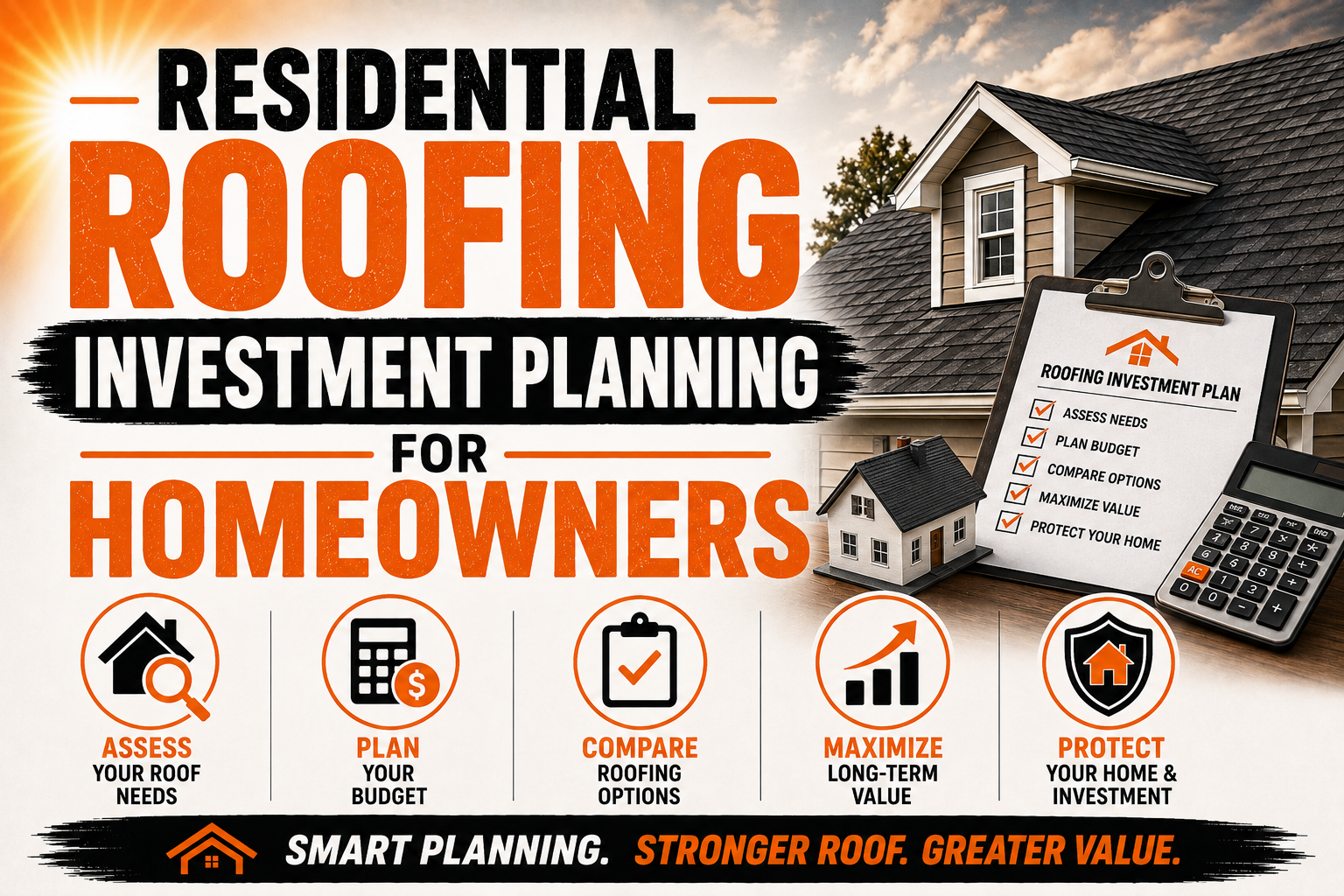
Residential Roofing Investment Planning for Homeowners
Introduction
A residential roof is one of the largest investments homeowners make in maintaining and protecting their property. It shields the structure from rain, wind, sunlight, temperature changes, and other environmental conditions while contributing to indoor comfort and the overall appearance of the home. Because roofing work can require a significant financial commitment, homeowners should approach it as a long-term investment rather than an expense that only needs to be considered when a leak appears.
Good roofing investment planning begins with understanding the current condition of the roof and identifying what the property actually needs. A homeowner may be deciding whether to repair an existing roof, replace an aging system, improve energy performance, or invest in a more durable roofing material. Each choice has different costs, benefits, maintenance requirements, and expected service life.
The goal is not necessarily to spend the most money on a roof. Instead, homeowners should aim to spend wisely by balancing immediate affordability with durability, performance, installation quality, maintenance, and future property needs. A structured approach makes it easier to compare options and avoid decisions based entirely on the lowest initial price.
Understanding Roofing as a Long-Term Home Investment
A roof should be viewed as part of the home’s overall protection system rather than simply an exterior covering. Its condition can influence moisture protection, structural preservation, indoor comfort, energy performance, and the appearance of the property. Investing in appropriate roofing work can therefore protect other parts of the home from problems that may become much more expensive to correct.
A roofing investment also has a life cycle. The initial installation is only one stage, followed by routine inspections, maintenance, repairs, and eventually replacement. Homeowners who consider this entire life cycle can make more informed decisions because they are comparing the expected cost and performance of a roofing system over many years rather than focusing only on the installation price.
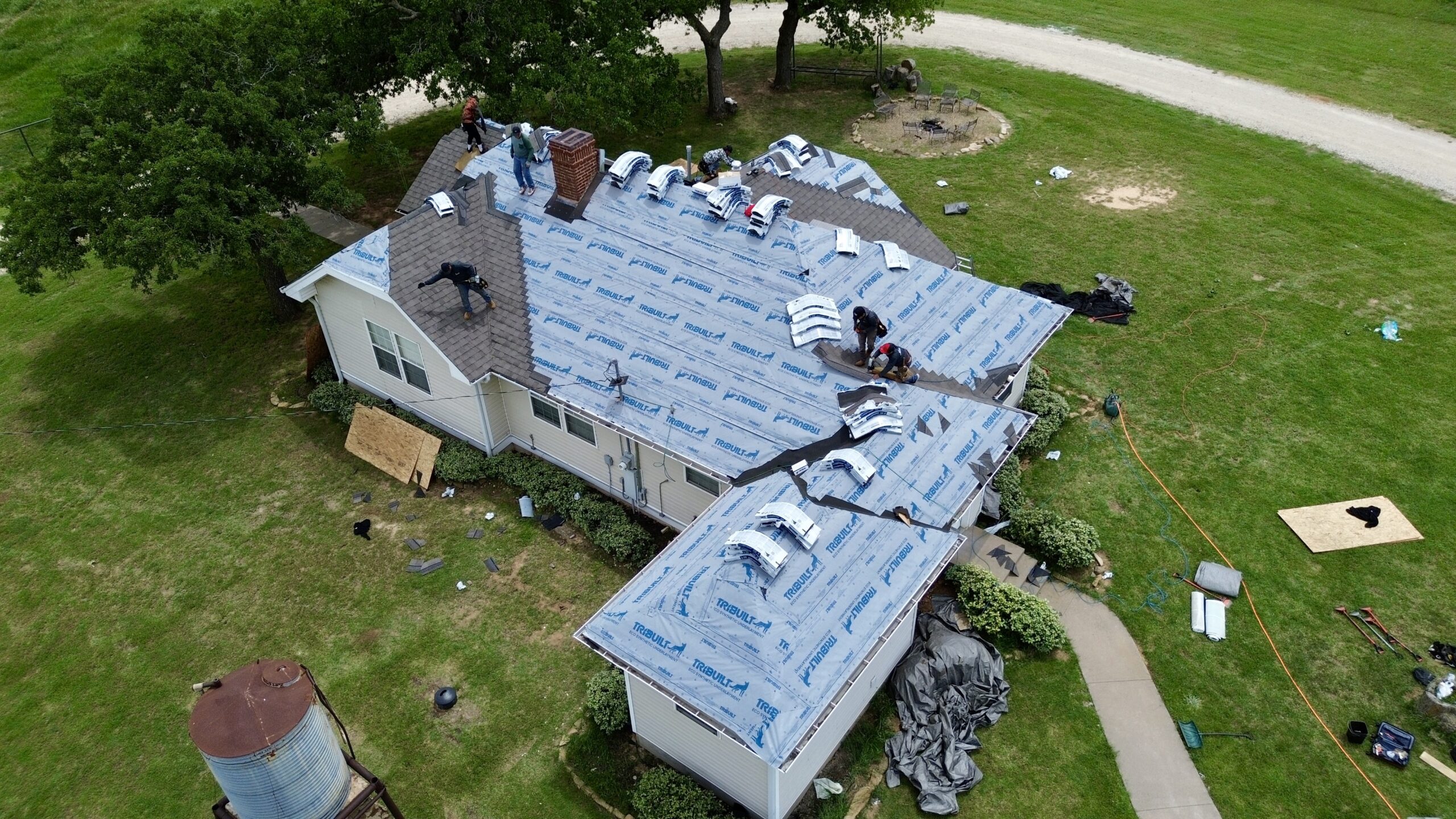
The quality of installation can have a major effect on the value of the investment. Even a high-quality roofing product may perform poorly if it is installed incorrectly or if important supporting components are ignored. Underlayment, flashing, ventilation, roof decking, drainage, and edge details all contribute to the performance of the finished system.
Long-term value also depends on how well the roofing system fits the property. A material that works well for one home may not be suitable for another because of differences in climate, roof design, structural characteristics, or maintenance expectations. Homeowners should therefore focus on suitability rather than assuming that the most expensive or popular material is automatically the best investment.
A useful roofing investment decision should answer several basic questions. What problem needs to be solved, how long should the solution last, what maintenance will it require, and how does the cost compare with the expected benefits? These questions help homeowners look beyond the initial purchase and consider the complete value of the roofing system.
Assessing Your Roof’s Current Condition and Remaining Life
Before putting money into a roofing project, homeowners should determine the condition of the existing system. A roof that only requires targeted repairs should not automatically be replaced, while an aging roof with widespread deterioration may not be a good candidate for repeated repairs. A professional assessment can help distinguish between these situations.
The age of the roof provides useful context. Roofing materials have different expected service lives, and actual longevity can be affected by installation quality, weather exposure, maintenance, ventilation, and other factors. Knowing the approximate installation date helps homeowners understand whether the roof is relatively new, approaching the later part of its service life, or already overdue for replacement planning.
Visible damage can provide important warning signs. Homeowners may notice missing or damaged shingles, cracked tiles, exposed areas, deteriorated flashing, sagging sections, or excessive wear. However, not every roofing problem can be identified from ground level, so homeowners should avoid assuming that a roof is healthy simply because it looks acceptable from outside.
Interior evidence can also reveal roofing problems. Ceiling stains, damp insulation, peeling paint, musty odors, or moisture in attic spaces may indicate water intrusion. Because water can travel through roofing and structural components before becoming visible indoors, identifying the precise source of a leak may require professional inspection.
Previous repairs should be included in the assessment. A roof that has experienced repeated leaks or frequent patching may require a broader evaluation to determine whether repairs are still economical. Repeated spending on an aging system can reduce the financial benefit of continuing to repair it.
Homeowners should also consider the condition of the roof deck and supporting components. Moisture damage beneath the visible roofing surface can affect installation quality and may increase project costs if repairs are required. Identifying these possibilities before creating a budget helps homeowners develop a more realistic investment plan.
Setting Roofing Investment Goals and Priorities
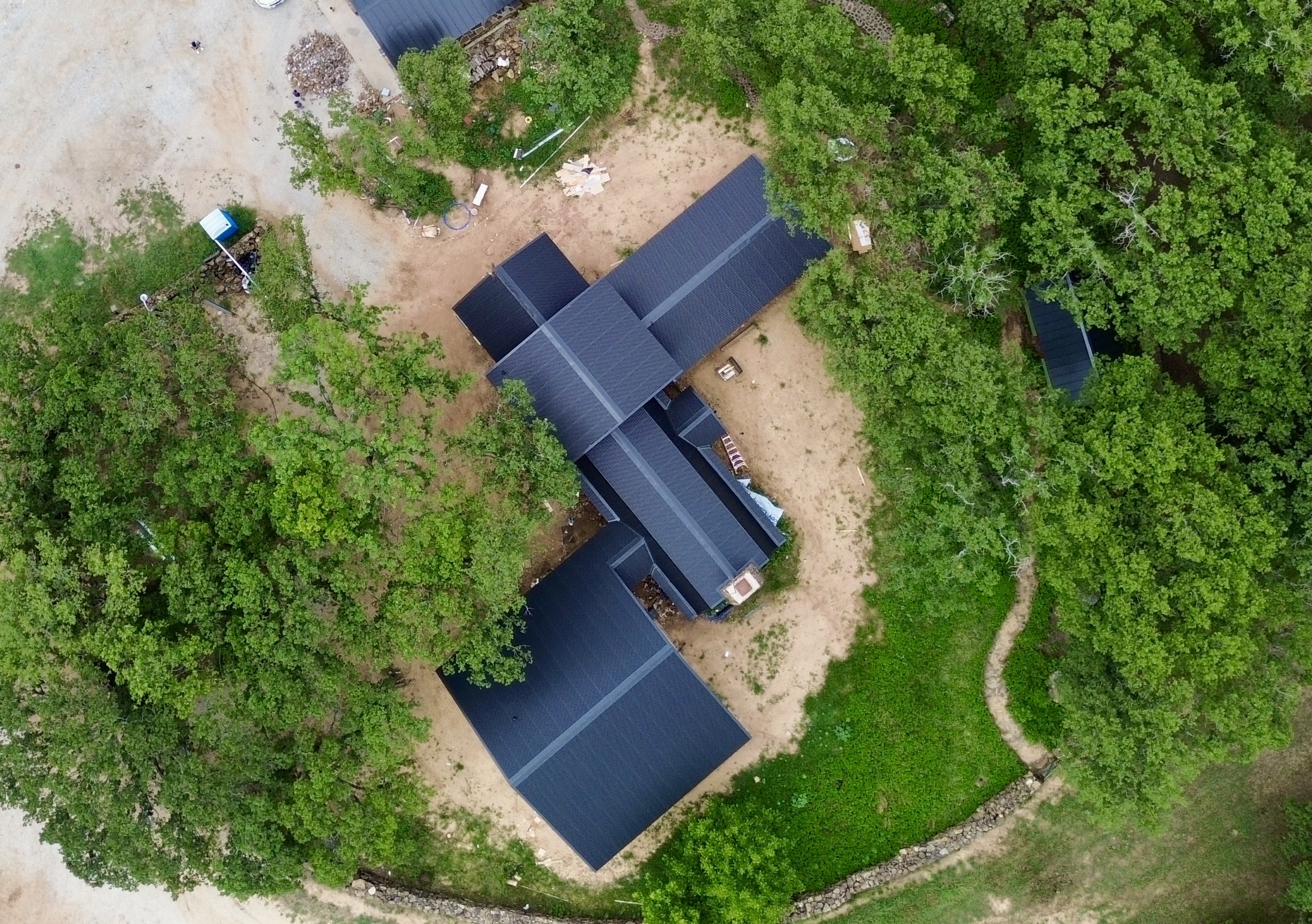
Every homeowner has different reasons for investing in a roofing project. Some may need to address urgent leaks, while others may want a longer-lasting system that reduces future maintenance. Clearly defining these goals helps homeowners decide where their money should be allocated and prevents unnecessary features from taking priority over essential protection.
The first priority should generally be the roof’s ability to protect the home. Active leaks, significant material deterioration, structural concerns, and serious drainage problems should receive attention before cosmetic upgrades. A visually attractive roof provides limited value if underlying problems remain unresolved.
Durability may be another major priority, especially for homeowners planning to remain in the property for many years. Investing in a roofing system designed for appropriate long-term performance may reduce the frequency of future replacement or major repairs. However, durability should always be considered in relation to the home’s structure, climate, and budget.
Energy performance can also influence investment priorities. Homeowners may be interested in roofing materials, insulation, or ventilation improvements that contribute to better indoor comfort and energy management. These improvements should be evaluated as part of the home’s overall building envelope rather than assuming that roofing material alone determines energy efficiency.
Appearance can be important when homeowners are renovating the exterior or preparing a property for future sale. A roof occupies a large visual area and can influence curb appeal. Nevertheless, aesthetic preferences should generally complement rather than replace essential performance considerations.
Homeowners can organize their investment priorities into three categories:
- Essential needs: Leak prevention, structural protection, appropriate installation, drainage, and weather resistance.
- Performance improvements: Durability, ventilation, insulation, and energy efficiency.
- Optional preferences: Color, texture, architectural style, and other appearance-related upgrades.
This approach helps homeowners distinguish between what the roof must accomplish and what would simply be desirable. Once priorities are clear, it becomes easier to compare roofing materials, contractors, and project costs.
Estimating the Total Cost of a Roofing Project
Creating an accurate roofing budget requires looking beyond the price of the visible roofing material. The total investment can include labor, removal of existing materials, disposal, underlayment, flashing, ventilation, roof deck repairs, gutters, permits, equipment, and other project-specific expenses. Homeowners should ask for detailed estimates so they can understand what the quoted price actually includes.
Roof size and complexity can significantly influence cost. A simple roof with easy access may require less labor than a property with multiple slopes, valleys, dormers, skylights, chimneys, or other architectural features. Steeper or difficult-to-access roofs can also involve additional safety and installation requirements.
The condition of the existing roof is another major cost factor. When old roofing materials are removed, contractors may discover damaged decking, deteriorated flashing, moisture-related problems, or other conditions that were not visible during the initial inspection. Homeowners should therefore include a reasonable reserve for necessary unexpected work.
Material selection also affects the overall investment. Different roofing systems have different purchase prices, installation requirements, expected service lives, and maintenance needs. A material with a higher initial price may provide stronger long-term value, while a lower-cost option may be more suitable when the homeowner’s budget is limited.
Homeowners should compare several detailed estimates rather than relying on a single number. Each proposal should be reviewed for the materials included, preparation work, labor, cleanup, warranties, and procedures for additional repairs. Two estimates with different prices may actually provide very different levels of work.
The total investment should be considered in terms of both immediate and future costs. A roof that costs less today but requires frequent repairs may ultimately be more expensive than a durable system with a higher initial price. Looking at the expected service life and maintenance requirements can make the financial comparison more meaningful.
Choosing Roofing Materials Based on Value and Performance
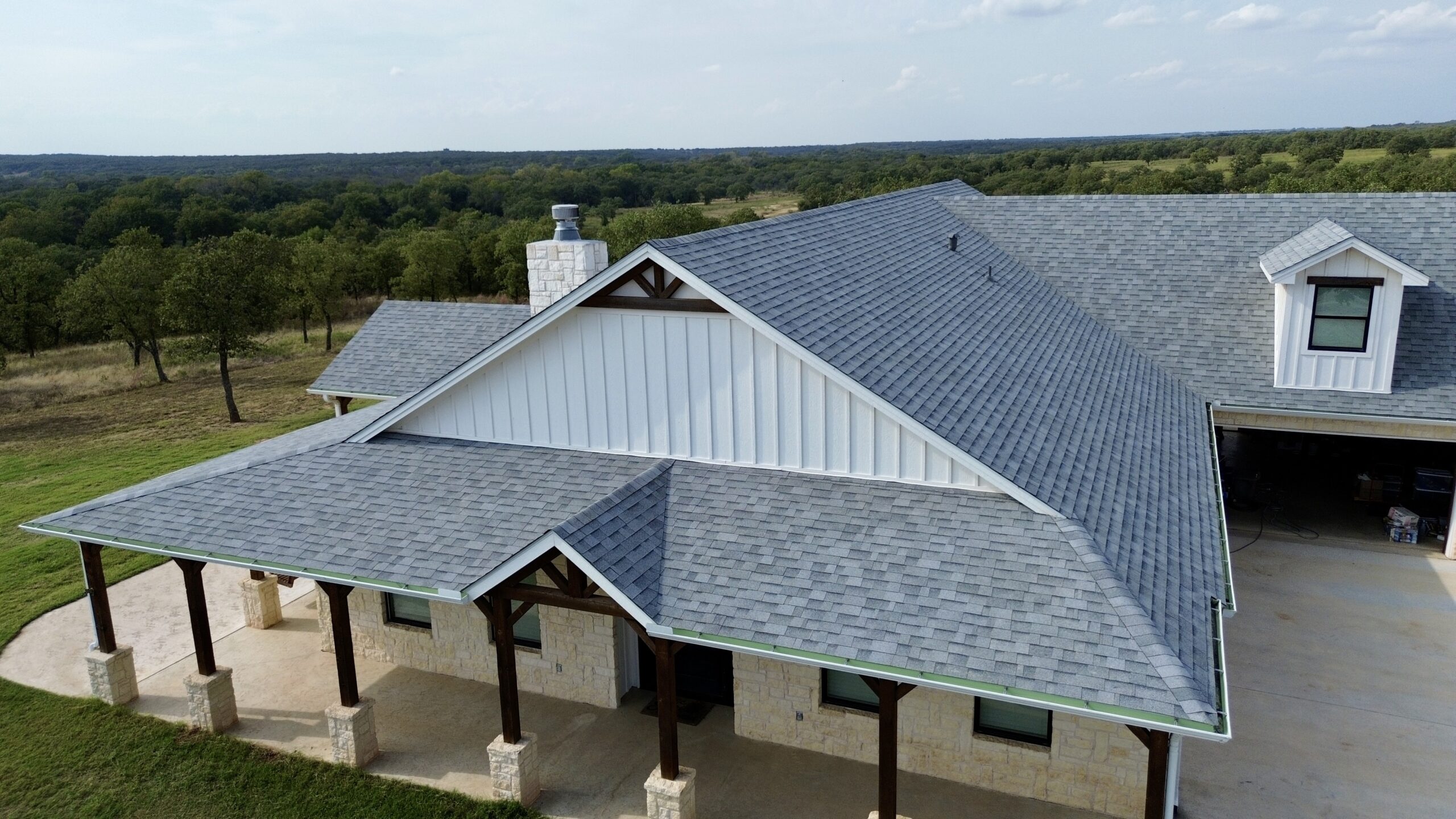
Selecting a roofing material is an important part of investment planning because the material influences cost, durability, appearance, maintenance, and installation requirements. Homeowners should compare materials based on the specific needs of their property rather than choosing simply because a material is common or visually appealing.
Asphalt shingles are a popular residential option and are available across a broad range of styles and price levels. They can provide a practical combination of affordability, appearance, and installation convenience. Homeowners should still compare product quality and expected performance rather than assuming all asphalt roofing products provide the same value.
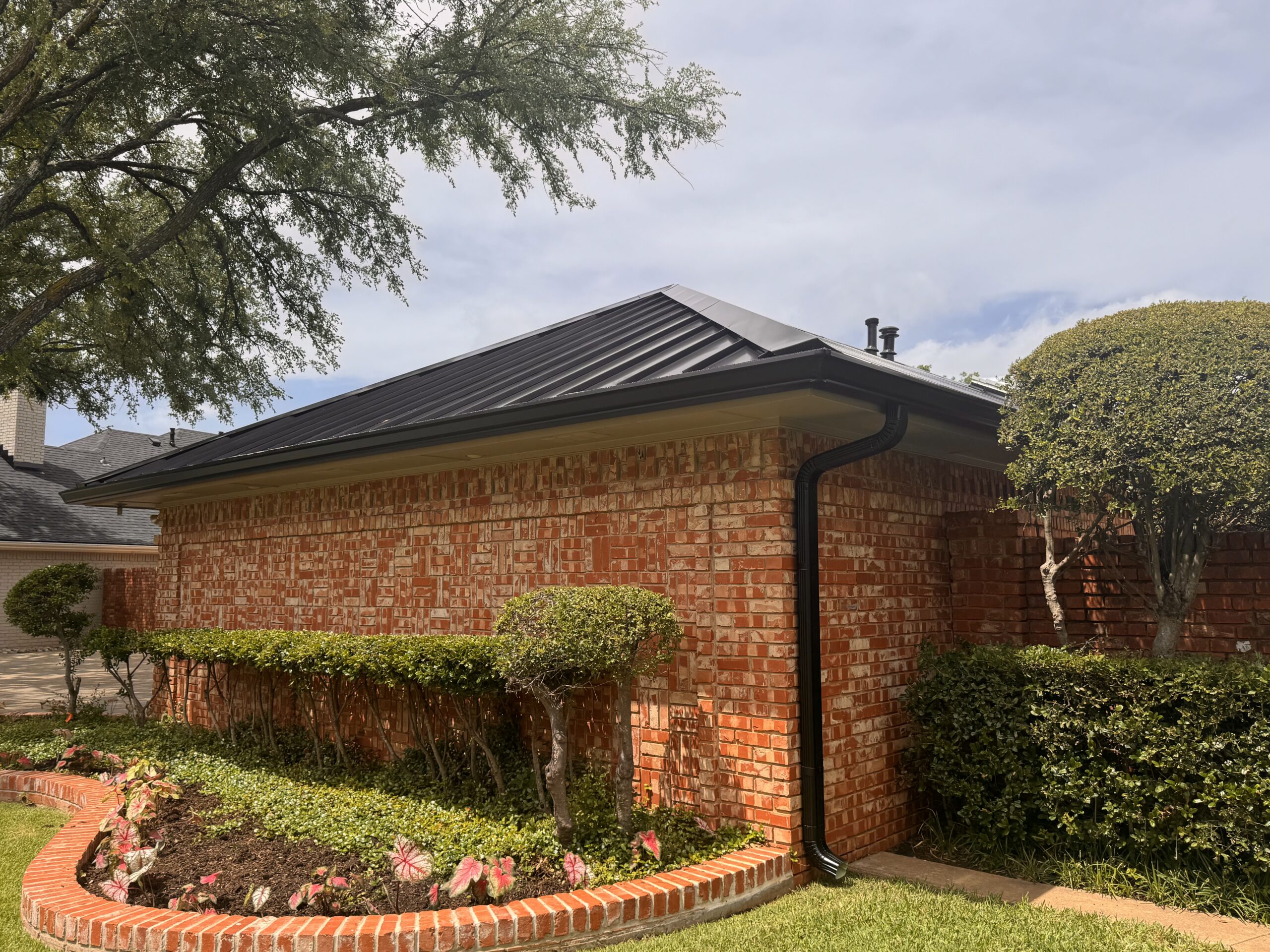
Metal roofing can offer durability and a distinctive appearance. Depending on the system, metal roofs can be designed for different architectural styles and weather conditions. Their suitability should be evaluated according to installation requirements, material characteristics, local climate, and the structure of the home.
Clay and concrete tiles can provide durability and a distinctive architectural appearance, but they can also be heavier than some other roofing systems. Before selecting these materials, homeowners should ensure that the roof structure is appropriate for the additional load and that installation requirements are fully understood.
The investment value of a roofing material can be evaluated using several factors:
| Factor | Investment Question |
|---|---|
| Initial cost | Can the household comfortably afford the installation? |
| Service life | How long is the material expected to perform? |
| Maintenance | What routine care and repairs are likely? |
| Weather performance | Is the material suitable for local conditions? |
| Installation | Does it require specialized labor or preparation? |
| Appearance | Does it complement the home’s design? |
| Long-term value | Does the expected performance justify the total cost? |
No material is automatically the best investment for every homeowner. The right choice depends on the relationship between price, expected performance, maintenance, climate, architectural compatibility, and future plans for the property.
Balancing Initial Cost With Long-Term Roofing Value
The most important financial principle in roofing investment planning is to avoid focusing entirely on the initial price. A low-cost roof may appear attractive when comparing estimates, but its value depends on how well it performs and how much maintenance it requires over time. Similarly, the most expensive option may not provide meaningful additional value if its features exceed the home’s actual needs.
Homeowners should think about the total ownership cost of each option. This can include installation, maintenance, inspections, repairs, energy-related benefits, and eventual replacement. Considering these costs together provides a more realistic picture of what the roofing system may require throughout its service life.
Installation quality should remain a major part of this calculation. A properly installed mid-range roofing system may provide better value than an expensive material installed poorly. Homeowners should therefore consider contractor qualifications and installation practices alongside product specifications.
Future plans for the property can also affect the decision. A homeowner who expects to remain in the house for decades may place greater value on long service life and durability. Someone planning a major renovation or possible sale may evaluate appearance, compatibility with future projects, and overall property condition differently.
Budget limitations should not be ignored. A homeowner should not stretch finances beyond a comfortable level simply to purchase a premium material. The better approach is to identify essential performance requirements and select the highest-quality solution that fits within a realistic budget.
A strong roofing investment balances today’s affordability with tomorrow’s needs. When homeowners evaluate condition, priorities, total cost, material performance, installation quality, and expected service life together, they can make a decision that protects the home while providing better long-term financial value.
Comparing Roofing Contractors and Installation Quality
The contractor selected for a roofing project can have as much influence on the value of the investment as the roofing material itself. High-quality materials cannot deliver their expected performance when they are installed incorrectly or when essential components are skipped. Homeowners should therefore evaluate contractors as carefully as they evaluate products and prices.
Experience is one of the first factors to consider. Homeowners should look for contractors who regularly complete residential roofing projects and have experience with the specific roofing systems being considered. Familiarity with local weather conditions, roof designs, installation requirements, and common property issues can help reduce avoidable problems.
Homeowners should also verify applicable licensing and insurance requirements. Roofing involves elevated work, heavy materials, tools, and potential property risks, so appropriate insurance coverage is important. Documentation should be reviewed rather than relying only on verbal assurances from a contractor.
References and previous projects can provide useful information about workmanship and reliability. Homeowners can ask about completed projects and look for consistent feedback concerning communication, scheduling, cleanup, and problem resolution. A contractor who is willing to explain previous work and provide clear documentation can generally provide greater confidence during the selection process.
Several estimates should be compared before making a final decision. However, price should not be the only comparison point. A contractor offering a lower estimate may be excluding preparation work, using different materials, providing limited warranty coverage, or overlooking important components.
Homeowners should pay particular attention to how contractors communicate. A professional should explain recommendations clearly, answer questions, identify potential complications, and provide written details. Pressure to sign immediately or vague answers about project scope can be warning signs that deserve additional consideration.
Installation quality should ultimately be treated as part of the roofing investment itself. Spending more on a premium material does not create good value if the installation is inadequate. A reliable contractor, appropriate preparation, and careful workmanship can help homeowners receive the performance they expect from the selected roofing system.
Understanding Roofing Estimates, Contracts, and Payment Terms
A detailed roofing estimate allows homeowners to understand what a proposed investment includes. A single total price does not provide enough information to make a meaningful comparison between contractors. The estimate should explain materials, labor, preparation, removal, disposal, and other significant project components.
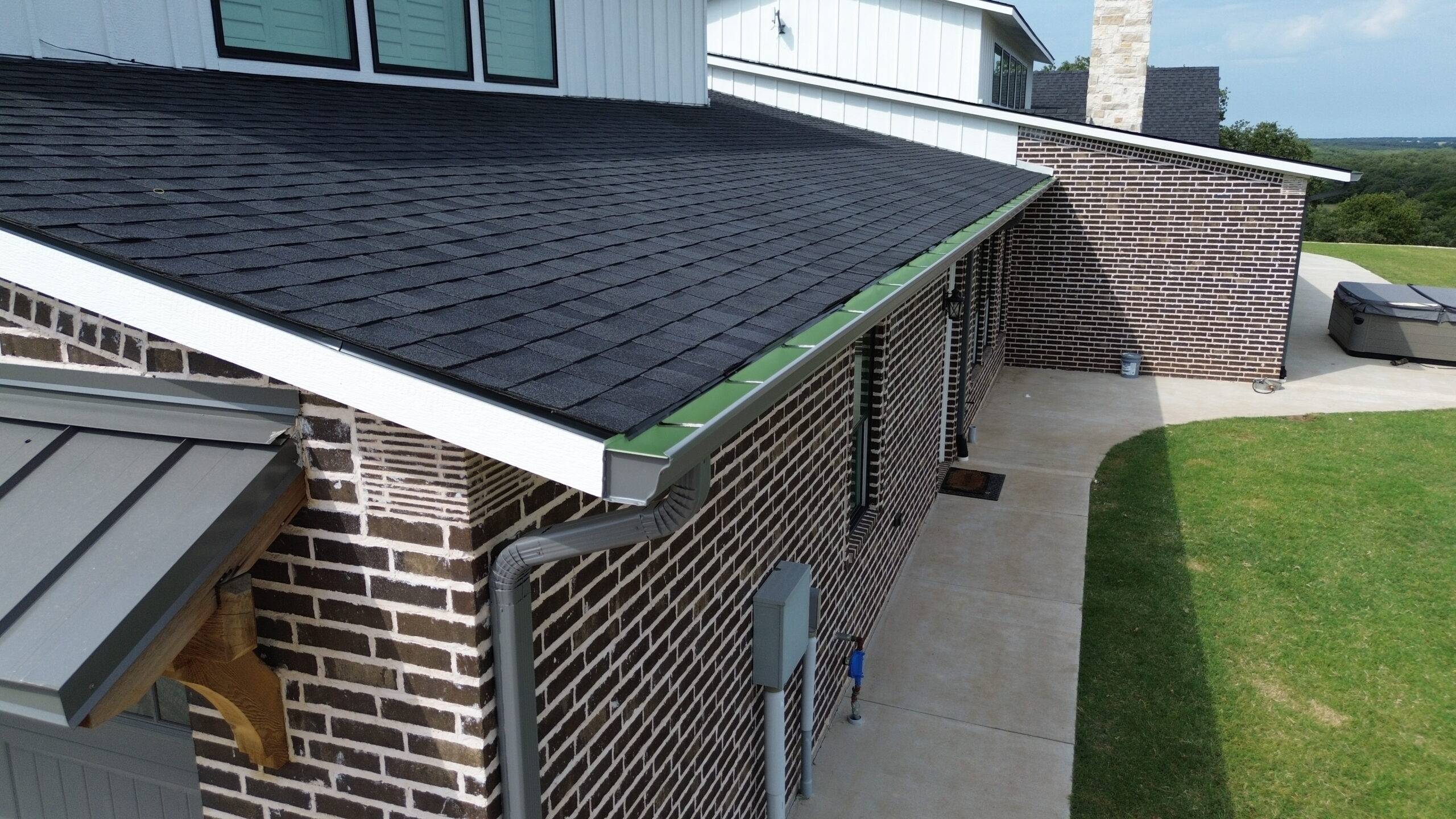
Homeowners should check whether the proposal includes underlayment, flashing, ventilation, roof-edge details, and potential decking repairs. These components may not be visible once the project is complete, but they can have an important effect on long-term roof performance. Excluding them from an estimate can make one proposal appear less expensive than another.
The contract should clearly establish the scope of work. It should identify what will be installed, what will be removed, how the property will be protected, and how cleanup will be handled. Written documentation helps prevent misunderstandings and gives homeowners a reference if questions arise during construction.
Payment terms should also be reviewed carefully. Homeowners should understand the amount and timing of any deposit, progress payments, and final payment. The payment schedule should be clearly documented before work begins rather than negotiated informally during the project.
Unexpected work should have a defined approval process. Removing an existing roof can reveal damaged decking, deteriorated components, or moisture-related problems that were not visible beforehand. Homeowners should know how the contractor will document such conditions and obtain approval before performing additional work that changes the project cost.
A contract should also explain scheduling expectations and procedures for weather-related delays. Roofing work can be affected by rain, strong winds, extreme temperatures, or other unsafe conditions. A realistic agreement should recognize that certain delays may be necessary to protect workers and ensure appropriate installation conditions.
Before signing, homeowners should review the complete document and ask questions about anything unclear. A careful review may take additional time, but it can prevent costly misunderstandings and make the roofing investment easier to manage from beginning to end.
Planning for Hidden Costs and Unexpected Repairs
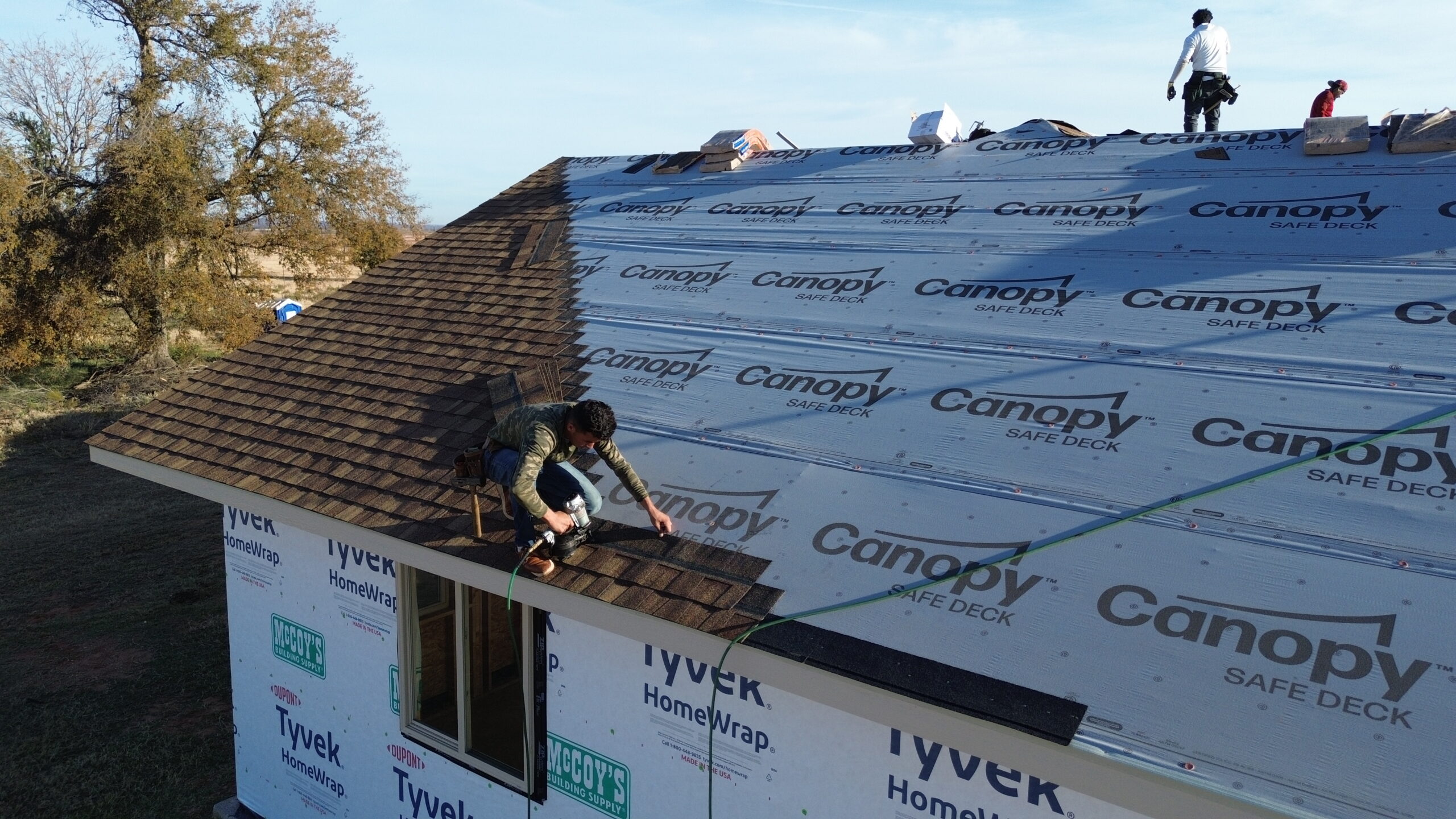
Even when a roofing project has been carefully estimated, homeowners should prepare for expenses that may not become visible until work begins. Existing roofs can hide damaged decking, deteriorated flashing, moisture-related problems, inadequate ventilation, or other issues. Planning for these possibilities can reduce financial stress if additional work becomes necessary.
Roof decking is one area where unexpected costs can occur. Once old roofing materials are removed, contractors may discover sections that have been weakened by long-term moisture exposure. Damaged areas may need to be replaced before the new roofing system can be installed correctly.
Flashing can also create additional work. Older flashing around chimneys, skylights, walls, vents, and valleys may be deteriorated or incompatible with the new roofing system. Replacing or improving these areas can increase the project cost but may be necessary to achieve reliable water protection.
Ventilation problems may become apparent during the planning or installation process. If the attic has inadequate airflow or moisture management, homeowners may need to consider ventilation improvements. These changes can support the performance of the new roofing system and help address conditions that contributed to premature deterioration.
Drainage components should also be assessed. Gutters, downspouts, and roof drainage pathways may be damaged or poorly configured. Replacing or adjusting them during a roofing project can improve water management and reduce the risk of moisture-related problems.
A reasonable contingency reserve can help homeowners manage these situations. The exact amount will depend on the age and condition of the property, but the principle is straightforward: the project budget should not assume that every hidden component is in perfect condition.
Homeowners should also distinguish between necessary additional work and optional upgrades. When unexpected problems are discovered, the contractor should explain why the work is needed and how it affects the roof’s performance. This allows the homeowner to make an informed decision rather than approving additional costs without understanding their purpose.
Evaluating Roofing Warranties and Long-Term Protection
Warranties are an important part of roofing investment planning because they can provide protection against certain material or workmanship problems. However, homeowners should understand that warranties are not unlimited guarantees. Coverage depends on the product, contractor, installation requirements, maintenance, exclusions, and other conditions.
Manufacturer warranties generally cover specific defects or performance issues associated with the roofing product. The terms can vary considerably between materials and product lines. Homeowners should review the actual warranty documentation and understand what is covered, how long coverage lasts, and what requirements must be met.
Workmanship warranties are separate from product warranties. They may cover problems caused by installation errors and are typically provided by the contractor. Homeowners should ask how long workmanship coverage lasts and how a claim is handled if an installation-related problem appears.
Warranty exclusions are equally important. Certain types of storm damage, improper maintenance, unauthorized modifications, or installation outside manufacturer requirements may not be covered. Understanding these exclusions helps homeowners develop realistic expectations about the protection being purchased.
Homeowners should also ask whether the warranty requires specific maintenance or inspections. Some coverage may depend on following manufacturer instructions or using approved installation practices. Keeping records of maintenance and professional inspections can provide useful documentation if a warranty issue develops.
Transferability may matter when the property could be sold in the future. Some warranties may allow transfer to a new homeowner under specific conditions, while others may have restrictions. Understanding these terms can help homeowners evaluate whether warranty coverage adds meaningful value to the property.
A warranty should be considered one component of a broader investment strategy. Good installation, proper maintenance, suitable materials, and appropriate weather protection remain essential. A strong warranty can provide additional reassurance, but it should never be used as a substitute for careful contractor selection or quality workmanship.
Considering Energy Efficiency and Home Performance
A roofing investment can provide an opportunity to improve more than weather protection. Roofing materials, attic insulation, ventilation, and other building-envelope components can influence indoor comfort and energy performance. Homeowners should consider these factors when evaluating the overall value of a roofing project.
Roofing material can affect how the home responds to sunlight and heat. Different materials and finishes have different characteristics, and some may be better suited to specific environmental conditions. Homeowners interested in energy performance should discuss appropriate options with qualified professionals rather than assuming one material will produce the same result in every property.
Attic ventilation is another important consideration. Proper ventilation can help manage heat and moisture in the attic and work together with insulation to support a healthier roof environment. Poor ventilation may contribute to moisture accumulation or excessive heat, potentially affecting both roof performance and indoor comfort.
Roof replacement can also provide an opportunity to evaluate existing insulation. If attic insulation is insufficient, damaged, or poorly distributed, addressing it during related work may improve overall building performance. The exact approach depends on the home’s construction and should be assessed carefully before changes are made.
Energy improvements should be evaluated according to their actual benefits and costs. Homeowners should avoid adding expensive features simply because they are marketed as energy-saving solutions. Instead, they should identify the home’s specific performance concerns and determine which improvements are likely to provide meaningful value.
Long-term savings should also be considered. A roofing investment that improves comfort or reduces energy demand may provide benefits beyond the roof’s immediate protective function. However, these benefits should be weighed against installation costs, maintenance requirements, expected service life, and other financial priorities.
A well-planned roofing investment can therefore support both structural protection and household performance. When roofing materials, ventilation, insulation, and other components are considered together, homeowners can make decisions that address the broader needs of the property.
Planning Roofing Investment Around Property Value and Future Needs
A roofing investment should reflect how the homeowner expects to use the property in the future. Someone planning to remain in the home for many years may place greater importance on durability and long service life, while someone preparing for a future sale may focus more heavily on appearance, documented maintenance, and overall property condition.
A well-maintained roof can contribute to the home’s overall appeal. Potential buyers often pay attention to major building systems because roof problems can lead to significant future expenses. A professionally installed roof with clear documentation can therefore provide useful value when the property is eventually evaluated for sale.
However, homeowners should avoid assuming that every expensive roofing upgrade will increase property value by an equivalent amount. The return on an investment depends on local market conditions, neighborhood expectations, material selection, installation quality, and the overall condition of the property.
Future renovations should also be considered. If homeowners expect to modify exterior walls, improve insulation, install solar equipment, or make other major changes, the roofing project should be planned with those possibilities in mind. Coordinating related work can reduce the risk of having to disturb a newly installed roof later.
The expected ownership period can influence material selection as well. A homeowner planning to remain in the property for decades may benefit more from investing in a durable system with appropriate long-term performance. Someone with shorter-term plans may prioritize a practical solution that meets immediate protection needs without unnecessary upgrades.
Future maintenance should also be included in the investment plan. Homeowners should know how often the roof should be inspected, which components require attention, and what types of repairs may eventually become necessary. Planning these costs in advance makes ownership more predictable.
The strongest roofing investment is one that fits the home’s present condition while supporting its future needs. By considering property value, ownership plans, maintenance, future renovations, and expected service life, homeowners can make a decision that remains useful long after the installation is complete.
Creating a Long-Term Roofing Maintenance Budget
A roofing investment should continue to be managed after installation because maintenance plays an important role in protecting the money already spent. Even a high-quality roof can develop problems when drainage, flashing, ventilation, and roofing materials are neglected. Creating a maintenance budget allows homeowners to address routine needs without treating every inspection or repair as an unexpected financial burden.
Maintenance costs can include professional inspections, gutter cleaning, minor repairs, flashing replacement, sealant work, and other preventive services. The exact requirements depend on the roofing material, property design, local weather, roof age, and surrounding environment. Homeowners should keep records of these expenses because they provide useful information about the roof’s performance over time.
Regular inspections can help identify small problems before they become major expenses. A loose roofing component or deteriorated flashing may be relatively simple to address when discovered early, while prolonged water intrusion can damage insulation, decking, ceilings, walls, and other parts of the home. Preventive maintenance therefore has financial value because it can reduce the likelihood of larger repair costs.
Homeowners should also budget for routine drainage maintenance. Gutters and downspouts need to remain clear so rainwater can move away from the roof and foundation properly. Neglecting these components can create moisture problems that affect areas beyond the roofing system.
A long-term maintenance budget should also account for the roof’s age. Maintenance needs may increase as materials approach the later stages of their expected service life. Planning for these costs gradually can make future decisions easier and reduce pressure when larger repairs become necessary.
The goal is not to spend money on unnecessary maintenance. Instead, homeowners should invest consistently in appropriate inspections and preventive work that protects the roofing system. A realistic maintenance budget helps preserve roof performance while making ownership costs more predictable.
Planning for Repairs, Storm Damage, and Emergency Costs
Even a well-maintained roof can experience unexpected damage. Severe wind, hail, heavy rain, falling branches, and other weather events can create problems that require immediate attention. Homeowners should include emergency costs in their overall roofing investment plan so a sudden repair does not create unnecessary financial pressure.
An emergency roofing fund can provide a useful financial safety margin. The appropriate amount depends on the home’s roof size, age, material, weather exposure, and overall financial circumstances. The purpose is to have funds available for urgent work without having to delay necessary repairs.
After severe weather, homeowners should prioritize safety before inspecting the roof. Damaged roofing materials or structural components can create hazards, especially when the surface is wet or unstable. Visible damage can be documented from a safe location, while professional roofers should handle detailed inspections and emergency work.
Temporary protection may sometimes be necessary when permanent repairs cannot be completed immediately. Qualified professionals can determine appropriate measures to reduce additional exposure to rain or other weather. Temporary solutions should be followed by a complete repair plan rather than being treated as permanent fixes.
Homeowners should also maintain records of storm damage, inspections, repairs, and related expenses. If insurance coverage may apply, documentation can help provide a clearer record of what happened and what work was required. Coverage varies by policy and situation, so homeowners should review their specific insurance terms rather than assuming every roofing problem will qualify.
Emergency planning is ultimately about reducing the financial impact of unexpected events. A homeowner who has already considered potential repair costs can respond more confidently when damage occurs. This approach protects both the roof and the broader investment in the property.
Knowing When to Repair and When to Replace
One of the most important financial decisions in roofing investment planning is determining when repairs remain worthwhile and when replacement provides better long-term value. A repair may be appropriate when damage is isolated and the surrounding roof is still performing well. Replacement becomes more practical when deterioration is widespread or the roof is nearing the end of its expected service life.
The age of the roof should be considered alongside its physical condition. An older roof with repeated leaks may continue to require repairs even after individual problems are addressed. In that situation, homeowners should compare the cost of continued repairs with the cost and expected benefits of replacement.
The number and frequency of repairs can also provide useful information. If the same roof requires attention repeatedly, the cumulative expense may eventually become significant. Frequent repairs can also indicate that the underlying system is deteriorating beyond isolated problem areas.
Homeowners should consider the condition of supporting components as well. Damaged decking, widespread flashing deterioration, moisture problems, or ventilation issues can make replacement more reasonable than continuing with small repairs. A professional inspection can help determine whether the roof has sufficient remaining life to justify additional investment.
The decision should not be based solely on the immediate price. A low-cost repair may appear financially attractive but could provide only limited additional service life. A replacement requires a larger initial investment, but it may offer more predictable performance and reduce the likelihood of repeated repair expenses.
Homeowners should also consider their future plans. If they expect to remain in the home for many years, replacement may provide greater long-term value when the existing roof is significantly deteriorated. If the roof is relatively young and the damage is limited, a targeted repair may be the more sensible choice.
The best approach is to compare the current condition, remaining service life, repair history, future costs, and household plans together. This creates a more balanced financial decision than choosing based on a single repair estimate.
Preparing Financially for Future Roof Replacement
Roof replacement should eventually be expected as part of normal home ownership, even when a roof has been carefully maintained. Planning for replacement before the existing system fails completely gives homeowners more control over the timing and financial impact of the project. Waiting until a major emergency occurs can limit material choices and create unnecessary pressure.
The roof’s installation date provides a useful starting point for future planning. As the roof approaches the later part of its expected service life, homeowners can begin monitoring its condition more closely and reviewing potential replacement costs. This does not mean replacement must happen immediately, but early planning provides more time to make informed decisions.
Homeowners can gradually set aside funds for future roofing work. The amount will depend on the property’s size, roofing material, expected replacement cost, and household budget. Even small contributions over time can help reduce the financial impact of a major future project.
Future replacement planning should also include material research. Roofing products, installation practices, energy-efficiency options, and design preferences can change over time. Homeowners do not need to select a future material years in advance, but understanding potential options can make the eventual decision easier.
It is also useful to maintain a complete roofing history. Records of previous repairs, inspections, warranties, materials, and contractors can help future professionals understand the system. A detailed history may also help homeowners identify patterns of deterioration and determine whether replacement timing needs to be adjusted.
Planning ahead provides another important advantage: homeowners can replace the roof based on condition rather than emergency. A planned project allows time to compare contractors, review estimates, choose materials, arrange financing if needed, and prepare the property properly.
A future roof replacement fund should therefore be treated as part of normal home maintenance planning. Preparing gradually helps turn a potentially stressful emergency into a manageable long-term investment decision.
Avoiding Common Roofing Investment Mistakes
Roofing investments can become more expensive when homeowners make decisions without considering the complete system. One common mistake is selecting the lowest estimate without comparing what each contractor has included. A lower price may exclude important preparation, materials, ventilation work, flashing, disposal, or other necessary services.
Another mistake is choosing roofing materials based entirely on appearance. A material may look attractive but be unsuitable for the home’s structure, climate, maintenance expectations, or budget. Homeowners should evaluate appearance alongside durability, performance, installation requirements, and long-term value.
Delaying minor repairs can also create financial problems. Small leaks, damaged flashing, blocked gutters, or loose roofing materials may appear insignificant, but prolonged exposure can lead to more extensive damage. Addressing developing problems early can reduce the likelihood of expensive repairs.
Homeowners should also avoid assuming that a warranty covers every possible roofing problem. Product warranties and workmanship warranties have specific terms, exclusions, and requirements. Understanding these conditions before purchase helps prevent unrealistic expectations.
Ignoring installation quality is another costly mistake. The roofing material is only one part of the system, and poor workmanship can undermine its performance. Homeowners should evaluate contractor qualifications, project documentation, installation practices, and communication rather than focusing exclusively on material price.
A practical investment checklist can help homeowners avoid these problems:
- Compare complete project scopes, not just total prices.
- Consider long-term maintenance and replacement costs.
- Verify contractor qualifications and insurance.
- Understand material and workmanship warranties.
- Plan for unexpected repairs and emergency expenses.
- Consider the roof’s compatibility with future home improvements.
- Keep records of inspections, repairs, materials, and warranties.
These habits help homeowners make decisions based on value rather than short-term convenience. A careful approach can protect both the roofing system and the larger financial investment represented by the home.
Building a Practical Residential Roofing Investment Plan
A practical roofing investment plan brings all the previous decisions together into one long-term strategy. It should account for the current roof condition, expected service life, maintenance needs, repair costs, future replacement, contractor quality, and the homeowner’s financial priorities. The plan does not need to be complicated, but it should provide a clear direction for managing the roof over time.
The first step is to establish a baseline. Homeowners should record the roof’s age, material, installation history, current condition, previous repairs, warranty information, and known maintenance requirements. This information provides a starting point for future decisions.
The next step is to establish a maintenance routine and budget. Regular inspections, drainage maintenance, and prompt repairs can help protect the roof and reduce the chance of major unexpected expenses. As the roof ages, homeowners can increase their attention to warning signs and begin evaluating replacement options.
Financial planning should continue alongside physical maintenance. Homeowners can maintain an emergency reserve for unexpected repairs while gradually preparing for eventual replacement. This approach helps separate routine costs from larger future expenses.
The investment plan should also be reviewed whenever the homeowner’s circumstances change. Major renovations, plans to sell the property, changes in household needs, or significant storm damage may influence the appropriate roofing strategy. A plan should be flexible enough to adapt while keeping long-term protection as the main objective.
Conclusion
Residential roofing investment planning is about making informed decisions that protect the home today while preparing for future costs and maintenance. The most effective approach considers the roof’s current condition, expected service life, material performance, installation quality, maintenance requirements, emergency needs, and eventual replacement.
A successful investment is not necessarily the most expensive roofing system available. It is the solution that provides appropriate protection, durability, performance, and value within the homeowner’s financial limits. Comparing complete project costs and considering long-term expenses can help homeowners avoid decisions based solely on the lowest initial price.
Planning ahead is equally important. Regular maintenance, emergency savings, accurate records, and early replacement planning give homeowners more control over roofing expenses. Instead of waiting for a major failure to force a decision, homeowners can monitor the roof and prepare for significant work when the timing is appropriate.
Ultimately, a roof should be treated as a long-term component of the home’s overall financial and maintenance strategy. By investing thoughtfully in quality materials, professional installation, preventive care, and future planning, homeowners can protect their property while making their roofing expenses more predictable and manageable over the years.