
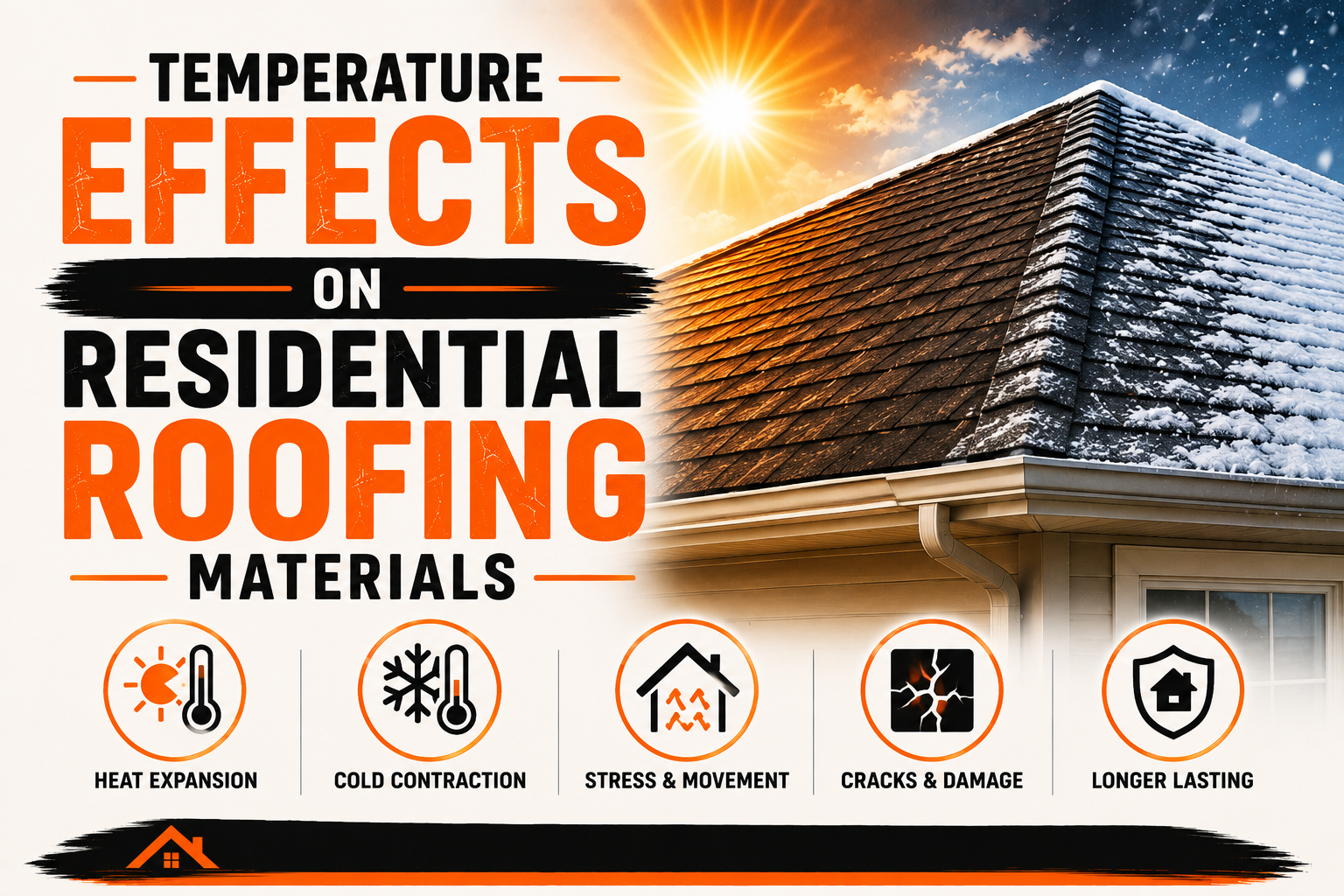
Temperature Effects on Residential Roofing Materials
Introduction
Residential roofing materials are exposed to temperature changes every day, and these changes can influence how a roof performs over time. A roof may experience intense sunlight during the afternoon, cooler temperatures after sunset, and repeated heating and cooling throughout the year. These cycles can gradually affect the flexibility, strength, appearance, and service life of different roofing materials.
Temperature-related stress becomes more noticeable in regions that experience extreme heat, freezing winters, or significant differences between daytime and nighttime temperatures. Roofing materials expand when heated and contract as they cool, creating repeated movement within the roofing system. When this movement occurs thousands of times over many years, it can contribute to aging and deterioration, especially when other environmental stresses are present.
The effects of temperature are not limited to the visible roof covering. Underlayment, flashing, fasteners, sealants, roof decking, insulation, and attic components can also be affected by heat and cold. A roof should therefore be considered as a complete system when evaluating how temperature influences long-term performance.
Different roofing materials respond to temperature in different ways. Asphalt shingles can soften and become more flexible during intense heat, while cold temperatures can make them more brittle. Metal expands and contracts considerably with temperature changes, whereas clay and slate are relatively stable but can become vulnerable when exposed to sudden or repeated thermal stress.
Understanding these effects can help homeowners select suitable roofing materials and recognize problems before they become serious. Proper ventilation, insulation, installation, and maintenance can also reduce some of the negative effects associated with temperature extremes. The goal is not to eliminate temperature changes, which is impossible, but to choose and maintain a roofing system that can handle the conditions it is likely to experience.
How Temperature Affects Roofing Materials
Temperature affects roofing materials through several physical processes, with thermal expansion and contraction being among the most important. When materials absorb heat, their molecules become more active and the material generally expands. As temperatures fall, the material contracts, creating repeated dimensional changes across the roof.
The amount of movement depends on the material. Metals generally experience noticeable expansion and contraction, while materials such as slate and some types of tile experience much less movement. Even small changes can become significant when they occur repeatedly across large roof surfaces and at connections between different materials.
Solar radiation can make roof surfaces considerably hotter than the surrounding outdoor air. A roof exposed to direct sunlight may experience substantial surface heating, particularly when the material has a dark color and absorbs more solar energy. The temperature of the roof surface can therefore be much higher than the temperature shown by an outdoor thermometer.
The temperature difference between the roof surface and the underlying structure can also create stress. The outer covering may heat and cool faster than the roof deck beneath it, creating movement between layers. If the components are not properly designed or installed, this movement can contribute to cracking, loosening, buckling, or deterioration.
Temperature can also affect the physical properties of roofing materials. Some materials become softer or more flexible when heated, while others become harder or more brittle when exposed to low temperatures. These changes may influence how the material responds to wind, impact, foot traffic, and other physical forces.
Moisture can make temperature effects more complicated. Water that enters cracks or small openings can freeze when temperatures fall below freezing, expanding as it changes into ice. Repeated freezing and thawing can gradually enlarge existing weaknesses and contribute to deterioration of roofing components.
Temperature also affects the adhesives and sealants used in roofing systems. Some products are designed to remain flexible across a broad temperature range, while others may become less flexible under extreme conditions. Using compatible materials and following manufacturer installation requirements helps reduce temperature-related failures.
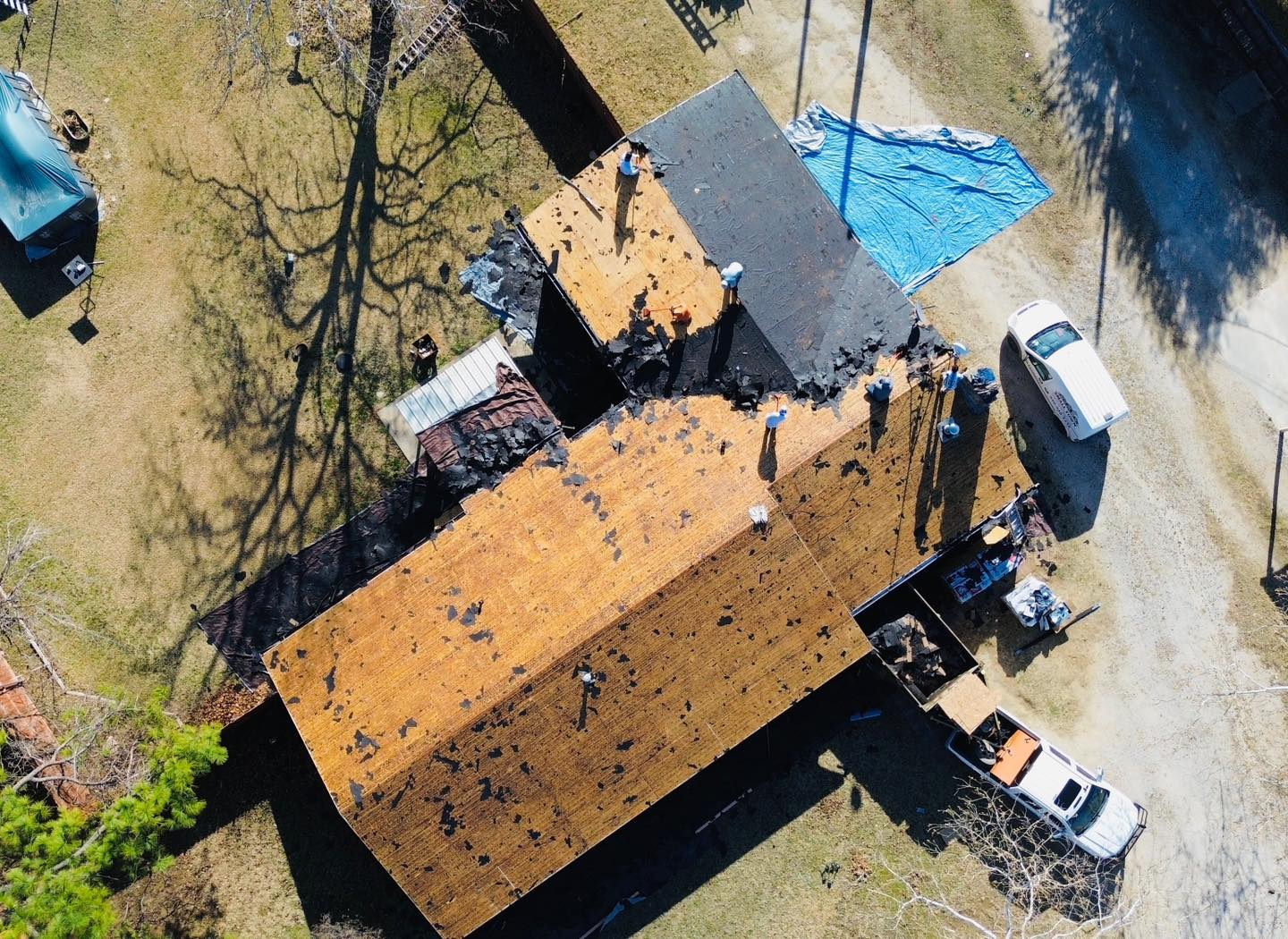
Effects of Extreme Heat on Residential Roofs
Extreme heat can place considerable stress on residential roofing systems, particularly when high temperatures continue for long periods. Direct sunlight heats the roof surface, while repeated daily heating and cooling creates thermal cycles. Over time, these conditions can accelerate aging in materials that are not well suited to the local climate.
Dark-colored roofing materials generally absorb more solar energy than lighter-colored surfaces. As a result, the roof surface can become significantly hotter when exposed to strong sunlight. The amount of heating also depends on roof orientation, slope, surrounding shade, ventilation, and local weather conditions.
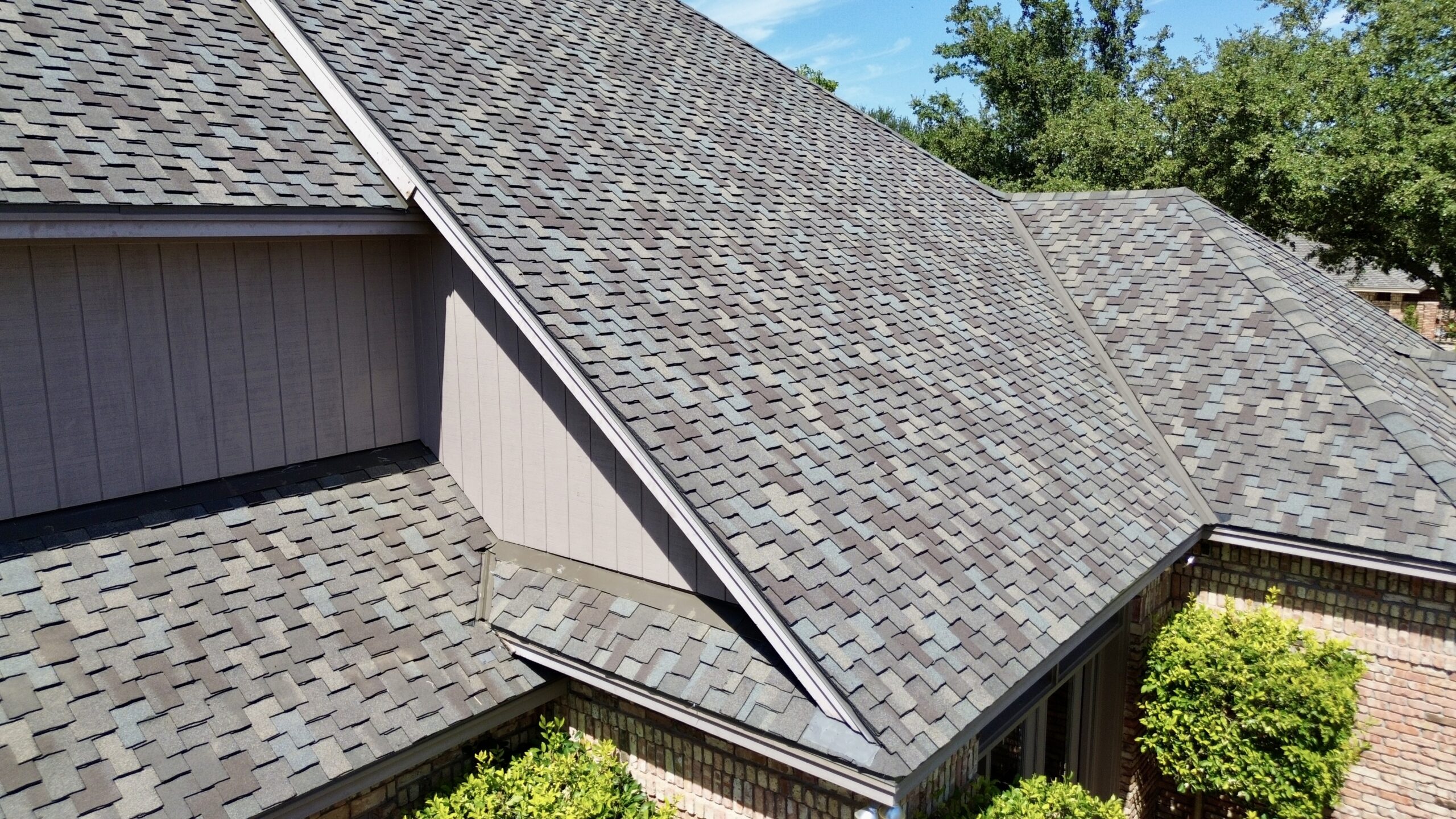
Asphalt shingles can be particularly affected by prolonged heat exposure. High temperatures may cause the asphalt components to become softer, while repeated heating and cooling can contribute to gradual aging. Excessive heat can also interact with ultraviolet radiation, which is another major environmental factor affecting exposed roofing surfaces.
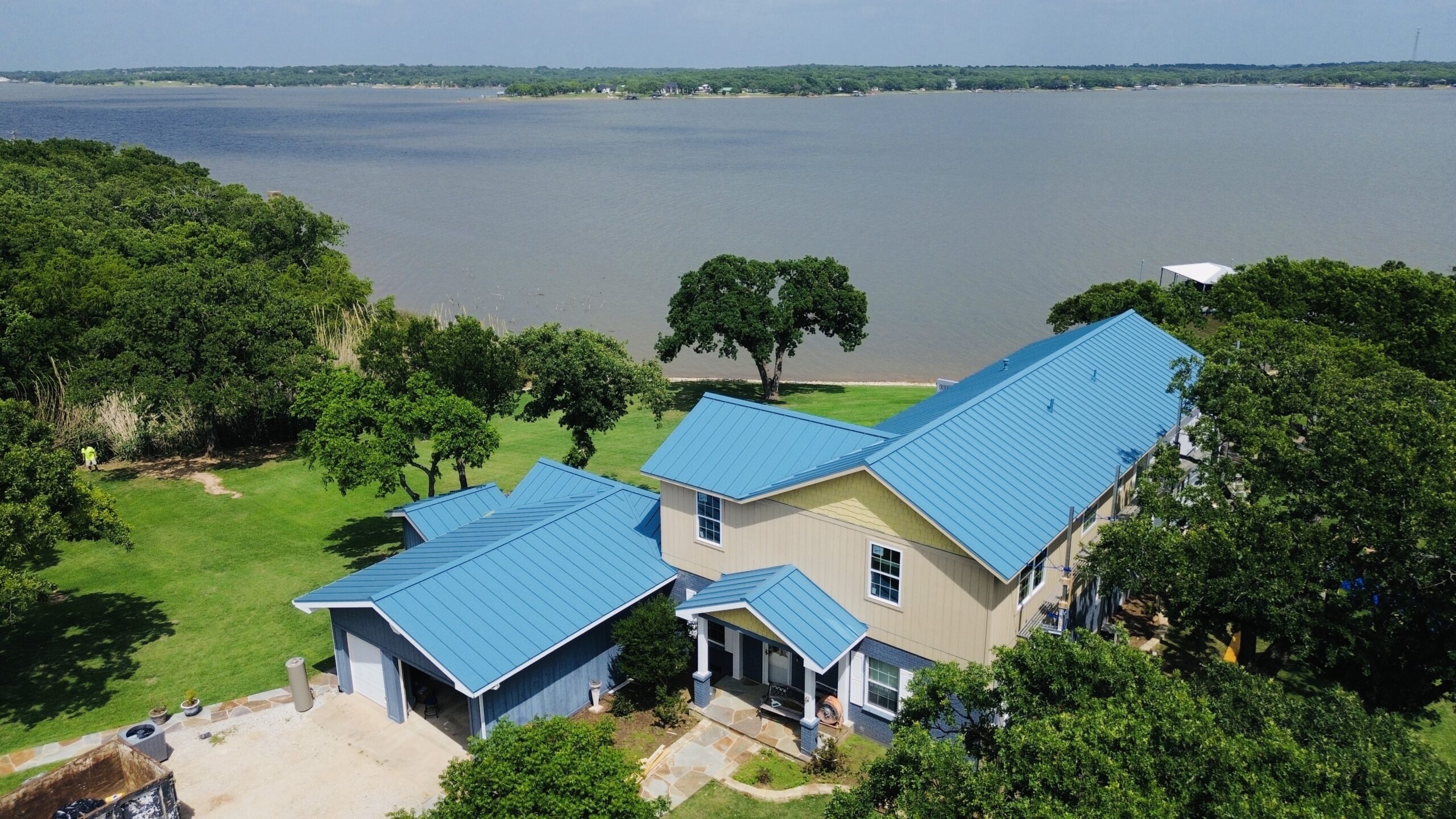
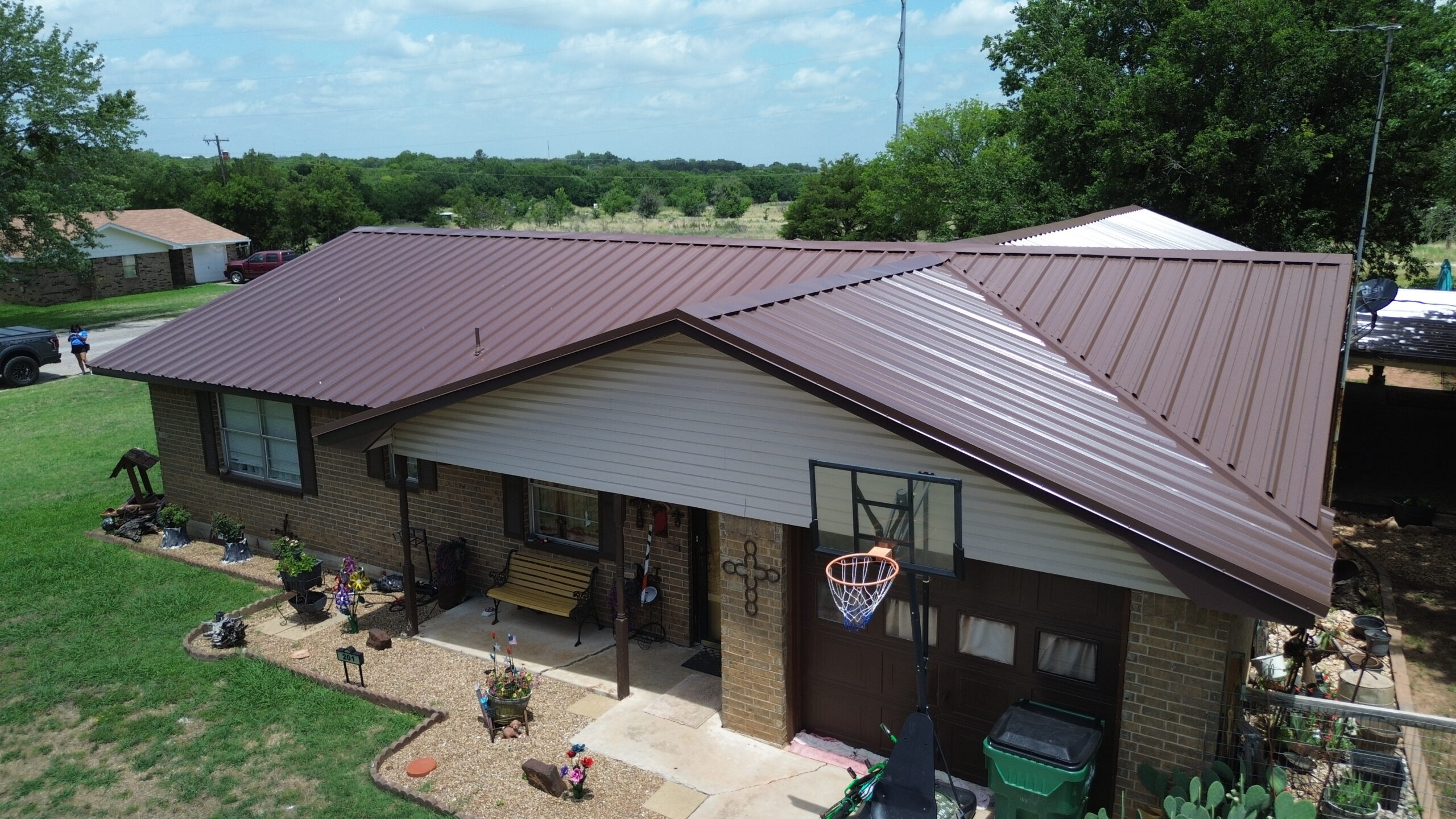
Metal roofing generally handles high temperatures well from a durability perspective, although it still expands and contracts as temperatures change. Its surface coating can also experience weathering over time. The performance of a metal roof depends on the specific alloy, coating system, panel design, and installation method.
Tile roofing can perform effectively in hot climates, which is one reason clay and concrete tiles are common in many warm regions. However, the roof assembly still needs appropriate ventilation and installation. Extreme temperature changes can create stress, particularly where different materials meet.
High temperatures can also affect roofing adhesives, sealants, and membranes. Materials that are not designed for the expected temperature range may soften, lose flexibility, or deteriorate more quickly. Selecting products rated for local conditions is therefore important when installing or repairing a roof.
Heat can also influence the temperature inside the attic. A poorly ventilated attic can accumulate excessive heat, increasing the temperature of the underside of the roof covering and potentially affecting insulation and other building components. Proper ventilation helps move hot air out of the attic and supports a more stable roofing environment.
Cold Weather and Roofing Material Performance
Cold weather presents a different set of challenges for residential roofing materials. Low temperatures can make certain materials less flexible and more susceptible to cracking or breakage when exposed to physical stress. Snow, ice, freezing rain, and repeated freeze-thaw cycles can add additional pressure to the roofing system.
Asphalt shingles can become more brittle during cold weather. This does not necessarily mean that the roof will fail simply because temperatures are low, but it does mean that handling and installation require greater care. Walking on cold shingles or bending them aggressively can increase the possibility of damage.
Metal roofing remains relatively durable in cold conditions, but its movement does not stop. Metal contracts as temperatures fall and expands when temperatures rise. Properly designed fastening systems and allowances for movement help the roof accommodate these changes without placing excessive stress on connections.
Tile and slate can tolerate cold conditions, but moisture can create additional risks. Water that enters small cracks or porous areas may freeze and expand, potentially worsening existing damage. This is particularly important in climates where temperatures regularly move above and below the freezing point.
Snow accumulation introduces another consideration. Snow adds weight to the roof, and the amount of stress depends on the depth and density of the snow. A properly designed roof can carry expected loads, but excessive accumulation may require professional evaluation in regions where heavy snow is common.
Ice can also interfere with drainage. When gutters, valleys, or drainage paths become blocked by ice, water may remain on the roof for longer periods. Repeated freezing and thawing can place additional stress on roofing materials and create pathways for moisture intrusion.
Cold weather can also affect sealants and adhesives. Some products become less flexible at low temperatures, which can make them more difficult to apply and may affect bonding if installation conditions are outside the manufacturer’s recommended range. Roofing work during cold weather should therefore follow product-specific installation requirements.
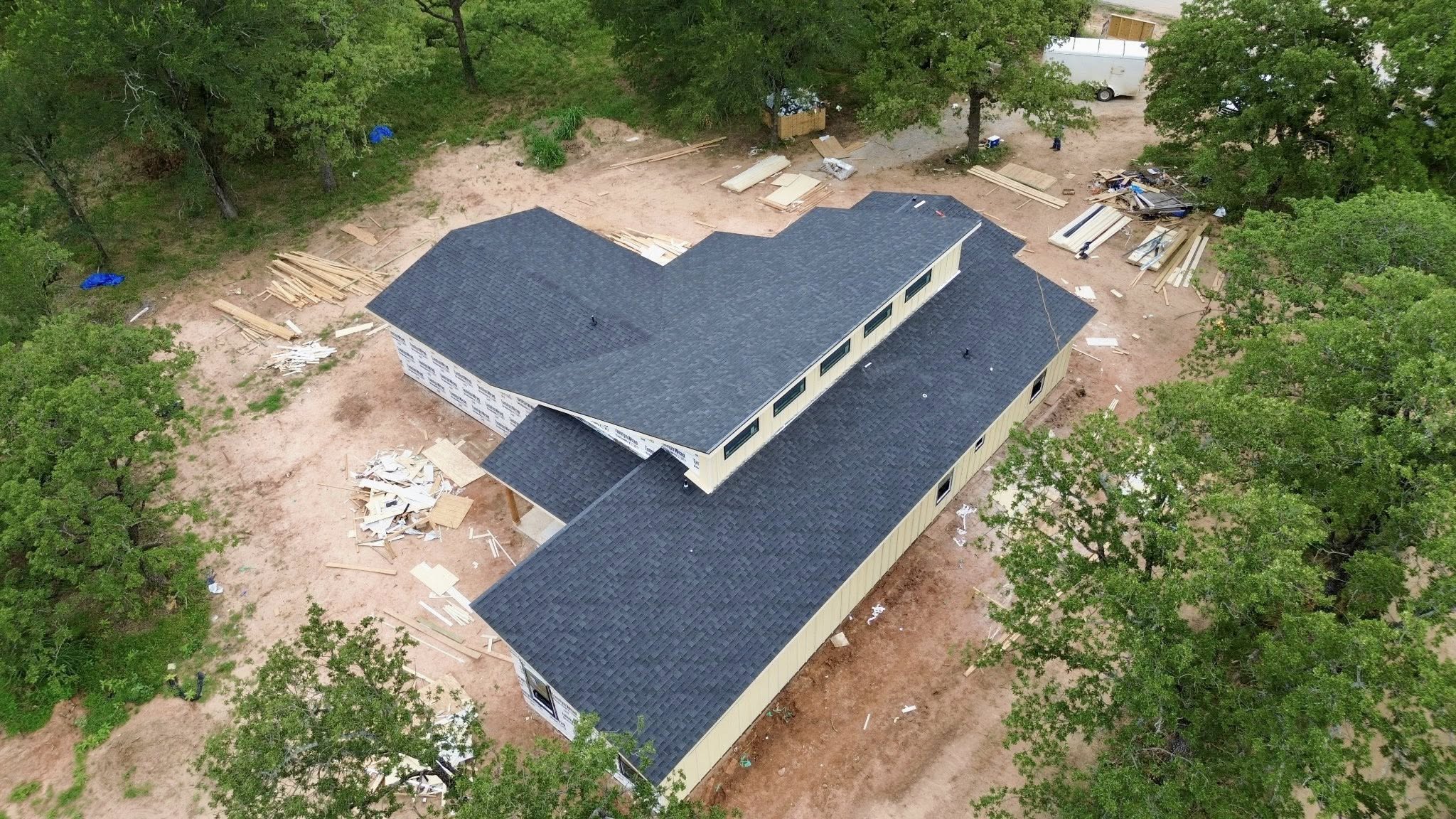
Thermal Expansion and Contraction
Thermal expansion and contraction occur when roofing materials respond to changes in temperature. A material generally expands as it becomes warmer and contracts as it cools. This movement is a normal physical process, but repeated movement can contribute to fatigue and deterioration when roofing components are not designed to accommodate it.
Metal roofing is particularly associated with thermal movement because metal can change dimensions noticeably as temperatures fluctuate. Long metal panels can experience movement along their length, making appropriate fastening and detailing important. Systems designed specifically for metal roofing typically include methods for managing this movement.
Different materials can also move at different rates. For example, a metal flashing component may expand and contract differently from the roofing material around it. If these components are rigidly connected without appropriate allowances, repeated movement can place stress on seams, fasteners, sealants, and surrounding materials.
Roof penetrations are common locations where thermal movement becomes important. Chimneys, vents, skylights, pipes, and other structures interrupt the roof surface and create transitions between materials. Flashing around these areas needs to accommodate movement while maintaining a reliable barrier against water.
Thermal cycling can gradually contribute to material fatigue. A single expansion and contraction event is usually insignificant, but repeated cycles over many years can affect joints, coatings, adhesives, and other components. The effect is particularly important when temperature changes are combined with strong sunlight, moisture, wind, and mechanical stress.
Installation practices can reduce some thermal movement problems. Materials should be installed according to manufacturer specifications, with appropriate fasteners, joints, seams, and expansion allowances. Roofing professionals also need to consider local climate conditions when selecting and installing products.
Thermal movement should not automatically be viewed as a sign of poor roofing performance. Most roofing systems are designed to accommodate normal temperature-related movement. Problems generally become more likely when movement exceeds what the system was designed to handle or when other defects prevent components from moving correctly.
Effects of Temperature on Asphalt Shingles
Asphalt shingles are among the most widely used residential roofing materials, and temperature can have a noticeable influence on their performance. Their composition typically includes a reinforcing mat, asphalt, and protective mineral granules. Each component contributes to the roof’s performance, while prolonged exposure to heat and cold can gradually affect the material.
During hot weather, asphalt can become softer and more flexible. This flexibility is not necessarily harmful by itself, because roofing products are designed to function across a range of temperatures. However, prolonged exposure to intense heat and sunlight can accelerate normal aging, particularly when the roof has inadequate ventilation or is exposed to severe environmental conditions.
Ultraviolet radiation works alongside temperature to affect asphalt shingles. Continuous exposure to sunlight can gradually alter the roofing material and contribute to surface aging. Over time, homeowners may notice changes such as granule loss, surface deterioration, curling, or cracking, depending on the product and environmental conditions.
Cold temperatures can make asphalt shingles less flexible. This is especially relevant during installation or repair because bending, cutting, or walking on cold shingles can cause damage. Professional installers follow product-specific recommendations to reduce the risk of cracking and ensure that shingles are properly positioned and secured.
Daily temperature fluctuations can also contribute to thermal cycling. A roof may heat significantly during the day and cool rapidly after sunset, particularly under clear skies. Repeated cycles can gradually place stress on roofing materials and their connections.
Roof color can influence temperature exposure. Darker shingles generally absorb more solar energy, while lighter surfaces can reflect a greater portion of incoming sunlight. However, color should not be considered independently because ventilation, insulation, climate, roof orientation, and product design also influence actual roof temperatures.
Proper attic ventilation can help manage heat beneath asphalt shingles. Ventilation does not prevent the roof surface from becoming hot, but it can help reduce heat and moisture accumulation within the attic. When combined with appropriate insulation, it can support better overall roof performance.
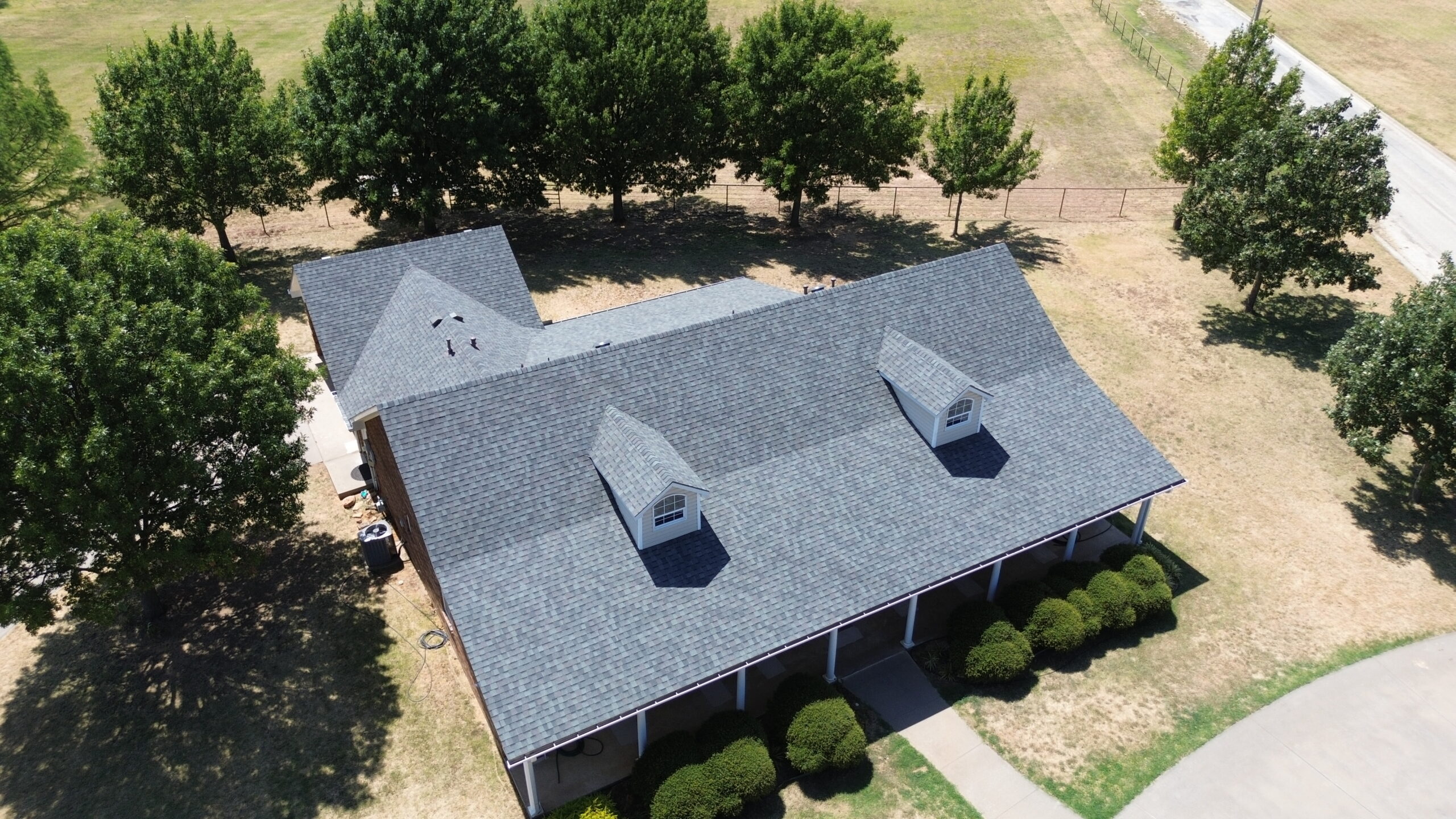
Metal Roofing and Temperature Changes
Metal roofing is known for durability and long service life, but temperature remains an important factor in its design and installation. Metal expands when heated and contracts when cooled, meaning that a metal roof can experience repeated dimensional changes throughout its service life.
The amount of movement depends on the type of metal, panel length, temperature range, and installation design. Longer panels can experience more noticeable movement because even a small percentage change in length can become measurable over a large distance. Properly designed systems account for this movement.
Fasteners and connections must be selected and installed correctly. A fastening system that does not accommodate expected movement can place stress on panels or connections. Depending on the roofing system, manufacturers may use different fastening arrangements to allow controlled movement while keeping the panels securely attached.
Metal roofing coatings also interact with temperature. Repeated heating and cooling can contribute to long-term coating weathering, especially when the roof is exposed to strong ultraviolet radiation. High-quality coatings designed for exterior roofing applications can provide protection, but they still require appropriate maintenance.
Temperature changes can also affect the relationship between metal panels and other roofing materials. Flashing, sealants, underlayment, and roof penetrations must be compatible with the expected movement of the panels. Proper detailing is particularly important around areas where the metal meets walls, chimneys, skylights, and other structures.
One advantage of metal roofing is that it generally does not experience the same softening and brittleness patterns associated with some other roofing materials. However, this does not make it immune to temperature-related problems. Dents, coating damage, corrosion, loose components, and movement-related issues can still develop if the system is poorly designed or maintained.
When installed correctly, metal roofing can perform effectively across a wide range of temperatures. The key is to use a system designed for the local environment and to ensure that the installation allows the material to move naturally as temperatures change. This helps reduce unnecessary stress and supports the roof’s long-term performance.
Temperature Effects on Tile and Slate Roofing
Tile and slate roofing materials are known for their durability and long service lives, but temperature changes can still influence their performance. Clay tile, concrete tile, and natural slate have different physical characteristics, so they do not respond identically to heat, cold, or repeated temperature cycling. Their performance also depends on the condition of the supporting roof system and the climate where they are installed.
Clay tile generally performs well in hot environments because it can tolerate prolonged exposure to sunlight and elevated temperatures. Its ability to resist many forms of weathering makes it a common choice in warm regions. However, clay tile can still experience stress when exposed to rapid or repeated temperature changes, particularly if moisture is present.
Concrete tile can also withstand substantial temperature variation, but its porous nature means that moisture management is important. Water that enters small cracks or pores can freeze in cold climates, creating expansion that may gradually worsen existing weaknesses. Proper installation and regular inspection can help identify damaged tiles before the problem spreads.
Natural slate is relatively stable compared with many other roofing materials, but it is not completely immune to temperature-related stress. High-quality slate can remain functional for decades, yet individual pieces may crack when exposed to physical impact, improper handling, or severe environmental conditions. The condition and quality of the slate should therefore be considered when evaluating its long-term performance.
Thermal movement becomes particularly important where tile or slate meets other materials. Flashing, fasteners, underlayment, and sealants can respond differently to temperature changes. If these components deteriorate or are installed incorrectly, water can enter even when the primary roofing material remains in good condition.
Freeze-thaw conditions can be especially demanding for tile roofs. Water enters a small defect, freezes as temperatures fall, expands, and then melts when temperatures rise. Repeated cycles can enlarge cracks and contribute to breakage, particularly in materials that have already experienced weathering.
Temperature can also affect the roof beneath tile and slate. These materials are installed over underlayment and structural components that must remain protected from moisture. If damaged tiles allow water to reach the underlying layers, temperature changes can accelerate deterioration through repeated wetting and drying.
Homeowners in regions with significant temperature changes should therefore inspect tile and slate roofs regularly. Cracked, chipped, or displaced pieces should be addressed promptly, while flashing and drainage areas should receive particular attention. Good maintenance helps these long-lasting materials provide the service life for which they are commonly selected.
Wood Roofing in Hot and Cold Conditions
Wood shingles and shakes respond naturally to changes in temperature and moisture because wood is an organic material. Heat can dry the material, while cold and moisture can cause it to contract, expand, or absorb water. Repeated exposure to changing conditions can gradually affect the appearance and structural integrity of wood roofing.
High temperatures and intense sunlight can cause wood to dry and weather. Prolonged exposure can lead to fading, surface checking, splitting, or other changes depending on the wood species and protective treatment. A roof located in a hot, sunny environment may therefore require more attention to surface condition and moisture management.
Moisture is particularly important because temperature changes can occur alongside wetting and drying cycles. Wood absorbs and releases moisture as environmental conditions change, and repeated cycles can cause dimensional changes. When the material cannot dry effectively, the risk of deterioration can increase.
Cold temperatures can make some wood roofing materials less flexible. When combined with existing cracks or moisture, freezing conditions can increase stress within the material. In areas that experience repeated freezing and thawing, homeowners should pay close attention to splitting, decay, and other signs of deterioration.
Ventilation helps manage the conditions beneath a wood roof. Proper airflow can reduce excessive heat and help moisture escape, supporting a more stable environment. Without adequate ventilation, heat and moisture can accumulate and contribute to premature aging.
Protective treatments may also influence performance. Certain treatments can help reduce moisture absorption or protect the wood surface from environmental exposure. However, treatments need to be appropriate for the specific product and applied according to manufacturer recommendations.
The roof’s surrounding environment matters as well. Trees can provide useful shade in hot climates, but overhanging branches can create debris and restrict airflow. Leaves and organic material can retain moisture against wood roofing, potentially increasing the risk of deterioration.
Wood roofing can provide attractive and durable performance when properly maintained, but homeowners should understand that it requires more environmental management than some manufactured alternatives. Temperature alone is rarely responsible for failure. Instead, temperature interacts with moisture, sunlight, ventilation, and normal aging to influence the roof’s long-term condition.
Synthetic Roofing Materials and Temperature Stability
Synthetic roofing materials have become increasingly popular because they can imitate the appearance of natural slate, wood, or tile while offering different performance characteristics. These products may be manufactured from polymers, recycled materials, rubber compounds, or engineered blends. Their ability to handle temperature changes varies considerably between products.
One potential advantage of synthetic roofing is its ability to combine flexibility with durability. Some engineered materials are designed to tolerate expansion and contraction without cracking easily. This can be useful in climates where roofs experience significant temperature fluctuations throughout the year.
However, synthetic materials are not identical. Different formulations can have different temperature ranges, flexibility characteristics, and resistance to ultraviolet exposure. Homeowners should therefore examine product-specific technical information rather than assuming that all synthetic roofing systems behave in the same way.
High temperatures can affect polymer-based materials in several ways. Some products may soften slightly when exposed to extreme heat, while others are engineered to remain dimensionally stable. Long-term ultraviolet exposure can also affect certain polymers, making UV resistance an important factor when evaluating a product for a sunny climate.
Cold temperatures can influence flexibility. A synthetic product that becomes significantly less flexible in freezing conditions may be more susceptible to cracking under physical stress. Manufacturers generally specify the environmental conditions under which their products are designed to perform.
Thermal expansion also matters when installing synthetic roofing. Panels, tiles, or shingles may change dimensions as temperatures fluctuate, and the attachment system must accommodate the expected movement. Incorrect fastening can restrict movement and place unnecessary stress on the roofing material.
Synthetic roofing can also offer advantages where weight is a concern. Some products provide a slate-like or tile-like appearance without the same weight as natural stone or concrete. This can simplify certain installations, although the structural requirements and installation method still need to be evaluated for the specific product.
Maintenance remains important even when synthetic roofing is marketed as low maintenance. Homeowners should inspect for damaged components, deteriorated flashing, loose fasteners, drainage problems, and signs of material aging. Temperature-resistant materials can still develop problems when other parts of the roofing system are neglected.
How Temperature Affects Flat Roofing Systems
Flat and low-slope residential roofing systems can be particularly sensitive to temperature because their membranes and seams are exposed to repeated environmental changes. Common systems include modified bitumen, EPDM, TPO, PVC, and other membrane-based products. Each material has its own temperature characteristics and installation requirements.
The surface of a flat roof can become extremely warm under direct sunlight, especially when the roof has little shade. Dark membranes may absorb significant solar energy, while reflective roofing surfaces can reduce solar absorption. However, the actual performance of the system depends on membrane formulation, insulation, ventilation, and installation quality.
Thermal expansion and contraction can affect membrane seams and connections. As the roof heats and cools, the membrane and supporting materials may move. Properly designed systems allow this movement while maintaining watertight seams and connections.
Modified bitumen roofing can respond differently to temperature depending on its formulation. Cold conditions may make the material less flexible, while high temperatures can soften certain asphalt-based components. Installation methods and product specifications are important because roofing materials need to be applied under suitable conditions.
EPDM membranes are generally flexible and can accommodate a range of temperature conditions. However, seams, adhesives, flashing, and penetrations still need to be properly installed and maintained. A durable membrane can develop leaks if a seam deteriorates or a penetration is poorly sealed.
TPO and PVC membranes can also perform across a broad temperature range when properly selected and installed. Their performance depends on the specific formulation, reinforcement, seam welding, attachment system, and exposure conditions. Regular inspections can identify developing problems before they result in widespread water intrusion.
Temperature becomes particularly important when combined with standing water. A roof that repeatedly experiences ponding can subject membranes and seams to additional environmental stress. Effective drainage is therefore an essential part of temperature management for flat roofing systems.
The color of the membrane can also affect surface temperature. Reflective membranes may help reduce solar heat absorption, which can lower surface temperatures and reduce heat transfer into the building. This can provide energy-related benefits, although roof color should always be considered alongside insulation and the complete building design.
Roof Ventilation and Temperature Control
Roof ventilation plays an important role in managing temperatures within the roofing system. It is designed to help move air through attic spaces and reduce the accumulation of excessive heat and moisture. Proper ventilation does not eliminate temperature changes, but it can help create more stable conditions beneath the roof covering.
During hot weather, solar radiation heats the roof surface and transfers some of that heat toward the attic. Without adequate airflow, hot air can accumulate in the upper portions of the attic. Ventilation allows warm air to escape and helps support a more balanced attic environment.
Different ventilation systems use different approaches. Ridge vents, soffit vents, gable vents, and other ventilation components can be combined depending on the roof design. The system needs to be properly balanced so that air can enter and exit effectively rather than simply adding vents without considering airflow.
Moisture control is another important function. Warm indoor air can carry moisture into the attic, particularly during colder seasons. If that moisture condenses on cold surfaces, it can contribute to damp insulation, wood deterioration, and other problems.
Insulation works together with ventilation. Good insulation reduces the amount of heat transferred between the living space and attic, while ventilation helps manage air and moisture within the attic space. Both systems need to be designed appropriately for the climate.
Ventilation can also help reduce temperature-related stress on some roofing materials. Lower attic temperatures may reduce the heat exposure experienced by the underside of the roof covering and supporting components. However, ventilation should not be considered a replacement for high-quality roofing materials or proper installation.
Improper ventilation can create problems as well. Simply adding vents without providing suitable intake and exhaust airflow may produce limited benefits. In some situations, poorly planned ventilation can allow moisture or conditioned air to move into areas where it can condense.
Homeowners should therefore evaluate ventilation as part of the complete roofing system. A professional can assess the attic, insulation, roof design, and existing ventilation before recommending changes. Properly designed temperature and moisture control can support longer roof life and improve the overall comfort of the home.
Climate and Regional Temperature Considerations
The ideal roofing material for one climate may not be the best choice for another. Temperature patterns vary significantly between regions, and roofing systems must also deal with local humidity, rainfall, wind, snow, and sunlight. Climate should therefore be one of the first factors considered when selecting a residential roofing material.
Hot climates place greater emphasis on resistance to prolonged solar exposure and elevated surface temperatures. Materials and coatings designed for high-temperature conditions can provide better long-term performance. Reflective surfaces and appropriate insulation may also help reduce heat transfer into the building.
Cold climates create different priorities. Roofing materials must tolerate low temperatures, snow, ice, and freeze-thaw cycles. Proper drainage and moisture management become particularly important because trapped water can freeze and expand.
Regions with large day-to-night temperature differences experience significant thermal cycling. A roof may become very hot during the day and cool rapidly after sunset. Repeated cycles can place additional stress on materials, joints, fasteners, sealants, and flashing.
Humid climates combine temperature with persistent moisture. Warm, moist conditions can encourage biological growth and accelerate deterioration of certain materials. Proper ventilation, drainage, and material selection are particularly important in these environments.
Coastal regions can present another combination of challenges. High temperatures may occur alongside strong sunlight and salt-laden air. Roofing materials and fasteners should therefore be selected for both temperature exposure and corrosion resistance.
A simple comparison can help illustrate how climate influences roofing priorities:
| Climate Condition | Main Temperature Concern | Important Roofing Considerations |
|---|---|---|
| Hot and Sunny | Prolonged surface heating | UV resistance, reflective properties, ventilation |
| Cold and Snowy | Low temperatures and freezing | Freeze-thaw resistance, drainage, snow-load capacity |
| Large Temperature Swings | Repeated thermal cycling | Flexible connections, expansion allowances, quality flashing |
| Hot and Humid | Heat combined with moisture | Ventilation, moisture control, biological resistance |
| Coastal and Warm | Heat, UV, and salt exposure | Corrosion resistance, durable coatings, ventilation |
Local building practices can also influence material selection. Roofing contractors familiar with regional conditions may understand which products have performed reliably in the area and which installation techniques are appropriate. Homeowners should also follow local building requirements because climate-related standards can affect roof design and material choices.
Ultimately, temperature should never be evaluated in isolation. The most suitable roofing system is one that can handle the property’s complete environmental exposure while meeting structural, maintenance, energy, and budget requirements. A climate-appropriate roof has a better opportunity to maintain its performance throughout its expected service life.
Thermal Cycling and Long-Term Roof Aging
Thermal cycling is one of the most important ways temperature affects a residential roofing system over time. A roof may heat during the day, cool after sunset, and repeat this process thousands of times throughout its service life. Each cycle causes materials to expand and contract, creating gradual stress that can contribute to aging.
The effect is usually not caused by one dramatic temperature change. Instead, repeated movement can slowly affect seams, fasteners, coatings, sealants, flashing, and roofing surfaces. The severity depends on the material, temperature range, roof design, installation quality, and other environmental conditions.
Different roofing materials respond differently to thermal cycling. Metal generally experiences noticeable dimensional movement, while asphalt shingles, synthetic materials, wood, tile, and slate have their own patterns of expansion, contraction, flexibility, and weathering. A roofing system must be designed so that these characteristics can work together.
Temperature cycling can become more demanding when combined with moisture. Water may enter small cracks or weakened joints, and repeated heating and cooling can cause the affected area to expand, contract, dry, and become wet again. Over many years, these processes can contribute to deterioration.
Ultraviolet radiation can increase the effect of temperature exposure. A roof receiving intense sunlight is subjected to both heat and UV energy, which can gradually affect surface coatings, asphalt, polymers, sealants, and other exposed materials. This is one reason roofing products designed for specific climate conditions can provide better long-term performance.
Thermal cycling can also affect connections between different materials. For example, metal flashing may move differently from asphalt shingles or masonry. If joints are not properly detailed, repeated movement can contribute to cracking or separation around vulnerable areas.
Regular inspections can help identify early signs of thermal aging. Cracked sealants, loose flashing, deteriorating coatings, buckling, curling, or unusual movement should be evaluated before they develop into larger problems. Early maintenance can help extend the useful life of the roof.
Temperature Effects on Roof Flashing and Sealants
Flashing is one of the most important components of a roofing system because it protects areas where water could enter around chimneys, vents, skylights, walls, valleys, and other transitions. Temperature changes can place stress on flashing because different materials expand and contract at different rates.
Metal flashing commonly responds to temperature by expanding and contracting. Long pieces can experience noticeable movement, especially when exposed to large temperature differences. Proper installation allows the flashing to accommodate this movement while maintaining protection against water intrusion.
Sealants are often used around joints and penetrations to create additional protection. Their performance depends on remaining sufficiently flexible while resisting moisture, sunlight, and temperature changes. A sealant that becomes brittle or loses adhesion can create a pathway for water.
Extreme heat can cause some sealants to soften or deteriorate more rapidly, particularly when the product is not designed for the application. Cold temperatures can reduce flexibility, making certain sealants more vulnerable to cracking when surrounding materials move.
Compatibility is another important factor. A sealant should be suitable for the roofing material and the environmental conditions where it will be installed. Using an unsuitable product may result in poor adhesion or premature deterioration, even when the surrounding roofing materials are durable.
Flashing around roof penetrations deserves particular attention because these areas combine several materials. A metal component may move differently from a shingle, membrane, masonry surface, or plastic vent. Proper detailing helps accommodate these differences while maintaining a continuous water barrier.
Homeowners should inspect flashing periodically for corrosion, separation, cracked sealant, loose components, and visible gaps. After periods of extreme heat or severe cold, additional attention may be useful, particularly if the roof is older.
Maintaining flashing and sealants may seem like a minor task compared with replacing the entire roof, but these components can have a major effect on water resistance. Addressing temperature-related deterioration early can help prevent moisture from reaching the roof deck and interior of the home.
Insulation and Its Role in Roof Temperature
Insulation plays an important role in controlling the transfer of heat between the home and the roof system. While insulation does not prevent the roof surface from heating under sunlight, it can reduce the amount of heat transferred into the living space. During cold weather, it also helps reduce heat loss from the building.
A well-insulated attic can make the indoor environment more comfortable and reduce the workload on heating and cooling equipment. It can also help maintain more stable temperatures between the living area and the roof assembly. This can support the long-term performance of roofing components.
Insulation works alongside ventilation rather than replacing it. Ventilation helps manage air movement and moisture within the attic, while insulation reduces heat transfer. A properly designed system uses both according to the building’s climate and construction.
Poor insulation can contribute to temperature problems. In hot weather, insufficient insulation can allow more roof-related heat to enter the home. During cold weather, inadequate insulation can allow warm indoor air to reach cold surfaces, increasing the possibility of condensation.
Moisture is particularly important because condensation can affect wood roof decking, insulation, fasteners, and other components. If moisture remains trapped for extended periods, it can contribute to deterioration and reduce the effectiveness of insulation.
The location and type of insulation should be appropriate for the roof design. Different attic configurations and roofing systems require different approaches, and homeowners should avoid making major changes without understanding how insulation and ventilation interact.
Temperature management can also improve energy efficiency. Reducing unwanted heat transfer can decrease cooling demand during hot periods and heating demand during cold periods. However, roofing materials, insulation, ventilation, windows, and the overall building envelope all contribute to energy performance.
A professional assessment can help determine whether insulation levels and attic ventilation are appropriate. Addressing deficiencies can improve indoor comfort while also supporting the long-term health of the roofing system.
Choosing Roofing Materials for Extreme Temperatures
Selecting a roofing material for an extreme climate requires more than looking at its advertised lifespan. Homeowners should consider how the material responds to heat, cold, UV exposure, moisture, thermal movement, and local weather patterns. The goal is to choose a system that can handle the specific combination of conditions experienced by the property.
In hot climates, homeowners may prioritize materials and coatings designed to tolerate prolonged solar exposure. Reflective roofing surfaces can reduce solar heat absorption, while suitable insulation and ventilation can help limit heat transfer into the building.
Metal roofing can be an effective option in many hot environments because it can tolerate high temperatures and has a long potential service life. Its installation must still account for thermal movement, especially when long panels are used.
Clay and concrete tile can also perform well in warm climates. Their durability and resistance to prolonged weather exposure make them popular in many regions. However, the weight and installation requirements should be evaluated before selecting them.
Cold climates require materials and systems that can tolerate freezing temperatures and repeated freeze-thaw cycles. Drainage becomes particularly important because trapped water can freeze and expand. Roof designs should also account for expected snow and ice conditions.
Asphalt shingles remain a practical choice across many climates when the appropriate product is selected and installed correctly. Different shingle products can have different performance characteristics, so homeowners should follow manufacturer specifications and consider local environmental conditions.
Synthetic roofing can provide another option when homeowners want a combination of durability, lighter weight, and temperature stability. Product performance varies, so technical specifications should be reviewed carefully before installation.
The selection process can be summarized by considering these key factors:
- Expected temperature range throughout the year
- Frequency of extreme heat or freezing conditions
- Amount of direct sunlight and UV exposure
- Local humidity and rainfall
- Freeze-thaw frequency where applicable
- Required insulation and ventilation
- Thermal movement of the selected material
A roofing professional familiar with the local climate can help match these requirements with suitable materials. Choosing a product based on regional performance rather than appearance alone can reduce the risk of premature temperature-related problems.
Maintenance Strategies for Temperature-Related Roof Damage
Regular maintenance can help homeowners reduce the effects of temperature-related aging. A roof cannot be protected from heat and cold completely, but problems caused or worsened by temperature changes can often be identified and addressed before they become major failures.
Roof inspections should look for cracking, curling, buckling, deteriorated coatings, loose flashing, damaged sealants, and other signs of aging. These conditions can become more serious when the roof continues to experience repeated heating and cooling.
Gutters and drainage systems should remain clear throughout the year. Temperature changes combined with blocked drainage can create additional moisture problems, particularly when water freezes and expands during cold periods. Proper drainage allows water to leave the roof before it can contribute to deterioration.
Flashing should receive particular attention. Small gaps around chimneys, vents, skylights, and wall intersections can allow water to enter the roofing system. Temperature-related movement may gradually enlarge these weaknesses, making timely repair important.
Attic ventilation should also be checked. Excessive heat and moisture can create unfavorable conditions beneath the roof, while poor ventilation may contribute to condensation during colder weather. A balanced ventilation system can help maintain healthier attic conditions.
Trees should be maintained so branches do not scrape against the roof or create excessive debris. Leaves can retain moisture, while branches can damage roofing materials during storms. Keeping the roof environment relatively clean can reduce additional stress on materials already affected by temperature changes.
After periods of extreme weather, homeowners should consider a professional inspection if unusual roof conditions appear. This is especially important when the roof is older or has already shown signs of deterioration.
Conclusion
Temperature has a continuous influence on residential roofing materials, even when there is no visible storm damage or immediate roofing failure. Heat, cold, sunlight, moisture, and repeated thermal cycling gradually affect the materials and components that make up a roof. Understanding these effects can help homeowners make better decisions about material selection, installation, maintenance, and replacement.
Different roofing materials respond differently to temperature. Metal expands and contracts noticeably, asphalt shingles can become softer in high heat and more brittle in cold conditions, wood responds to changes in moisture and temperature, and tile and slate can experience problems when moisture combines with freezing conditions. Synthetic and flat roofing materials also have specific temperature characteristics that should be considered before installation.
The roofing system must be evaluated as a complete structure rather than focusing only on the visible roof covering. Flashing, sealants, fasteners, underlayment, insulation, ventilation, and drainage all influence how effectively a roof handles temperature changes. Weakness in one component can eventually affect the performance of the entire system.
Climate should be one of the most important factors when choosing roofing materials. Homes in hot and sunny regions require strong resistance to heat and UV exposure, while properties in cold climates need appropriate protection against freezing, snow, ice, and repeated freeze-thaw cycles. Areas with large temperature swings require particular attention to thermal movement and flexible connections.
Proper installation can significantly improve temperature performance. Roofing materials should be installed according to manufacturer requirements, with appropriate allowances for movement and compatible flashing and sealants. Experienced contractors can also identify climate-specific considerations that may not be obvious to homeowners.
Insulation and ventilation provide additional protection by helping control heat and moisture within the building. Good insulation reduces unwanted heat transfer, while properly designed ventilation helps manage attic temperatures and moisture. Together, they can improve indoor comfort and support healthier conditions for the roof assembly.
Maintenance remains essential throughout the roof’s service life. Regular inspections, clear drainage, sound flashing, maintained ventilation, and prompt repairs can prevent small temperature-related issues from becoming larger problems. A roof that receives consistent care has a better chance of reaching its expected lifespan.
Ultimately, temperature resistance is not about finding a roofing material that is unaffected by heat or cold. Every material responds to its environment in some way. The most effective approach is to select a roofing system designed for the local climate, install it correctly, maintain its supporting components, and monitor its condition as it ages.