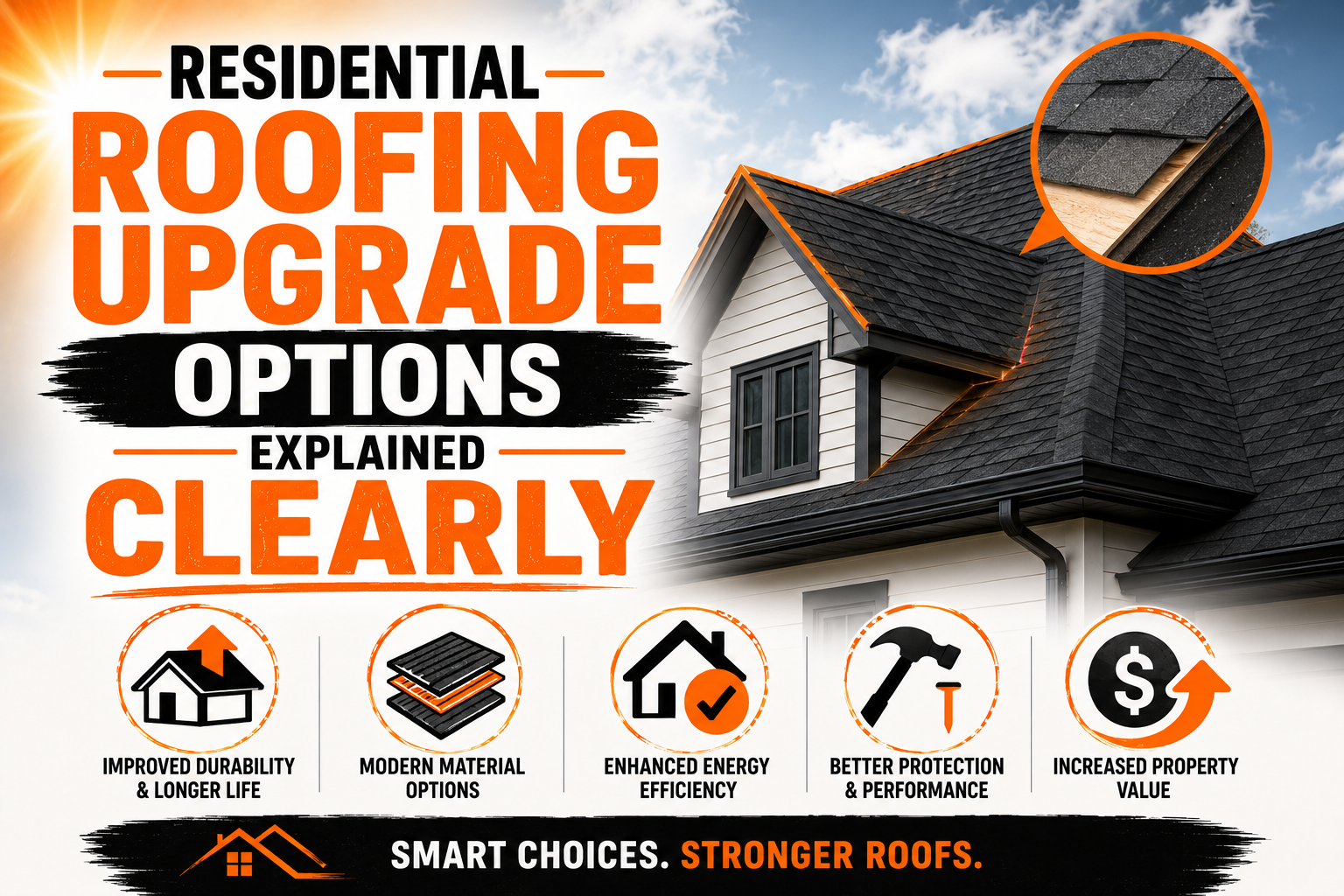
Residential Roofing Upgrade Options Explained Clearly
Introduction
Residential roofing upgrades can do more than improve the appearance of a home. The right upgrades can strengthen weather protection, improve energy performance, support better attic conditions, reduce maintenance concerns, and extend the useful life of a roofing system. However, homeowners should not assume that every available upgrade is necessary or that adding more features will automatically create a better roof.
A successful upgrade begins with understanding the existing roofing system and identifying its limitations. One home may benefit most from improved ventilation, while another may need better flashing, drainage, insulation, or more durable roofing materials. The best choices depend on the roof’s age, condition, structure, climate, budget, and the homeowner’s long-term goals.
Roofing upgrades should therefore be treated as targeted improvements rather than a collection of optional features. Homeowners can evaluate each potential upgrade according to the problem it solves, the expected benefit, the installation requirements, and the cost over time. This approach helps ensure that money is spent on improvements that provide meaningful value.
Understanding Residential Roofing Upgrades
A roofing upgrade is an improvement that enhances an existing roof or replaces part of the roofing system with a more capable solution. Upgrades can involve the visible roofing material, but they can also address components beneath and around the roof. Underlayment, flashing, ventilation, insulation, drainage, and roof-edge protection can all influence how well a residential roof performs.
One reason homeowners consider upgrades is to improve performance without necessarily changing the entire roofing system. For example, improving attic ventilation may help address heat and moisture concerns while leaving otherwise serviceable roofing materials in place. Similarly, upgrading gutters may improve water management without requiring a complete roof replacement.
Other upgrades are more extensive. A homeowner replacing an aging roof may choose a more durable material, improved underlayment, stronger flashing details, or better ventilation during the same project. Combining related improvements can sometimes be more efficient because the roof is already being opened or replaced.
Homeowners should distinguish between necessary improvements and optional enhancements. If flashing is deteriorated, replacing it may be essential for preventing leaks. On the other hand, selecting a premium decorative roofing feature may be optional and should be evaluated according to the homeowner’s budget and priorities.
A useful upgrade decision should answer three questions: What problem does the upgrade solve, what benefit is expected, and how does the cost compare with that benefit? If an upgrade does not address a meaningful need, the homeowner may be better served by investing in another part of the roofing system.
Roofing upgrades should also remain compatible with the home’s existing structure. Some materials and components have specific installation requirements, weight considerations, or ventilation needs. A qualified roofing professional can help determine whether a proposed upgrade is suitable before work begins.
Evaluating Your Existing Roof Before Upgrading
The first step in choosing roofing upgrades is assessing the existing system. Homeowners should understand which components are performing well and which ones are limiting the roof’s overall performance. Upgrading one component without considering the rest of the system can produce limited benefits or create compatibility problems.
Roof age is an important starting point. A relatively new roof may only need targeted improvements, while an older roof with widespread deterioration may not be a good candidate for extensive upgrades. Investing heavily in individual components of a roof that is already near replacement may provide less value than planning a complete replacement.
Visible roofing materials should be checked for signs of deterioration. Cracking, curling, missing sections, damaged edges, loose materials, or excessive wear can indicate that the roof requires professional evaluation. Homeowners should also look for signs of water intrusion inside the home, including ceiling stains, damp insulation, or moisture in attic spaces.
The roof deck should be considered as well. If the supporting surface has moisture damage or structural deterioration, adding upgraded roofing components will not solve the underlying problem. The deck must provide a suitable foundation for the roofing system.
Flashing and roof penetrations deserve particular attention. Chimneys, skylights, vents, valleys, walls, and other transition areas can become vulnerable to leaks when flashing deteriorates. Upgrading these areas can provide significant benefits when the main roofing material remains serviceable.
Homeowners should also evaluate drainage and ventilation before choosing upgrades. Blocked or poorly designed drainage can create moisture problems, while inadequate attic ventilation can contribute to heat and moisture accumulation. These conditions may point toward upgrades that improve the complete system rather than simply changing the roof covering.
A professional inspection can help identify priorities that are difficult to determine from ground level. Homeowners should use the assessment to create a clear list of existing problems and potential improvements. This prevents upgrades from being selected based solely on marketing claims or appearance.
Upgrading Roofing Materials for Better Performance
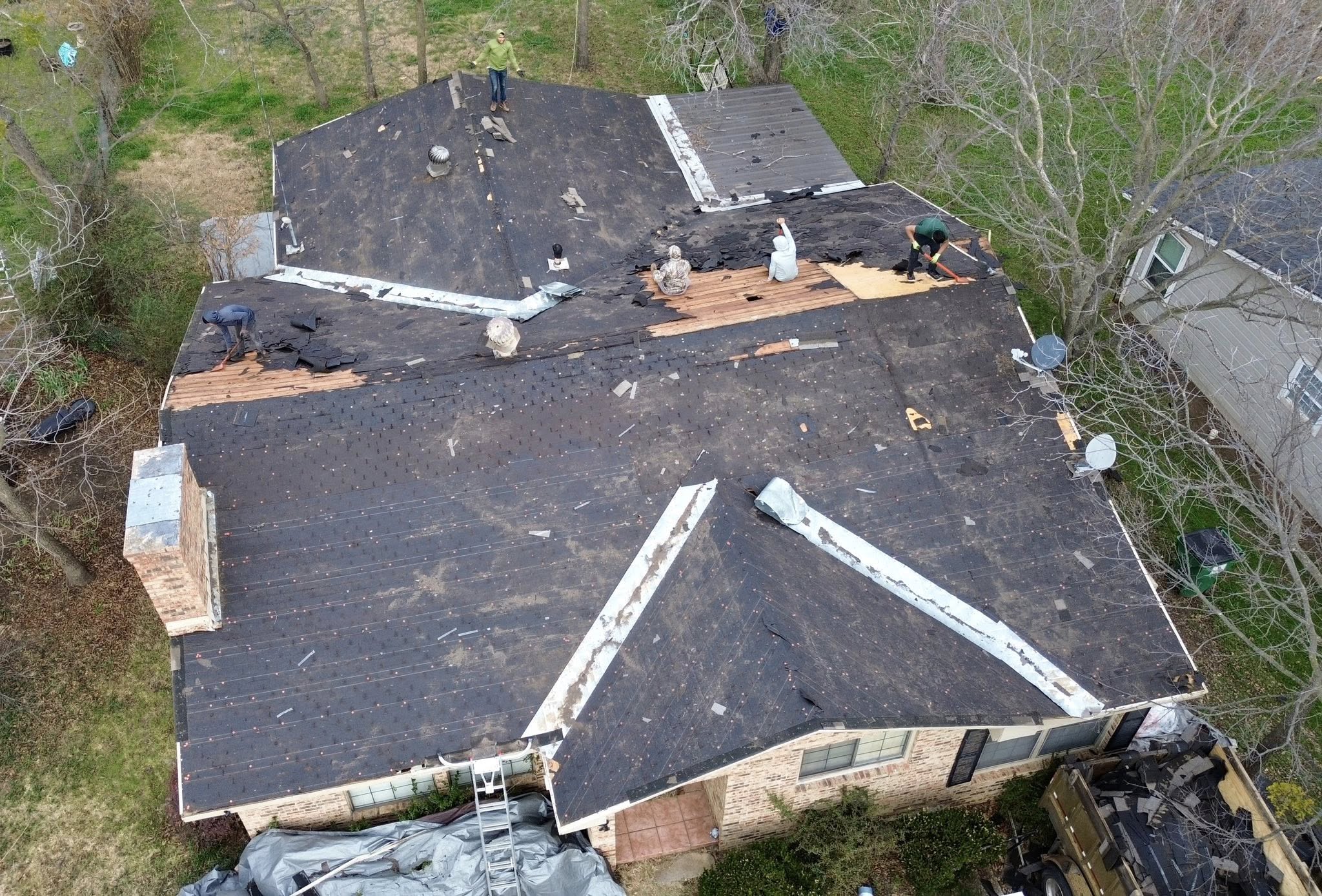
Changing the roofing material is one of the most visible residential roofing upgrades. Homeowners may choose a different material when they want greater durability, improved weather resistance, a new appearance, or a roofing system that better matches their long-term plans. However, material selection should be based on the property’s requirements rather than appearance alone.
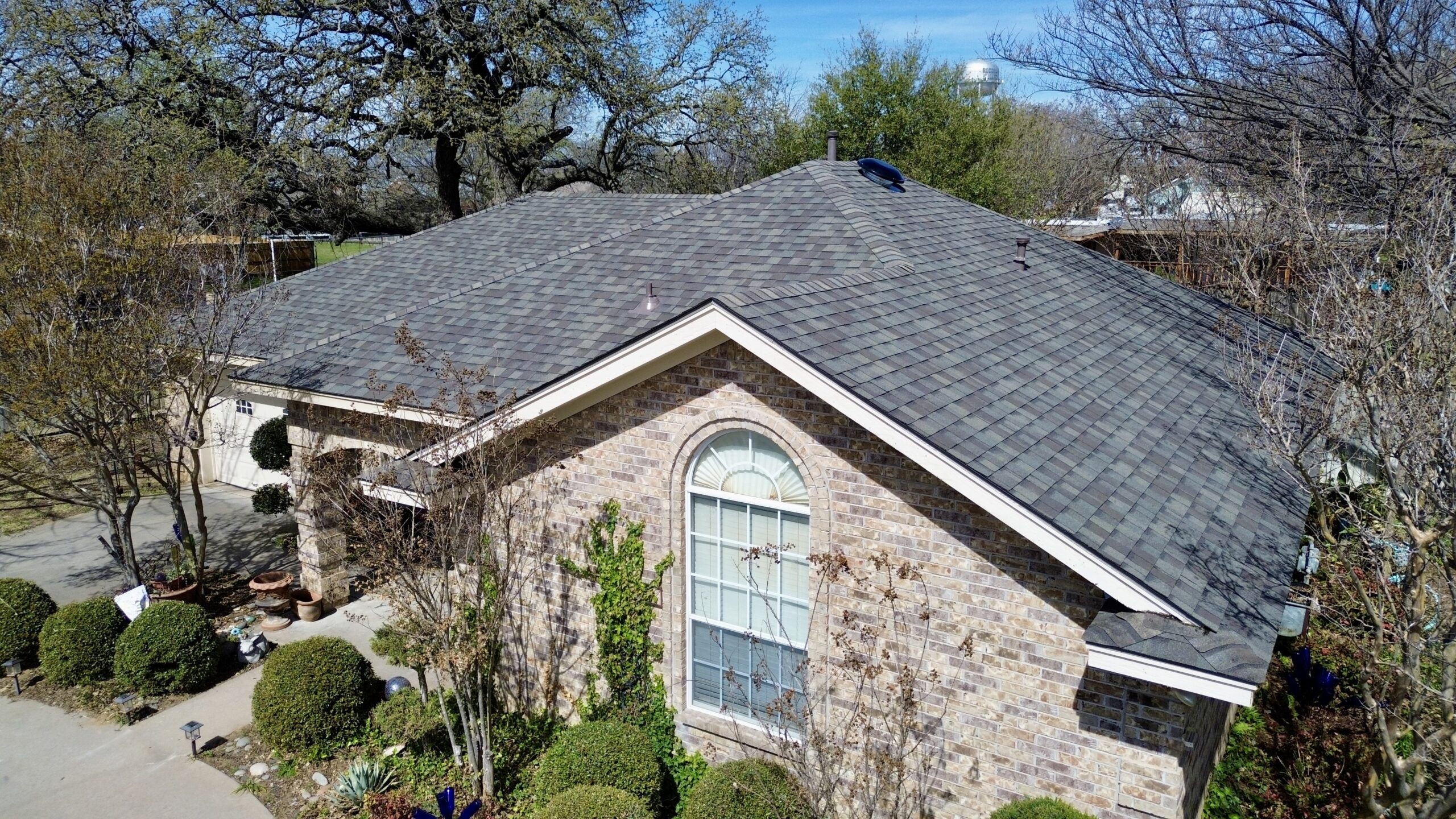
Asphalt shingles remain a common residential choice because they are available in different styles and quality levels. Homeowners can consider upgraded shingle products when they want improvements in durability, appearance, or weather performance while maintaining a familiar roofing system.
Metal roofing can provide a different combination of durability and appearance. It is available in various profiles and finishes and can work with several architectural styles. Homeowners should evaluate the specific system, installation requirements, structural compatibility, and expected maintenance rather than assuming every metal roof performs identically.
Clay and concrete tiles can offer distinctive appearance and long-term durability. However, their weight can be greater than some alternative materials, so the home’s structure should be evaluated before installation. Their installation methods and maintenance requirements should also be understood.
When comparing roofing materials, homeowners should consider several factors together:
| Upgrade Factor | What Homeowners Should Consider |
|---|---|
| Durability | Expected performance and service life |
| Weather resistance | Suitability for local wind, rain, heat, or storms |
| Maintenance | Routine care and potential repair requirements |
| Appearance | Compatibility with the home’s architectural style |
| Installation | Labor, structural requirements, and project complexity |
| Cost | Initial investment and long-term ownership expenses |
A higher-quality material can be a useful upgrade when it addresses a genuine need. However, homeowners should avoid assuming that the most expensive material will automatically provide the best value. The right choice is the one that provides suitable performance within the property’s structural and financial limitations.
Material upgrades should also be evaluated alongside other roofing components. A durable roofing surface will not perform as expected if water drainage, flashing, underlayment, or installation quality is inadequate. The complete system matters more than any single component.
Improving Roof Underlayment and Weather Protection
Underlayment is an important but often overlooked part of a residential roofing system. It sits beneath many roofing materials and provides an additional layer of protection against moisture. When homeowners replace or significantly renovate a roof, upgrading the underlayment can be an opportunity to improve the system’s overall weather protection.
The appropriate underlayment depends on the roofing material, roof design, local conditions, and installation requirements. Homeowners should ask contractors which underlayment is proposed and why it is appropriate for the property. A clear explanation can help homeowners understand the difference between a basic installation and an upgraded system.
Water protection is especially important around vulnerable areas. Valleys, roof edges, penetrations, and transitions between different surfaces may require additional protection or specialized detailing. These areas should be planned carefully because water can exploit small weaknesses when drainage or flashing is inadequate.
Flashing upgrades can also improve weather resistance. New flashing around chimneys, skylights, vents, walls, and other penetrations can help protect areas where water is most likely to enter. Replacing deteriorated flashing during a larger roofing project can be more practical than waiting for leaks to appear.
Roof-edge protection is another consideration. Proper edge details can help manage water movement and protect vulnerable roofing components. The exact system should be selected according to the roofing material and applicable installation requirements.
Homeowners should understand that weather protection depends on several components working together. Strong underlayment cannot compensate for poorly installed flashing, and improved flashing cannot solve problems caused by damaged roof decking. A complete upgrade strategy should therefore address the areas that actually limit the roof’s performance.
Investing in hidden protective components can provide significant long-term value because these features may not be noticeable once the roof is completed. Their importance becomes apparent when the system is exposed to heavy rain, wind, and other environmental conditions.
Enhancing Roof Ventilation and Attic Performance
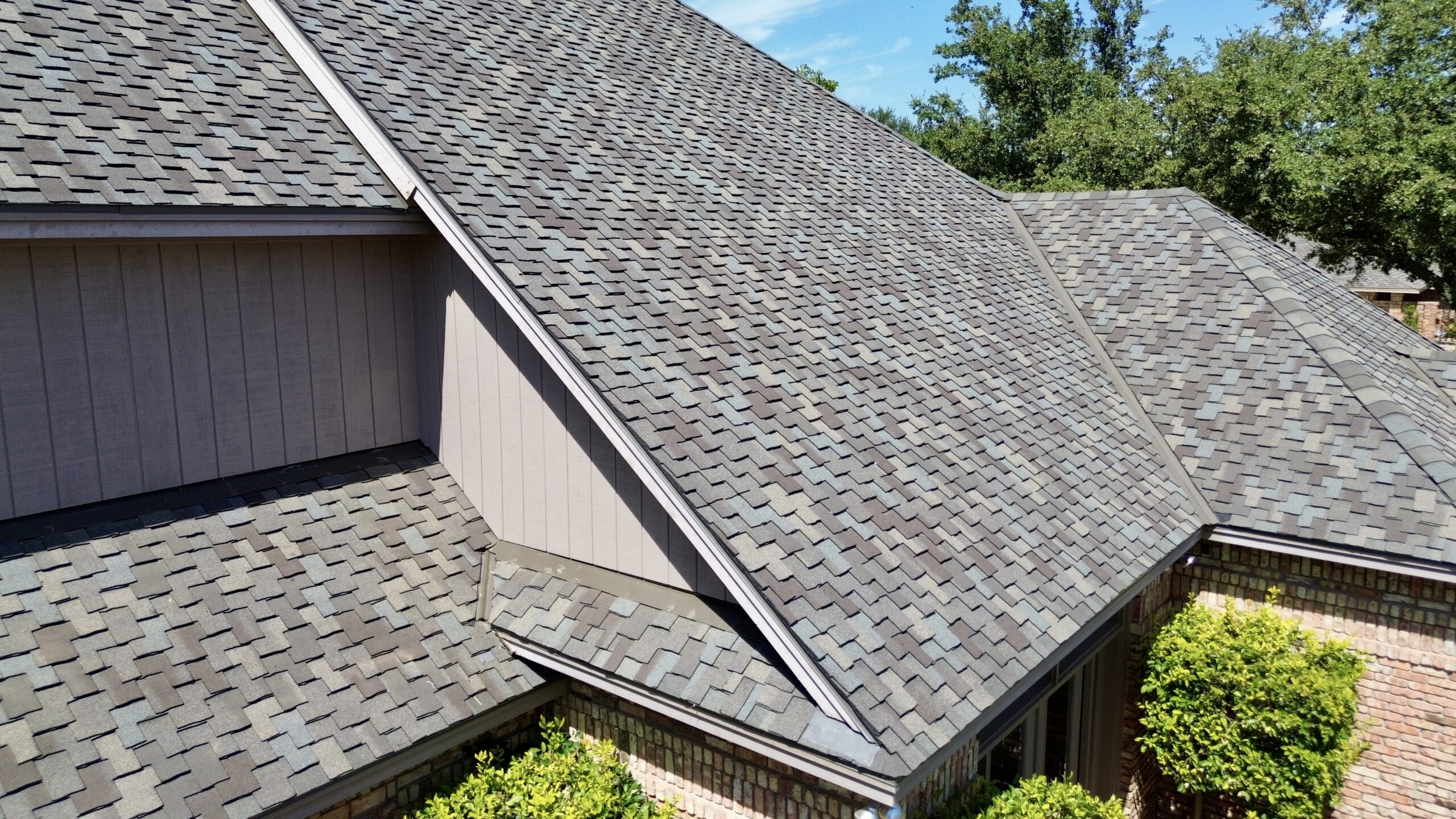
Roof ventilation is another important upgrade option for homeowners who experience attic heat, moisture concerns, or inconsistent indoor comfort. A properly designed ventilation system can help manage air movement within the attic and work with insulation to support the overall performance of the home.
Poor attic ventilation can contribute to excessive heat and moisture accumulation. Depending on the building design and climate, these conditions may affect roofing materials, insulation, wood components, and indoor comfort. Improving ventilation may therefore provide benefits beyond the roof itself.
Ventilation should be designed as a balanced system rather than simply adding vents wherever space is available. Intake and exhaust components need to work together so air can move effectively through the intended areas. The appropriate configuration depends on the roof design, attic layout, existing openings, and other building characteristics.
Homeowners should also consider how ventilation interacts with insulation. Insulation should not unintentionally block ventilation pathways that are required for the attic system to function. Before making changes, homeowners should have the existing conditions evaluated so that one improvement does not undermine another.
Different roof designs may require different ventilation approaches. Some homes have simple attic spaces, while others contain complex rooflines, vaulted ceilings, or limited ventilation pathways. A qualified professional can identify the practical options and determine whether improvements are appropriate.
Ventilation upgrades should not be viewed as a universal solution to every roofing problem. If moisture is entering because of a roof leak, improving ventilation will not eliminate the source. Similarly, if indoor temperatures are uncomfortable because insulation is inadequate, ventilation alone may not resolve the issue.
The most effective approach is to identify the underlying performance problem first. If the roof and attic require better heat and moisture management, a properly designed ventilation upgrade can become a valuable part of the overall roofing strategy.
Upgrading Roof Insulation and Energy Efficiency
Roofing upgrades can also provide an opportunity to improve the home’s energy performance. Insulation, ventilation, roofing materials, and attic conditions interact with one another, so homeowners should consider these elements together when the goal is improved indoor comfort and energy management.
Insufficient insulation can allow heat to move more easily between the attic and living spaces. During hot weather, this may contribute to increased indoor temperatures, while inadequate insulation can also reduce the home’s ability to maintain comfortable conditions during colder periods.
When evaluating an insulation upgrade, homeowners should first determine the condition of the existing insulation. Uneven coverage, damaged materials, moisture exposure, or insufficient depth may indicate that improvement is needed. Addressing these problems can sometimes provide more meaningful benefits than changing the visible roofing material alone.
Roofing materials can also influence energy performance. Some materials and finishes are designed to manage solar heat differently from others. Homeowners should evaluate these characteristics in relation to the property’s climate and overall building design rather than assuming that a particular material will produce the same results in every home.
Ventilation and insulation should be coordinated carefully. Adding insulation without considering existing ventilation pathways can interfere with attic airflow, while improving ventilation without addressing major insulation deficiencies may produce limited results. A coordinated assessment helps homeowners determine which improvements should be prioritized.
Energy efficiency upgrades should also be evaluated according to cost and expected benefit. Homeowners should consider whether an improvement addresses a genuine comfort or energy concern and whether the expected savings justify the investment. Not every available upgrade will be financially worthwhile for every property.
A thoughtful roofing upgrade strategy focuses on the complete building system. By evaluating roofing materials, insulation, ventilation, moisture management, and installation quality together, homeowners can select improvements that support better protection, comfort, and long-term performance without spending unnecessarily.
Improving Roof Drainage and Gutter Systems
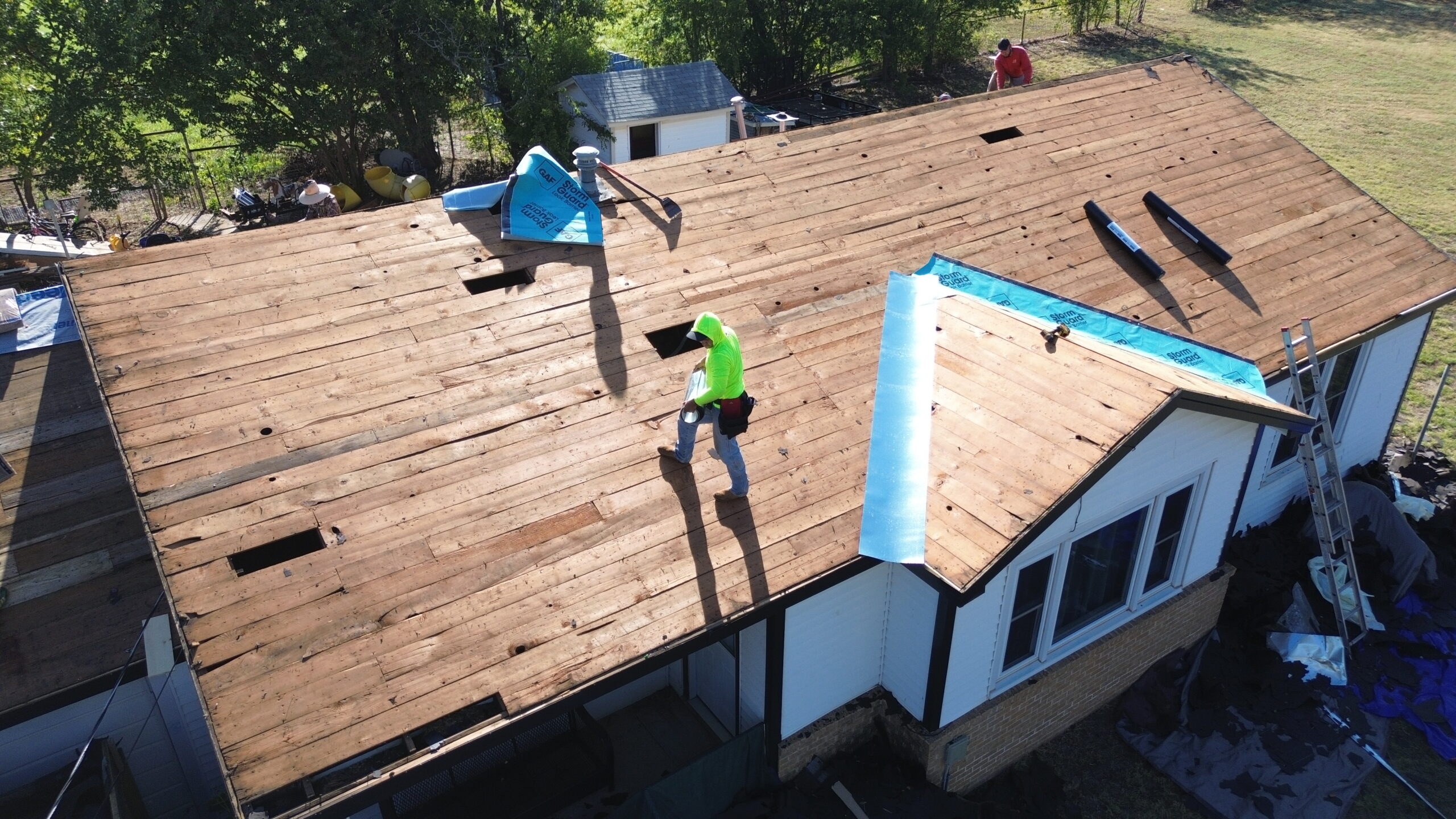
A roofing upgrade should not focus only on the surface of the roof because effective water management is equally important to long-term performance. Rainwater must move efficiently from the roof into gutters, through downspouts, and away from vulnerable parts of the property. When drainage is inadequate, even a durable roofing system can experience unnecessary moisture exposure.
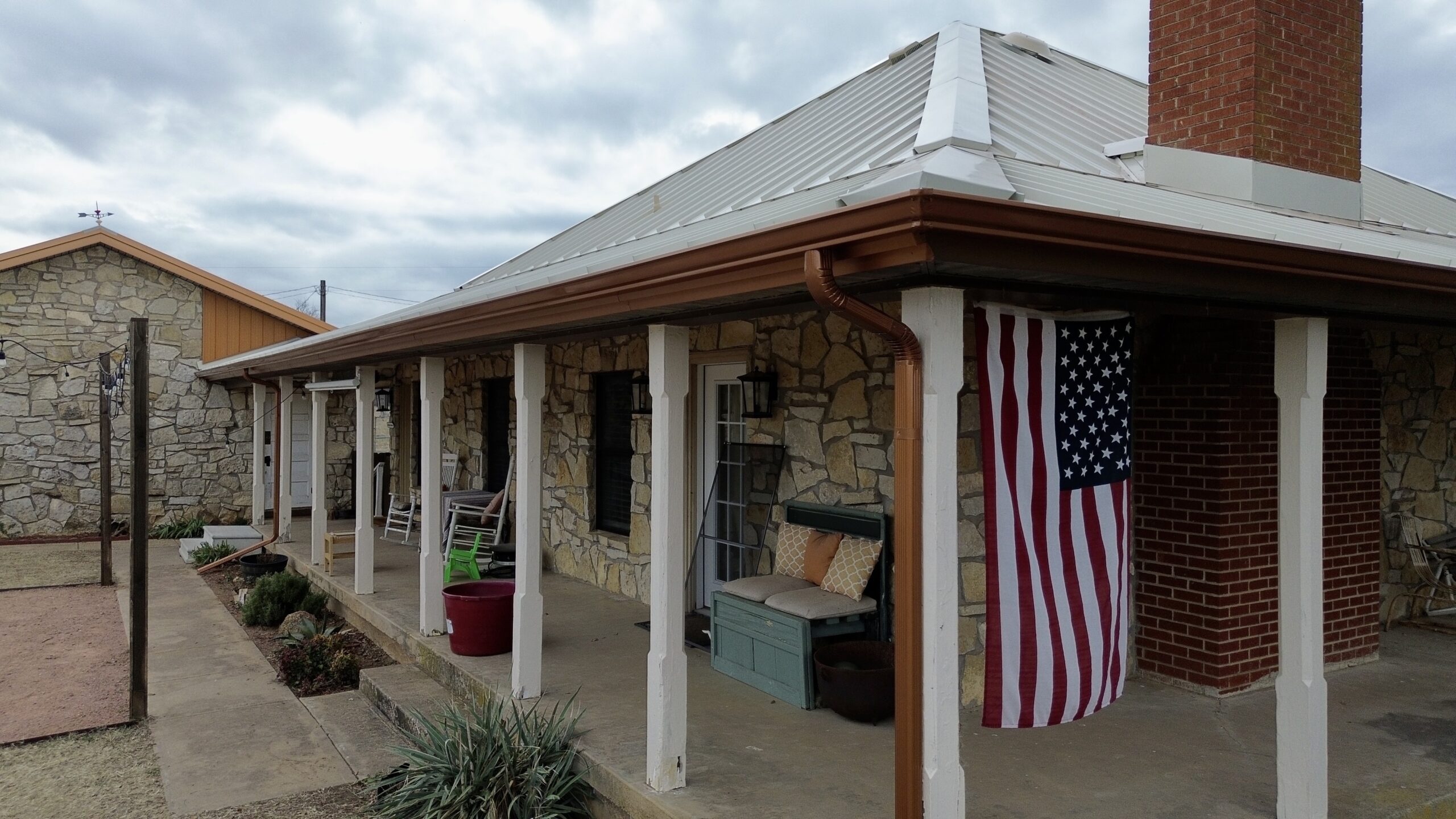
Gutters are one of the most important components of a residential drainage system. During a roofing project, homeowners should inspect existing gutters for corrosion, cracks, sagging sections, loose connections, and poor alignment. If the gutters are nearing the end of their useful life, upgrading them at the same time as the roof can create a more coordinated and reliable water-management system.
Downspouts deserve similar attention because they determine where collected water is discharged. A downspout that releases water directly beside the foundation can contribute to erosion and moisture concerns around the property. Homeowners should consider whether extensions, improved routing, or additional drainage solutions are appropriate for the home’s layout.
Roof valleys are another area where drainage performance matters. Valleys collect water from intersecting roof sections and direct it toward lower portions of the roof. Proper valley construction and protection can help reduce the risk of water entering vulnerable areas during heavy rainfall.
Homeowners may also consider gutter guards where falling leaves and debris frequently create blockages. These products can reduce the amount of debris entering gutters, although they do not eliminate the need for inspection and maintenance. The most suitable option depends on the surrounding trees, roof design, rainfall patterns, and existing gutter system.
The roof edge should also be considered when upgrading drainage. Appropriate edge details can help guide water into gutters rather than allowing it to move behind or beneath roofing components. Small improvements in this area can contribute to better protection of fascia, soffits, exterior walls, and other nearby materials.
A drainage upgrade should ultimately be evaluated as part of the complete roofing system. Improving gutters without addressing damaged roof edges or poorly positioned downspouts may leave important weaknesses unresolved. A coordinated approach allows homeowners to direct water away from the home more effectively while reducing future maintenance concerns.
Upgrading Flashing and Roof Penetration Protection
Flashing is a critical roofing component because it protects areas where different surfaces meet or where objects pass through the roof. Chimneys, skylights, vents, walls, valleys, and other penetrations can create potential pathways for water if they are not properly protected. Upgrading flashing can therefore provide meaningful improvements in weather resistance.
Older flashing may become damaged, corroded, loose, or incompatible with a new roofing system. During a roof replacement or major renovation, homeowners should ask whether existing flashing will be reused or replaced. Replacing deteriorated flashing can help create a more consistent protective system around vulnerable areas.
Chimneys often require careful flashing because they intersect directly with the roof surface. Water can collect around these transitions, especially during heavy rainfall. Properly installed flashing should work with the surrounding roofing materials to guide water away from the penetration.
Skylights and roof vents also deserve attention. Their seals and surrounding flashing can deteriorate over time, creating leaks that may initially appear to come from another part of the roof. When upgrading a roof, homeowners should have these areas inspected rather than assuming that the visible roofing material is the only source of potential problems.
Wall intersections can create similar challenges. Where a roof meets an exterior wall, water must be directed away without creating openings in the protective system. Appropriate flashing details can help manage this transition and reduce moisture exposure.
Valleys should also receive careful attention because they carry concentrated water flow. Depending on the roofing system, different valley construction methods may be appropriate. Homeowners should ask the roofing professional to explain which method is being used and why it suits the property.
Flashing upgrades are often hidden once the project is complete, but their value can be significant. A homeowner may not notice improved flashing visually, yet properly protected penetrations can help reduce the likelihood of water intrusion. This makes flashing one of the practical upgrades worth considering when improving an existing roofing system.
Choosing Impact and Weather-Resistant Roofing Options
Homeowners living in areas exposed to strong storms, hail, heavy rainfall, or high winds may benefit from considering roofing products designed for improved weather resistance. The appropriate upgrade depends on the local environment and the types of weather events the property is most likely to experience.
Impact resistance can be particularly relevant where hail or falling debris is a recurring concern. Some roofing products are designed to withstand greater impact than standard materials. Homeowners should review the actual product specifications and installation requirements rather than relying on general descriptions such as “storm resistant.”
Wind performance is another consideration. Roofing materials must be installed correctly to perform as intended during strong winds. Secure fastening, appropriate edge treatment, proper flashing, and correct installation methods can all influence the system’s ability to withstand severe weather.
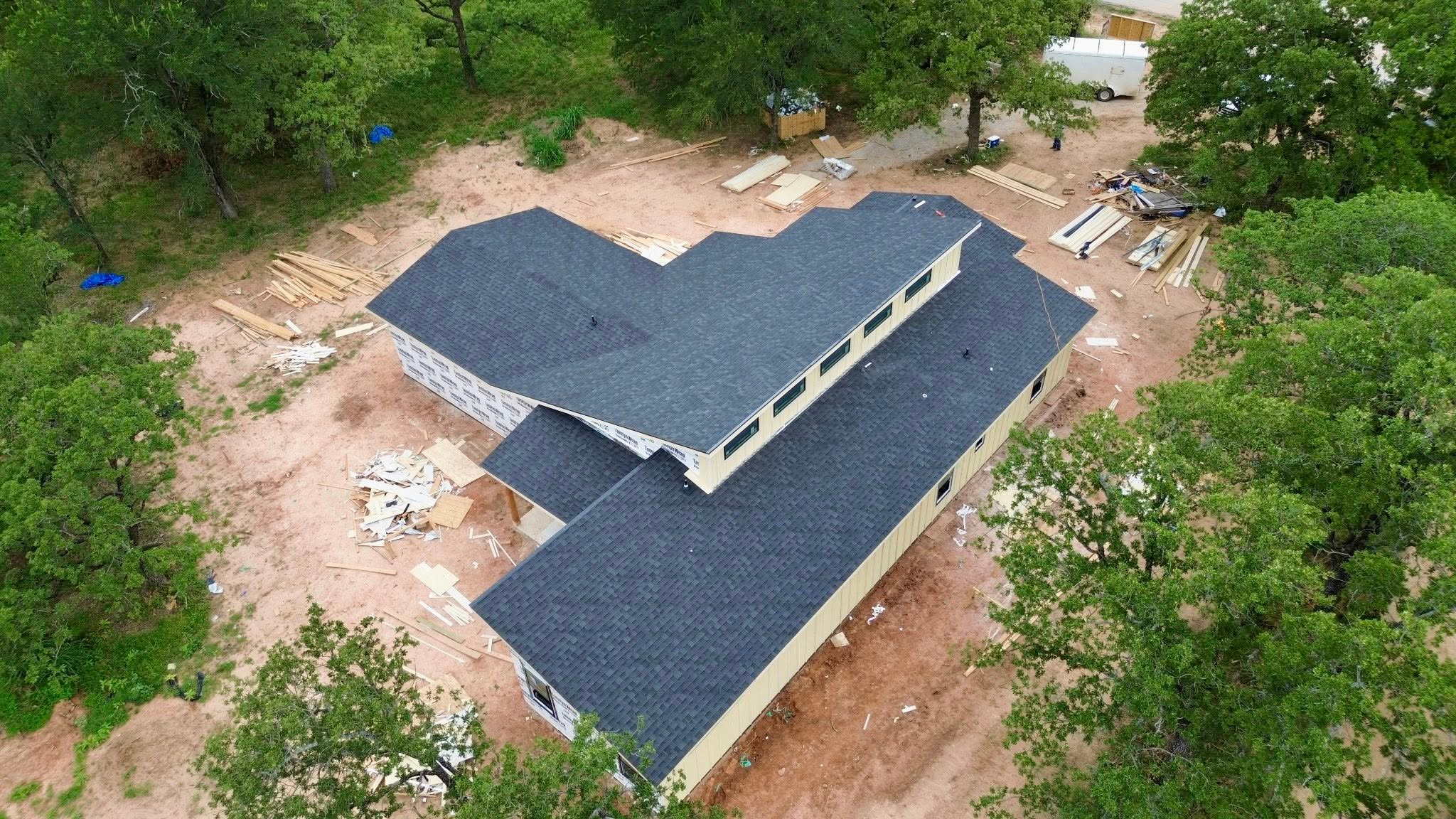
Homeowners should also consider the roof’s overall design. Complex rooflines, numerous valleys, large overhangs, and multiple penetrations may create additional areas that require careful protection. Upgrading the roofing material without addressing these vulnerable details may limit the overall improvement.
Weather-resistant underlayment can provide another layer of protection beneath the visible roof covering. Depending on the roofing system and local conditions, homeowners may consider upgraded underlayment or additional protective measures in areas especially vulnerable to moisture.
Storm resistance does not mean that a roof will never be damaged. Severe weather can exceed the capabilities of even well-designed roofing systems. The purpose of a weather-resistant upgrade is to improve the system’s ability to perform under expected conditions, not to create a guarantee against every possible event.
Homeowners should also consider maintenance after installation. Storm-resistant materials still require inspections after significant weather events. Damaged components should be identified and addressed before small issues develop into larger problems.
The best weather-resistance strategy combines appropriate materials with careful installation and attention to vulnerable roof areas. When these elements work together, homeowners can improve the roof’s ability to handle challenging conditions while making a more informed investment.
Considering Cool Roofing and Reflective Materials
Roofing upgrades can also focus on reducing heat absorption and improving comfort during hot weather. Cool roofing approaches generally involve materials or surfaces designed to reflect more sunlight and absorb less solar energy than conventional alternatives. These options can be especially relevant for homes exposed to strong sunlight for much of the year.
The roof’s color and surface characteristics can influence how much solar heat it absorbs. However, homeowners should not evaluate these characteristics independently of insulation, ventilation, attic design, and overall building performance. A reflective roof can contribute to heat management, but it is only one part of the home’s energy strategy.
Reflective roofing products are available in different forms depending on the roofing system. Some materials may be manufactured with reflective properties, while certain existing roofs may be suitable for coatings or other treatments. The appropriate approach depends on the roof’s material, condition, slope, climate, and manufacturer’s requirements.
Homeowners should consider whether the roof is suitable for a particular coating before applying one. Coatings are not appropriate for every roofing material or condition, and applying them over a deteriorated surface does not solve underlying structural or moisture problems. Professional assessment can help determine whether a reflective upgrade makes sense.
Attic insulation remains important when considering cool roofing. If the living space is poorly insulated, reducing heat absorption at the roof surface may not fully address indoor comfort concerns. Combining appropriate roofing improvements with adequate insulation can provide a more complete approach.
Ventilation should also be evaluated. Heat management in the roof assembly depends on how the roof, attic, insulation, and ventilation system interact. Improving one component while ignoring another may produce less benefit than expected.
Cost should remain part of the decision. Homeowners should compare the price of the upgrade with the expected comfort and energy benefits and consider the climate in which the property is located. A cool roofing option can be useful when it addresses a genuine heat-management concern, but it should be selected based on the home’s actual conditions.
Improving Roof Appearance and Curb Appeal
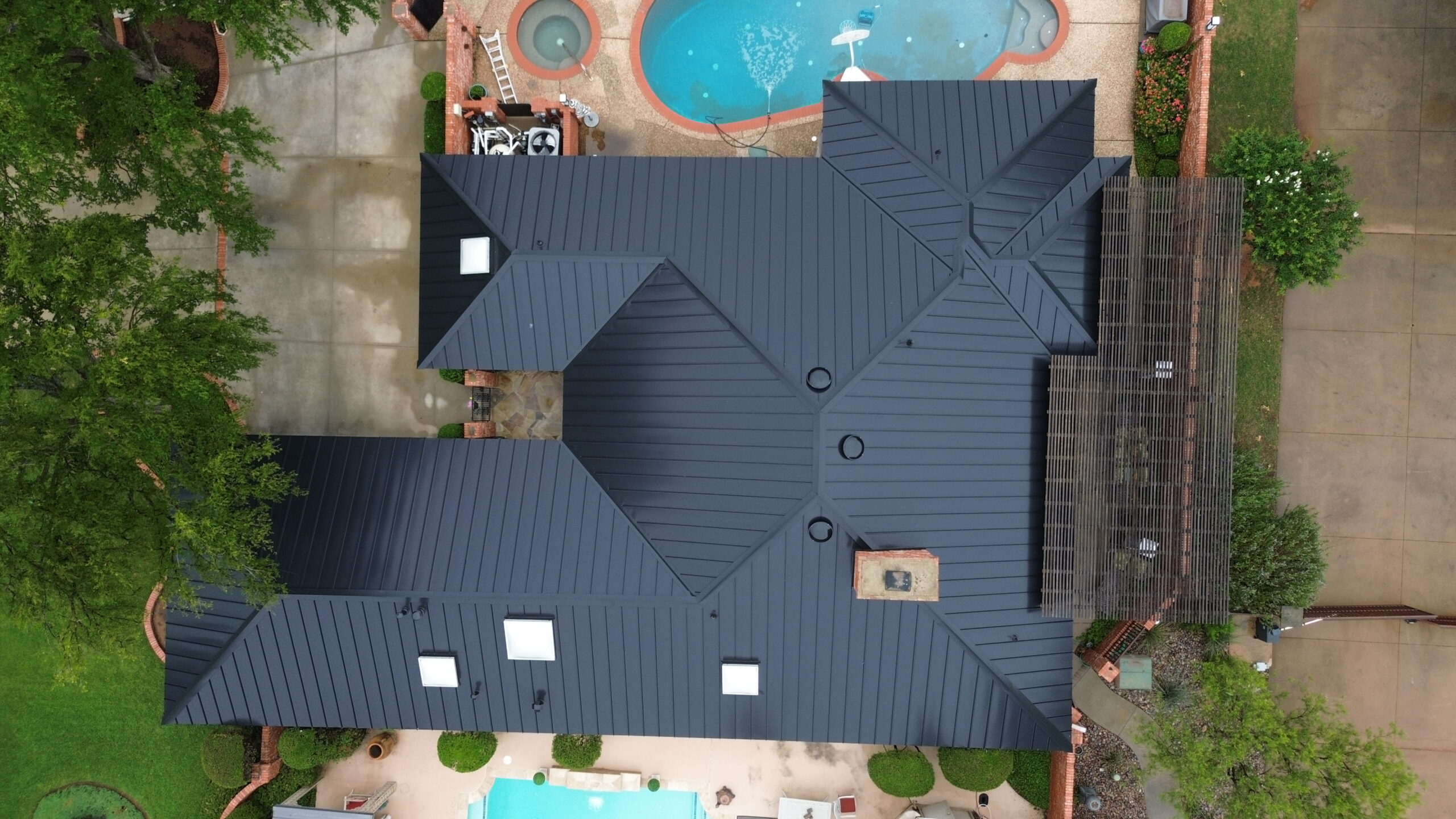
A roofing upgrade can change the visual character of a home because the roof occupies a substantial portion of the exterior. Homeowners replacing or upgrading roofing materials often have an opportunity to improve curb appeal while also addressing performance needs. However, appearance should be considered alongside durability and compatibility.
Roofing materials come in different colors, profiles, textures, and finishes. Homeowners can use these choices to complement siding, brick, stone, windows, doors, and exterior trim. A coordinated appearance can make the home look more complete without requiring major changes to other exterior features.
Architectural style should guide material selection. A traditional property may benefit from roofing materials with a classic profile, while a contemporary home may suit cleaner lines and simpler textures. The goal is to select a roof that works naturally with the existing design rather than creating a visual mismatch.
Color selection also requires careful consideration. Roofing samples can look different depending on sunlight, surrounding materials, and viewing distance. Homeowners should examine samples in outdoor conditions when possible and consider how the selected color will interact with the rest of the property.
Curb appeal upgrades should not compromise performance. A visually attractive roofing material still needs to be appropriate for the roof’s slope, structure, climate, installation method, and maintenance requirements. Homeowners should confirm these practical requirements before making a final aesthetic choice.
Roof appearance can also matter when homeowners are considering future resale. A clean, well-maintained roof can contribute to the overall impression of the property. Nevertheless, homeowners should avoid spending heavily on decorative upgrades solely because they expect a direct increase in resale value.
A balanced approach is usually more effective. Homeowners can choose attractive materials and finishes while keeping weather protection, durability, installation quality, and budget as primary considerations. This creates a roof that looks good while still serving its essential purpose.
Evaluating Roofing Upgrades by Cost and Long-Term Value
The final step in selecting roofing upgrades is determining which improvements provide meaningful value for the property. Homeowners may have access to numerous options, but adding every possible feature can quickly increase project costs. A better approach is to prioritize upgrades according to need, expected performance, and long-term usefulness.
Essential improvements should generally come first. Damaged flashing, inadequate drainage, deteriorated roof decking, poor ventilation, and serious weather-protection weaknesses can affect the performance of the entire system. These issues should receive attention before optional appearance upgrades.
Homeowners should then consider performance improvements that support long-term goals. Better insulation, appropriate ventilation, improved roofing materials, weather-resistant components, or reflective surfaces may provide additional value when they address specific problems. The expected benefit should be compared with the cost of installation and future maintenance.
The following comparison can help homeowners evaluate different upgrade categories:
| Upgrade | Main Benefit | Important Consideration |
|---|---|---|
| Better roofing material | Durability and appearance | Initial cost and installation |
| Improved underlayment | Added moisture protection | Compatibility with roof system |
| Flashing upgrade | Protection around penetrations | Quality of installation |
| Drainage upgrade | Better water management | Gutter and downspout layout |
| Ventilation upgrade | Heat and moisture management | Attic configuration |
| Insulation upgrade | Improved comfort and efficiency | Existing insulation condition |
| Reflective roofing | Reduced solar heat absorption | Climate and roof material |
| Weather-resistant materials | Improved storm performance | Local weather exposure |
Homeowners should also consider whether the roof is old enough to justify extensive upgrades. Spending heavily on individual components of a roof nearing the end of its useful life may not provide the best return. In some cases, combining upgrades with full roof replacement can be more practical and cost-effective.
Contractor quality should remain part of the value calculation. A sophisticated roofing system requires proper installation to perform as intended. Homeowners should therefore compare not only products and prices but also experience, project scope, workmanship, warranties, and maintenance expectations.
The best roofing upgrade is ultimately the one that solves a real problem or provides a worthwhile improvement without creating unnecessary expense. By comparing immediate costs with long-term performance, homeowners can prioritize upgrades that strengthen the roof, improve the home’s overall performance, and provide lasting value.
Planning Smart Roofing Upgrades for Long-Term Performance
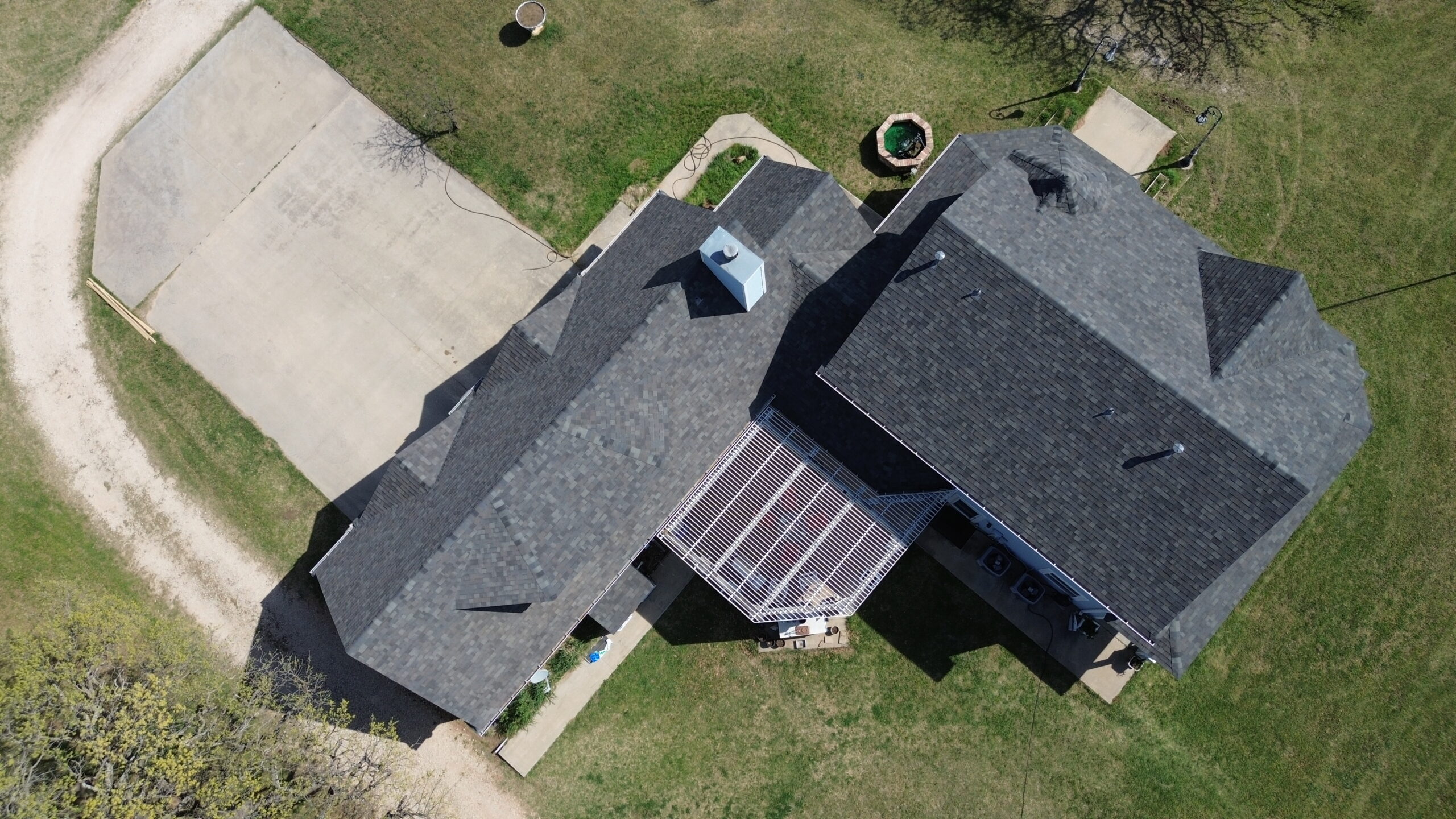
A residential roofing upgrade should be planned around the actual needs of the home rather than around the number of features that can be added to a project. The most effective approach is to identify weaknesses in the existing roofing system and select improvements that directly address them. This helps homeowners spend their budget on upgrades that provide practical benefits instead of paying for features that may have little effect on the property’s performance.
The age and condition of the existing roof should influence the upgrade strategy. A relatively new roof may only require improvements to drainage, ventilation, insulation, or flashing, while an older roof with widespread deterioration may be better suited to replacement with an upgraded roofing system. Investing heavily in isolated improvements on a roof that is already approaching the end of its service life may not provide good long-term value.
Homeowners should also consider local weather conditions when prioritizing upgrades. Properties exposed to intense sunlight may benefit from reflective roofing or improved attic insulation, while homes exposed to strong storms may require greater attention to fastening, flashing, impact resistance, and roof-edge protection. The best upgrade plan responds to the conditions the roof actually experiences.
Budget planning should happen before optional features are selected. Homeowners can divide available funds between essential repairs, performance upgrades, appearance improvements, and future maintenance. This makes it easier to identify which improvements should be completed immediately and which can be postponed without compromising the roof’s basic protection.
A useful upgrade strategy should also consider the entire roofing assembly. Roofing material, underlayment, flashing, ventilation, insulation, drainage, and roof structure work together to determine overall performance. Improving one component while ignoring another weak point may limit the value of the investment.
Professional evaluation can help homeowners prioritize upgrades that are technically appropriate. A qualified roofing professional can identify existing problems, explain available options, and determine whether proposed improvements are compatible with the roof. This guidance is particularly useful when an upgrade involves structural changes or specialized materials.
Combining Roofing Upgrades With Home Improvements
Major roofing work can create an opportunity to coordinate other home improvements. When the roof is already being replaced or significantly modified, homeowners may be able to address related concerns without having to disturb the completed system later. Planning these projects together can improve efficiency and create a more coordinated result.
Attic insulation and ventilation are examples of improvements that can be considered alongside roofing work. If the attic has inadequate insulation or poor airflow, addressing these issues during a roofing project may help improve indoor comfort and protect the new roof environment. The exact work should be based on an assessment of existing conditions.
Gutter improvements can also be coordinated with roof replacement. Installing or adjusting gutters after the roofing system is complete may require additional work around roof edges and fascia. Planning drainage at the same time can make it easier to create appropriate water-management pathways.
Homeowners considering solar equipment should also think about the condition and expected life of the roof. Installing equipment on an aging roof may create future complications if the roof needs replacement soon afterward. Evaluating roof condition before adding other systems can help homeowners avoid unnecessary removal and reinstallation costs.
Exterior improvements can also influence roofing choices. Changes to siding, trim, windows, doors, or exterior colors may affect the best roofing appearance. Homeowners planning several exterior renovations can coordinate colors and materials so the finished property has a consistent appearance.
However, homeowners should avoid adding unrelated improvements simply because a roofing project is underway. Every additional project increases cost and complexity. The goal should be to coordinate improvements that genuinely benefit from being completed together while keeping the main roofing objectives clear.
A coordinated approach can make a roofing upgrade more valuable when it is based on genuine needs. By considering related home systems before construction begins, homeowners can reduce the possibility of having to reopen or modify a recently completed roofing system.
Understanding Maintenance Requirements After Upgrades
A roofing upgrade does not eliminate the need for maintenance. Improved materials and components can increase performance, but they still require appropriate care to remain effective. Homeowners should understand the maintenance requirements of the upgraded system before approving the project.
Different roofing materials have different maintenance needs. Some may require periodic inspections for surface deterioration, while others may require attention to fasteners, seams, flashing, coatings, or drainage components. The contractor or manufacturer should provide information about recommended maintenance practices.
Gutters and downspouts remain particularly important after a roofing upgrade. Leaves, branches, and other debris can restrict drainage and cause water to overflow. Keeping these pathways clear helps protect the roof edges and surrounding areas from unnecessary moisture exposure.
Roof penetrations should also be monitored over time. Flashing around vents, skylights, chimneys, and other openings can experience wear even when the main roofing material remains in good condition. Regular inspections can help identify developing issues before they lead to interior water damage.
Trees around the property should be managed as part of roof maintenance. Overhanging branches can scrape roofing materials and deposit debris across the roof. Maintaining appropriate clearance can reduce damage risks and make roof maintenance easier.
After major storms, homeowners should arrange an inspection when necessary. Strong winds, hail, heavy rainfall, and falling branches can damage even upgraded roofing systems. Early identification of storm-related problems can reduce the risk of secondary moisture damage.
Maintenance records should also be preserved. Homeowners should keep information about the roofing materials, installation date, warranties, inspections, repairs, and upgrades. These records can make future maintenance decisions easier and provide useful documentation if warranty or property-sale questions arise.
The purpose of maintenance is not simply to preserve appearance. It protects the investment homeowners have already made in the roofing system. Consistent maintenance can help the upgraded components perform as intended and reduce the likelihood of expensive problems caused by neglect.
Avoiding Common Residential Roofing Upgrade Mistakes
One common mistake is assuming that every roofing upgrade is beneficial for every home. Roofing systems have different designs, materials, climates, and structural requirements. An upgrade that works well for one property may provide little value or create compatibility problems on another.
Another mistake is focusing too heavily on the visible roofing material. Homeowners may spend extra money on premium shingles, tiles, or metal while overlooking flashing, underlayment, drainage, ventilation, or roof decking. A balanced system is generally more valuable than a premium surface installed over poorly maintained supporting components.
Choosing upgrades based entirely on price can also create problems. The cheapest option may not provide the desired durability or performance, while the most expensive option may include features that the property does not need. Homeowners should compare the expected benefit and service life rather than treating price as the only measure of value.
Poor contractor selection is another important risk. Specialized roofing upgrades require appropriate knowledge and installation practices. Homeowners should verify experience, insurance, references, project details, and warranty information before allowing major work to begin.
Skipping a professional evaluation can lead to unnecessary spending. Without understanding the roof’s current condition, homeowners may upgrade components that are not causing problems while overlooking issues that require immediate attention. An assessment creates a clearer basis for prioritizing improvements.
Homeowners should also avoid treating warranties as a replacement for maintenance. Warranty coverage has specific conditions and exclusions, and some problems may not qualify for protection. Proper maintenance and professional installation remain essential even when strong warranty coverage is available.
Finally, homeowners should avoid making decisions under unnecessary pressure. A reputable roofing professional should be able to explain why an upgrade is recommended, what it will cost, and what benefit it is expected to provide. Taking time to compare options can help homeowners choose improvements that genuinely support the property’s long-term needs.
Creating a Practical Roofing Upgrade Checklist
A simple checklist can help homeowners organize the many decisions involved in a roofing upgrade. The first step is to document the current condition of the roof, including its age, material, visible damage, previous repairs, drainage condition, flashing, ventilation, and attic performance. This information provides a foundation for deciding which improvements are actually necessary.
The next step is to identify priorities. Homeowners should distinguish between upgrades that protect the property and improvements that are primarily aesthetic. Essential weather protection, structural concerns, drainage, and moisture management should generally receive attention before optional appearance features.
The project budget should then be established. Homeowners should request detailed estimates and compare the complete scope of work rather than looking only at the total price. A reasonable reserve for unexpected repairs can also help prevent financial difficulties if hidden damage is discovered.
A practical checklist can include:
- Assess the current roof condition and remaining service life.
- Identify essential repairs before optional upgrades.
- Evaluate roofing materials for durability and compatibility.
- Review underlayment, flashing, and roof-edge protection.
- Check gutters, downspouts, and drainage pathways.
- Evaluate ventilation and attic insulation.
- Consider weather-resistant or reflective roofing options where appropriate.
- Compare contractor qualifications, warranties, and project estimates.
- Plan maintenance and future repair costs.
- Keep complete records of the completed upgrades.
Homeowners should review the checklist with the contractor before construction begins. Any uncertainty about materials, installation methods, costs, or responsibilities should be resolved before the agreement is finalized.
The checklist should also remain useful after installation. Recording what was upgraded and when the work was completed creates a maintenance reference for the future. This can make it easier to determine when inspections or repairs may be needed.
Making the Final Roofing Upgrade Decision
The final decision should bring together performance, cost, appearance, maintenance, and long-term value. Homeowners should review whether each proposed upgrade addresses an actual need and whether the expected benefit justifies the additional investment. This prevents the project from becoming unnecessarily expensive simply because numerous options are available.
Essential protection should remain the highest priority. Roofing materials, underlayment, flashing, drainage, ventilation, and structural components should work together as a complete system. Cosmetic improvements can then be considered once the home’s basic protection and performance needs have been addressed.
Homeowners should also consider future plans for the property. A durable upgrade may be especially valuable for someone planning to remain in the home for many years. A homeowner preparing for a future sale may place more emphasis on appearance, documentation, and improvements that support the overall condition of the property.
The final contractor proposal should clearly describe the selected upgrades, materials, labor, costs, warranties, and procedures for unexpected work. Homeowners should understand what is included before approving the project. Clear documentation reduces the risk of disagreements and provides a useful record for future maintenance.
A successful roofing upgrade is not defined by how many improvements are installed. It is defined by how effectively the selected improvements solve problems, strengthen performance, support the home’s needs, and provide reasonable value for the money invested.
Conclusion
Residential roofing upgrades can provide meaningful improvements when they are selected carefully and installed as part of a complete roofing strategy. From better drainage and flashing to improved insulation, ventilation, weather resistance, and roofing materials, homeowners have many ways to strengthen the performance of their properties.
The most effective approach begins with evaluating the existing roof and identifying its actual weaknesses. Homeowners should prioritize essential protection before optional features and compare every upgrade according to cost, compatibility, expected performance, maintenance requirements, and long-term value.
Roofing upgrades should also be considered alongside related home improvements when appropriate. Coordinating insulation, ventilation, drainage, exterior renovations, or other systems can help create a more efficient project and reduce the need for future modifications.
After the upgrades are completed, regular maintenance remains essential. Inspections, drainage care, storm checks, and accurate records can help protect the improvements and extend the useful life of the roofing system.
Ultimately, the best residential roofing upgrade is not necessarily the most advanced or expensive option. It is the combination of improvements that fits the home’s condition, climate, structure, budget, appearance, and future plans while providing dependable protection and practical long-term value.