
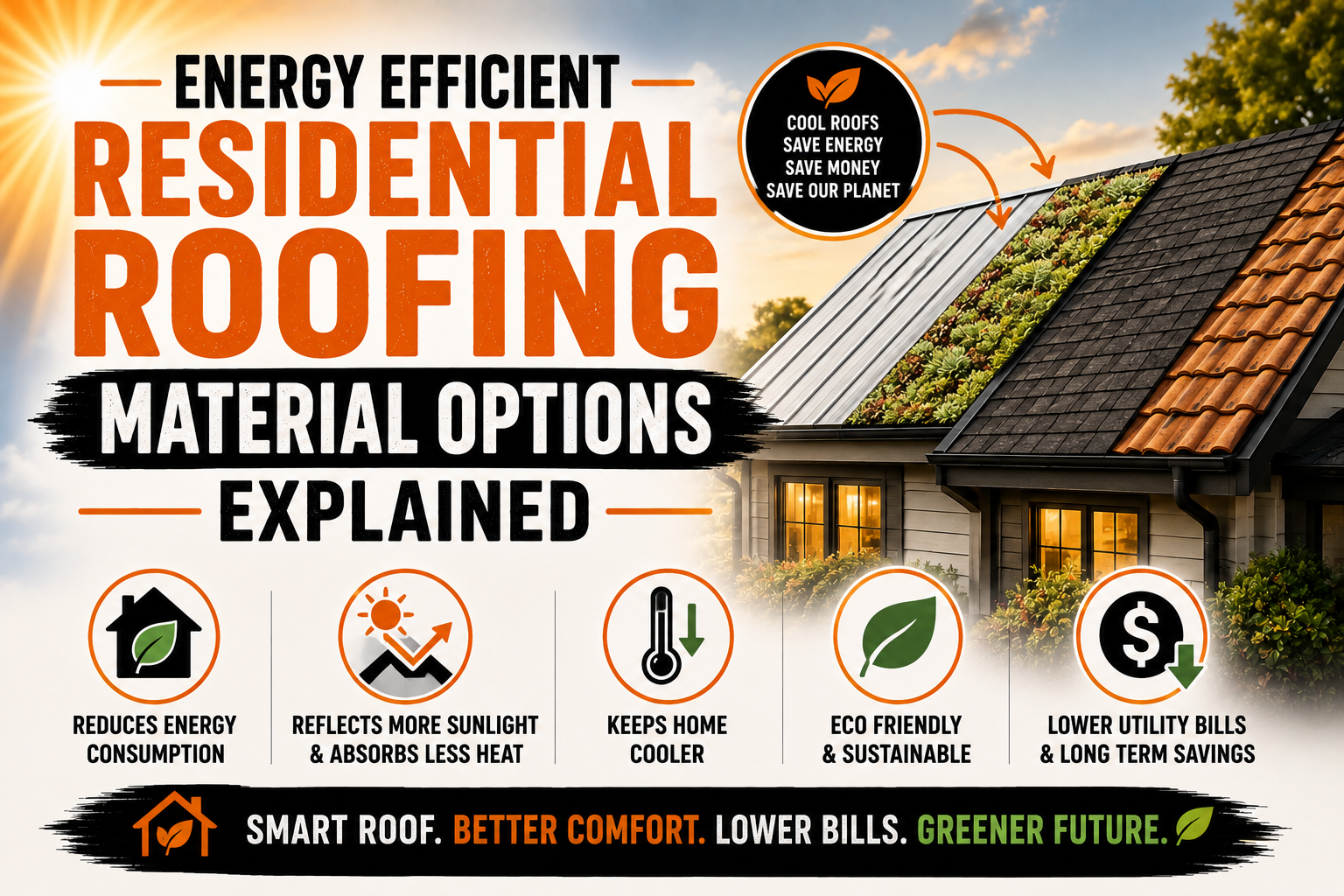
Energy Efficient Residential Roofing Material Options Explained
Introduction
Energy efficient residential roofing can play an important role in controlling indoor temperatures and managing household energy consumption. The roof receives direct exposure to sunlight, rain, wind, and changing outdoor temperatures, making its design and material selection important parts of overall home performance. A suitable roofing system can help reduce unwanted heat transfer while protecting the structure from weather.
During hot weather, the roof can absorb significant amounts of solar radiation. If excessive heat moves through the roof assembly into the living areas, the cooling system may need to operate more frequently. Choosing a roofing material with appropriate reflective properties, combined with effective insulation and ventilation, can help manage this heat.
Energy efficiency is not determined by the roofing material alone. Roof color, surface reflectivity, insulation levels, ventilation, roof design, local climate, and attic conditions all influence how effectively the roof manages heat. For this reason, homeowners should evaluate the complete roofing assembly rather than choosing a material based only on appearance or price.
Different roofing materials offer different energy performance characteristics. Metal roofing can be paired with reflective finishes, tile can provide useful thermal buffering through its profile, and certain asphalt shingles are manufactured with reflective granules. Synthetic and composite materials can also offer energy efficient options depending on their surface characteristics.
Homeowners should consider climate when evaluating roofing materials. A roof designed to reduce heat absorption can be particularly useful in hot regions, while other factors such as insulation, moisture control, and snow performance may be more important in colder environments.
A properly selected energy efficient roof can also support long term comfort and potentially reduce energy demand. However, energy savings vary from one property to another, so roofing material should be considered as one component of a broader energy strategy.
Understanding Energy Efficient Residential Roofing
Energy efficient roofing is designed to help control heat transfer between the exterior environment and the interior of a home. The goal is not simply to keep the roof cool but to help maintain more stable indoor conditions throughout changing weather.
Solar reflectance is one important characteristic. A roof with higher solar reflectance sends more incoming sunlight away from the surface rather than absorbing it as heat. This can help reduce roof surface temperatures during sunny weather.
Thermal emittance is another factor. It describes how effectively a surface releases absorbed heat. Materials with suitable combinations of solar reflectance and thermal emittance can help reduce the amount of heat transferred into the building.
Roof color can influence these properties. Lighter-colored roofing materials often reflect more sunlight than darker surfaces, although the actual performance depends on the specific product and finish. Some modern roofing products are designed to provide reflective performance even when they have darker colors.
The roof assembly underneath the outer material is equally important. Insulation slows heat movement between the attic and living areas, while ventilation can help remove accumulated heat and moisture from the attic space.
Roof design can also influence efficiency. A properly designed roof with appropriate ventilation and insulation can perform better than an inefficiently constructed roof using the same exterior material.
The local climate should guide material selection. In hot climates, reducing solar heat gain may be a major priority, while in colder climates, retaining indoor heat and controlling moisture may be more important.
Roof orientation and shading also matter. Trees, nearby structures, and the direction of roof surfaces can change the amount of sunlight received throughout the day.
Energy efficient roofing should therefore be viewed as part of the building envelope. The most effective results generally come from combining a suitable roofing surface with insulation, ventilation, air sealing, and appropriate building design.
Homeowners should also consider the expected lifespan of the material. A durable roofing product that maintains its performance for many years can provide long-term value and reduce the environmental and financial impact of frequent replacement.
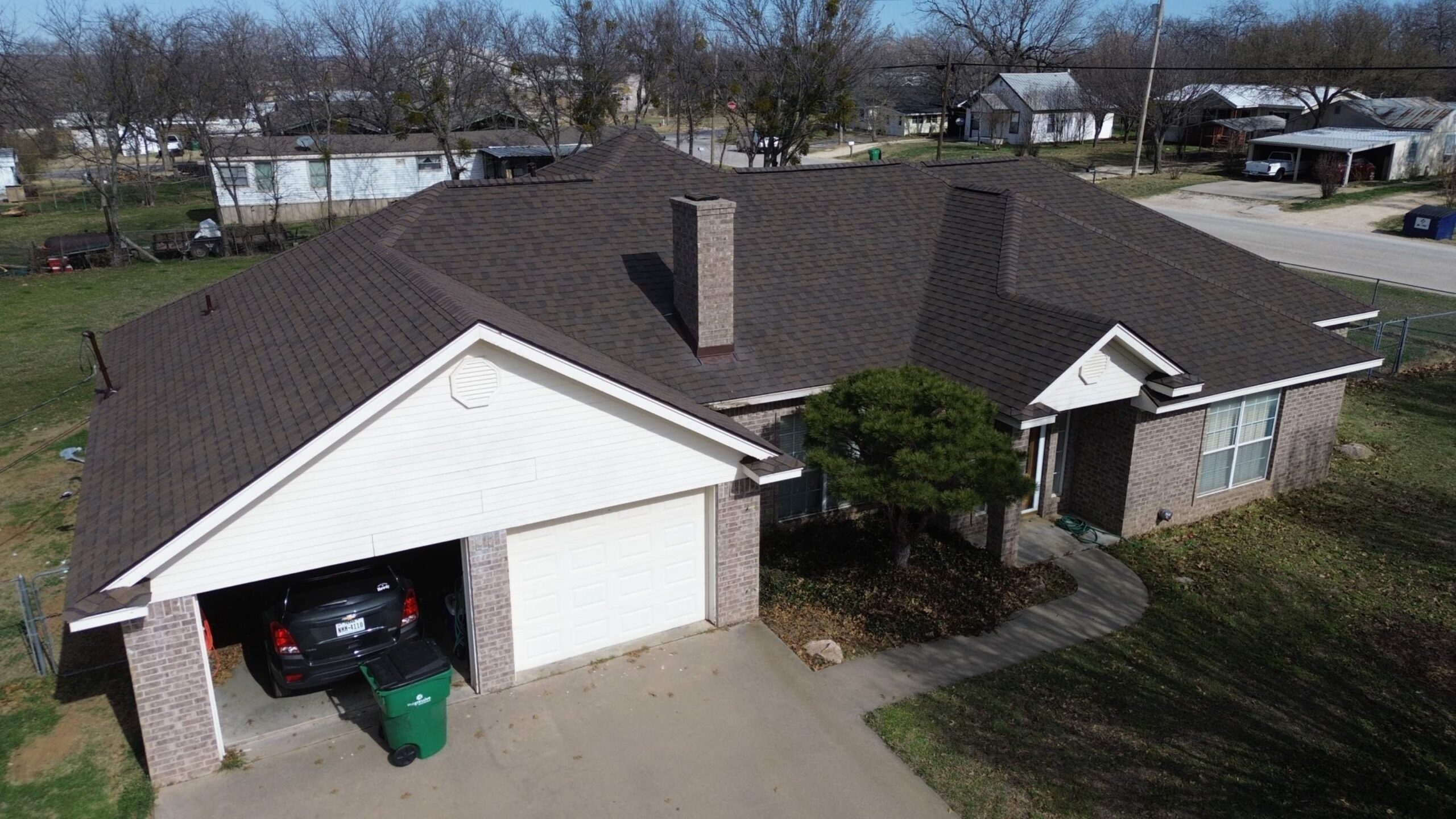
Cool Roofing Materials and Reflective Surfaces
Cool roofing materials are designed to reduce the amount of solar heat absorbed by a roof. They can be particularly useful in warm and sunny climates where air conditioning represents a significant portion of household energy use.
A cool roof typically relies on high solar reflectance, high thermal emittance, or a combination of both. Reflective surfaces send more sunlight away, while thermally emissive surfaces can release absorbed heat more effectively.
Roofing materials with cool roof characteristics are available in several forms. Metal roofing can use reflective coatings, while certain asphalt shingles contain specially designed reflective granules. Coatings and membranes can also be used on some roof types to improve surface reflectivity.
The benefits of a cool roof depend on the building itself. A well-insulated home may already have limited heat transfer through the roof, while a poorly insulated attic may experience more noticeable improvements from reducing roof surface temperatures.
Cool roofing can be especially useful in homes with air-conditioned living spaces beneath the roof. Lower roof temperatures can reduce heat entering the attic and potentially decrease the workload placed on cooling equipment.
However, reflectivity is not the only consideration. A roofing material must still provide appropriate weather resistance, durability, drainage, and compatibility with the roof structure.
Homeowners should also avoid assuming that any light-colored roof is automatically an energy efficient roof. Product-specific performance information is more useful than color alone because different materials and finishes can have significantly different properties.
Cool roof products can also be selected in darker colors in some cases. Modern reflective technology allows manufacturers to develop roofing surfaces that provide improved solar performance without limiting homeowners to very light colors.
Climate remains an important consideration. In regions with long, hot summers, reducing solar heat gain may provide meaningful benefits. In colder climates, the balance between heat reflection and heat retention may be different.
The roof should also be inspected and maintained regularly. Dirt, debris, biological growth, and surface deterioration can affect the performance of some reflective roofing products.
Cool roofing is therefore one practical strategy for improving residential energy efficiency. Its effectiveness is strongest when combined with suitable insulation, ventilation, and overall building design.
Metal Roofing for Energy Efficiency
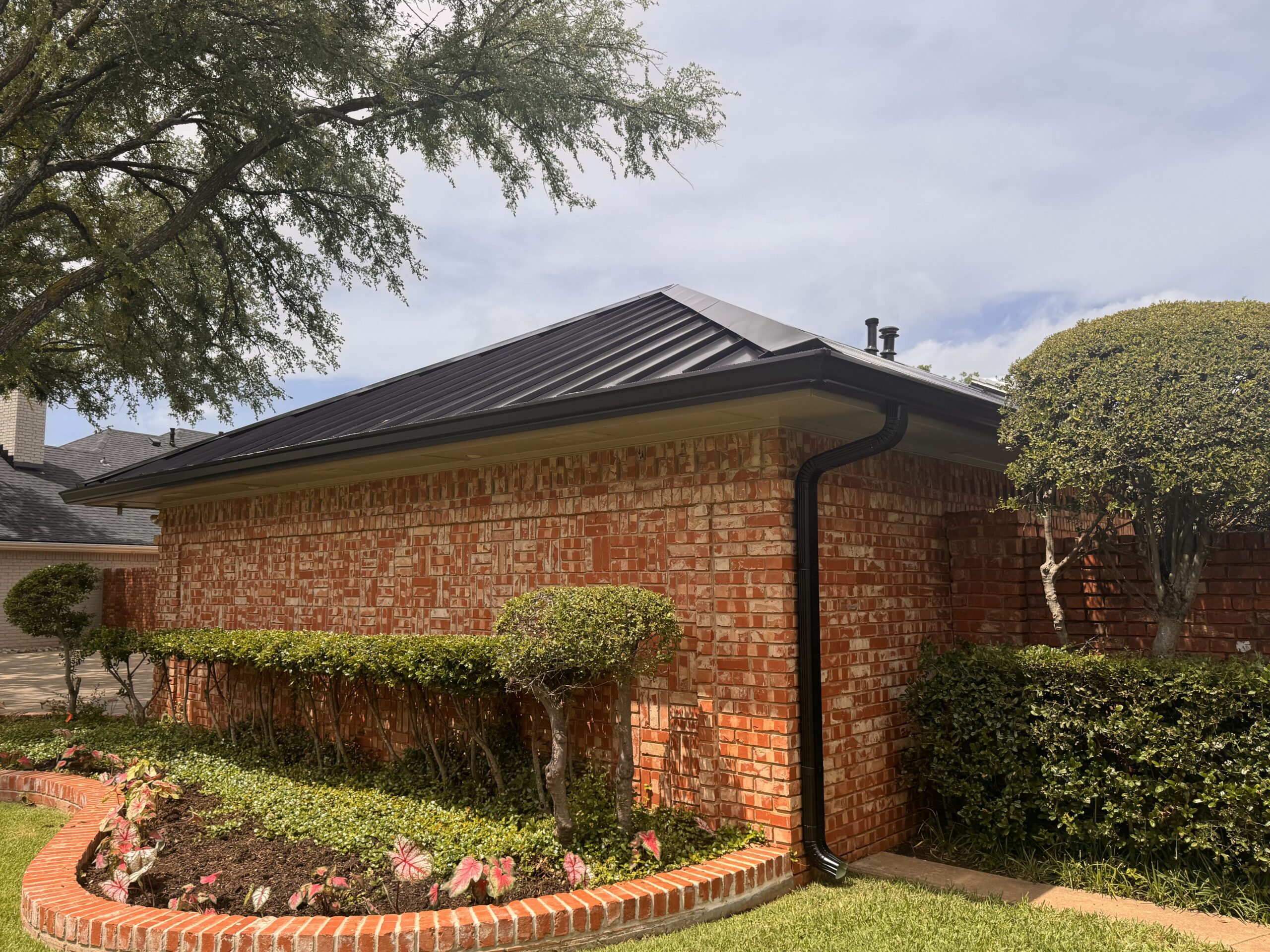
Metal roofing can be an energy efficient option when the appropriate material and finish are selected. Steel and aluminum roofing products are available with reflective coatings that can reduce solar heat absorption during warm weather.
One advantage of metal is its ability to accommodate a variety of finishes. Homeowners can choose coatings designed to reflect solar radiation while maintaining the desired appearance of the home.
A reflective metal roof can remain cooler under direct sunlight than a less reflective surface. This can reduce heat transfer into the roof assembly, particularly when insulation and ventilation are properly designed.
Metal roofing can also provide long service life. A durable roof may reduce the frequency of replacement, which can provide financial and environmental benefits over time.
The space between some metal roofing systems and the roof deck can also influence thermal performance. Properly designed assemblies can incorporate ventilation or other layers that help manage heat movement.
However, metal itself is not automatically energy efficient. A dark, poorly insulated metal roof may absorb substantial solar heat, while an appropriately finished and insulated system can perform much better.
Insulation is therefore critical. Even a reflective metal surface cannot fully compensate for inadequate insulation between the attic and living areas.
Roof ventilation should also be designed carefully. Ventilation can help remove heat and moisture from the attic, but it must work with the rest of the building envelope rather than being treated as an isolated feature.
Metal roofing can also be suitable for homes where homeowners want both energy performance and durability. Its recyclable nature can provide additional environmental benefits, although sustainability and energy efficiency are separate characteristics that should both be considered.
Maintenance is generally manageable, but coatings and fasteners should be inspected periodically. Damaged finishes, corrosion, or failed components can affect long-term performance.
For homeowners in sunny climates, reflective metal roofing can provide a useful combination of durability and solar heat management. Selecting the correct coating and completing the roof assembly with appropriate insulation and ventilation are essential for achieving the best results.
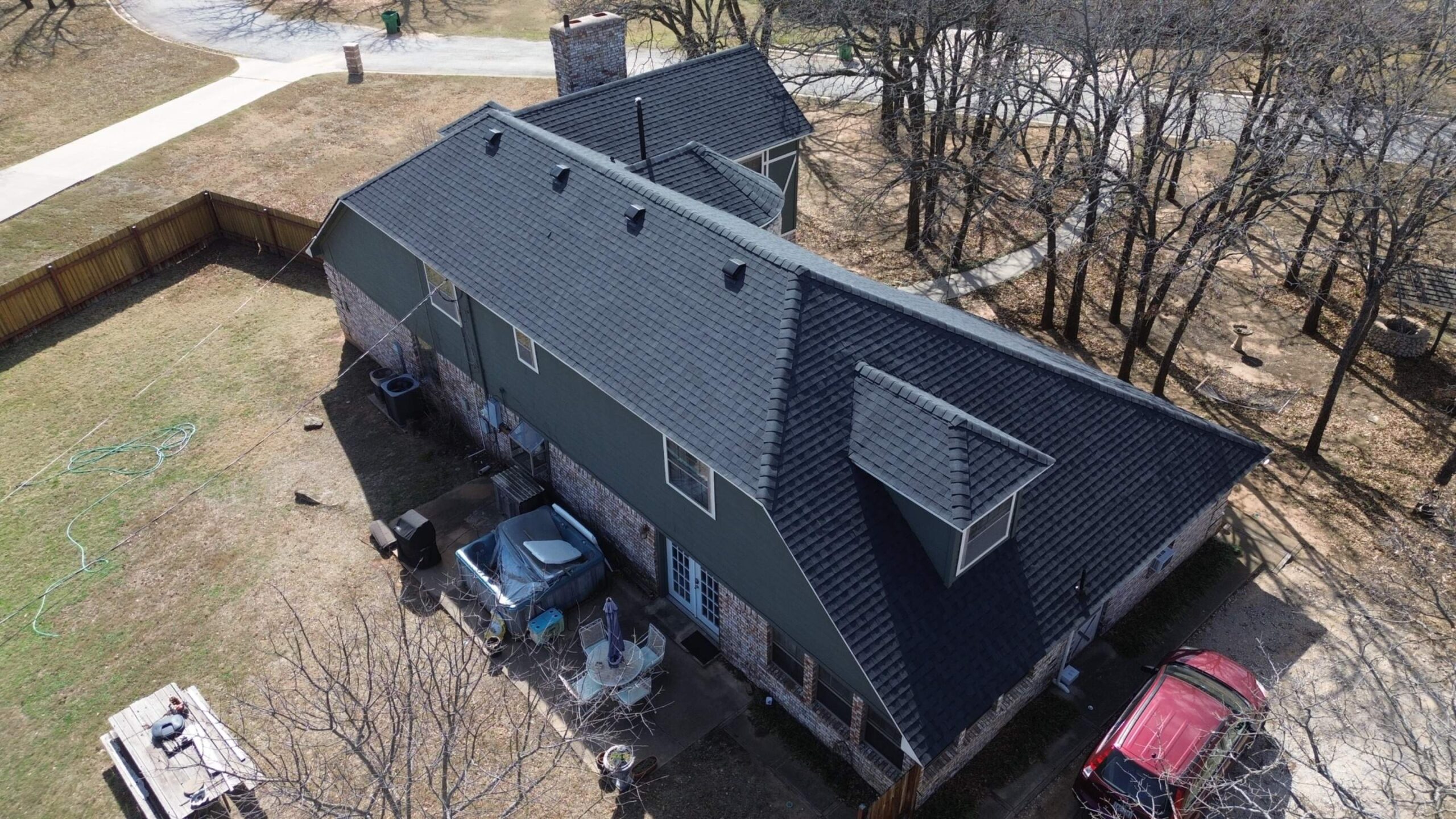
Tile Roofing and Natural Thermal Performance
Clay and concrete tile roofing can provide useful energy performance because of their shape, thickness, and installation method. Many tile systems create an air space between the exterior tile surface and the underlying roof assembly, which can help reduce direct heat transfer.
This characteristic can be especially useful in warm climates. Sunlight heats the upper surface of the tile, while the space beneath the tiles can provide an additional thermal buffer before heat reaches the roof deck.
Tile materials are also durable and can remain functional for many decades when properly installed. Long service life can reduce the need for frequent replacement, contributing to long-term value.
Tile color can influence performance as well. Lighter-colored tiles generally reflect more solar radiation than darker surfaces, although product-specific characteristics should be considered.
Clay tile is available in natural colors and finishes, while concrete tile can be produced in many different shades. Homeowners can therefore balance architectural appearance with solar performance.
Ventilation remains important with tile roofing. The roof assembly should be designed to manage heat and moisture effectively, particularly in warm environments.
Tile’s thermal performance does not eliminate the need for insulation. Insulation beneath the roof deck or in the attic helps limit heat movement into living areas and can improve overall building efficiency.
The weight of tile should also be considered before installation. Concrete and clay tiles can be significantly heavier than some other roofing materials, so the roof structure must be capable of supporting the complete system.
Tile can be particularly attractive for homeowners seeking long-lasting roofing with a traditional or distinctive appearance. Its durability, thermal characteristics, and design flexibility make it an energy efficient option for many homes when correctly designed.
However, installation quality is essential. Improper underlayment, flashing, ventilation, or tile placement can reduce the performance of the roof and create moisture problems.
A properly installed tile system can therefore provide a strong combination of thermal buffering, weather protection, and longevity. Its energy efficiency is greatest when the tile surface works together with insulation and ventilation as part of a complete roof assembly.
Energy Efficient Asphalt Shingles
Asphalt shingles remain one of the most widely used residential roofing materials, and modern versions can provide better energy performance than traditional products. Energy efficient asphalt shingles are often manufactured with reflective granules that help redirect a portion of incoming solar radiation away from the roof surface. This can reduce the amount of heat absorbed by the roofing material during sunny weather.
Traditional dark shingles can become very hot under direct sunlight, particularly during summer. Reflective asphalt shingles are designed to reduce this effect while maintaining the familiar appearance and installation characteristics of conventional shingles. Homeowners can therefore improve roof performance without necessarily changing to a completely different roofing system.
The effectiveness of reflective shingles depends on several factors. Roof color, granule technology, local climate, roof slope, attic insulation, and ventilation all influence the final result. A reflective shingle installed over a poorly insulated attic may provide less noticeable benefit than the same product installed as part of a properly designed roof assembly.
Another advantage of asphalt shingles is their relatively straightforward installation. Roofing contractors are familiar with the material, and replacement shingles can generally be sourced without major difficulty. This can make repairs and maintenance more manageable over the life of the roof.
Homeowners should also consider durability when evaluating energy efficient shingles. A roofing material that loses its reflective properties or requires early replacement may provide less long term value than a product that maintains its performance for many years. Manufacturer specifications and warranty information can help homeowners compare available products.
Ventilation should be addressed during installation. Proper attic ventilation can help remove accumulated heat and moisture, supporting the performance of both the roofing material and the building envelope. However, ventilation must be designed correctly rather than simply adding vents without considering airflow.
Asphalt shingles can also be suitable for homeowners working within a moderate roofing budget. They generally cost less initially than many premium roofing materials, although exact costs vary according to product quality, roof complexity, labor, and local conditions.
For homeowners seeking improved energy performance without moving away from a familiar roofing material, reflective asphalt shingles can be a practical option. Their effectiveness is strongest when combined with adequate insulation, proper ventilation, and a roof design suited to the local climate.
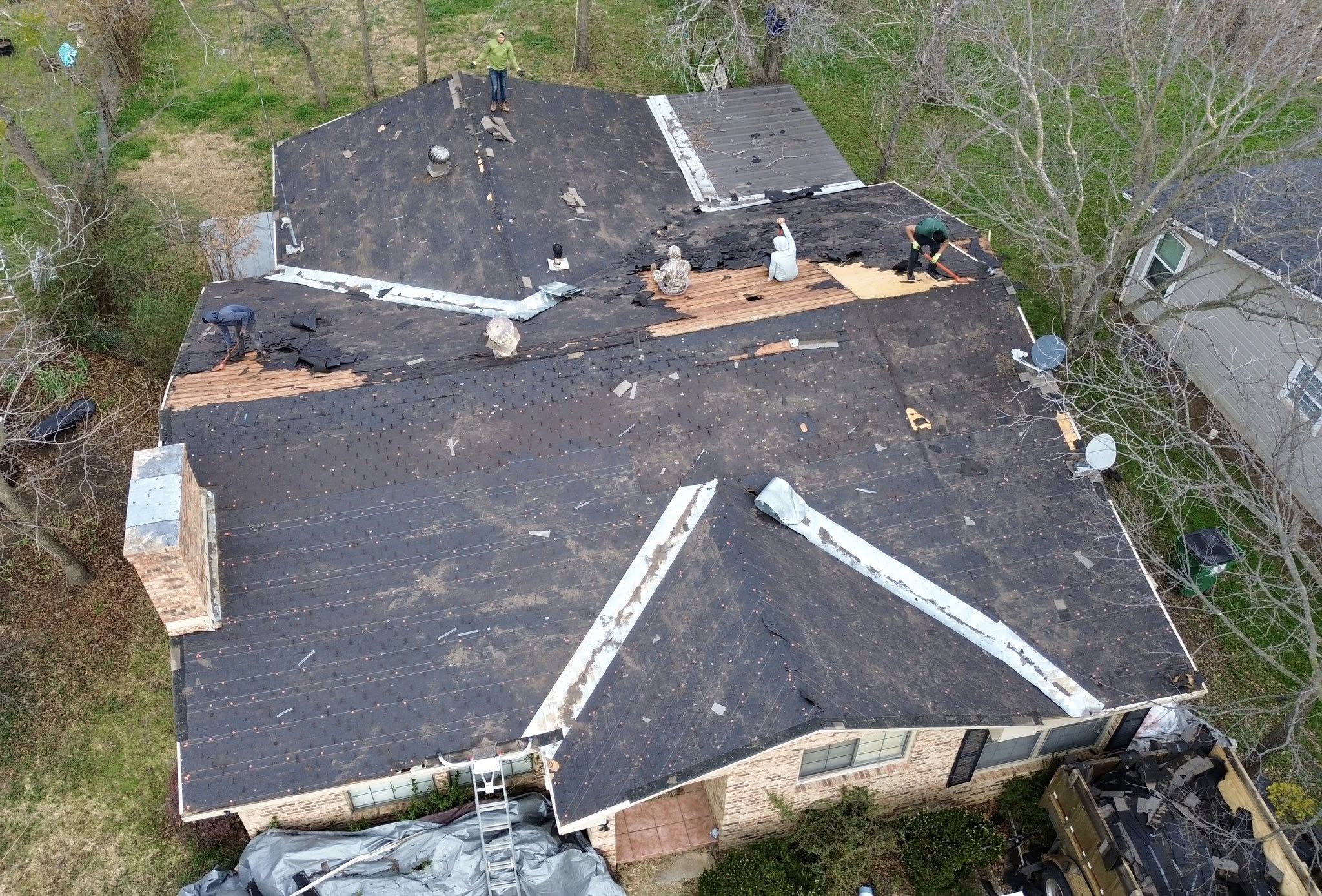
Synthetic and Composite Roofing Materials
Synthetic and composite roofing materials have become increasingly available for homeowners who want alternatives to conventional roofing products. These materials can be manufactured from polymers, recycled materials, engineered compounds, or combinations of different components. Some are designed to imitate natural slate, wood shakes, or other premium roofing materials while offering different performance characteristics.
Energy efficiency varies considerably between synthetic products. Some are manufactured with surfaces that reflect more sunlight, while others may be selected primarily for durability or appearance. Homeowners should review product-specific information instead of assuming that all synthetic roofing systems provide the same thermal performance.
One advantage of composite roofing can be its relatively low weight. Some synthetic products are lighter than concrete tile or natural slate, which can reduce structural demands on the building. This may also make transportation and installation easier in certain situations.
Durability can contribute to energy and environmental performance indirectly. A synthetic roof that remains functional for many years can reduce the need for frequent replacement. Fewer replacement projects can mean less material use, transportation, labor, and construction waste.
Some synthetic products also contain recycled content. This can provide an additional environmental benefit, although recycled content and energy efficiency are separate characteristics. A homeowner should evaluate both factors when comparing roofing materials.
Surface color is another consideration. Some manufacturers offer lighter or reflective finishes that can reduce solar heat absorption. In warm climates, these products may help limit heat transfer into the attic when used with appropriate insulation and ventilation.
Composite roofing can also offer aesthetic flexibility. Homeowners can select products that complement traditional or modern architectural styles while potentially achieving different energy and durability characteristics than the materials they imitate.
However, product quality can vary significantly. Homeowners should investigate expected service life, resistance to ultraviolet exposure, temperature changes, moisture, and impact before making a decision.
Installation requirements should also be reviewed. Some composite products may require specialized fastening or underlayment systems, and incorrect installation can reduce their expected performance.
The environmental value of synthetic roofing should include end-of-life considerations as well. A product made partly from recycled materials is not necessarily recyclable after removal. Homeowners can ask manufacturers about disposal, recycling, and material recovery options.
When carefully selected, synthetic and composite roofing can provide a useful combination of durability, design flexibility, and potential energy performance. The best choice depends on the product’s specific characteristics and the climate and structure of the home.
Green Roofing Systems and Temperature Control
Green roofing systems provide a different approach to residential energy efficiency by incorporating vegetation into the roof assembly. A typical system can include a waterproof membrane, root barrier, drainage layer, growing medium, and plants. Depending on the design, green roofs can range from relatively lightweight systems with low-growing vegetation to more intensive systems that support a broader range of plants.
One important benefit is temperature moderation. Vegetation and growing media can reduce direct solar exposure on the roof surface, while moisture within the system can influence how heat is absorbed and released. This can help reduce extreme roof temperatures during hot weather.
Green roofs can also provide environmental benefits beyond household energy performance. Vegetation can help retain some rainfall, support insects and other organisms, and contribute to a more natural urban environment. These benefits can make green roofs attractive for homeowners interested in broader sustainability goals.
Structural capacity is a major consideration. Saturated growing media can add substantial weight to a roof, so the building must be evaluated before installation. A roof that was designed for conventional shingles may require structural modifications before a green roofing system can be considered.
Waterproofing is equally important. The membrane beneath the vegetation must protect the structure from moisture, and drainage must prevent water from remaining in areas where it could cause damage. Installation should therefore be completed by professionals familiar with green roof construction.
Maintenance requirements depend on the system. Vegetation may require watering during certain conditions, weeds may need to be controlled, and drainage pathways must remain clear. Neglected vegetation can create problems rather than improving roof performance.
Green roofs are often more practical on relatively low-slope roof designs. The exact requirements depend on the system and local conditions. Homeowners should evaluate accessibility because maintenance and inspections need to be performed safely.
Energy savings also vary. A green roof may provide more noticeable benefits in hot climates where reducing roof surface temperatures is valuable. In cooler regions, the primary benefits may relate more to stormwater management, insulation, and environmental objectives.
A green roof should therefore be viewed as a complete roofing system rather than simply adding plants to an existing roof. Proper structural planning, waterproofing, drainage, insulation, and vegetation selection are essential.
For suitable homes, green roofing can provide a distinctive combination of thermal management and environmental benefits. However, its higher complexity means that homeowners should carefully evaluate feasibility before choosing this option.
Solar Roofing and Integrated Energy Generation
Solar roofing can improve residential energy performance by using the roof to generate electricity from sunlight. Traditional photovoltaic panels can be installed over a suitable roofing material, while solar shingles and other integrated products combine roofing and energy generation into a single visible surface.
The main energy advantage of solar roofing is that it can produce renewable electricity during periods of sunlight. The amount of energy generated depends on roof orientation, available sunlight, shading, system size, equipment efficiency, and local weather conditions.
A roof’s condition should be evaluated before solar equipment is installed. Adding solar panels to an aging roof can create difficulties if the roofing system needs replacement soon afterward. Homeowners may need to consider the remaining service life of the roof before investing in solar equipment.
Solar roofing can work particularly well with durable roofing materials. A long-lasting metal or tile roof may provide a suitable foundation for a solar system that is expected to operate for many years. The roofing and solar components should be planned together to allow future maintenance.
Solar shingles can provide a more integrated appearance than conventional panels. They are designed to function as roofing components while generating electricity, although their cost, availability, installation requirements, and performance differ between products.
Energy efficiency should not stop with electricity generation. A home that has inadequate insulation or excessive heat gain may still consume substantial energy even after solar equipment is installed. Improving the roof assembly can reduce energy demand while solar technology helps supply electricity.
Roof orientation is especially important. A roof with strong exposure to sunlight may provide better solar production than a heavily shaded surface. Nearby trees, buildings, chimneys, and other structures should be considered before installation.
Maintenance and access should also be planned. Solar equipment can make some roofing repairs more complicated, so the system should allow technicians to access both electrical components and roofing areas when necessary.
Solar technology also has an environmental footprint because manufacturing equipment requires energy and raw materials. Its long-term environmental value comes from the renewable electricity produced during operation, making system lifespan and performance important considerations.
For homeowners with suitable roof conditions, solar roofing can be a valuable component of an energy efficient strategy. Combining renewable energy generation with insulation, reflective roofing, and efficient building systems can provide broader benefits than relying on solar technology alone.
Roofing Insulation and Ventilation Considerations
Even the most energy efficient roofing material cannot perform effectively if the rest of the roof assembly is poorly designed. Insulation and ventilation play major roles in controlling heat transfer and maintaining appropriate attic conditions. Homeowners should therefore evaluate these components alongside the visible roofing material.
Insulation slows the movement of heat between the roof or attic and the living spaces below. During hot weather, effective insulation can reduce the amount of heat entering the home, while during cold weather it can help retain indoor warmth.
The location and amount of insulation depend on the building design. Attic insulation is commonly used in homes with vented attic spaces, while other roof assemblies may use insulation directly along the roof deck.
Ventilation helps manage heat and moisture within appropriate attic designs. Intake and exhaust pathways can allow air movement that helps remove accumulated heat and moisture. However, ventilation should not be treated as a substitute for insulation.
Improper ventilation can create problems. Insufficient airflow may contribute to excessive attic heat or moisture, while poorly designed ventilation can interfere with the building envelope or allow unwanted outdoor air movement.
Roofing material and ventilation should therefore be designed together. Tile systems may naturally create air spaces beneath the tiles, while certain metal roofing assemblies may incorporate ventilated layers. Asphalt and synthetic roofing systems can also perform effectively when paired with appropriate attic ventilation.
Air sealing is another important consideration. Gaps around penetrations, fixtures, ducts, and other openings can allow conditioned air to escape or outdoor air to enter. Addressing these areas can improve the overall efficiency of the home.
Homeowners should also consider moisture control. Condensation in poorly managed attic spaces can damage insulation, decking, and structural components. A roofing system that remains dry is more likely to maintain its performance over the long term.
Professional assessment can identify whether existing insulation and ventilation are appropriate before a roof replacement. This can prevent homeowners from investing in an energy efficient roofing material while leaving other major sources of energy loss unresolved.
The most effective approach is to treat the roof as one part of the home’s complete thermal envelope. Reflective materials, durable roofing, insulation, ventilation, and air sealing can work together to improve comfort and energy performance.
Comparing Roofing Materials for Different Climates
Choosing an energy efficient roofing material should always begin with the local climate. A roofing system that performs well in a hot and sunny region may not provide the same advantages in a cold or frequently wet environment. Climate affects solar heat gain, moisture exposure, ventilation needs, insulation requirements, and the long term durability of roofing materials.
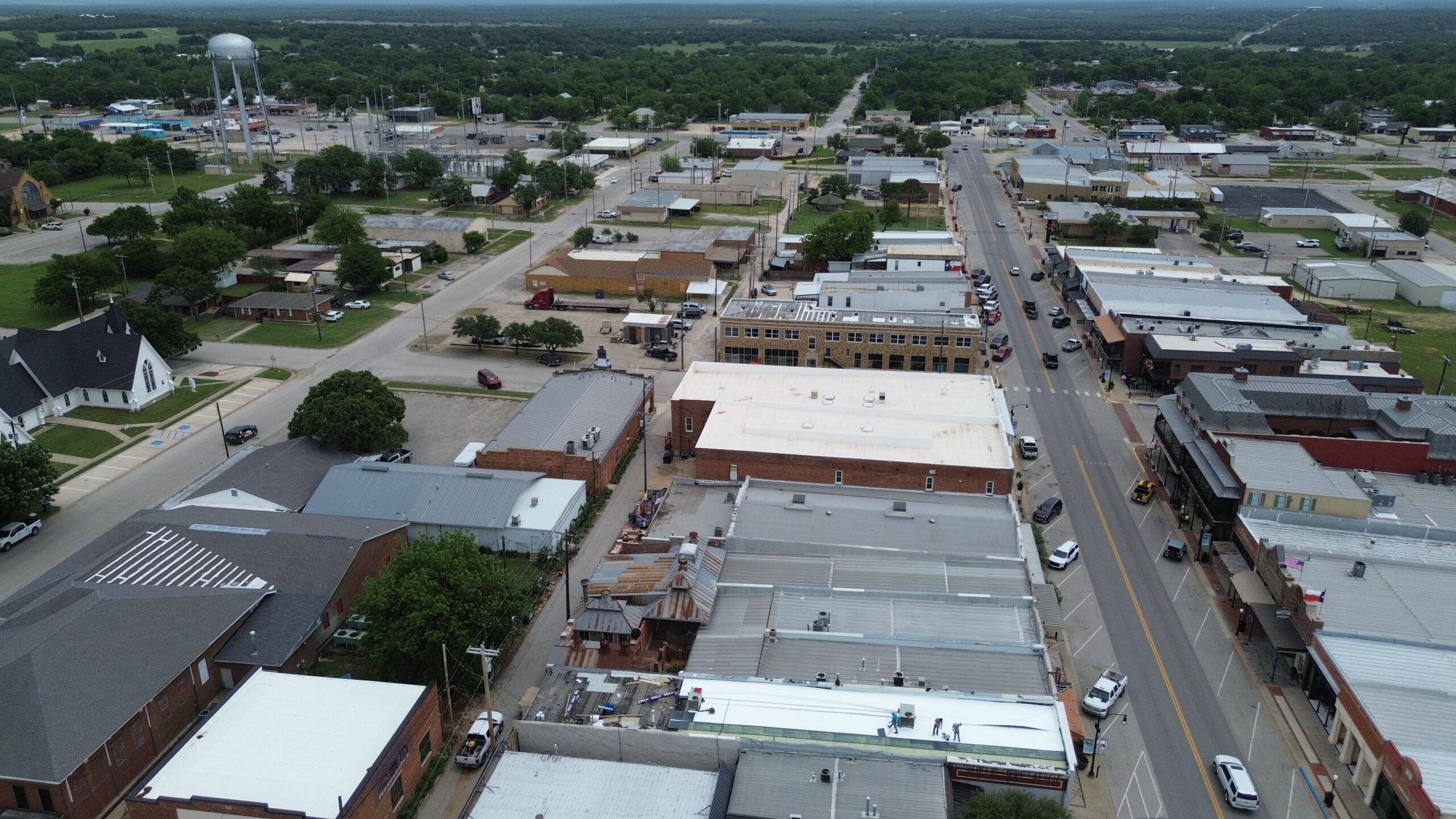
In hot climates, reducing solar heat absorption is often a major priority. Reflective metal roofing, cool asphalt shingles, light-colored tile, and other reflective roofing products can help reduce the amount of heat transferred toward the attic. When combined with adequate insulation and ventilation, these materials can support more comfortable indoor temperatures and potentially reduce cooling demand.
Humid climates require careful attention to moisture management. Roofing materials should be selected for their ability to withstand prolonged exposure to moisture, while underlayment, flashing, ventilation, and drainage should be properly designed. Preventing moisture problems is important because damaged insulation and roof structures can reduce both energy efficiency and the overall service life of the building.
In areas with frequent storms and strong winds, durability becomes an important part of energy efficient roofing. A roof that is repeatedly damaged may require repairs or replacement, creating additional material use and expense. Strong fastening systems, appropriate roof profiles, and weather-resistant materials can help maintain performance over time.
Cold climates create a different set of priorities. Insulation becomes especially important because the roof assembly needs to reduce heat loss from conditioned indoor spaces. Roofing materials should also be selected according to local snow, ice, moisture, and temperature conditions.
Homes in regions with significant temperature variation need roofing systems that can handle repeated expansion and contraction. Materials, fasteners, flashing, and underlayment should all be appropriate for these conditions. Poorly selected components can deteriorate prematurely and reduce the efficiency and reliability of the roof.
Roof orientation also influences energy performance. A roof receiving intense afternoon sunlight may benefit from reflective materials, while shaded roof areas may have different performance characteristics. Trees and nearby structures can influence both solar heat gain and solar energy generation.
Homeowners should therefore avoid selecting roofing materials based only on general energy efficiency claims. Local climate, roof design, building orientation, insulation, and ventilation should all be evaluated before making a final decision.
Maintenance and Long Term Energy Performance
The energy efficiency of a roofing system can change over time if the roof is not properly maintained. Dirt, debris, damaged surfaces, deteriorated coatings, blocked ventilation, and moisture problems can all reduce the effectiveness of the roof assembly. Regular inspections can help homeowners identify these issues before they become expensive problems.
Reflective roofing surfaces may gradually become less effective if they accumulate dirt or biological growth. The degree of impact varies by material and environmental conditions, but keeping the roof reasonably clean can help preserve its intended characteristics.
Metal roofs should be checked for damaged coatings, loose fasteners, corrosion, and problems around seams or penetrations. If a reflective finish deteriorates significantly, the roof may absorb more heat than it originally did. Proper maintenance can help preserve both appearance and performance.
Tile roofs should be inspected for cracked, displaced, or broken tiles. Individual tiles can often be replaced without removing the entire roof, allowing homeowners to maintain the existing system without unnecessary replacement.
Asphalt shingles should be checked for missing granules, curling, cracking, or other signs of deterioration. Reflective granules contribute to the surface characteristics of certain energy efficient shingles, so significant wear may affect performance.
Ventilation systems should also remain functional. Blocked intake or exhaust pathways can interfere with airflow and contribute to excessive attic heat or moisture. Homeowners should have ventilation components inspected when roof maintenance is performed.
Insulation should be checked when there are signs of unusual indoor temperatures or increased energy consumption. Damaged, compressed, or insufficient insulation can reduce the benefits of an energy efficient roofing surface.
Gutters and downspouts are also important because proper drainage protects the roof structure from moisture. Leaves, branches, and other debris should be removed when necessary to maintain effective water flow.
Long term energy performance also depends on timely repairs. A small roof problem can eventually allow moisture into insulation and structural materials, potentially reducing the efficiency of the building and increasing repair costs.
Homeowners should keep records of roofing inspections and repairs. These records can help identify recurring issues and provide useful information when planning future improvements.
A durable and well-maintained roof can remain energy efficient for many years. Maintenance is therefore not simply a cosmetic concern but an important part of preserving the performance and value of an energy efficient roofing system.
Comparing Initial Cost and Long Term Energy Savings
Energy efficient roofing materials can have different initial prices, and homeowners should consider both upfront investment and long term value. A lower-cost roofing material may require more frequent replacement or provide less thermal performance, while a more expensive system may offer greater durability and energy benefits.
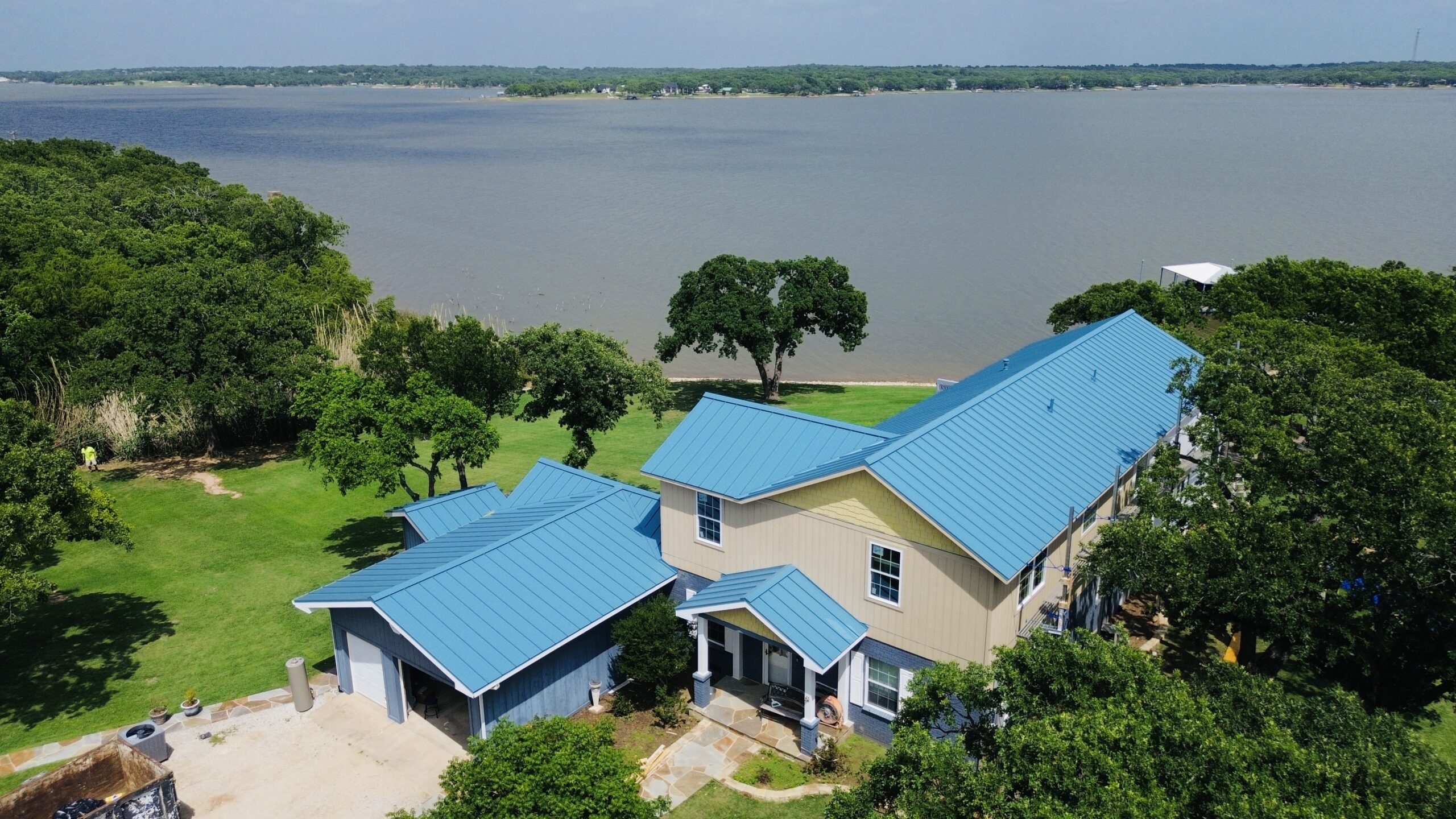
Metal roofing often has a higher initial cost than standard asphalt shingles, but its long service life can make it attractive for homeowners planning to remain in the property for many years. Reflective finishes can provide additional energy performance in suitable climates.
Tile roofing can also require a significant initial investment. Structural preparation may be necessary because clay and concrete tiles are heavier than many other roofing materials. However, their durability and thermal characteristics can contribute to long term value.
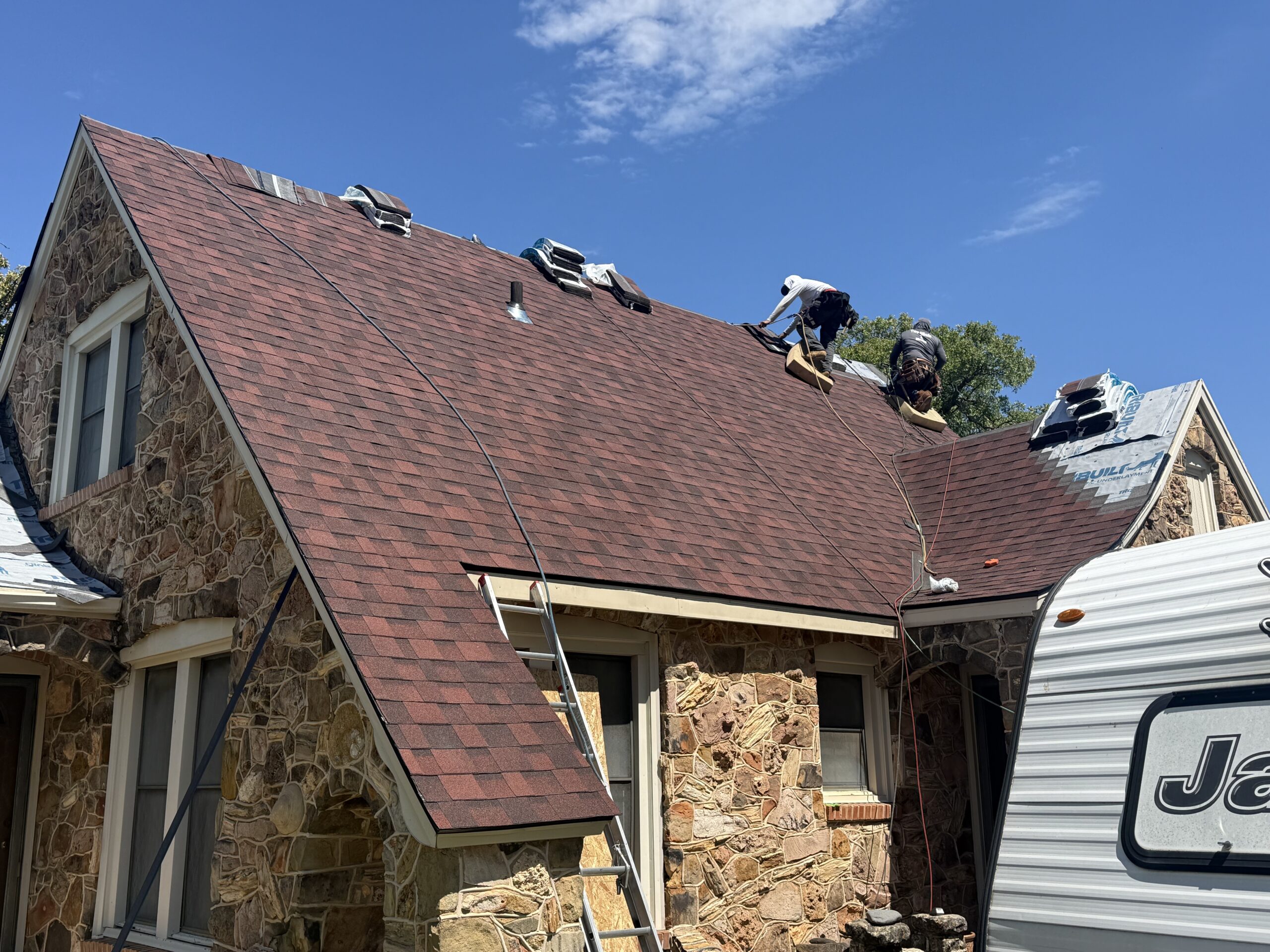
Energy efficient asphalt shingles may offer a more accessible starting point. They can provide improved solar reflectance while retaining many of the familiar installation characteristics of standard asphalt roofing.
Synthetic and composite materials vary widely in price. Some premium products provide long service lives and strong weather resistance, while others focus primarily on appearance or affordability. Product specifications should be reviewed carefully before making a comparison.
Solar roofing requires a different financial evaluation because it can generate electricity in addition to providing roof coverage. The value depends on installation cost, energy production, electricity rates, maintenance, system lifespan, and other local factors.
Energy savings also vary from one property to another. A home with strong insulation and efficient cooling equipment may experience different savings from a reflective roof than a poorly insulated home with high cooling demand.
The cost of improving insulation and ventilation should also be included in the overall project. Sometimes these improvements can provide significant energy benefits without requiring a premium roofing material.
Homeowners should avoid assuming that the most expensive roofing material will automatically produce the greatest energy savings. Performance depends on how the material interacts with the entire building envelope.
A useful comparison should consider material price, installation cost, expected lifespan, maintenance, energy performance, repairability, and future replacement requirements. This broader evaluation can help homeowners identify the roofing system that provides the strongest overall value.
Energy efficiency should be viewed as a long term investment rather than simply an immediate reduction in energy bills. A roof that improves comfort, lasts longer, and requires fewer repairs may provide benefits that extend beyond monthly utility savings.
Common Mistakes When Choosing Energy Efficient Roofing
One common mistake is choosing a roofing material based solely on its color. Light-colored roofs can reflect more sunlight in many cases, but product-specific reflectance and thermal properties are more useful indicators than color alone. Some modern dark roofing products are also designed with reflective technology.
Another mistake is ignoring insulation. A highly reflective roof cannot compensate completely for poor insulation between the attic and living areas. Homeowners should evaluate insulation levels as part of any energy efficiency project.
Poor ventilation is another frequent concern. An attic that cannot manage heat and moisture properly may reduce the overall performance of the roofing assembly. Ventilation should be designed according to the roof and building configuration rather than added without a complete assessment.
Choosing a material that is unsuitable for the local climate can also create long term problems. Roofing products should be selected based on weather exposure, moisture conditions, wind, temperature, and other regional factors.
Homeowners sometimes focus on initial price without considering service life. A cheaper roof that requires early replacement can ultimately cost more and consume more resources than a durable alternative.
Ignoring roof structure can create serious problems with heavier materials such as tile. The building should be evaluated before installation to confirm that it can safely support the complete roofing system.
Another mistake is overlooking flashing and underlayment. These components are essential for moisture protection and can influence how long the roofing system remains functional.
Installing solar equipment on an aging roof is another issue that should be considered carefully. If the underlying roof requires replacement soon, it may be more efficient to address the roofing project before installing solar components.
Homeowners may also assume that an energy efficient material eliminates the need for maintenance. Every roofing system requires appropriate inspection and care to preserve its performance.
Finally, selecting a product without reviewing manufacturer information can create installation problems. Roofing materials have specific requirements for slope, fastening, underlayment, ventilation, and other components.
Avoiding these mistakes can help homeowners get better performance from their roofing investment. A complete evaluation is generally more reliable than choosing a material based on one advertised feature.
Practical Tips for Selecting the Right Roofing Material
Homeowners can make the selection process easier by evaluating the roof and building as a complete system. Start by identifying the local climate, roof orientation, existing insulation, attic ventilation, roof slope, and current roofing condition.
The next step is to determine the primary energy concern. In a hot climate, reducing solar heat gain may be the priority, while in a colder environment, insulation and heat retention may deserve greater attention.
Compare several roofing materials rather than focusing on one product. Consider metal, tile, reflective asphalt shingles, synthetic roofing, and other appropriate options according to durability, energy performance, cost, appearance, and maintenance.
Homeowners should also request product-specific information. Useful details can include solar reflectance, thermal emittance, expected service life, warranty terms, maintenance requirements, and installation specifications.
A professional roof inspection can identify problems that may not be visible from the ground. This is especially important when considering a new roofing material that may have different structural or installation requirements.
Consider the roof’s complete assembly during planning. Insulation, ventilation, underlayment, flashing, drainage, and air sealing can all influence energy performance.
For long term value, consider how easily the material can be repaired. A roofing system that allows individual components to be replaced can help avoid unnecessary full roof replacement.
Homeowners should also consider appearance and architectural compatibility. An energy efficient roof should complement the home’s design while meeting practical performance requirements.
Before signing a roofing contract, make sure the proposal clearly identifies the roofing material and major installation components. It should also explain whether old roofing materials will be removed and how they will be handled.
A qualified contractor can help compare suitable options based on the property’s structure and climate. The final selection should balance energy performance with durability, cost, appearance, maintenance, and long term reliability.
Conclusion
Energy efficient residential roofing can contribute to better indoor comfort, improved building performance, and potentially lower household energy demand. However, the roofing material is only one part of the equation, and the best results come from treating the roof as a complete system.
Reflective asphalt shingles, coated metal roofing, tile, synthetic materials, green roofs, and solar roofing can each provide useful benefits when properly selected. Their effectiveness depends on climate, roof design, insulation, ventilation, orientation, installation quality, and maintenance.
Homeowners should consider both immediate and long term value when comparing roofing options. A durable material that maintains its performance for many years can reduce replacement needs, while proper insulation and ventilation can improve the effectiveness of the entire building envelope.
Climate should remain one of the most important selection factors. Hot regions may benefit from reflective surfaces, while colder environments may require greater attention to insulation, moisture management, and weather resistance.
Maintenance should not be overlooked after installation. Regular inspections, functioning drainage, adequate ventilation, and timely repairs can help preserve energy performance and prevent small problems from becoming expensive structural issues.
The most effective roofing choice is not necessarily the most expensive or the newest product. It is the material and roofing system that match the home’s climate, structure, design, energy goals, and long term maintenance needs.
By comparing roofing materials carefully and considering the complete roof assembly, homeowners can make a practical decision that supports comfort, durability, energy efficiency, and long term value.