
How Roofing Contractors Manage Installation Projects Efficiently
Introduction
A roofing installation project involves much more than placing new roofing materials over a house. It requires careful planning, skilled labor, accurate material management, safety procedures, quality inspections, and consistent communication from the beginning of the project to its completion. Professional roofing contractors use structured project management methods to make sure each stage is completed correctly and efficiently.
Efficient management helps roofing companies avoid unnecessary delays, reduce material waste, control labor costs, and maintain consistent workmanship. It also makes the experience easier for homeowners because they know what is happening, when it is happening, and what to expect throughout the installation process.
A well-managed roofing project usually begins before the first roofing material is removed. Contractors inspect the property, evaluate the existing roof, determine the scope of work, prepare a schedule, order materials, organize their crew, and plan for potential problems. These steps create a foundation for a smoother installation and help prevent avoidable issues once work begins.
Initial Project Assessment and Site Inspection
The first major step in efficient roofing project management is a detailed assessment of the property. Before preparing a final installation plan, contractors need to understand the current condition of the roof and identify anything that could affect the project. A professional inspection gives the contractor an opportunity to evaluate the roof’s age, condition, structure, drainage, ventilation, and existing roofing materials.
During the inspection, contractors look for visible problems such as damaged shingles, missing roofing materials, cracked flashing, deteriorated sealants, sagging areas, exposed fasteners, and signs of water infiltration. They may also inspect the attic or accessible areas underneath the roof to identify moisture, poor ventilation, or damage that cannot be seen from outside.
Accurate measurements are another important part of the assessment. Contractors need to determine the roof’s total area, pitch, number of slopes, valleys, ridges, hips, penetrations, and other features. These measurements help them calculate how much roofing material, underlayment, flashing, fasteners, ventilation components, and other supplies will be required.
The contractor should also evaluate conditions around the property that could influence the installation. Narrow driveways, landscaping, nearby structures, overhead utilities, difficult roof access, and limited areas for material storage can all affect how the crew works. Identifying these challenges before installation allows the contractor to develop practical solutions instead of reacting to them after work has started.
A professional assessment can also include photographs and written documentation of existing conditions. This documentation helps establish the original condition of the property and provides useful information for project planning. It can also make communication easier when contractors need to explain recommended repairs or changes to the homeowner.
Creating a Detailed Roofing Project Plan
Once the initial assessment is complete, the contractor can develop a detailed project plan. This plan provides a roadmap for the entire installation and helps the roofing company coordinate labor, materials, equipment, inspections, and other activities. Without proper planning, even a relatively straightforward roofing replacement can experience unnecessary delays.
The project plan normally begins by defining the exact scope of work. This includes determining whether the project involves a complete roof replacement, a partial replacement, or installation over an existing roofing system where permitted. It may also include related work such as replacing damaged decking, improving ventilation, installing new flashing, or repairing areas around roof penetrations.
The contractor then establishes a realistic schedule for the major stages of the project. Depending on the size and complexity of the roof, the schedule may include material delivery, property preparation, tear-off, deck inspection, repairs, installation, inspections, cleanup, and final walkthrough. Creating these milestones allows the contractor to track progress and identify delays early.
An efficient project plan also assigns responsibilities to members of the roofing team. Crew members need to understand who is responsible for material handling, tear-off, deck preparation, installation, flashing, ventilation, cleanup, and quality checks. Clear responsibilities reduce confusion and help workers move between tasks efficiently.
Weather is another important consideration during scheduling. Roofing work is performed outdoors, so rain, strong winds, extreme temperatures, or other unfavorable conditions can affect the installation. Experienced contractors consider local weather forecasts when planning work and maintain enough flexibility to adjust the schedule when conditions are unsafe or unsuitable for installation.
Material Selection and Procurement
Material management has a direct impact on the efficiency of a roofing installation project. Contractors need to select materials that are appropriate for the property, climate, roof design, and project requirements. Choosing the correct materials at the planning stage reduces the possibility of delays caused by unsuitable or unavailable products.
The contractor first determines the type and quantity of roofing materials required. Depending on the project, this can include asphalt shingles, metal panels, tiles, synthetic roofing materials, underlayment, ice and water protection, flashing, ridge materials, ventilation products, nails, sealants, and other components. Accurate calculations are important because ordering too little can cause delays while ordering excessive quantities can increase waste and storage requirements.
Professional contractors also coordinate material deliveries according to the project schedule. Materials should ideally arrive when the worksite is prepared to receive them and when the crew can use them efficiently. Delivering materials too early can create storage problems, while late deliveries may leave workers waiting for supplies.
When materials arrive, contractors should inspect them before installation. Damaged, incorrect, or incomplete deliveries need to be identified as soon as possible. Checking materials early gives the contractor time to arrange replacements without unnecessarily interrupting the installation.
Good procurement management also helps reduce waste. Roofing projects naturally produce some waste, particularly during cutting and removal, but careful measurement and planning can prevent unnecessary material consumption. Efficient contractors consider the roof layout when ordering materials and organize supplies so workers can access what they need without damaging products.
Preparing the Property and Worksite
Before installation begins, professional roofing contractors prepare the property to create a safe and organized work environment. This stage is important because roofing work can affect areas beyond the roof itself. Falling debris, tools, dust, and removed roofing materials can potentially damage landscaping, vehicles, windows, siding, outdoor equipment, and other property.
Contractors commonly identify areas that require protection before the crew starts working. Tarps, protective coverings, plywood, or other suitable measures may be used to protect landscaping and surfaces around the building. Vehicles and outdoor furniture may need to be moved away from the work area.
Worksite access is also planned in advance. Roofing crews need safe and practical routes for moving materials, tools, and debris. Depending on the property, contractors may use ladders, scaffolding, material lifts, or other equipment to improve access and reduce unnecessary manual handling.
A designated area for materials and equipment helps keep the site organized. Roofing materials should be positioned where they can be accessed efficiently without creating hazards or damaging the property. Tools and equipment should also be stored in a way that reduces clutter and allows workers to move safely around the worksite.
Debris management is another part of preparation. Roofing removal can generate a significant amount of waste, so contractors need a plan for collecting and disposing of old roofing materials. Dump trailers, dumpsters, or other appropriate containers may be positioned at the property before removal begins.
Homeowners can also contribute to efficient preparation by following the contractor’s instructions. They may be asked to keep vehicles away from certain areas, secure outdoor items, provide access to specific parts of the property, or make arrangements for pets and children to remain away from the active work zone.
Establishing Clear Project Communication
Communication is one of the most important elements of successful roofing project management. Even a well-planned installation can become difficult if the contractor, crew, suppliers, and homeowner do not have a clear understanding of the project requirements.
Before work starts, the contractor should explain the planned scope, expected schedule, materials, access requirements, and important project conditions. This gives the homeowner an opportunity to ask questions and clarify details before installation begins.
Communication also needs to continue during the project. If the contractor discovers unexpected damage after removing the existing roof, the homeowner should be informed before additional work is performed when possible. Explaining the issue, its potential effect, and the recommended solution helps prevent confusion later.
For larger projects, contractors may use written schedules, daily progress updates, photographs, project management software, or other documentation methods. These tools help keep information organized and make it easier to track what has been completed and what remains.
Clear communication is particularly important when changes become necessary. A roofing project may need adjustments because of hidden structural damage, weather conditions, material availability, or other circumstances. Discussing these changes promptly allows decisions to be made without unnecessarily stopping the entire project.
Preparing for Installation Challenges
Efficient roofing contractors understand that every property is different. A standard installation process may need to be adjusted depending on roof design, building condition, material type, weather, and access limitations. Planning for potential challenges allows contractors to respond without losing control of the project.
For example, an older roof may contain damaged decking that cannot be identified accurately until the existing roofing materials are removed. If the contractor has already considered this possibility, the crew can inspect the exposed deck and determine the appropriate repair before installing the new roof.
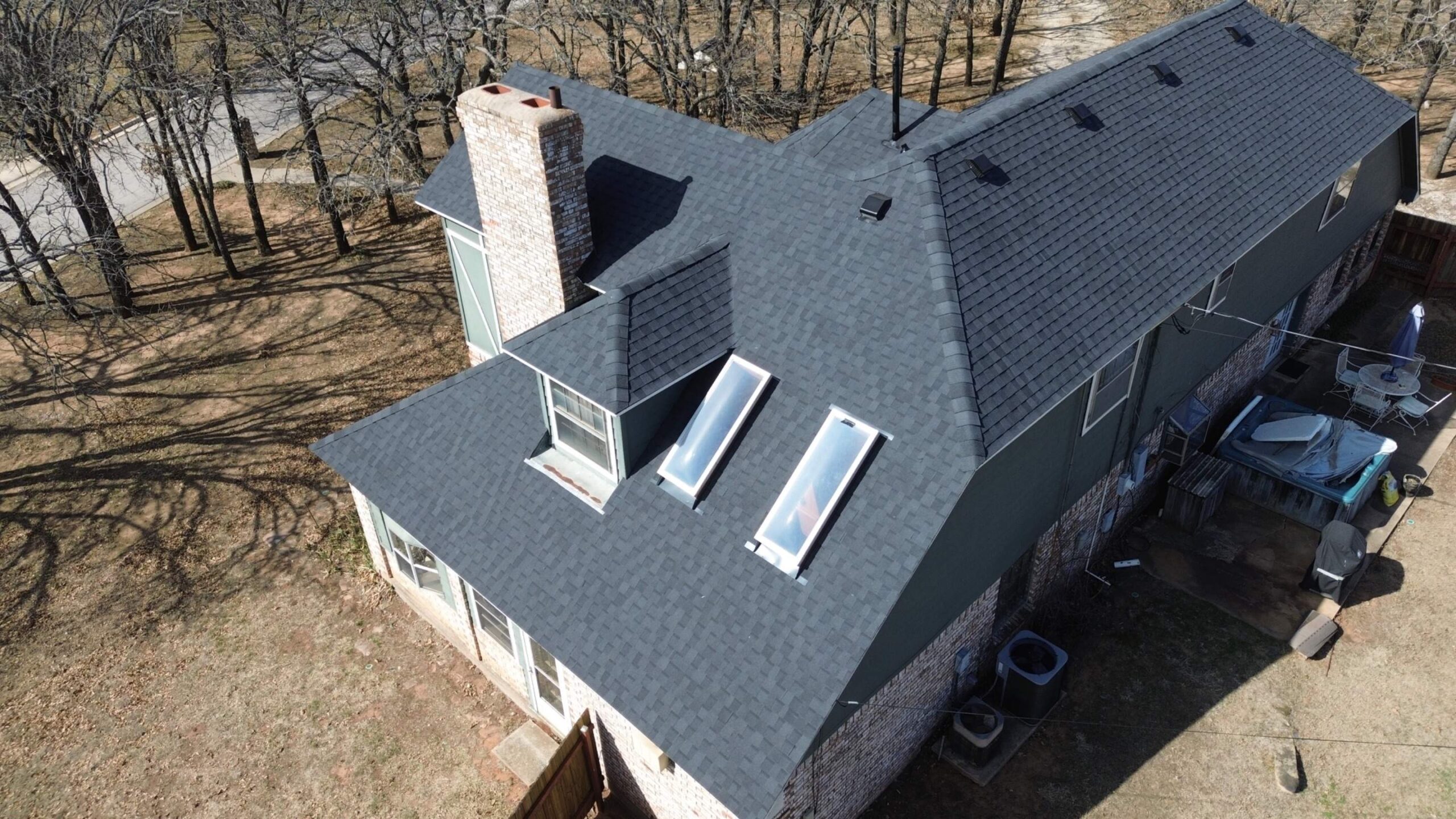
Roof complexity can create other challenges. Multiple roof slopes, valleys, dormers, skylights, chimneys, vents, and other penetrations require additional planning and careful installation. These areas often require precise flashing and sealing because they can become vulnerable points for water intrusion if they are installed incorrectly.
Material availability can also affect a project. Professional contractors reduce this risk by ordering materials in advance and confirming delivery details before the scheduled installation. Maintaining communication with suppliers helps identify potential shortages or delays early enough to make alternative arrangements.
Efficient project management does not mean that every project will proceed without unexpected problems. Instead, it means the contractor has systems in place to identify problems quickly, communicate them clearly, and make appropriate adjustments while keeping the overall project organized.
Establishing a Reliable Daily Workflow
Once preparation is complete, contractors organize the daily workflow so the crew can work efficiently. A productive roofing crew needs to know what tasks should be completed each day and how those tasks connect to the next stage of the project.
The workday may begin with a short review of the planned activities, safety requirements, weather conditions, and material availability. Crew members can then move into their assigned tasks without spending unnecessary time determining what needs to be done.
An organized workflow also reduces repeated movement around the property. Materials, tools, and equipment can be positioned strategically so workers have convenient access to them. This saves time and reduces unnecessary handling, which can improve both productivity and safety.
Supervision plays an important role throughout the process. A project manager, foreman, or experienced crew leader can monitor progress, answer questions, coordinate workers, and identify issues that need attention. Regular oversight helps ensure that productivity does not come at the expense of installation quality.
The goal is not simply to complete the roof as quickly as possible. Efficient roofing management balances speed with safety, workmanship, material handling, communication, and quality control. A project that finishes quickly but develops installation problems later is not truly efficient.
Building a Strong Foundation for the Installation
The most efficient roofing projects are usually the result of preparation rather than rushed work. A contractor who carefully evaluates the property, develops a realistic plan, coordinates materials, prepares the site, and communicates with everyone involved creates better conditions for successful installation.
These early management steps also make it easier to control the stages that follow. When the crew arrives with the correct materials, equipment, instructions, and schedule, workers can focus on performing the installation correctly instead of solving preventable logistical problems.
Professional project management therefore begins long before the first new shingle, panel, or tile is installed. By establishing an organized process from the assessment stage onward, roofing contractors can create a smoother workflow that supports quality workmanship, safer operations, and more predictable project completion.
Coordinating the Roofing Crew
Once the project plan is established and the worksite is ready, efficient contractors focus on coordinating the roofing crew. A roofing installation often involves several workers performing different tasks at the same time, so clear coordination is necessary to keep the project moving without creating confusion or unnecessary delays.
The crew leader or project supervisor typically assigns responsibilities based on each worker’s experience and the requirements of the project. One group may handle tear-off and debris removal while others prepare the roof deck, install underlayment, complete flashing, or begin installing the new roofing material. Clear assignments help workers understand their responsibilities while allowing different stages of the project to progress efficiently.
Communication between crew members is equally important. Workers need to communicate when materials are needed, when an area is ready for the next stage, or when they discover a problem that could affect installation. A well-coordinated crew can respond quickly to these situations instead of allowing a small issue to interrupt the entire workflow.
Supervision also helps maintain consistent productivity. The person responsible for overseeing the crew can monitor progress throughout the day and make adjustments when certain tasks take longer than expected. This allows resources to be redirected when necessary while keeping the project aligned with its overall schedule.
Managing the Installation Process
The actual roofing installation is usually divided into several connected stages. Each stage must be completed properly before the next one can proceed because mistakes in an early stage can affect the performance of the entire roofing system. Professional contractors therefore treat installation as a sequence of controlled activities rather than one large task.
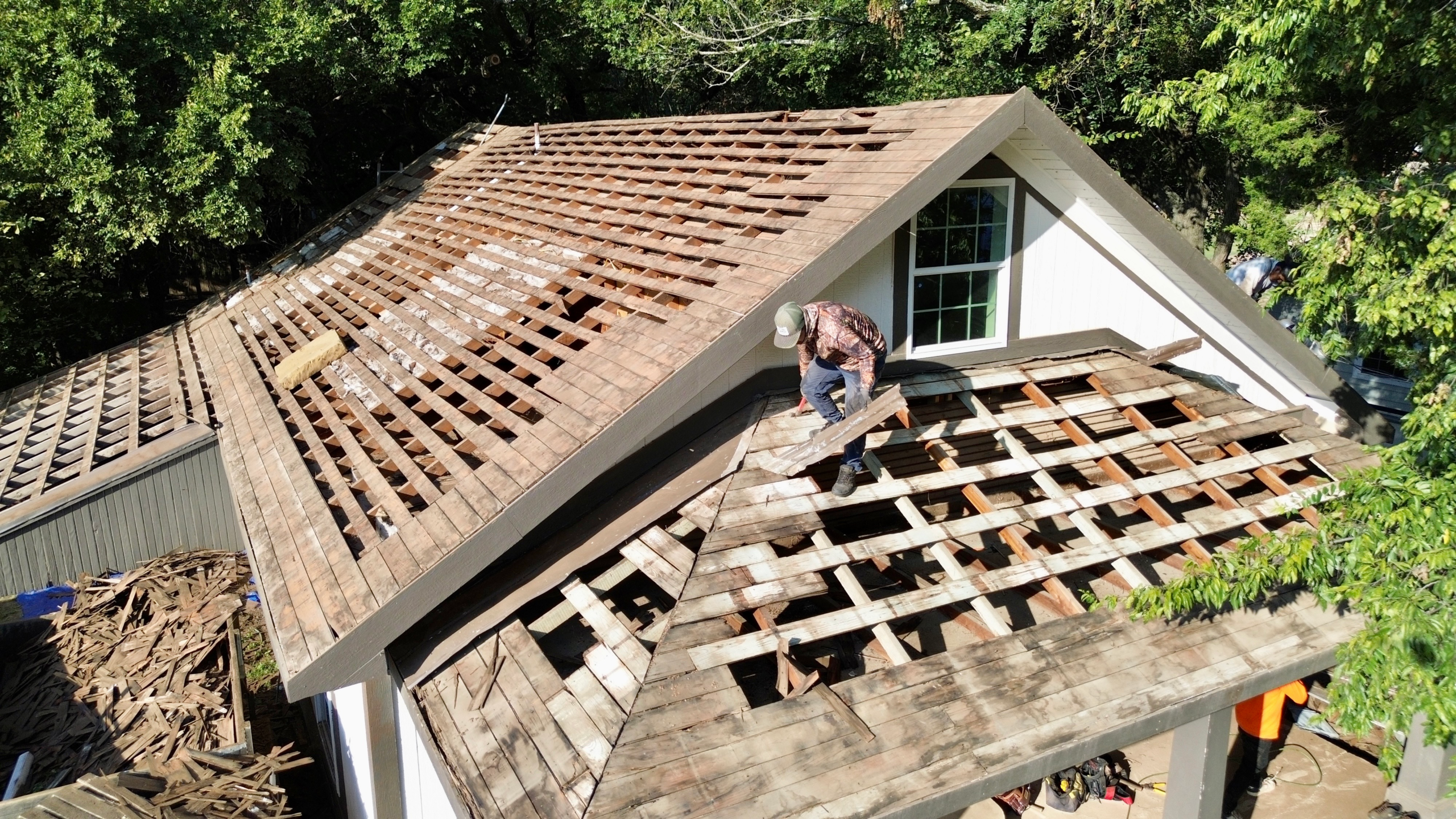
The process may begin with removing the existing roofing materials when a replacement requires tear-off. Workers carefully remove old shingles, panels, underlayment, flashing, and other components while managing debris around the property. During removal, the exposed roof structure becomes easier to inspect for damage that was hidden beneath the old roofing system.
After the old materials are removed, contractors inspect the roof deck. Damaged, weakened, or deteriorated sections may need to be repaired or replaced before new roofing materials are installed. Completing these repairs at this stage gives the new roof a stronger and more reliable surface.
The next stages involve installing the protective components that form part of the roofing system. Depending on the roof design and material, these may include underlayment, water-resistant membranes, flashing, drip edges, ventilation components, and other required materials. Each component has a specific purpose, and proper sequencing helps prevent water infiltration and other performance problems.
The final roofing material is then installed according to the project’s specifications and applicable manufacturer requirements. Contractors pay attention to alignment, fastening, spacing, overlaps, cuts, and other installation details. Consistency is especially important because small errors repeated across a large roof can eventually affect durability and appearance.
Maintaining Installation Quality
Efficient project management does not mean completing the installation as quickly as possible. Quality must remain part of the workflow from the beginning because correcting installation mistakes after the roof is finished can be expensive and disruptive. Professional contractors incorporate quality checks throughout the project instead of waiting until the final day.
One effective approach is to inspect completed areas before covering them with subsequent materials. For example, the contractor can check the roof deck, underlayment, flashing, and ventilation components before the next stage begins. This makes it easier to identify problems while they are still accessible.
Contractors also check whether roofing materials are being installed consistently across the roof. Uneven alignment, incorrect fastening, damaged materials, poorly positioned flashing, or inadequate sealing can create future problems if they are not corrected during installation.
Manufacturer instructions are another important part of quality control. Different roofing products can have specific requirements for installation, fastening, spacing, ventilation, and compatible components. Following these requirements helps contractors maintain the intended performance of the roofing system and can also be important for applicable warranty conditions.
A practical quality control process can focus on several areas:
- Proper material placement and alignment
- Correct fastening and secure attachment
- Proper installation around roof penetrations
- Correct flashing and water-shedding details
- Adequate ventilation and drainage
- Clean and professional finishing work
Quality inspections are most effective when they are performed consistently rather than only when a problem becomes visible. Regular checks allow contractors to correct issues before they become more difficult to access or expensive to repair.
Using Checkpoints During Installation
Roofing contractors can improve project efficiency by establishing checkpoints throughout the installation. These checkpoints create natural opportunities for the supervisor to review completed work before the crew moves forward. This approach reduces the chance of carrying an unnoticed mistake into later stages.
For example, after the roof deck is prepared, the contractor can verify that damaged sections have been addressed and that the surface is suitable for the next installation stage. After underlayment is installed, the supervisor can check coverage, overlaps, fastening, and transitions before the final roofing material covers it.
Flashing areas deserve particular attention because they are common locations where water can enter if installation details are incorrect. Contractors inspect areas around chimneys, skylights, walls, valleys, vents, and other penetrations to make sure the appropriate components are correctly positioned and sealed.
These checkpoints also help project managers measure progress. Instead of relying only on the number of hours worked, they can determine how much of the project has been completed correctly. This provides a more useful picture of productivity because completed work must meet quality expectations before it can truly be considered progress.
Safety and Risk Management
Safety is another major part of efficient roofing project management. Roofing involves working at heights, handling heavy materials, using tools and equipment, and moving around an active construction area. Poor safety management can cause injuries, property damage, delays, and additional project costs.
Before work begins, contractors should identify hazards associated with the property and the planned installation. Roof pitch, access points, electrical hazards, weather conditions, fragile surfaces, and ground-level obstacles can all affect how workers safely perform their tasks.
Fall protection is particularly important because roofing crews regularly work above ground level. Contractors use appropriate safety practices and equipment based on the work environment and applicable requirements. Ladders, scaffolding, roof access systems, and other equipment should be positioned and used appropriately.
Workers also need to manage tools and materials carefully. Loose tools, unsecured materials, and debris can create hazards for both workers and people on the ground. Keeping the work area organized reduces the possibility of accidents while also making the installation process more efficient.
Weather conditions must be considered throughout the workday. Strong winds can make handling roofing materials difficult, while rain can create slippery surfaces and affect certain installation procedures. Extreme heat can also affect worker safety and productivity, so experienced contractors may adjust work schedules when necessary.
A strong safety culture protects more than the workers. It also helps prevent project interruptions and property damage. When safety procedures are built into the daily workflow, the crew can work with greater confidence and fewer avoidable disruptions.
Keeping the Project on Schedule
Maintaining the planned schedule requires continuous monitoring rather than simply setting a start and completion date. Contractors need to compare actual progress with planned milestones and determine whether the project is moving at the expected pace.
Daily progress checks help identify delays early. If a particular installation stage takes longer than expected, the contractor can determine whether additional workers, materials, equipment, or schedule adjustments are needed. Addressing the problem early is generally easier than trying to recover several days of lost time near the end of the project.
Weather is one of the most common causes of schedule changes. Because roofing installation takes place outdoors, contractors cannot always control interruptions caused by rain, storms, strong winds, or unsuitable temperatures. A professional contractor communicates these changes clearly rather than continuing work under unsafe conditions simply to maintain the original schedule.
Material deliveries can also affect timing. Contractors reduce this risk by confirming delivery dates and ensuring materials are available before the crew reaches the relevant installation stage. If a supplier reports a delay, the contractor can review the schedule and determine whether other work can proceed while waiting.
Efficient scheduling also means understanding which tasks depend on others. A roof deck repair must generally be completed before the next layer can be installed, while certain finishing activities cannot occur until the main roofing material is in place. Managing these dependencies helps prevent workers from being left without productive tasks.
Communicating With Homeowners
Homeowner communication remains important throughout the installation rather than ending after the initial estimate. A homeowner wants to know whether the project is progressing as expected, whether unexpected issues have been discovered, and whether anything requires their attention.
Professional contractors can provide updates at important milestones. These may include the start of tear-off, completion of roof deck preparation, beginning of new material installation, completion of major sections, and final inspection. The exact communication method can vary, but the objective is to keep the homeowner informed without overwhelming them with unnecessary details.
Unexpected conditions require especially careful communication. If hidden damage is discovered beneath the existing roofing materials, the contractor should explain what was found and why additional work may be necessary. Photographs or other documentation can make these explanations easier to understand and help the homeowner make an informed decision.
Changes to the schedule should also be communicated promptly. A delay caused by weather, material availability, or an unexpected repair can affect the homeowner’s plans, so providing information early gives them an opportunity to adjust their expectations.
Clear communication also prevents assumptions. When homeowners understand what the contractor has planned, they are less likely to misunderstand the scope of work or expect services that were not included in the original agreement. Written documentation can provide an additional reference when project details need to be reviewed.
Managing Subcontractors and Specialized Work
Some roofing projects require specialized services that may involve subcontractors or additional trades. Skylight work, ventilation improvements, structural repairs, electrical adjustments, or other related tasks may require coordination beyond the primary roofing crew.
The main contractor is responsible for ensuring that these activities fit into the overall project schedule. If a specialized worker needs to complete a task before roofing can continue, that dependency should be identified during planning rather than discovered unexpectedly during installation.
Communication between the primary crew and subcontractors is particularly important when work overlaps. Each party needs to understand what has already been completed, what remains unfinished, and which areas must remain accessible. Poor coordination can result in repeated work, damaged components, or unnecessary delays.
A well-managed project gives each trade enough information and time to complete its responsibilities properly. This coordination contributes to a smoother installation because the roofing contractor can integrate specialized work into the broader project instead of treating it as a separate activity.
Maintaining an Organized Worksite
An organized worksite contributes directly to productivity and safety. Roofing projects involve large quantities of materials, tools, removed roofing components, packaging, and equipment, so poor organization can quickly create unnecessary obstacles.
Contractors can improve efficiency by keeping materials grouped according to their intended use and removing debris regularly. Workers should be able to locate tools and supplies without spending excessive time searching or moving unnecessary items.
End-of-day cleanup is also useful when a project continues across several days. Materials should be secured, tools should be stored appropriately, and debris should be collected from accessible areas. This leaves the property in a safer condition and makes it easier for the crew to begin work efficiently the following day.
Maintaining an organized site also gives the homeowner greater confidence in the contractor’s professionalism. A clean and controlled work environment demonstrates that the contractor is managing the project rather than simply reacting to whatever happens during the installation.
Tracking Progress and Adjusting the Workflow
Throughout the installation, contractors monitor whether the project is meeting its planned objectives for time, quality, labor, and materials. Progress tracking helps the project manager determine whether the original plan remains realistic or needs adjustment.
If one stage progresses faster than expected, resources may be moved toward another activity. If a task encounters an unexpected problem, the contractor can adjust the sequence of work where possible instead of allowing the entire crew to stop.
This flexibility is an important characteristic of efficient roofing management. A strong project plan provides structure, but professional contractors also understand that real construction projects rarely follow a perfectly predictable path.
By combining planning with continuous monitoring, contractors can maintain control even when conditions change. This approach allows the installation to continue toward completion while preserving the quality, safety, and organization established at the beginning of the project.
Managing Unexpected Roofing Problems
Even carefully planned roofing projects can encounter unexpected problems once installation begins. Existing roofs often contain conditions that cannot be fully identified until the old materials are removed, including deteriorated decking, hidden moisture damage, inadequate previous repairs, or poorly installed flashing. Experienced roofing contractors prepare for these possibilities instead of assuming that every project will proceed exactly according to the original estimate.
When an unexpected issue is discovered, the contractor first evaluates its severity and determines whether it affects the safety or performance of the new roofing system. Minor issues may be handled within the existing workflow, while more significant problems may require additional materials, labor, or specialized repairs. The important point is that the issue should be addressed before it becomes covered by the new roof.
Clear communication is especially important when unexpected work affects the project’s cost or schedule. The contractor should explain what was discovered, why the work is necessary, and how the proposed solution will affect the project. This gives the homeowner an opportunity to understand the situation and approve any additional work before it proceeds.
Weather can create another type of unexpected challenge. Sudden rain, strong winds, or unsuitable conditions may require the crew to pause installation and protect the exposed roof. Professional contractors plan temporary protection measures so that an unexpected weather event does not unnecessarily compromise the building or materials.
Managing Roof Deck Damage
The roof deck provides the structural surface beneath many roofing systems, making its condition an important part of installation quality. A roof can appear acceptable from the outside while still having damaged decking underneath the existing roofing materials. This is why professional contractors inspect the deck after removal rather than assuming that it is suitable for the new roof.
Water infiltration is one possible cause of deck deterioration. Long-term moisture exposure can weaken wood or other decking materials and may create areas that are unsuitable for supporting new roofing materials. Damaged sections generally need to be evaluated and addressed before installation continues.
Efficient contractors manage deck repairs as part of the overall workflow. The crew can identify damaged areas, determine the required replacement materials, complete the repair, and then continue with the planned roofing installation. Having a process for these situations helps prevent the discovery from bringing the entire project to an uncontrolled halt.
Documenting the condition of damaged decking can also improve communication. Photographs can help explain why additional work is required and provide a record of the condition that was found during the project. This creates greater transparency between the contractor and homeowner.
Cost and Budget Management
Efficient roofing project management also requires careful control of costs. A contractor needs to account for materials, labor, equipment, disposal, transportation, preparation, and potential repair work when developing a project budget. Accurate planning helps reduce the possibility of unexpected expenses caused by poor organization.
Material calculations have a significant influence on cost control. Ordering too much material can increase waste and storage requirements, while ordering too little can lead to additional delivery charges or project delays. Contractors therefore use measurements and project specifications to estimate quantities as accurately as possible.
Labor management is equally important. A crew that is too small may take unnecessarily long to complete the project, while a crew that is larger than necessary can increase labor costs without providing meaningful productivity improvements. Efficient contractors match crew size to the scope and complexity of the work.
Unexpected repairs require careful financial communication. When additional work becomes necessary, the contractor should distinguish between the original scope and the newly identified work. This makes it easier for the homeowner to understand why the project cost has changed and prevents confusion about what was included in the initial agreement.
Good budget management is not simply about minimizing spending. The objective is to use resources responsibly while maintaining the quality and safety of the roofing system. Cutting necessary materials, skipping important preparation, or rushing skilled work to reduce costs can create larger expenses later.
Managing Material Waste
Roofing projects naturally produce some waste because materials must often be cut to fit valleys, edges, penetrations, ridges, hips, and other areas. However, careful planning can reduce unnecessary waste and improve the overall efficiency of the project.
Contractors use accurate measurements and roof plans to estimate material requirements before ordering. They also organize materials according to the sequence in which they will be used. This reduces unnecessary movement and lowers the risk of materials being damaged during handling.
Removed roofing materials also need to be managed efficiently. Old shingles, underlayment, flashing, damaged decking, and other debris should be collected systematically rather than being allowed to accumulate across the property. Organized disposal keeps the site safer and makes final cleanup easier.
Efficient waste management benefits both the contractor and homeowner. It can reduce unnecessary disposal costs, improve worksite organization, and leave the property in better condition after installation. It also demonstrates that the contractor is managing the project as a complete process rather than focusing only on the installation itself.
Final Inspection and Quality Assurance
As the installation approaches completion, the contractor begins a detailed final inspection. This is different from the routine quality checks performed during installation because the completed roofing system now needs to be reviewed as a whole.
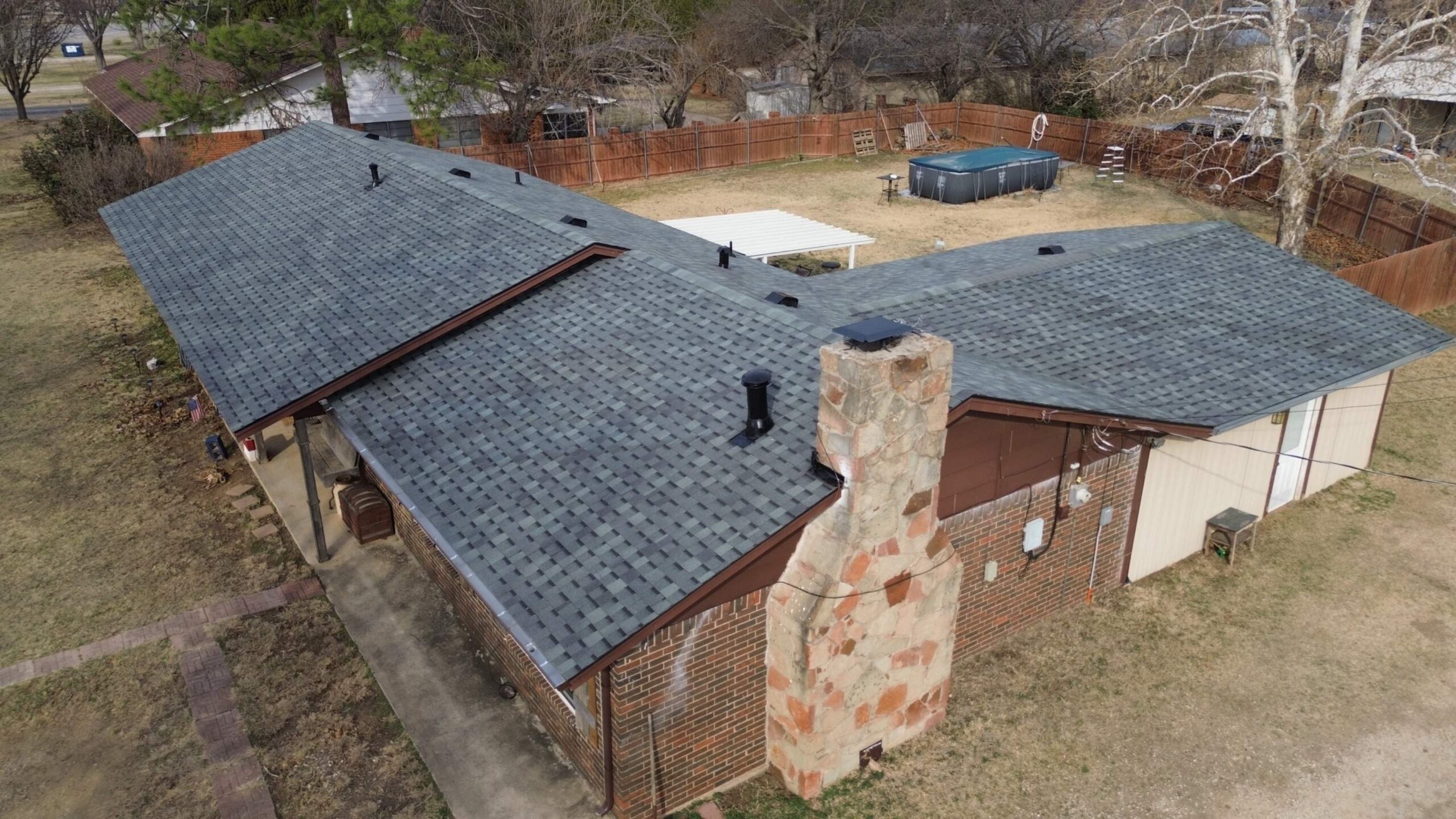
The final inspection typically includes checking visible roofing materials, flashing, roof edges, valleys, penetrations, ventilation components, and other important areas. Contractors look for loose materials, inconsistent installation, exposed fasteners where they should not be visible, incomplete sealing, damaged components, or other issues that need correction.
The inspection should also include areas around chimneys, vents, skylights, walls, and other roof penetrations. These locations require careful detailing because they involve transitions between different surfaces and can become vulnerable to water intrusion if installation is incomplete.
A professional contractor should correct identified deficiencies before considering the project complete. Addressing these issues immediately is more efficient than waiting for the homeowner to discover them later or returning after the crew has already left the property.
Final quality assurance also provides an opportunity to verify that the completed work matches the agreed project scope. The contractor can compare the finished installation with project documentation and confirm that required components and approved changes have been addressed.
Completing the Cleanup Process
Roofing installation is not finished simply because the new roof has been installed. Cleanup is an important part of project completion because roofing work can leave behind packaging, material scraps, nails, old roofing debris, and other construction waste.
Professional crews clean the work area systematically and inspect accessible areas around the building. Ground-level cleanup is particularly important because small pieces of roofing material or fasteners can remain hidden around landscaping, driveways, walkways, and other areas.
The contractor should also remove temporary protective materials and return movable property to an appropriate condition. Landscaping and exterior surfaces should be checked for obvious damage or debris, while equipment and unused materials should be removed from the site.
A clean final worksite gives the homeowner a clear sense that the project has been completed. It also demonstrates attention to detail and reinforces the overall professionalism of the roofing company.
Conducting the Final Homeowner Walkthrough
A final walkthrough allows the contractor and homeowner to review the completed project together. This provides an opportunity to discuss the work performed, identify any remaining questions, and explain important maintenance or warranty information.
During the walkthrough, the contractor can point out major features of the completed roofing system. This may include new ventilation components, flashing areas, drainage features, roof penetrations, or other elements that the homeowner may not easily recognize from the ground.
The homeowner can also raise concerns during this stage. If something appears incomplete or different from what was expected, discussing it before the project is formally closed makes it easier to resolve. Professional contractors should encourage reasonable questions rather than treating the final walkthrough as a formality.
Documentation can also be reviewed during the walkthrough. Depending on the project, this may include warranties, invoices, material information, maintenance recommendations, inspection records, photographs, or other relevant documents.
Project Documentation and Warranty Management
Documentation is an important but sometimes overlooked part of efficient roofing project management. Keeping accurate records helps contractors and homeowners understand what work was performed and what materials were used.
A complete project file may include the original scope of work, measurements, material selections, change approvals, photographs, inspection notes, invoices, and warranty information. These records can be useful if questions arise after the installation has been completed.
Warranty information should be explained clearly rather than simply handed to the homeowner. Different components of a roofing system may have different warranty terms and requirements, so homeowners should understand which protections apply to materials and which relate to installation workmanship.
Contractors can also explain maintenance practices that support the long-term performance of the roof. Regular inspections, proper drainage, ventilation, and timely attention to minor issues can help prevent small problems from developing into larger repairs.
How Technology Improves Roofing Project Management
Modern roofing contractors can use technology to improve several parts of the installation process. Digital measurement tools, project management platforms, scheduling applications, communication systems, and photographic documentation can make it easier to organize information and coordinate activities.
Digital project records can help contractors keep estimates, schedules, material information, photographs, and communication in one organized location. This reduces the need to rely on scattered notes and makes it easier to retrieve project details when questions arise.
Photographs are particularly useful during roofing projects. Contractors can document existing conditions, hidden damage, installation stages, and completed work. Visual records can improve communication with homeowners and provide useful documentation for the contractor’s internal quality control process.
Scheduling technology can also help coordinate crews and material deliveries. When project information is updated promptly, managers can see whether work is progressing as planned and make adjustments when necessary.
Technology does not replace skilled workers or professional judgment, but it can make the management process more organized. The most effective contractors combine technology with experienced supervision, clear communication, and proven installation practices.
What Makes a Roofing Installation Project Truly Efficient
Efficiency in roofing should be measured by more than how quickly the crew finishes the job. A successful project balances time, cost, safety, workmanship, communication, and long-term performance. Completing a roof quickly while overlooking important installation details does not represent effective project management.
The strongest roofing projects usually share several characteristics:
- A clearly defined scope of work
- Accurate material and labor planning
- Organized crew coordination
- Regular quality inspections
- Strong safety procedures
- Consistent communication
- Proper handling of unexpected problems
- Thorough cleanup and final documentation
These elements work together rather than functioning as separate activities. Good planning supports better scheduling, better scheduling improves crew coordination, and strong coordination makes it easier to maintain quality. When these areas are managed together, contractors can deliver a more predictable and professional installation experience.
How Homeowners Can Support an Efficient Roofing Project
Homeowners also have a role in keeping a roofing installation organized. Providing timely access to the property, responding to questions, and making project decisions when needed can help prevent avoidable delays.
Before installation begins, homeowners should review the project scope and understand what work is included. They should also ask questions about materials, expected timing, preparation requirements, cleanup, and warranty information if any details are unclear.
During the project, homeowners should communicate concerns as soon as they notice them rather than waiting until the final walkthrough. Early communication gives the contractor a better opportunity to investigate and resolve an issue while the relevant area is still accessible.
Homeowners should also follow reasonable worksite safety instructions. Keeping children, pets, vehicles, and unnecessary personal belongings away from active construction areas helps protect everyone and allows the roofing crew to work more efficiently.
The Long-Term Value of Professional Project Management
Effective roofing project management has benefits that continue after the crew leaves the property. When installation is properly planned, supervised, inspected, and documented, the homeowner receives more than a new roof. They receive a roofing system that has been installed through a controlled process designed to support durability and reliable performance.
Careful management also reduces the likelihood of avoidable installation mistakes. Problems involving incorrect fastening, poor flashing, inadequate preparation, improper material handling, or incomplete cleanup can often be prevented when contractors maintain strong procedures throughout the project.
The value of professional management becomes especially clear when unexpected conditions appear. A contractor with an organized process can identify the problem, communicate the necessary changes, manage the additional work, and continue the project without losing sight of quality or safety.
Conclusion
Roofing installation projects involve many interconnected tasks, and efficient management is what keeps those tasks moving in the right direction. From the first property assessment to material procurement, crew coordination, installation, quality control, safety management, scheduling, communication, and final cleanup, every stage contributes to the overall success of the project.
Professional roofing contractors understand that efficiency is not simply about finishing a roof in the shortest possible time. True efficiency means using labor, materials, equipment, and time responsibly while maintaining safe working conditions and high installation standards. A well-managed project minimizes avoidable delays, controls unnecessary costs, and gives the homeowner greater confidence throughout the process.
Planning also allows contractors to respond more effectively when unexpected problems occur. Hidden roof damage, weather interruptions, material delays, or complicated roof features can change the original plan, but an experienced contractor can evaluate these challenges and adjust the workflow without compromising important installation requirements.
Communication remains one of the strongest foundations of successful project management. When contractors keep homeowners, crew members, suppliers, and other involved parties informed, decisions can be made faster and misunderstandings can be reduced. Clear communication also helps ensure that changes are properly understood and documented.
Quality control is equally important because a roofing project should be judged by its long-term performance rather than simply its completion date. Regular inspections during installation and a thorough final review help identify problems before they become costly future repairs.
Ultimately, homeowners benefit when they choose roofing contractors who manage installation projects as carefully as they perform the physical roofing work. A contractor who combines detailed planning, skilled supervision, organized materials, safe work practices, consistent inspections, and transparent communication is better positioned to deliver a roofing project that is efficient from beginning to end and built to provide dependable protection for years to come.